
1. Foundation Slab Construction
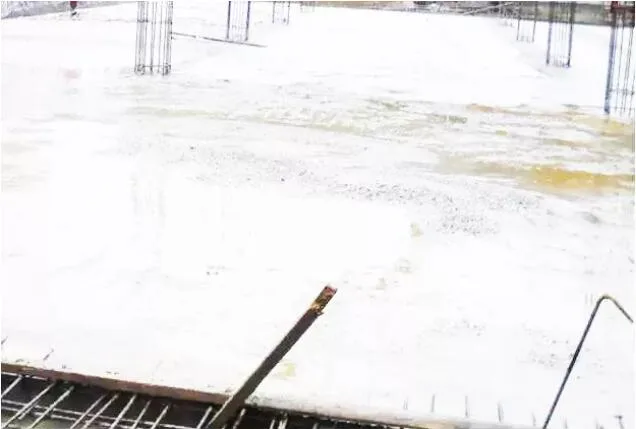
The foundation slab is constructed using traditional methods. However, it requires strict adherence to the precise size and positioning of the reserved vertical steel bars within the walls.
2. Inspection and Adjustment of Reserved Reinforcing Bars
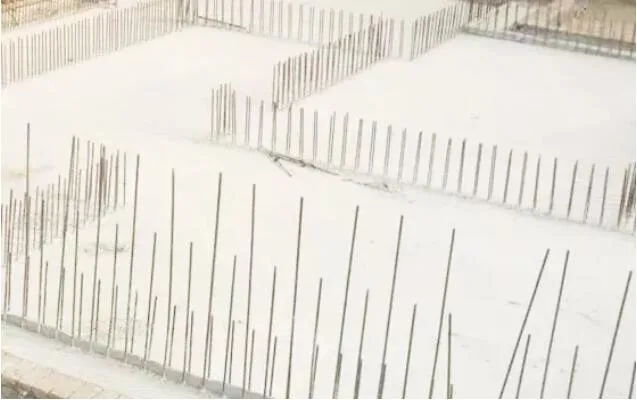
Once the foundation base slab is complete, the reserved vertical steel bars for the walls should be thoroughly inspected and adjusted before hoisting the wall panels.
3. Placement of Elevation Control Cushion Blocks
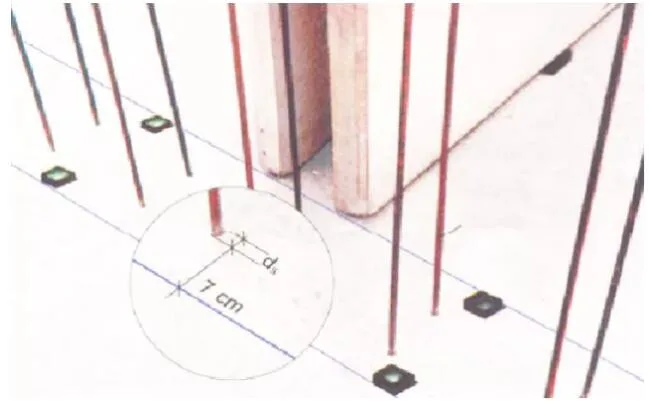
Before hoisting the wall panels, measure the foundation surface of the bottom plate and place horizontal elevation control pads beneath each wall panel to ensure proper alignment.
4. Hoisting of Stacked Wall Panels
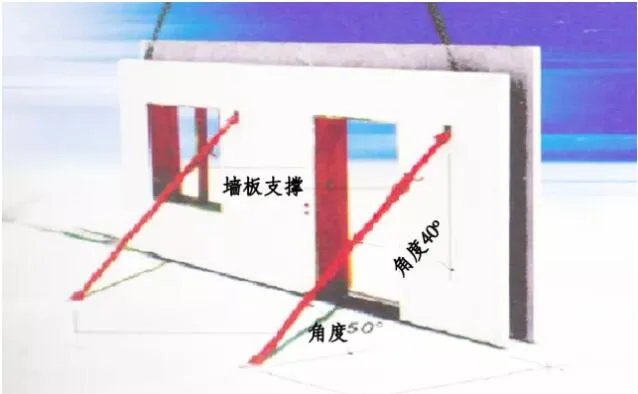
Lift the stacked wall panels carefully as per the specifications. Secure and adjust each panel using two diagonal supports for stability.
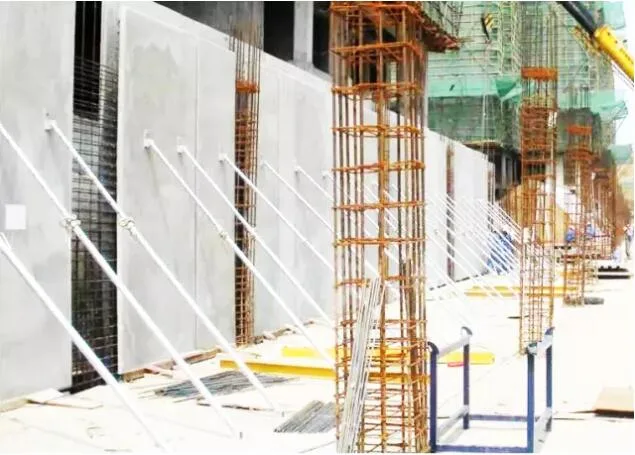
Perform the lifting of laminated wall panels in sections according to the pre-established plan, minimizing crane and tool movements for efficiency.
5. Bottom and Joint Treatment of Prefabricated Wall Panels
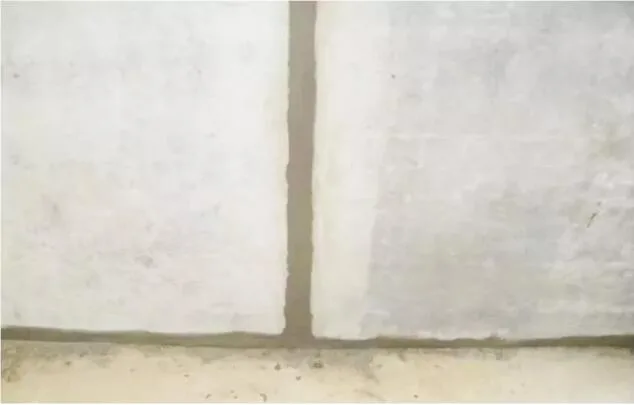
After hoisting, construction workers carry out joint treatment using either joint mortar or wooden strips to ensure proper sealing and alignment.
6. Construction of Cast-In-Place Frame Columns
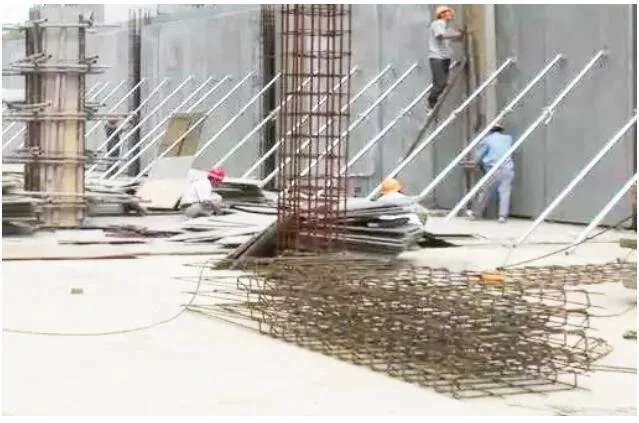
Once the laminated wall panels are installed, cast-in-place frame columns are constructed. This includes steel reinforcement tying, formwork setup, concrete pouring, and formwork removal.
7. Construction of Cast-In-Place Frame Beams
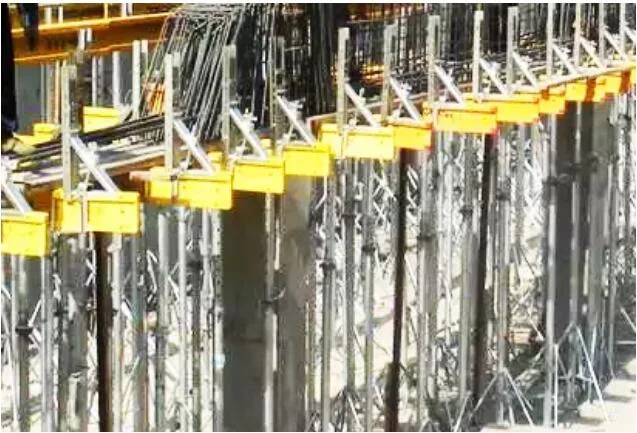
After completing the frame columns, proceed with the cast-in-place frame beams. This involves supporting the bottom formwork, tying steel bars, and reinforcing the beam side formwork with prefabricated components.
8. Installation and Construction of Floor Support
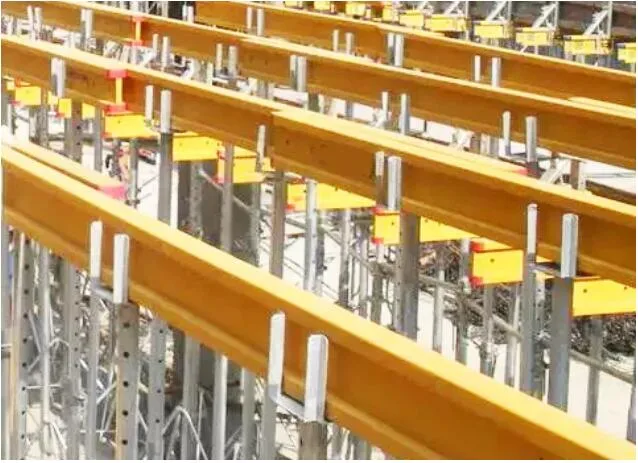
Install floor supports according to the design drawings. Coordinate this process with the construction of frame beams to reduce the overall construction time.
9. Hoisting of Stacked Floor Slabs
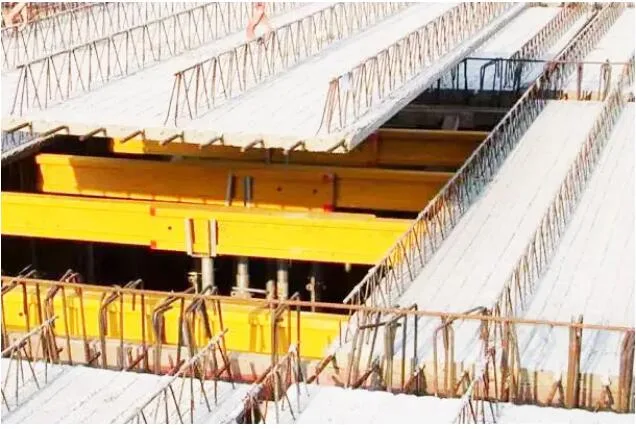
The stacked floor slabs are lifted following the installation layout plan detailed in the design drawings, which specify slab numbers, dimensions, and positions.
10. Connection of Water and Electrical Pipelines
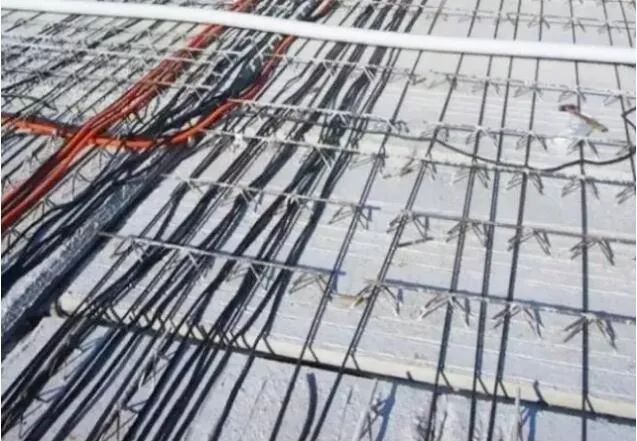
Water, electrical, and cable boxes and pipelines embedded in the stacked floor slabs are pre-installed during production. On-site work involves connecting these pipelines after installation.
11. Installation of Steel Reinforcement on the Upper Floor Slab
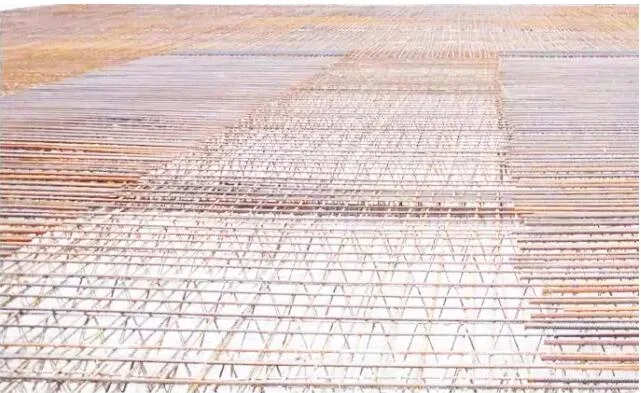
Upper floor slab reinforcement is placed on top of the lattice beam’s upper chord reinforcement. It is tied and fixed to prevent displacement or floating during concrete pouring.
12. Inspection and Acceptance
Before concrete pouring, inspect and approve the installation of composite panels and on-site reinforcement binding according to relevant standards and specifications.
13. Concrete Pouring
Start concrete pouring from the wall panels, proceeding in layers. Each layer should not exceed 80 cm in height, with intervals generally no less than one hour between pours.
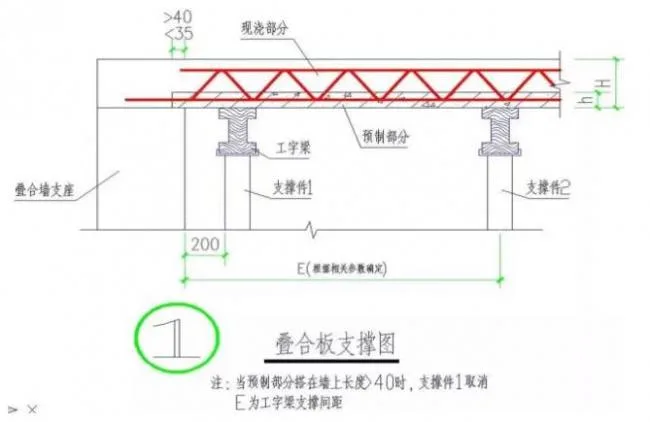
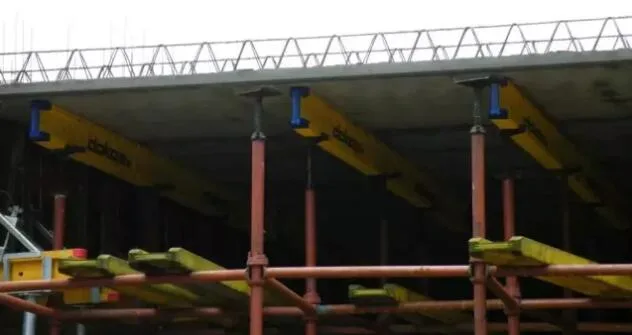
14. Composite Floor Support
Design Node Diagram:
Installation node diagram:
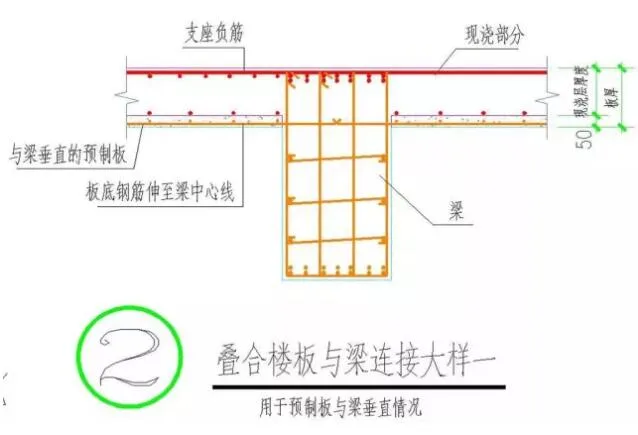
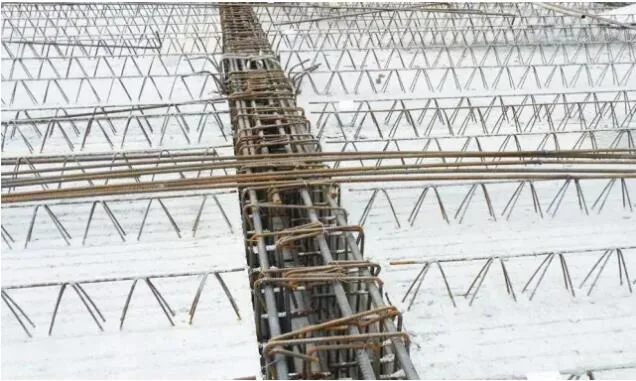
15. Composite Floor Slab and Beam Connection
Design drawing:
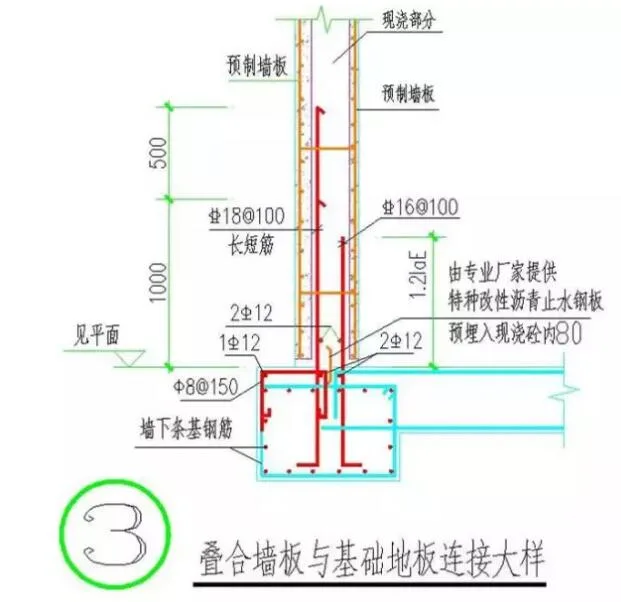
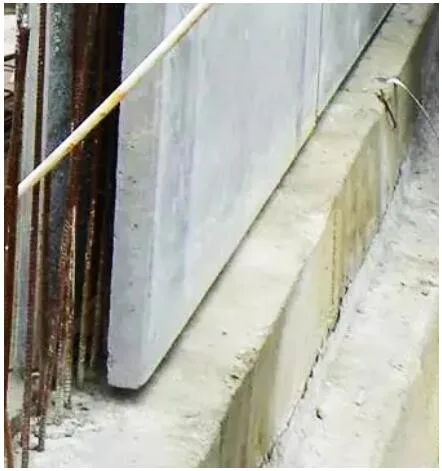
16. Connection Between Laminated Wall Panels and Base Plates
Design drawing:
Installation diagram:
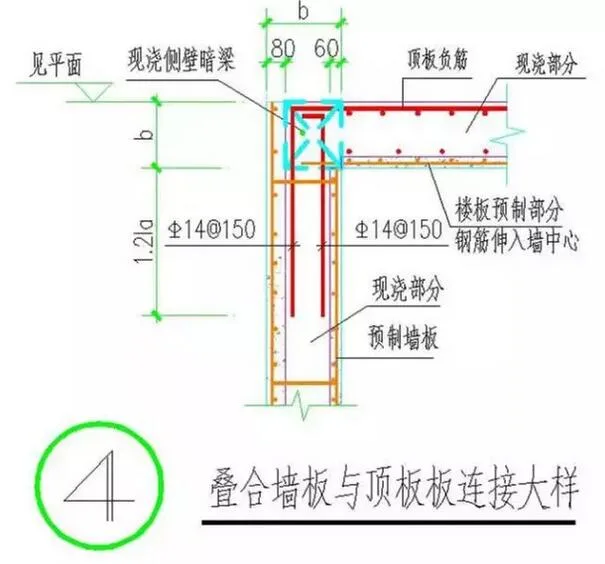
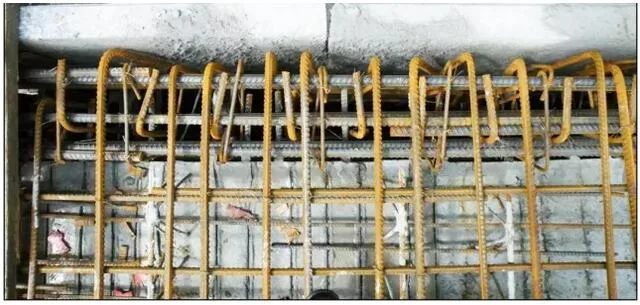
17. Connection Between Laminated Wall Panels and Top Panels
Design drawing:
Installation diagram:
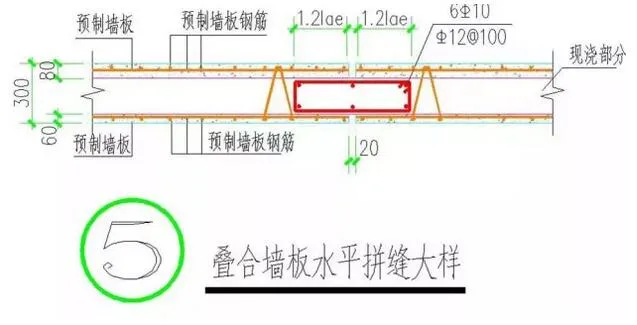
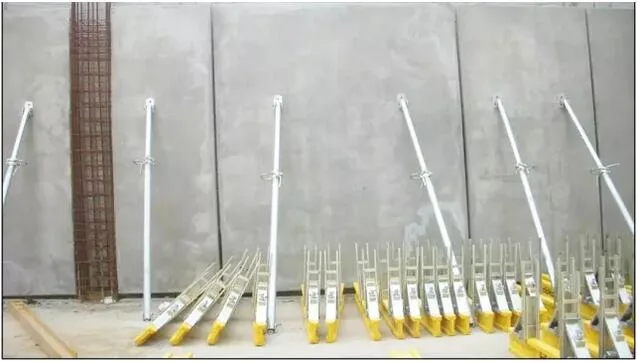
18. Horizontal Joint of Laminated Wall Panels
Design drawing:
Installation diagram:
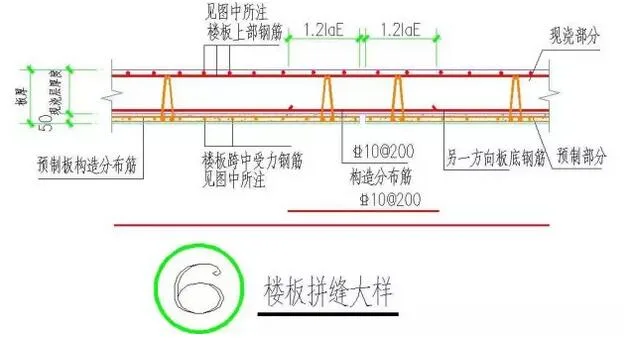
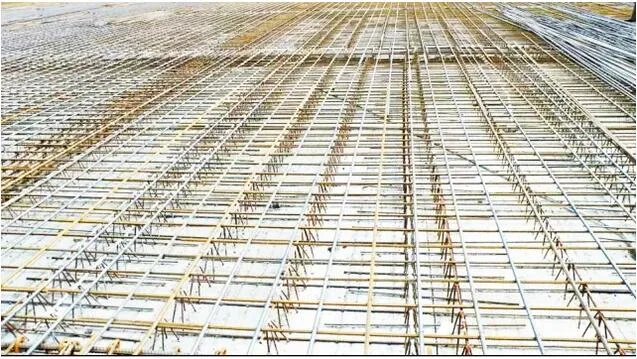
19. Splicing of Laminated Wall Panels
Design drawing:
Installation diagram:















Must log in before commenting!
Sign Up