
Characteristics and Application Scope
Key Features: Standardized design, industrialized construction, factory-manufactured components, finished housing units, integrated technology, suitability for large-scale projects, and potential for long-term implementation.
Relevant Disciplines: A fully integrated industrial chain system that combines expertise from architecture, structural engineering, construction, materials science, equipment, and interior decoration.
Finish Types: Offers a variety of decorative finishes including brick, stone, and concrete surfaces, ensuring high construction quality and durability.
Thermal Insulation Performance (Building Industrialization): Composite insulation materials enhance thermal performance while reducing environmental impact during construction.
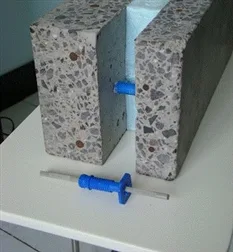
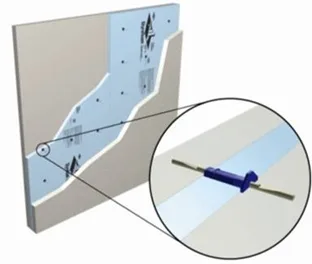
Application Range: Primarily suitable for multi-story residential buildings in regions with low seismic fortification levels. For seismic intensities of 7 and 8, buildings are generally limited to six floors (up to 20 meters). In areas with seismic levels of 6 or below, this limit can increase to 12-16 floors (30 to 45 meters). Currently, China’s design approach for shear wall structures favors cast-in-place construction as the primary method, with prefabrication as a supplement. This preference is largely due to challenges in achieving effective horizontal connections between prefabricated wall panels, which affects performance compared to cast-in-place methods.
Implementation Strategy: The main objective is to enhance quality and reduce construction time through specialized integrated management.
Technical Performance Indicators and Standards
Thermal Insulation Performance:
Standard concrete walls incorporate 50-80mm polystyrene boards, achieving a heat transfer coefficient below 0.60 W/(m²·K), in line with the “Energy Saving Design Standards for Civil Buildings.”
Structural Performance:
Compliance with GB50010 “Code for Design of Concrete Structures,” GB50204 “Code for Acceptance of Construction Quality of Concrete Structures,” and the Draft “Prefabricated Concrete Structural Technical Regulations.”
Decorative Performance:
Meets GB50210 “Code for Quality Acceptance of Building Decoration and Renovation Engineering.”
Seismic Performance:
Decorative concrete cladding is attached to the main structure using flexible connections, which accommodate inter-story displacements during earthquakes. This system is suitable for regions with seismic fortification intensity up to 8 degrees.
Structural Layout
The layout of assembled integral shear wall systems should follow these guidelines:
1. The building’s floor plan should be simple, regular, and symmetrical, with shear walls arranged in two directions.
2. Shear wall cross-sections should be straightforward and regular. Door and window openings in prefabricated walls must be vertically aligned and arranged in rows.
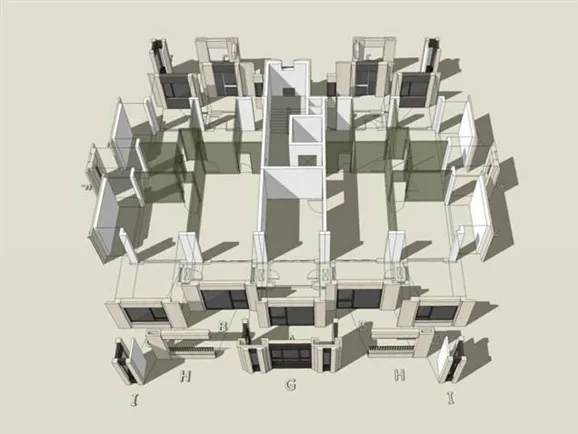
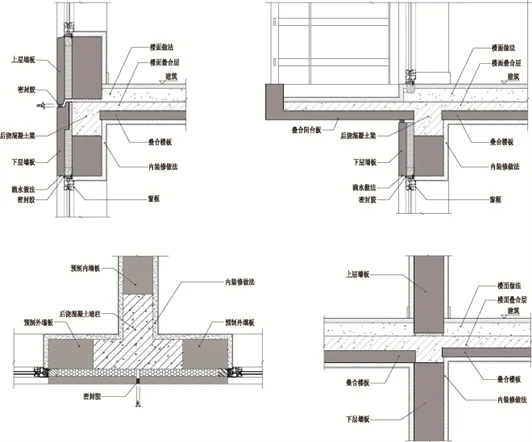
Connection Design
1. Adjacent prefabricated shear wall panels on the same floor are connected using integral joints.
2. A cast-in-place reinforced concrete ring beam is installed atop the shear walls.
3. Vertical steel bars in adjacent prefabricated shear walls on upper and lower levels are connected through grouting sleeves.
Residential Industrialization Private Think Tank Group: 147874495
Industrial Architectural Designer Group: 138517101
Industrial Architecture Student Group: 199516367















Must log in before commenting!
Sign Up