
Zhuzong Vanke Plaza has implemented a BIM (Building Information Modeling) management platform that integrates resources from the owner, designer, and construction teams. This platform significantly enhances project quality and shortens the construction timeline.
BIM technology has increasingly become a mainstream solution for improving engineering efficiency and reducing construction costs. Zhuzong Vanke Plaza is a pioneer in adopting BIM, successfully building a management platform that brings together all project stakeholders to optimize outcomes.
Overview of BIM Technology Application in Zhuzong Vanke Plaza

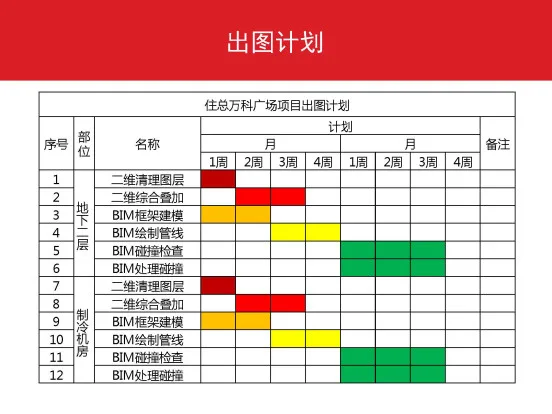
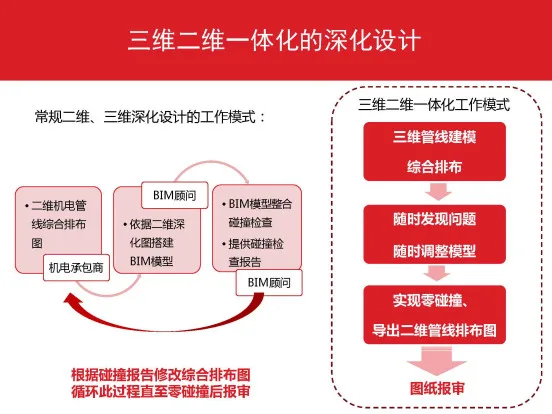
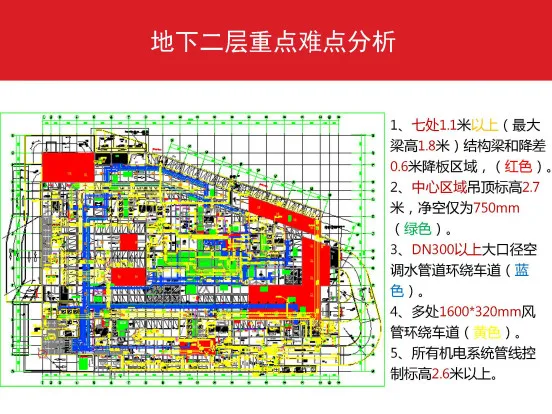
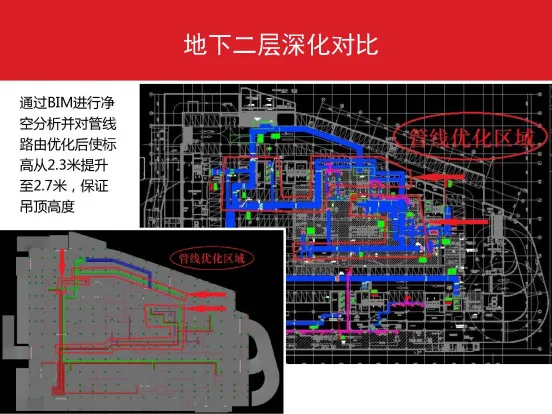
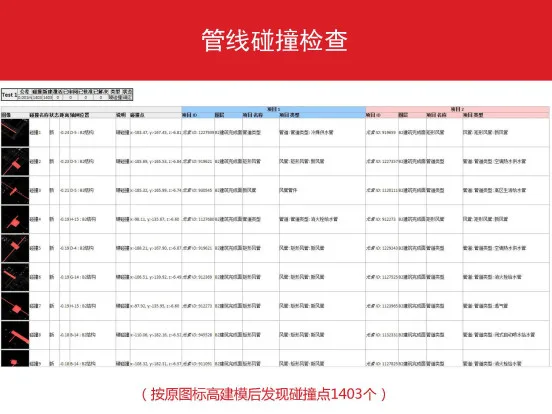
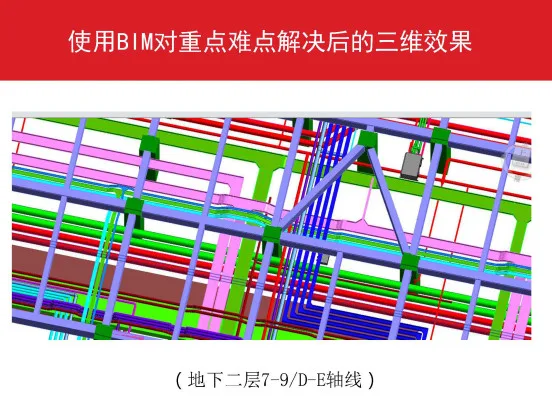
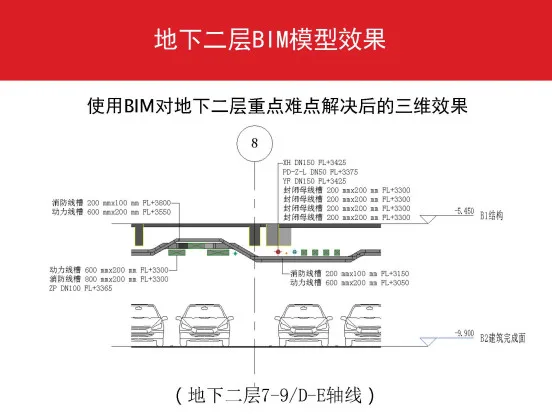
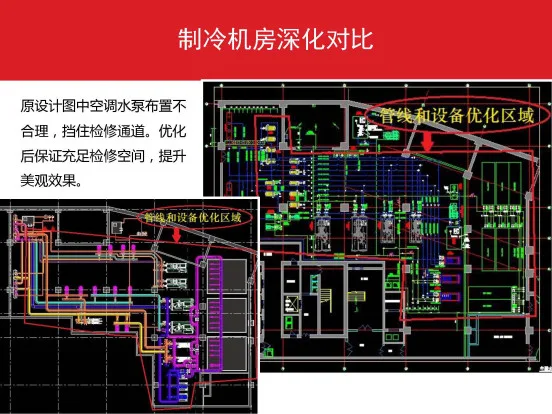
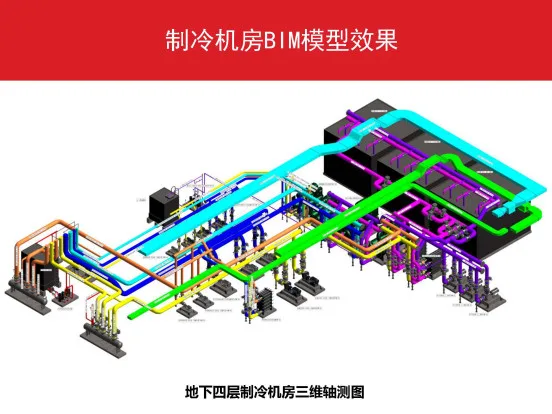
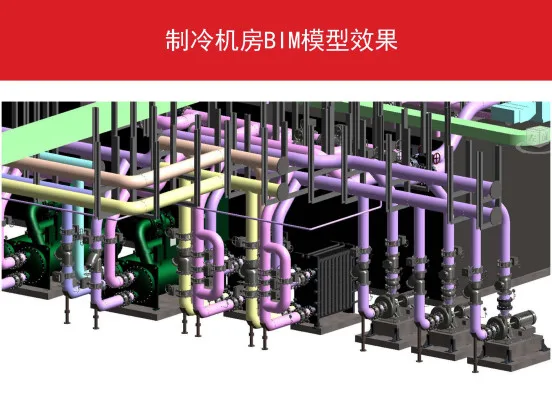
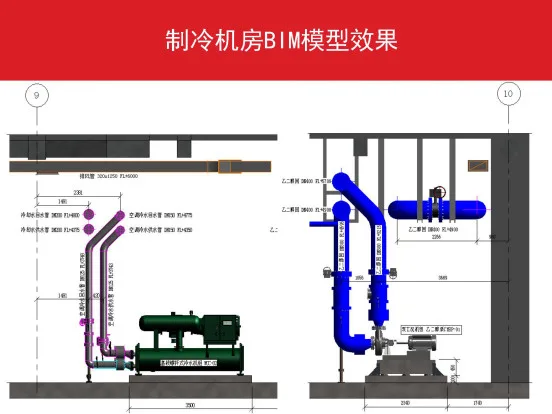
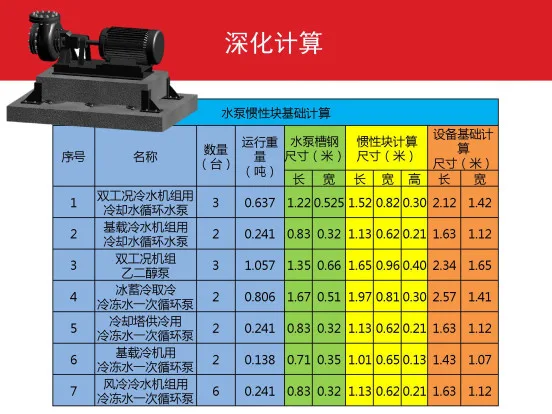
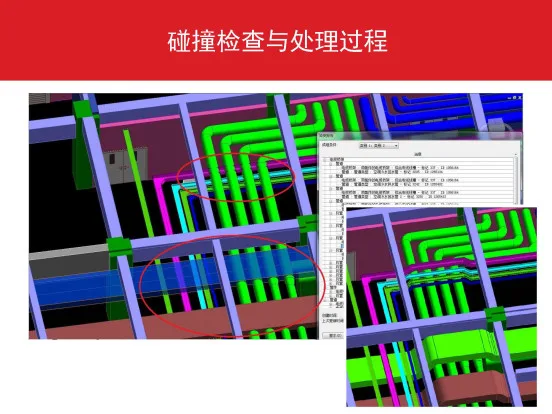
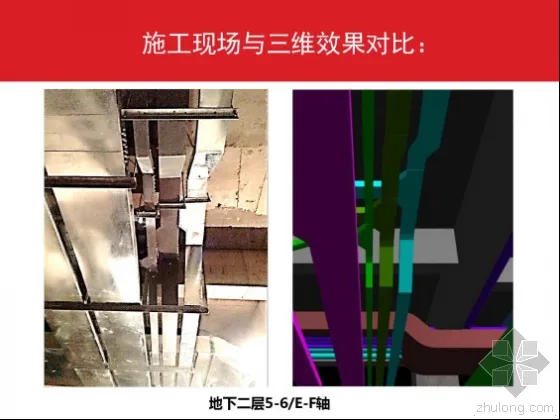
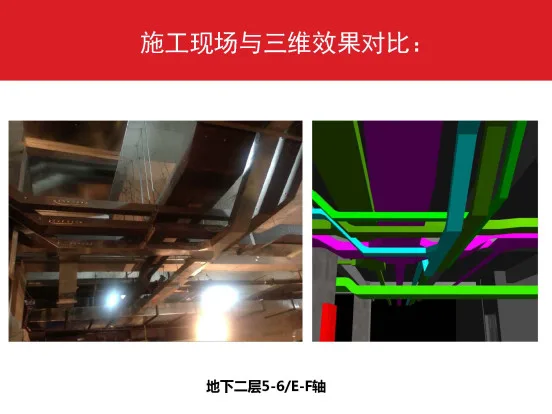

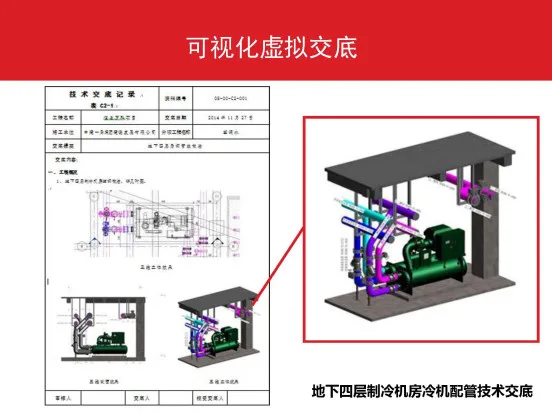
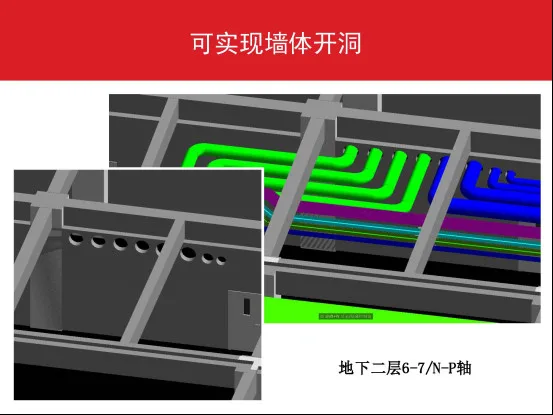
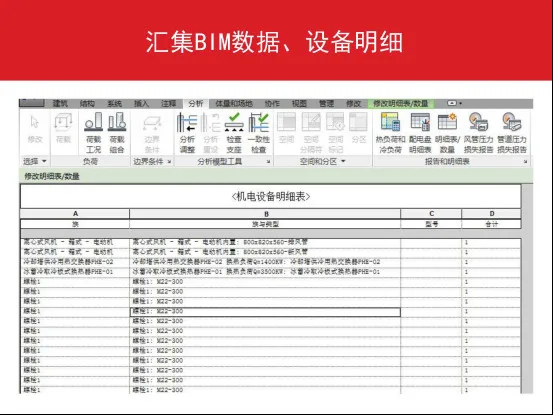

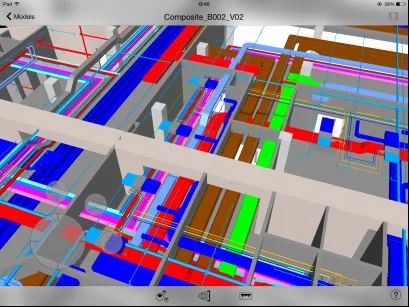
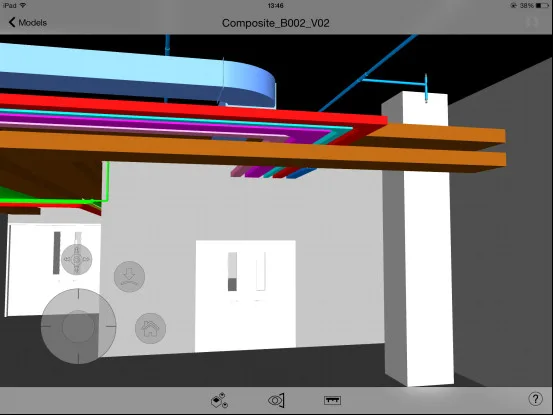
Roaming Animation on the B2 Floor of Zhuzong Vanke Plaza
BIM transcends the limitations of traditional two-dimensional drawings by providing an intuitive, visual representation of the construction outcomes. However, it is important to note that in actual construction, the model does not achieve a perfect 100% alignment with reality due to certain limitations.
One challenge arises from overlapping construction processes that prevent a complete working surface for model implementation. Another challenge is the impact of changes from other disciplines, such as alterations in secondary walls in civil engineering, which affect the routing of mechanical and electrical pipelines. These complexities are often overlooked in BIM deepening efforts and represent a key focus for future development.
Our goal is to realize BIM models that reflect real-world conditions more accurately, gradually promoting BIM technology in commercial systems through the pilot project at Zhuzong Vanke Plaza.

Cost Control with BIM
1. How Much Money Can BIM Save?
After introducing BIM, a common question from owners is: “How much money can BIM save? Where do the savings come from?” Initially, this question was difficult to answer. However, after applying BIM in several projects, we found that cost savings can indeed be quantified.
For example, during basement construction, conflicts between structural engineering and other disciplines occur frequently. Using BIM, we tracked and analyzed these issues, identifying multiple problems. We documented typical cases and conducted virtual construction claim analyses based on common practices, demonstrating BIM’s value in cost savings.
2. How to Achieve Precise Cost Control Using BIM?
BIM’s parameterization capability organizes various data systematically within the model. As the real estate industry shifts from extraordinary profits to internal efficiencies, BIM’s role in cost control marks a milestone.
BIM tightly integrates cost data with design, enabling precise cost estimation, limit design, and scheme comparison to determine target costs. It also facilitates dynamic cost monitoring throughout construction, providing decision-makers with timely and accurate data.
Information storage, sharing, and analysis are fundamental strengths of BIM. Cost-related data is essential throughout the project lifecycle. Using BIM for quantity takeoff ensures data uniqueness, completeness, and accuracy, along with traceability.
Although fully automated quantity takeoff is still under development both domestically and internationally, cost analysis plugins built on BIM software like Revit, combined with interfaces from software such as Luban and Guanglianda, enable comprehensive quantity and cost analyses. This approach leverages BIM’s speed and accuracy while providing owners with complete data for cost control.
3. Can BIM from the Design Team Guide Construction?
Some design institutes claim their BIM models can guide construction, but this is often met with skepticism by construction professionals. Design BIM models rarely match the final as-built model.
For example, consider the basement exterior wall and connected raft foundation. Designers primarily focus on formed concrete walls, columns, and raft foundations. Construction engineers, meanwhile, consider process and craftsmanship details such as the concrete wall and waterproof steel plate layers from the cushion layer to the raft foundation. Cost engineers classify and account for concrete in columns and walls differently.
In summary, BIM for design, construction, and cost control each have unique requirements and technical considerations. The most effective BIM implementation integrates these perspectives from the design stage, allowing for downstream construction and cost BIM extensions. This approach ensures BIM supports the entire project lifecycle effectively.
Using BIM for Precise Interior Design Control
While BIM discussions often focus on architectural design advantages—such as solid models, curtain walls, and roof forms—its role in interior design is equally important. BIM enhances interior design by managing unique shapes, complex finishes, fixtures, area requirements, process choices, furniture, and art displays.
- Eliminating Missing or Incomplete Drawings: Traditional interior construction drawings often lack clarity or omit critical details, leading to costly changes and disputes between owners and contractors. BIM minimizes these issues by providing comprehensive, detailed models.
- Resolving Conflicts in Construction Drawings: Two-dimensional drawings frequently miss spatial conflicts due to their limited perspective. BIM’s 3D approach clarifies relationships between adjacent walls and spaces, reducing errors during construction.
- Coordinated Proportional Relationships: BIM clearly illustrates relationships like the setbacks and protrusions of decorative facades, which were previously difficult to manage through 2D elevations and sections.
BIM also transforms the working process:
- Reorganized Team Collaboration: Instead of isolated tasks, BIM fosters collaboration where team members work on shared models, offering suggestions and improving designs continuously. This reduces repetitive work and encourages creative problem-solving.
- Enhanced Team Cohesion: BIM’s collaborative nature promotes frequent communication, often around large model displays, encouraging dynamic discussions that unlock designer creativity and resolve issues through ongoing interaction.
Information is the core of BIM. By embedding rich, reliable data into models, BIM streamlines downstream work and improves accuracy across project stages.
Renderings typically focus on important or representative spaces. BIM allows models to be built from the earliest design phases, enabling comprehensive exploration within a fully three-dimensional environment. During the process, client presentations showcase the entire model, and all designers collaborate in an open, visible 3D workflow.














Must log in before commenting!
Sign Up