
Software Introduction
TSRS is a 3D structural modeling software developed by Beijing Explorer Software Co., Ltd., built on Autodesk’s BIM platform, Revit. Designed to comply with Chinese standards and mapping requirements, it uses standardized layer parameterization to create detailed three-dimensional structural models. With ongoing updates and improvements, TSRS now supports key BIM design tasks in structural engineering, including component modeling, multidisciplinary collaboration, and model inspection, significantly enhancing designers’ productivity.
Features
1. Create Structural Floor Elevations and Grids
As a fundamental step in BIM structural modeling, TSRS allows users to quickly define and generate vertical structural floor elevations using its floor module. It supports familiar design conventions by enabling the definition of both “natural floors” and “standard floors.”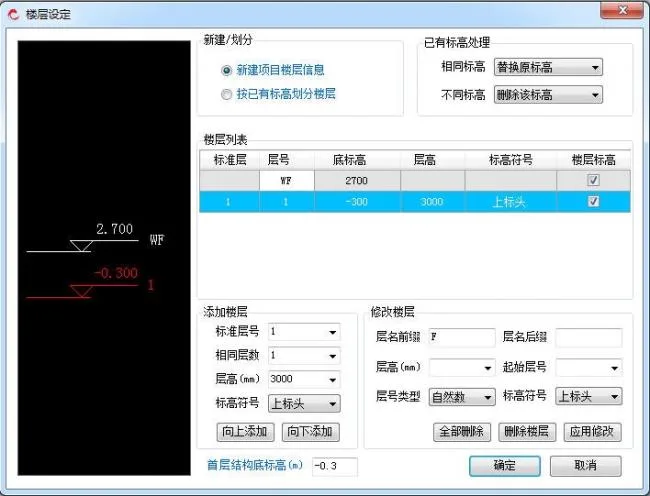
2. Arrange Main Structural Components
Structural models generally include fewer component types than architectural models, focusing mainly on walls, beams, columns, slabs, foundations, and openings. TSRS provides dedicated creation and editing tools for each of these components, facilitating precise and efficient structural model assembly.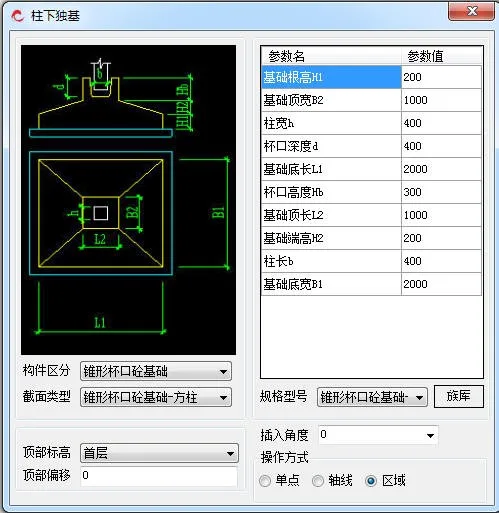
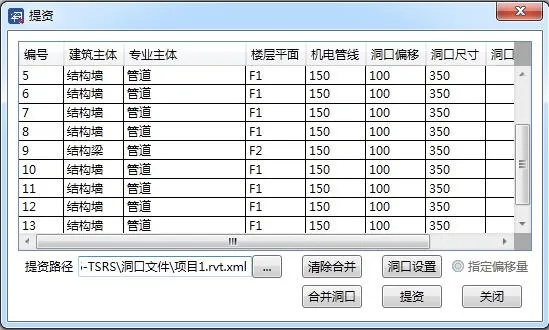
3. Professional Collaborative Design
This feature primarily supports collaboration with the equipment discipline, addressing challenges related to hole design in structural components to accommodate various pipelines and installations coordinated by the equipment team.
4. Comprehensive Design Tools
Unlike 2D platforms, 3D design requires more versatile and complex operations for various components. Since Revit offers limited tools, TSRS includes a suite of practical auxiliary commands that greatly improve efficiency by enabling quick search, precise positioning, component display control, isolation, and batch modifications.












Must log in before commenting!
Sign Up