
The John F. Kennedy Center for the Performing Arts, located in Washington D.C., stands not only as a vibrant memorial but also as a significant landmark within the city’s renowned monument district. Through a diverse range of public events and support for performing arts activities, the Kennedy Center offers visitors a unique opportunity to engage closely with creative and imaginative artists from various disciplines.
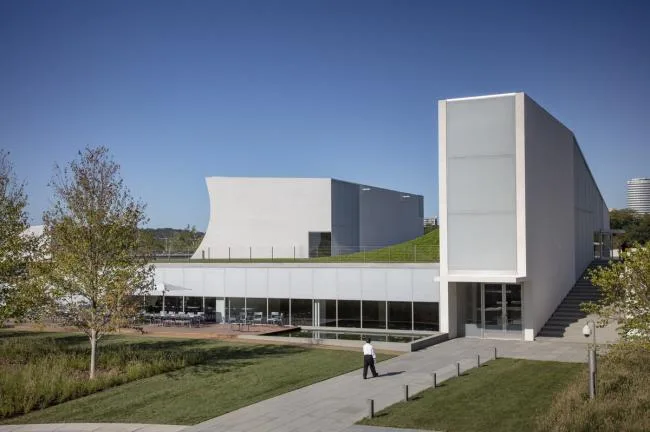
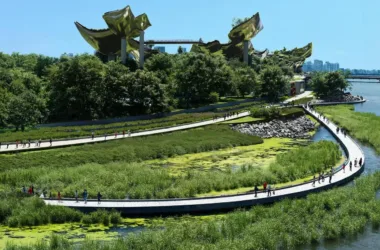
The center’s latest expansion project, named REACH, was designed by Steven Hall Architects. Building upon the original structure, this project primarily adds rehearsal and educational spaces, along with a series of versatile indoor and outdoor areas. These enhancements further solidify the Kennedy Center’s leadership in arts and culture. The design thoughtfully integrates the new structures with the surrounding landscape, expanding the center’s commemorative presence throughout the site.
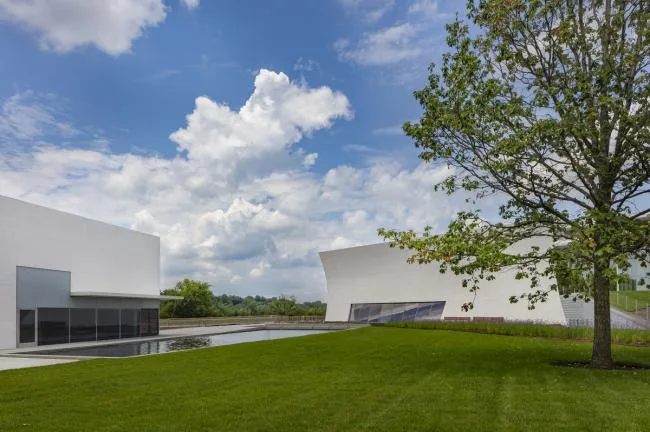
The outdoor landscape features symbolic design elements reflecting President Kennedy’s life. A small grove of 35 ginkgo trees represents the 35th President of the United States, which turns golden as the leaves fall in late November. Additionally, the landscape’s peach blossom wood decking is crafted from reclaimed wood matching the deck material and dimensions of the PT109 torpedo boat that President Kennedy commanded during World War II.
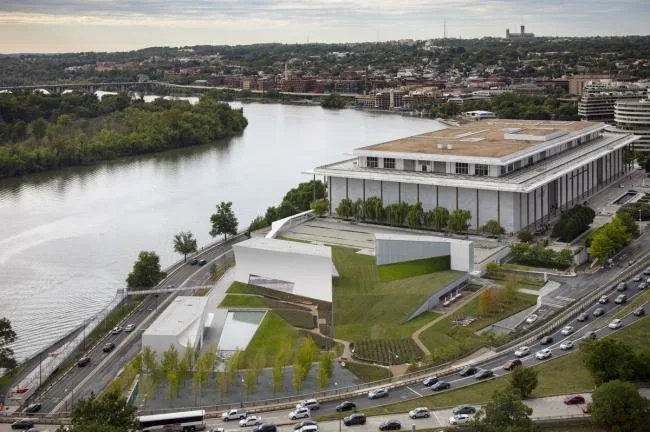
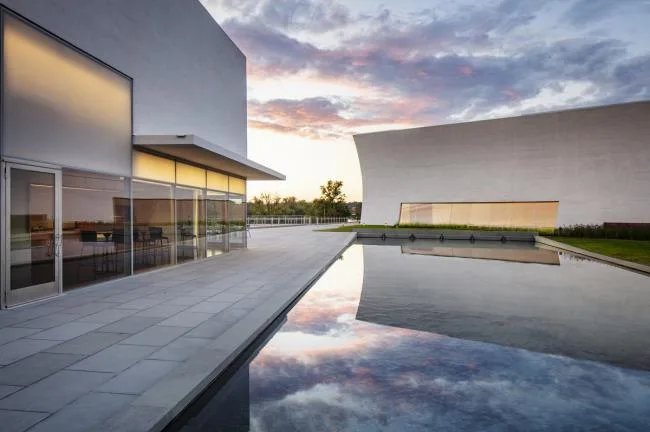
Unlike Edward Durell Stone’s earlier design for the center, the REACH expansion intimately connects three new buildings with the surrounding green landscape. This approach strengthens the relationship between the architecture and public spaces, while also creating visual connections with nearby landmarks such as the Washington Monument, Lincoln Memorial, and the Potomac River waterfront. Beneath the green space, the three new structures are interconnected, housing over 6,600 square meters of indoor space dedicated to studios, rehearsal rooms, performance venues, and professional art education facilities.
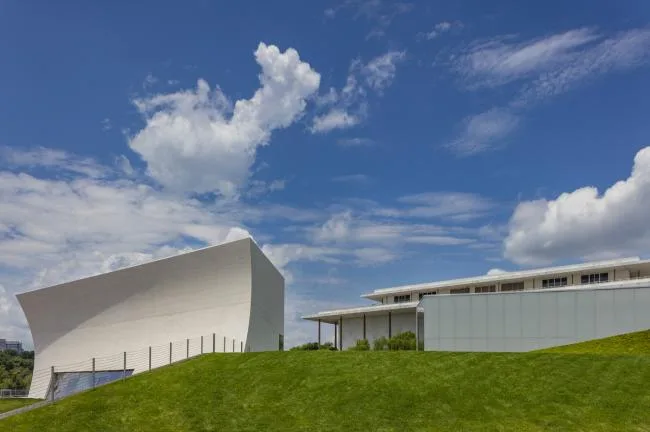
This innovative design conceals the expanded facilities underneath public green spaces, offering ample outdoor areas for visitors while providing scenic views indoors. The open green landscape is accessible around the clock, offering diverse public spaces at varying scales. Furthermore, the architect incorporated a live broadcast projection on the north facade of the largest building facing the lawn, displaying real-time performances to outdoor audiences. This underground expansion of over 6,600 square meters is currently the largest of its kind in Washington D.C.
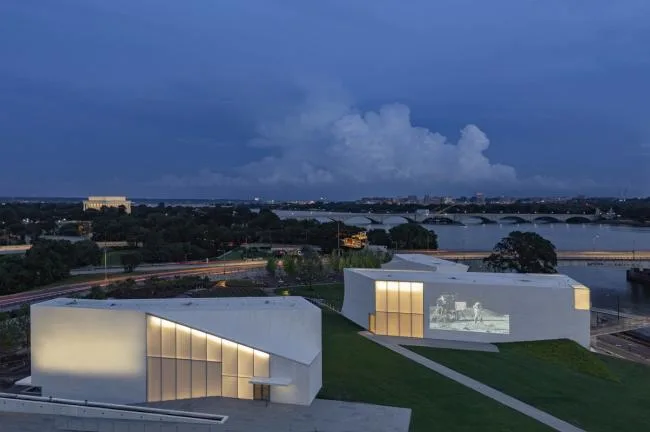
The landscape green space offers flexible and versatile settings for a wide range of performances and events, encouraging public engagement and fostering a strong sense of community. This expansion secures the center’s role as a leader in arts, culture, and public education for years to come. The three buildings, encased in titanium whiteboard-shaped concrete, resonate strongly with the surrounding greenery. Their curved forms allow abundant natural light inside. The concrete finish features a 10-layer mortise-and-tenon checkerboard pattern with CNC plywood lining, creating an effect where the buildings appear as seamless titanium dioxide concrete from a distance, but reveal human-scaled decorative wooden panels up close. This detail reflects the architect’s thoughtful design intent.
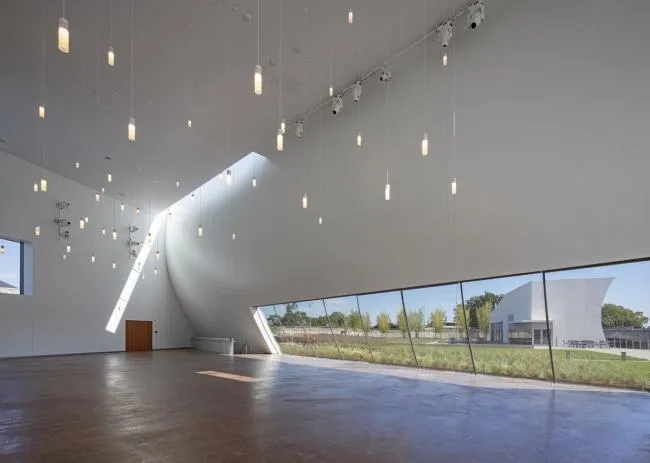
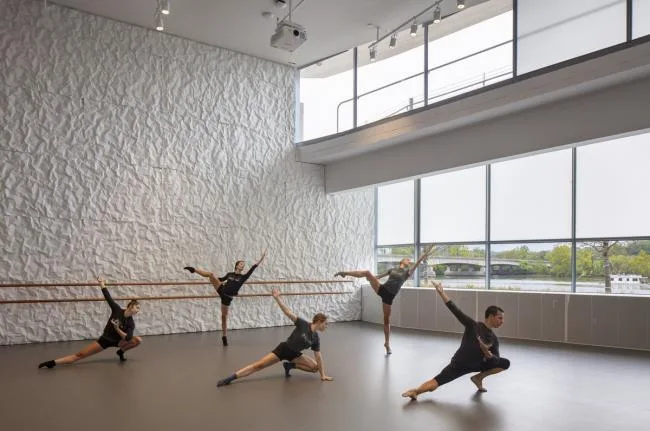
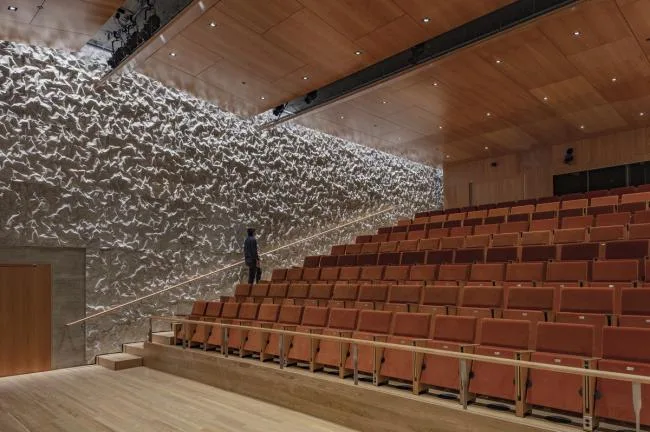
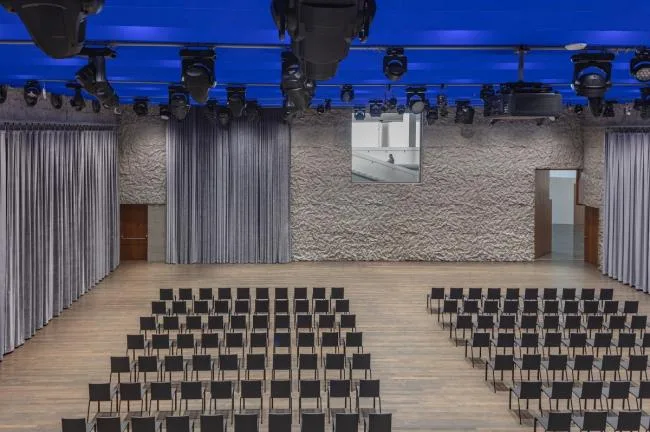
Though the three new structures differ in shape and lack precise geometric relationships, the architect established visual connections through surface geometry. Using forms like conical surfaces and hyperbolic paraboloids, the curved concave shapes visually link the buildings and accommodate the internal spaces. The rehearsal performance area’s walls utilize a newly developed textured concrete that meets acoustic requirements and construction standards simultaneously.
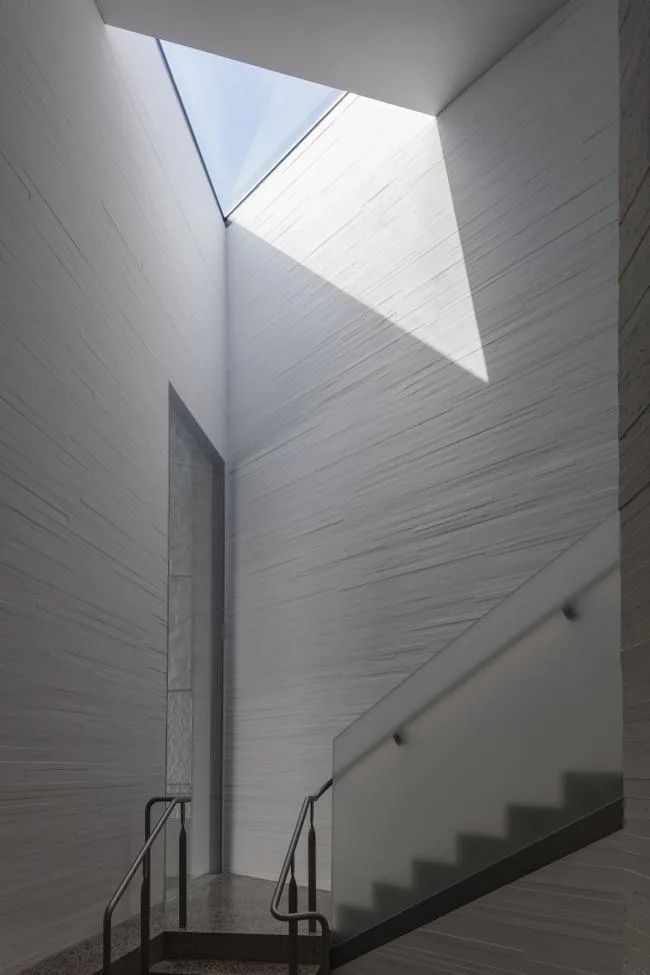
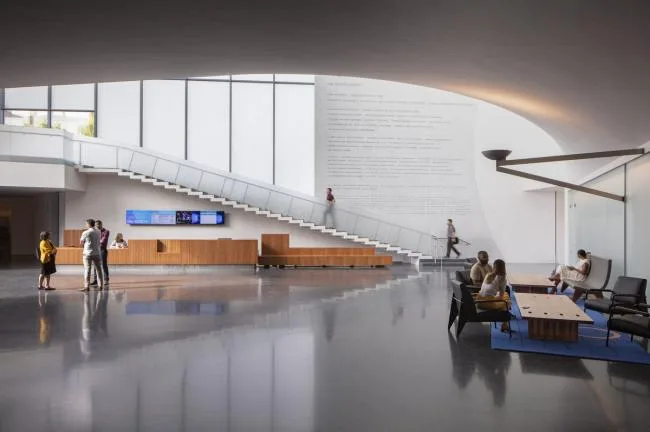
The design also features clean, curved glass facades allowing natural light to flood the interior. Portions of the glass are etched and interlayered with translucent white films, which diffuse daylight and emit light outward at night. This expansive glass facade extends the visitors’ view from the exterior entrance through rehearsal spaces and onto the riverside landscape, fostering transparency, interaction, and vitality within the center.
With the completion of the REACH expansion, the long-envisioned outdoor connection to the Potomac Riverbank, originally part of Stone’s design, has been realized. A new pedestrian bridge links the Art Center to the Rock Creek Trail and Georgetown Waterfront. This expansion affirms the John F. Kennedy Center’s status as a leading performing arts venue, honoring President Kennedy’s legacy and his remarkable contributions to the arts and American culture.
Project Drawings
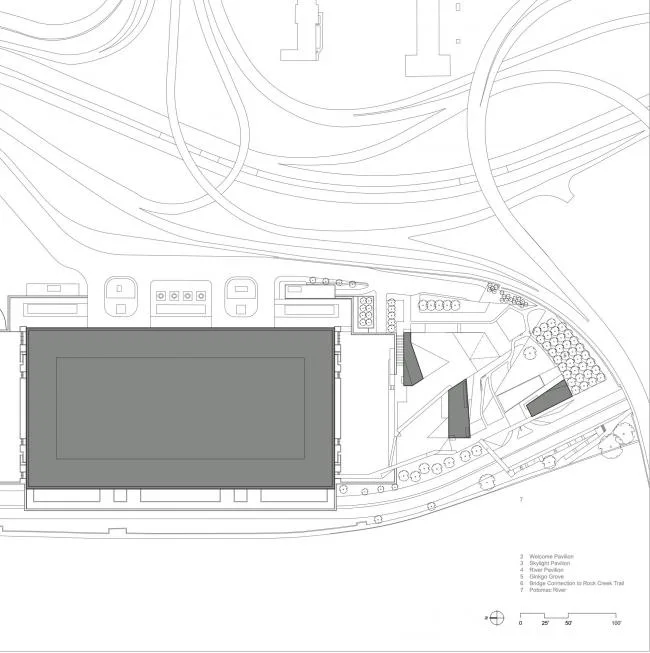
▲ General layout plan
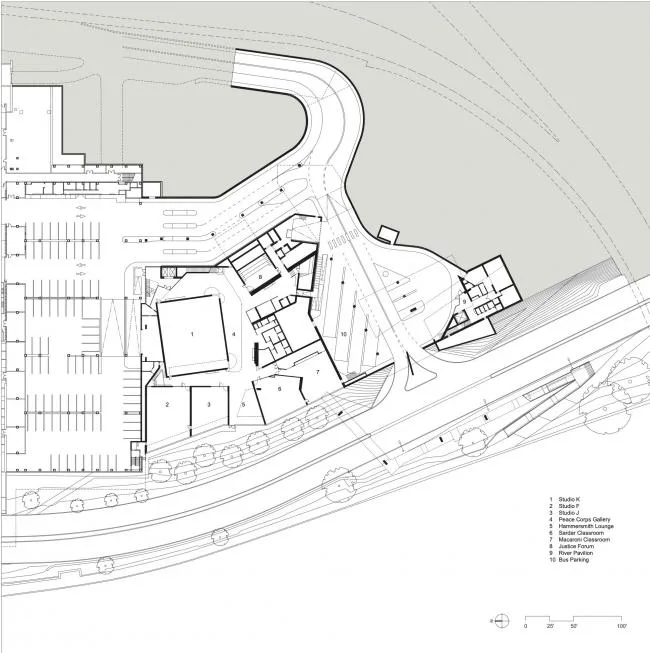
▲ Lower floor plan
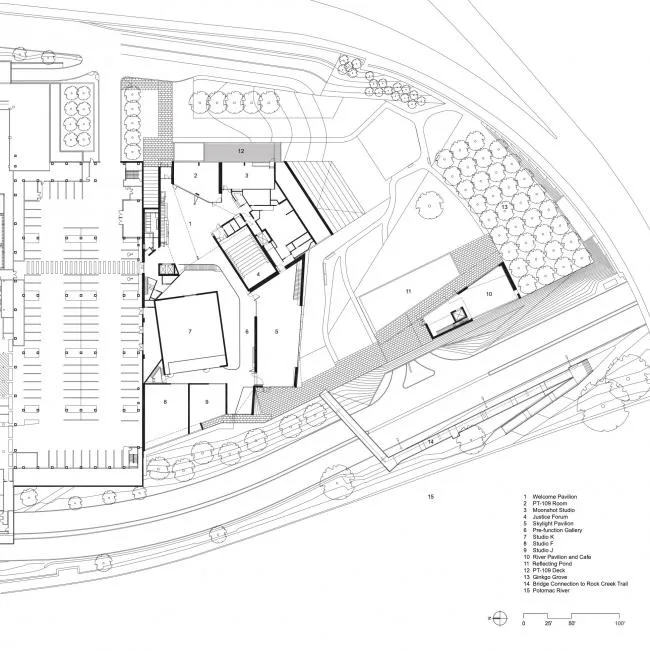
▲ Upper floor plan
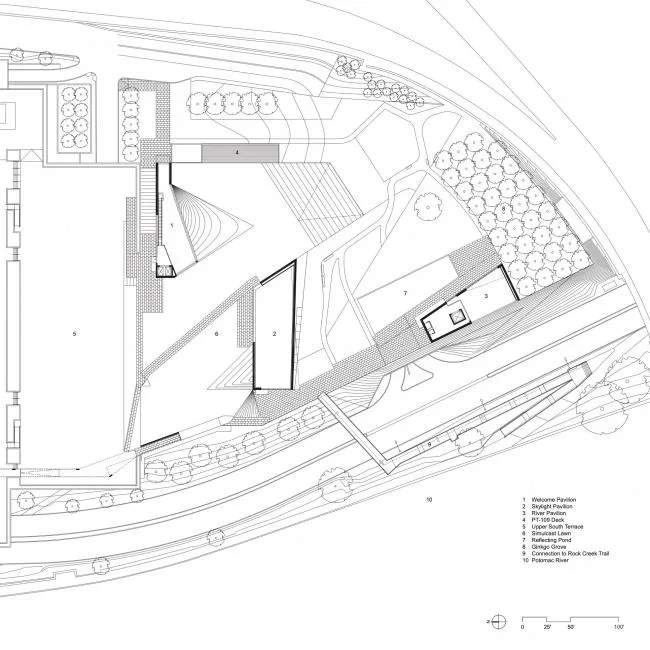
▲ Outdoor terrace plan
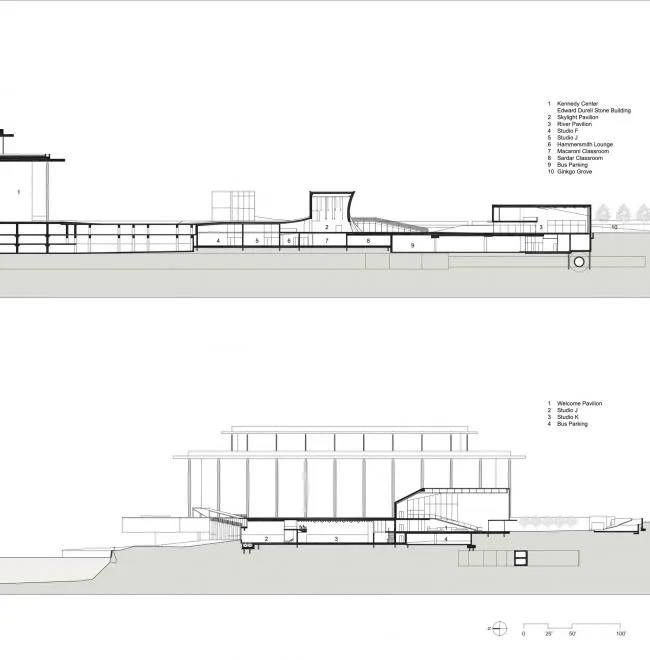
▲ Sectional view
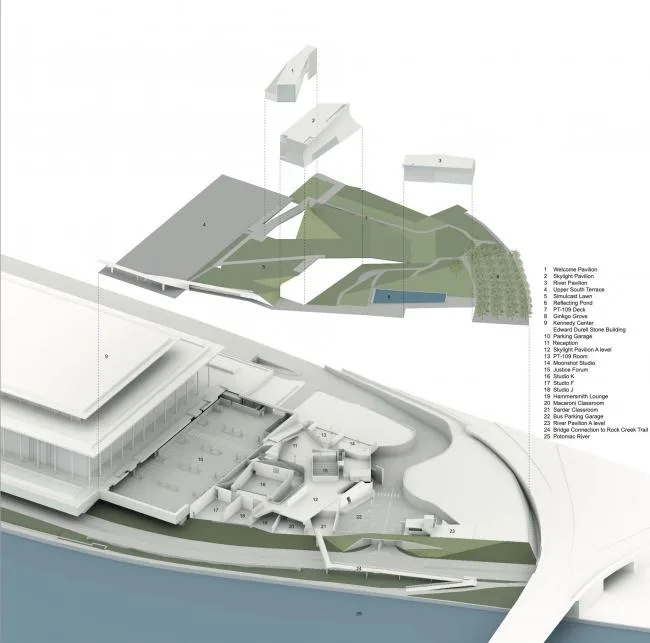
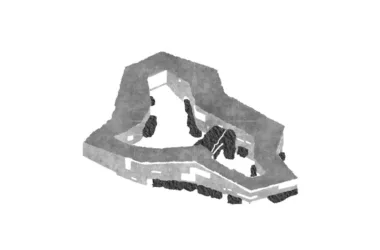
▲ Axonometric diagram
Project Information
Architectural Firm: Steven Holl Architects
Location: Washington D.C., United States
Category: Performing Arts Center
Building Area: Approximately 6,689 square meters
Year Completed: 2019
Photographer: Richard Barnes
Project License: BNIM
Structural Engineer: Silman
Concrete Consultant: Reg Hough Associates
Acoustic Consultant: Harvey Marshall Berling Associates
Project Management: Paratus Group
Design Team: Steven Holl, Chris McVoy, Garrick Ambrose (design architects); Chris McVoy (partner in charge); Garrick Ambrose (project architect); Magdalena Naydekova (assistant project architect); Bell Ying Yi Cai, Kimberley Chew, J. Leehong Kim, Martin Kropac, Elise Riley, Yun Shi, Dominik Sigg, Jongseo Lee, Alfonso Simelio (project team); Crinkle Concrete Development Team: Garrick Ambrose, Chris McVoy, Magdalena Naydekova












Must log in before commenting!
Sign Up