
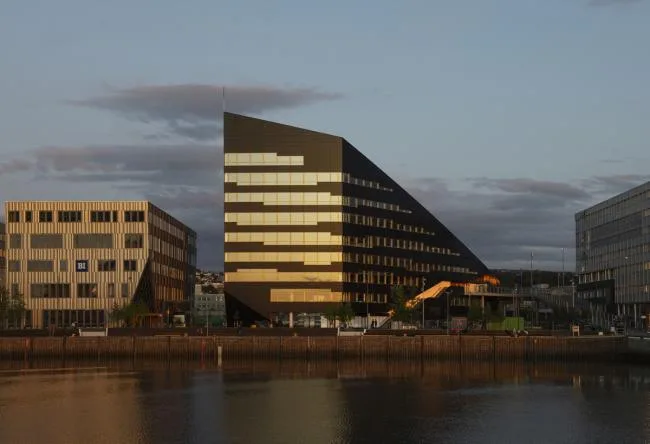
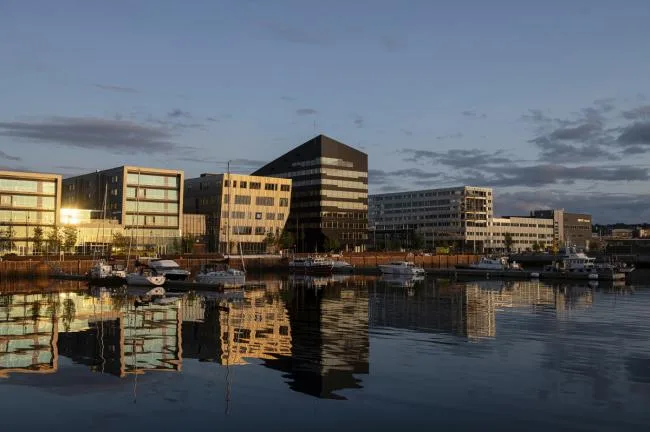
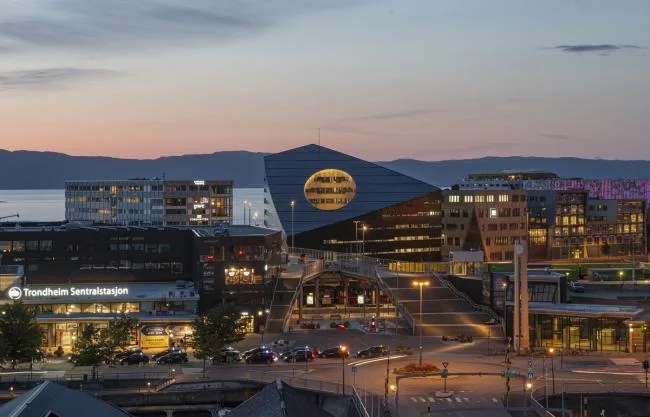
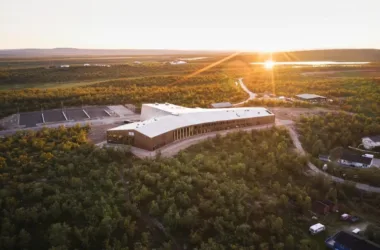
The Brattørkaia power station is situated in Trondheim, Norway, at 63 degrees north latitude, where seasonal light variations are extreme. This unique location presents an opportunity to explore solar energy acquisition and storage under challenging environmental conditions. The 18,000-square-meter office building stands close to the port and connects to Trondheim Central Station via a pedestrian bridge at its rear. The waterfront façade is the building’s narrowest side, designed to align proportionally with neighboring structures.
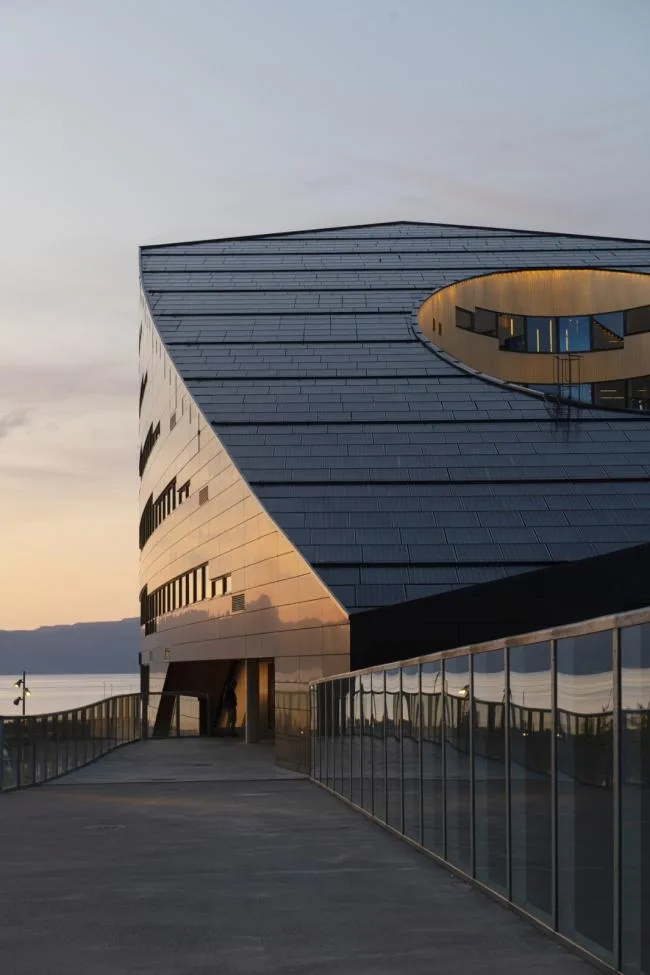
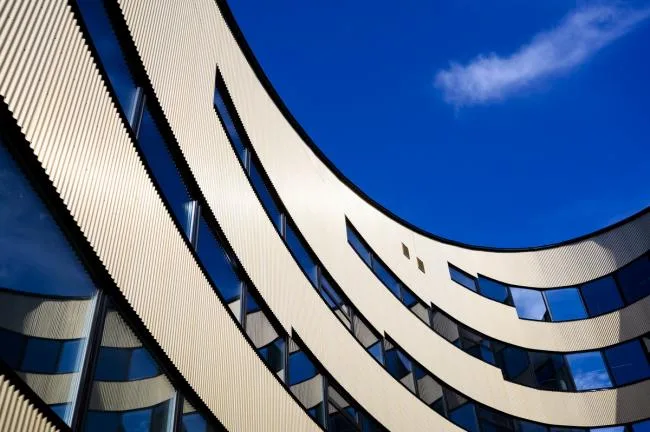
Its exterior walls are clad with black aluminum panels integrated with solar panels that reflect the nearby Trondheim Fjord. On average, Brattørkaia’s daily electricity generation is more than double its consumption. The surplus renewable energy supports not only the building itself but also adjacent buildings, electric buses, cars, and ships through a local microgrid.
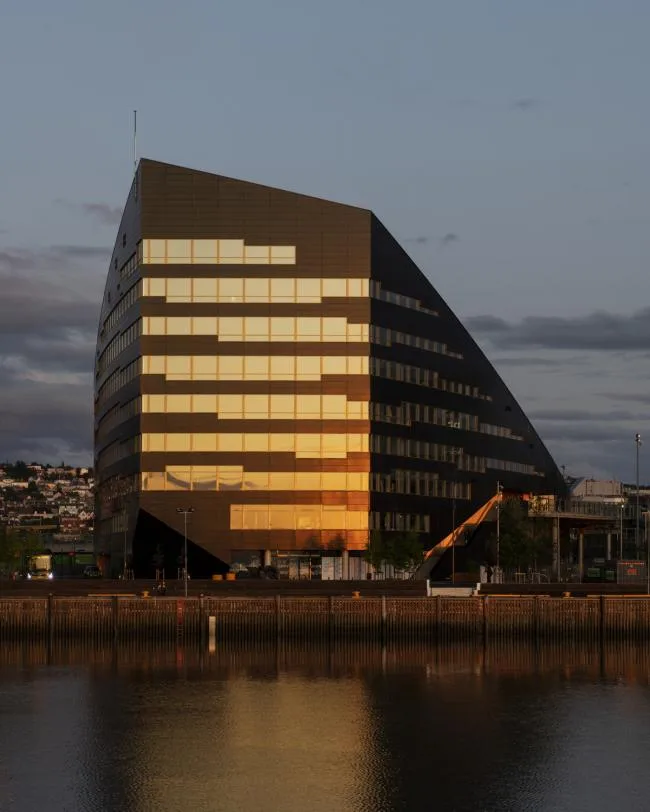
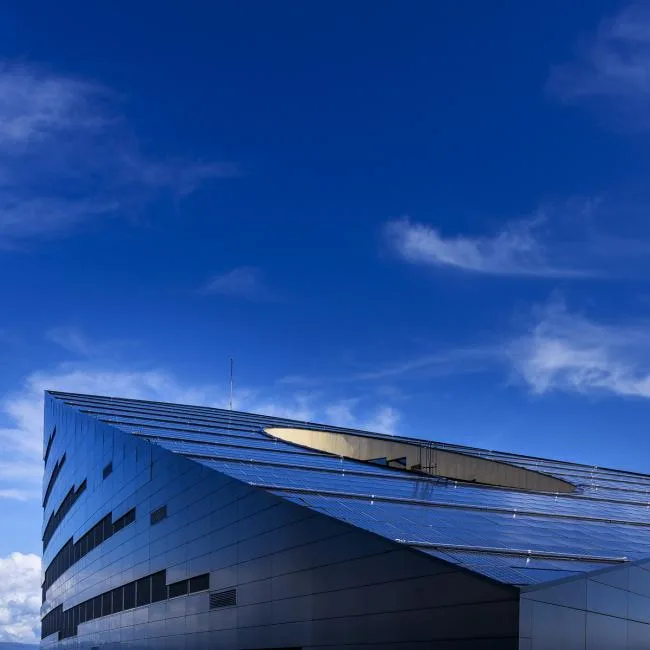
The project focuses on three main goals: maximizing clean energy generation, minimizing operational energy requirements, and creating a comfortable environment for tenants and visitors. The building’s location was carefully chosen to maximize sunlight exposure throughout the day and across all seasons. The sloping pentagonal roof and upper façade are covered with nearly 3,000 square meters of solar panels, designed to capture as much solar energy as possible.
Over the past year, the building has generated approximately 500,000 kilowatt-hours of clean, renewable electricity, effectively serving as a small power plant in the city center. It includes ample energy storage capacity, allowing it to save excess energy during the nearly continuous daylight of summer and utilize it during the dark winter months when sunlight is scarce.
The building achieves high energy efficiency through various advanced technologies that significantly reduce energy consumption during daily operations. It employs a heat recovery system that maximizes efficiency by isolating the building envelope, integrating smart airflow solutions to lower heating demands, ventilating both air and greywater (wastewater excluding bathrooms), and utilizing seawater for heating and cooling. Only energy-efficient appliances are used throughout the facility.
Daylight conditions were optimized during the entire design process using Building Information Modeling (BIM), minimizing the reliance on artificial lighting.
To ensure humanity’s sustainable future, the buildings where we live and work must prioritize both environmental preservation and energy efficiency, while also providing comfort for their occupants. As the northernmost energy-positive building in the world, Brattørkaia power station sets a precedent for responsibly designing our future homes and office spaces.
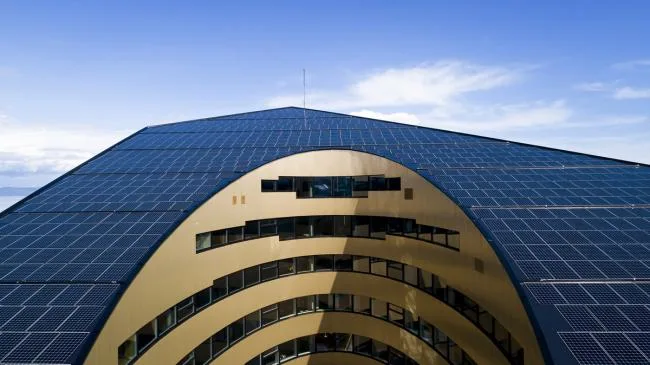
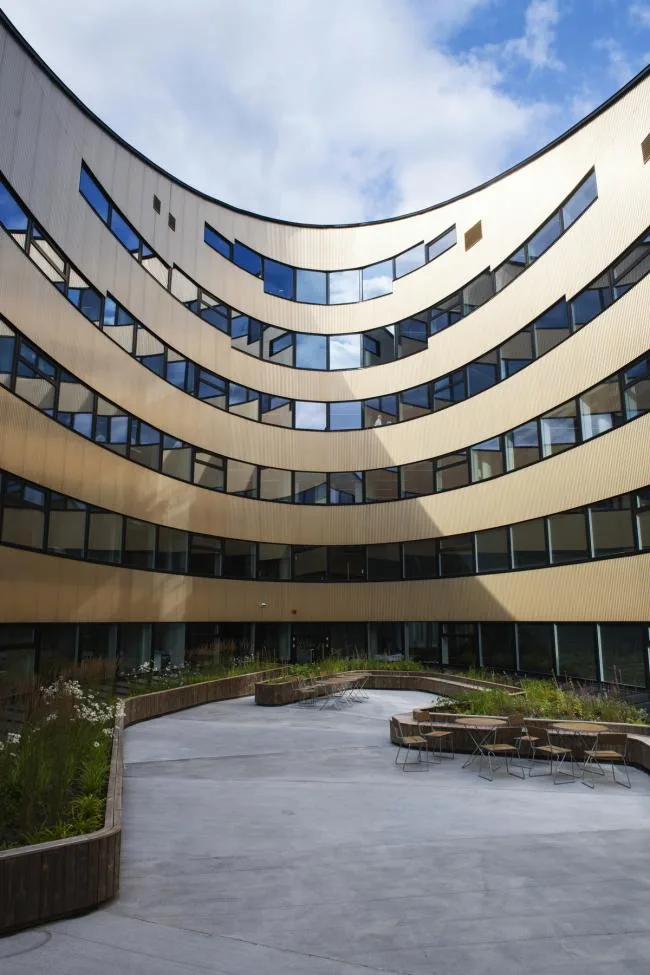
The building features a charming natural courtyard. From the port side, the façade slopes inward, symbolizing the energy contained within the building. Conversely, the sloping roofs include a central cut-out that allows sunlight to penetrate the office spaces below. At the heart of this design is an atrium that serves as a public garden, framed by horizontal glass windows on both sides. The atrium also channels natural light into the cafeteria beneath.
This angled light well illuminates every floor, offering occupants views of the city’s scenic surroundings. It reduces the need for artificial lighting by flooding the interior with daylight. Large glass windows and open spaces create a bright, inviting, and comfortable working environment.
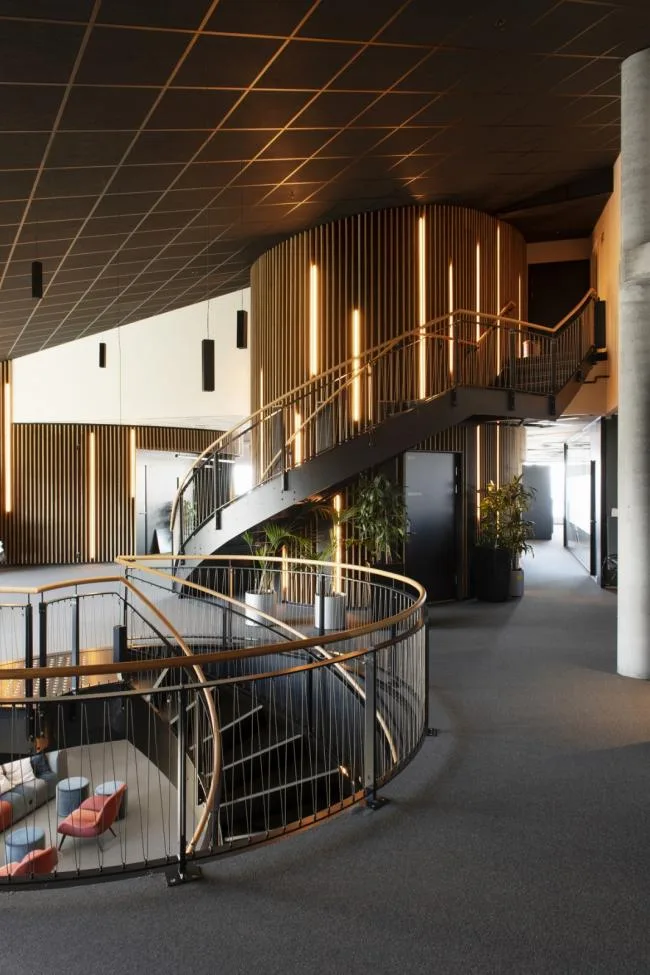
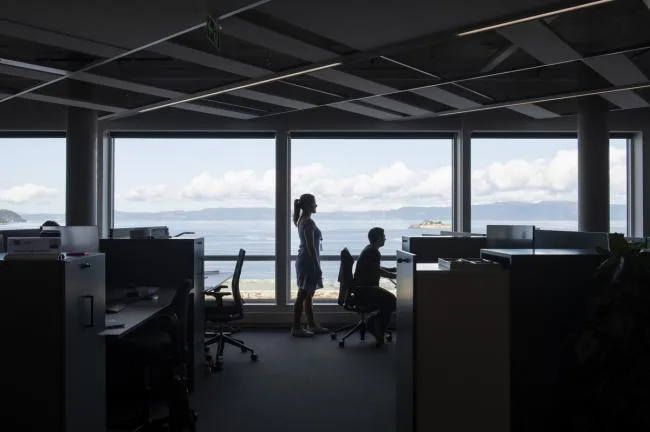
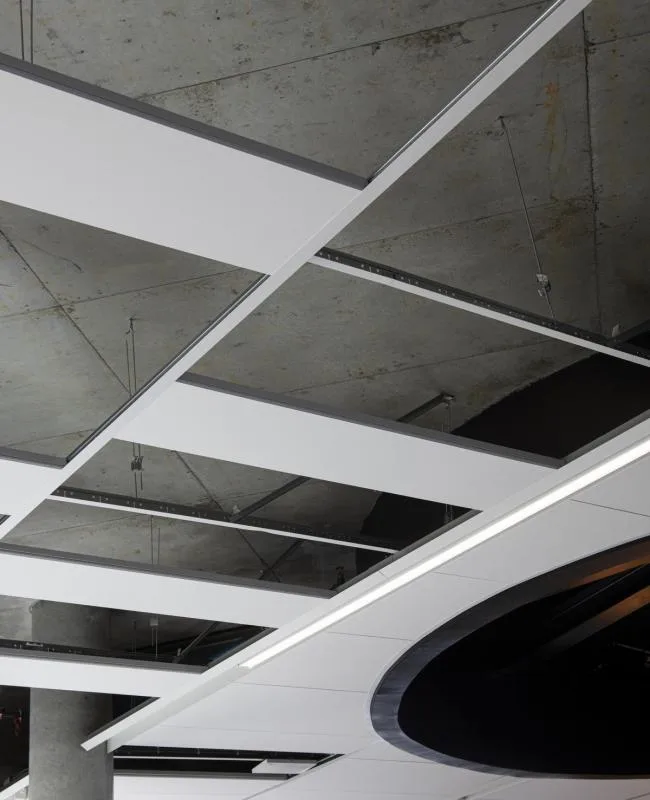
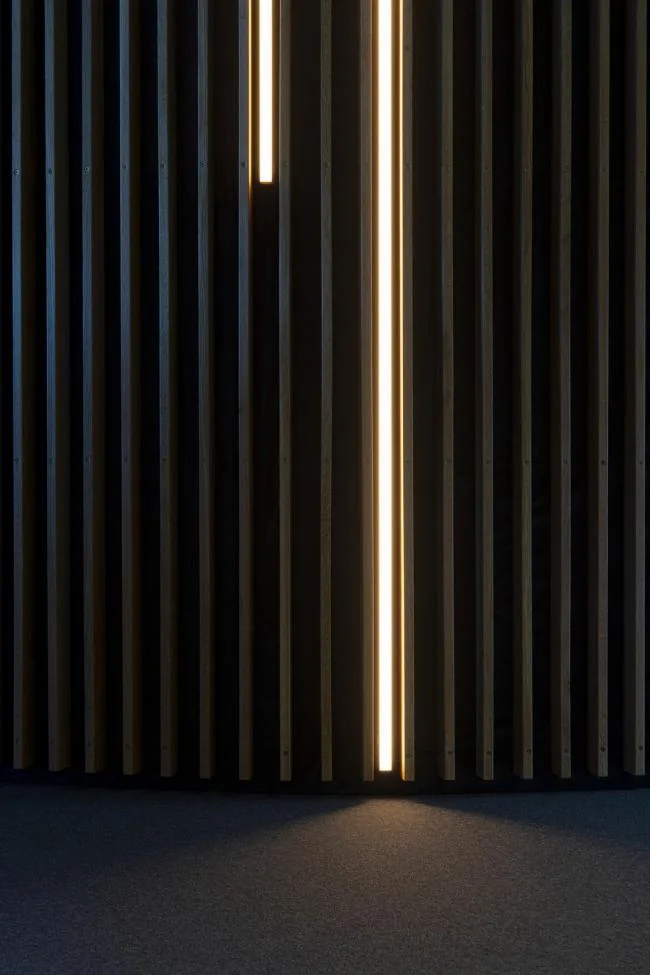
To reduce lighting energy consumption, the building employs a “liquid light” concept, which smoothly adjusts artificial lighting intensity based on occupant activity and movement. These comprehensive strategies reduce the lighting energy usage of Brattørkaia power station to approximately half that of a typical commercial office building of similar size.
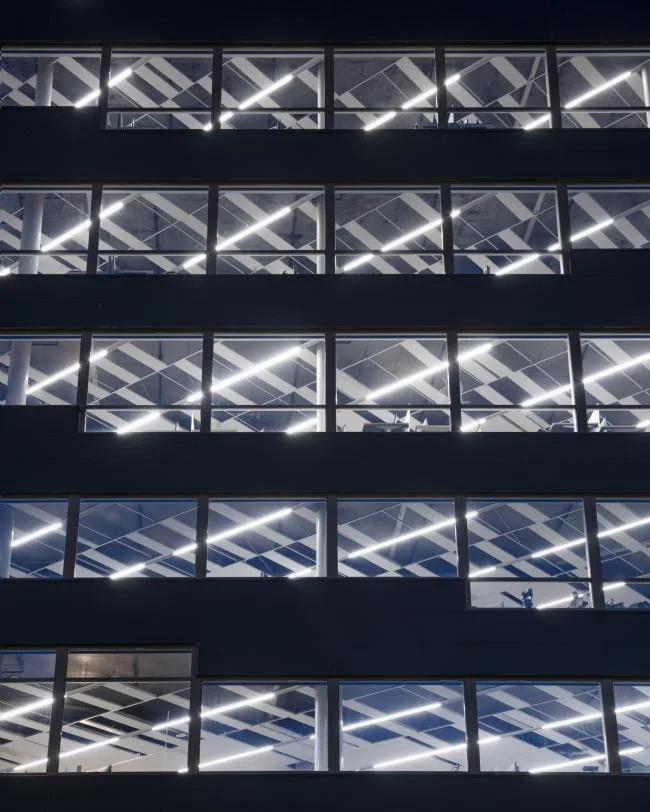
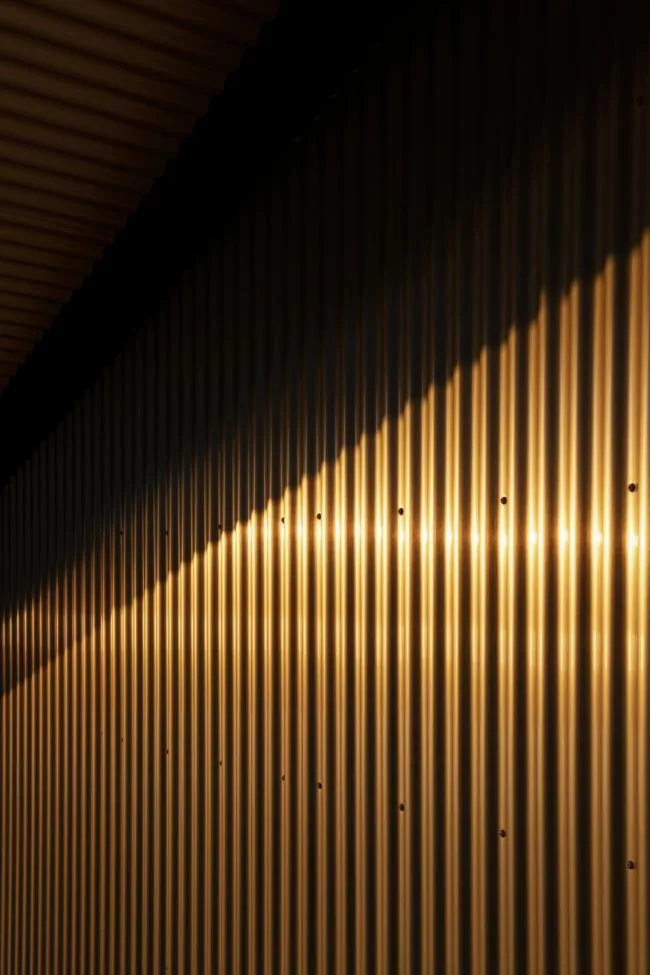
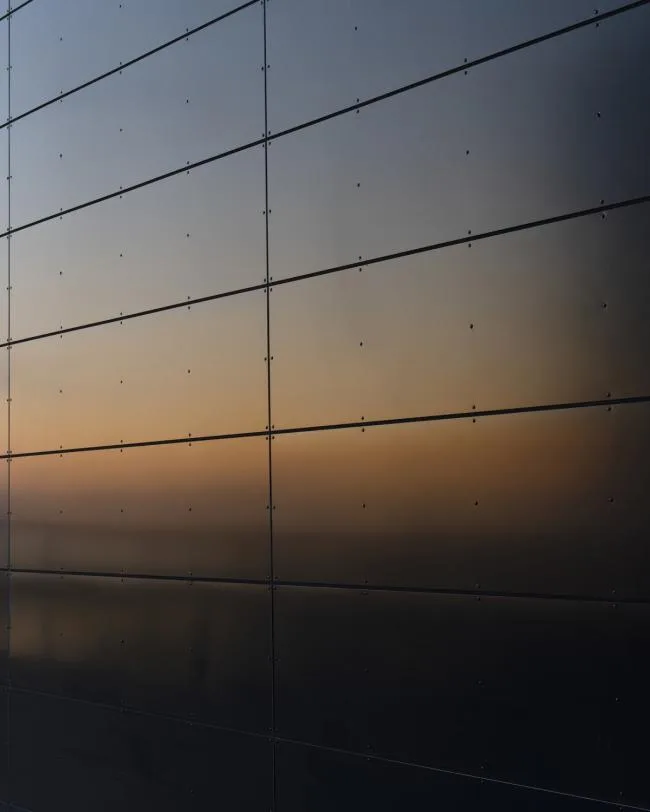
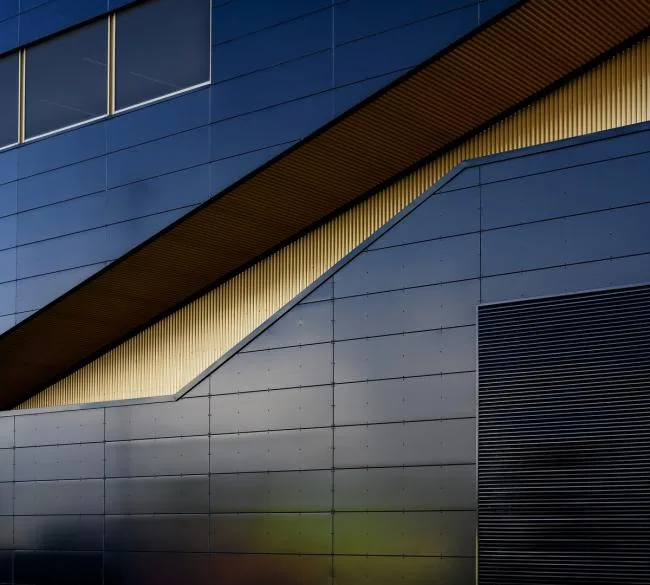
This building accommodates various commercial tenants, including offices for shipping companies, and supports important public projects. The café and visitor center on the ground floor welcome the people of Trondheim, serving as educational spaces for school groups and the general public. The visitor center explains the building’s energy concept and fosters discussions on future sustainable building strategies.
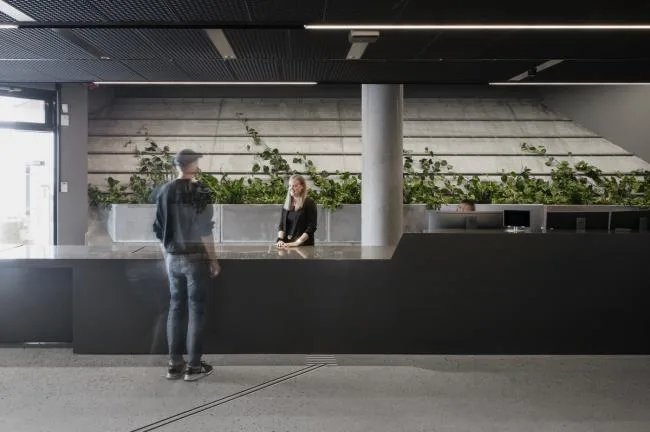
The ventilation and heating systems balance fresh air supply and thermal comfort with exceptional energy efficiency, prioritizing occupant well-being. The ventilation system ensures clean, comfortable indoor air adapted to Trondheim’s mild and humid climate. In the office areas, air supply installations (developed through BIM training) regulate ventilation by delivering low-speed air near the floor and concentrating extraction near the stairwell.
The building’s structural system incorporates thermal mass low-emission concrete exposed through strategic ceiling cutouts. This material absorbs and stores heat and cold, helping to maintain indoor temperatures naturally, reducing reliance on electrical heating or cooling.
Brattørkaia power station has earned the prestigious BREEAM Outstanding certification—the world’s leading sustainability assessment standard and the highest rating for evaluating a building’s environmental, social, and economic performance. This project aligns with the United Nations Framework Convention on Climate Change’s Paris Agreement, which aims to limit global temperature rise to 1.5 degrees Celsius.
Project Drawings
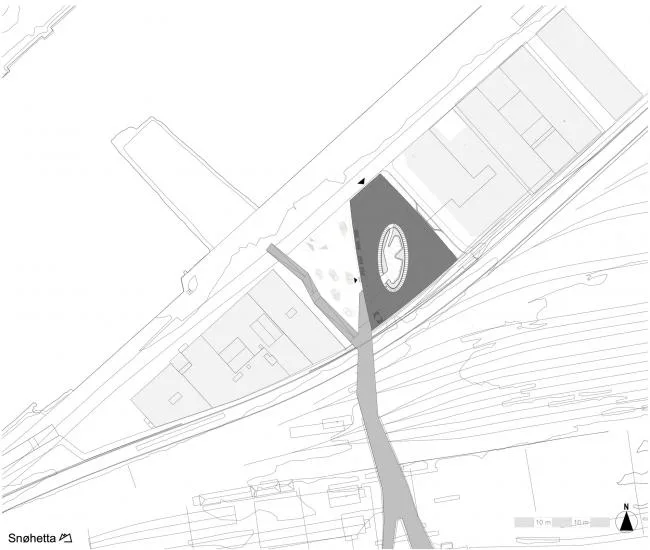
▲ General layout plan
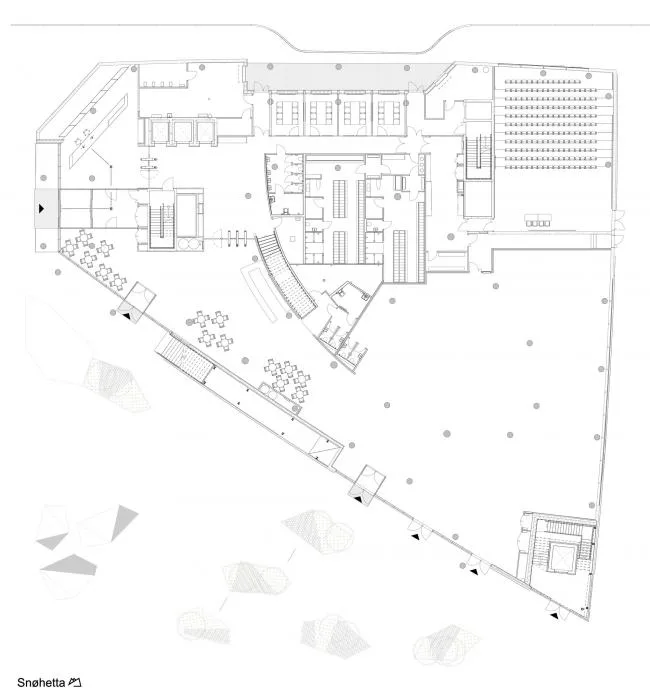
▲ Floor Plan
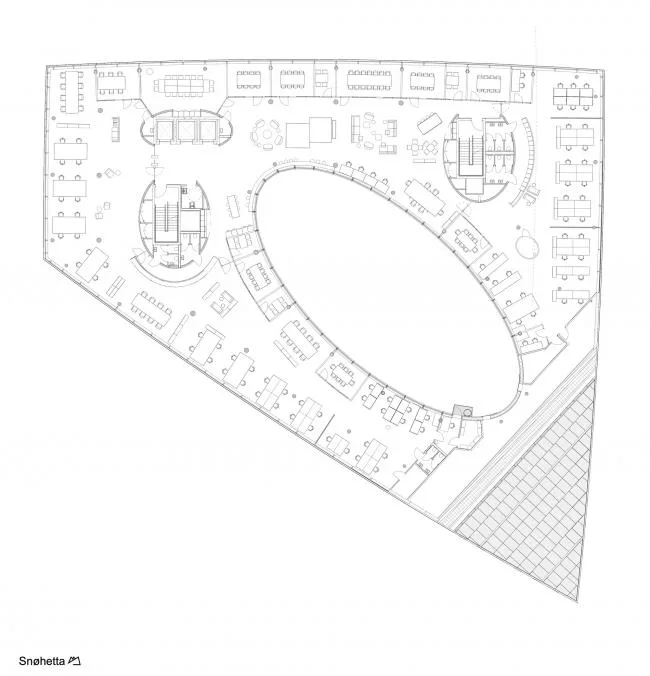
▲ Floor Plan
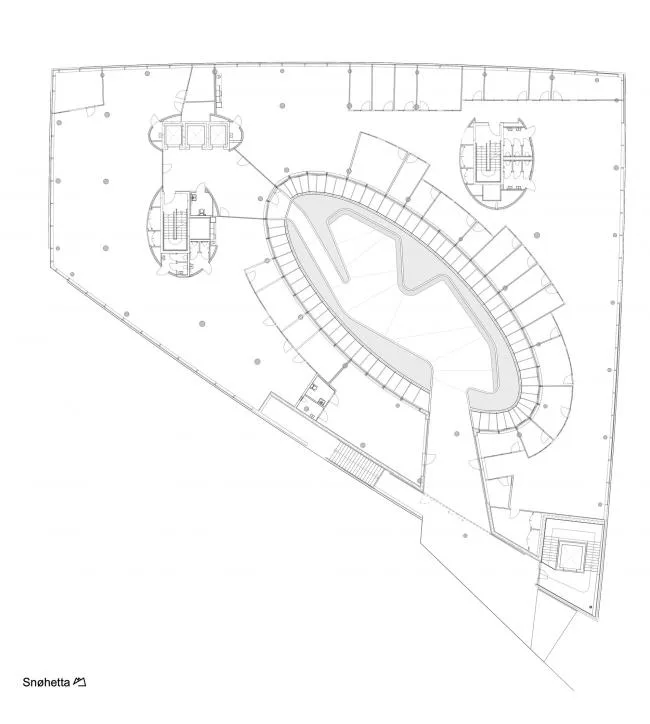
▲ Floor Plan
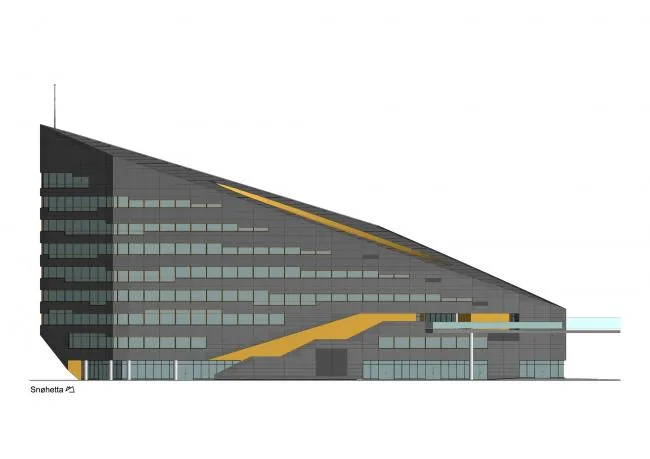
▲ Elevation view
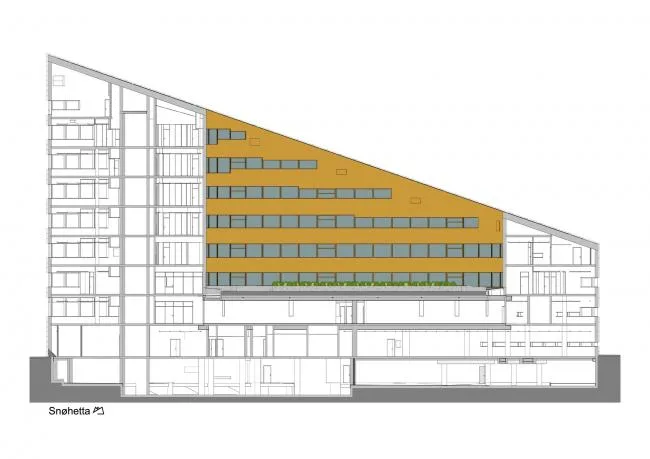
▲ Sectional view
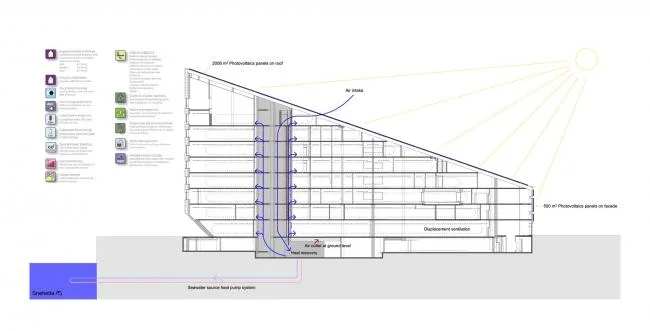
▲ Analysis chart
Project Information
Architectural Firm: Snøhetta
Location: Trondheim, Norway
Type: Energy Plant
Area: 17,800 square meters
Project Year: 2019
Photography Credit: Ivar Kvaal












Must log in before commenting!
Sign Up