
Schools have traditionally served as vital cultural spaces, radiating values to the surrounding urban areas. Similar to ancient Chinese academies, schools have long been regarded as noble and pure spiritual sanctuaries dedicated to educating students and enriching communities. The recent campus design competition held in Shenzhen offers a unique opportunity to redefine the spatial relationship between campuses and cities.
As Shenzhen’s earliest urban district, Luohu hosts many primary and secondary schools constructed in the 1990s. With rapid urban development and population growth, these schools face pressing challenges—aging buildings, outdated facilities, safety concerns, and a severe shortage of school places. Addressing these issues requires revisiting the foundation of education and exploring how campus design can align with modern educational philosophies, local ecology, urban culture, and community health. In October 2018, the Luohu District Government, in collaboration with the Shenzhen Urban Design Promotion Center, launched the Design for Tomorrow – Luohu District Campus Design Creative Competition. The competition collected innovative design proposals for Guiyuan Middle School, Cuiyuan Middle School Dongxiao Campus, and Dongchang Primary School, aiming to improve architectural spaces and campus environments despite limited land. Our team participated in all three competitions, winning first prize for Dongchang Primary School and third prize for Guiyuan Middle School.
“The corridor is wide and transparent, featuring alcoves overlooking the garden that can be converted into classrooms for additional uses. It becomes a place where boys meet girls, students discuss professors’ works. If class time is allocated to these spaces rather than merely serving as passageways, they transform from corridors into gathering spots—self-study areas that belong to the students.”
—— Louis Kang
Project 1: The Most Crowded — Dongchang Primary School
Dongchang Primary School is situated on the south side of Taibai Road in Luohu District, Shenzhen. It is flanked by two towering residential buildings on one side and the Shuibei Petrochemical Industrial Plant on the other. The school recently acquired a narrow parcel of land extending westward from the existing campus, with a five-meter elevation difference. The current campus is already cramped, lacking adequate public activity spaces for students during breaks. At times, physical education classes must be held in fire escape areas. The main campus entrance and exit require borrowing adjacent roadways, creating safety hazards due to the mix of pedestrian and vehicle traffic during peak student commuting hours.
The campus is hemmed in by tall residential towers to the north and industrial complexes to the south, creating a stark scale contrast that amplifies the feeling of overcrowding. To accommodate future growth—from 32 to 42 teaching classes—the school plans to demolish illegal structures, repurpose certain buildings, and expand new teaching facilities on the newly acquired land. However, growing educational demands are already pushing the campus beyond its capacity, compounded by the need for road construction encroaching on school grounds. This intensifies the conflict at the campus-city boundary.
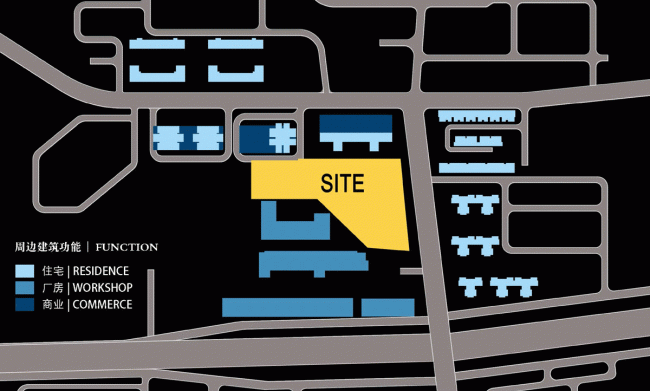
▲ Venue environment
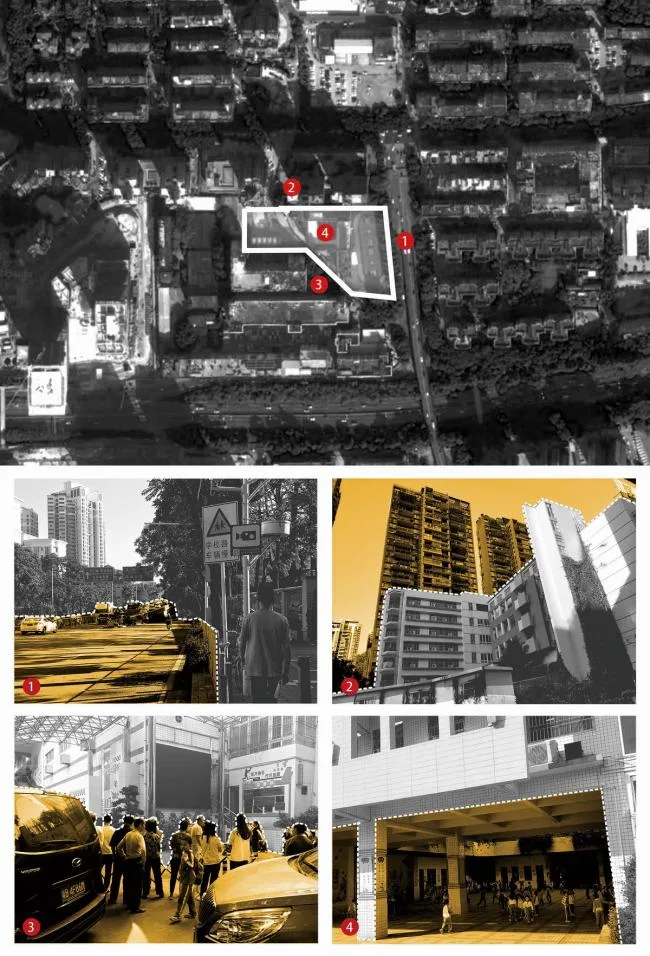
▲ Current site conditions
Traditional primary and secondary schools often operate as isolated educational systems, maintaining a distant relationship with their surrounding communities. The overcrowding at Dongchang Primary School challenges us to reconsider how campuses and communities can be more deeply integrated. Our goal is to explore possibilities for blending campus, community, and family life by breaking down rigid boundaries. By sharing urban spaces, we aim to merge daily life with the campus environment, fostering a healthy space for children to grow.
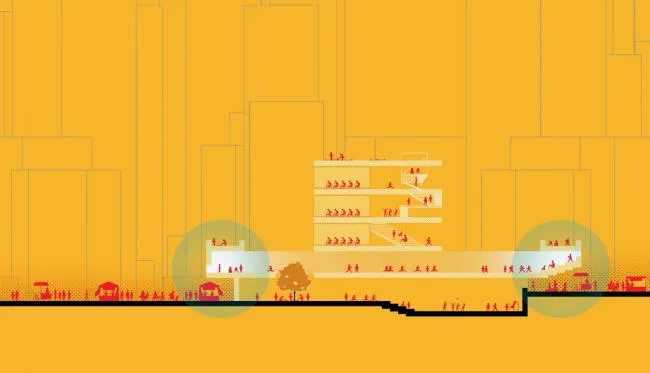
▲ Campus integrated within everyday urban life
The design creates a rich interface with the traditional Lingnan style arcade space. Along the campus boundary, a circular, belt-shaped open area forms a porous public corridor that encourages leisure and interaction between the community and school. This arrangement allows for a “zero setback” line between campus and city. The site’s elevation changes create dynamic spaces beneath the bicycle shelter, which serve as extensions of sidewalks and urban streets, hosting exhibits like school history and science displays. The arcade’s floor slabs expand campus functionality by doubling as stands and aerial walkways for the sports field, offering children a platform to observe city life and community activities.

▲ Concept development
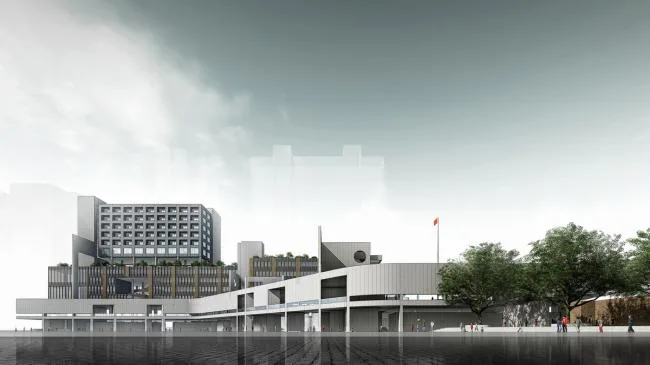
▲ South facade
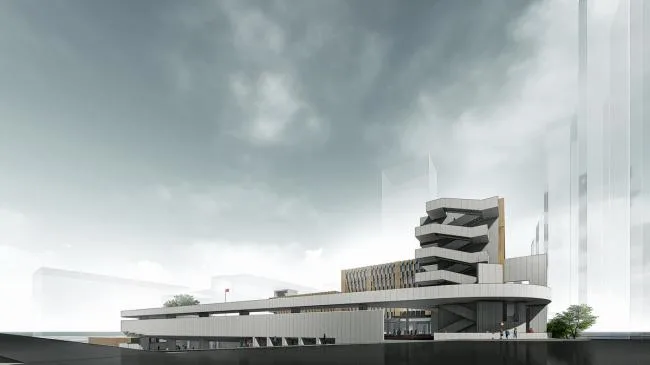
▲ North facade
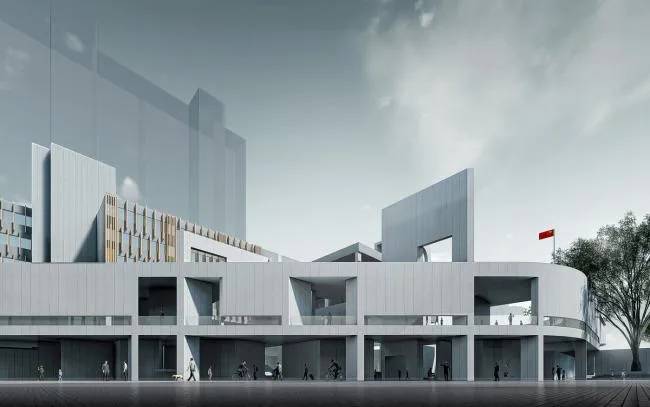
▲ Arcade interface
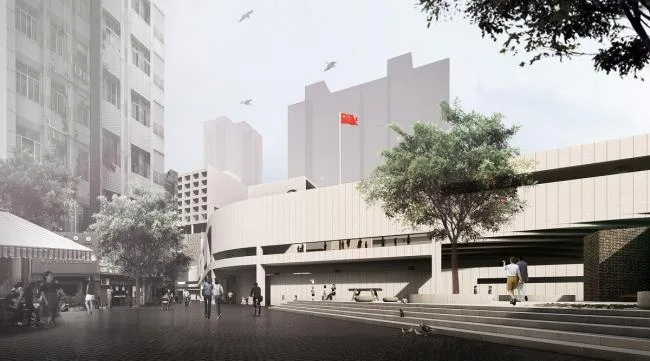
▲ Square interface
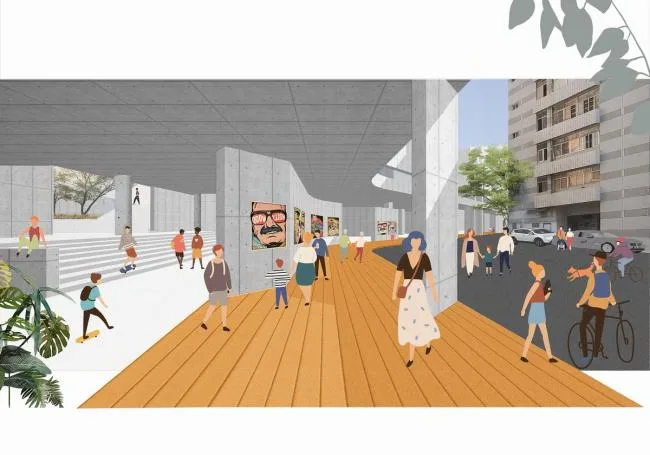
▲ Multi-functional space underneath
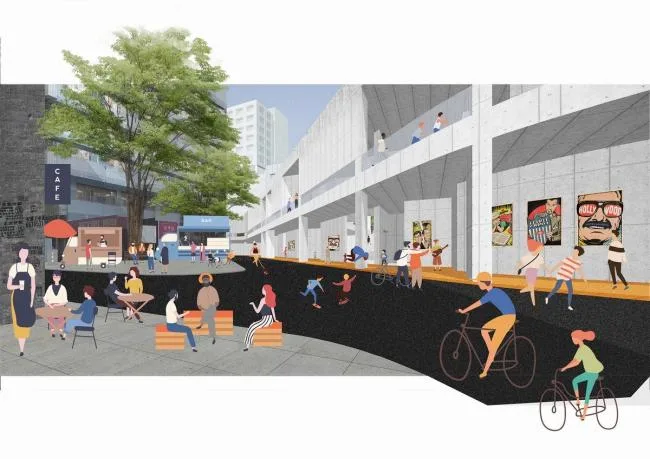
▲ Arcades connecting to city streets
The cultural arcade divides the campus vertically into two zones: a shared urban area and the core campus living area. This layered arrangement grants the shared space a measure of independence, easing campus management and maintaining security while allowing community access. The urban shared zone occupies the ground floor and includes facilities such as a cafeteria, sports field, and auditorium, which open to the community on weekends. Surrounding core spaces like the atrium, courtyard, and sports field are gathering points for teachers and students. The upper floors (2nd to 5th) house teaching areas, with regular classrooms on the 2nd to 4th floors, and special facilities like music and computer rooms on the 5th floor. Administrative offices, classrooms, and dormitories are concentrated in the tower above the rooftop garden, greatly enhancing teachers’ working and living conditions. The campus layout preserves original functions while creating a multi-core, multi-platform spatial pattern.
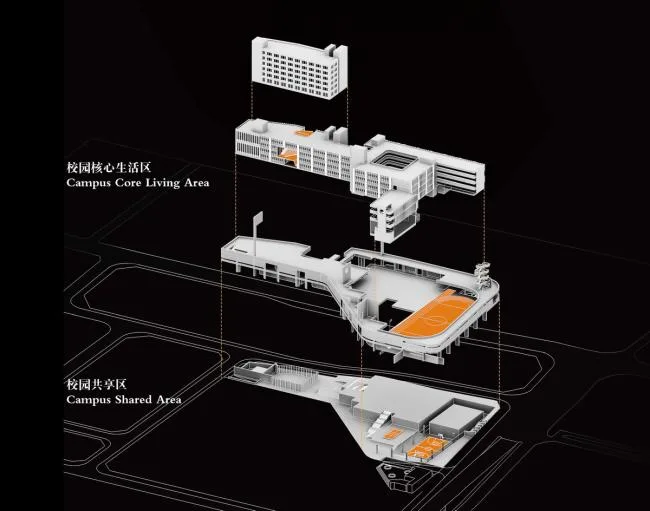
▲ Vertical spatial layering
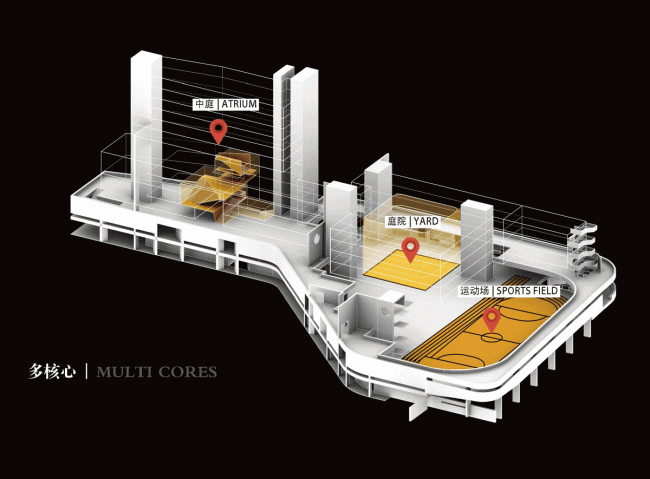
▲ Multi-core, multi-platform campus
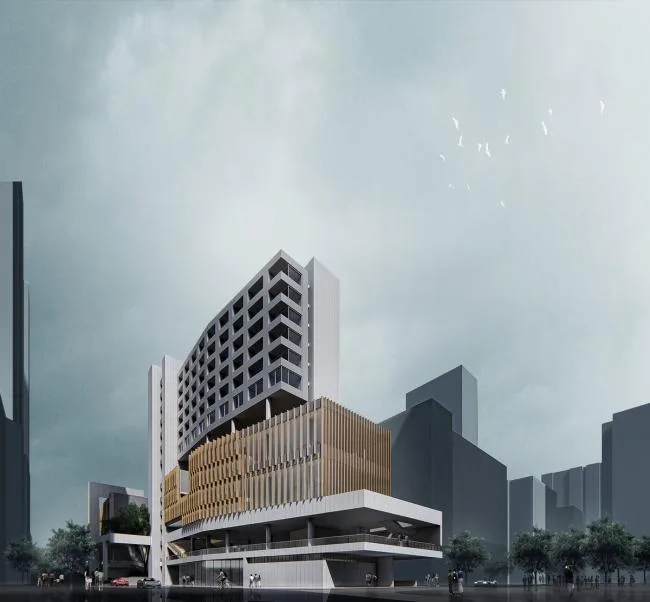
▲ Northwest-facing street view
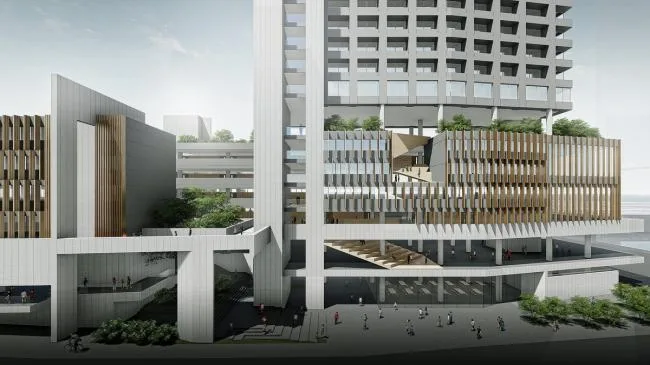
▲ Campus core facing city opening
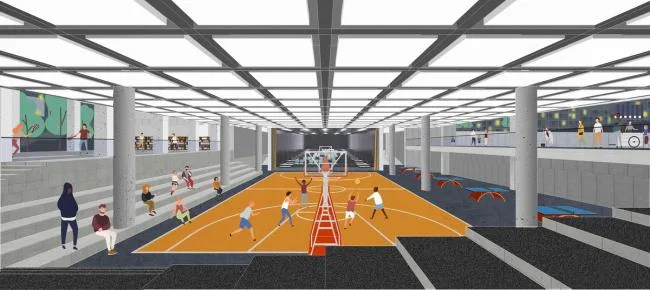
▲ Wind and rain shelter
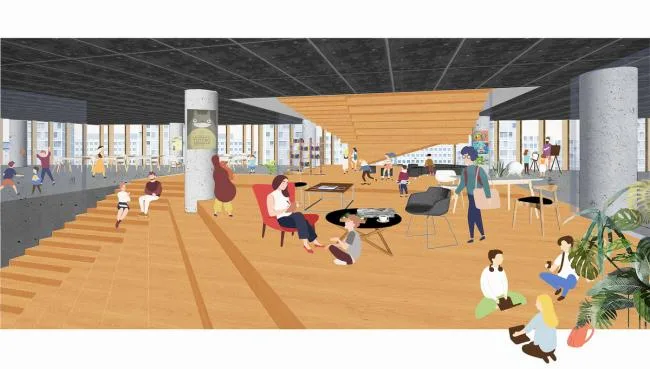
▲ Interior view
Cultural arcades invite the community and families to engage more deeply in children’s education. The openness of shared spaces promotes more efficient use of urban resources and energizes community vitality through increased interaction.
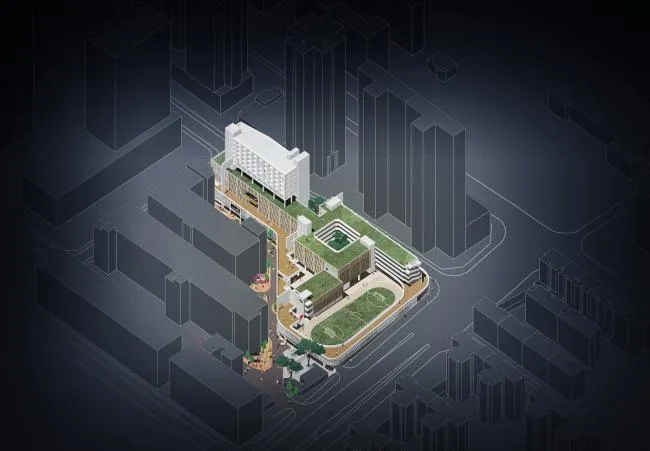
▲ Aerial view

▲ Technical drawings of Dongchang Primary School
Project Details
Project Name: Dongchang Primary School, Shenzhen
Location: Shenzhen
Owner: Office for Preliminary Work of Government Investment Project in Luohu District, Shenzhen
Land Area: 10,391.50 ㎡
Building Area: 30,212.08 ㎡
Building Height: 50 meters
Status: 2018 International Competition First Prize
Project 2: The Most Spacious — Guiyuan Middle School
Guiyuan Middle School is surrounded by residential communities dating back to the 1990s. Our project team included local residents, alumni, and family members of the school’s teachers, all sharing fond memories of the campus. Among these are a majestic banyan tree planted when the school was founded—now nearly five stories tall and protected by a plaque—and a large stone inscribed with the school motto, “Virtue carries goods,” displayed prominently in the ceremonial garden. However, multiple renovations and expansions over time have resulted in fragmented circulation and scattered functions, necessitating a comprehensive functional and spatial reorganization.
These circumstances remind us that creating architectural space is only the beginning; designs must accommodate evolving teaching reforms and the daily needs of educators and students with adaptability and inclusiveness. Due to construction quality issues, only three existing buildings were preserved; the remainder were demolished for new construction. The project brief calls for a new campus capable of supporting 60 classes, with provisions for future expansion. This design represents the most active, spacious, and thoughtfully planned campus among the competition entries.
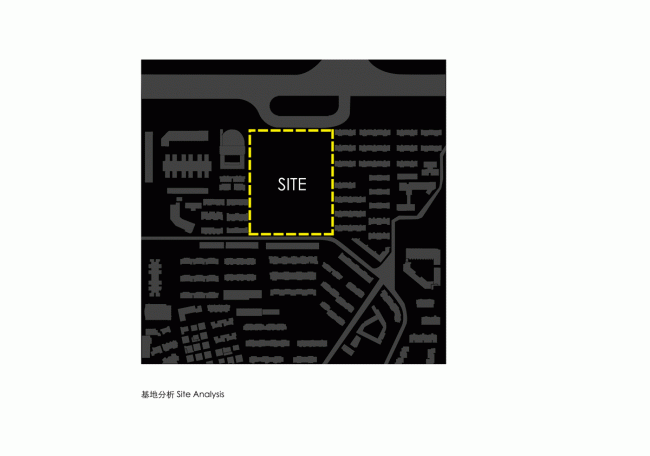
▲ Guiyuan site analysis
In 1961, Joan Littlewood and architect Cedric Price introduced the concept of the Fun Palace—a dynamic space where people gather to enjoy art, science, and culture, epitomizing a learning paradise. Inspired by this idea and leveraging Guiyuan Middle School’s relatively abundant land and high-density urban context, we designed a three-dimensional, diversified teaching complex. This vertical campus landscape offers a multi-dimensional learning environment.
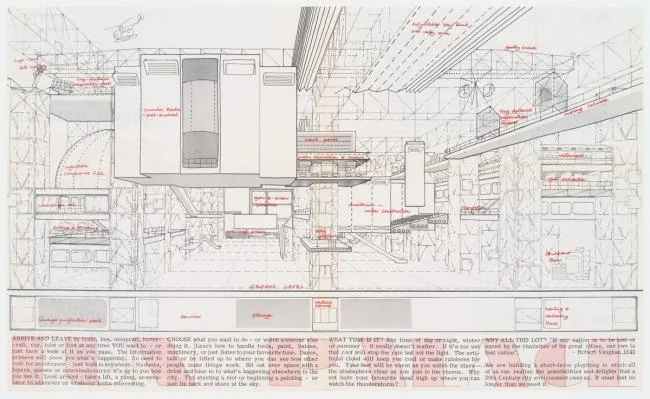
▲ Fun Palace concept image (source: internet)
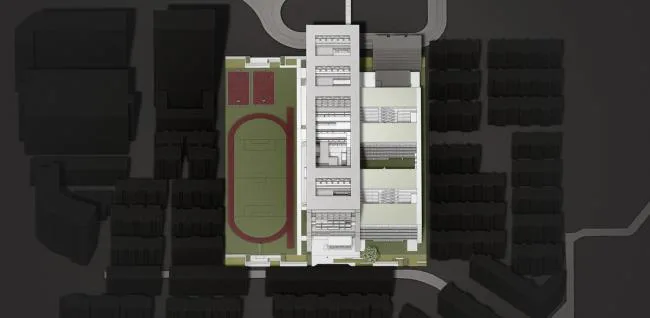
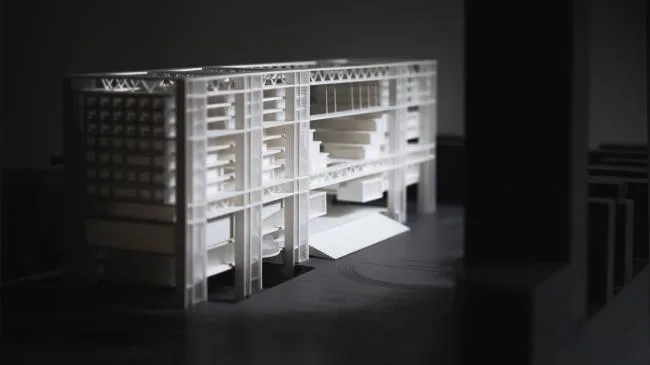
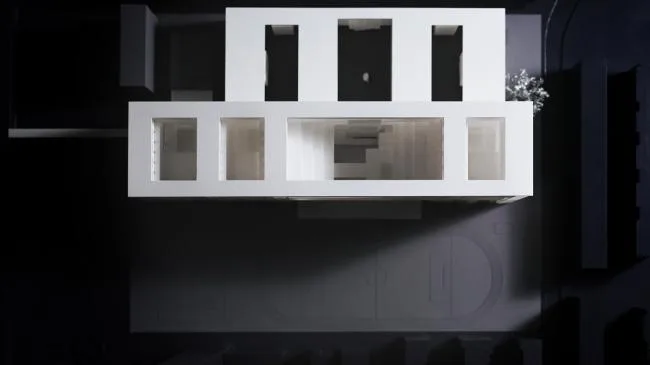
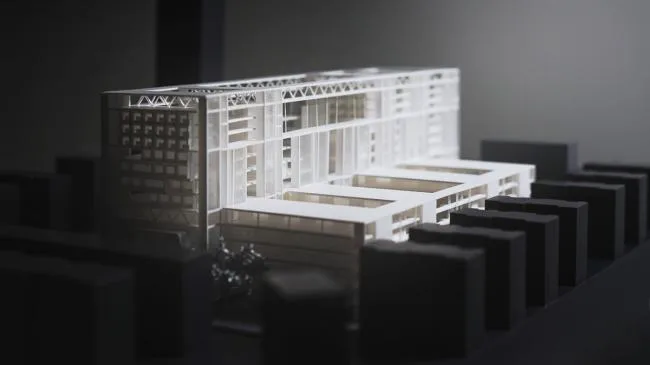
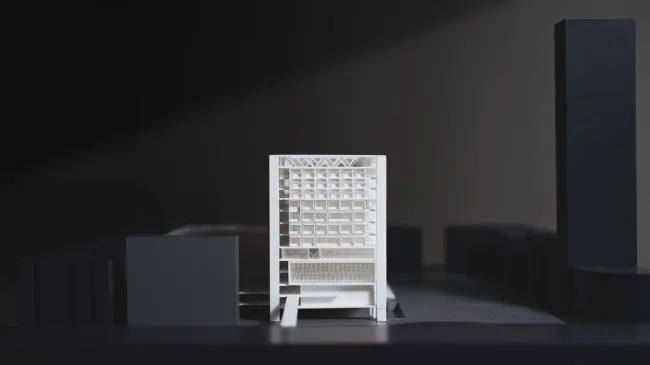
The 50-meter high comprehensive building integrates specialized classrooms, offices, meeting rooms, sports facilities, and lunch areas in a vertical arrangement. This approach frees up limited campus space while ensuring excellent sunlight and spacing for ordinary classrooms, and preserving the sports field. Following the existing campus layout, the teaching area, comprehensive facilities, and sports field extend from east to west. The teaching area, combined with preserved structures, accommodates 60 standard classrooms, expandable to 72. An underground parking garage is concentrated beneath the building, and the reserved sports field serves as an open front area, enhancing rainwater infiltration and offering potential for future expansion.
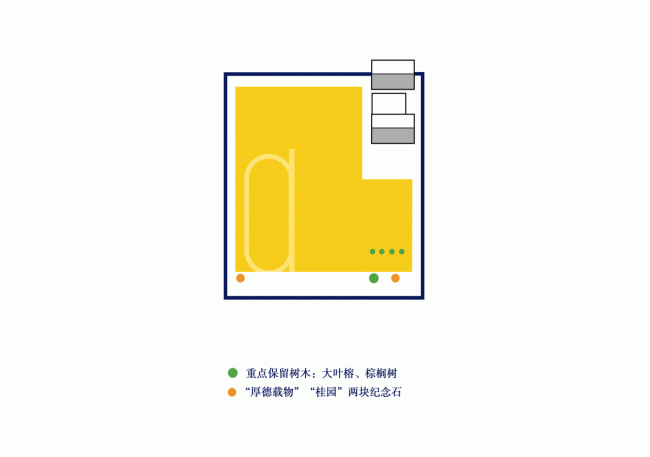
▲ Overall site layout
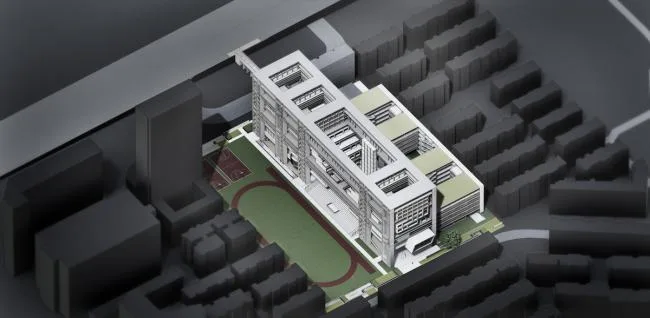
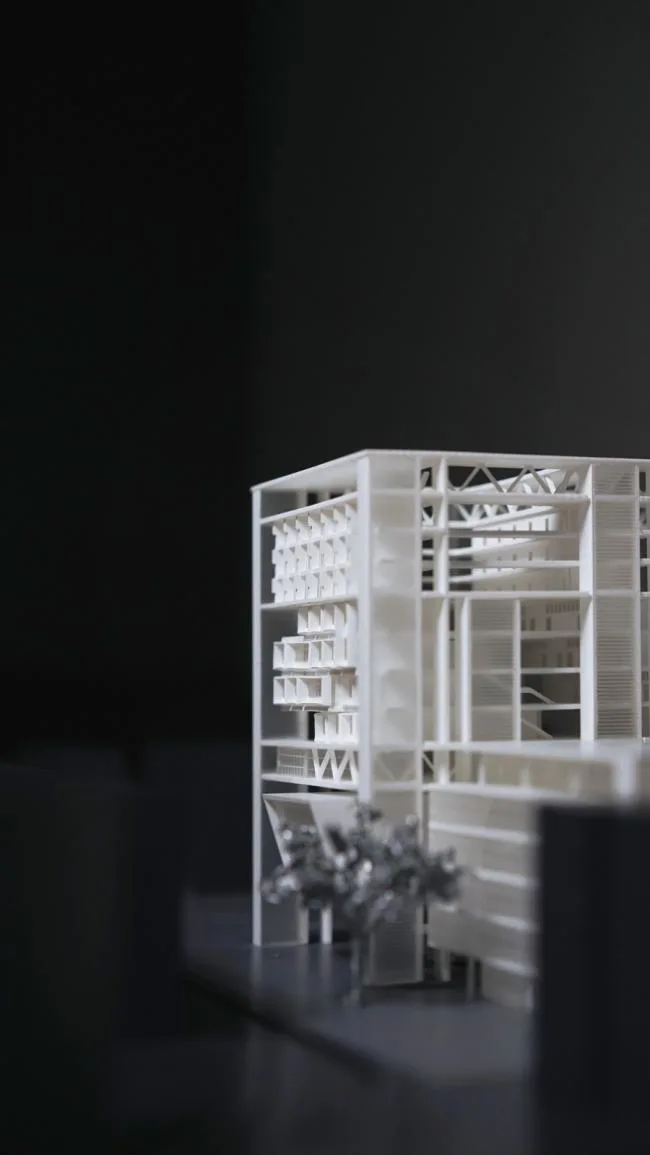
The comprehensive building’s vertical layout is divided into three functional zones: regular column-grid spaces for teaching and dormitories; large-span spaces for lecture halls and gyms; and highly flexible free spaces for libraries, clubs, and exhibitions. Public areas such as lecture halls, sports halls, and libraries occupy floors 1 through 5. Offices are located on the 6th floor, specialized classrooms from floors 7 to 10, and dormitories from floors 11 to 13. The building functions like a giant “bookshelf,” where partitions of varying heights create platforms for different themes. Public squares, courtyards, and performance spaces are distributed vertically, fostering vibrant communal activity. This design balances accessibility and convenience within each function while offering a unique spatial experience in a high-rise educational setting.
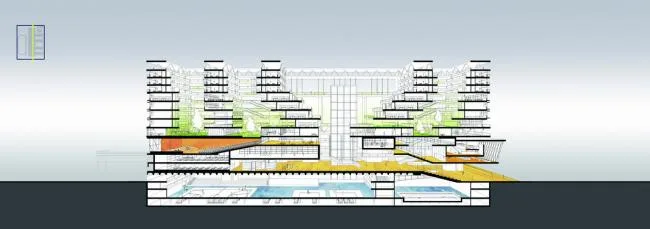
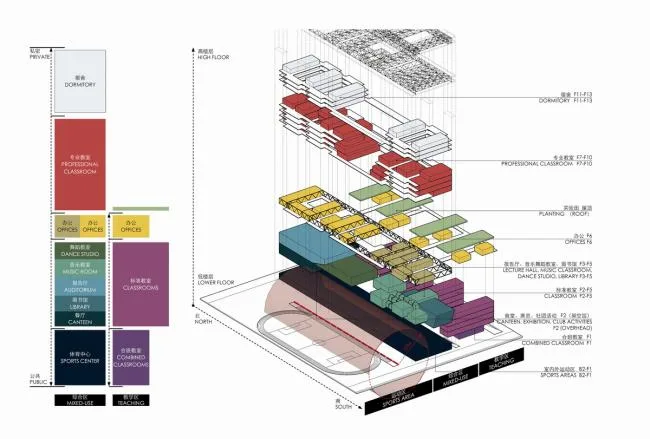
▲ Functional analysis
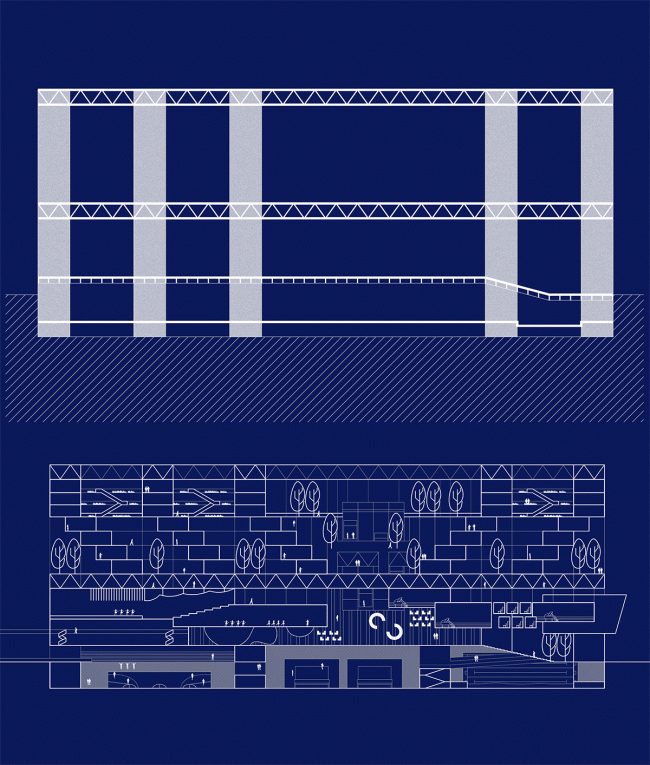
The building employs a large-scale suspended structural system that frees up local ground space, accommodates varied floor heights, and provides extensive column-free areas. This system also allows flexibility for future renovations and upgrades. The mega-structure not only meets structural demands but also serves as an open, transparent spatial model for future living and learning environments. It exposes the main load-bearing structures, highlights component intersections, and uses trusses as architectural elements to express structural construction and mechanical aesthetics.
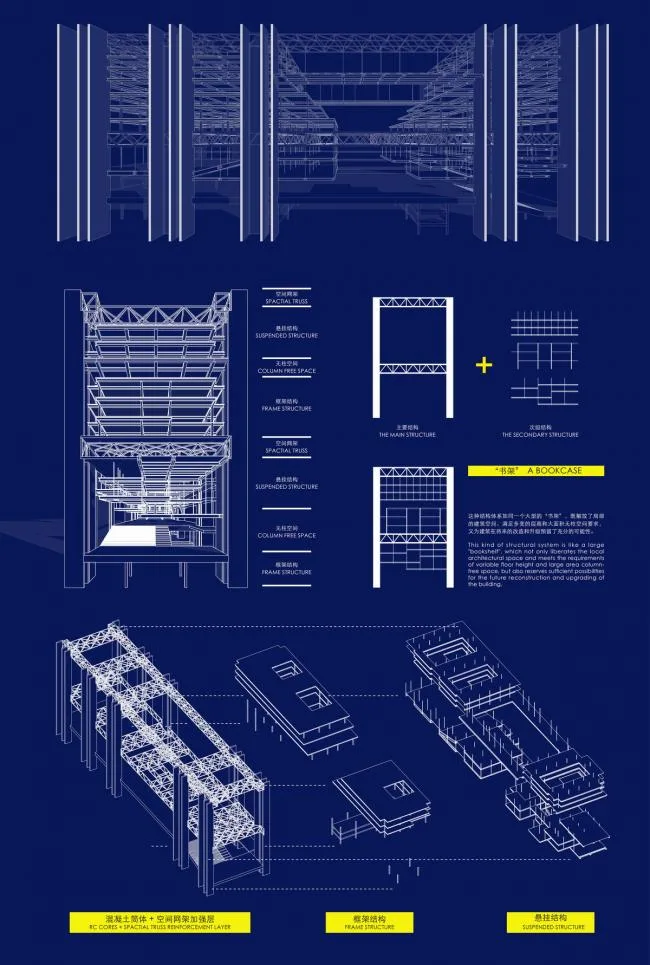
▲ Structural analysis
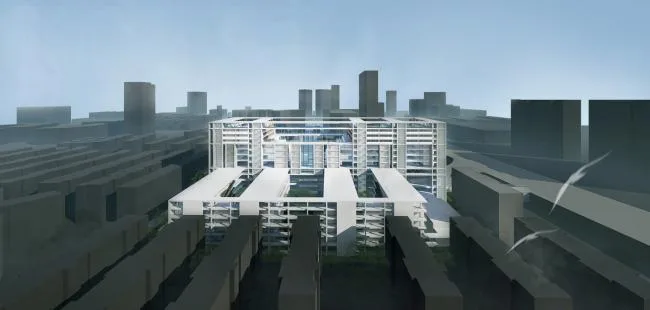
▲ East-facing bird’s-eye view
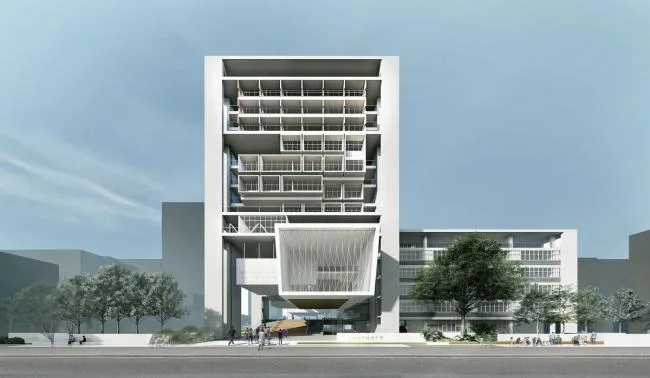
▲ North facade
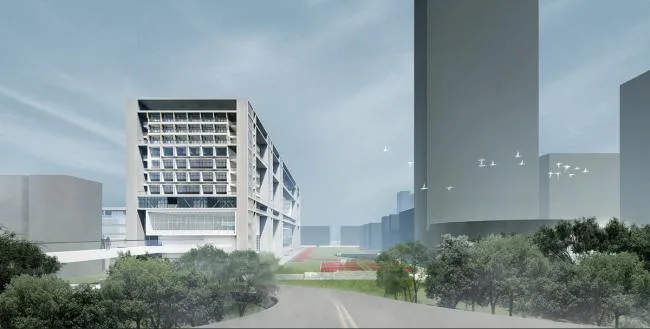
▲ North-facing street view
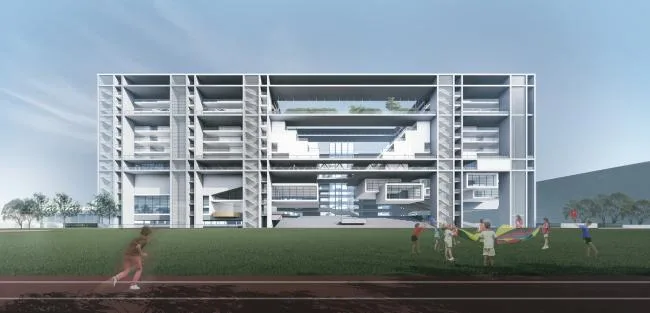
▲ Playground perspective
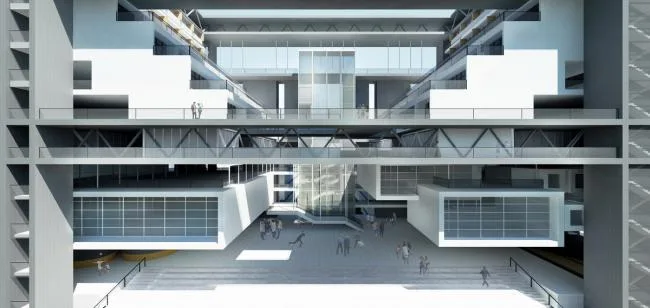
▲ Central square
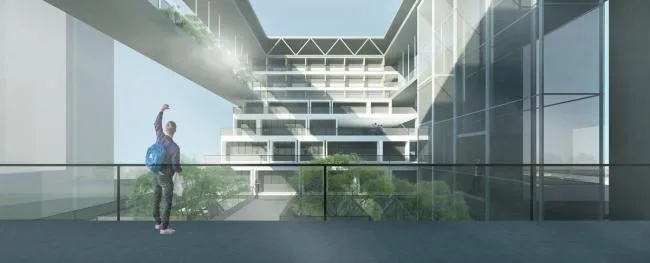
▲ Specialized teaching courtyard
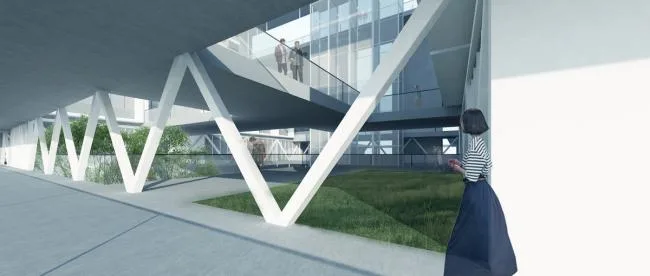
▲ Structural layering
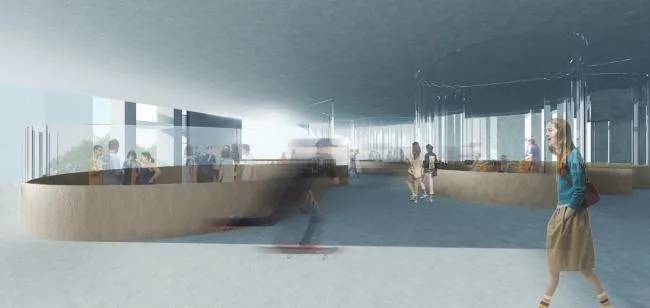
▲ Club activity space
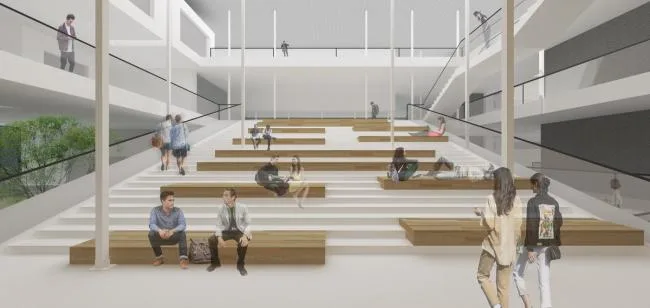
▲ Library
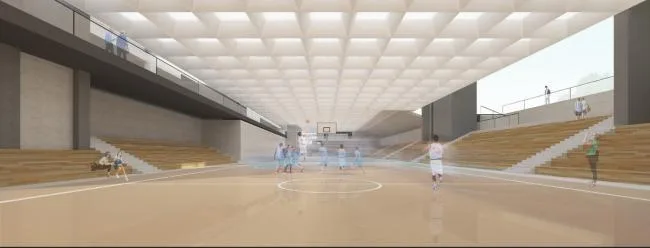
▲ Basketball court
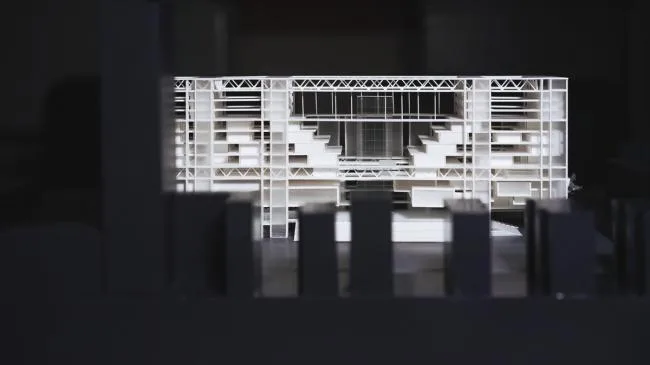
Technical Drawings
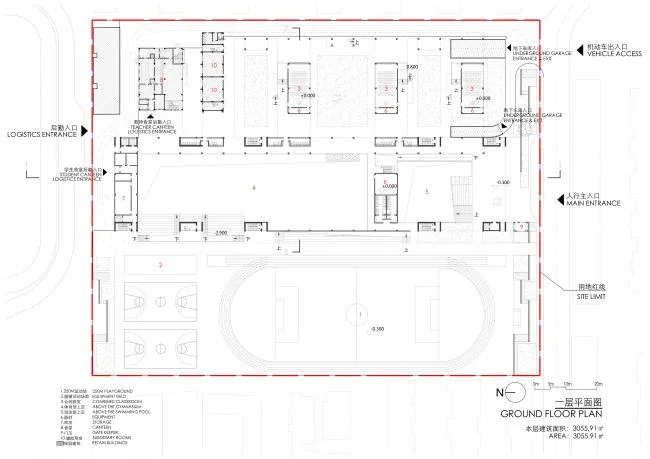
▲ First floor plan
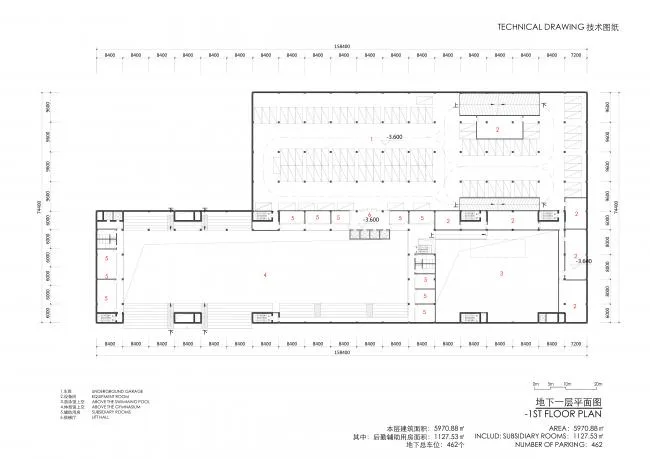
▲ Underground floor plan
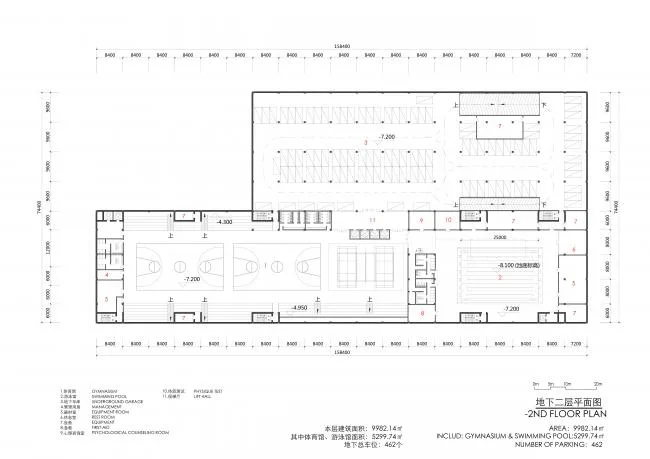
▲ Second underground floor plan
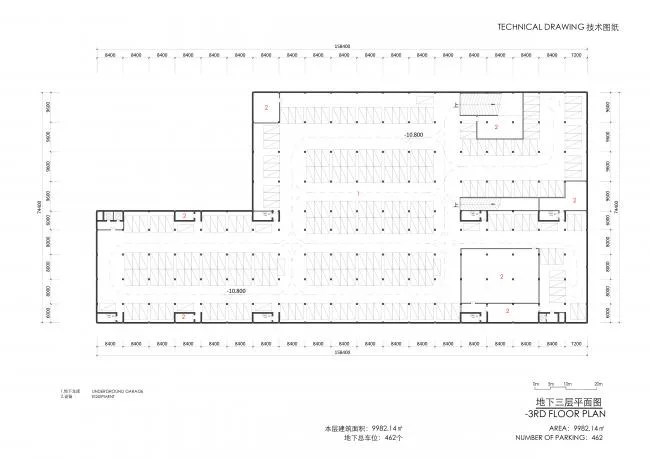
▲ Third underground floor plan
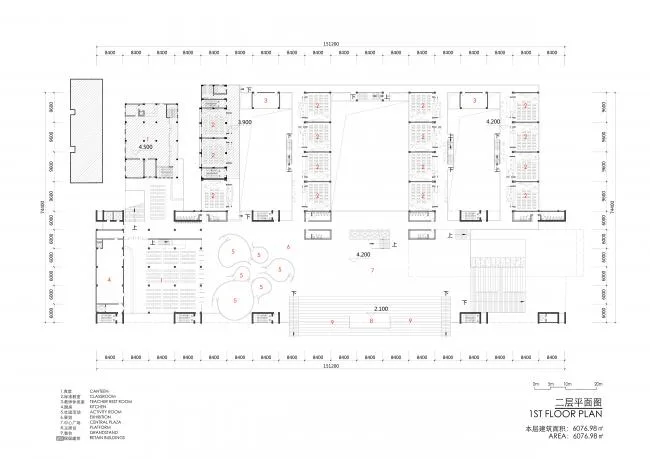
▲ Second floor plan
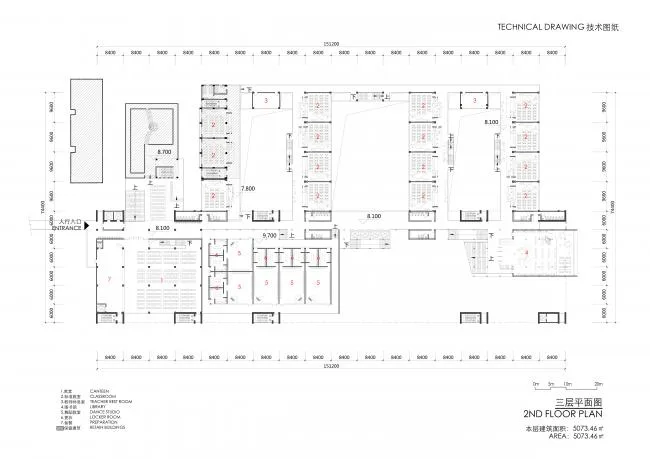
▲ Third floor plan
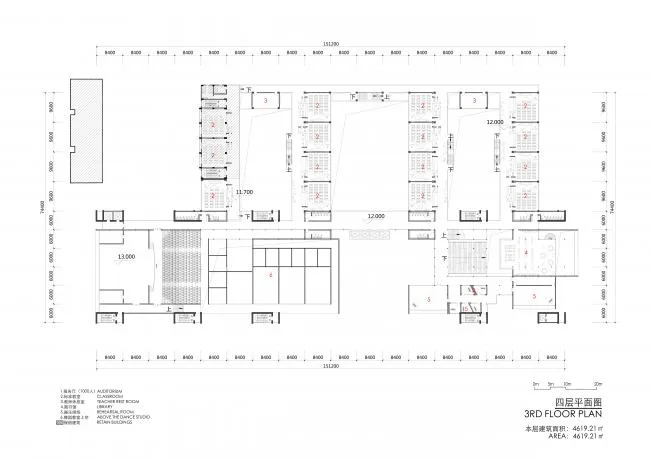
▲ Fourth floor plan
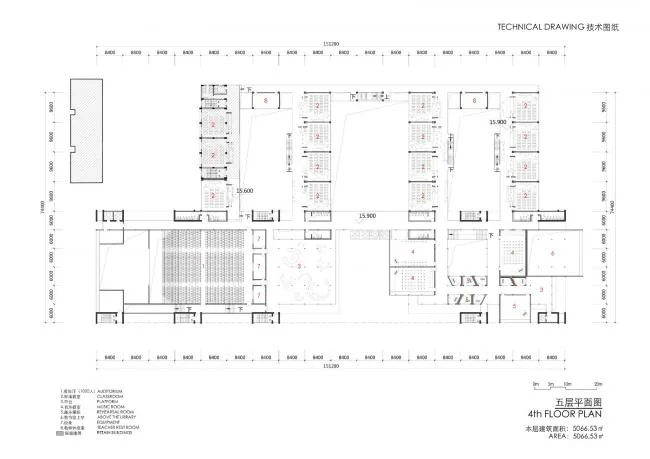
▲ Fifth floor plan
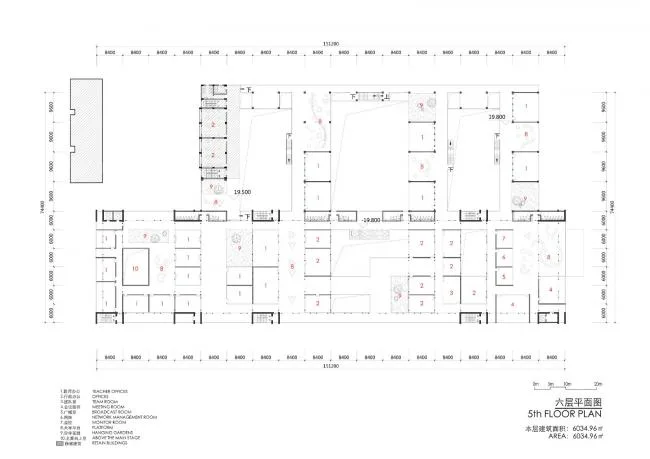
▲ Sixth floor plan
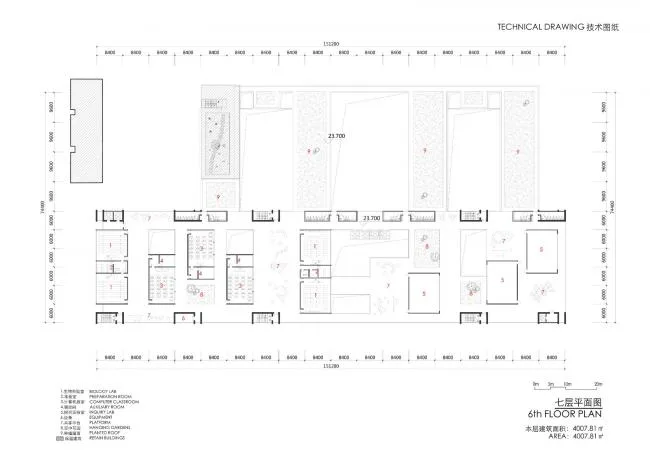
▲ Seventh floor plan
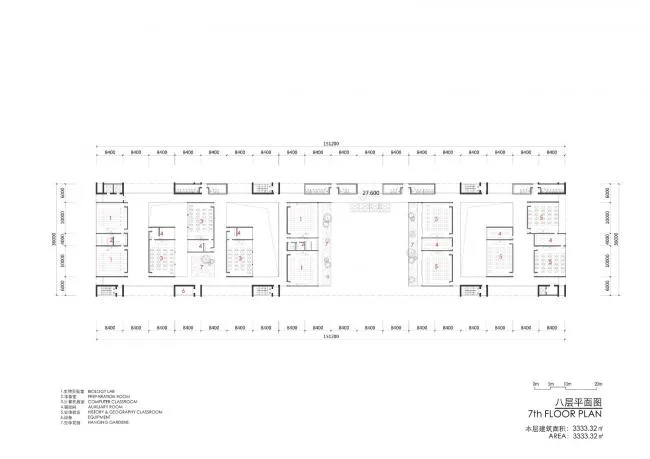
▲ Eighth floor plan
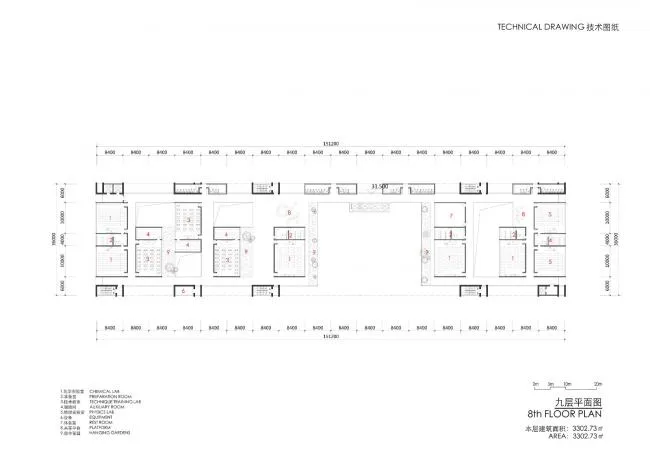
▲ Ninth floor plan
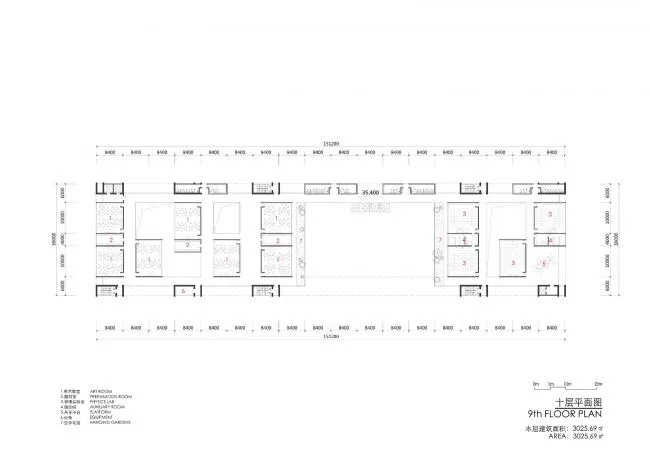
▲ Tenth floor plan
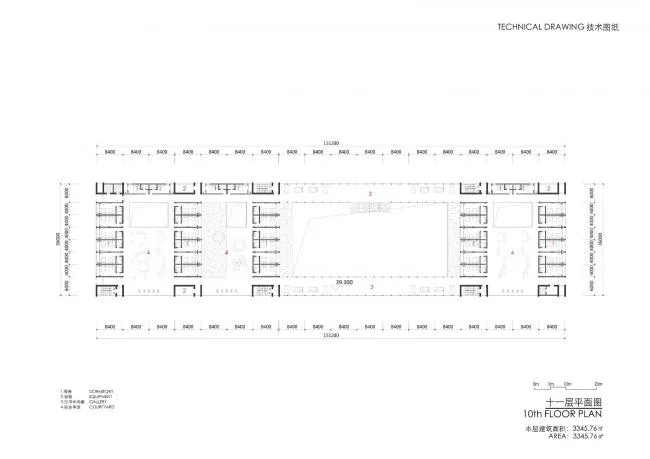
▲ Eleventh floor plan
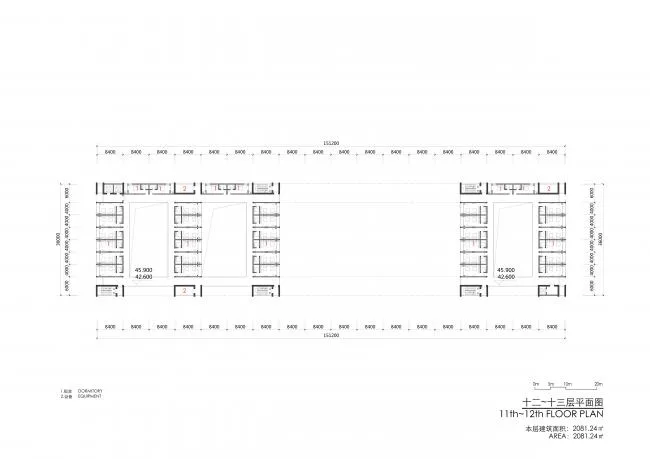
▲ Twelfth to thirteenth floor plan
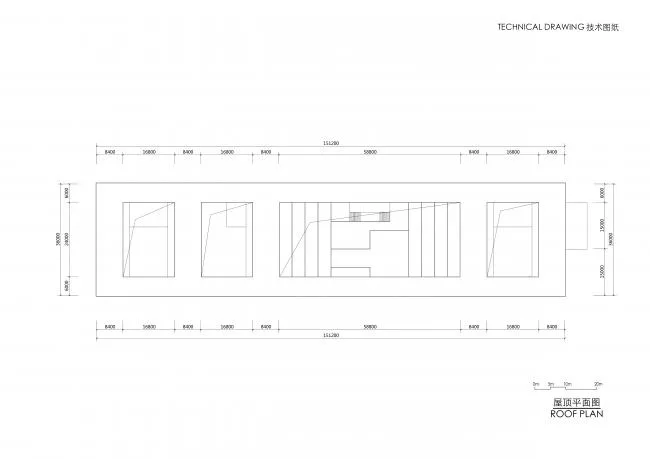
▲ Roof plan
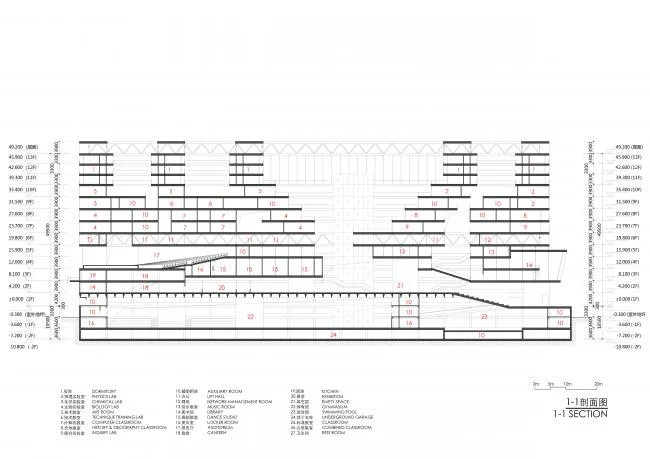
▲ Section 1-1
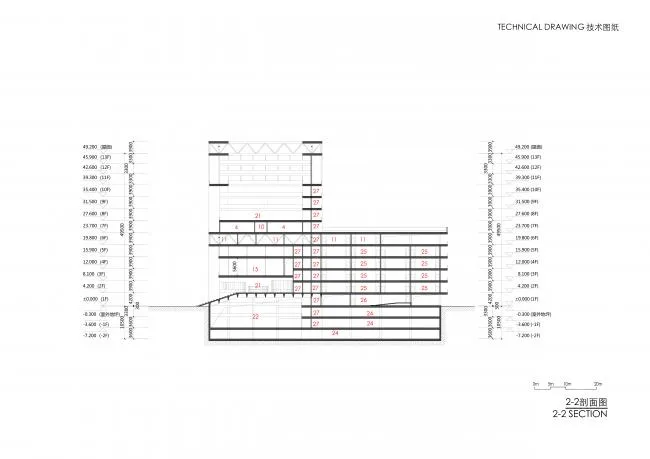
▲ Section 2-2
Project Details
Project Name: Guiyuan Middle School, Shenzhen
Location: Shenzhen
Owner: Shenzhen Luohu District Government Investment Project Preliminary Work Office
BIM Area: 10,391.50 ㎡
Building Area: 30,212.08 ㎡
Building Height: 50 meters
Status: Third Prize, 2018 International Competition
Conclusion
Whether densely packed or spacious, campuses that have evolved within cities over many years demonstrate a symbiotic relationship with urban environments. Campus boundaries have become flexible and expanded, with tall trees, commemorative stones, and playgrounds becoming part of the city’s collective memory. Open sports fields serve as rare “low-density” spaces in high-density urban areas, providing visual corridors and solid ground.
Unlike newly built campuses, established campuses are integral elements of the existing city fabric and urban ecosystem. We honor the traces left by time. Dongchang Primary School’s cultural arcade redefines the boundary between campus and city, fostering integration of streets, schools, and community sharing. Guiyuan Middle School’s comprehensive building presents a model for vertical organization in dense urban campuses, preserving urban texture and land.
The differing impacts of urban context and time on campuses require tailored approaches to typical primary and secondary school architecture. By respecting memories and anticipating future needs, our designs enable campuses to unlock greater spatial and spiritual value within the city.
Project Team
Lead Architect: Tang Hua
Dongchang Primary School Project Team:
Zheng Xin, Yang Yuan, Zheng Lipeng, Zhao Jianyi (Intern), Lu Jing, Zheng Hengbin
Guiyuan Middle School Project Team:
Dai Qiong, Zhang Qiulong, Lin Yu (Intern), Yi Xihao, Mao Tieyong, Tang Mengchan
Original Editors:
Dai Qiong, Zheng Chenxi, Yang Jielin (Intern), Tang Mengchan












Must log in before commenting!
Sign Up