
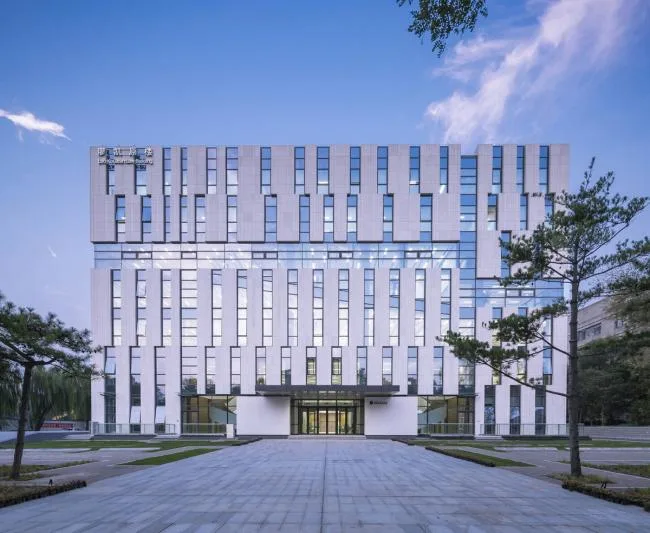
▲ East facade
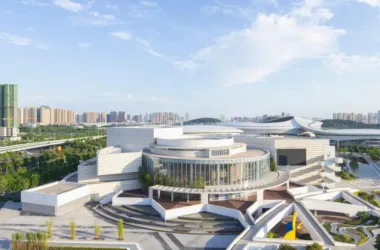
In 2014, Kokaistudios won the international competition to design the architecture and interior of the Tsinghua University Law School Library in Beijing. This building serves three main functions: research, teaching, and office use. Its design pays homage to traditional intaglio printing blocks and evokes iconic symbols of Beijing, such as hutongs and courtyards. Connected through a series of open spaces, the library creates a striking addition to the campus of one of China’s top universities.
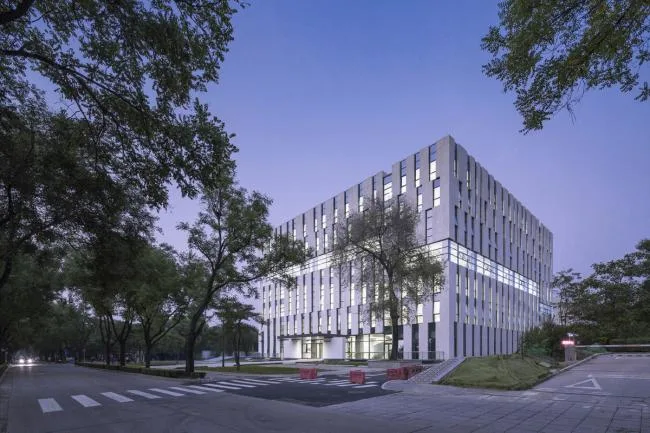
▲ Northeastern exterior view
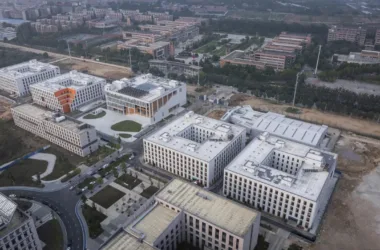
The new 20,000 square meter building designed by Kokaistudios is part of the campus’s planned architectural complex. Its significance lies in how it integrates with the sunken landscape theme of the group and accommodates both open and enclosed pedestrian walkways (BIM building). The concept of “duality” is central to this library’s design.
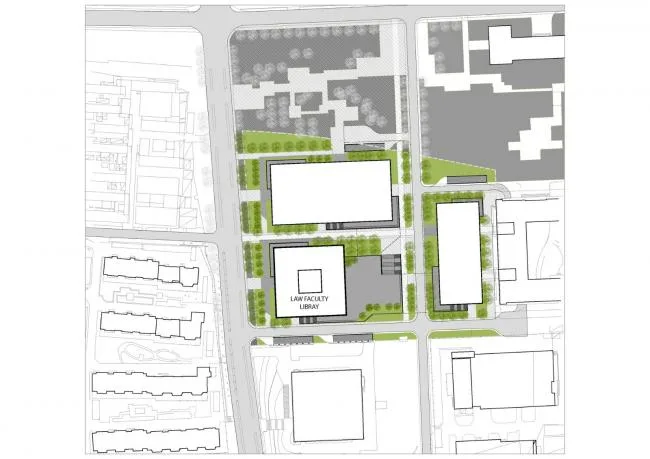
▲ General layout plan
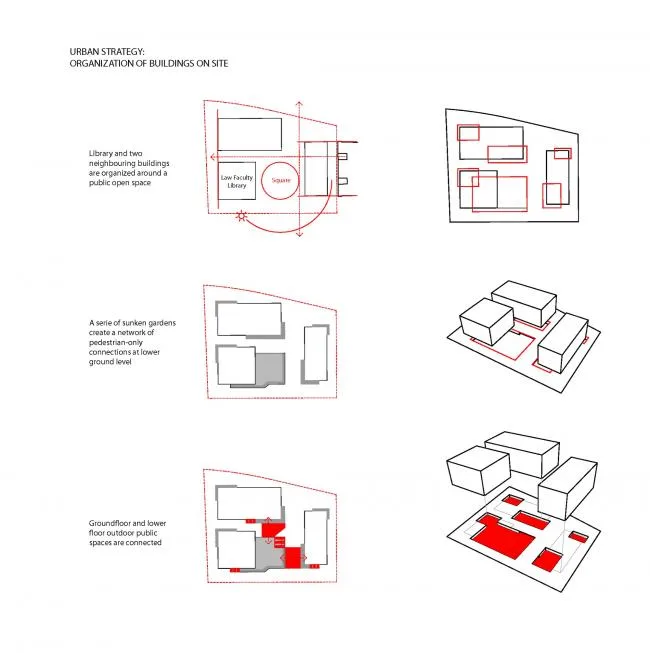
▲ Overall architectural layout
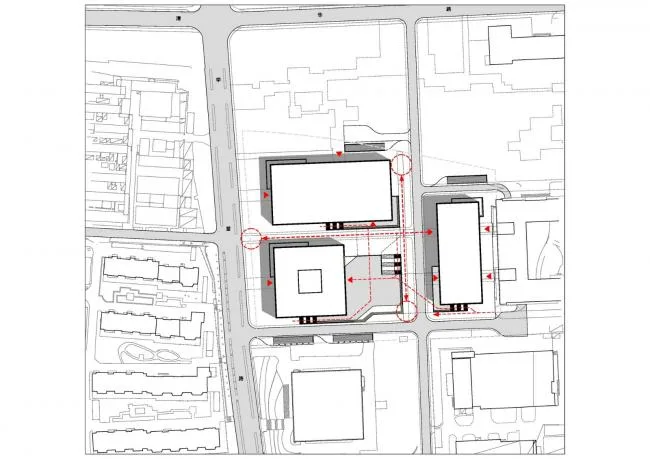
▲ Pedestrian flow line in overall layout
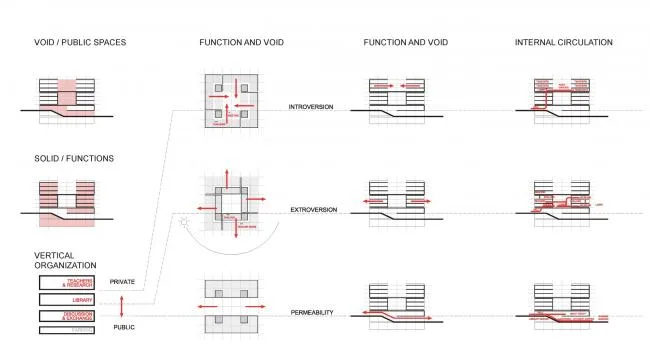
▲ Functional zoning and internal flow lines
The building’s functions are divided vertically: the lower levels primarily offer open public spaces, while the upper levels are dedicated to enclosed, private areas. To harmonize with the surrounding terraces and segmented landscapes, the library features two entrances on different floors. The west entrance is on the ground floor, leading into a two-story atrium with excellent ventilation. It opens to an activity space with approximately 450 seats, mainly used as a simulated courtroom. The east entrance is located underground and provides access to the student center, buffet restaurant, and multimedia classroom.
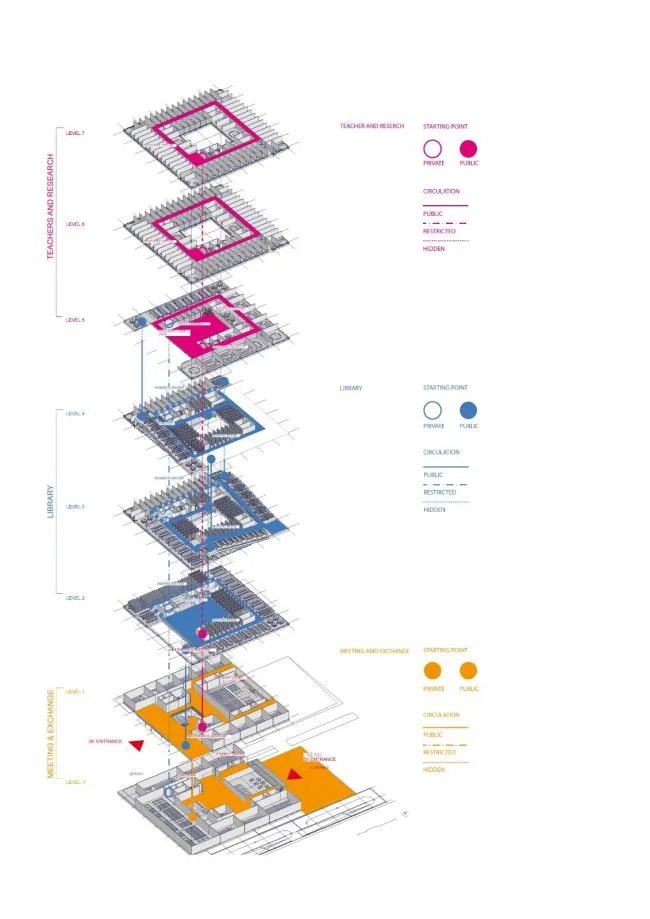
▲ Axial decomposition streamline analysis diagram
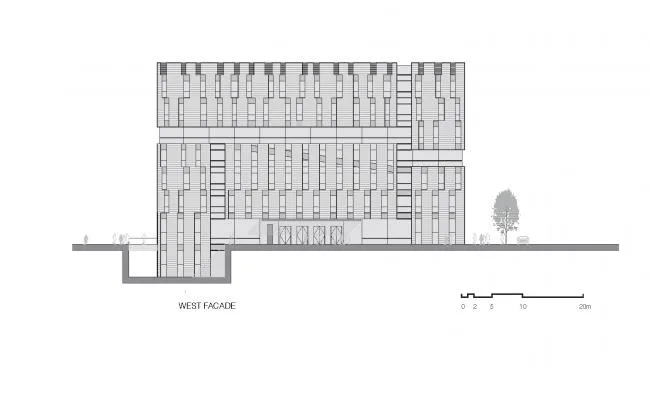
▲ West facade
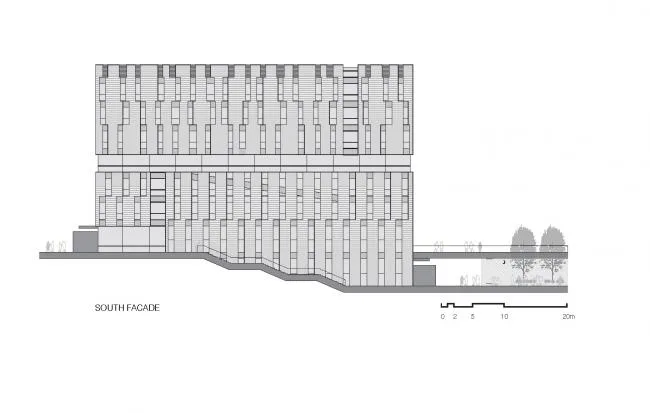
▲ South facade
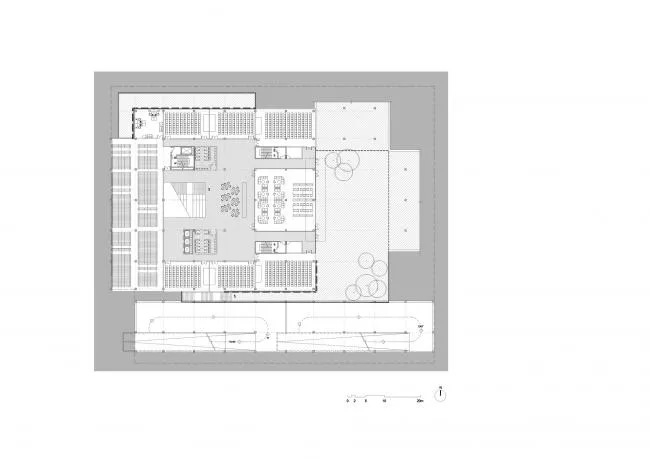
▲ Underground Floor Plan
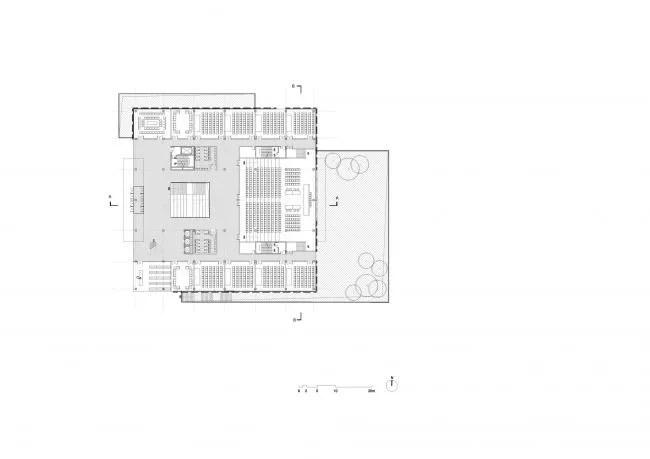
▲ First floor plan
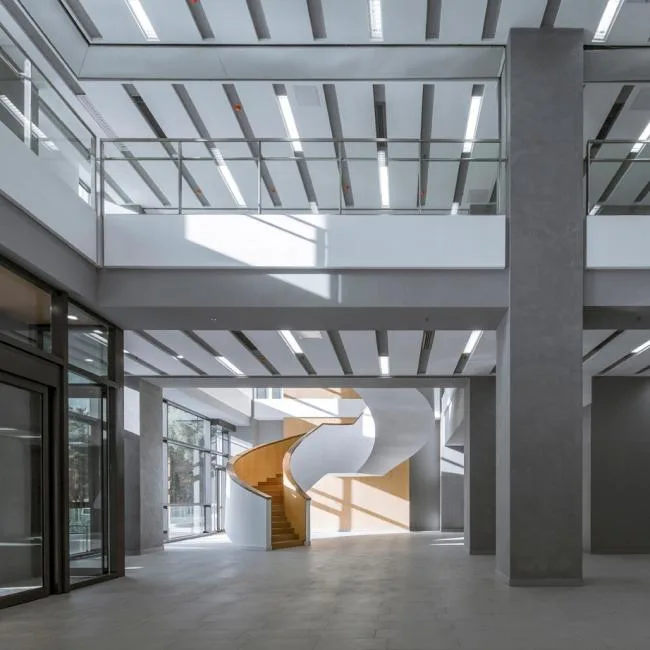
▲ Entrance atrium
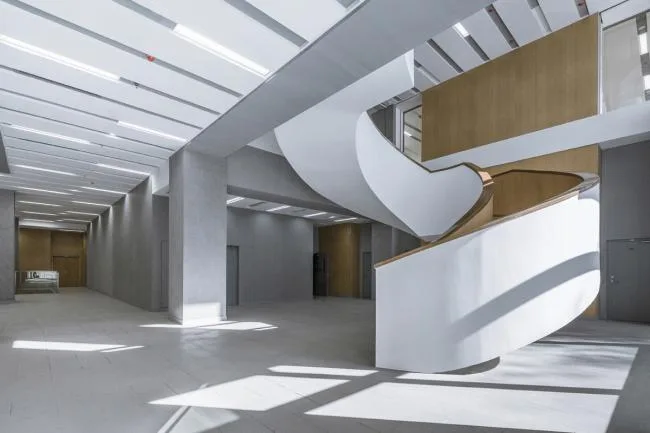
▲ Entrance atrium
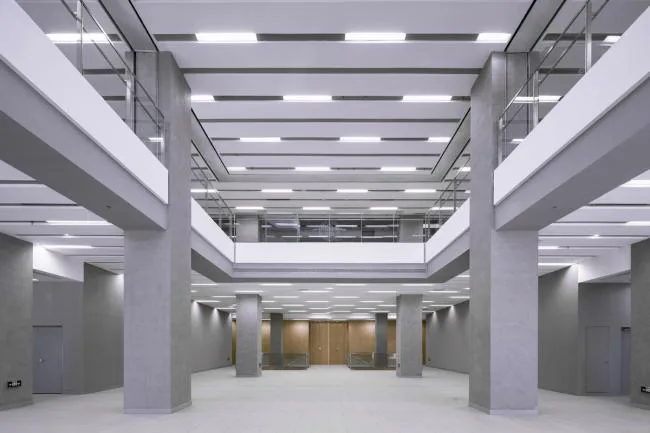
▲ Entrance atrium
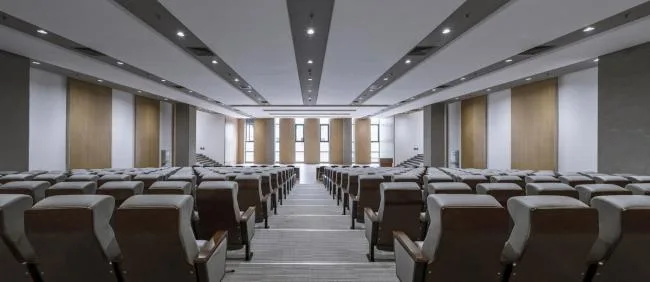
▲ Mock Court
To create a quieter, more private environment, the design dedicates the entire space above the third floor to the library. The atrium on the third floor is hollowed out, with a skylight above that floods the area with natural light. Surrounding this central space is a rotationally symmetrical layout: bookshelves line the perimeter, while reading and study areas occupy the outer edges. Wide ramps and stepped seating areas connect these zones, complemented by light-colored wood desks placed beside French windows. This design offers natural light and a calm atmosphere for readers. The space is both efficiently organized and encourages free, continuous movement for faculty, students, and visitors.
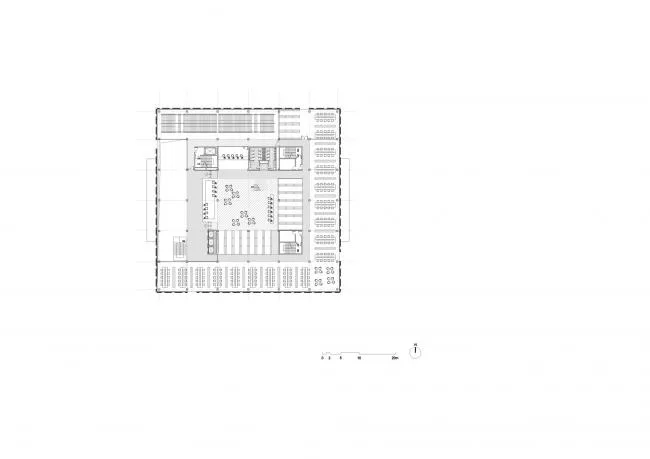
▲ Second floor plan
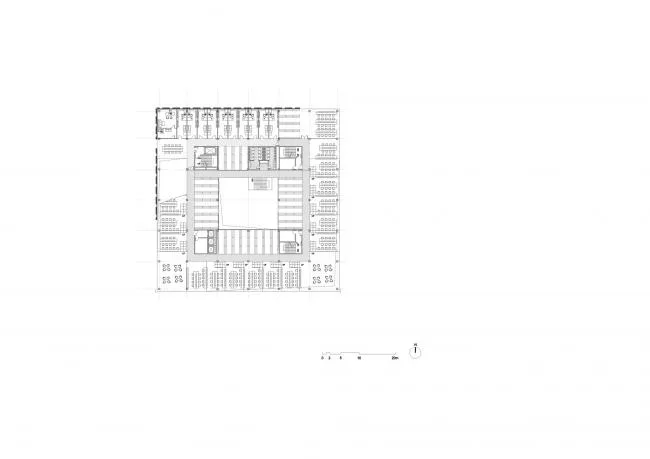
▲ Fourth floor plan
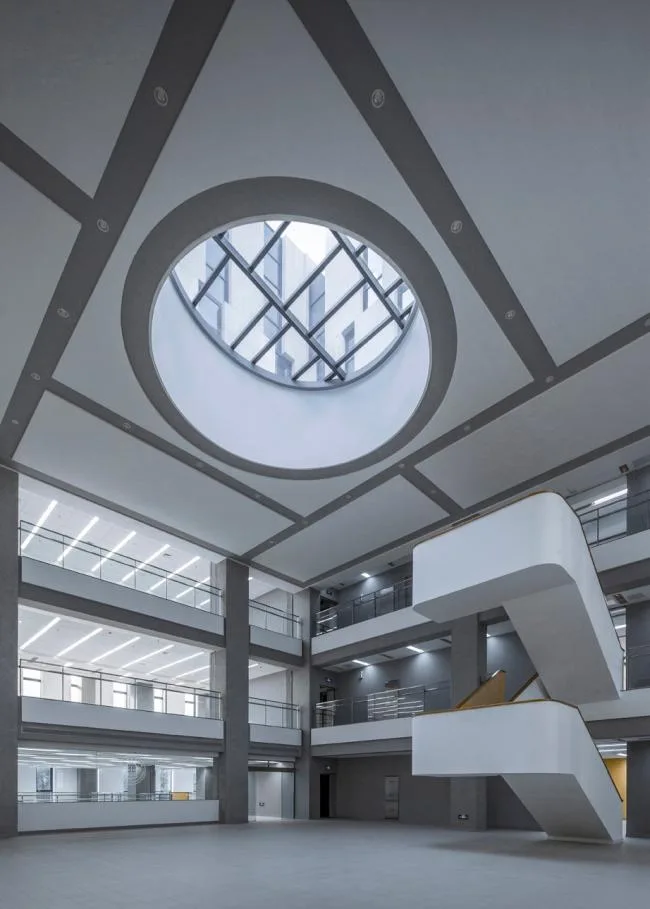
▲ Second floor atrium
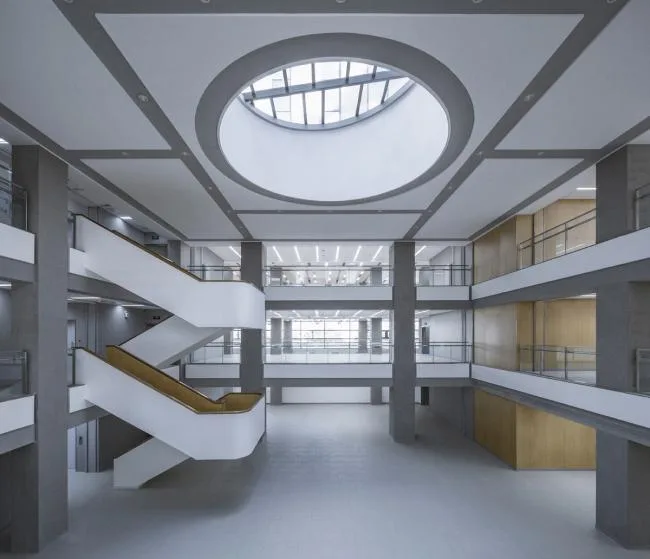
▲ Third floor atrium
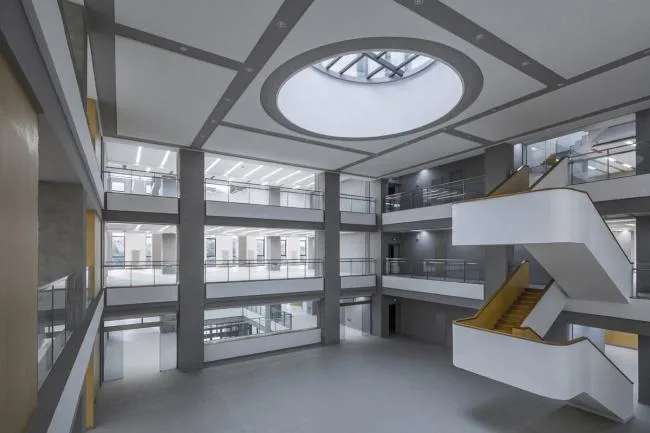
▲ Third floor atrium
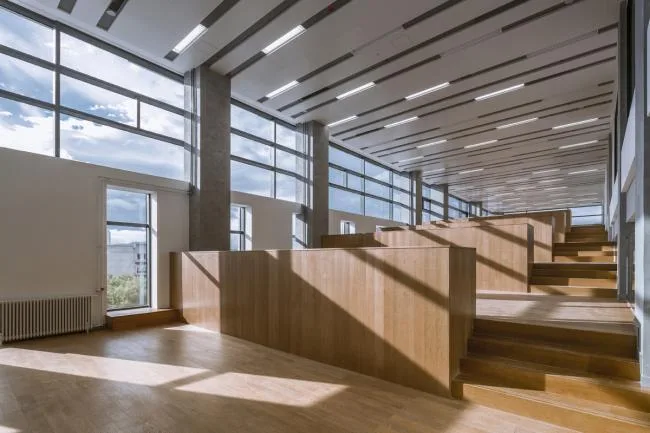
▲ Large slope reading room
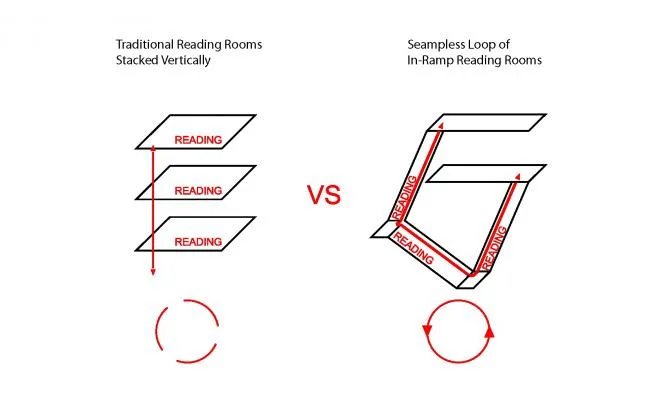
▲ Large ramp-style reading room
The uppermost three floors house academic offices and seminar rooms. In contrast to the openness of the lower floors, these levels emphasize privacy and tranquility. The entrance areas are narrowed and peaceful, while the inner zones resemble serene monastery corridors. This continues the theme of interplay between reality and emptiness found throughout the building, drawing inspiration from classical Chinese garden art. The floor plan is organized around a central courtyard, with a skylight at its center designed to subtly connect all elements through natural light.
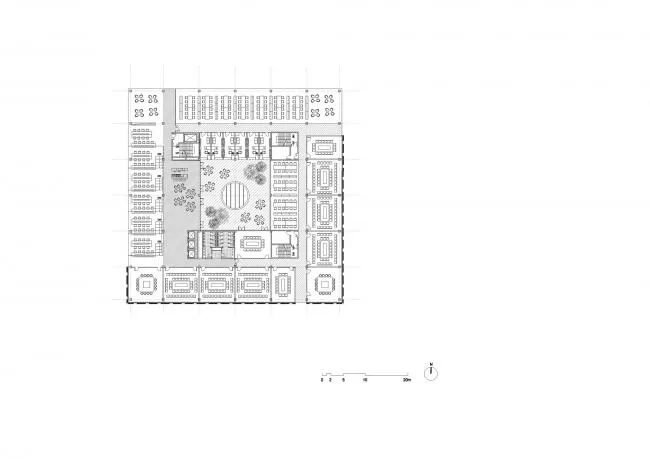
▲ Fifth floor plan
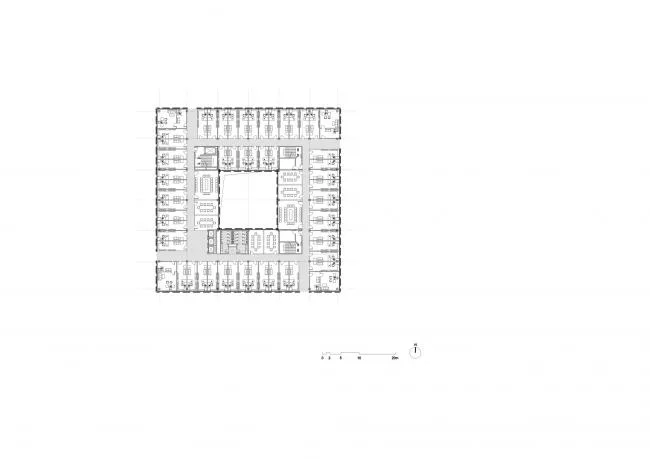
▲ Sixth floor plan
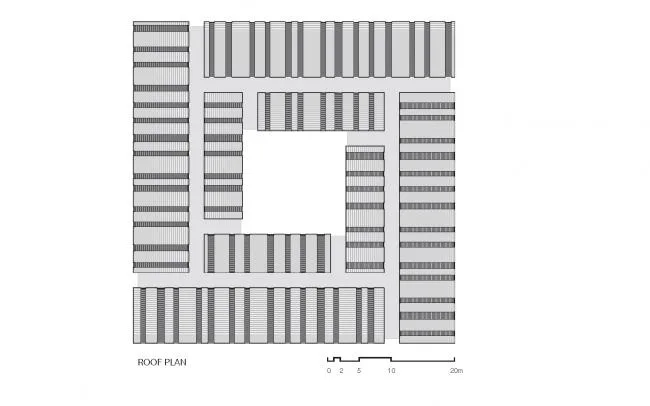
▲ Roof plan
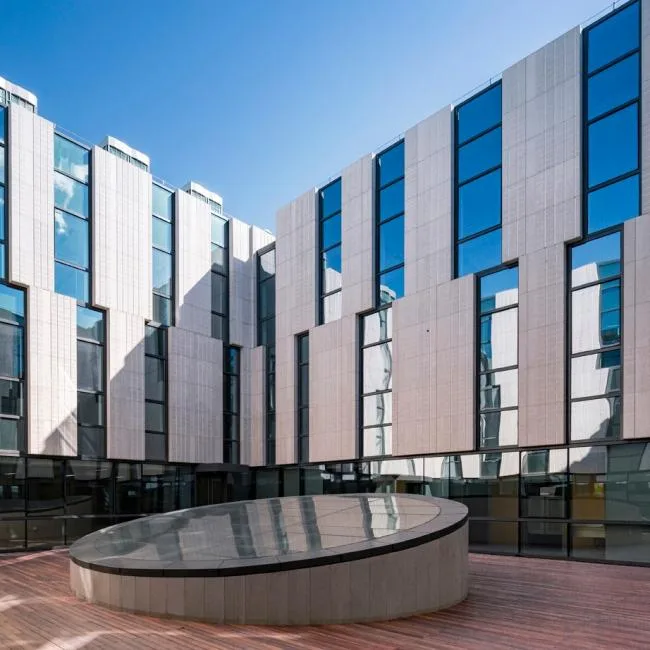
▲ Fifth floor rooftop courtyard
The theme of open spaces continues from inside the building to the outdoors. Notably, the continuous windows adjacent to the reading and research areas are arranged in a conical diagonal form, adding a transparent, dynamic texture to the central three floors. The exterior stone cladding is styled in vertical strips, reminiscent of traditional Chinese bamboo scrolls. This design aligns perfectly with the building’s functionality, evoking the feel of traditional woodblock printing and seals—symbols closely tied to books, order, and law.
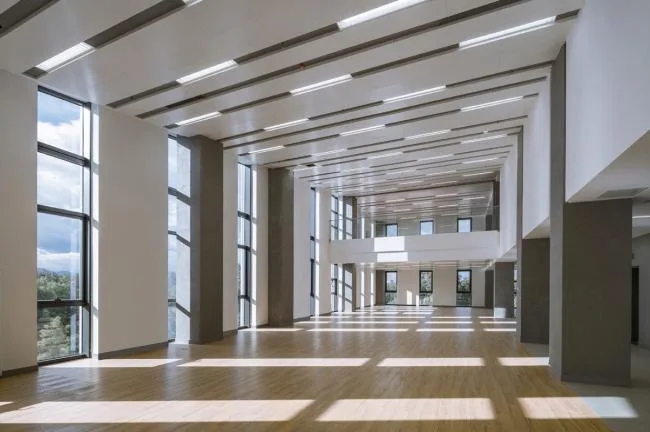
▲ Reading room
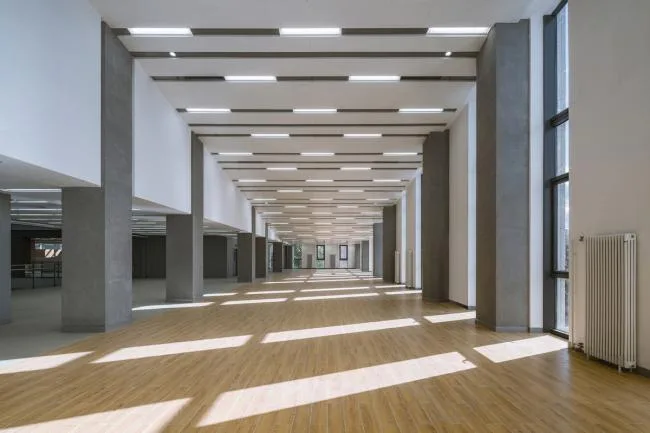
▲ Reading room
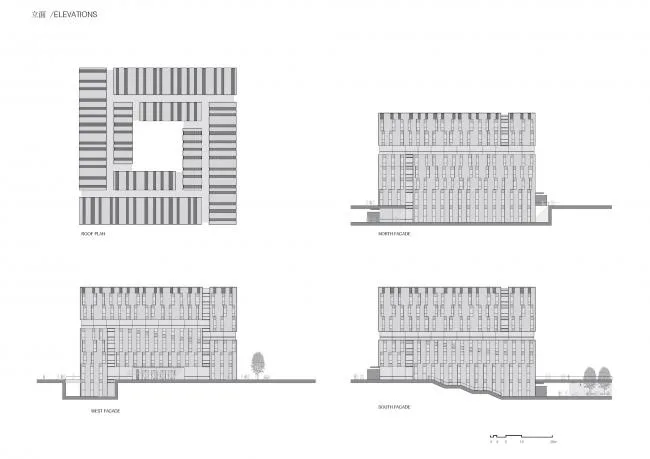
▲ Elevation view
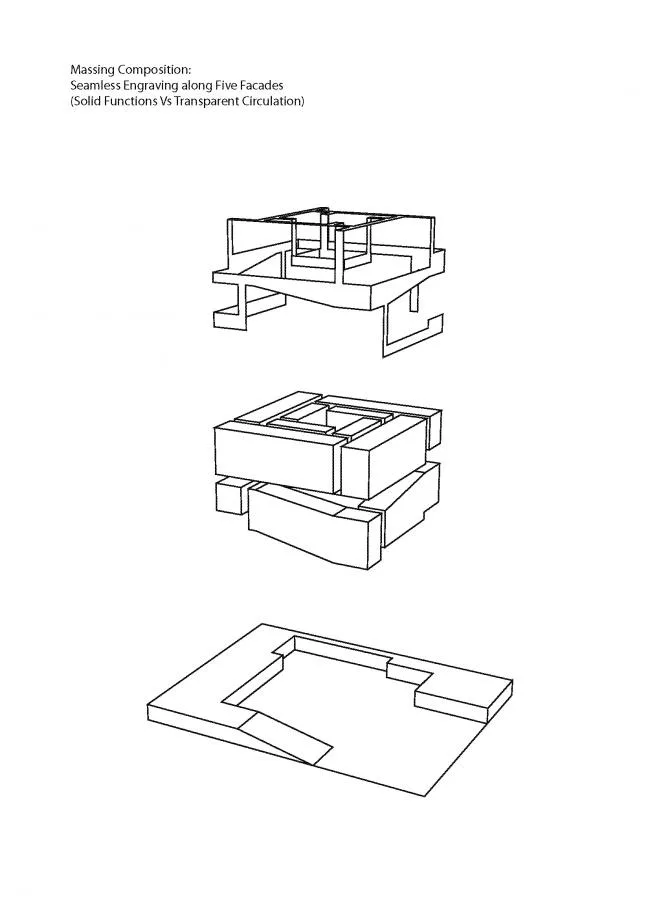
▲ Facade composition concept
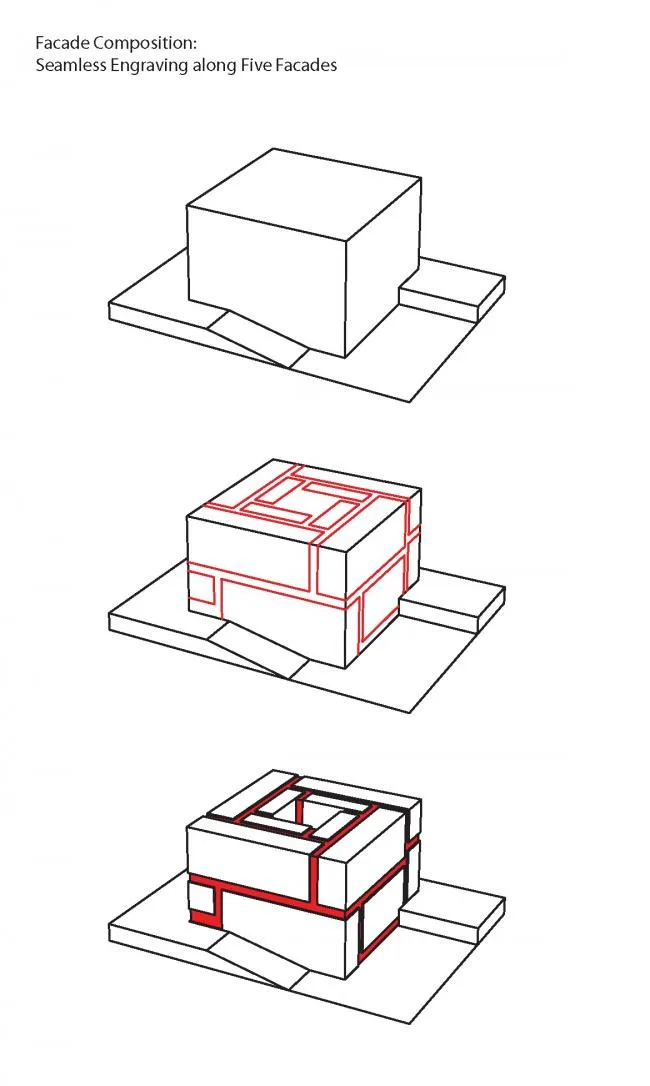
▲ Facade composition principle
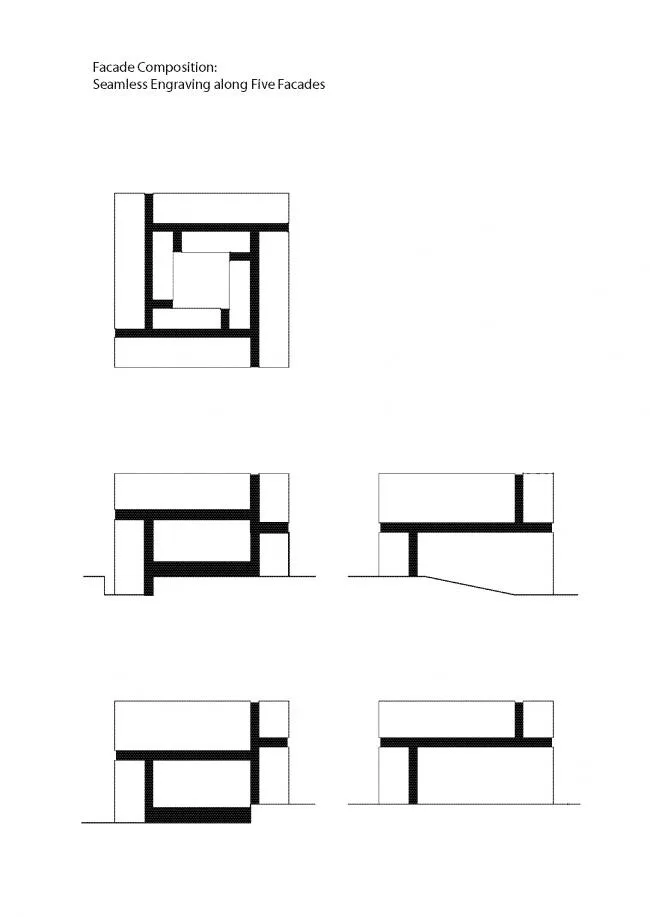
▲ Facade composition principle
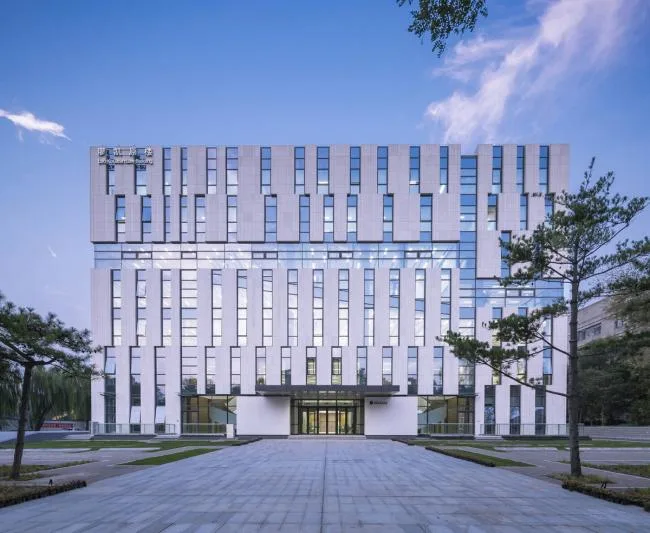
▲ East facade
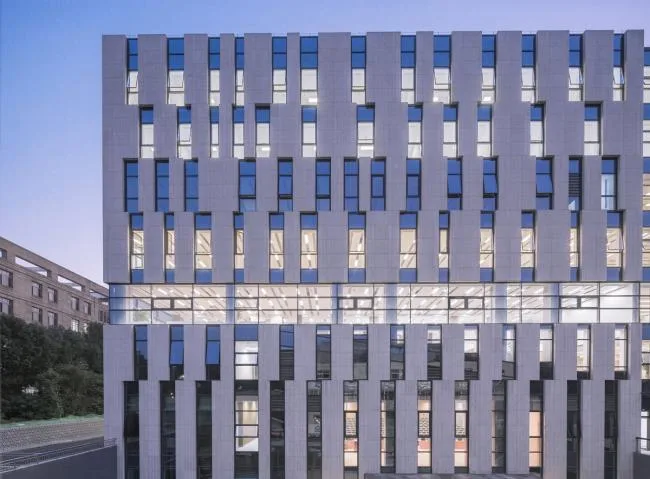
▲ West facade
The spaces surrounding the building contrast with reality and evoke the maze-like hutongs of Beijing, especially the traditional courtyards hidden behind walls and gates. The hollowed-out areas also reflect the sunken courtyard theme characteristic of the neighboring buildings.
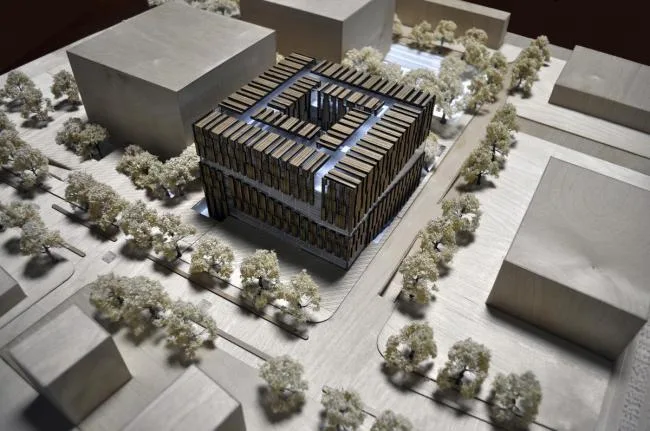
▲ Model bird’s-eye view
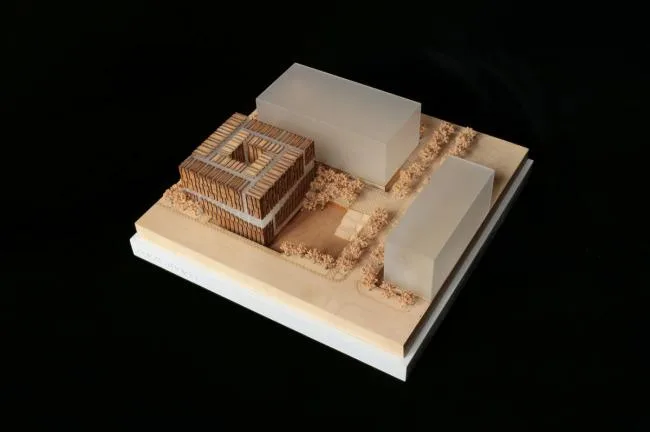
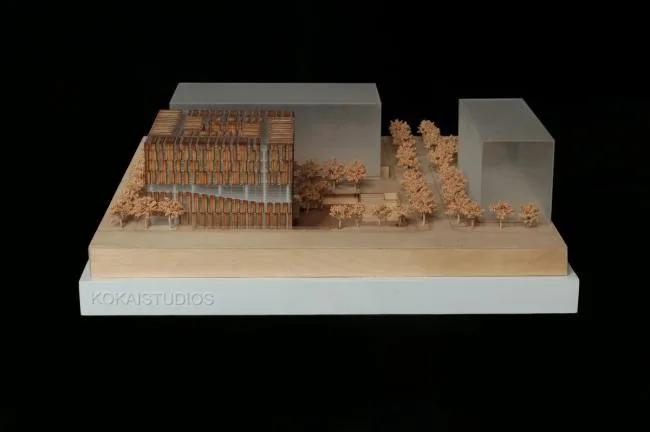
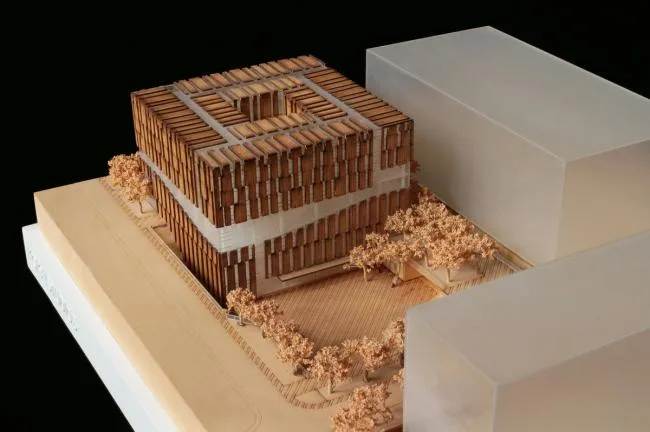
▲ Overall model
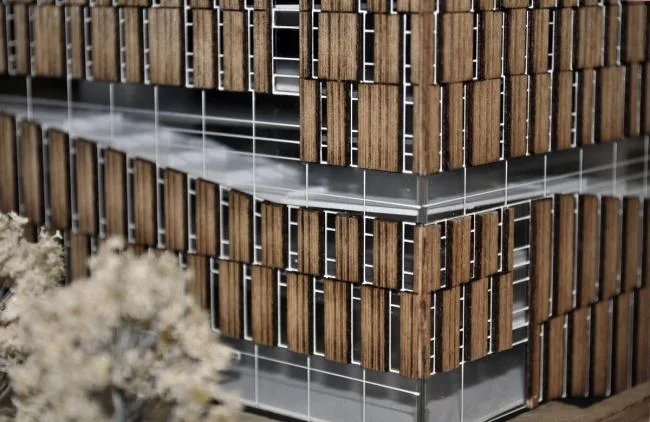
▲ Facade details
The integration of these elements fulfills the essential functions of academic architecture: learning, research, communication, and contemplation. The Tsinghua University Law School Library stands as one of China’s most prestigious study spaces for legal scholars. This landmark building not only serves students and academics but also inspires them to advance in the field of legal scholarship.
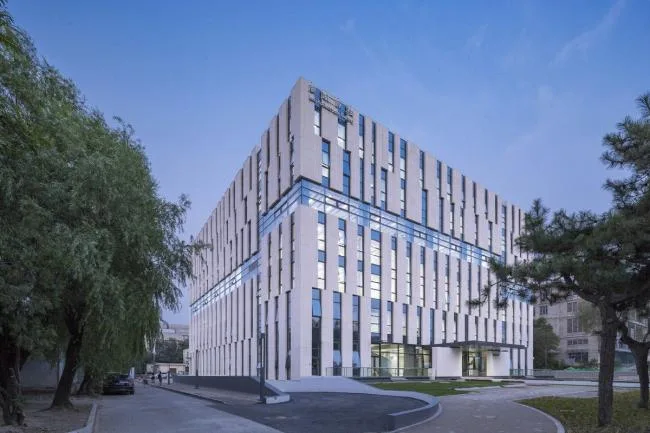
▲ Southeast-facing exterior view
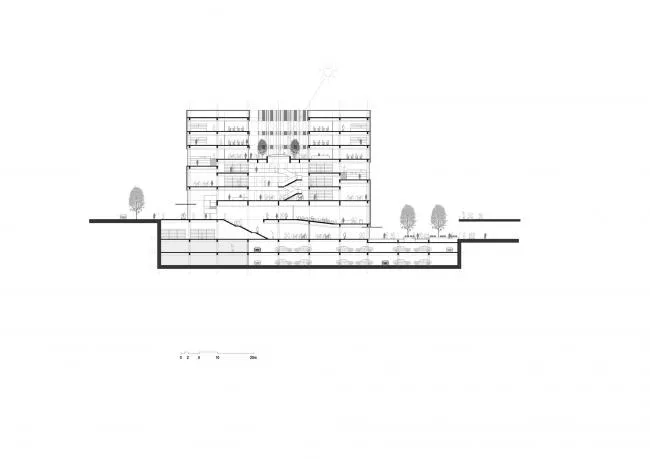
▲ A-A sectional view
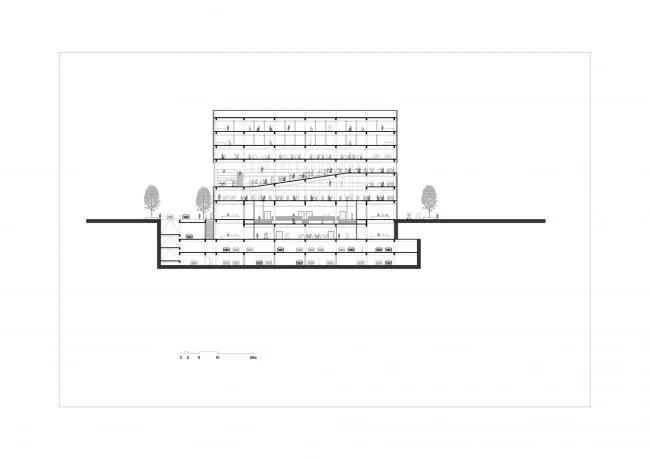
▲ B-B sectional view
Project Information:
Architectural Firm: KOKAISTUDIOS
Location: Tsinghua University, Beijing, China
Category: Library
Lead Designers: Filippo Gabbiani, Andrea Destefanis
Design Director: Pietro Peyron (BIM Learning)
Design Team: Li Wei, Qin Zhantao, Andrea Antonucci, Annamaria Austerwei
Owners: Tsinghua University, Liao Kaiyuan Foundation
Scope of Services: Architectural Design and Interior Scheme Design
Building Area: 20,000 square meters
Project Year: 2019
Photographer: Jin Weiqi












Must log in before commenting!
Sign Up