
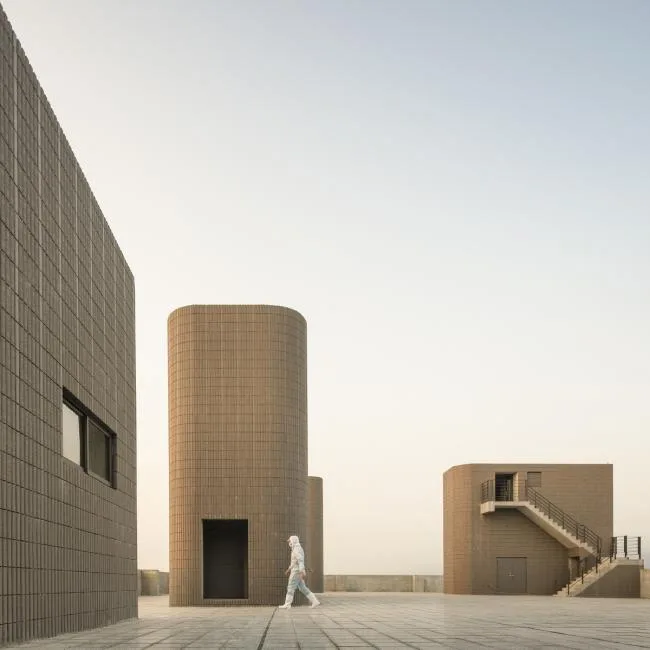
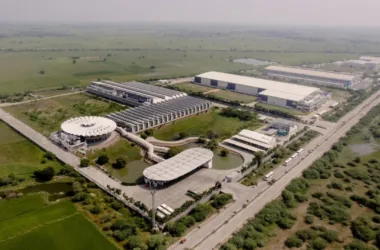
The Taiwan Livestock and Agricultural Science Plant is Taiwan’s newest, largest, and most advanced pork processing facility. Located in the Pingtung Agricultural and Biotechnology Park in southern Taiwan’s Pingtung County, the complex includes the main factory building (22,000 square meters), restaurants, product stores (650 square meters), and a sewage treatment plant.
Our factory produces over 250 varieties of products, ranging from Western-style sausages, ham, bacon, and premium handmade smoked ham to various Chinese ready-to-eat foods such as fried, stewed, and braised meats. We also supply meat processing materials to chain restaurants and bakeries. Notably, the factory has earned the prestigious Gold Level LEED certification for green buildings in the United States.
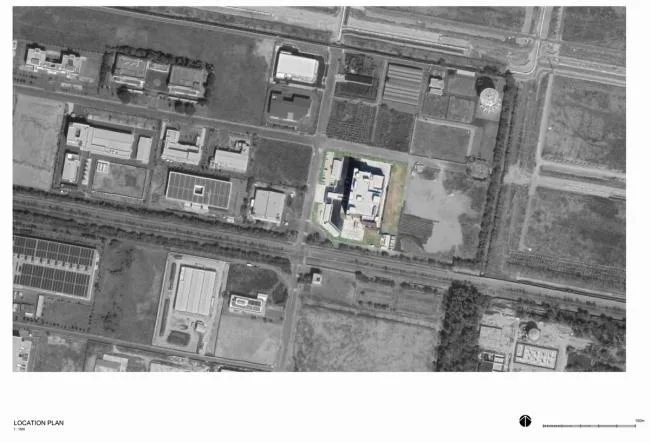
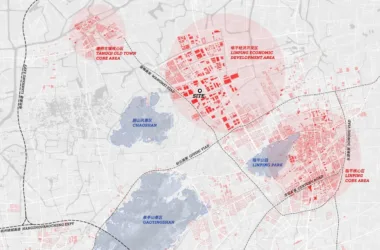
▲ Location Plan
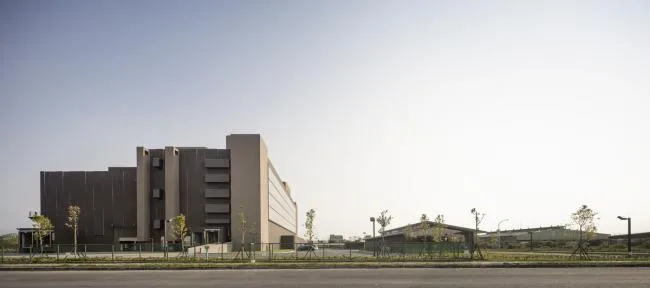
Taiwan Livestock is the oldest and largest meat processing brand in Taiwan, boasting a history of more than 50 years. When designing the main factory building, four key objectives guided the process:
- Double production capacity.
- Elevate food safety and quality to meet international standards for exports to markets like Japan, Singapore, and the United States.
- Strengthen the Taiwan Livestock brand and philosophy, emphasizing high-quality products, sustainability, and environmentally friendly operations.
- Enhance the working environment, embracing the belief that “good products come from happy employees.”
Unlike typical Taiwanese meat processing plants that resemble sealed refrigerated metal boxes, this facility integrates natural light and outdoor views to improve the experience for employees and staff.
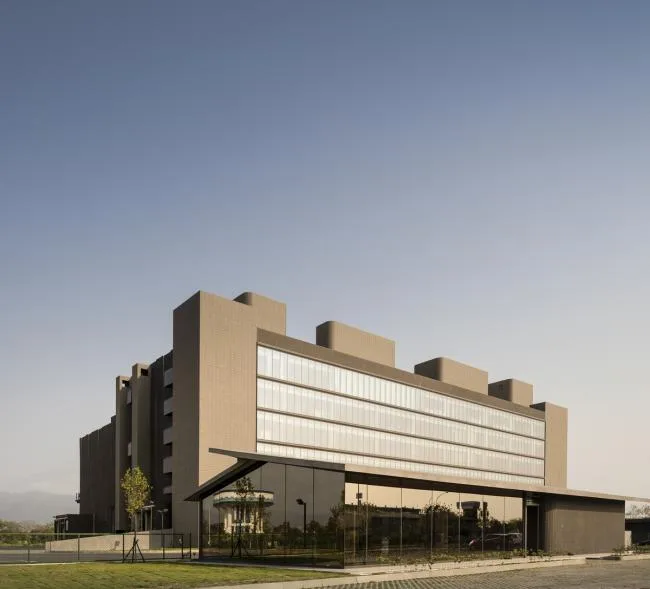
All auxiliary functional areas are positioned at the front of the building. Large glass curtain walls flood these spaces with natural light and showcase the surrounding scenery. These areas include offices, research and development, quality control, seasoning research, staff canteen, changing rooms, and restrooms.
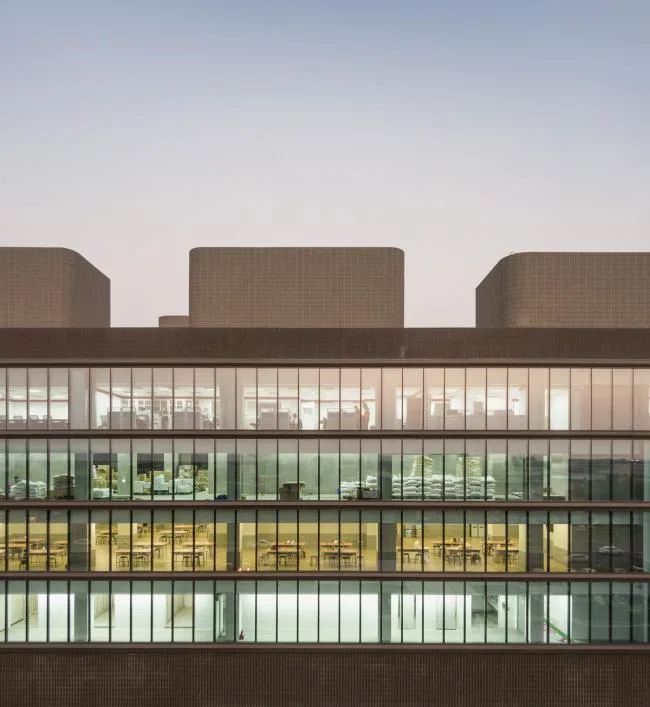
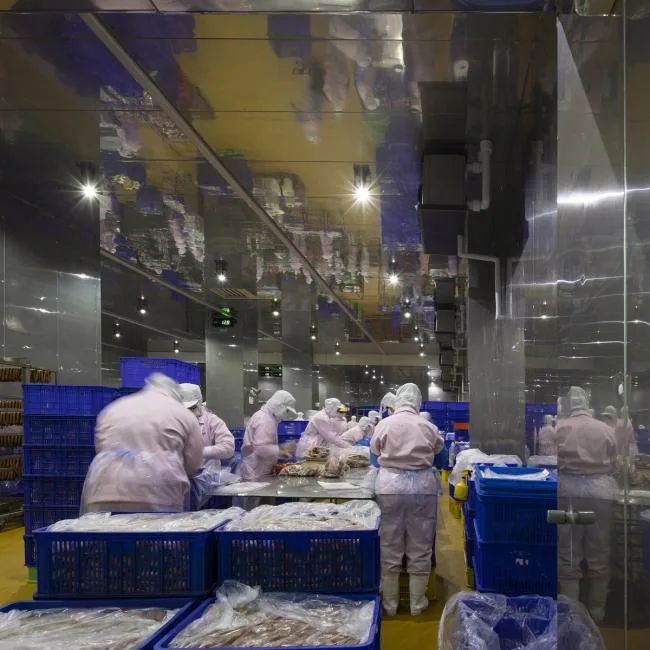
Employees spend eight-hour shifts in sealed refrigerated spaces but benefit from views of the outdoors during breaks and restroom visits, allowing them to relax properly. The refrigeration and manufacturing zones are located toward the rear of the factory, enclosed by thick, highly insulated walls. Temperatures in the production areas are strictly controlled between -35°C and 13°C.
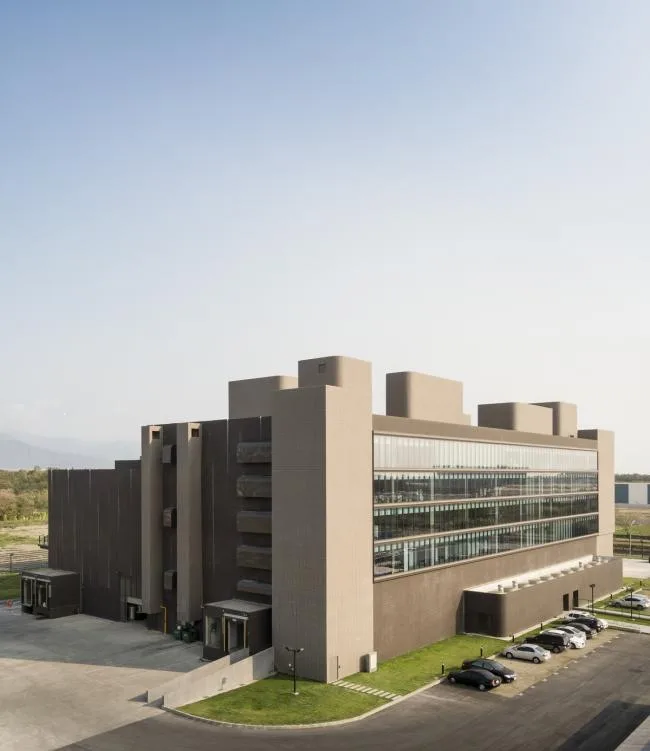
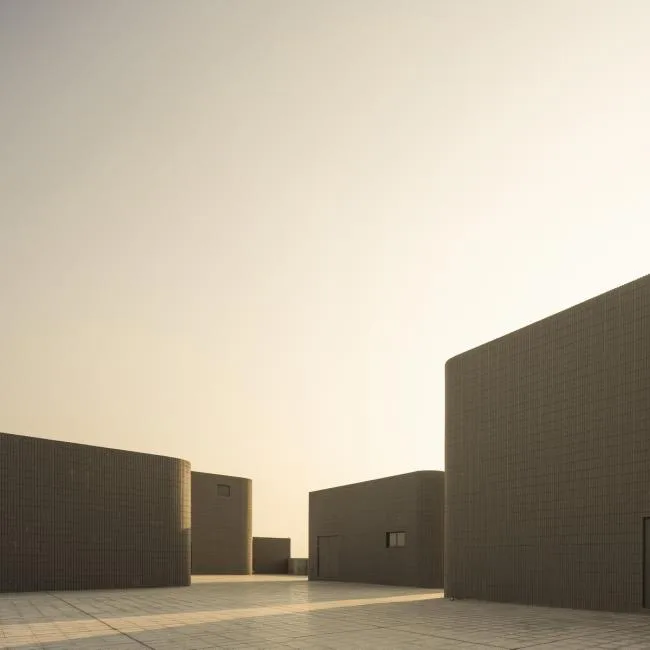
The factory exterior features rough-textured ceramic tiles. Face bricks, common in Taiwan, protect the building from intense sun and heavy rains typical of the region. The purple-brown bricks harmonize with the fertile soil of Pingtung, and the combination of two textures creates a surface reminiscent of handmade ham, adding intricate detail and character to the facade.
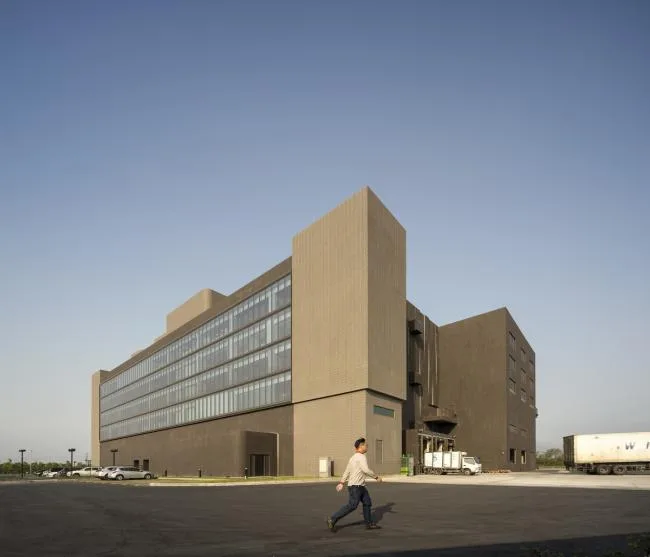
The exterior walls are slightly tilted south and north, allowing sunlight to cast dynamic shadows throughout the day, enhancing the building’s visual interest as the sun rises and sets.
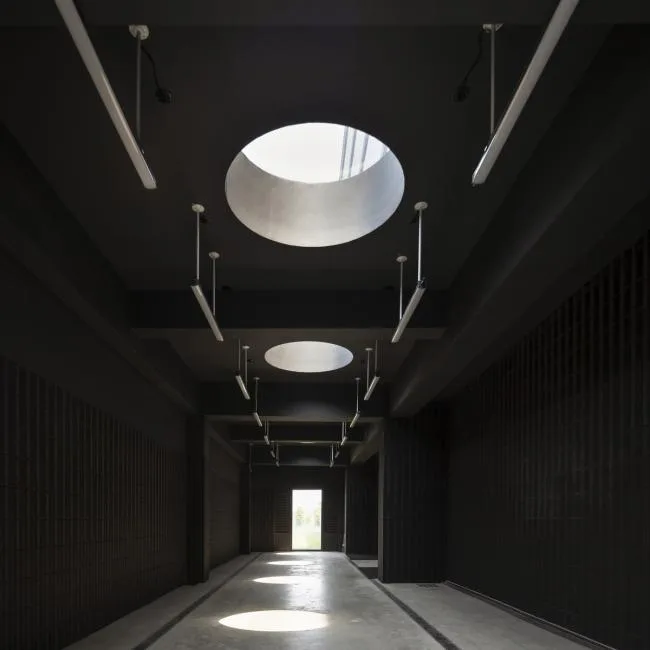
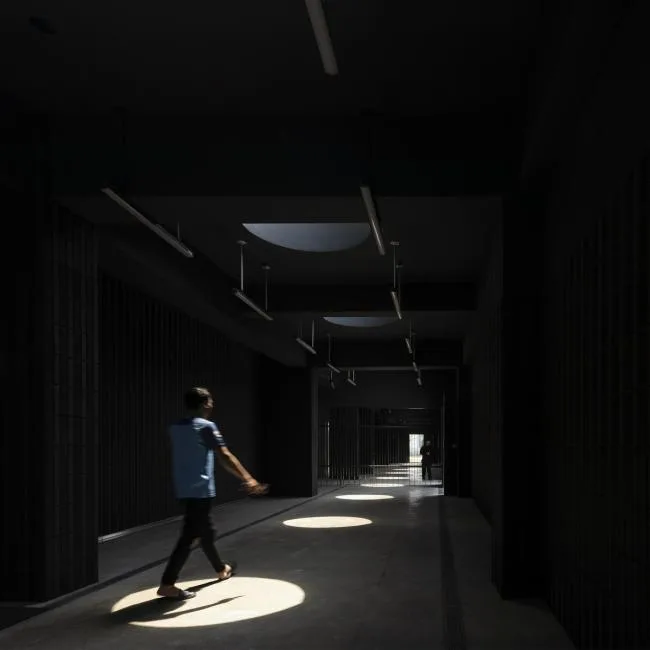
To comply with Japan and Singapore’s strict meat export standards, raw and cooked product areas are completely separated to prevent any contamination. This includes no shared circulation of people, goods, gases, or water. Separate entrances for employees working in raw and mature product zones reinforce this separation. Circular skylights above the entrance corridors bring natural light into these transitional spaces. Inside the building, color-coded signage clearly marks passages, changing rooms, and canteens to maintain strict separation between raw and cooked areas.
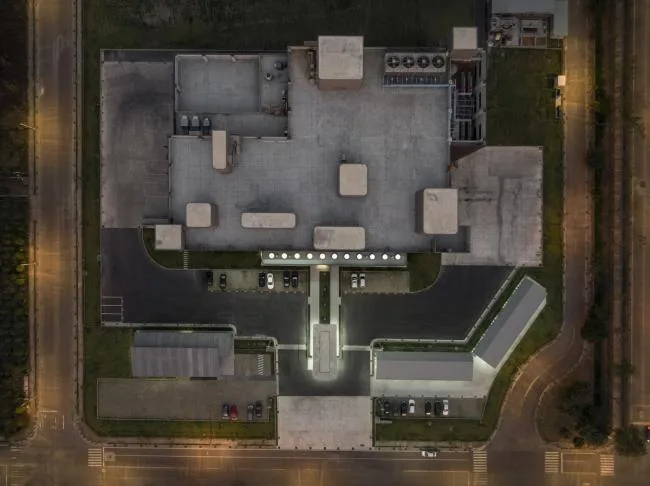
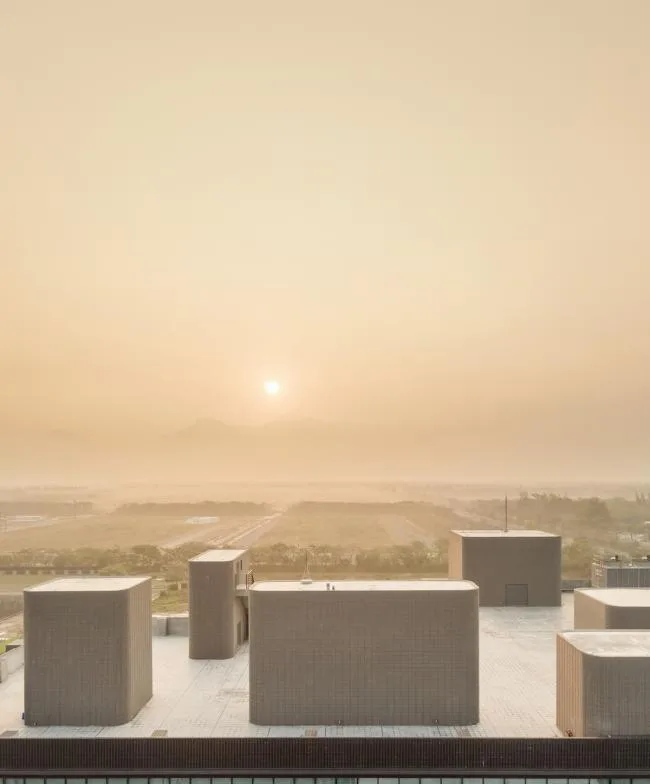
Seven production elevators rise from the rooftop, facing the sky. Though limited in height by functional requirements, their design transforms them into sculptural elements echoing the central mountain range behind the factory. These towers give the factory a distinctive and stable identity. The spacious rooftop area is versatile, serving for equipment cleaning, special events, or as a rest space for employees.
The Gold Level LEED certification is attributed to three key design strategies:
- Reducing carbon emissions by extensively using locally manufactured and recycled building materials, such as bricks, cement, and glass, in line with BIM design principles.
- Implementing highly efficient electromechanical and air conditioning systems that reduce electricity consumption by approximately 20%.
- Saving one-third of water usage through efficient faucets and centralized rainwater recycling systems.
Landscaping focuses on native plant species, which, after one year of maintenance, require minimal additional irrigation.
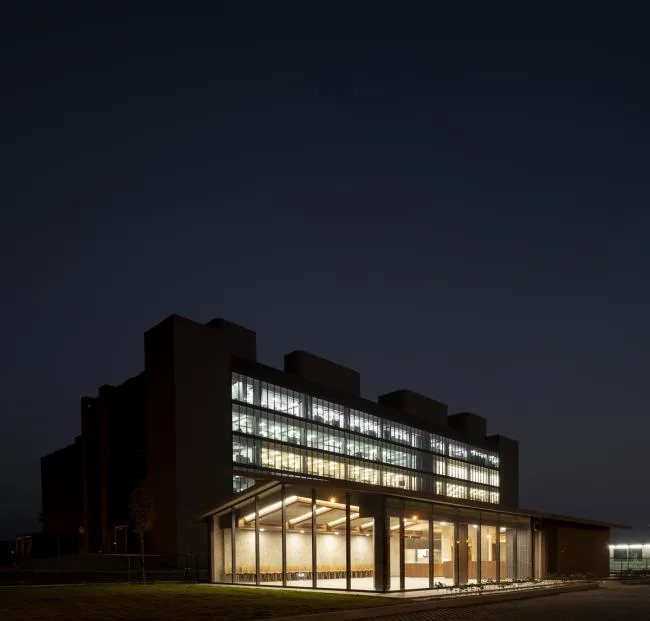
The owner is extremely satisfied with the new factory building. According to the factory director, the facility has significantly boosted production efficiency and employee morale. Bringing natural light and outdoor views inside has created a more pleasant work environment, leading to improved motivation and product quality. In an industry known for challenging work conditions, the new factory has halved employee turnover and eased recruitment of skilled workers.
Following a 20-year ban on meat exports due to the foot-and-mouth disease outbreak in the late 1990s, Taiwan is poised to resume meat exports in 2020. The Taiwan Livestock Agricultural Science Factory has successfully distinguished itself from competitors in preparation for this opportunity.
Design Drawings:
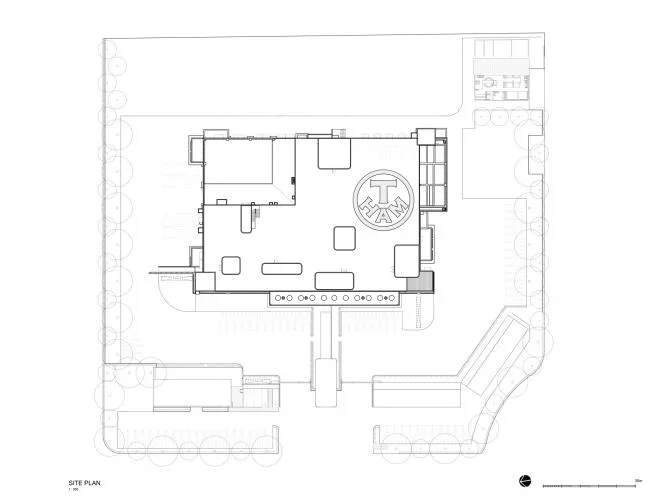
▲ General Layout Plan
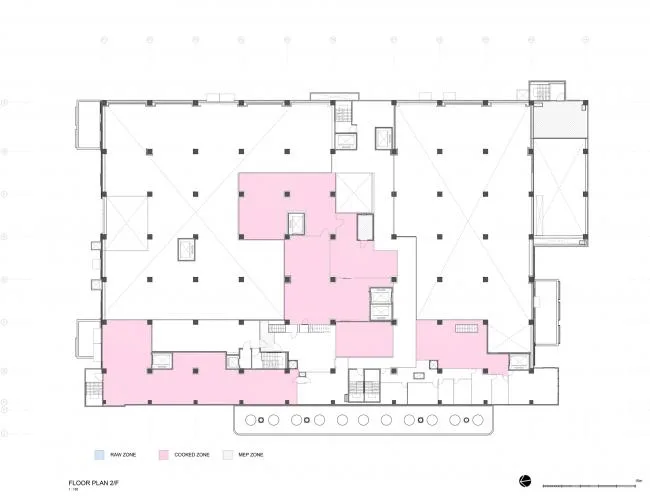
▲ Second Floor Plan
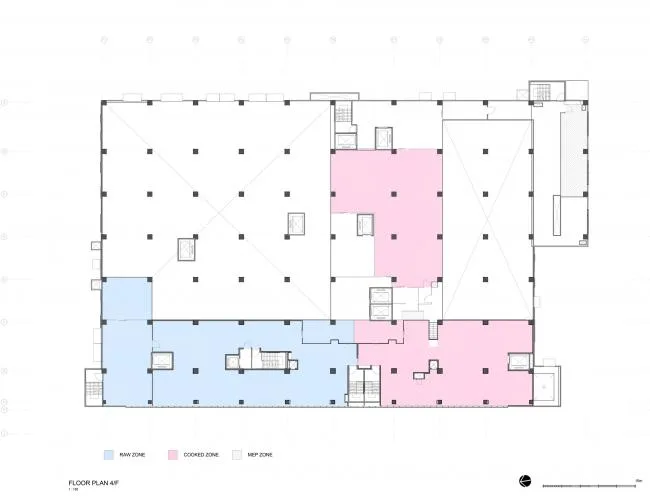
▲ Fourth Floor Plan
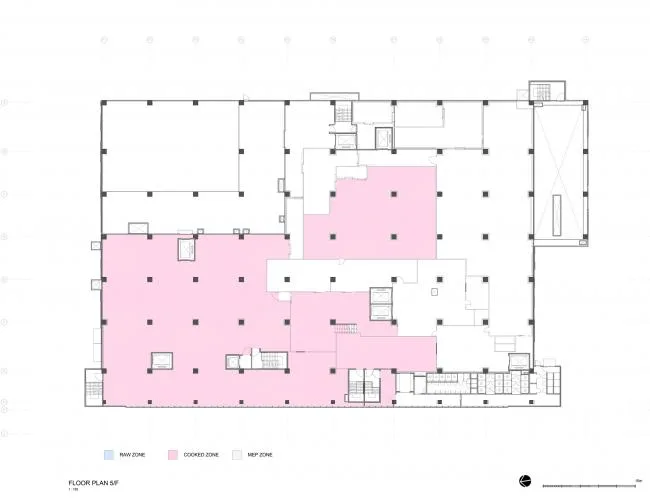
▲ Fifth Floor Plan
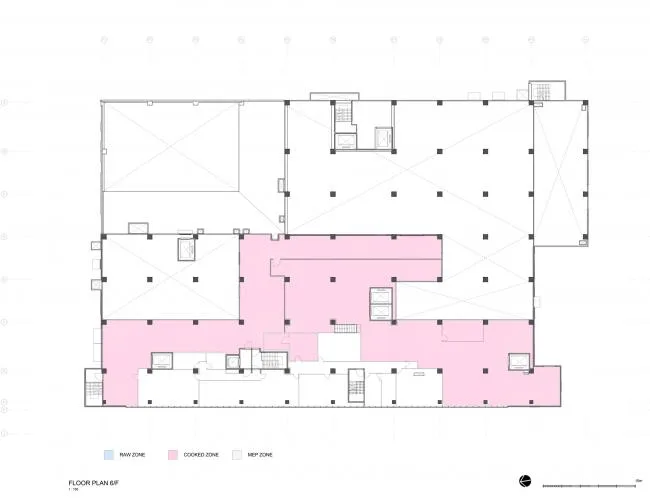
▲ Sixth Floor Plan
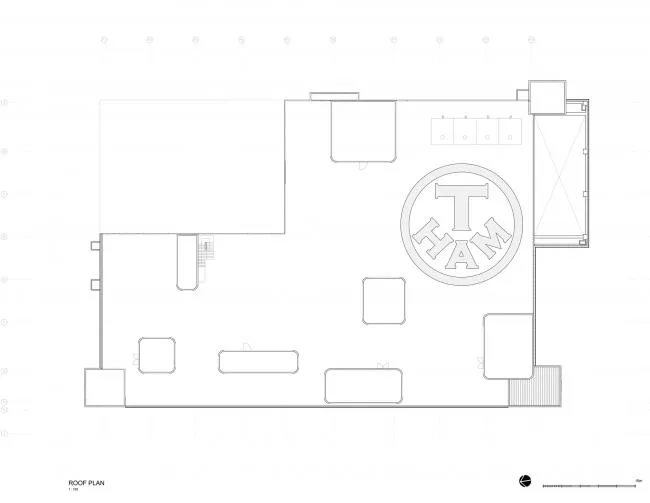
▲ Roof Plan
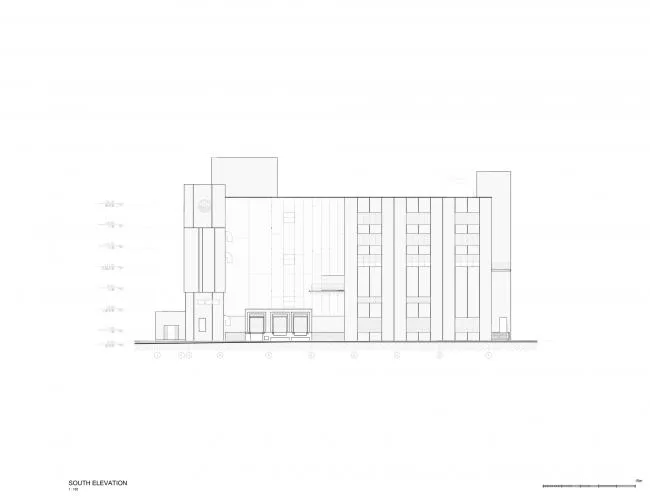
▲ South Elevation View
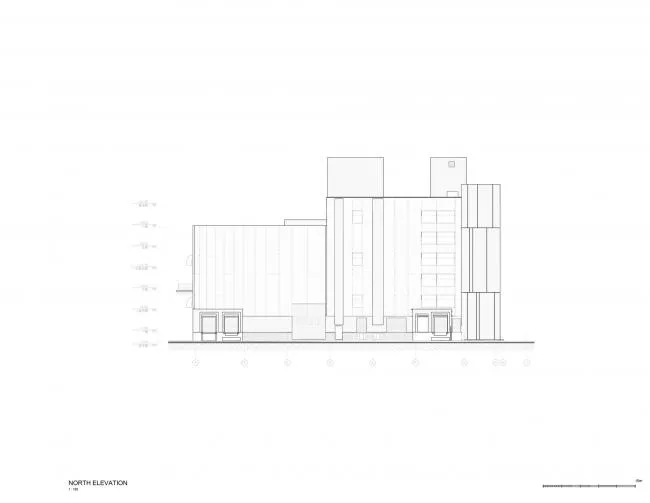
▲ North Elevation View
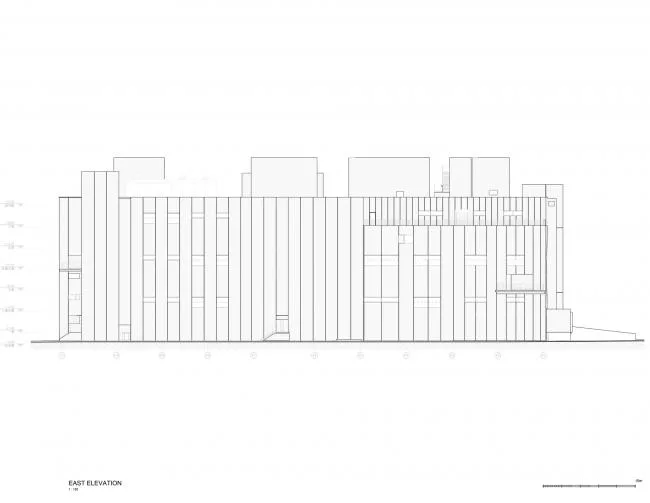
▲ East Elevation View
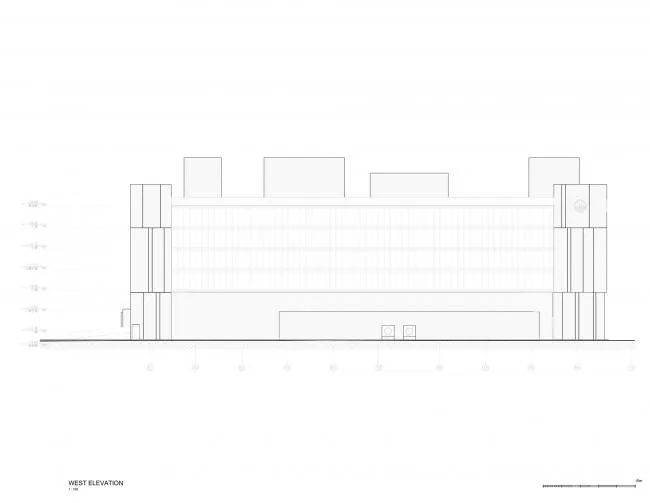
▲ West Elevation View
Project Information:
Architectural Firm: Zexin Architecture
Address: No. 28 Shennong East Road, Pingtung Agricultural and Biotechnology Park, Pingtung County, Taiwan
Category: Factory
Lead Architects: Wang Weize, Kuang Weili
Design Team: Zheng Wenwei, Xie Jiarong, Huang Haowei
Owner: Taiwan Agricultural and Livestock Industry Co., Ltd.
Building Area: 24,000 square meters
Project Year: 2019
Photographer: Fernando Guerra












Must log in before commenting!
Sign Up