
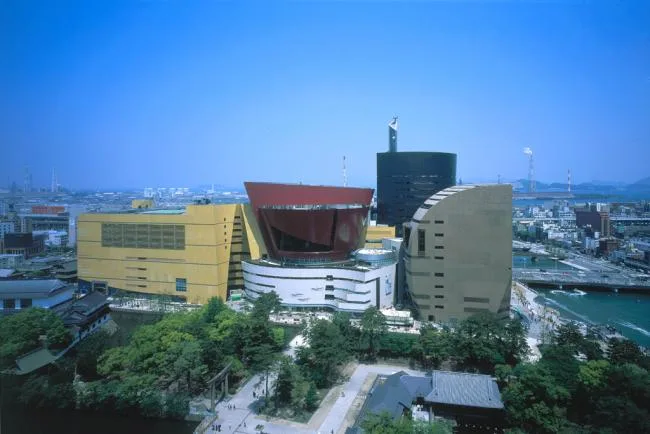
It has been 40 years since Kitakyushu City in Japan and Dalian City in China established their sister city relationship. Among Kitakyushu’s many landmarks, the renowned Kitakyushu Kokura Riverside Corridor stands out. Covering a total area of 150,000 square meters, this corridor has garnered widespread acclaim from local communities and international visitors alike. It has revitalized Kitakyushu by creating a cohesive identity for the city. Designed by the world-leading American firm JERDE Architects, the project attracted over 250,000 visitors during its first week after opening.
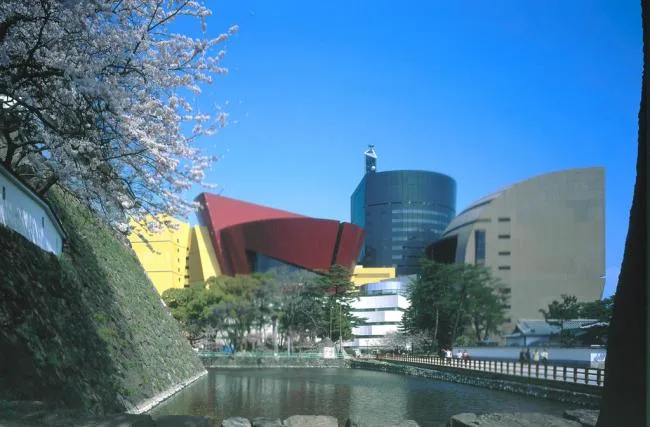
Located on Kyushu’s southernmost island, Kitakyushu is considered the cradle of Japanese civilization. Strategically positioned between Tokyo and Shanghai, this ancient city has historically served as a crossroads for trade, ideas, and cultural exchange between the Japanese islands and the Asian continent. Over the past 2,000 years, Kitakyushu has evolved into five distinct regions. As a mid-sized city aspiring to become a world-class international tourist destination, Kitakyushu required a unified identity.
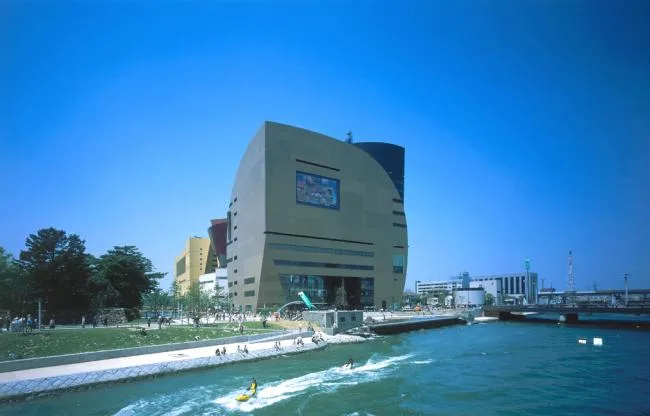
The Kitakyushu Kokura Riverside Corridor has become a new symbol of civic pride and urban unity. It serves as a cultural landmark, designed as a public destination and elegant art and cultural center. The corridor integrates cultural institutions, two performance halls, cinemas, corporate offices, as well as retail, dining, and entertainment facilities across a 1.6 million square foot area.
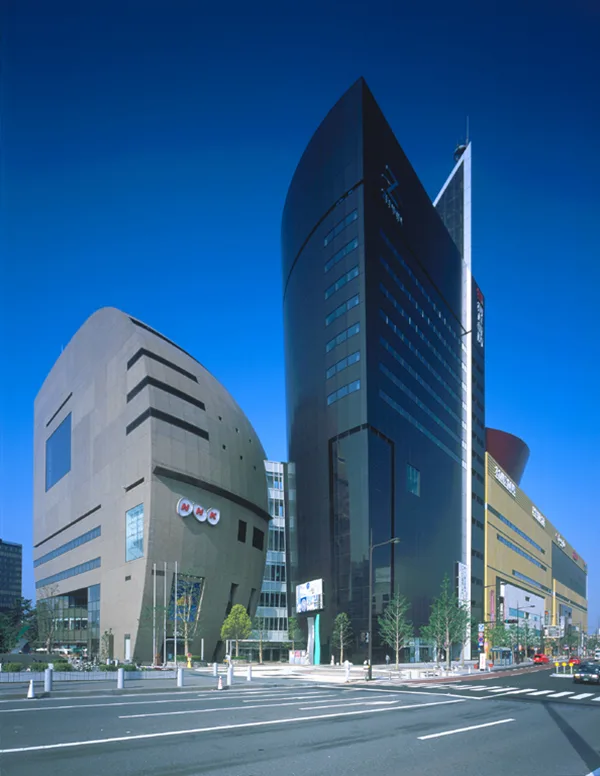
The corridor integrates physical space and symbolic objects by uniting five iconic installations, each representing one of Kitakyushu’s five regions. These distinct logos vary in shape, material, and meaning, collectively elevating the corridor’s high-tech and artistic atmosphere. This blend of modern aesthetics and technology is deeply rooted in Japan’s cultural traditions and regional characteristics.
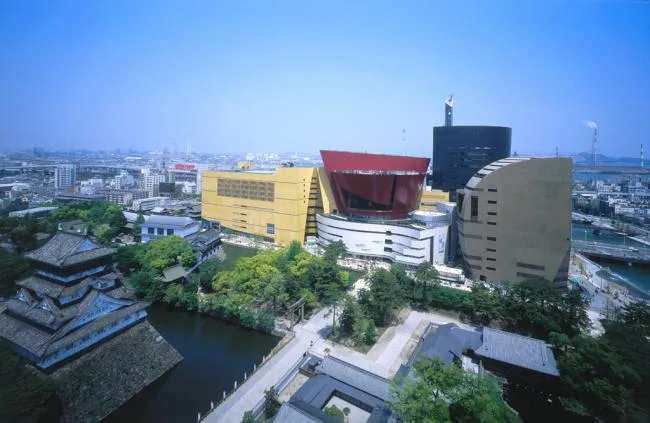
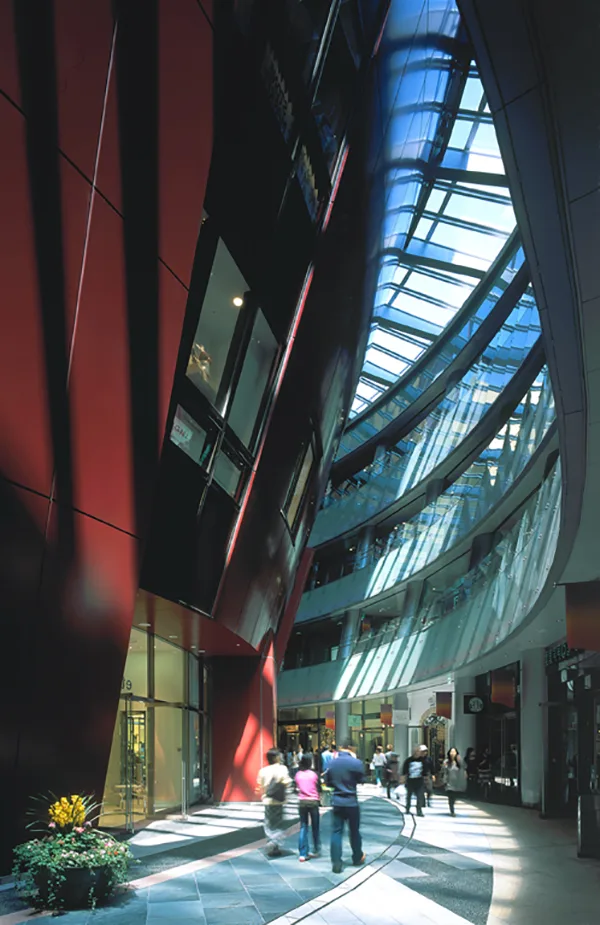
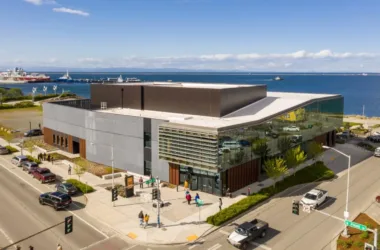
Situated between the traditional commercial district, the historic Kokura Castle, and adjacent Katsuyama Park, the corridor connects these key sites through pedestrian walkways. It links retail centers, train stations, and light rail systems, seamlessly integrating into the natural landscape and river channels. This thoughtful design enhances the corridor’s iconic presence while blending harmoniously with its surroundings.
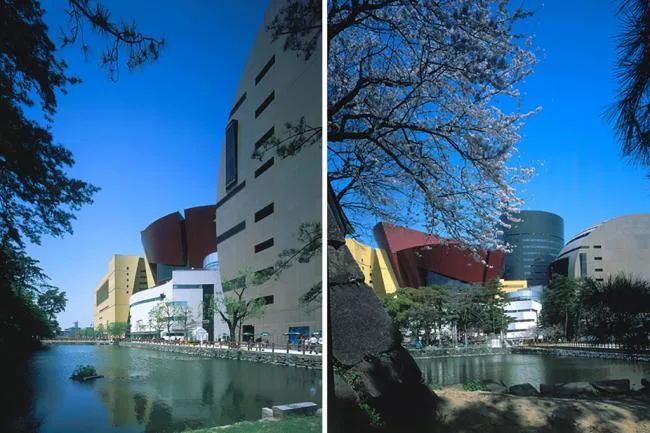
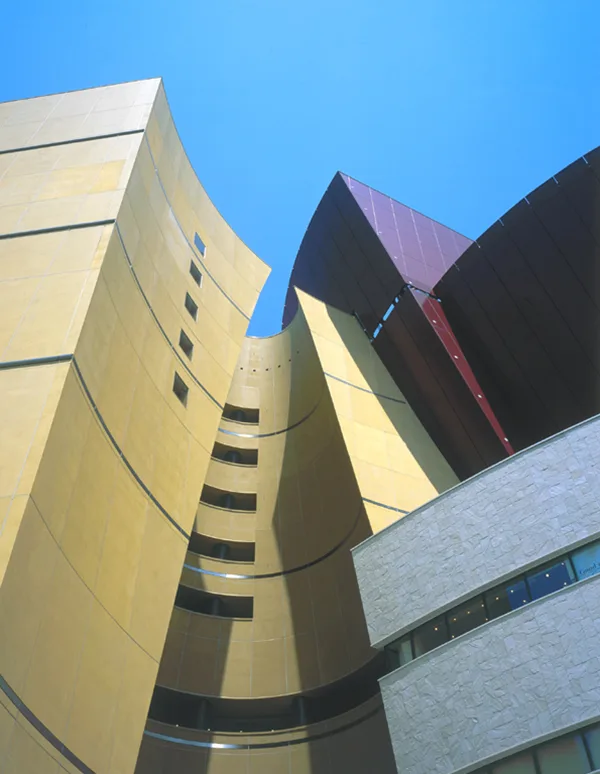
The project’s artistic features draw inspiration from mysterious volcanic canyons and primitive design forms, enriching the user experience. Natural stone blocks have been fragmented into smaller sculptures, enhancing the sense of realism. The corridor’s color palette reflects traditional Japanese culture: yellow symbolizes golden rice before harvest, coffee tones represent the earth, and white stands for purity of life. This vibrant appearance balances energetic and tranquil spaces, creating an immersive sensory and emotional experience for visitors.
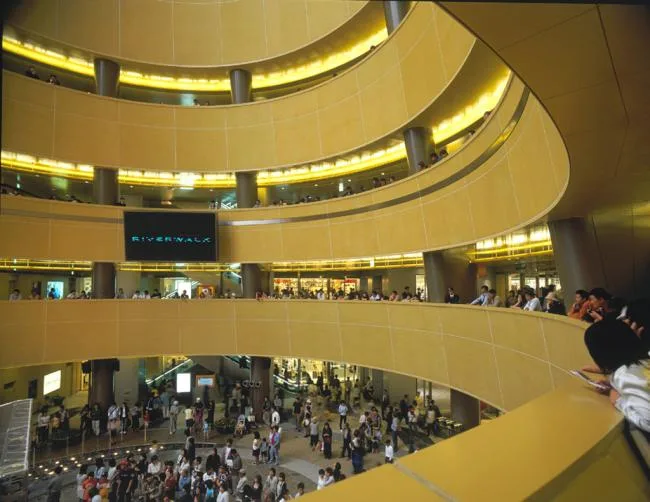
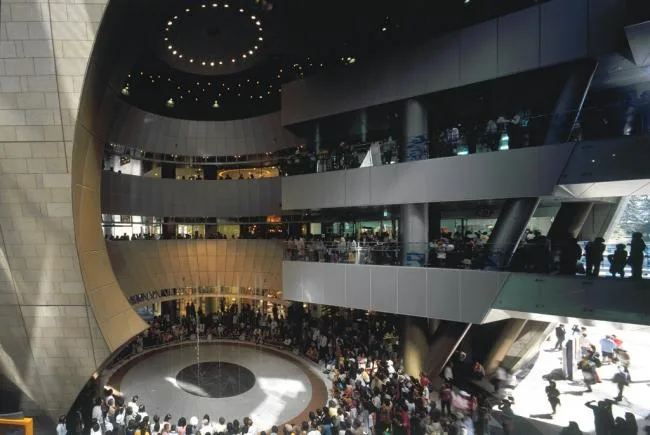
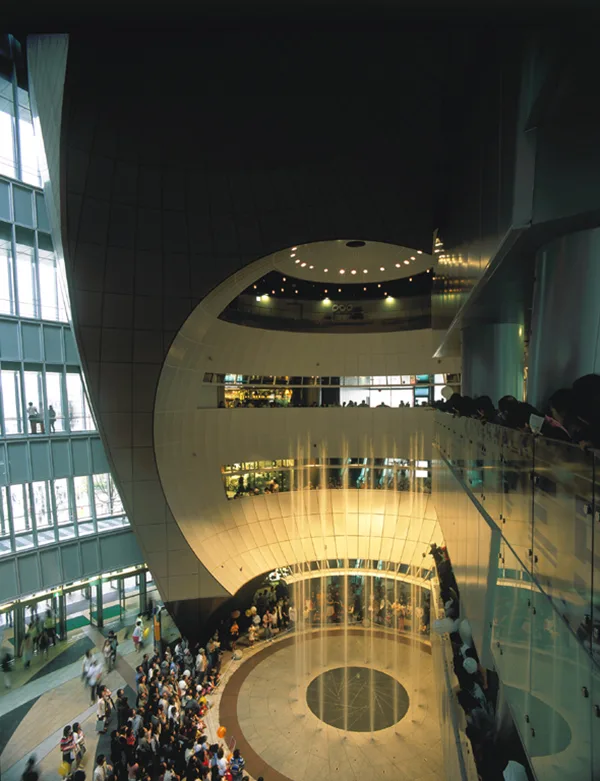
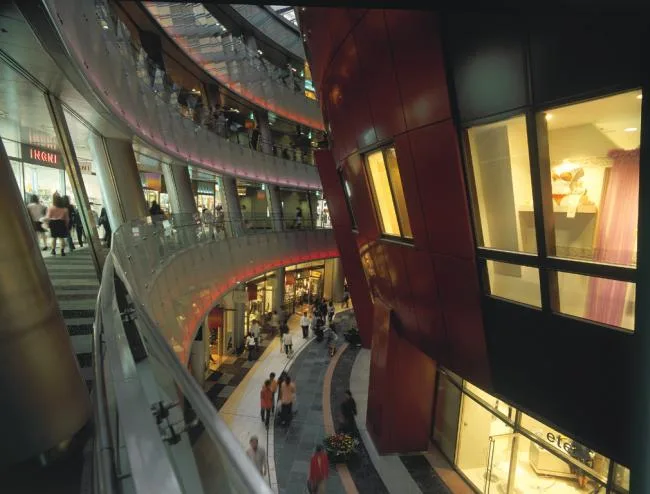
This public space invites people to gather, enjoy the beautiful fountain, or simply relax. It offers endless opportunities for social activities, creating a vibrant and welcoming destination for the community. This reflects JERDE’s 42-year commitment to their philosophy: “Experience Makes The Difference.”
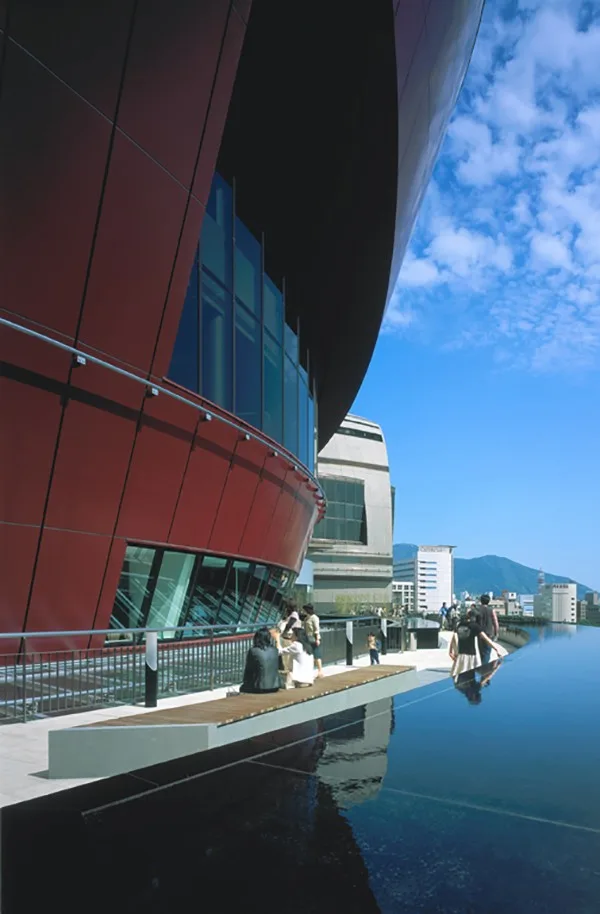
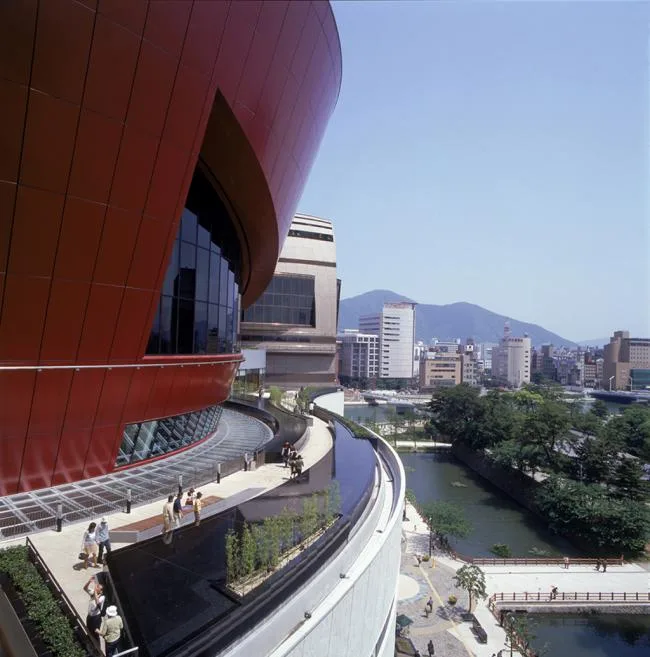
The Kitakyushu Kokura Riverside Corridor is celebrated for its rich history, deep appreciation for nature, and dedication to future growth. It is a key site where local multimedia and communication technologies blend seamlessly with the natural environment and traditional culture.
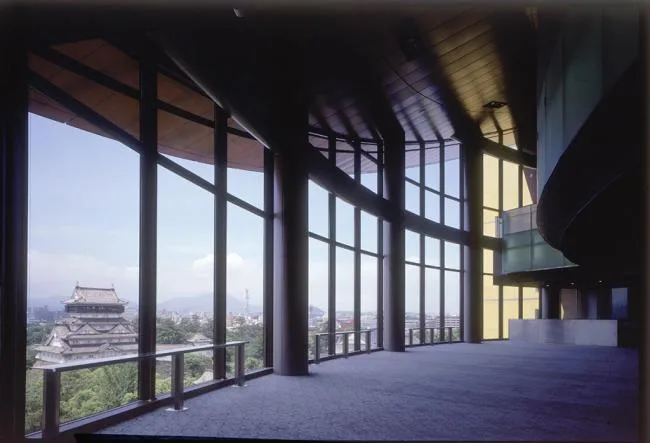
The name “Kitakyushu Kokura Riverside Corridor” reflects two aspirations: “leisurely strolls along the Kokura Purple River” and “creating a new symbol for Kitakyushu.” This space brings people together amid beautiful nature and history, enlivening the city with energy and vitality.
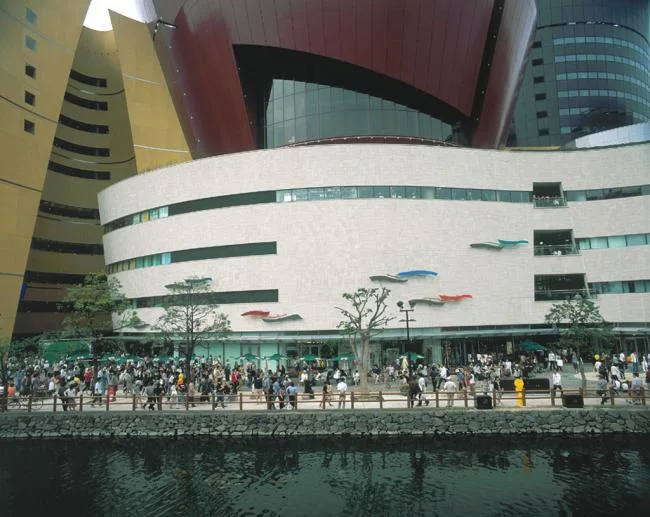
Design drawings:
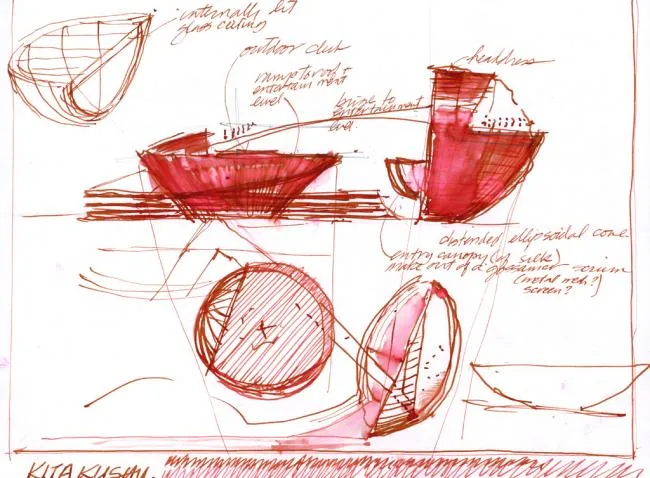
▲ Sketch

▲ Hand-drawn drawing
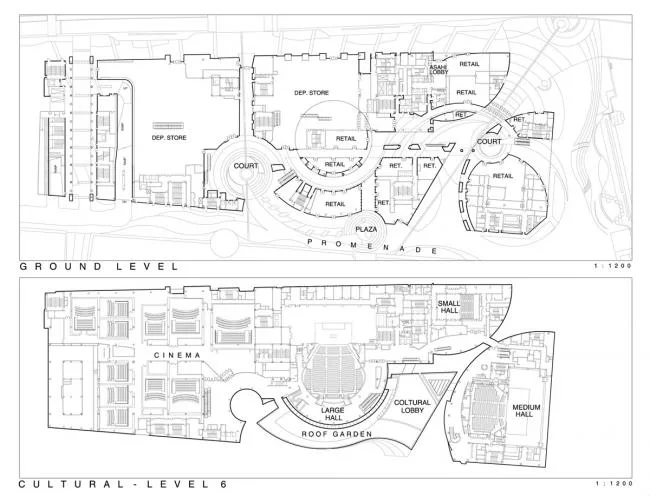
▲ Plan view
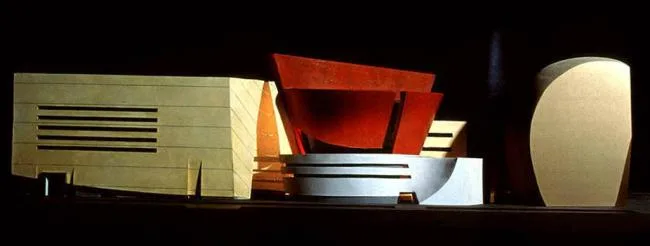
▲ Model
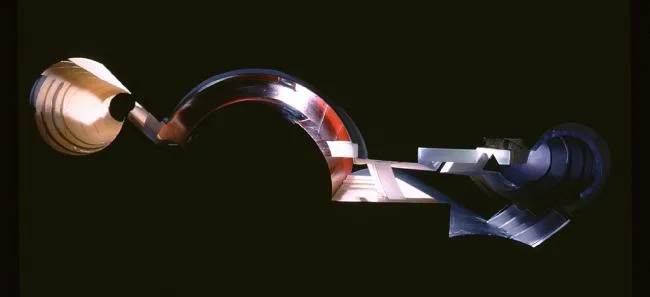
▲ Model
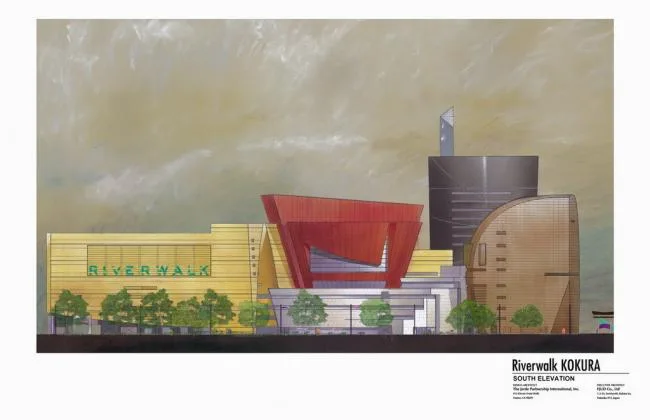
▲ South elevation view
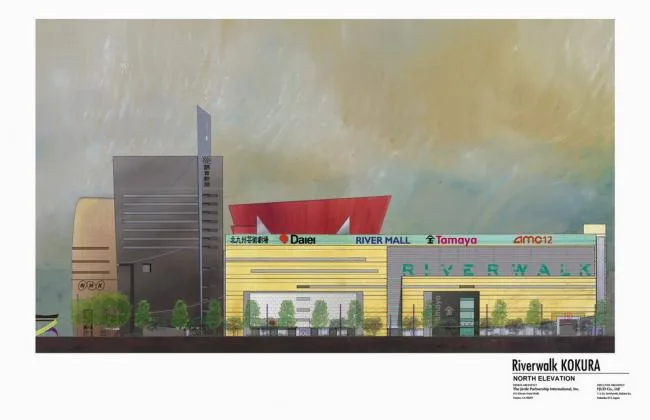
▲ North elevation view
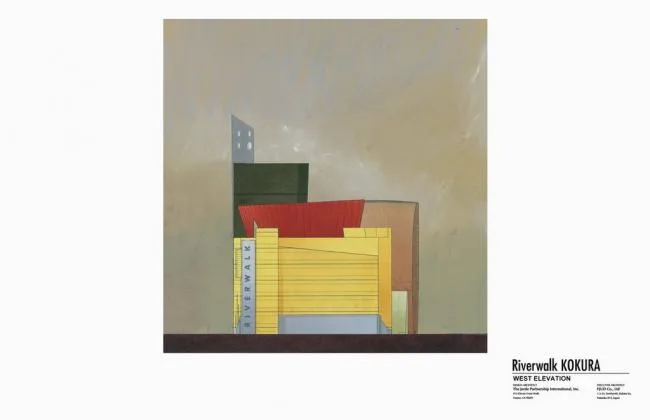
▲ West facade
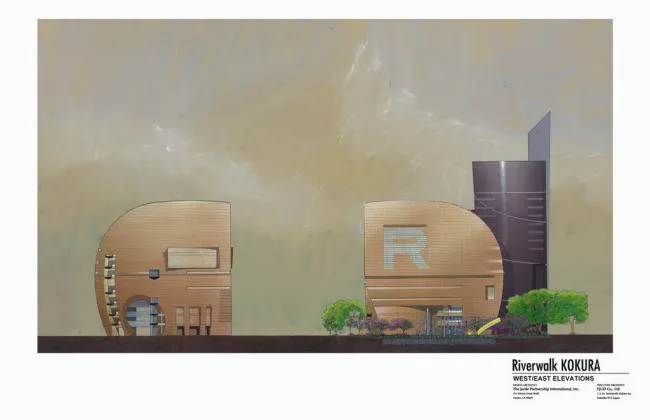
▲ West/East facade












Must log in before commenting!
Sign Up