
In the 9th century AD, Muslim scholars made remarkable contributions to the humanities by establishing the Bayt al Hikma in Baghdad. Known as the Baghdad House of Wisdom, it was a library and research center that housed the world’s largest collection of books, providing scholars with resources for theological and scientific studies.
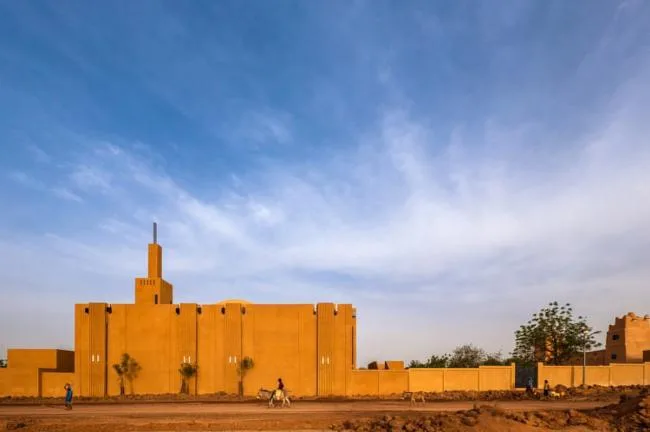
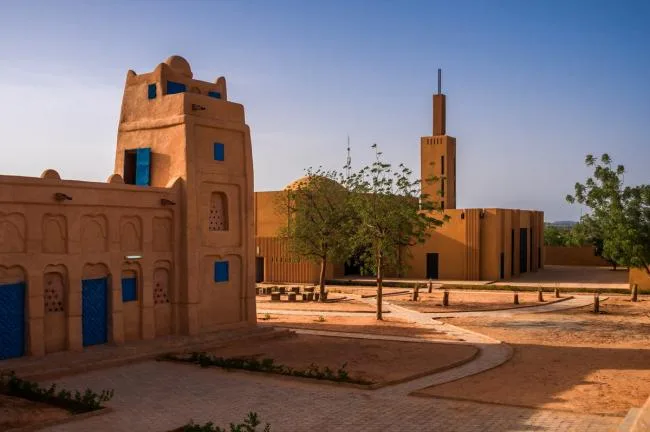
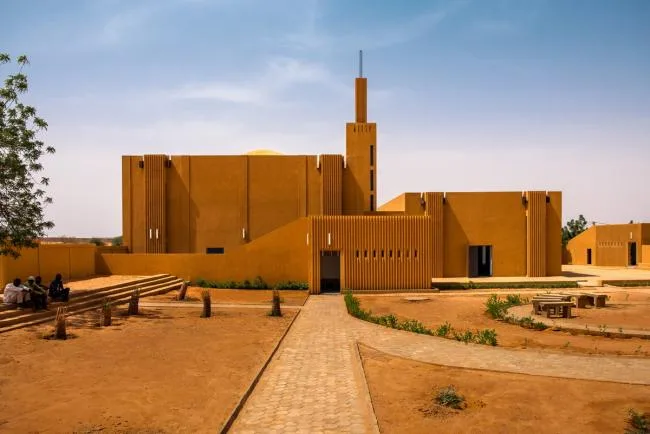
Today’s religious environment embraces this tradition of freedom to pursue knowledge alongside spiritual practice. Supported by local leaders, women, and youth, the Hikma project revitalized an abandoned mosque by transforming it into a library. Located in Dandaji village, Niger, the library shares its site with a new mosque, reviving the core values of Islam. This cultural and educational center fosters a peaceful coexistence between secular and religious life, allowing the community to nurture their spirit and contribute to its growth.
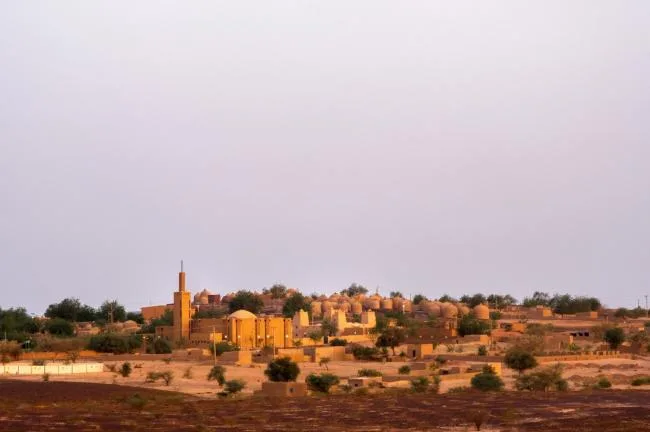
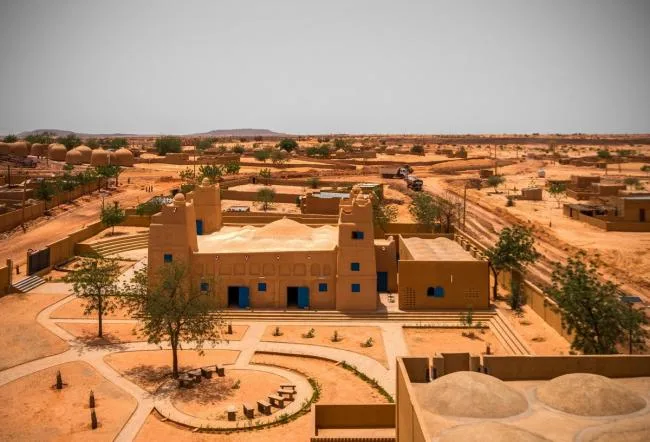
To restore the historical significance of this old building, the project enlisted the original bricklayers. Throughout the restoration, they adopted modern techniques such as clay reinforcement and erosion protection. Inside, metal was used extensively for learning spaces, partitions, stairs, and mezzanines, replacing the traditionally scarce local wood. This choice creates a seamless link between traditional and contemporary architectural elements.
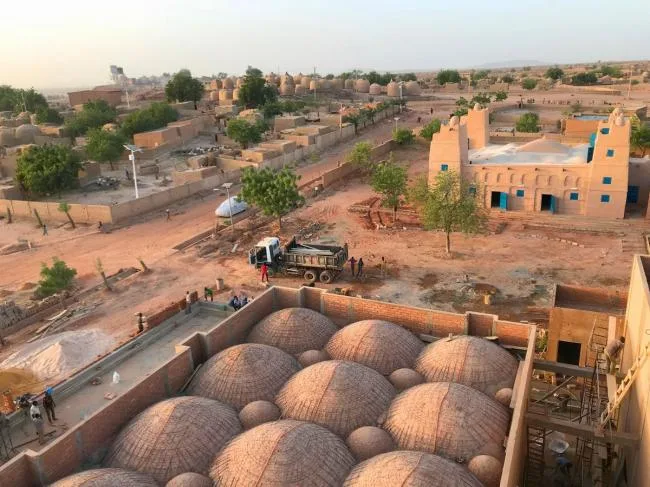
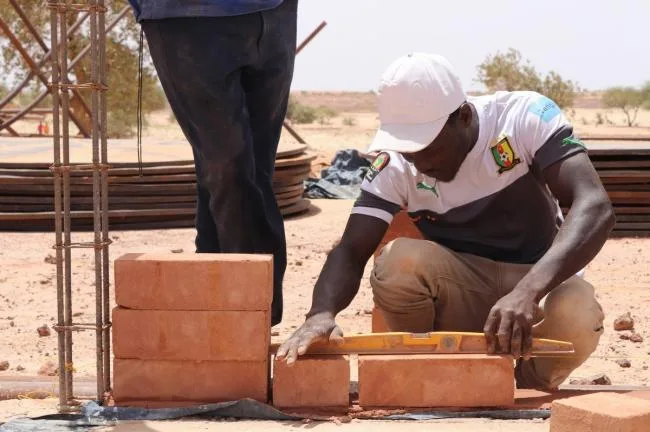
This new structure reinterprets traditional Hausa Muslim architectural details alongside modern design. Its two buildings and outdoor prayer space accommodate daily prayers, Friday congregations, and significant events such as Eid al-Fitr. This dialogue between old and new not only enhances the architecture but also strengthens collaboration between traditional masons and contemporary construction teams.
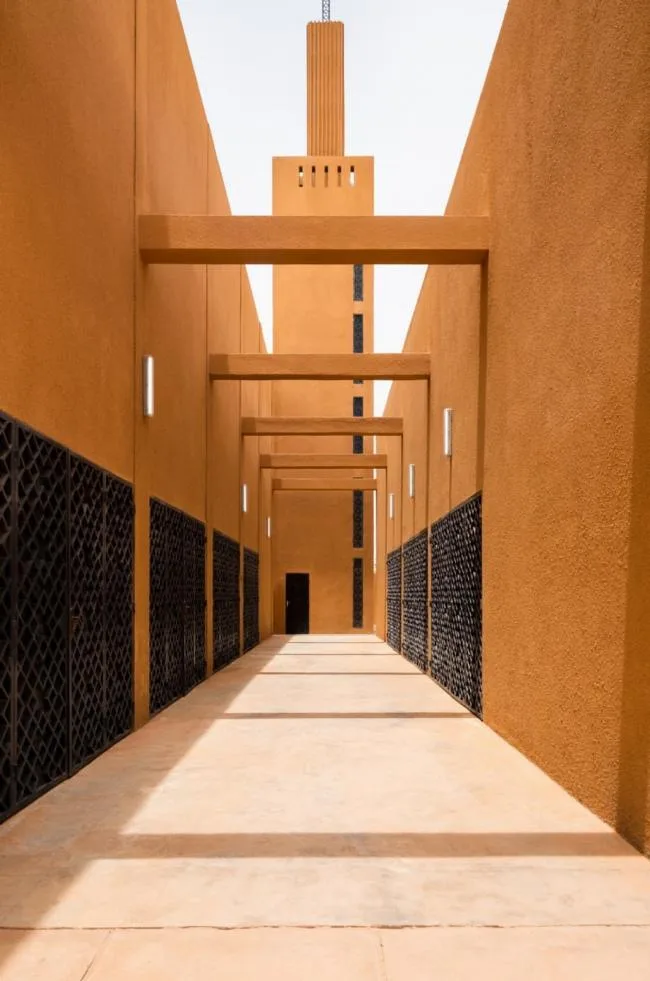
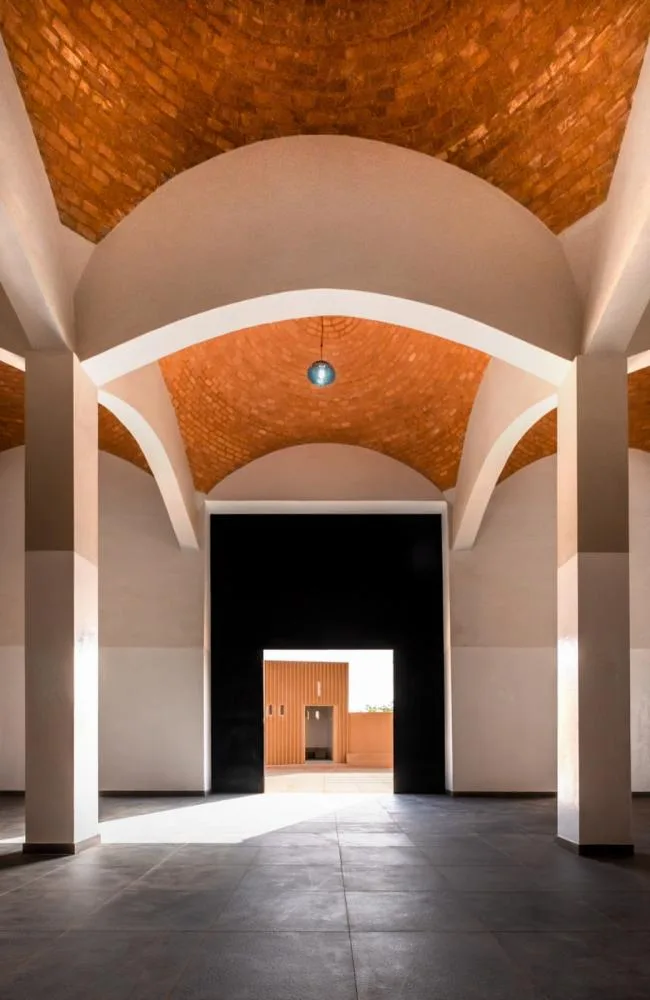
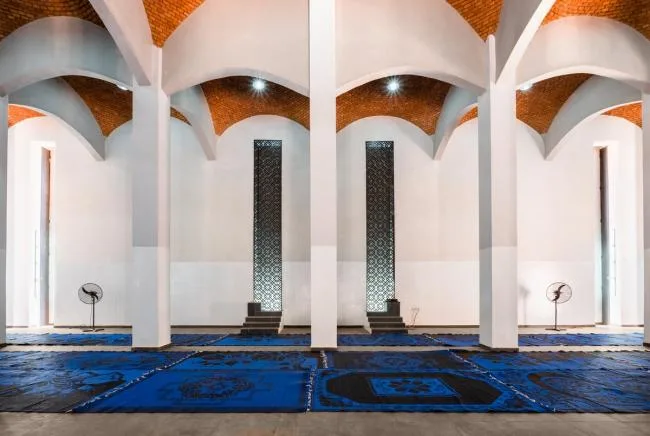
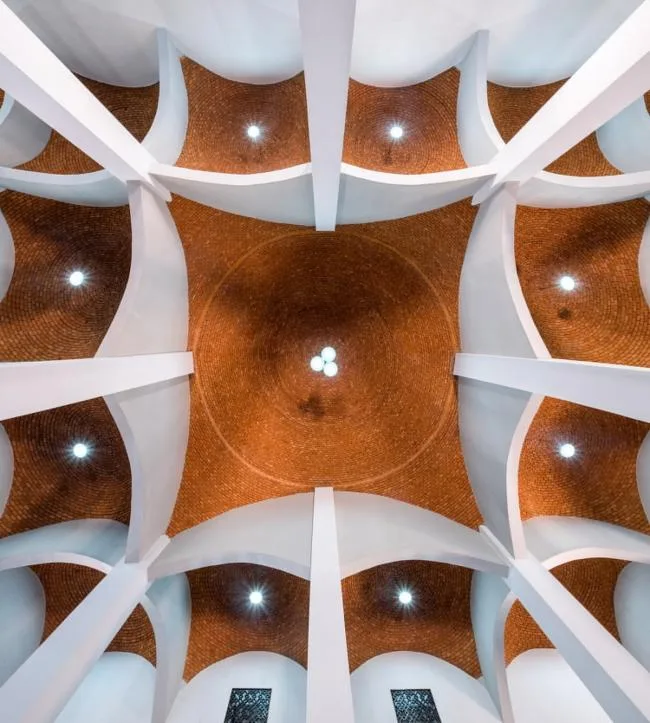
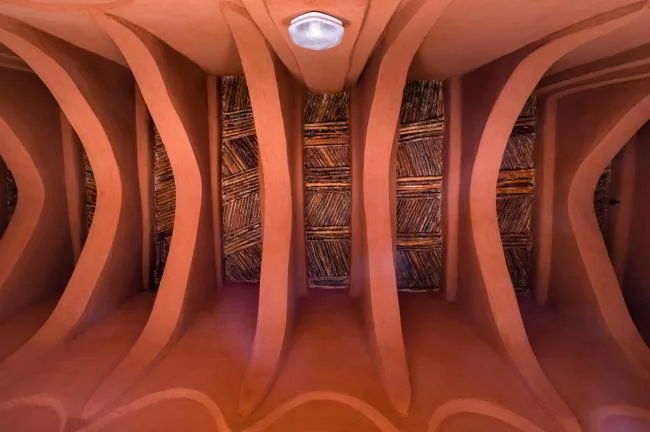
The project offers a variety of spaces for learning, reading, research, studios, games, and prayer. The outdoor area is designed to be flexible, accommodating community events as well as quiet reflection. This cultural complex has become a vital community hub in the region.
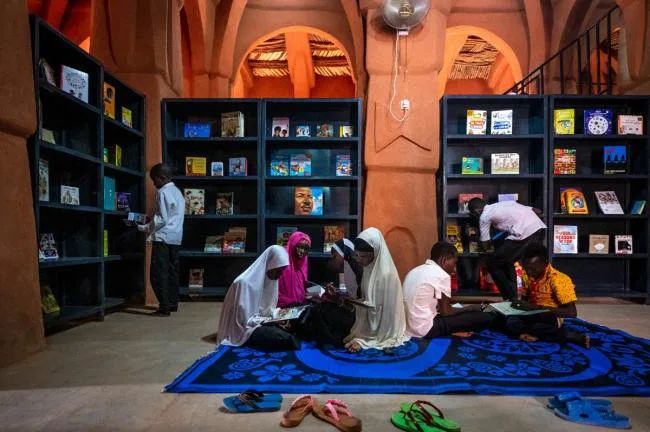
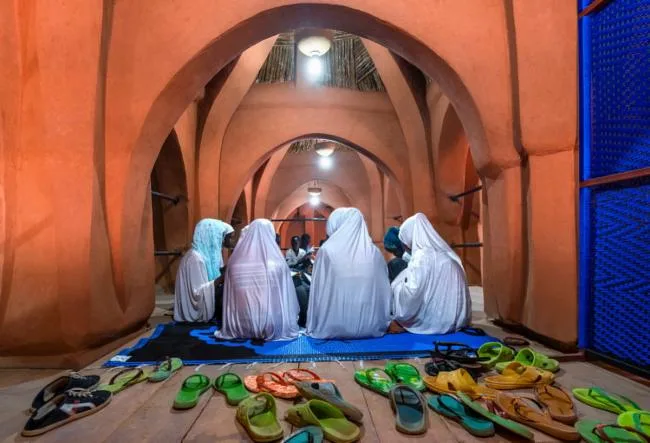
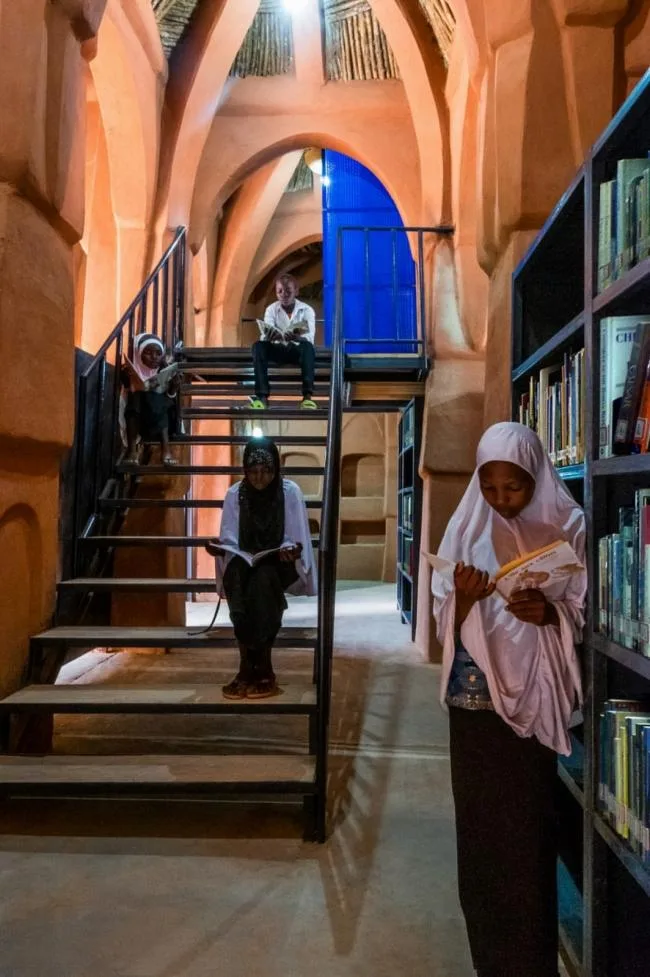
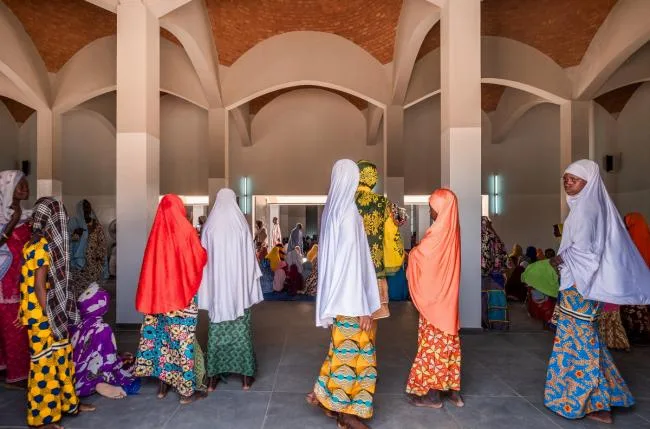
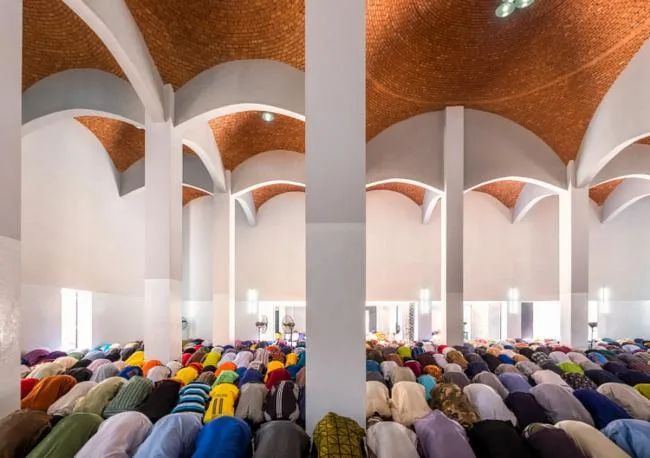
This cultural complex includes a mosque with a 1,000-person capacity, featuring two main worship halls, fasting and bathing areas, and a minaret. Additionally, it houses two bedrooms for the mosque imam, a library, classrooms, reading and study spaces, a handmade crafts workshop, a children’s play area, and a garden.
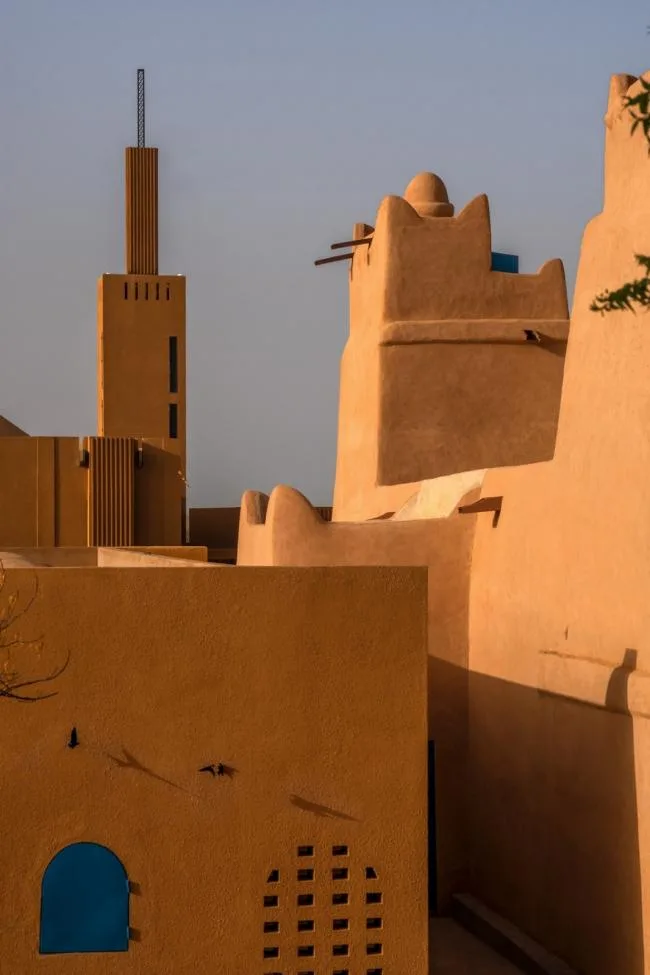
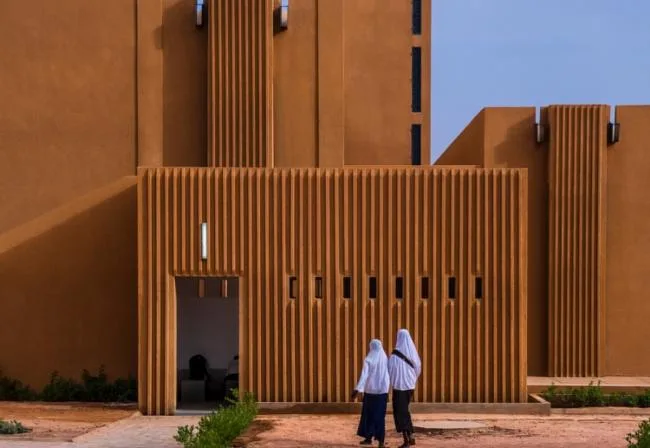
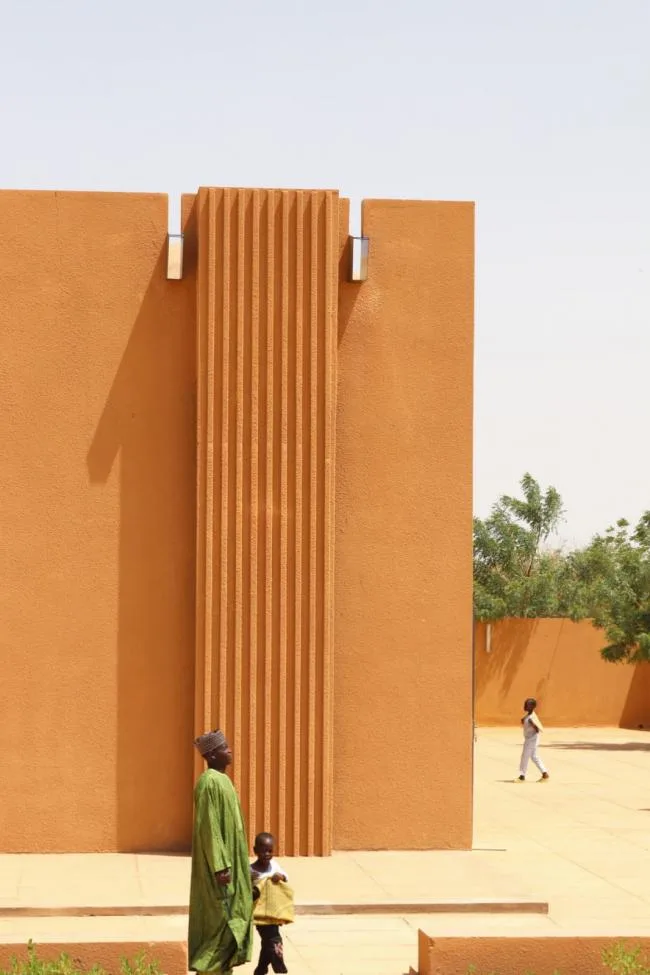
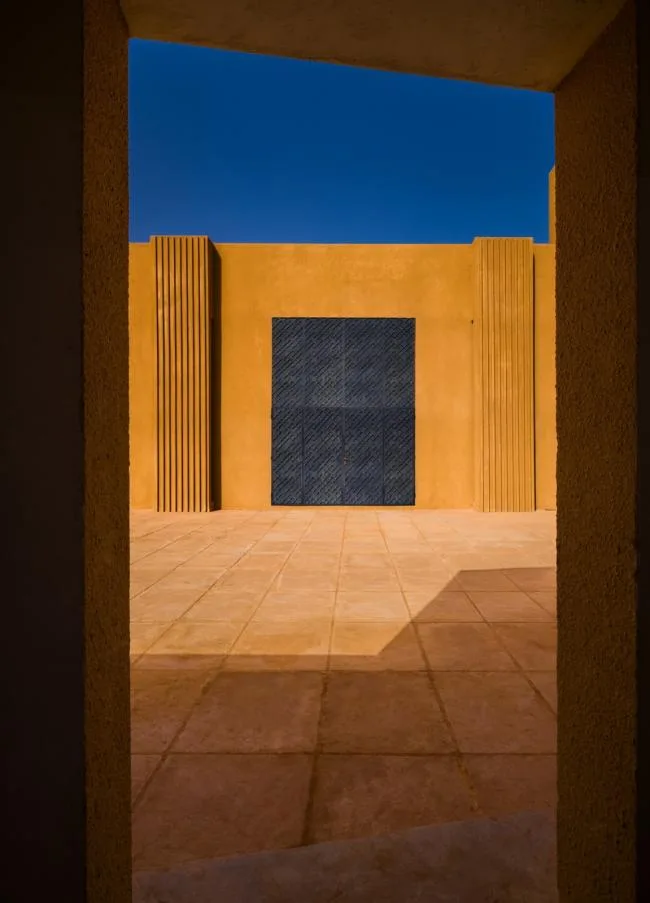
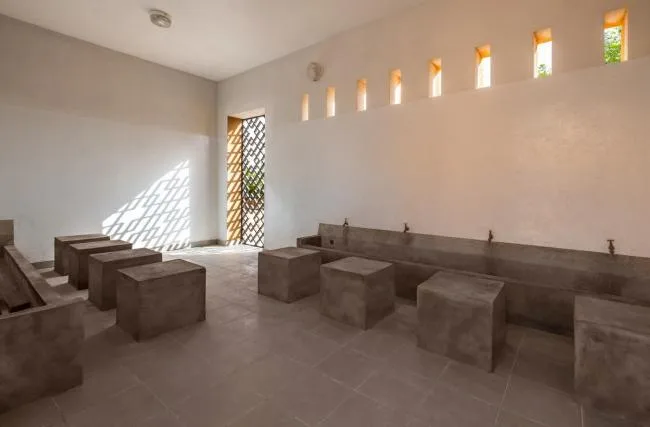
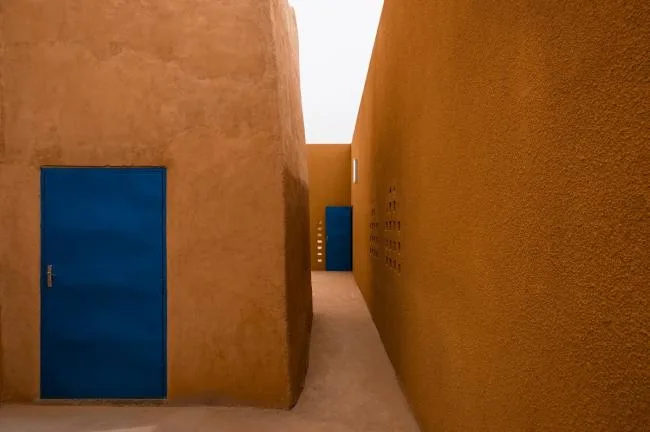
The primary building material for this project is compressed earth bricks (CEB), made from soil sourced near the construction site. This choice enhances insulation, reduces energy consumption, and lowers construction costs.
(BIM Design)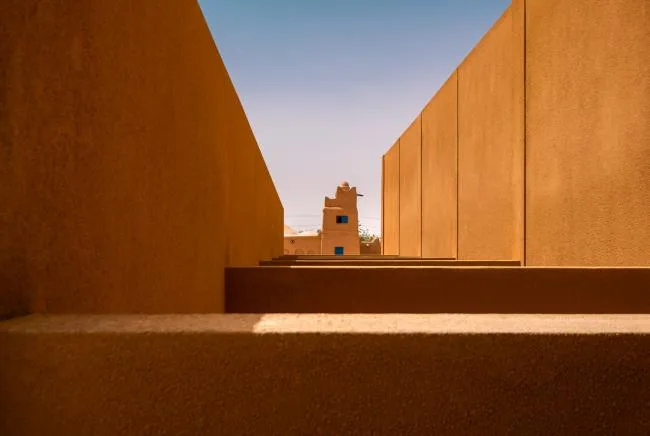
Design Drawings:
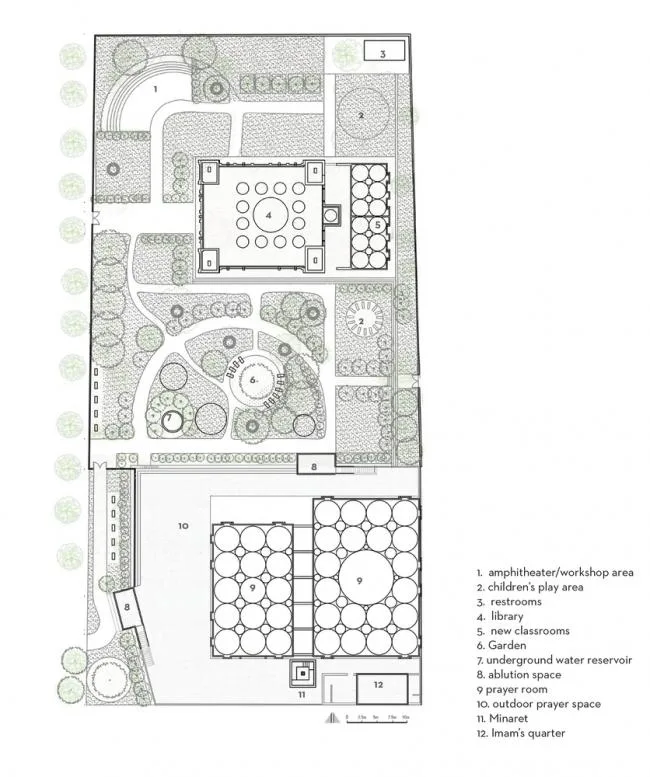
▲ General layout plan
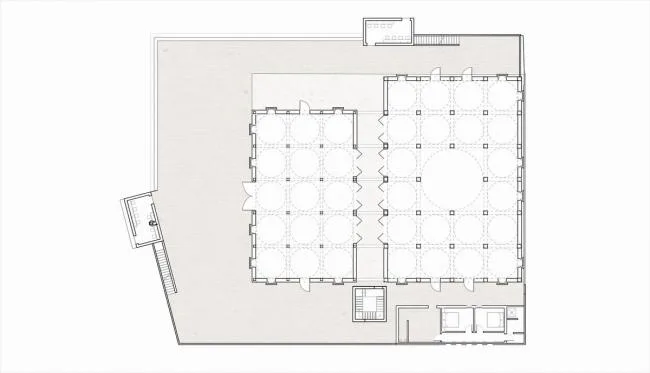
▲ Mosque plan
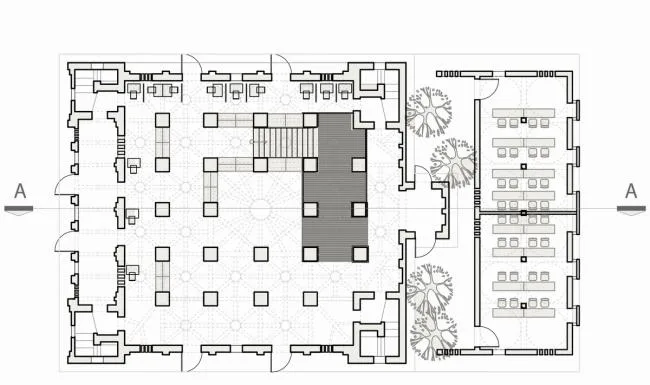
▲ Library floor plan
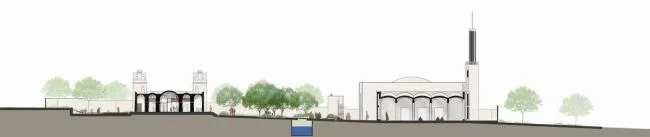
▲ Site profile map
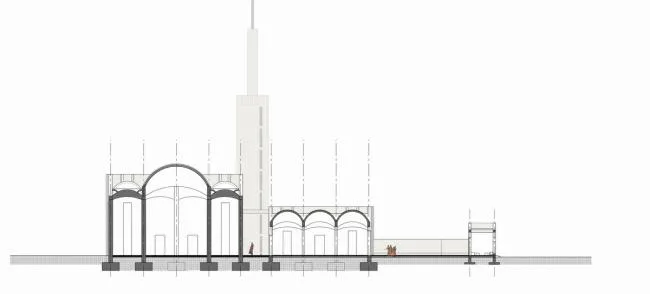
▲ Mosque section
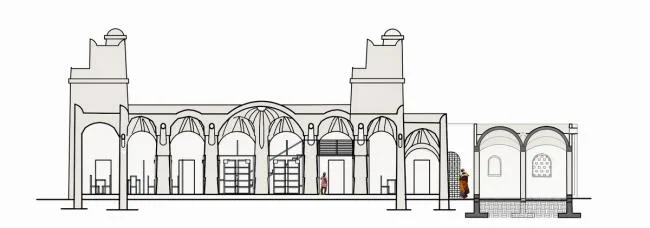
▲ Library section
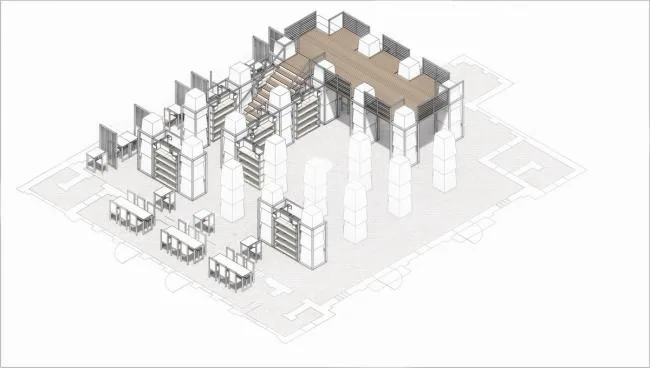
▲ Mosque axis measurement
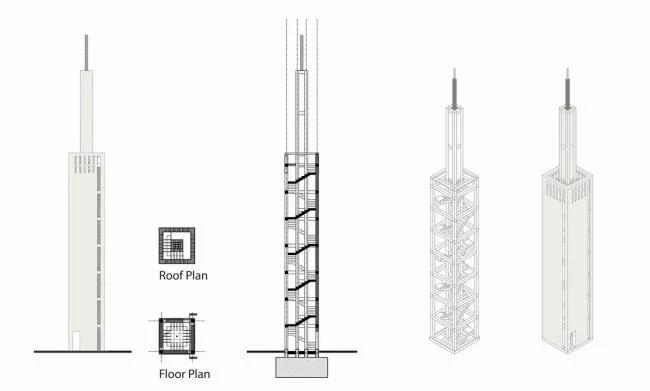
▲ Minaret
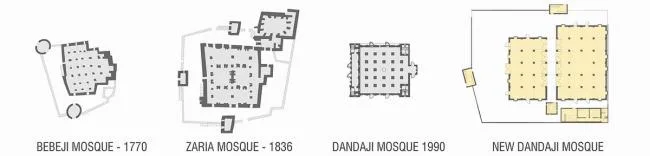
▲ Mosque types
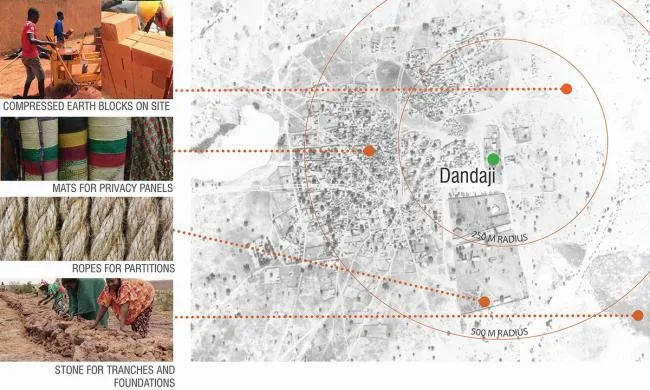
▲ Material diagram
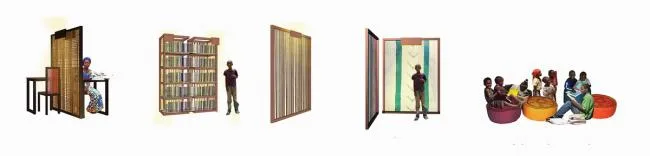
▲ Handmade furniture
Project Information:
Architectural firms: Atelier Masomi, Studio Chahar
Location: Dandaji Village, Niger
Project type: Adaptive Reuse
Design team: Yasaman Esmaili (Studio Chahar), Mariam Kamara (Atelier mas ō m ī)
Year of completion: 2018
Photographers: James Wang, Mariama Kah
Client: Dandaji Village
Construction contractor: Entreprise Salou Alpha et Fils
Engineering: URBATEC
Metalwork: Atelier de Technologie Métallique













Must log in before commenting!
Sign Up