
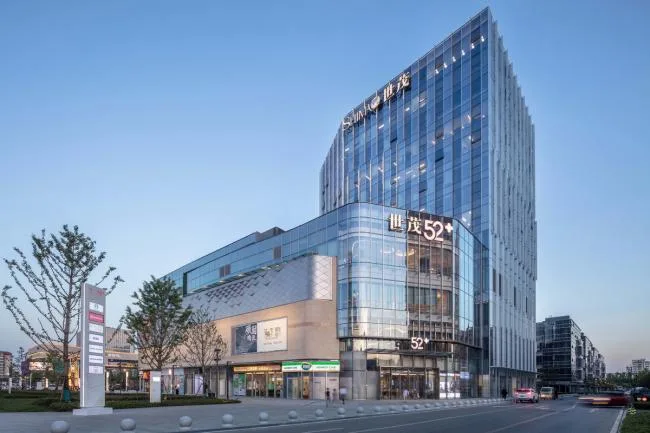
A city is not simply a collection of buildings; rather, it is defined by the spaces enclosed and divided by those structures.
—— I.M. Pei
Connecting Spaces
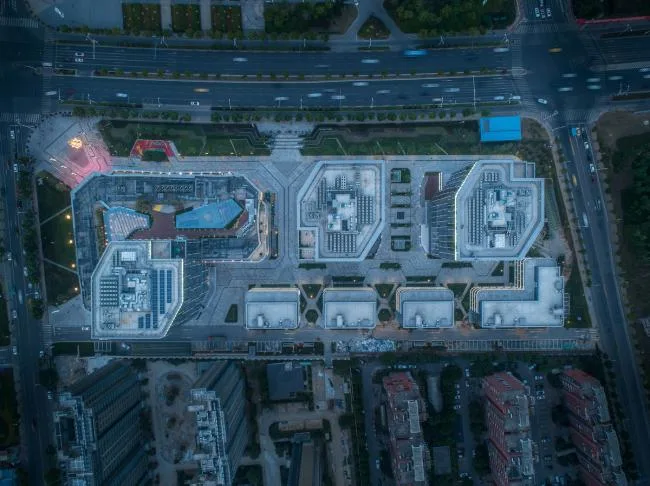
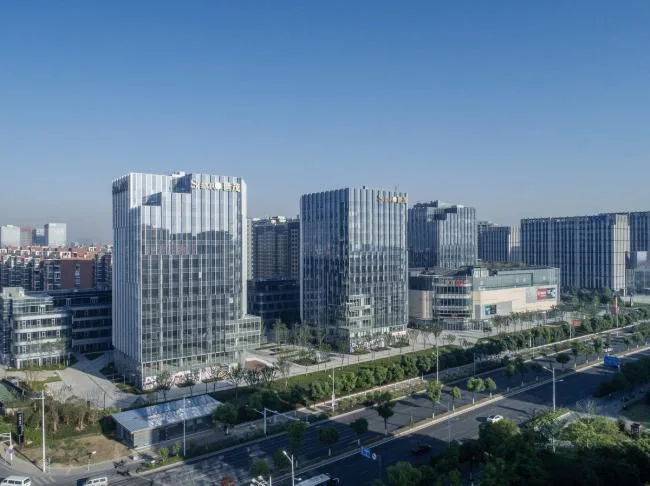
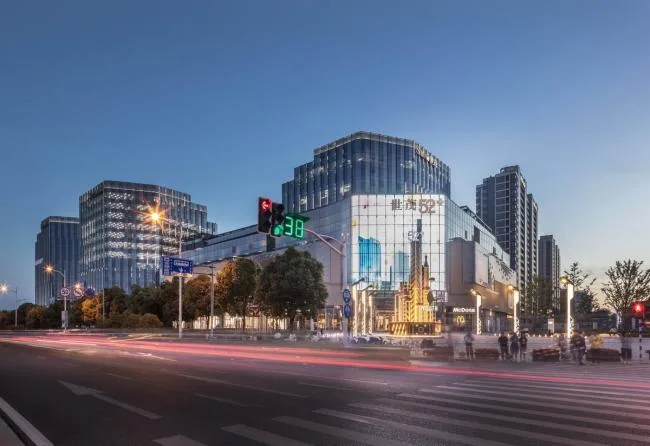
This project is situated in the heart of the Chinese Software City in Nanjing, adjacent to the Software Avenue New City Connection Axis—the core link between the old and new districts of Software Valley.
With multiple functions including a shopping center, high-rise offices, and garden offices, the design emphasizes the coexistence and mutual benefit of these components within one system. This urban complex becomes a self-sufficient microcosm of city life.
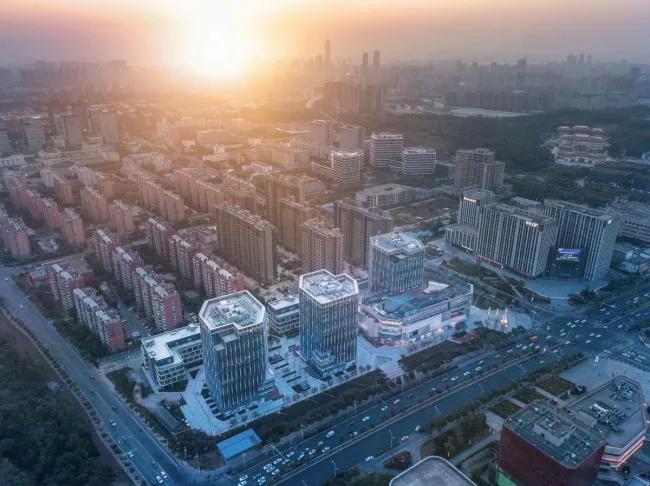
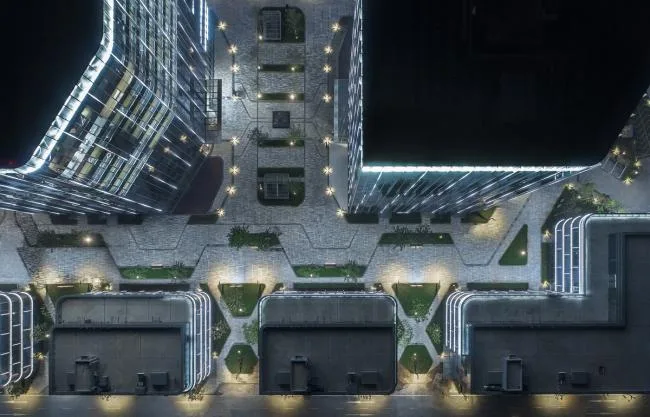
The architects focus on analyzing the urban space, allowing the complex to extend the existing urban fabric of Software Valley and create a continuous urban context. The inward-facing spatial layout attracts diverse urban elements through a centripetal gathering of resources, while also radiating influence outward.
Softened and transparent boundaries convey accessibility and openness, highlighting inclusivity and interactivity within the space.
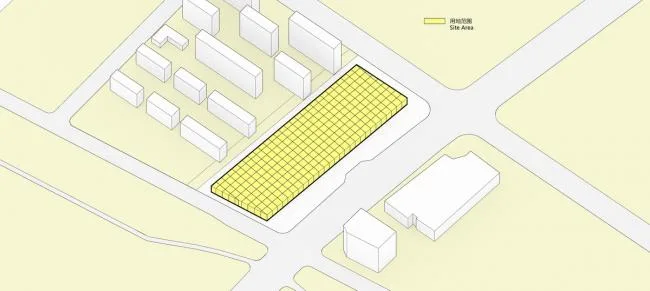
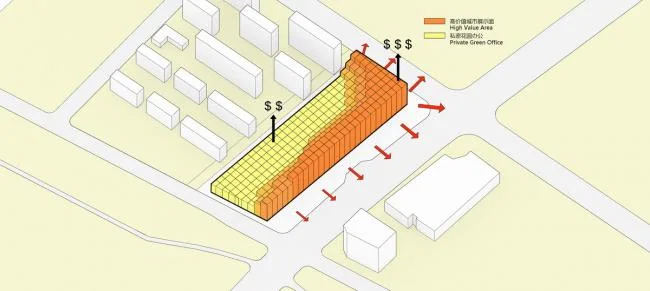
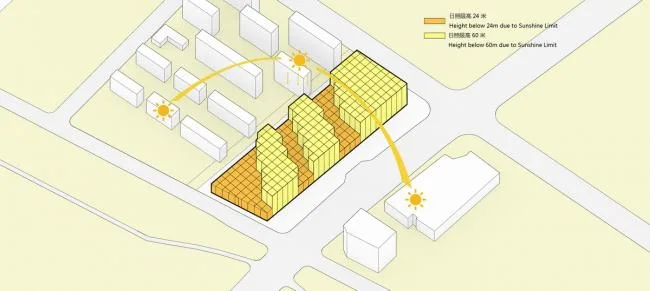
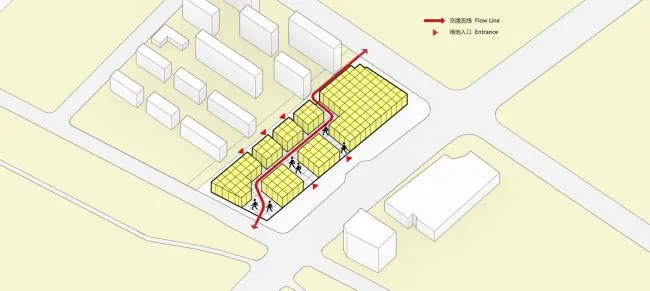
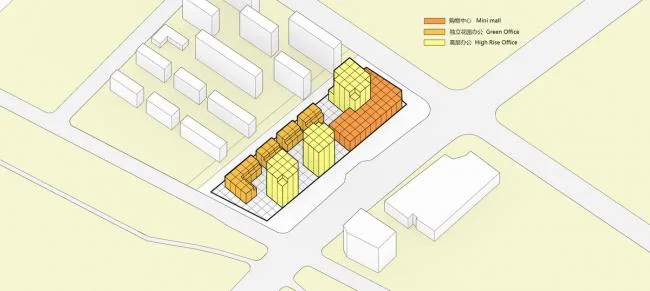
▲ Shape Generation Diagram
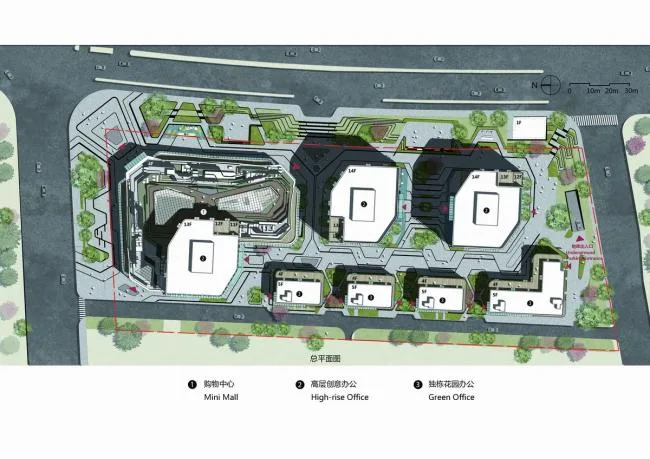
▲ General Layout Plan
Flowing Spaces
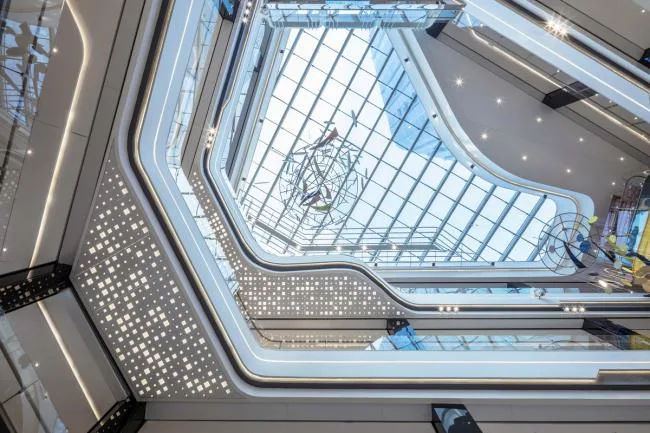
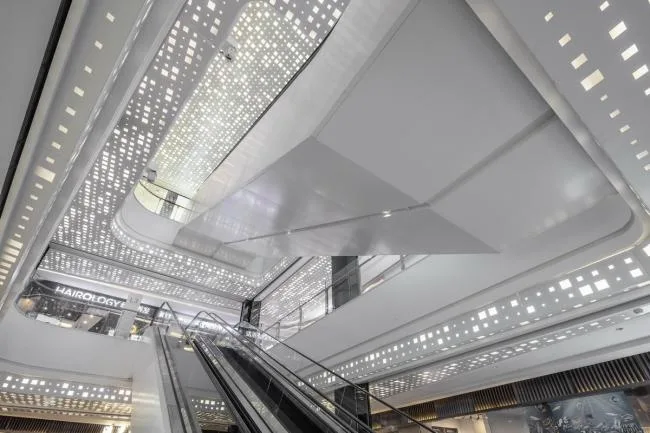
The interior spaces are layered and interconnected through methods such as compounding, weaving, series connection, and parallel connection. Each space maintains a degree of orientation, while staggered elevations create a continuous sense of movement.
This dynamic flow adds rhythm and perspective, fostering creativity and interaction within the office environment, aligning with modern workspace trends.
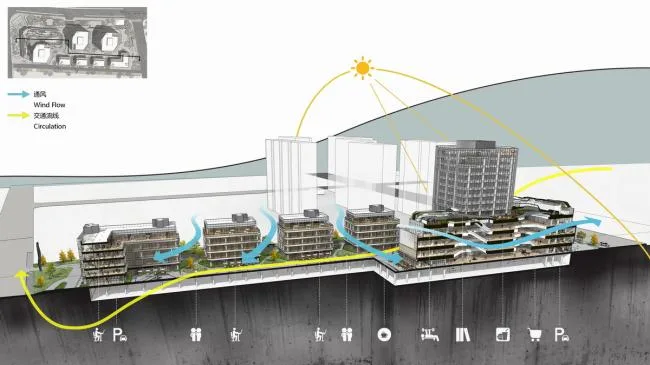
▲ Sectional View
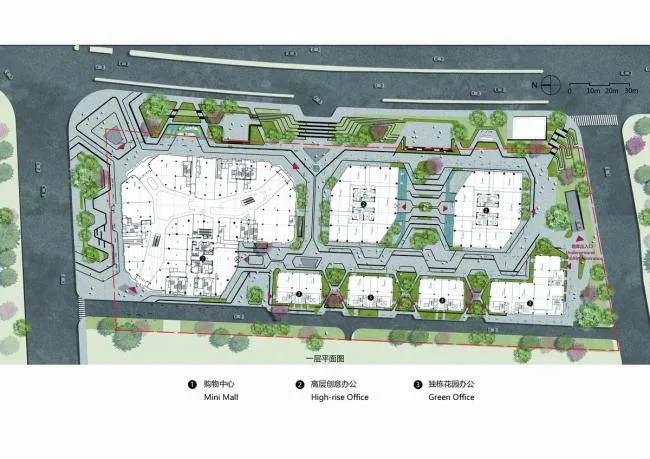
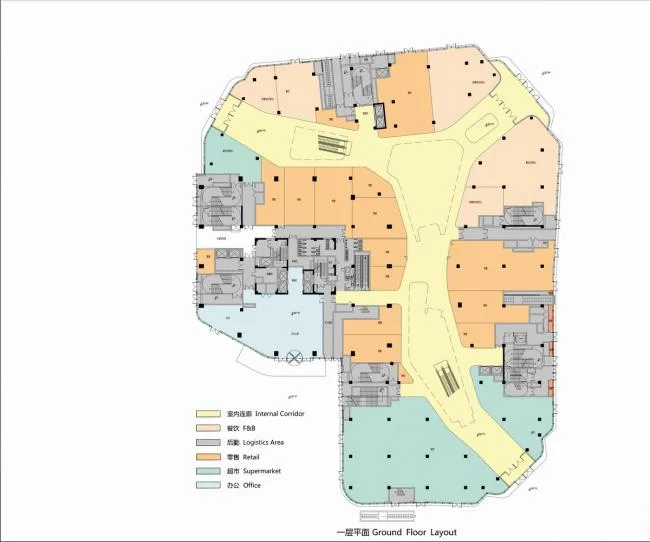
▲ First Floor Plan
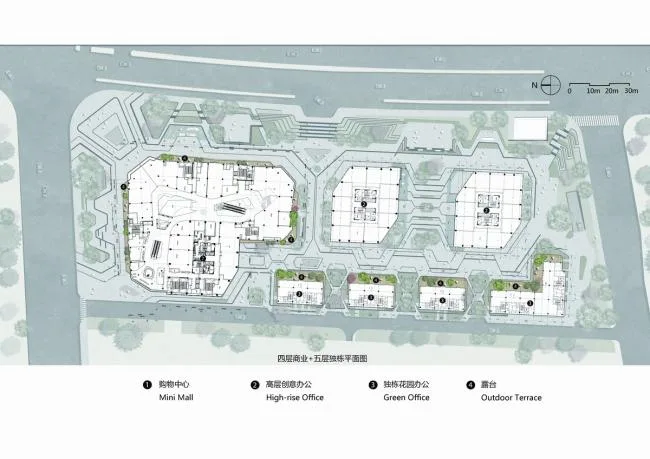
▲ Four-Story Commercial and Five-Story Standalone Building Floor Plan
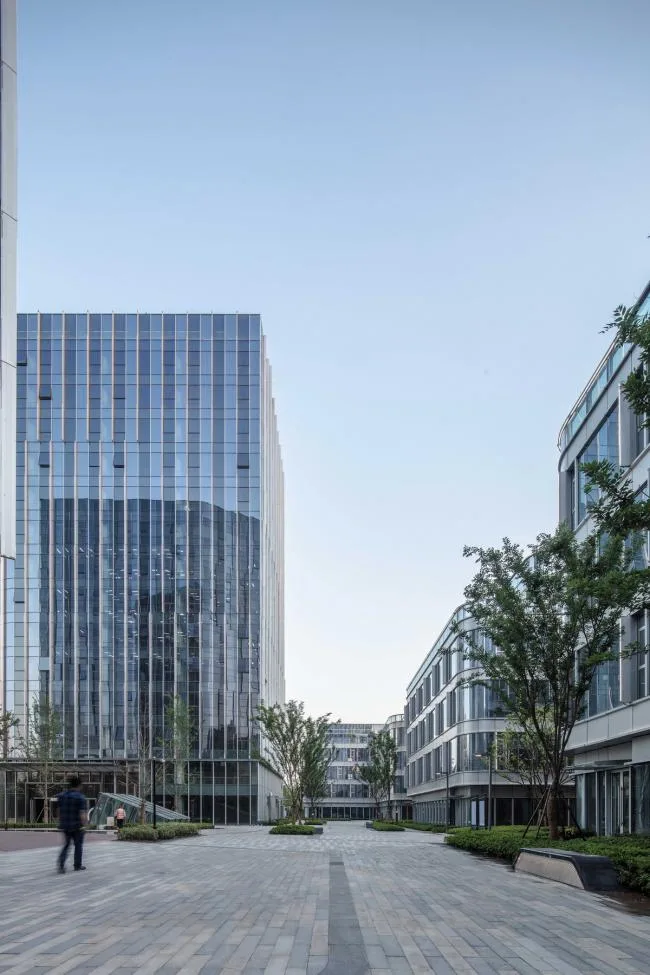
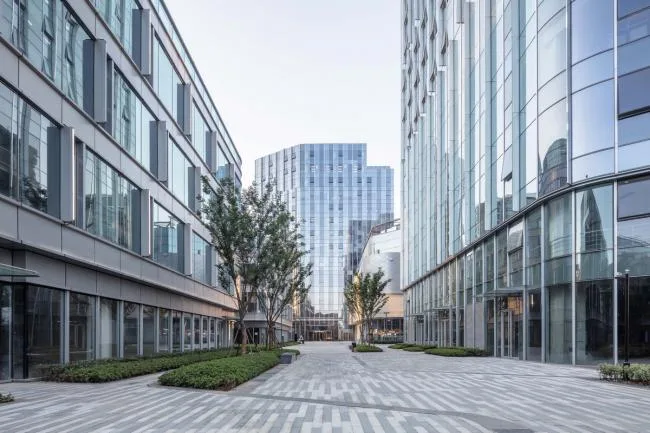
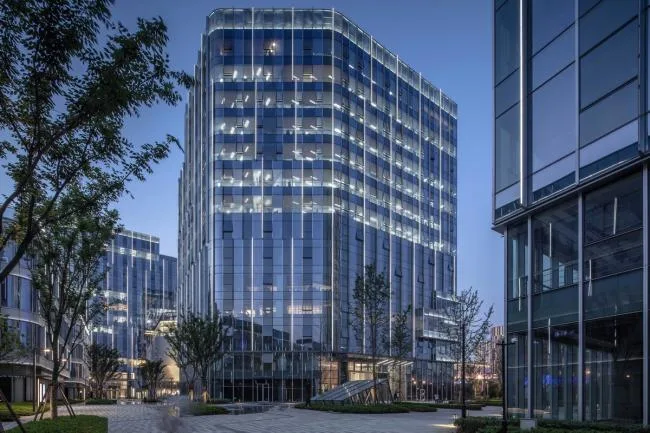
The open areas are thoughtfully divided, grouped, and layered according to function, with clear flow directions for pedestrians.
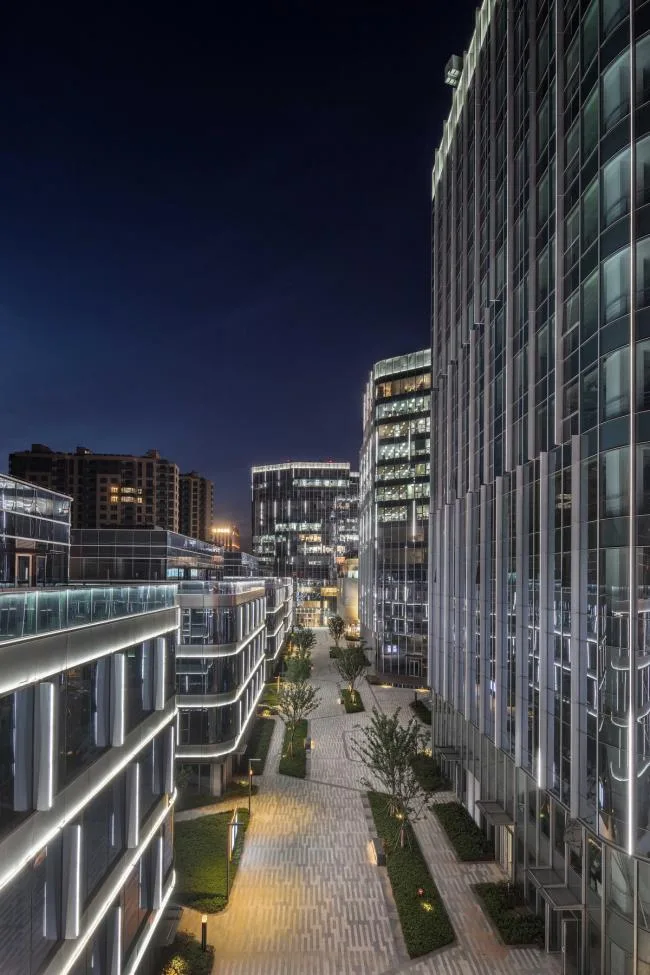
A diverse and accessible pedestrian network is formed through streets and alleys of suitable density, with spatial hierarchy established by trails and squares. This approach maintains privacy and independence of functional spaces while integrating urban elements from perspectives of function, transportation, and space.
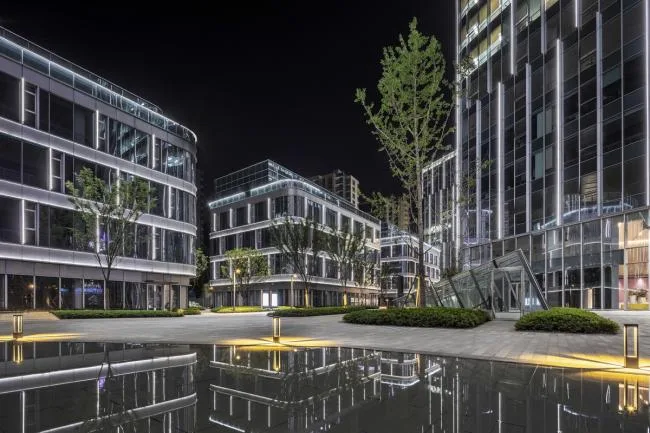
Open interfaces, transparent materials, and varied functional components complement the surrounding blocks.
Composite Space
52+ Mini Mall offers a technologically advanced mixed-use space that not only supports surrounding facilities but also energizes urban vitality through diverse business formats.
The project integrates an IoT-enabled intelligent space, encouraging a variety of citizen activities. It combines dining, children’s entertainment, book bars, living halls, and training areas—aiming to create corners that foster emotional identity, social connections, and public memory.
These spaces function independently yet contribute to the urban fabric, transcending the traditional role of buildings as mere “urban cells.”
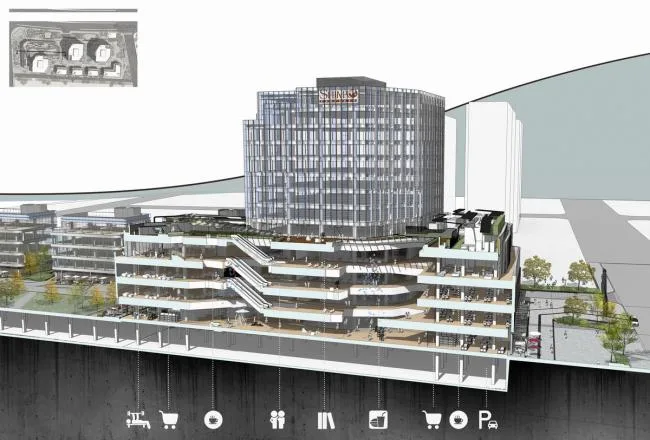
▲ MINI MALL Sectional View
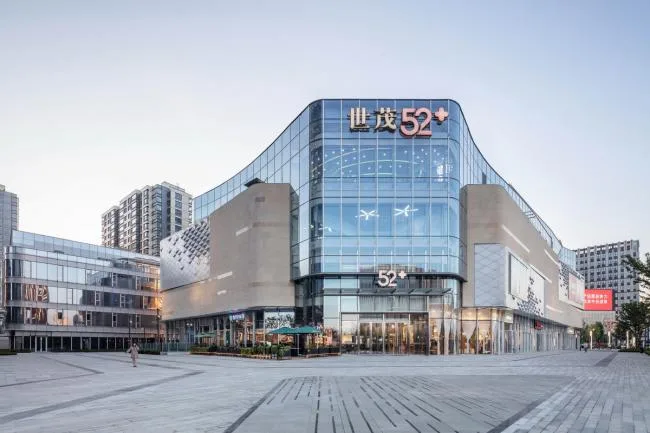
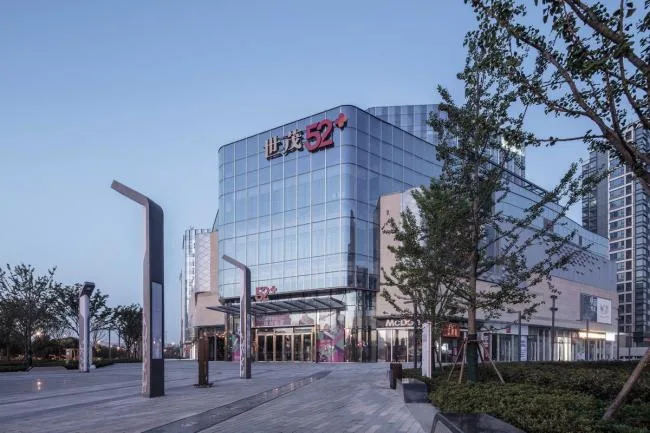
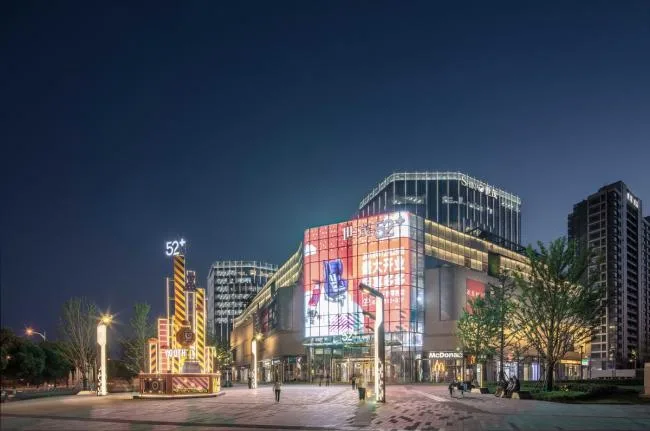
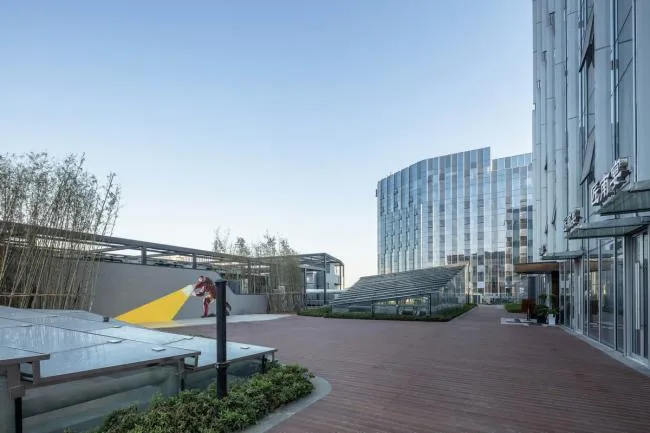
The rooftop transcends a single function: featuring a garden restaurant alongside varied platforms for lunch breaks and reading. Every corner reflects the inclusiveness and enjoyment of public space.
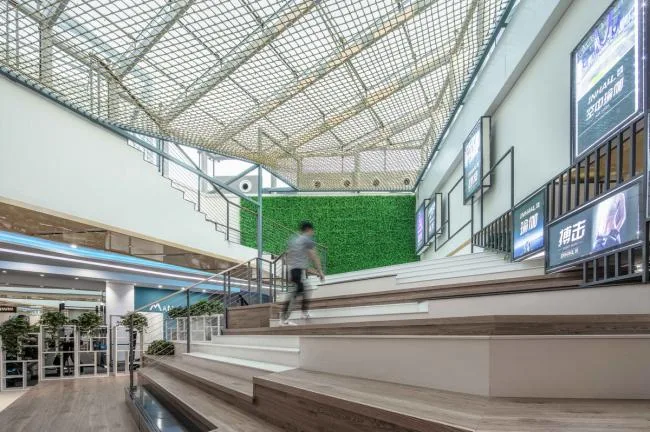
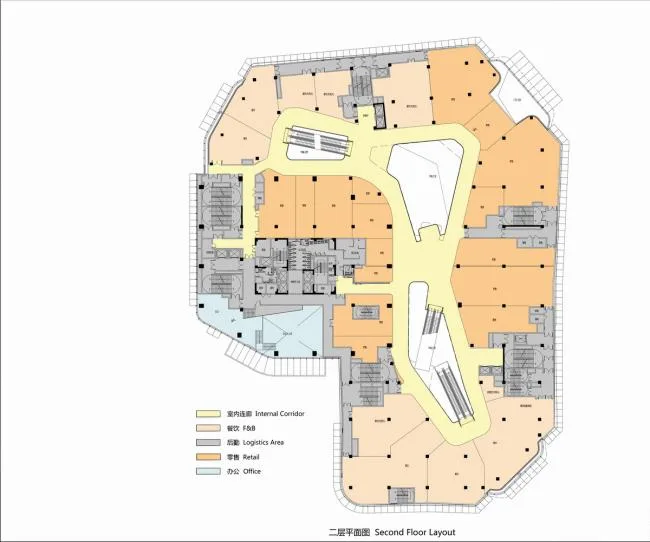
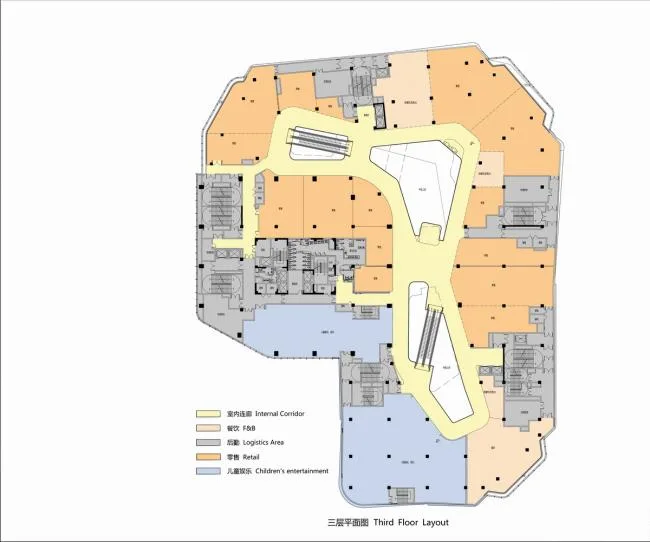
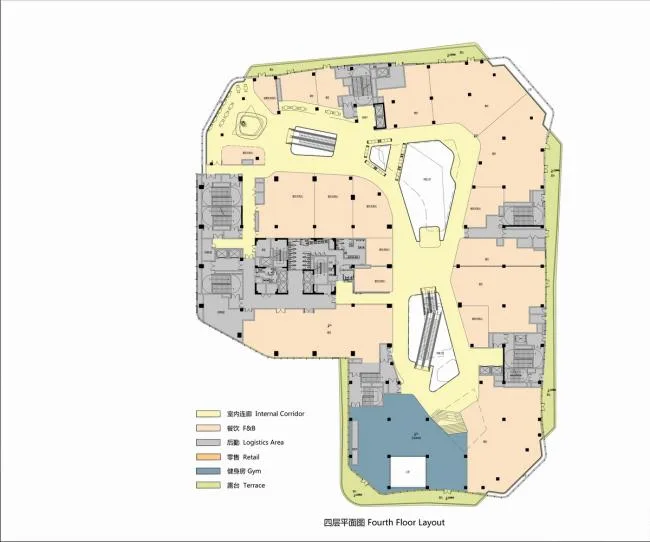
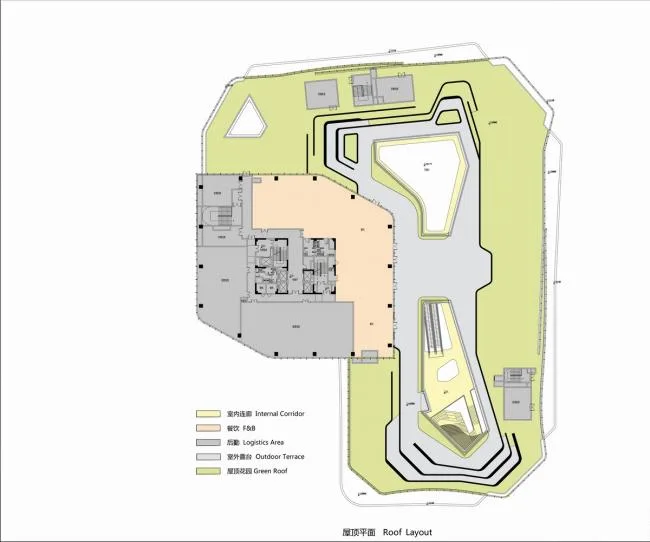
▲ Floor Plans
Technology Flow Cloud
To reflect the spirit of Software Valley, the high-rise buildings emphasize technological network interaction through vertical lines, while the horizontal commercial forms echo the fluidity of the network.
By integrating landscape elements such as cloud intelligence, Morse code, and source code, the design creates a continuous, narrative-driven, experiential technology cloud-themed park.
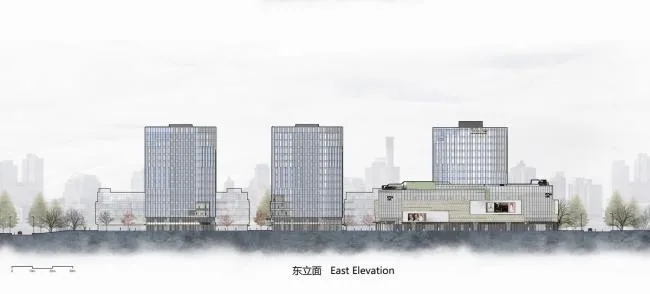
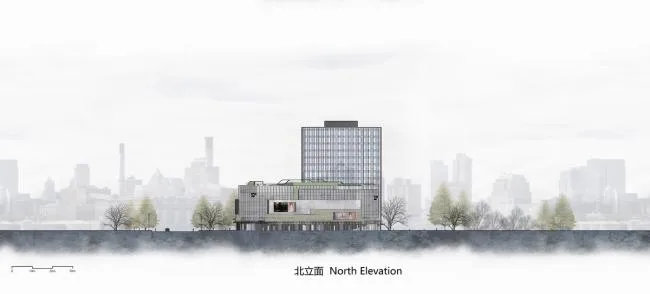
▲ Elevation View
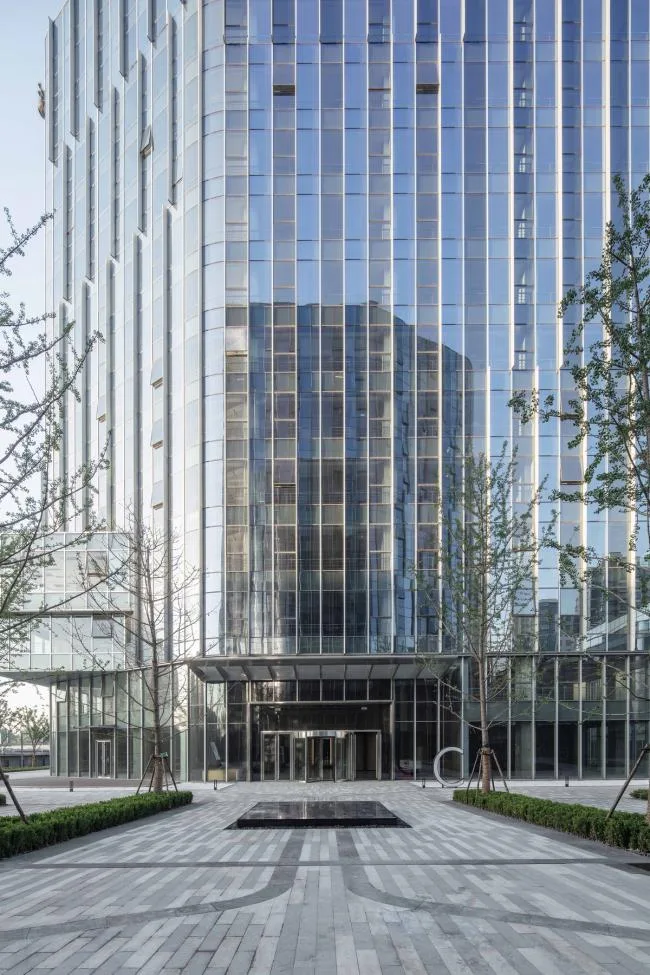
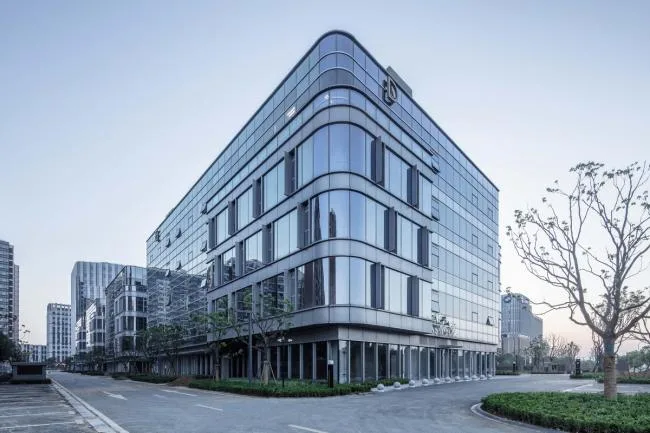
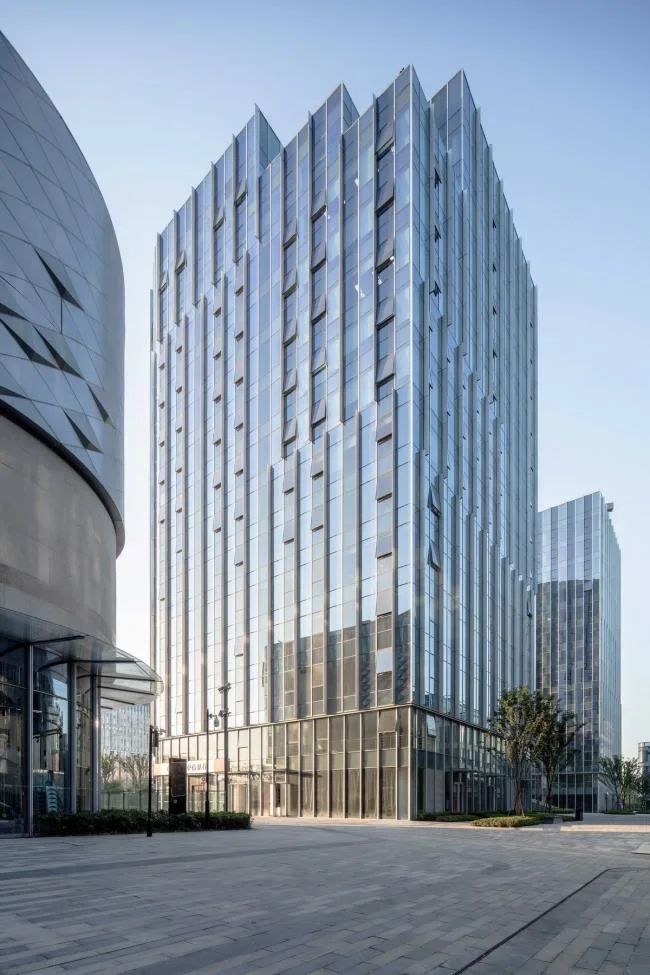
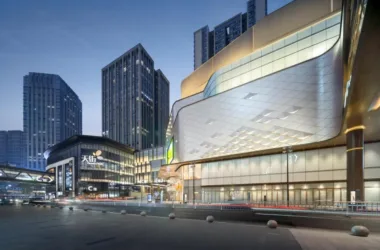
The Mini Mall’s main entrance features a striking LED installation that highlights the glass box shape, ensuring transparency and openness inside.
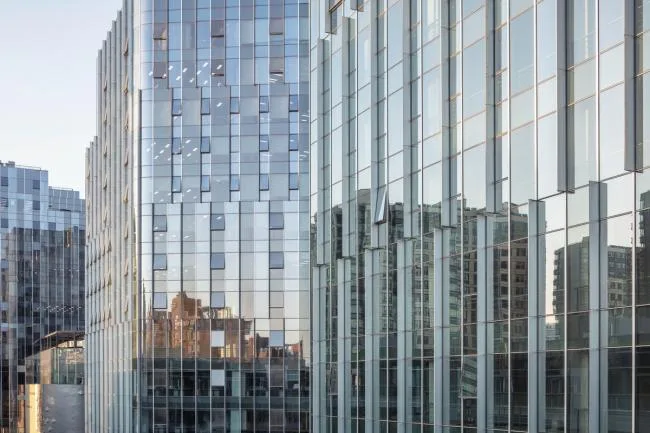
The facade combines metal corrugated aluminum panels with beige lychee granite. The contrast and arrangement of materials create a dynamic, technology-inspired building skin.
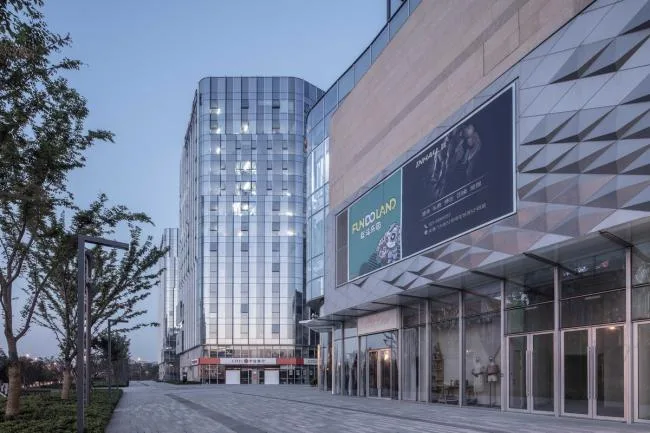
Various entrances break away from linearity, creating engaging spaces through interwoven blocks and lightweight canopies. These elements add layers and visual impact.
The thoughtful scale of entrances and the pairing of functional spaces reshape the urban public realm, offering a sense of security and belonging.
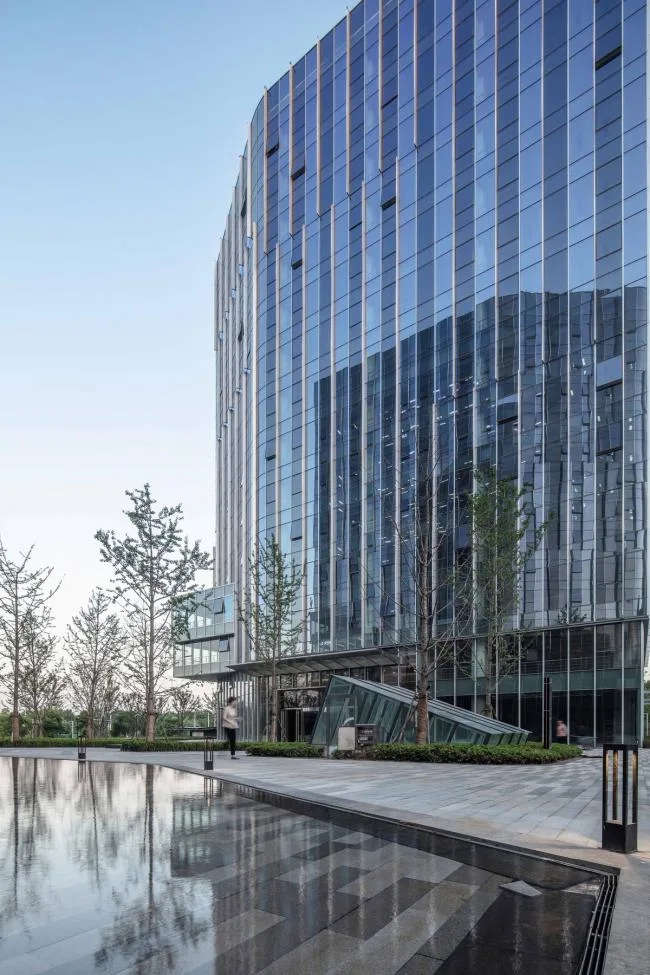
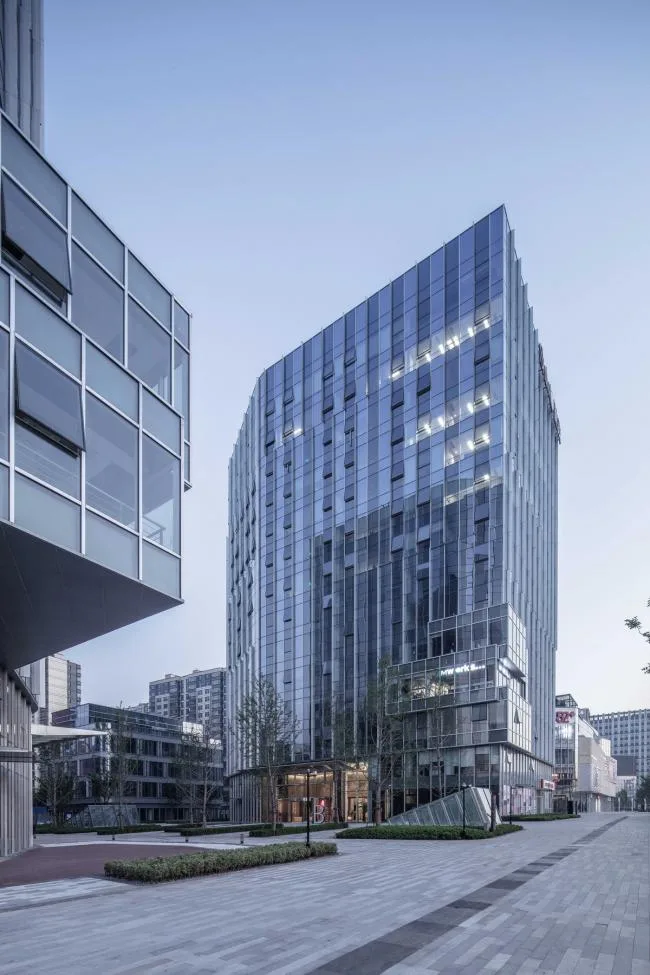
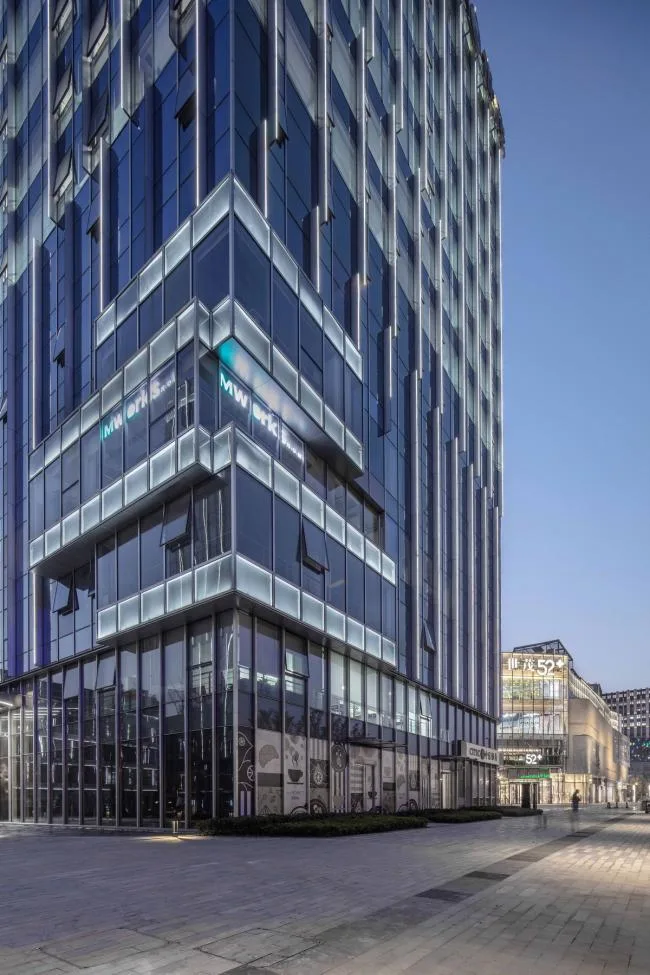
The design of multiple terraces creates a gentle transition between indoor and outdoor spaces in the office buildings, avoiding the discomfort of abrupt spatial changes.
The atriums and terraces encourage close interactions and a centripetal effect among people, fostering natural communication.
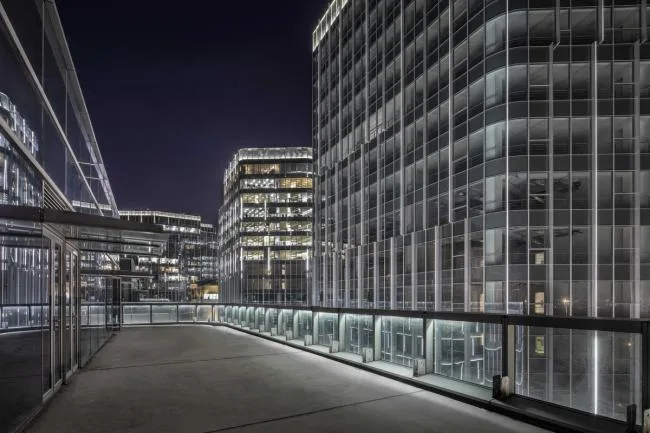
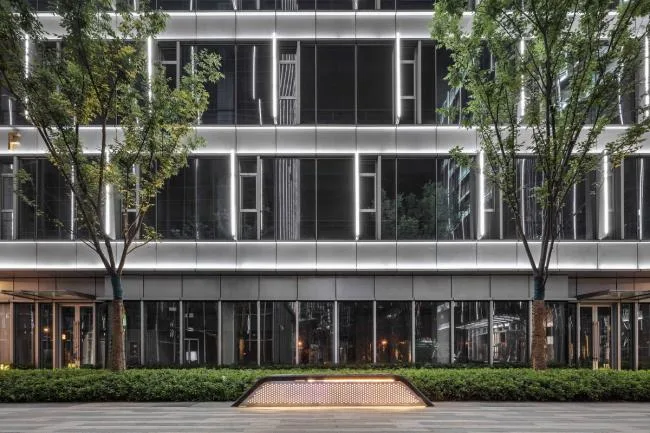
The blending of public and private spaces breathes life into the complex, allowing multiple functions to coexist and enabling people to experience life within their own environments.
Architecture here not only serves people but transforms their lifestyles, enriching urban density and acting as a catalyst in city development.
Project Information:
Project Name: Nanjing Yuhua Shimao Intelligent Garden & 52+ Mini Mall
Location: Intersection of Andemen Street and Ningshuang Road, Nanjing
Building Area: 139,000 square meters
Project Owner: Shimao Group
Architectural Design: Shanghai Chengzhi Architectural Design Co., Ltd.
Chief Architects: Li Jie, Zeng Qinghua
Design Directors: Jiang Chao, Xu Peng
Design Team: Shao Weilong, Zhang Jiancheng, Song Sen, Xia Yun, Huang Jun
Construction Drawing Design: Jiangsu Architectural Design and Research Institute Co., Ltd.
Interior Design: AGC Design HK
Landscape Design: ASPECT Studios
Lighting Design: Leos Lighting (Shanghai) Co., Ltd.
Curtain Wall Consultant: Maijun International Engineering Consulting Group
Transportation Consultant: MVA Hongda Transportation Consulting Co., Ltd.
Basement Optimization: Jiangsu Haosen Architectural Design Co., Ltd.
Design Period: December 2015 – May 2018
Completion Date: June 2019
Photography: Chen Ming












Must log in before commenting!
Sign Up