
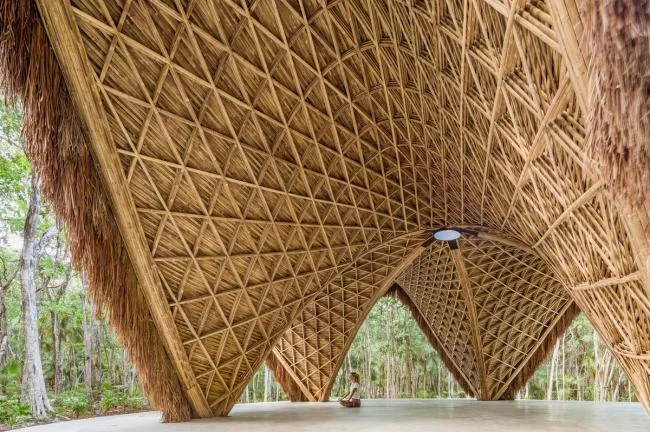
The Luum Temple is an integral feature of the Luum Zama residential development located in Tulum, Mexico. While many developers in this rapidly growing area clear-cut forests to maximize buildable land, Luum Zama dedicates 50% of its 8-hectare site to preserving existing vegetation. The project also includes a reforestation plan to introduce unique local plant species. Designed by Co Lab Design, the master plan emphasizes environmental preservation and adherence to sustainable building codes.
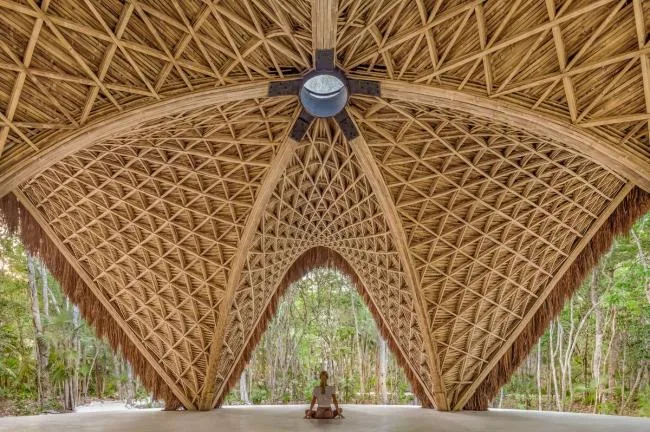
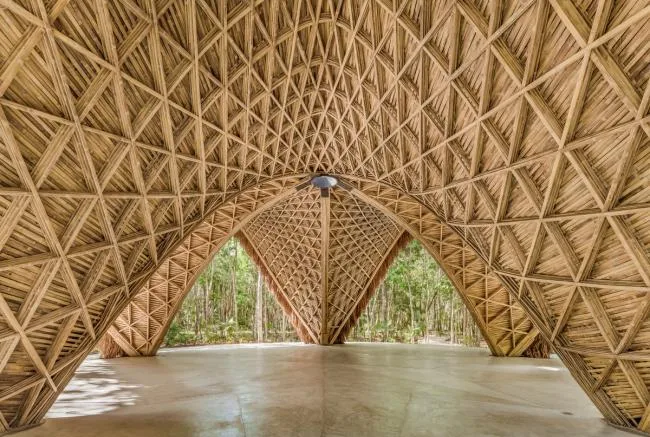
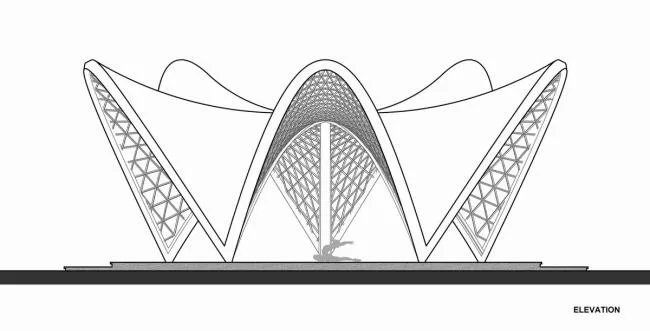
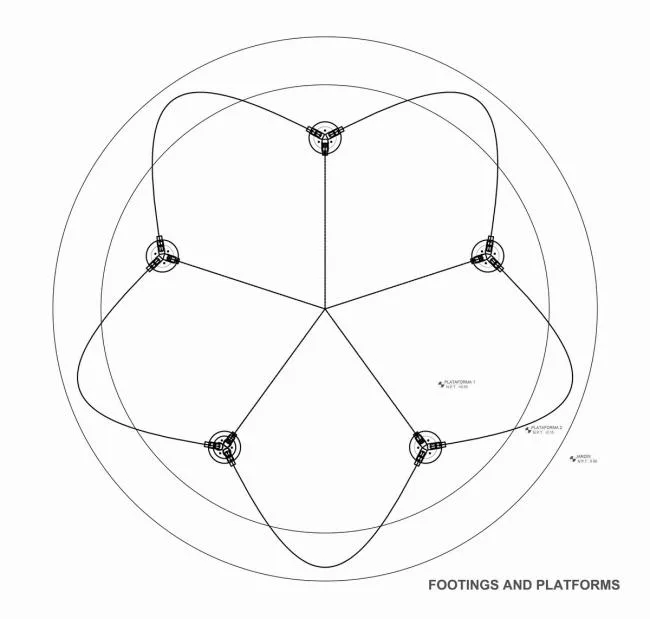
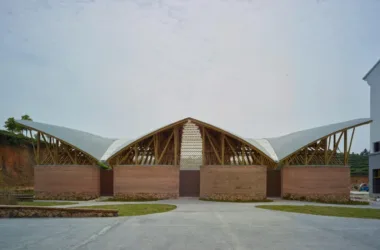
Situated at the heart of the development, the temple is nestled within a protected jungle area accessible only by foot. This tranquil setting invites reflection and slow living. A gentle breeze filters through the jungle canopy and open structure, creating dappled patterns of light and shadow. The open, pentagonal design serves multiple functions, including yoga, meditation, workshops, and community gatherings.
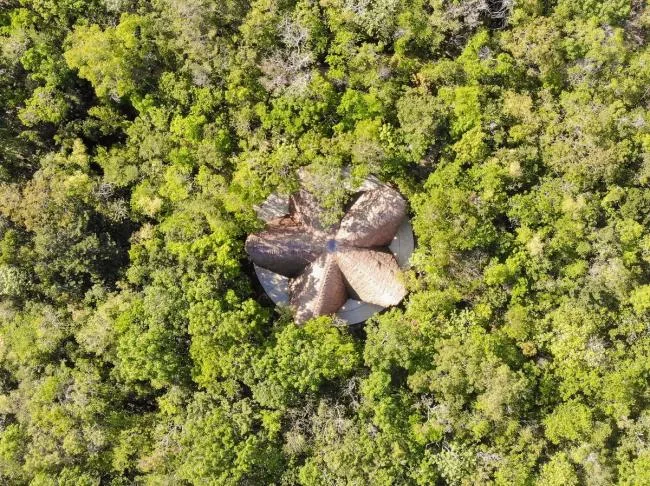
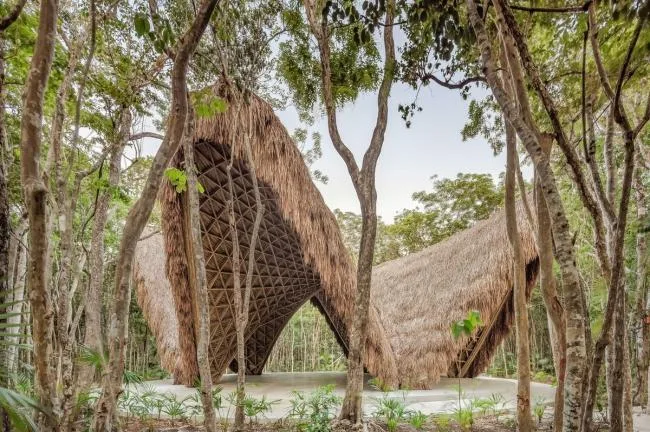
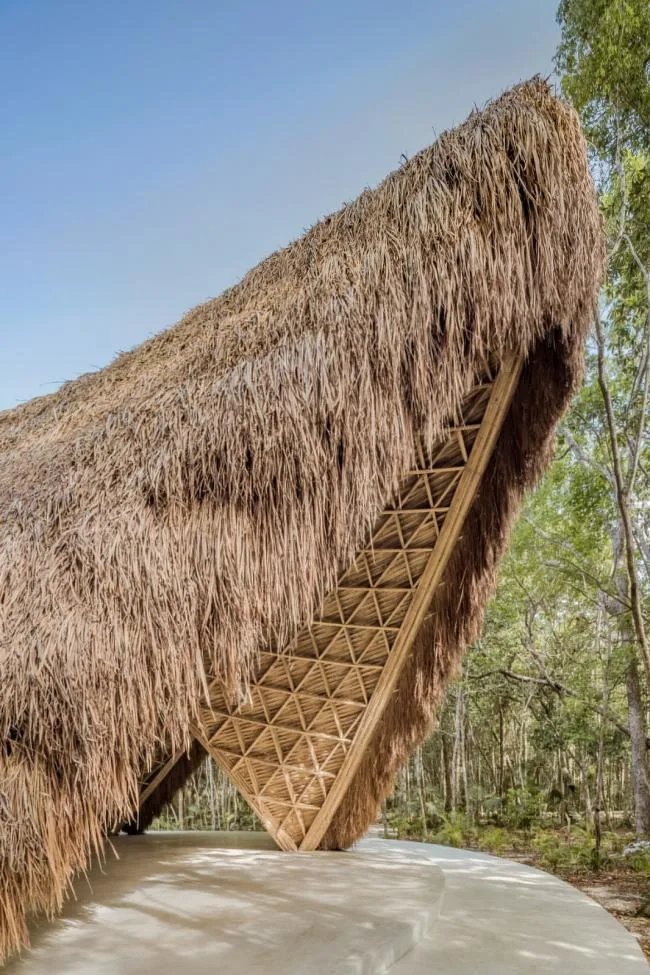
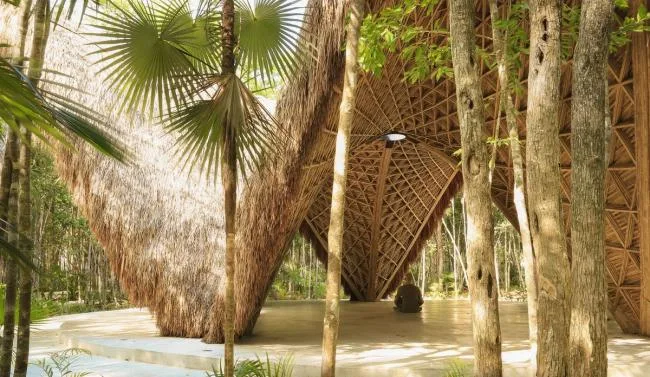
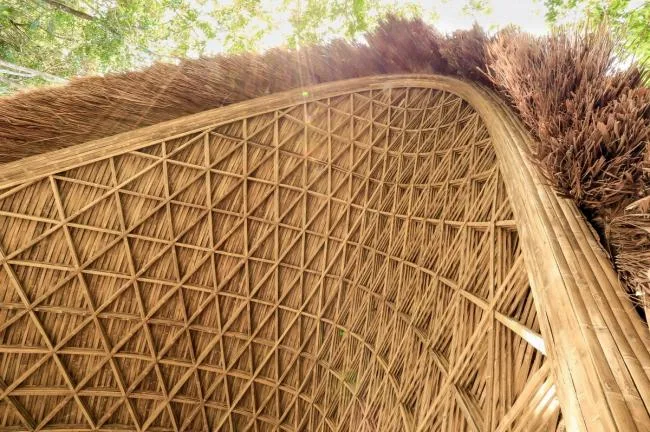
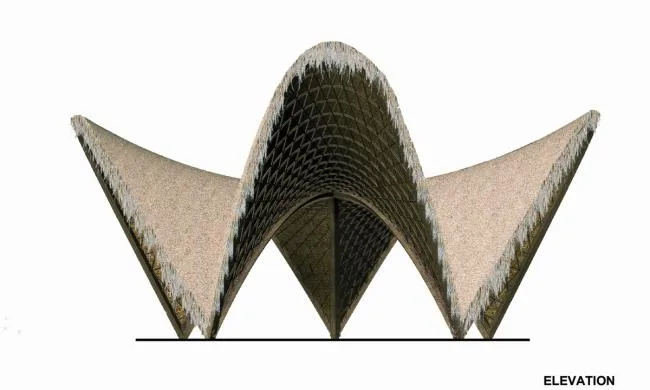
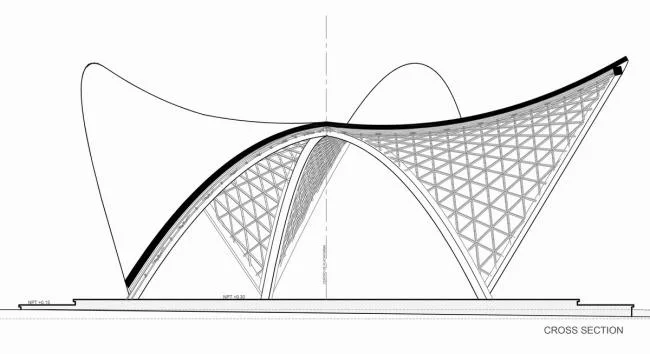
Inspired by Felix Candela’s work with catenary reinforced concrete shells, the Luum Temple features a five-sided catenary structure crafted from bamboo. The design embodies the concept of mutual support and coexistence, with interwoven arches symbolizing community interdependence and collective achievement. Bamboo nodes are bent on site and connected using threads or bundles, creating a unified structure from individually woven bamboo elements.
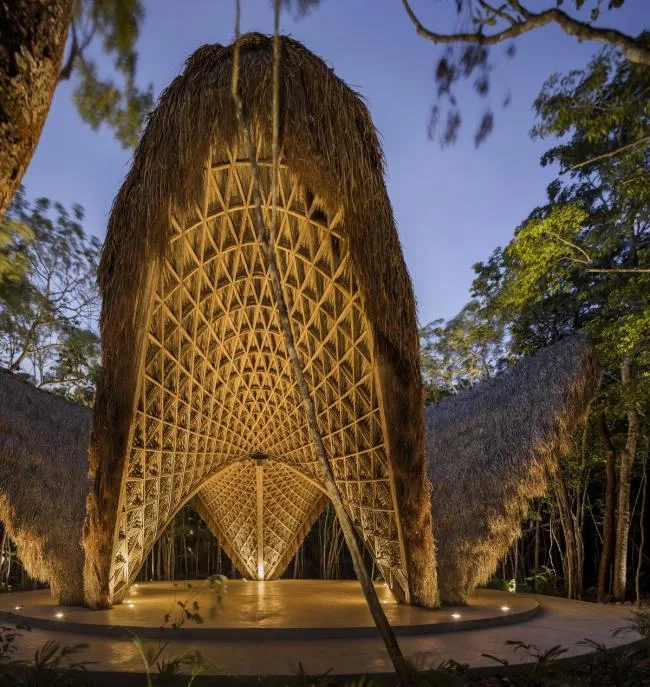
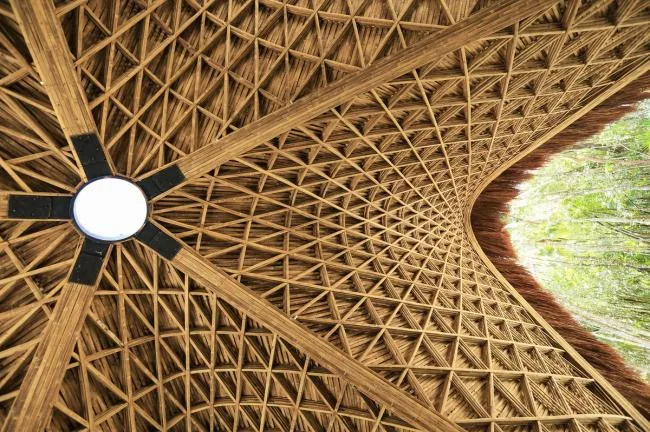
CO-LAB utilized parametric software for the structural design, maintaining close collaboration with contractors and bamboo structure engineers. This allowed the team to provide precise angles, measurements, and connection points for efficient on-site construction.
The bamboo arch beams are assembled from flat bamboo joints bent and cold-formed on the ground, then fastened together with screws and ties. Once erected, the arches interlace into a triangular framework, reinforced by two layers of tightly woven bamboo grates interlocked in opposing directions to ensure structural stability.
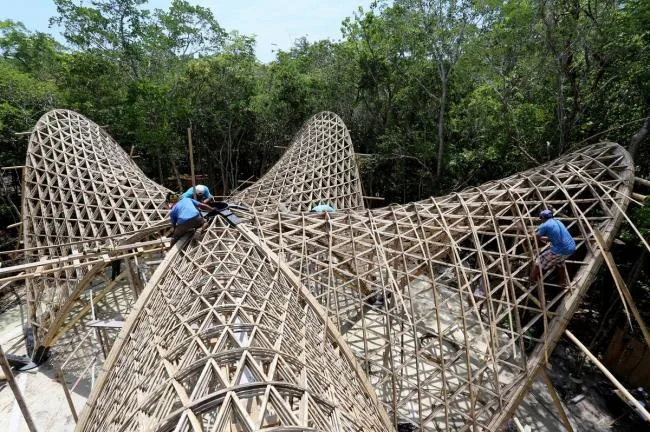
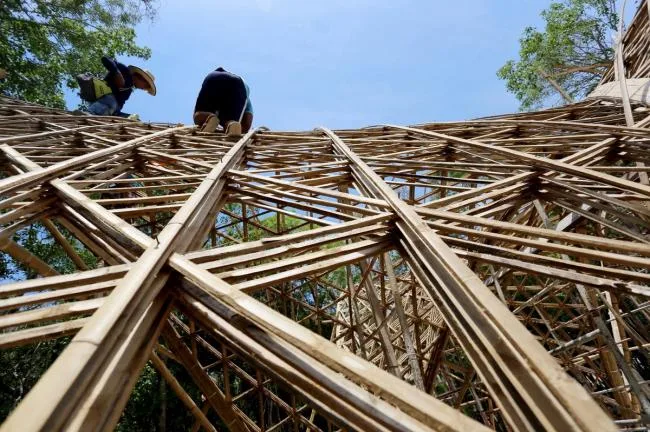
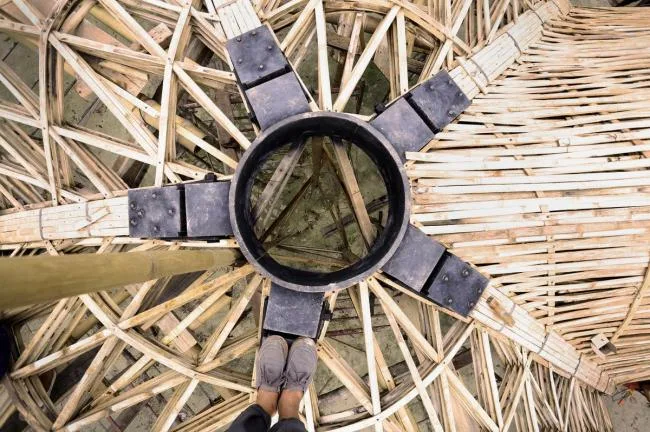
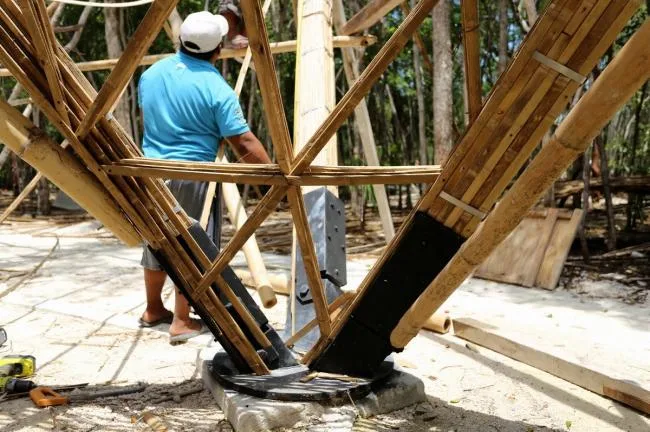
Bamboo, known for its rapid growth and exceptional carbon sequestration capabilities, is an environmentally friendly and sustainable building material. Its impressive strength-to-weight ratio, especially when woven, makes it ideal for construction. The structure is engineered to withstand hurricanes, using bamboo sourced sustainably from the nearby Chiapas region. The exterior is finished with local Zacate thatching, a traditional protective layer that shields the building from rain while allowing ventilation in the humid tropical climate.
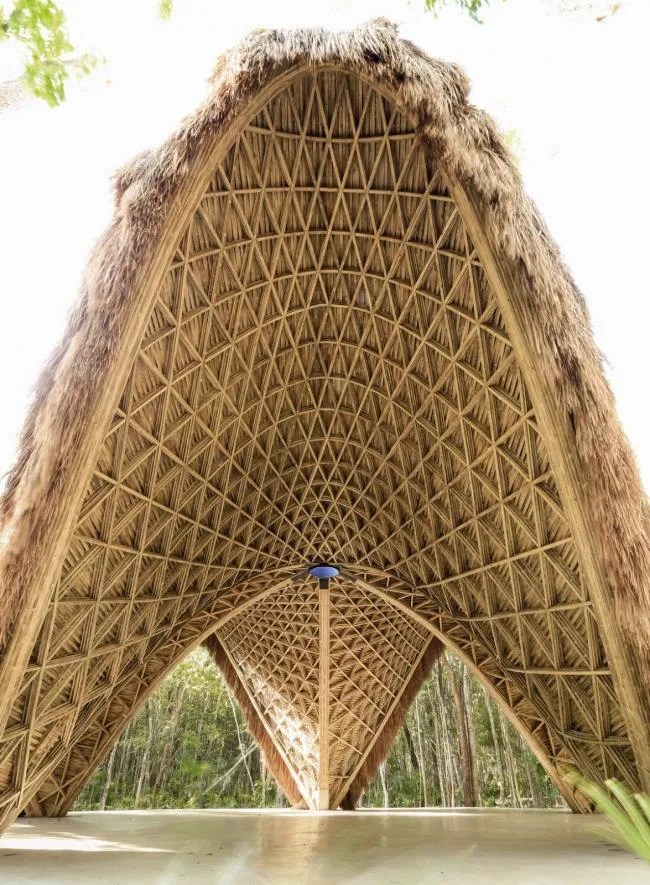
Luum Temple exemplifies sustainable development by merging innovative design and engineering with handcrafted construction and organic, sustainable materials. The project harmoniously blends architectural function with its natural surroundings, creating a distinctive and iconic space for the community. It demonstrates successful collaboration between architects, engineers, contractors, and owners. By integrating modern design tools with traditional craftsmanship, the project supports the revival of endangered artisanal skills and lifestyles.
The iconic Luum Temple and the overall Luum Plan foster a deeper appreciation and connection to nature through thoughtful design. This approach encourages sustainable development, which is especially critical in previously undeveloped areas now targeted for tourism. In such places, weak local regulations often allow well-funded developers to exploit natural resources unchecked.
Ultimately, the Luum Temple and Luum Plan raise awareness about sustainable practices vital to preserving fragile ecosystems in Tulum and beyond.
Design Drawings:
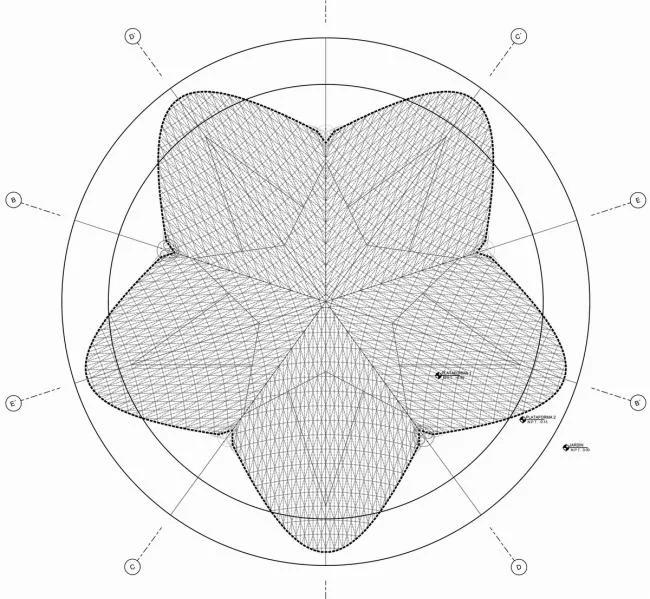
▲ Plan view
▲ Elevation view
▲ Elevation view
▲ Cross section
▲ Column base and platform
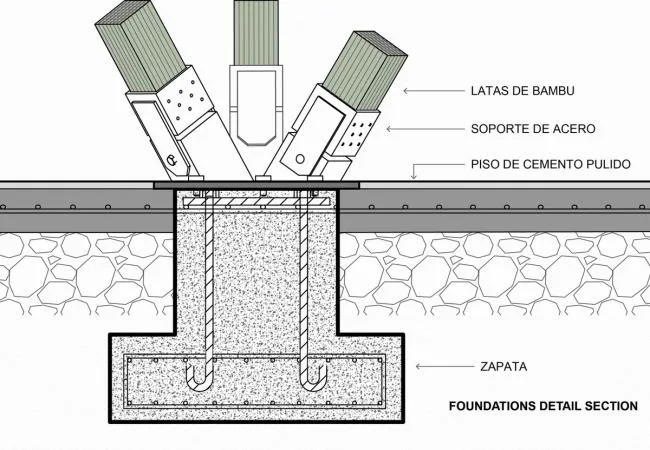
▲ Basic detail section
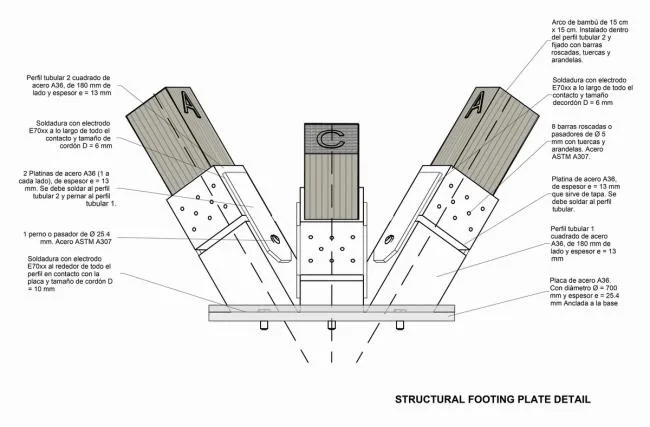
▲ Detailed drawing of structural base plate
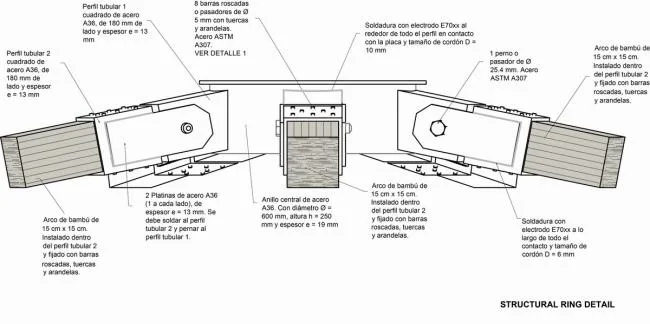
▲ Structural details
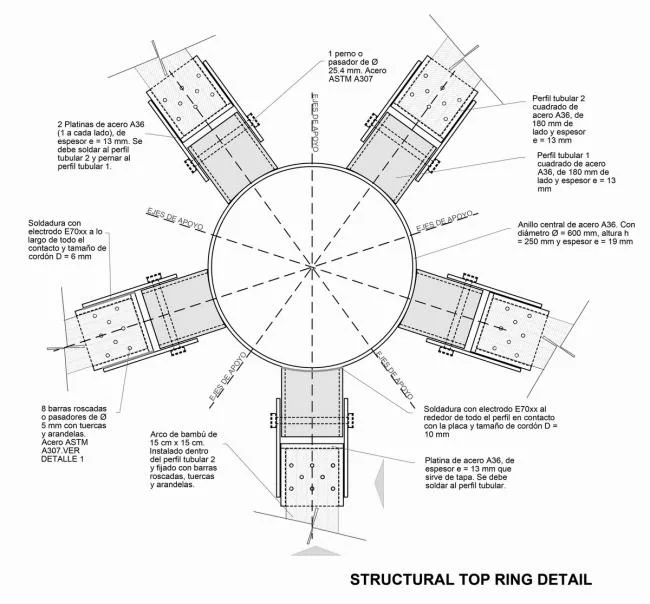
▲ Top circular structure details
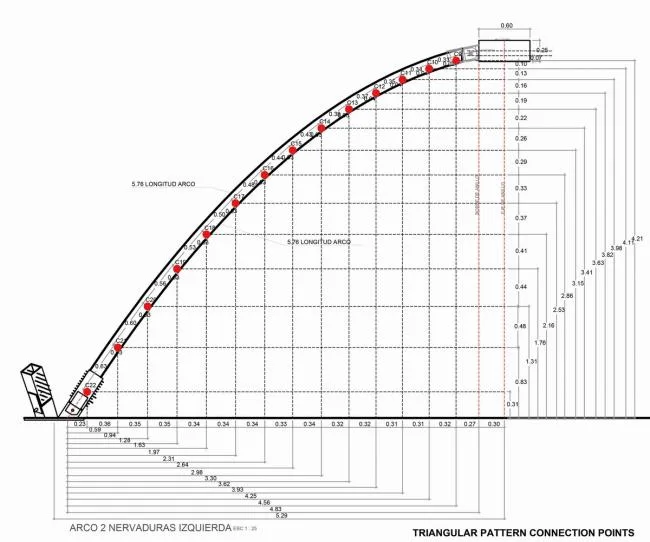
▲ Triangle mode link point
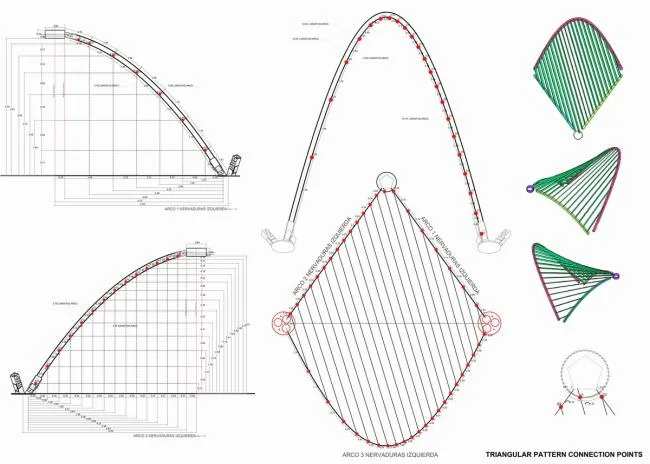
▲ Triangle mode link point
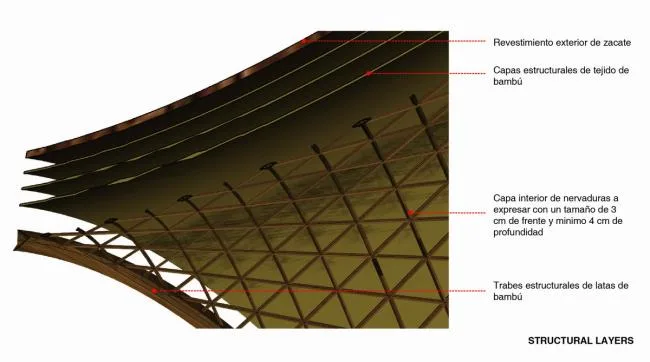
▲ Structural layer
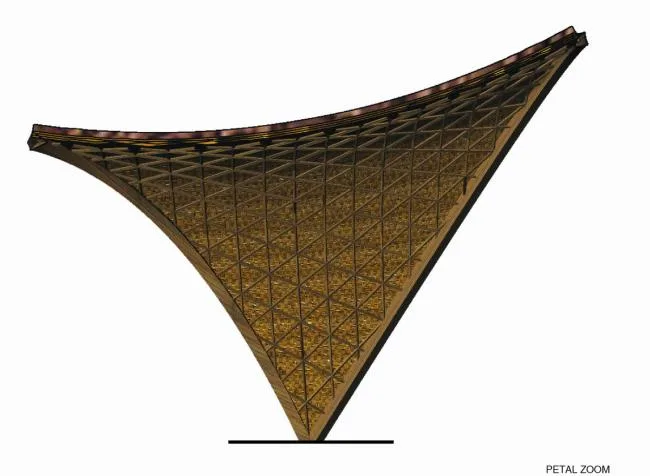
▲ Details
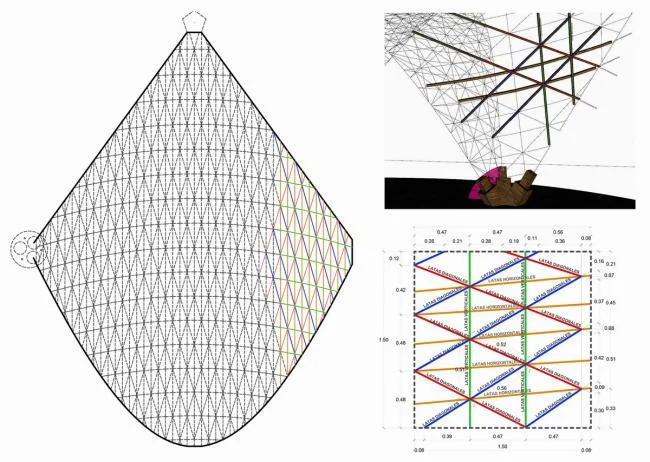
▲ Analysis chart
Project Information:
Architectural Firm: CO-LAB Design Office
Location: Tulum, Quintana Roo, Mexico
Category: Temples
Lead Architects: Joana Gomes, Joshua Beck, Arturo Garza Espinosa, Rodrigo Arias Lopez, Thalia Velasco, Anto (BIM Architecture by Nio Quintero, Alberto Avilez)
Project Area: 250.0 m²
Year: 2019
Photographers: César Béjar, Pakal Egger, Tonatiuh Egger
Engineer: Esteban (BIM Design) Morales
Construction Team: Arquitectura.Mixta — Jaime Peña, Javier Creuheras, Arley Osorno, Farut Varon
Owner: Luum Zama












Must log in before commenting!
Sign Up