
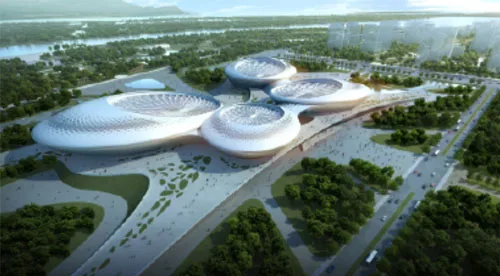
Figure 1: Aerial View of Jiangsu Grand Theatre
East China Architectural Design and Research Institute (ECADI) is one of China’s earliest large-scale design firms. With a rich history and deep cultural heritage, ECADI has accumulated extensive design and management experience through numerous iconic architecture projects both domestically and internationally. It has been a leader in civil architecture for decades.
The Digital Architecture Design and Research Center at ECADI is a specialized BIM consulting institution established by the institute. Bringing together experts from various disciplines, the center forms a comprehensive BIM consulting team composed of senior consultants and design specialists. Leveraging the strong technical capabilities of ECADI’s various professional design divisions, the center offers top-tier BIM consulting services to clients.
As a renowned architectural design enterprise, ECADI has recently expanded its practices into collaborative design for complex forms and integrated buildings. BIM technology has been applied extensively in large-scale projects such as the World Expo Performing Arts Center, Nanjing Lukou International Airport T2 Terminal, and Wuhan Center. The Jiangsu Grand Theatre project centers around BIM technology, aiming to advance integrated original design and better support the entire building lifecycle.
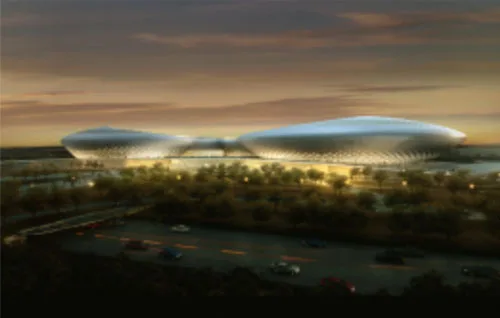
Figure 2: Night Rendering of Jiangsu Grand Theatre
Software Used:
Autodesk® Revit®
Autodesk® Navisworks®
Autodesk® Vasari
Autodesk® Ecotect® Analysis
Autodesk® Green Building Studio®
Autodesk® Simulation CFD
Autodesk® 3ds Max®
AutoCAD®
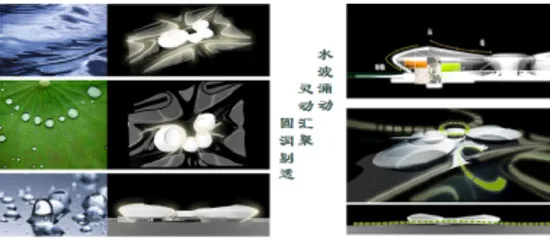
Figure 3: The Creative Origin of Jiangsu Grand Theatre
Customer Feedback:
“BIM technology represents the future trend of the engineering and construction industry. Design institutes must stay at the forefront by mastering and applying new technologies.”
— Vice President Guo Jianxiang, East China Architectural Design and Research Institute
“Autodesk’s BIM concept is a technological revolution for the construction industry, elevating information technology to a new level. BIM applications in the design process offer clear benefits for multidisciplinary collaborative design.”
— Xu Hao, Deputy Director of the Technical Center, East China Architectural Design and Research Institute
“Our goal for this project was to achieve integrated original design based on BIM. Only when BIM becomes an essential tool for designers can its full potential be realized.”
— Sun Lu, Director of BIM Center, East China Architectural Design and Research Institute
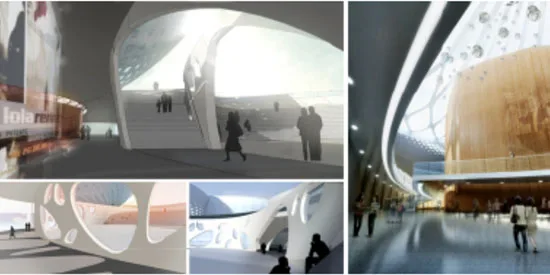
Figure 4: Interior Rendering of Jiangsu Grand Theatre
Autodesk’s BIM-based software assists designers in improving design solutions and enhancing overall design quality.
Project Overview
The Jiangsu Grand Theatre is a large-scale cultural complex integrating performing arts, conferences, exhibitions, and entertainment. It occupies a land area of 196,633 square meters, with a total construction area of 271,386 square meters and a building height of 47.3 meters.
Design Concept
Located on the banks of the Yangtze River, where tides ebb and flow, the Jiangsu Grand Theatre draws inspiration from the fluidity of water. Its form resembles four water droplets floating on an ecological green field. Each “droplet” houses a main function: an opera hall, theater hall, music hall, and comprehensive hall, all situated on a shared public activity platform.
The building emphasizes rich three-dimensional spatial design, with natural and organic outdoor spaces shaped by flowing lines across the site. At night, the theatre glows with light emanating from vibrant artistic activities, evoking the gentle sway of water. This enchanting scene continues the cultural legacy of boats and waves.
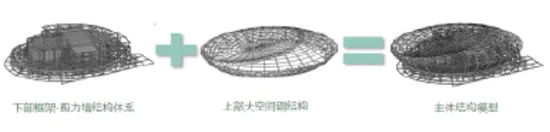
Figure 5: BIM Model of Jiangsu Grand Theatre Structure
The indoor space design cleverly uses ceiling height and openness to avoid flatness and emptiness common in large-scale spaces. The rhythm of formal changes is harmonized inside and out, while the treatment of focal spaces reflects simplicity and richness simultaneously.
Ascending a curved path hidden among tree shadows, the open-air theater gathers visitors on platforms and ground spaces. All structures within the site incorporate dramatic elements, creating experiential landscapes for visitors.
Preserving the original tall trees as much as possible, ECADI integrated artificial landscapes among the natural vegetation. The architecture emerges as a green field undulating like water waves, with vegetation softly blurring the boundary between platform and ground. The design includes inviting rest areas beneath outward-sloping volumes, reflecting thoughtful human-centered care for users.
The Jiangsu Grand Theatre was conceived to meet the community’s growing cultural and spiritual needs, while enhancing urban functions and environmental quality. ECADI aims to create a high-quality performance space that combines unique style with outstanding public art experiences, establishing a modern and captivating new urban stage in this ancient capital.
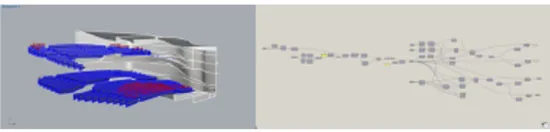
Figure 6: Seat Sight Line Analysis in Jiangsu Grand Theatre
Project Challenges
Complex Form: The droplet-shaped building volumes present challenges for curtain wall design, structural engineering, and mechanical and electrical systems. Managing these complex surfaces across multiple disciplines necessitates BIM technology intervention and support.
Sustainable Design: As a significant public building, the theatre has a responsibility to contribute to sustainable development while providing performance services. ECADI fully leveraged BIM technology for sustainability analysis to optimize the design.
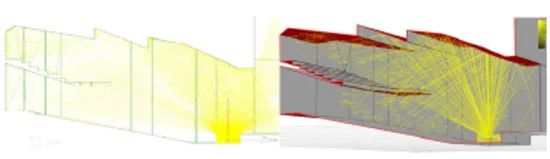
Figure 7: Soundline Diagram of Jiangsu Grand Theatre
Solutions
BIM-Based Parametric Design: The building shell’s form was developed using BIM software, allowing control over elevation, layout curves, and section curves through adjustable parameters. After defining the shell, a structural centerline model was created within the BIM model to support precise structural calculations. Column number, location, and thickness are parameterized for flexibility.
The curtain wall is divided into diamond-shaped panels, with adjustable length-to-width ratios and sizes. Window positions and dimensions are mathematically related and parameterized, enabling designers to quickly modify architectural forms based on professional analysis, improving efficiency and intuitiveness.
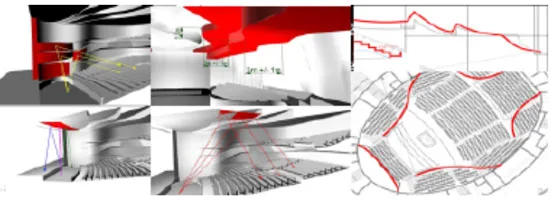
Figure 8: Acoustic Analysis Feedback of Jiangsu Grand Theatre
Structural Analysis Based on BIM: The theatre’s four main structures—concert hall, opera hall, theater, and complex—use the basement ceiling as the embedded base of their frame shear wall systems. The roof and exterior enclosures are large-span steel structures.
Following architectural BIM model confirmation, structural centerline models for both the top cover and main structure were created and integrated to form a steel structure model. This model was exported as DWG files to specialized structural calculation software. Final steel structure design was determined based on comprehensive calculations, completing the BIM steel structure model.

Figure 9: Outdoor Wind Environment Analysis
BIM-Based Gaze Analysis: Audience sightlines are critical in performance architecture. Using BIM’s parametric capabilities, seating arrangements were logically structured. Calculation rules were applied to determine the horizontal and vertical viewing angles of each seat.
Seats not meeting theater design standards were identified for optimization. By adjusting parameters and layouts, the optimal seating arrangement was achieved.
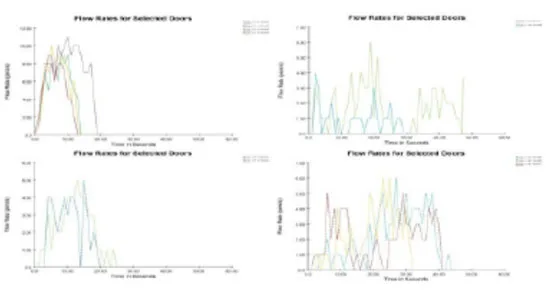
Figure 10: Analysis of Pedestrian Flow at Entrances and Exits
Acoustic Analysis Based on BIM: For accurate acoustic performance, the completed BIM model of the audience hall was imported into Autodesk Ecotect and specialized acoustic software. This enabled efficient and precise acoustic analysis, with results quickly fed back to designers for adjustments.
The reusability of BIM models saved time and improved project efficiency.
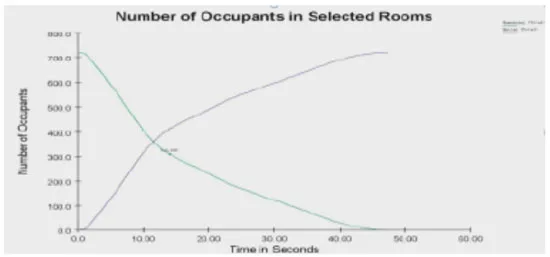
Figure 11: Personnel Evacuation Analysis Diagram
Sustainable Design Based on BIM:
BIM not only facilitates efficient collaborative design but also plays a vital role in sustainability. Designers utilized BIM models alongside Autodesk Vasari, Ecotect Analysis, Green Building Studio, and Simulation CFD to repeatedly test and analyze architectural performance during the design phase, optimizing and enhancing the design quality.
BIM-Based Fire Performance Analysis: BIM models were imported into intelligent evacuation software, integrating evacuation plans and personnel data to analyze fire safety. This ensured rational evacuation design, enabling timely personnel evacuation during emergencies and minimizing casualties.
Future Prospects
The development of BIM represents a technological revolution for the construction industry, elevating information technology to new heights. BIM significantly benefits multidisciplinary collaborative design. As a leading architectural design firm, ECADI is committed to exploring integrated original design paths based on BIM technology, striving to create a brilliant future that keeps pace with the times.












Must log in before commenting!
Sign Up