
Contribution: Shanghai Vanke Shiyi District Project Department, Nanjing Zhenghua

Shanghai Vanke Shiyi District Project Department
December 2014
1. Introduction to BIM and Industry Status
1.1 What is BIM?
BIM, or Building Information Modeling, is a technology based on comprehensive data related to construction projects. It creates digital building models that simulate the real-world information of structures. In essence, virtual construction uses computer simulations to replicate the entire construction process. This model integrates all relevant project information, improving efficiency in design, construction, and operation.
1.2 Key Features of BIM
BIM systems possess five key characteristics: visualization, coordination, simulation, optimization, and documentation. These features support effective project management and help prevent potential issues.
At its core, BIM technology builds a virtual 3D model of a building project within a computer system, establishing a comprehensive and consistent database of building information. This database includes geometric details, professional data, and status information about building components, as well as non-component data such as spatial and movement behavior.
By leveraging this rich 3D model, BIM greatly enhances the integration of construction information and provides a platform for information exchange and sharing among all project stakeholders. This data assists stakeholders in increasing efficiency, lowering costs, and enhancing quality. When combined with other digital technologies, BIM can simulate real-world building conditions and changes, enabling thorough analysis and evaluation of a project’s success before construction completes.
1.3 Promoting BIM Adoption
On December 4, 2014, the “Guiding Opinions on Promoting the Application of BIM Technology in Shanghai” conference took place at Tongji University’s auditorium, gathering nearly 1,500 industry leaders and technical experts.
The conference emphasized phased pilot projects and BIM adoption, aiming to establish policies, standards, and a market environment conducive to BIM by the end of 2016. From 2017 onward, government-funded projects, large public buildings, and major developments with investments over 100 million yuan or single-building areas exceeding 20,000 square meters, as well as award-eligible projects for green building and excellence in design and construction, will implement BIM technology during design and construction phases.
BIM will be fully applied in six key functional zones: World Expo Park, Hongqiao Business District, International Tourism Resort, Lingang area, Qiantan area, and both sides of the Huangpu River. By 2017, all government-funded projects of specified scale will use BIM, and most large-scale privately funded projects will also adopt it, positioning Shanghai as a national leader in BIM application and management.
This conference highlights Shanghai’s strong commitment to BIM technology. Though BIM is still emerging, its current capabilities already offer tremendous value and promise to revolutionize productivity in construction. Accelerating BIM adoption is therefore an unavoidable trend.
2. BIM Application in the Vanke Shiyi District Project
2.1 Overview of BIM Use in Zone 1
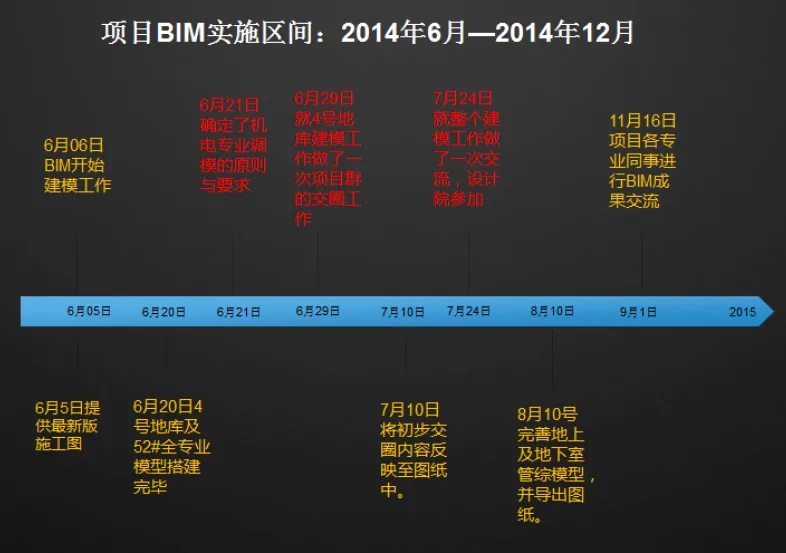
The Vanke Shiyi District Project Department actively supports Shanghai’s BIM promotion efforts. They have summarized and advanced BIM applications in the Shiyi District, aiming to contribute through detailed and practical implementation.
Scope: Full professional BIM use for Building 52 and Basement 4 in Zone 1.
BIM Provider: Zhenghua, a third-party BIM design consulting firm, responsible for all Party A services.
Interaction Process:
- Pre-construction (Design phase): After the BIM consultant completes models for architecture, structure, and MEP (mechanical, electrical, plumbing), these are shared with the project department, design institute, MEP consultants, and others. Feedback is collected via email, consolidated, and sent back to the BIM consultant for revisions and optimization. All changes are documented for traceability.
- Construction phase: BIM consultants share models with general contractors for civil engineering, MEP, curtain wall, and decoration. These subcontractors can modify, deepen, and adjust models based on actual conditions and report back to BIM consultants. Records are maintained to track changes. The final result is a single, comprehensive building information model managed by the BIM consultant.
Viewing Platform: BIM consultants have built a cloud platform providing access accounts to all stakeholders. This allows wide-scale, collaborative use of the BIM model.
Model Accuracy: Models are developed to LOD4 (Level of Development 4) accuracy, based on the American Institute of Architects’ “AIA Document E202-2008” standard.
Results: The structure, architecture, and MEP models of Basement 4 have been completed at LOD4, with multiple adjustments reflecting design and construction needs. Building 52 has been verified to accommodate all pipeline layouts.
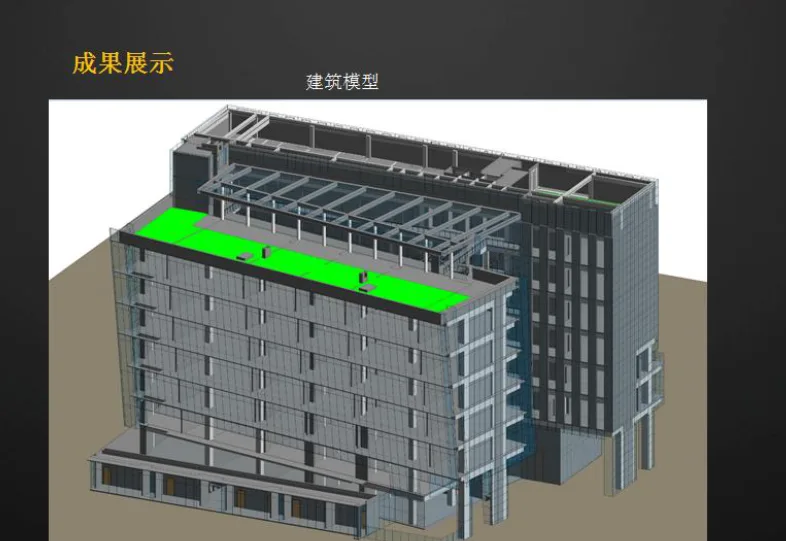
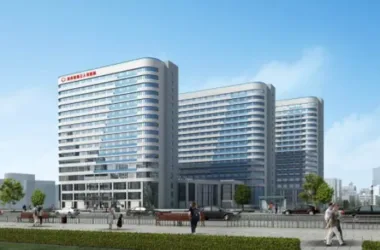
Achievement Showcase: Building 52 Model
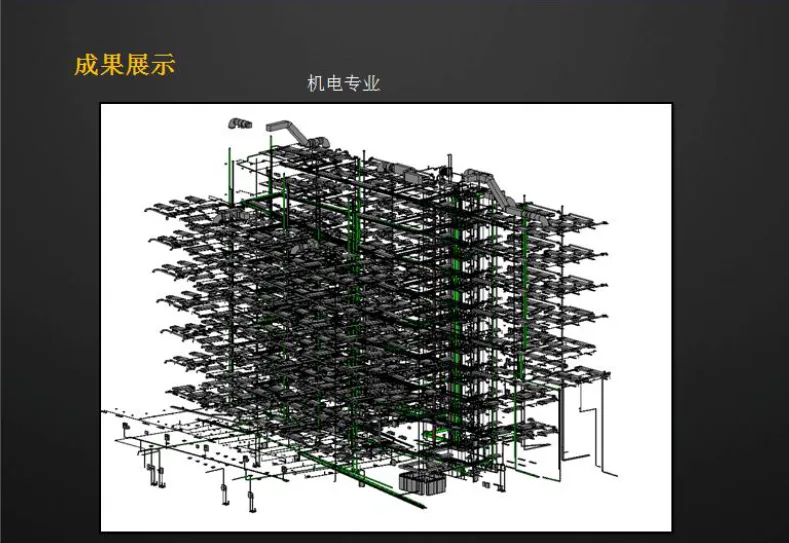
Achievement Showcase: 3D Visualization of Building 52’s Mechanical and Electrical Systems
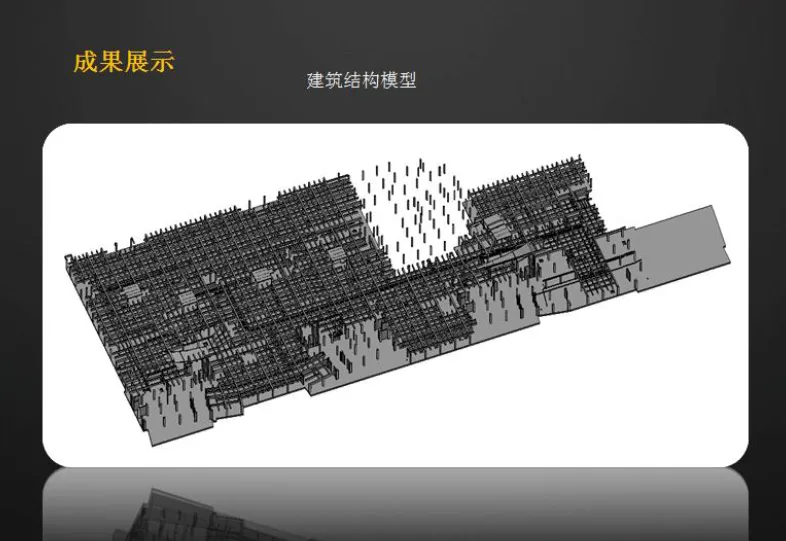
Achievement Showcase: Structural Model of Basement 4
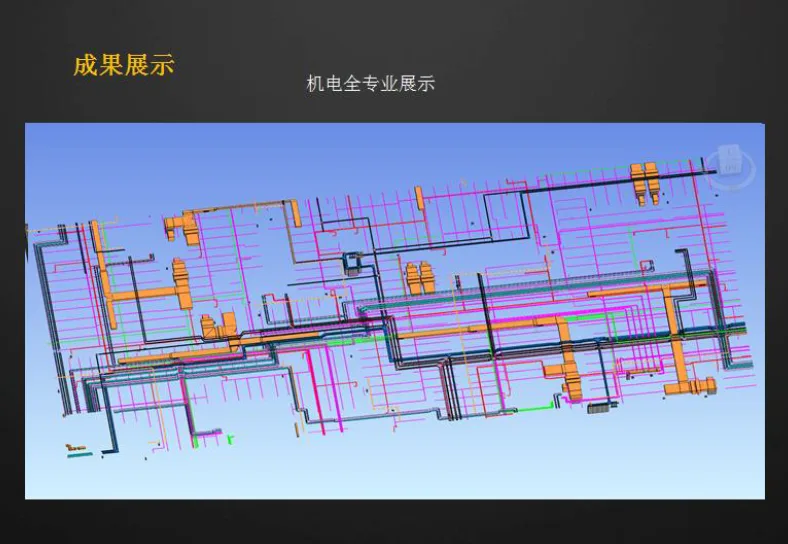
Achievement Showcase: Complete MEP Model of Basement 4
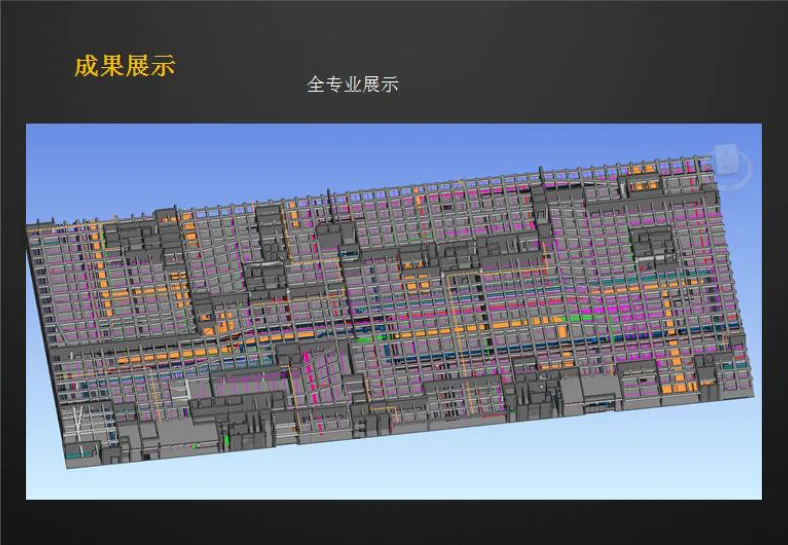
Achievement Showcase: Complete MEP Model of Basement 4
2.2 Issues Identified and Resolved via BIM
2.2.1 Errors and Missing Information in Drawings
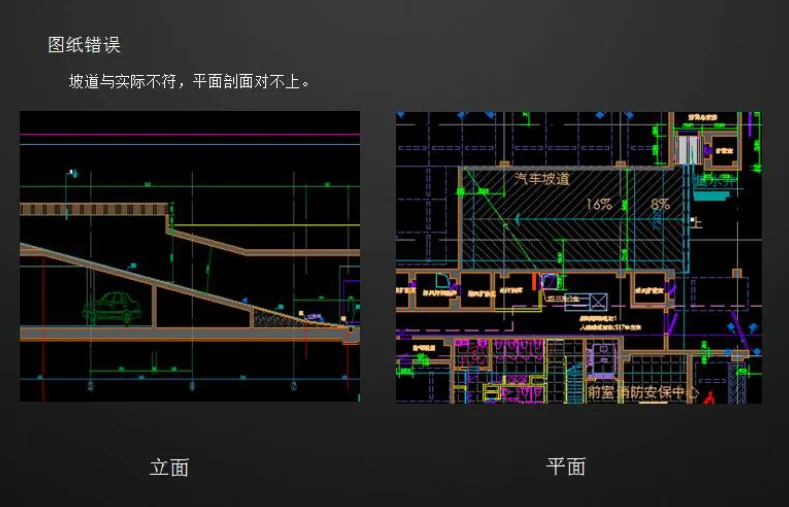
Issue Detected: Drawing Error
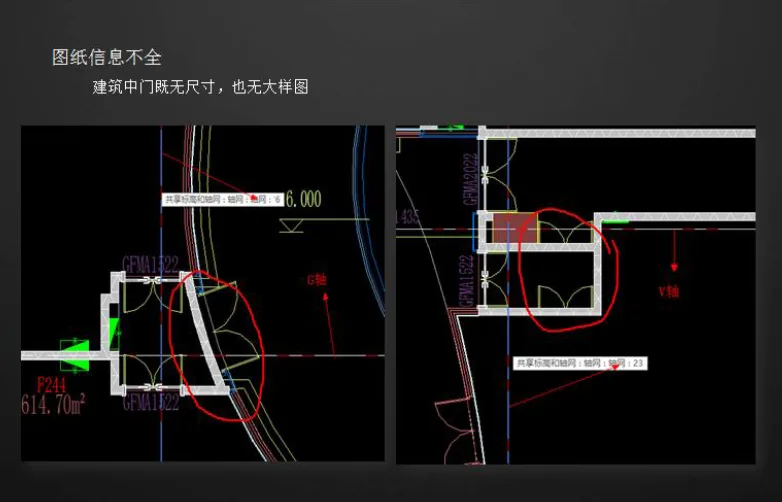
Issue Detected: Incomplete Drawing Information
2.2.2 Comprehensive Pipeline Coordination
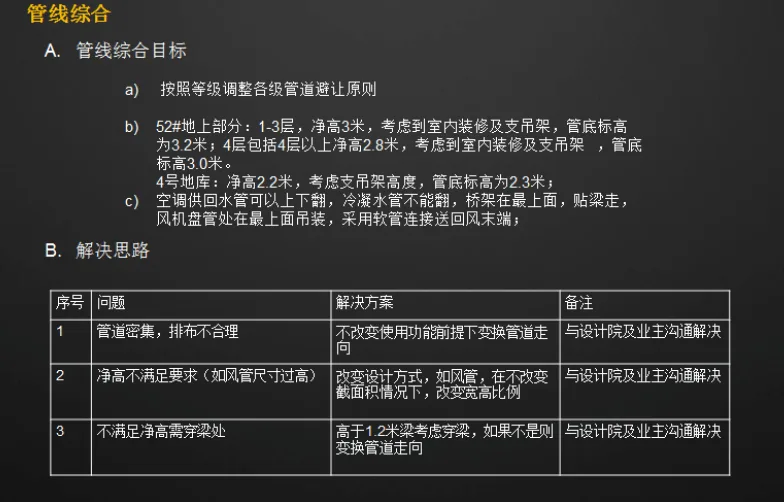
Resolution: Coordinated Adjustment of Pipelines
2.2.3 Resolving Multiple MEP Collisions
There were numerous collision points among various mechanical and electrical systems. The images below highlight a typical collision area and the adjustments made to resolve congestion.
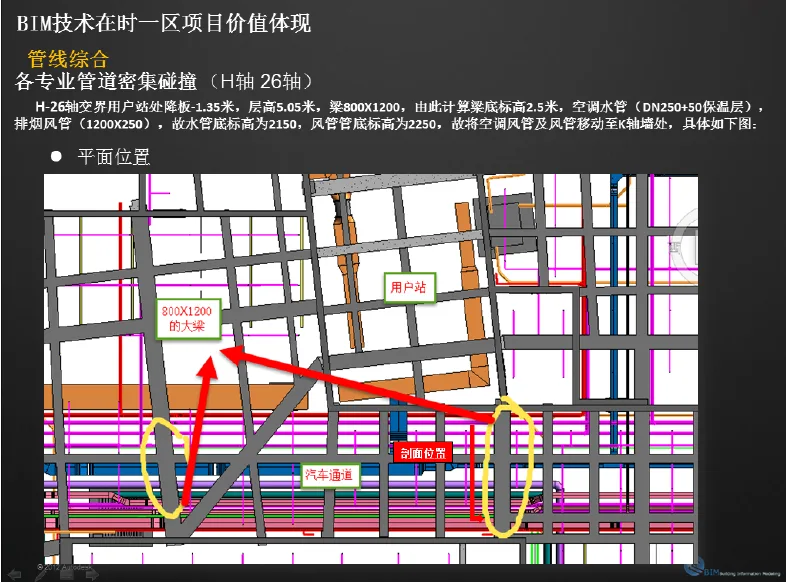
Pipeline Integration: High-Density Collision Zone
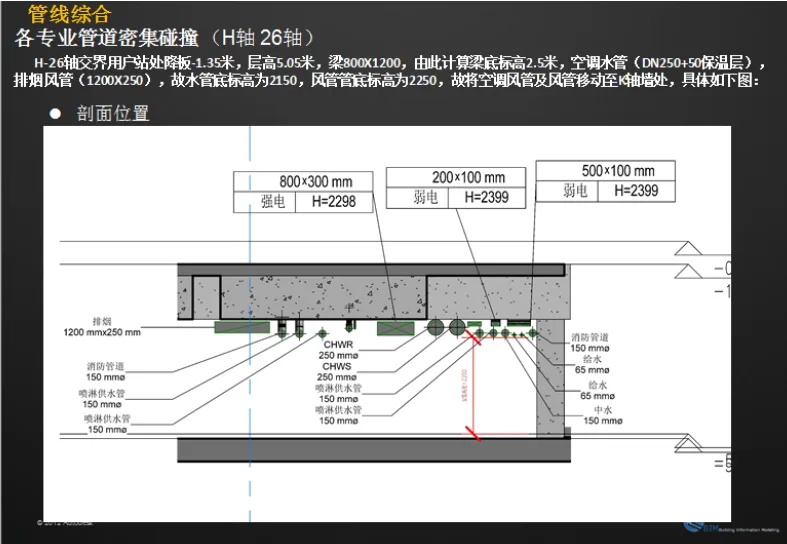
Pipeline Integration: Dense Collision Area
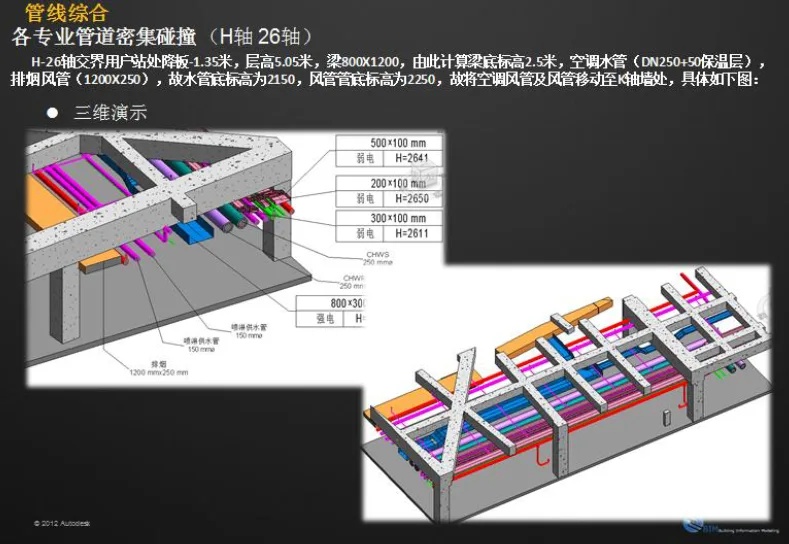
Pipeline Integration: Adjustments to Eliminate Collisions
3.2 Reducing Collisions and Lowering Costs
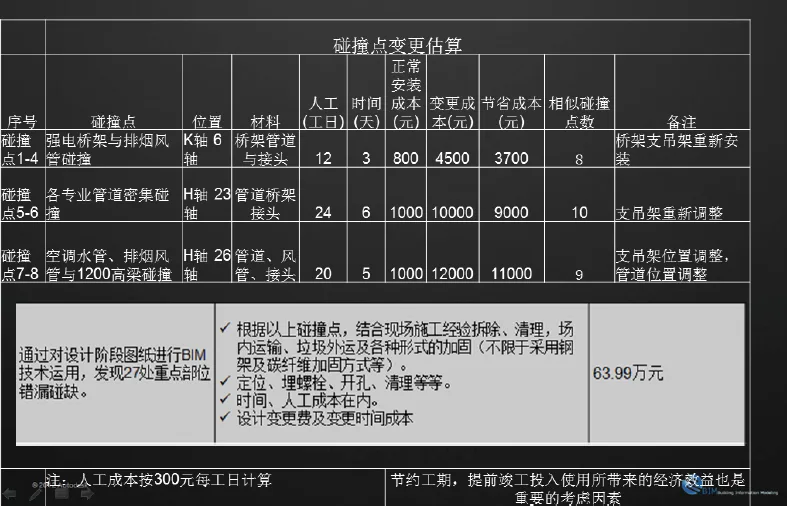
Cost Savings Achieved by Reducing Pipeline Collisions
4. Recommendations for BIM Promotion
BIM adoption is still in its early stages. With support from national and local policies, we must proactively promote its use. Collaborating with colleagues from other projects, we should systematically document challenges and solutions encountered throughout BIM implementation. This will help create guiding documents and drive standardization of BIM practices within Vanke.
The above summarizes the BIM application experience from the Vanke Shiyi District Project Department. We welcome any critiques or suggestions for improvement.
Thank you very much!












Must log in before commenting!
Sign Up