
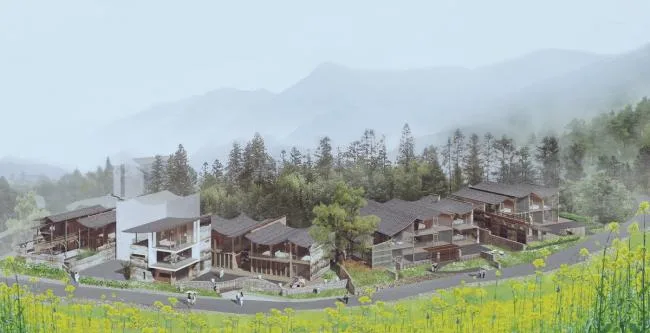
Xiangdi
The project site is located in Qianyang Village, Shoushan Township, Jin’an District, Fuzhou City. It is known as the backyard of Fuzhou City and can be reached in 40 minutes by driving through the mountainside of the National Forest Park from the city center. Qianyang Village, a beautiful countryside, is currently a new type of leisure village that integrates agriculture, tourism, and sightseeing with Longjing Vineyard as its core. However, the agricultural industry in the village is single, and the utilization of farmland is insufficient.
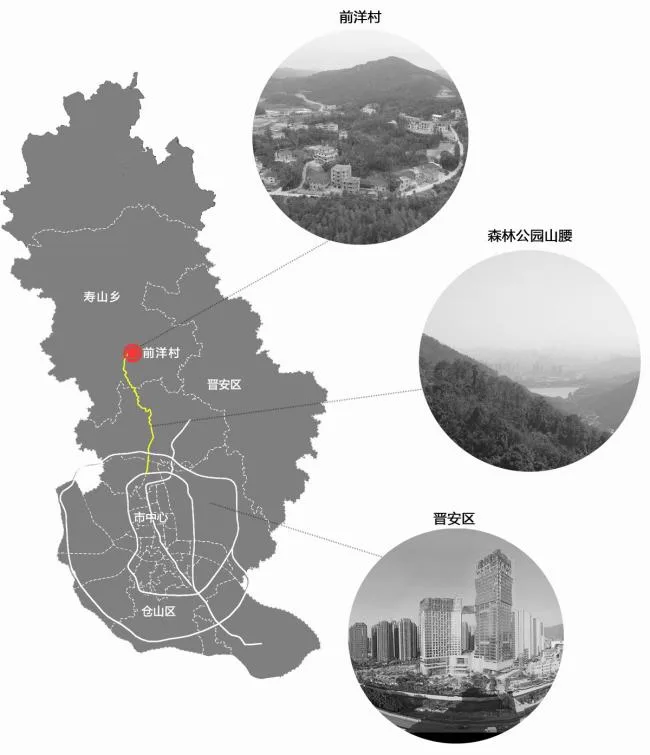
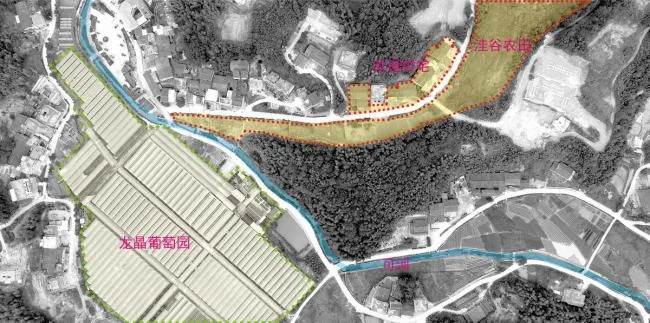
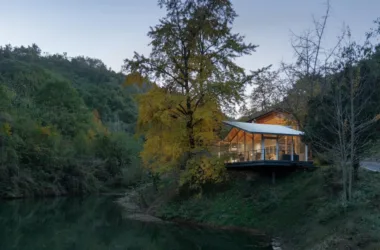
The scope of this design includes the renovation of 10 houses between two rows of hills, as well as the strip valley between the hills. The current architecture of the base is backed by mountains and faces them, with a small valley visible up close and a continuous plain of mountains visible from afar. Following the small path in front of the house, you can stroll along the Ke River, shuttle through the Longjing vineyard and fields, which is a contemporary paradise.
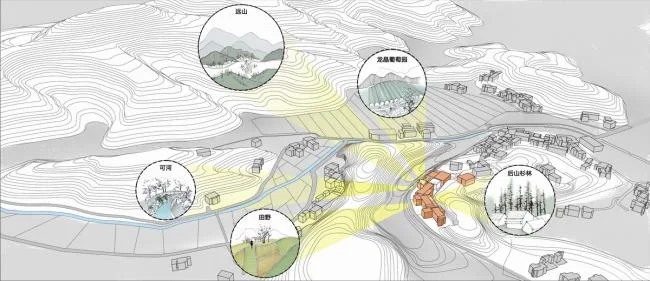
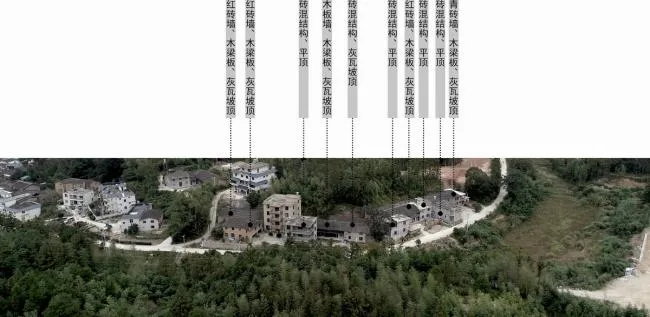
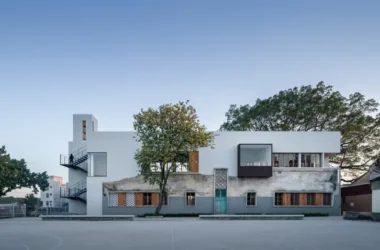
On site investigation revealed that the mountain valleys and depressions are now in a barren state. The homeowner has moved their entire family to live in the urban area of Fuzhou. The house has a history of no more than 50 years, with brick walls and tile roofs, which is the architectural style of Qianyang Village. Gray tile roof, brick column brick wall, and wooden beam wooden floor combination structure, with bricks including red brick and gray brick. Due to the rough construction at that time and the abandonment in recent years, the structure cannot be directly utilized. There are also some brick and concrete structures with flat roofs painted with gray paint, which are destructive to the original architectural style.
three questions
There are millions of rural areas in China, each with its own characteristics and weaknesses. Grasping the lifeline of the village and finding the right path for villagers’ production and life is the foundation of rural construction; Grasp the cultural characteristics of the village’s life, so that the villagers can have a sense of belonging when building a village.
Why can the vacant houses in Qianyang Village be revived?
How can the mainstream force dominated by middle-aged and middle-aged women drive the appearance of the village?
What kind of village houses should be constructed?
Rural style
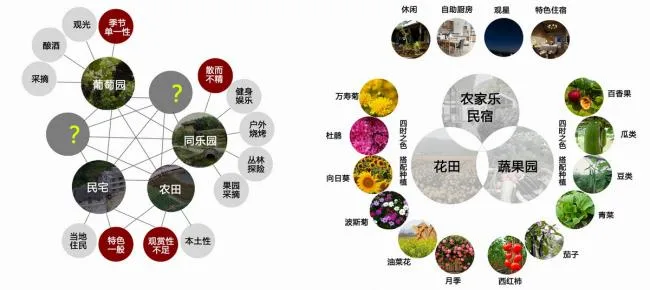
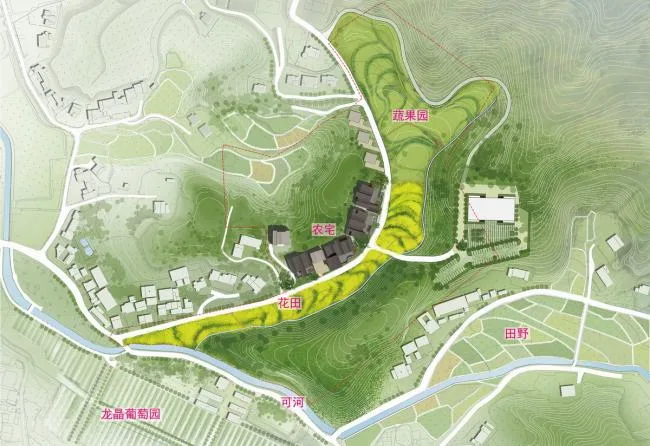
Currently, Longjing Vineyard is the backbone of the agricultural industry in Qianyang Village. According to several villagers’ accounts, the current grape picking season in July and August has a high flow of people, while other months are extremely bleak. The planting and management of Longjing Vineyard only consumes a small part of the village’s labor force. The development of the agricultural industry should inherit the positioning of Qianyang Village as a beautiful countryside, enrich the types of agricultural industries, and then plan flower fields, vegetable orchards, and supplement Qianyang Village’s seasonal agricultural products in spring, summer, autumn, winter, and winter, and relieve the current dilemma of developing single vineyard agricultural products. Mobilize the main productive forces of women in Qianyang Village, prioritize industries, and use agriculture as the foundation. Only when agriculture develops well can the economic foundation of villagers be stable and industries become more abundant, which can better cope with the impact of market fluctuations.
Extension of agricultural industry
Based on the agricultural industry, develop characteristic ecological landscapes, develop leisure rural experiences, develop homestays and other formats, and create beautiful rural characteristics. The planning and operation of homestays consider the leisure experience needs brought by the industry, such as self-service (BIM design) kitchens, rural picking, outdoor barbecuing, etc. At the same time, local cultural characteristics such as beekeeping, wine making, etc. are explored, integrated with agricultural vineyards, flower fields, vegetable orchards, etc., to create a brand that belongs to Qianyang Village.
A modernity construction belonging to Qianyang Village
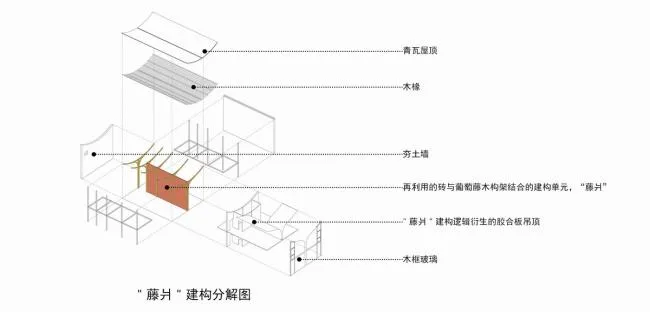
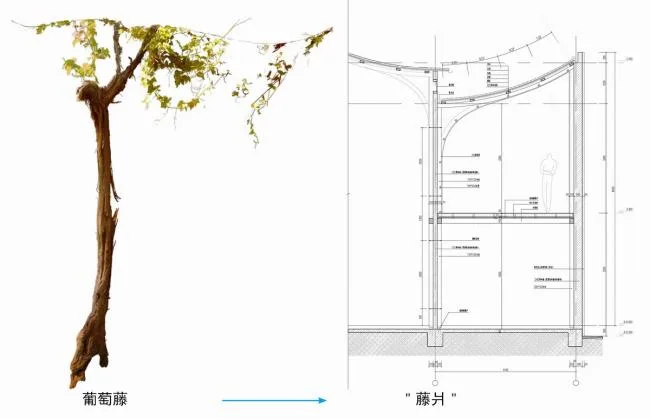
What should the architecture of Qianyang Village look like is the core of this design exploration. The village is surrounded by flat hills that stretch endlessly, and the Longjing Vineyard radiates the vitality of the village. The architectural design is based on the form of Pingyuan Mountain, with grape vines as the construction prototype. Rammed earth walls, brick walls, wooden structures, and tile roofs are the lifeline that continues the Qianyang Village. The grape vines of Longjing Vineyard have been deeply imprinted in the hearts of the villagers in Qianyang Village. Integrating grape vines as a construction prototype into the living space is undoubtedly a down-to-earth and sense of belonging construction. Moreover, the cement workers and carpenters in the village are fully capable of completing such construction.
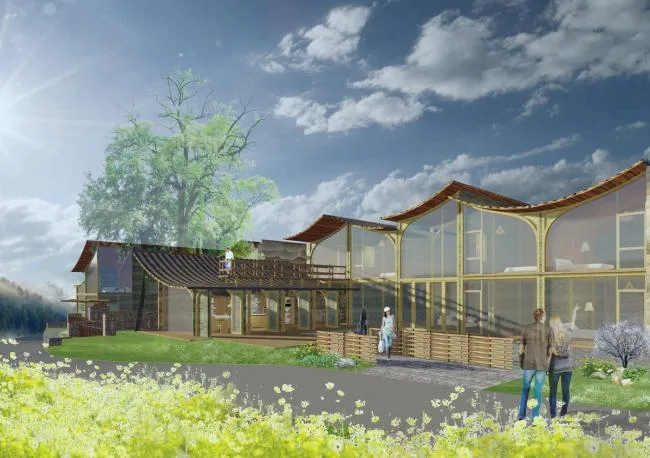
10 old houses within the scope of renovation, with red bricks, blue bricks, and blue tiles after the buildings are demolished, will be reused to preserve their marks. The strength of the recycled green and red bricks is not very good. Combining with the “grape vine” wooden frame, design an integrated construction unit called “vine leaf”; The spatial unit will be derived from this construction unit, with a roof made of recycled green tiles and tiled roofs laid on a vine frame, stretching out like the flat hills surrounding Qianyang Village.
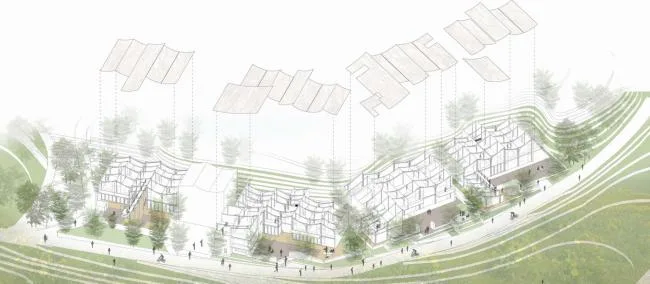
▲ A construction scenario belonging to the production and life of Qianyang Village
The renovated village houses are based on the living functions of the villagers in Qianyang Village. The villagers operate vineyards, flower fields, and vegetable orchards, relying on the unique location advantages of Qianyang Village and industrial marketing to create an agricultural industry chain. At the same time, it can radiate the leisure experience of urban residents and generate industries such as rural tourism and homestays. The rural buildings integrated into production and life, with the core construction of “Tengban”, continue the rammed earth walls of the past, and reuse old bricks to create a modern construction belonging to Qianyang Village.
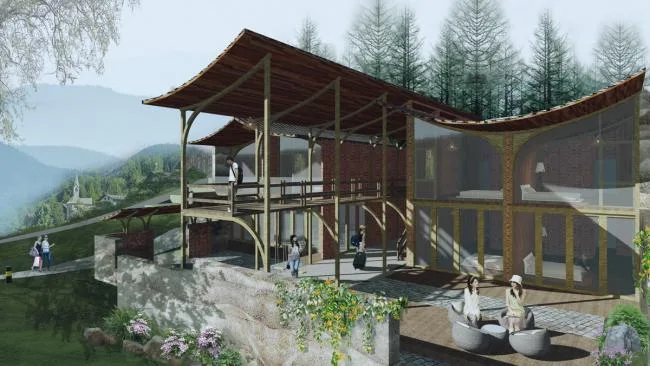
▲ Courtyard
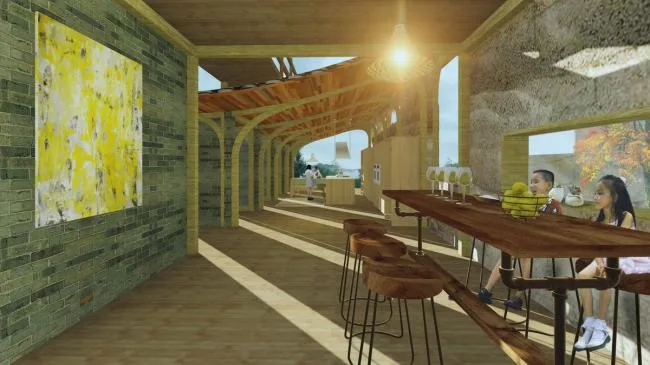
▲ Restaurant
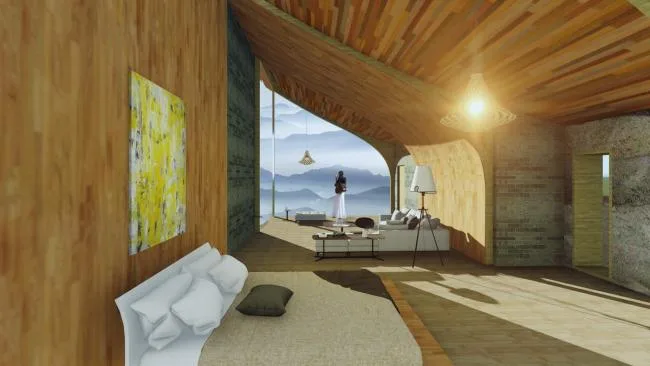
▲ (BIM Work) Bedroom
Design drawings:
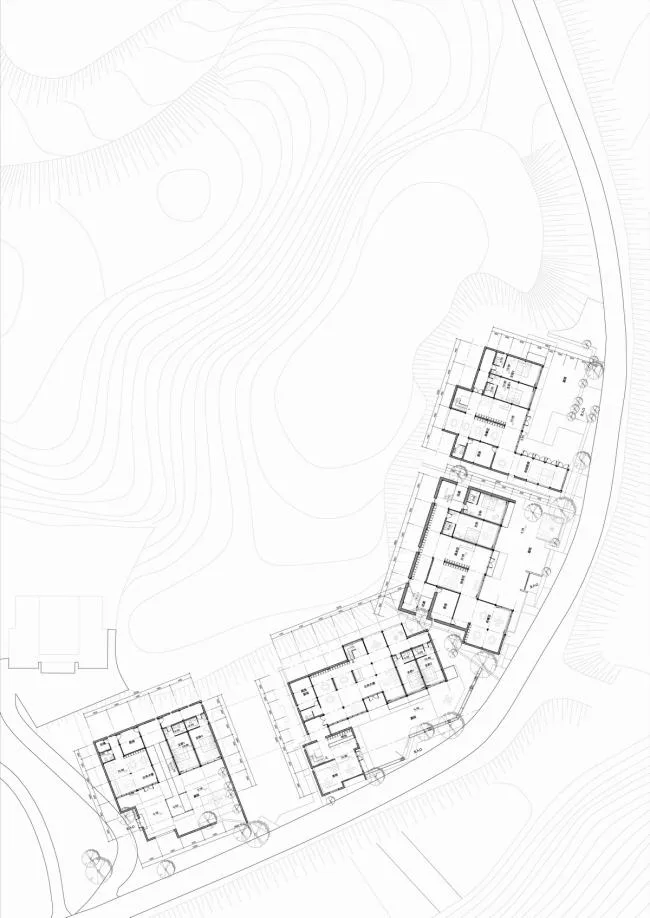
▲ First floor plan
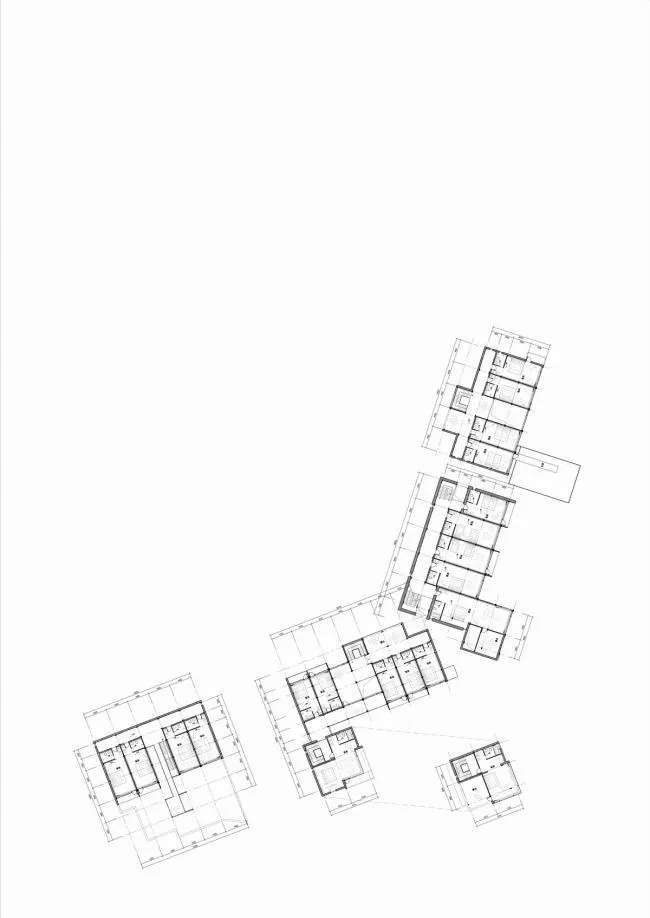
▲ Second floor plan& Local three-layer plan
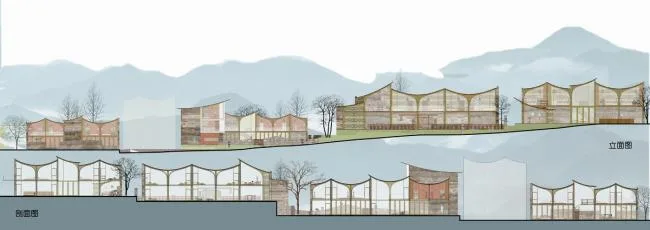
▲ Facade& section
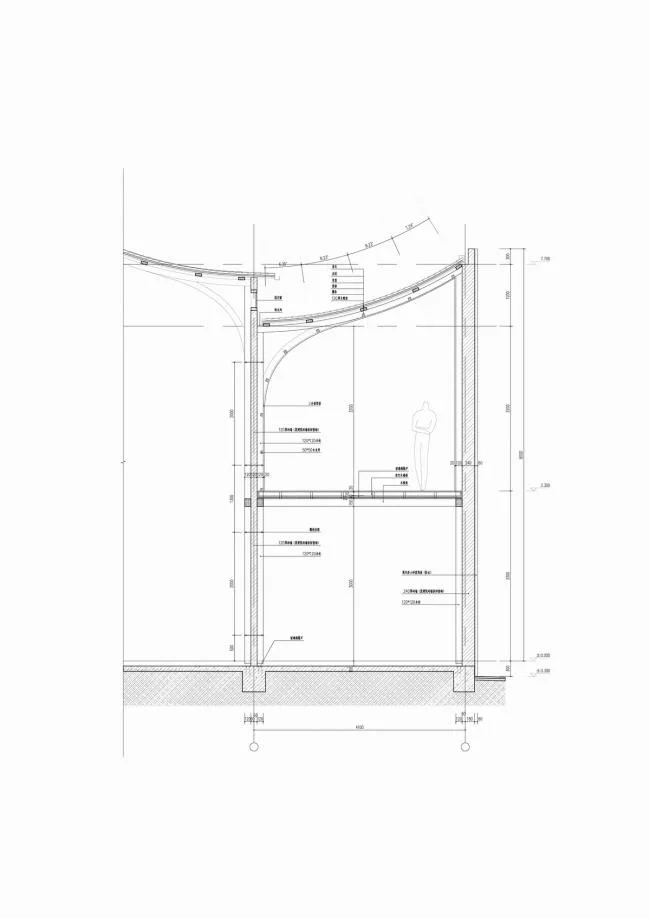
▲ Detailed drawing of “Tengban” construction
Project Information:
Design team: MV Architecture Studio
Architect: Wu Longxin, Zhuang Xuguan
Project location: Qianyang Village, Shoushan Township, Jin’an District, Fuzhou City
Project scope: Buildings 328-340, strip farmland
Building area: 2950 square meters
Project Background: 2018 Cross Strait “Creative Lighting Up Villages” Nomination Award












Must log in before commenting!
Sign Up