
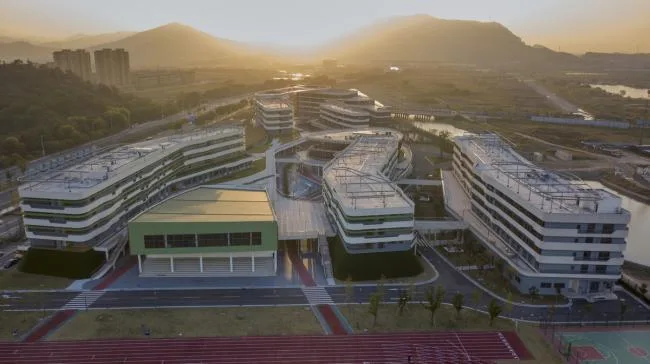
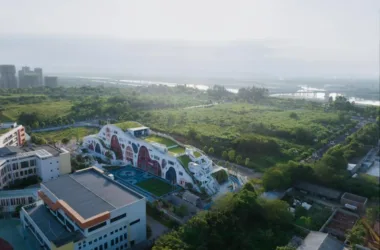
▲ Aerial view of the project
As the morning sun illuminates the earth, the sound of children reading echoes across mountains and roads. Nestled quietly by the lake, the campus resembles a graceful white egret.
This vision took shape during the initial site survey four years ago and has guided the design concept and goals of Huzhou Paddington Bilingual School throughout its development, from conceptual planning to project completion.
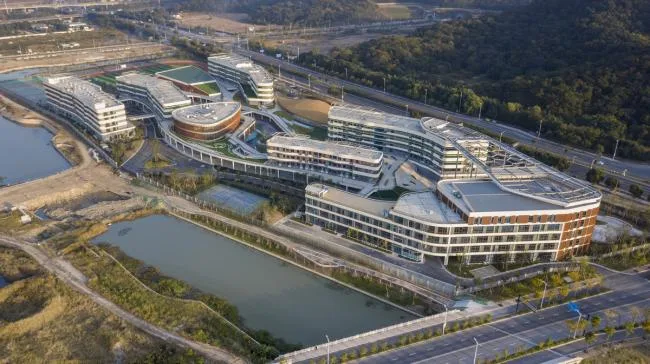
▲ Overall bird’s-eye view from the rear
Project Overview
Located on the western edge of Huzhou’s central urban area, adjacent to Xisai Mountain in the Huzhou High-Tech Development Zone, the site benefits from convenient transportation with Huzhou High-Speed Railway Station to the west and the Changshen section of the Ninghang Expressway to the east. The campus lies just 6 km from the city center.
At the end of 2015, a collaboration between Shanghai Jiao Tong University Education Group and the local government set the stage for a modern educational demonstration park with ambitious goals. As the flagship project, Huzhou Paddington Bilingual School, a 12-year integrated program, officially commenced construction.
Construction spanned three years: civil engineering was completed by August 2017, followed by interior decoration, which wrapped up in August 2018. The school welcomed its first students soon after, and currently hosts over 800 students, establishing itself as a unique cultural and educational landmark in Huzhou Science and Technology New City.
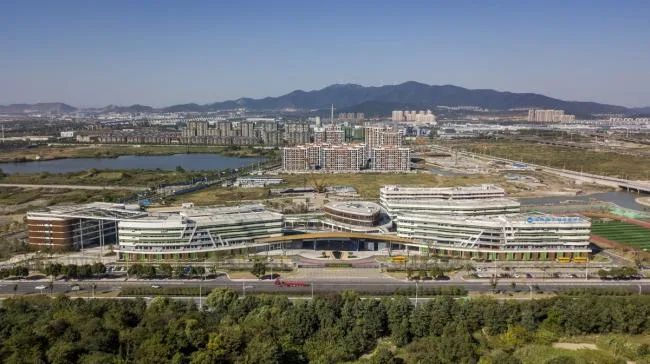
▲ Overall bird’s-eye view from the south
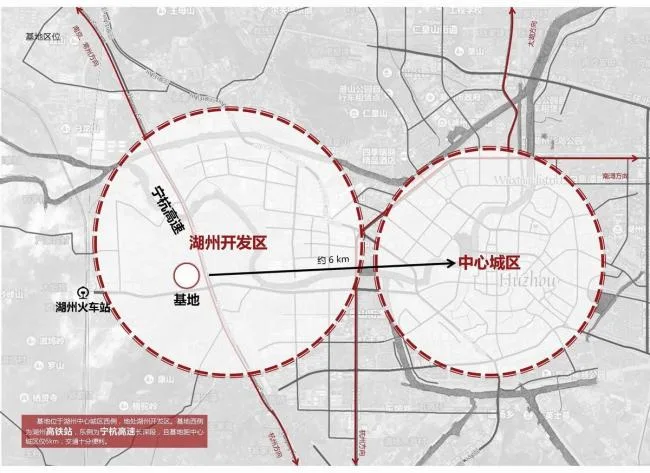
▲ Location analysis
Project Positioning
Unlike urban schools that must conform to the surrounding architectural styles, Huzhou Paddington Bilingual School stands out with its unique identity. It is the first large-scale public building project in the urban development zone and sets the architectural tone for the surrounding area.
Moreover, it is the first K-12 bilingual school established by the Shanghai Jiao Tong University Education Group outside Shanghai. The design’s core mission is to harmonize local culture with an international style.
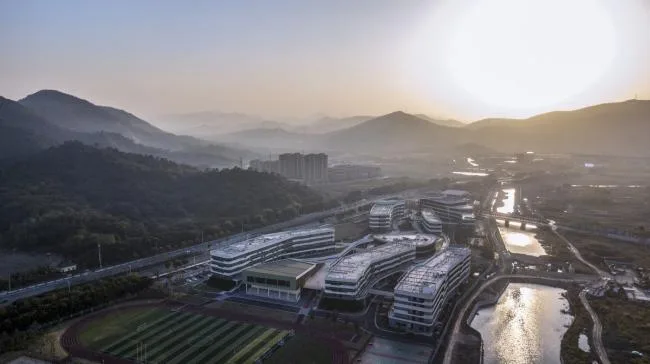
▲ Aerial view at dusk
Design Concept
The project is inspired by the imagery of white egrets flying in front of Xisai Mountain, with peach blossoms and flowing waters that nourish mandarin fish — a scene from Zhang Zhihe’s “Fisherman’s Song.” Situated close to Xisai Mountain and adjacent to Xisai Mountain Road, the school’s overall layout and architectural style emulate the shape of a white egret.
The relaxed architectural arrangement and white color palette are defining features of the campus.
Huzhou is renowned as a “Silk Town,” and the design draws on the softness of silk to shape the school’s spatial flow. This approach creates a gentle, smooth environment differing from rigid “barracks-style” layouts, offering a richer spatial experience.
Notably, the campus omits a traditional administrative building, which contrasts with typical schools where the entrance houses administrative offices. Instead, the school’s functions revolve around a graphic and textual information center, complemented by three key functional areas: a cultural and arts center, a STEAM maker center, and a sports activity center. Teaching buildings, dormitories, and logistical facilities are interspersed throughout.
Following consultations with school administrators, the administrative offices were integrated into classrooms and fragmented spaces outside core campus areas, maximizing space for student use.
This absence of a dedicated administrative building emphasizes the school’s student-centered educational philosophy, freeing more space for teaching and student activities.
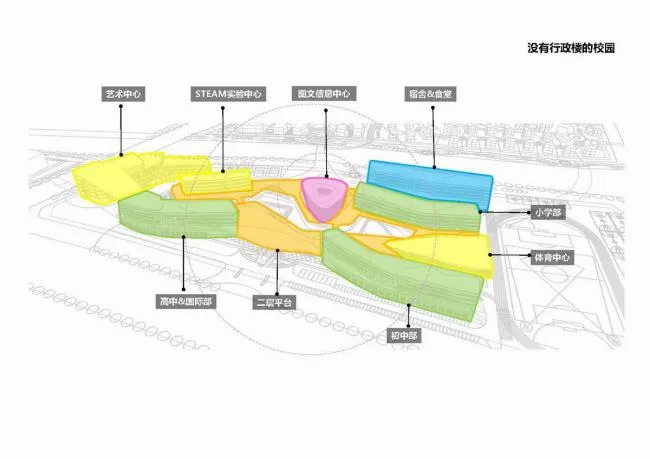
▲ Campus layout without administrative buildings
Island Structure and Spatial Integration
The site’s elongated east-west orientation and narrow north-south width posed challenges for accommodating all required functions, leaving limited room for after-school activities.
To address this, the design adopts a vertical division of the campus, featuring a large platform that separates upper and lower zones, connecting the school’s main functional areas.
Teaching spaces are located on the elevated platform, while supporting functions like the cafeteria and offices occupy the area beneath it. This “island platform” enhances connectivity among buildings, facilitating easy movement during breaks.
Additionally, the platform separates student activity areas from service personnel zones, improving safety and convenience during recess. This structure not only integrates campus functions but also adds new layers of outdoor activity space for students.
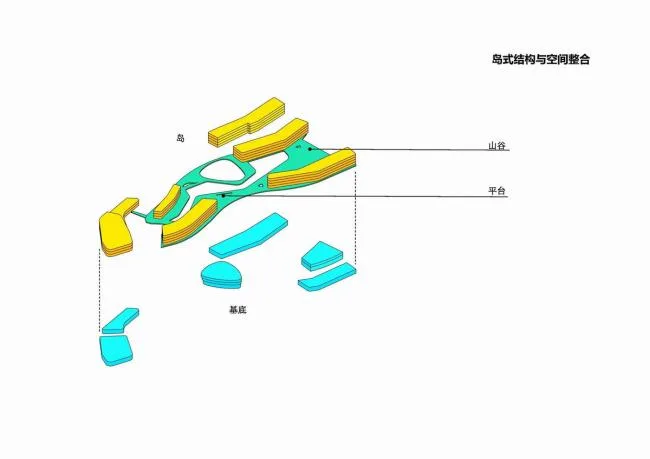
▲ Island structure analysis
Open Space and Accessibility
Unlike traditional schools with axial layouts and tree-like spatial structures, the site’s narrow terrain limited such designs. The school aimed to create an open, BIM-integrated campus, prioritizing openness and accessibility within spatial constraints.
The campus is centered around the graphic and textual information center. To the east, the primary and secondary schools and sports center form one courtyard, while the high school, arts center, and STEAM center form another courtyard to the west. These courtyards intersect at the information center, which is the closest point from the main entrance.
The ground floor is elevated to create open spaces connected by a second-floor platform, allowing teachers and students to move freely and efficiently across campus. This design achieves a harmonious balance between openness and ease of access.
Open spaces serve multiple functions: the campus entrance doubles as a gathering area and has hosted the school’s opening ceremonies over the past two years.
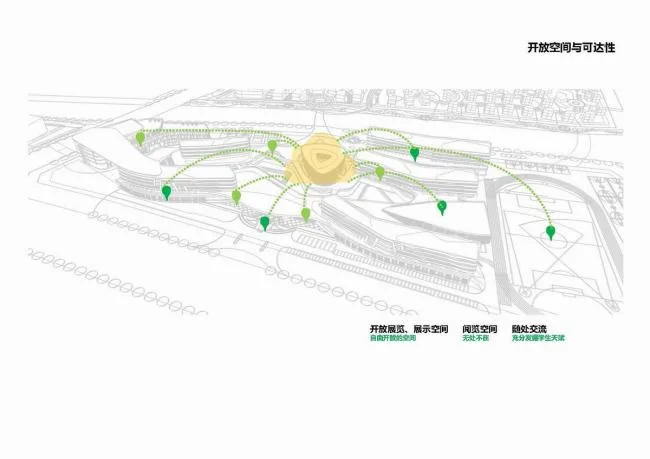
▲ Open space and accessibility
Flexible and Square Spaces
Traditional school spaces tend to be square and utilitarian, often creating a tense and rigid atmosphere. Previously, color was applied superficially to soften these spaces.
Inspired by the white egret and the softness of silk, this school breaks away from rigid forms by incorporating flexible lines and shapes, giving the campus a gentle and inclusive character.
While classrooms retain their necessary square layout, other functional and transitional spaces use more fluid forms. This resolves the tension between flexible design and functional needs, resulting in a campus that feels soft, open, and welcoming.
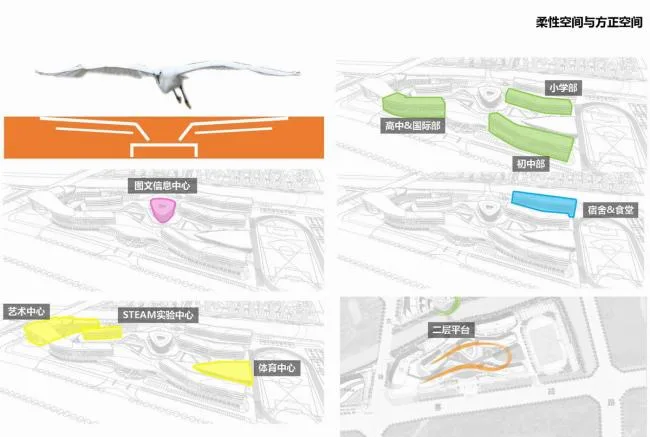
▲ Concept development
Additional Running Track and Promoting Active Health
The design draws inspiration from the Japanese circular kindergarten’s emphasis on active health. Convenient exercise spaces not only encourage physical activity but also foster overall well-being.
Given the site’s elongated shape, the main playground is located at the eastern edge, making it less accessible for students on the western side.
To encourage daily exercise, a 1.2-kilometer plastic running track encircles the two elevated courtyard areas and campus functions. Students can step directly from their classrooms onto the track, promoting active movement and health.
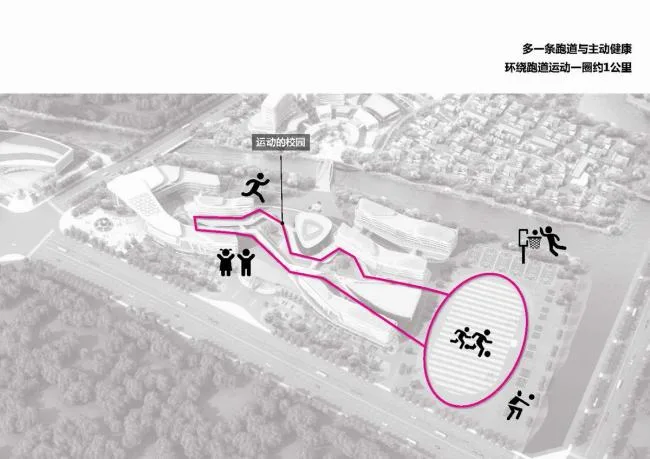
▲ Additional running track
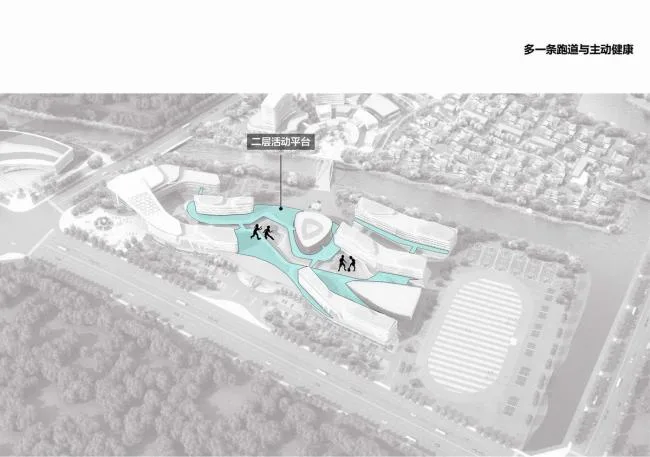
▲ Running track with two-level platform
Campus Entrance with Multiple Functions
The narrow north-south dimension of the site posed unique challenges for designing the main entrance. A poorly planned entrance could obstruct the campus or disrupt visual flow.
After consultations, the school requested an entrance that projects a strong image and can accommodate school activities.
The solution is a bold, open, curved structure supported by steel columns on either side. Beneath the curve lies an open entrance space, with four smaller adjacent areas dedicated to showcasing campus history and events.
The curved form, wrapped in wood-colored aluminum louvers, creates a distinctive visual identity. Clever utilization of space beneath the structure forms a natural outdoor theater integrated into the campus, which has hosted opening ceremonies and events since 2017.
Thus, the entrance serves as a welcoming gateway, gathering space, and exhibition area all in one.
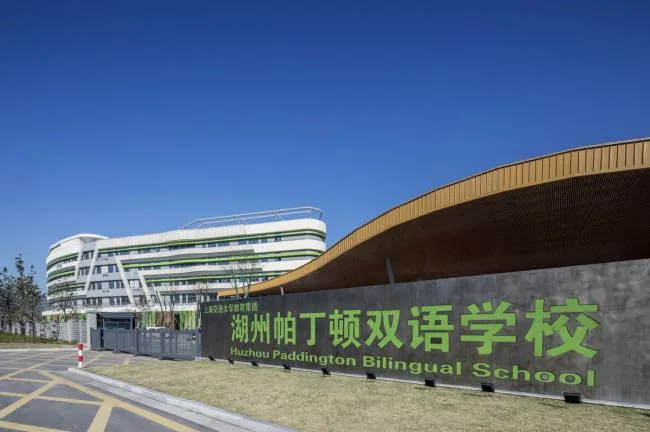
▲ South entrance
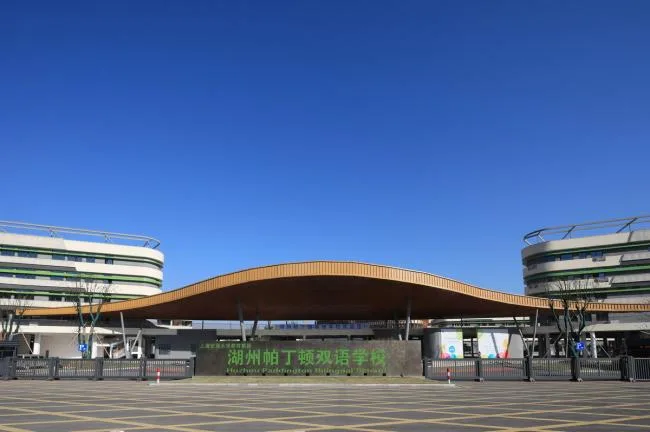
▲ South entrance
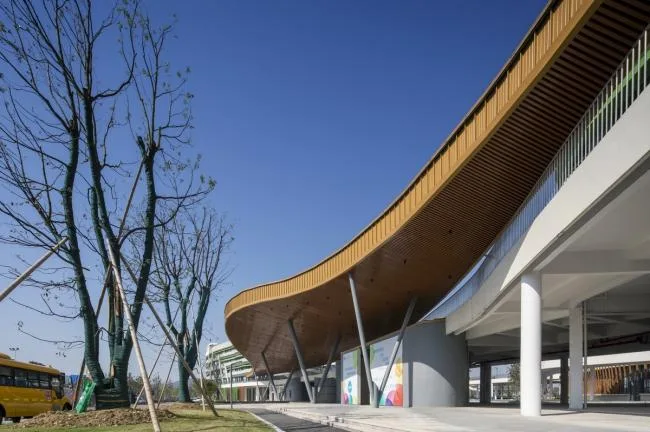
▲ Main entrance
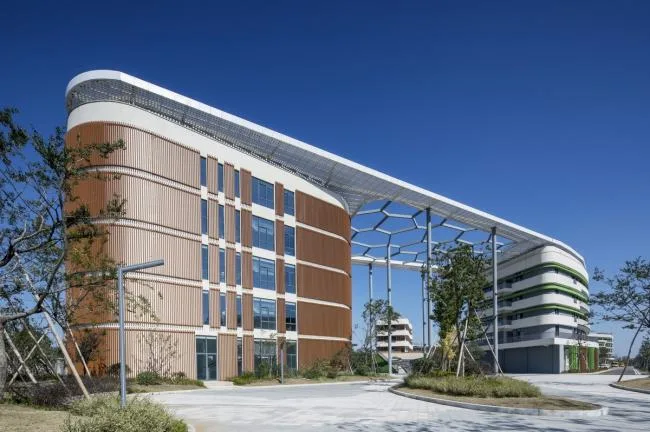
▲ Secondary entrance
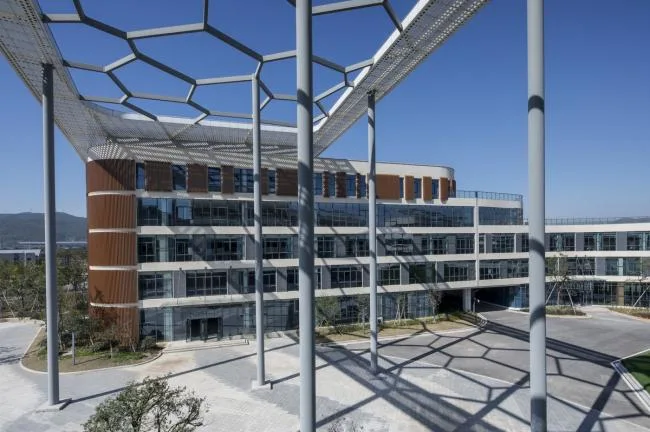
▲ Secondary entrance
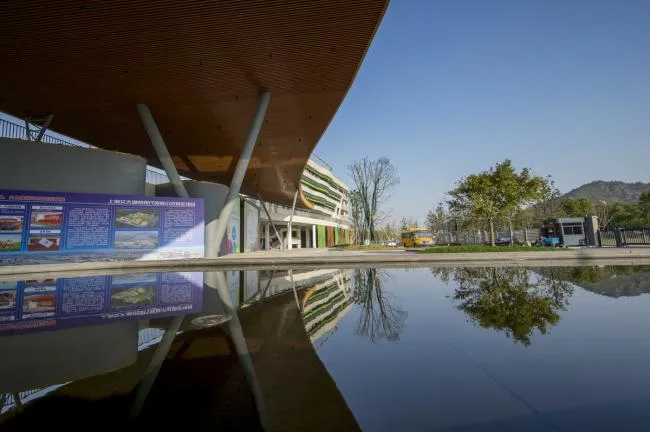
▲ Assembly entrance
Graphic and Textual Information Center and Ubiquitous Reading
As the heart of this new school, the graphic and textual information center differs from traditional libraries that house extensive physical collections. Instead, it emphasizes digital reading and electronic resources.
Software and content are shared throughout the campus via electronic files hosted on a server, significantly reducing the need for physical books and space.
Design efforts focus on activating fragmented campus spaces to enhance student engagement and create enjoyable reading experiences everywhere, transforming the center into an intelligent hub for reading, interaction, and display.
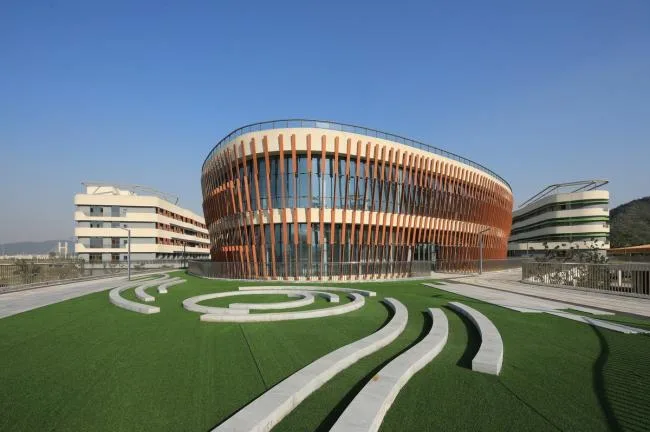
▲ Graphic Information Center
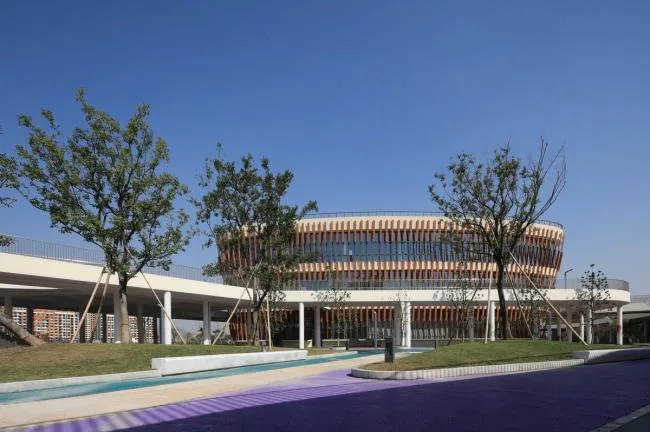
▲ Graphic Information Center
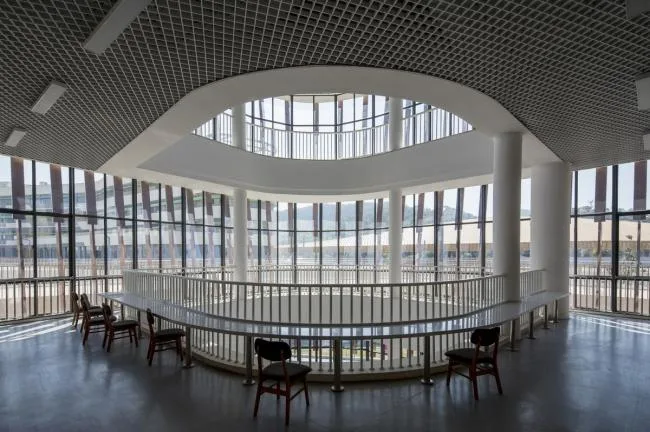
▲ Interior of Graphic and Text Information Center
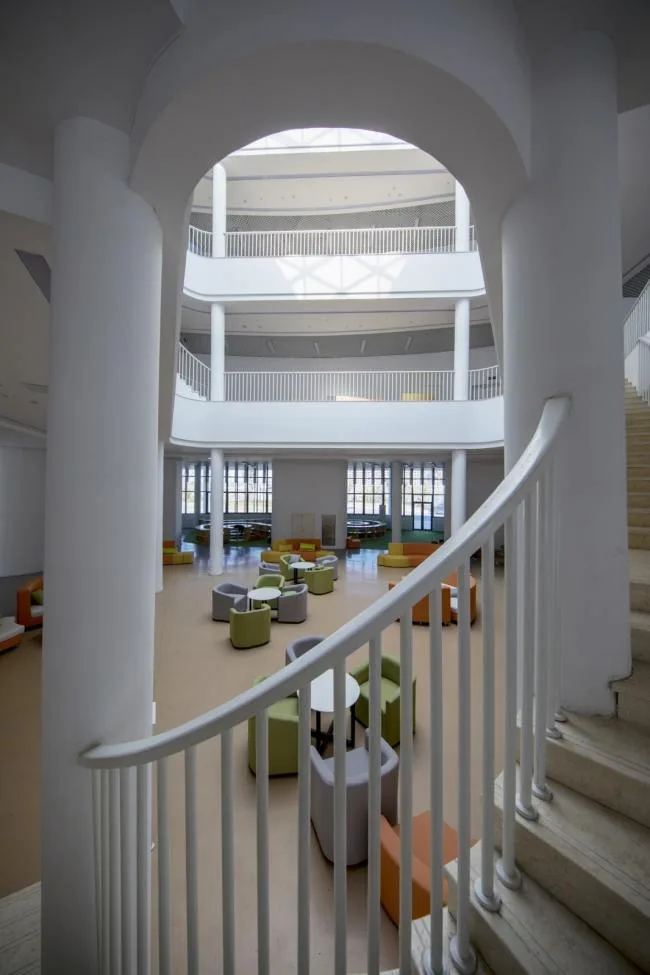
▲ Interior of Graphic and Text Information Center
The Wings and Facade Layers of the White Egret
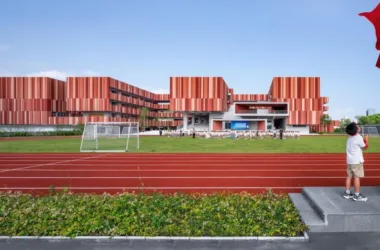
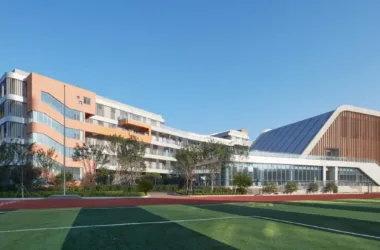
The campus’s primary color is white, with key buildings like the graphic information center, art center, and gymnasium accented by wood-colored aluminum louvers.
The teaching building’s facade is designed to reflect the wings of a white egret. To avoid monotony from a solely white paint finish, the design incorporates white perforated panels and green aluminum strips between floors, adding texture and depth under the white theme.
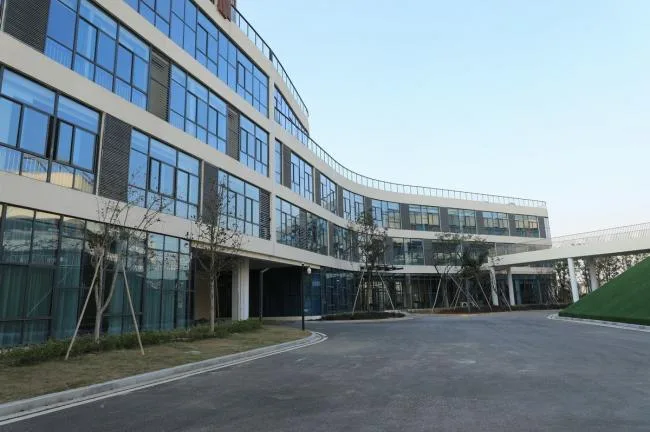
▲ Silk-inspired facade
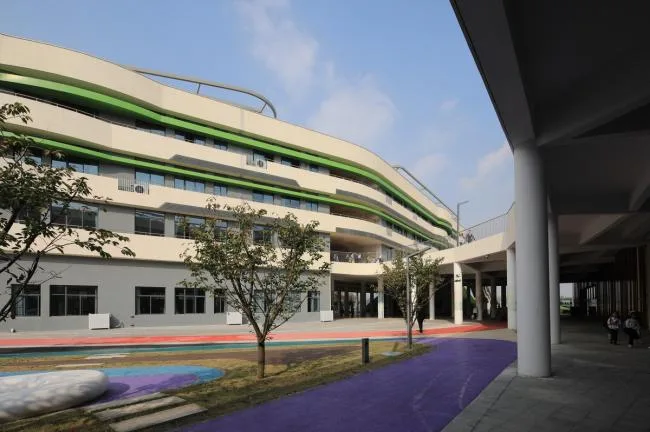
▲ White Egret Unfolding Facade
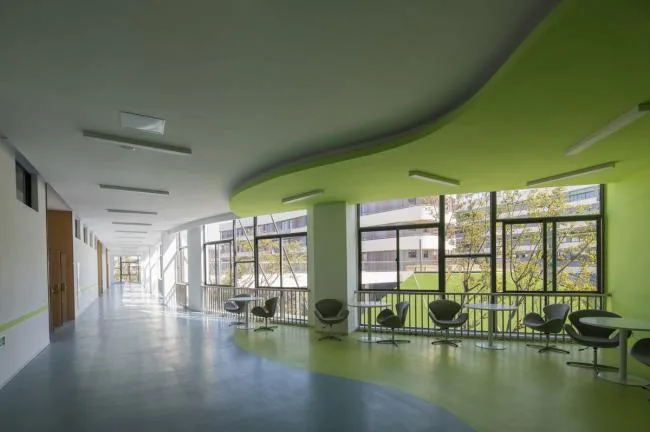
▲ Interior view
From the initial architectural concept to facade design, the motif of the white egret guides the project’s aesthetic and strategic details.
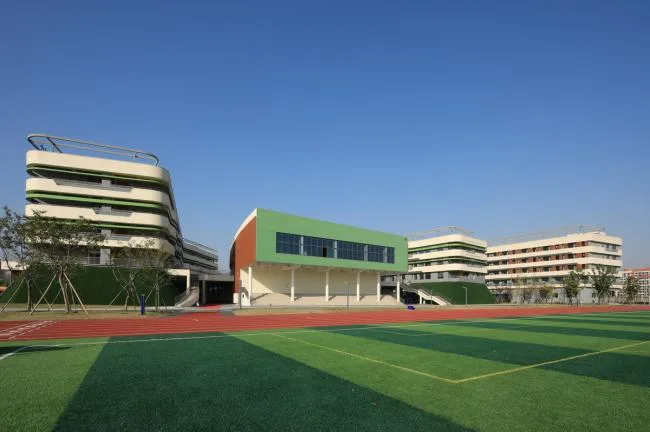
▲ Interior scenery
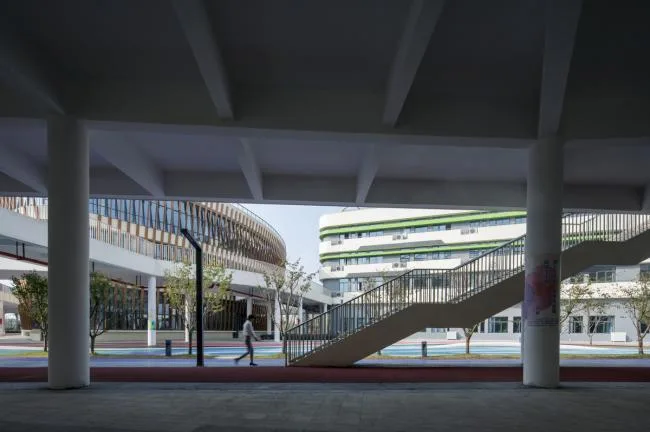
▲ Interior scenery
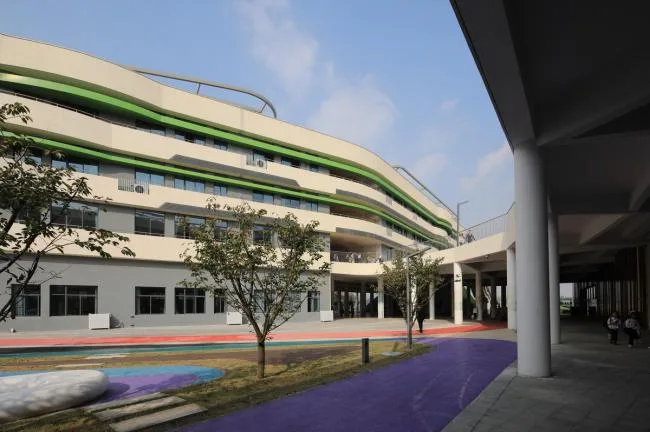
▲ Primary school section
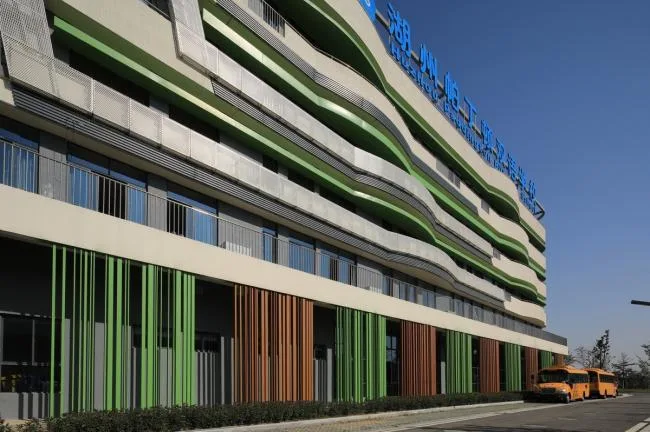
▲ Middle school section
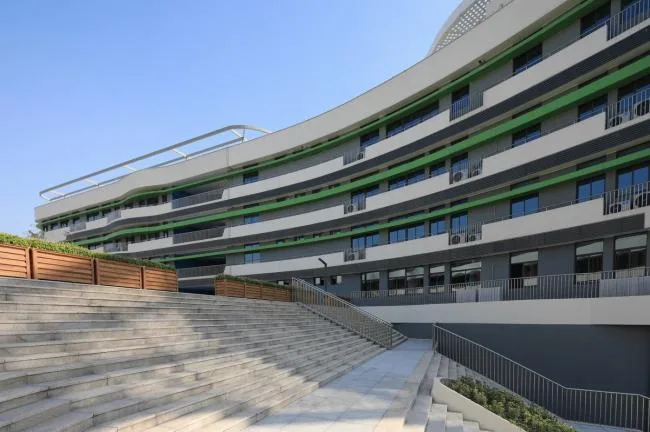
▲ High school section
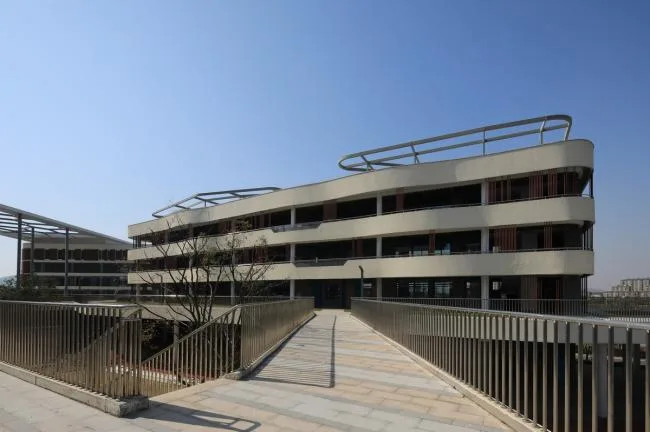
▲ Experimental and art buildings
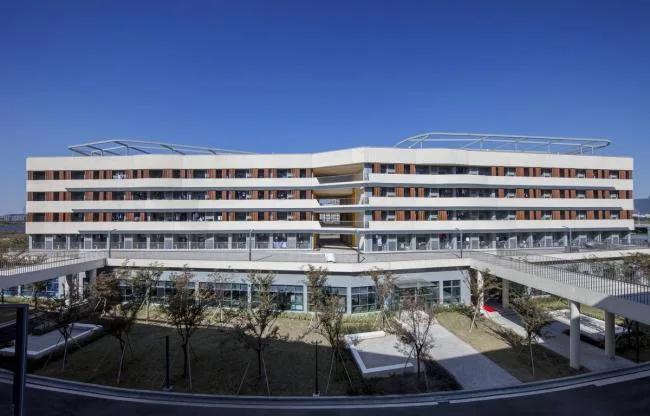
▲ Dormitory
Growing Campus and the Symbolism of a Big Tree
Unlike other buildings, schools evolve over time through their teaching functions and the activities of students and staff. This ongoing interaction shapes the cultural depth and identity of the campus.
Like a sapling growing into a mighty tree, the campus adapts to different environments, spaces, and needs.
The design includes reserved blank spaces such as elevated floors and roof platforms to allow for future expansion and new functions, ensuring the campus continues to grow and improve over time.
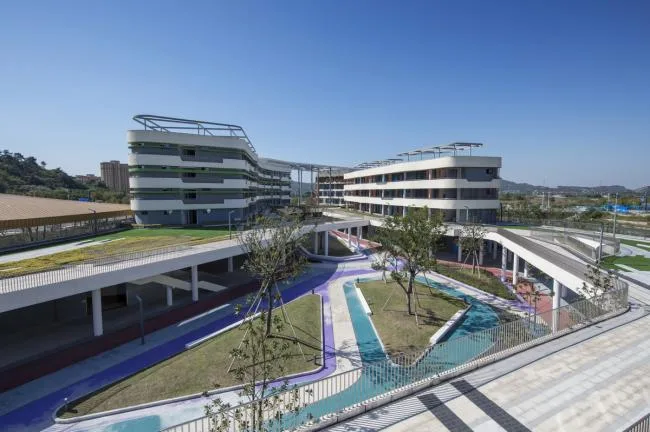
▲ Campus courtyard
Indoor Spaces
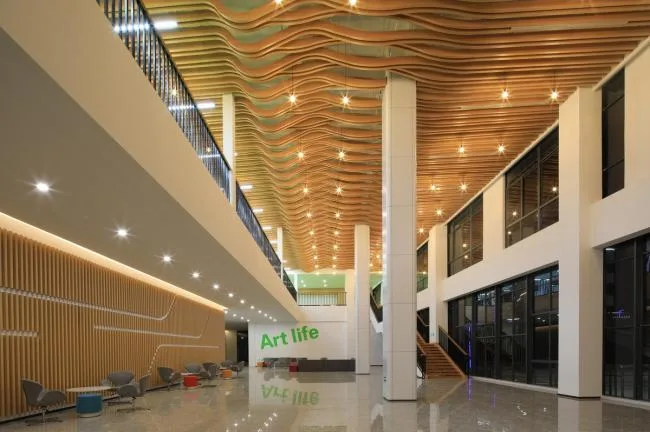
▲ Lobby of the Comprehensive Art Building
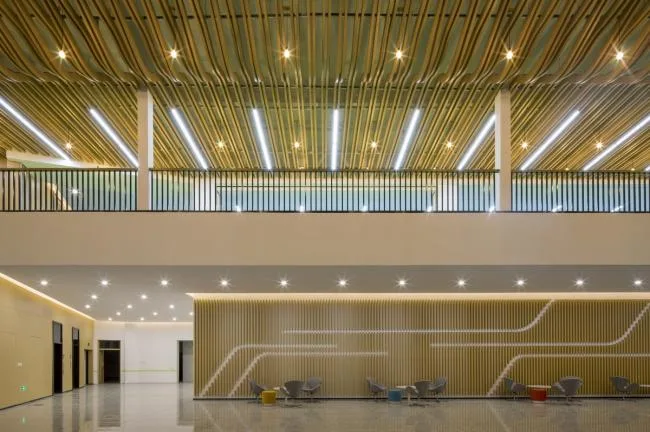
▲ First floor of the Cultural and Art Center
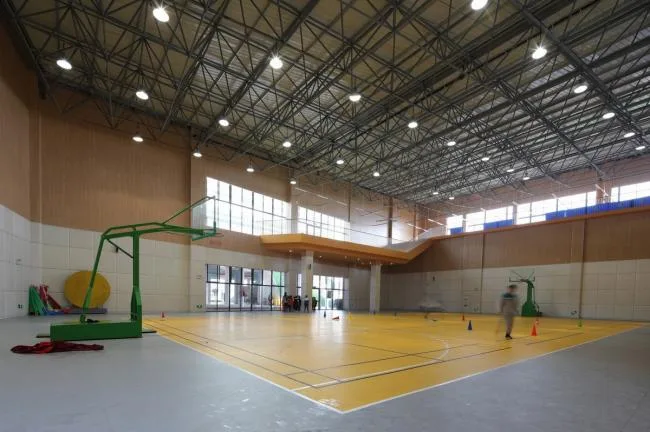
▲ Sports Center
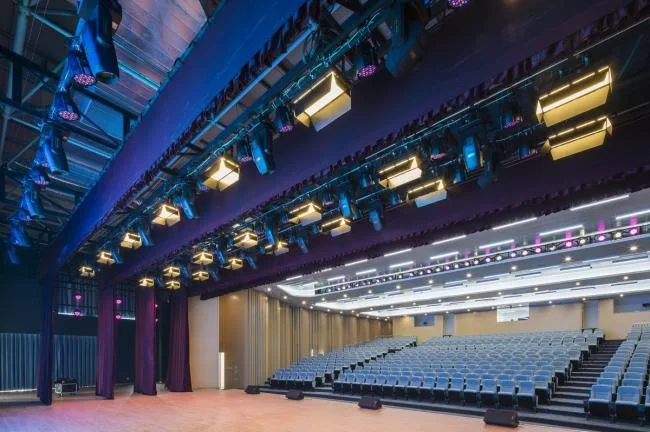
▲ Theater
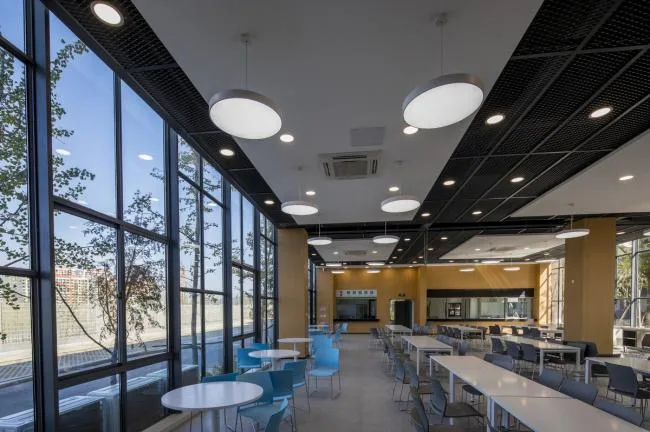
▲ Cafeteria
Design Drawings
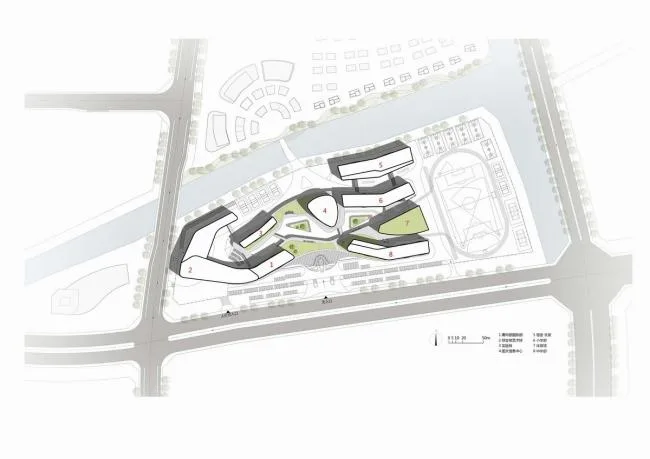
▲ Master plan of elementary, middle, and high school blocks
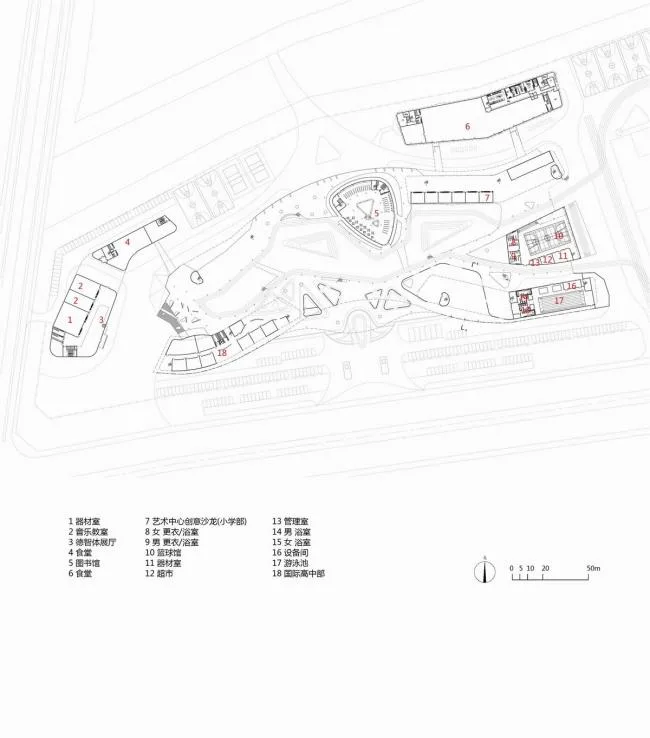
▲ First floor plan
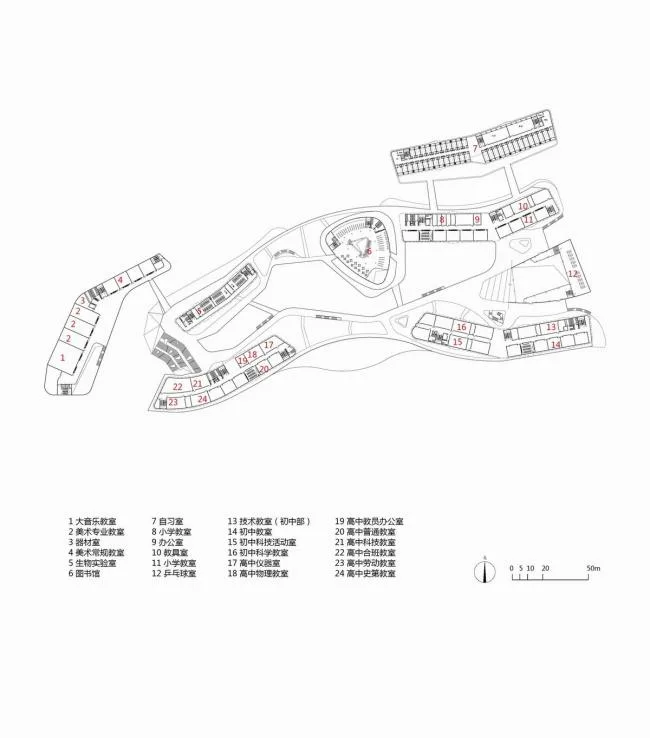
▲ Second floor plan
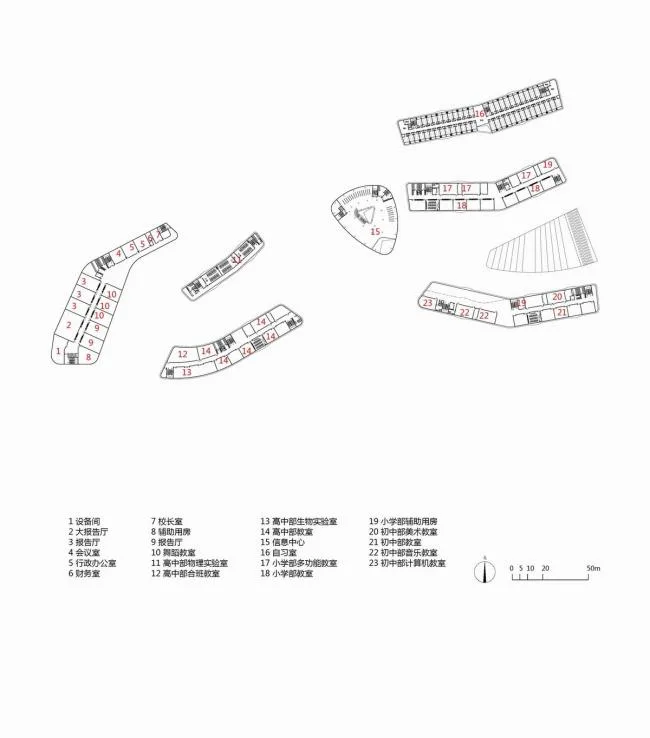
▲ Third floor plan
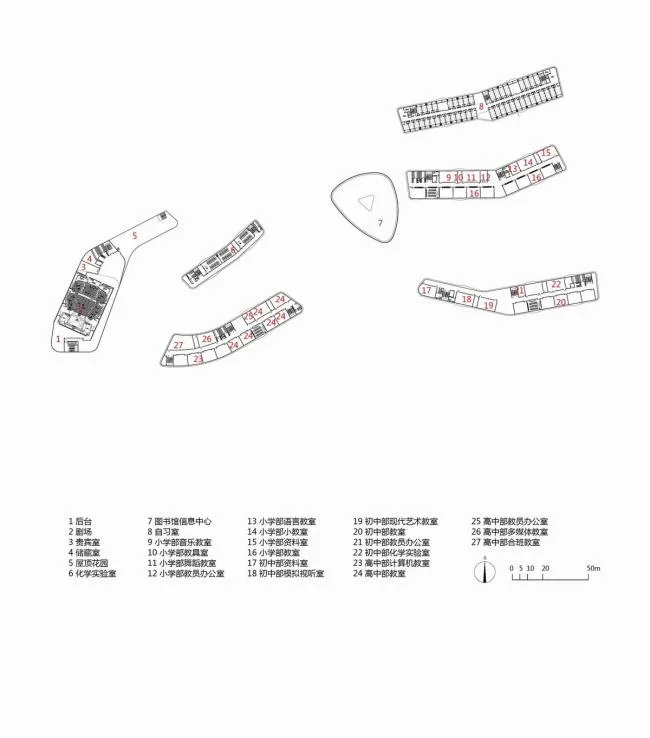
▲ Fourth floor plan
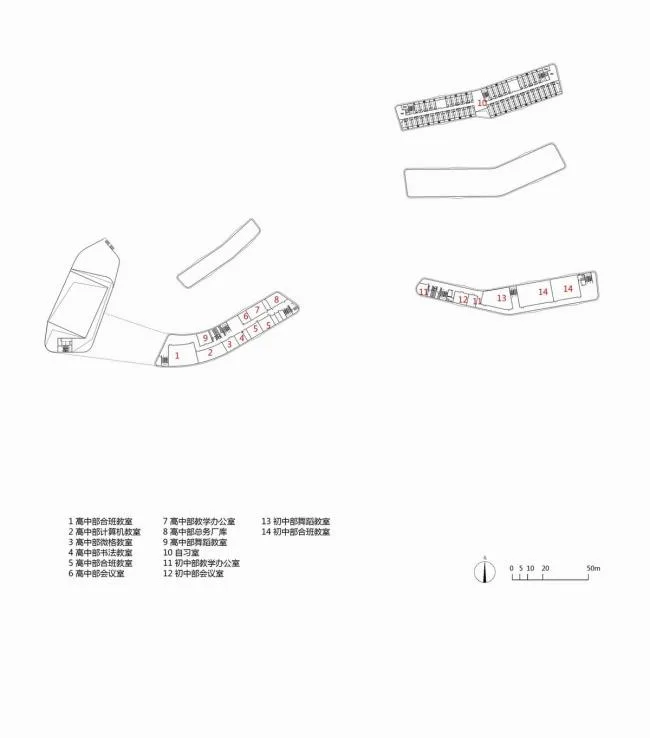
▲ Fifth floor plan
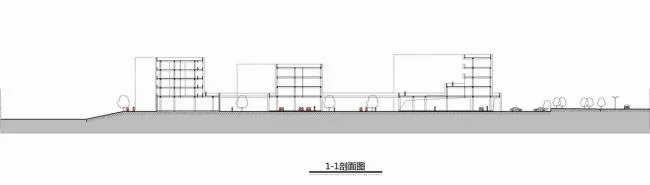
▲ Sectional view
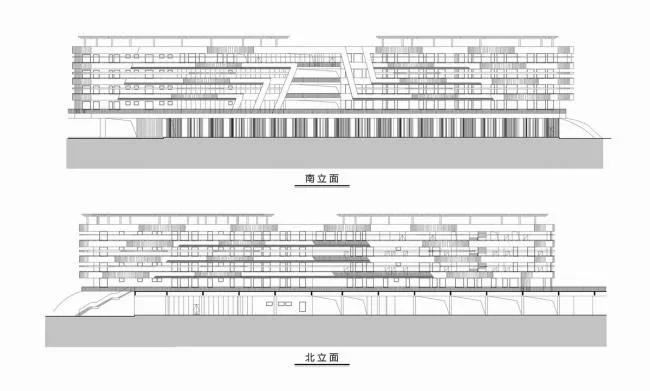
▲ High school facade
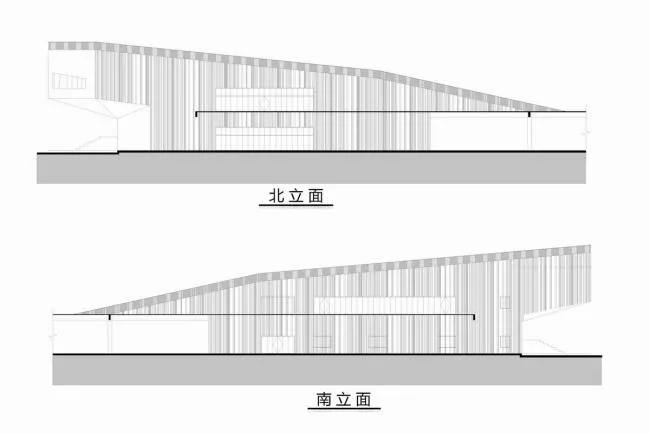
▲ Sports center elevation
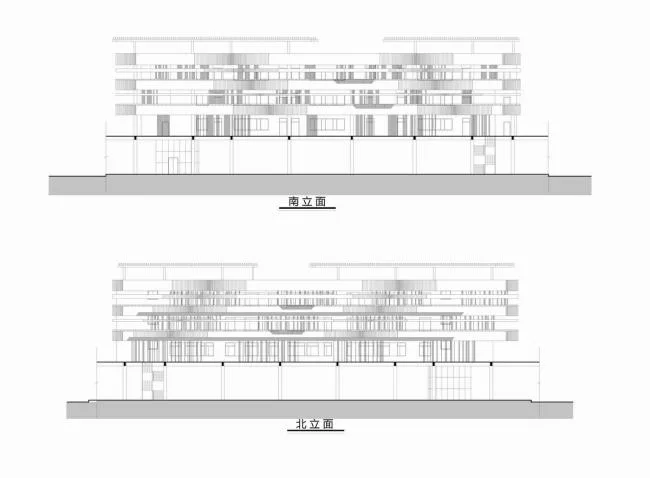
▲ Experimental building elevation
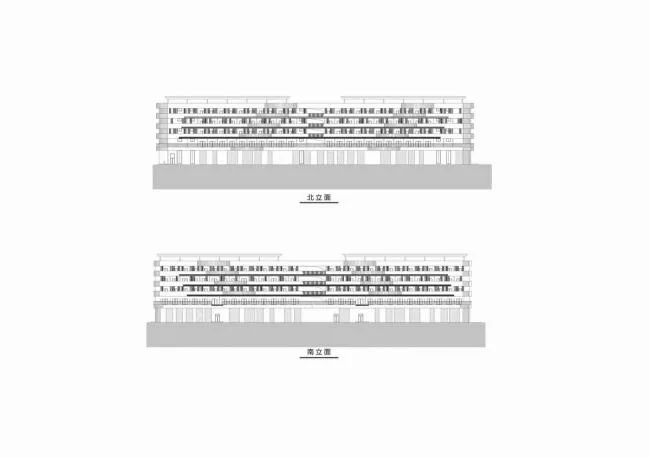
▲ Dormitory elevation view
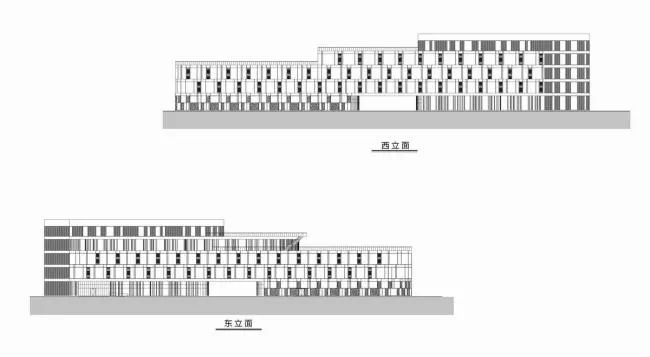
▲ Front view of the comprehensive building
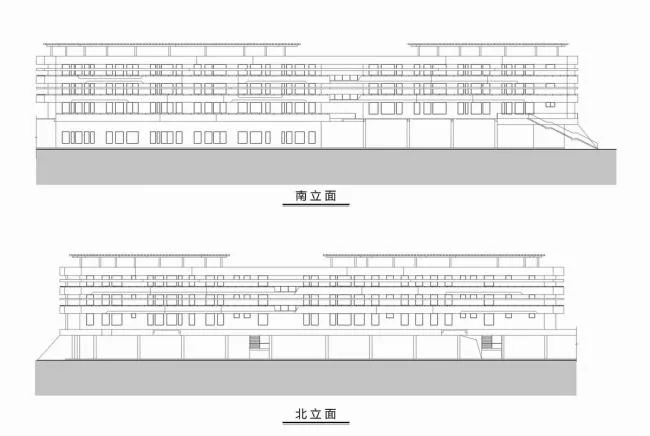
▲ Primary school elevation
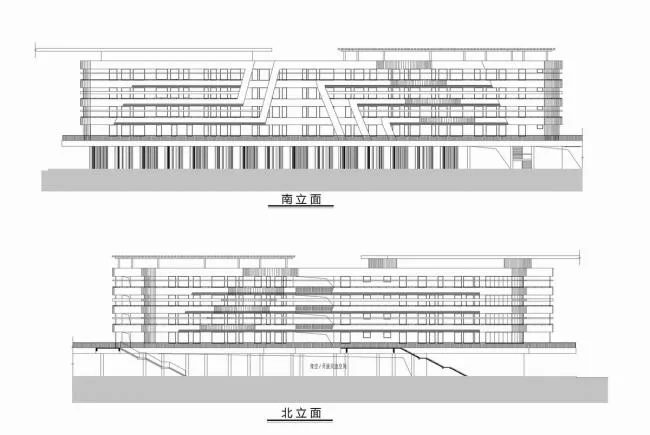
▲ North-south elevation of the high school
Project Information
Designer: Sixu Design
Address: 2688 Xisaishan Road, Wuxing District, Huzhou City, Zhejiang Province, China
Category: Primary and Secondary Schools
Lead Architect: Wang Tao
Design Team: Dai Qinghui, Chen Lifeng, Dong Wen, Sidi
Building Area: 50,725.49 m²
Project Year: 2018
Structural Design: Zhejiang Tianhe Architectural Design Co., Ltd. (Construction Drawing Design)
Landscape Design: NITA Landscape Design
Construction: Zhejiang Qiaoxing Construction Engineering Co., Ltd.
Partner: Zhejiang Tianhe Architectural Design Co., Ltd. (Construction Drawing Design)
Principal: Zhejiang Dingpei Investment Management Co., Ltd.












Must log in before commenting!
Sign Up