
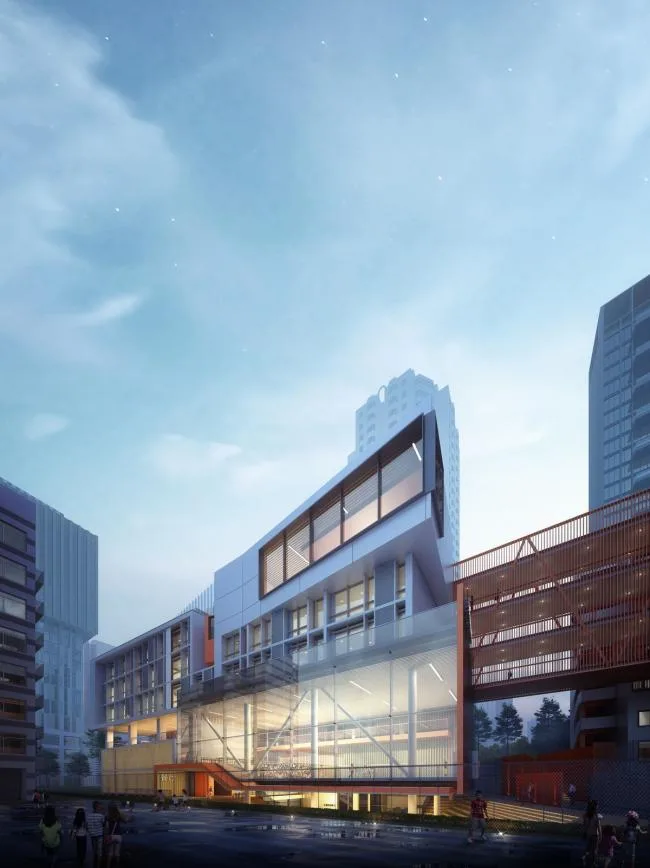
New comprehensive building pedestrian view
Preface
Shenzhen, like many other rapidly developing cities, faces significant challenges including a shortage of educational resources, traffic congestion, and limited green space per capita. Over the past decade, advances in information technology have driven cities to transform across multiple dimensions. This urban decentralization is characterized by highly mixed-use functions (BIM learning) and the integration of diverse forms. The focus has shifted from surface-level development to vertical growth, embedding stories across different dimensions and spaces.
Schools, as essential social spaces that accompany people’s lives and development, should embody intelligence, engagement, and sustainability.

Design Background
Located in Luohu District, the oldest urban area of Shenzhen, many primary and secondary schools were constructed in the 1990s and have been in use for over two decades. As the city develops and its population grows dramatically, the demand for education continues to rise (BIM architecture). The aging main buildings, outdated facilities, safety hazards, and severe shortage of capacity can no longer meet evolving educational needs.
In response, the “Design for Tomorrow – Luohu District Campus Design Creative Competition” was launched. This open registration competition attracted 250 design agencies and collaborative teams. Through dedicated teamwork, Hope Group distinguished itself and received honors.
Click on the video to learn more
Designer’s Insights – Targeted Expansion and Renovation
Dongchang Primary School, situated in Luohu District, Shenzhen, presented several architectural challenges prior to renovation. These included outdated exterior facades, disorderly placement of outdoor units, limited interaction and transparency between the building and its urban surroundings, and a monotonous outdoor environment lacking natural interest. From a user perspective, the space for student activities and classrooms was limited, with outdoor and sports areas particularly insufficient.
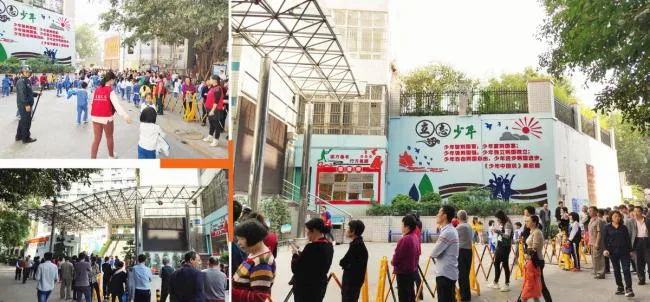
Current photos illustrating conditions at Dongchang Primary School
Children, with their high adaptability, benefit greatly from a stimulating environment that encourages positive behaviors and qualities. A good environment is multi-dimensional, rich in fun and wisdom, and offers exploratory value. With these principles, the architects adopted a pragmatic, restrained approach to innovate while renovating the old teaching buildings, ensuring a modern appearance and cohesive integrity of the school. Through careful expansion and orderly renovation, the original teaching buildings were revitalized.
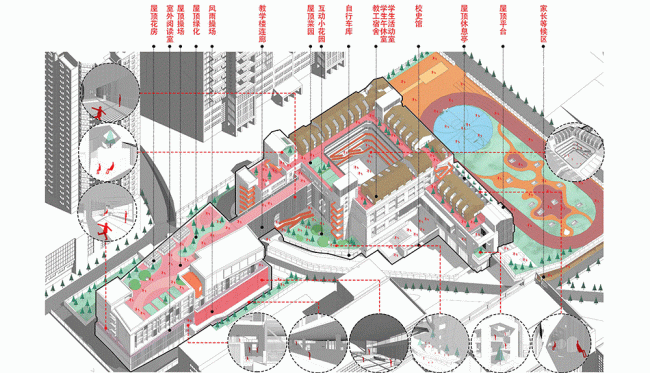
Overall renovation analysis
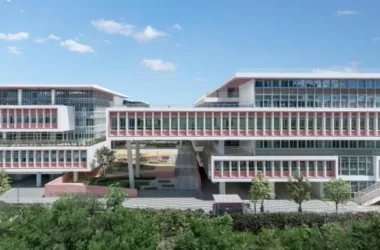
The architects preserved the original ceramic tile walls as much as possible, updating the exterior with white, red, and wood-like metal panels. They extended specific functional areas such as corridors and balconies and enriched vertical greenery. The design aims to foster a positive, symbiotic relationship between architecture and environment by creating more open spaces and public areas for student learning and interaction.
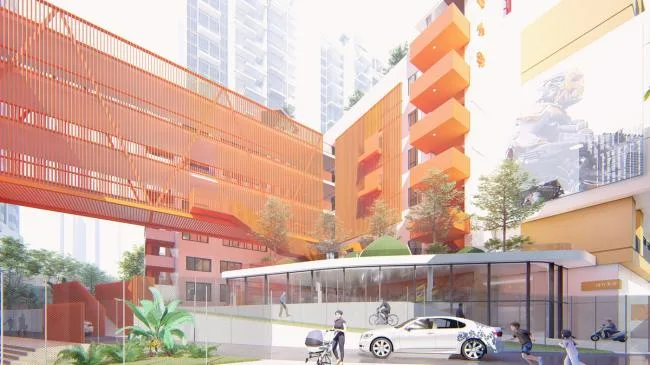
Perspective view of corridor and west side of the old teaching building
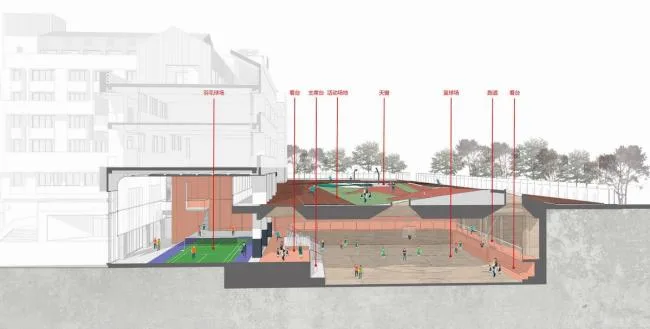
Sectional perspective of underground space
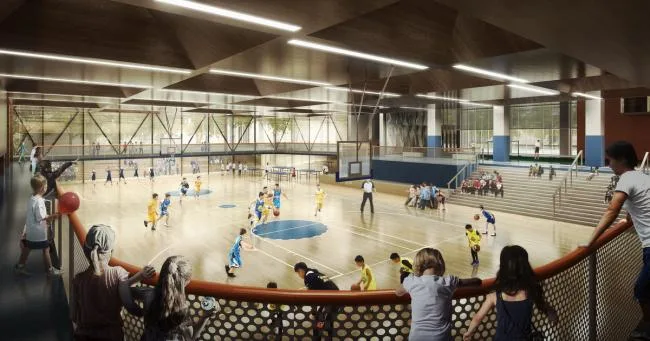
Top view of the indoor basketball court
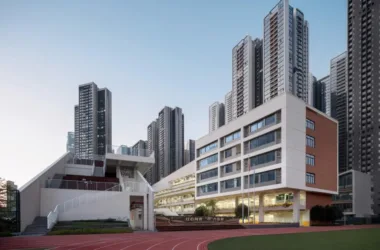
Following initial research, the architect significantly renovated the east facade of the old comprehensive building. The heavy exterior decorations were replaced with lightweight, floor-to-ceiling glass windows and metal walls. The playground’s green area was expanded, and extensive restoration was undertaken to provide more outdoor activity space, featuring an ecological lawn with varied elevation.
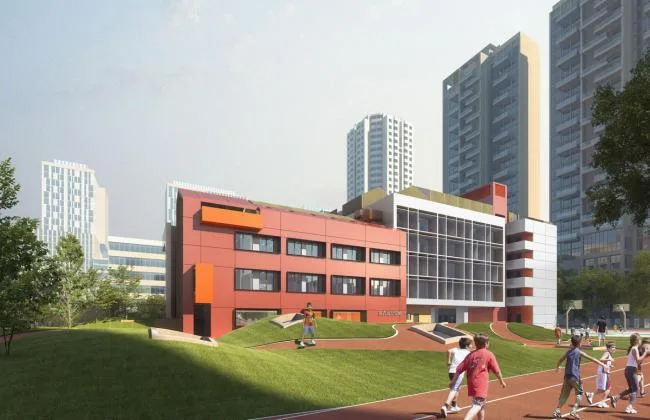
View from the east side of the old teaching building
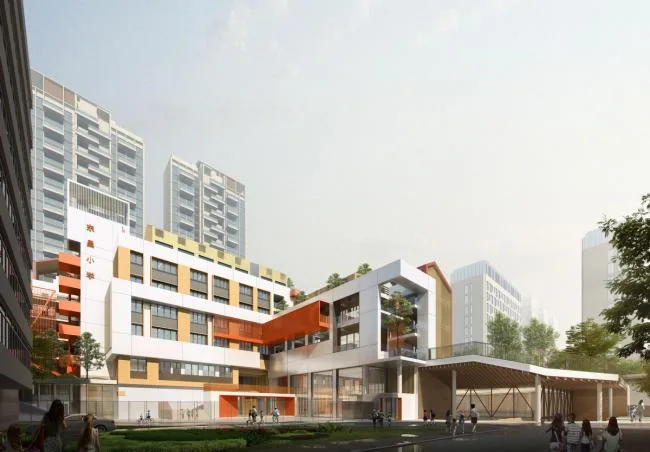
Rendering of the renovated main entrance
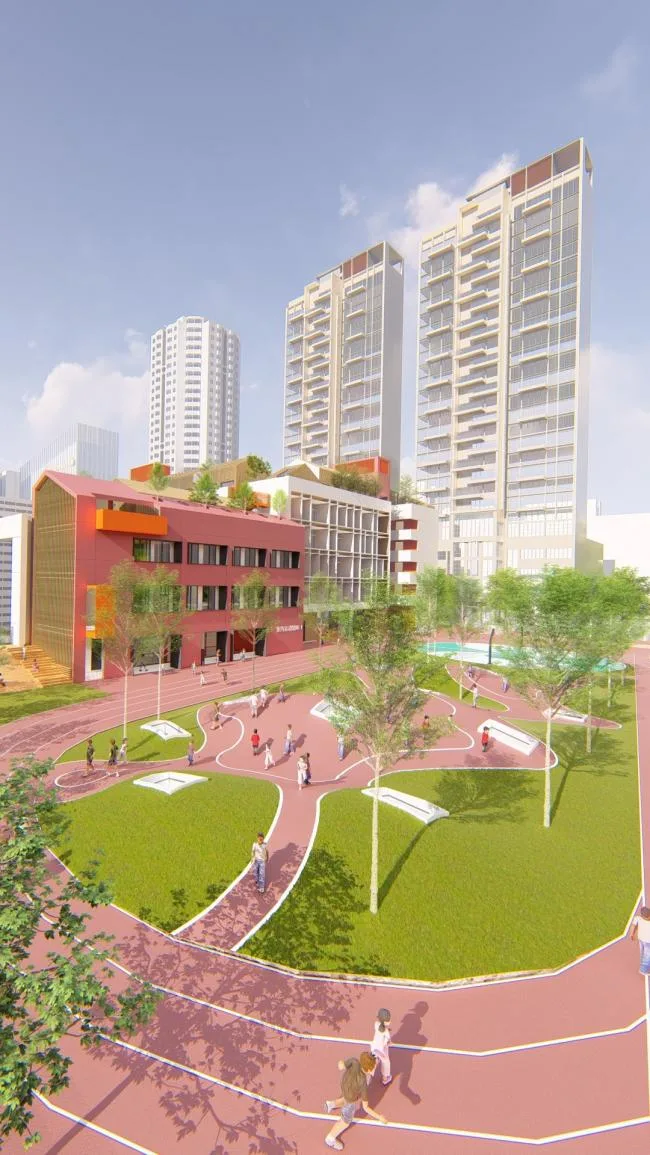
View toward the east facade of the teaching building from the playground
The most notable feature of the design is the addition of classroom and dormitory spaces on the roof. An innovative, integrated furniture system creates a platform for full interaction with students while providing teachers with a private resting area.
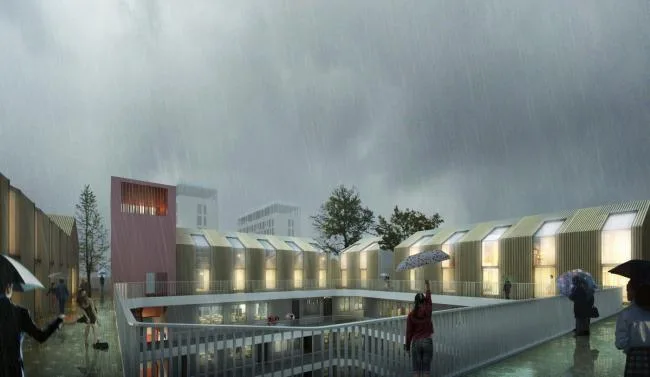
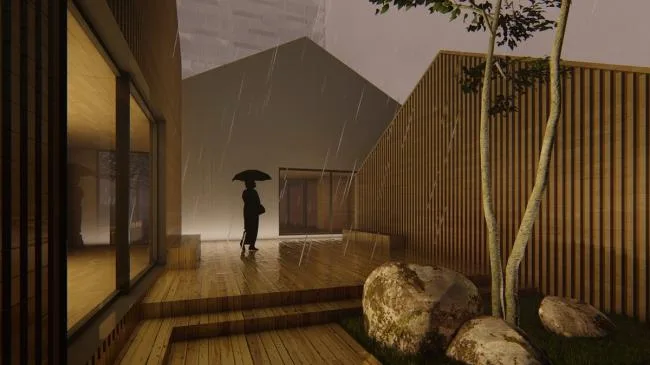
Smart Wooden House (Teacher Dormitory) roof night view with people
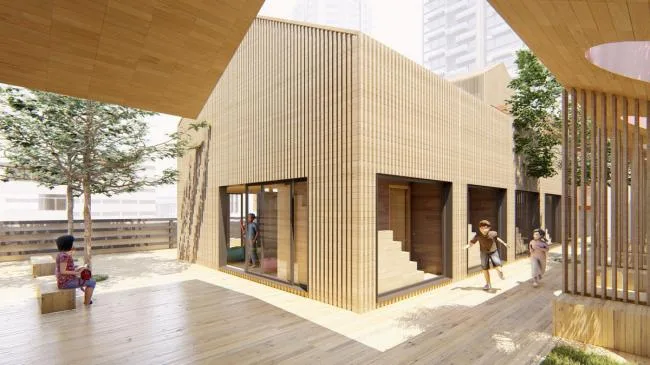
Smart Wooden House (Teacher Dormitory) roof view with daily surroundings and people
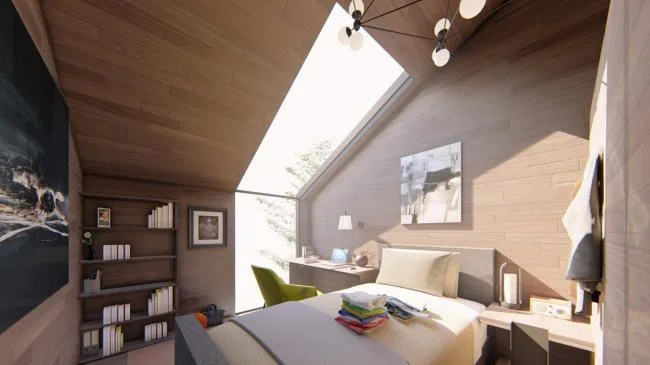
Interior rendering of Smart Wooden House (Teacher Dormitory)
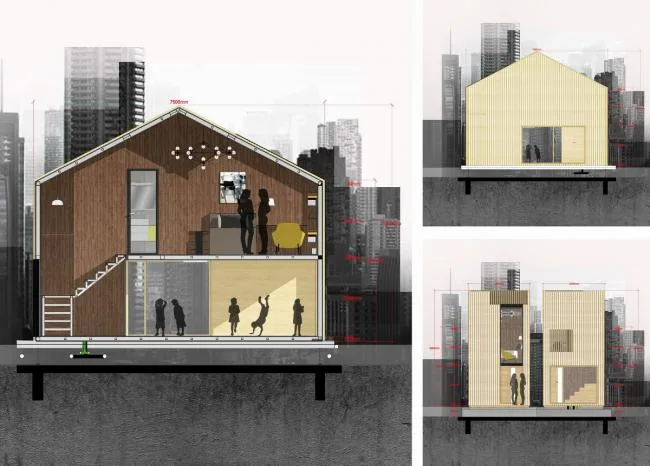
Perspective analysis of Smart Wooden House (Teacher Dormitory)
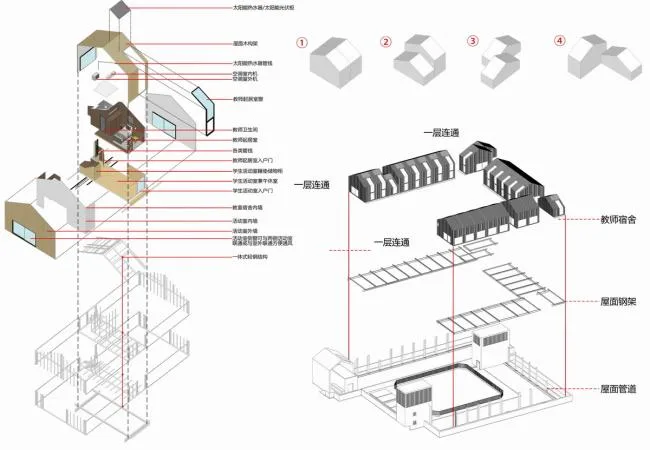
System analysis diagram of Smart Wooden House (Teacher Dormitory)
The architects emphasize that sustainable architectural spaces must consider local environment and natural factors from multiple perspectives, respect local cultural characteristics, conduct detailed user research focusing on behavior and psychology, and promote harmonious development with the surrounding city.
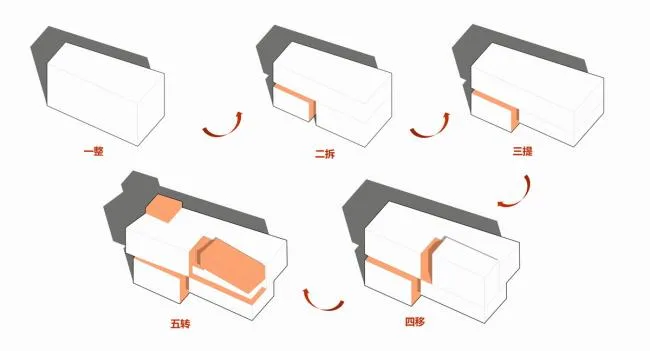
Design concepts for the new teaching building
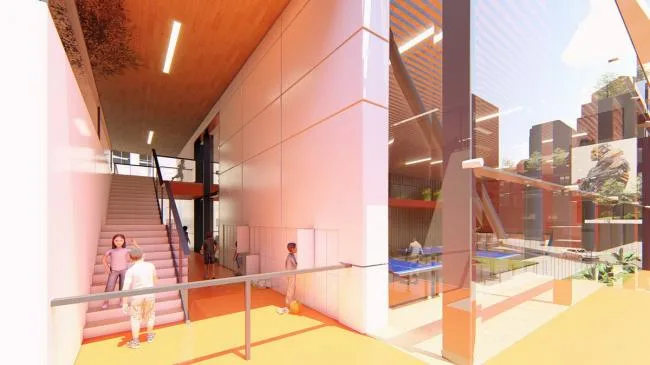
Elevated floor of the new comprehensive building
Consequently, the architects created abundant outdoor activity spaces at various levels within the renovated building, integrating numerous natural elements across multiple dimensions. They incorporated a vertical interaction system to fulfill users’ exploratory desires and facilitate effective behavioral pathways.
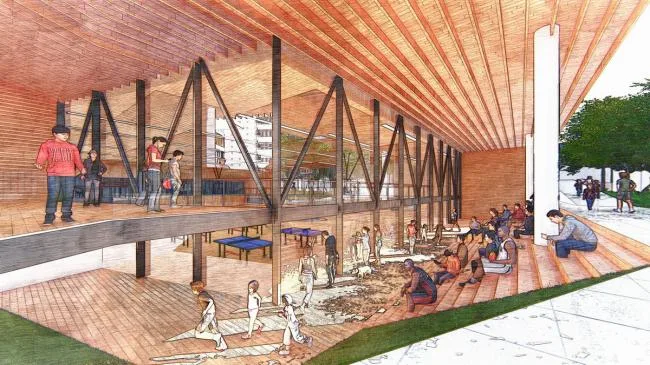
Parent waiting area at the entrance
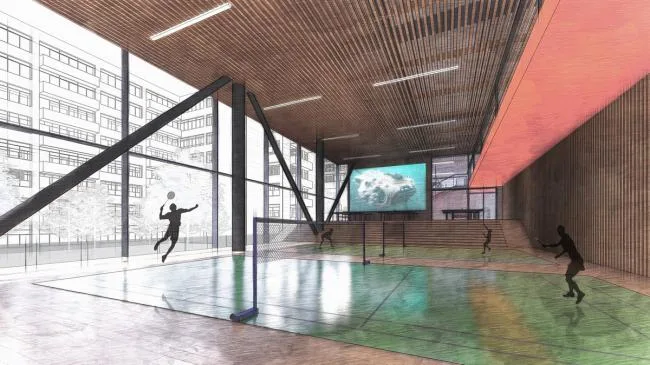
Wind and rain shelter playground at the new comprehensive building
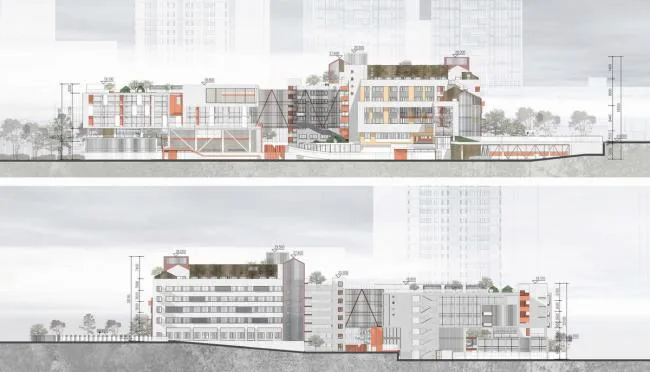
Elevation drawing
Project Information:
Project Name: Renovation and Architectural Design of Dongchang Primary School, Shenzhen
Total Construction Area: 19,181 square meters
Architectural Design: Shanghai Hope Architectural Design Firm Co., Ltd. Ono Studio
Design Team: Xiong Tang, Sheng Guangyu, Wang Xuefeng, Fan Shiqi, Chen Aijie












Must log in before commenting!
Sign Up