
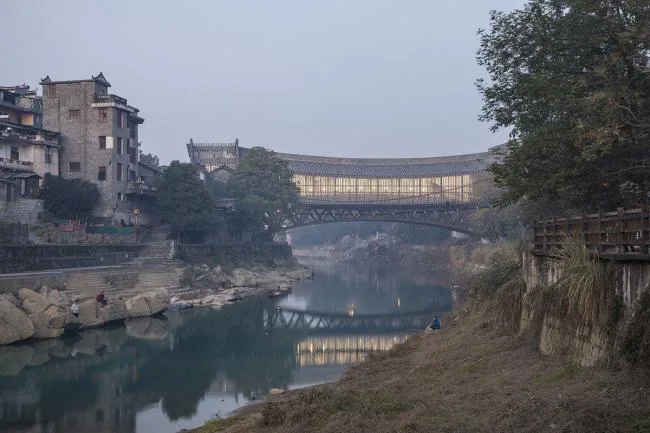
Jishou Art Museum at Dusk
Social Engineering
Jishou City, home to the art museum, serves as the capital of the Xiangxi Tujia and Miao Autonomous Prefecture. Initially, local authorities considered situating the museum within the development zone outside the city. However, as architects, we proposed placing the museum in the heart of the densely populated Qianzhou Ancient City. Our belief is that cultural facilities should be as accessible as possible to the community.
The Wanrong River runs through the city’s core, inspiring us to design an art museum that spans the river and doubles as a pedestrian bridge. This concept encourages people not only to make dedicated visits to enjoy art but also to encounter it naturally during daily activities such as commuting, schooling, or shopping.
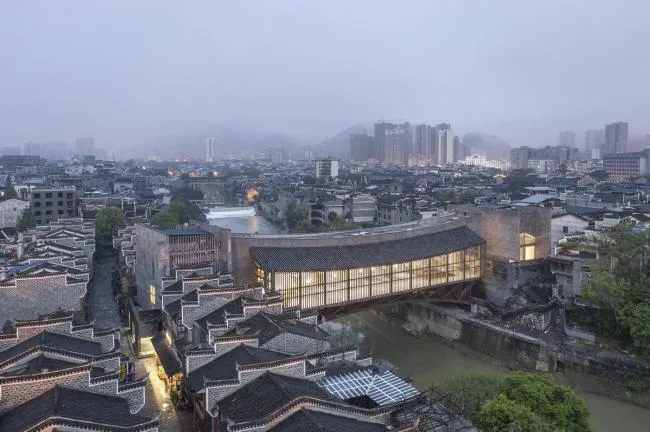
A Bird’s-Eye View
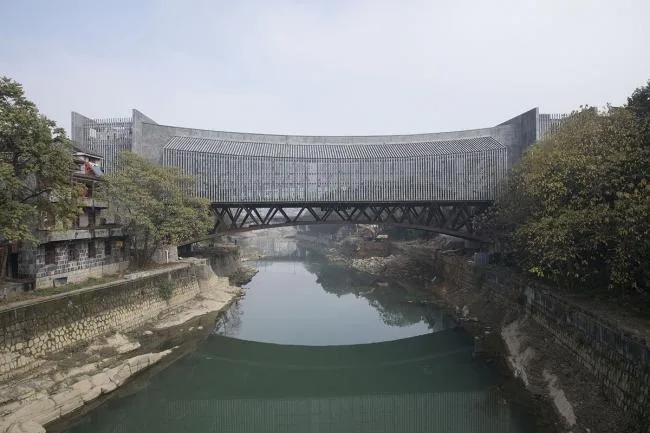
Jishou Art Museum Over the Wanrong River
Integrating with the Urban Fabric
Many contemporary cultural institutions, such as museums and theaters, are often designed as isolated monuments, separated from their communities. We believe that art museums should be closely connected to their audiences, embedded within the existing urban fabric.
Our design connects the bridgeheads on both sides of the river directly to the row houses that line the Wanrong River. These buildings house shops, restaurants, and small hotels on the ground floor, with residences above. The museum entrances on either side thus become part of the mixed-use street interface, seamlessly integrating with the daily lives of local residents.
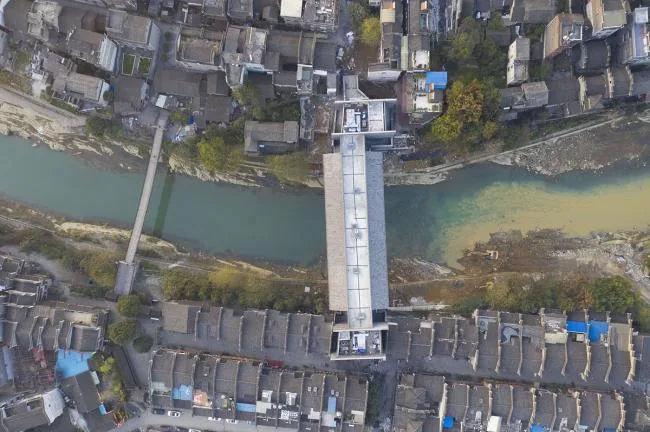
The Existing Urban Texture Surrounding Jishou Art Museum
Translating Tradition
The corridor bridge, known as the Wind and Rain Bridge, has a rich history in China’s mountainous regions. Beyond serving as crossings over rivers or valleys, these bridges function as public spaces where travelers rest and vendors sell goods.
Our design reinterprets this ancient architectural typology by integrating contemporary artistic elements while preserving the traditional functions of passage and respite. The result is a modernized version of the Wind and Rain Bridge that respects its cultural heritage.
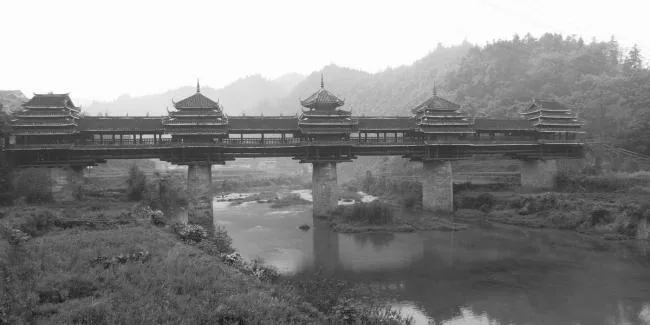
The Wind and Rain Bridge
Bridge Construction
The art museum is built as a bridge over a bridge. The lower level consists of an open steel truss structure that serves as a covered pedestrian walkway and facilitates floodwater diversion.
Above this is a cast-in-place concrete arch bridge housing an internal gallery space on the upper level.
Between these two structures is a spacious exhibition hall enclosed with a glass curtain wall and a tube tile sunshade system, designed to host temporary exhibitions.
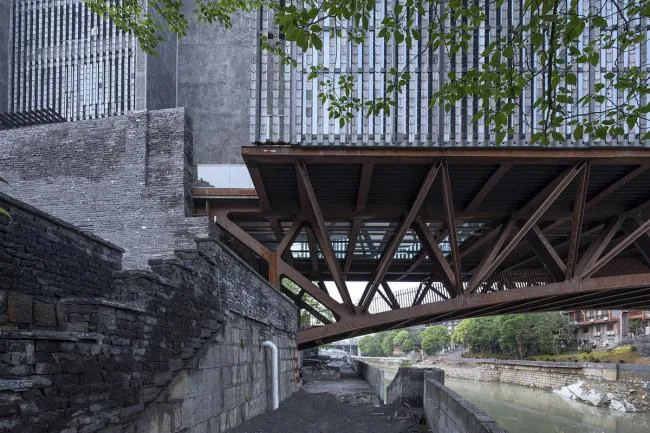
Partial View of the Steel Structure Bridge
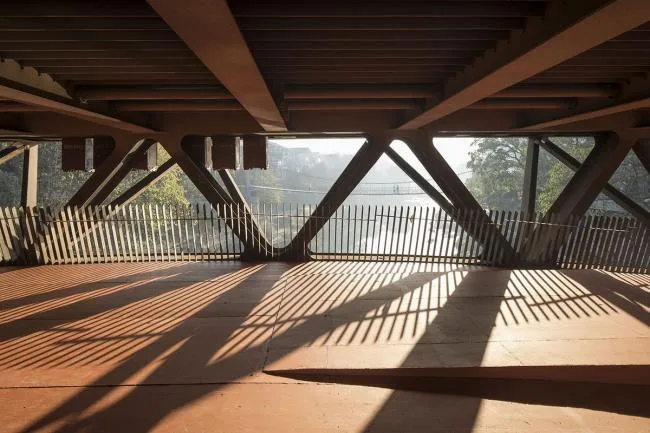
Pedestrian Bridge Level
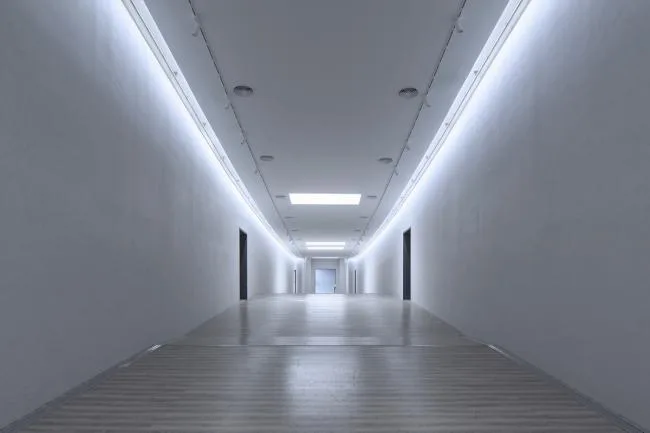
Interior Gallery on the Third Floor within the Concrete Arch Bridge
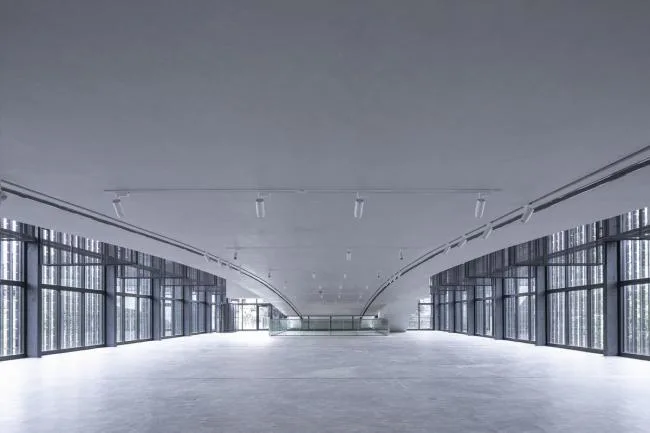
Under the Concrete Arch Bridge in the Grand Exhibition Hall
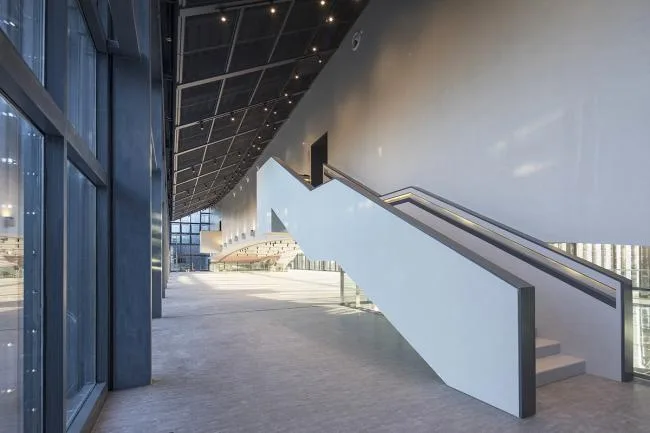
Grand Exhibition Hall
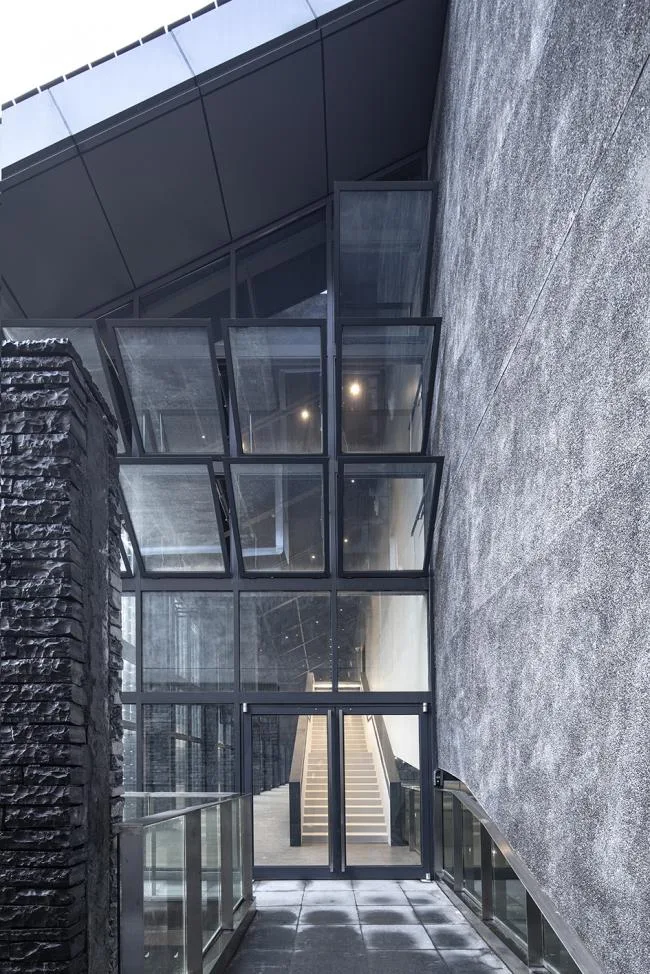
Glass Curtain Wall at the End of the Exhibition Hall
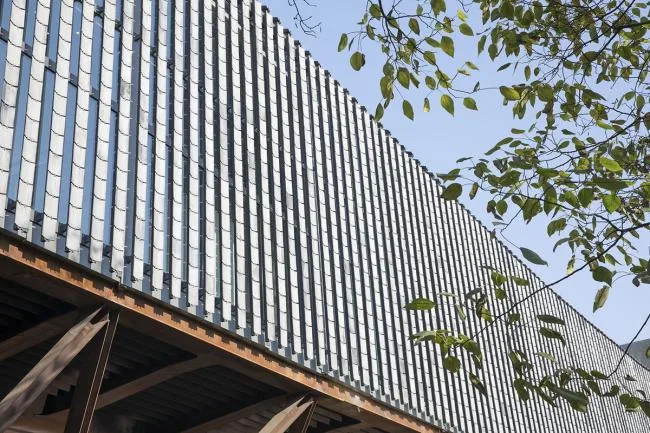
Bridge Facade with Tile Sunshade System
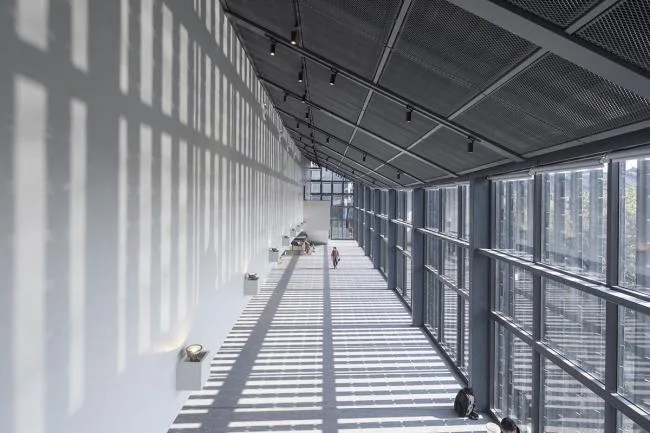
View of the Exhibition Hall from the Third Floor Platform
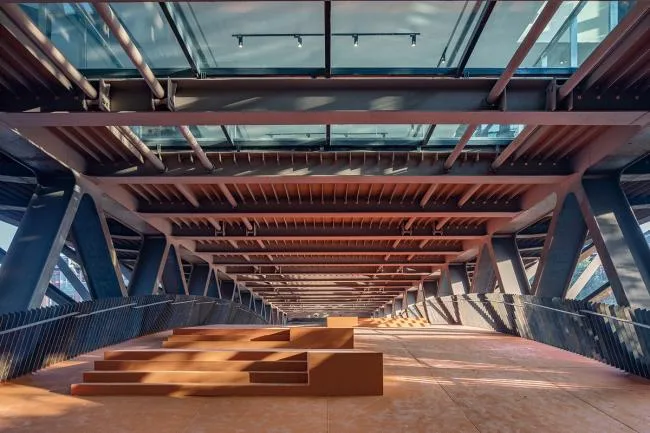
Looking Up at the Exhibition Hall through the Pedestrian Bridge Skylight
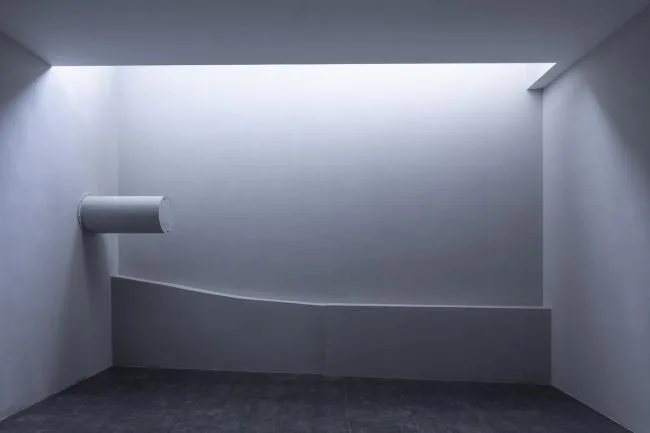
Concrete Prestressed Anchor Cable Fasteners on the Left Wall of the Transition Space
The museum’s service areas—including the entrance hall, administrative offices, shops, and tea rooms—are housed within the bridgehead buildings at both ends. Visitors can access the museum from either side of the riverbank.
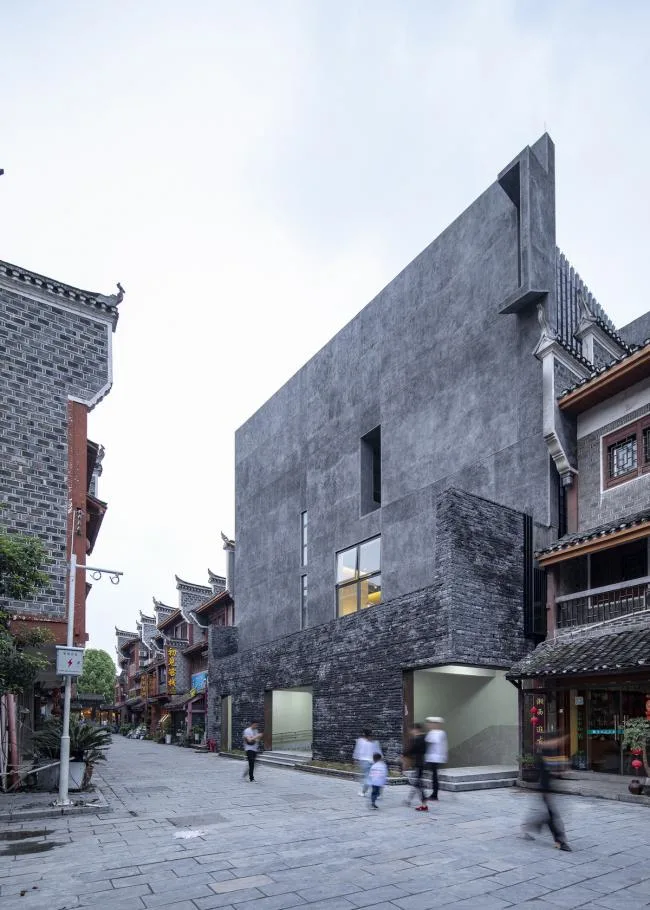
East Entrance
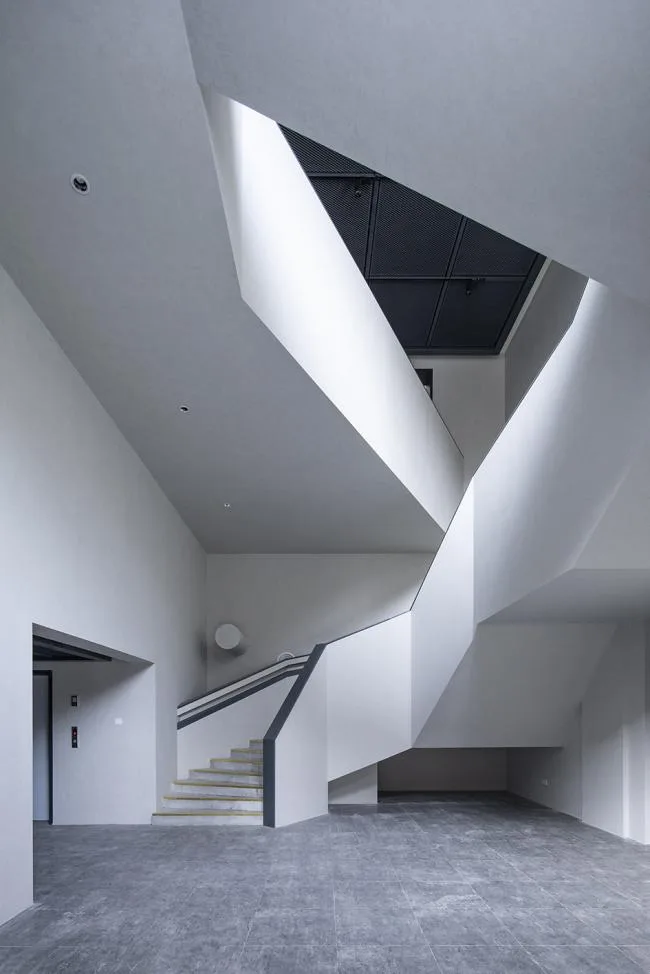
East Entrance Hall
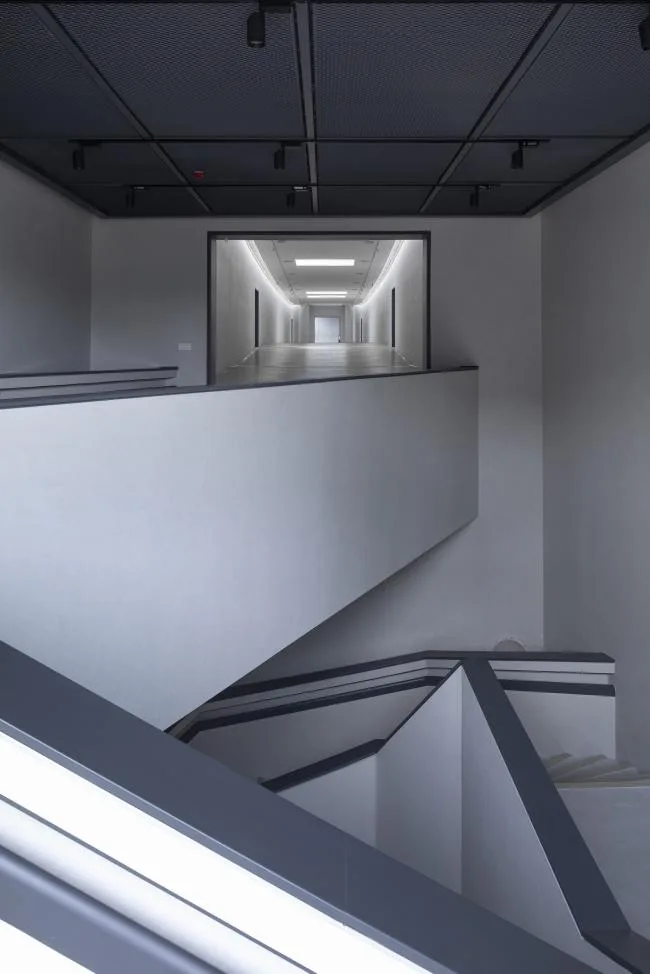
East Hall Staircase
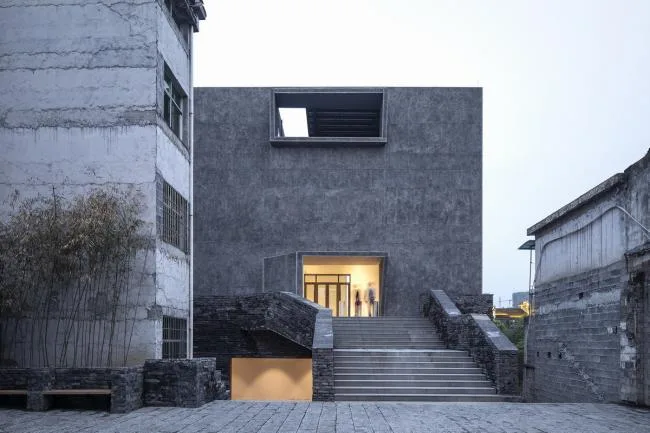
West Entrance
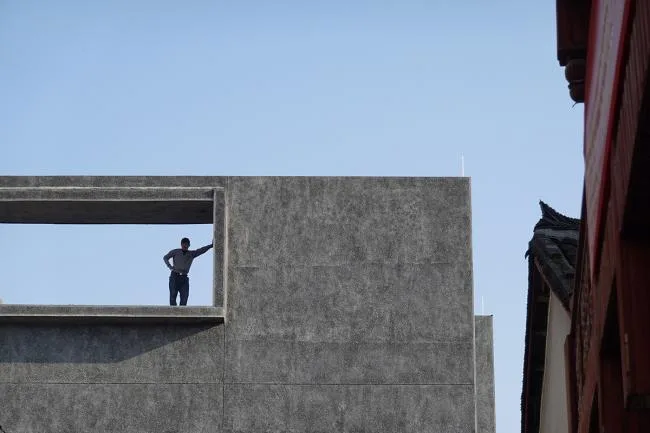
Partial Western Facade
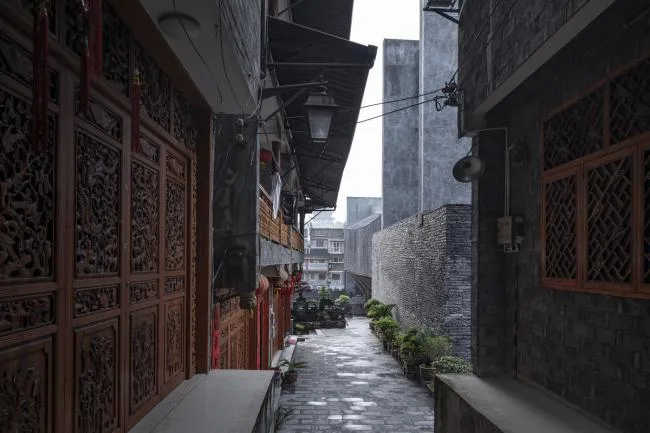
View of Jishou Art Museum from Nearby Streets
The Jishou Art Museum was initiated and donated by artist Mr. Huang Yongyu. Construction was completed in April 2019, with its inaugural exhibition scheduled to open that summer.
Design Drawings:
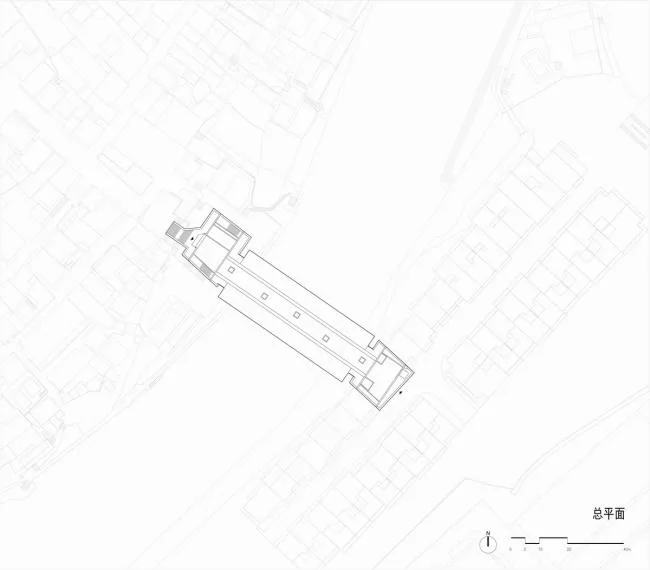
Master Plan
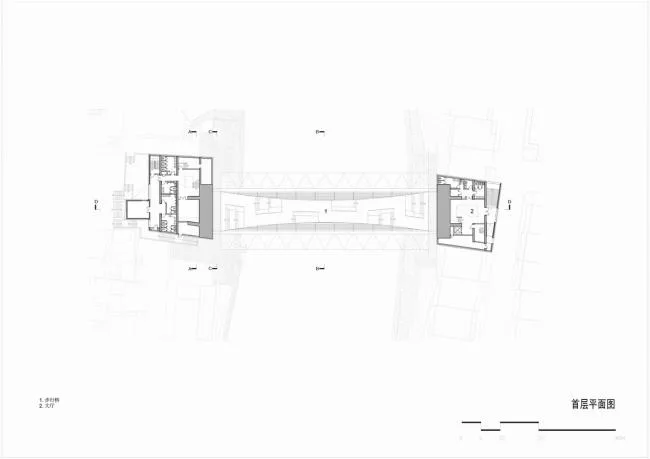
First Floor Plan
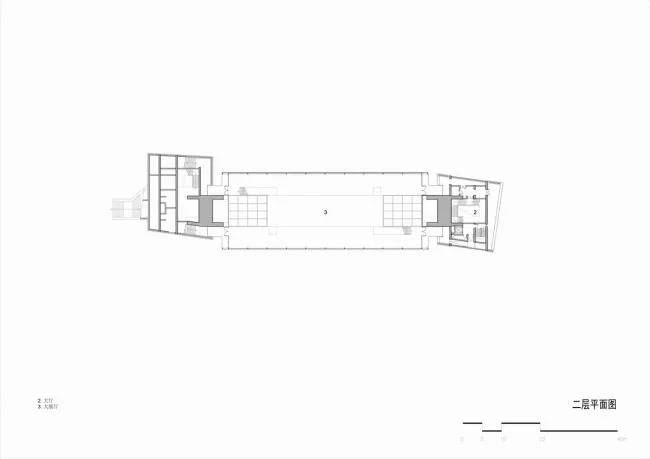
Second Floor Plan
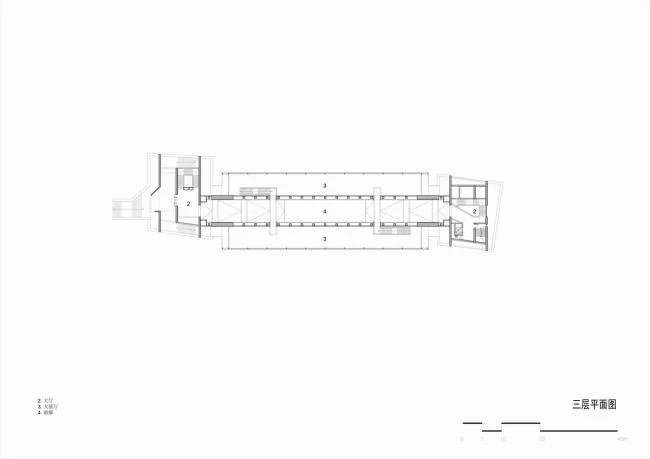
Third Floor Plan
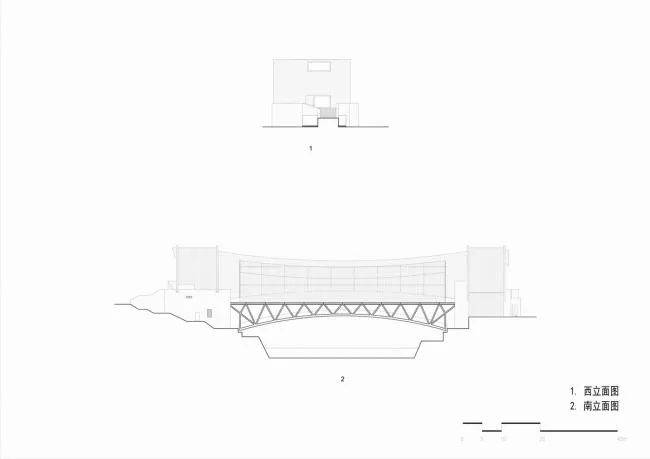
Elevation Drawing
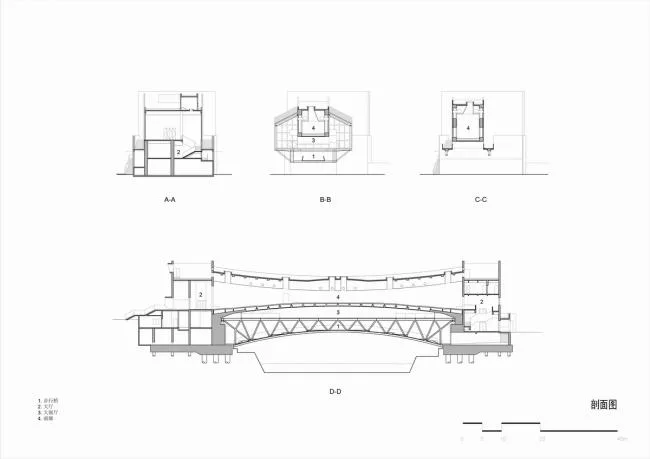
Sectional View
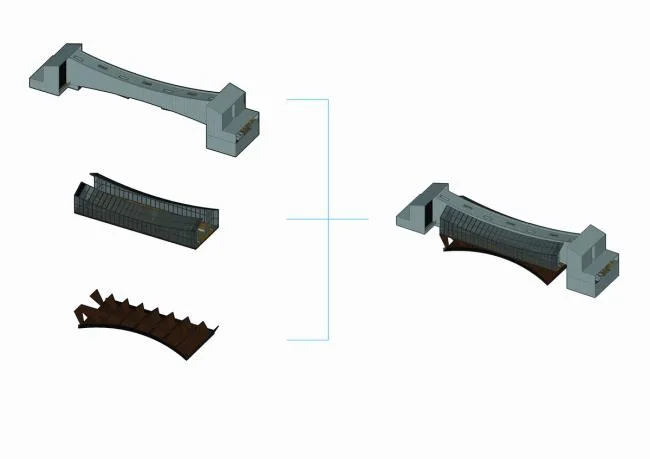
Double-Decker Bridge Design Analysis — Concrete Bridge over Steel Bridge
Project Information:
Designer: Very Architectural
Client: Dehang Scenic Area Management Office, Jishou City
Location: Qianzhou Ancient City, Jishou City, Hunan Province
Type: Cultural Architecture
Lead Architects: Zhang Yonghe, Lu Lijia
Project Team: Liang Xiaoning, Yang Pu, Liu Kunpeng, Su Siqi, Rao Gang
Structural Consultant: Chang Liu
Building Area: 3,535.4 m²
Structural Materials: Steel truss structure, reinforced concrete arch structure
Design Period: 2013–2016
Completion Date: 2019
Photographer: Tian Fangfang












Must log in before commenting!
Sign Up