
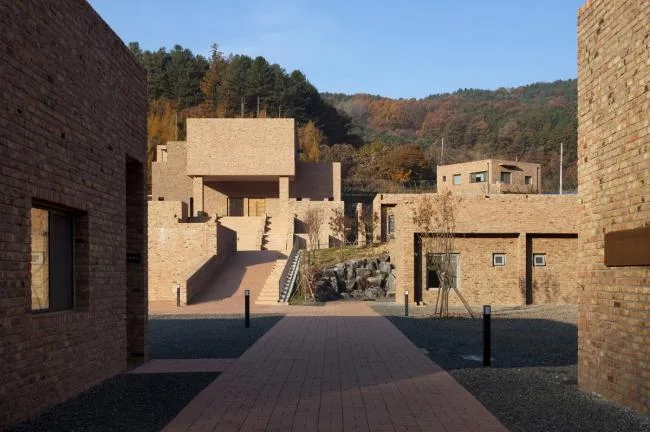
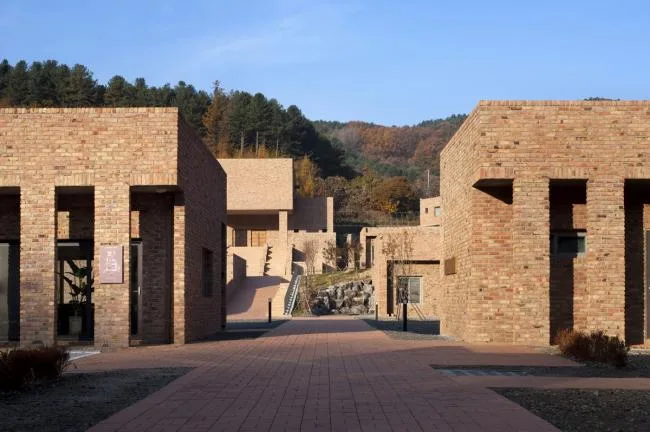
Jetavana Monastery is the residence of the Buddha, where devoted monks seek Nirvana through dedicated practice. Two years ago, a slender and thoughtful monk visited our studio and shared his vision to build a Zen temple dedicated to meditation and spiritual practice.
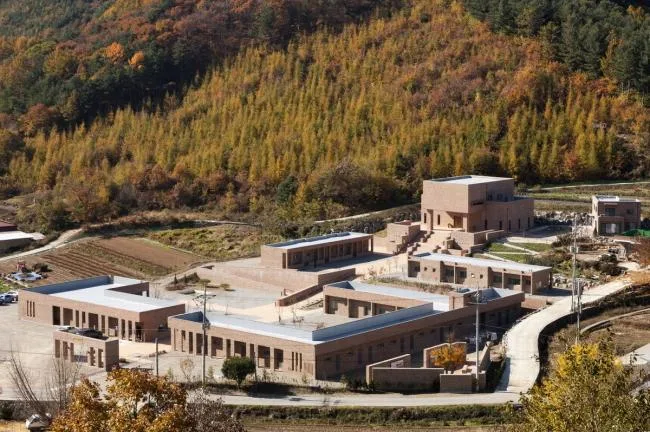
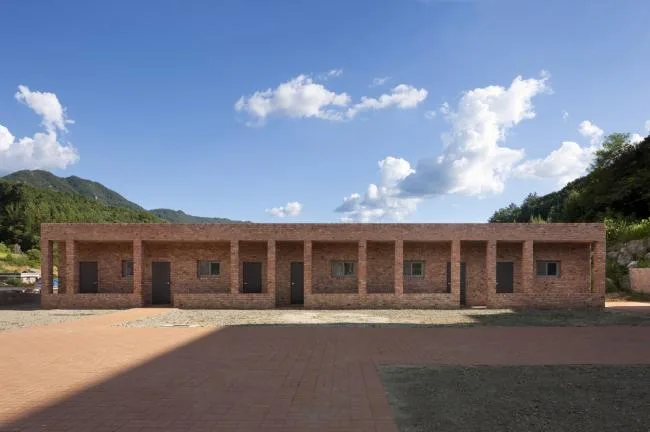
Although I am not a Buddhist myself, I believe the core spirit of all religions shares common ground. While their goals may differ, religion often serves as a pathway to a certain destination. In South Korea, religious architecture—especially Buddhist temples—beautifully interprets this journey through space and design. Instead of a straightforward path, the architecture elegantly weaves the site and doctrine together through gentle curves and turns.
During the design process, I learned many fascinating Buddhist teachings from the Zen master at Jetavana Monastery. The concept that resonated most was “Madhyamā-platipad” (meaning “pleasure from beginning to end”). This idea is liberating. We often mistakenly believe that enjoying life’s pleasures is a waste of time. Imagine if someone encouraged you to embrace joy right now—how freeing that would be. This teaching originates from the Buddha’s earliest lessons, although over time, historical and regional additions have somewhat obscured Buddhism’s original spirit. Consequently, my initial conversations with the client focused on listening and understanding rather than the design itself.
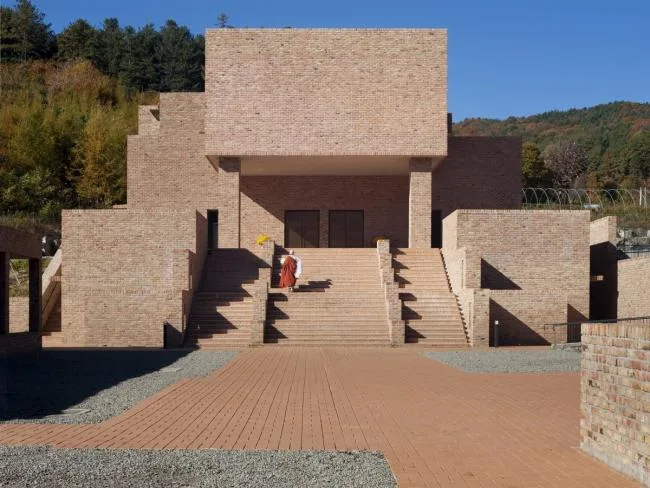
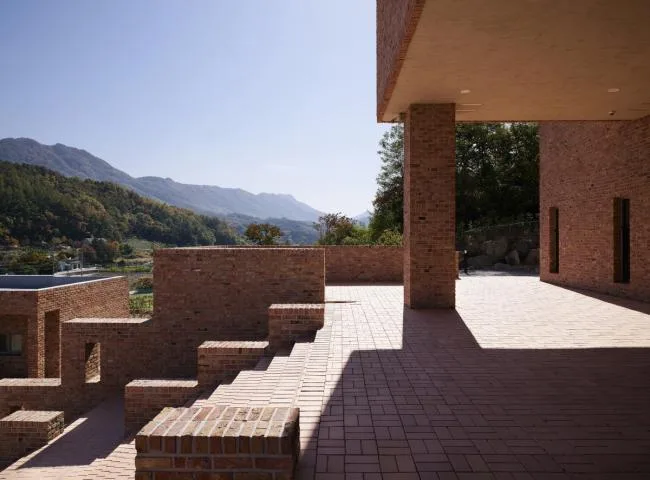
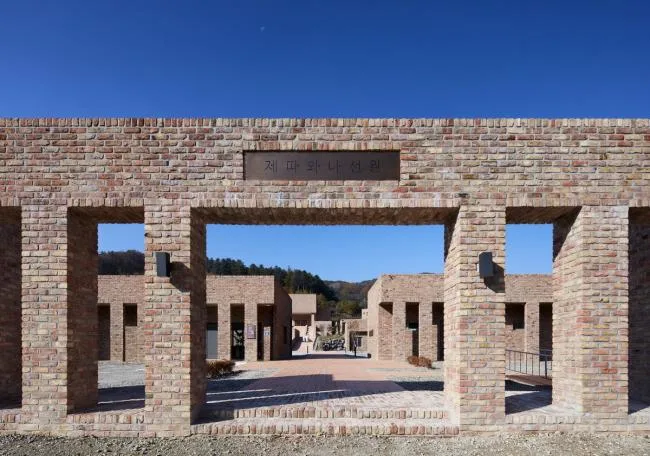
The name “Jetavana” comes from Sanskrit, meaning “the garden of Prince Zeta.” Historically, Sudatta searched across the land to find a site to build a temple for Shakyamuni Buddha. He ultimately found the garden of Prince Zhituo. The prince promised, “I will give you this land, but you must cover it with gold.” Surprised, the elder stopped before covering the garden with gold. Eventually, Jetavana Monastery was established on this land, the place where Shakyamuni Buddha stayed the longest during his life, making it a sacred site.
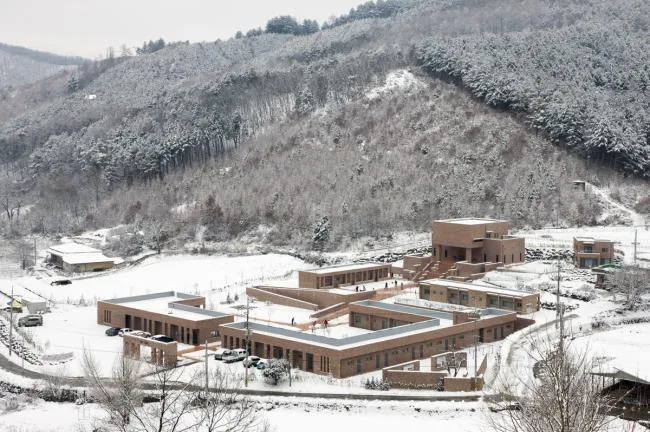
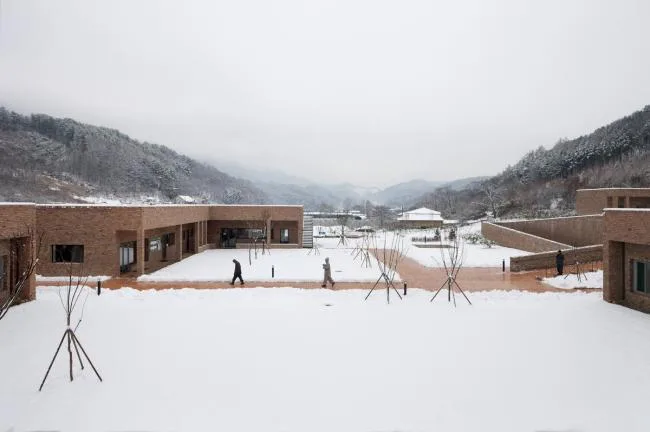
Throughout the design process, we aimed to harmonize a modern lifestyle with ancient Buddhist teachings. The chief monk of the Zen Center was committed to restoring the original values of Buddhism, reflecting the fundamental spirit that Shakyamuni imparted during his teachings at Jetavana. This dedication formed the core foundation for designing the Jetavana Zen Monastery.
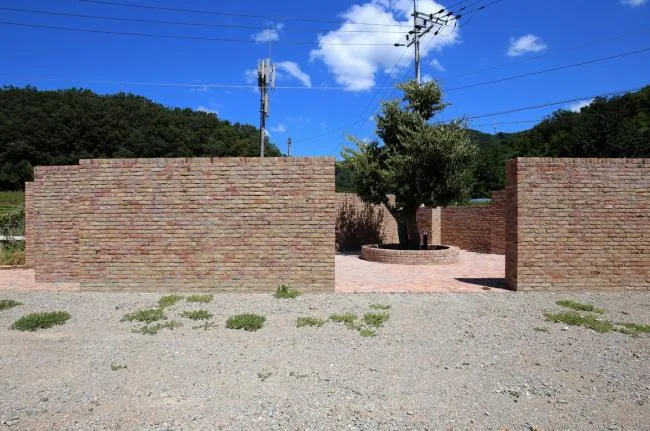
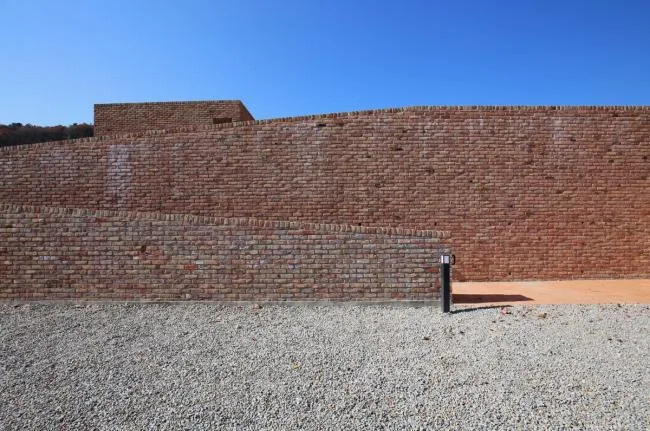
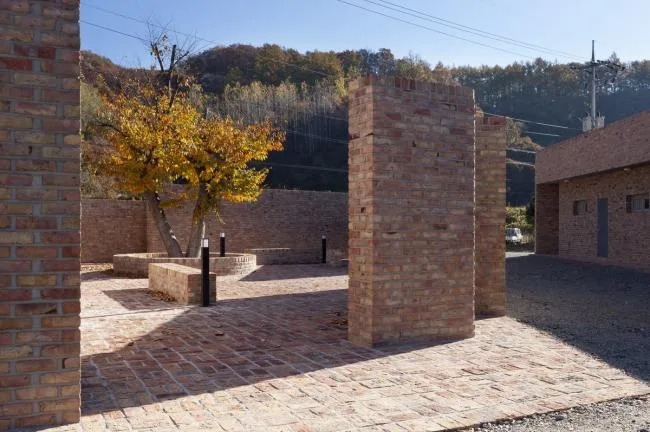
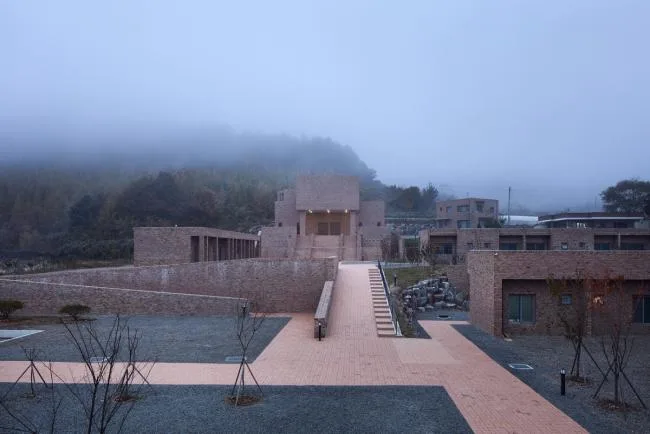
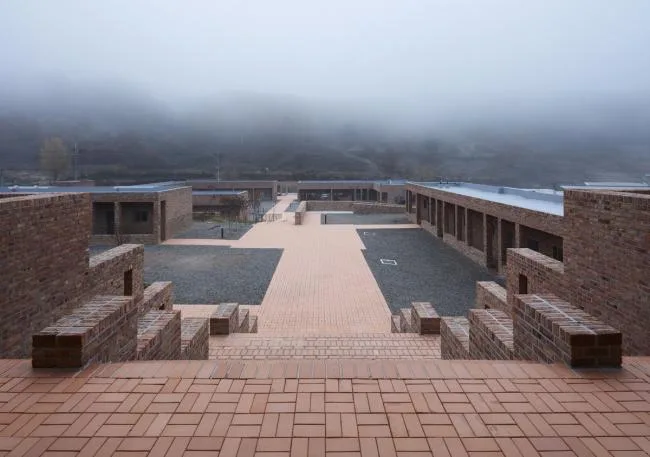
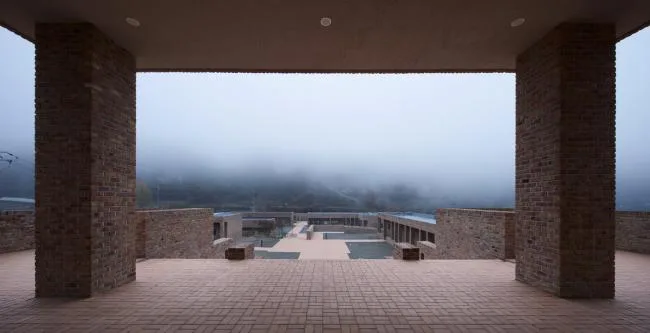
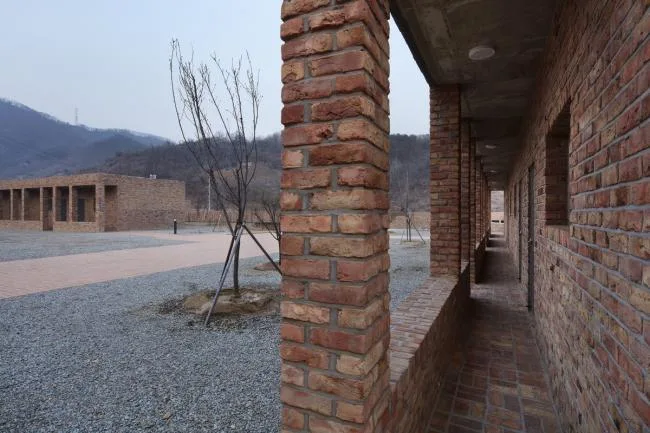
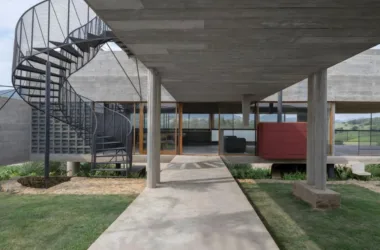
In this context, bricks and stones—materials that evoke the ruins of Jetavana—were a natural choice. Unlike most traditional Korean temples, Jetavana Zen Monastery does not follow the typical Korean house style. Instead, it features a concrete frame structure topped with brick paving.
Respecting the traditional temple layout, the path through the Iljumun Gate twists three times internally and takes advantage of the site’s original elevation to create a three-level terrace. This terraces accommodate the Jongmuso (office), Kuti (meditation hall), Yosache (residences), and the main temple, arranged hierarchically. We believe this approach balances ancient wisdom with innovative design.
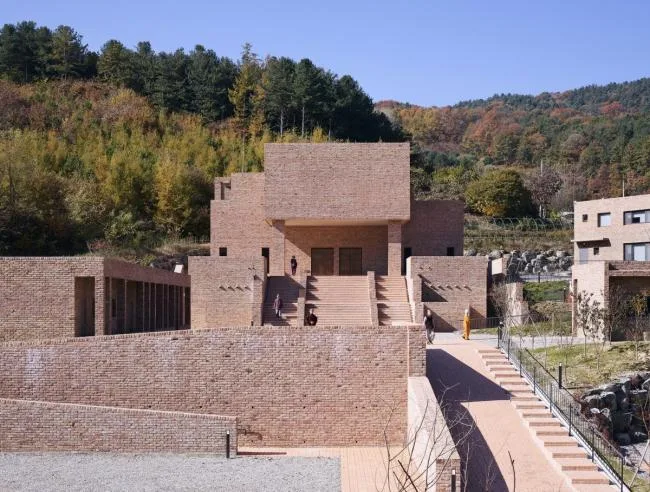
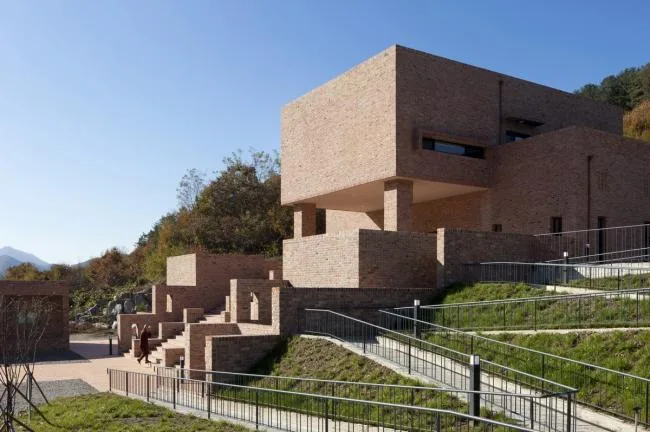
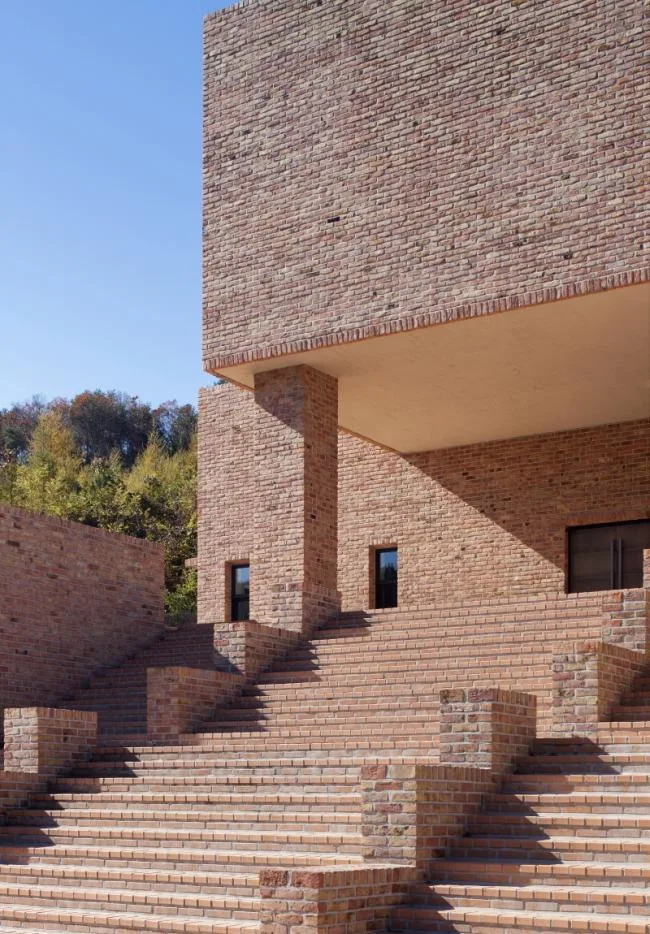
After a year of design, the project entered construction, using a total of 300,000 bricks for the framework, facade, and floor tiling. The building took another year to complete, embodying the spirit of the Middle Way—promoting joy from start to finish, both inside and out.
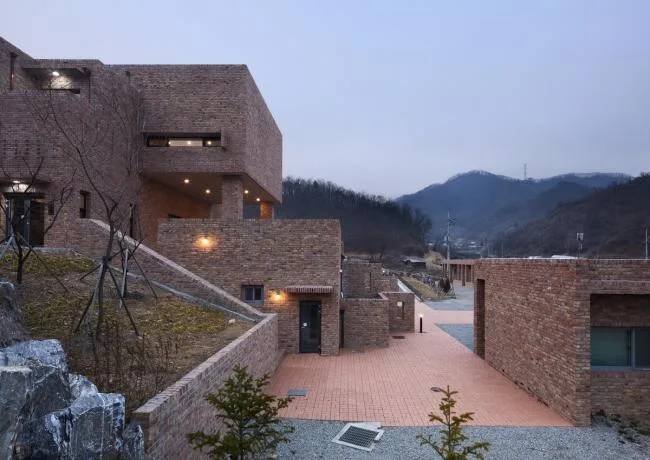
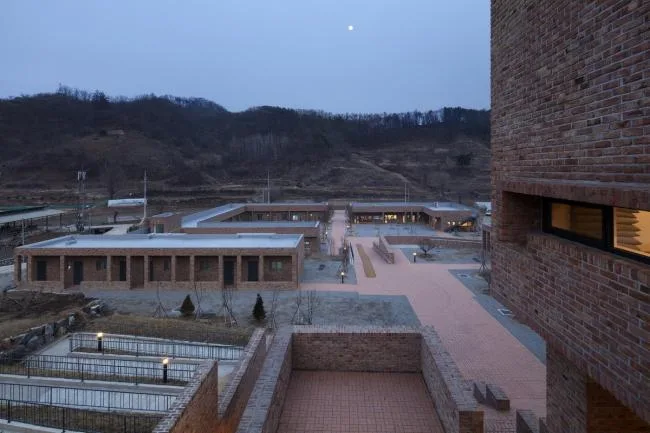
Design (BIM Learning) Drawings:
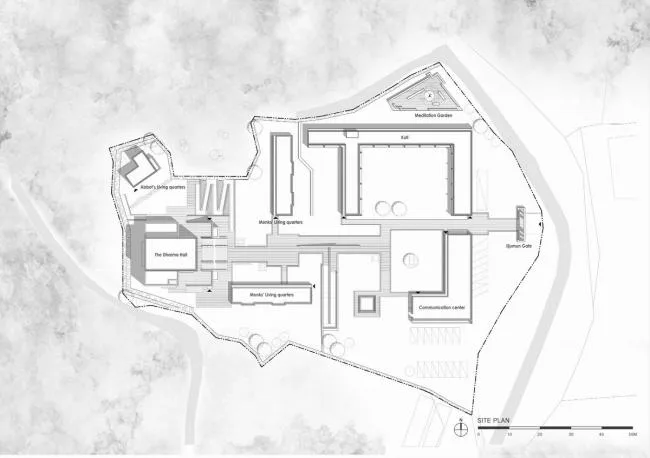
▲ General layout plan
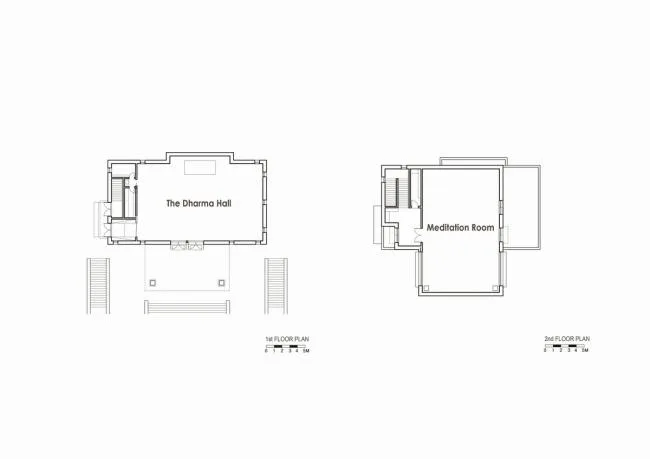
▲ Plan view
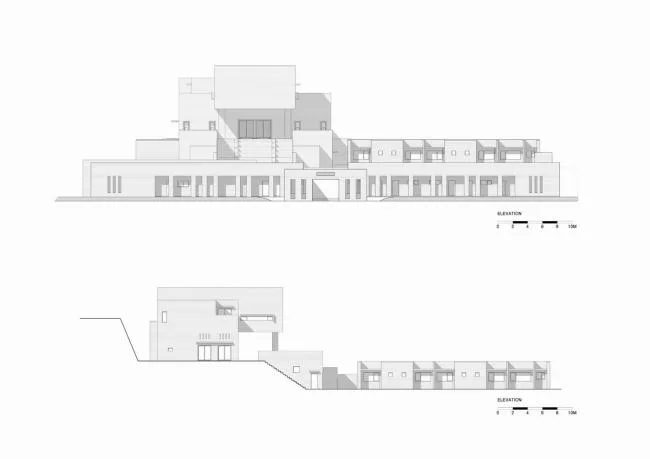
▲ Elevation view
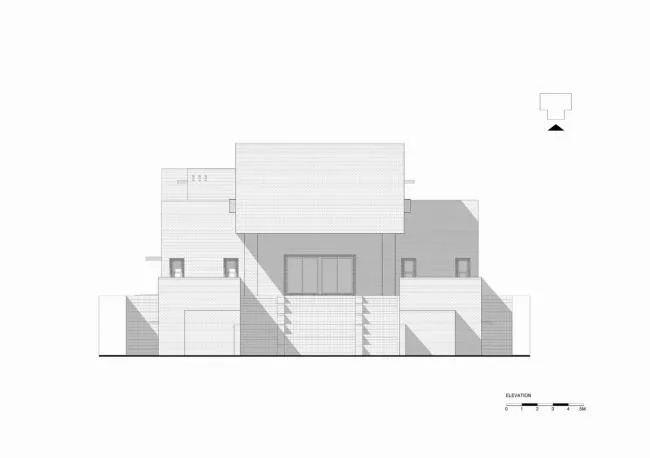
▲ Elevation view
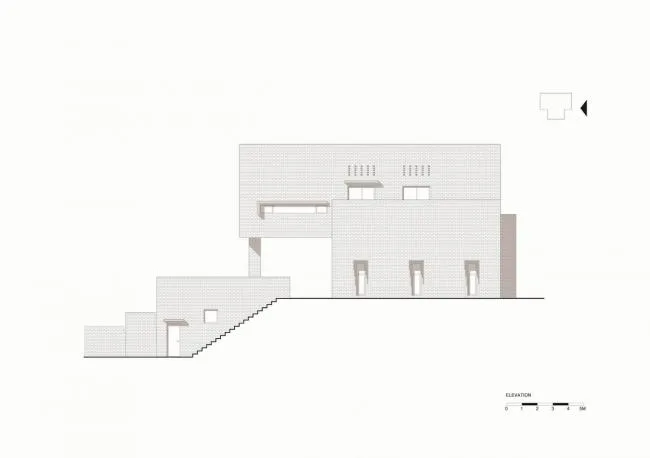
▲ Elevation view
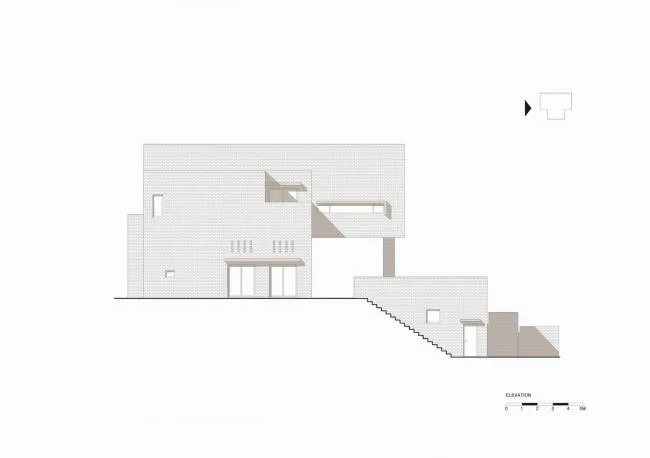
▲ Elevation view
Project Information:
Architect: Studio GAON
Address: 53, Witbagam gil, Nam myeon, Chuncheon si, Gangwon do, South Korea
Category: Temples
Lead Architects: Hyoungnam Lim, Eunjoo Roh (Studio GAON)
Project Team: Sungpil Lee, Seongwon Son, Joowon Moon, Laeyeon Kim, Minwoo Lee, Jaebeom Kim, Sora Yeom, Seunghwan Jung
Project Year: 2018
Photographers: Youngchae Park, Yongkwan Kim
Manufacturer: VEKA
Site Area: 9,650 square meters
Building Footprint: 1,474.53 m²
Total Construction Area: 1,718.46 m²
Building Scope: 7 buildings, 2 floors, height of 9.3 meters
Building Density: 15.28%
Floor Area Ratio: 17.81%












Must log in before commenting!
Sign Up