
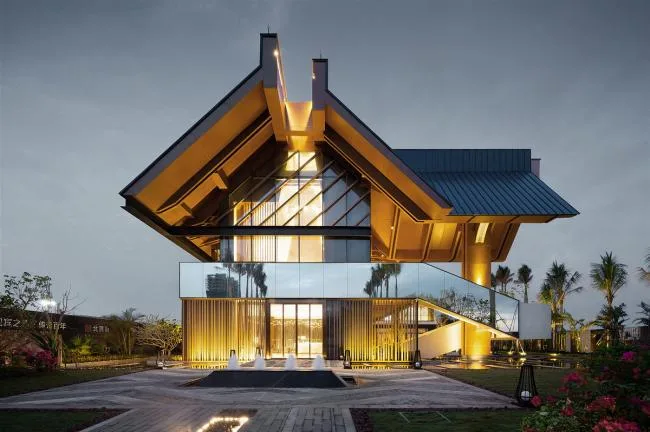
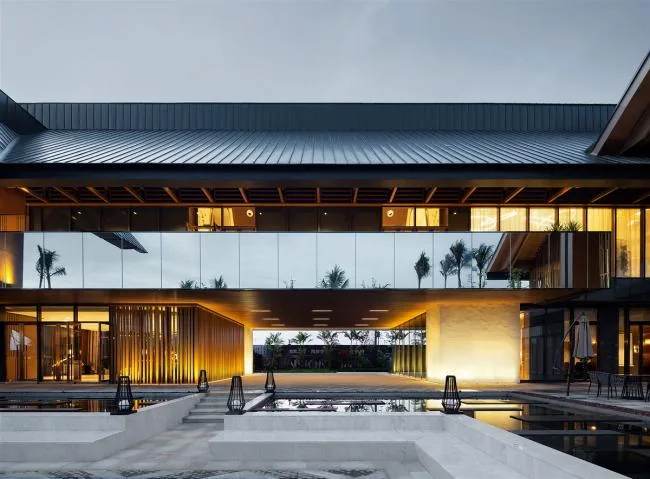
In design, we often balance two opposing principles simultaneously: releasing while controlling, lifting as we let go, retreating when advancing, and breaking while continuing. In an era where most startup districts tend to have a unified style, creating an architectural form that avoids repetitive symbols and monotony—by blending traditional culture with modern aesthetics—remains a widely discussed challenge.
We strive to achieve a design that embodies contrasts: big yet small, light yet heavy, deep yet shallow, traditional yet modern. Ultimately, all these elements can coexist, and every exploration is a captivating vision of the next wave.
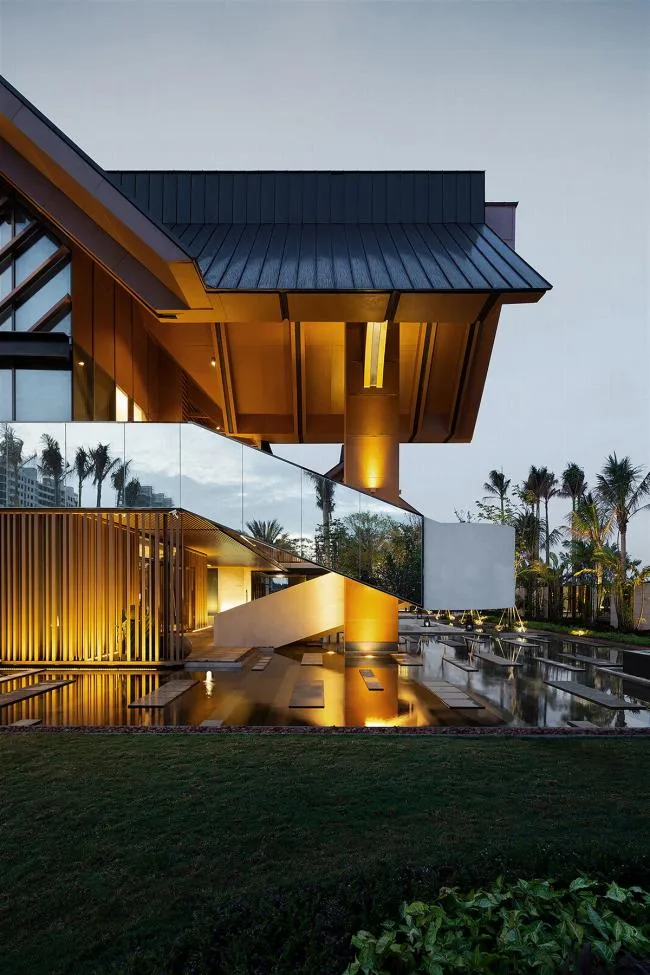
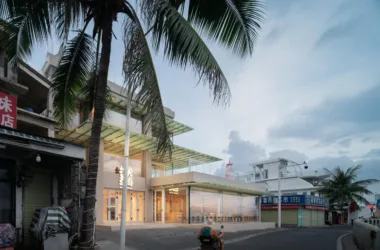
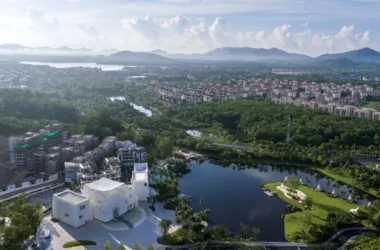
This project is located in Haikou City, Hainan Province. Serving as both the exhibition and sales center of the development, it sets the spiritual tone for the entire area. The client requested a building that balances functional and aesthetic needs while reflecting local architectural characteristics without losing its modern and appealing style.
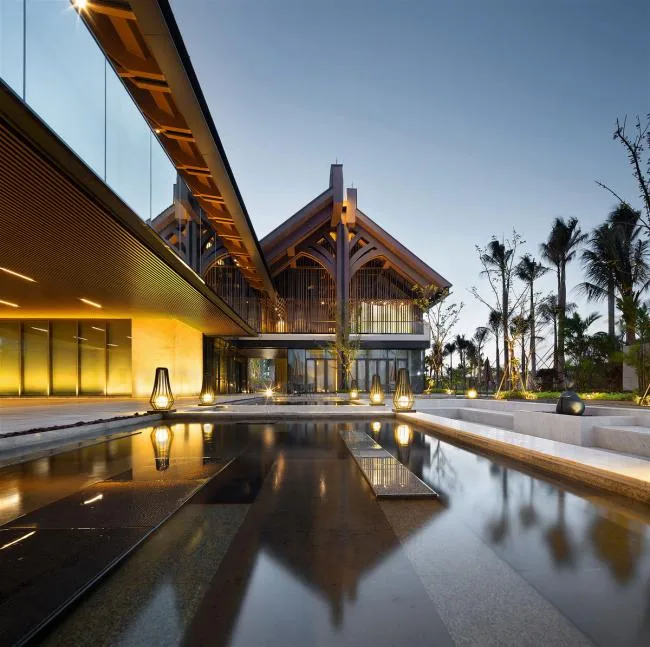 (BIM Design)
At the outset of our design process, we focused on three key aspects to shape the building’s uniqueness and distinctiveness. This approach not only fulfills the owner’s requirements but also incorporates innovative design styles and techniques.
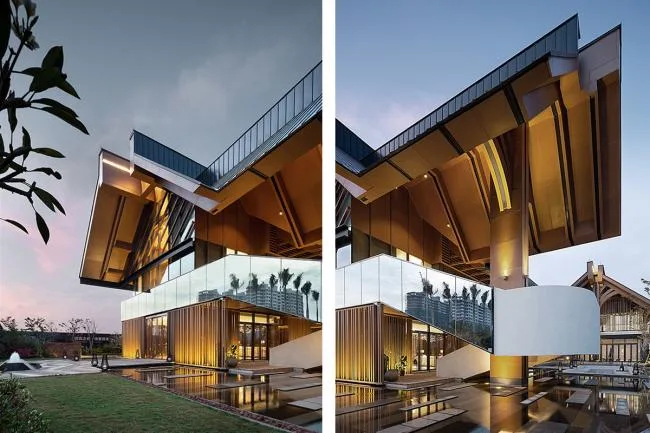
We extracted exclusive cultural symbols from local traditional buildings, utilized dismantling techniques to create varied indoor lighting, and developed a distinctive iconic facade.
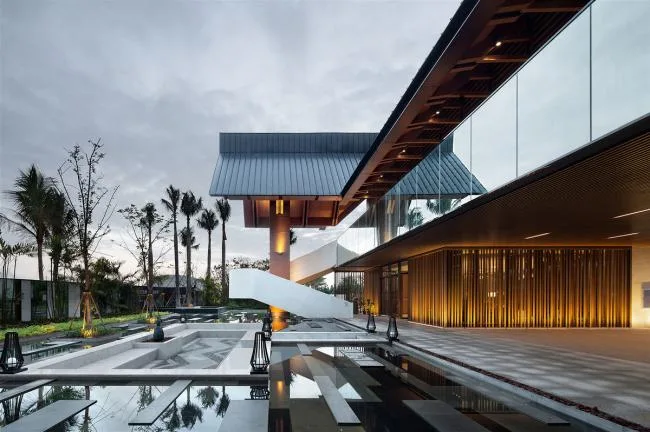
Given the site’s long frontage along the city, we aimed for a design with strong horizontal emphasis. A flowing white fence controls the lightweight structure, incorporating modern architectural language that harmonizes with the suspended main roof. Local architectural and cultural elements are thoughtfully integrated into the building facade while meeting structural requirements, providing a refined finishing touch.
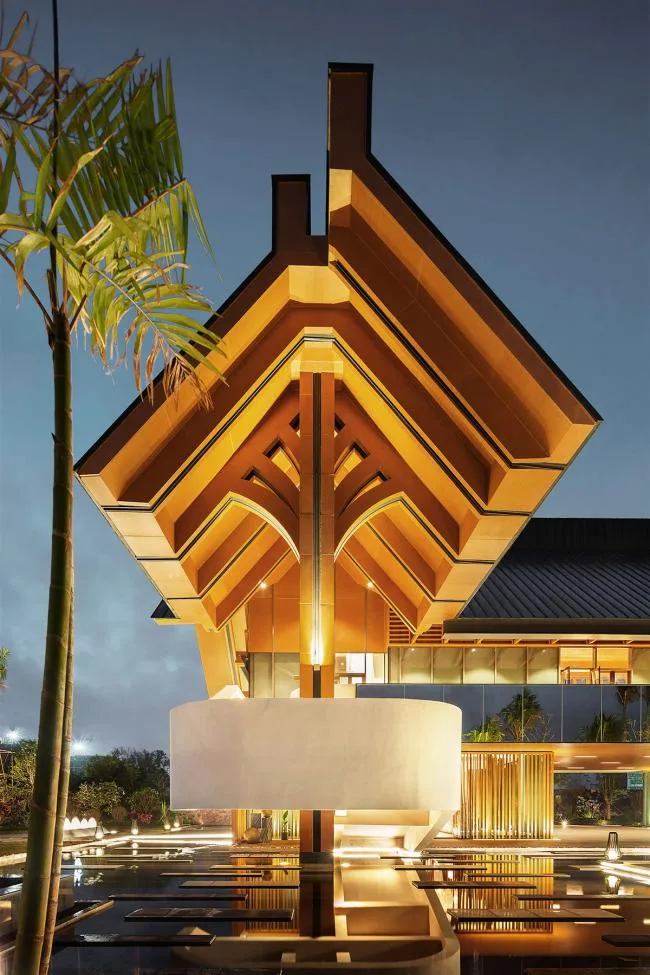
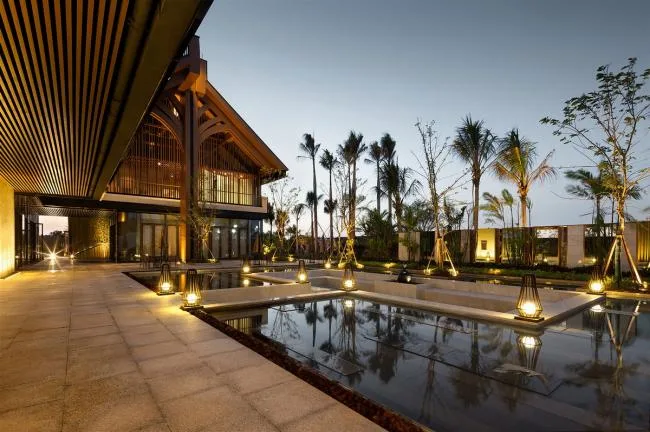
Considering Hainan’s unique climate, we aimed to blend indoor and outdoor elements. Unlike the typical flat and straightforward flow of exhibition centers, we elevated the main exhibition space to the second floor via a transitional gray zone that merges indoor and outdoor environments. Traditional architecture in Hainan emphasizes transparency and lightness, fostering interaction with nature. This project continues that legacy by creating flexible, enjoyable experiential spaces.
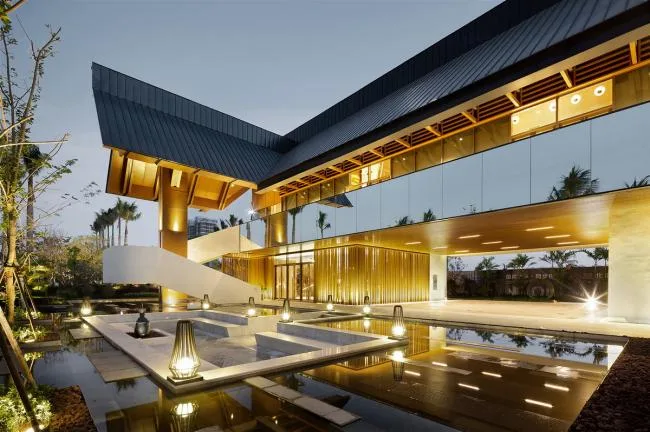
The materials chosen reflect Hainan’s local architectural style. Wood veneer is used for the roof and main structure, creating a natural connection to the ecological surroundings. White and mirrored metal materials emphasize a modern industrial aesthetic, outlining the building with clean, bright lines. High-transparency glass enhances the contrast between reality and illusion, introducing rhythm and allowing the building to express qualities like brightness, lightness, naturalness, and cultural richness.
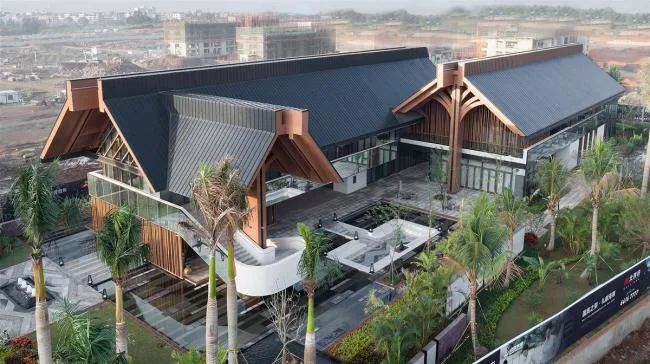
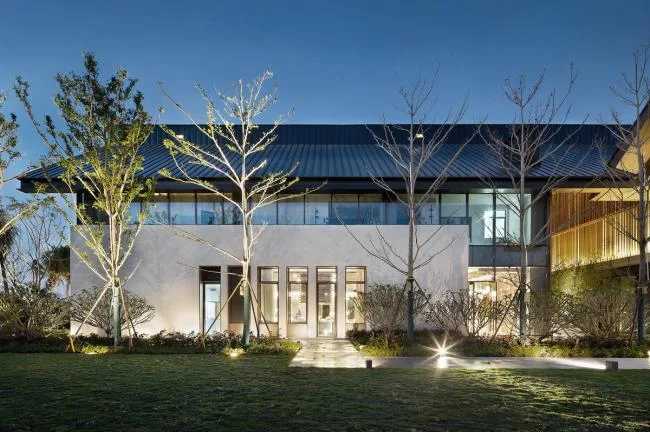
Modern design and traditional culture are not contradictory. Every attempt reflects new understanding and refined taste. The exterior seamlessly transitions into the interior, where soft, varied lighting creates diverse experiential atmospheres (BIM engineer).
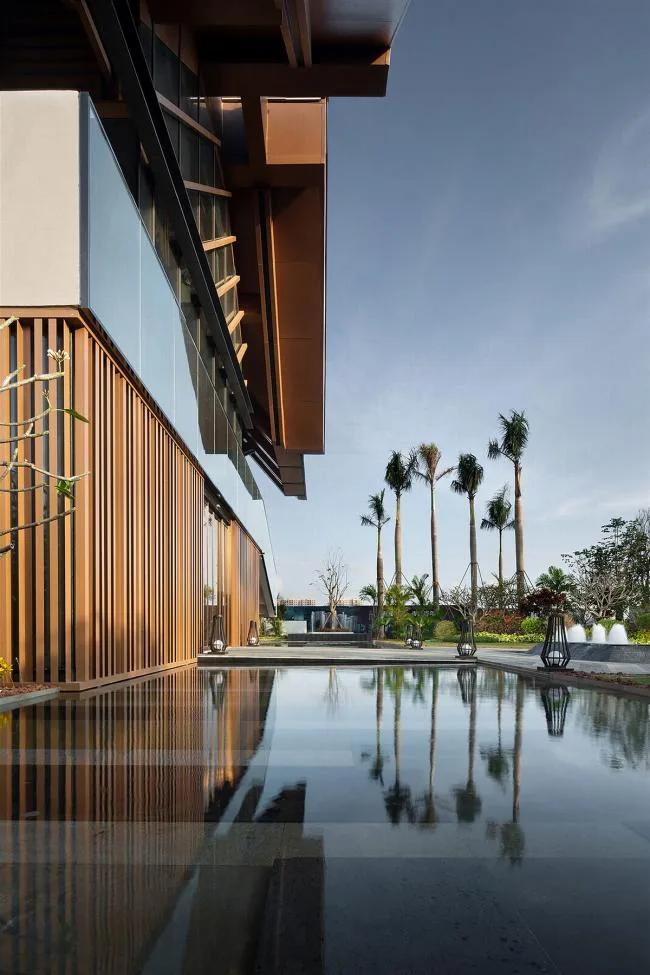
Design Drawings:
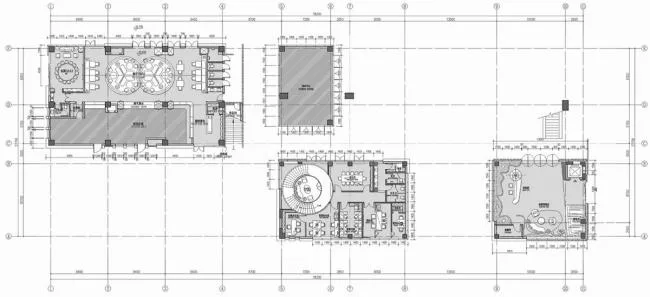
▲ First Floor Plan
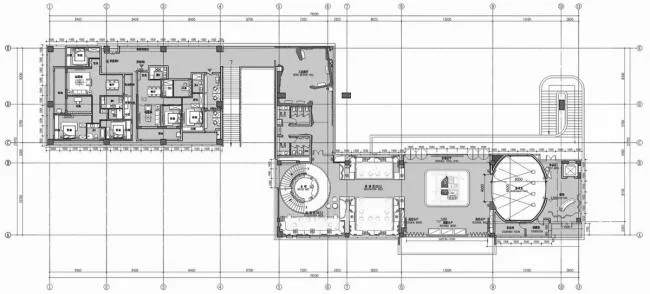
▲ Second Floor Plan
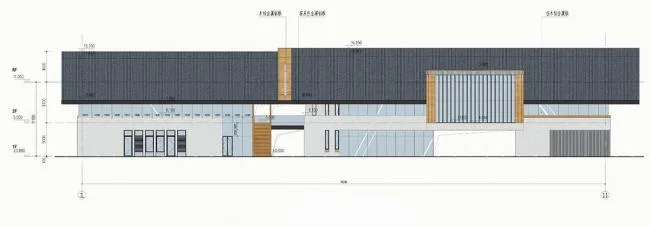
▲ Elevation View (Axes 1-11)
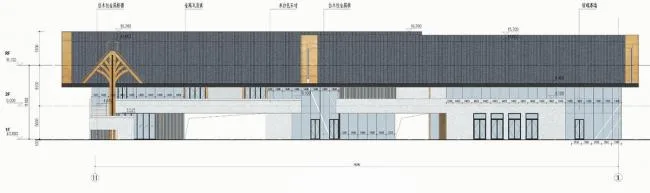
▲ Elevation View (Axes 11-1)
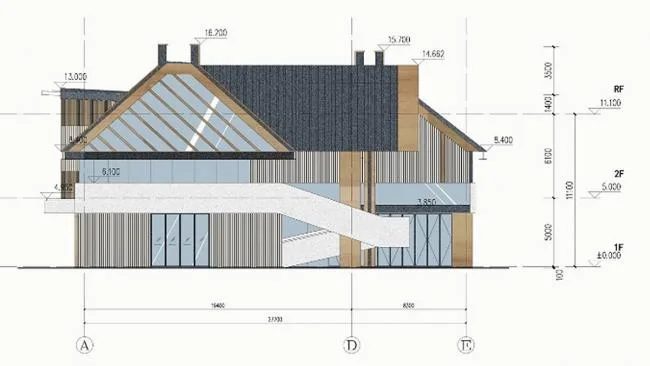
▲ Elevation View (Axes A-E)
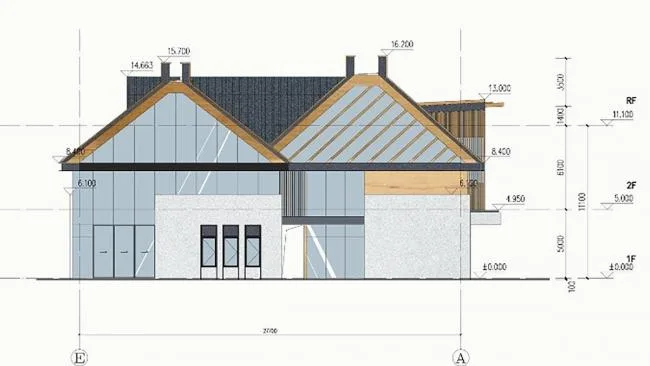
▲ Elevation View (Axes E-A)
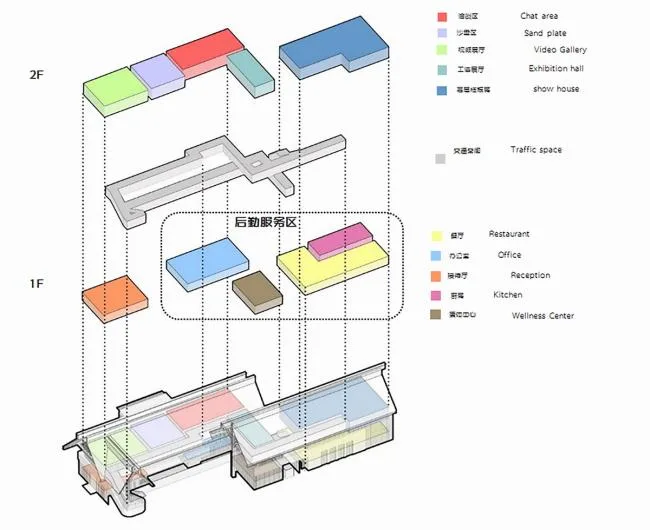
▲ Functional Zoning
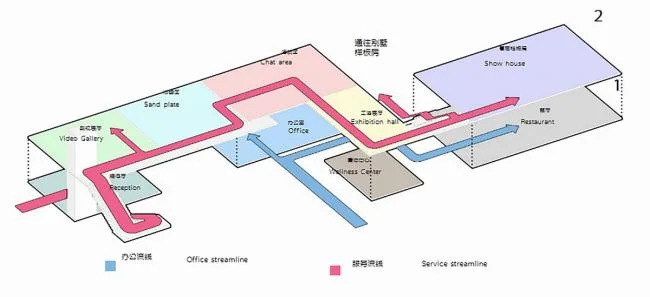
▲ Traffic Analysis
Project Information:
Project Name: Beichen Prefecture
Location: Changbin East 13th Street, West Coast, Xiuying District, Haikou City, Hainan Province
Land Area: 10.67 hectares
Building Area: 206,017 square meters
Design & Completion Year: 2018
Designer: PTA Shanghai Botao
Lead Architects: Lu Bin, Zeng Hanhui
Design Team: Zhao Zhe, Yang Ying, Wang Yincheng, Lu Xiantao, Shen Gao, Li Chengbei, Huang Yazhong, Yang Xian, Chen Ruizhong, She Yining, Wang Yili
Owner: Beichen Industrial Haikou Chenzhi Real Estate Co., Ltd
Photographer: Shanxi Architecture Photography
Main Materials: Roof aluminum magnesium manganese board, aluminum veneer, real stone paint












Must log in before commenting!
Sign Up