
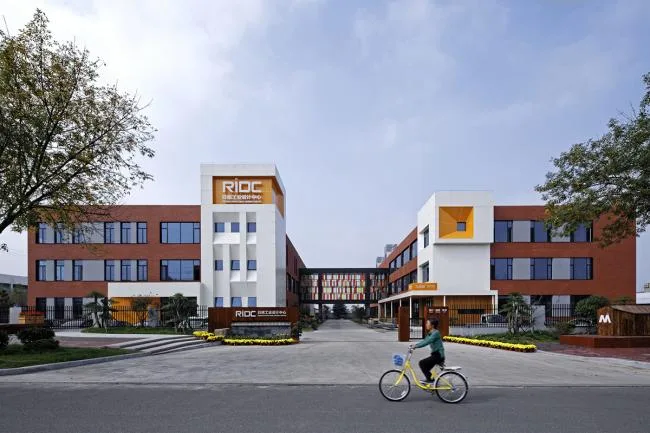
▲ Main Entrance on the East Side of the Park
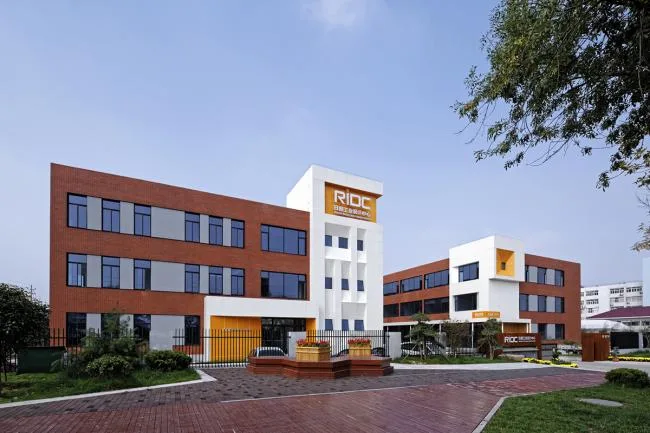
▲ View of the Park from Taiyuan Road
Before diving into the project details, it’s important to introduce Trojan Industrial Design Company, founded by the renowned Chinese industrial designer Ding Wei. Ding Wei is a pivotal figure in China’s industrial design scene, known for advancing both the practice and theory of industrial design nationally. Recently, he has spearheaded the social innovation initiative called the “Design County” plan, which leverages design to accelerate regional economic transformation and development. This plan has cultivated ten model design counties, with successful implementations in Rizhao, Shandong; Ma’anshan, Anhui; Anshun, Guizhou; Putuo District, Shanghai; among other locations.
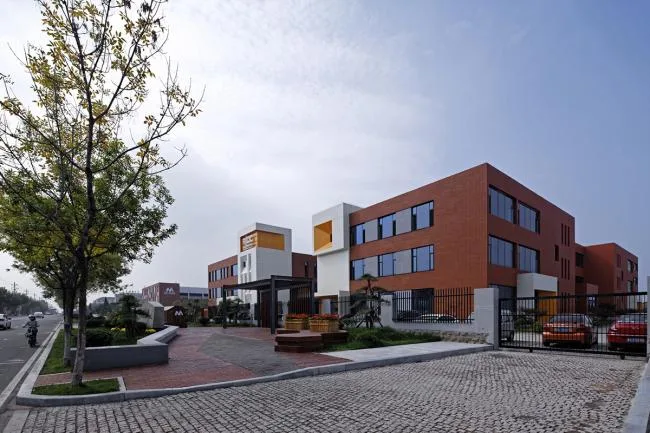
▲ Another View of the Park from Taiyuan Road
The Rizhao Industrial Design Center project is led by the Rizhao Economic and Technological Development Zone and designed by Ding Wei and his team. Located at No. 69 Taiyuan Road within the development zone, the site originally housed a factory built between 1995 and 1996. The complex consists of two north-south oriented buildings arranged parallel to each other along an east-west axis. Each building measures 72.2 meters in length and 13.7 meters in height. The southern building is 26.7 meters wide, while the northern building is 22.6 meters wide; both are three stories tall.
The central section of each building retains the original factory space, with stairwells positioned at both ends. North of these main buildings lies a row of single-story bungalows marking the northern boundary of the park. Taiyuan Road borders the park to the east, separated by a greenbelt that has been enhanced through municipal landscape renovations, creating a harmonious buffer zone between the road and the park.
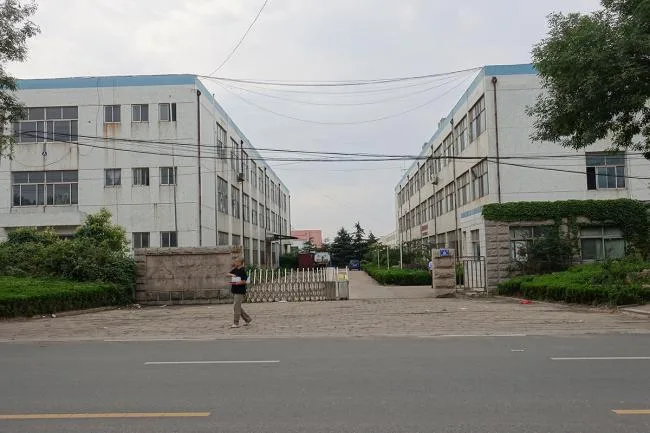
▲ Original Building Photograph
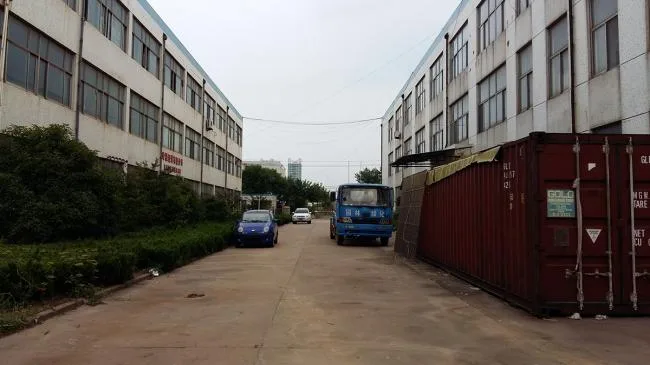
▲ Original Building Photograph
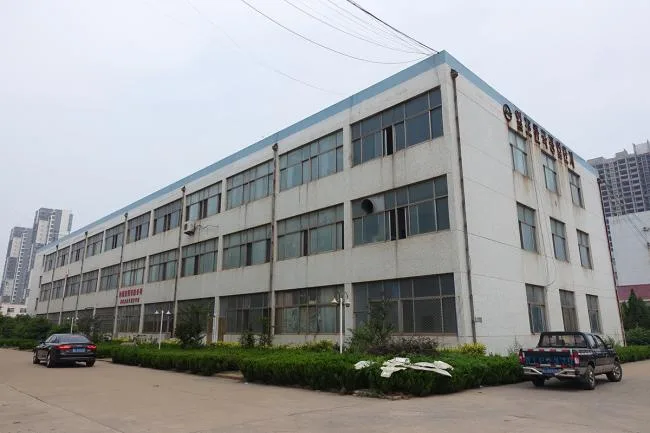
▲ Original Building Photograph
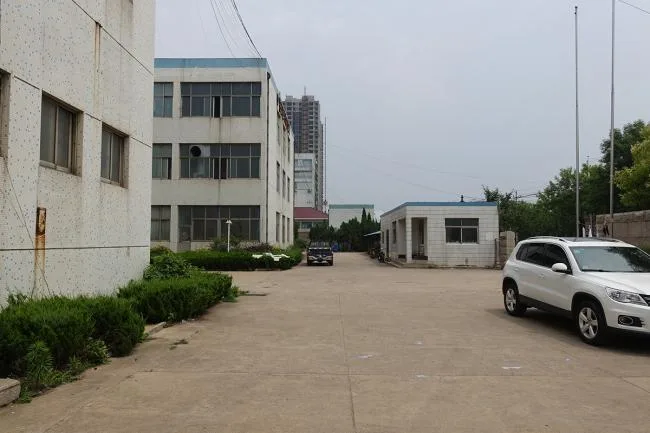
▲ Park Before Renovation
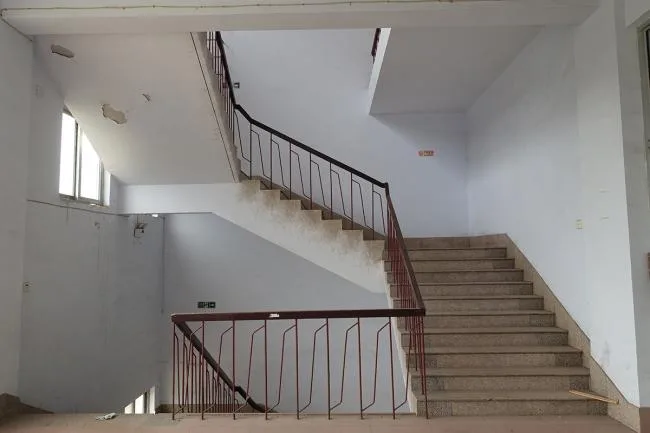
▲ Original Building Staircase
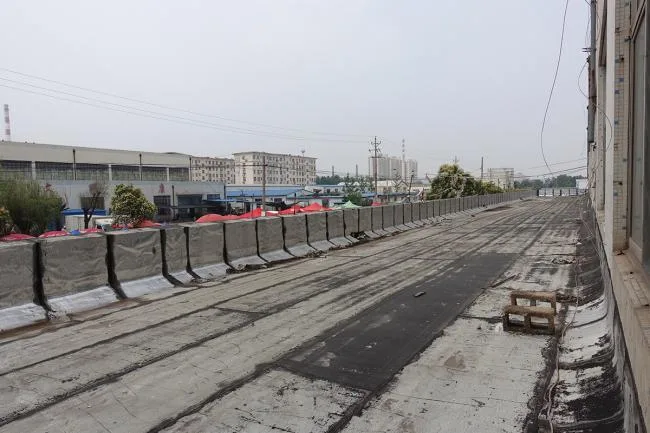
▲ Northern Boundary of the Park
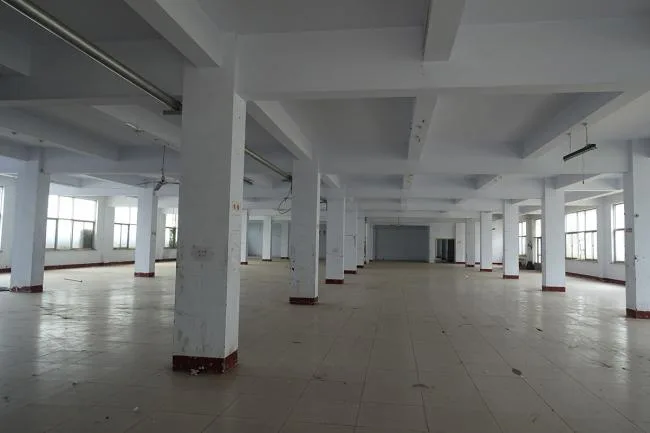
▲ Interior Space of the Original Building
The park’s primary functions include the Rizhao Industrial Design Center, Industrial Design History Exhibition Hall, Administrative Reception, Art Museum, Maker Office, Maker Coffee, and a Creative Design Store, spread across six floors in the two buildings. As a key element in the “Design to Establish a County” plan, the Rizhao Center features a pedestrian bridge connecting the north and south buildings on the second floor. This bridge facilitates easy observation and communication among local professionals and institutions, enhancing the flow and interaction between the two buildings.
The pedestrian bridge, composed of a steel frame and vibrant colored glass, has become a landmark feature prominently visible at the park’s entrance, lending a distinctive aesthetic to the center.
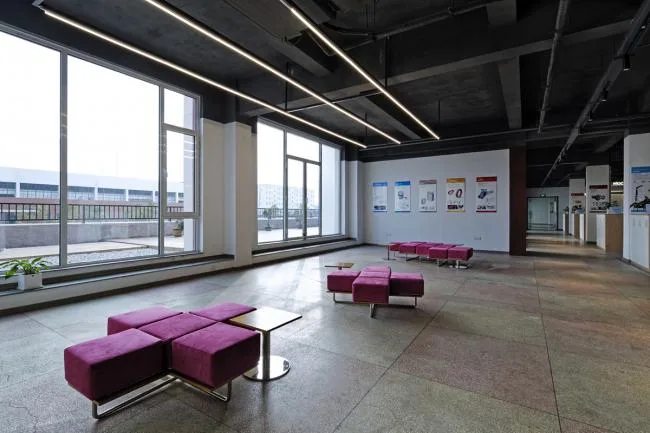
▲ South Building Office Space
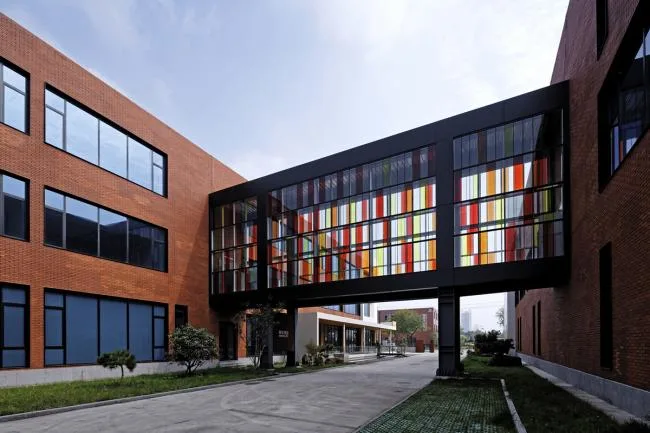
▲ Pedestrian Bridge Connecting the Two Main Buildings
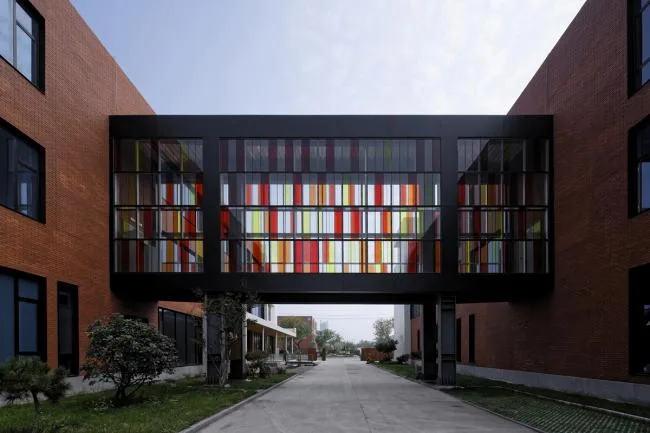
▲ Pedestrian Bridge Connecting the Two Main Buildings
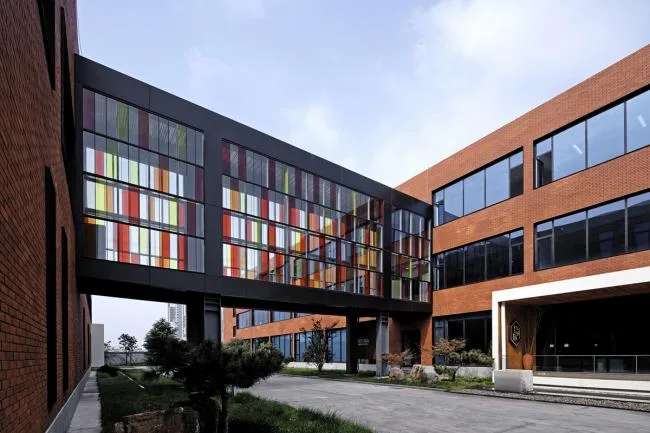
▲ Pedestrian Bridge Connecting the Two Main Buildings
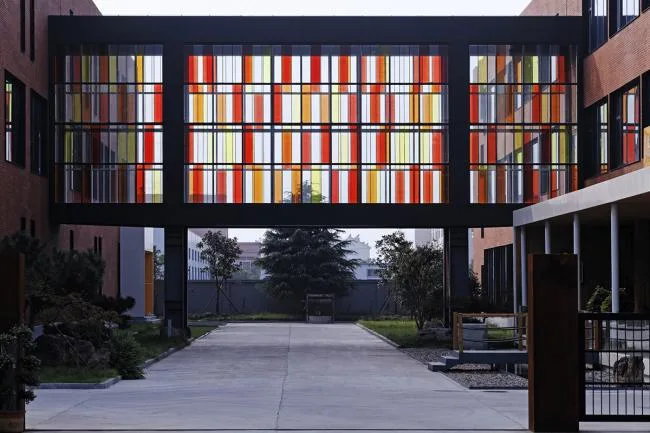
▲ Pedestrian Bridge
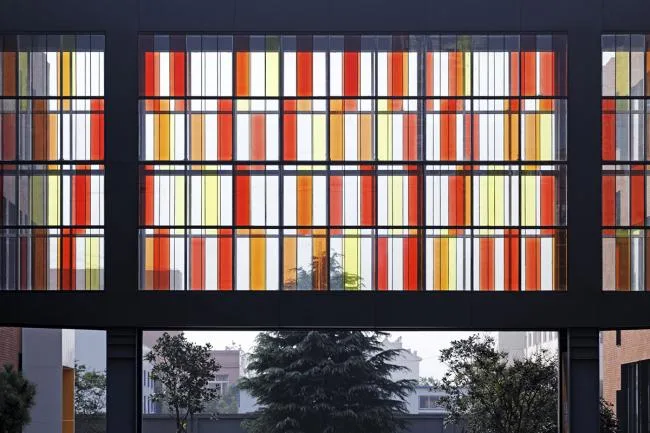
▲ Pedestrian Bridge Facade
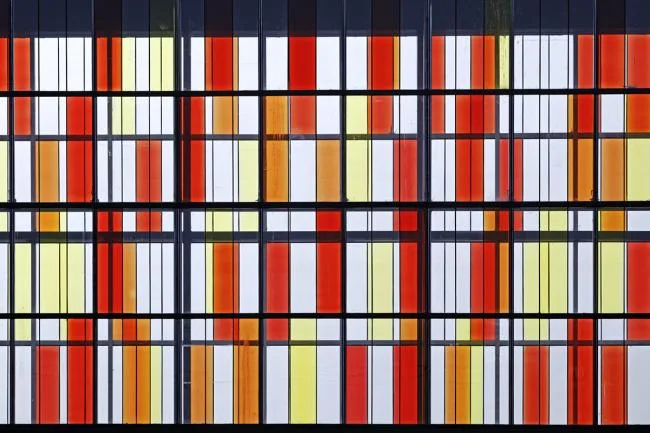
▲ Colorful Glass on the Pedestrian Bridge
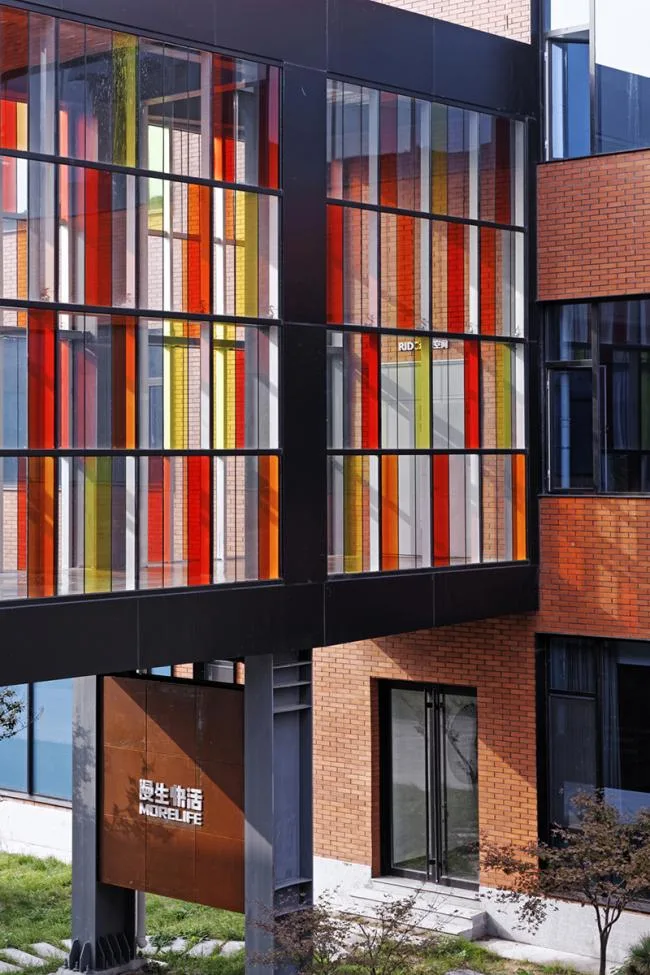
▲ Pedestrian Bridge
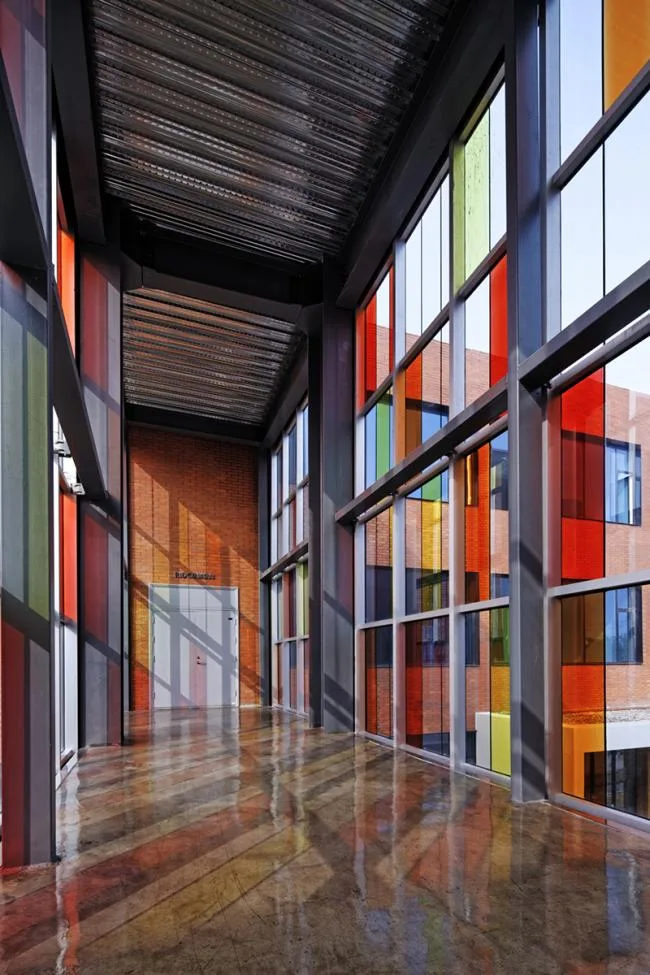
▲ Inside the Pedestrian Bridge
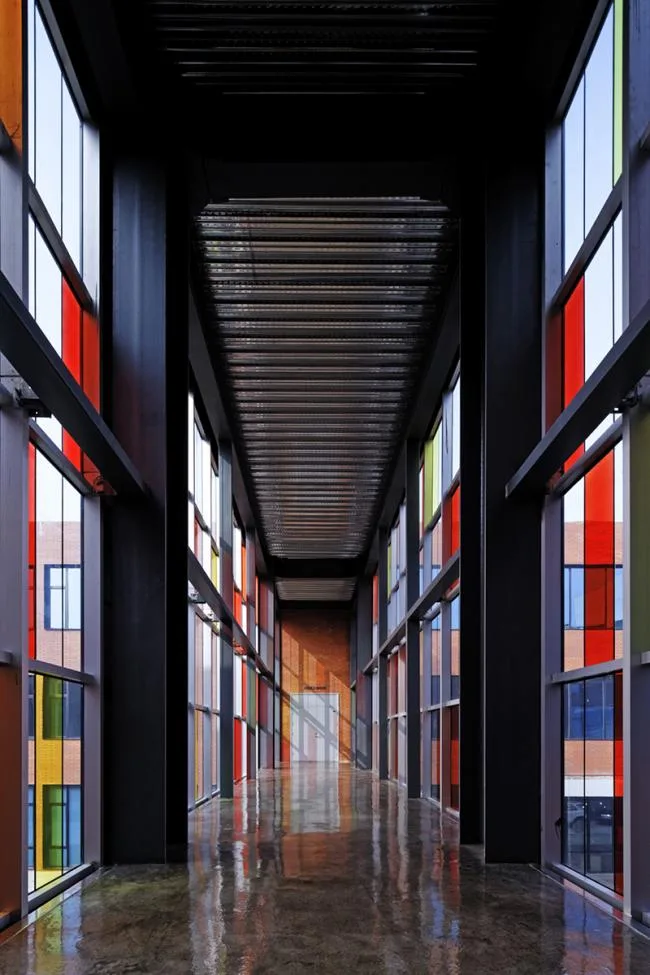
▲ Inside the Pedestrian Bridge
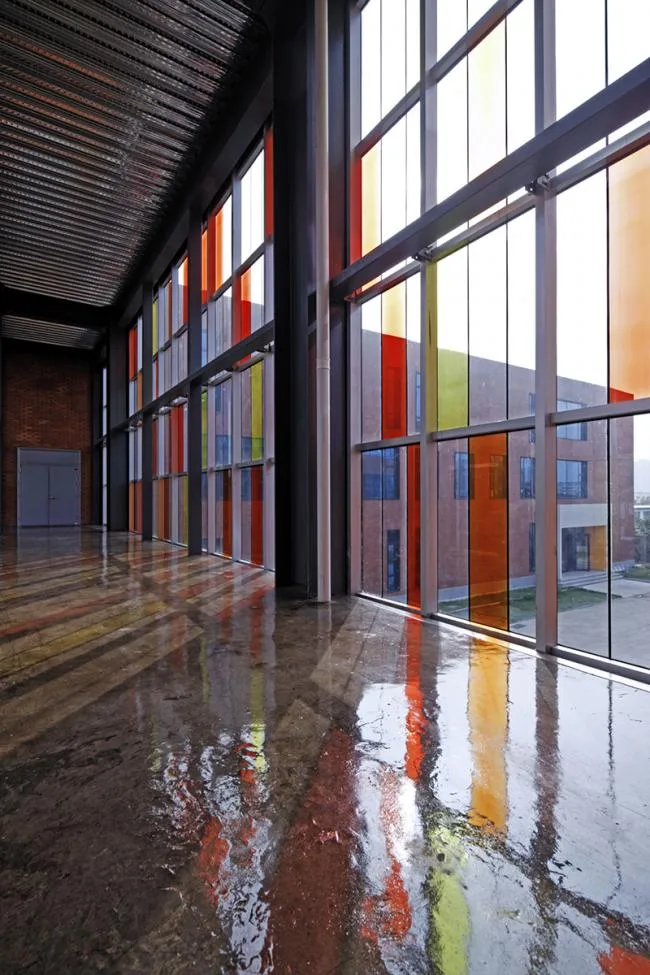
▲ Hazy Light and Shadow Inside the Pedestrian Bridge
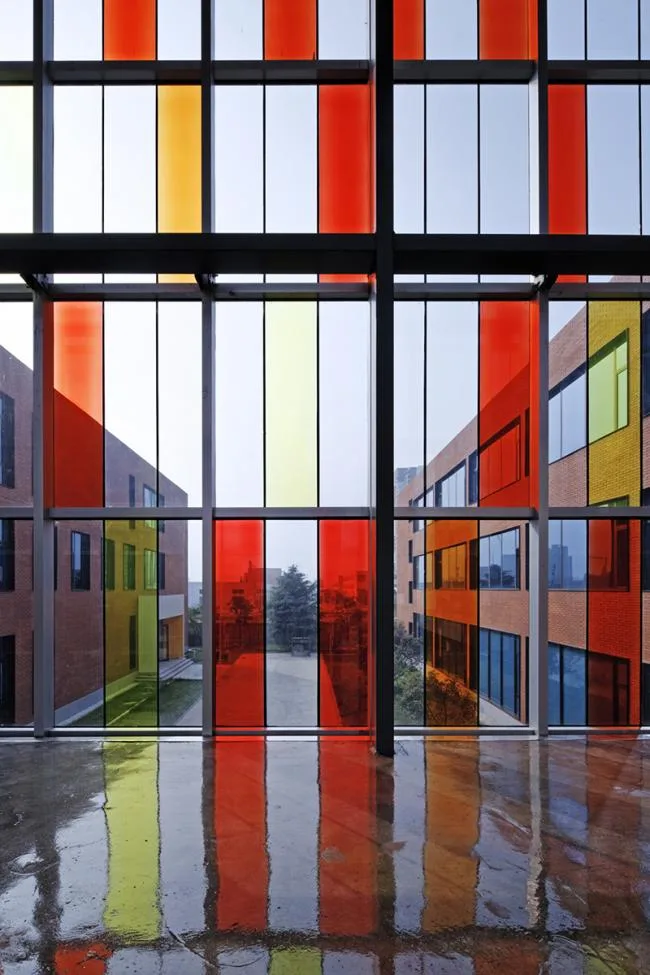
▲ Colorful Glass on the Pedestrian Bridge
The original two main buildings had a simple and common appearance typical of factories built in China after the reform and opening-up period. To revitalize the skyline and give the complex a unique identity, a vertical white element was added to the south building’s end facing the entrance. This feature rises 4.3 meters above the building’s parapet, with a central sign graphic positioned within a recessed area above, making it visible from a distance along the road. This design highlights the South Building’s role as the core hub for the park’s activities and management.
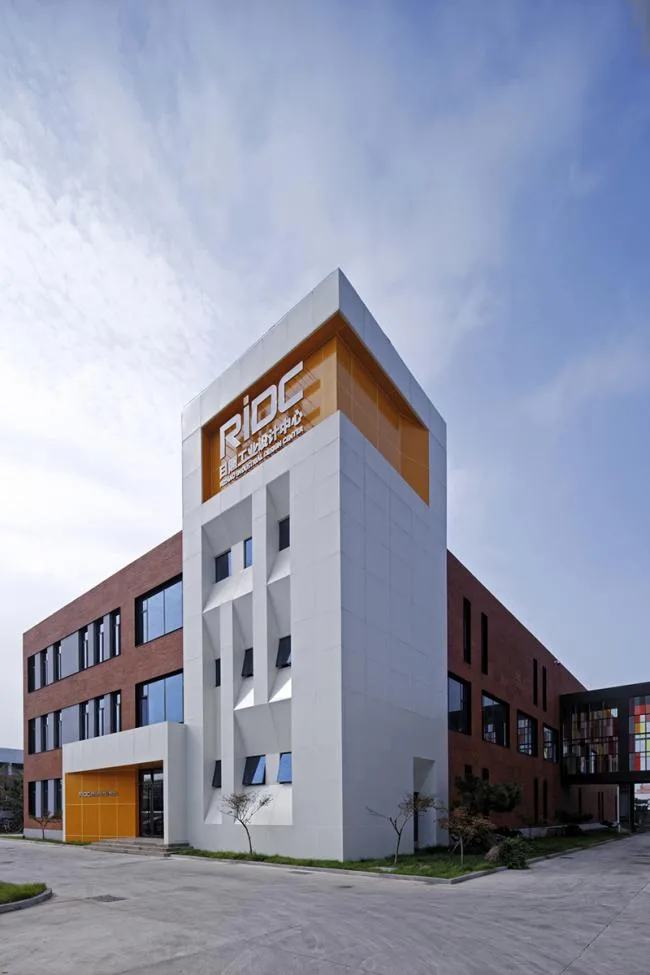
▲ South Building
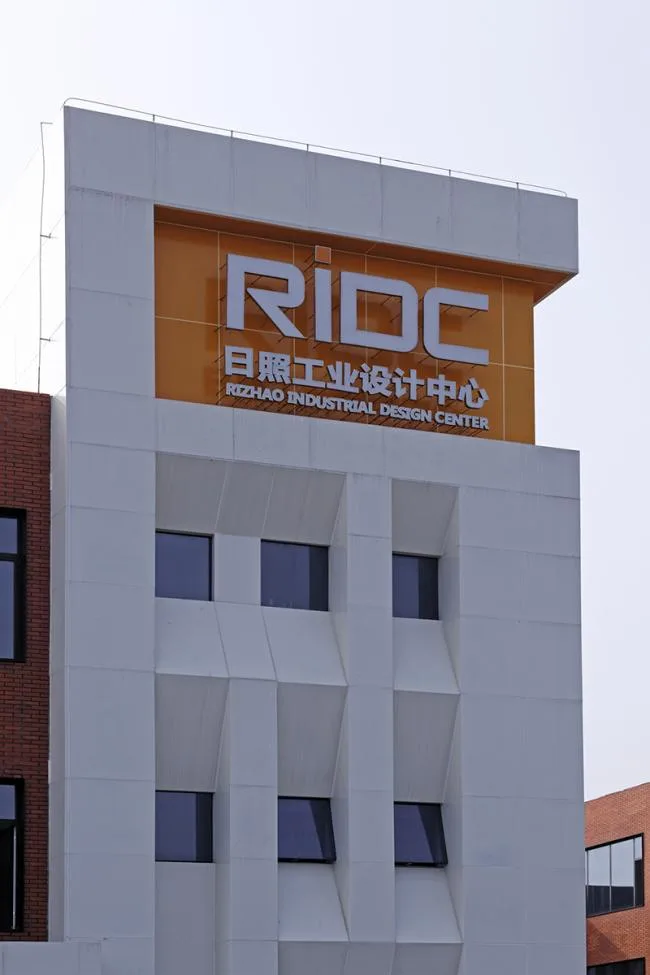
▲ New Design Added to the South Building
The North Building features a similar white design on its entrance-facing end, slightly lower in height to complement the south building’s vertical element. A covered horizontal balcony was added outside the first-floor windows, serving as the entrance to a coffee shop that overlooks the courtyard between the two buildings. This gray-toned balcony introduces a welcoming and lively atmosphere to the courtyard.
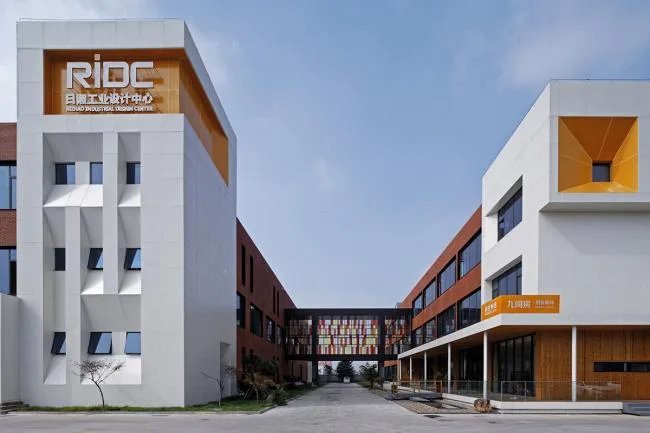
▲ White Design Elements on North and South Buildings
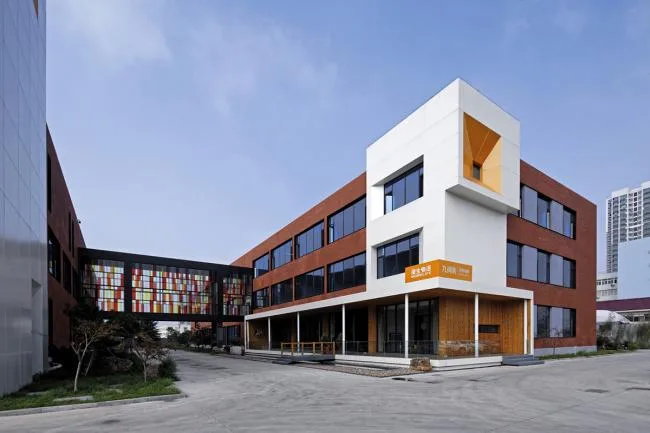
▲ North Building
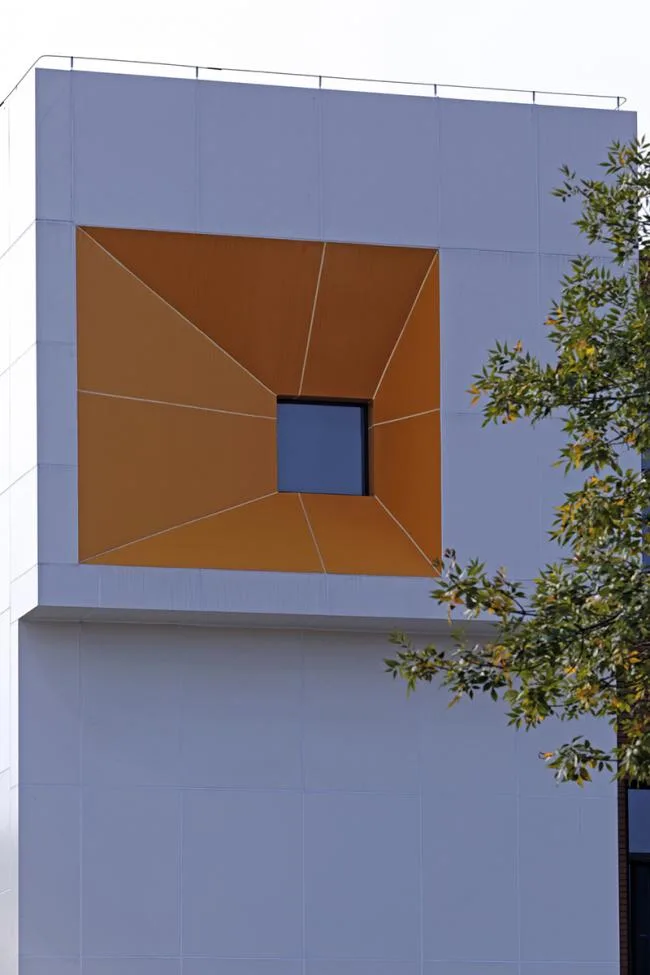
▲ North Building Window Design
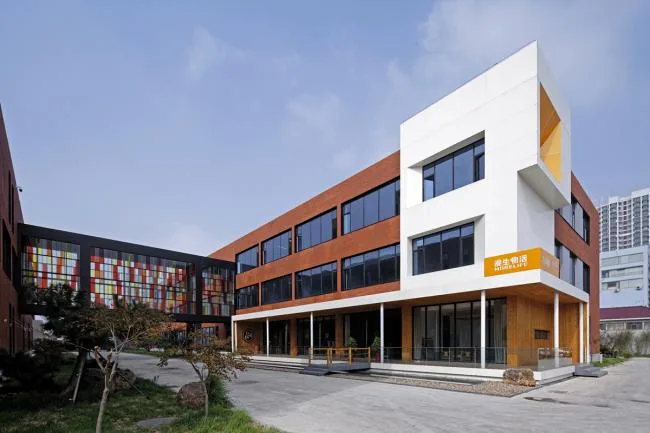
▲ Balcony Space in the North Building
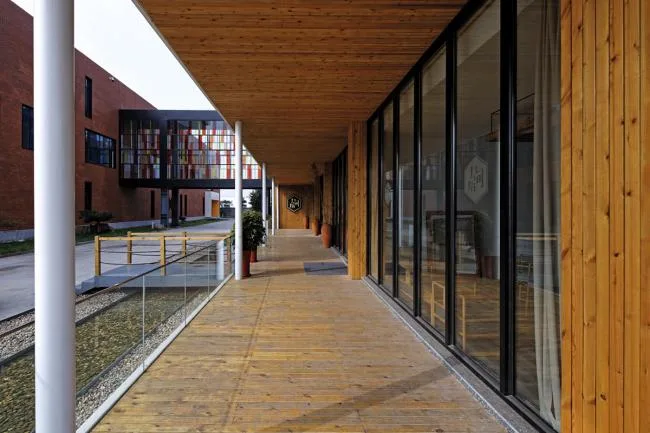
▲ Gray Space on Balcony of the North Building
A rectangular reflecting pool with similar length was added on the ground beneath the balcony, enlivening the courtyard space for BIM activities. The horizontal lines of the balconies and pool in the North and South Buildings create a dynamic vertical and horizontal interplay with the two vertical white elements at the building ends, as well as with the pedestrian bridge spanning the courtyard center. This interplay along the X, Y, and Z axes adds vitality and visual interest to the architecture’s appearance.
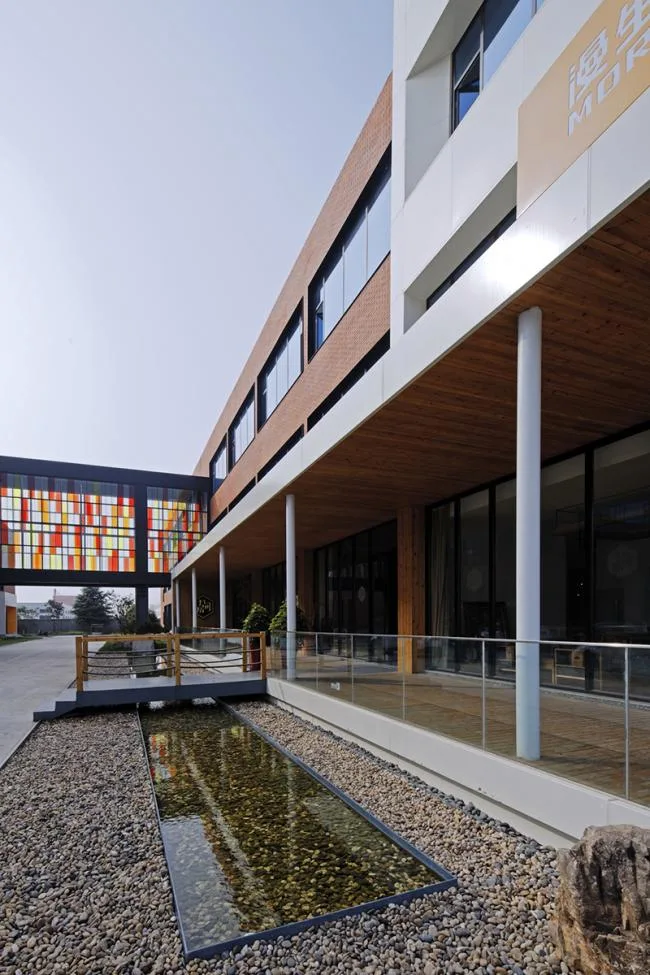
▲ Reflecting Pool in Front of the North Building
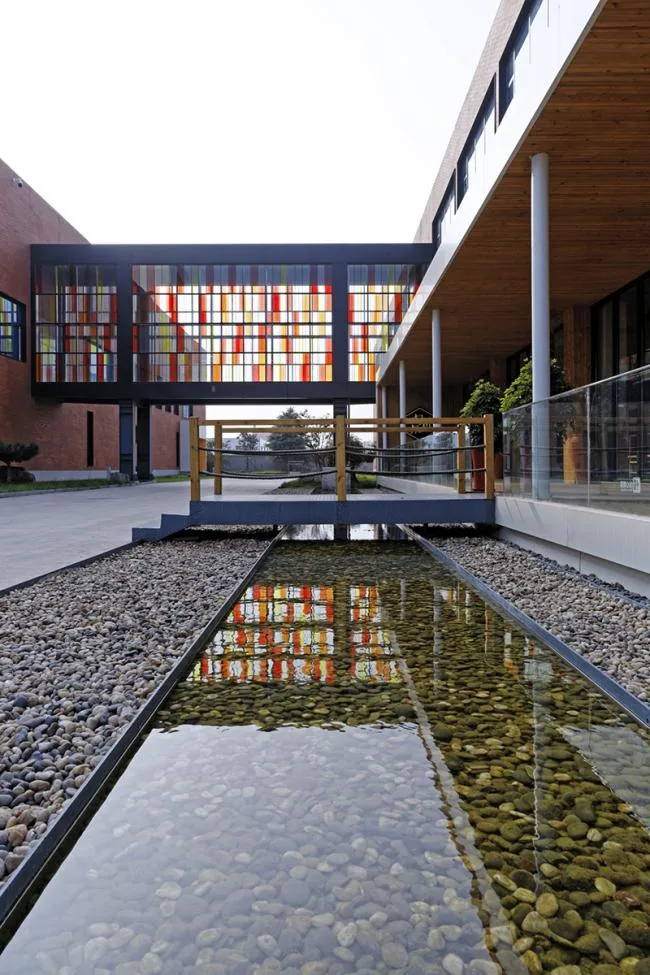
▲ Reflecting Pool in Front of the North Building
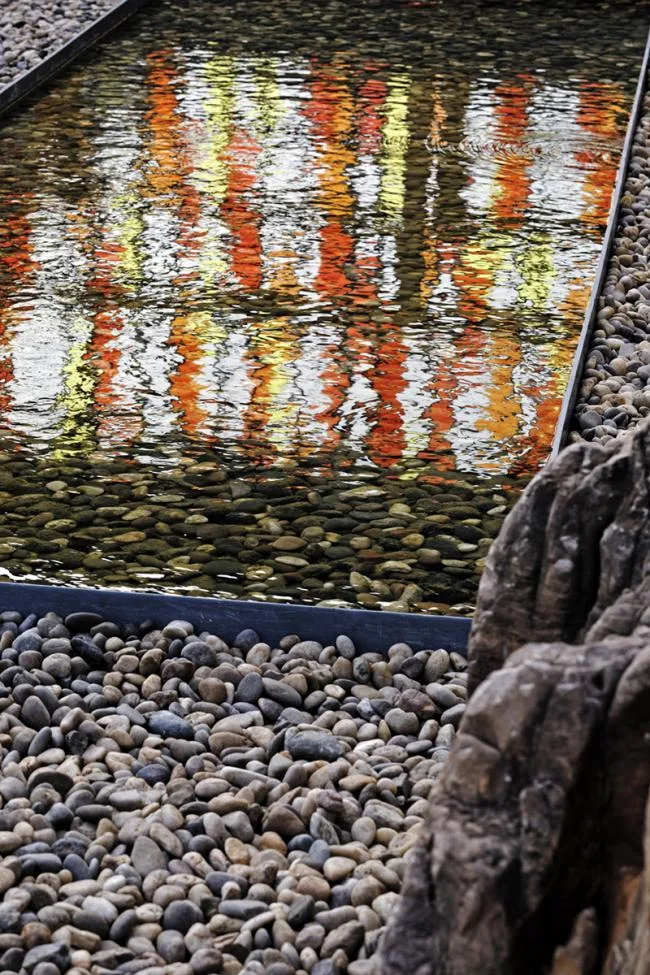
▲ Reflection on the Pool
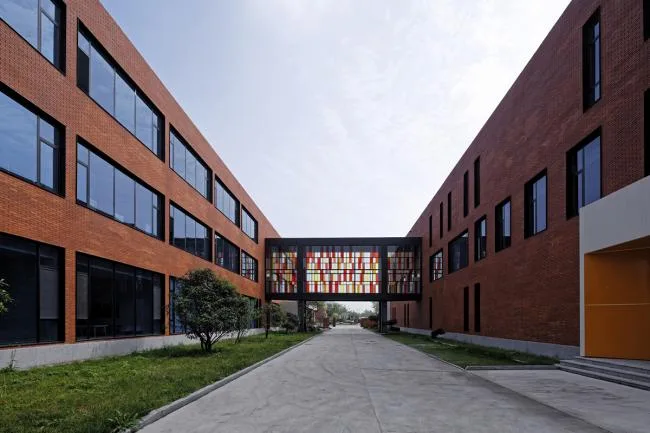
▲ Courtyard Between the Two Main Buildings
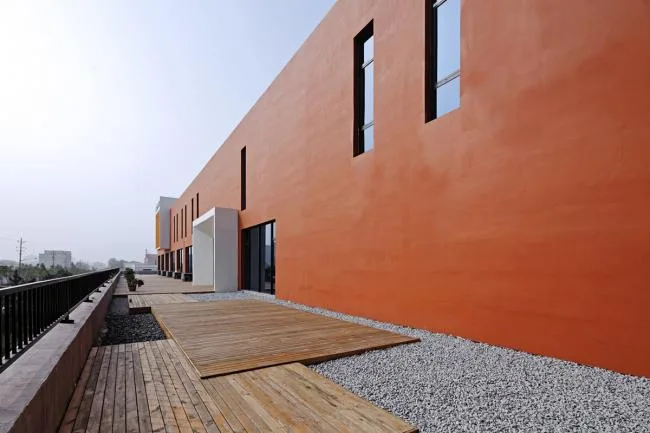
▲ Balcony on the Second Floor of the South Building
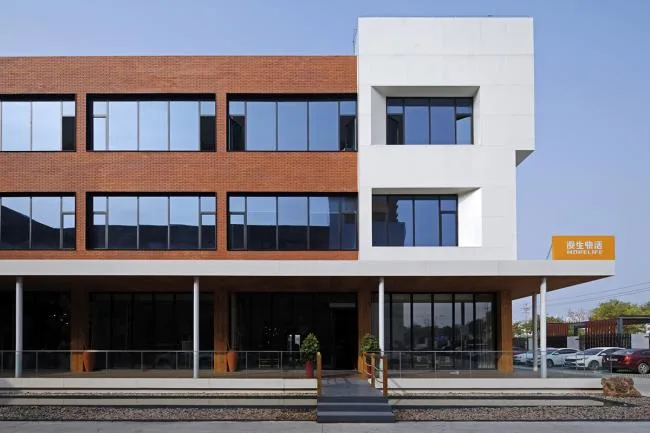
▲ Balcony Space in the North Building
The original building’s exterior was clad with the common blue-and-white mosaic tiles that were prevalent in the area but had begun to deteriorate. To emphasize the cultural and academic atmosphere befitting a center for leadership, research, and incubation, the facade was renovated primarily with red exterior bricks. This brick type, widely used in university architecture worldwide, is often referred to as “university red,” imparting a scholarly vibe to the building.
Due to budget constraints, the facades facing the entrance and courtyard were coated with red brick-colored exterior paint rather than actual bricks. The overall red facade, combined with white accents, small orange color blocks, black window frames, steel elements, and other linear features, softens the rigidity of the original rectangular forms, merging sensibility with rationality.
This fresh facade design and color palette provide a strong sense of novelty for local residents, fulfilling the owner’s desire to create a landmark. The clean block layout and contrasting colors are especially vibrant under the area’s abundant sunlight.
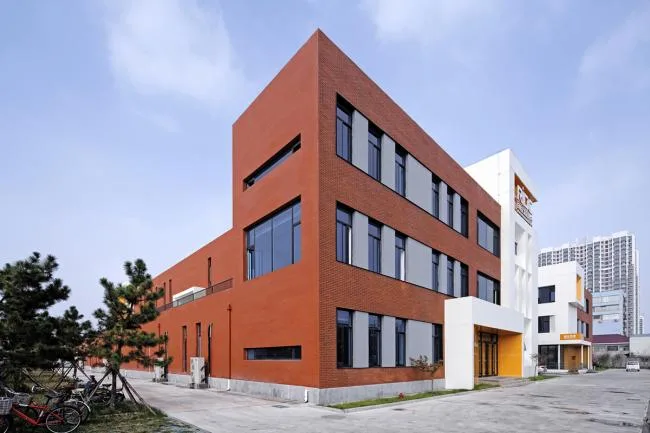
▲ East Facade of the South Building
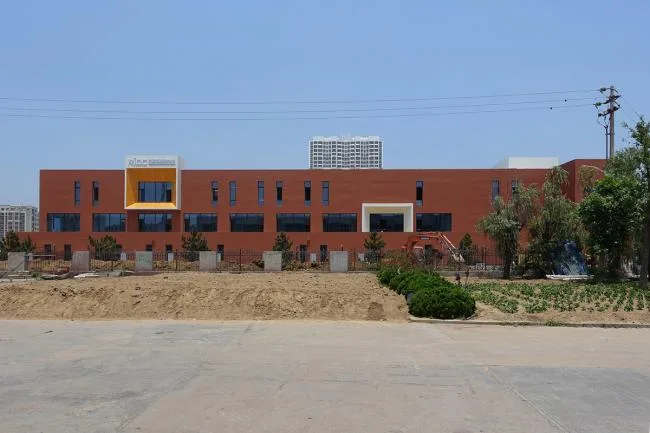
▲ View of the South Tower from Anyuan Road to the South
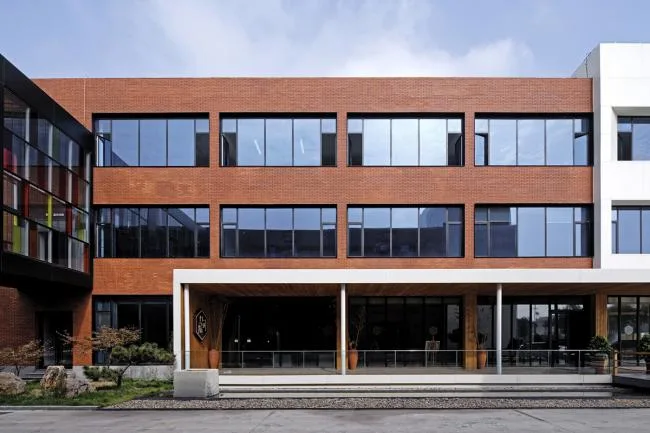
▲ South Facade of the North Building
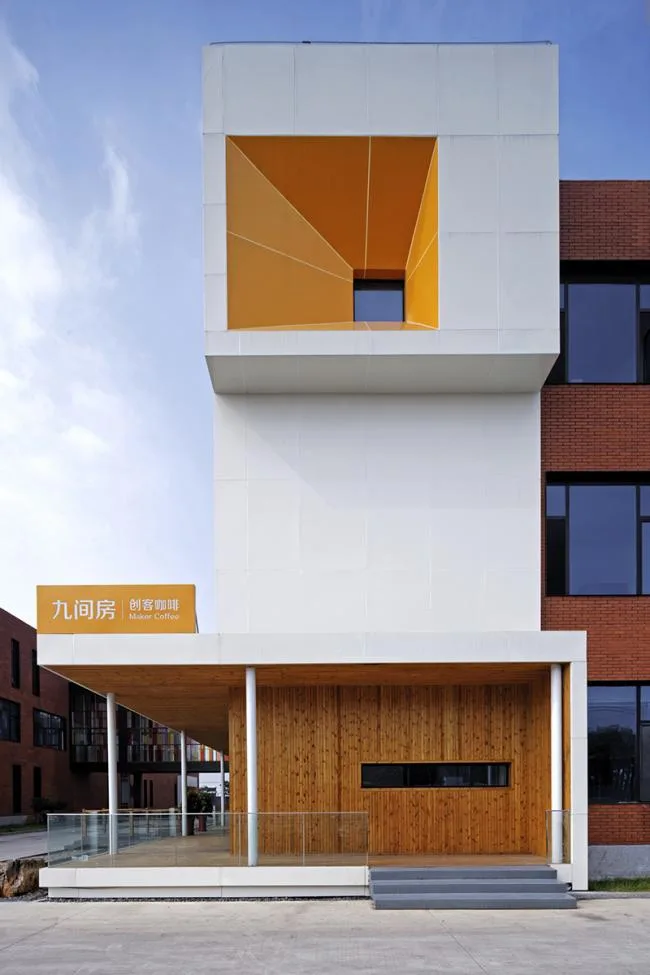
▲ East Facade of the North Building
A well-designed building should harmonize its interior and exterior. However, this project involved multiple interior designers for the main interior spaces, and the architect’s involvement was limited to two specific areas.
First, the renovation of staircases in the north and south buildings was planned, but due to budget limitations, only the main staircase in the south building was completed. The design emphasizes simplicity: the original stair handrails were upgraded with decorative straw board cladding. The transition from the red and orange tones of the exterior to the light yellow of the straw board inside strengthens the importance and cohesion of this central circulation space.
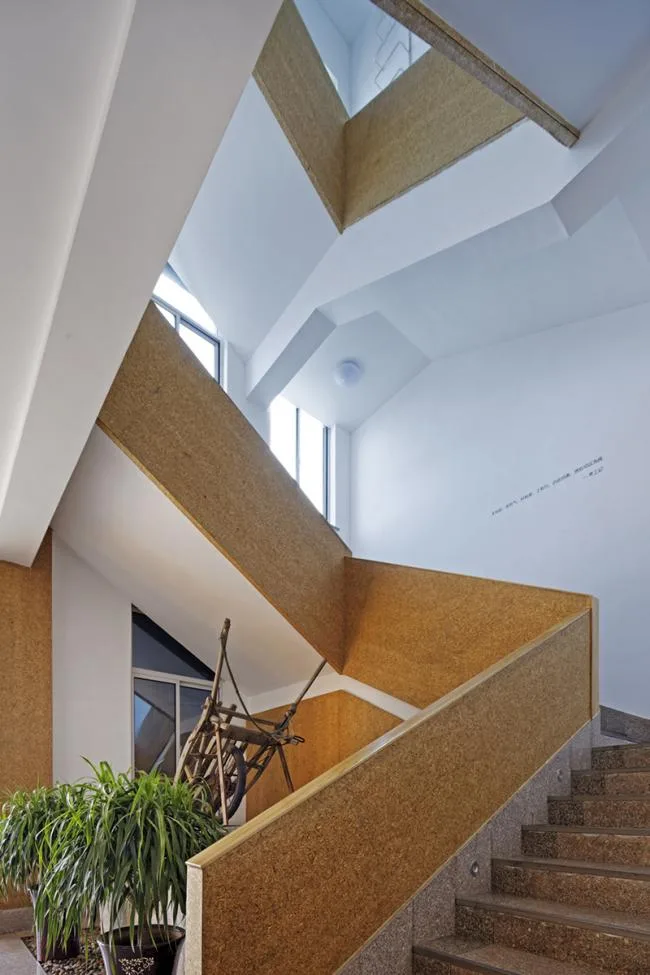
▲ South Building Staircase
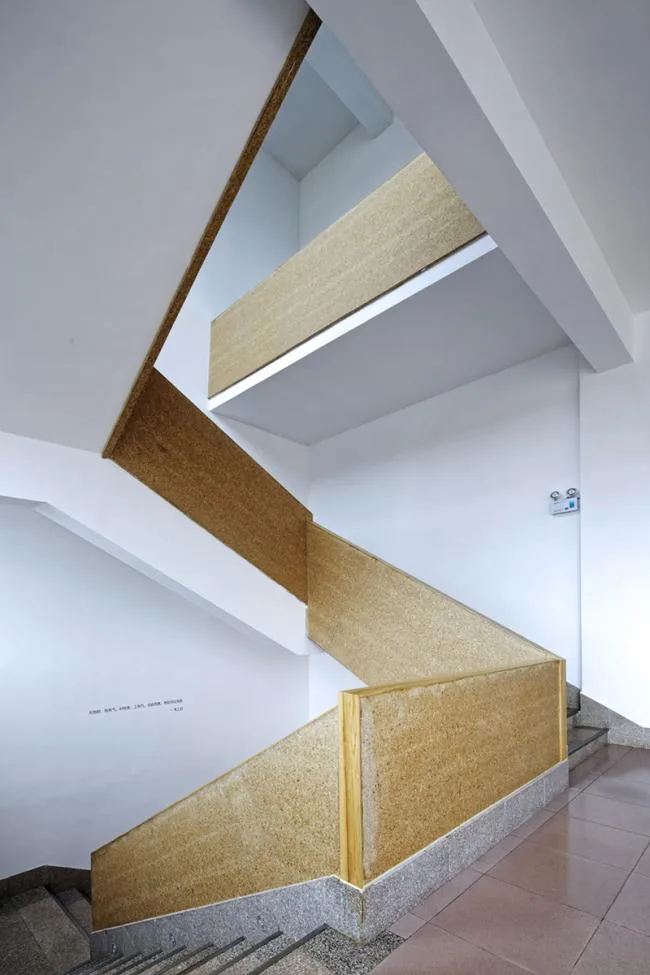
▲ South Building Staircase
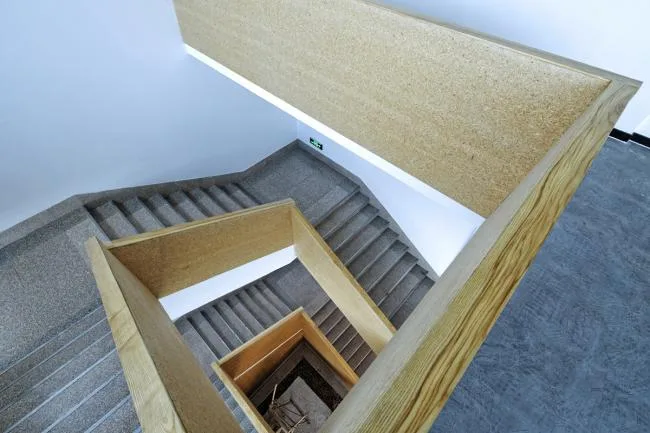
▲ View of South Tower Staircase
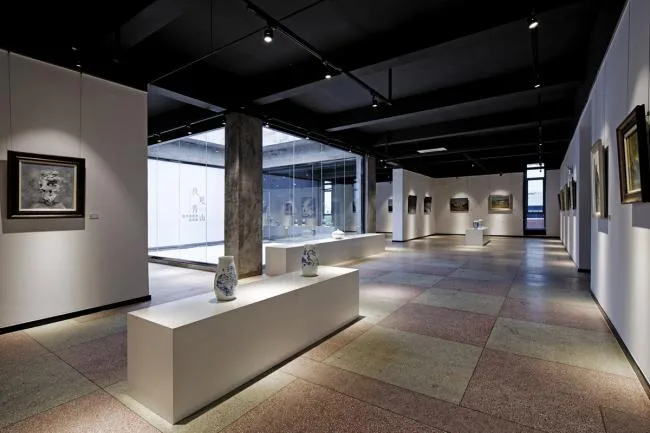
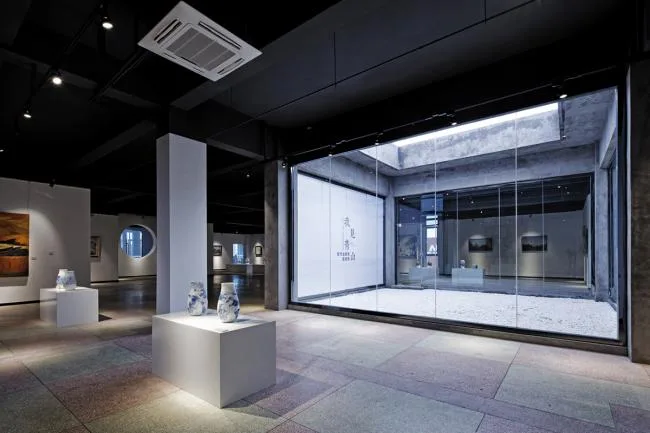
The second area of architect involvement is the art museum located on the third floor of the south building. Here, two original roof slabs were opened up to create two new courtyards: one circular with a 4-meter diameter, and one square measuring 3.7 by 4 meters. Although these courtyards are not visible from outside the park, they offer a delightful surprise to visitors of the art museum, enriching the architectural experience and illustrating the inseparable relationship between architecture and interior design.
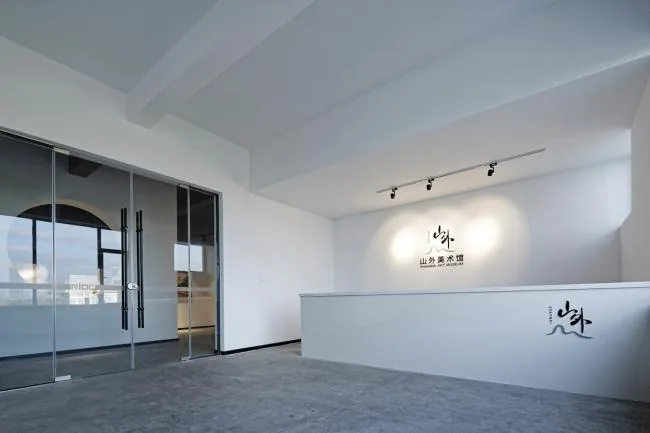
▲ Entrance to the Art Museum
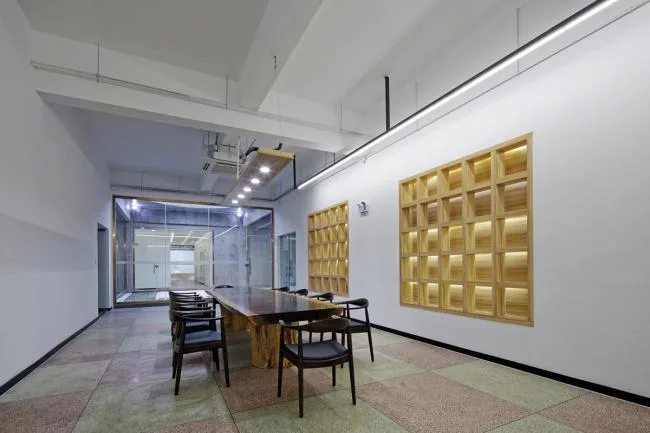
▲ Interior Spatial Relationships within the Art Museum
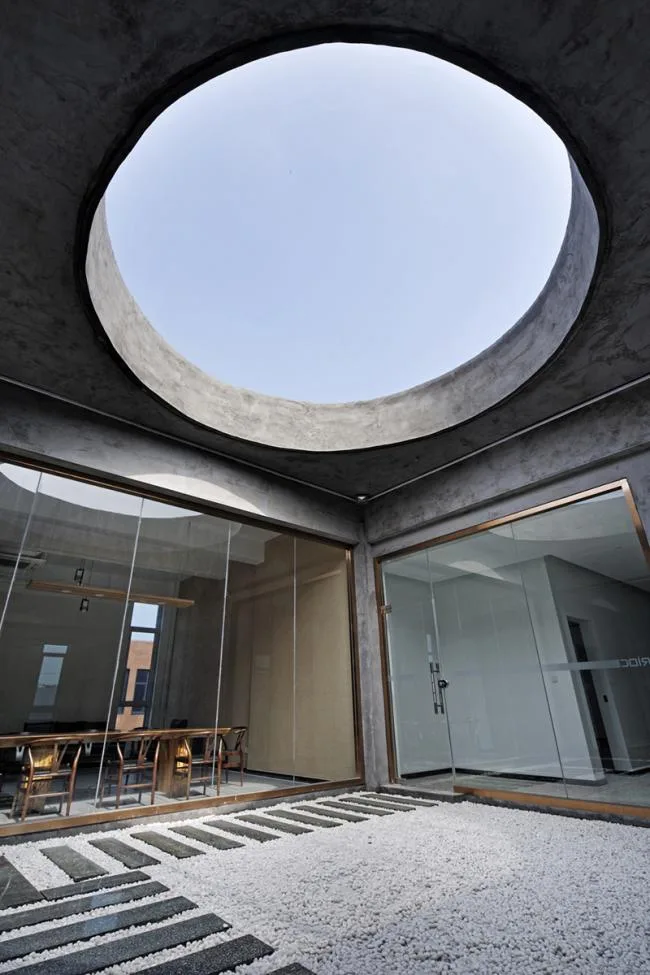
▲ Circular Courtyard of South Tower Art Museum Looking Up
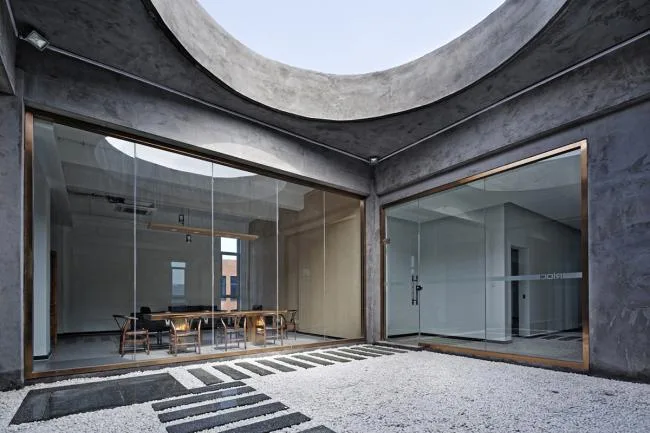
▲ Courtyard in the Round Skylight Area of the South Tower Art Museum
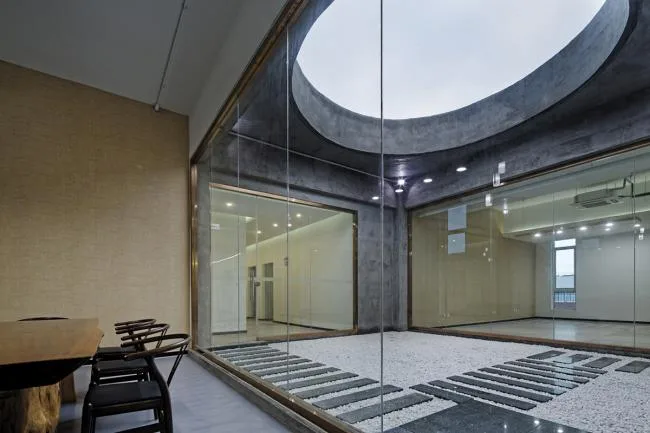
▲ View of the Courtyard from Indoors
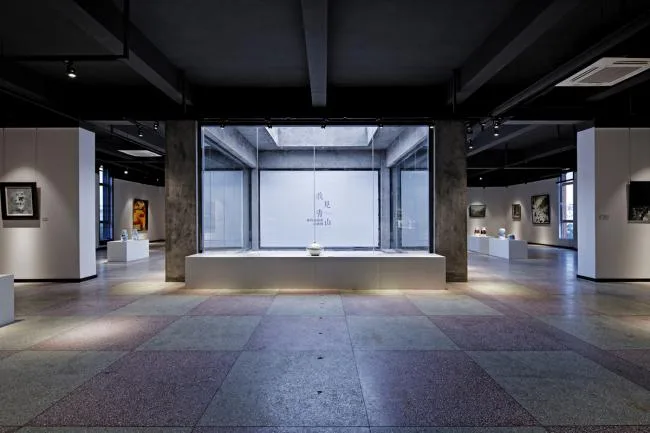
▲ Square Courtyard of the South Building Art Museum
▲ Square Courtyard of the South Building Art Museum
▲ Square Courtyard of the South Building Art Museum
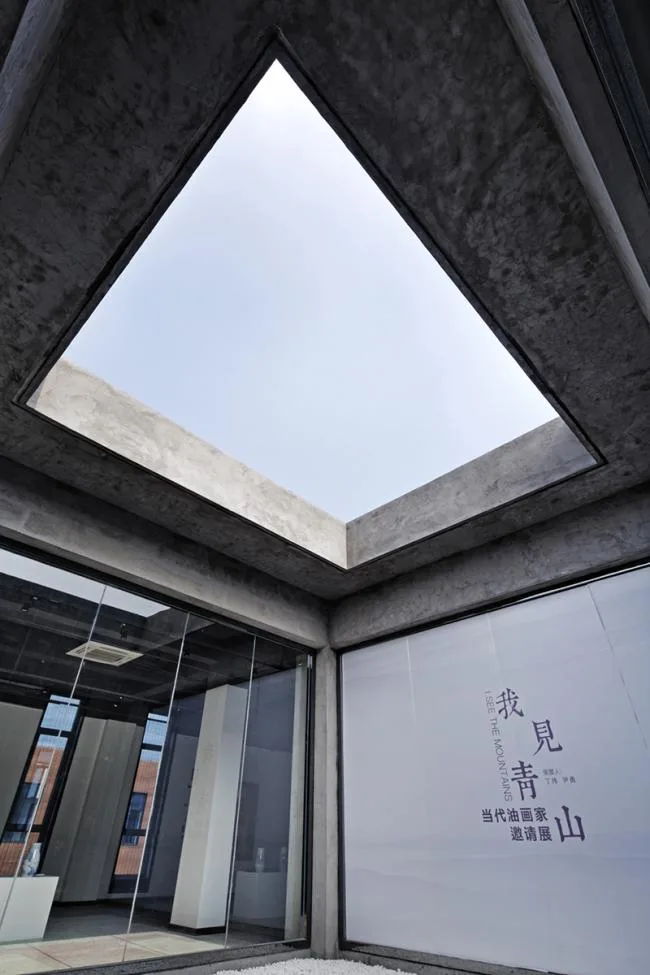
▲ Square Courtyard of the South Tower Art Museum Looking Up
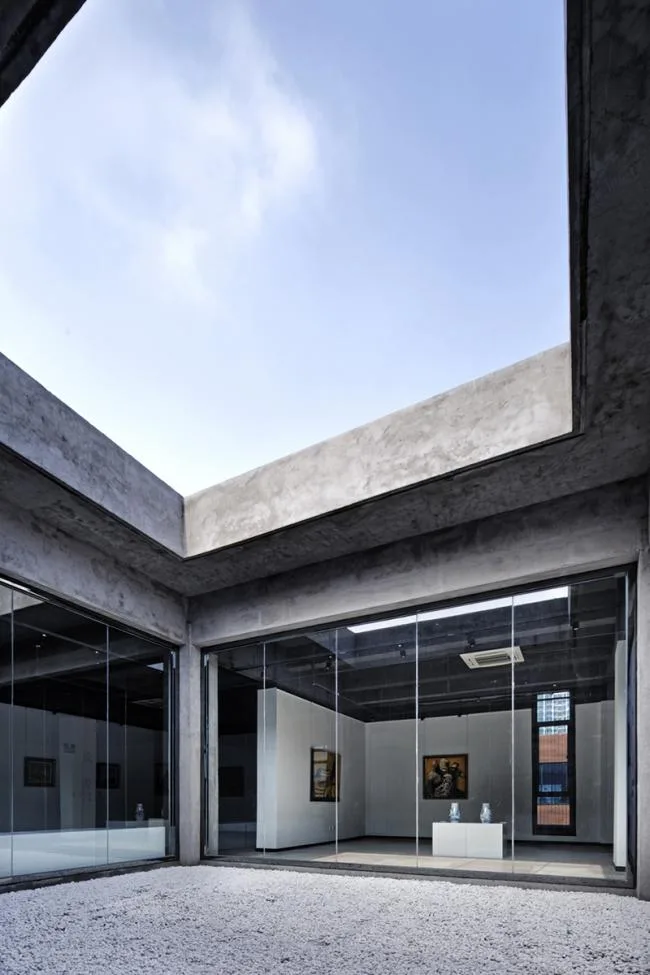
▲ Square Courtyard of the South Tower Art Museum Looking Up
The park’s landscape was also revitalized. Since the original green coverage could not be significantly altered, most of the existing greenery was preserved. Lawns damaged during construction were replanted, and several native shrubs and trees were introduced to diversify the planting. Besides the aforementioned reflecting pool, several local mountain stones were added to the central courtyard, adding a natural and untamed contrast to the park’s straight-lined architecture.
While this project cannot be described as a comprehensive architecture, interior, and landscape design, the integrated approach resulted in a seamless and cohesive environment. Upon completion, the project was widely praised by local residents and gradually gained recognition among visitors, becoming a notable landmark for the Rizhao Economic and Technological Development Zone.
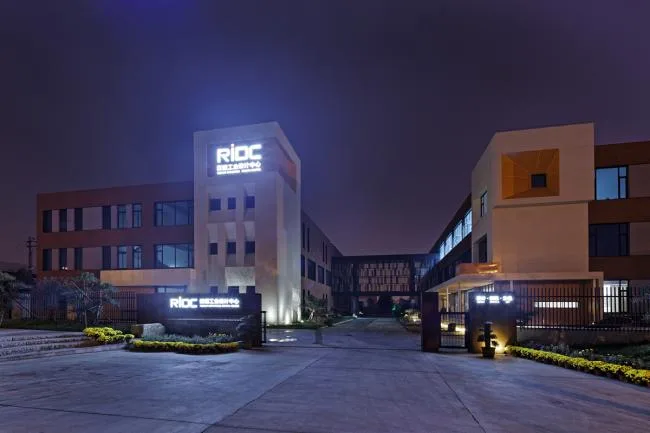
▲ Night View
There were some regrets in the design process. The schedule was very tight, compressed due to various reasons. Construction drawings were rushed before the completion of the stage model, which meant some design details were not thoroughly examined and finalized. Fortunately, strong management and construction execution helped ensure that even incomplete or unpolished plans were implemented effectively, balancing design and construction and preventing the common problem where excellent drawings do not translate into quality execution.
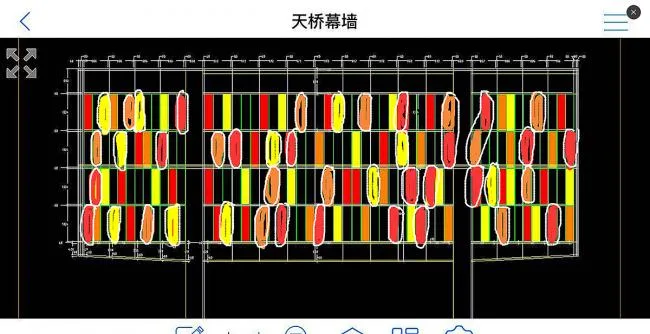
▲ Discussing the Skybridge Curtain Wall Color with the Construction Team
Project Drawings:
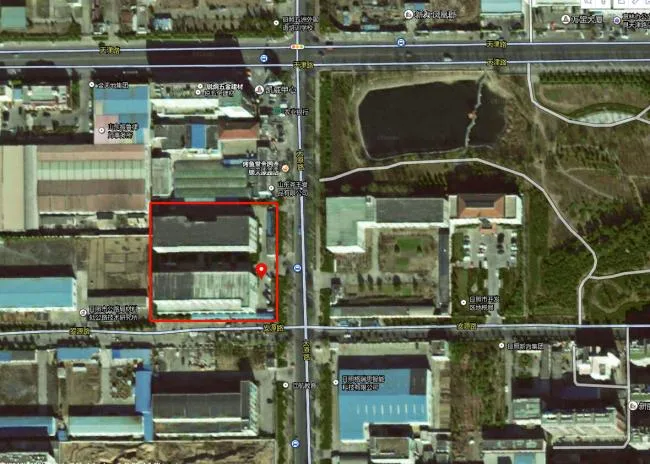
▲ Location Map
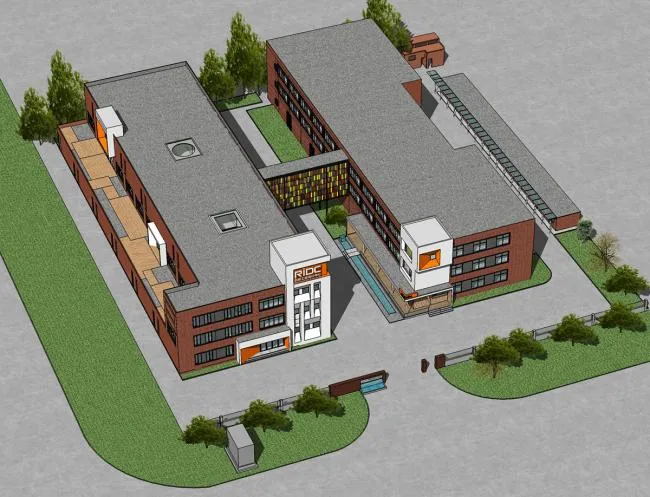
▲ Overall Bird’s-Eye View
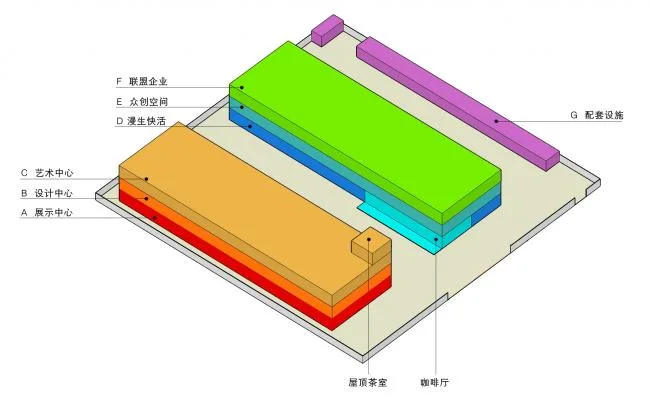
▲ Function Distribution Diagram
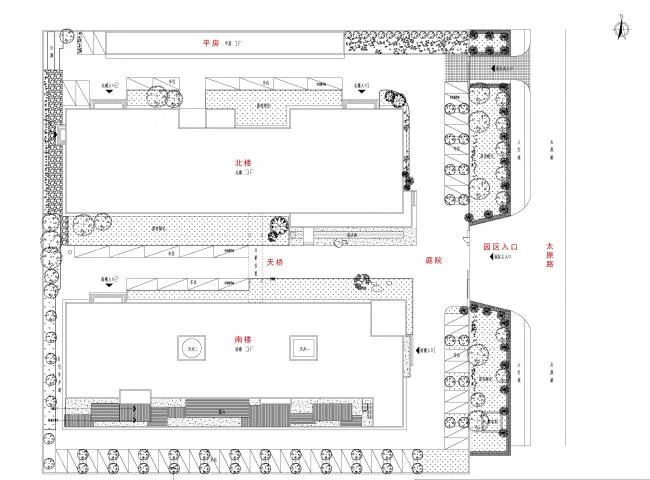
▲ General Layout Plan
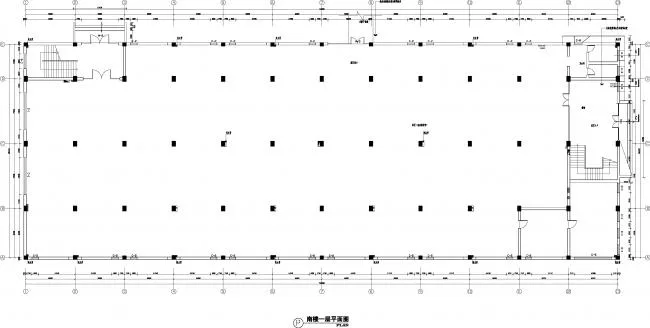
▲ First Floor Plan of the South Building
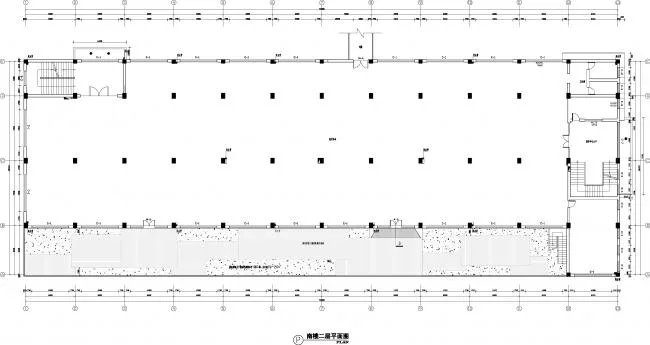
▲ Second Floor Plan of the South Building
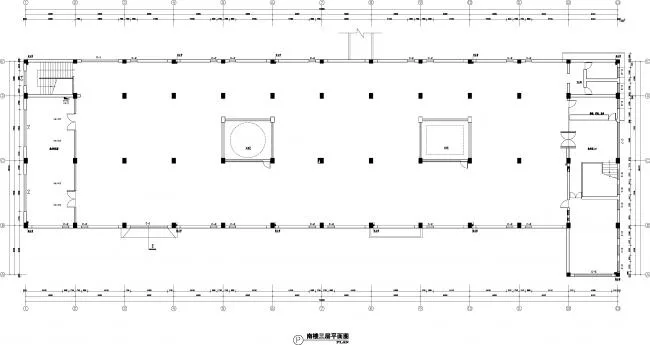
▲ Third Floor Plan of the South Building
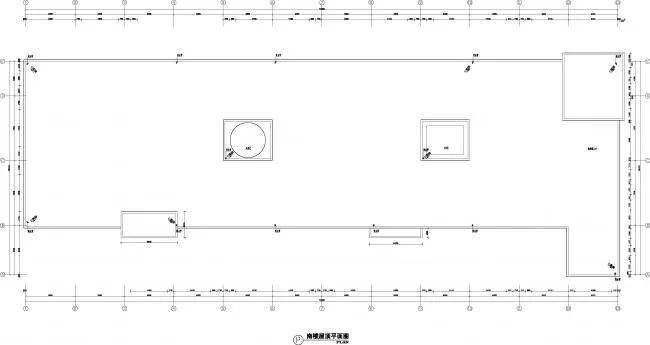
▲ Roof Plan of the South Building
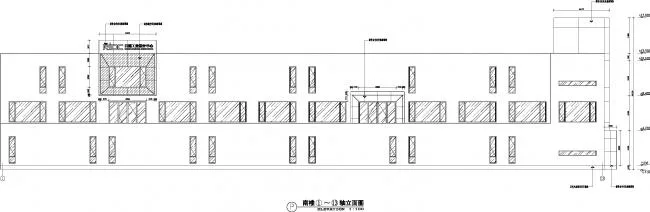
▲ South Facade of the South Building
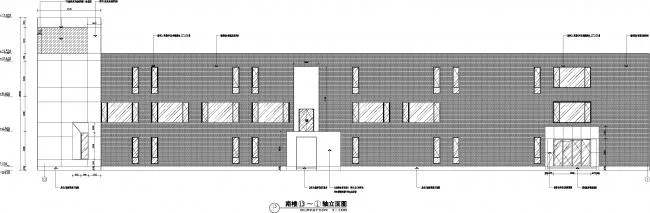
▲ North Facade of the South Building
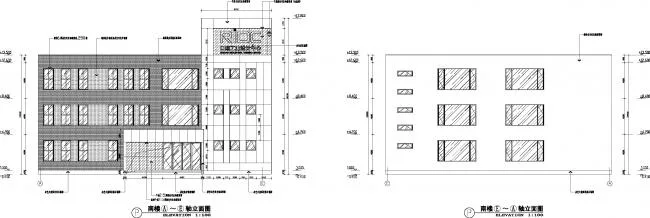
▲ East and West Facades of the South Building
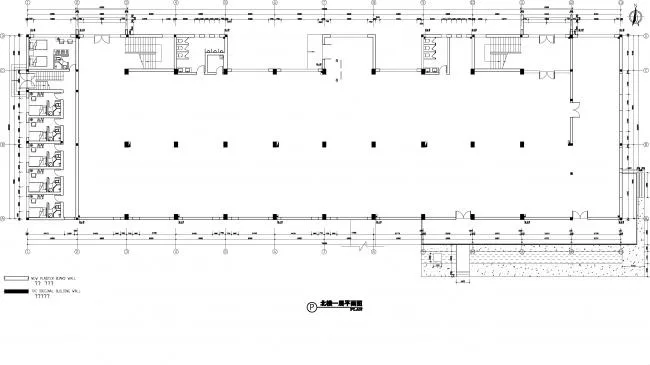
▲ First Floor Plan of the North Building
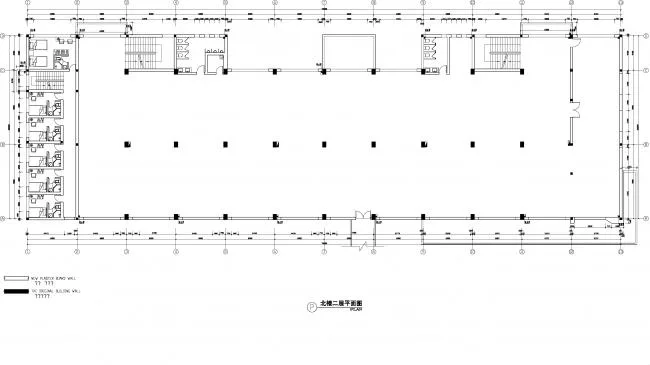
▲ Second Floor Plan of the North Building
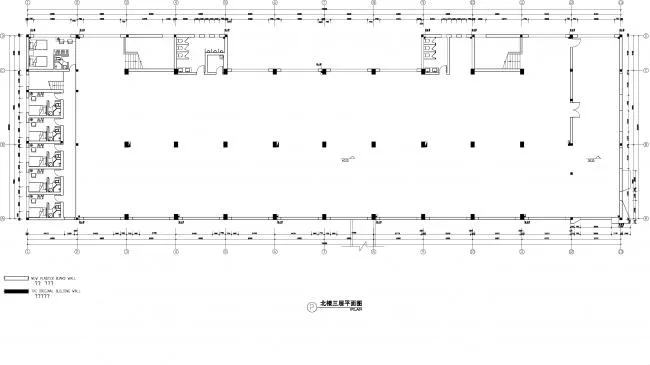
▲ Third Floor Plan of the North Building
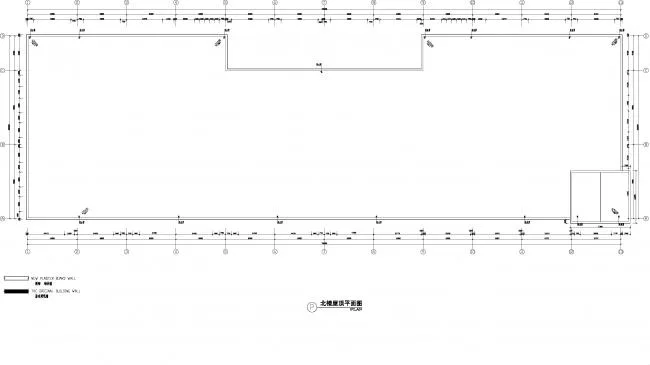
▲ Roof Plan of the North Building
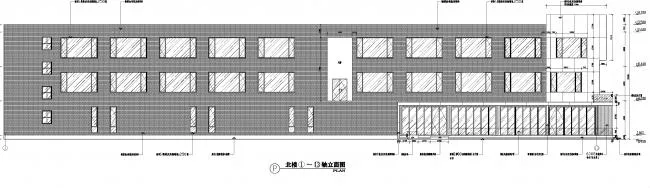
▲ South Facade of the North Building
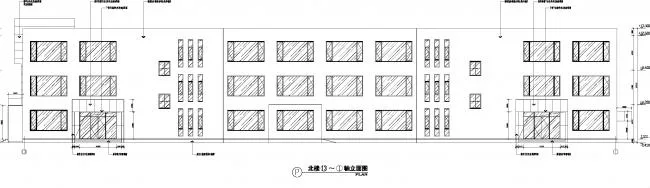
▲ North Facade of the North Building
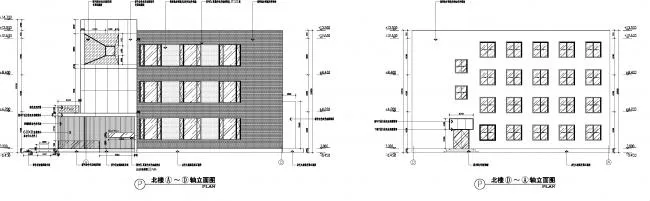
▲ East and West Facades of the North Building
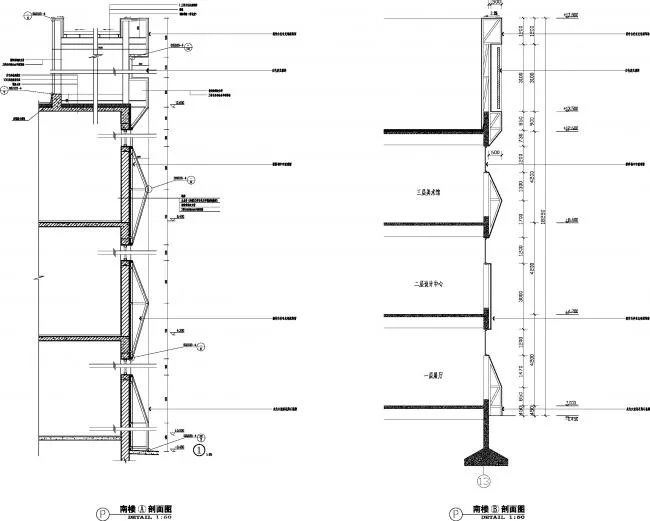
▲ Details of the South Building
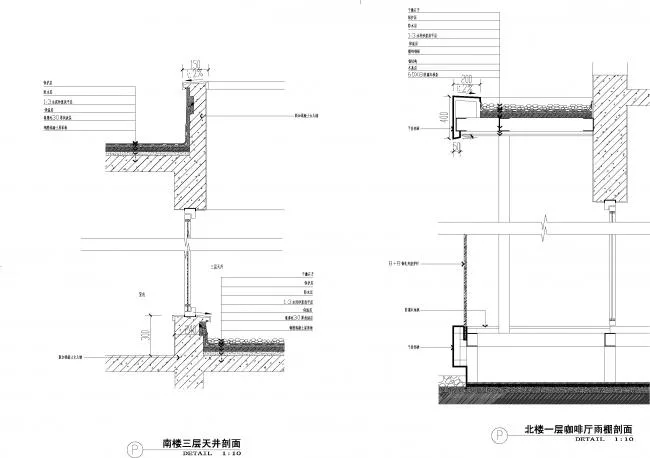
▲ Details of the South Building
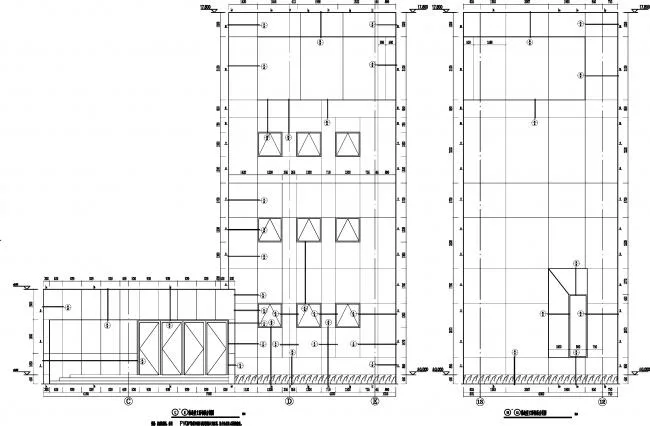
▲ Details of the South Building
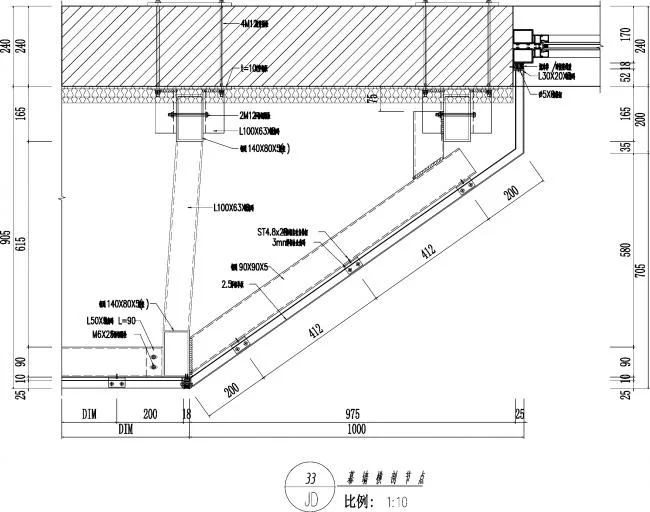
▲ Details of the South Building
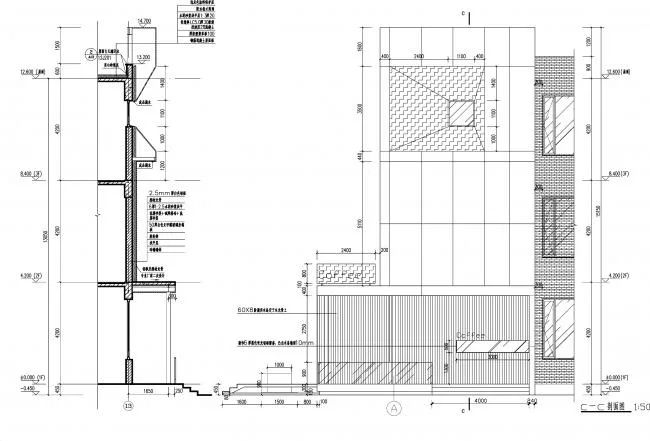
▲ Details of the North Building
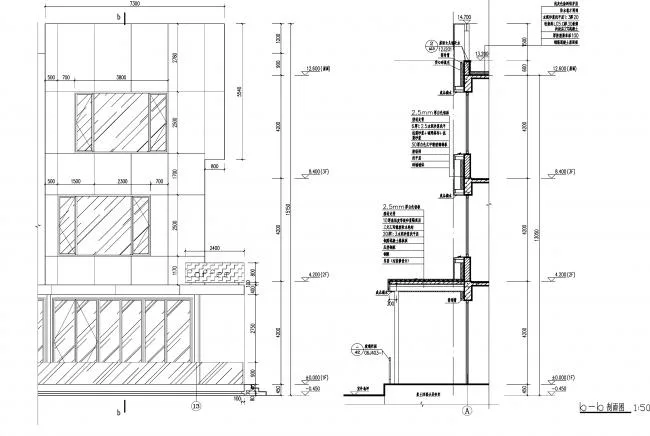
▲ Details of the North Building
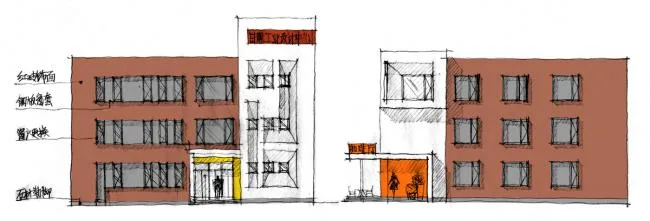
▲ Hand-Drawn Draft 1
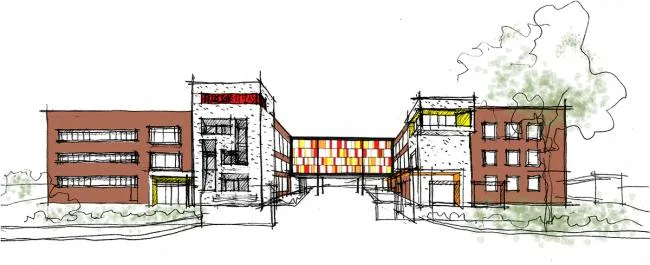
▲ Hand-Drawn Draft 2
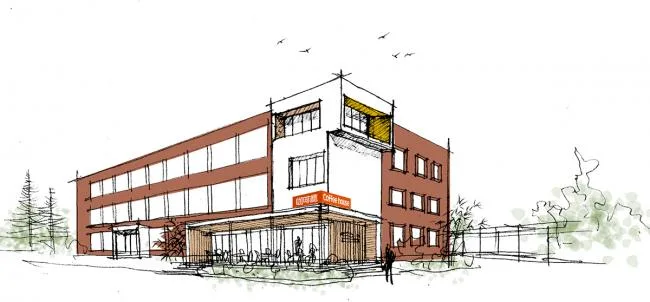
▲ Hand-Drawn Draft 3
Project Information:
Project Name: Renovation Design of Rizhao Industrial Design Center
Client: Rizhao Economic and Technological Development Zone
Location: Taiyuan Road, Economic and Technological Development Zone, Rizhao City, Shandong Province
Area: 10,200 m²
Scope of Work: Architectural Renovation, Landscape Renovation, and Interior Public Space Design
Design Firm: Shanghai Shanxiang Architectural Design Co., Ltd.
Project Website: __AI_ST_URL_0__
Design Director: Wang Shanxiang
Design Team: Wang Shanhui, Li Zhe, Yuan Baiwen
Construction Drawing Collaboration: Shanghai Chuanglin Architectural Planning and Design Co., Ltd.
Architecture: Liang Yanjun, Liu Chuangyi
Structural Engineering: Zhou Kang
MEP Engineering: Huang Peng
Main Materials: Steel structure, concrete, facing bricks, latex paint, aluminum panels, anti-corrosion wood, glass, granite, and others
Project Cost: Approximately 9 million RMB
Photography by Hu Wenjie
Photographer’s Website: www.pdoing.com
Completion Year: 2016
















Must log in before commenting!
Sign Up