
Foundation Slab Construction
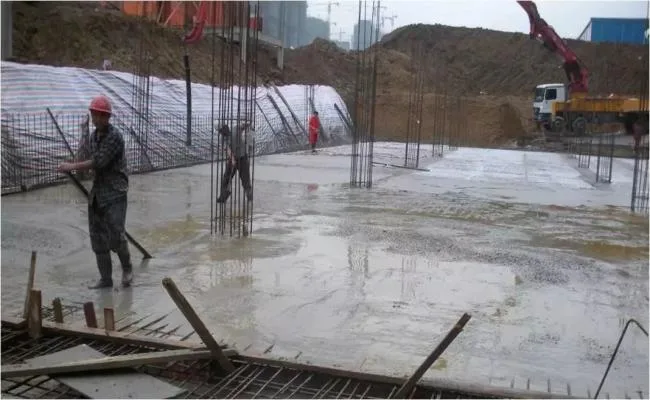
The foundation slab is constructed using traditional methods, with particular attention to the precise size and positioning of the reserved vertical steel bars embedded in the wall.
Inspection and Adjustment of Reserved Reinforcing Bars
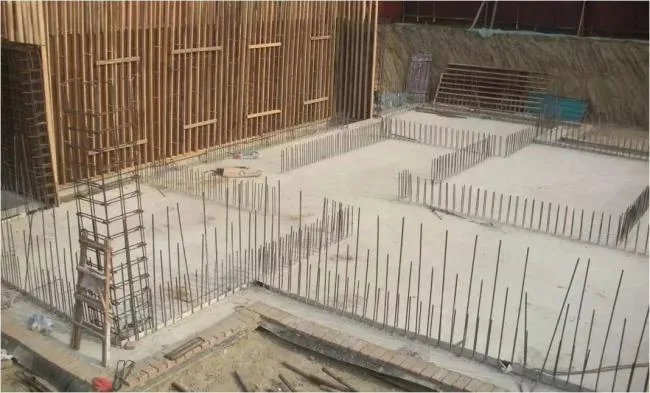
Once the foundation base plate is complete, an inspection and adjustment of the reserved vertical steel bars for the wall must be performed before hoisting the wall panels.
Placement of Elevation Control Cushion Blocks
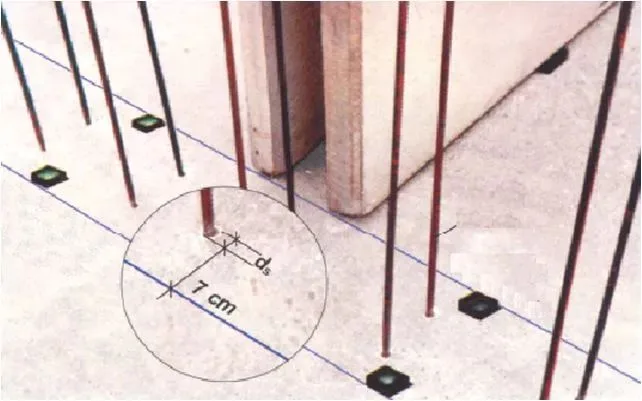
Before hoisting the wall panels, measure the foundation surface of the bottom plate and place horizontal elevation control pads beneath each wall panel accordingly.
Hoisting of Stacked Wall Panels
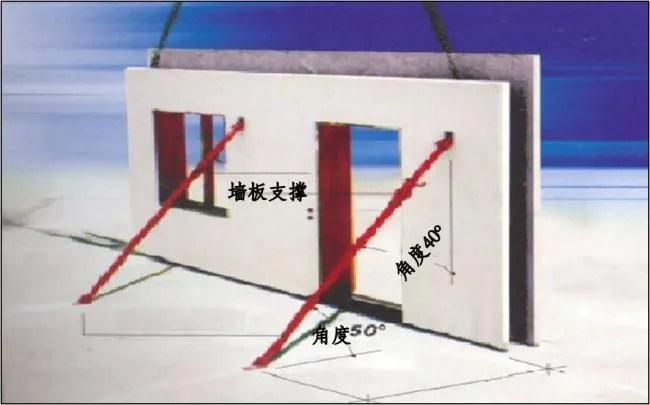
Lift the stacked wall panels according to specified requirements. Secure and adjust each panel with two diagonal supports to ensure stability.
Sectional Hoisting of Laminated Wall Panels
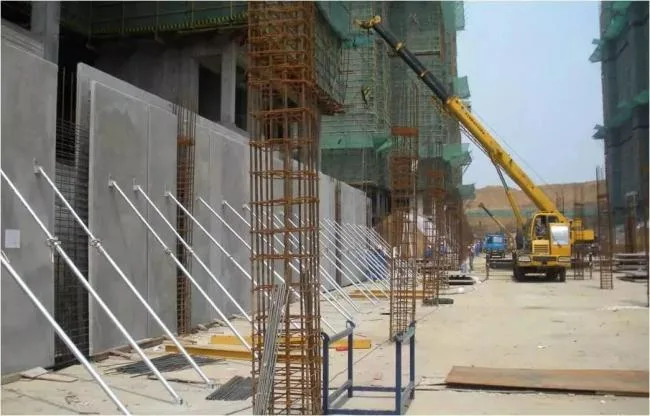
Carry out the lifting of laminated wall panels in sections as per the pre-established plan. This approach helps to minimize the movement of cranes and equipment.
Prefabricated Wall Panel Base and Joint Treatment
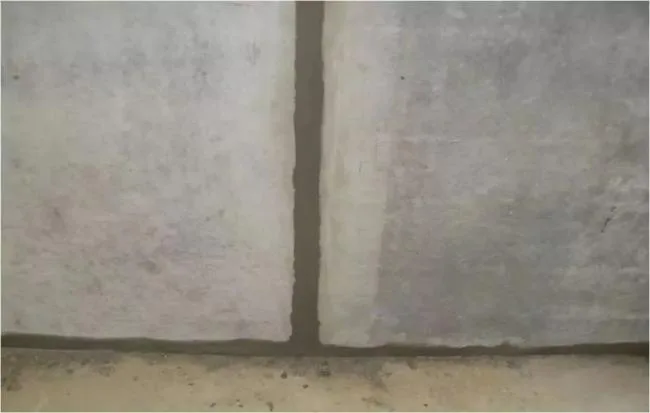
After lifting the wall panels, workers proceed with joint treatment, typically using either mortar joints or wooden strips to ensure a secure and smooth connection.
Construction of Cast-In-Place Frame Columns
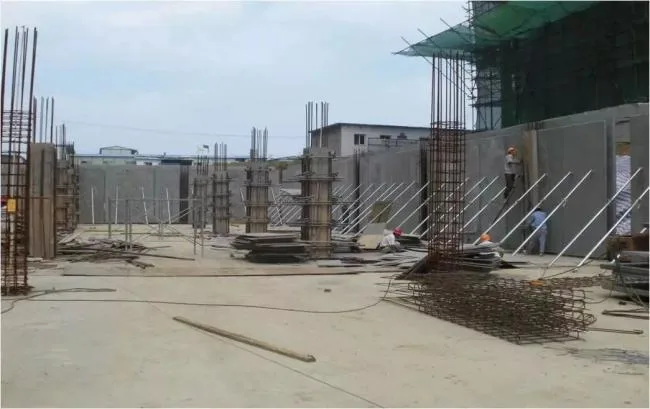
Following the installation of laminated wall panels, construction of cast-in-place frame columns commences, including steel reinforcement tying, formwork installation, concrete pouring, and formwork removal.
Construction of Cast-In-Place Frame Beams
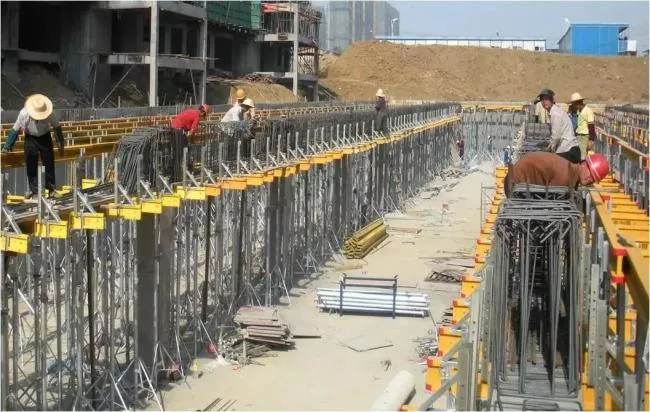
Once the frame columns are complete, cast-in-place frame beam construction begins. This involves installing bottom formwork, tying steel bars, and reinforcing beam side formwork.
Floor Support Installation
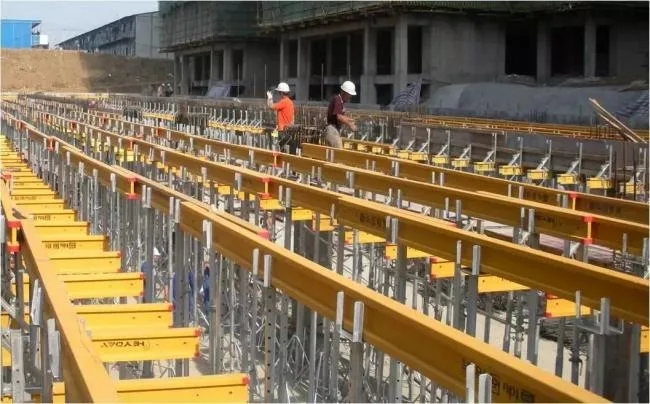
Arrange the installation of floor supports based on design drawings. Coordinate this process with frame beam construction to reduce the overall construction timeline.
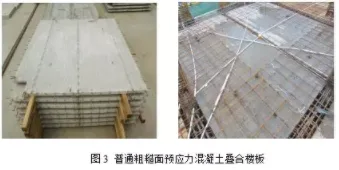
Hoisting of Stacked Floor Slabs
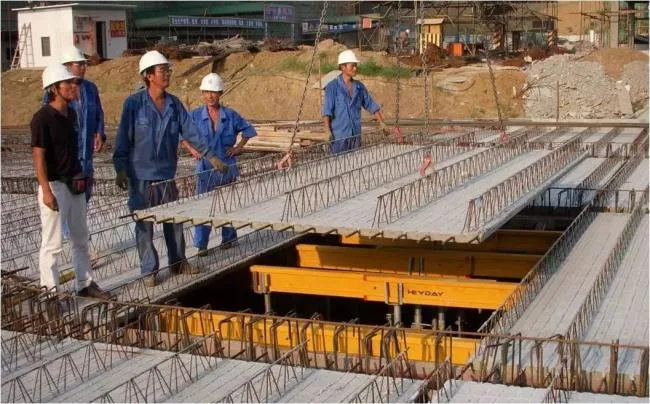
Lift the stacked floor slabs following the installation layout plan from the design drawings, which details floor slab numbers, dimensions, and precise positions.
Water and Electrical Pipeline Connections
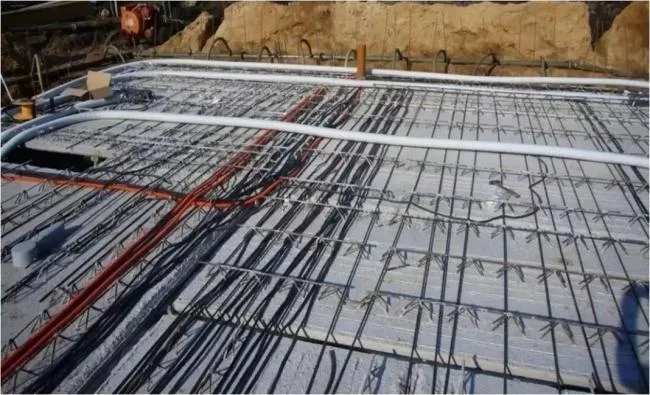
During production, BIM work boxes and pipelines for water and electricity are pre-installed within the stacked floor slabs. On-site pipeline connections are required only for prefabricated residential buildings.
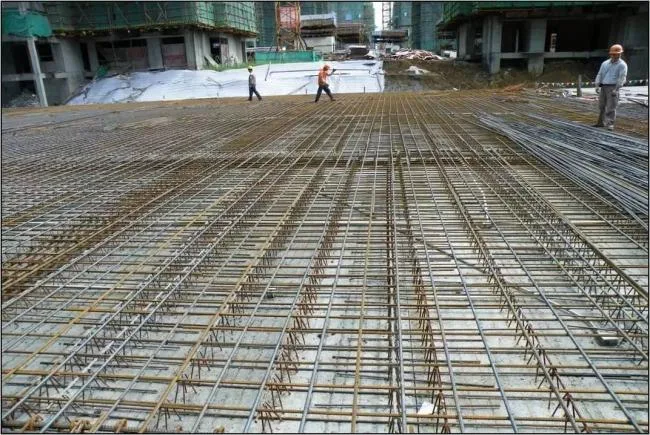
Installation of Steel Reinforcement on Upper Floor Slabs
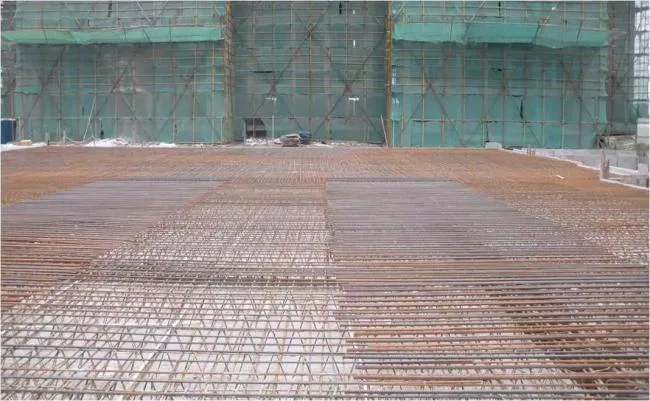
Place the upper reinforcement of the floor slab on the upper chord reinforcement of the lattice beam. Tie and fix the reinforcement to the lattice beam to prevent displacement or floating during concrete pouring.
Inspection and Acceptance
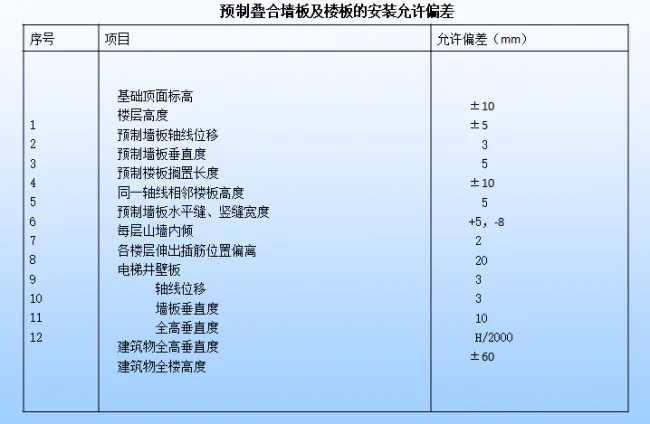
Before concrete pouring, conduct thorough inspections and acceptance checks of the composite panel installation and on-site reinforcement binding, adhering to relevant standards and specifications.
Concrete Pouring
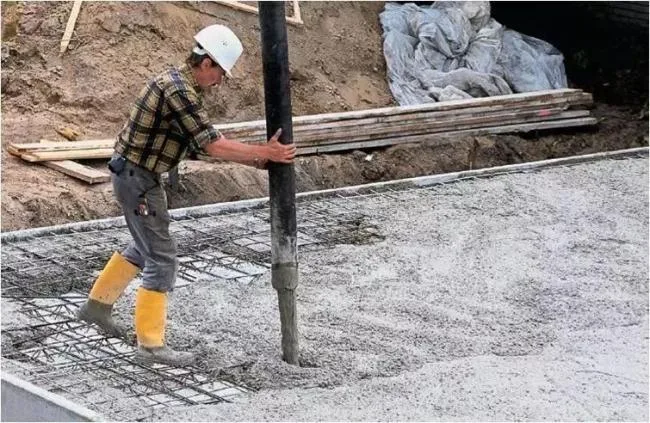
Start pouring concrete from the wall panels, layering it carefully. Each layer should not exceed 80 cm in height, with intervals between layers generally no less than one hour.
Design Node Diagram for Composite Floor Support
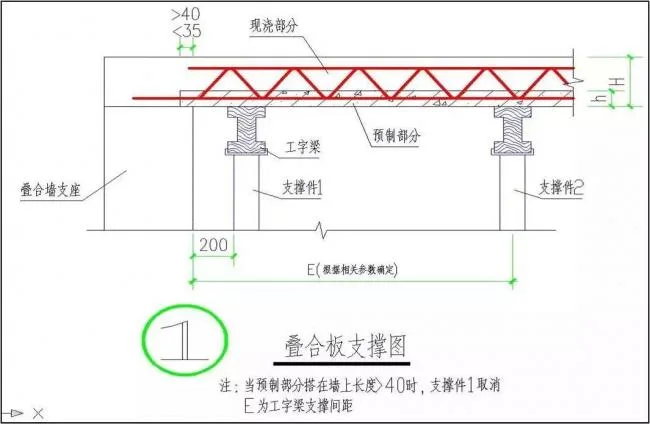
Installation Node Diagram of Composite Floor Support
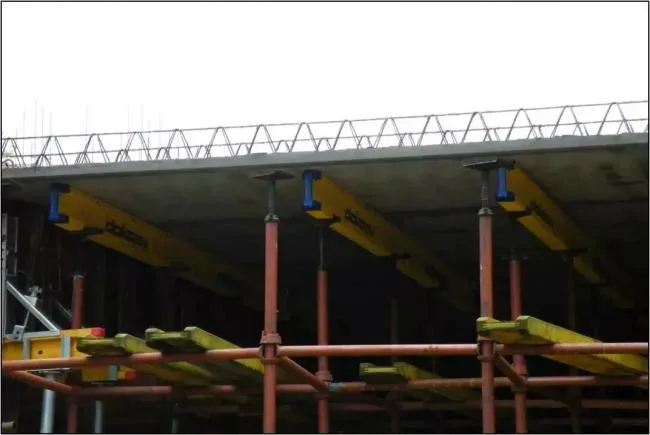
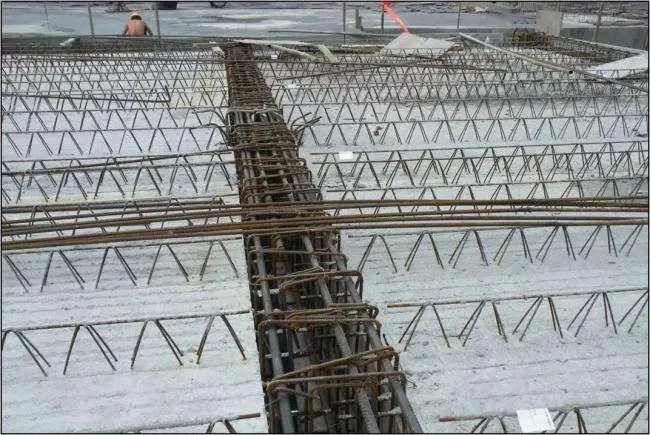
Design Drawing for Connection Between Laminated Floor Slab and Beam
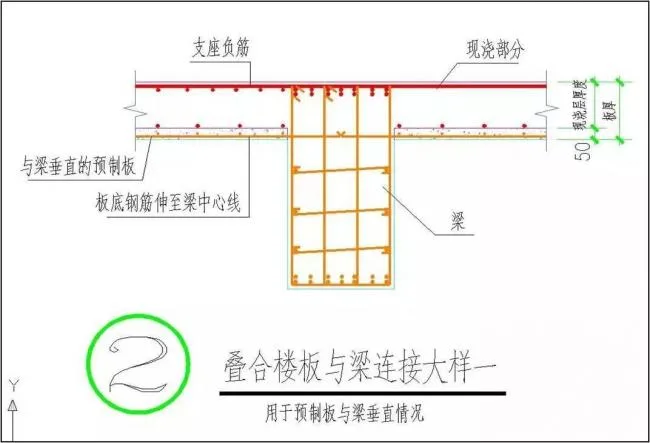
Installation Diagram of Composite Floor Slab and Beam Connection
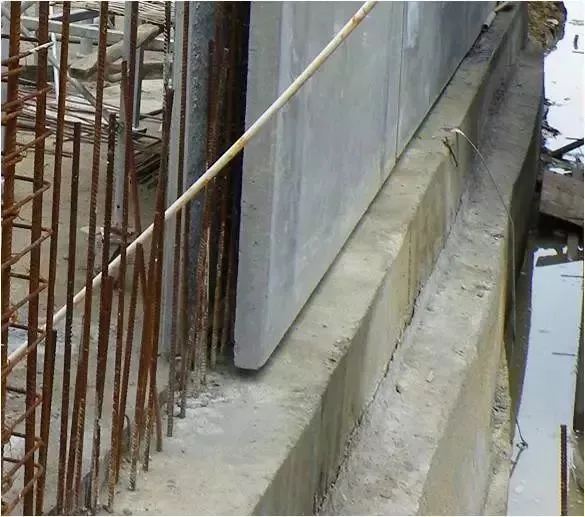
Design Drawing for Connection Between Laminated Wall Panel and Bottom Plate
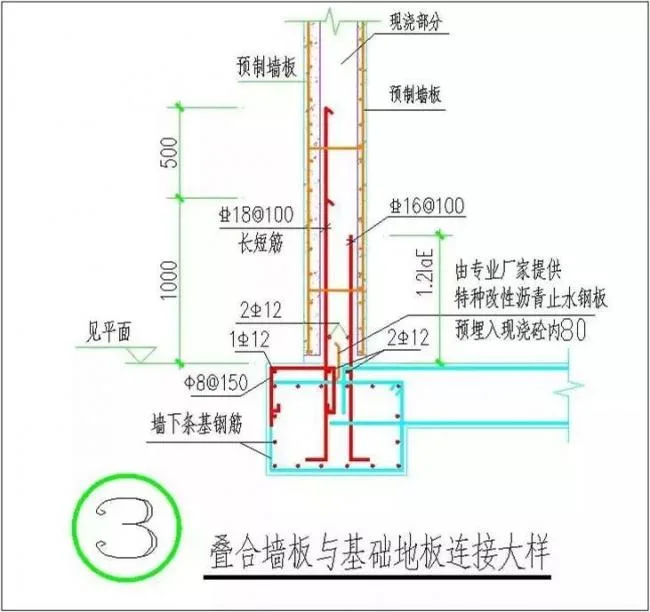
Installation Diagram for the Connection Between Laminated Wall Panels and Bottom Plates
Design Drawing for the Connection Between Laminated Wall Panels and Roof Panels
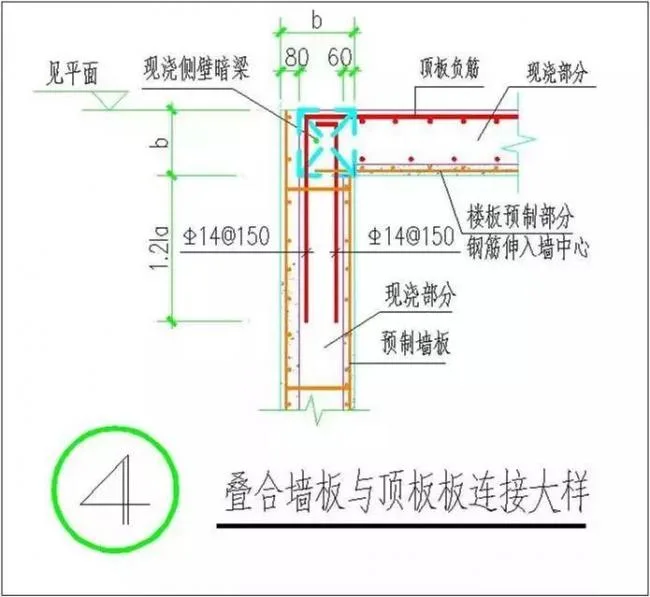
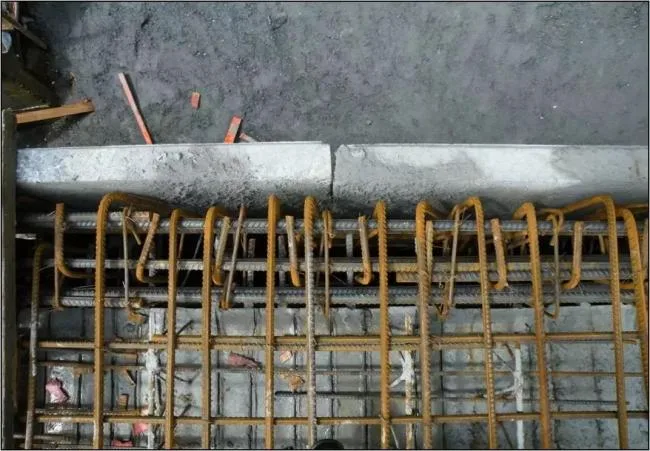
Installation Diagram for the Connection Between Laminated Wall Panels and Top Panels
Design Drawing of Horizontal Joint of Laminated Wall Panel
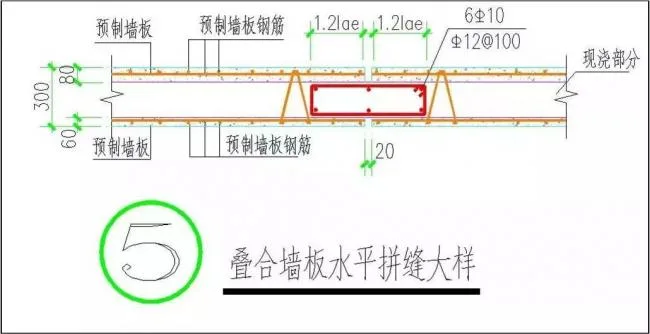
Installation Diagram of Horizontal Joint of Laminated Wall Panel
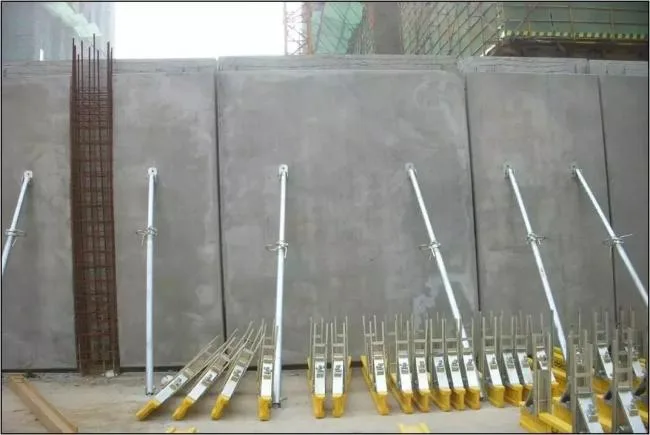
Design Drawing for Joint of Laminated Wall Panels
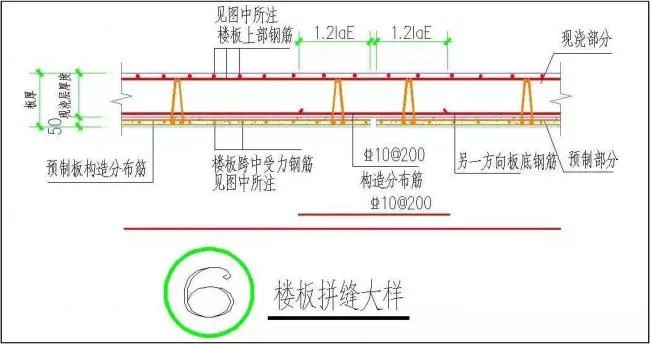
Installation Diagram of Laminated Wall Panel Joints













Must log in before commenting!
Sign Up