
Basic Design Principles
Key Considerations in Designing Precast Concrete Buildings

Precast concrete offers efficient construction solutions across a wide range of structural forms, meeting the demands for both versatility and durability in building design. To fully leverage the benefits of prefabrication technology, it is essential to consider both design and industrial production processes from the outset.
Widely acknowledged as an economical, durable, and structurally reliable method, precast concrete continues to evolve to meet modern societal needs. However, it is often mistakenly viewed merely as a form of prefabricated housing, which underestimates the broad advantages of various prefabrication techniques. To maximize outcomes, design efforts should always start with the specific requirements of the structure—this is a fundamental principle in prefabrication technology.
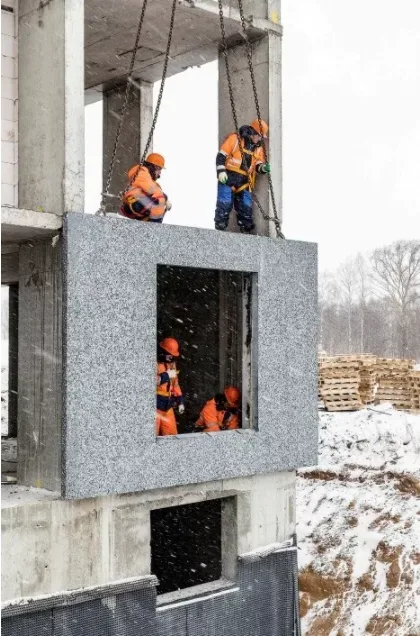
Precast concrete technology is suitable for most building types. While square and vertical structures are especially well-suited due to their regularity and repeatability, the misconception that precast concrete lacks design flexibility is incorrect. Modern precast concrete buildings can be safe, cost-effective, feature diverse floor plans, and showcase innovative facade treatments.
Consulting engineers should engage precast building designers and component manufacturers early in the project. This collaboration helps clarify the prefabrication process, determine connection points, ensure structural stability and stiffness, and guide architects on what modifications are feasible within prefabricated construction, according to prefabrication technology consultant Kim S. Elliott.
Achieving the Best Results
Effective project team organization and streamlined design procedures are critical for precast concrete buildings. It is recommended that clients, architects, consulting engineers, and all specialized engineers (including those in water, electrical, HVAC, etc.) have full access to design-related information, Building Information Modeling (BIM) data, and production details. This transparency ensures consistent guidance and coordination across the entire team.
The optimal approach treats the structure as prefabricated from the very beginning. Designing precast buildings involves more than minor modifications to traditional cast-in-place designs.
Key design concepts for prefabricated structures include large spans, structural integrity, and specific stability systems. Standardized solutions—such as modular design, uniform products, and consistent connection nodes and workflows—should be prioritized. Overly complex or fragile connections must be avoided.
Dimensional tolerances are also a crucial consideration. Prefabricated concrete elements naturally exhibit slight differences between specified and actual dimensions. Although advanced production technologies like the FaMe system minimize these discrepancies, designs must still accommodate such variations.
Prefabricated concrete production is an industrialized process, which offers advantages at every stage from design to construction. For example, long line formworks enable the efficient fabrication of standardized components. Therefore, the design process should fully embrace the prefabricated nature of the structure from the start.
Accurate node calculations and streamlined documentation have become practical realities. Emphasis must be placed on meticulous design, thorough planning, and timely, precise communication. Last-minute changes often cause problems, so careful preparation and information sharing well in advance are essential.
Architects should recognize that once final deadlines are set, significant alterations—such as adding large openings in floor slabs—are no longer feasible. Adequate time must be allocated for the production of prefabricated components before construction begins. Early and ongoing communication among all project participants is vital to develop and maintain an effective plan.












Must log in before commenting!
Sign Up