
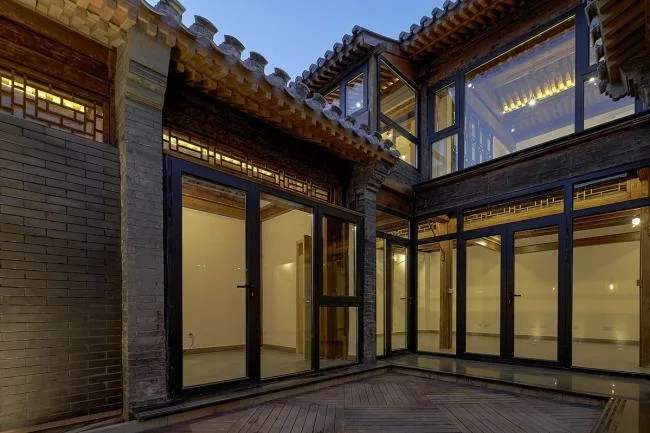
Night view of the west wing as seen from the courtyard.
Environment and History
From the late Qing Dynasty through the Republic of China era, Qianmen Street served as the largest logistics and transportation hub in the country, as well as a thriving commercial center. The street was lined with shops bustling with people and goods moving from south to north. In recent years, with the revitalization of Beijing’s old urban area, significant renovations have transformed areas such as the West Polishing Factory, Xianyukou, Dashilan, and parts of Zhengyangmen in the Qianmen district. These updates have created a distinctive urban style that blends traditional Chinese, colonial compromise, and modern architectural elements.
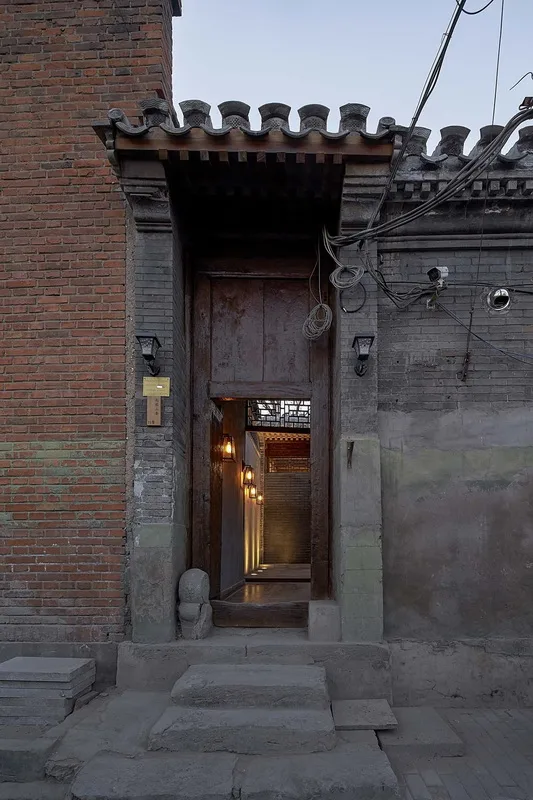
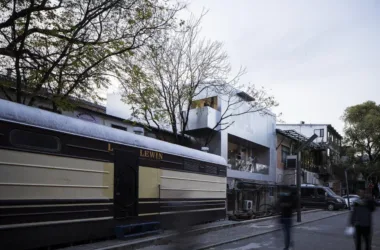
Entrance to Changxiang Sanjiao Street.
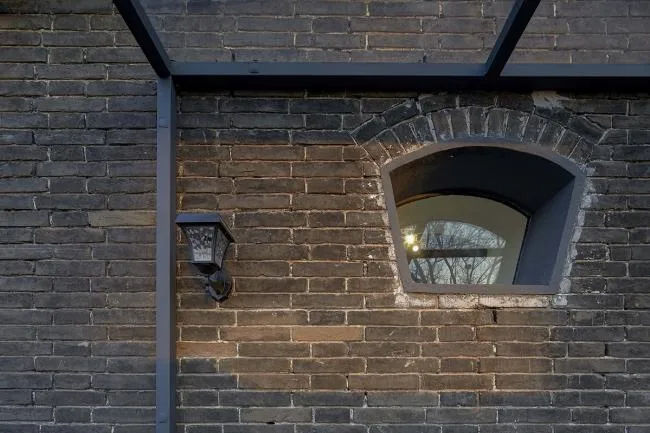
Detail of the main facade.
The courtyard-style western house is a unique residential type in Qianmen, combining European eclecticism with traditional northern Chinese residential styles. Together, these form the characteristic urban fabric of the old Beijing Qianmen commercial district.
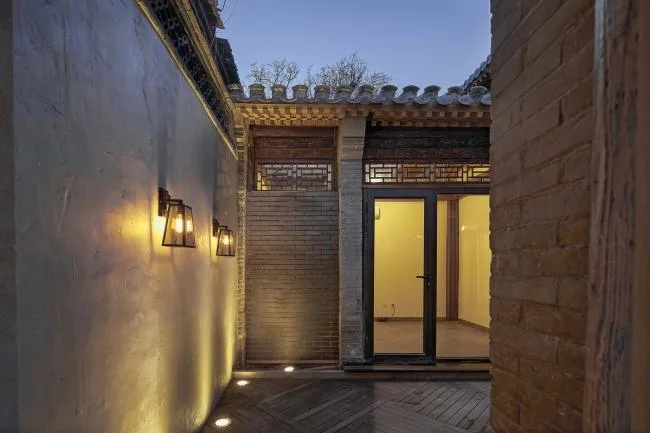
View of the west wing room from the courtyard entrance.
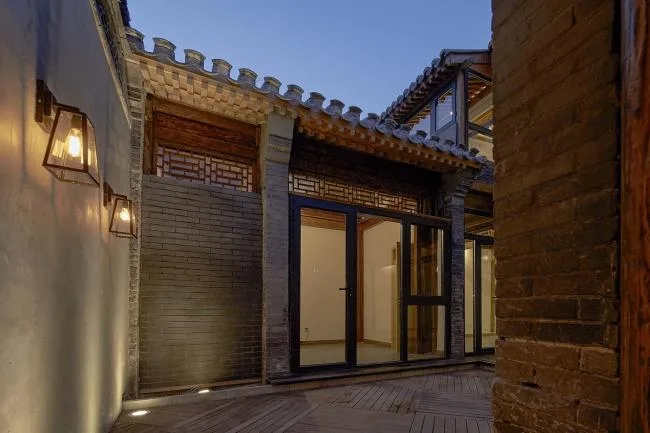
Courtyard view.
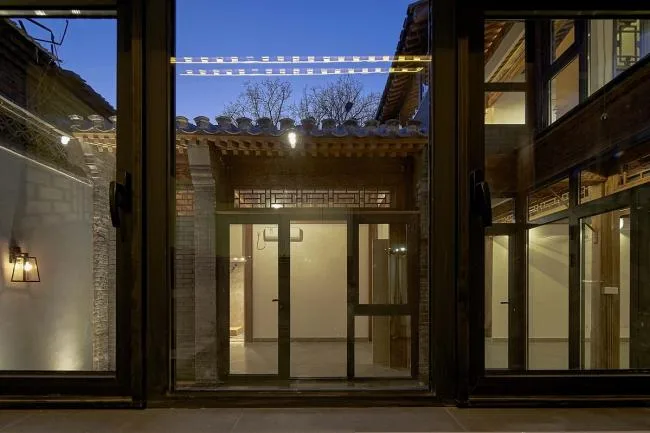
Night view of the courtyard from the east wing room.
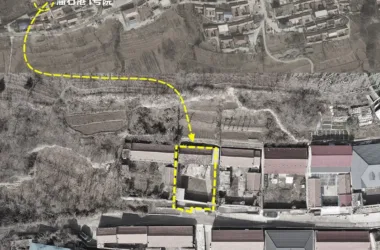
The project is situated along Changxiang Sanjiao Hutong, which is approximately 400 meters long and 3 meters wide. It stretches from West Polishing Factory Street in the north to Changxiang Wutiao in the southeast. Historically, during the Ming Dynasty, Changxiang Sanjiao was known to have associations with places such as Changmei, Jinxi, Linjiang, and Nancheng. After renovation, some surrounding houses have been transformed into showcases for fashion and culture, while several older houses remain in a state of disrepair. The original structure before renovation was a two-story Qing Dynasty courtyard concealed among these old buildings.
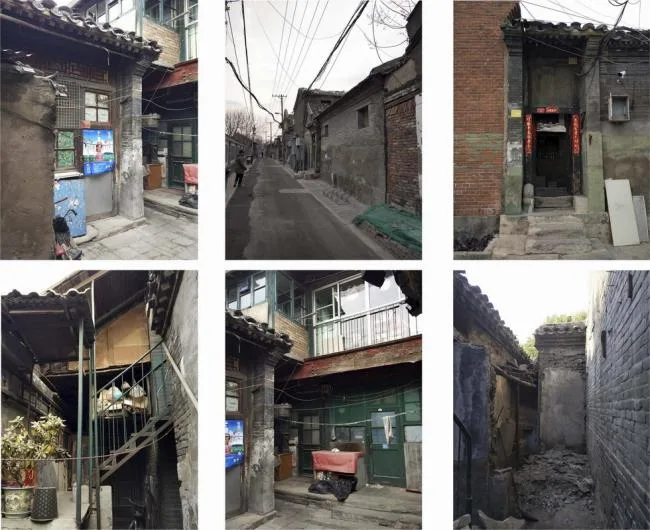
Changxiang before renovation.
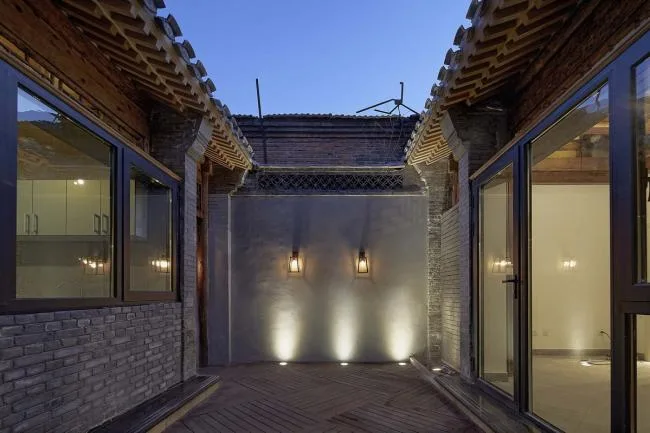
Night view of the south wall from the courtyard.
Original Residence and Changes
The original courtyard consisted of a two-story, three-bay main house along with single-story double-bay east and west wing houses, arranged staggeredly to form a square courtyard enclosed by a south-facing wall. The structure was supported by traditional wooden framing and brick walls. The renovation preserved the Qing Dynasty courtyard layout and the original wooden framework. Internal partitions were removed and rebuilt to create flexible, usable spaces.
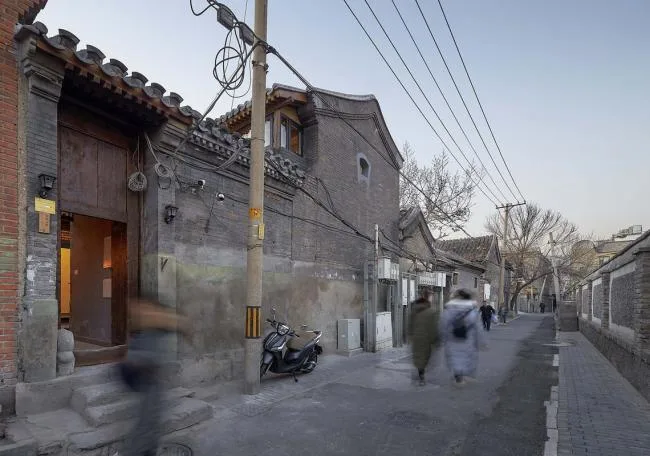
Outdoor scene on Changxiang Sanjiao Street.
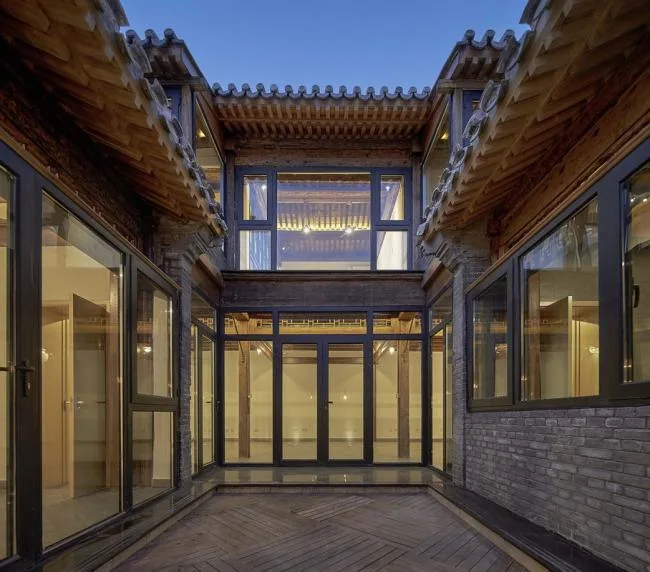
Night view of the three-bedroom main room.
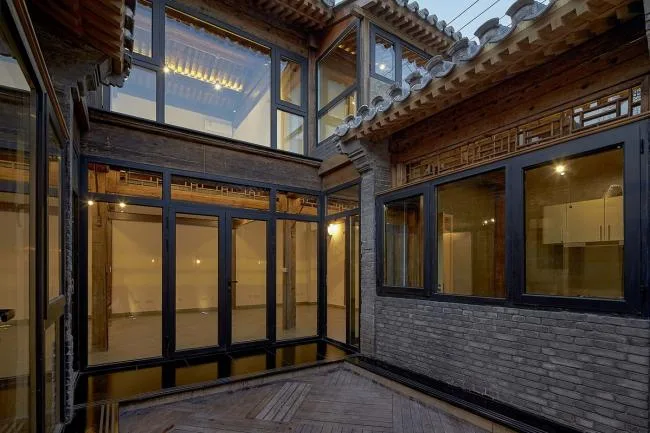
View of the east wing of the courtyard.
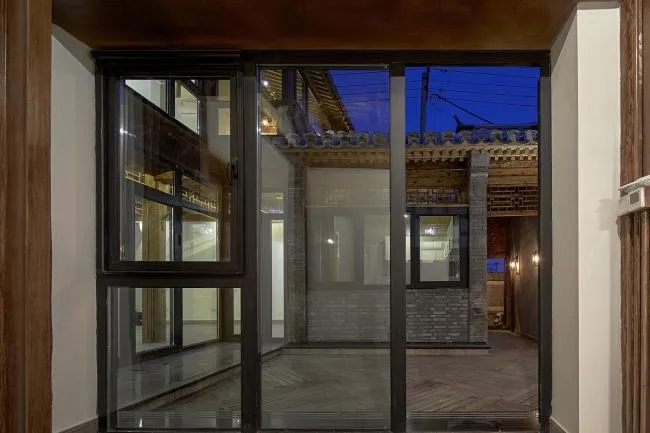
View of the courtyard from the west wing room.
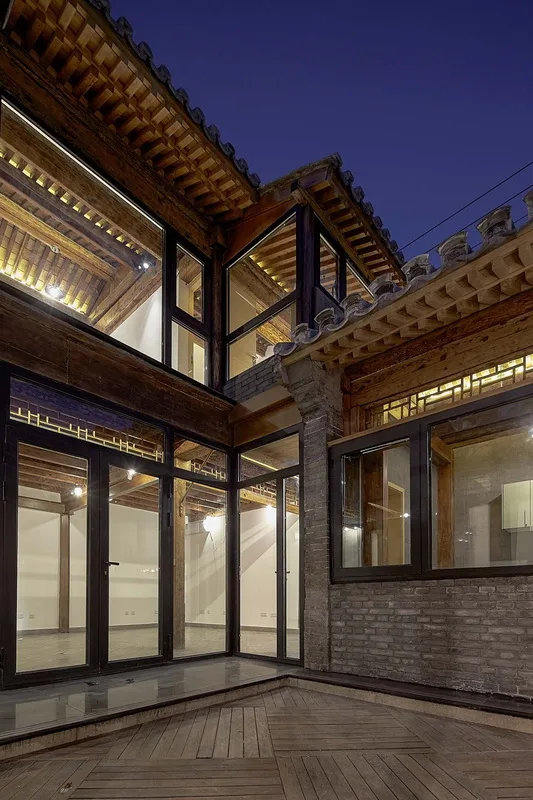
Night view of the main room from the west wing.
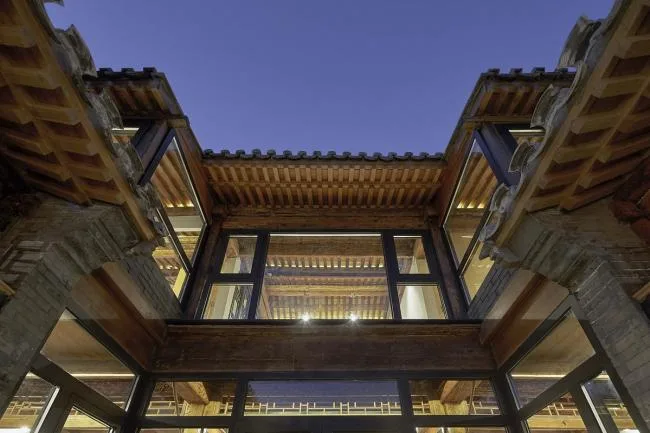
Looking up at the three-bay main room.
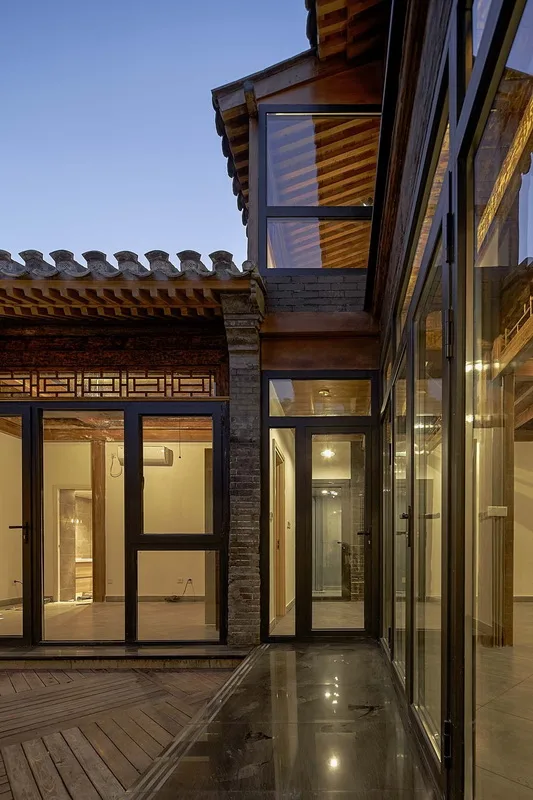
Night view of the west wing entrance from the courtyard.
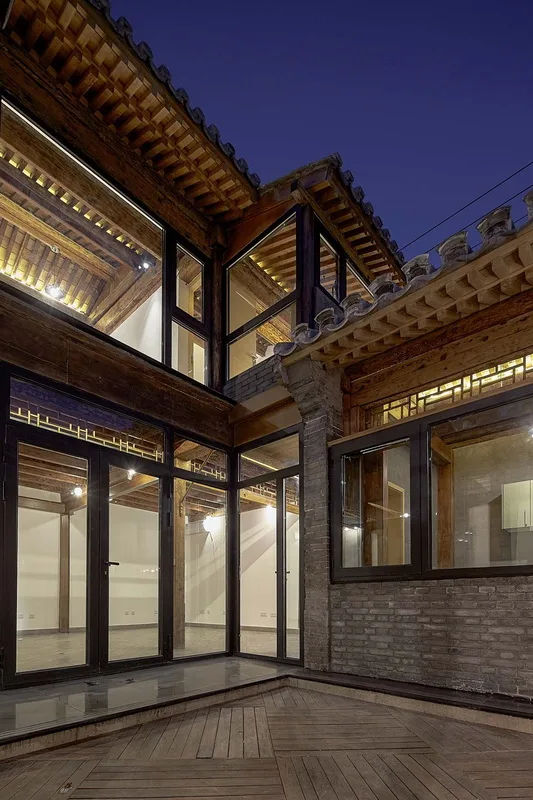
Night view of the main room.
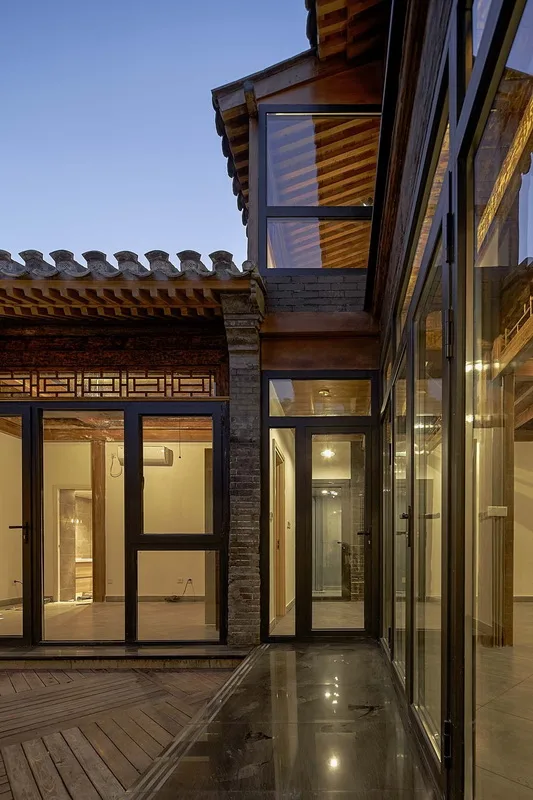
West wing entrance.
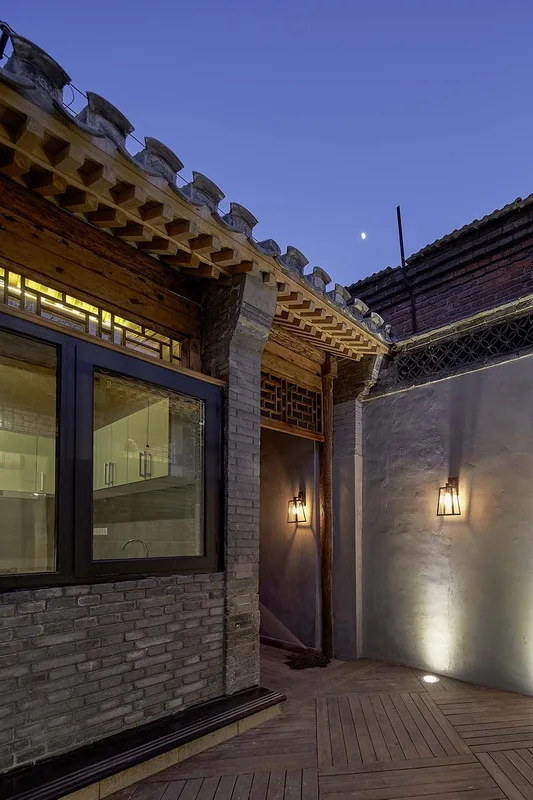
Night view of the courtyard entrance.
A steel staircase was added between the west wing room and the main room, along with an unprotected rain shelter (BIM learning) shed. This creates a deconstructive connection between the old and new functional sequences from the first to the second floor, forming a three-dimensional courtyard with alternating open spaces that connect indoors and outdoors. Natural lighting and ventilation were improved by adding external windows and skylights. The number of bathrooms was increased to meet office needs and to provide flexibility for future homestay use.
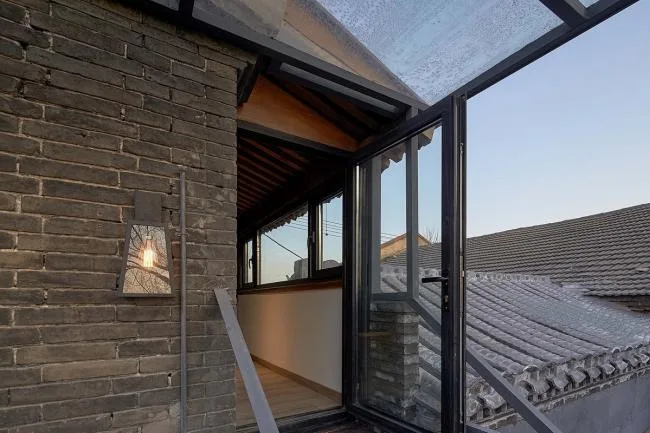
Entry and exit points on the second floor of the main room.
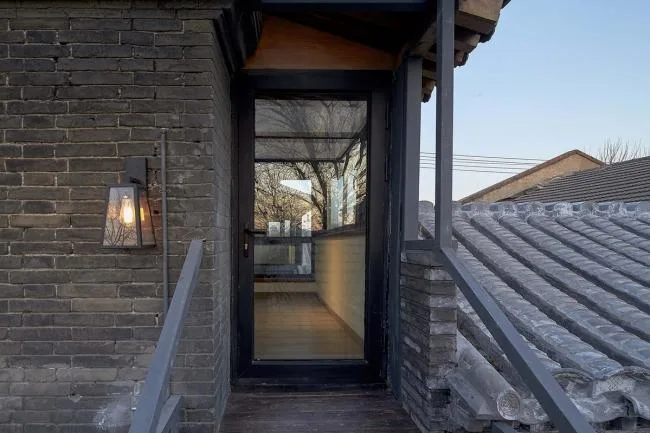
Second floor main room entrances and exits.
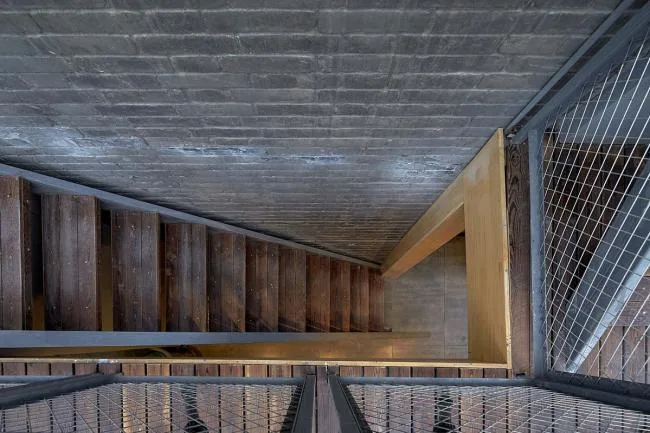
West wing staircase.
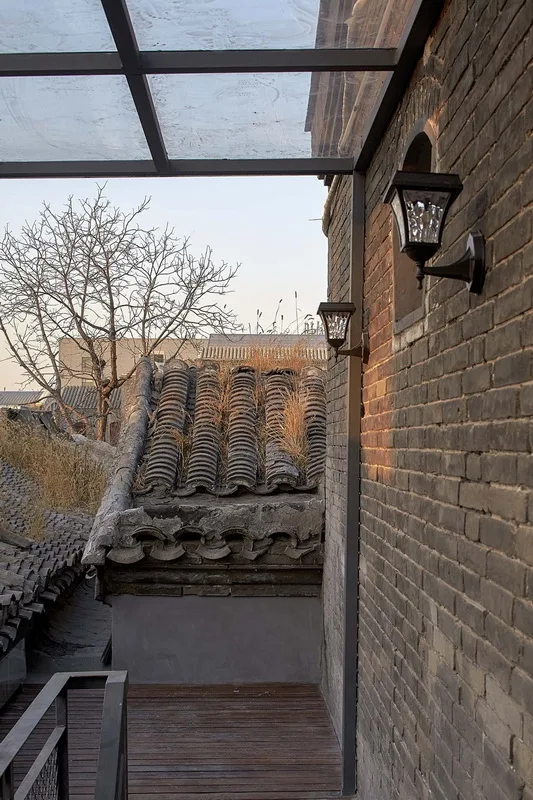
Terrace canopy of the west wing room.
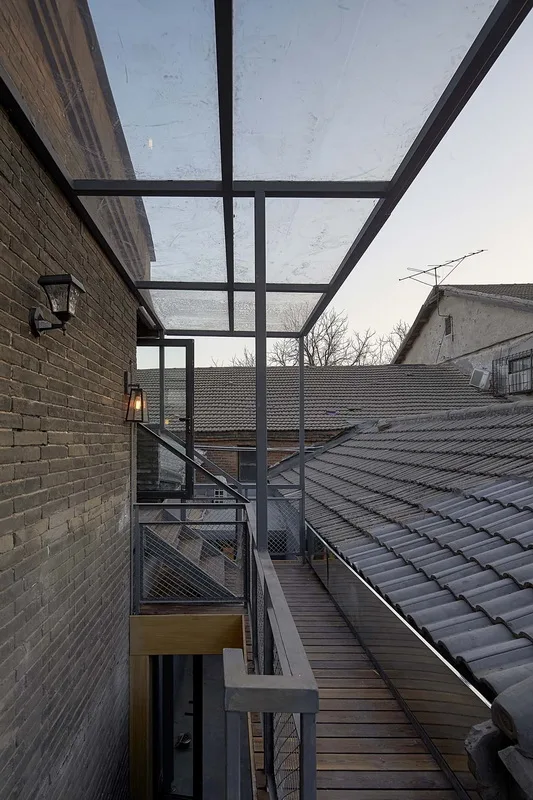
West wing room terrace canopy.
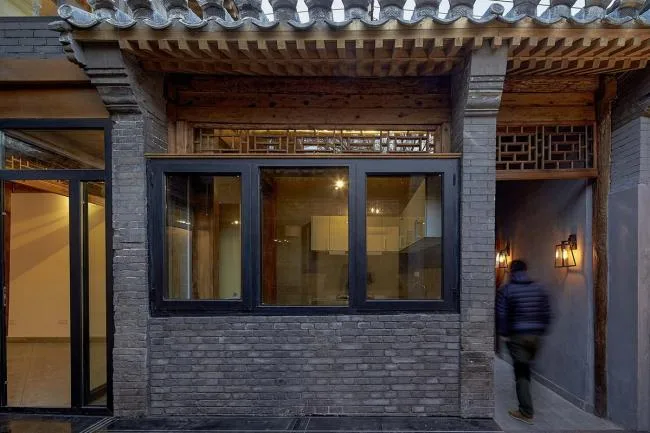
Facade of the east wing kitchen.
Concept and Implementation
The renovation design adopts a simple and restrained approach to internal materials. The original main structure was reinforced with steel, providing high strength and flexibility, while carefully preserving and exposing the wooden frame structure. The aged wooden boards, showing natural textures, were polished and coated using traditional lacquer techniques, adding a quiet, warm atmosphere that highlights the old house’s elegant character. Natural materials such as pale yellow cedar and stone emphasize the rustic ambiance. Meanwhile, dark metallic textures combined with broken bridge aluminum doors and windows introduce a subtle modern contrast to the rustic environment.
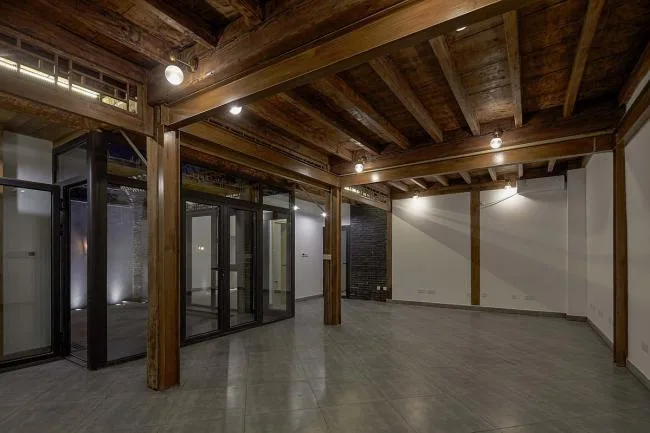
Interior view of the first floor in the main room.
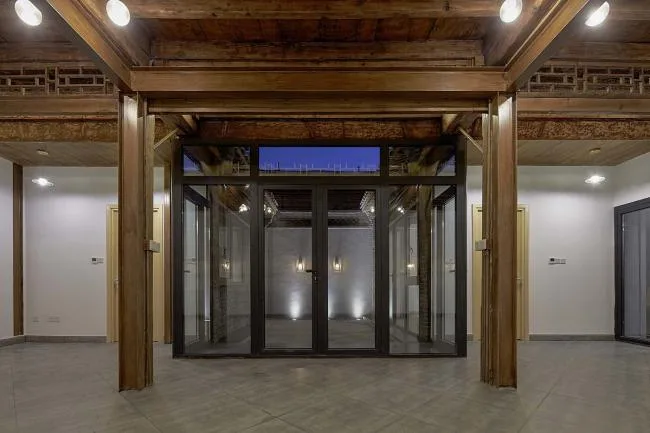
First floor interior of the main room.
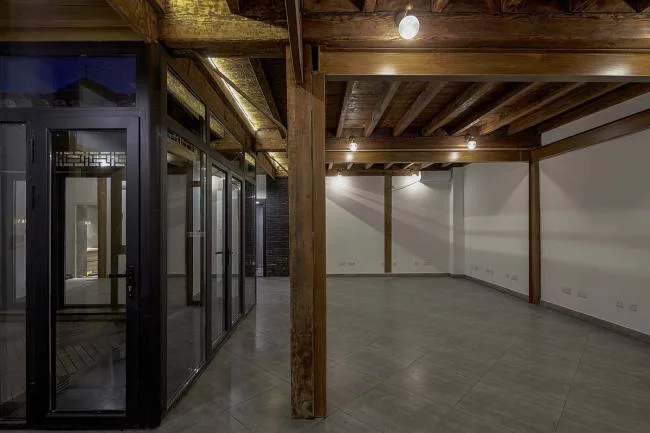
First floor interior of the main room.
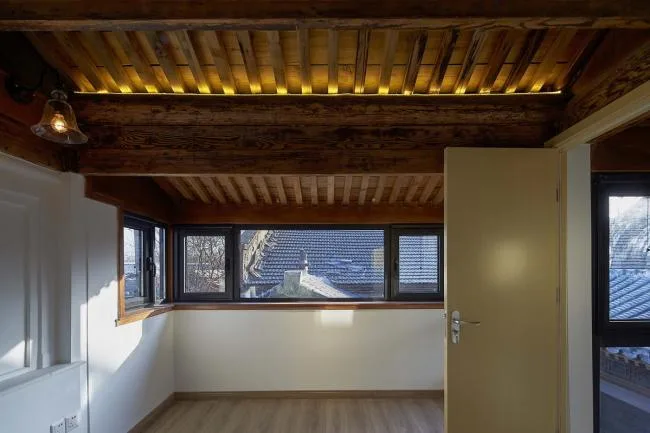
Interior of the large guest room on the second floor of the main room.
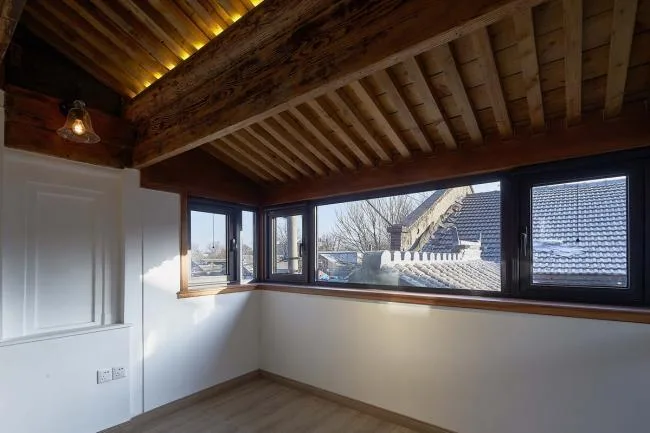
Interior of the large guest room on the second floor of the main room.
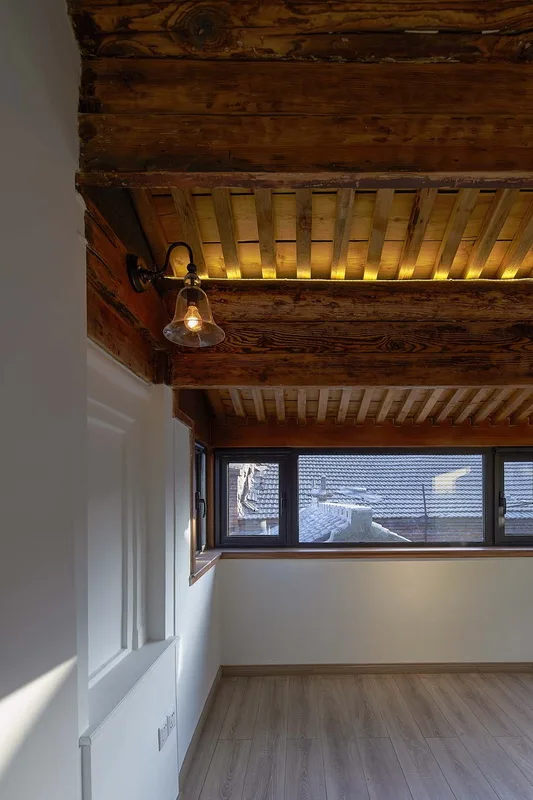
Interior of the large guest room on the second floor of the main room.
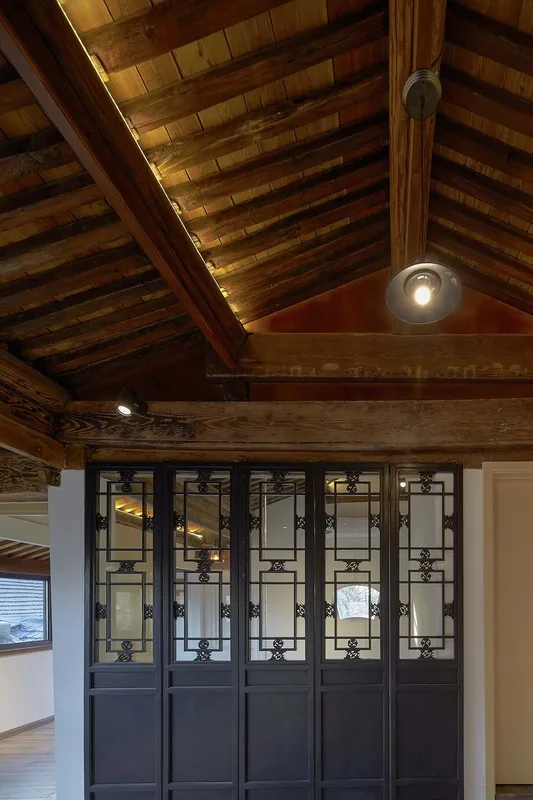
Interior of guest rooms on the second floor of the main room.
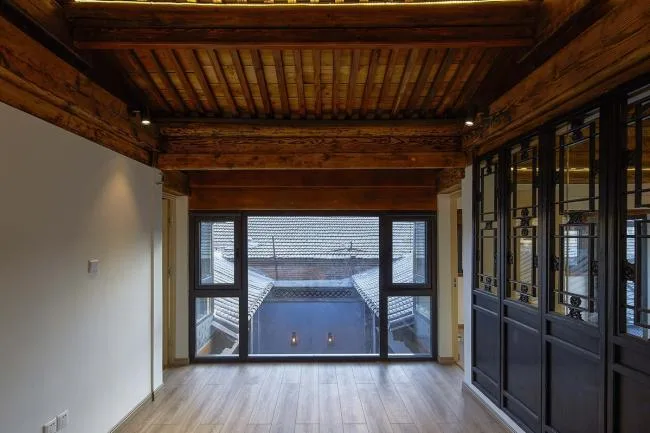
Interior of guest rooms on the second floor of the main room.
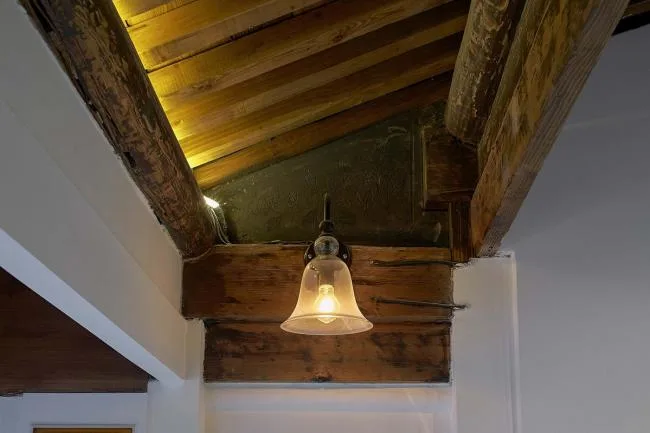
Lighting fixtures in the guest rooms on the second floor of the main room.
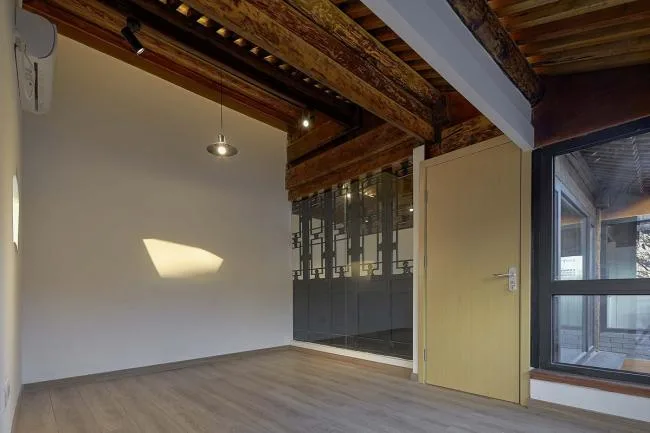
Interior view of the main room and small living room.
Cities and Dreams
The transformation of courtyard homes represents a dialogue with history. It creatively breaks through traditional spatial patterns and private boundaries, integrating symbols of historical memory while exploring lifestyles that foster greater connection with nature. This approach offers a new perspective on urban renewal models for Beijing’s old city.
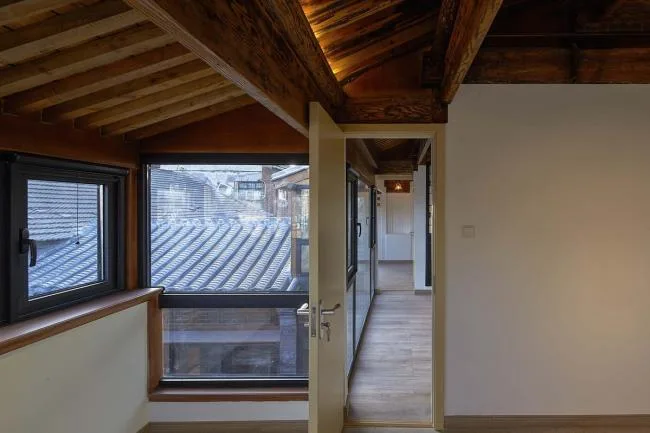
Second floor corridor of the main room.
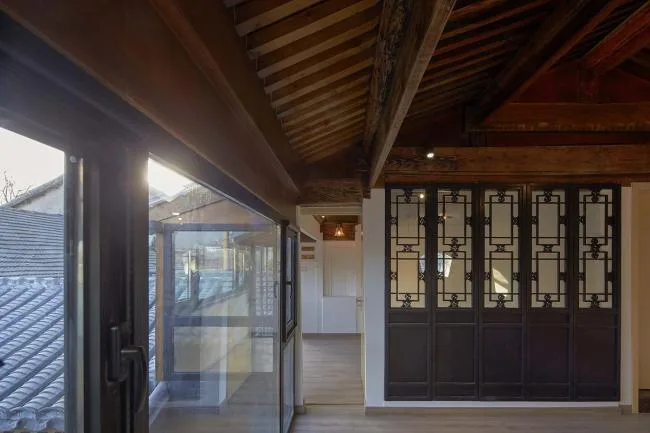
Second floor corridor of the main room.
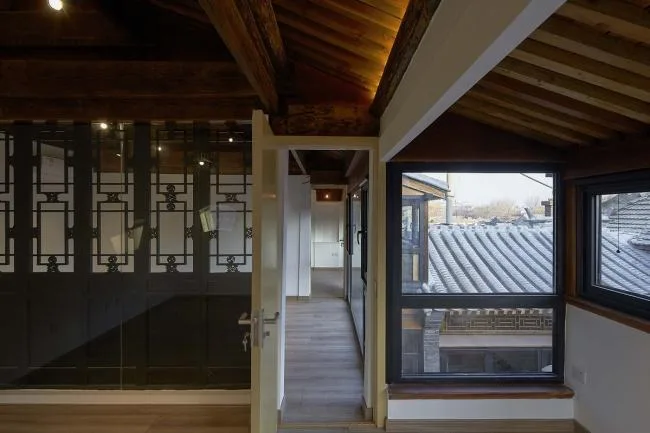
Second floor corridor of the main room.
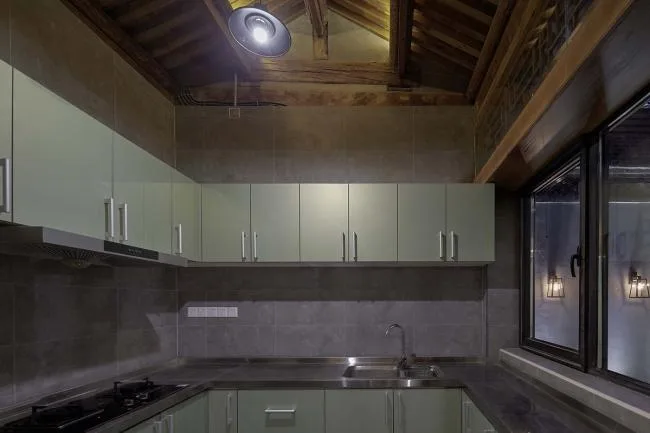
East wing kitchen.
The room maintains a connection to the courtyard, considered one of the most beautiful in the quadrangle. Light filters through wide French windows, illuminating every corner of this century-old home. The transitions and connections between the lobby, kitchen, guest rooms, corridor, and terrace, along with a stunning sunset view from the terrace’s main entrance, embody the essence of traditional garden design. The entrance facing the street preserves the original urban interface; passing up the stone terrace and through the renovated porch, the lively street noise naturally gives way to a peaceful garden atmosphere.
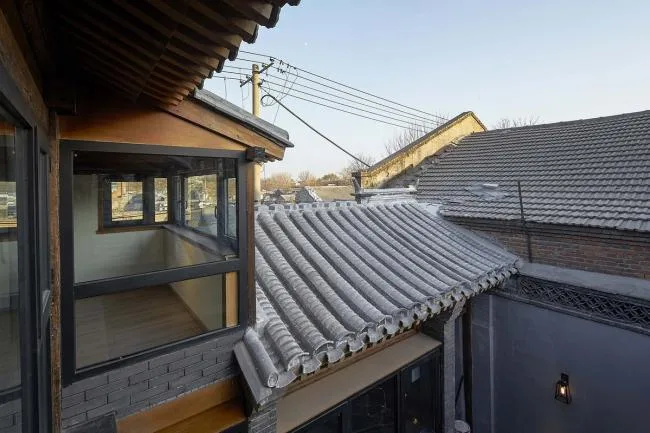
Second floor of the main room overlooking the west wing room.
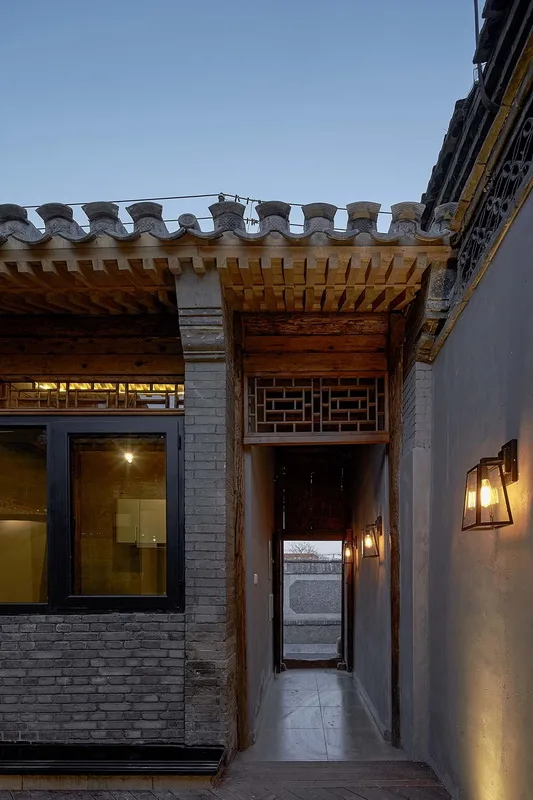
Courtyard entrance corridor.
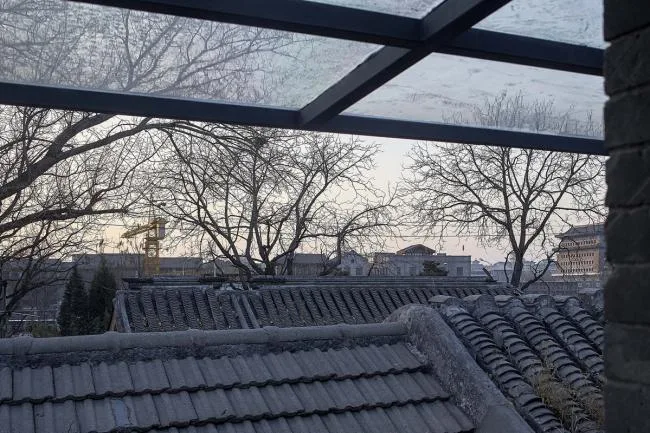
Second floor terrace overlooking the main entrance and the sunset.
While respecting the historical context, the design carefully examines and reveals architectural features obscured by time. Through precise spatial partitioning, the relationship between the staggered eaves and the front hall has been reorganized. The project explores the relationship between building volumes and courtyards, comparing current conditions with the updates.
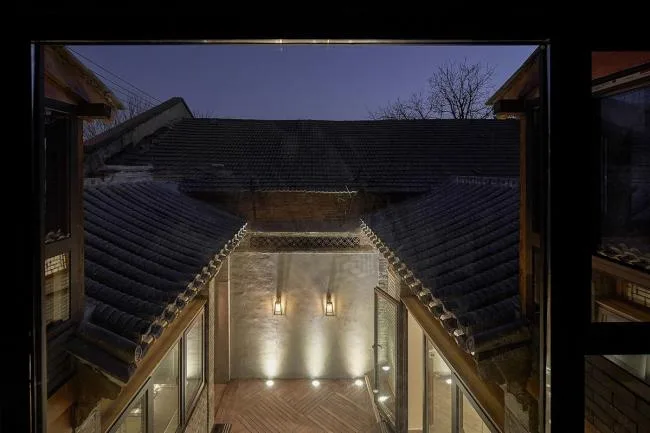
View of the courtyard from the second floor of the main house.
Drawings
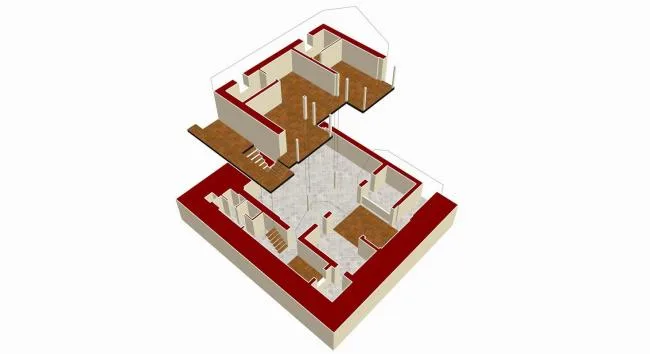
Axis side view of Changxiang.
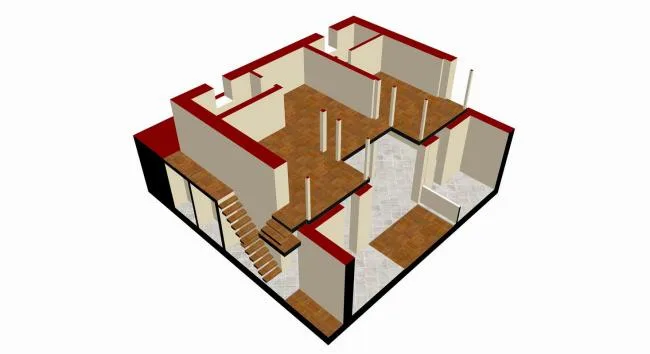
Section map of Changxiang.
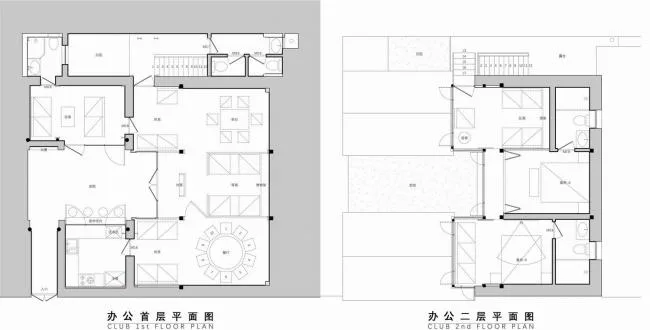
Changxiang office floor plan.
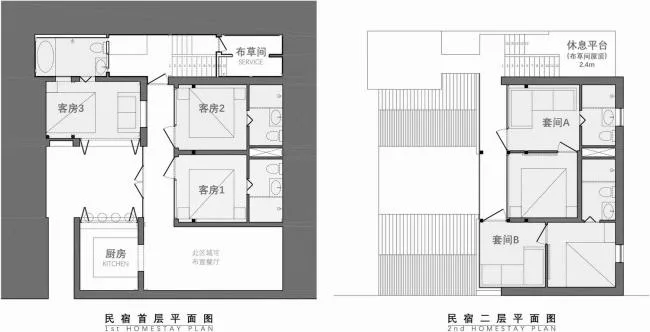
Changxiang homestay floor plan.
Project Information
Architect: Sauber Design
Address: San Tiao, Qianmen Changxiang, Dongcheng District, Beijing, China
Category: Residential Interior
Lead Architects: Fan Kai, Su Bo, Yu Leijian, Sun Yue
Design Team: Ye Longsheng, Luo Lihua
BIM Training Building Area: 215.0 m2
Project Year: 2019
Photographer: Chen He
Manufacturer: Kohler, Dandan
Homestay Consultant: Huji Cultural and Creative (Beijing)
Construction Team: Huji Cultural and Creative (Beijing)
Owner: Beijing Ziting Cultural Development Co., Ltd.












Must log in before commenting!
Sign Up