
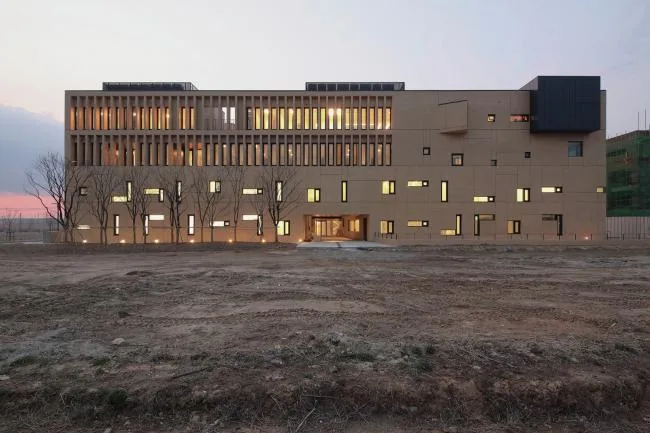
Ming Film Company Pozhou Building
Ming Film Company is a relatively young film production company that has produced and released many popular films, sparking widespread discussion. Notable works include “Heartbroken Street Lovers,” released some time ago, and the more recent “Introduction to Architecture.” Despite the sluggish conditions of the South Korean film industry, Ming Films has achieved notable success.
To improve the challenging film production environment, the company plans to establish a film production school. This school will feature multifunctional spaces for performances, gatherings, and exhibitions, all open to the public. Additionally, the building will house a luxury restaurant, integrating dining with cultural and educational experiences.
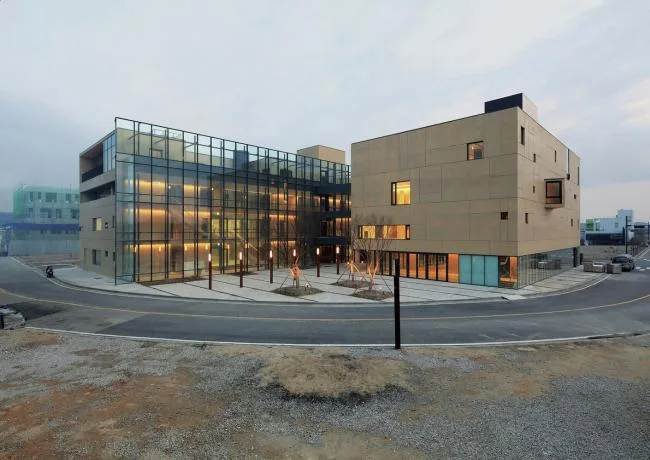
Ming Film Company Pozhou Building
The company envisions the building to include not only private residences but also dormitories and guest rooms for future film school students and tourists. This project effectively creates a small town that merges production, consumption, culture, and residential living, incorporating BIM learning.
Of course, translating the imagined and fictional worlds, commonly known as “movies,” into real life is a complex challenge. The project embraces this challenge by blending cinematic concepts with practical living and working spaces.
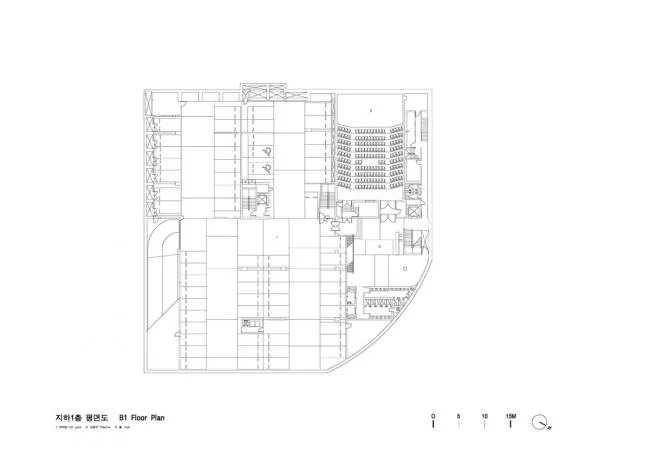
Basement Floor Plan
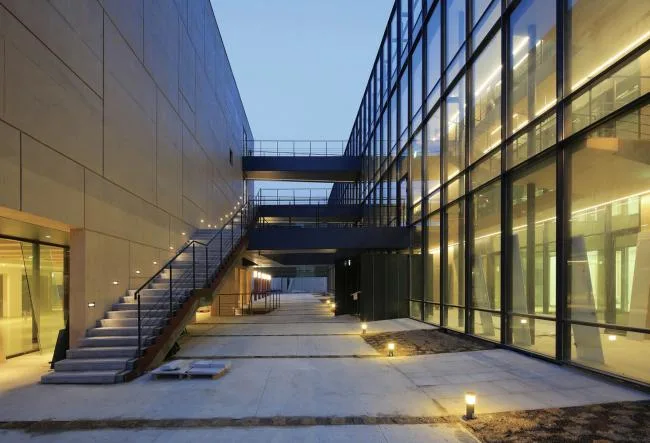
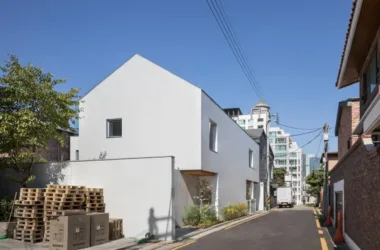
To address the limitations of a vehicle-centric road system, the architect introduced a pedestrian-oriented internal road network that divides the entire block into two sections. This road runs through the center of the project and forms the main square of this small town, a space designed for people to gather, disperse, and linger freely.
Multiple passageways connect the square seamlessly to surrounding areas. Adjacent to the winding road is a green, tree-lined park that provides public outdoor space for the community.
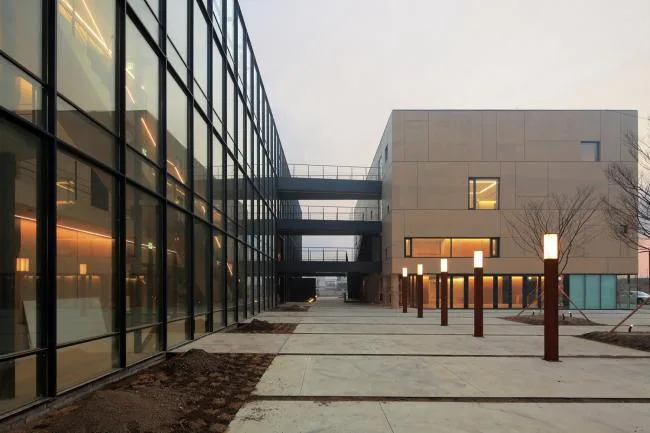
The Road Between Two Buildings
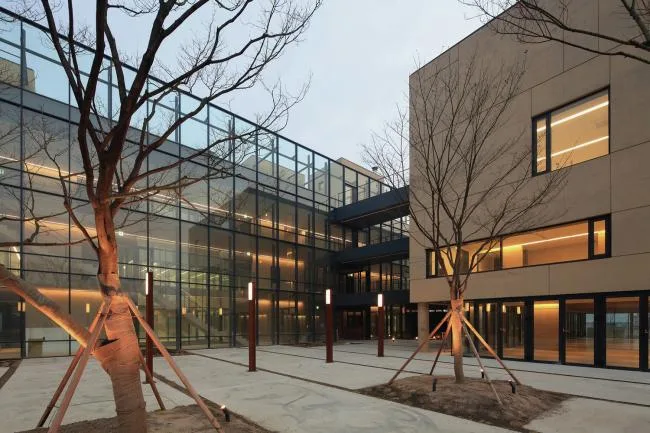
Activity Square
The block is divided into two parts, connected by a bridge. The open-air platform on top serves as an observation deck, allowing visitors to watch and engage with the activities happening on the square and surrounding roads within the small town.
Transparent glass walls surround the main block facing the square, providing clear views of the internal activities from the outside. This design choice creates a dynamic and beautiful living landscape.
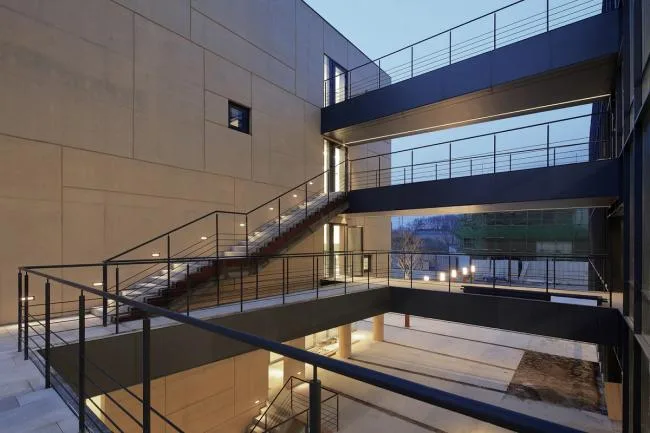
Bridge Corridor Connecting Two Buildings
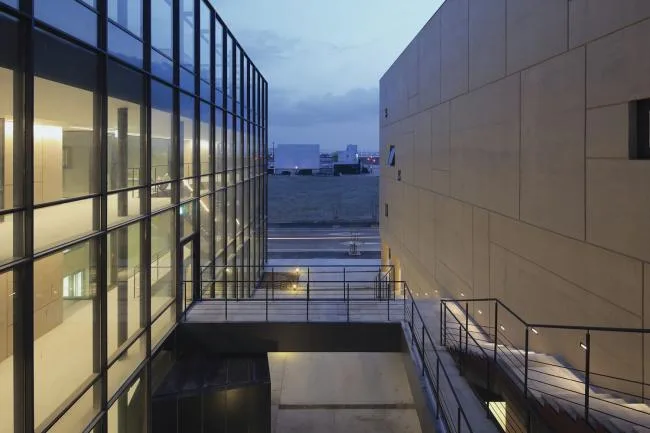
Bridge Corridor Connecting Two Buildings
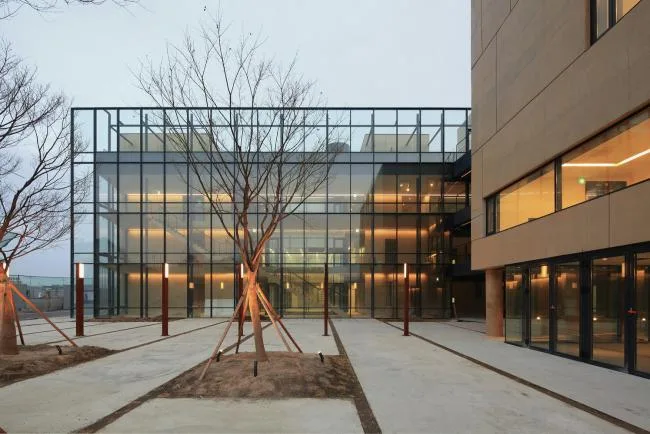
From the square, the transparent glass building inside is clearly visible.
The project resembles a city within a city, featuring various functional spaces internally, a well-developed road system, and scattered small parks and rest areas. Importantly, these spaces are interconnected and open to the outdoors, fostering a sense of openness and community.
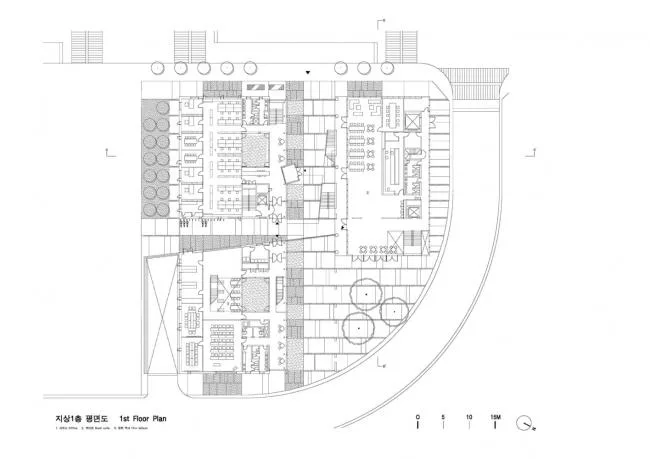
First Floor Plan
The top floor residences are designed as private spaces, ensuring maximum privacy for the families living there, who form a small community. The internal spaces are clearly layered, and the architectural design embraces diversity.
Concrete serves both as a structural and external decorative material throughout the building.
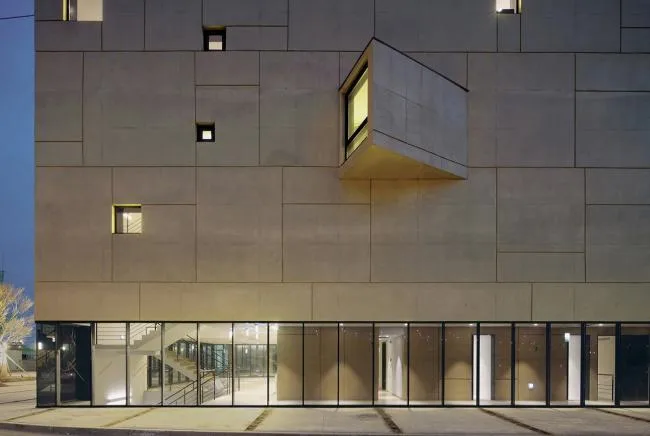
Building Concrete Walls
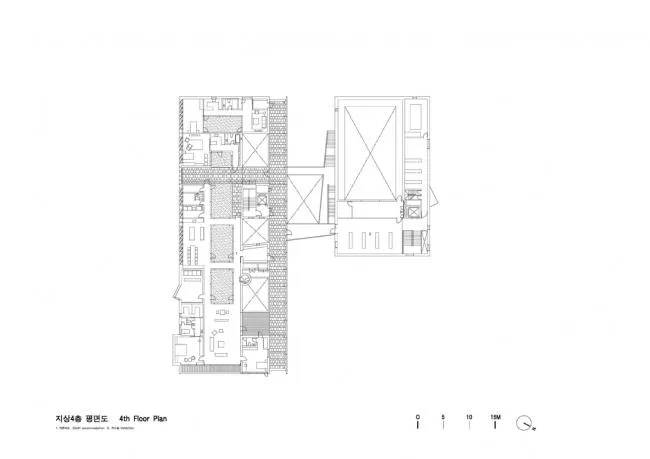
Fourth Floor Plan
Concrete, invented by the ancient Romans over 2,000 years ago, remains unsurpassed in its properties. The craftsmanship, environmental conditions, and the anticipation of the final outcome imbue the use of concrete with almost a sacred quality for architects.
When detailed correctly, concrete endures over time, embodying permanence. Architecture is eternal yet evolves, a balance that remains an ultimate, though challenging, goal.
As André Bazin once remarked, movies capture objective moments frozen in time—an apt metaphor for a film production company’s building.
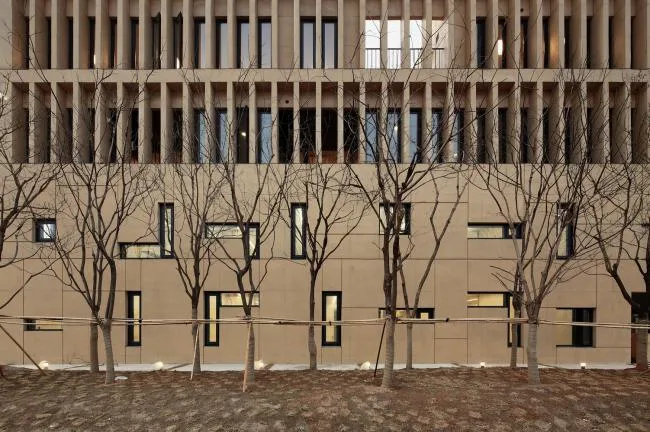
Partial Construction
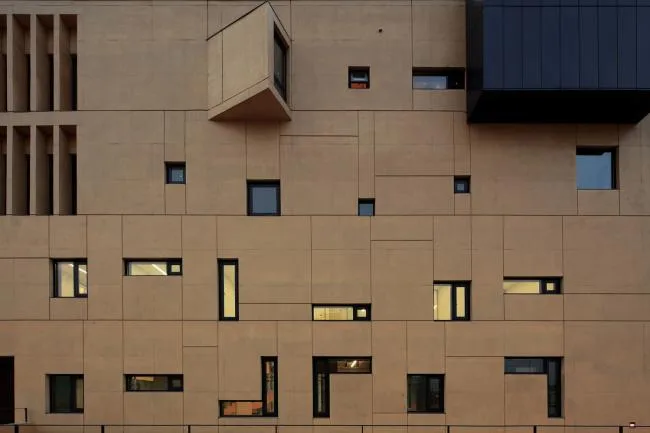
Partial Construction
Architecture exists as a constantly evolving landscape. Though firmly anchored to the ground, it serves as a foundation upon which landscapes continuously change and adapt.
Over time, the relationship between landscape and architecture transforms the space, ultimately shaping the small town into a living building. Architecture is not created by a single architect alone; it is the residents’ interactions with their environment that truly define it.
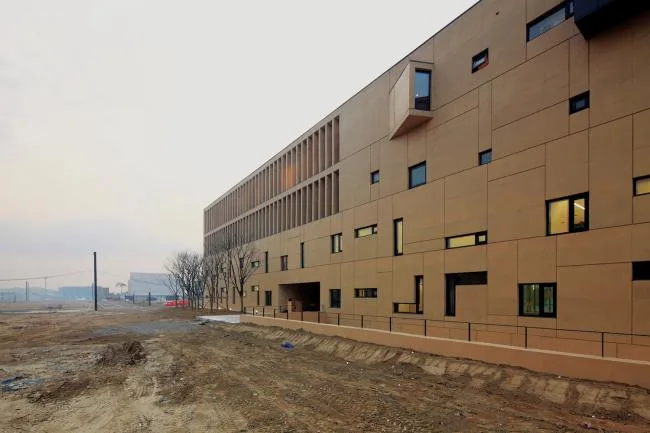
Buildings Located on the Base
Similar to how films, shot from a third-person perspective, seek to present an objective reality rather than personal intentions, true architecture should embody the same principle. Thus, the Ming Film Company building itself—an example of BIM architecture—is both a small town and a cinematic experience.
Drawings
Underground Floor Plan
First Floor Plan
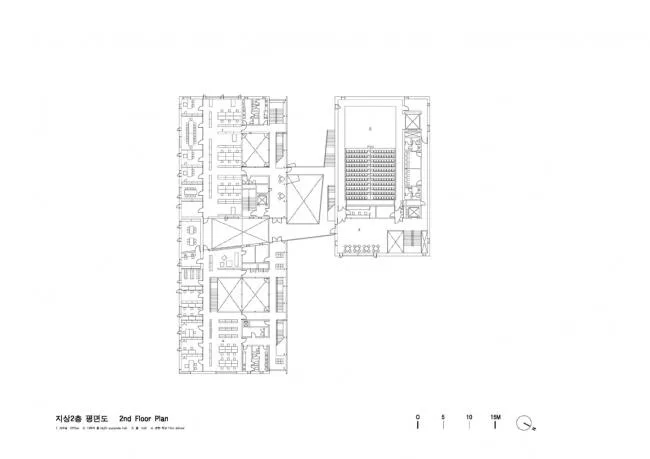
Second Floor Plan
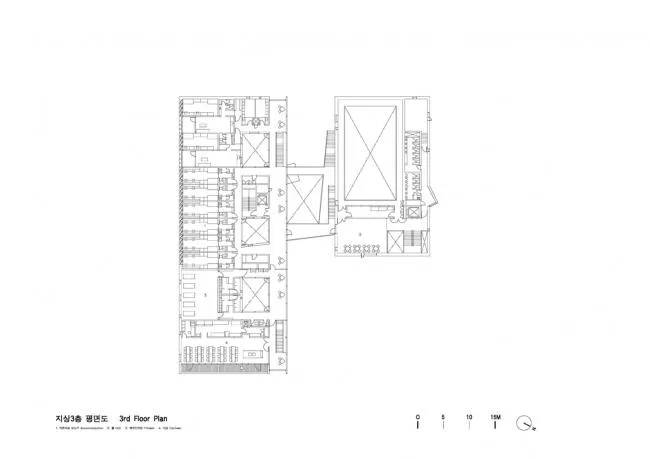
Third Floor Plan
Fourth Floor Plan
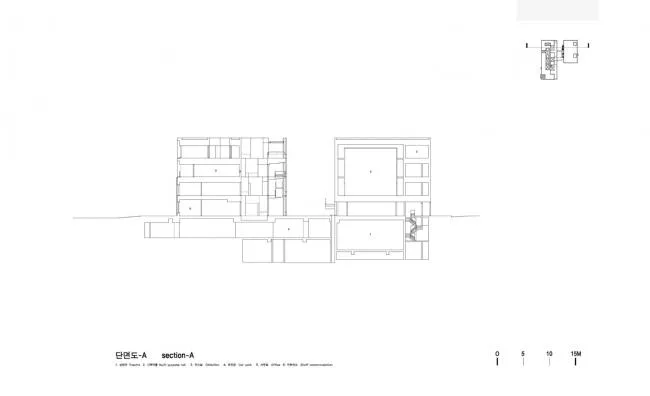
Section A
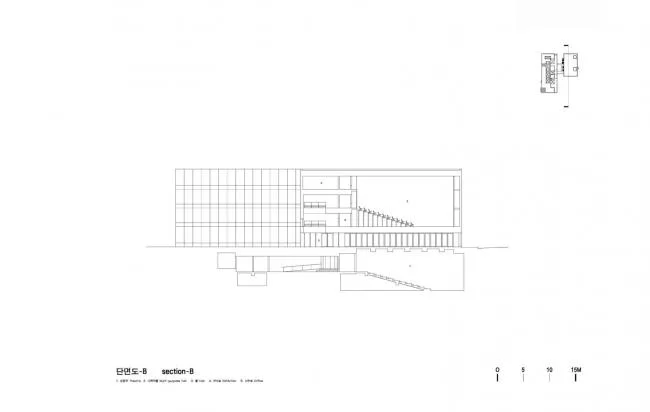
Section B
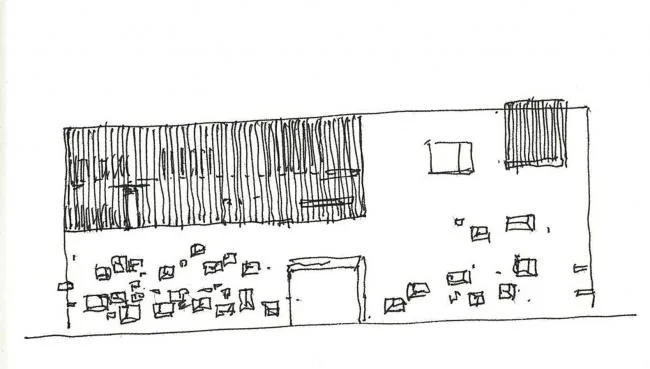
Sketch 1
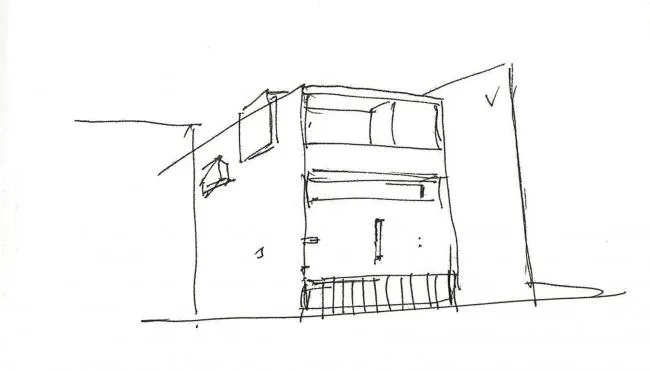
Sketch 2
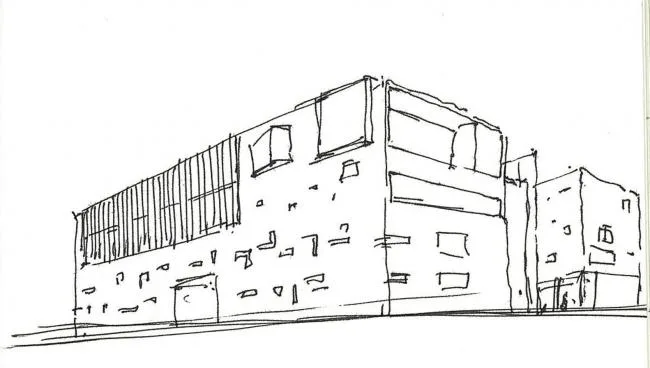
Sketch 3
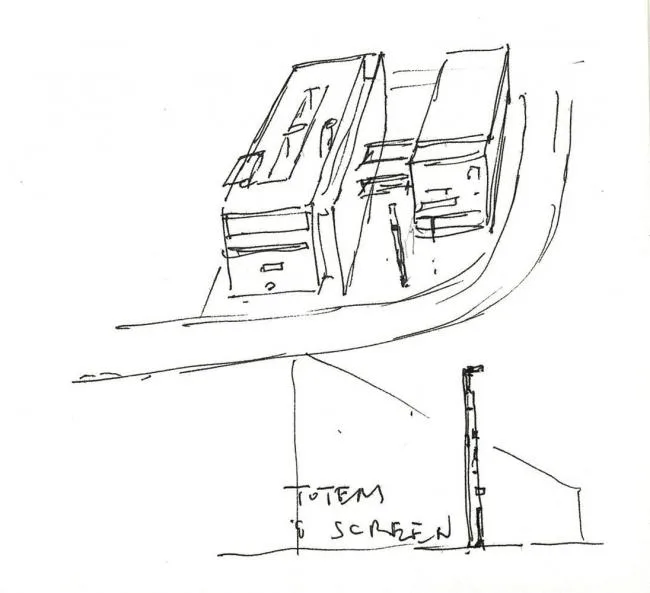
Sketch 4
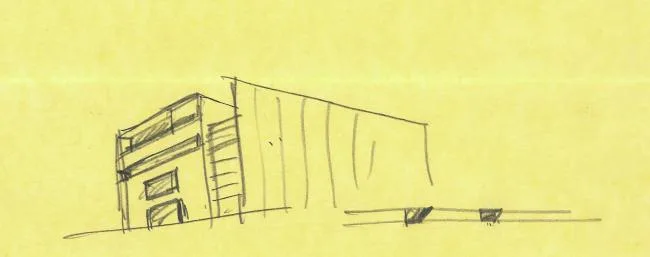
Sketch 5
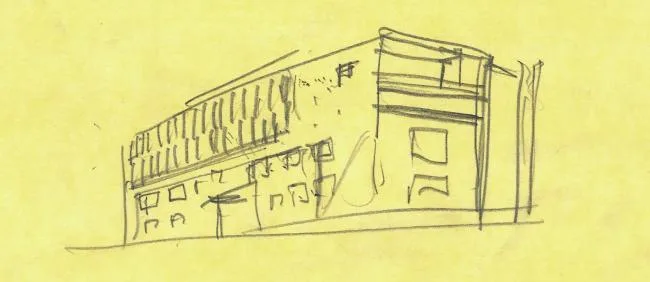
Sketch 6
Project Information
Architect: Luluzhai
Address: Paju-si, Gyeonggi-do, South Korea
Lead Architect: Cheng Xiaoxiang
Building Area: 1,644.0 square meters
Project Year: 2015
Photographer: Jong Oh Kim












Must log in before commenting!
Sign Up