
BIM Software Tip: Key Components to Watch When Changing a Component Workset in Revit
When collaborating in Revit, it’s common for users to forget to switch to the correct workset and accidentally place their elements in someone else’s workset. This can cause complications, as modifying worksets requires permission and some components in Revit cannot be directly altered. In this article, we’ll explore the challenges involved in changing worksets for certain special components.
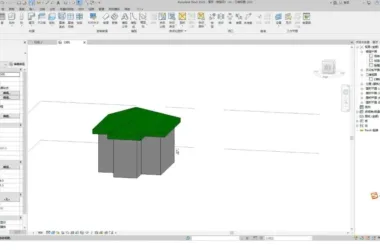
First, when changing the workset of components, you should select all elements that belong to you at once, rather than selecting them individually. However, there are exceptions. For instance, consider railings. A railing includes a top rail as part of its assembly. When you select the railing, the top rail is automatically included. But once the top rail is selected individually, you cannot change its workset. Take a look at the example below to understand this better:
Next, curtain walls represent another special case. Because they contain many nested elements—such as grids, panels, and mullions—they behave similarly to railings and handrails. To change their workset, you only need to select the main curtain wall. When selecting subcomponents like grids or panels, use filters to isolate these elements for easier management.
There’s no need to worry if the main curtain wall’s workset does not appear to change immediately; the nested components move along with it. If you’re unsure about this process, try closing all other worksets except the one you’re modifying. If the component disappears after changing its workset, that confirms the change was successful. Keep in mind, there may be other special components with unique behaviors as well.













Must log in before commenting!
Sign Up