
Controlling the demoulding time for the bottom formwork of cast-in-place concrete structures is crucial in engineering construction. Currently, quality inspections have revealed that some cast-in-place structures did not follow the specified guidelines during formwork removal. This has led to varying degrees of cracking and a reduction in the bearing capacity of the cast-in-place floor slabs. Therefore, strengthening supervision during the removal of bottom formwork in cast-in-place concrete structures is essential.
1. Engineering Preparation
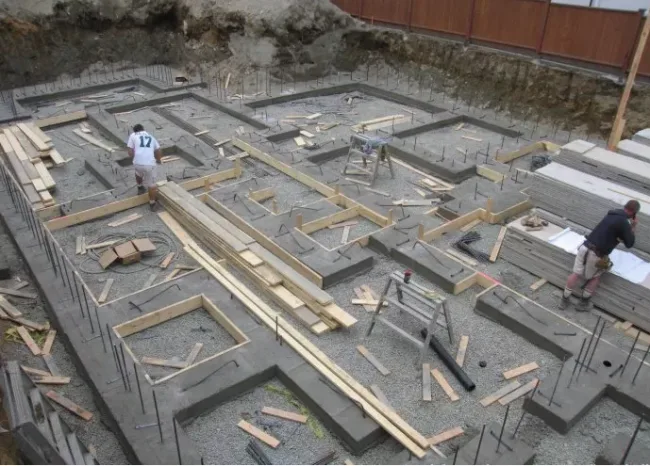
Before starting the project, the construction unit must prepare a concrete specimen testing plan. This plan, created by a qualified tester, should be based on design specifications, construction organization design, and other relevant factors. The specimen retention plan requires approval from the project technical leader and the chief supervising engineer before implementation. It must also be reported to the local construction quality supervision agency for documentation.
The approved specimen retention plan must not be altered arbitrarily. It should specifically address the requirements for specimens used in demoulding, including:
- At least two sets of test specimens must be retained for demoulding during each concrete pour.
- Retention and sample delivery times should be scheduled according to the construction timeline. If there is any deviation between the actual and planned construction schedules, adjustments must be approved by the chief supervising engineer before specimen retention or submission. Following approval, these changes must be filed with the engineering quality supervision agency.
2. Concrete Pouring Process
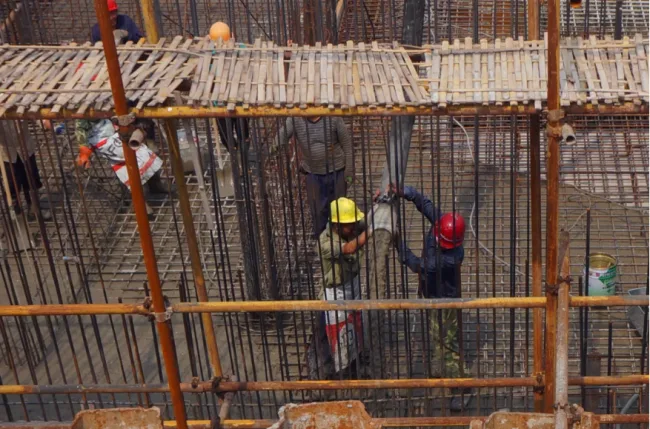
During each concrete pouring, the construction unit must notify the quality supervision station to conduct on-site random inspections. Each project must be sampled and tested at least three times. Test specimens for demoulding should be retained in the presence of the supervising unit, clearly marked with the pouring time and location, and maintained under the same conditions on site by the construction enterprise.
3. Requirements for Demoulding Specimens
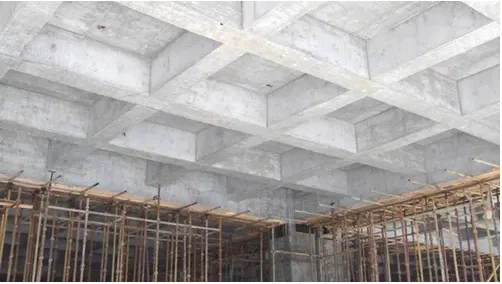
- The demoulding test specimens must be placed within the solid structure and cured under the same conditions as the structure itself. They should be properly protected and clearly labeled.
- According to the test plan schedule, when demoulding test specimens for cast-in-place concrete floor slabs are ready for inspection, they must be sent to a qualified testing institution jointly by the construction unit’s industrial-level tester and under the supervision of the supervising engineer. Before sending the specimens, the construction unit must notify the construction quality supervision station to allow for on-site random supervision.
- The strength values of the specimens used for demoulding must meet design requirements. If the design does not specify requirements, specimens must comply with Article 4.3.1 of the GB50204-2002 “Code for Acceptance of Construction Quality of Concrete Structures.” These results should be reported to the supervising unit. Only after receiving approval from the supervising engineer can the prefabricated construction of the cast-in-place concrete structure’s bottom formwork and its supports proceed.
- If the specimen’s strength does not meet the required standards, the demoulding time can be reassessed based on strength development. A spare specimen with identical curing conditions can then be sent for pressure testing following the above procedure. If the spare specimen still fails to meet requirements, the strength value of a similarly cured test piece (equivalent to a 600 ℃·d curing age) for structural inspection may be used. This judgment must adhere to the above criteria. Once approved by the supervising engineer, the bottom formwork and supports of the cast-in-place concrete structure may be dismantled.
4. Important Precautions
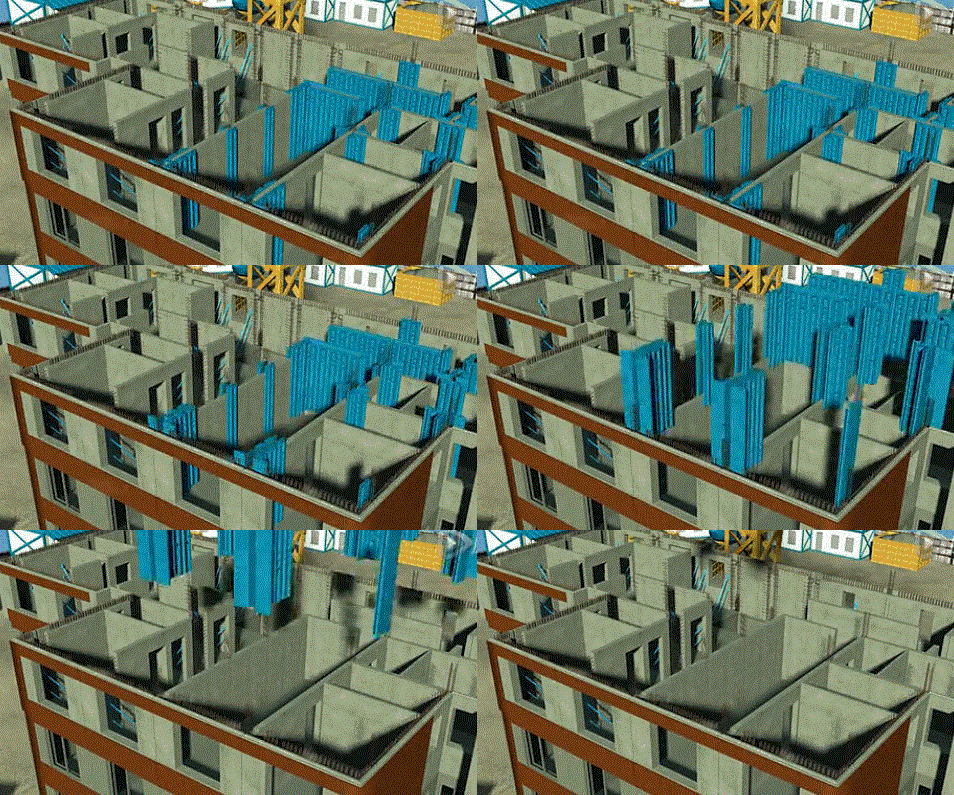
The construction unit must strictly adhere to relevant specifications and regulations when dismantling the bottom formwork and its supports of cast-in-place concrete structures. Priority should never be given to shortening construction time or reducing cost at the expense of safety. If early removal of formwork is necessary, options include using early strength additives, early strength cement, or removing only the side formwork initially. After formwork removal, temporary supports and reinforcements must be implemented, especially when dealing with suspended components or sensitive parts of the formwork, which require particular attention.
Author: Cui Junge, Shandong Industrial Equipment Installation Corporation
Source: Architectural Technology Magazine













Must log in before commenting!
Sign Up