
Preface
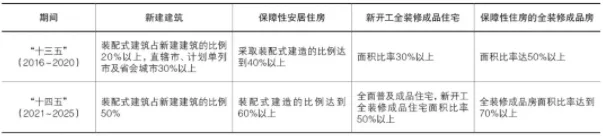
In recent years, there has been a strong national push to promote the development of prefabricated buildings and to advance the industrial upgrading of the construction sector. In 2016, the Ministry of Housing and Urban-Rural Development released the “Outline for the Modernization Development of the Construction Industry,” which set clear targets for prefabricated buildings. During the 13th Five-Year Plan, the goal was for prefabricated buildings to account for 20% of new construction, with affordable housing prefabrication reaching 40%. On June 1, 2017, the technical standards GB/T 51231-2016 for prefabricated concrete buildings, GB/T 51232-2016 for prefabricated steel structure buildings, and GB/T 51233-2016 for prefabricated wooden structure buildings were officially implemented. Prefabricated buildings are now entering a new era of growth driven by Building Information Modeling (BIM).
1. Overview of Prefabricated Buildings and Their Development
1.1 Definition of Prefabricated Buildings
Prefabricated buildings are constructed by assembling prefabricated components onsite. These buildings comprise structural systems, exterior protection systems, interior systems, equipment, and piping systems—all integrated and assembled from prefabricated parts. Prefabricated construction follows six key principles: standardized design, factory production, prefabricated assembly, integrated decoration, information management, and intelligent application. Common components include interior and exterior wall panels, composite floor slabs, prefabricated frame beams and columns, balconies, air conditioning panels, stairs, and decorative elements.
1.2 International Development of Prefabricated Buildings
The concept of prefabrication in construction dates back to 1910 when German architect Walter Gropius advocated for the industrialized, prefabricated use of reinforced concrete buildings. French architect Le Corbusier was among the first to propose the idea of “building houses like cars,” emphasizing industrialized prefabrication. Early progress was driven by the Industrial Revolution and urbanization. The post-World War II housing shortages in Europe and Japan accelerated the adoption and development of prefabricated buildings to meet urgent residential needs.
1.3 Development of Prefabricated Buildings in China
China began embracing prefabricated construction and building industrialization in the 1950s, primarily influenced by the Soviet model. Early components included precast floor slabs, stair treads, beams, door and window lintels, and frames for brick and concrete structures, as well as portal columns, large-span roof trusses, crane beams, and roof panels for factories. The 1980s marked the peak of prefabrication with numerous component factories nationwide. Various building methods and structural types emerged across regions, including internal pouring and external hanging, large and lightweight panels, box houses, and structures made from concrete, steel, wood, and light steel keel systems. Lightweight partition boards, insulation panels, finished flues, air ducts, decorative panels, and floor mats became common interior components.
However, under the planned economy, innovation lagged. By the early 1990s, China had not significantly advanced in material technology, design standards, or building techniques. Common issues included joint cracking, leakage, poor seismic performance, thermal bridging, and inadequate vibration and sound insulation, leading to stagnation in construction industrialization.
In 1995, the Ministry of Construction issued the “Outline for the Development of Building Industrialization.” By 2001, companies like Vanke and Yuanda launched pilot “National Housing Industrialization Bases.” In 2006, trial measures for these bases were implemented. Vanke built China’s first prefabricated building in Shanghai in 2007. Prefabricated construction, emphasizing quality improvement, efficiency, labor reduction, and energy conservation, was designated a national development strategy, opening unprecedented opportunities for construction industry upgrades.
2. Prefabricated Building Sealing and Waterproofing System
The prefabricated building sealing and waterproofing system, developed by Dongfang Yuhong, is specifically designed for prefabricated structures. It offers comprehensive solutions covering product development, production, design, construction, technical consulting, and maintenance, tailored to meet the sealing and waterproofing needs of prefabricated projects.
This system includes several subsystems:
- The “Safe Saibao” underground engineering waterproofing and protection system
- The “EDEE Yiding” prefabricated roof waterproofing system
- The PC building modified silicone sealing and waterproofing system
- The “Hong’anshi” waterproof and moisture-proof system
- The “Hongcaiyi” external wall insulation and waterproofing system
(1) The “Safe Saibao” waterproof protection system for underground projects uses a stacking or composite process, supported by comprehensive materials and accessories, and standardized construction management to ensure waterproof performance. Notably, it introduces the concept of designing waterproof systems with service life in mind, aligning waterproof design, materials, construction processes, and standards with engineering and client requirements. It utilizes system reliability theory and methods to guarantee performance.
(2) The “EDEE Suitable Roof” system combines industrial production with onsite assembly to provide a highly reliable, durable, safe, environmentally friendly, and energy-saving waterproof roof solution. It addresses common roof structural defects that cause leaks by integrating rigid and flexible elements with fully adhesive waterproofing, bypassing slope limitations, incorporating dual drainage outlets, and effectively managing runoff and seepage to eliminate leaks.
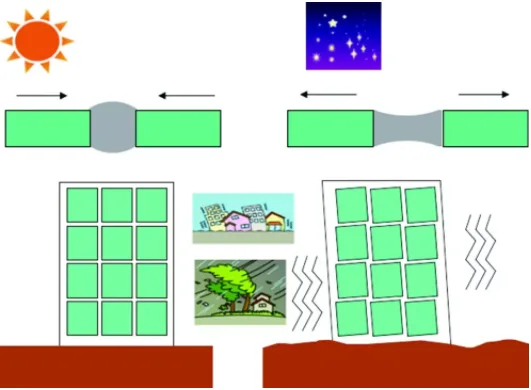
(3) The PC modified silicone sealing and waterproofing system addresses sealing challenges in prefabricated buildings caused by temperature expansion, earthquakes, typhoons, structural loads, and uneven settlement. It includes sealing for PC/PCF panels, exterior finishes, and interior joints. The system supports various curtain wall materials—stone, metal, aluminum-plastic panels—as well as door and window sealants, mold-resistant kitchen and bathroom sealants, elastic tile adhesives, and floor adhesives. It offers excellent adhesion, low modulus, high elasticity, environmental friendliness (free of formaldehyde and solvents), weather resistance, durability, fatigue resistance, and superior workability.
(4) The “Hong’anshi” waterproof and moisture-proof system is tailored for kitchens and bathrooms, accounting for different substrates, decorative surfaces, and engineering requirements. It solves issues like waterproofing, moisture resistance, adhesive hollowing, brick detachment, mold prevention, and sealing in wet areas.
(5) The “Rainbow Clothes” external wall insulation and waterproofing system adapts to various external wall structures, combining material properties and layer functions such as base layers, leveling layers, waterproof layers, insulation, and decorative coatings. It supports both insulated and non-insulated finishes, including decorative bricks, panels, lightweight and plain concrete, and various curtain wall systems (stone, metal, glass). This system addresses overall and detailed waterproofing, bonding integrity, brick detachment, moisture and wind protection, making it especially suitable for green buildings, prefabricated structures, and passive houses.
3. Introduction to Modified Silicone Sealant
3.1 What is Modified Silicone Sealant?
Modified silicone sealant (MS sealant) is a single- or two-component sealant based on MS polymer developed by KANEKA in Japan. It was created to overcome issues related to stone contamination and coating incompatibility found in traditional silicone sealants. Production and application began in Japan in 1978, with nearly 40 years of successful use, capturing 80% of the prefabricated building market there. In Europe and the Americas, MS sealants hold over 60% market share in prefabricated construction.
3.2 Standards for Modified Silicone Sealants
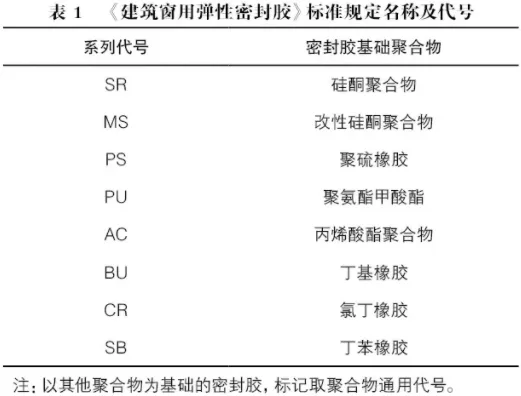
The term “modified silicone” originates from the Japanese standard JIS 5758, where it is referred to as MS. In China’s JC/T 883-2001 “Building sealants for stone,” modified silicone (MS) was introduced. Sealants are classified by polymer type: silicone (SR), polyurethane (PU), polysulfide (PS), and modified silicone (MS). JC/T 485-2007 specifies modified silicone polymer for elastic sealants in building windows. GB/T 23261-2009 divides sealants similarly. The updated GB/T 14683-2017 standard further specifies modified silicone sealants.
Technically, modified silicone is distinct from silicone and is actually a non-silicone product. Its main component is a terminal silane-based polyoxypropylene ether with a polyether backbone. According to organic chemistry naming conventions, it should be called organosilicon-modified polyether, not modified silane. Nevertheless, for historical and regulatory reasons, the term “modified silicone” remains prevalent and facilitates market adoption.
3.3 Performance Characteristics of MS Polymer
MS Polymer is characterized by a flexible polyoxypropylene ether main chain with molecular weights between 12,000 and 15,000, achieved through specialized molecular design and polymerization, resulting in uniformity and stability. The terminal silane groups serve as sealing functional groups. The polymer has a relatively low crosslinking density, yielding a low modulus that supports stress relaxation and high elastic recovery. This allows the sealant to accommodate joint expansion, shear deformation, and environmental effects such as thermal cycles, wind loads, seismic activity, and uneven settlement.
MS Polymer also features low viscosity, excellent low-temperature workability, extrusion performance, superior curing, and storage stability. These molecular attributes underpin the high performance and quality of MS sealants, positioning them favorably against non-silicone, polyurethane, and STP-E hybrid adhesives. Overall, modified silicone (MS) sealants are the optimal choice for sealing and waterproofing in concrete prefabricated construction.
4. Performance Requirements for Sealants in Prefabricated Buildings
The key performance requirements for sealants used in prefabricated buildings include:
- Adhesion: Critical for durability, sealants must bond strongly to concrete, a porous and alkaline material that can impair adhesion. Residual release agents on prefabricated components also challenge bonding, necessitating specialized primers.
- Airtightness and Watertightness: Sealants must create continuous impermeable layers with PC/PCF boards to ensure building envelope integrity. Performance standards must align with curtain wall specifications.
- Mechanical Properties: Sealants should accommodate relative displacement among wall and decorative panels caused by load, temperature changes, and shrinkage, offering elasticity, free deformation, and recovery.
- Durability and Weather Resistance: Exterior sealants face exposure to sunlight, rain, and temperature fluctuations, so they must resist aging and maintain elasticity to handle joint movement in prefabricated panels.
- Fatigue and Creep Resistance: Sealants must endure daily cyclic thermal expansion and contraction without bonding failure or degradation under long-term tensile stress.
- Additional Properties: Mold resistance, water resistance, pollution resistance, paintability, maintainability, and compatibility with building materials are also important.
5. Performance Characteristics of Modified Silicone (MS) Adhesive
The following figure summarizes key performance traits of MS adhesive:
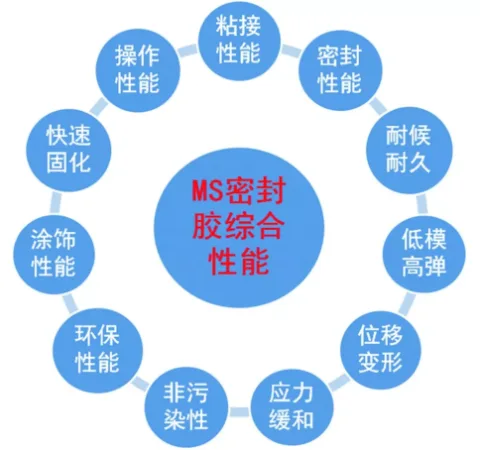
Figure 1: Performance Characteristics of Modified Silicone (MS) Adhesive
Notable features include:
- Adhesion: Reliable bonding to nearly all materials except glass. Adhesion remains stable after water immersion, hot pressing, and cold drawing. Use of specialized primers and standardized construction ensures consistent adhesion.
- Sealing: Superior air and water tightness surpassing curtain wall and window sealing standards, fulfilling strict requirements for passive building envelopes.
- Weather Resistance and Durability: Capable of direct outdoor exposure without aging or discoloration, meeting Japanese JS 5758 and national standards. Performs well in temperatures from -30℃ to 90℃ and endures over 6,000 fatigue cycles.
- Low Modulus and High Elasticity: Tensile bonding modulus of only 0.2 MPa at standard lab conditions, with elastic recovery rates above 80%, minimally affected by temperature or humidity.
- Deformation Capacity: Supports expansion and shear deformation rates of up to 20%-30% under temperature changes, and up to 30%-60% under wind and seismic loads—exceeding polyurethane and standard silicone sealants.
- Stress Relief: Low viscosity and modulus alleviate stress concentration through redistribution, preventing cohesive failure and maintaining adhesion.
- Non-Polluting: Free of volatile solvents, plasticizers, silicone oils, and resins, preventing dust attraction and contamination, preserving building aesthetics and value.
- Environmental Performance: Free from isocyanates and formaldehyde, solvent-free and non-toxic with very low volatile organic compounds (VOCs). Excellent water resistance suits urban prefabricated pipe galleries. The two-component system allows for glue reuse, minimizing waste.
- Coating Compatibility: No silicone oils or resins, enabling reliable adhesion of water-based coatings. This ensures colorful, vibrant finishes on PC building exteriors.
- Rapid Curing: Two-component formulation ensures fast, uniform curing with surface drying in 4 hours and full curing in 24 hours, unaffected by temperature or humidity, and free from bubbles or cracks.
- Workability: Excellent thixotropy, extrusion, and low-temperature flexibility make the sealant easy to apply.
In contrast, traditional silicone sealants often pollute building surfaces due to silicone oil and resin migration, attracting dust and reducing bond quality. The following figures illustrate the causes of this pollution and compare effects before and after repairs using MS adhesives:
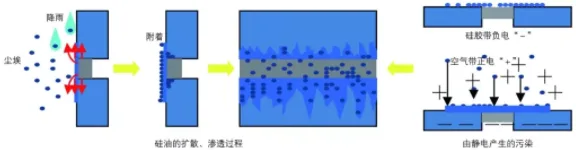
Figure 2: Causes of Building Finish Pollution from Silicone Sealant
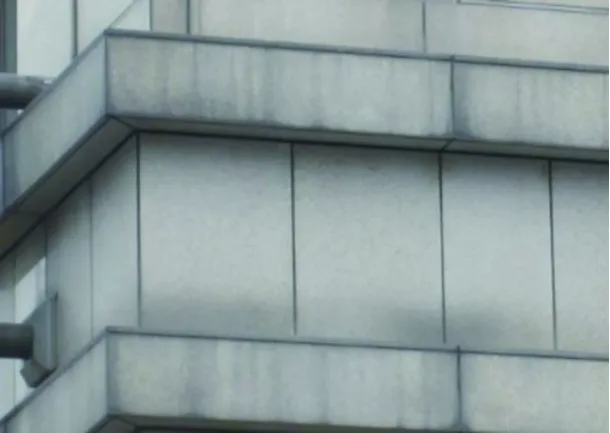
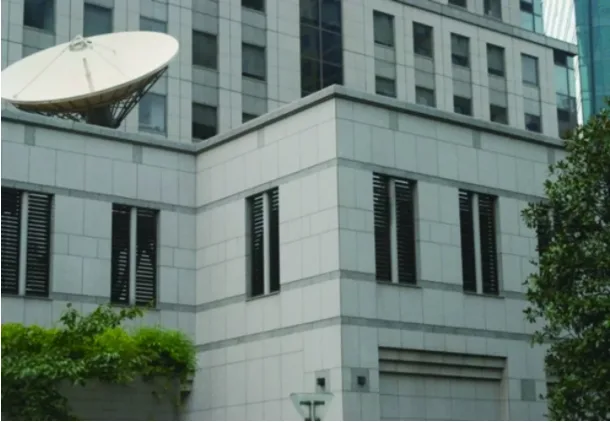
Figure 3: Comparison of Shanghai Hang Seng Bank Before and After Maintenance
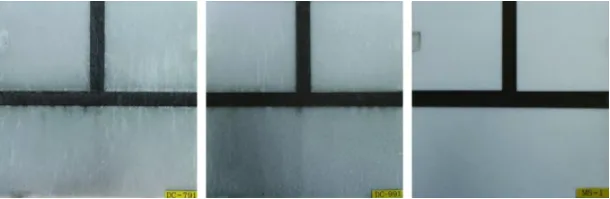
Figure 4: Comparison of Silicone Adhesive and MS Adhesive Performance
6. Prefabricated Building and Decorative Concrete Node Structure and Joint Design
6.1 Node Structure
The node structure for prefabricated buildings and decorative concrete is illustrated below:
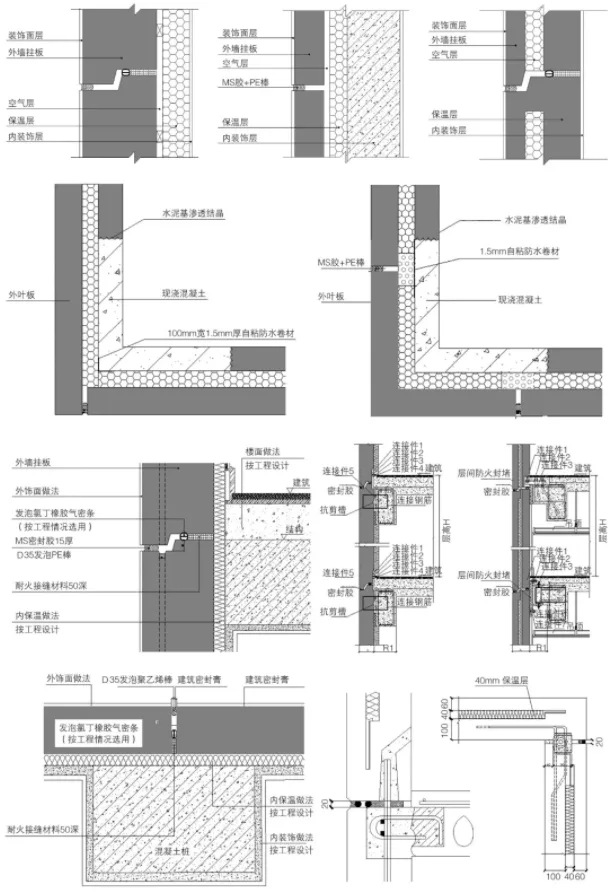
Figure 5: Prefabricated Building and Decorative Concrete Node Construction
6.2 Joint Design
Prefabricated building joints are classified as displacement joints or non-displacement joints based on their ability to accommodate structural movement. Joints are also categorized by construction method into open joints and filled (sealed) joints, with filled joints further divided into single sealing, double sealing, and double sealing with drainage.
- Displacement joints: These accommodate expansion and shear caused by drying, temperature changes, wind, and seismic forces. Examples include joints between PC/PCF panels, curtain walls, GRC boards, window frames, and structural elements.
- Non-displacement joints: These have minimal movement, using materials with low thermal expansion coefficients. Examples include adhesive joints in stone and concrete decorative panels and joints between window frames and decorative materials.
The joint design process is depicted below:
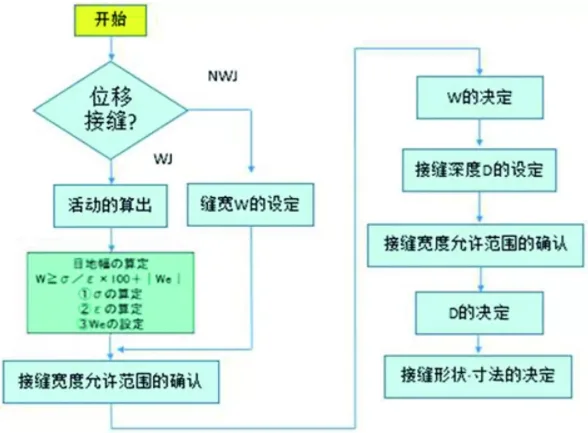
Figure 6: Seam Design Process
7. Case Studies of Prefabricated Construction Projects
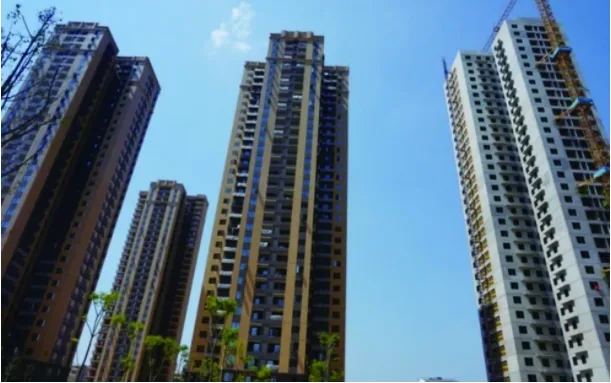
Changsha Lugu Town
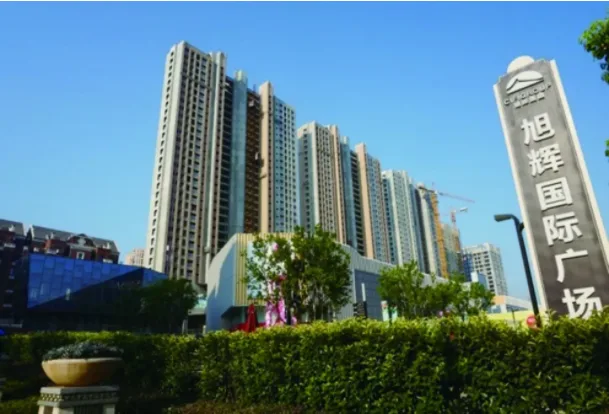
Changsha Xuhui International Plaza
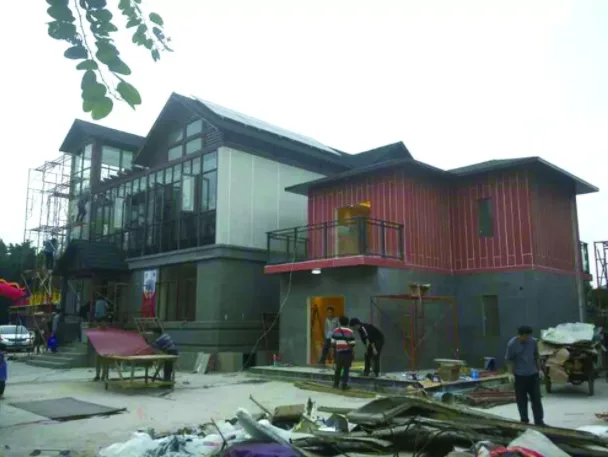
Guangzhou Weilai Family and Lake and Mountain View Model House
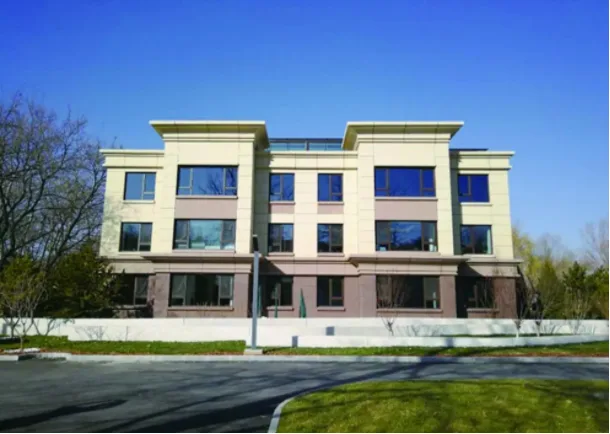
Model Building for Relocation in Pingfang Township, Chaoyang District, Beijing
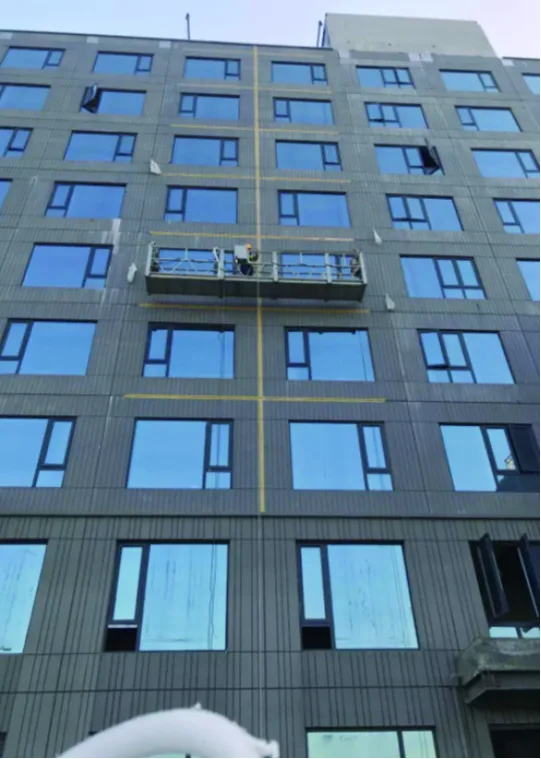
Shaoxing Binhai Hotel
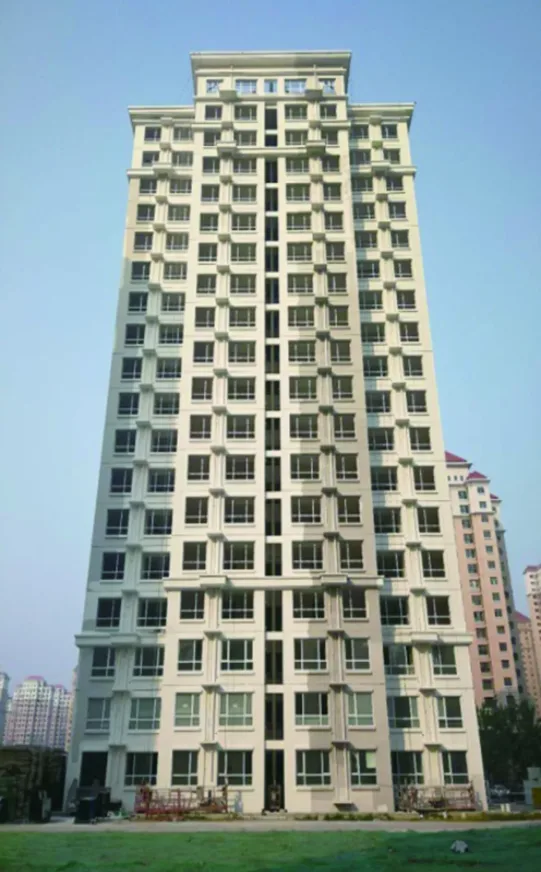
Tianjin Shuangqing New Home
The original text is published in Concrete World, Issue 02, 2019, pages 36–43.













Must log in before commenting!
Sign Up