
Part 1: Analysis of Residential Finished Products Trends and Current Challenges
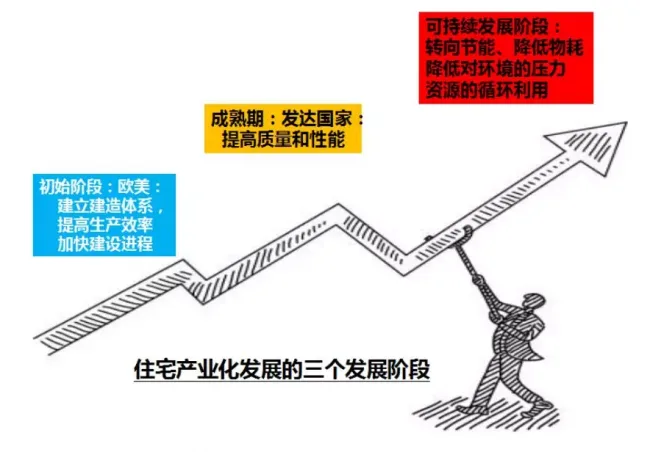
Over the past two years, housing industrialization in China—after years of implementation and stagnation—has experienced a resurgence, highlighting its growing importance. From both economic and social perspectives, as well as lessons learned domestically and internationally, advancing housing industrialization is an inevitable direction for the construction industry. It is also a crucial factor for improving urbanization quality and fostering sustainable resource and environmental development.
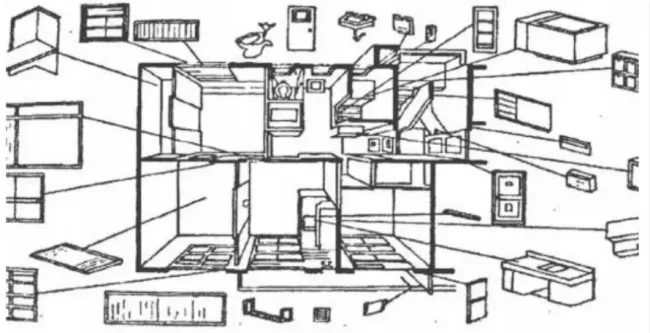
1. Housing Industrialization: An Unavoidable Trend
Residential industrialization refers to constructing homes using industrial production methods aimed at increasing labor efficiency, enhancing overall building quality, and reducing costs, material, and energy consumption.
Key components of housing industrialization include:
- Standardization of residential buildings
- Industrialized construction processes
- Integration of production and operations
- Socialized collaborative residential services
The era of profiting through real estate speculation is over. The industry is undergoing a survival-of-the-fittest shakeout and large-scale restructuring, especially in prefabricated and assembled housing. Developers must now improve product quality to thrive amid fierce competition. Rising labor costs and inefficiencies of traditional construction methods make industrialization the optimal path forward.
2. Advantages of Residential Industrialization
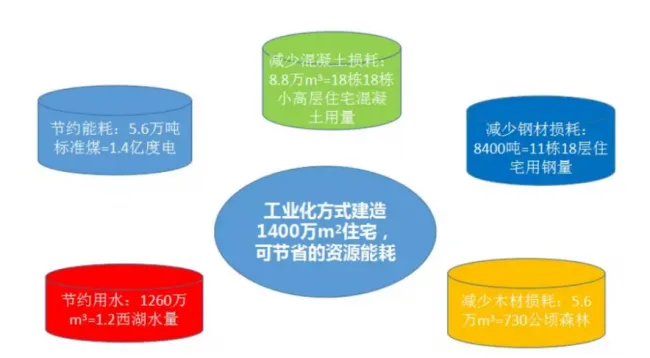
(1) Resource Conservation
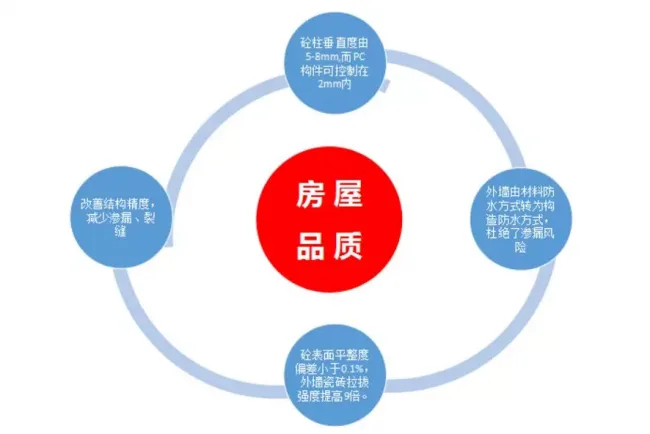
(2) Improved Housing Quality
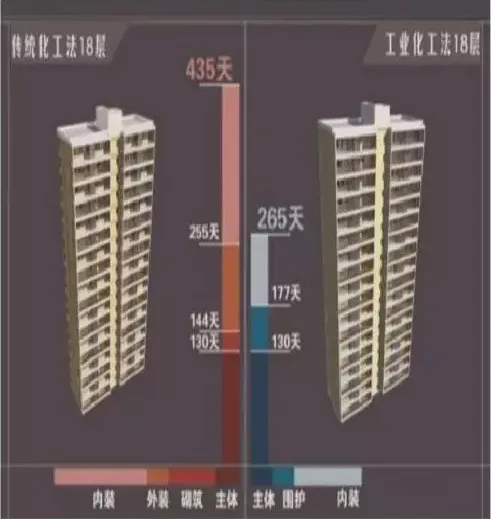
(3) Increased Construction Efficiency
Prefabricated residential buildings significantly shorten construction cycles compared to traditional methods. Factory-produced components undergo rigorous quality inspections, ensuring reliability. Since all parts are manufactured in advance, on-site assembly can proceed rapidly and often concurrently, reducing total build time by approximately one-third.
(4) Promoting Healthy Industry Development
Fostering research on foundational and key housing technologies, advancing new materials and processes, and leveraging technological progress to boost labor productivity all contribute to raising the overall standards of residential construction.
3. Technical Characteristics of Finished Residential Buildings
(1) Applicability
Applicability is dynamic; finished residential buildings must meet current homeowner needs as well as future demands related to lifestyle improvements and renovations.
(2) Durability
Constructing finished residential buildings in a single phase avoids damage from secondary decoration work, ensuring long-term structural integrity.
(3) Safety
Combining architectural design, construction methods, and material procurement under unified supervision enhances engineering quality and guarantees structural safety.
(4) Environmental Friendliness
Integrated design and construction reduce waste and environmental impact. The use of eco-friendly materials and scientific indoor air quality testing ensures compliance with environmental standards.
(5) Economic Viability
Batch design and construction allow for increased efficiency, lower labor costs, and reduced material waste, resulting in strong economic benefits.
(6) Standardization
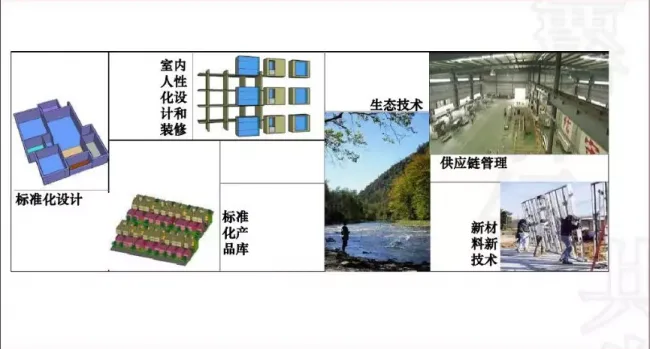
Standardizing and modularizing production addresses complex architectural design challenges, enabling mass production of components and improving manufacturing efficiency.
Part 2: Sharing Experiences on Standardization and Refinement in Finished Residential Management
Why Vanke Must Adapt
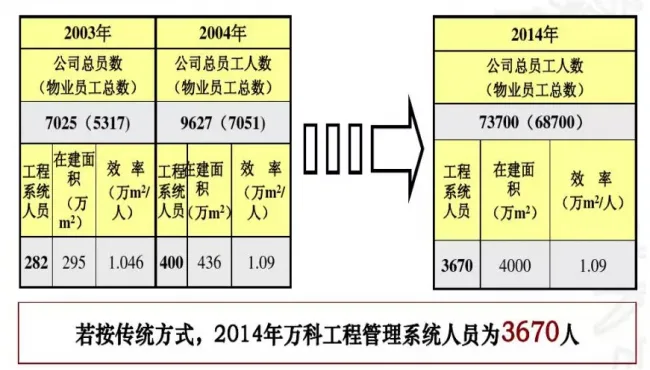
Vanke faces challenges with efficiency, dilution of quality, and professional expertise. The core issue is efficiency.
1. Reasons Behind Vanke’s Shift to Residential Industrialization
(1) Efficiency Challenges
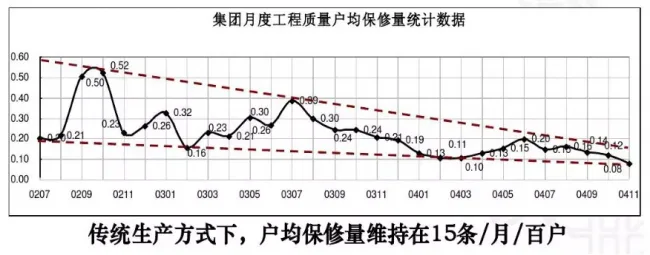
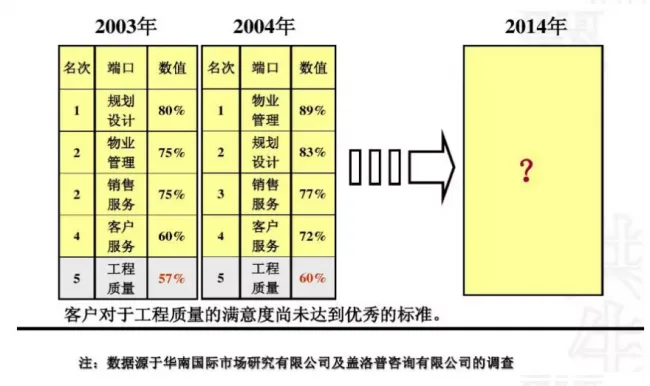
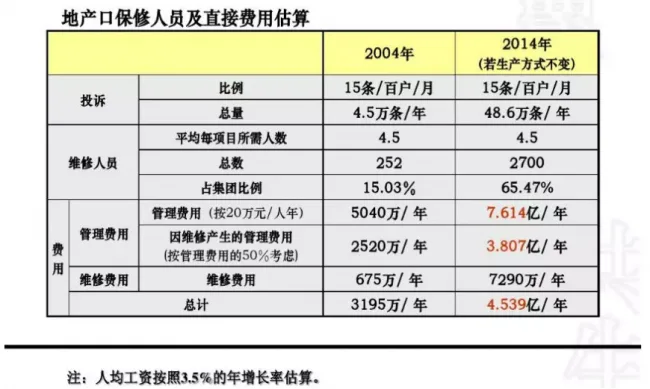
(2) Customer Satisfaction and Repair Costs
(3) Dilution of Professional Competence
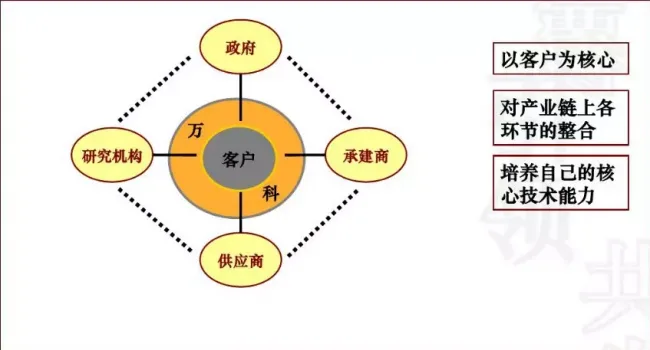
2. Vanke’s Approach to Residential Industrialization
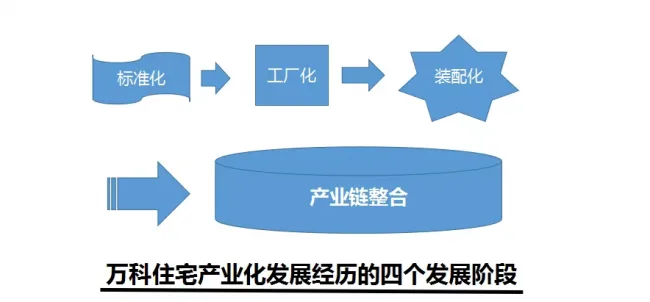
3. Vanke’s Industrialization Journey
Phase 1: Rapid Replication and Product Innovation
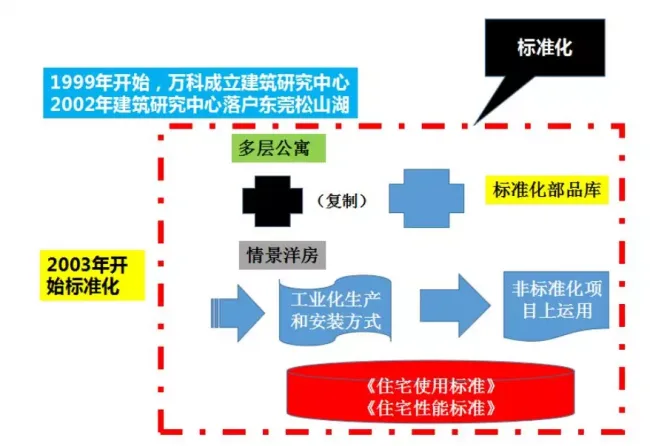
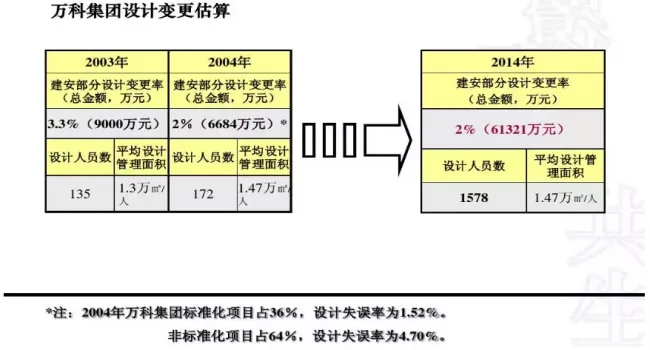
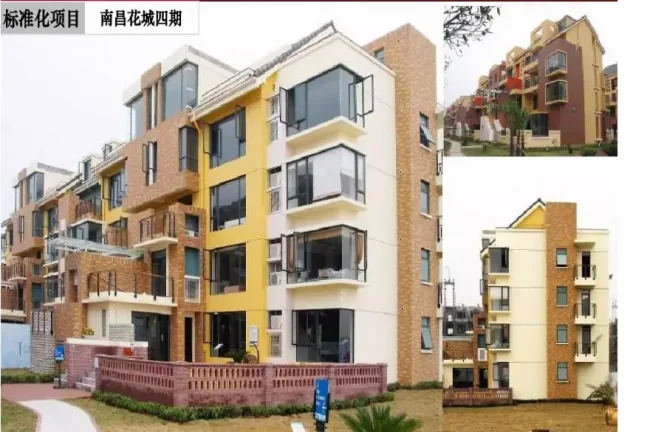
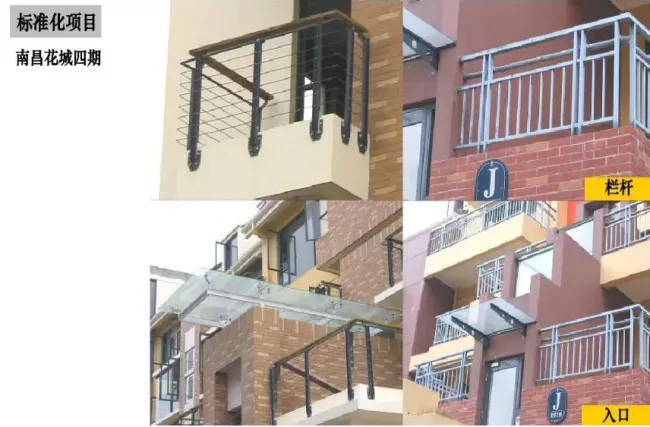
In 2004, 38 professionals participated in standardized design across three variants—Northeast, North China, and Central China—covering nine cities and nine projects within the group’s planning and design system. Standardized projects accounted for 36% of the group’s total.
- Standardized projects average 129,000 sqm construction drawings per person (non-standard projects: 13,000 sqm)
- Standardized design cycle averaged 2.86 months (non-standard projects took longer)
- Design error rate in standardized projects was 1.56% (compared to 4.7% for non-standard)
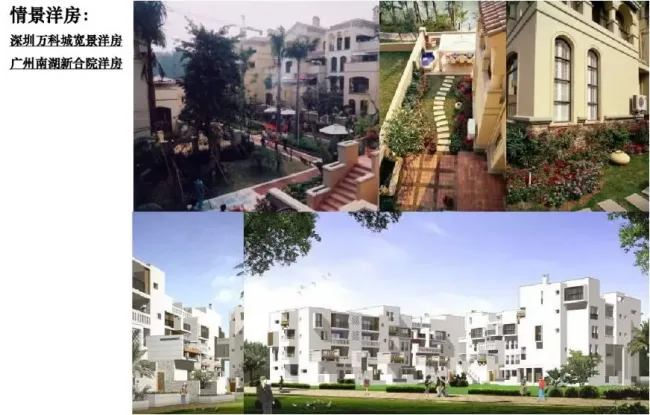
Phase 2: Intensive Use of Universal Construction Components
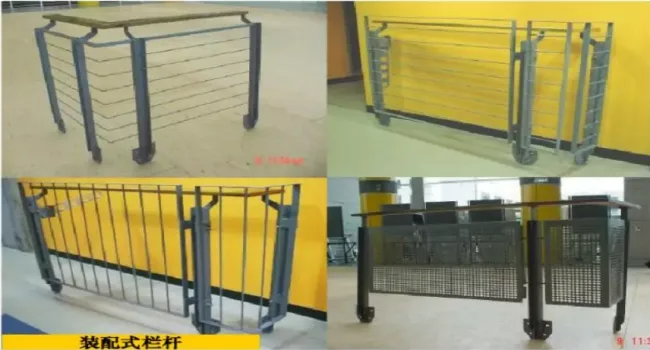
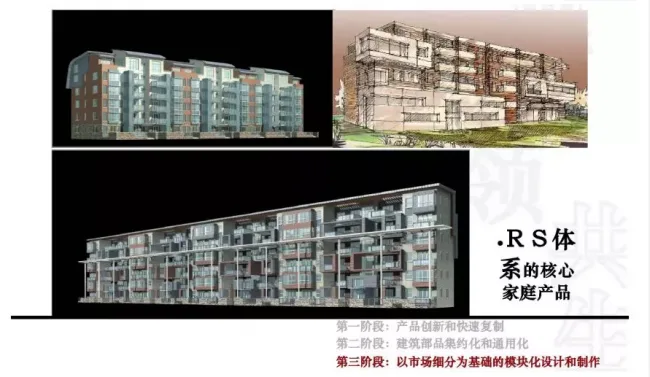
Phase 3: Market Segmentation-Based Modular Design and Production
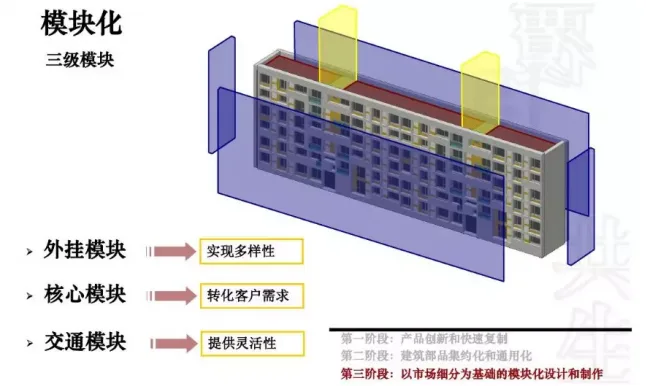
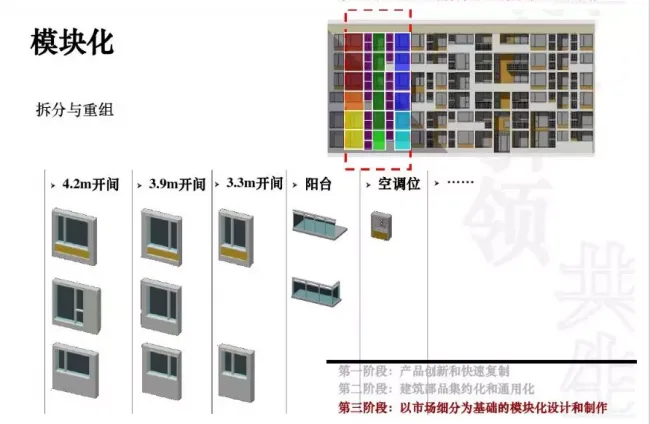
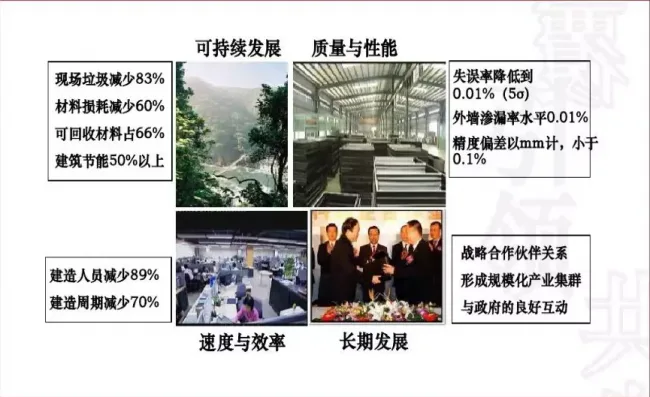
4. Vanke’s Residential Industrialization Goals
Part 3: Key Points and Practical Methods for Procurement Control of Finished Residential Properties
1. Differences Between Fully Decorated and Unfinished Housing Projects
1.1 Expanded scope of construction works, more subcontractors, and increased contract content;
1.2 Interleaved construction stages create numerous handover points, often leading to contract omissions, unclear responsibilities, and disputes between parties;
1.3 Materials supplied by the owner require detailed, in-depth understanding of fine decoration specifications.
(1) Changes in Civil Engineering General Contracting Scope
- Reserve 20mm thick 1:2 cement mortar leveling for bedroom floors (wood flooring)
- Reduce floor leveling for living rooms, kitchens, balconies, corridors (tiled floors)
- Reduce ceiling plastering in kitchens and bathrooms
- Bathrooms generally require protective layers and backfill over waterproofing, depending on unfinished building standards
(2) Changes in Mechanical and Electrical Engineering Scope
Unfinished buildings are delivered with all pipelines (strong and weak electricity) installed, bare lamp heads fitted, sanitary ware and faucets uninstalled, and water, drainage, and gas piping reserved in bathrooms, kitchens, and balconies. Installation of distribution boxes, switches, sockets, and network cabling remains necessary. Fine decoration projects primarily add these fixture installations.
Rough house standards may include weak current systems (intercoms, TV sockets, telecom network panels) provided by service companies. If omitted, fine decoration delivery must include them.
(3) Additional Interior Decoration Works
Indoor decoration encompasses wet works and certain carpentry tasks.
(4) Kitchen Cabinet Installation
This includes manufacturing and installing hanging cabinets, base cabinets, and countertops.
2. Management Models for Fine Decoration in Fully Decorated Projects
Model 1: Decoration company serves as general contractor.
Model 2: Decoration general contractor with multiple independent specialized subcontractors.
Model 3: Decoration package cleaning, extensive materials supplied by the owner, and several independent specialized subcontractors.
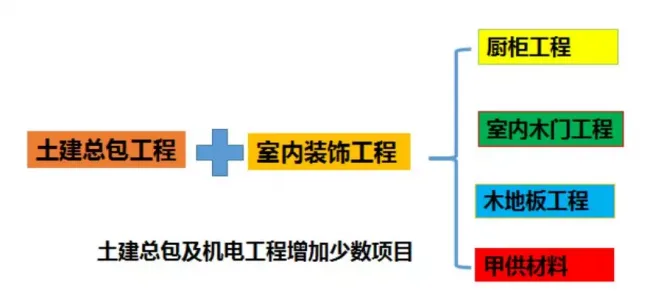
(1) It is recommended that indoor decoration be subcontracted directly by the owner to a professional and qualified decoration company.
(2) It is advisable to have three specialized subcontractors handle kitchen cabinets, wooden doors, and flooring.
(3) Materials supplied by the owner:
- Effectively control project costs
- Ensure material quality and compliance with design requirements
- All finished decorative materials and equipment are owner-supplied
3. Contractual Relations and Coordination Between Decoration and Civil Engineering Contractors
The civil engineering unit acts as general contractor, while interior decoration is subcontracted directly through separate contracts with specialized subcontractors and material suppliers. These contracts must clearly define general contracting management and coordination responsibilities to prevent disputes.
The general contractor oversees safety and coordinates with subcontractors and the decoration unit. Project progress and quality remain under owner control. However, subcontracting and payments should be directly managed by the owner to avoid quality issues and misappropriation by the general contractor.
The general contractor also manages deposits for civilized and safe construction, with management fees paid directly by the owner following regulations.
4. Considerations for Procuring Fine Decoration
(1) Main Contract Subcontracting Considerations
- Construction period may lengthen
- Owner must specify machinery and equipment requirements (e.g., cranes) as mandatory in bidding
- Contract price must cover removal of all construction waste, including from change orders
- Mandatory provision of water and electricity access points for other contractors, included in total price
(2) Interior Decoration Engineering
(3) Cabinet Engineering
5. Material Management by the Owner
All finished decorative materials and equipment are supplied by the owner. Semi-finished materials like coatings are generally not owner-supplied, but for those impacting appearance and finish, the owner sets brand ranges for subcontractors to bid within.
(1) Scope of Owner-Supplied Materials for Fine Decoration
(2) Coordination with Design and Selection
6. Fine Decoration Contract Management
(1) Clear Interfaces and Responsibility Divisions
Well-defined subcontracting interfaces and responsibilities enhance project management and future maintenance.
(2) Explicit Technical and Quality Requirements
Fine decoration contracts must clearly specify technical and quality standards to enable accurate bidding.
(3) Material Supply and Maintenance Management
With many owner-supplied materials involved, contracts must carefully address unloading, handling, installation, accessory management, product protection, and maintenance responsibilities.
Part 4: Construction Techniques and Methods for Integrated Flow in Fully Decorated Residential Buildings
1. Civil Engineering Construction Techniques and Methods
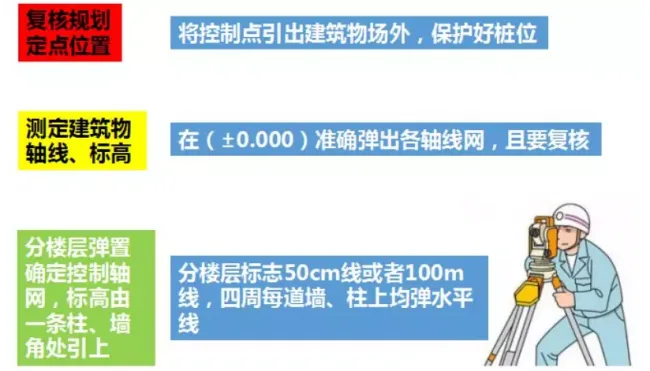
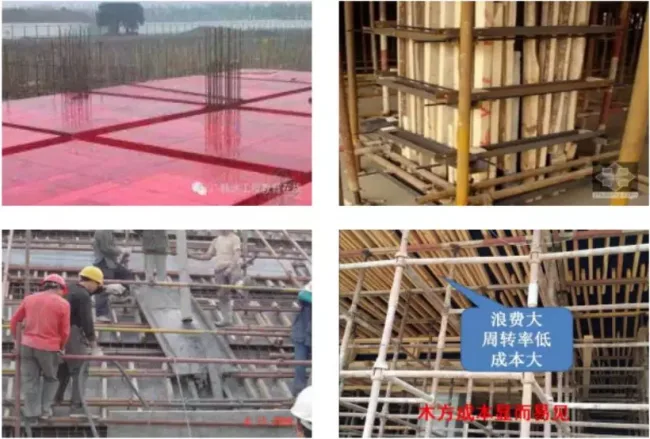
(1) Layout Planning
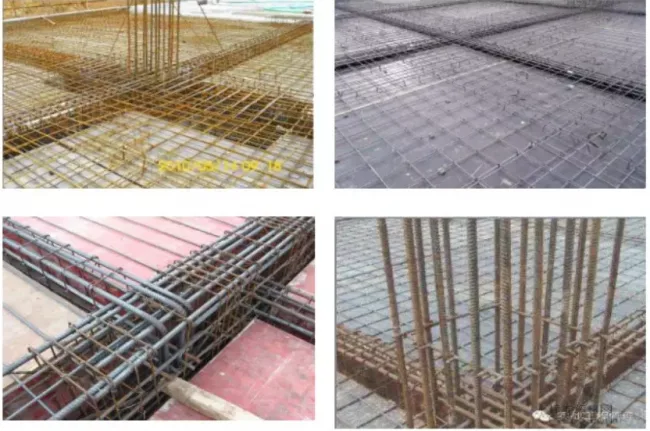
(2) Rebar Binding
(3) Formwork Installation
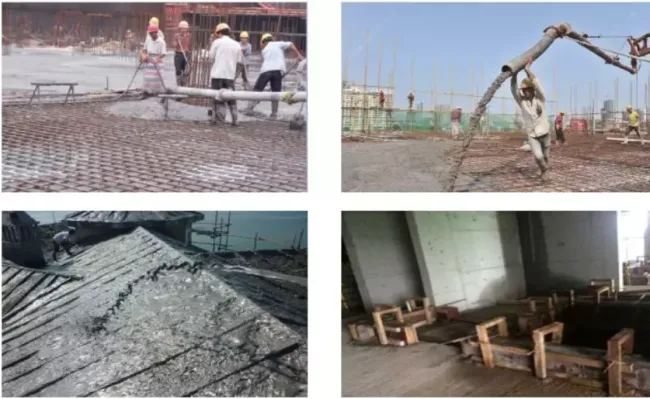
(4) Concrete Pouring
2. Fine Decoration Flow Construction Techniques and Methods
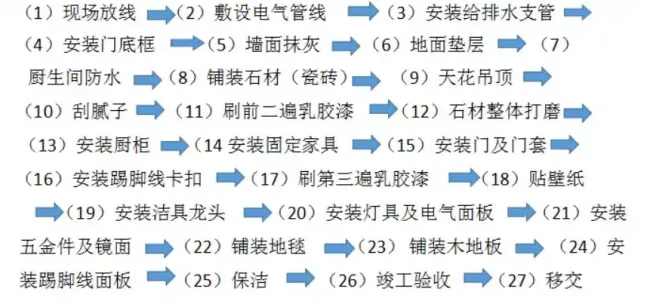
(1) Process Subdivision and Operating Procedures
Site Layout
On-site layout involves more than drawing lines—it reflects actual site conditions. It helps identify design flaws by analyzing spatial relationships between surfaces. Meticulous and precise layout is key to effective management.
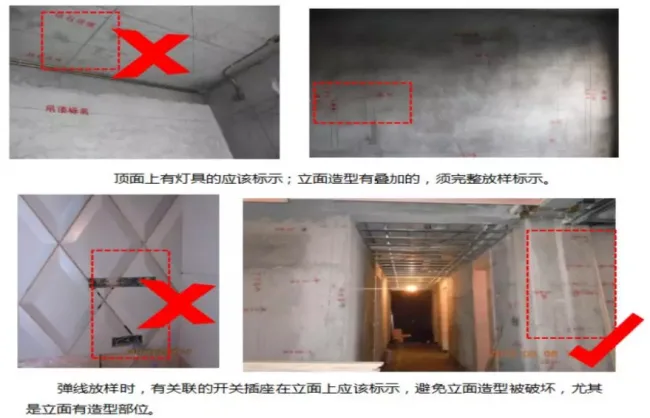
- Horizontal reference line
- Wall finish line
- Finished surface line at door bottom frame
- Fixed furniture line
- Ceiling molding and elevation completion line
- Ceiling light position line
- Wall electrical panel position line
(2) Electrical Pipeline Installation
Adjust electrical wiring boxes precisely according to panel positions and tile layouts in kitchens and bathrooms. This must be completed prior to wall plastering.
(3) Installation of Water Supply and Drainage Branch Pipes
Install branch pipes based on standard sanitary ware and faucet locations from decoration drawings. To ensure accuracy, the decoration team is responsible for this task, reserving dimensions according to fixture shapes and completing installation in one go.
(4) Door Bottom Frame Installation
- Apply anti-corrosion treatment to the back of door bottom frames after unloading.
- Assemble frames into semi-finished products.
- During installation, set the bottom frame elevation 20mm above the finished decorative floor surface.
- Fix two horizontal points every 400mm using wooden wedges and 50mm self-tapping nails.
- Fill the gap between frame and wall with foam adhesive—control foam within 20mm of the finished wall surface in prefabricated buildings.
- Cover foam adhesive with plaster mortar and level with finished wall surface.
Article source: Self-study platform for real estate developers













Must log in before commenting!
Sign Up