
The rapid expansion of China’s construction industry has introduced new opportunities and challenges for prefabricated construction. This sector demands substantial technical expertise and economies of scale across design, equipment manufacturing, and on-site assembly. Established in 1994 and publicly listed in 2012, Anzhong Co., Ltd. entered the precast concrete market in 2013. The company emphasizes independent R&D and innovation, holding multiple intellectual property rights. Responding to national initiatives, Anzhong advocates for a full industry chain approach, delivering comprehensive industrialized building solutions. Their services encompass overall planning, design, equipment production, mold design and manufacturing, BIM split design, technical support, and raw material supply. Collaborating with numerous PC component factories nationwide, they serve major enterprises like China Railway, Zhongtian, China Construction, and Meihao Group. Backed by a skilled R&D team and extensive practical experience, Anzhong offers full support from industrial chain design to production and installation. This article presents an overview of prefabricated structure construction and lifting technologies for industry reference.
1. Introduction to Precast Concrete (PC) Technology
Precast concrete structures comprise prefabricated components such as wall panels, composite floor slabs, stairs, and balconies. These elements are assembled on-site and joined by grouting vertical connection joints between wall panels, connecting sleeves for main vertical load-bearing steel bars, and integrated pouring of floor beams and slabs, forming a unified structure.
The term “integral structure” refers to a prefabricated assembly that achieves seismic and load-bearing performance equivalent to cast-in-place concrete, accomplished through cast-in-place node connections. This design ensures the same structural integrity as traditional cast-in-place methods, hence called a prefabricated assembly integral structure.
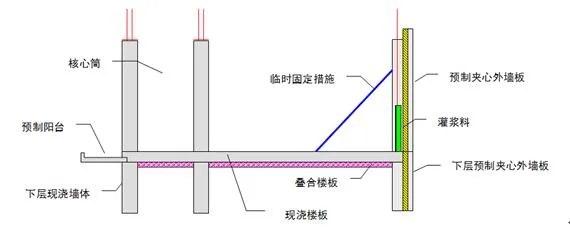
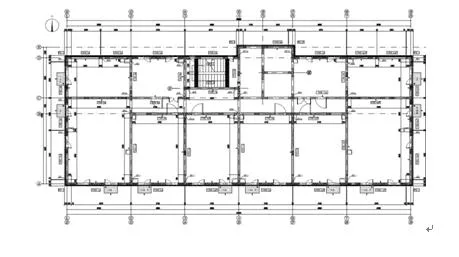
PC Construction Demonstration Diagram
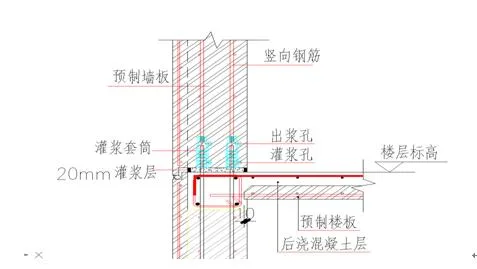
The vertical connections in PC construction utilize grouting sleeve joints.
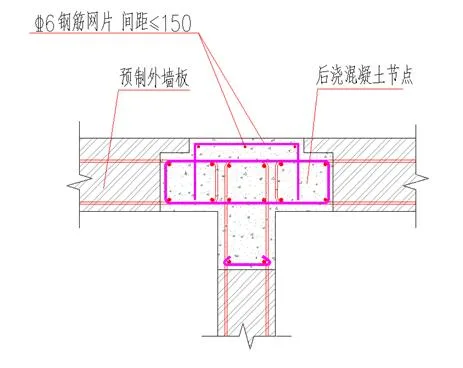
Restrained edge columns are cast-in-place concrete elements that integrate prefabricated wall panels into a complete structure.
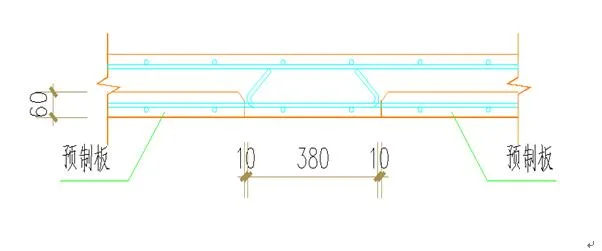
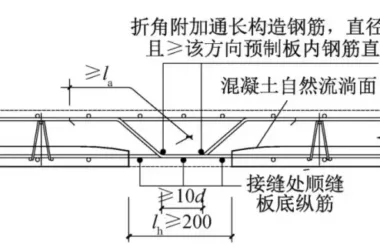
Construction method for composite panel nodes.
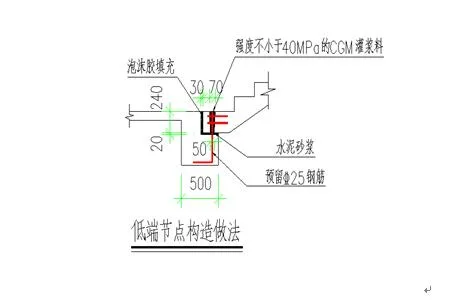
Stair node construction method.
2. On-Site Planning and Layout
Before transportation begins, establish a transport route plan, inspecting road conditions and restrictions such as height, weight, and driving limitations. Roads should be smooth with minimal potholes.
On-site transport paths must be flat and stable to prevent damage to components caused by vehicle vibrations. Access roads must meet the transport requirements for PC components.
Crane selection should accommodate the heaviest wall panel. Temporary storage for prefabricated panels must be within the crane’s operational reach and positioned to avoid crane operator blind spots.
Separate storage areas from other trades’ work zones using barriers or enclosures to prevent interference during lifting operations.
Install warning signs and ensure safe distances from other types of work.
3. Component Transportation and On-Site Storage
During transport, use dedicated racks and secure components reliably. Vehicles should start and turn slowly and maintain uniform speed. Reinforce components promptly if instability is detected.
Exterior and interior wall panels are transported vertically, while composite floor slabs, balcony panels, and stairs are transported horizontally.
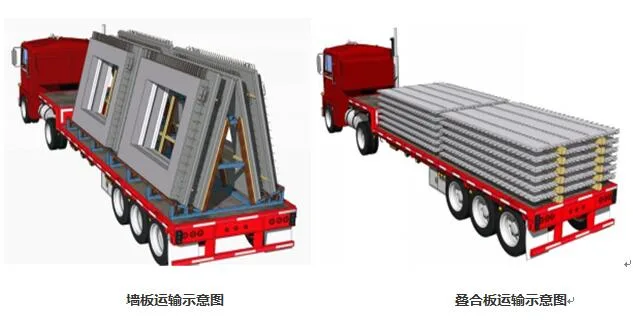
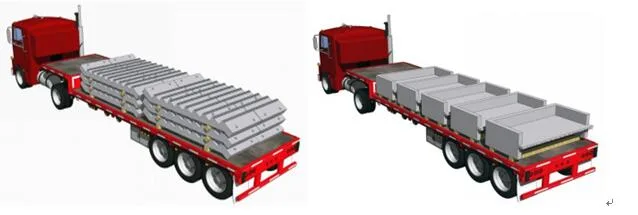
Stair and balcony transportation schematic diagrams.
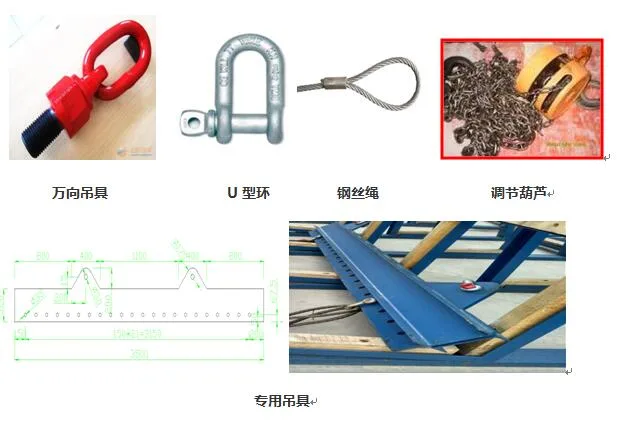
Before unloading, inspect wall panel lifting devices for defects such as cracks or corrosion, and check the embedded lifting rings for functionality.
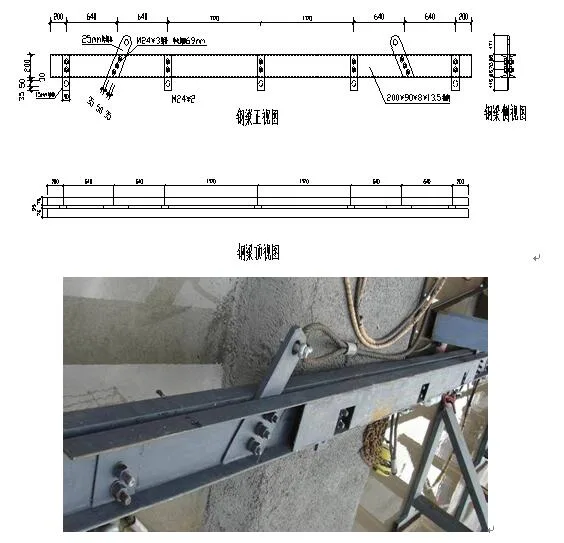
During lifting, ensure wall panels are hoisted vertically. Use steel beams for uniform lifting to prevent deformation caused by point loads and to meet lifting ring angle requirements.
If angled lifting is necessary, multiply the rated load capacity of the lifting ring and hoisting device by a factor of 1.4. Address any serious deviations or center of gravity shifts immediately to avoid safety risks.
Stack components according to lifting sequence, specifications, and building numbers. Maintain pathways 0.8–1.2 meters wide between stacks and ensure proper drainage.
Temporary storage areas should be isolated from other work zones to avoid disruption and maintain safety during lifting and transport.
Horizontal stacking should not exceed six components or 1.5 meters in height. Place two 100x100mm wooden blocks beneath, supporting the wall panel below embedded hanging parts for vertical alignment. Note: external wall panels must never be laid flat.
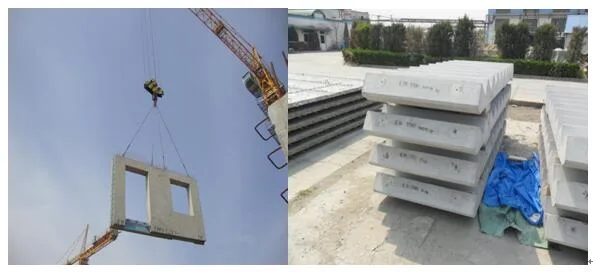
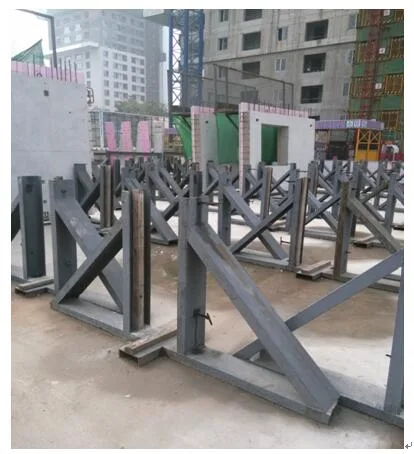
Exterior and interior wall panels can be stored vertically by insertion or placed leaning against each other. Use specially designed insertion racks with sufficient rigidity and stable support to prevent tipping or sinking.
Store wall panels elevated off the ground to protect surface finishes, joint strips, and corners. Provide additional protection for vulnerable areas such as waterstops, openings, and corners.
4. Preparation of Materials and Tools
5. Lifting Process Flow
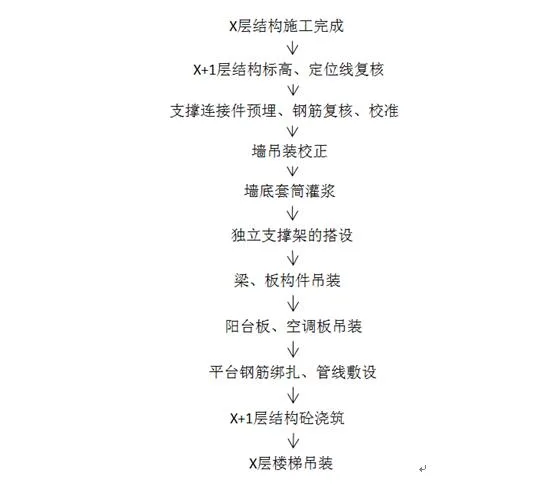
Lifting Sequence:
The lifting order of prefabricated wall panels should prioritize ease of construction and installation. Typically, panels are lifted sequentially from one side to the other. Preparing an installation schedule in advance enhances efficiency. Additionally, wall panels should be inspected prior to installation.
Reserved Embedded Parts for Cast-in-Place Areas:
The positioning of inclined support embedded parts on cast-in-place slabs aligns with wall panel embedded parts. Embedded bolts should be welded to additional steel bars for secure fixing. After pouring floor concrete, bolt exposure must be at least 40 mm. Wrap bolt threads with tape before pouring to protect from contamination.
Expansion bolts may be used before installation, provided anchoring strength and positioning dimensions meet standards.
Pre-embedded angle steel and other connecting parts on staircases require double positioning checks before installation. Embedded parts needing welding must be cleaned beforehand.
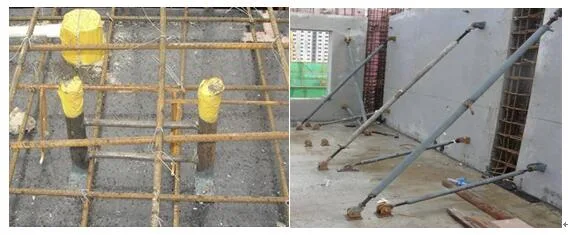
Positioning of Conversion Layer Reinforcement:
Conversion layer reinforcement in prefabricated wall panels must meet verticality, embedding depth, and quantity specifications. Pre-embedded steel plates help control verticality, while welded additional steel bars regulate embedment depth.
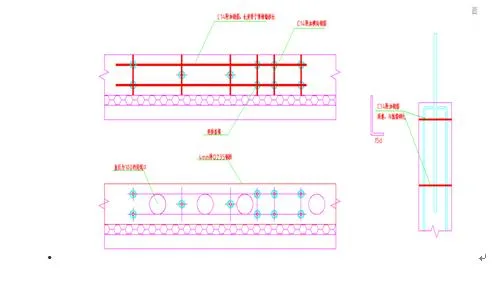
Before hoisting, remove any entanglements on reinforcing bars at the conversion layer to facilitate smooth panel installation. Correct embedded steel bar positions in cast-in-place sections to ensure verticality, avoiding misalignment between sleeves and steel bars that could delay installation.
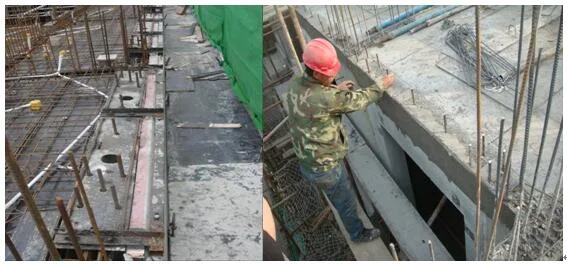
6. Installation Steps
1. Positioning and Seat Grouting
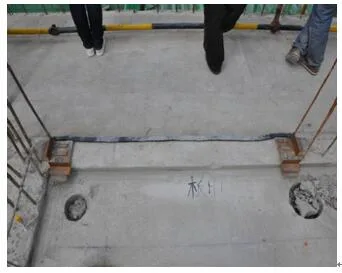
1) Determine wall panel placement through measurement and layout. Apply a 20mm cushion mortar at the designated location. Place a 10mm-wide hard rubber strip near the outer leaf of the mortar.
2) Cushion mortar strength should not be lower than that of the connected concrete components. Requirements include mortar flowability of 130–170 mm and compressive strength of 30 MPa at 1 day.
2. Lifting
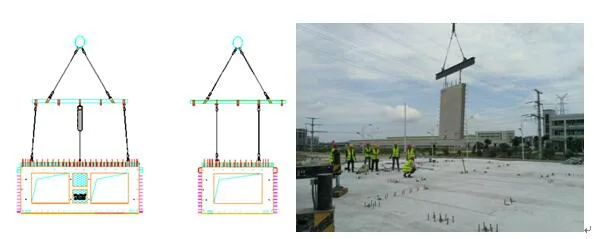
1) Use a tower crane to slowly lift the exterior wall panel. Pause briefly when the panel’s bottom edge reaches 50 cm above ground to check secure hanging.
2) Pause again about 60 cm above the installation surface, allowing personnel to guide the panel’s descent.
3) Lower the panel until it is 2 cm above the embedded steel bars. Align hanging plumbs with control lines on the ground. Carefully lower the panel to ensure stability.
4) Quickly bolt the diagonal support rods between prefabricated and cast-in-place panels, adjust for verticality.
3. Installing Diagonal Braces
Diagonal braces enhance lateral stiffness and allow fine adjustments during installation. Use adjustable screws with at least 300 mm of travel.
1) Correct vertical (Y-axis) wall panel alignment with short steel pipe slant supports.
2) Adjust horizontal (X-axis) alignment by referencing floor position lines and control axes. Use small jacks for fine tuning.
3) Control horizontal elevation (Z-axis) by using level gauges and pre-marked elevation lines on the wall panel. Position panels on steel plates during lifting to ensure correct height.
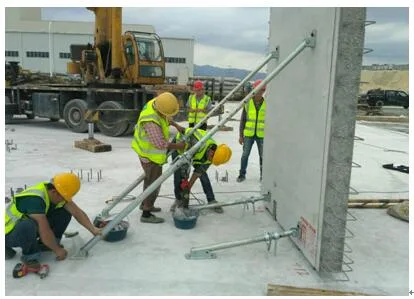
Installation and vertical adjustment of diagonal braces.
4. Grouting
Steel bars are connected using grouted straight-threaded joints. One end is embedded with a threaded sleeve at the bottom of the upper precast wall panel, while the other is embedded at the top of the lower panel. During installation, the upper bar is inserted into the sleeve below, and grout is injected through a designated hole to complete the joint.
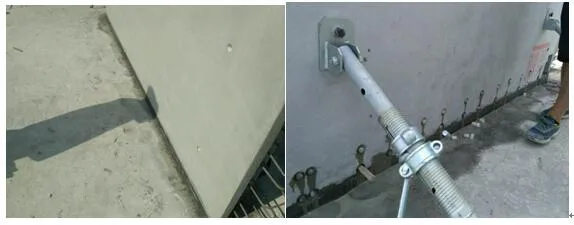
Sealing the grouting layer and holes.
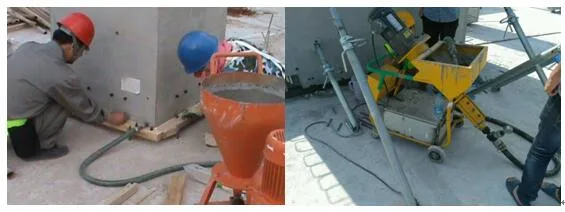
Grouting process:
1) Clean the floor slab surface thoroughly, removing debris, dust, oil, and release agents. Wet the surface 24 hours before grouting and drain any accumulated water an hour prior.
2) Mechanical mixing is recommended, with a typical mixing time of 1–2 minutes. For manual mixing, add two-thirds of the water first and mix for 2 minutes before adding the remainder; viscosity standards require 12%-14% water content.
3) Pour slurry from one side until it overflows the other side to allow air to escape, ensuring complete filling. Avoid simultaneous grouting from all four sides.
4) Grouting must be continuous and uninterrupted to minimize time.
5) Do not move the sleeve within 4 hours after grouting, and avoid vibration or impact for 24 hours after filling.
5. Erection of Support Frame
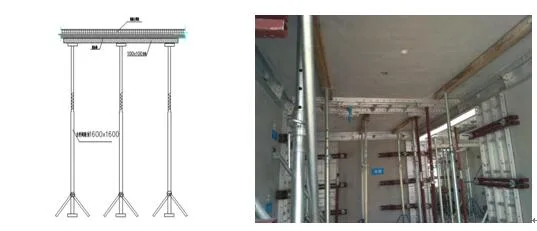
Schematic of independent support installation.
6. Installation of Interior Wall Panels
Steps include reviewing design drawings, verifying panel numbers, measuring and marking, lifting, installing diagonal supports, fine-tuning, grouting, protecting, and inspection.
Key control points:
- Lifting safety
- Verticality and horizontal positioning control
- Quality control of grouting materials
- Grouting operation management
- Protection during curing period
- Control of wall panel installation on both sides
7. Hoisting of Beams and Slabs
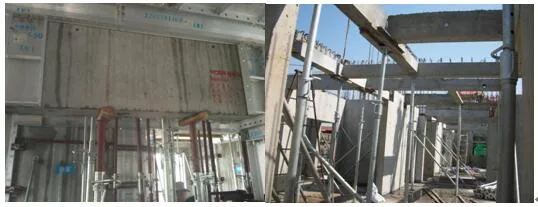
Composite beam
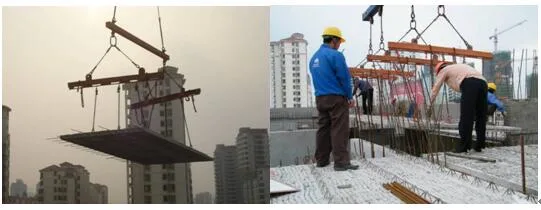
Laminated board
8. Lifting of Balconies and Air Conditioning Panels
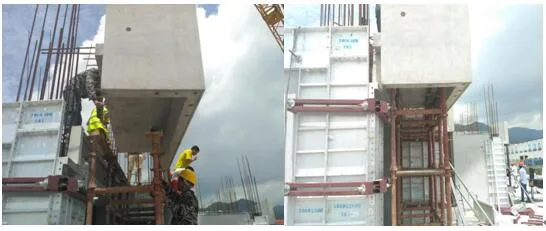
Balcony panel
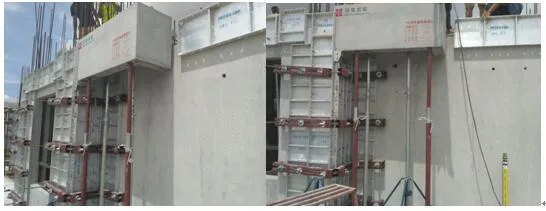
Air conditioning panel
9. Platform Reinforcement Binding and Pipeline Laying
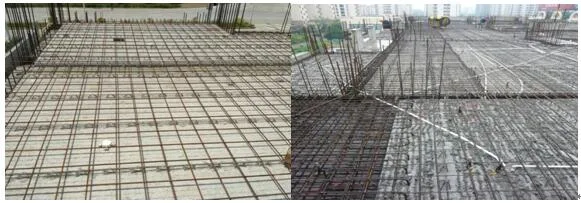
Reinforcement binding and pipeline installation.
10. Reinforcement Binding and Formwork Support for Cast-in-Place Nodes
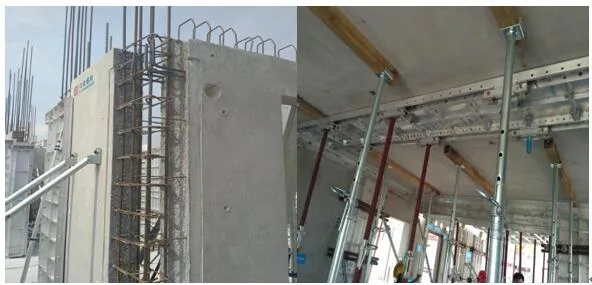
Reinforcement and formwork support at cast-in-place composite panel joints.
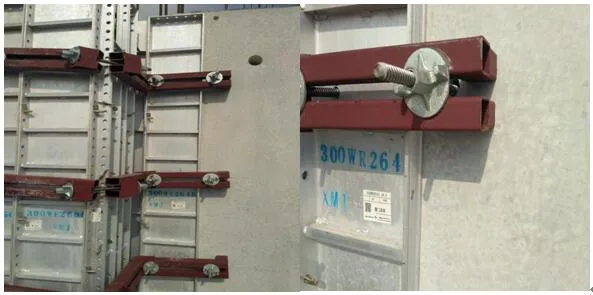
Reinforcement of cast-in-situ node formwork backing ribs.
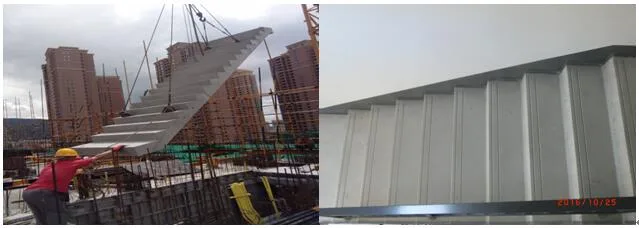
11. Prefabricated Staircase Hoisting
1) Verify stair specifications, models, and quality. Ensure lifting equipment is intact before installation.
2) Install adjustable hoists at the stairs’ lower end for angle adjustments.
3) Lift the staircase horizontally and steadily to the required height. Adjust stair angle with the hoist and level stair treads using a spirit level.
4) Safely lift the staircase to its installation position.
5) Align installation holes with reserved steel bars on the staircase beam. After minor adjustments, remove lifting hooks.
6) Install temporary supports post-installation.
7) Grout installation holes and fill gaps after positioning.
8) Protect stair tread surfaces as finished products.
9) Remove temporary supports only after grout strength reaches at least 85% of design requirements.
7. Civilized Construction Practices
1) Prior to installation, enclose and clearly mark the work area with warning lines. Assign dedicated supervision. Unauthorized personnel are prohibited from entering.
2) After installing prefabricated cantilever panels, promptly install safety protections at edges. Use steel pipe guardrails at a minimum height of 1.2 meters.
3) Provide safety training before each shift to prevent accidents. Tower crane operators and signal personnel must be certified. All communication and commands must be standardized and strictly followed.
4) Establish a lifting leadership group to develop a comprehensive, efficient command system. Define fixed machines, personnel, roles, and responsibilities to ensure smooth operations.
5) Conduct detailed safety briefings before installing components. Clearly define roles and responsibilities, hold pre-shift and post-shift meetings to address safety concerns, and apply fall protection for work above 2 meters.
6) Store components securely by inserting them into stacking racks to prevent tipping. Stack symmetrically to maintain balance.
7) Develop emergency response plans for safety incidents involving PC structures.
8) Educate operators on safety regulations, operational procedures, and skills relevant to their roles.
9) Ensure all mechanical equipment, tools, and accessories have manufacturing licenses and product certifications. Conduct inspections before use and only operate equipment that passes these checks.
10) Assign dedicated personnel to manage mechanical equipment and tools. Maintain regular inspections, repairs, and maintenance records.














Must log in before commenting!
Sign Up