
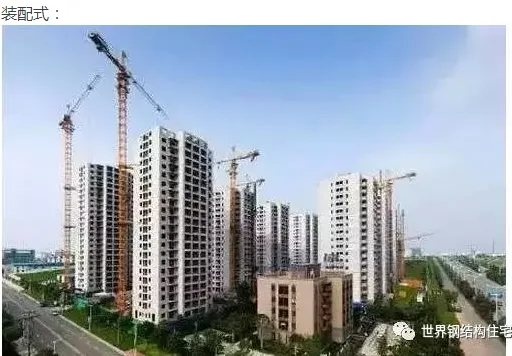
Prefabricated buildings have become increasingly familiar, especially in recent years. With the advent of 3D printing technology, prefabricated construction is poised to become the mainstream approach in the building industry. For engineers, understanding the construction process of prefabricated buildings is essential.
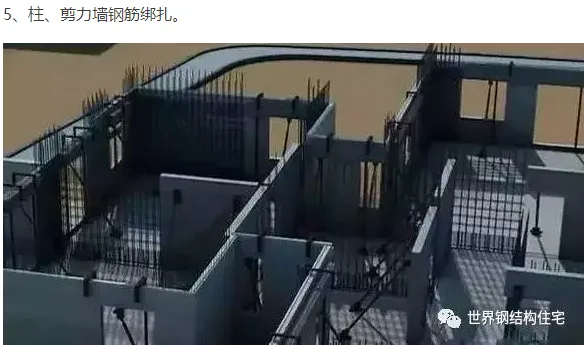
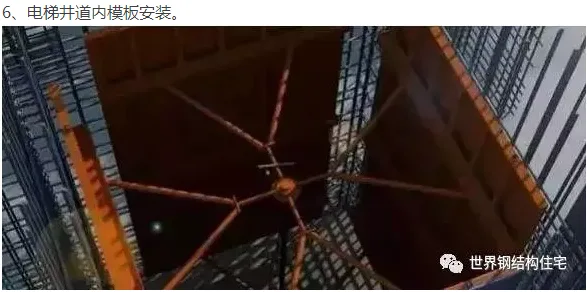
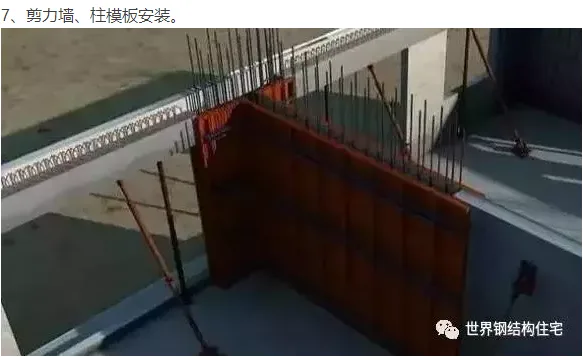
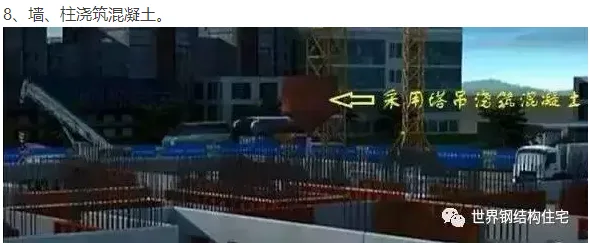
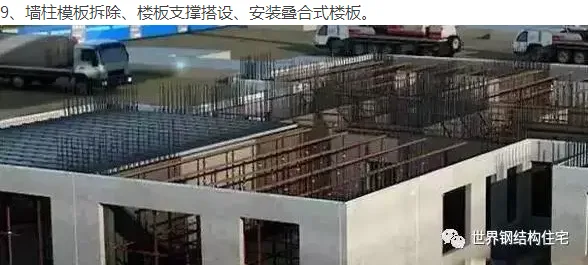
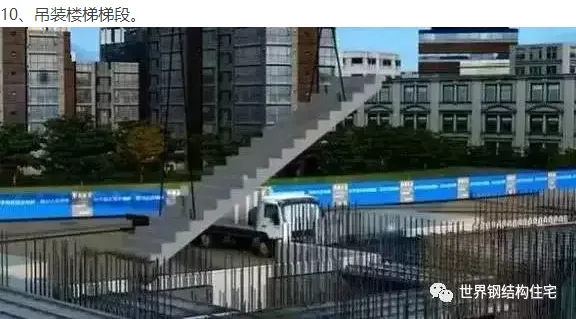
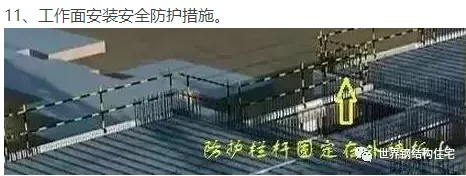
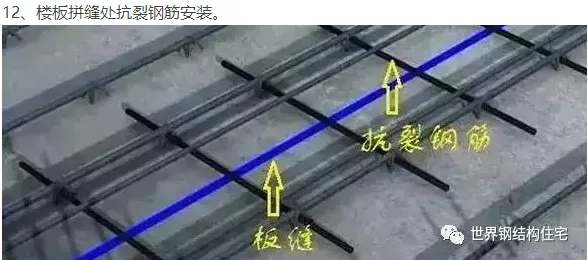
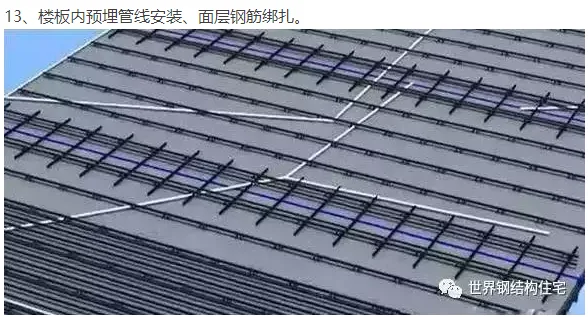
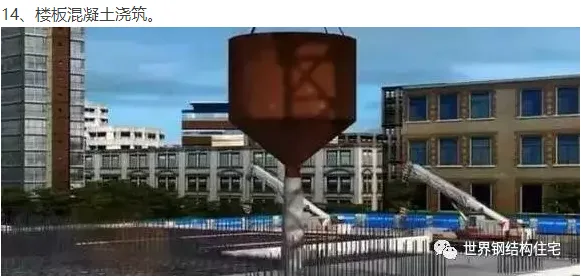
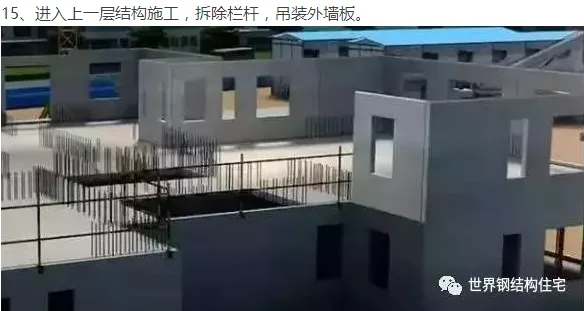
Prefabricated Building Construction Process Flow Diagram:
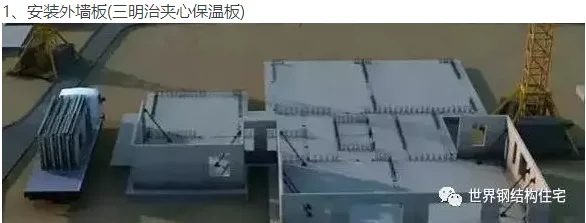
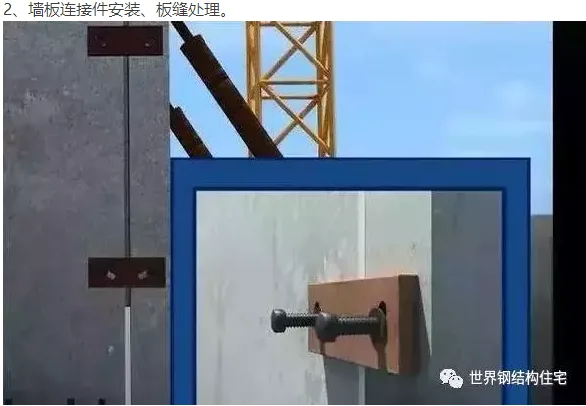
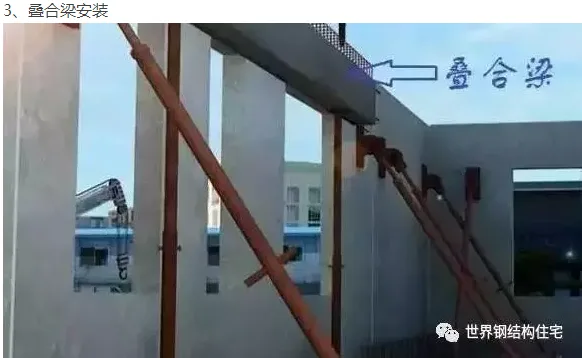
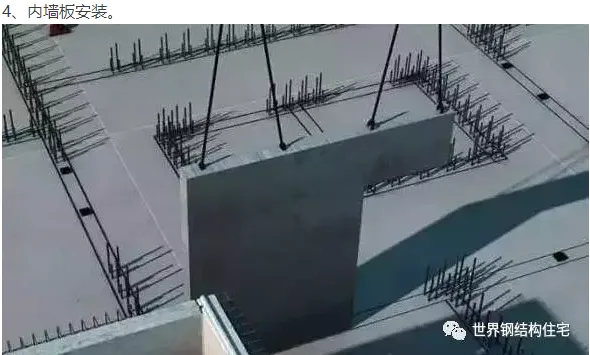
Five Key Advantages of Prefabricated Construction Compared to Traditional Methods:
1. On-site processes such as external scaffolding, interior and exterior plastering are eliminated. Steel bars are uniformly distributed by the factory, floor bottom formwork is removed, and plastic wall formwork replaces traditional wooden formwork. This significantly reduces construction waste at the site.
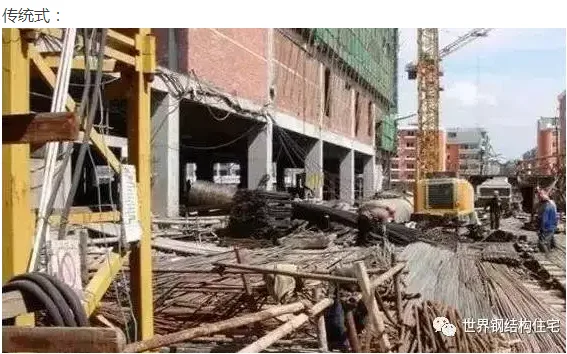
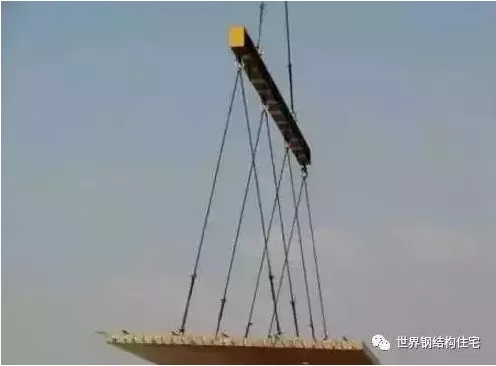
2. Prefabricated components are manufactured in the factory and transported to the site, where large cranes lift them into place. Operators only need to handle tasks such as positioning support boards and temporary fixing, greatly reducing labor intensity.
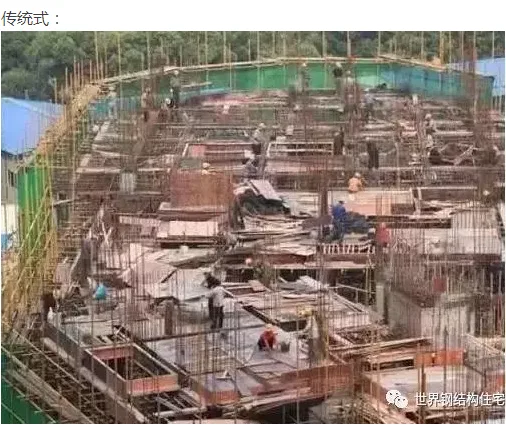
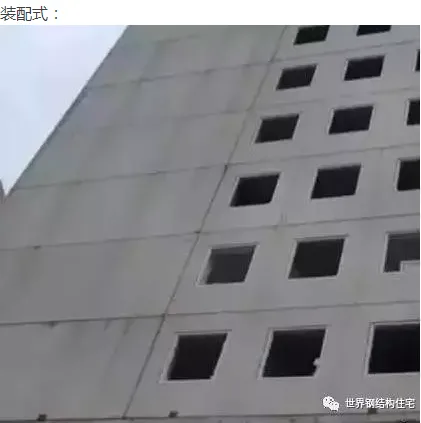
3. Door and window openings are pre-sized in the factory with fully controllable tolerances. Wooden bricks and concrete blocks for interior doors are also prepared beforehand, ensuring precise positioning, simplified on-site installation, and improved installation quality.
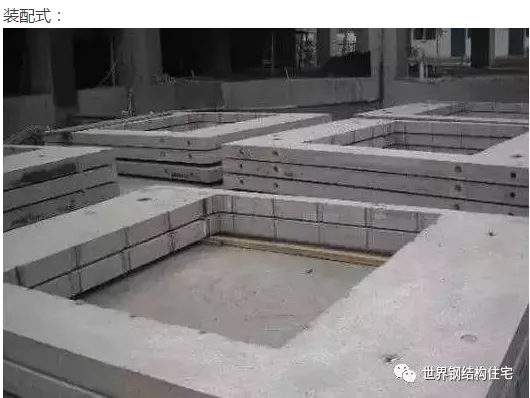
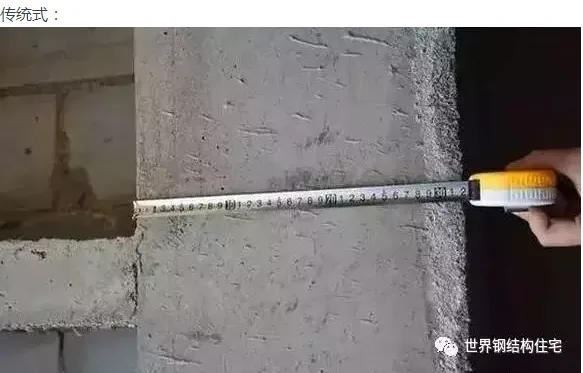
4. Insulation boards are sandwiched between two concrete layers, providing effective fire separation between wall panels. This achieves Class A fire protection, minimizing the risk of large-scale fires. The insulation is durable, and the concrete exterior walls offer excellent waterproofing and seepage resistance.
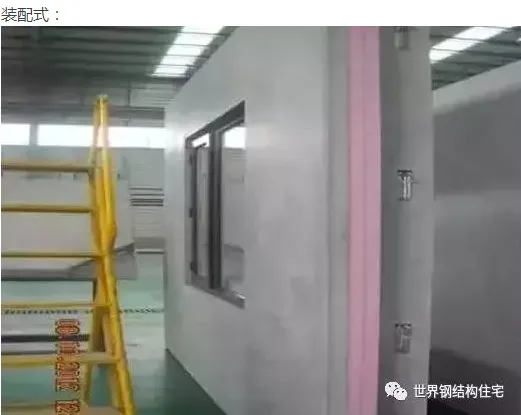

5. Interior and exterior painting is no longer necessary because the walls are all concrete, effectively preventing common wall issues such as cracking and hollowing. The walls have excellent flatness and can be pre-coated with paint or finished with artistic concrete as a decorative layer, avoiding contamination risks during exterior construction.













Must log in before commenting!
Sign Up