
Source: Micro Design, Integration Hub

HUF HAUS Corporation
Founded in 1912, HUF HAUS is one of Germany’s most renowned suppliers of prefabricated luxury villas.
To date, they have completed over 10,000 projects worldwide.
In the digital age, this century-old German family business has embraced online customization services.
Several HUF HAUS buildings have even crossed the ocean to China.
It is believed that in the near future, purchasing a home online will become a common way for people to buy houses.
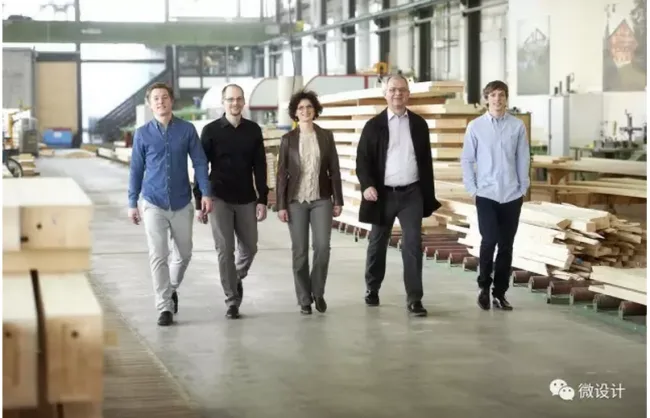
The HUF HAUS Team
Prefabricated modular buildings are constructed using industrialized production methods.
This involves prefabricating some or all components of a building in a factory,
which are then transported to the construction site and assembled through reliable connection techniques.
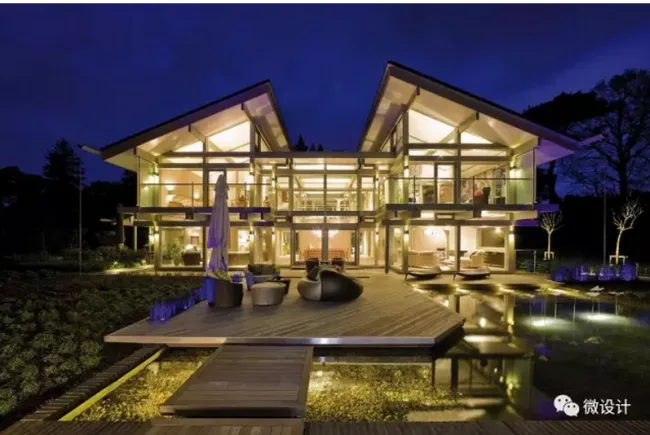
Advantages of Prefabricated Buildings:
- Not limited by cast-in-place concrete.
- Prefabricated modular building concrete offers excellent surface quality.
- Allows for complex architectural styling.
- Seamlessly integrates with steel components.
- No fire-resistant construction required; no base powder coating needed. Free frame exterior decoration leads to faster construction compared to steel structures.
- Prefabricated exterior wall panels can receive various surface finishing treatments.
- Environmentally friendly construction sites.
- Prefabricated sandwich insulation exterior wall panels are easy to implement, avoiding issues like insulation detachment or damage.
- Prefabrication factories are highly mobile, facilitating efficient component production.
- Requires less on-site labor compared to traditional cast-in-place construction.
How is this type of house assembled?
The following section provides a detailed construction process for those interested.
Completed Front View of the House
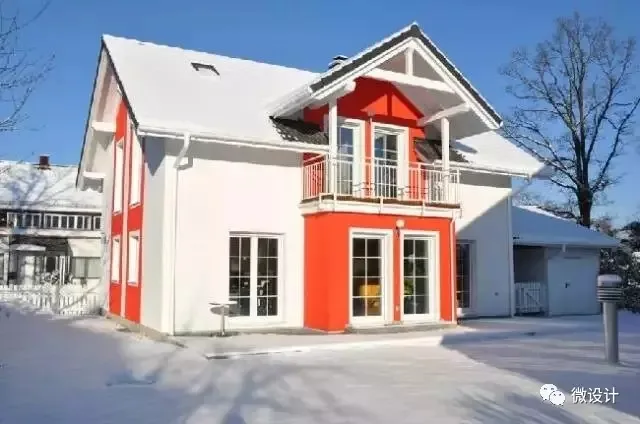
First, all materials are prepared in a standardized factory, transported to the construction site, and assembled like building blocks.
▼
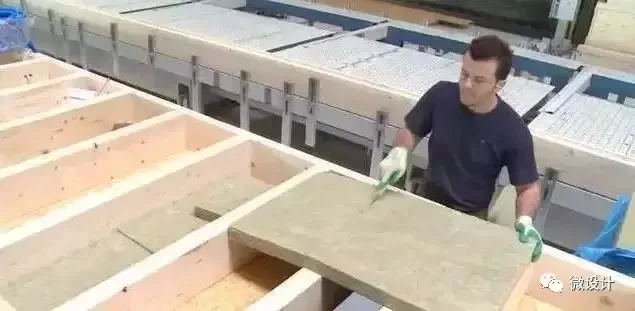
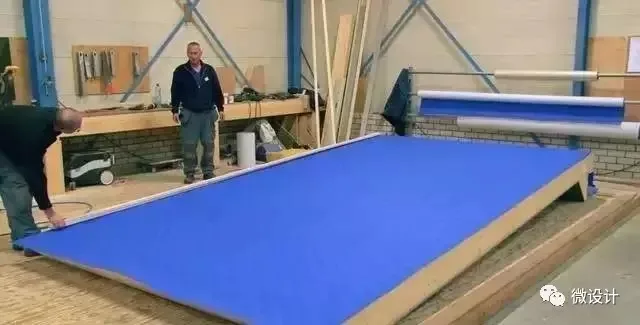
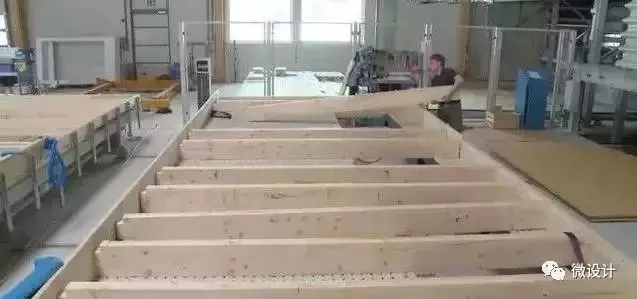
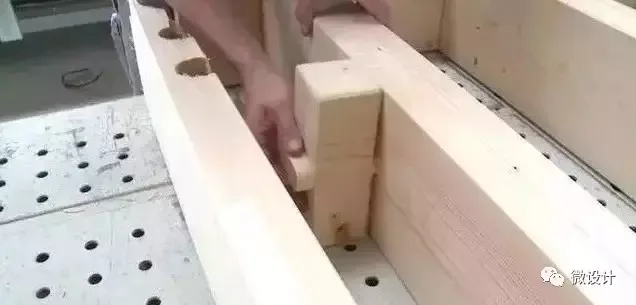
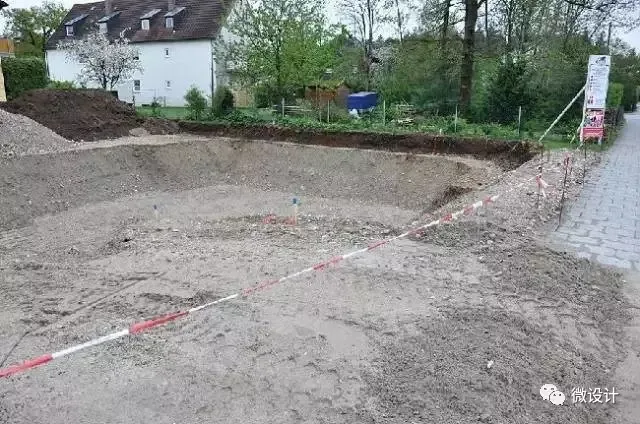
At the construction site, the ground is leveled.
▼
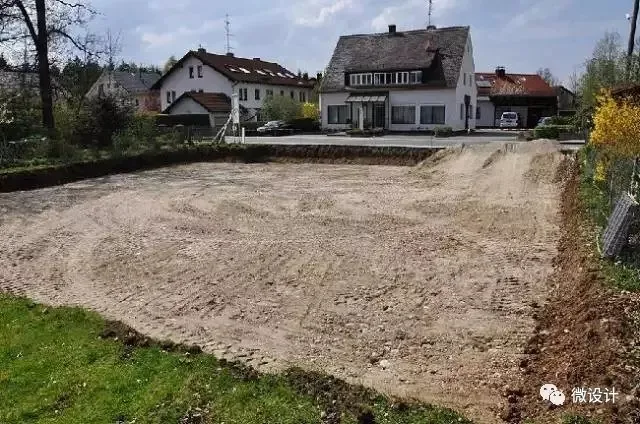
Foundation Pit
▼
After compaction and leveling, the basement floor is prepared by first laying a layer of extruded XPS polystyrene foam insulation board, followed by a waterproof and moisture-proof membrane. The upper support consists of double-layered bidirectional steel mesh.
▼
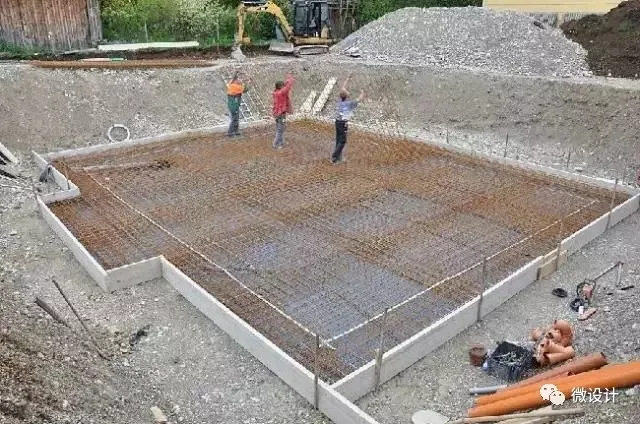
Basement Foundation Slab
Concrete is delivered by transport vehicles and pumped into place.
▼

After the concrete foundation slab solidifies and cures, precast reinforced concrete wall slabs with double-layered cavities are hoisted into place.
▼
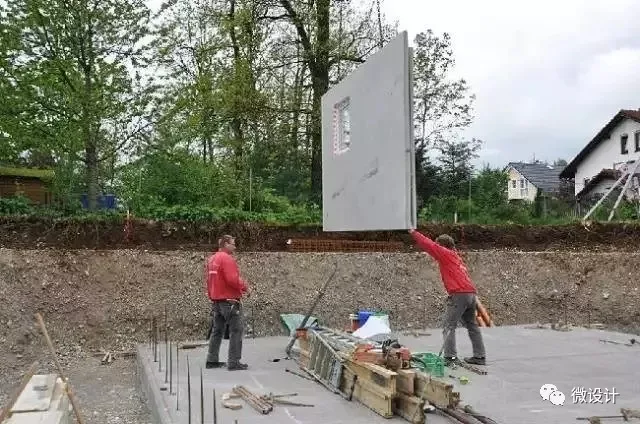
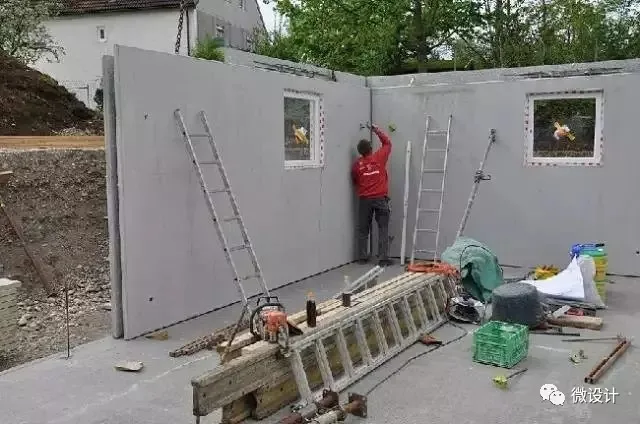
These double-layer cavity prefabricated reinforced concrete wall slabs form the basement walls.
▼
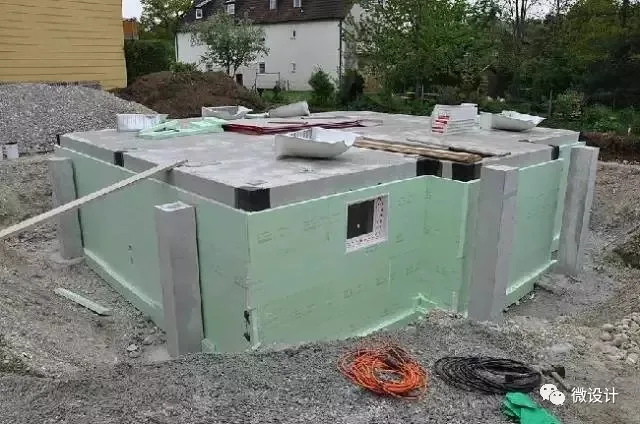
On the exterior side of the reinforced concrete basement wall, a layer of light green extruded XPS polystyrene foam insulation board is nailed on. The lower foundation of four concrete columns is also visible.
▼
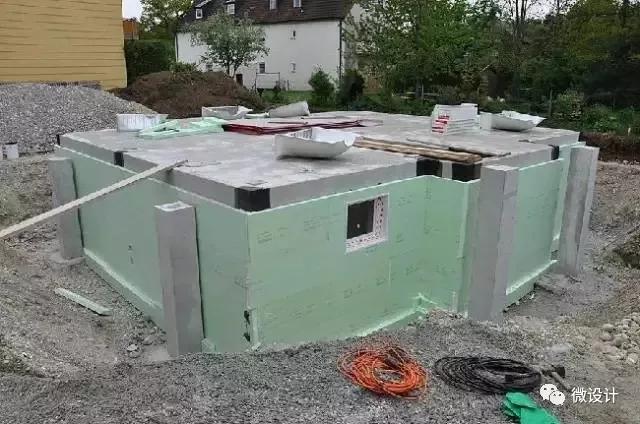
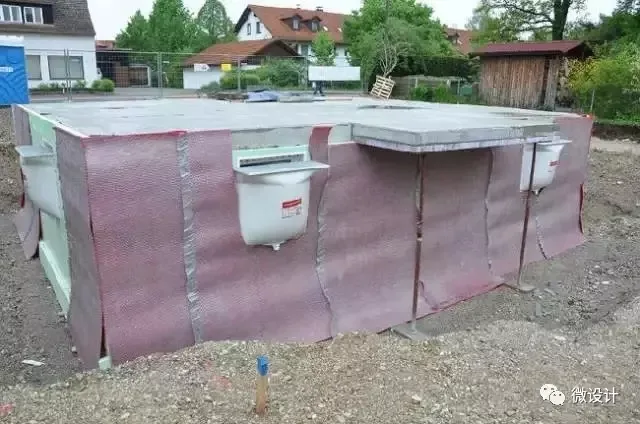
The light green extruded XPS polystyrene foam insulation board is then covered with a specialized waterproof and moisture-proof membrane.
Finished lighting wells are installed outside the basement window openings.
▼
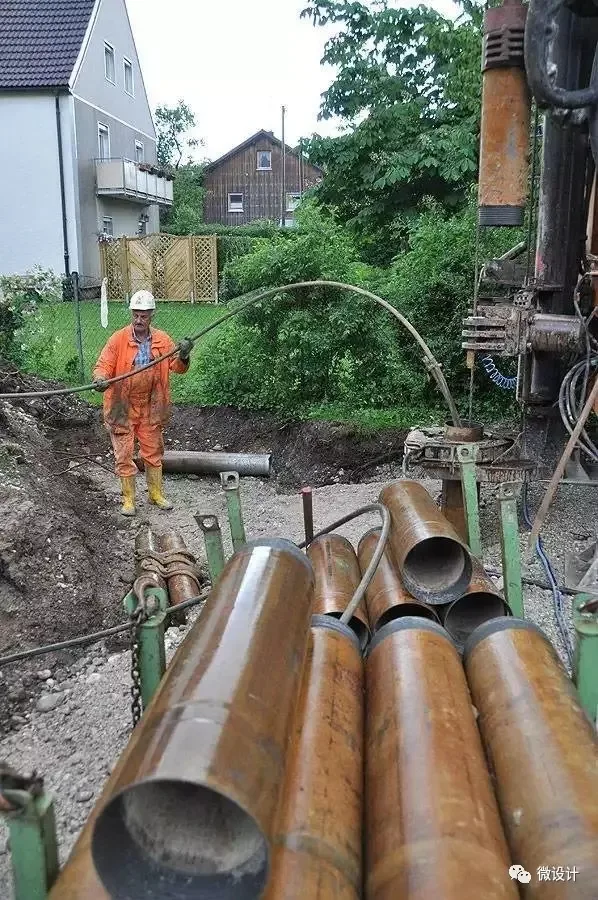
Construction site for drilling geothermal wells to support ground source heat pump systems.
▼
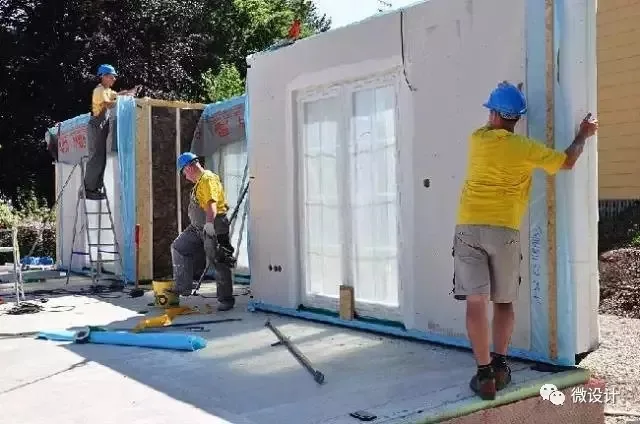
Prefabricated wooden wall panels are produced in the factory, then lifted and installed on-site.
▼
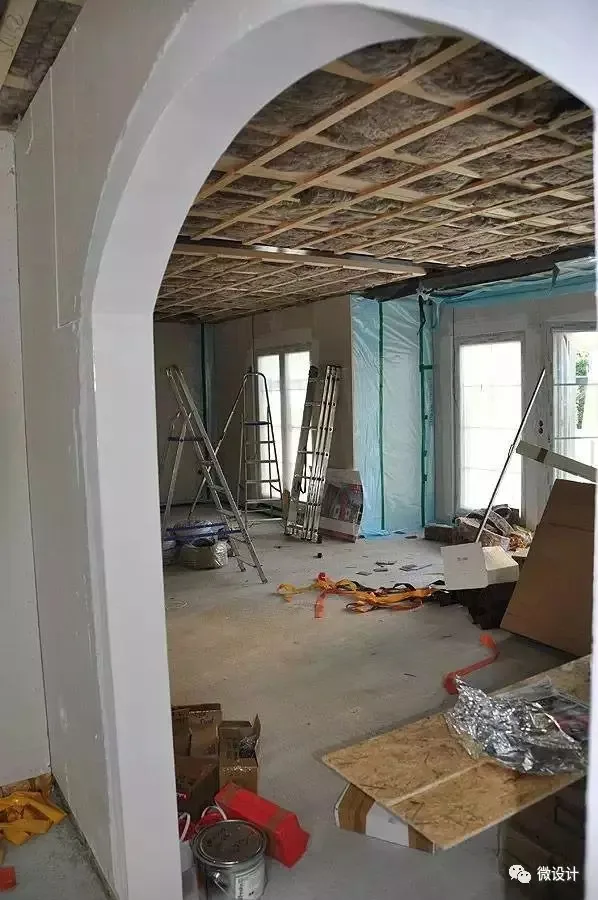
Interior of a prefabricated modular independent residence.
▼
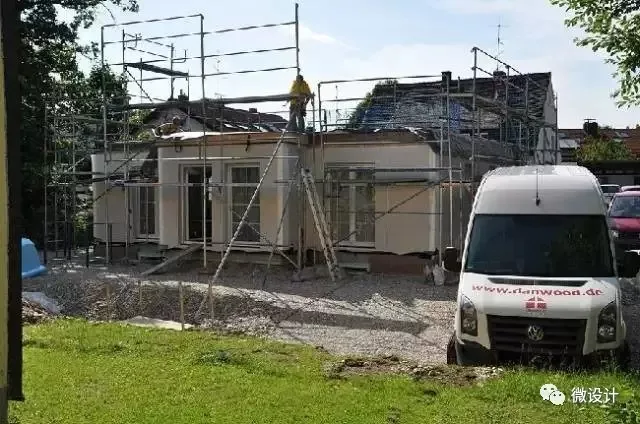
First floor structure of the prefabricated modular residence.
▼
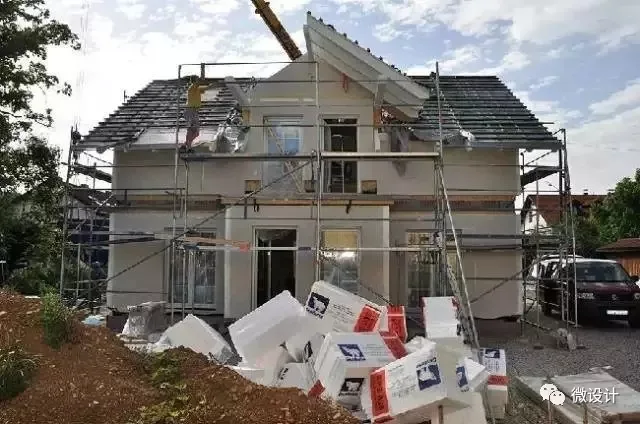
Roof structure of the prefabricated modular residence.
▼
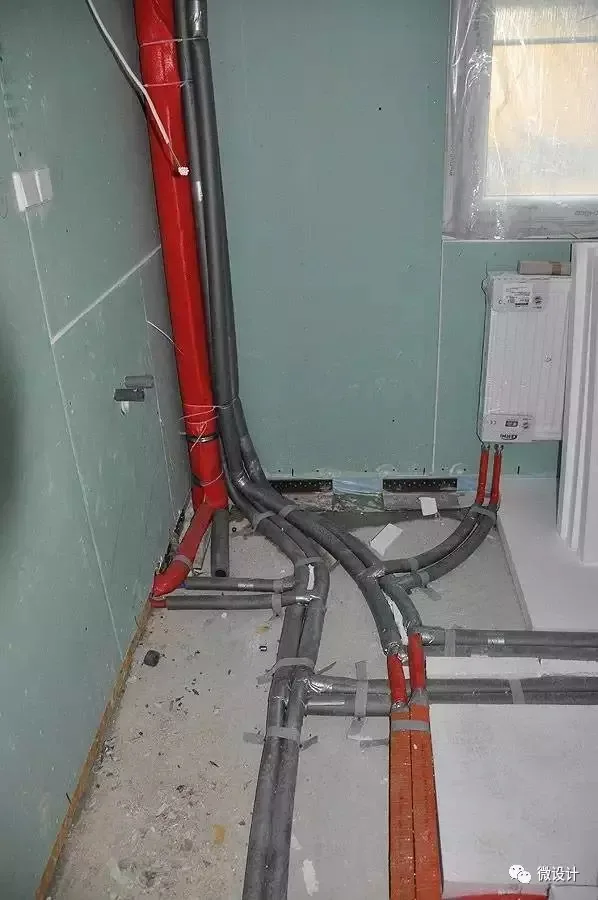
Layout of indoor water supply (cold and hot water) pipelines and heating pipelines.
▼
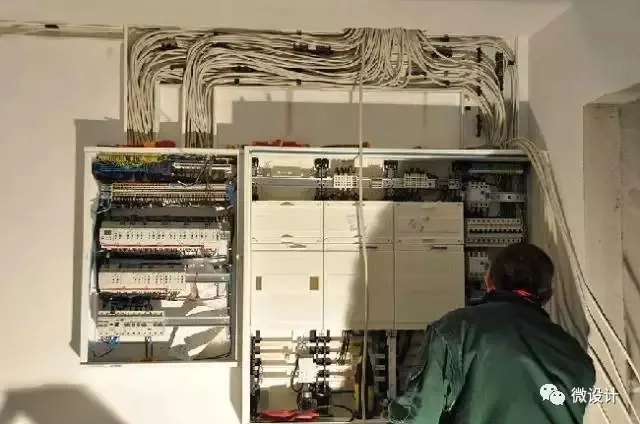
Location of the indoor high-voltage distribution panel on the wall.
▼
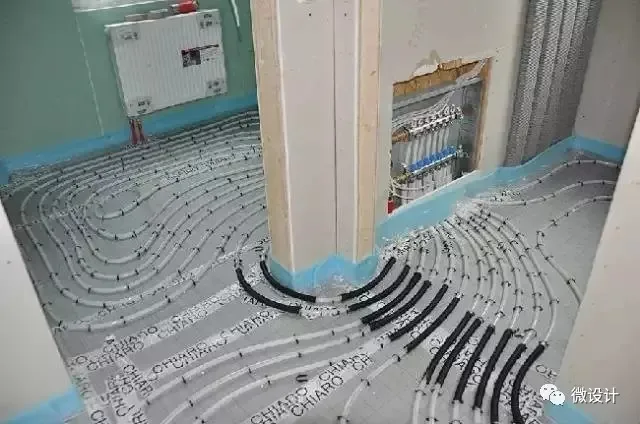
Indoor low-temperature hot water radiation heating, featuring underfloor heating with PEX-like pipeline lines arranged and fixed on-site. The image shows both traditional vertical radiator heating systems and floor heating indoors.
▼
The top surface of the floor heating pipeline is covered with a specialized concrete ground base layer poured on-site.
▼
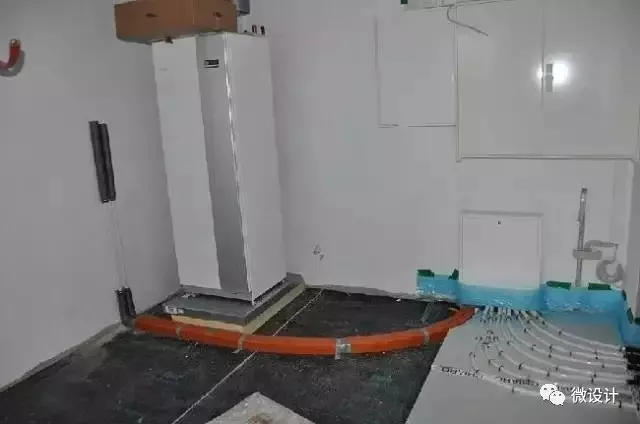
The bathroom area is highlighted in light green, indicating waterproof paper-faced gypsum board veneer surfaces, which are then covered with wall tiles.
▼
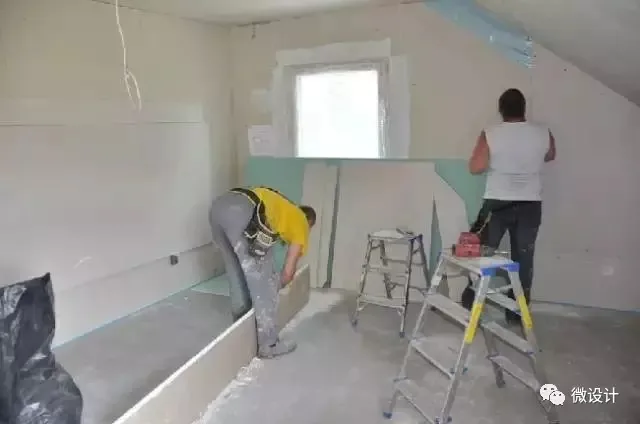
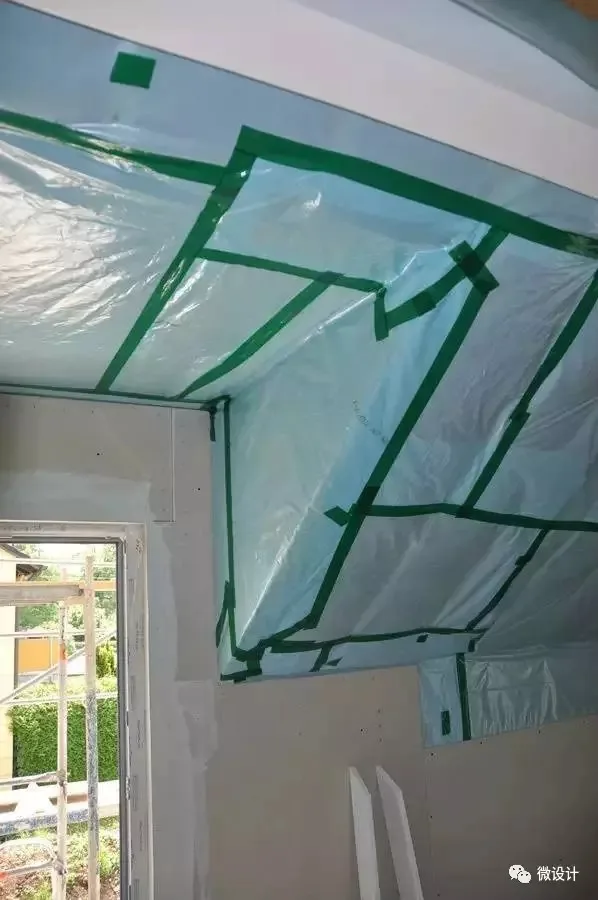
The light blue areas indicate moisture-proof and waterproof films.
▼
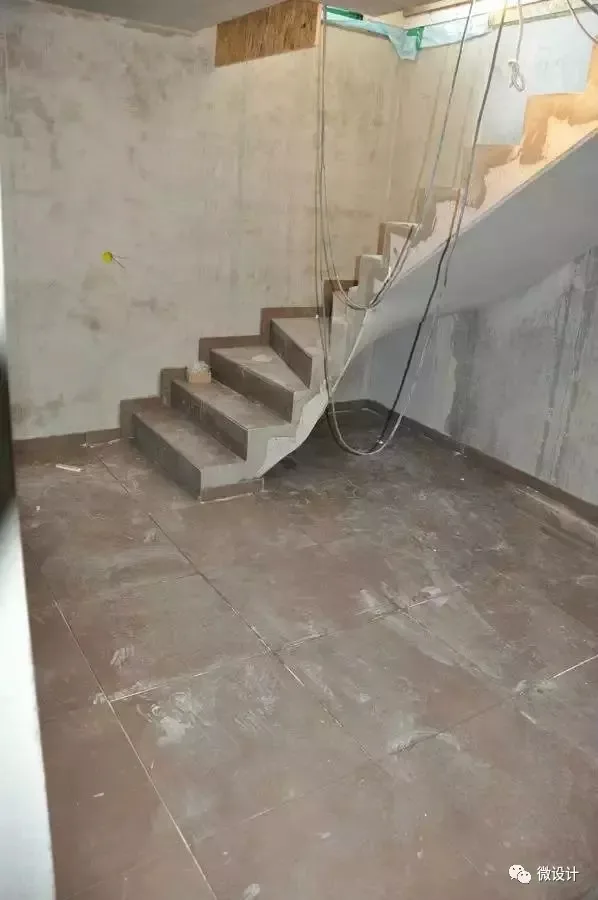
Inside the basement, a prefabricated reinforced concrete staircase section is installed.
▼
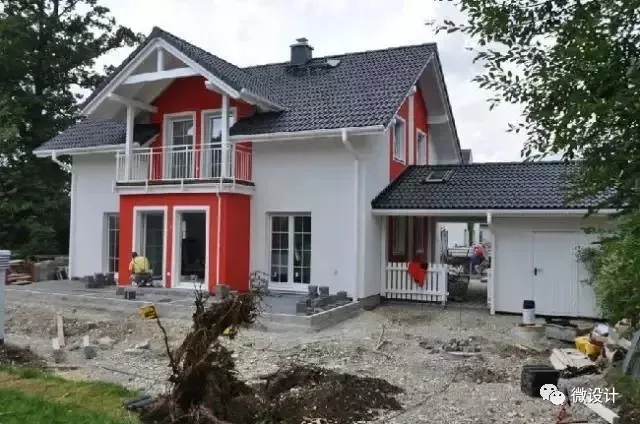
This independent villa can be completed in about six weeks.
This is a growing trend in construction.
In the coming years, many homes will likely be built this way — saving time, reducing stress, and ensuring beautiful results.
(We warmly welcome major media outlets to reprint and promote prefabricated buildings comprehensively. Please indicate the source when reprinting.)














Must log in before commenting!
Sign Up