
Japan, situated along a volcanic earthquake belt, is highly prone to seismic activity. This naturally demands higher quality and stricter standards for housing construction. As a result, many innovative self-building technologies have emerged. The knowledge shared here is valuable for all of us. We should extract the best ideas, discard the unnecessary, and adopt these strengths for our own benefit. Today, using Japanese self-built houses as an example, I will detail the construction process behind such homes.
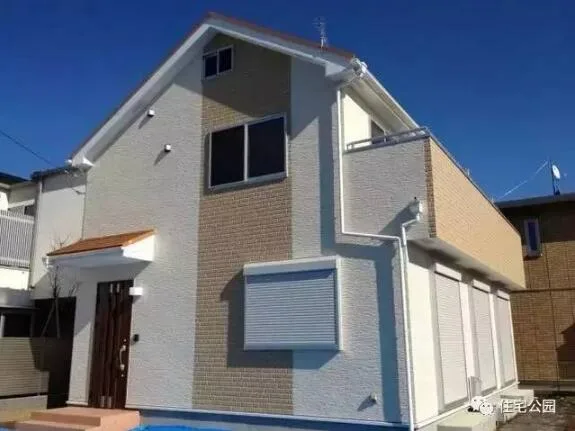
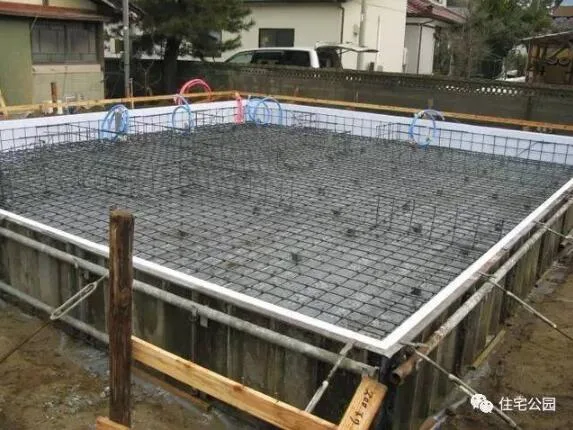
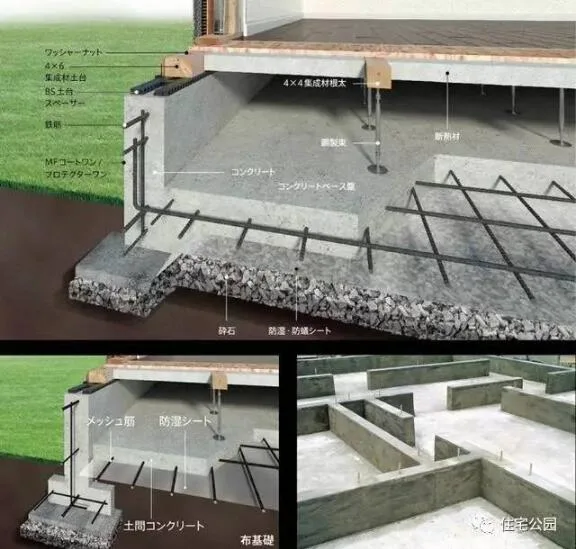
The foundation requirements for self-built homes in Japan are extremely precise. The process begins by excavating trenches across the entire site. Then, a layer of crushed stone cushion is laid on the foundation ground, followed by pouring plain concrete which cures over time. Once hardened, a waterproof membrane is installed. Afterwards, the underground elevated layer is constructed by installing formwork, tying rebar, and pouring concrete.
Once the basic hardening and form removal are complete, the foundation appears as shown below.
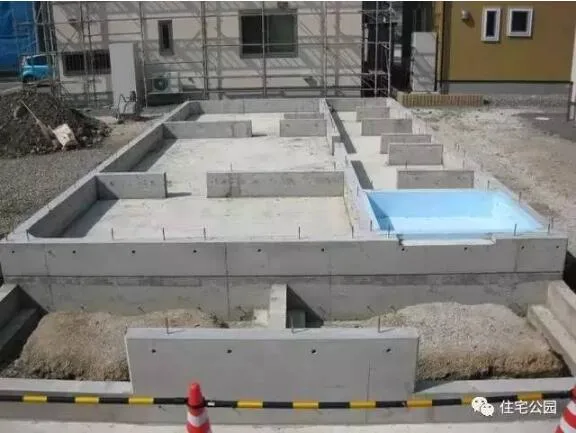
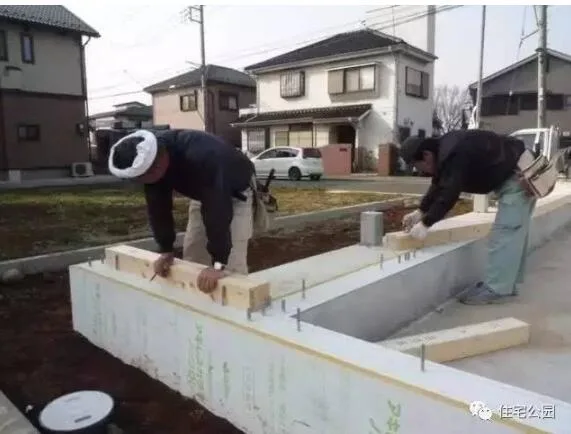
These images highlight the Japanese commitment to solid foundations and meticulous adherence to high standards. The embedded steel components are clearly visible, showcasing their valuable experience in managing overhead layers. This is an example we should study and learn from diligently.
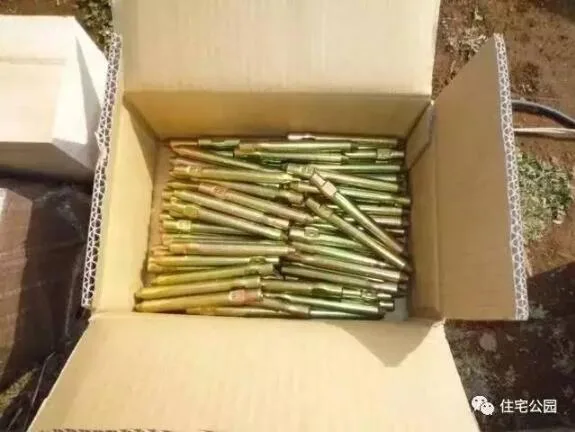
The purchased galvanized bolts have also arrived and will be used for constructing the main structural framework in the upcoming stages.
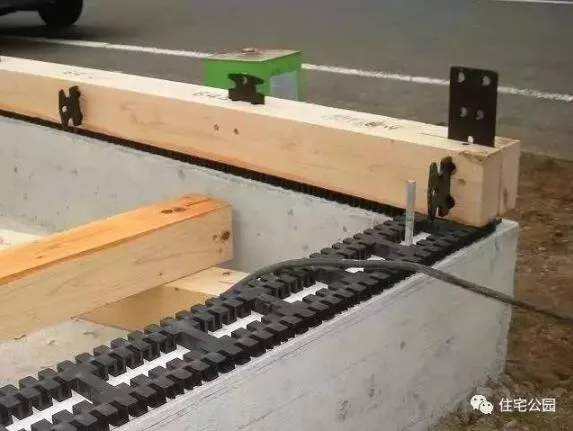
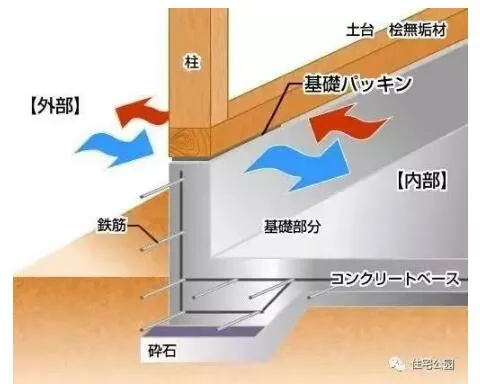
Japanese dedication extends beyond basic construction to ensuring comfort in living spaces. A layer of moisture-proof tape is applied at the junction between the foundation and the main structure to isolate them. This prevents underground moisture from entering the interior. Additionally, the moisture-proof tape features spacing and a hollow shape, which effectively reduces indoor humidity in prefabricated buildings, ensuring a stable living environment.
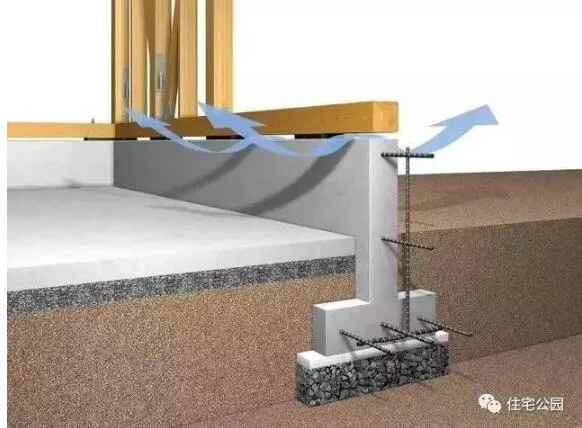
Here is a schematic diagram illustrating the effect of the moisture-proof tape.
The soil platform depicted below acts as the connection between the reinforced concrete foundation and the wooden frame structure. Galvanized bolts are positioned in the center to securely link the main structure to the foundation.
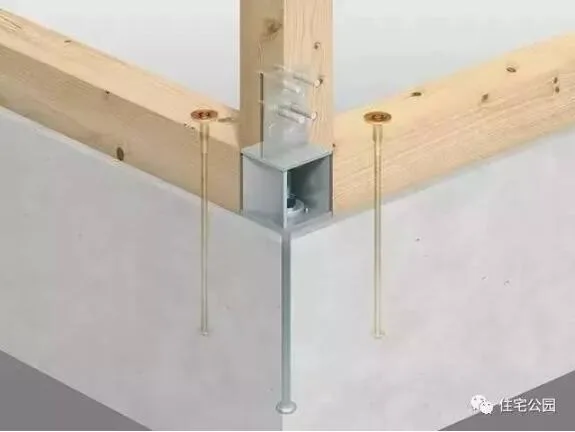
Japanese wooden construction craftsmanship is recognized as world-leading. While other countries continued using traditional brick and concrete homes, Japan had already advanced to wooden structures. The main framework is assembled sequentially, utilizing mortise and tenon joints supplemented with bolts, and treated with varnish to prevent termite damage.
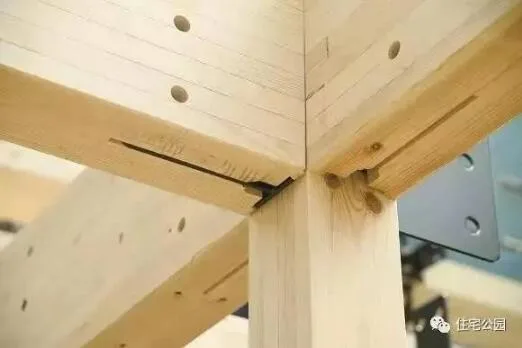
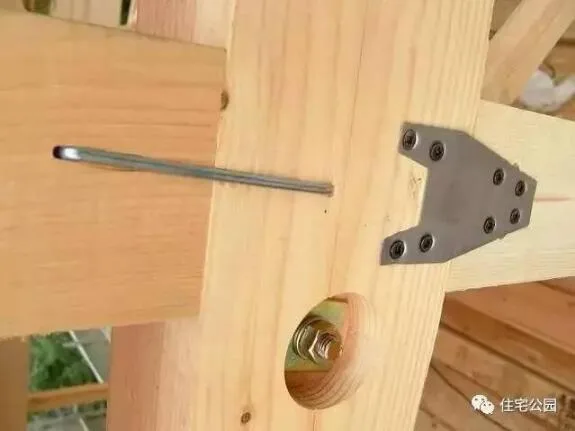
These images provide a clearer view of the intricate details.
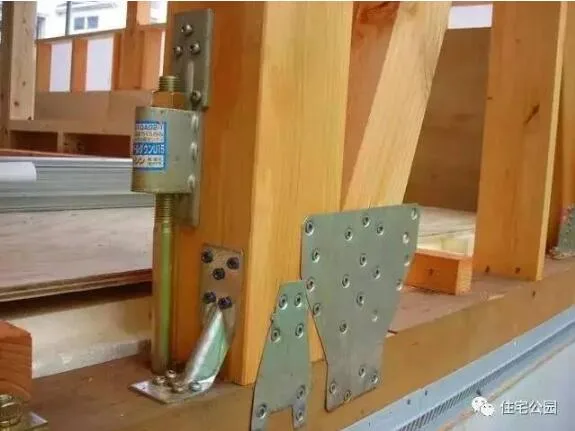
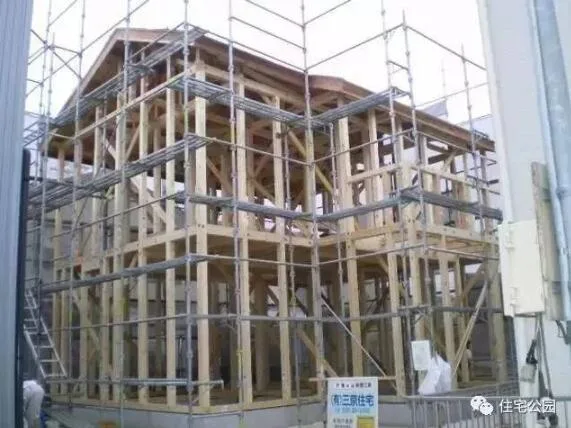
Following the architectural drawings, the load-bearing structure is built from the ground up all the way to the roof.
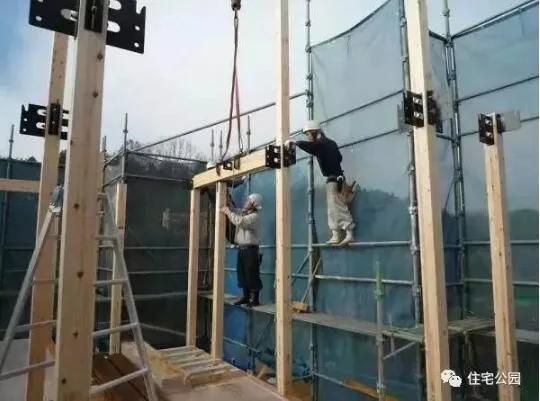
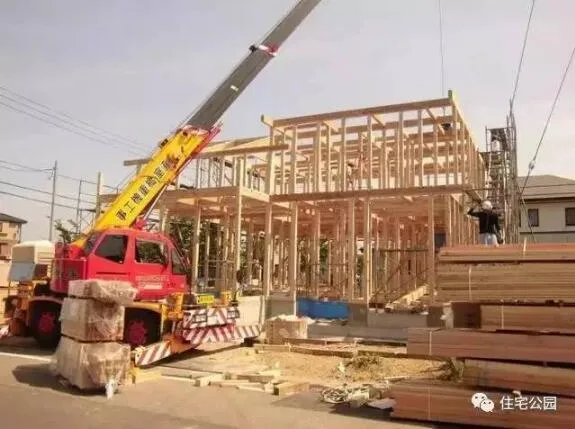
Here is a three-dimensional view of the side of the house.
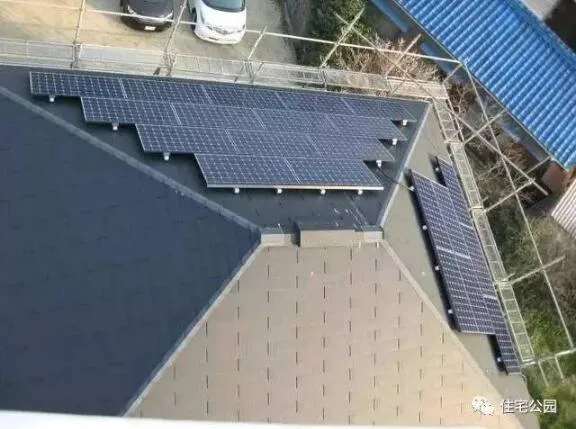
In recent years, solar photovoltaic technology has increasingly entered everyday life. Photovoltaic panels are neatly arranged to form arrays that shine brightly under the sun. These panels convert solar energy into electricity, which can be connected to the grid. If you don’t consume all the electricity produced, the surplus can be sold back to the power company, effectively offsetting costs. The initial investment typically pays for itself within a few years, making it a highly worthwhile investment.
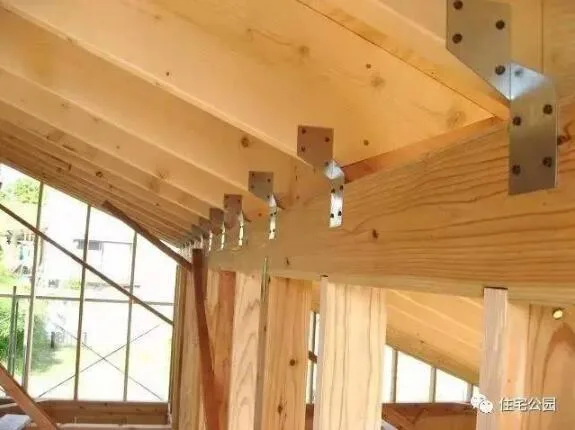
The image below shows a list of indoor beams and columns. Originally connected by mortise and tenon joints, these elements are further reinforced with hinges to maximize structural integrity and ensure the house’s long lifespan.
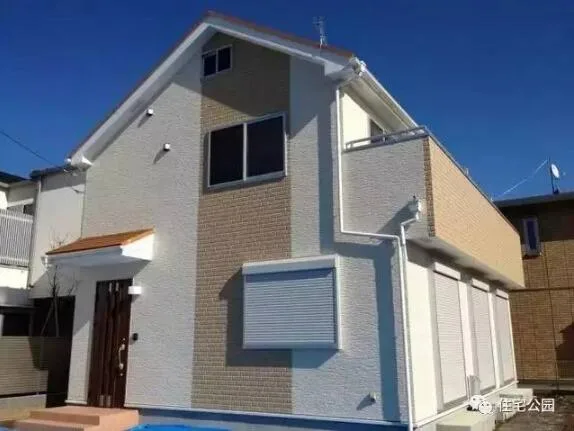
Compared to traditional construction techniques in other countries, Japan’s building methods are truly worth learning from. We should not only adopt their techniques but also embrace their high standards and rigorous demands for quality.













Must log in before commenting!
Sign Up