
Steel structure residential buildings have emerged as key players in the realm of prefabricated construction. Often referred to as an “old actor,” these buildings have a history dating back to the late 20th century, when several steel structure companies in China began implementing steel structure residential systems for urban apartment complexes and low-rise houses. Early in the 21st century, pioneers like Shandong Laigang Construction and Hangxiao Steel Structure introduced steel systems into urban high-rise residential projects, leading to the development of multiple steel structure communities known for their high green building standards and strong seismic resistance.
Despite these advances, the enthusiasm from developers remained limited. This was largely due to the lack of self-developed supporting products by enterprises and the influx of migrant workers into cities, which kept traditional on-site construction methods dominant. Although government bodies overseeing prefabricated housing and various enterprises promoted steel structure residential buildings as a new type of green and environmentally friendly construction, the market share remained low, and widespread adoption failed to take hold.
Today, steel structure residential buildings are poised as the “new protagonist” in the latest wave of prefabricated building promotion. Recent policy shifts—from the “Several Opinions on Further Strengthening Urban Planning and Construction Management” to reports from the National People’s Congress and the Chinese People’s Political Consultative Conference—have accelerated the push for steel structure construction, moving from cautious progress to vigorous promotion. This reflects a national consensus at the decision-making level to advance steel structure buildings, alongside new mandates for their application.
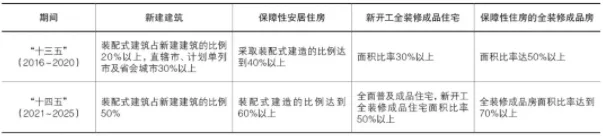
With over 30 years of experience in steel structure construction in China, the system has matured and is well-supported. It has seen rapid growth in the construction of super high-rise buildings and cultural and sports venues in urban areas, gaining worldwide recognition for its achievements. Steel structure building components are manufactured through factory prefabrication and assembled on-site, making them ideal for industrialized construction. Notably, government targets include having prefabricated buildings make up more than 30% of new construction by 2020, signaling that steel structure residential buildings will play a leading role in the prefabricated building sector.
Steel Structure Residential Buildings and Sustainable Development
Green and circular development remain fundamental objectives in the evolving economic landscape. For the construction industry, this means moving away from unsustainable, traditional, and resource-intensive production methods toward a more environmentally friendly and resource-efficient modernization.
However, misconceptions persist among the public and consumers regarding steel structure residential buildings, often clashing with traditional living habits and preferences. Skepticism about lightweight wall materials is common. While the current construction costs for steel structure residential buildings can be slightly higher and challenges remain with compatible wall panels, the benefits are significant.
These buildings are lightweight, and their components—including lightweight panels—are factory-produced and assembled on-site. This approach drastically reduces water and electricity consumption, minimizes waste and dust pollution at construction sites, and can achieve comprehensive energy savings exceeding one-third. Such advantages are likely to attract increasing interest from developers seeking sustainable building solutions.














Must log in before commenting!
Sign Up