
At the end of August, a remarkable new building will complete its main structural construction at China Construction Technology’s Ningxiang Industrial Park.
This innovative project, without relying on heating or air conditioning, consumes almost no energy. It maintains an average indoor temperature between 20 and 26 degrees Celsius and humidity levels ranging from 40% to 60% throughout the year.
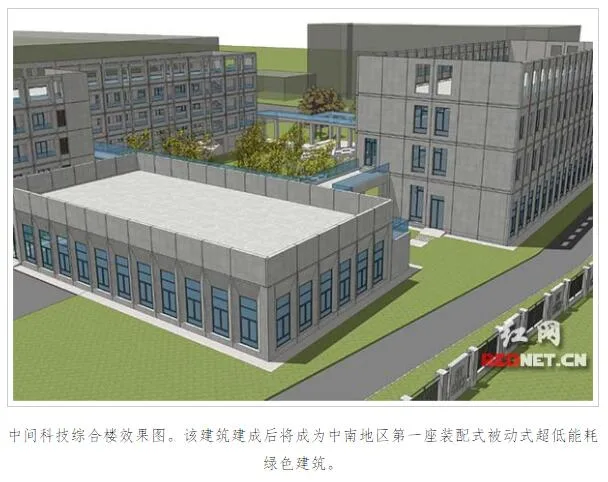
Once completed, this seemingly modest building will be the first prefabricated passive ultra-low energy green building in central and southern China. It will also serve as a demonstration project for major scientific research during the 13th Five-Year Plan. This fall, it will officially open to the people of Hunan, marking a significant milestone in green building technology that could soon impact everyday life. This achievement represents the beginning of China Construction Technology Hunan Co., Ltd.’s efforts to promote prefabricated buildings and lead the way toward sustainable, livable environments.
Green Construction of the “Magical Building”
“Passive ultra-low energy green buildings” have become a leading concept in energy-efficient architecture. According to energy consumption standards, a passive building’s total primary energy consumption should not exceed 120 kWh per square meter per year, while the comprehensive building project aims for an even lower target of 60 kWh per square meter per year.
Achieving such low energy consumption requires superior insulation, soundproofing, airtight exterior walls, and the incorporation of renewable energy systems. The China Construction Technology Industrial Park Comprehensive Building project exemplifies this new type of prefabricated construction.
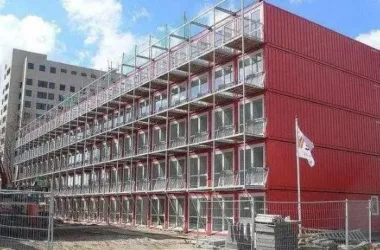
Peng Yizhou, General Manager of China Construction Technology Hunan Co., Ltd., explained that the comprehensive building includes office spaces, dormitories, and a cafeteria, covering approximately 5,689 square meters. It integrates the company’s core prefabricated technologies: the office and cafeteria use prefabricated frame structures, while the dormitories employ a shear wall structural system.
“By combining passive building technology with prefabrication, we have significantly improved construction quality and efficiency,” Peng noted.
Compared to traditional methods, the project has reduced water consumption by 64.75%, energy use by 37.15%, labor by 47.35%, waste generation by 58.89%, and construction wastewater by 64.75% per square meter. The assembly rate reaches up to 72%, making this building a showcase for sustainable green technologies.
The building’s “natural heating” system uses a ground source heat pump, which is 30% more energy-efficient than air source heat pumps, 50% more efficient than oil-fired boilers, and 70% more efficient than electric heating. For every 1 kWh of energy consumed, it produces over 4.4 kWh of heating or cooling. This approach reflects a return to fundamental architectural principles by using scientific planning, design, and meticulous construction to create high-tech, energy-efficient buildings.
The design of the comprehensive building is tailored to the local climate of Changsha, optimizing heating and cooling needs while maximizing renewable energy use. By fully utilizing the natural environment, the building offers superior energy efficiency, comfort, air quality, and quality assurance — essentially creating a structure that “breathes with nature.”
“Zhongjian Brand” Subway Pipe Segments Promote Green Transportation
Before this “passive ultra-low energy” green building was constructed, China Construction Technology Ningxiang Industrial Park had already made strides in green innovation through subway pipe segments.
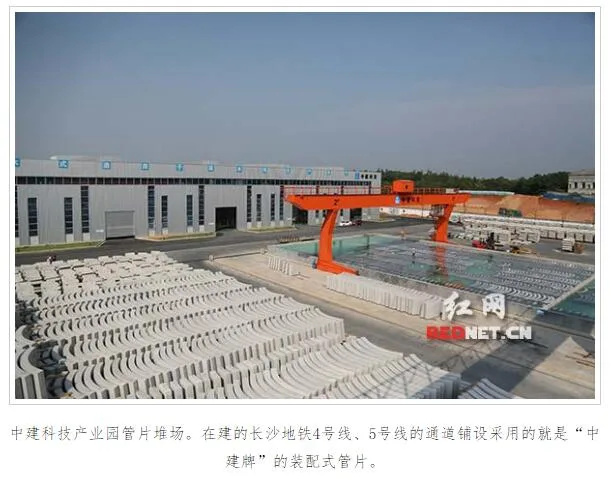
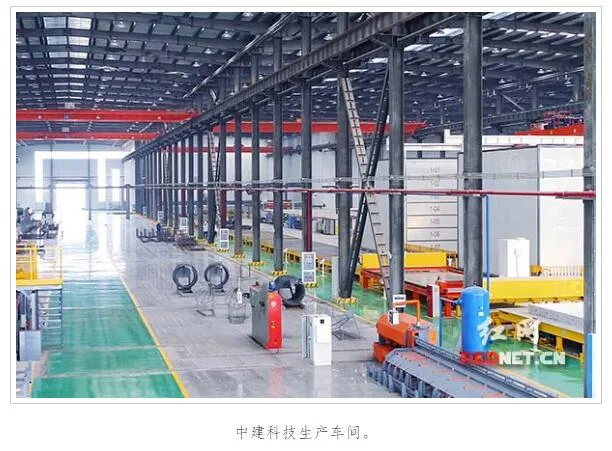
The construction of Changsha Metro Lines 4 and 5 uses prefabricated pipe segments branded as “Zhongjian.” The industrial park operates two automated production lines for these segments, leading the province in output with more than 80 pipe rings produced daily—enough to build a 120-meter subway tunnel. Remarkably, this company has achieved such results in just over a year.
Back in 2015, the industrial park site was a barren mountain.
On December 10, 2015, China Construction Technology Hunan Co., Ltd. registered its prefabricated residential buildings business. Within two months, the Ningxiang Economic Development Zone completed land reclamation, demolition, and leveling.
By March 28, 2016, the first ring pipe segment mold was delivered to the site.
On May 18, the first automated production line for subway pipe segments began operation.
By June 20, the first batch of “China Construction Brand” subway segments was delivered to Changsha Metro Line 4.
Less than a year later, the industrial park had completed its base construction, fully operational in subway pipe segments, urban underground pipe galleries, and prefabricated components. This rapid progress set new records across 12 regional companies and industrial park bases within China Construction Technology Group. As subway segments continue to be delivered for Lines 4 and 5, these major transit routes that cross Changsha will soon be completed, providing residents with greener travel options.
Leading the Industry and Championing Green Living
Today, green is more than just a buzzword — it represents a lifestyle embraced by many. Peng Yizhou, with nearly 20 years in construction, has witnessed the industry’s evolution from traditional cast-in-place methods to the growing acceptance of prefabricated green buildings.
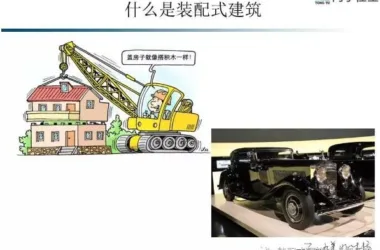
“From the start, we committed to being a product contractor rather than merely a component manufacturer, setting high standards and strict requirements early on,” Peng explained. “Today, China Construction Technology’s EPC general contracting model—covering design standardization, factory production, on-site assembly, main decoration, electromechanical integration, and full-process digital management—is maturing rapidly. The vision of building homes like cars and buying them like shopping in supermarkets is becoming a reality.”
Prefabricated buildings not only enhance energy efficiency and environmental friendliness but also improve construction worker safety by transforming traditional laborers into industrial workers. Moreover, these buildings contribute to greener and more efficient public transportation infrastructure, such as subways. The comprehensive building project at China Construction Technology Industrial Park embodies this integration with nature to create a sustainable and livable environment.
Looking ahead, Peng Yizhou is optimistic: “We will closely follow national construction industrialization trends and strive to become a leading construction enterprise during the 13th Five-Year Plan, aligned with the Made in China 2025 strategy.”













Must log in before commenting!
Sign Up