
BIM Software Tip: How to Customize the Revit Interface
Recently, I have noticed that many newcomers to Revit often ask questions like: “My project manager is missing,” “My status bar has disappeared,” or “Why does my interface look different from yours?” So, this time, let’s provide a brief introduction on how to customize the Revit interface for beginners.
Basically, there are three main areas of the interface that you can customize.
First, at the top of the software is the Quick Access Toolbar.
You can customize this toolbar by clicking the down arrow located on its right side.
Second, there is the tool palette, which we frequently use during the design process. On the right side of this palette, you will also find similar arrows that allow you to choose from multiple display options on the dashboard.
Besides the default expanded view, there are three other display styles available, making a total of four styles. Although we cannot include images here, you can switch between these options and explore them yourself. If you are familiar with shortcut keys, you can use them to minimize screen space usage effectively.
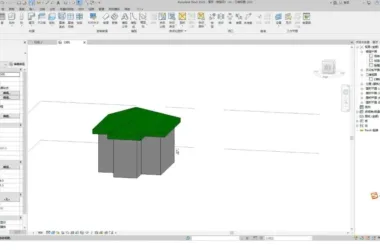
Finally, within the View panel of the tool palette, there is a User Interface command. This command lets you toggle settings like the Project Browser, System Browser, Properties, and Status Bar.
Feel free to click around and see what each of these elements does specifically.













Must log in before commenting!
Sign Up