
BIM Software Tip: How to Distinguish Between Instance and Type Parameters in REVIT
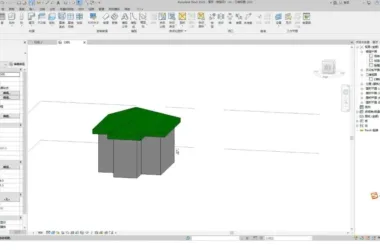
If you’re new to REVIT and working with families, understanding the difference between type and instance parameters can be confusing. Here’s a simple example to help clarify this concept. See the image below:
First, I created a family of standard models using the stretching method. I assigned X as a type parameter and Y as an instance parameter. After completing the family, I loaded it into the project.
Let’s start with type parameters. Click on Edit Type and modify the size X. You will notice that all families of the same type update their size simultaneously when the type parameter changes.
Now, let’s look at instance parameters. Select a single family instance, and in the properties panel, you will see the size parameter Y. Changing this instance parameter affects only the selected family, without impacting other instances.
In summary, adjusting the instance parameter Y allows each family to have unique dimensions, making it easy to distinguish between instance parameters and type parameters.














Must log in before commenting!
Sign Up