
BIM Software Tip: Use REVIT to Create Wall Renovation Drawings in Phases
In interior design, modifying existing walls is often necessary, as shown in the image below. This scenario is less common in architectural design.
To manage this effectively, I typically use phased approaches when creating drawings:
After modeling the walls, the project is divided into several time phases—usually four: original structure, wall renovation, hard decoration stage, and soft decoration stage. This approach generally covers most display requirements.
2. Select the existing walls and set their phase created property to Original Structure in the properties panel. This indicates these walls belong to the original structure phase.
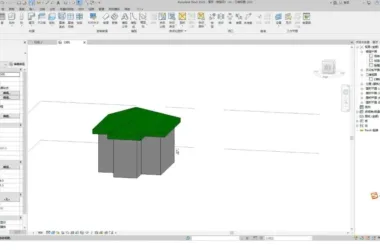
3. Change the view phase to Wall Renovation, then use the wall tool to draw new walls. These represent walls added during renovation. You may notice these new walls display differently from the original ones due to filters, which can be adjusted later as needed.
4. Draw new walls directly, then use the Demolish tool under the Modify tab to mark walls for removal. Alternatively, select a wall and change its demolition phase to Wall Renovation in the properties panel.
5. Besides walls, other elements can also be assigned to specific phases using the same method, though further examples won’t be covered here.
Next, you can customize the display styles for demolished, newly built, and original walls. In the Graphic Overrides settings, modify the graphical style for new construction and demolition. Since these are walls, typically only the section view settings need adjustment. If, for example, a bathroom floor requires backfilling with a slab, then the projection and surface display settings should be updated accordingly.
7. Then, open the Phase Filter panel and create a new filter for testing purposes. The By Category filter means no style overrides are applied—elements display as their default. The Replaced filter applies the graphic overrides you set for new and demolished elements.
Generally, after clicking OK, the view might not display as expected initially because the new filter hasn’t been assigned to the view yet. To fix this, simply select your newly created phase filter in the View Properties panel.













Must log in before commenting!
Sign Up