
Method for Creating Hollow Bricks in Revit (No size requirements in this example)
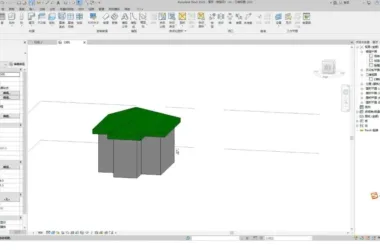
Revit offers several ways to create hollow stacked brick walls, such as using windows or cutting holes in the wall. However, these methods can become cumbersome when working on large projects or making modifications later. This example demonstrates an effective approach using a combination of Curtain Wall + Volume + Adaptive Family to create hollow bricks, solving the issues mentioned above. The result is illustrated in the image below.
1. Construct new walls and curtain walls, allowing the curtain walls to be automatically embedded into the walls.
2. Create an internal volume, divide its surface, and select a 1/2 staggered seam pattern.
3. Generate a Metric Conventional Model Based on Fill Patterns and modify its surface accordingly.
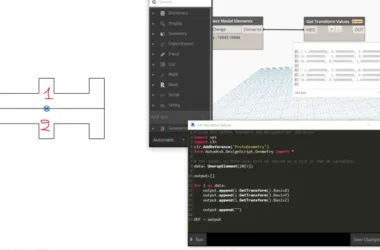
4. Add reference points and connect them using reference lines.
5. Add a width parameter, create the model, and change its material.
6. Load the family into the project and adjust the spacing to achieve the desired result, as shown in the following image.
Understanding Pattern Component Modeling: Grasping the modeling process improves the conceptual design of pattern components significantly.
Although the default tile reference points do not move horizontally, you can add driving points on the template reference line to modify the geometry. Use extrusions, shapes, and hollow forms by drawing lines and geometric figures to define component dimensions.
Whenever possible, set boundary tiling conditions to Empty or Hanging Over. Choosing Part of It increases the file size and memory requirements, which can significantly slow down downloading and modifying fill pattern components that use conceptual volumes.
When working with closed shapes, select a fill pattern that interlocks seamlessly.
Utilizing multiple view windows during the design process makes working with pattern component families more efficient and convenient.













Must log in before commenting!
Sign Up