
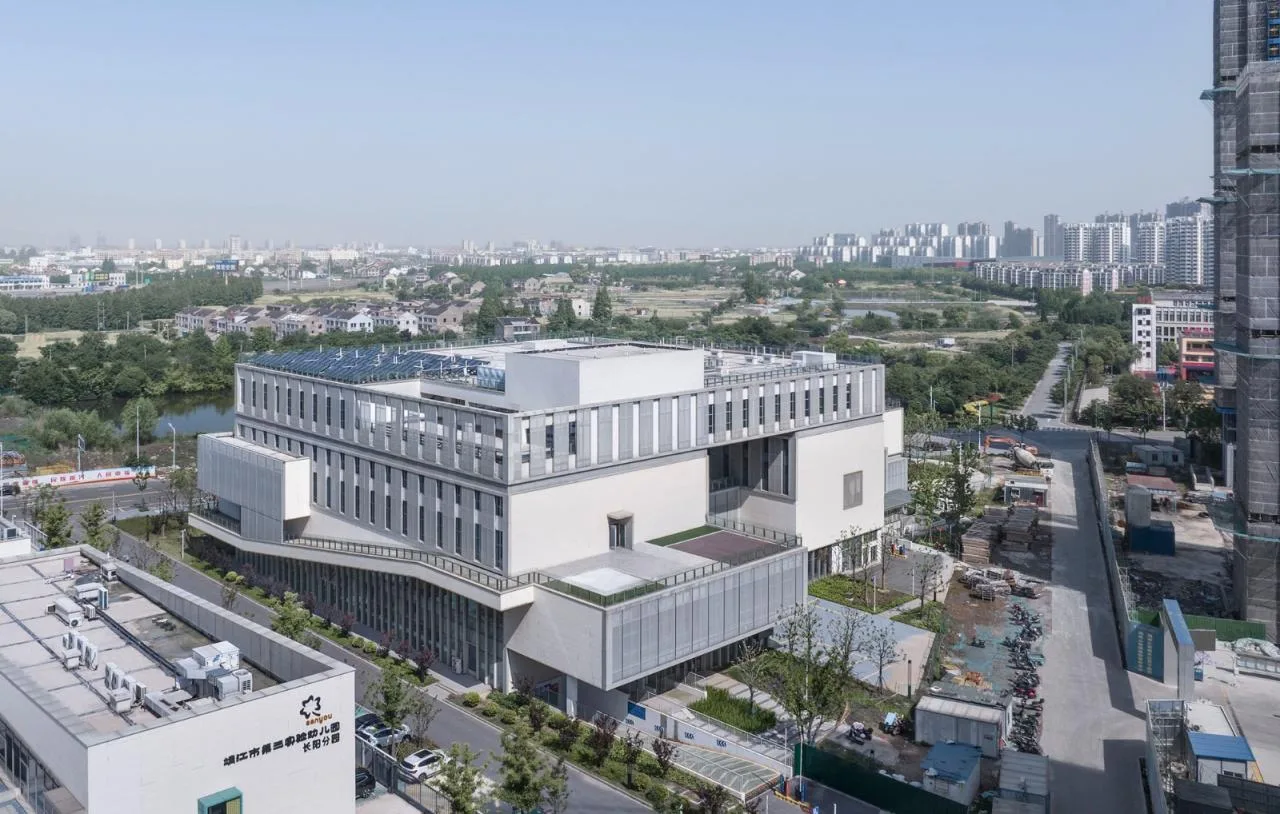
The construction of multiple community centers in the southern area of Jingjiang Binjiang New City plays a vital role in enhancing residents’ quality of life. Among these, the Changyang Neighborhood Center stands out. The challenge lies in creating spaces that foster neighborhood interaction while accommodating daily living needs within a limited land area, preserving local memories, and developing the center as a sustainable hub for community life.
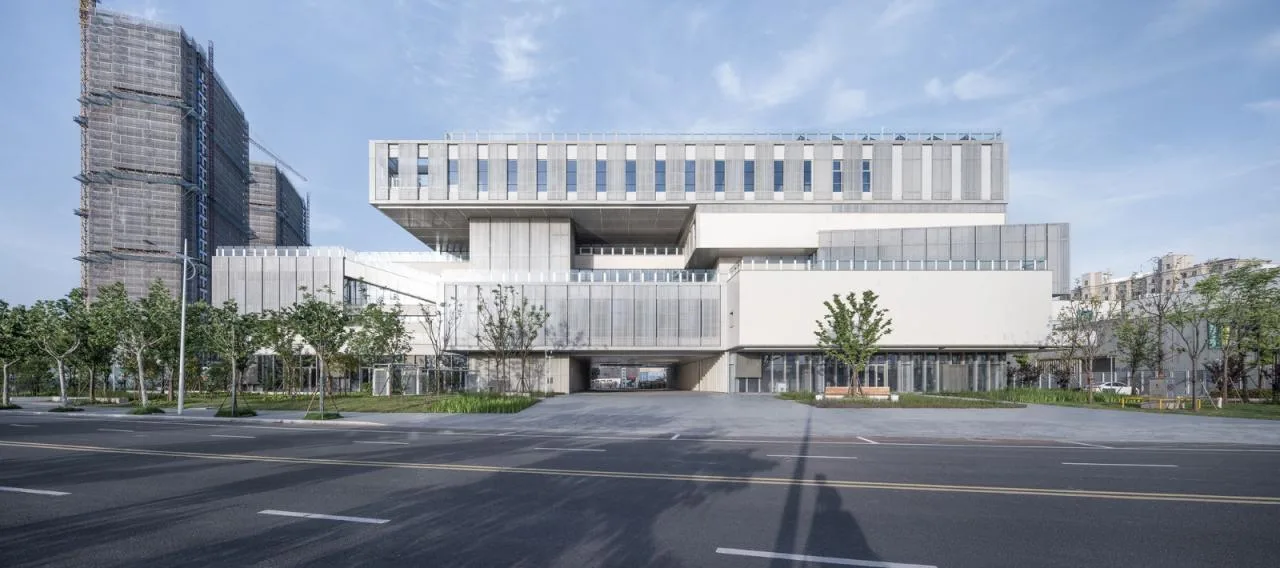
Community center sites are typically compact with strict plot ratio restrictions. These land constraints limit external and communal spaces. The combination of diverse spatial forms and overlapping functions means vertical circulation cores and entrances occupy significant space, reducing interior efficiency. Serving as the cornerstone of community life, the center must address these challenges. This is especially true for the Changyang Neighborhood Center, which contends with the irregular triangular shape of its site.
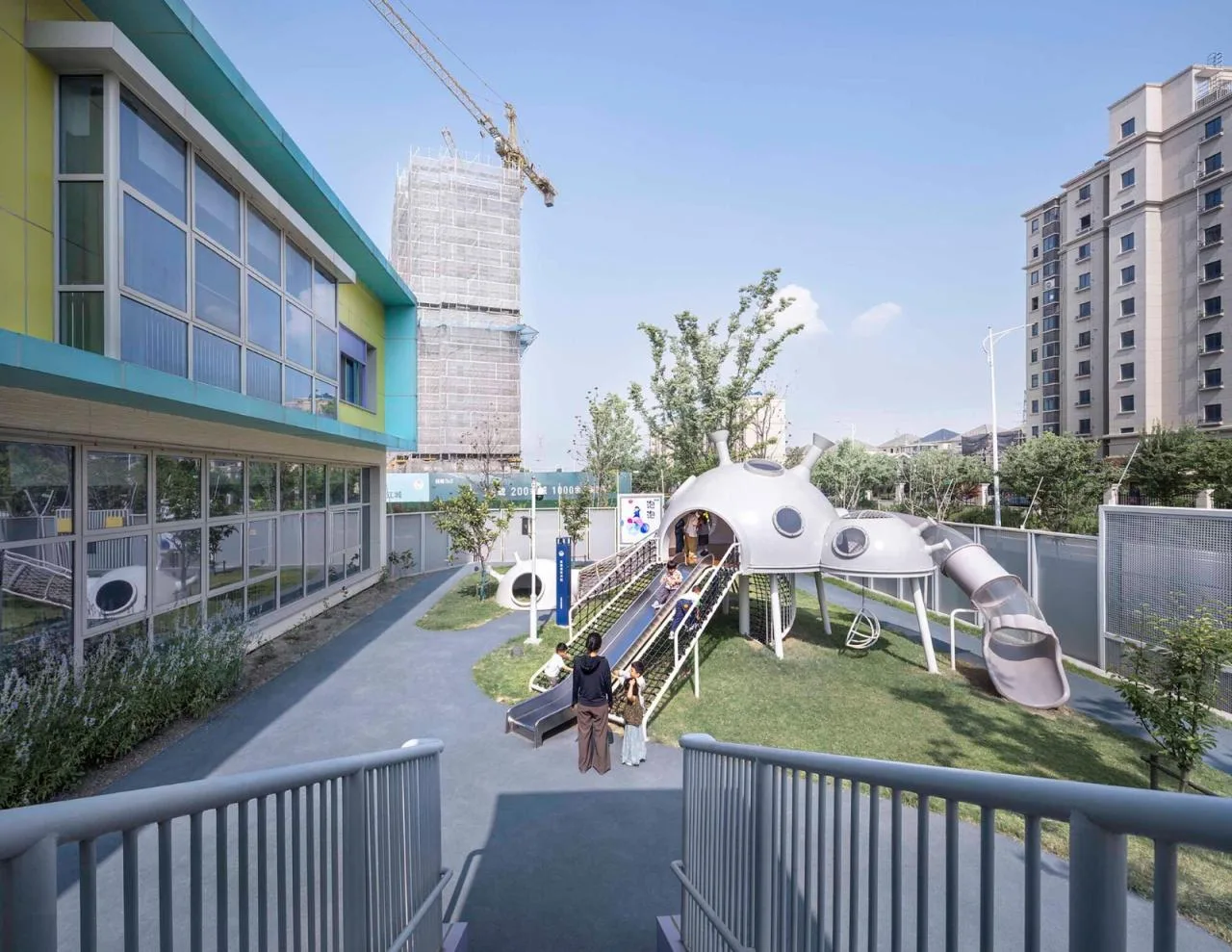
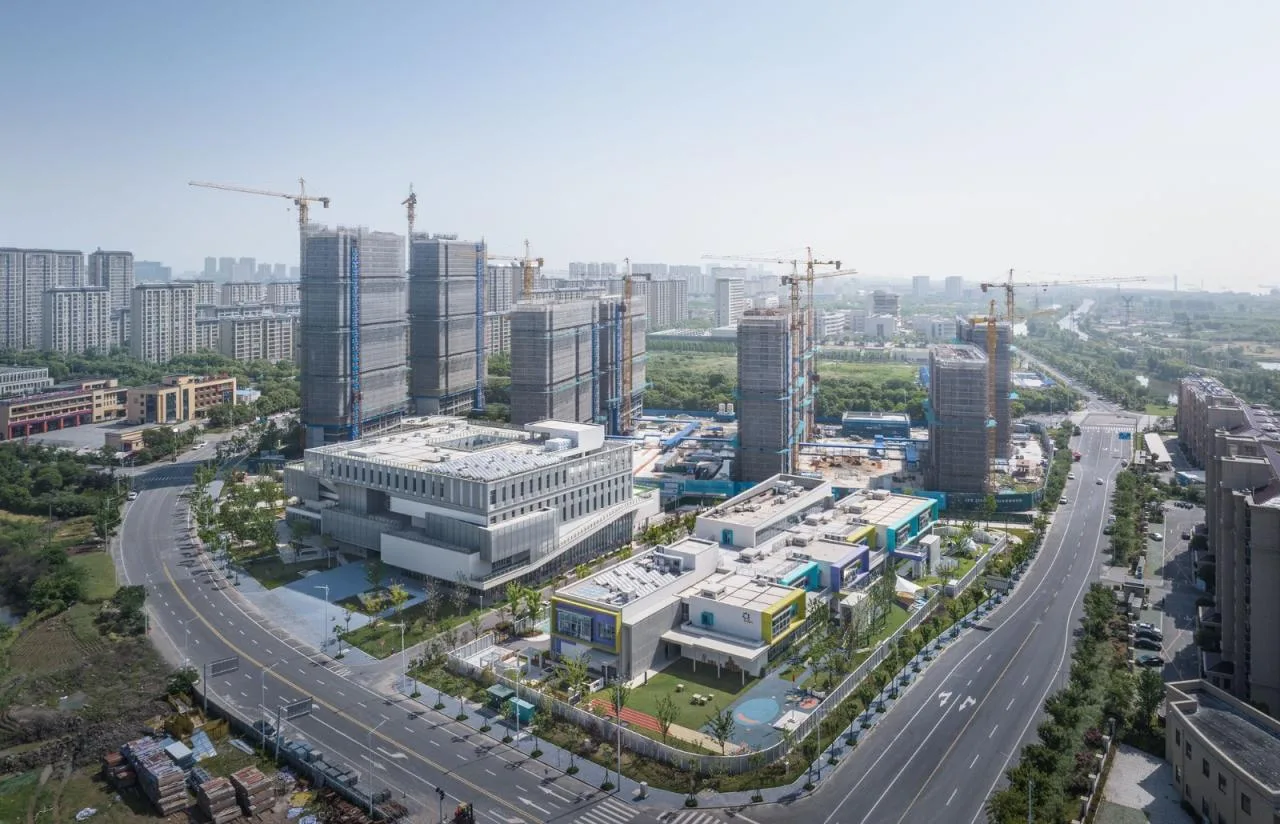
The design format for neighborhood centers is fundamentally shaped by the needs of urban communities. Positioned in the southeast of Jingjiang New City along the riverbank, the center lies at the crossroads of two planned corridors and two urban cores. This strategic location not only generates demand but also guides the choice of a composite, integrated, and open architectural form.
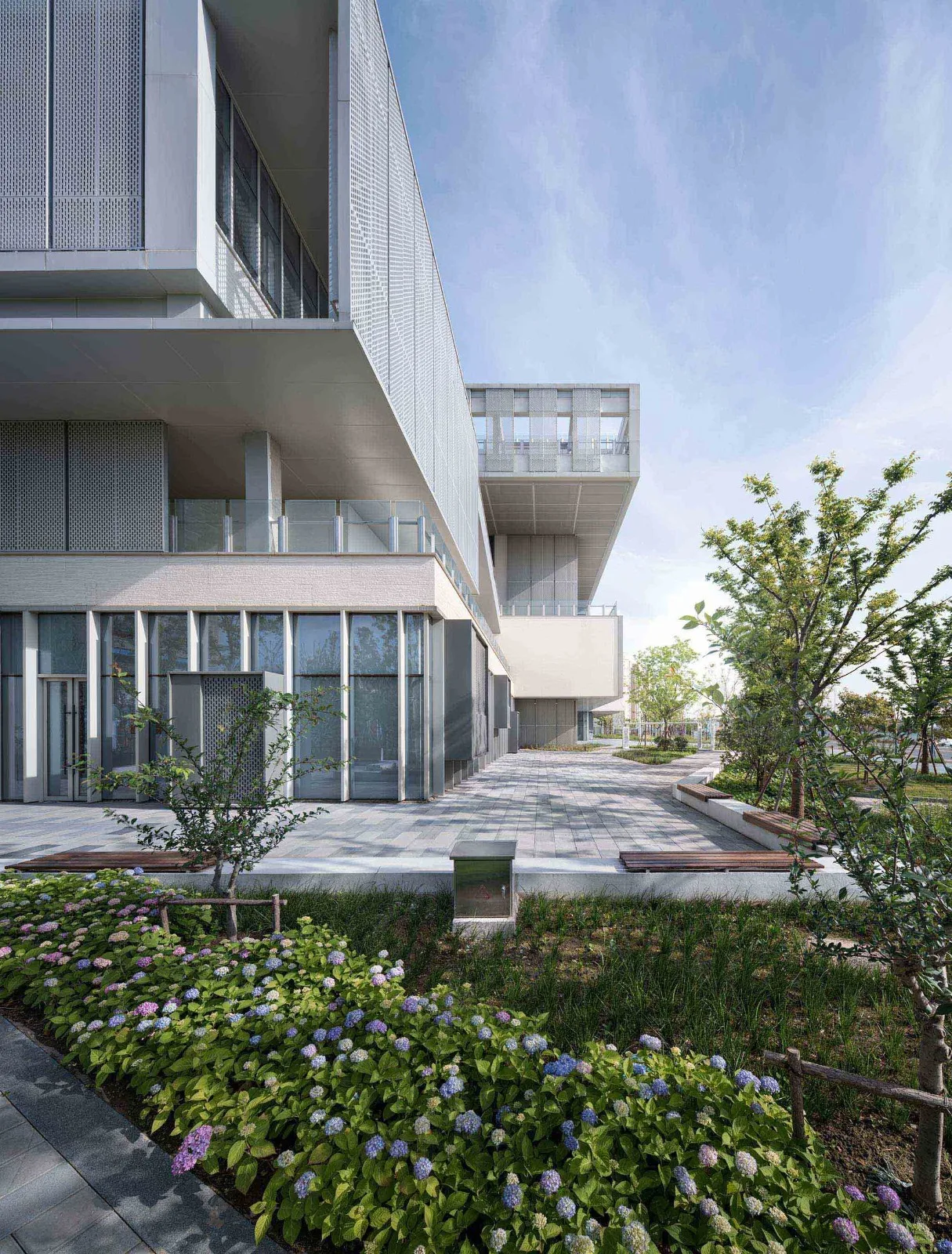
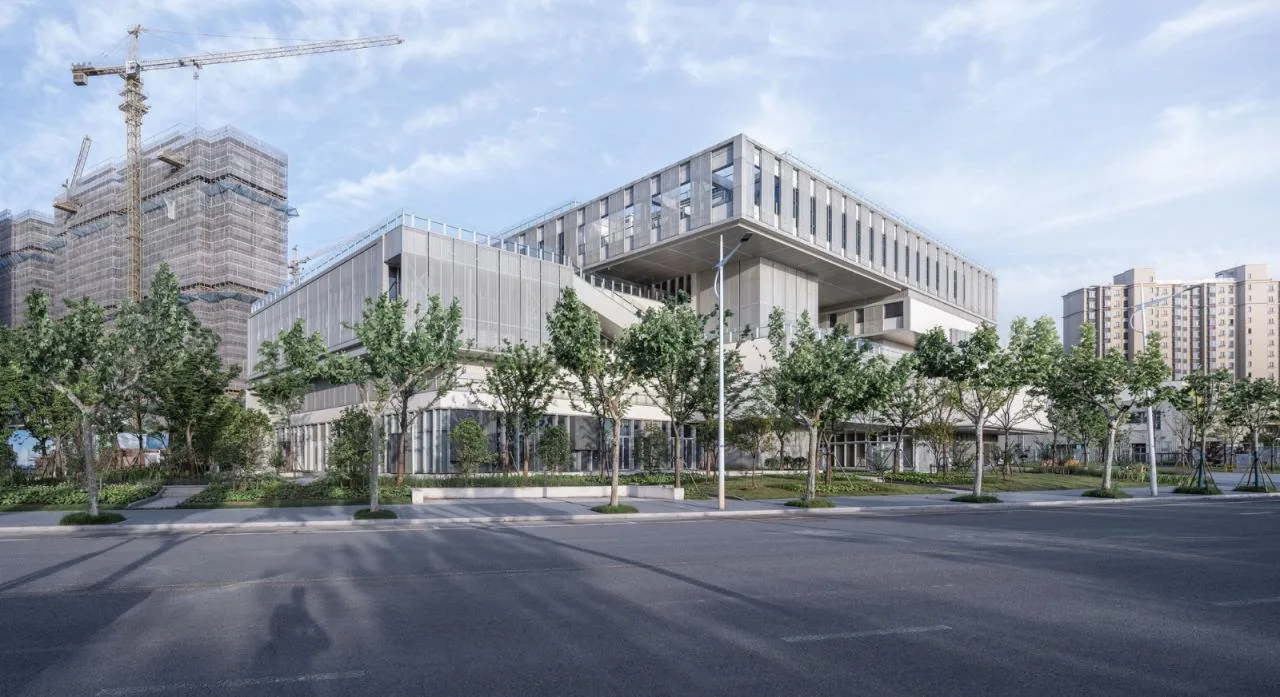
The site borders both native residential areas and cultivated lands, offering a pristine ecological model for shaping the community center’s spatial form. This setting inspires the design by abstracting the spontaneous neighborhood interactions found in these fields. Informal social connections have naturally fostered a strong sense of community here, reflecting the “spirit of place” concept advocated by Xizha. New construction aims to belong to and integrate with the region’s traditions, respecting the local environment and cultural context. This project serves as a localized experiment in new regionalism.
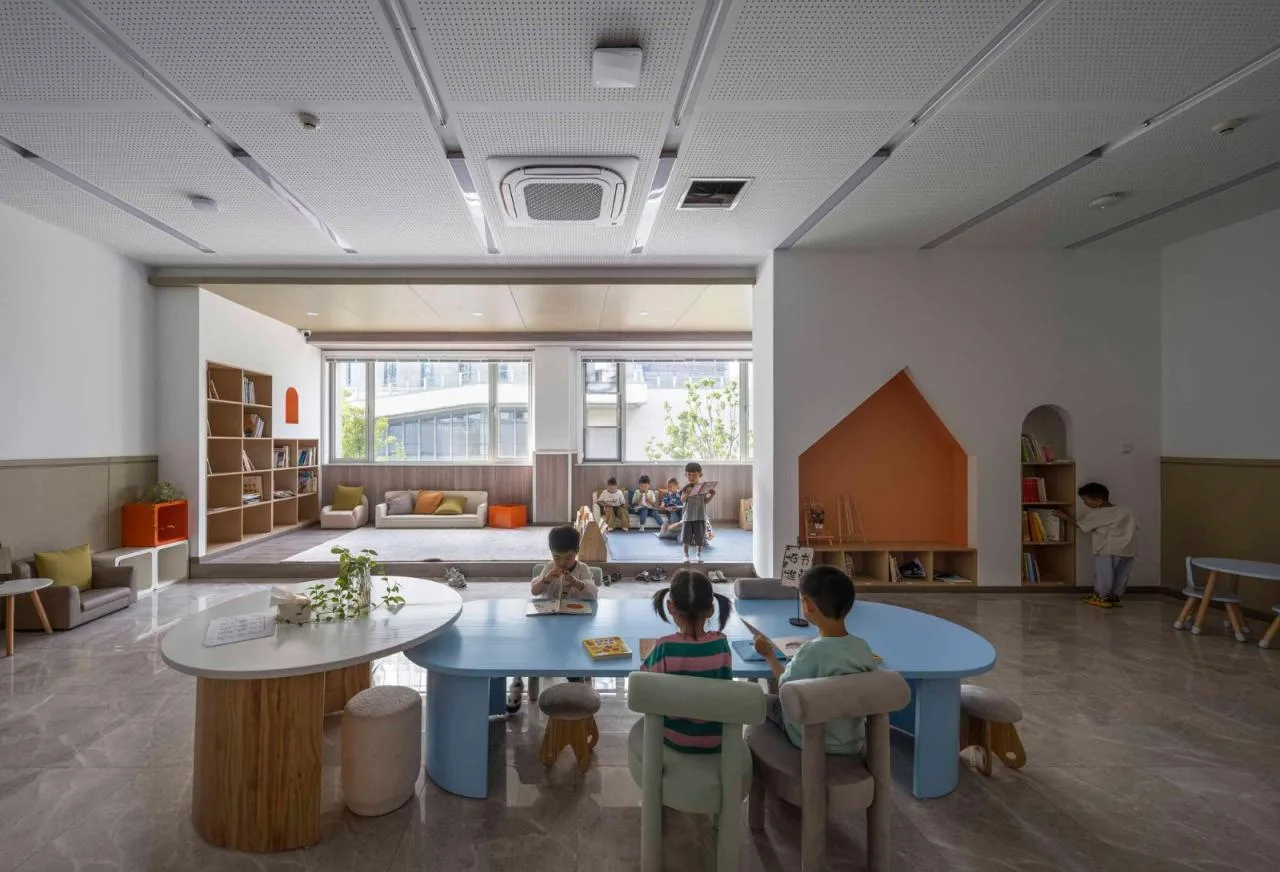
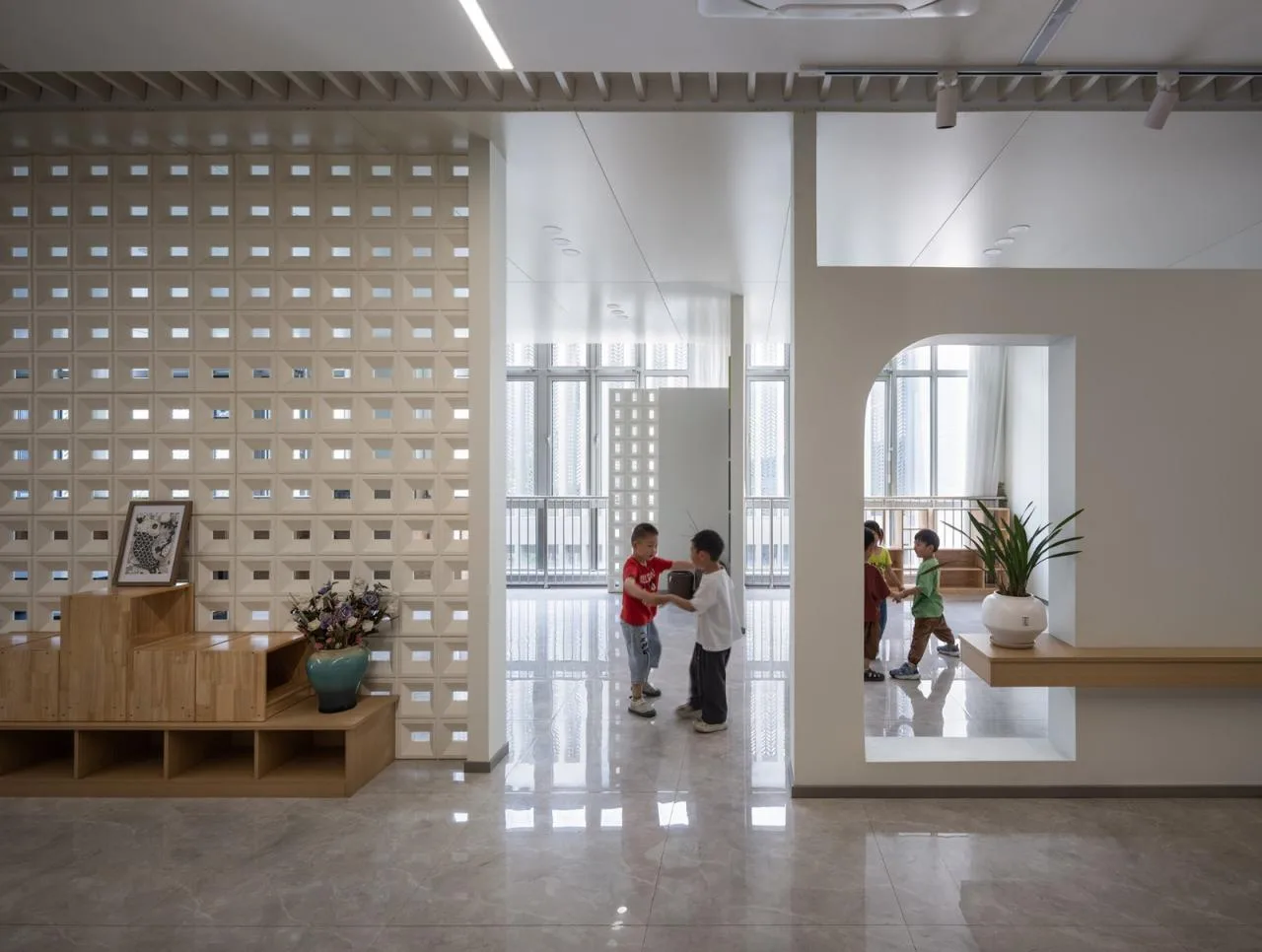
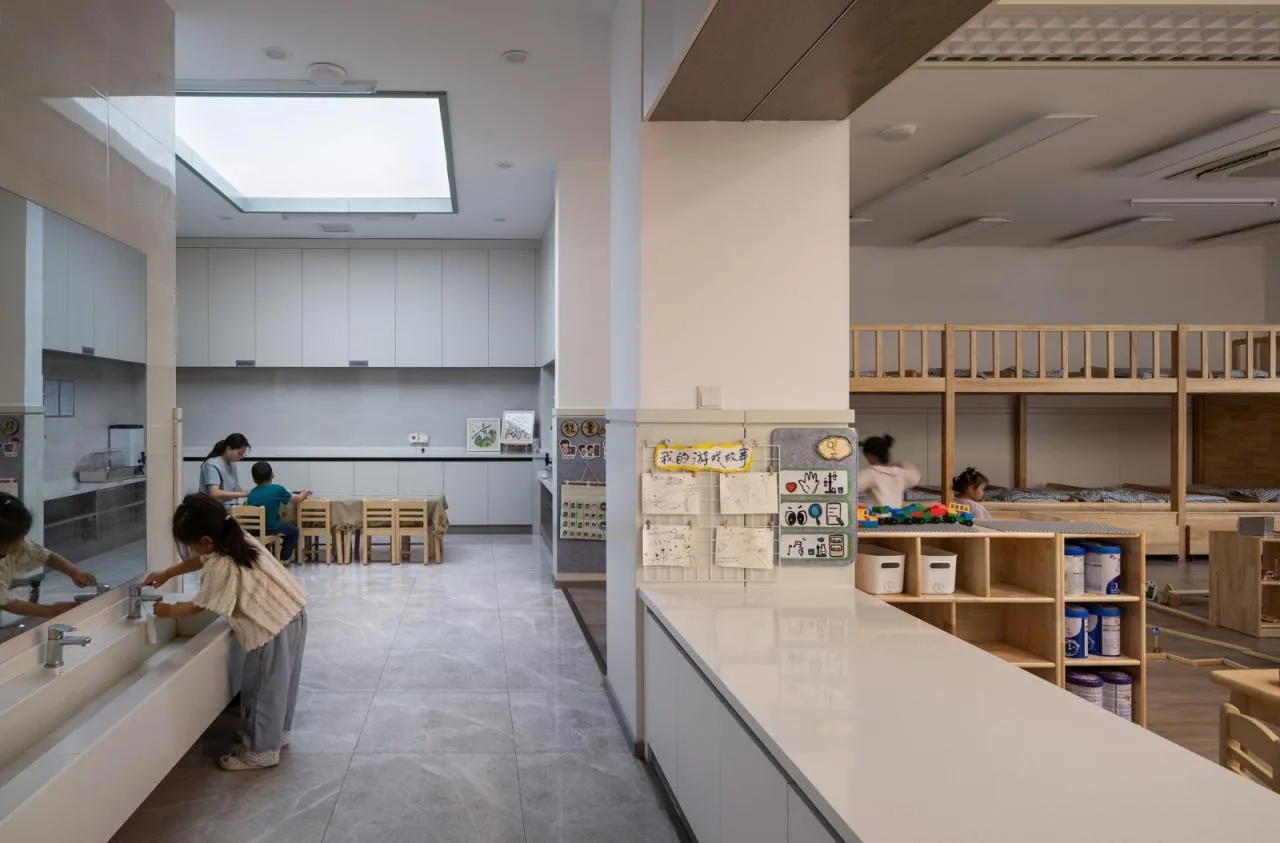
Composite and vertical stacking are common strategies used in community center designs within high-density urban areas, particularly where plot ratios are controlled. However, these approaches often lead to congested spatial layouts and limit opportunities to cultivate a strong sense of place. Despite being a passive approach, composite stacking effectively balances spatial efficiency with creating relaxed, inviting architectural environments.
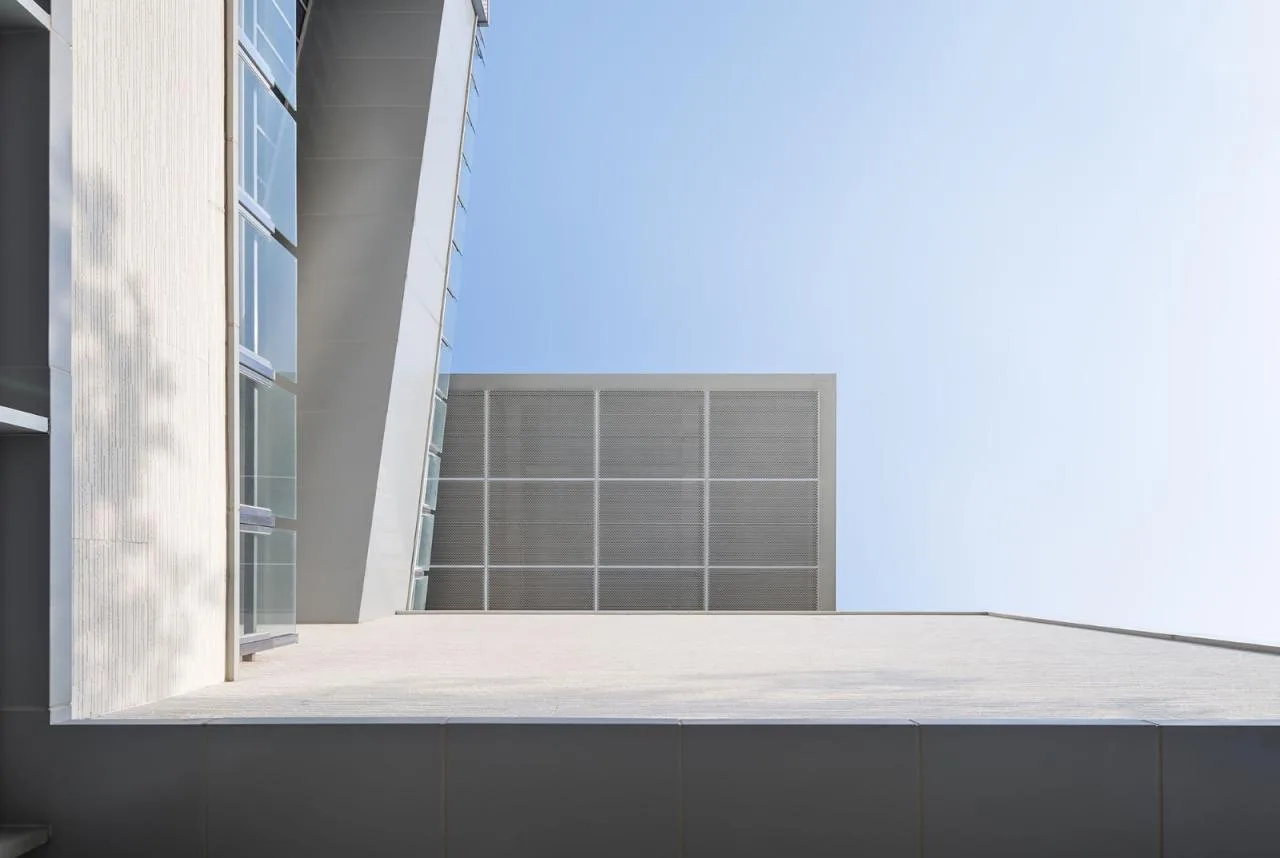
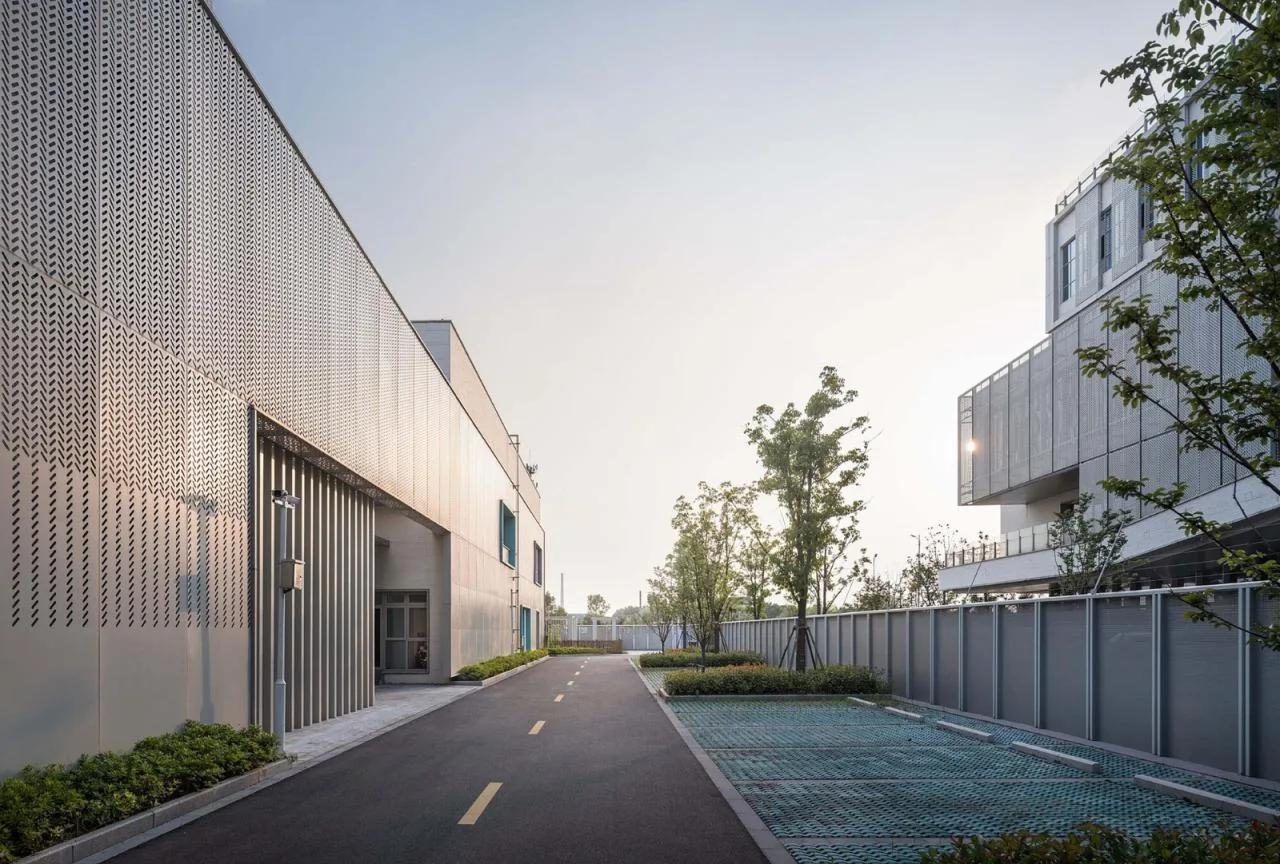
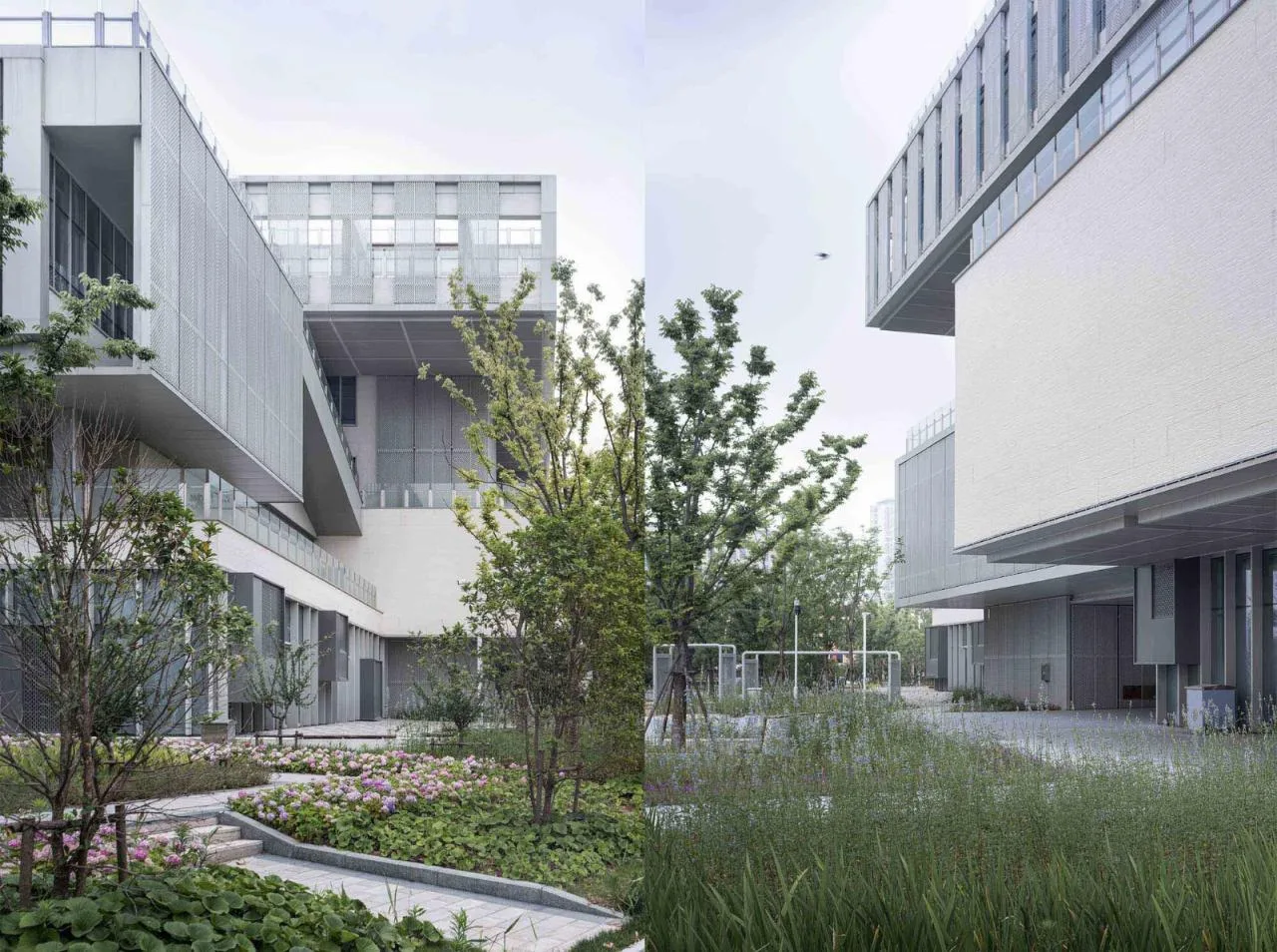
Restoring neighborhood bonds and harmonious relations among residents reflects cherished memories of traditional life. The fading of these memories in modern urban settings stems not only from the expansion of contemporary architecture but also from the disconnect between indigenous living, production, and daily life. The subtle integration of social public functions into everyday activities can be fostered by creating chance encounters among neighbors. Architectural elements like ramps, connecting diverse functions, encourage unexpected interactions that serve as catalysts for rebuilding community ties.
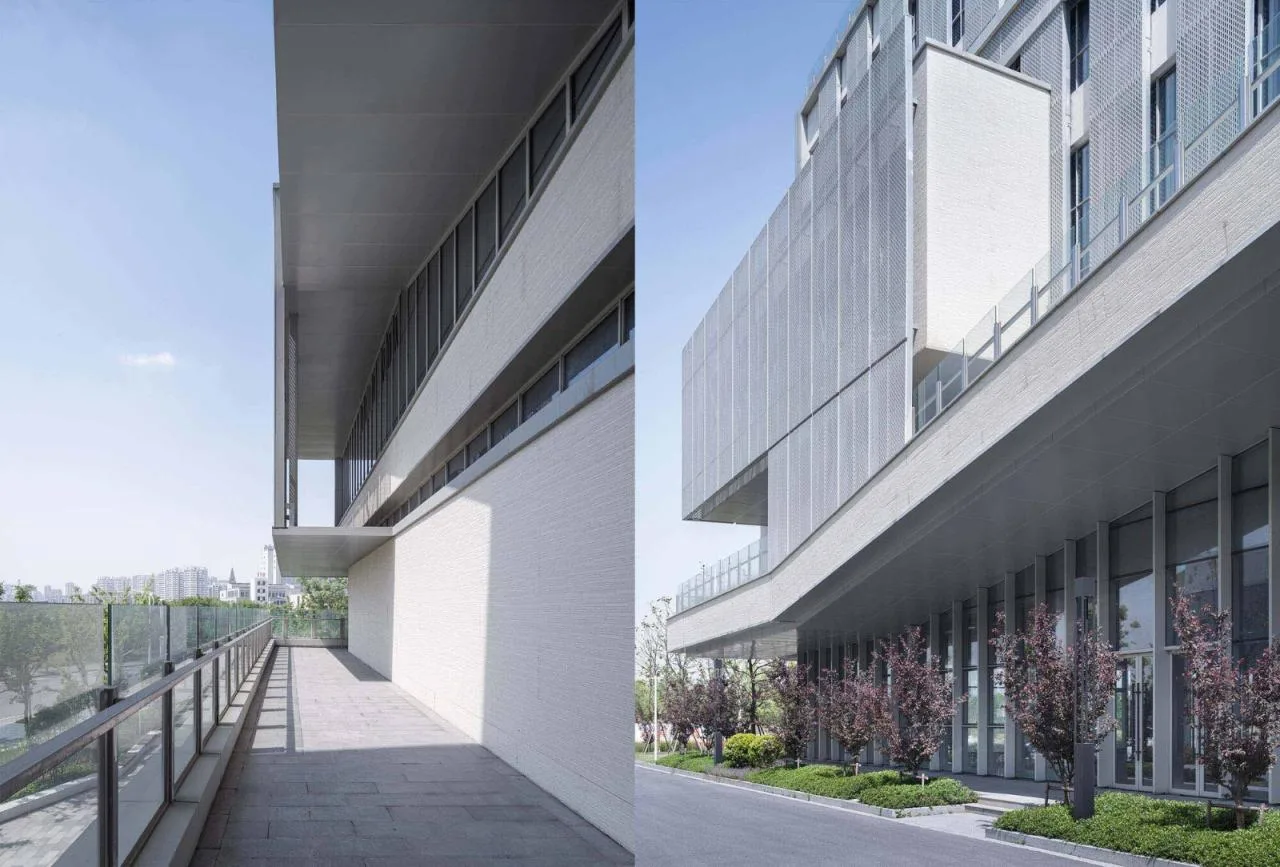
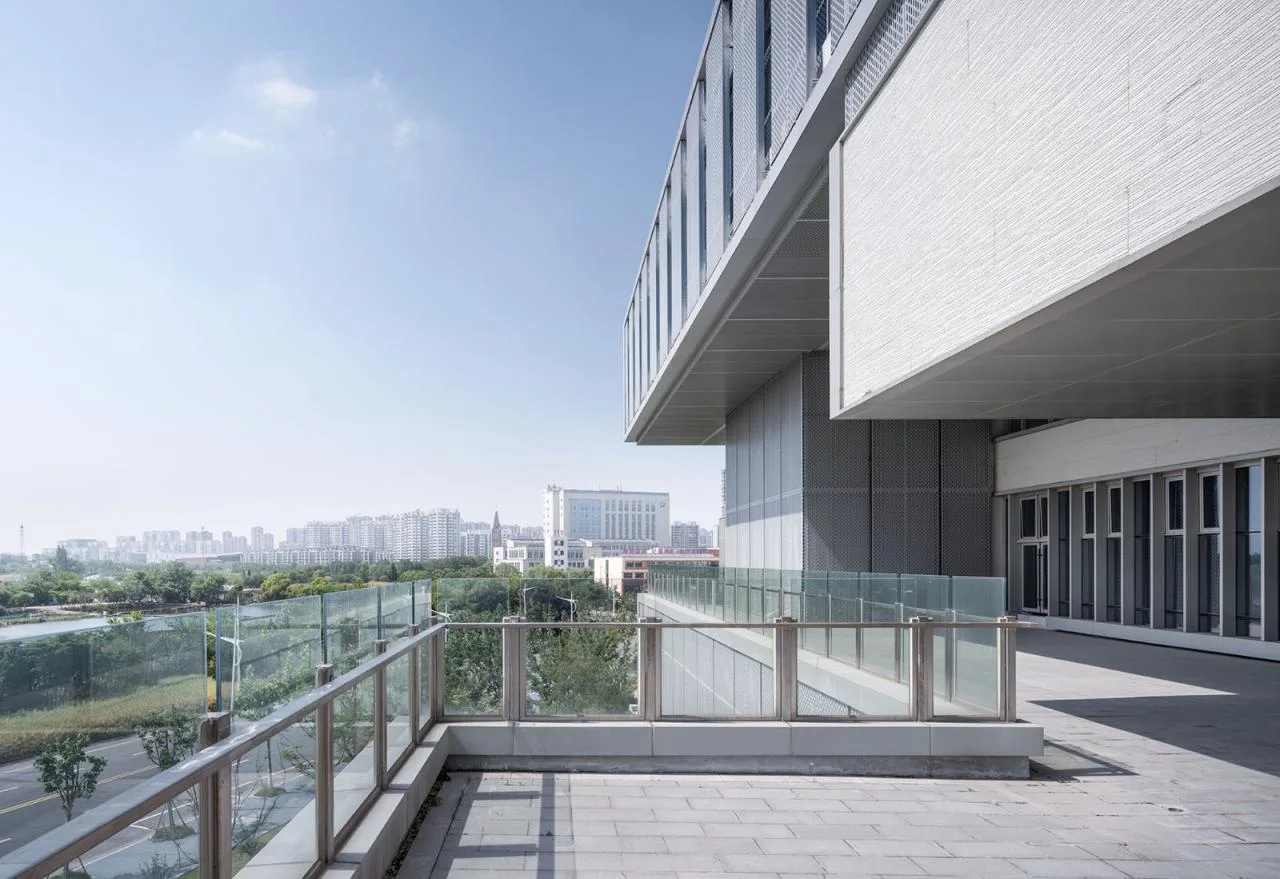
As emerging industries develop, Jingjiang has increasingly attracted a growing number of skilled professionals, many of whom are of childbearing age. Consequently, the community center’s functional layout prioritizes early childhood education. Behind every child’s growth is the dedication of their family, encompassing not only care but also daily routines such as transportation. The design encourages adults and children to grow together, addressing the practical demands of parenting while finding overlapping schedules and connections between work and life. The center accommodates essential needs such as school drop-offs, parking, transport, and waiting areas through thoughtful functional planning and spatial connectivity.
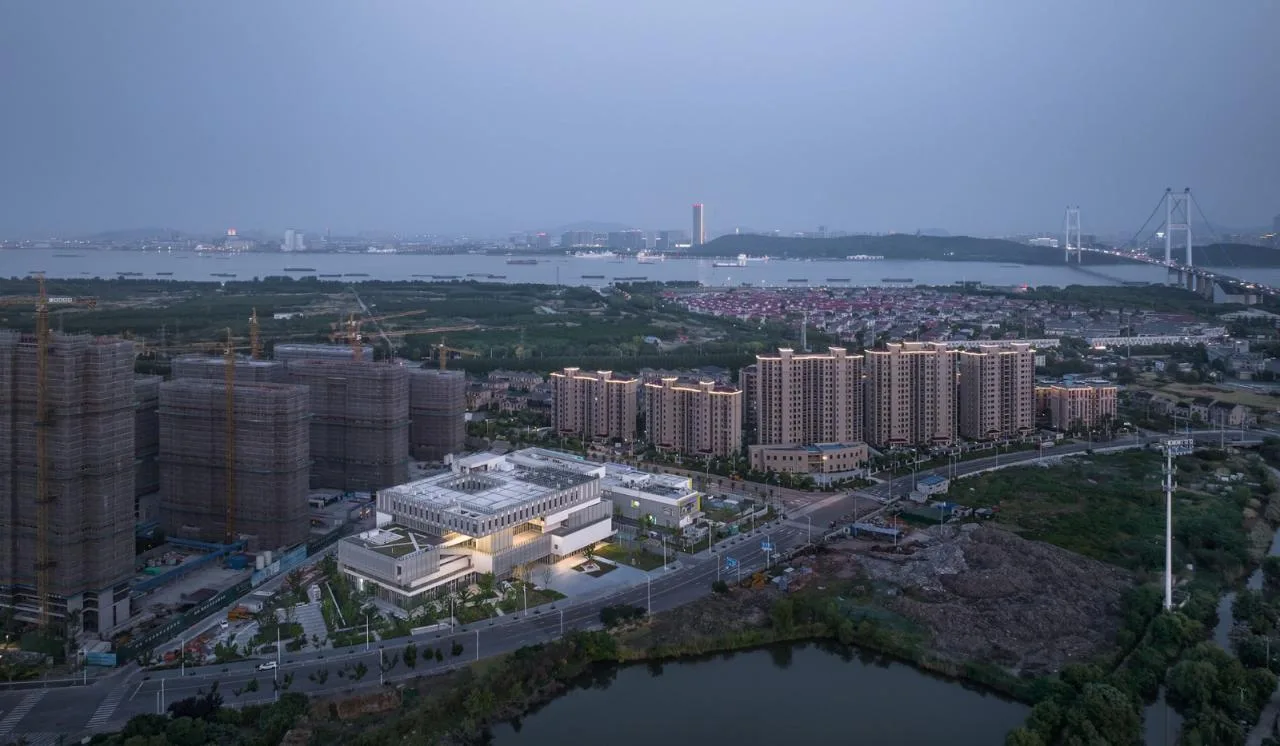
From a distance, the community center overlooks the Yangtze River, with the Jiangyin Bridge incorporated into the architectural landscape, blending grand historical narratives with everyday community life. These centers address fundamental daily needs and create spaces where neighbors can interact casually. Such interactions spark the formation of new neighborhood relationships, reviving memories of traditional community life. This creative process offers a chance to rediscover human connections, nurturing strong, livable communities.
Project Drawings
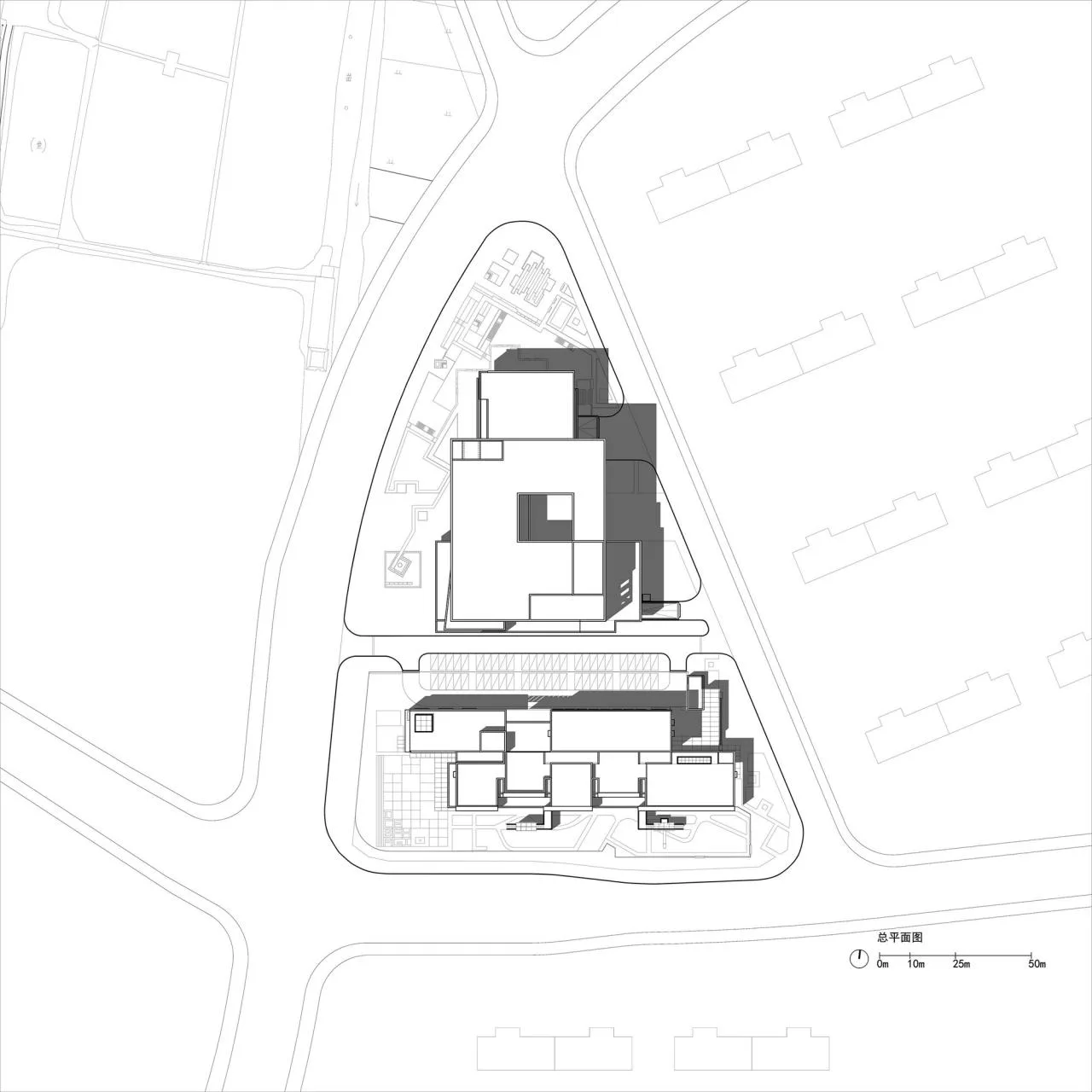
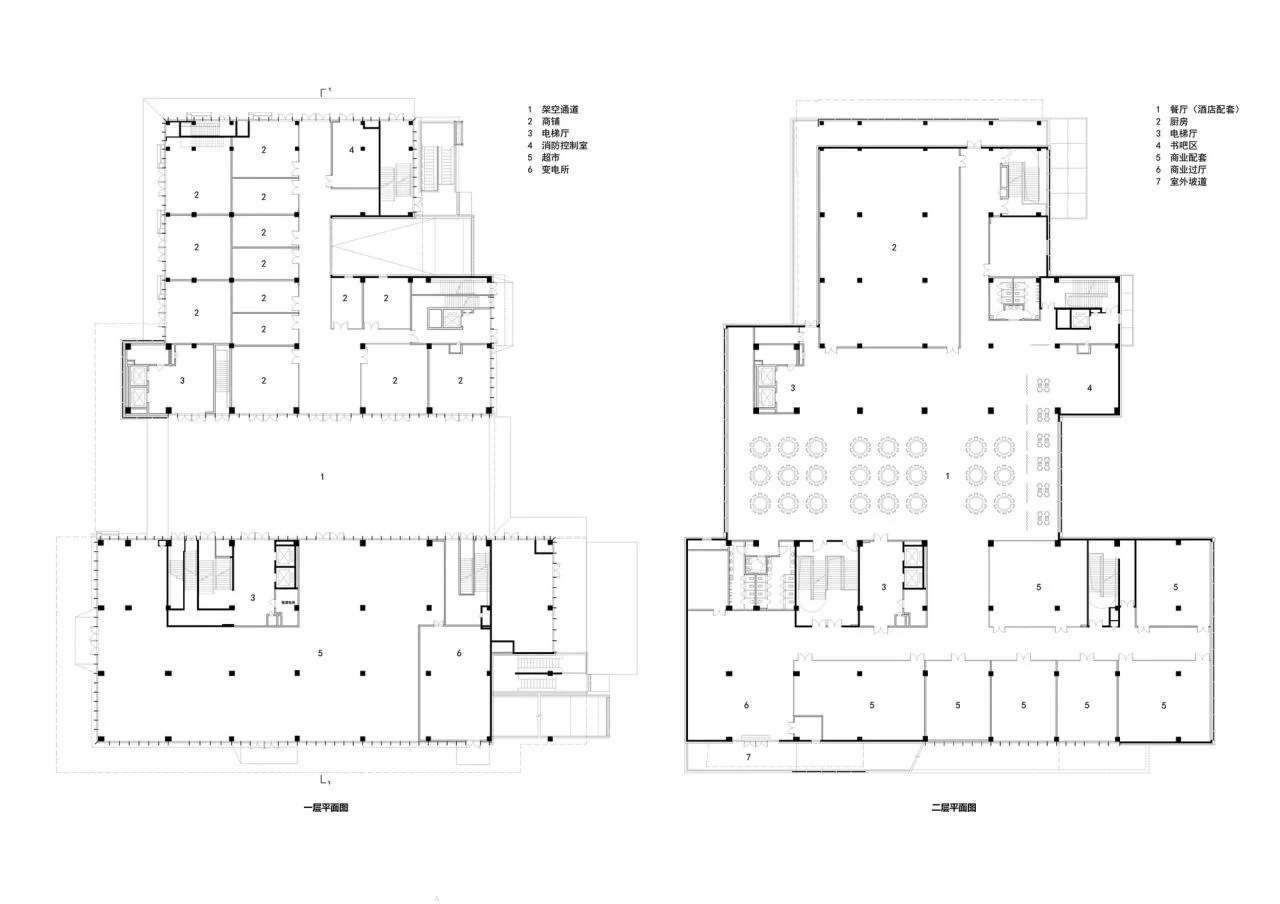
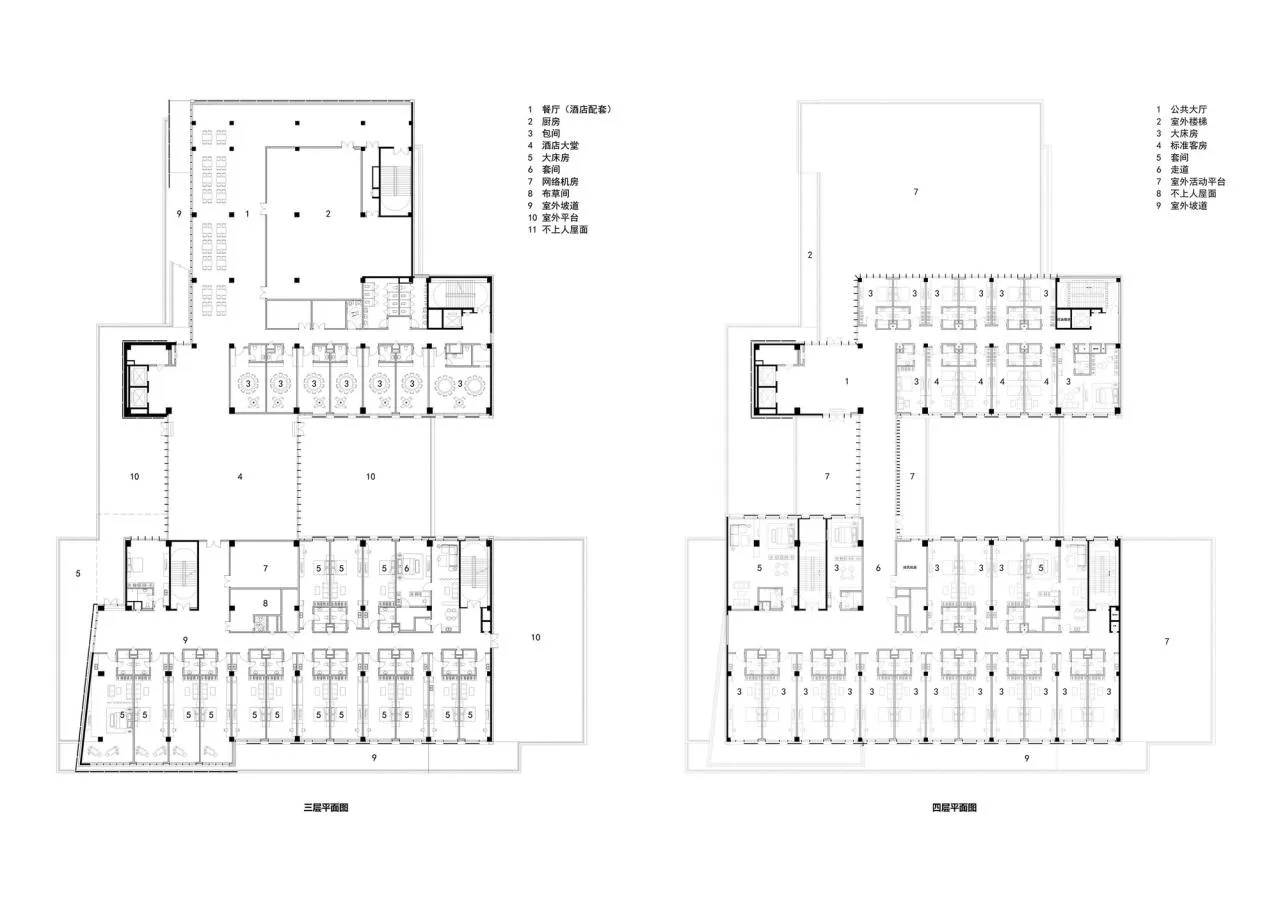
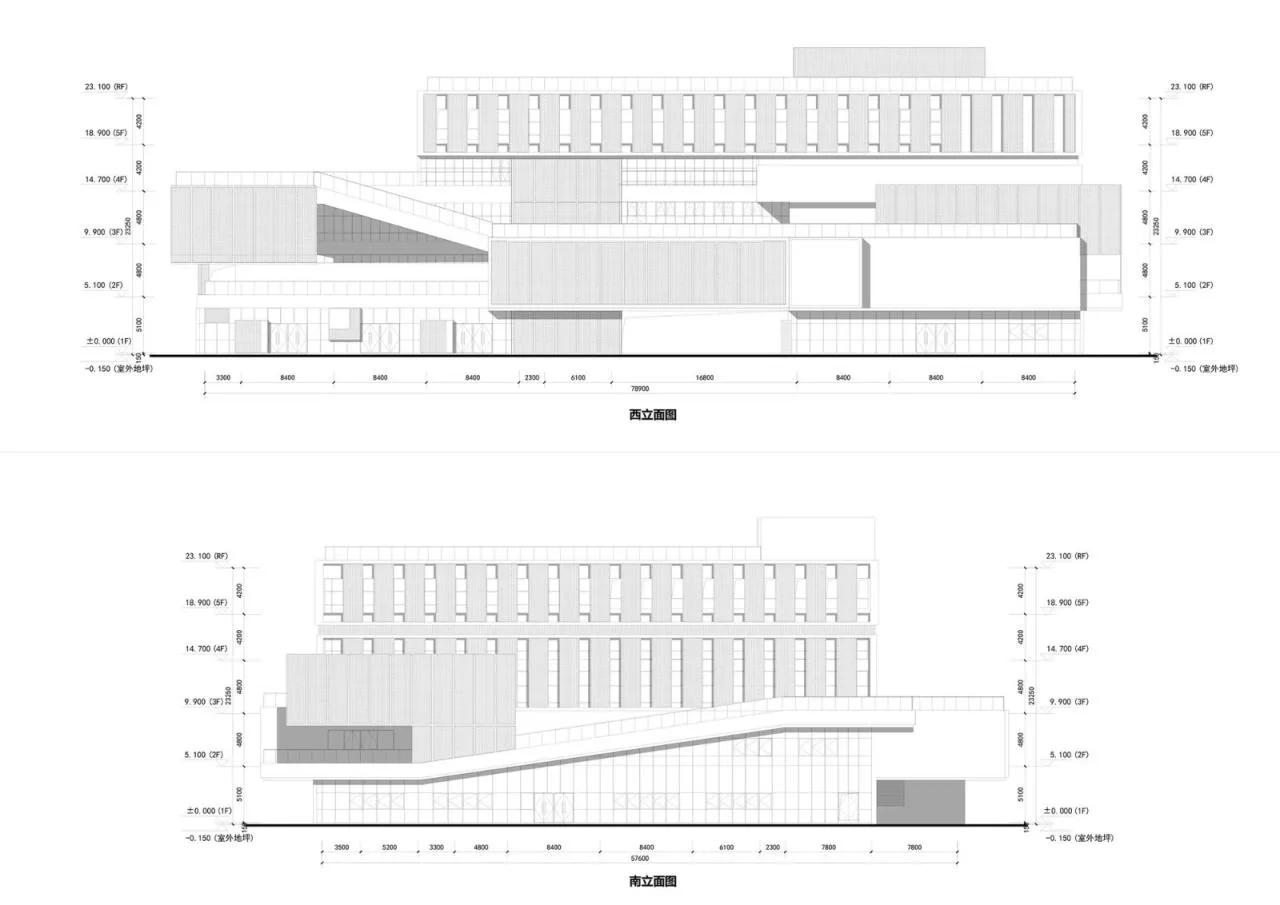
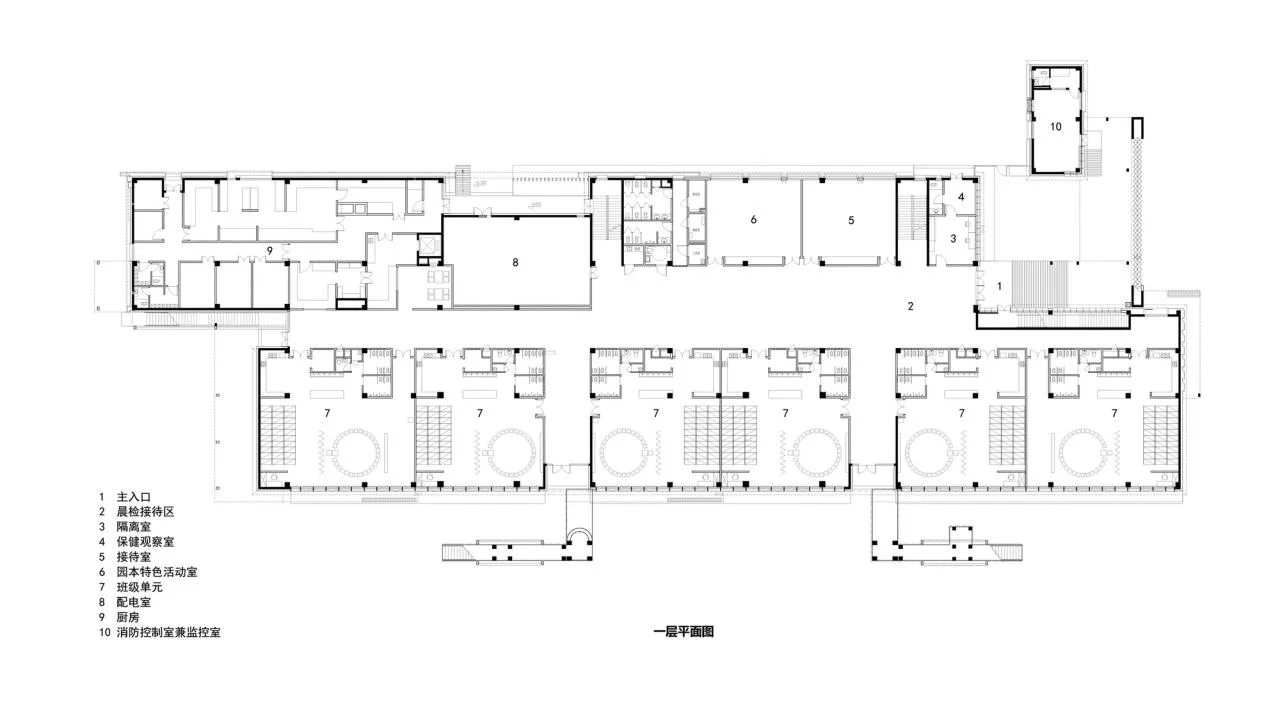
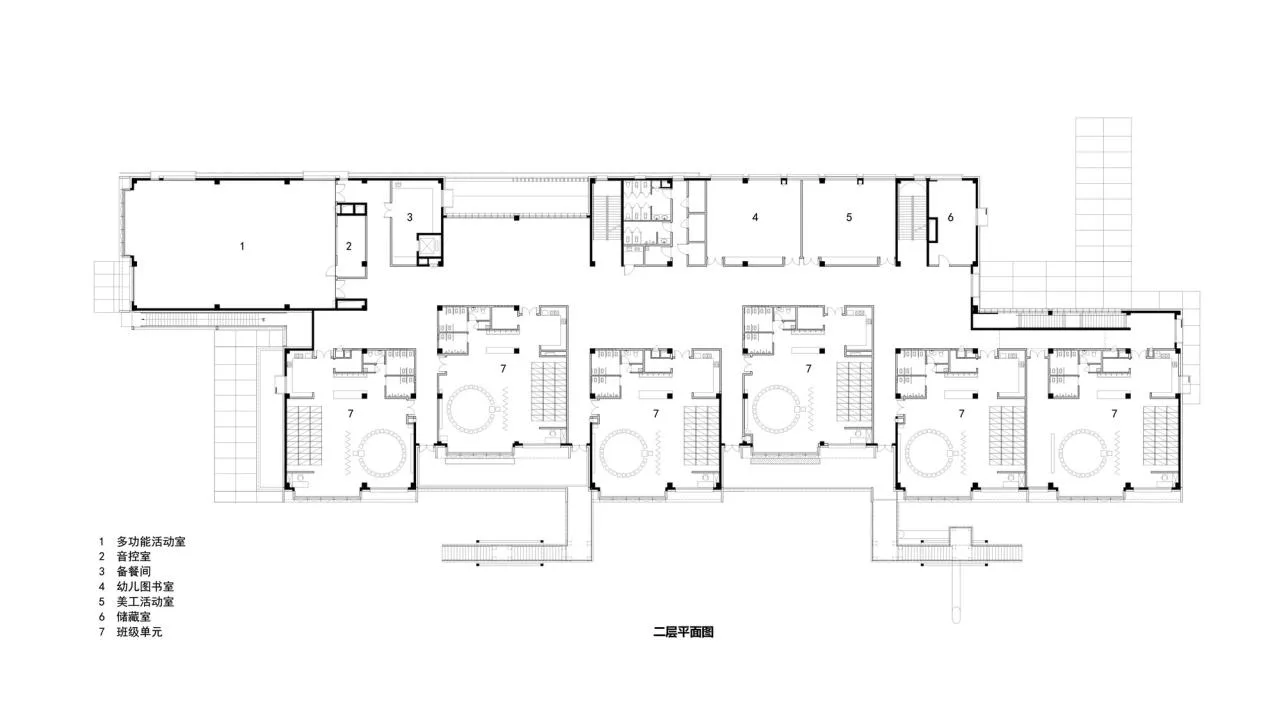
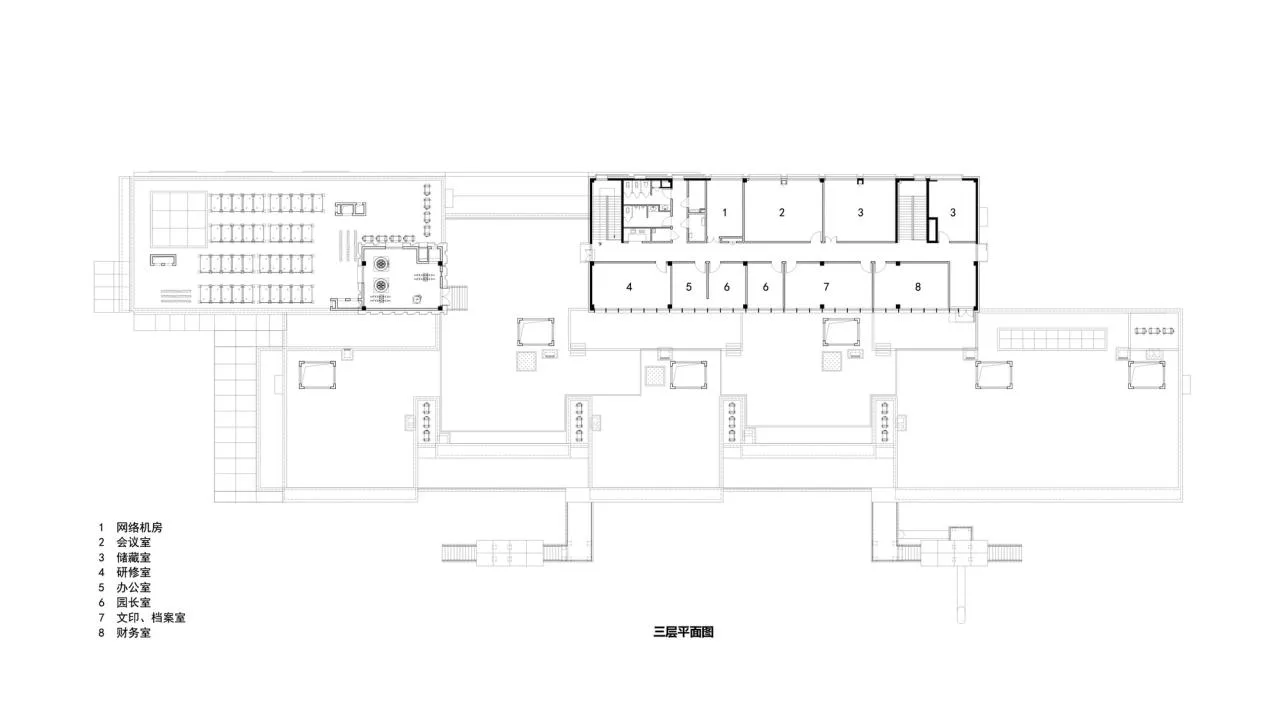
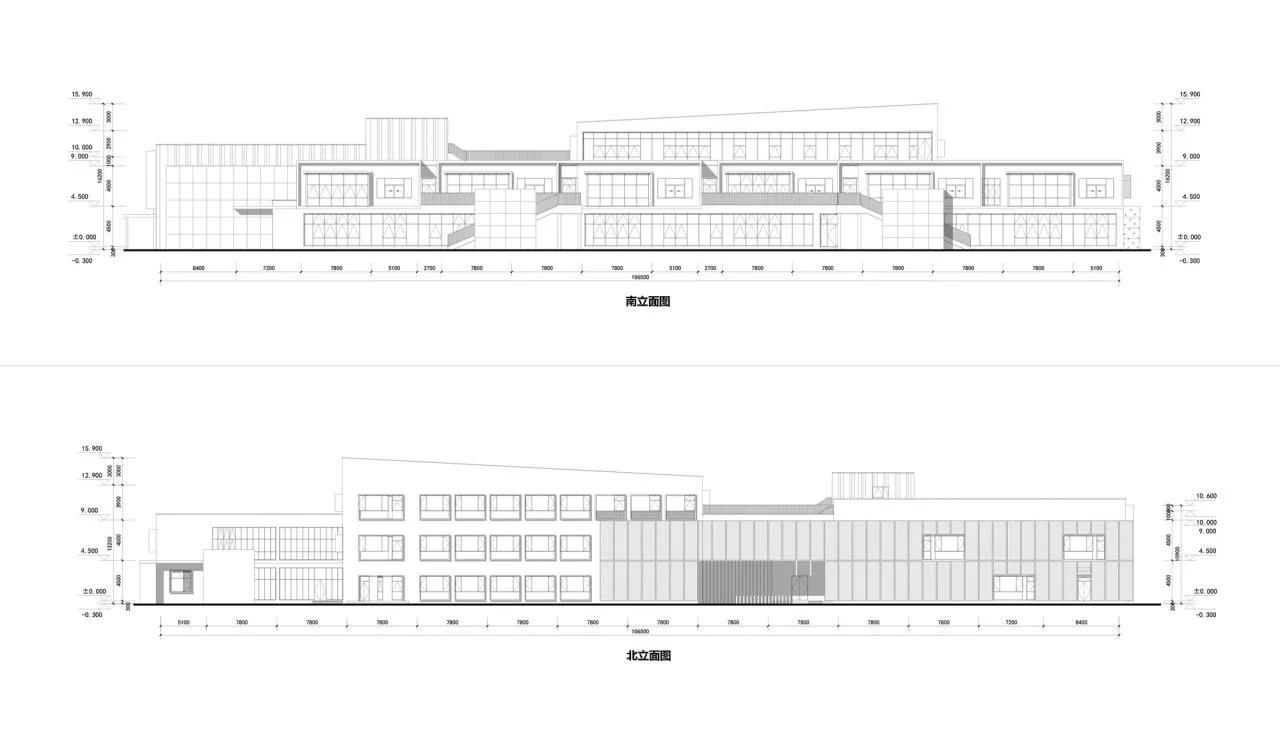
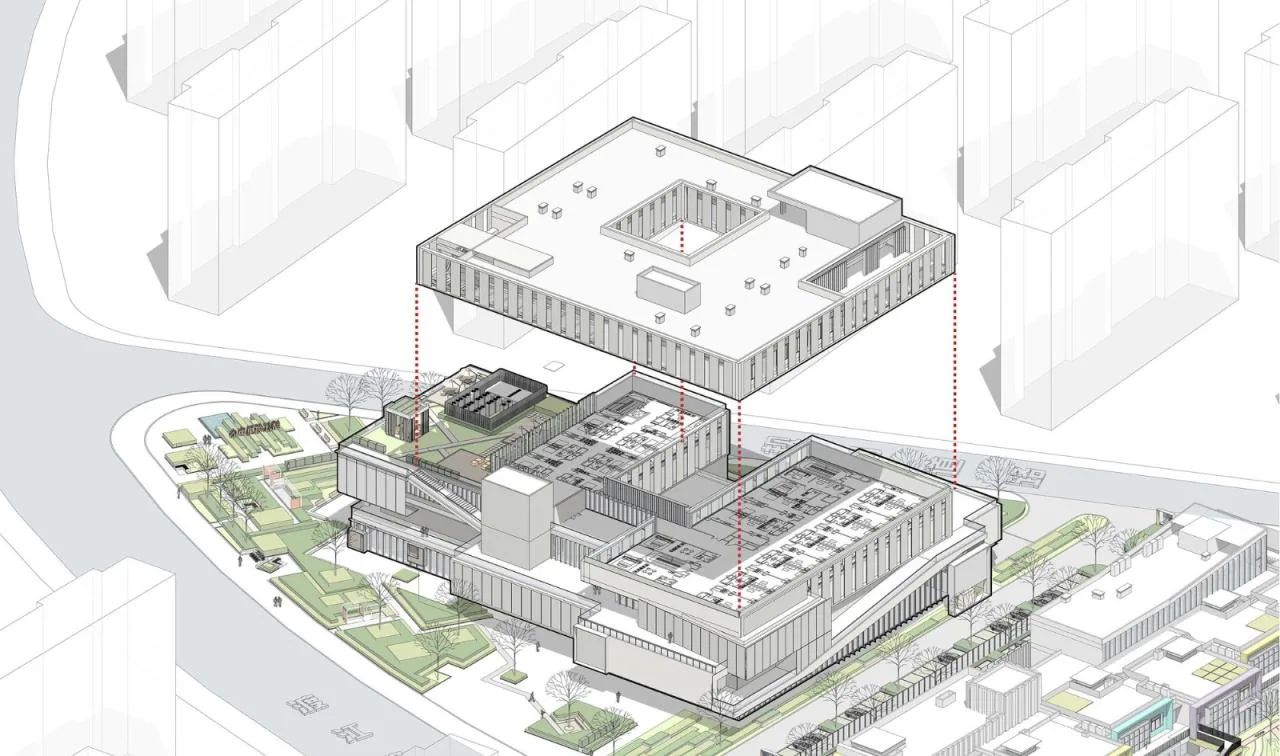
△ Axonometric Diagram
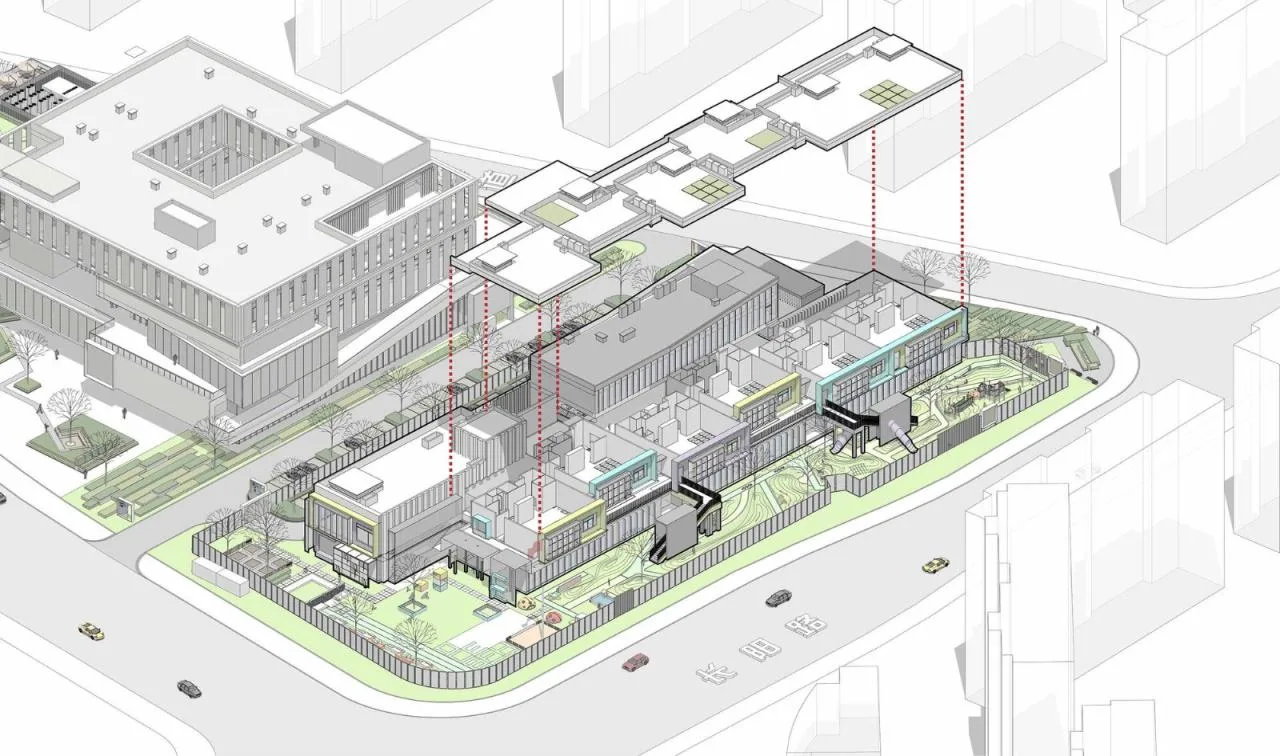
△ Axonometric Diagram
Project Information
Architect: Zhong Huaying Studio, Nanjing University of Architecture
Area: 29,400 m²
Year: 2024
Photographer: Hou Bowen
Lead Designer: Zhong Huaying
Design Team: Zhong Huaying, Han Yang, Dai Qinglai
Construction Drawing Team: Chen Junshi, Liu Fei, Yin Wei
Structural Drawing Team: Leng Bin, Xie Hongen
Water Supply & Drainage: Chen Dong, Chen Changxia
Electrical: Zhao Yue, Wang Liming, Xing Ziqiao
HVAC: Sun Jianguo, Zhang Mingming
Intelligence Systems: Chen Hongliang, Ma Yong
Interior Design: Fan Haijun, Zhu Xiaoyan, Tian Chunyang, Lu Kaifei
Landscape Design: Li Man, Ruan Ying, Ruan Tiantian
Curtain Wall: Liu Fanchun, Wu Lichao
Lighting Design: Wang Yujing
Sponge City Design: Zhu Dunxue, Cai Shipan, Shen Xiang
Client: Jingjiang Binjiang New City Investment and Development Co., Ltd.
Location: Jingjiang














Must log in before commenting!
Sign Up