
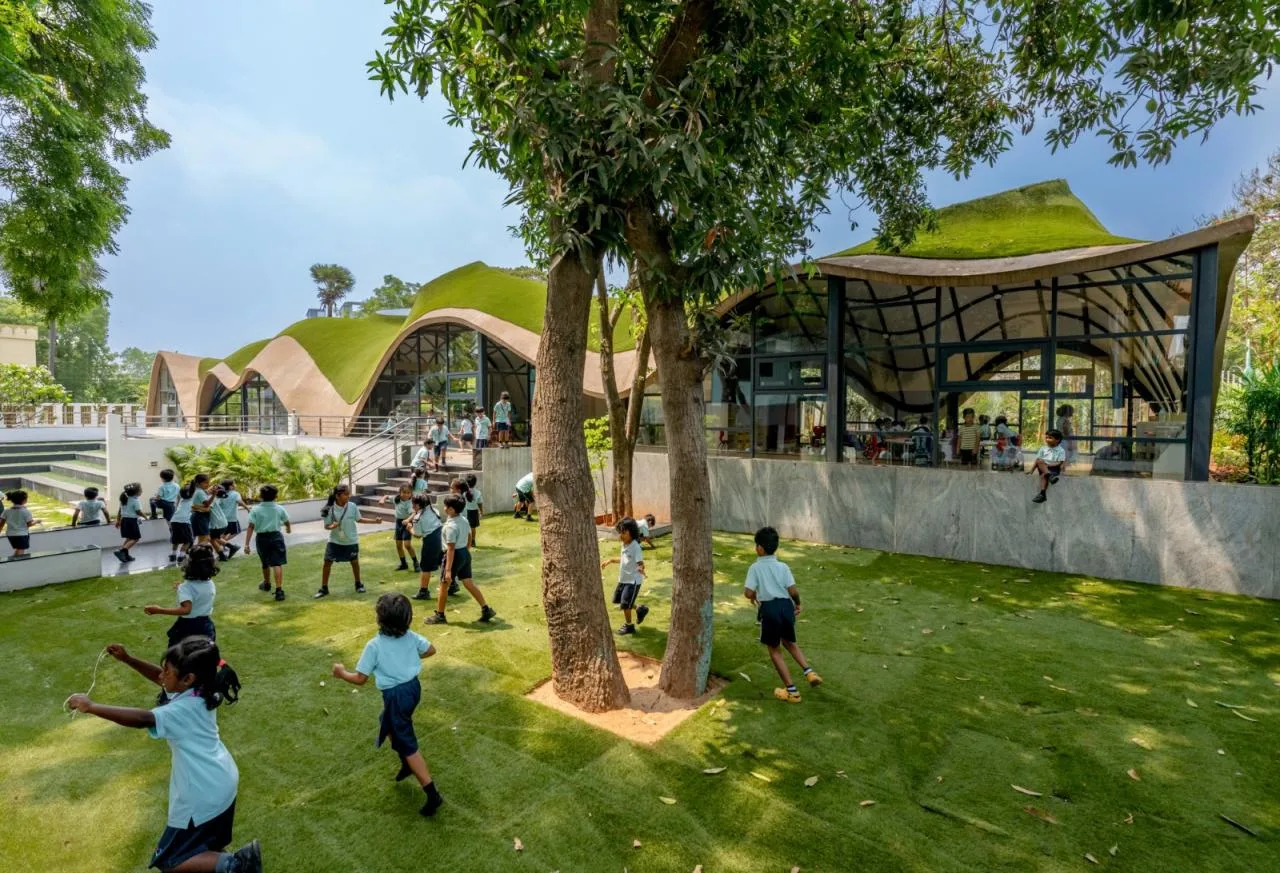
Located in a region dominated by traditional education systems, Bloomingdale International School in Vijayawada exemplifies how parametric architecture can transform educational spaces and challenge conventional norms. As the first and only international school in Andhra Pradesh, India, it embraces non-traditional educational models with the goal of revolutionizing early childhood education through innovative architectural design.
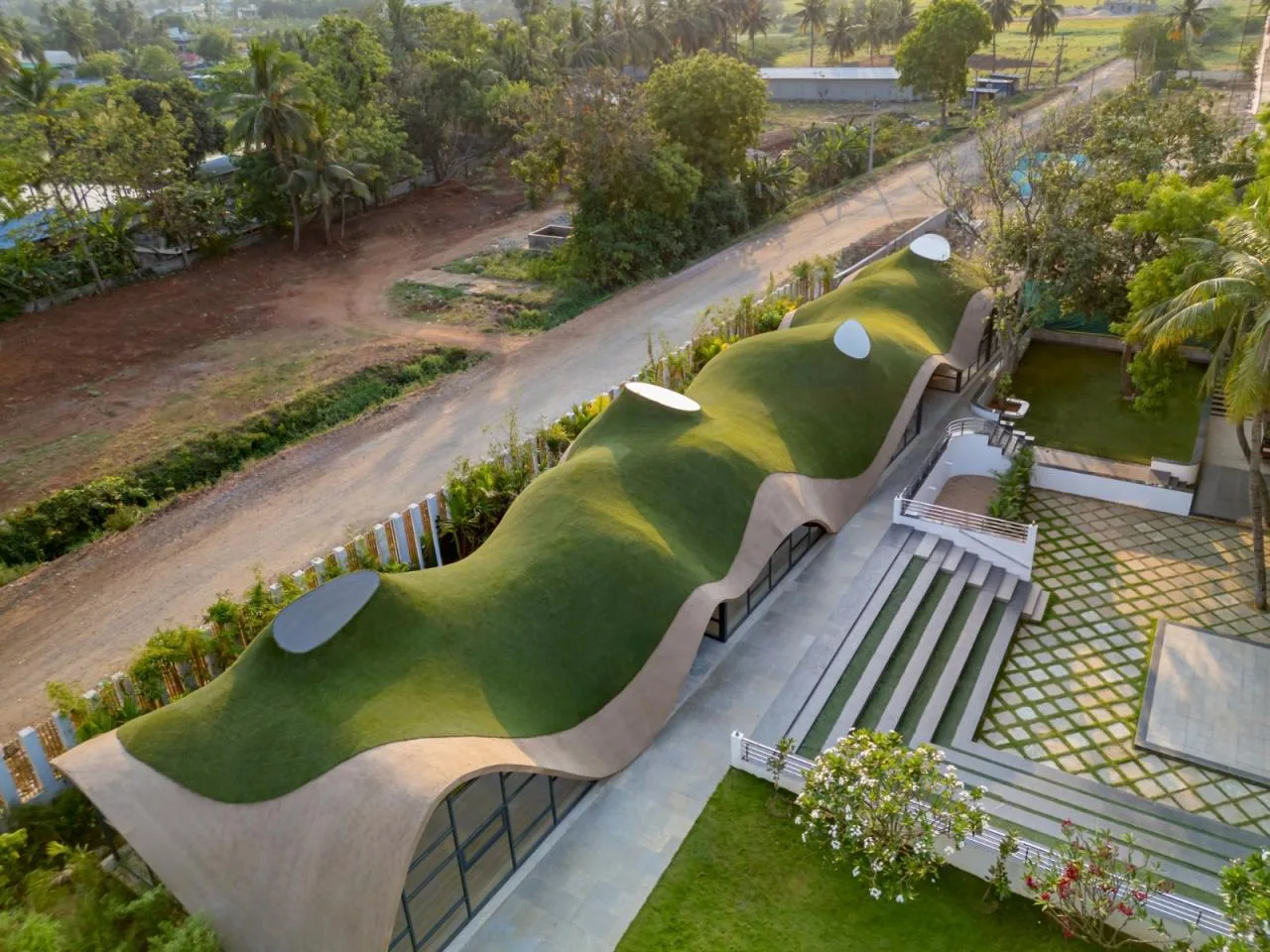
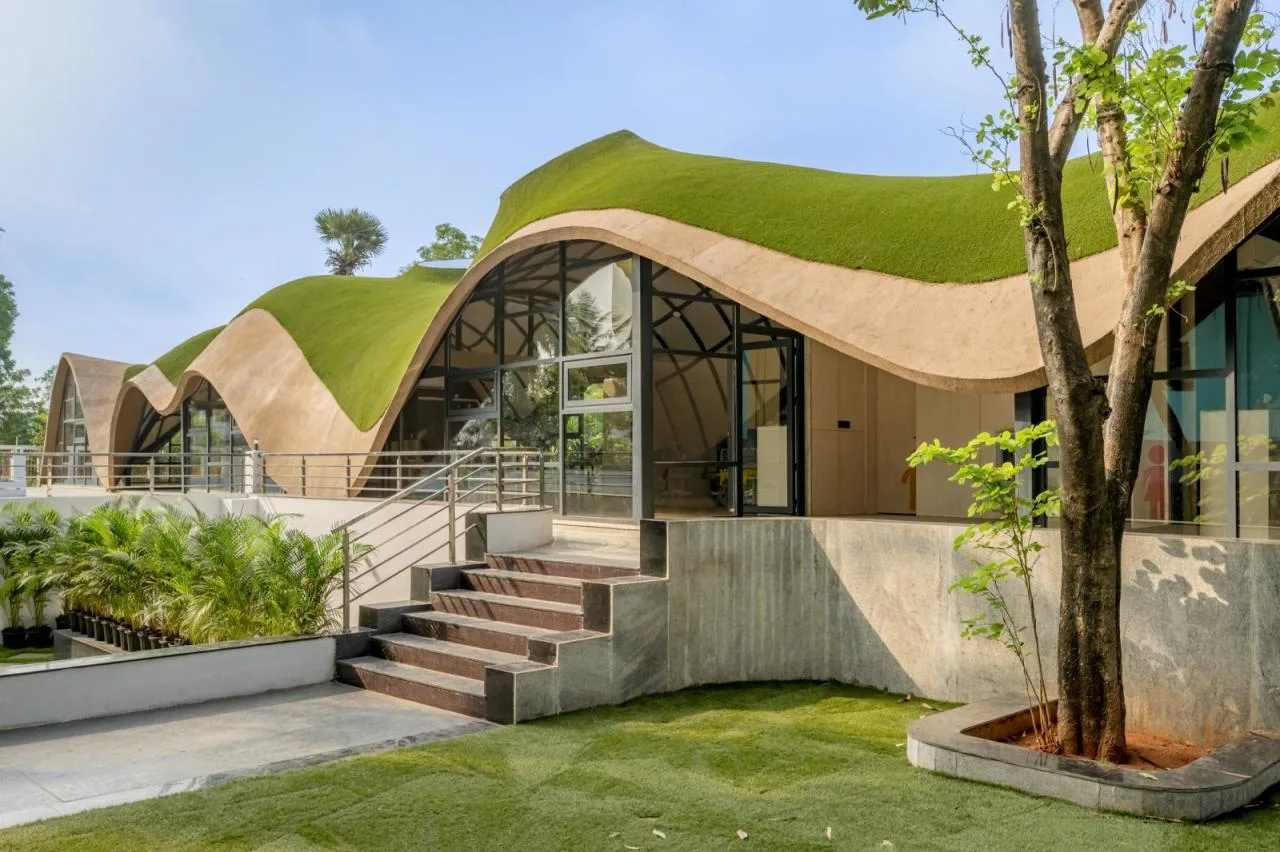
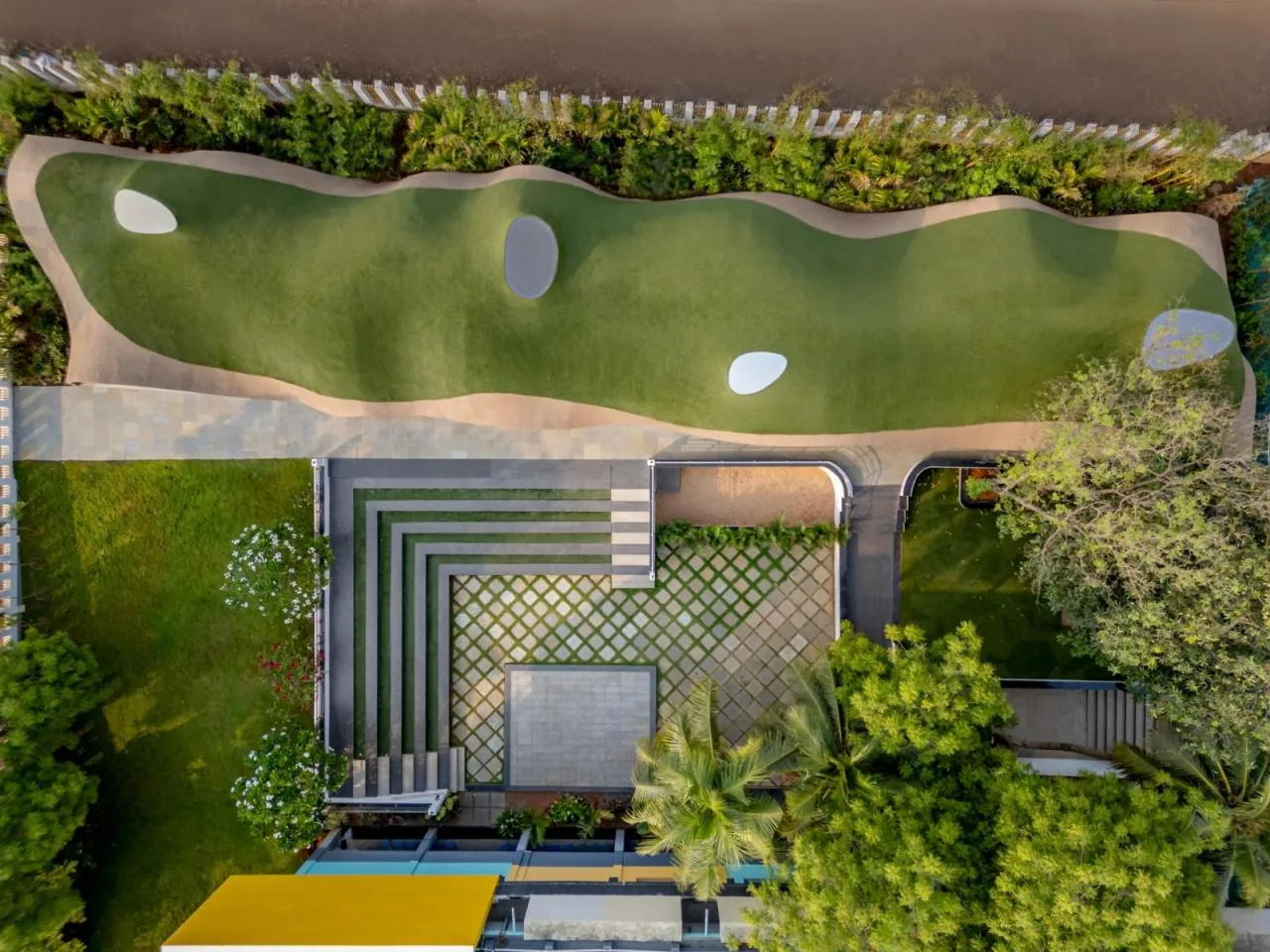
The kindergarten expansion occupies 4,000 square feet within the existing international campus, situated adjacent to the current school building. A sunken courtyard connects the two structures, following the site’s natural terrain and extending upwards to the new addition. This layout, designed to accommodate approximately 100 preschool children, offered architects the chance to craft a unique campus design. The final result breaks away from traditional school aesthetics by seamlessly integrating architectural form, landscaping, and interior spaces through innovative spatial arrangements, modern technology, and durable materials.
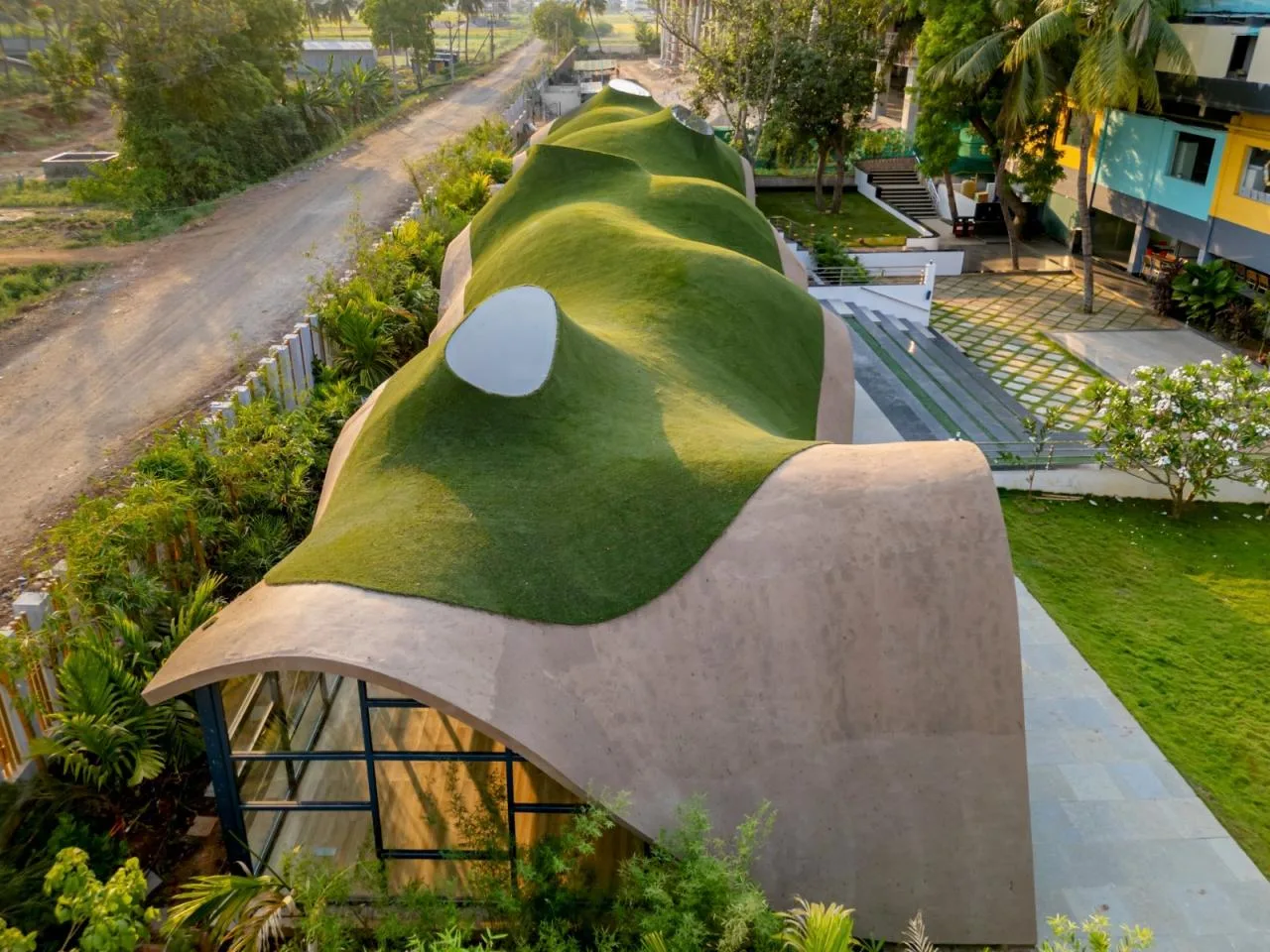
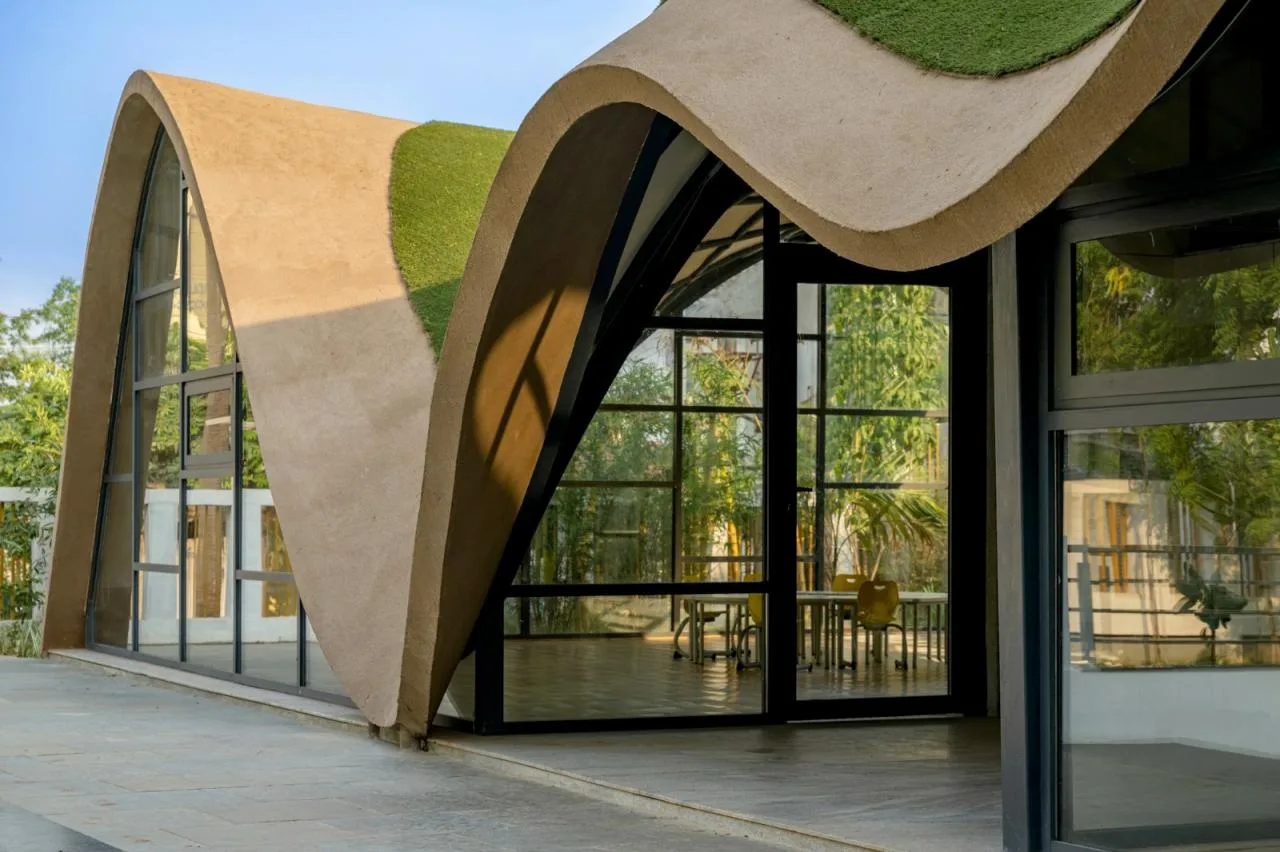
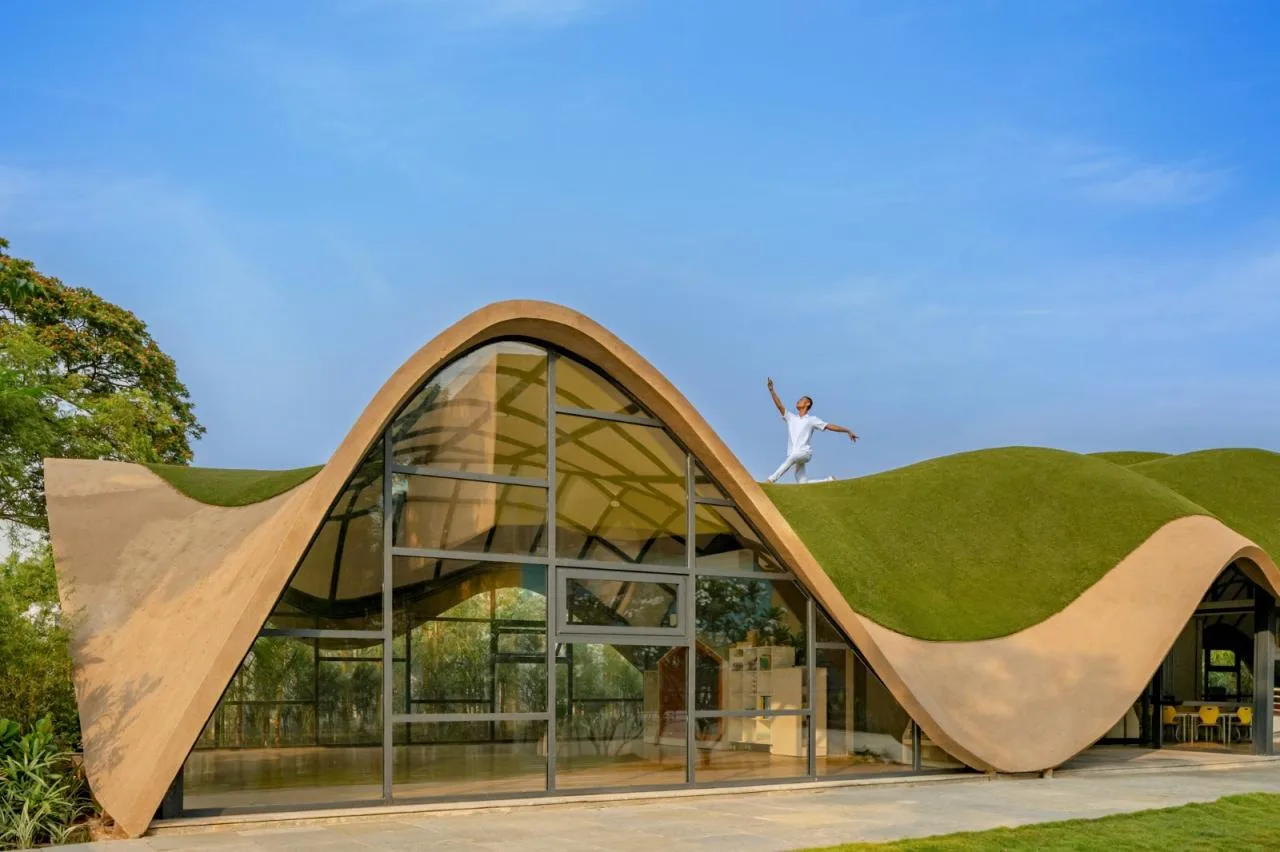
Departing from conventional school layouts, the design creates a 3,000-square-foot undulating interior without traditional boxed classrooms. Instead, smooth, interconnected learning spaces encourage free movement and promote communication among students.
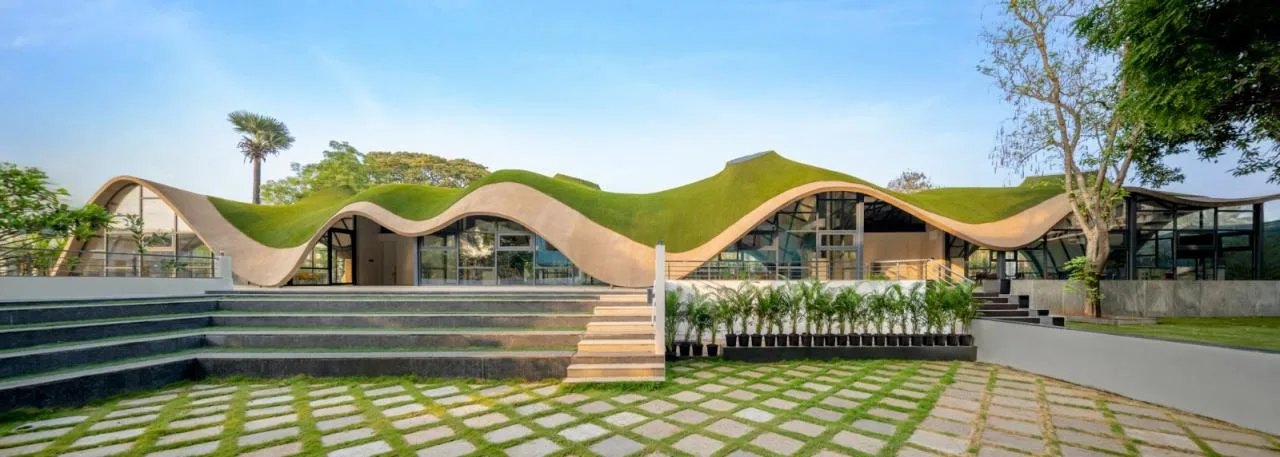
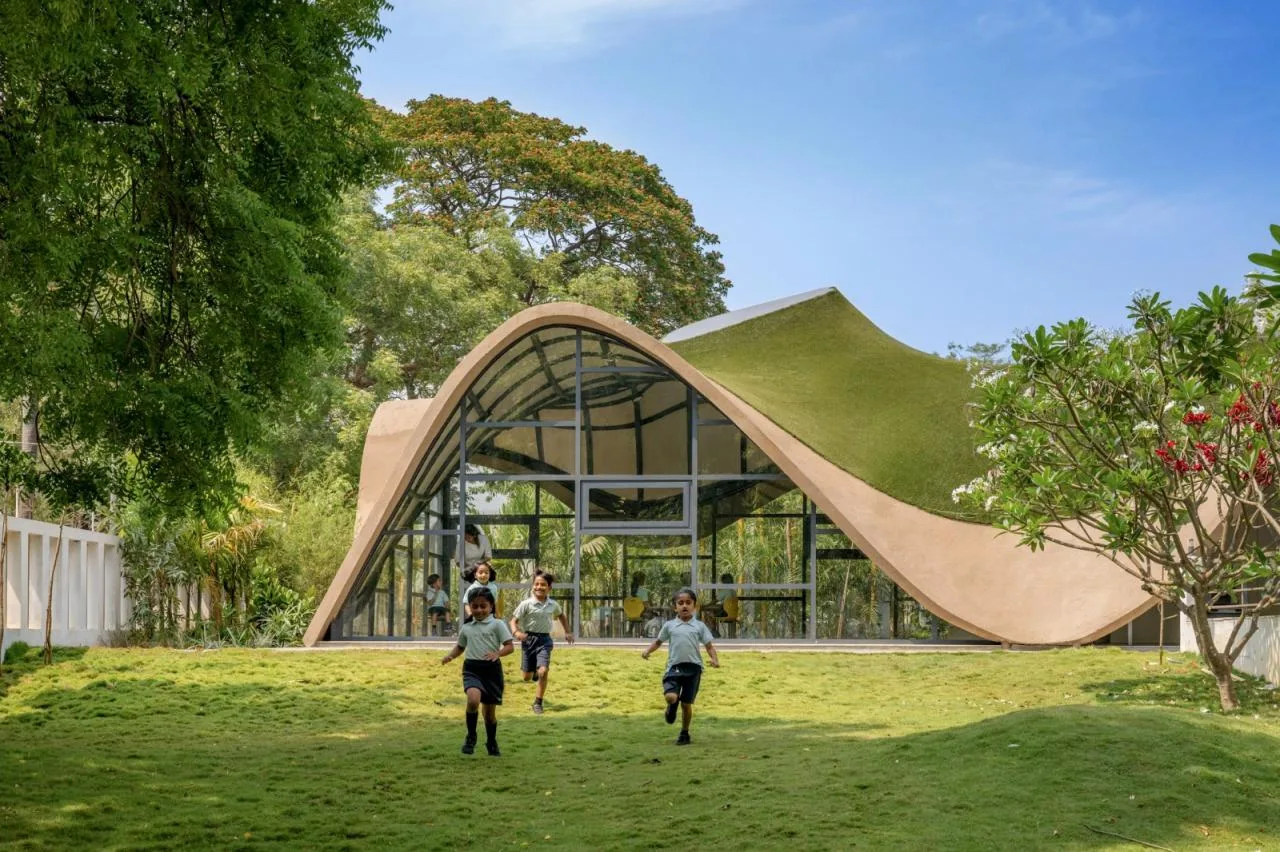
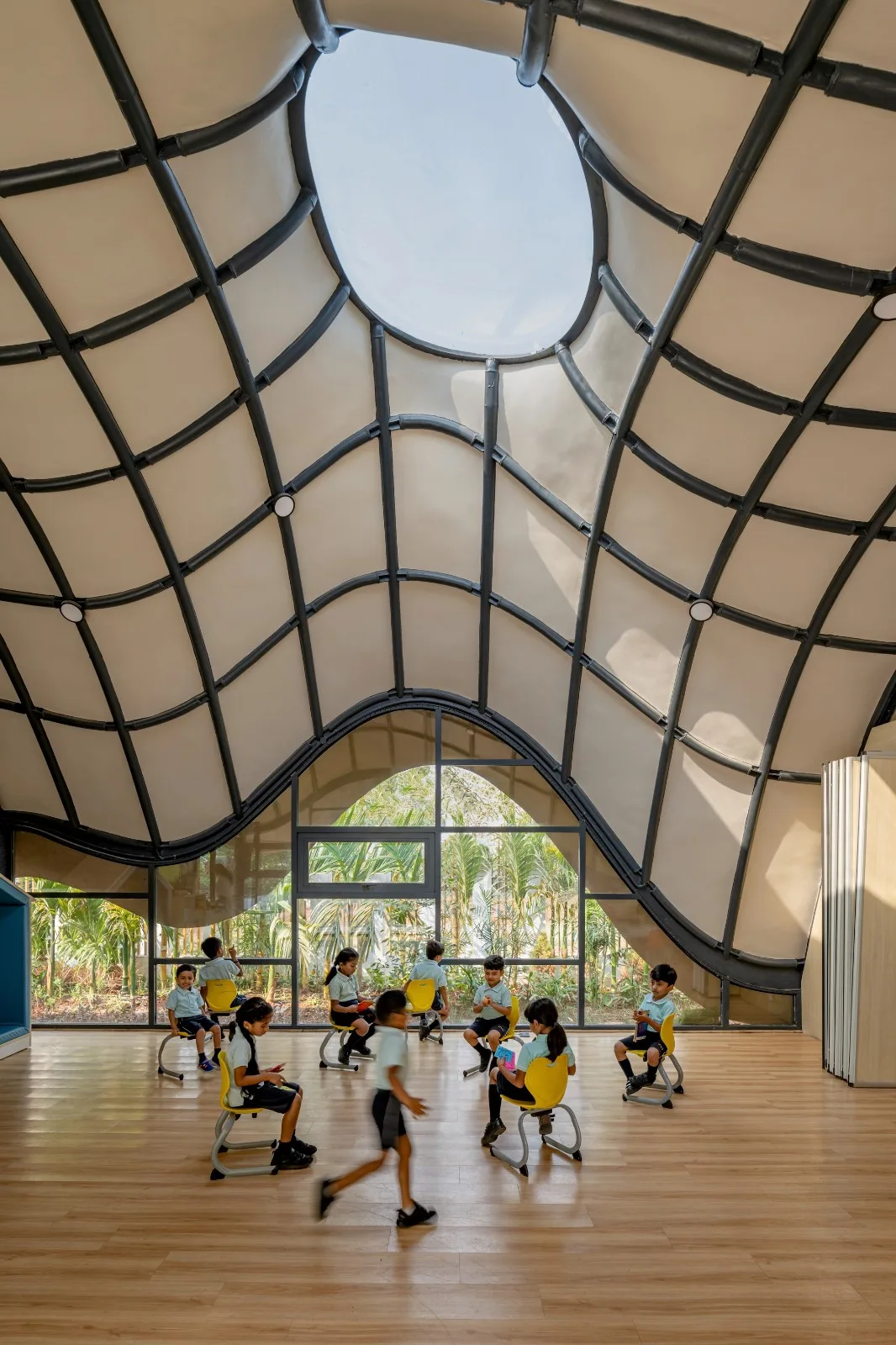
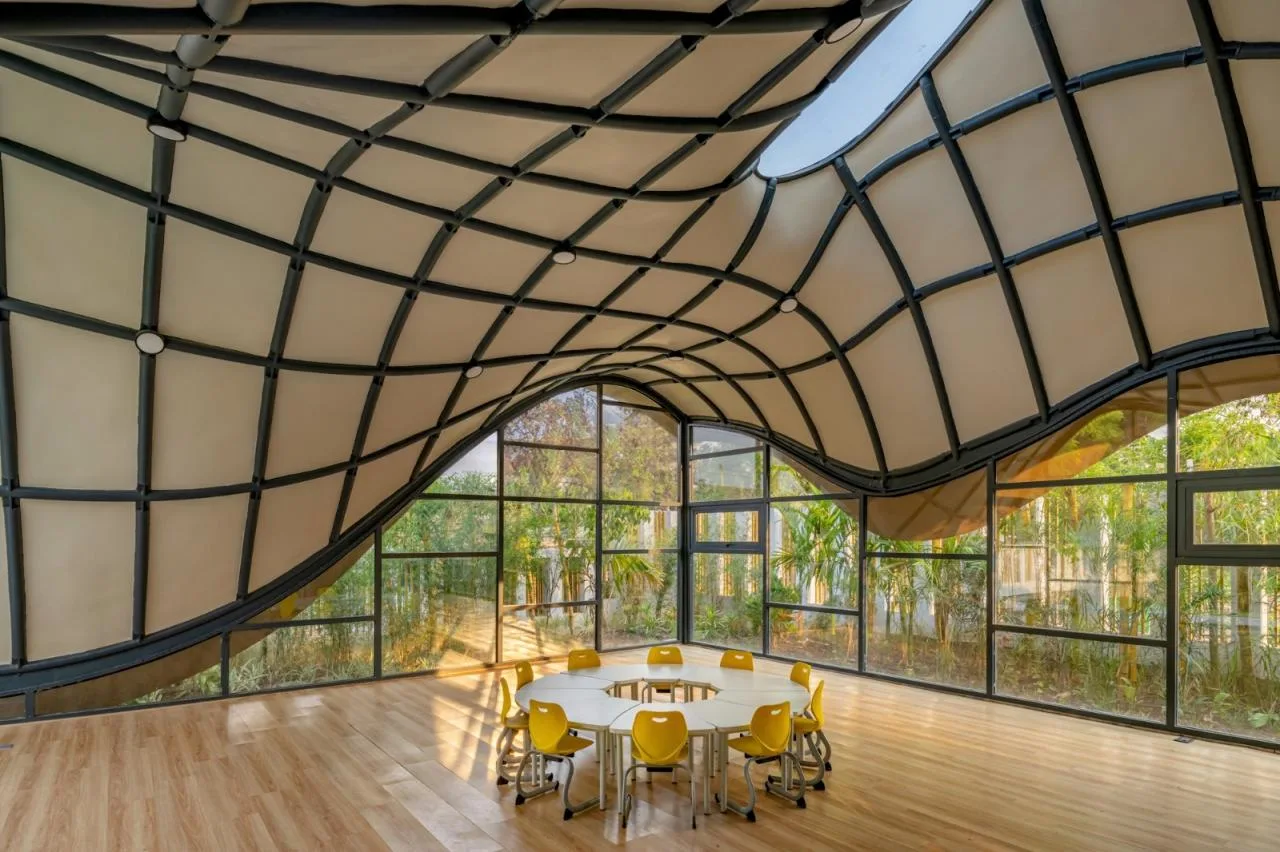
This design merges play and learning areas, blurring the lines between them. The courtyard functions flexibly as an amusement park, classroom, open-air theater, or shallow water pool depending on the activity, enhancing the fluidity of space. Floor-to-ceiling glass walls and skylights bring in natural light and dissolve the boundary between indoors and outdoors, making the landscape an extension of the architectural environment.
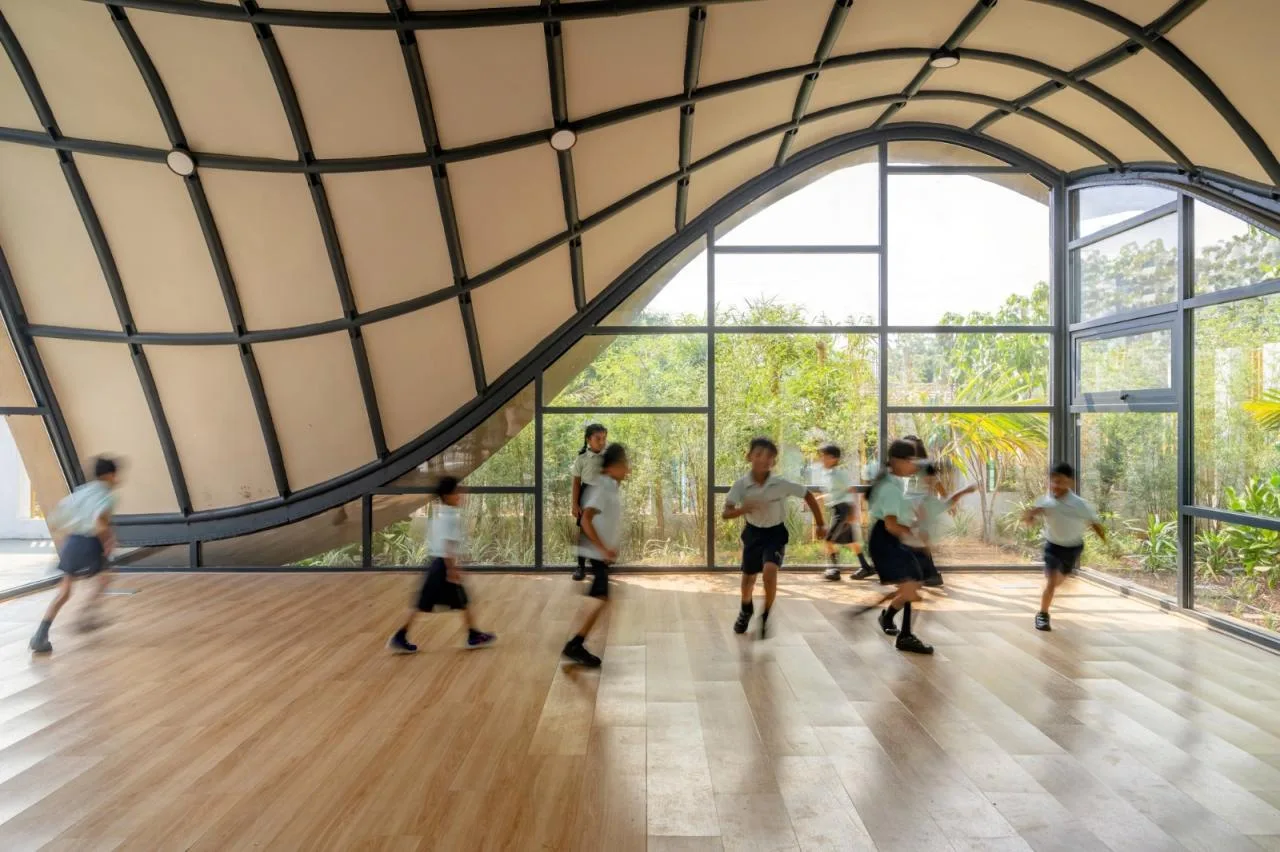
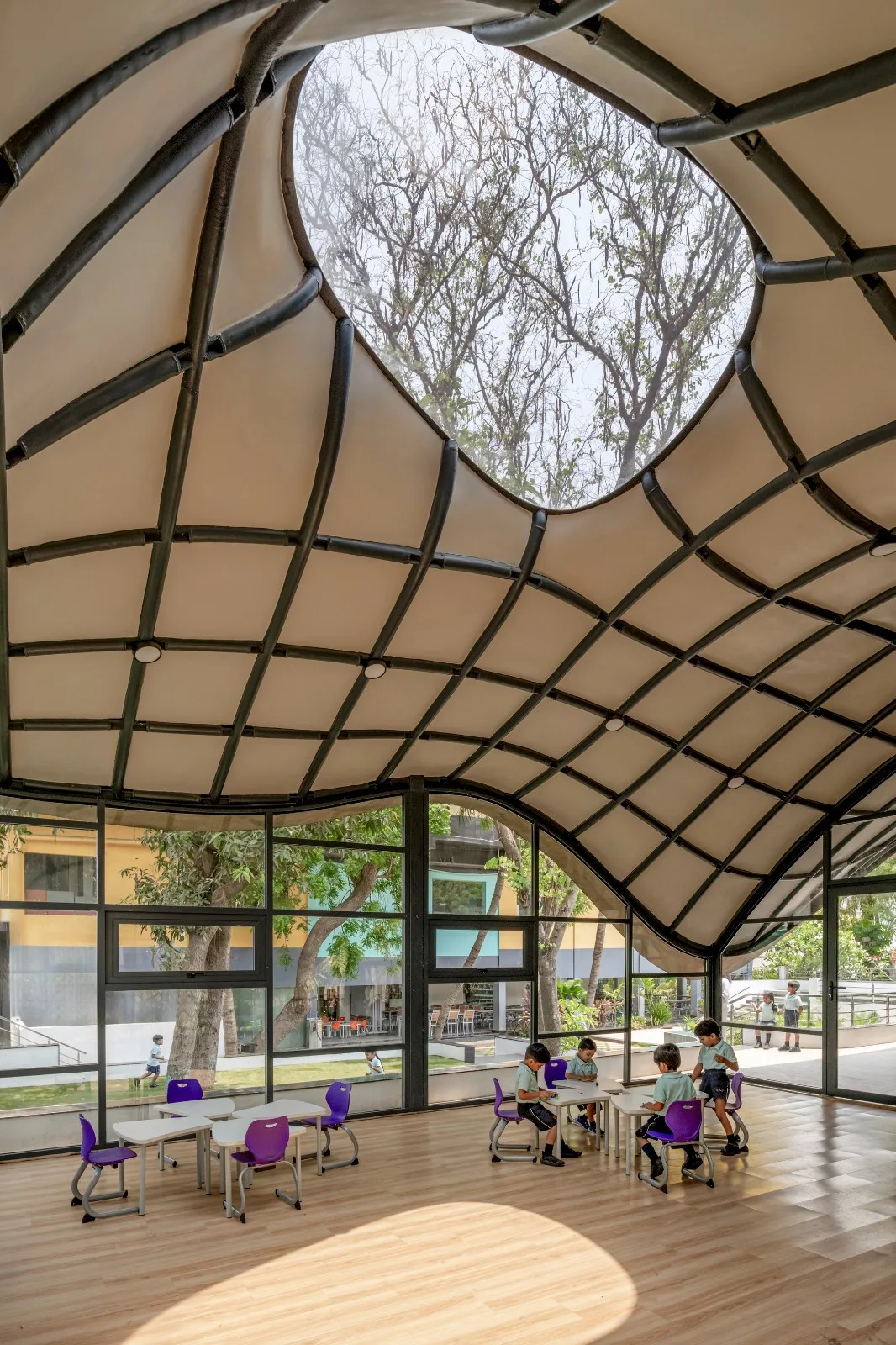
Another distinctive feature of this school’s architecture is its reliance on form rather than bright colors to create visual interest. The concept embraces the idea that “architecture should not merely be part of the landscape but a form of the landscape itself.” This is reflected in the curved roofs that mimic waves or rolling hills. From afar, the building blends seamlessly with the natural surroundings, giving the impression that it is part of the landscape. Upon closer inspection, the design reveals its true brilliance: children are cradled within a cocoon-like structure, protected and nurtured by the architecture itself.
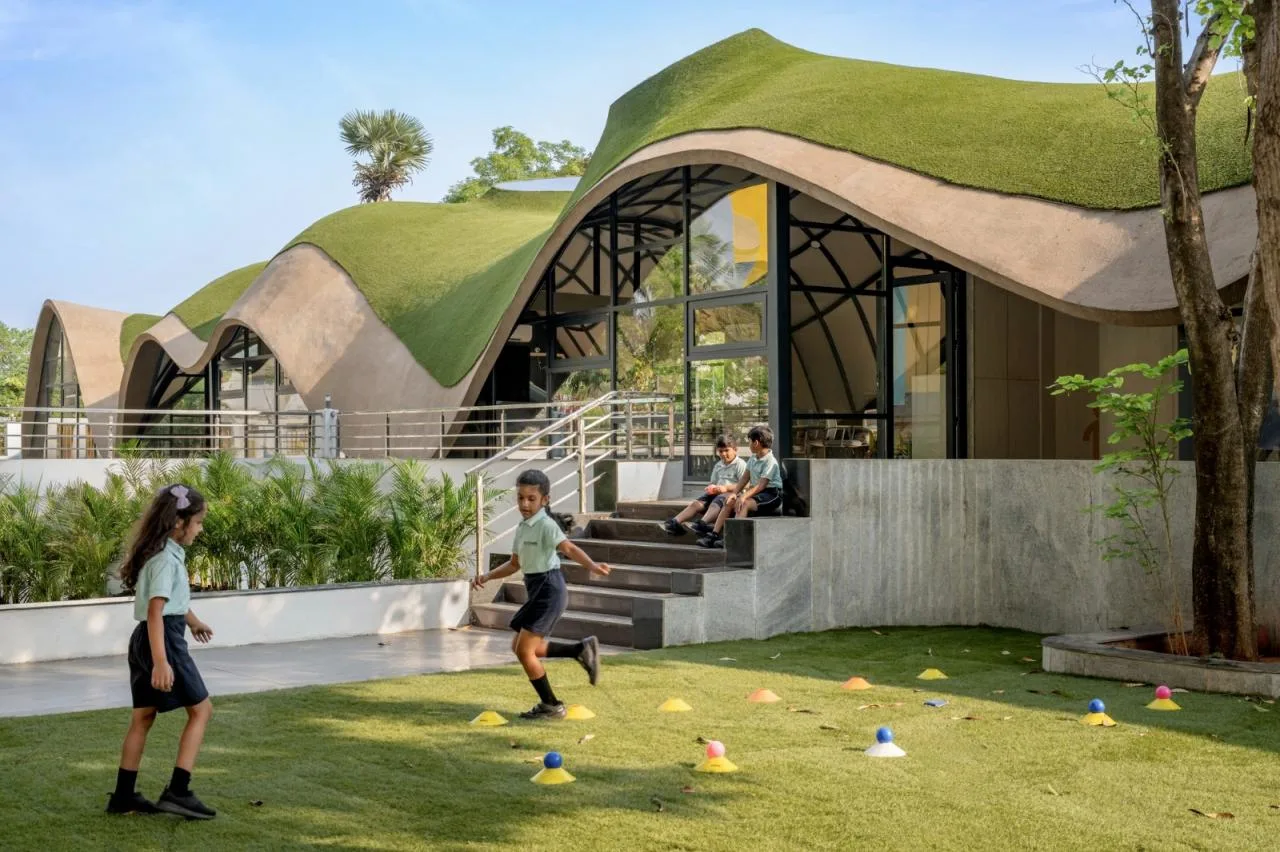
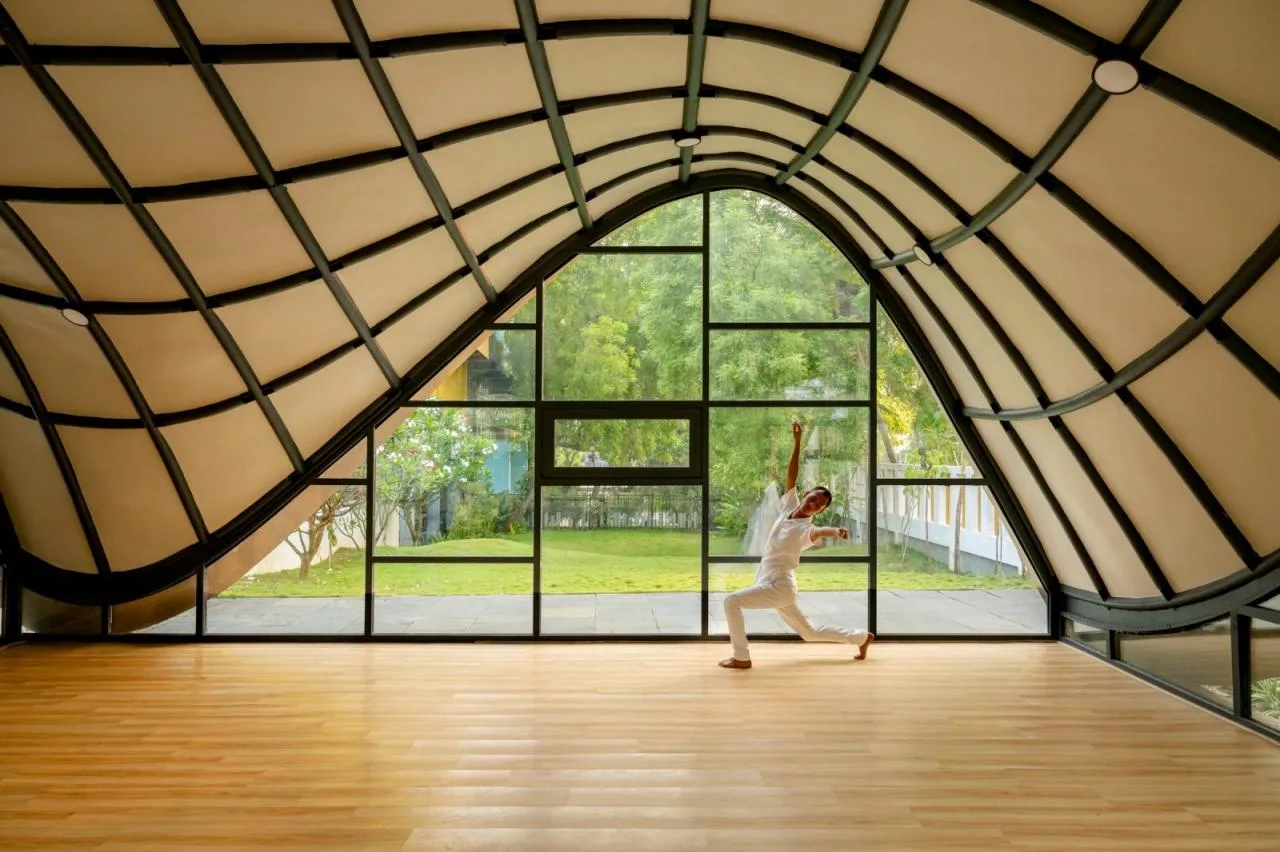
The smooth, flowing roof shape was crafted using parametric design tools, making the entire building a regional landmark. Remarkably, this complex structure was achieved within a limited budget by employing an efficient construction process that leveraged existing resources and technologies.
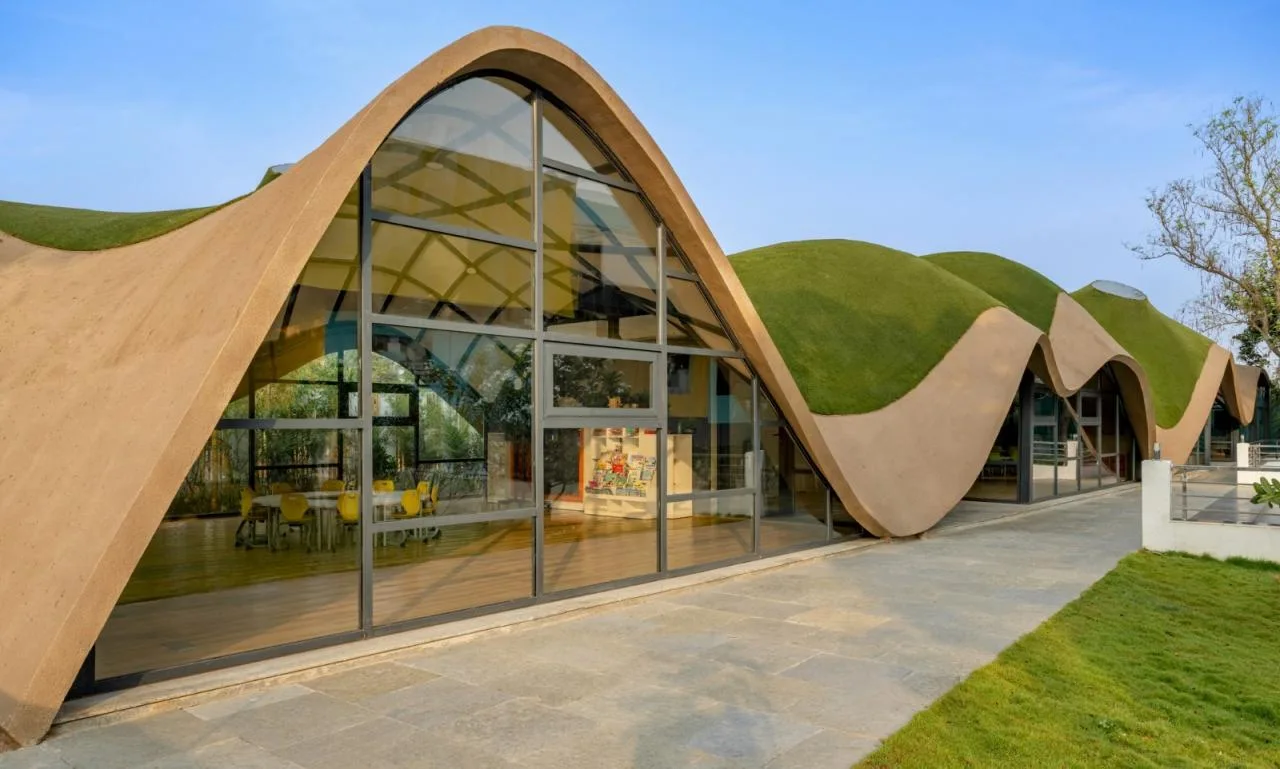
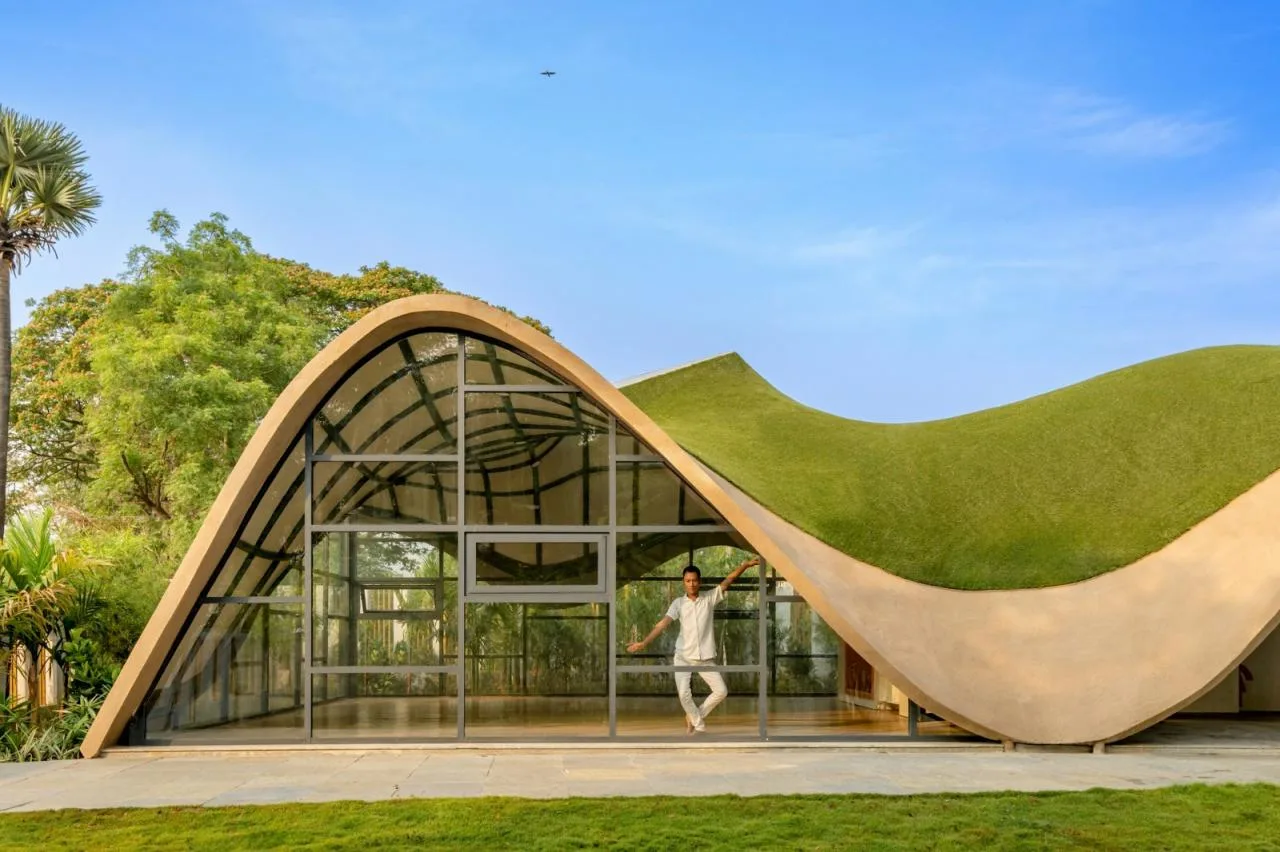
Prefabricated materials play a crucial role in the design. The roof’s structural core was assembled on-site using prefabricated components and innovative construction techniques. Unique joint panels connect circular hollow sections bent along the X and Y axes. By precisely adjusting the height of these joints, the desired curvature was achieved. The integration of a reinforced concrete shell over a distinctive metal framework addresses the challenge of creating a smooth external surface.
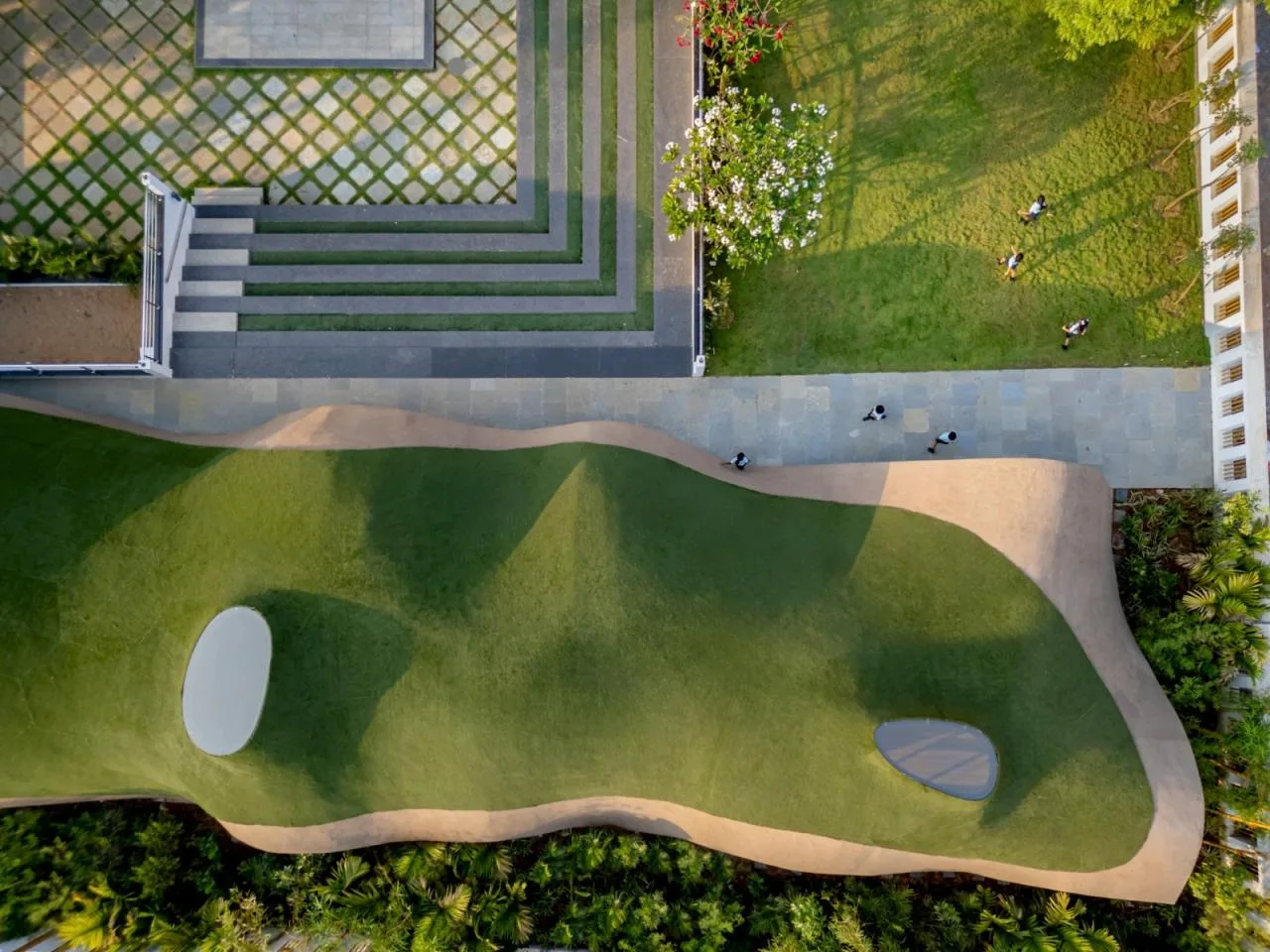
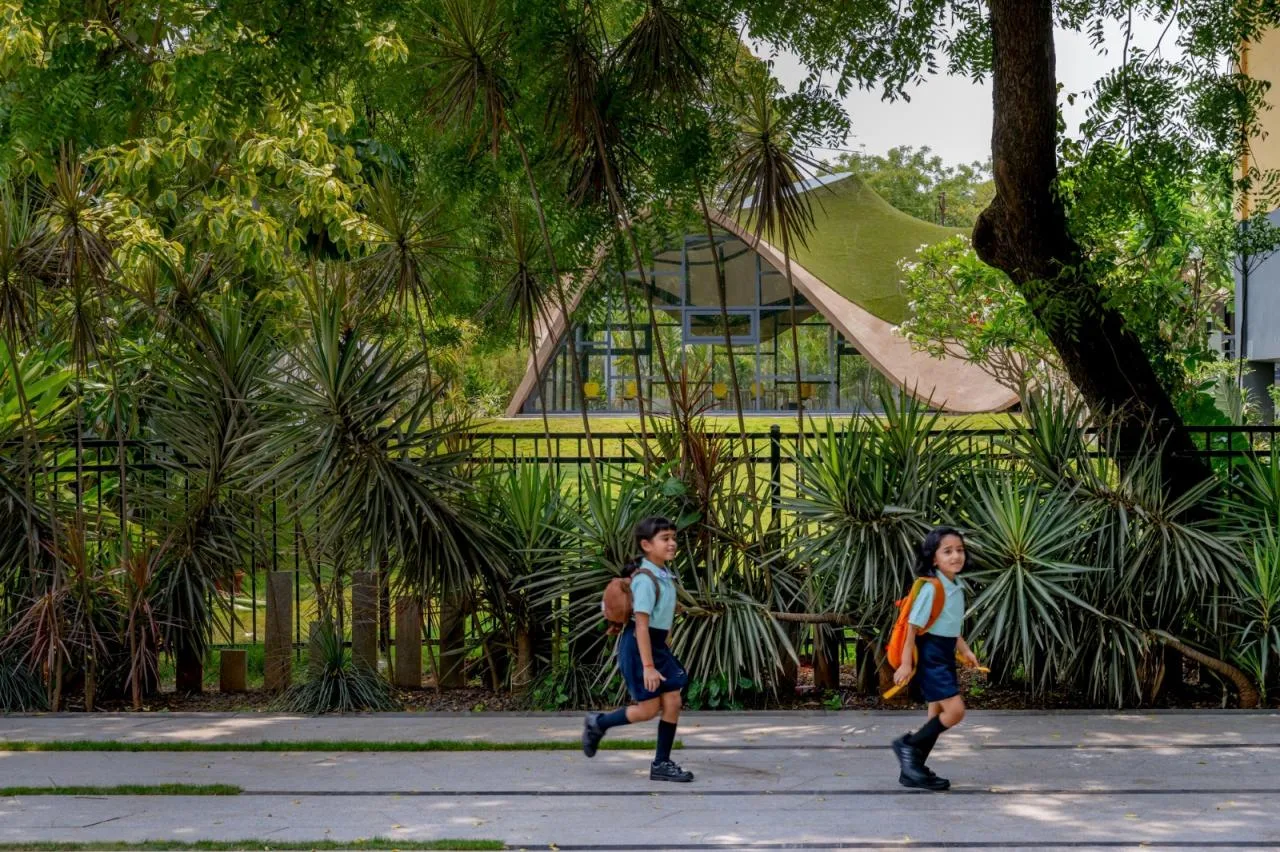
Inside, the roof evokes a sense of magic and mystery. Exposed structural elements contrast beautifully with the external green roof, emphasizing the natural qualities of the materials. Sunlight streams through skylights, enhancing the visual impact of the simple color palette and highlighting the seamless curves. The interplay of light and shadow shifts throughout the day, adding a dynamic, ever-changing dimension to the space.
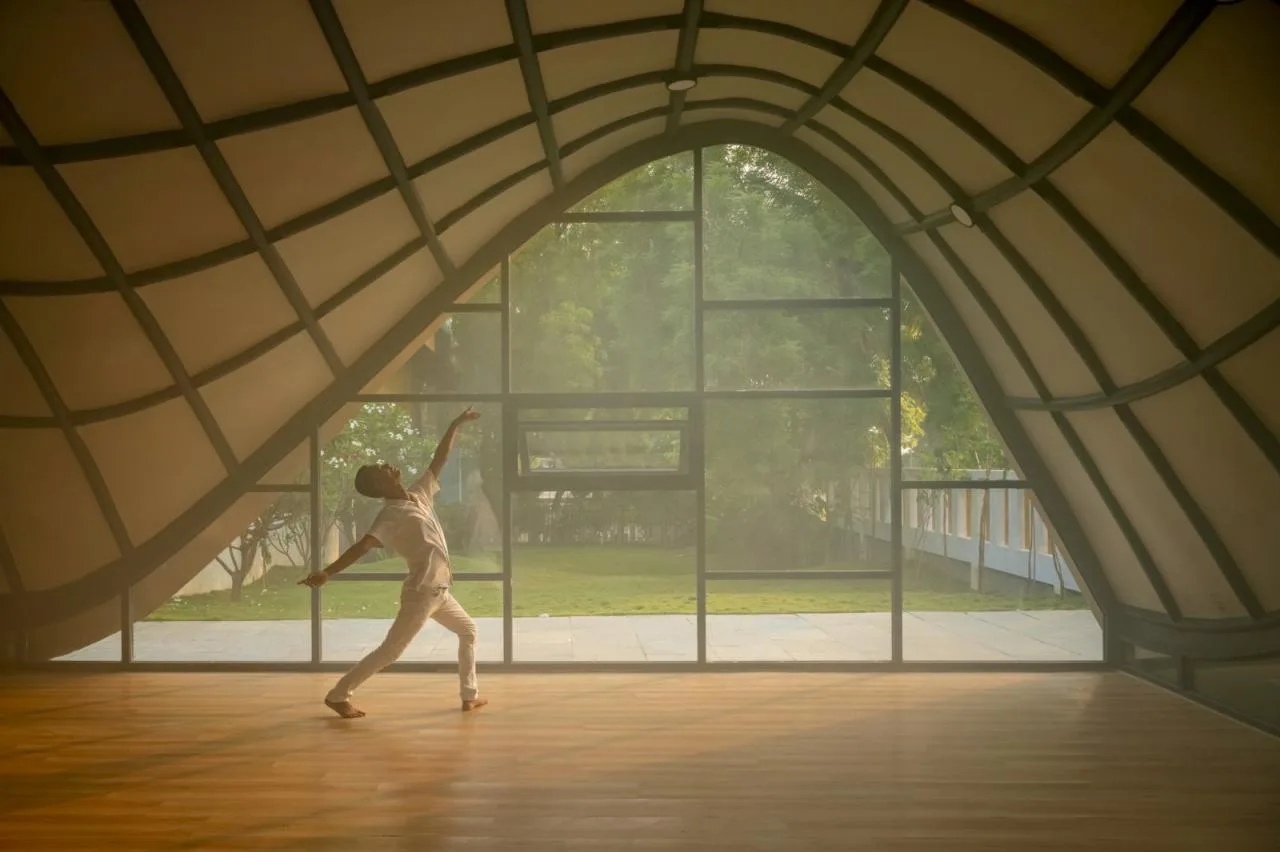
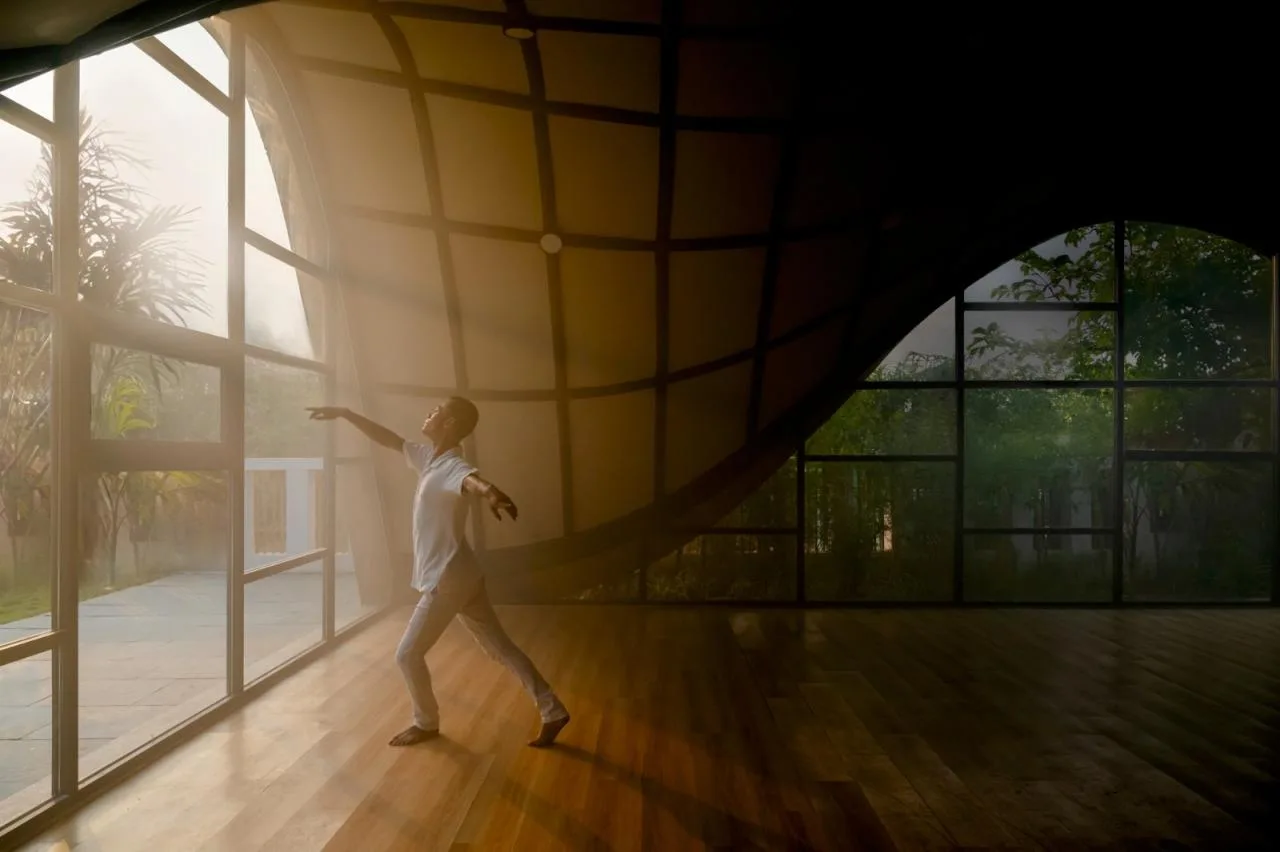
This school’s architecture stands out for its structural expression, innovative design, and commitment to non-traditional approaches. Every element redefines the concept of educational space, leaving a lasting impression on its users. The high glass panels, green roofs, fluid classroom layouts, prefabricated components, and parametric forms depart from typical box-like school buildings, fostering a sense of curiosity and wonder. As a result, Bloomingdale International School pioneers the role architecture can play in shaping the future of educational environments.

Project Drawings
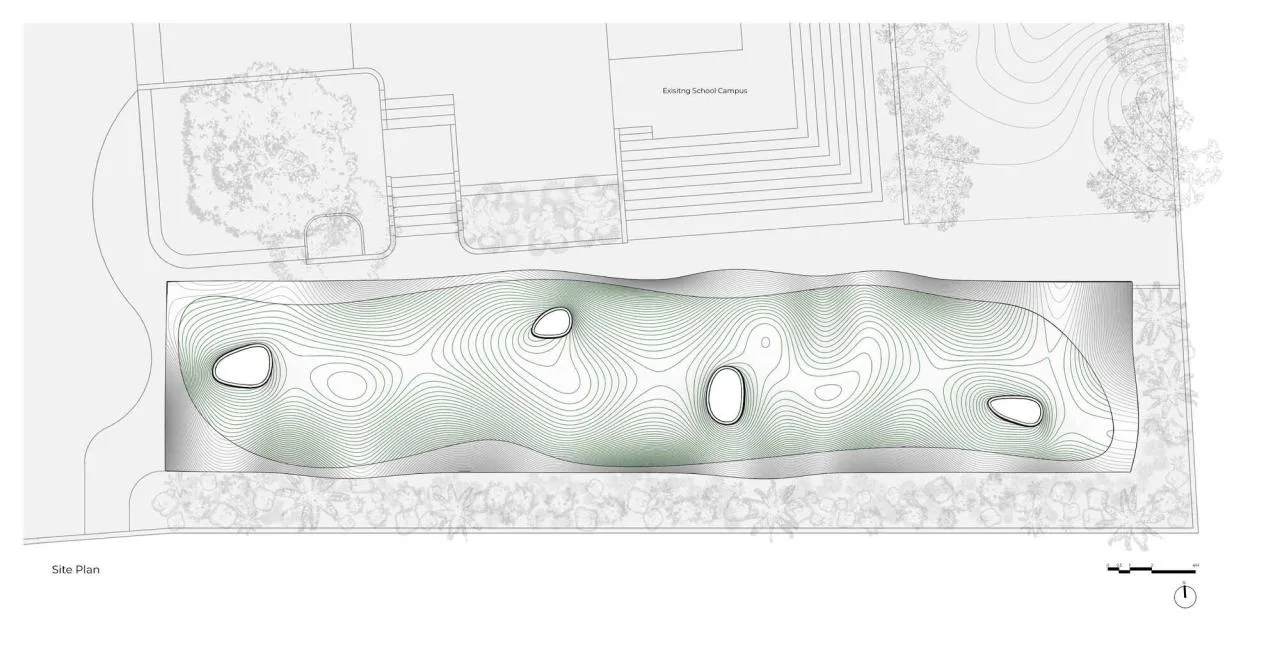
△ General layout plan
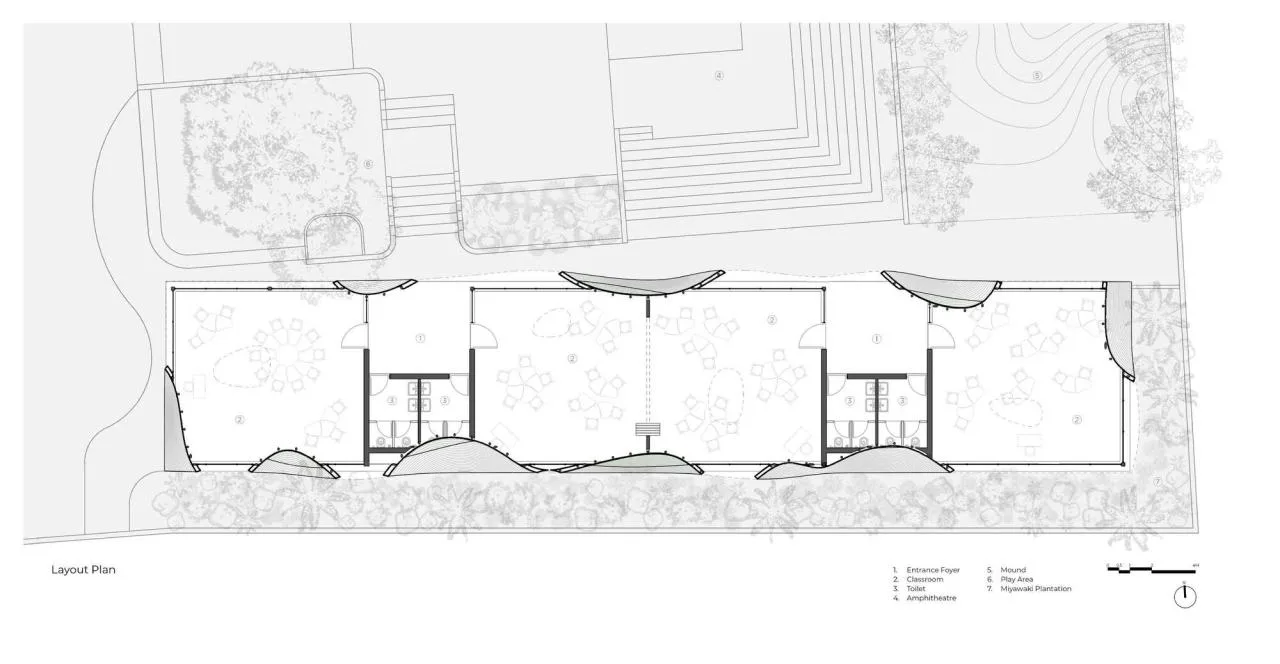
△ Plan view
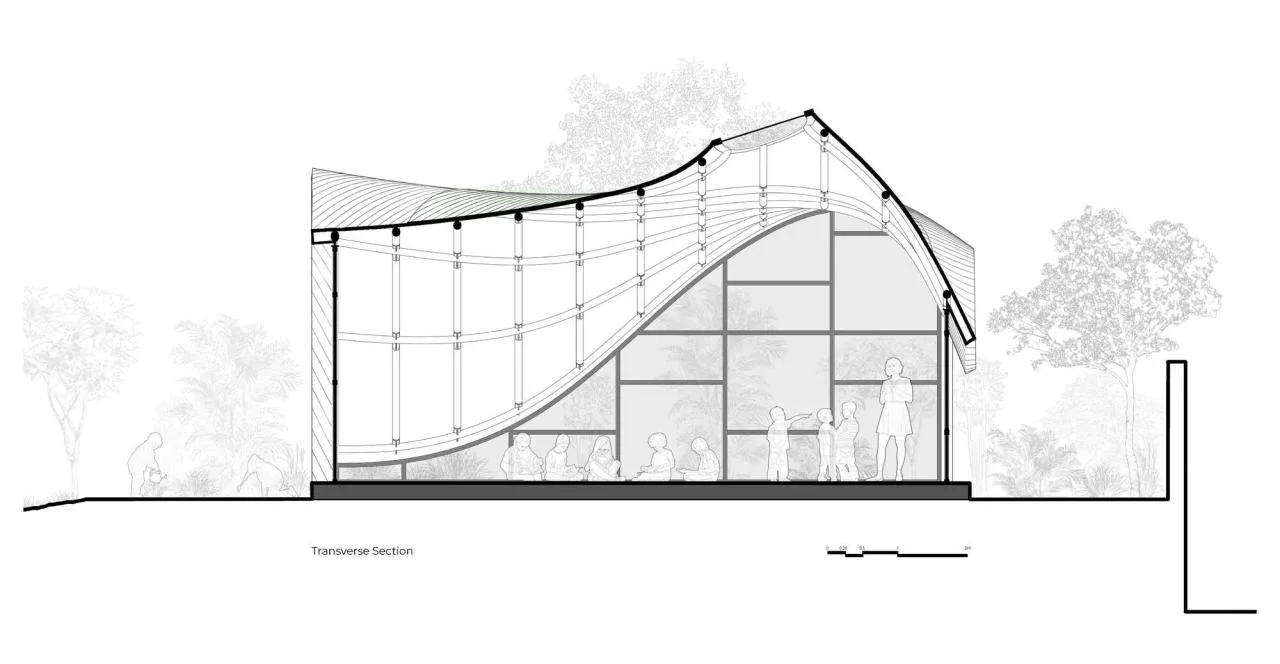
△ Section diagram
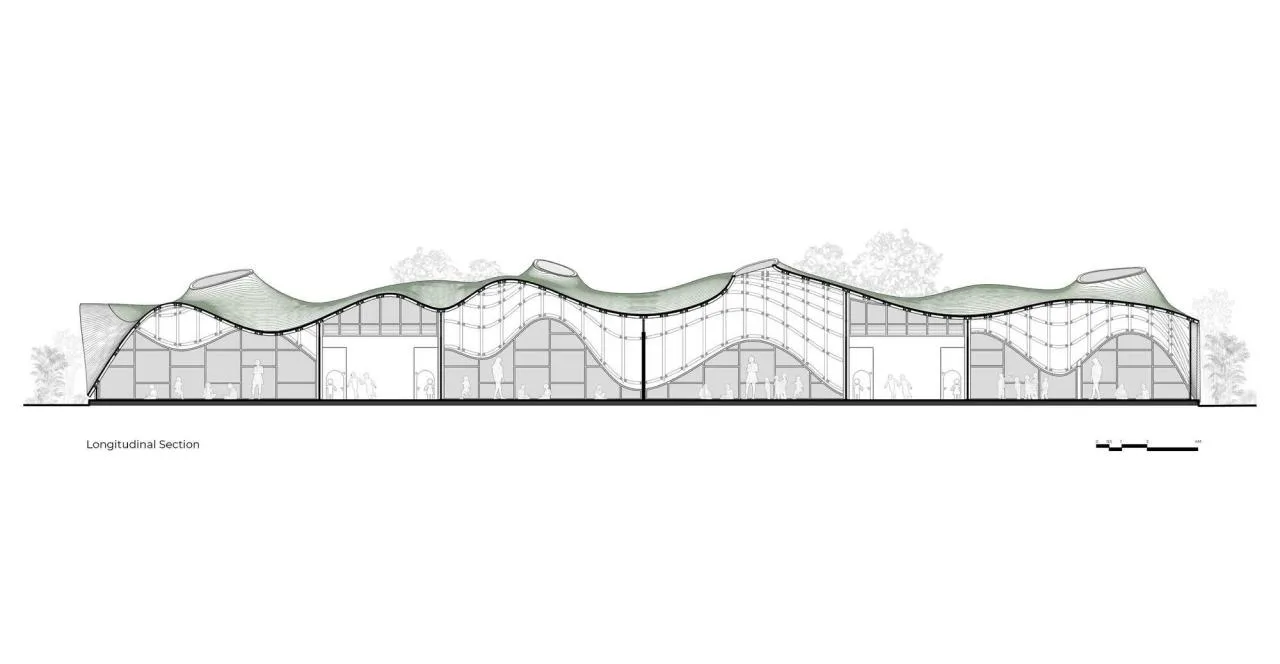
△ Section diagram
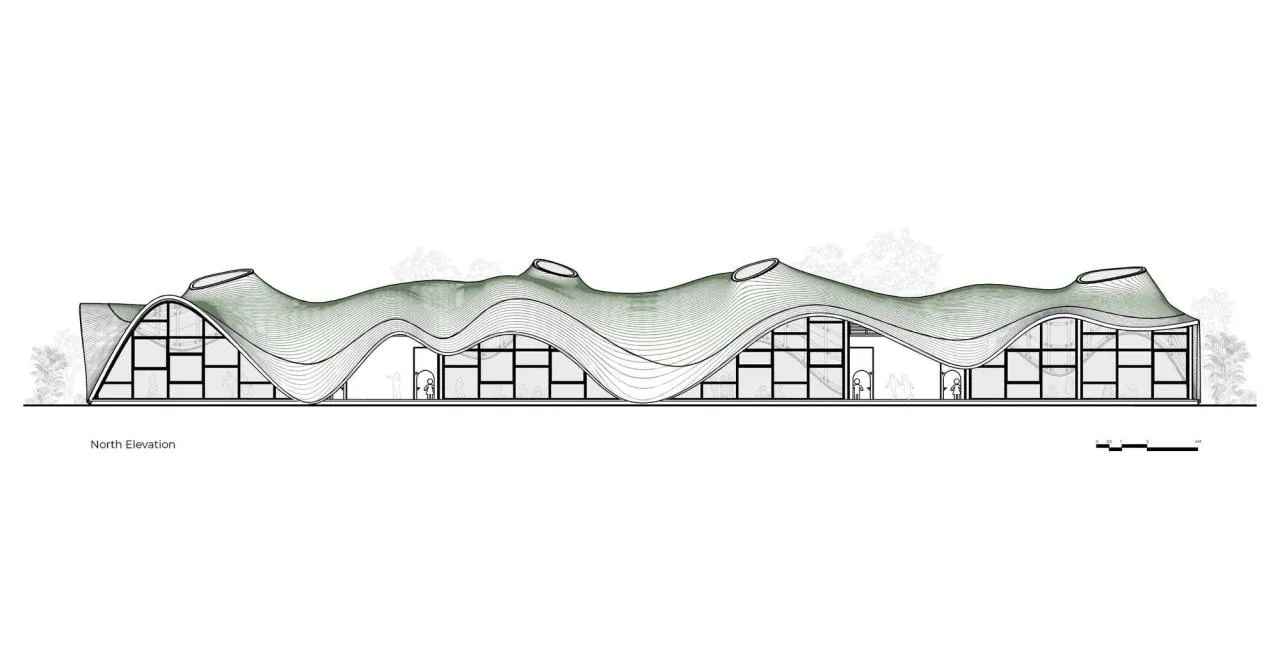
△ Elevation drawing
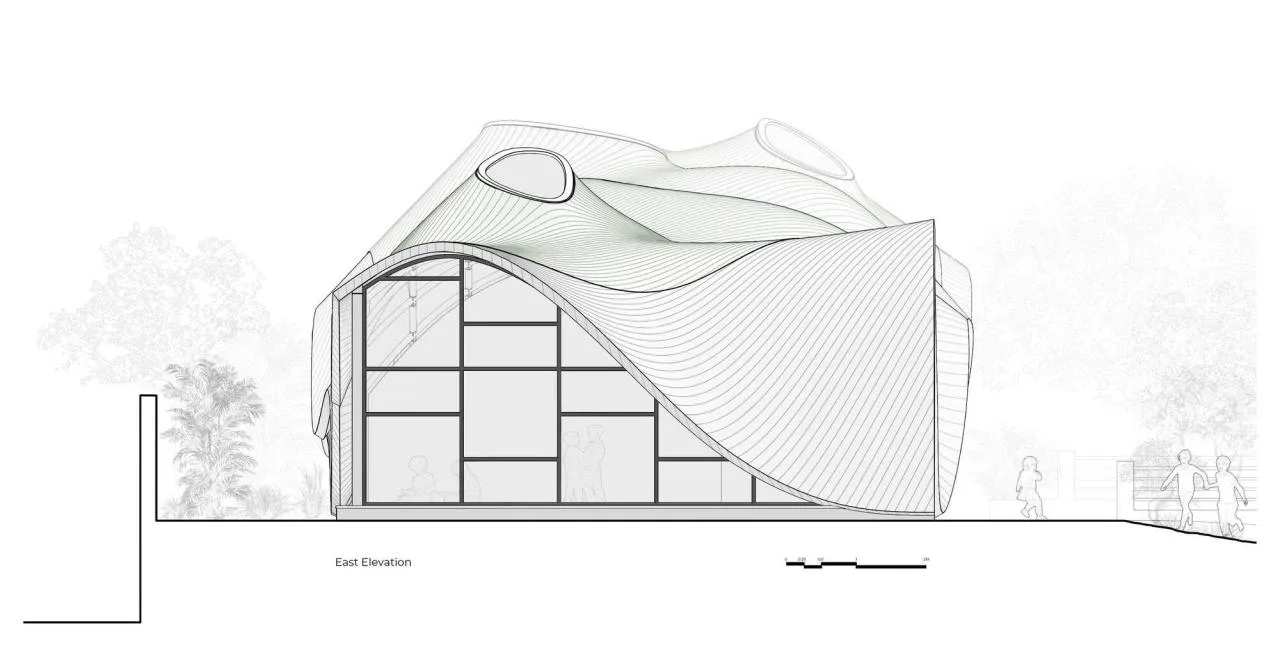
△ Elevation drawing
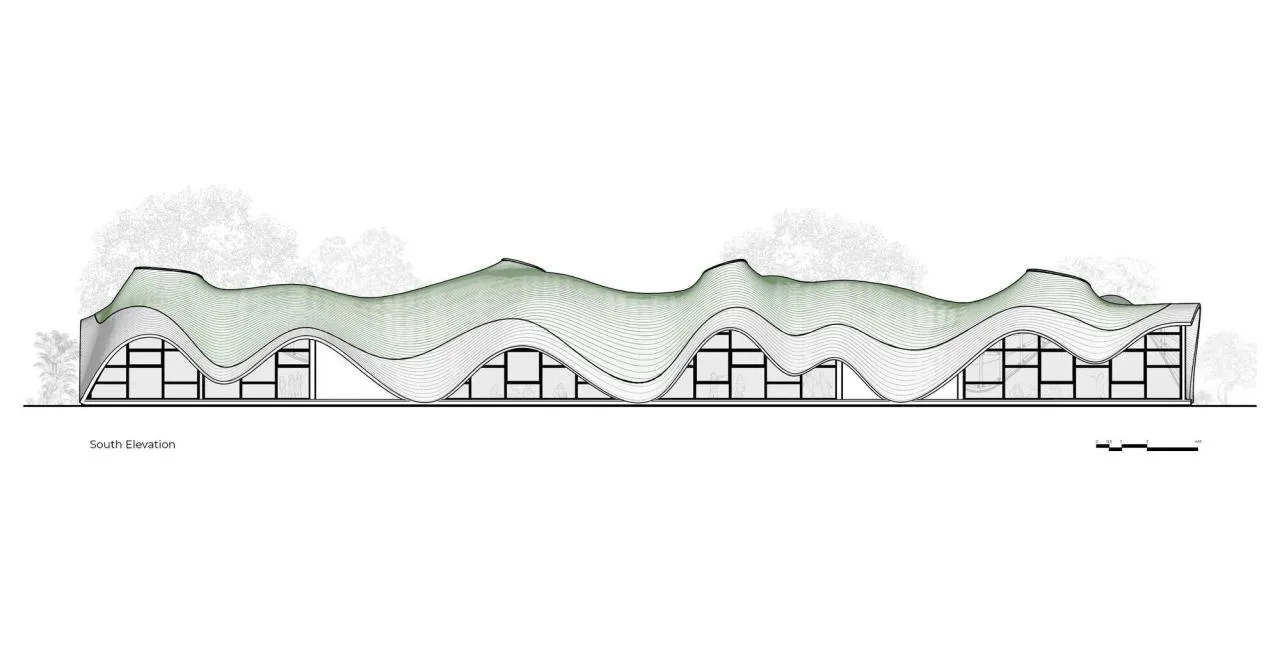
△ Elevation drawing
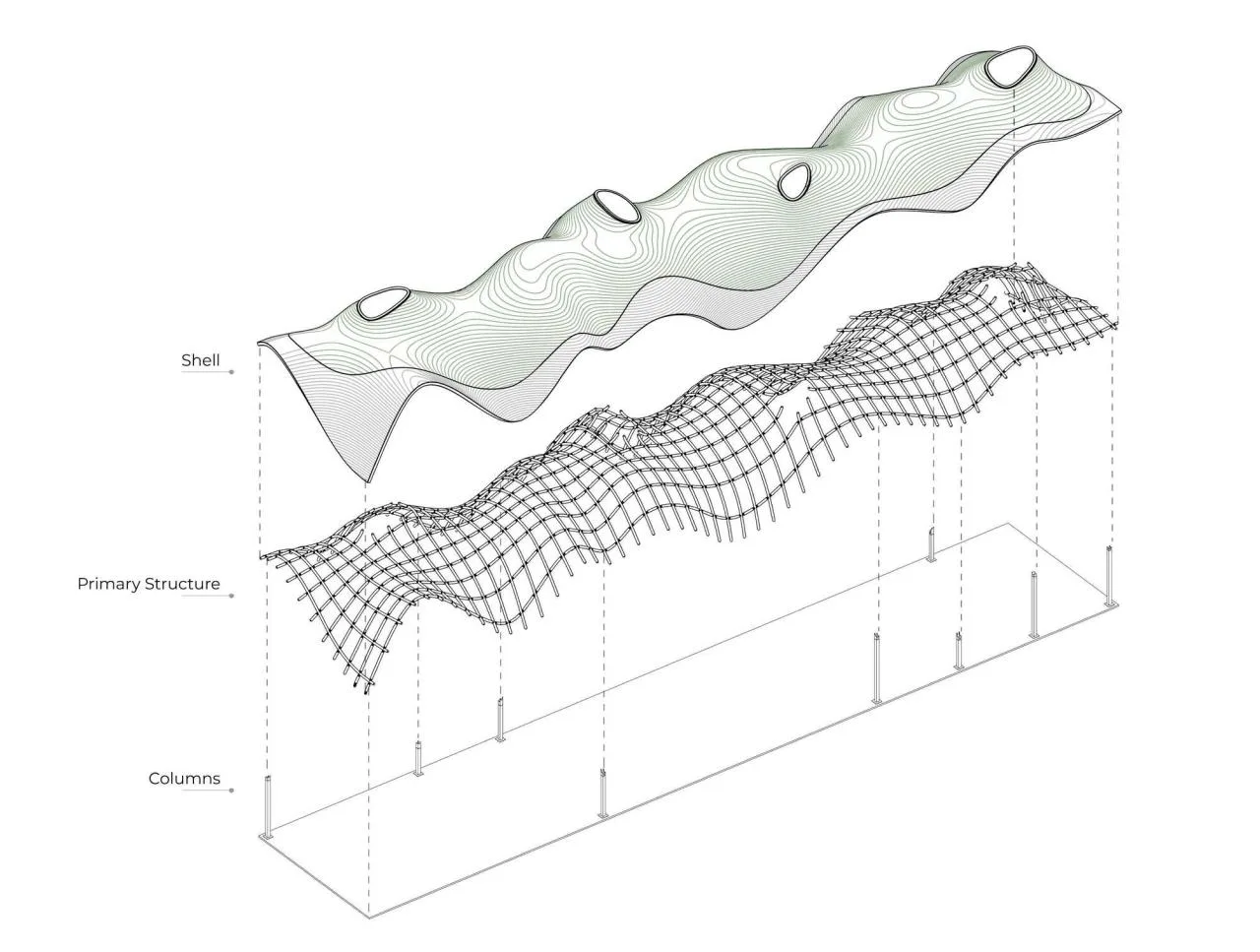
△ Structural analysis diagram
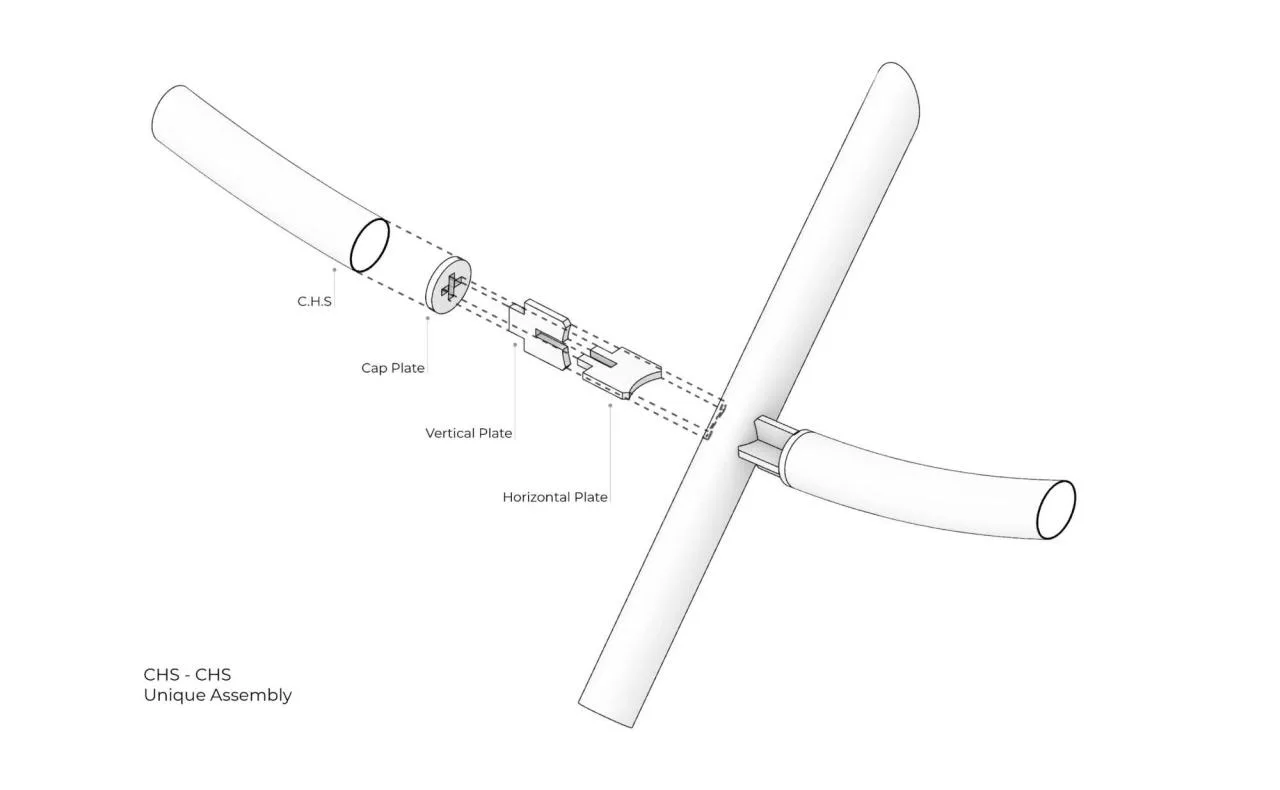
Schematic diagram of detailed structure
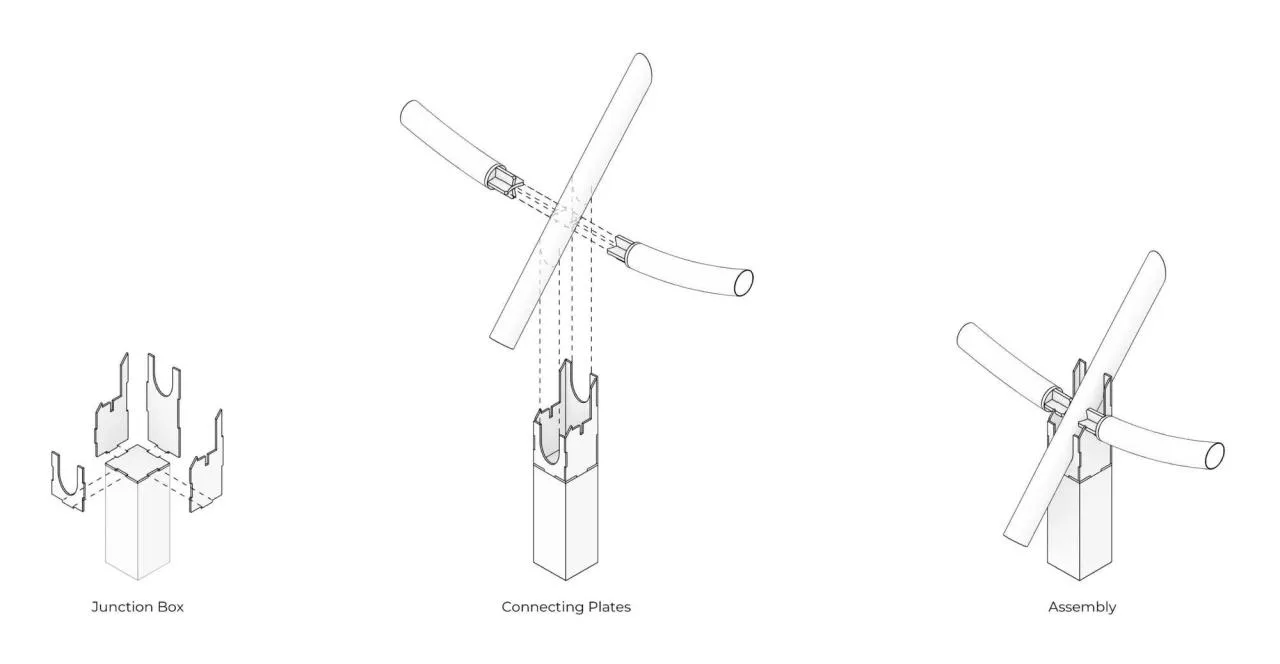
△ Analysis chart
Project Information
Architect: Andblack Design Studio
Area: 4000 ft²
Project Year: 2024
Photographer: Vinay Panjwani
Design Team: Jwalant Mahadevwala, Adity Rawat
Structural Consultant: Schafbock Design+Workshop, Shehzad Irani
Location: Vijayawada, India













Must log in before commenting!
Sign Up