
A Conceptual Exploration of Mountains and Seas
Project Overview
“I must go and see the sea again,
Go see the lonely sea and the endless sky,
Set sail amidst mist and rain, and greet the dawn.” – John Masefield
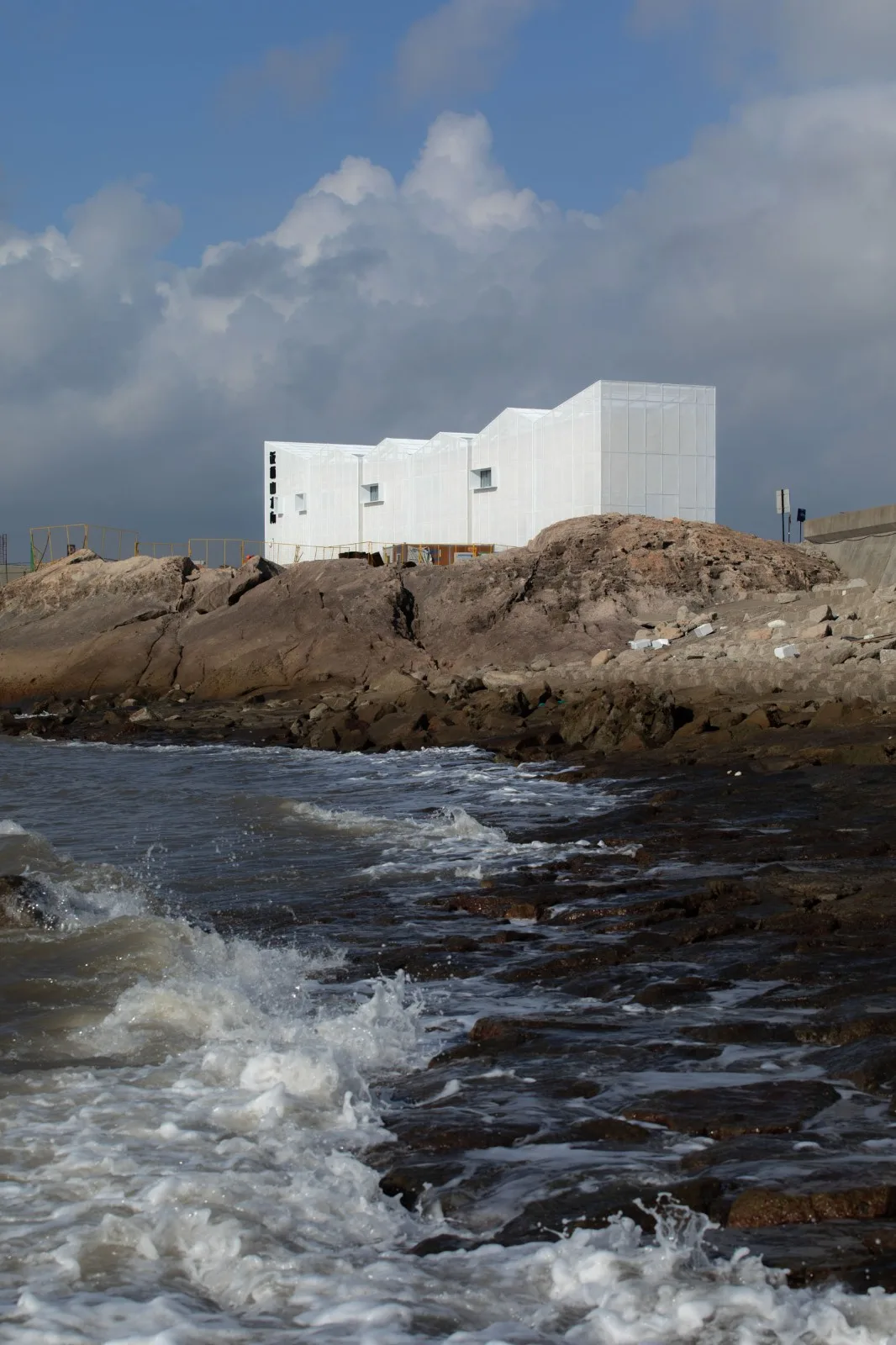
Rising proudly by the water’s edge, this building embraces the coastline of the East China Sea in Xiangshan, Ningbo. The region benefits from unique geographical features that foster rich natural landscapes and deep cultural heritage.
The East China Sea stretches out in endless blue waves, scattered with islands that resemble pearls on the vast ocean, perfectly complementing the rolling mountains beyond.
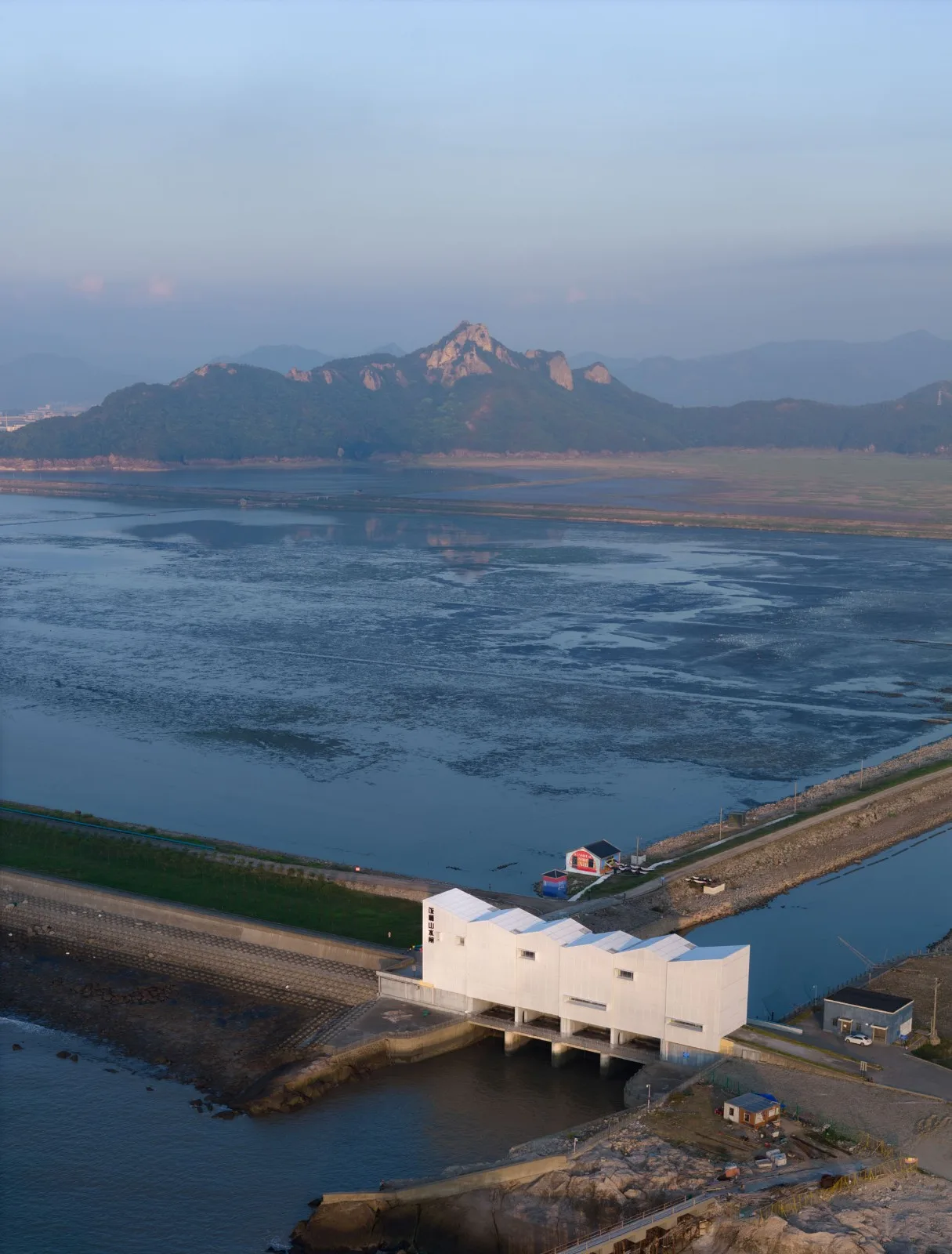
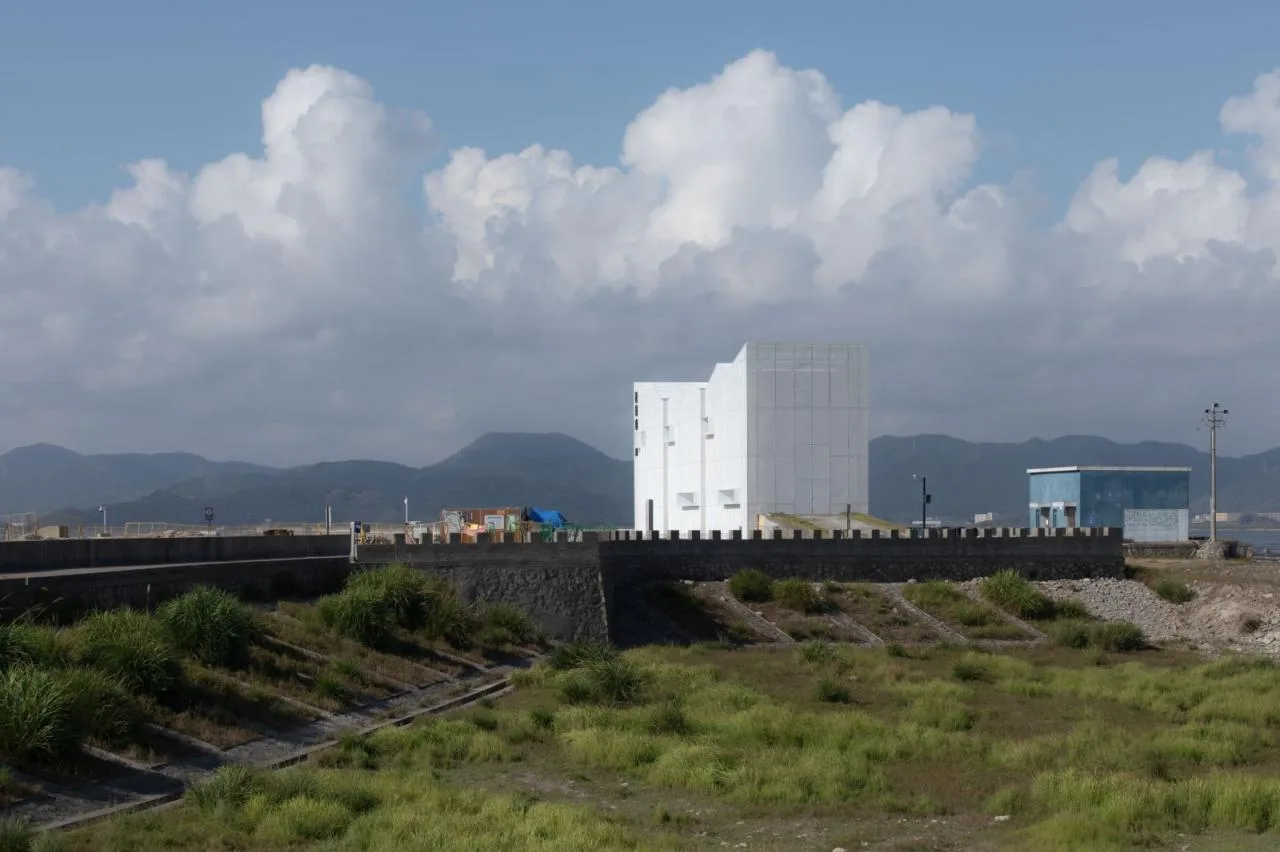
The harmony between the water gate and the distant mountains creates a striking visual resonance.
△ Architecture integrated with its natural surroundings
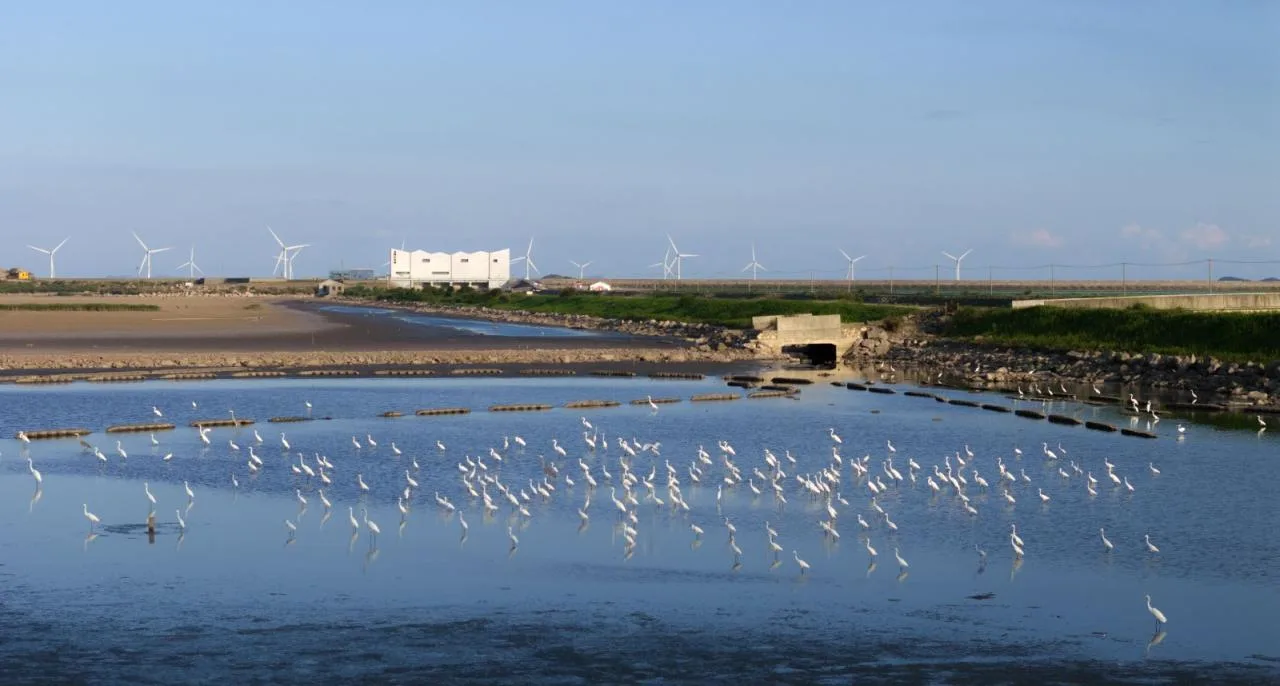
△ Architecture harmonizing with its environment
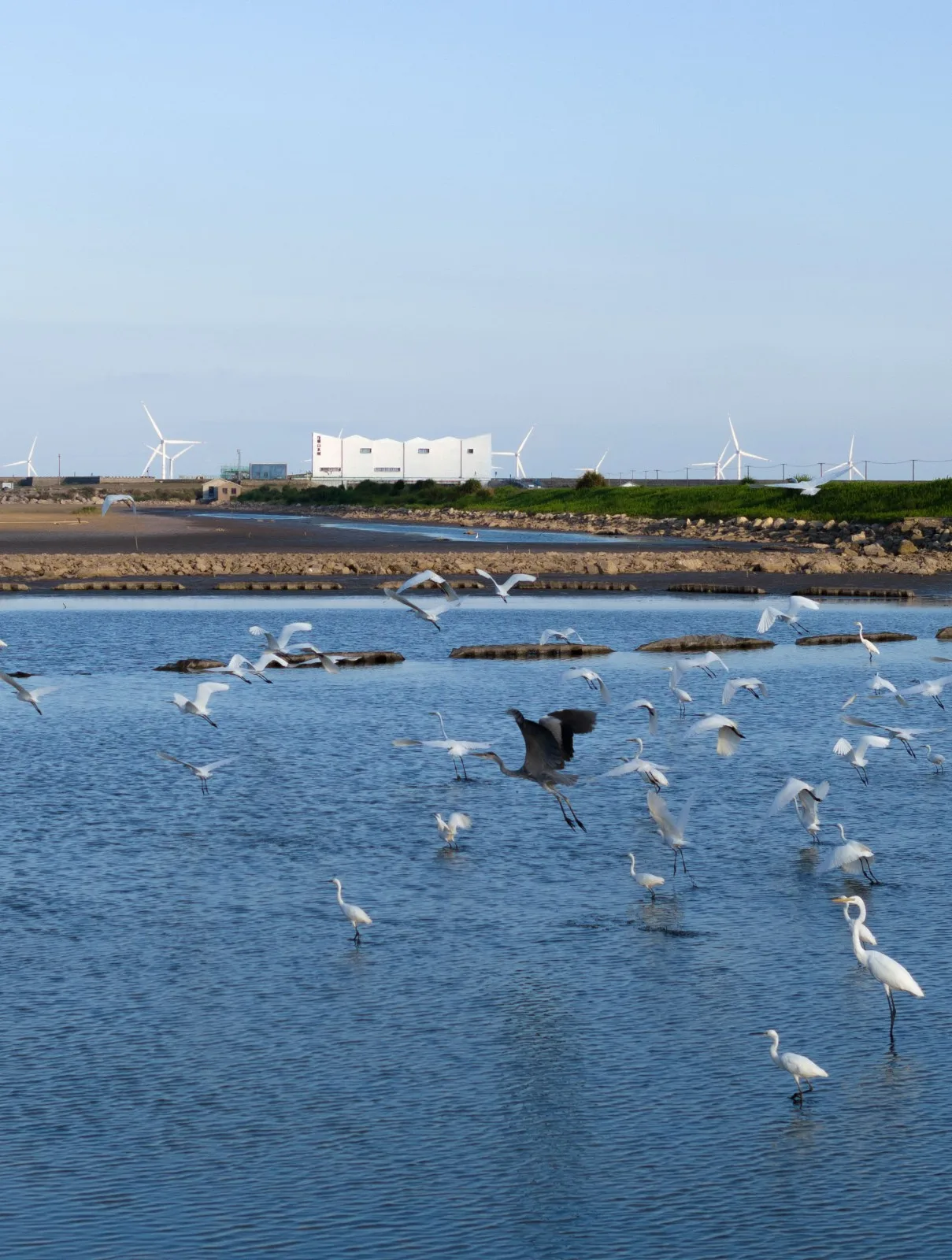
The project site, known as “Rice Bucket Mountain,” has evolved into a popular outdoor destination cherished by young people for its playful place names and pristine nature.
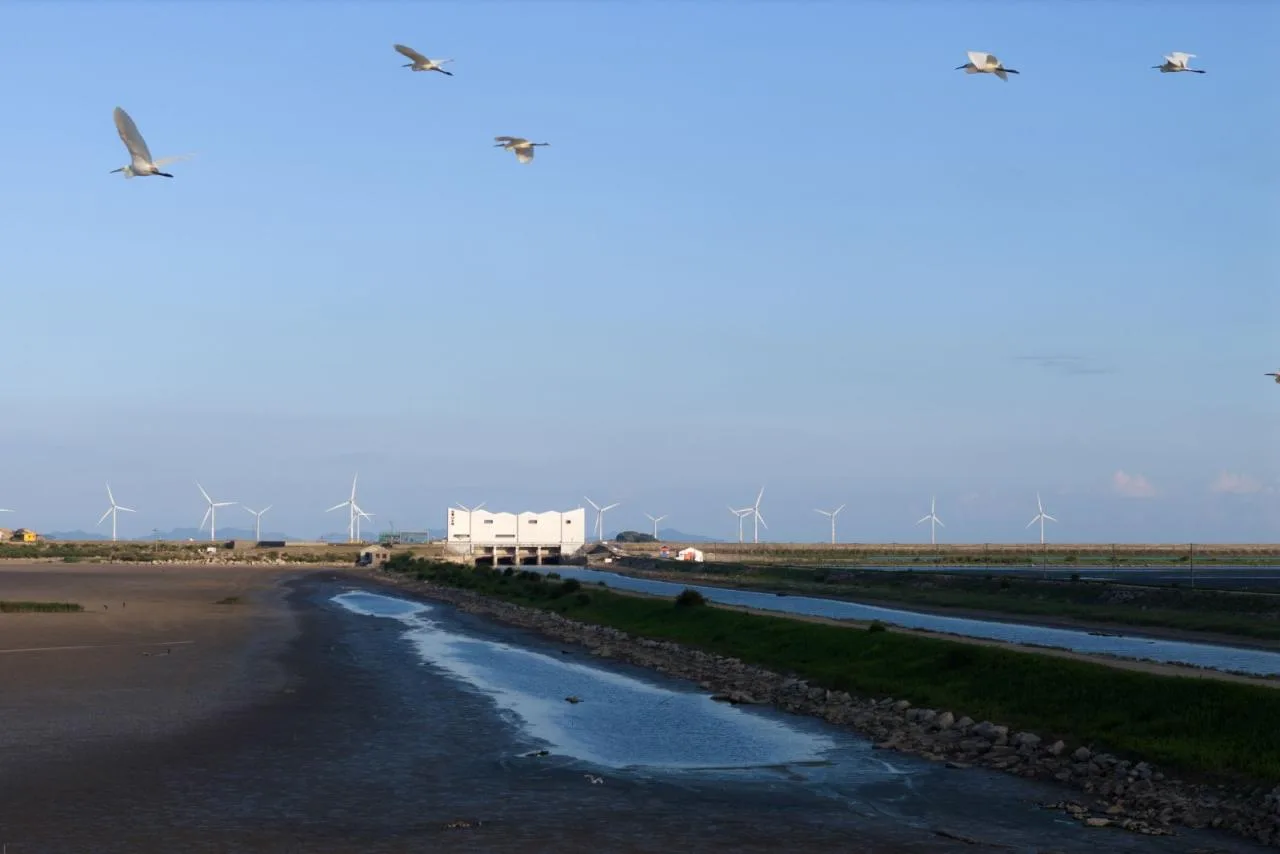
△ Distant view of the building
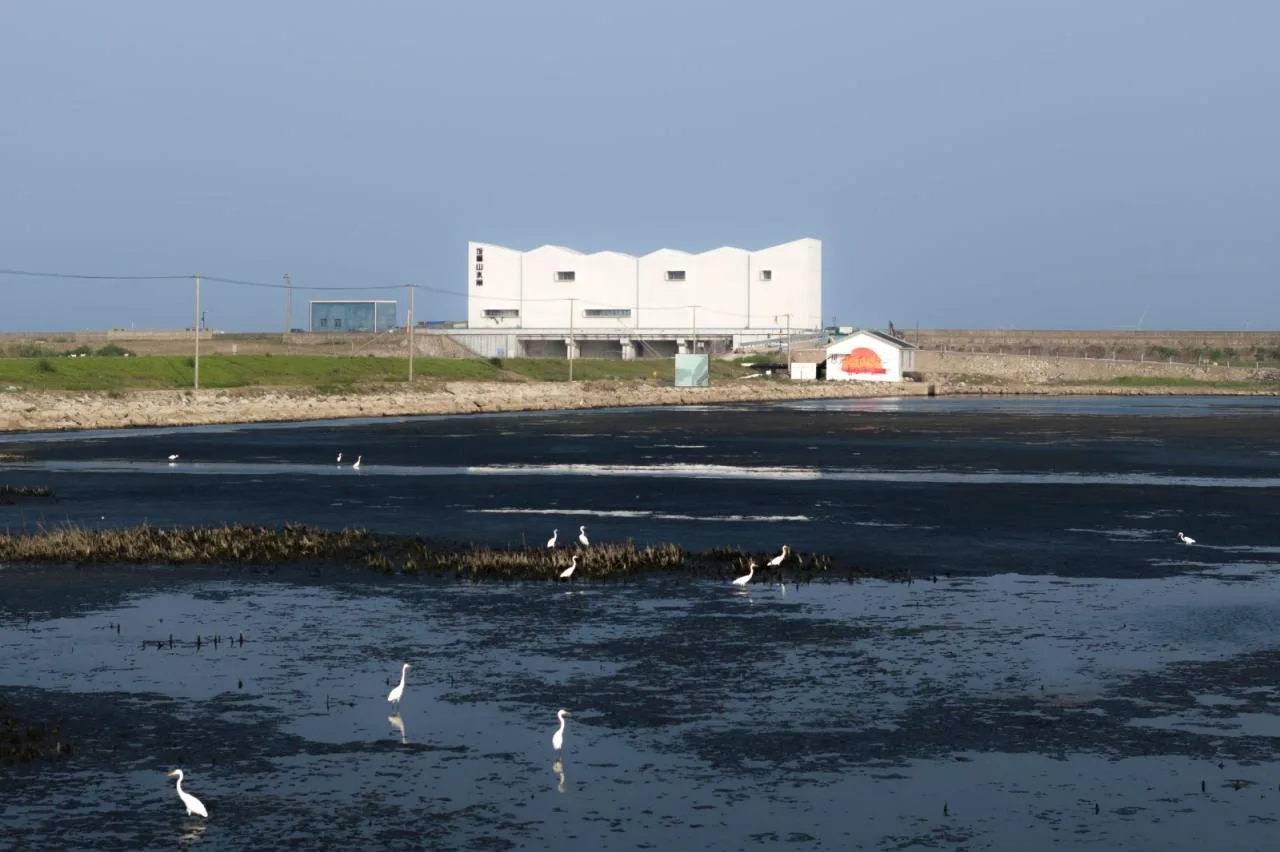
Designs that respond to environmental conditions and adaptability.
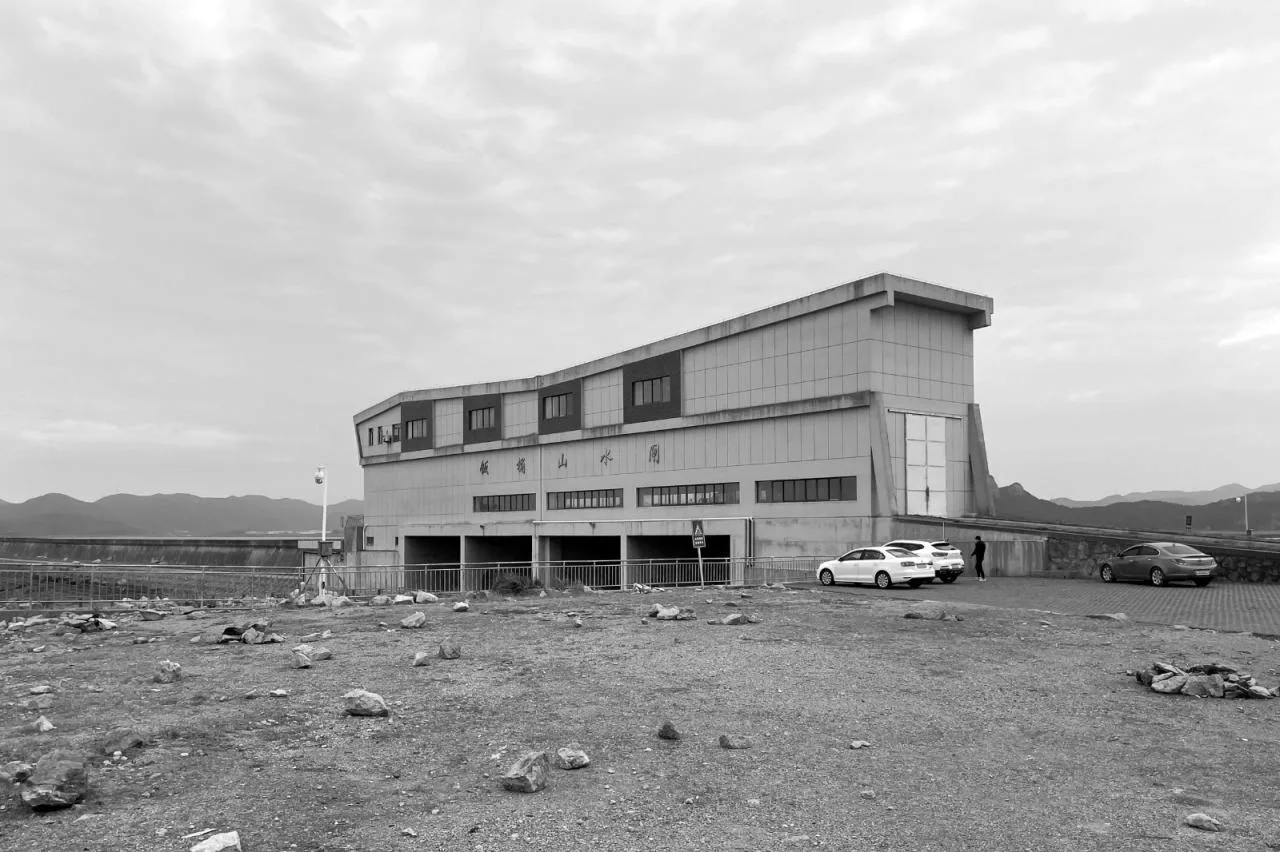
Before Renovation
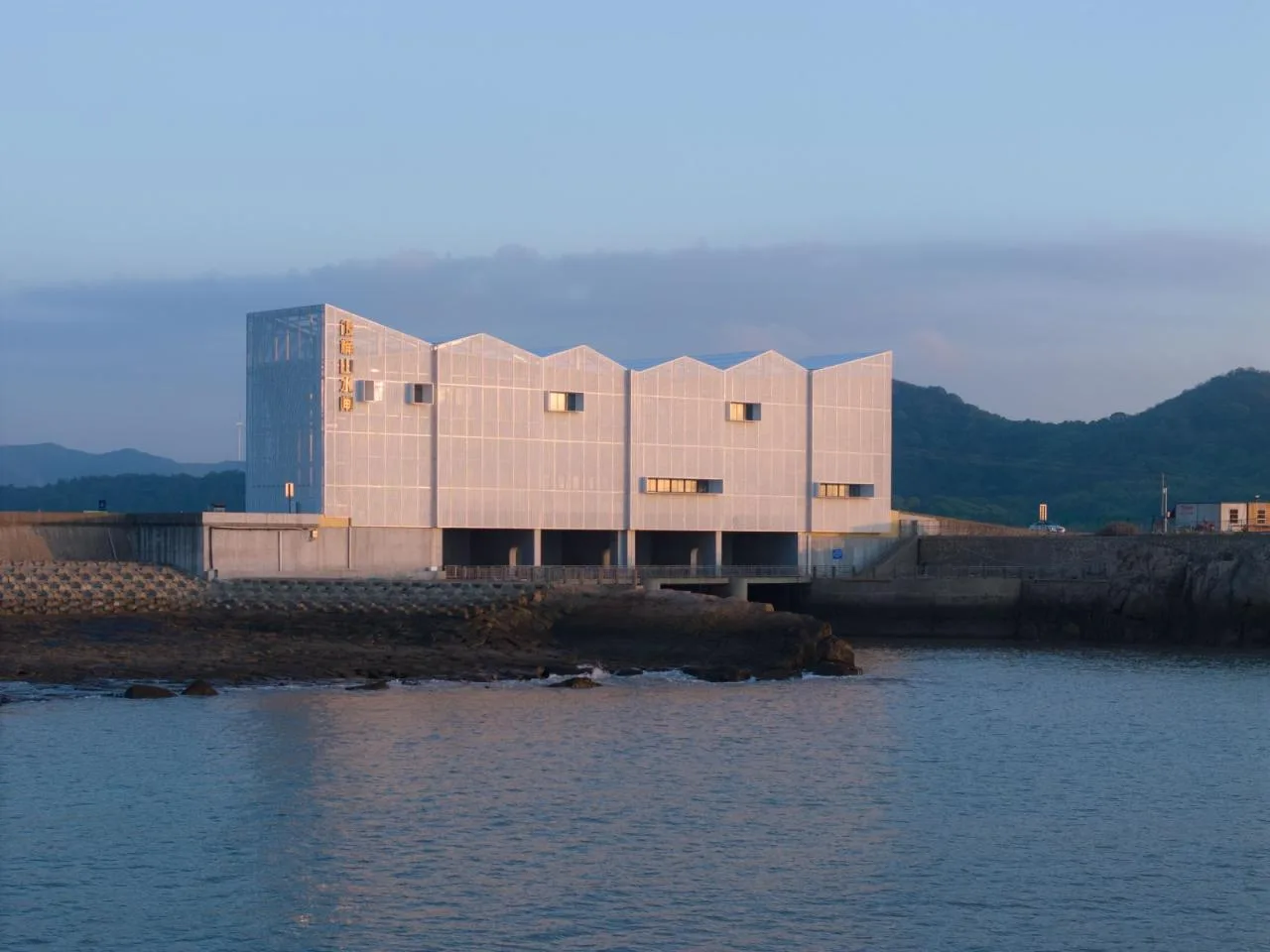
The Ningbo Xiangshan Sluice Renovation Project, designed by MARS, is situated on the southern side of Daoren Mountain in Tuzi Town. The water gate separates the enclosed seawall inward, offering a magnificent view of the chaotic reef ocean beyond.
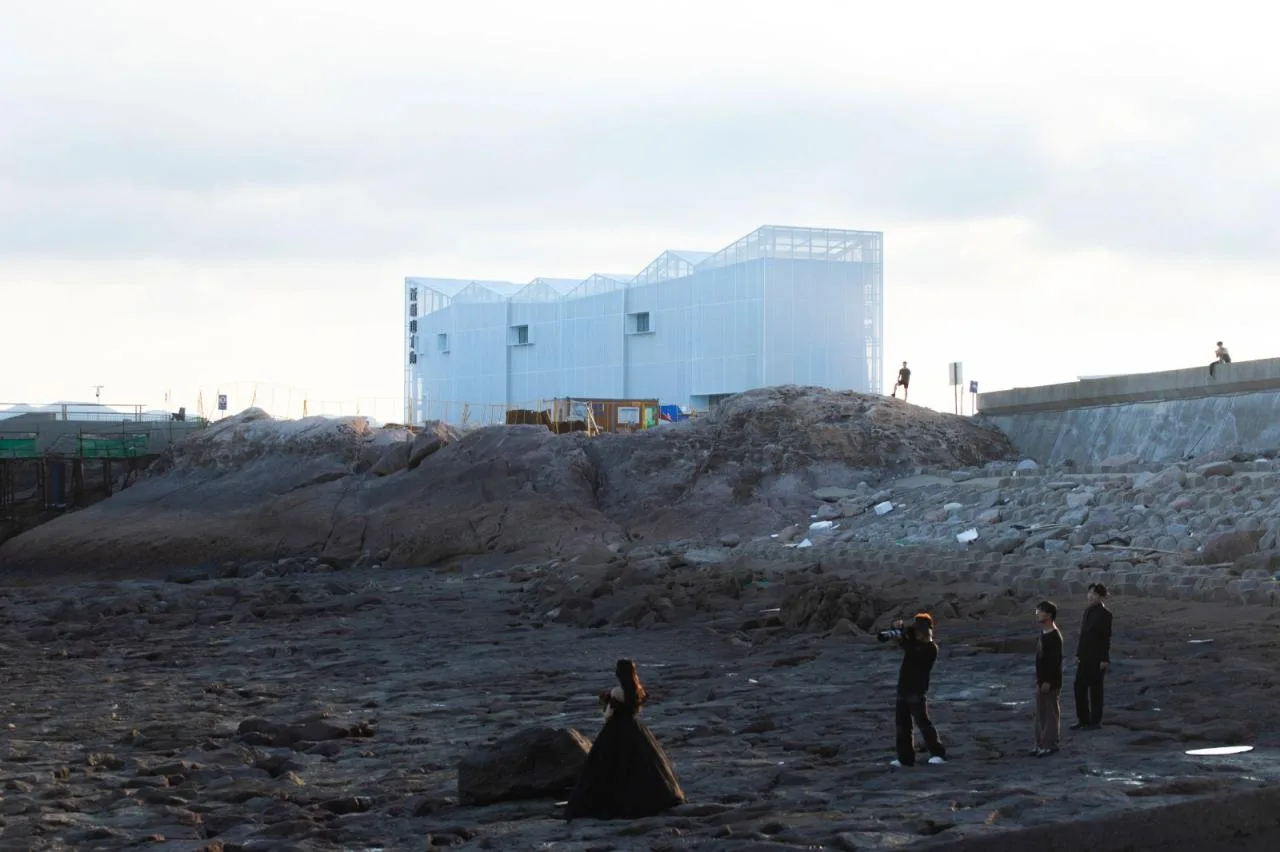
Visitors exploring the renovated surroundings.
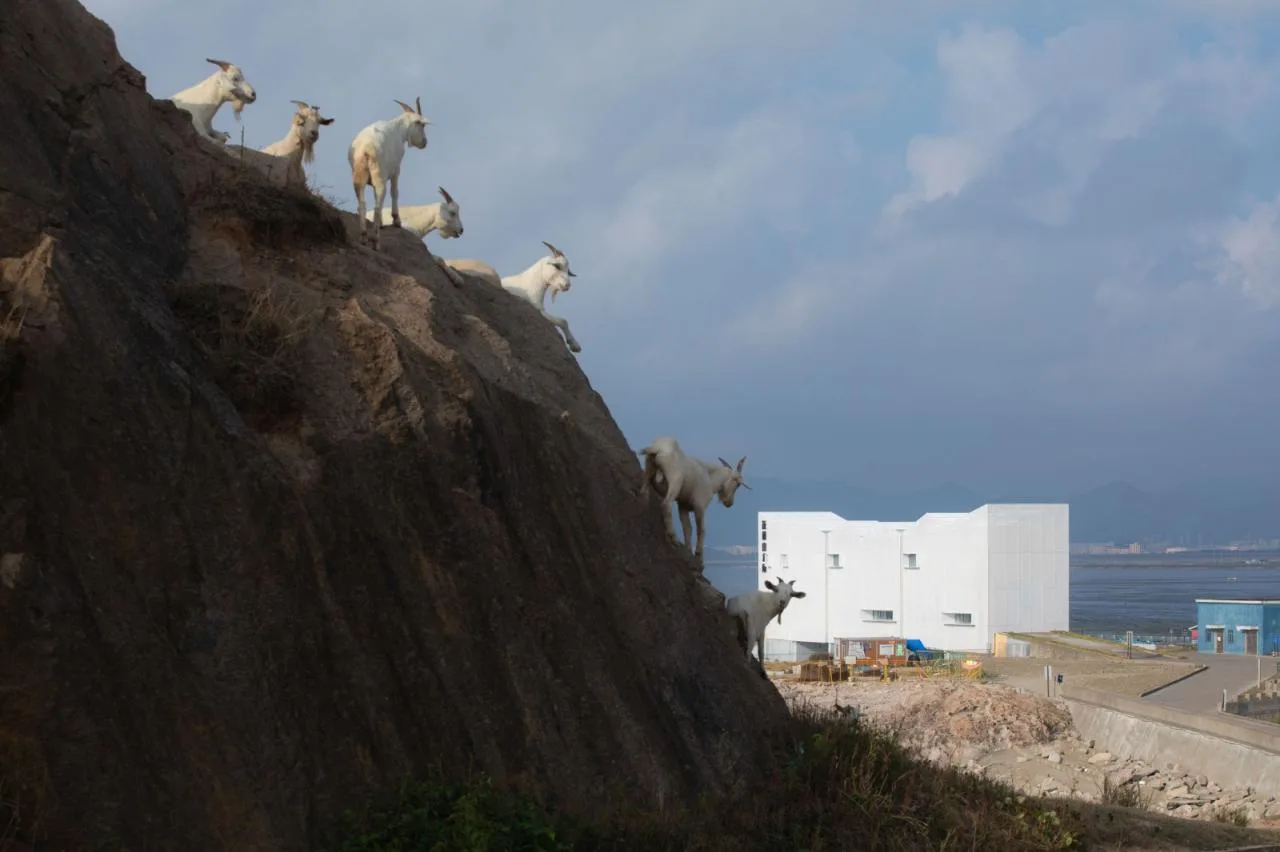
△ Ecological integration of buildings and their surroundings
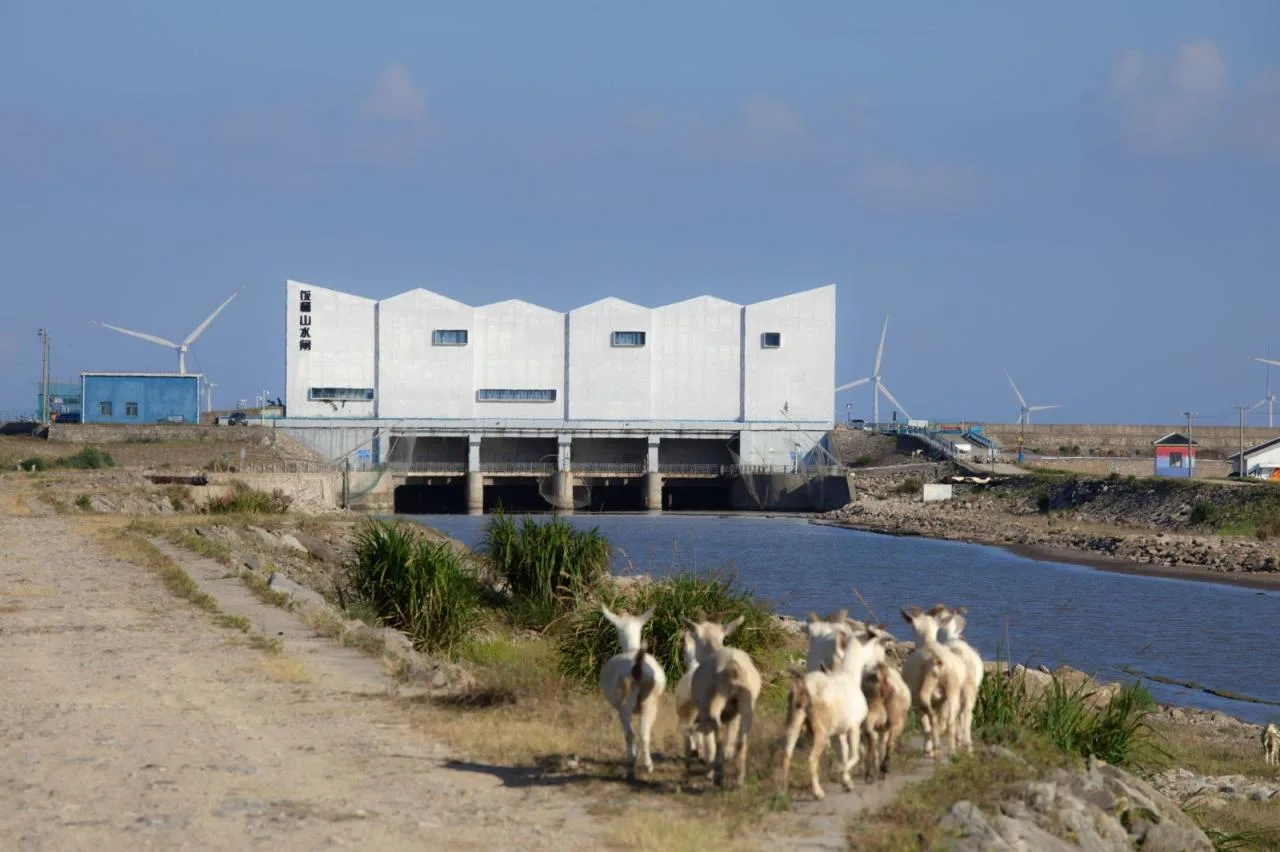
△ Ecological interaction between architecture and nature
Within the urban fabric, the water gate acts as a quiet guardian, often unnoticed yet faithfully serving its role. The renovation seeks to awaken this silent presence, encouraging reflection on the profound relationship between humans and their environment.
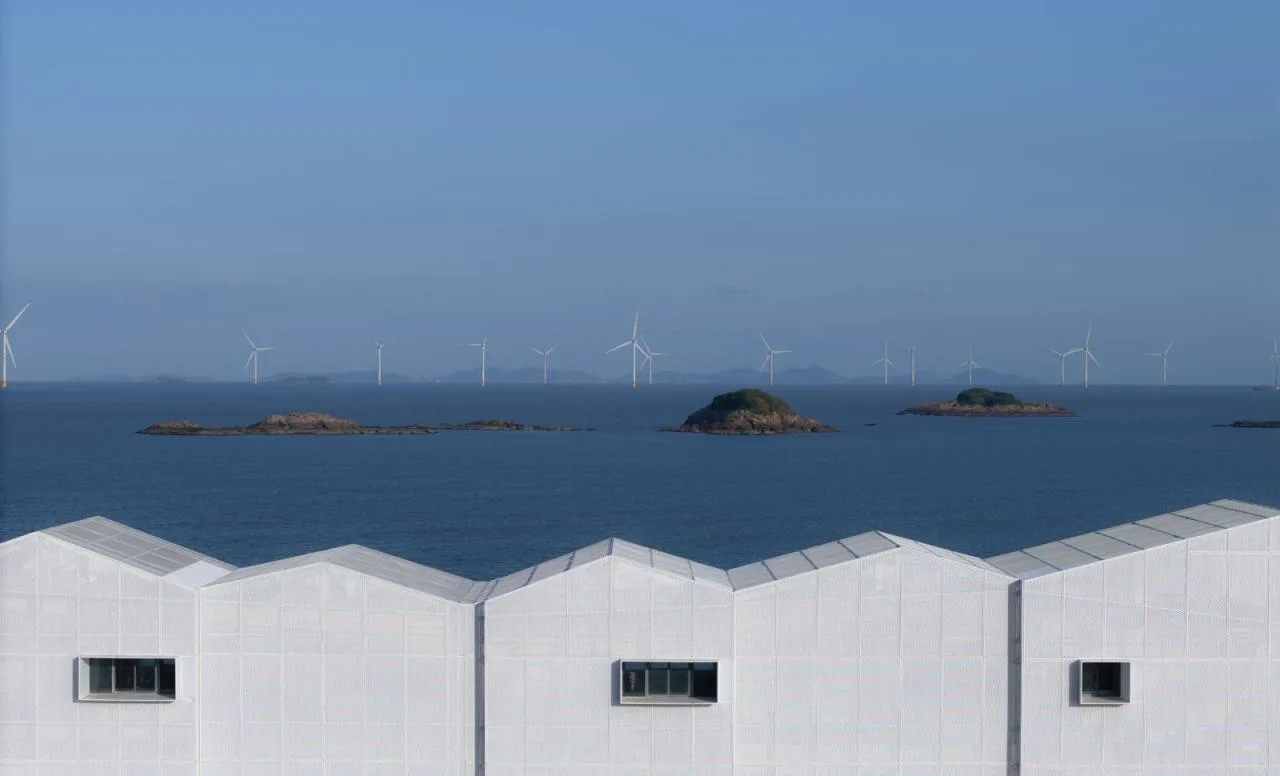
△ The building faces the distant sea level
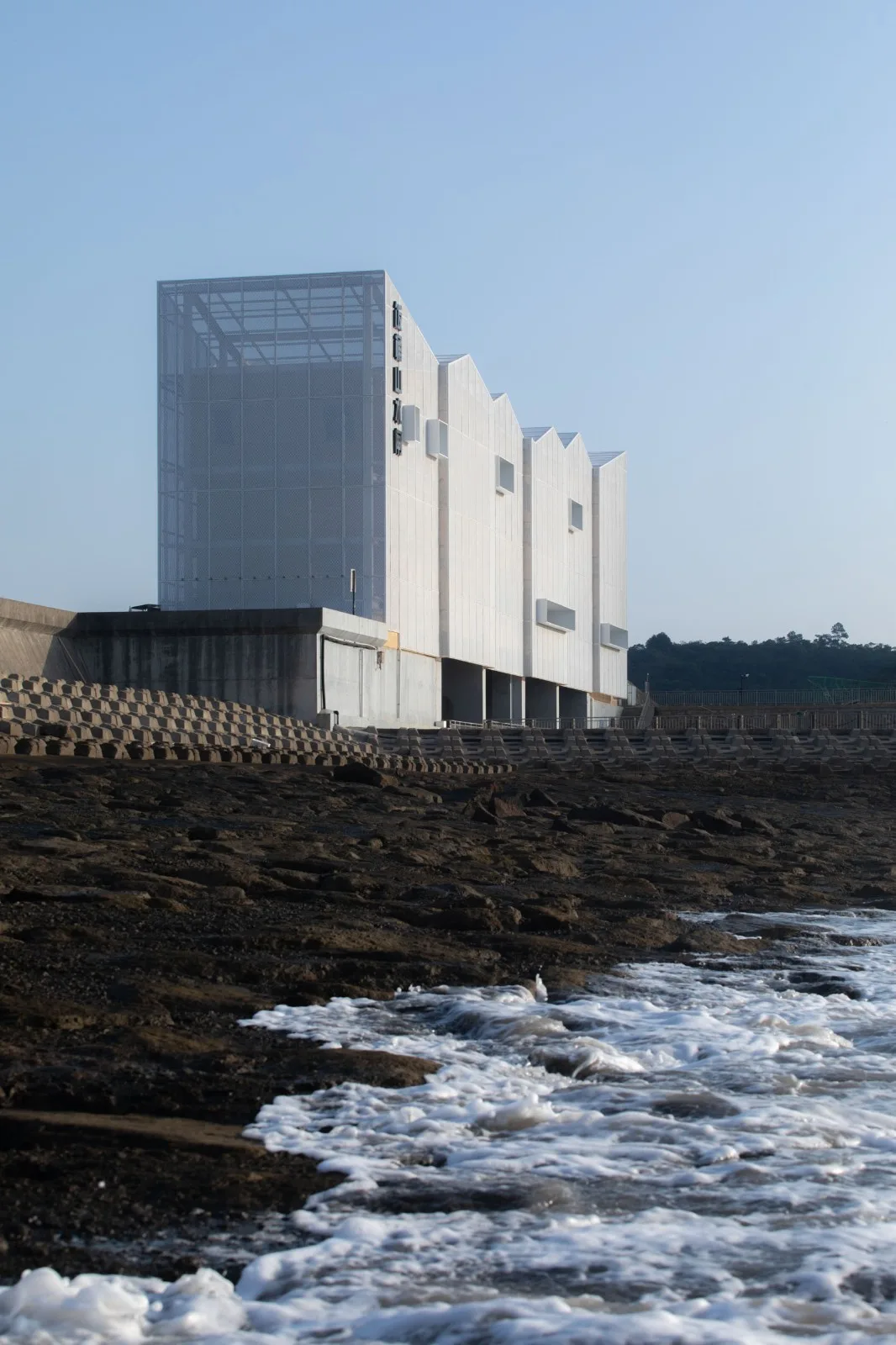
△ Sluice and beach landscape
Our design draws inspiration from the majestic scene where mountains and rivers merge in the distance. The renovation completely transforms the water gate’s form. The new facade mimics the flow of mountains, seamlessly blending into the natural landscape and extending the mountain range.
This facade not only introduces a dynamic visual rhythm but also creates a spatial dialogue with the distant mountains, as if recreating a natural masterpiece through architecture.
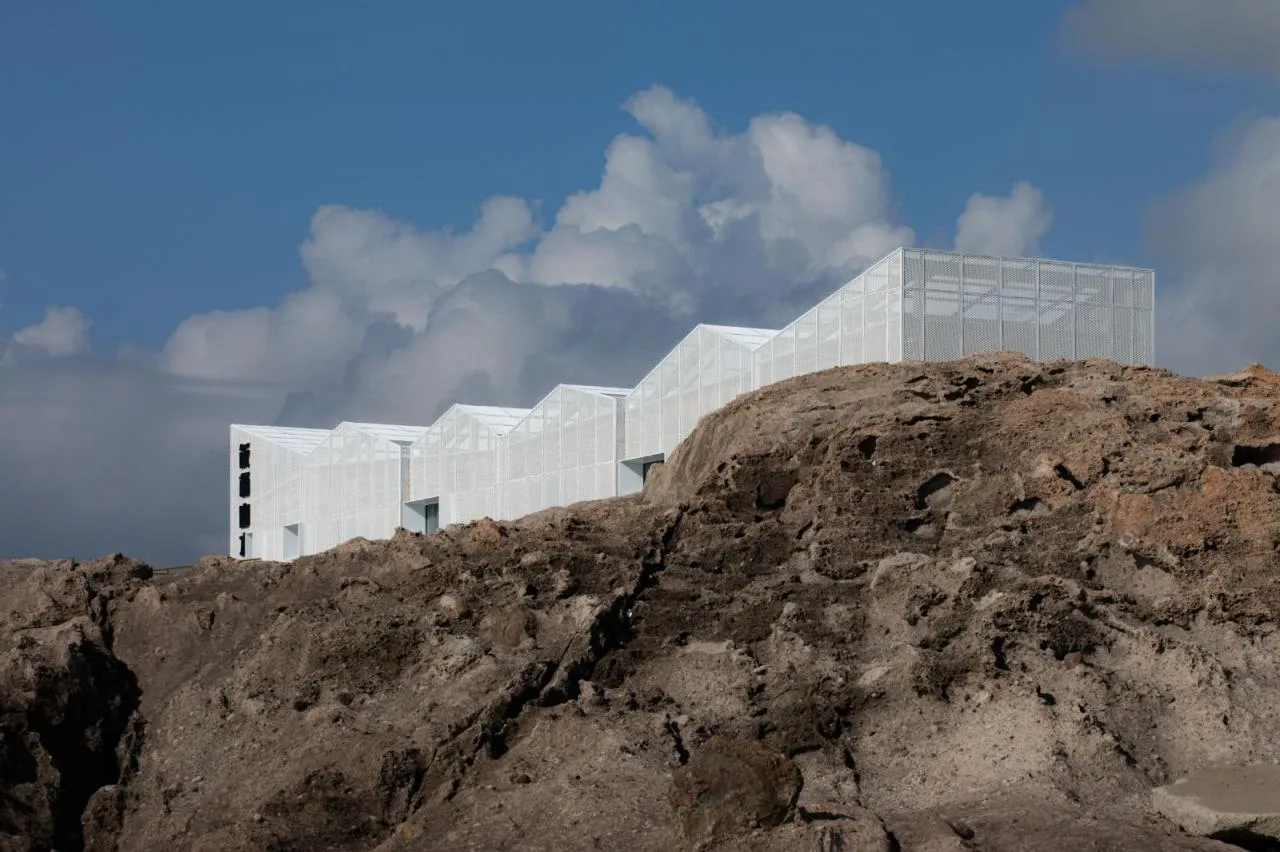
△ The building extends towards the mountain range
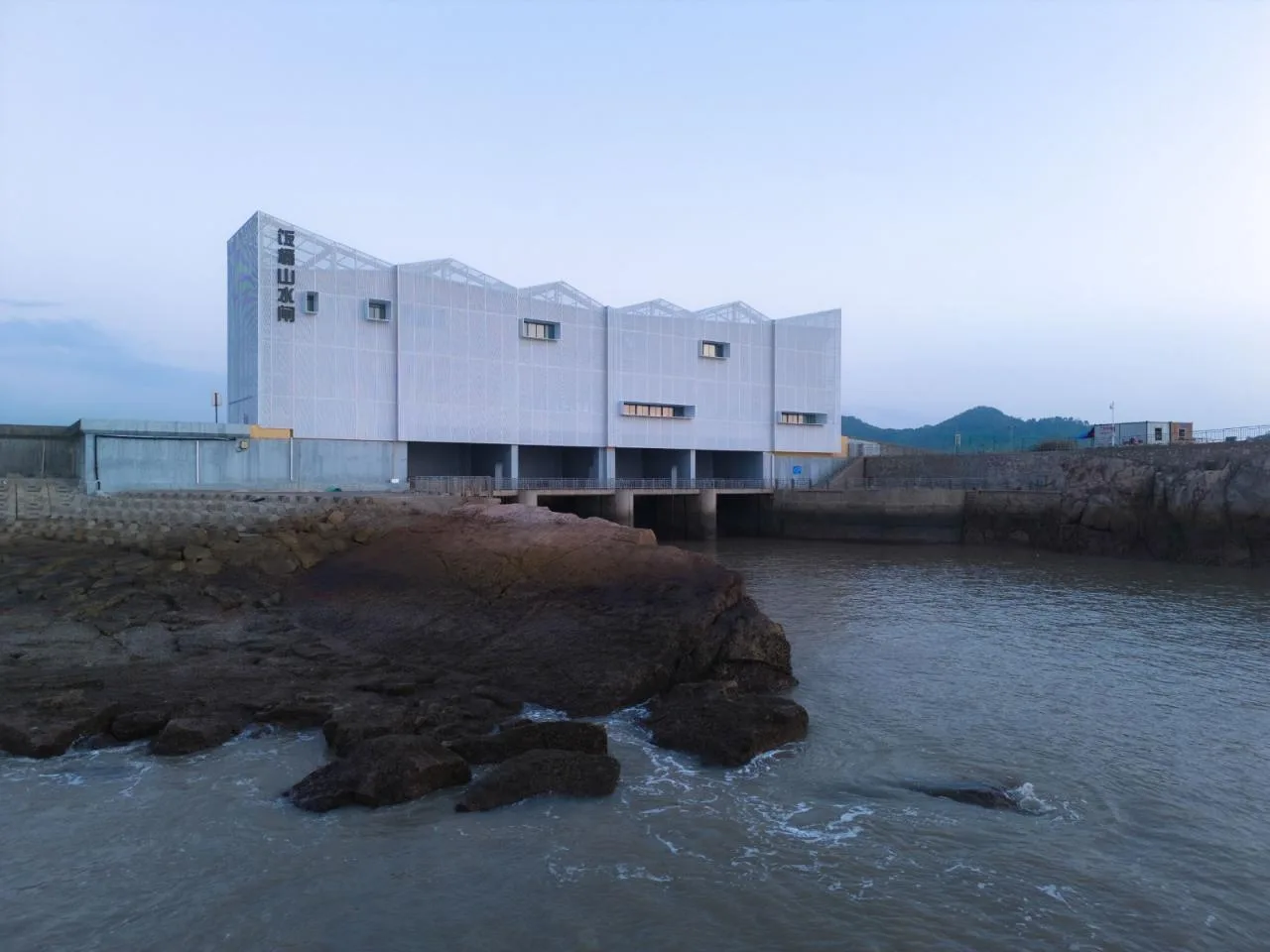
View towards the reservoir’s water gate.
Given its unique location and scale, our renovation approach addresses two aspects: first, fulfilling the water gate’s functional role as a transport link and a key water resource regulation facility; second, engaging with the surrounding environment, initiating a dialogue with the mountains and rivers, and exploring its potential as a spatial landmark and public space.
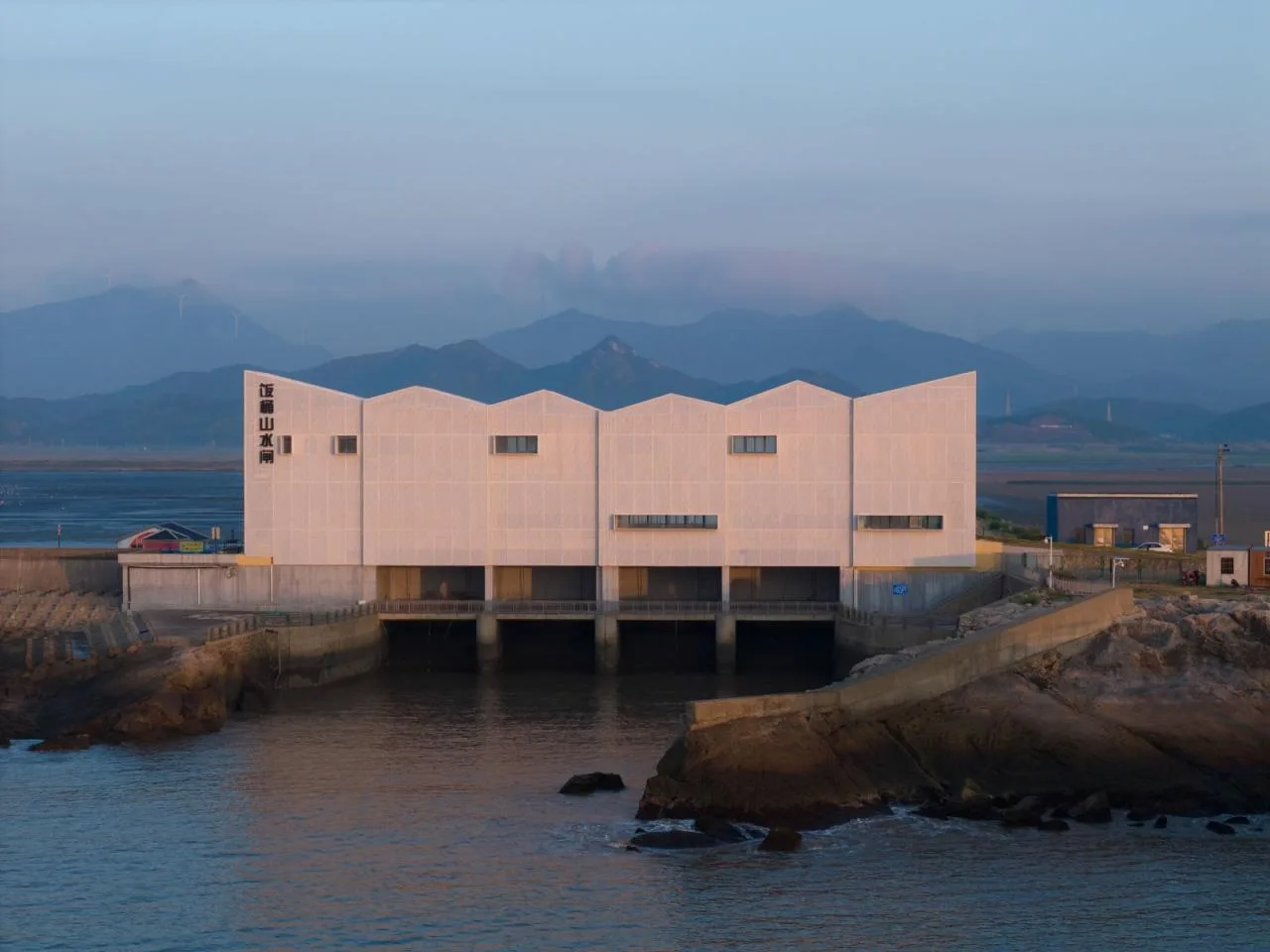
The building’s outline reflects the mountain shapes.
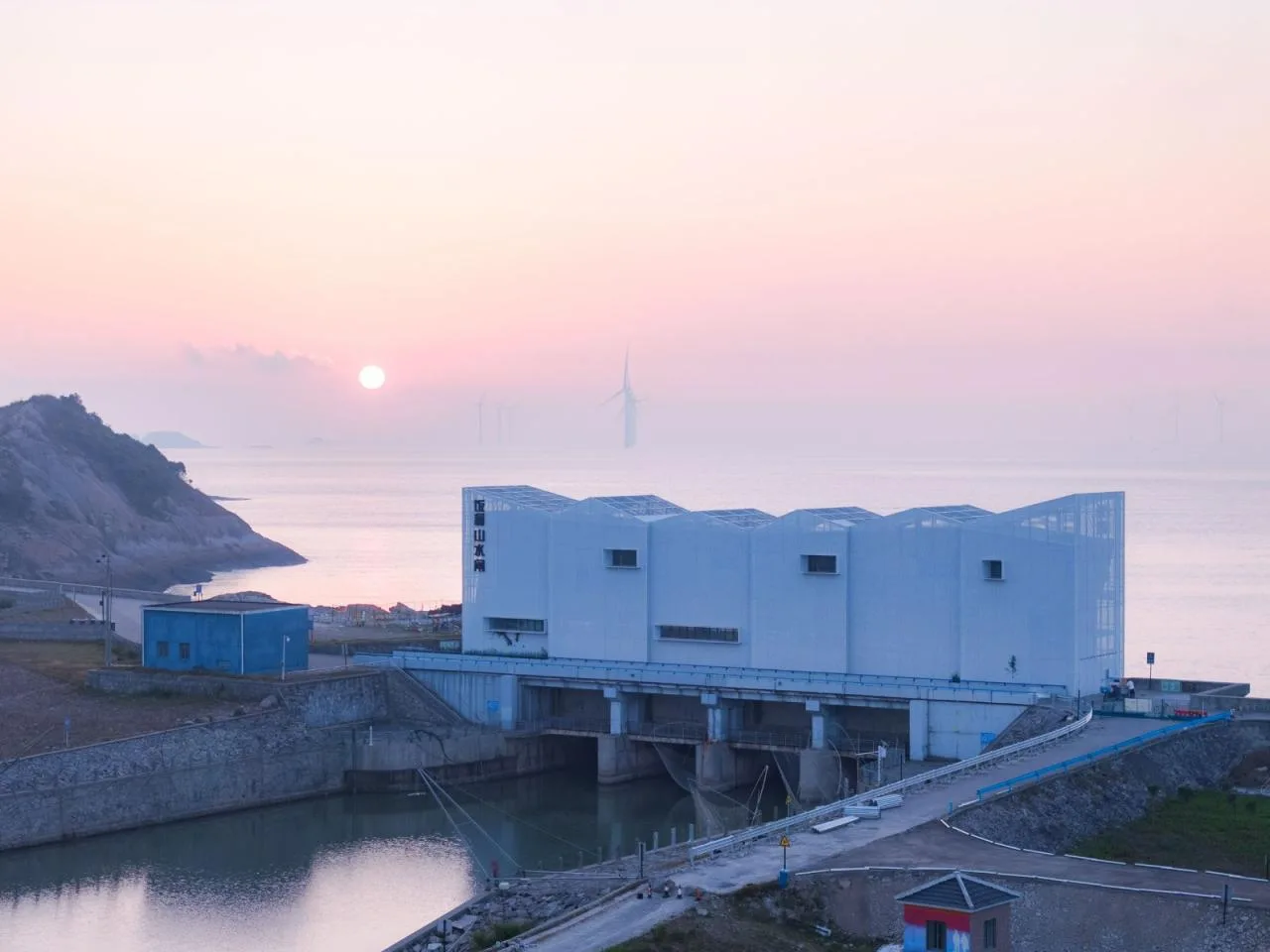
Overlooking the water gate at sunset.
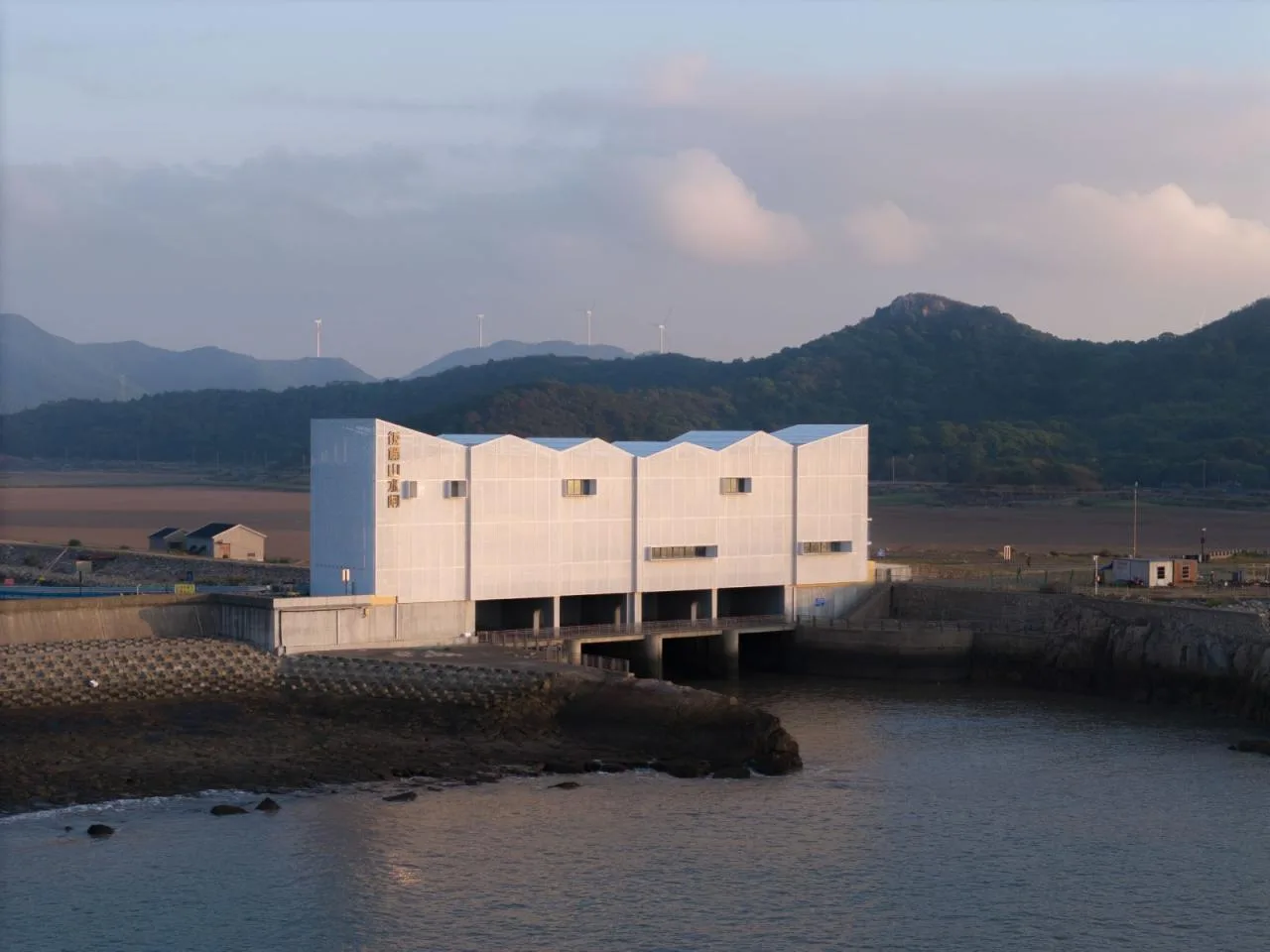
△ Aerial view
Our design highlights the clarity of the building’s boundaries and the transparency of its facade. This creates a spatial experience that balances solidity with openness: sturdy edges provide strength and security, while the transparent skin allows the space to blend seamlessly with its natural surroundings, becoming part of the vast landscape.
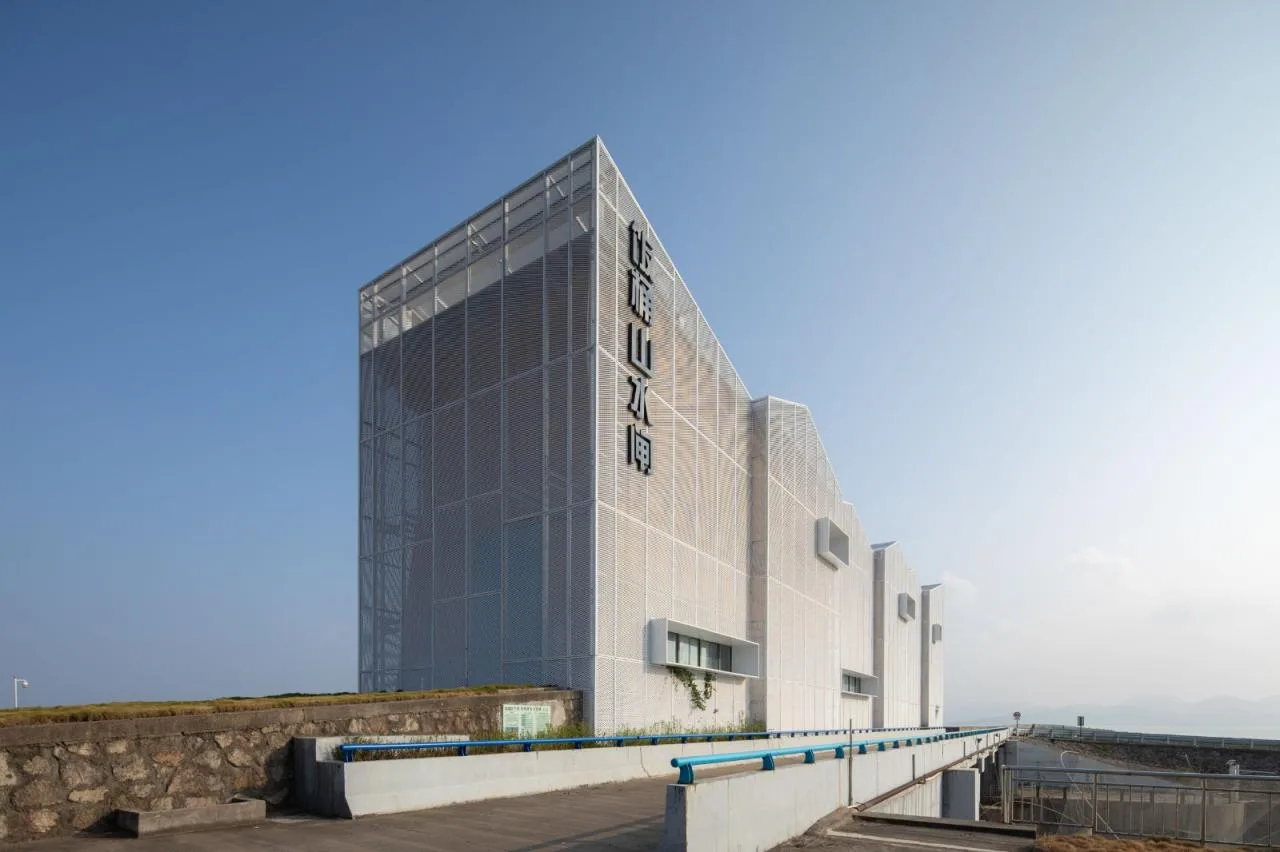
△ Close-up of the bridge deck
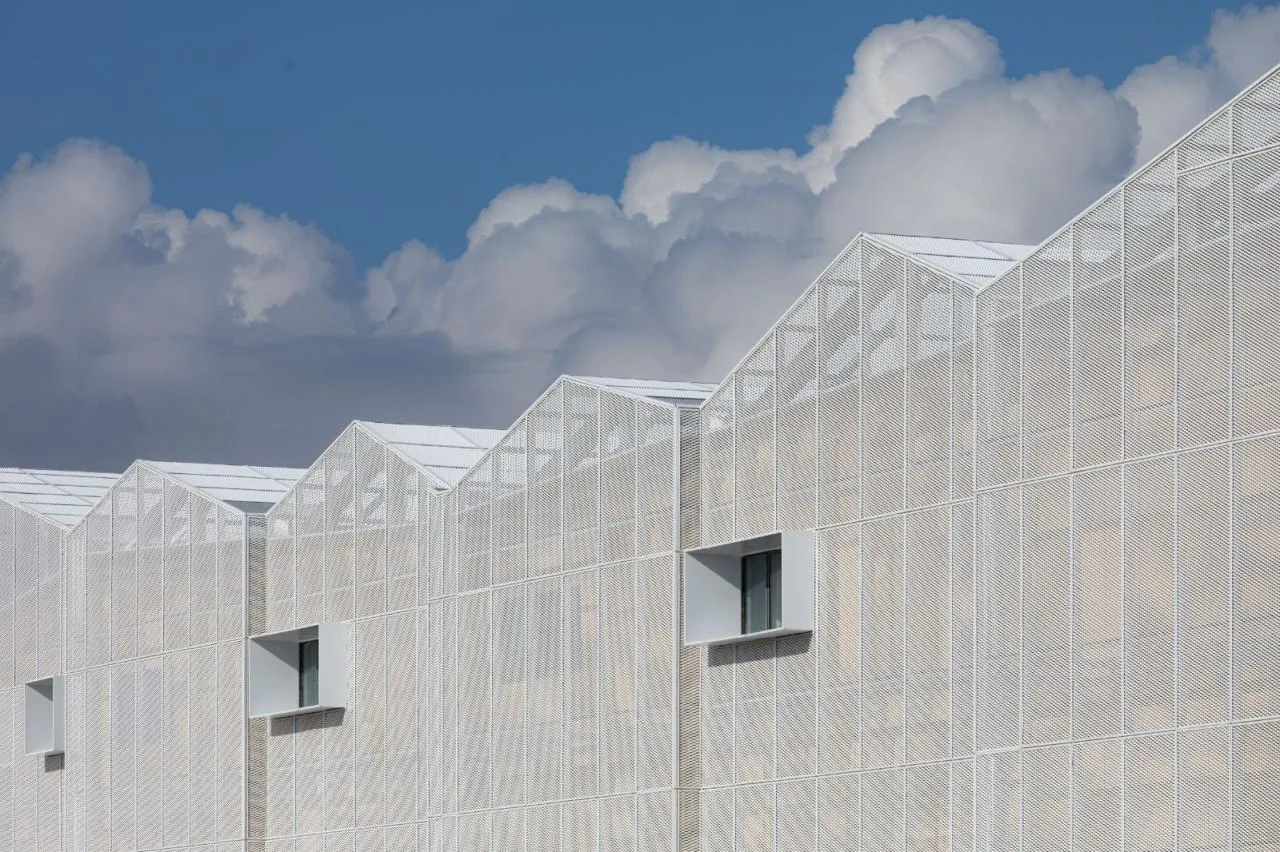
The Dialogue Between Mountains and Clouds
Another defining feature of the water gate is the blurring effect created by its surface, which interacts beautifully with Xiangshan’s untouched natural environment.
The semi-transparent metal mesh façade evokes a calm, stable emotion, allowing the building to blend with the landscape. It maintains the structure’s independence, unity, and wind resistance while forming a harmonious dialogue with nature.
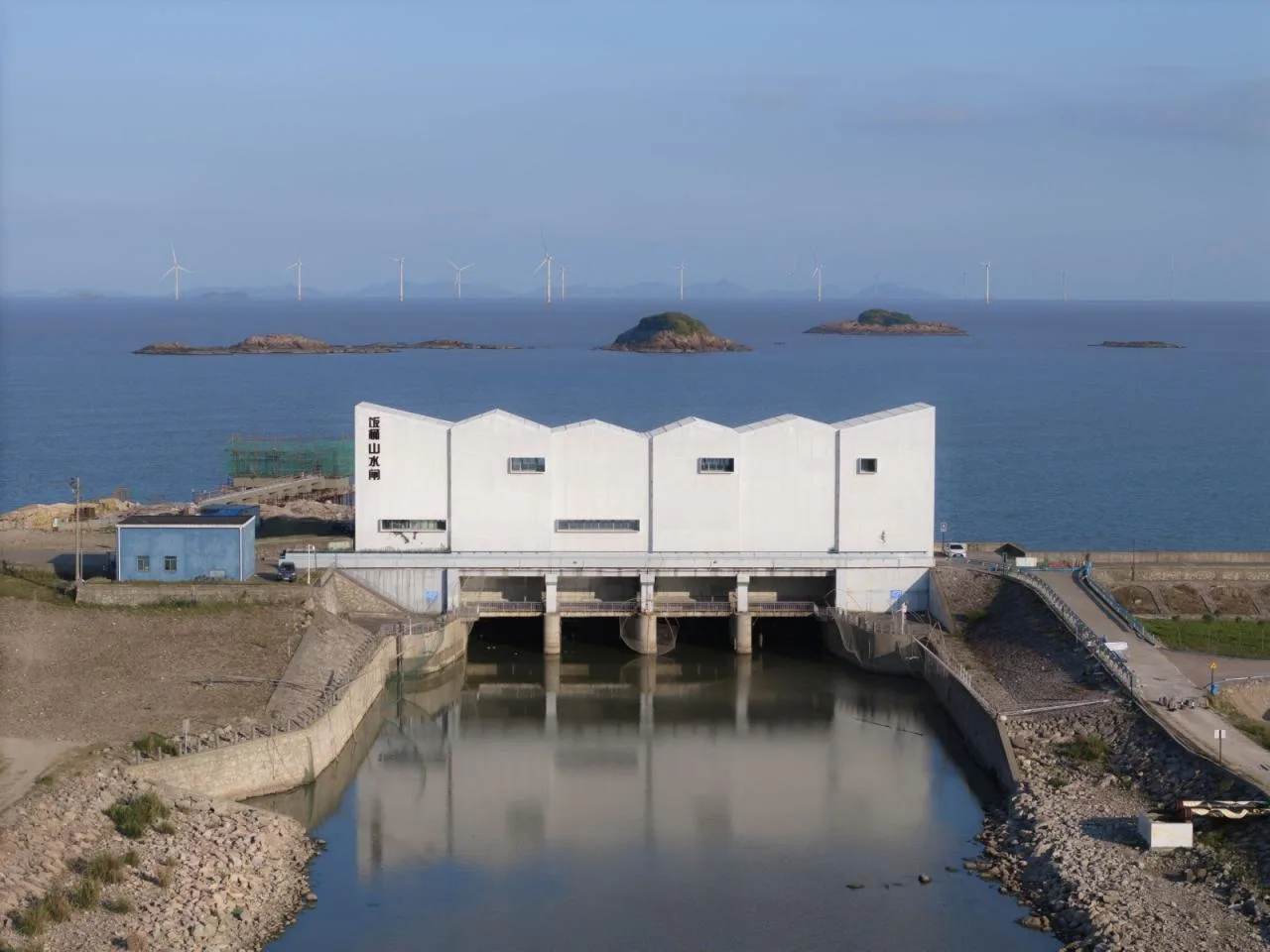
The meeting point of mountains and seas.
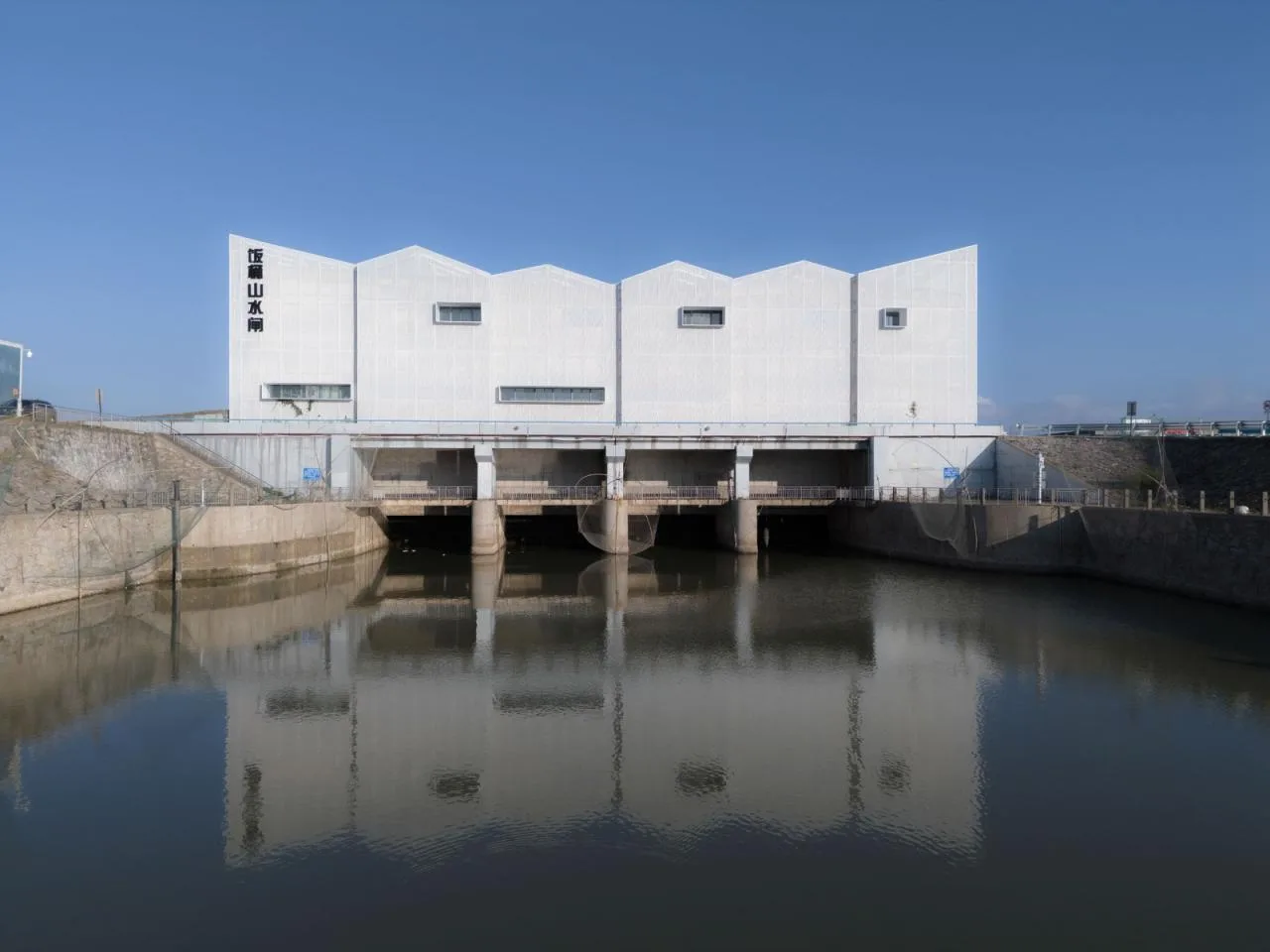
△ Buildings on the water
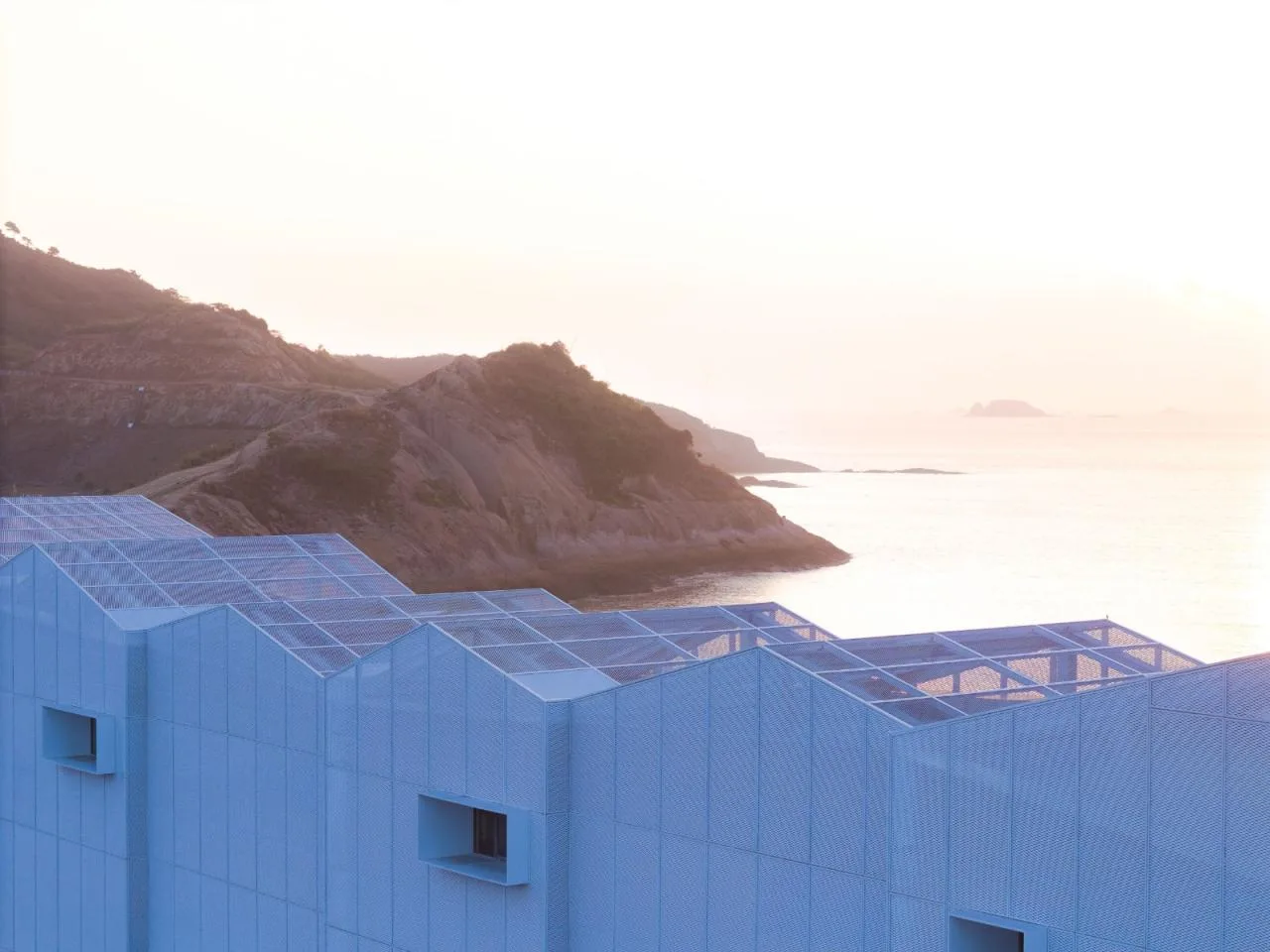
△ The roofline echoes the mountain shapes
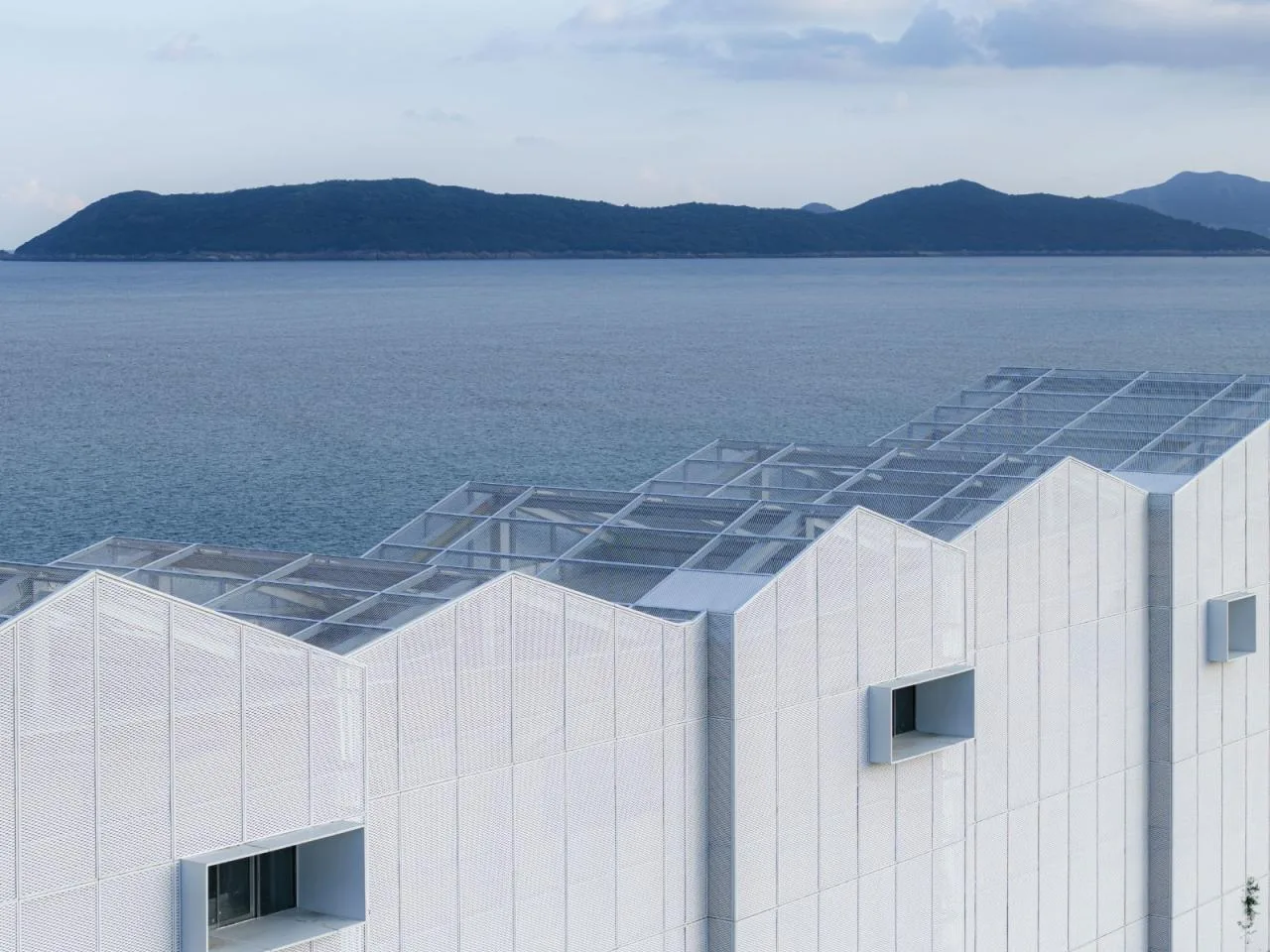
△ Seamlessly integrated into mountains and waters
The water gate now stands as a true “boundary of mountains and seas,” coexisting with the mountains, rivers, lakes, and seas. It is more than just functional infrastructure—it is a bridge linking nature and culture.
Through this renovation, the water gate transforms into a public space that invites reflection and dialogue. It encourages every visitor to contemplate the inseparable bond between humans and the environment, embracing the tranquility that comes from living in harmony with nature.
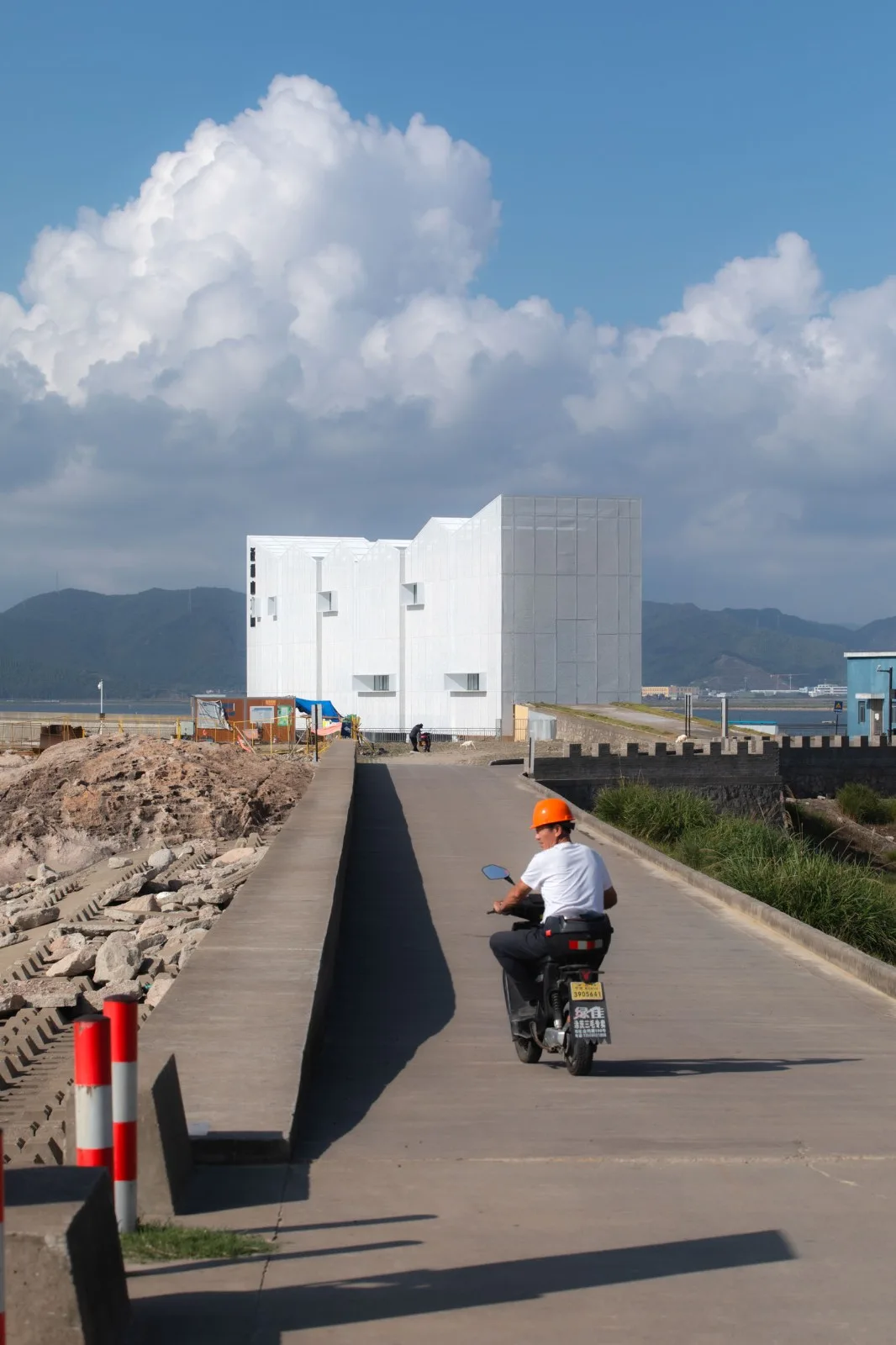
Water gates integrated into the daily life of local residents.
△ Vibrant local life
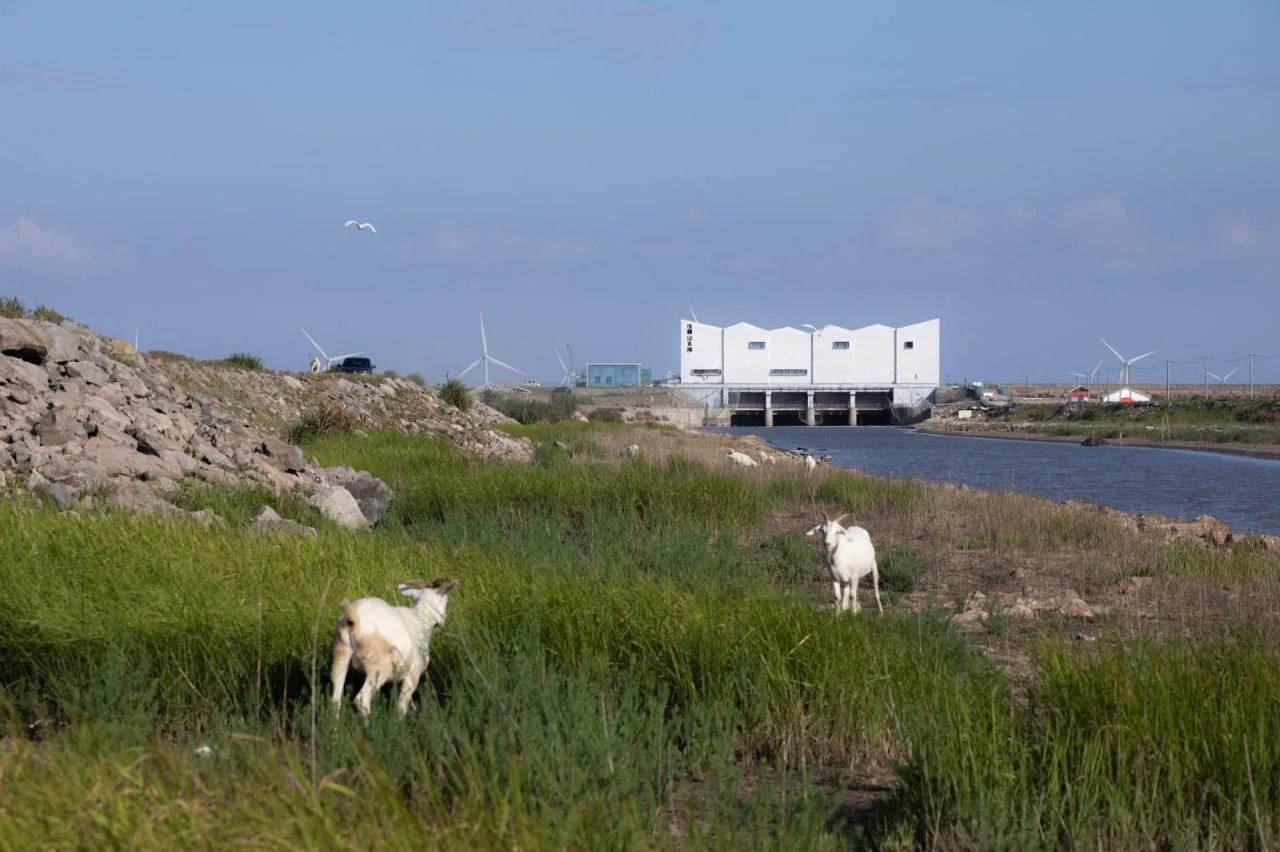
△ The local natural environment
Project Information
Project Name: “Boundary of Mountains and Seas” – Renovation of Shanshui Sluice at Xiangshan Rice Bucket Camp
Design Firm: MARS Planet Architecture
Design Period: February 2023 to September 2023
Completion Date: May 2024
Location: Xiangshan, Ningbo, Zhejiang
Building Area: 1,200 square meters
Lead Designer: Ma Ning
Design Team: Yu Haochen, Liu Shiyu, Wang Tianqi, Zhang Chen
Curtain Wall Design: Liu Mingwei
Lighting Design: Seeker Design
Photography: Existence of Architecture – Architectural Photography














Must log in before commenting!
Sign Up