
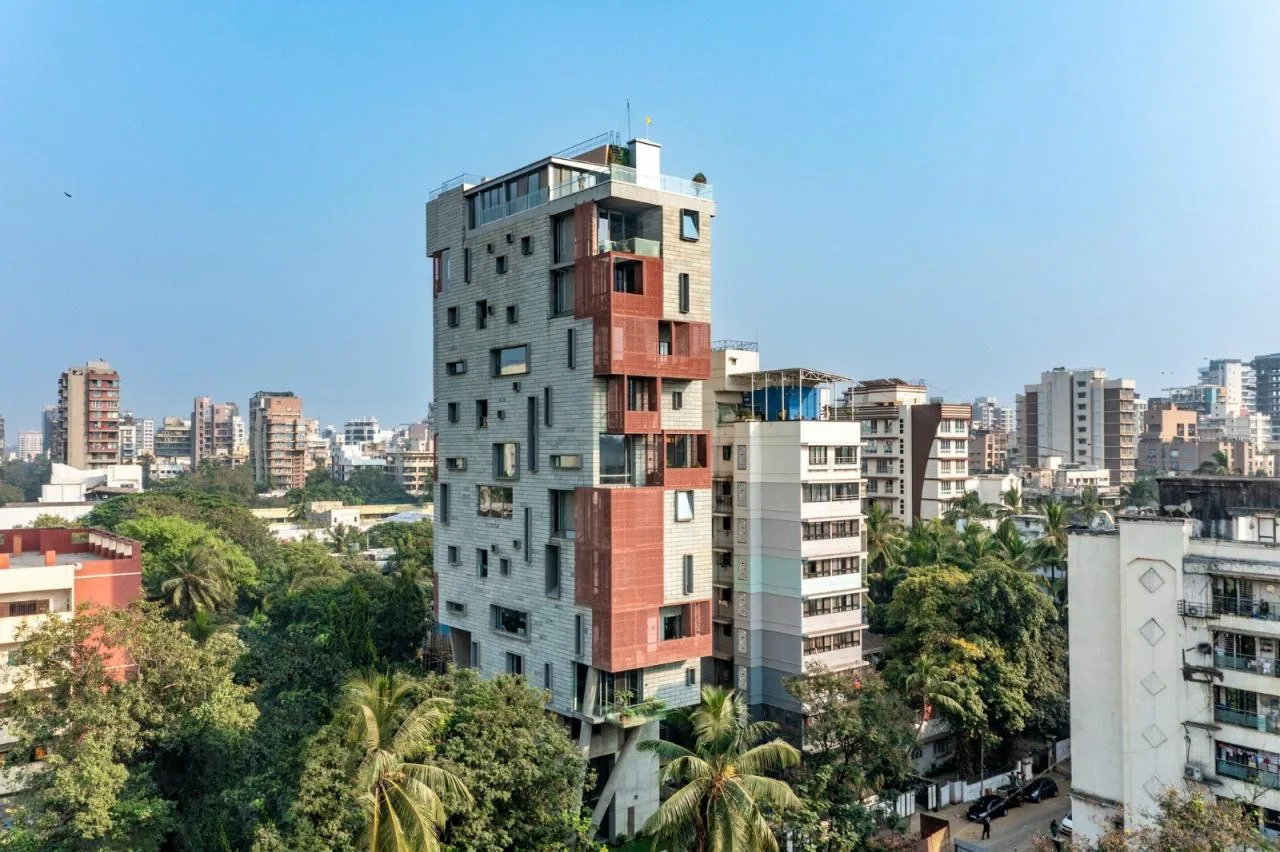
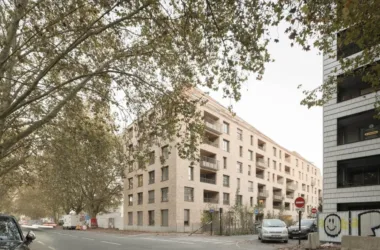
Ha’er’s streets were once lined with low-rise residential buildings, set back from the road and hidden behind trees and gardens. However, rising building density and demand for floor space have transformed these neighborhoods, with high-rises now competing for sunlight and air. The ground level is dominated by clustered decorative multi-level parking structures, which isolate the connection between the high-rises and the street. On the west side, the site faces the sea, offering residents beautiful ocean views.
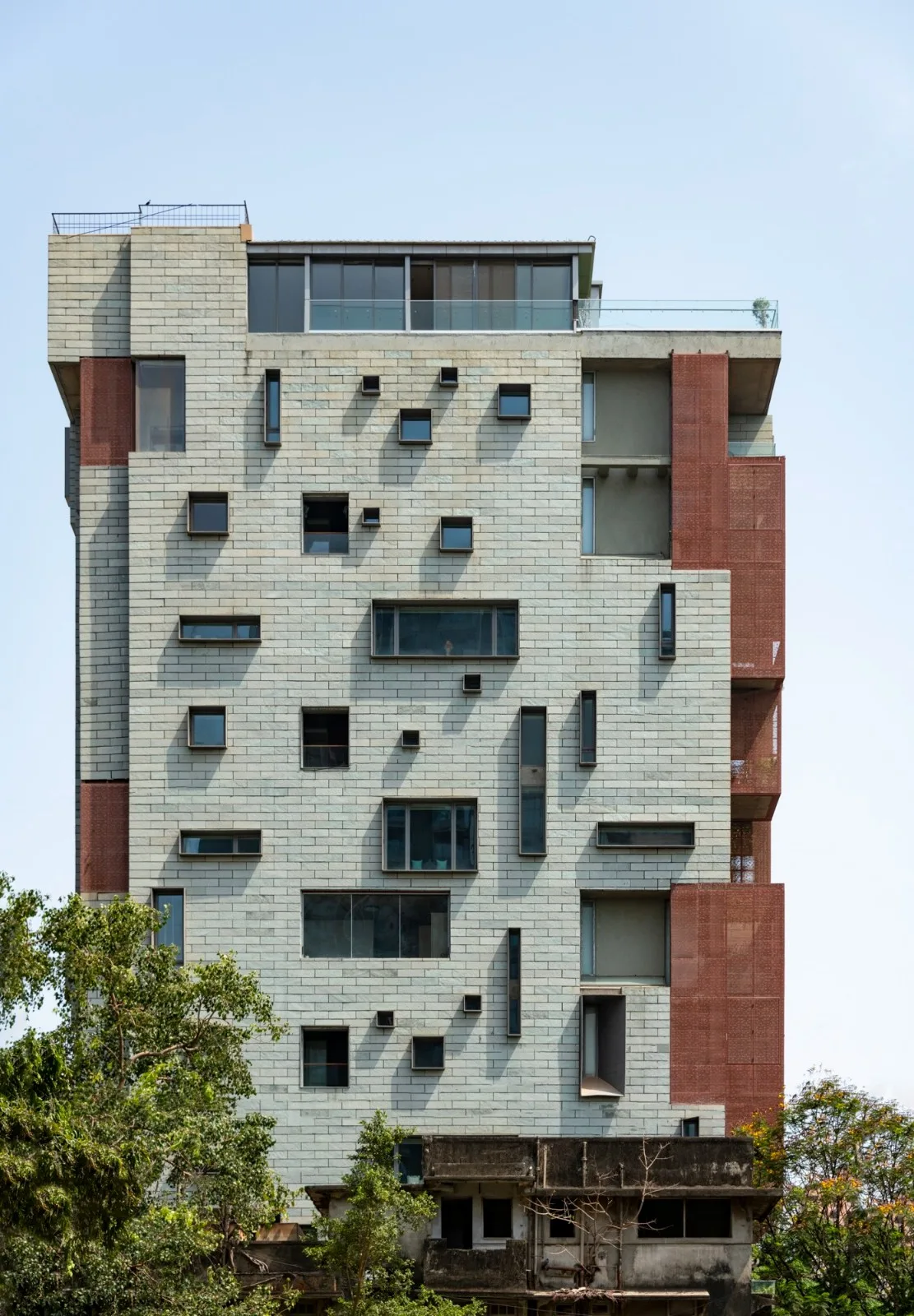
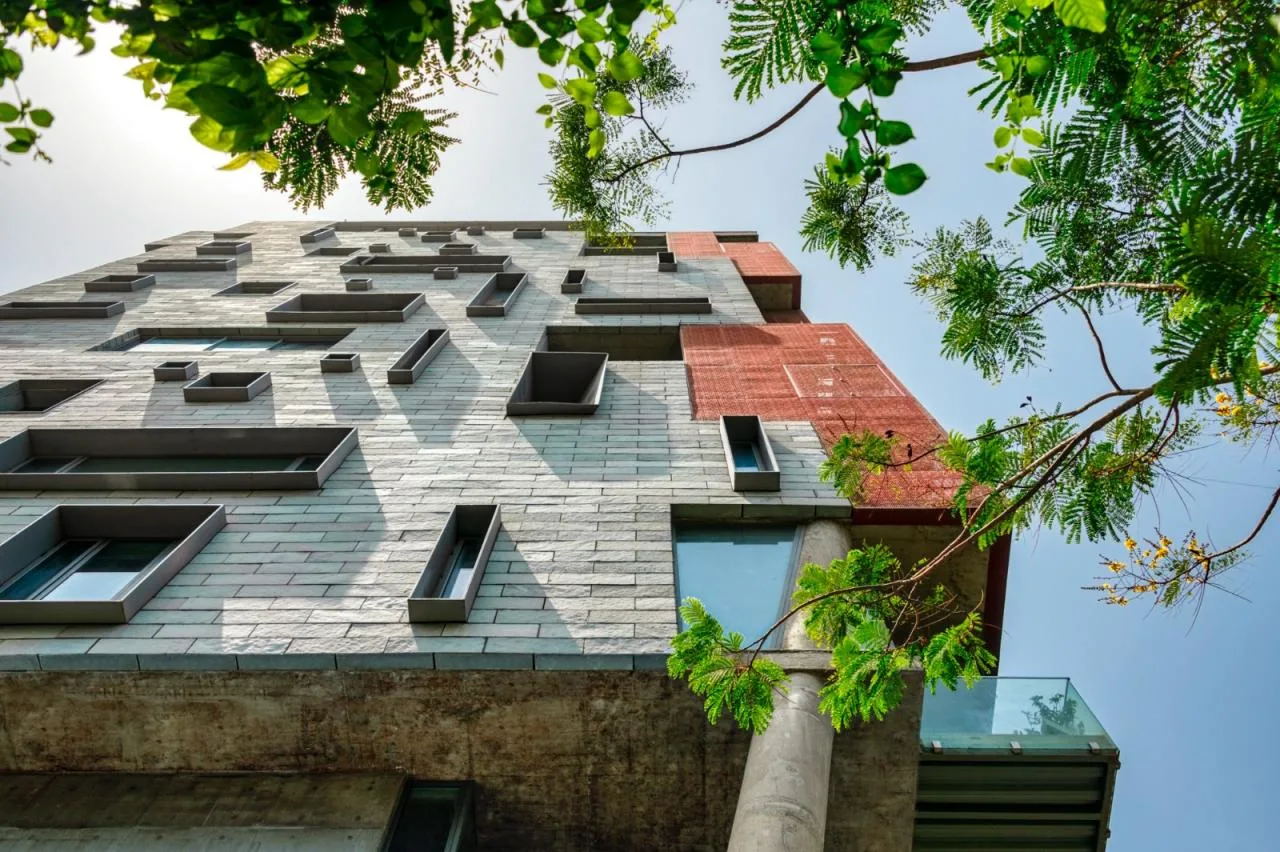
The design aims to:
- Establish meaningful connections with the street, breaking down the perceived bulk of the building at street level.
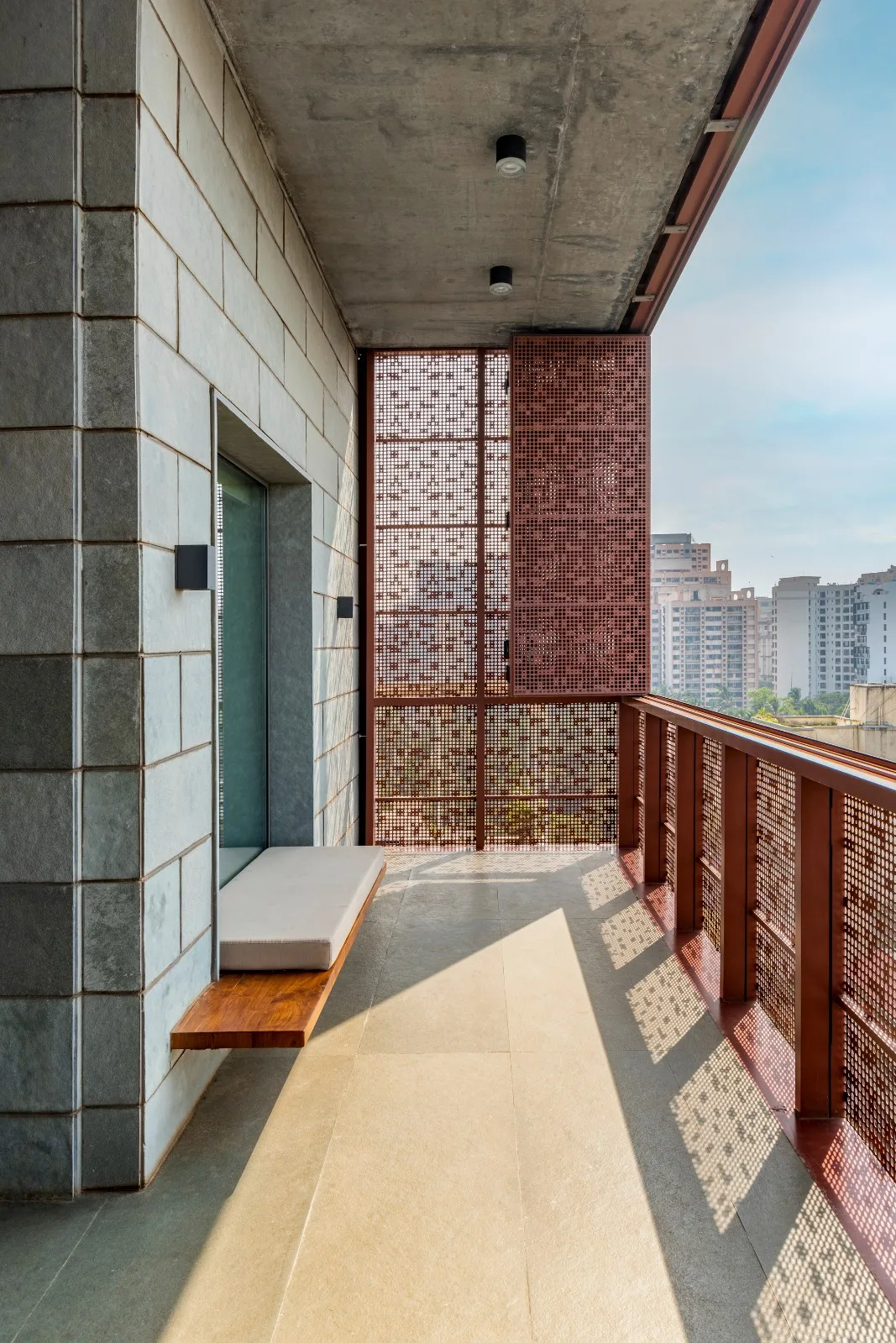
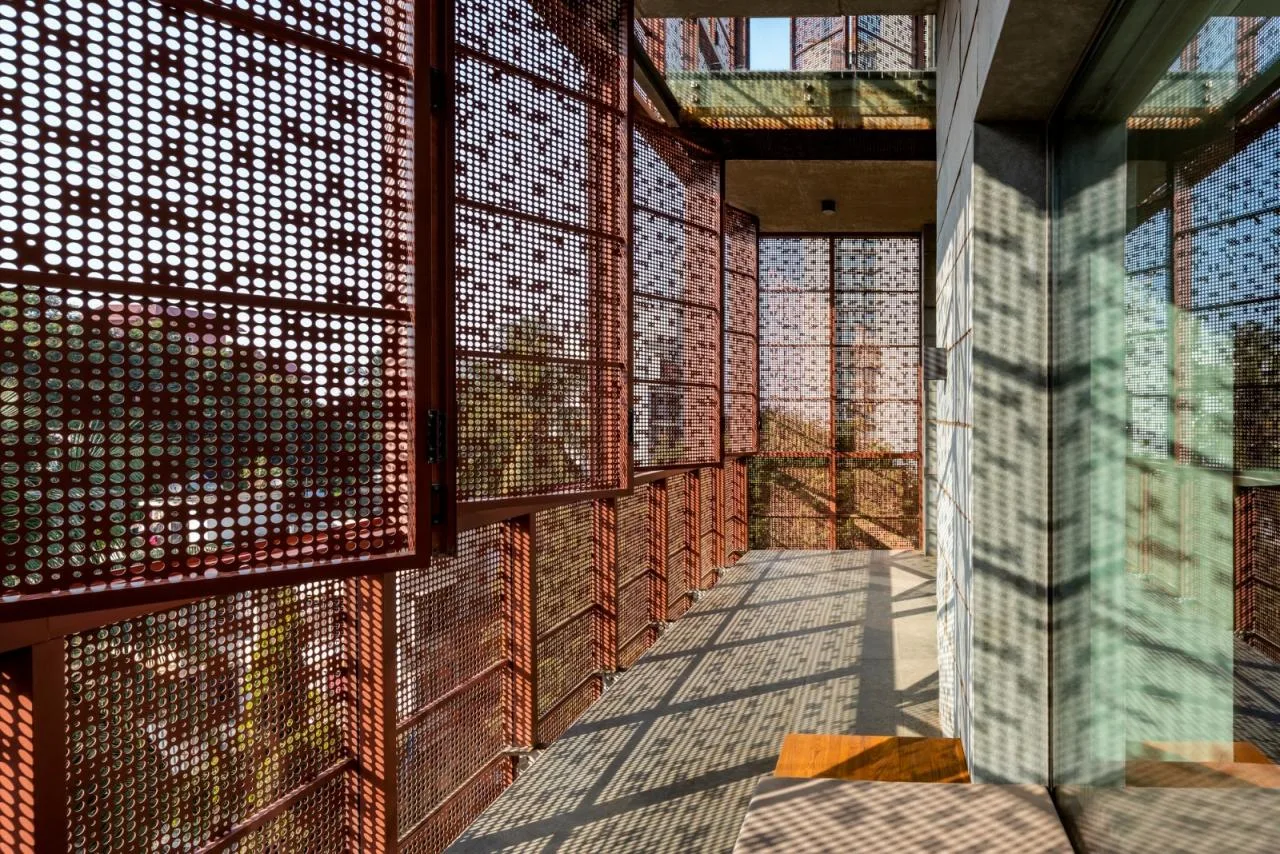
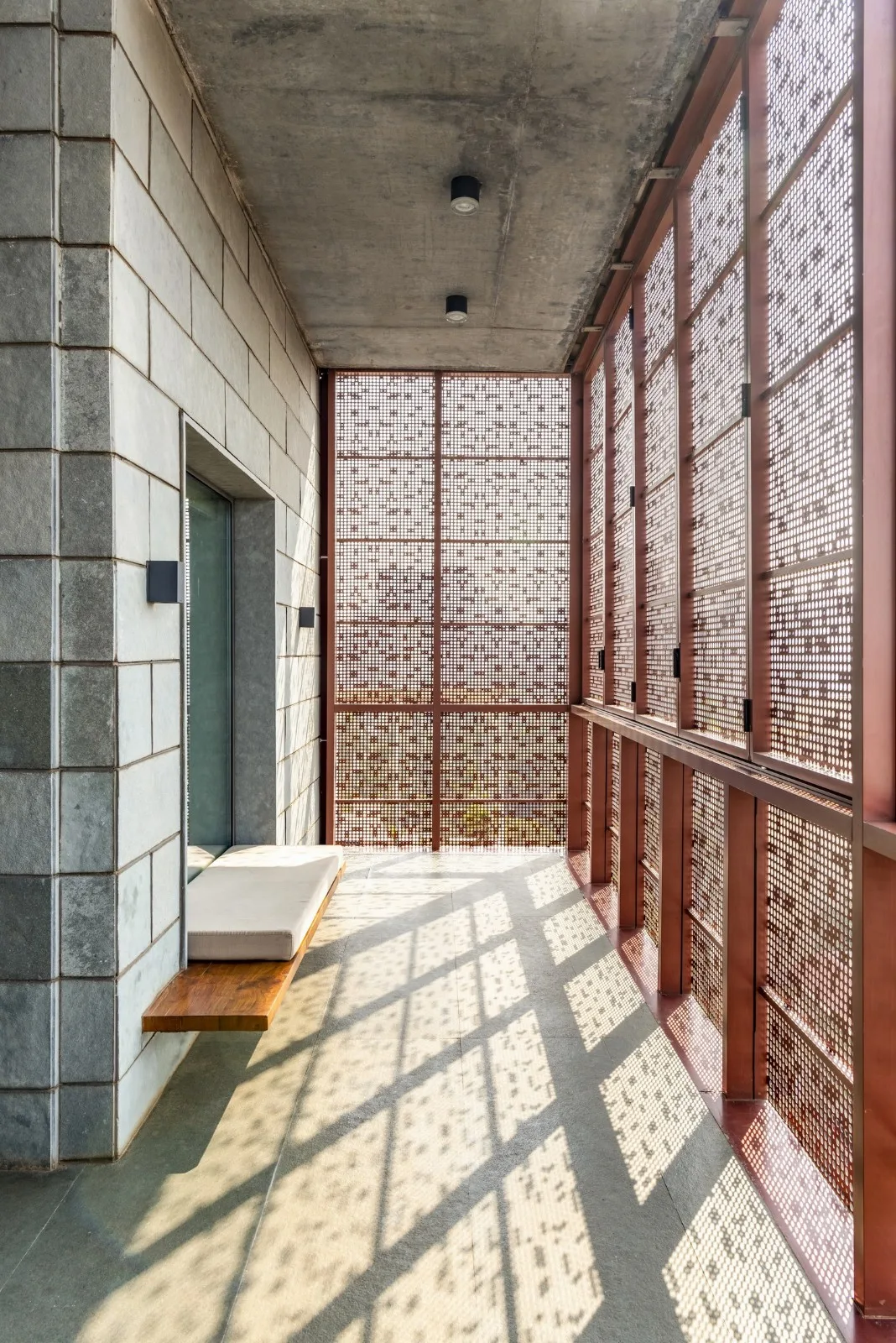
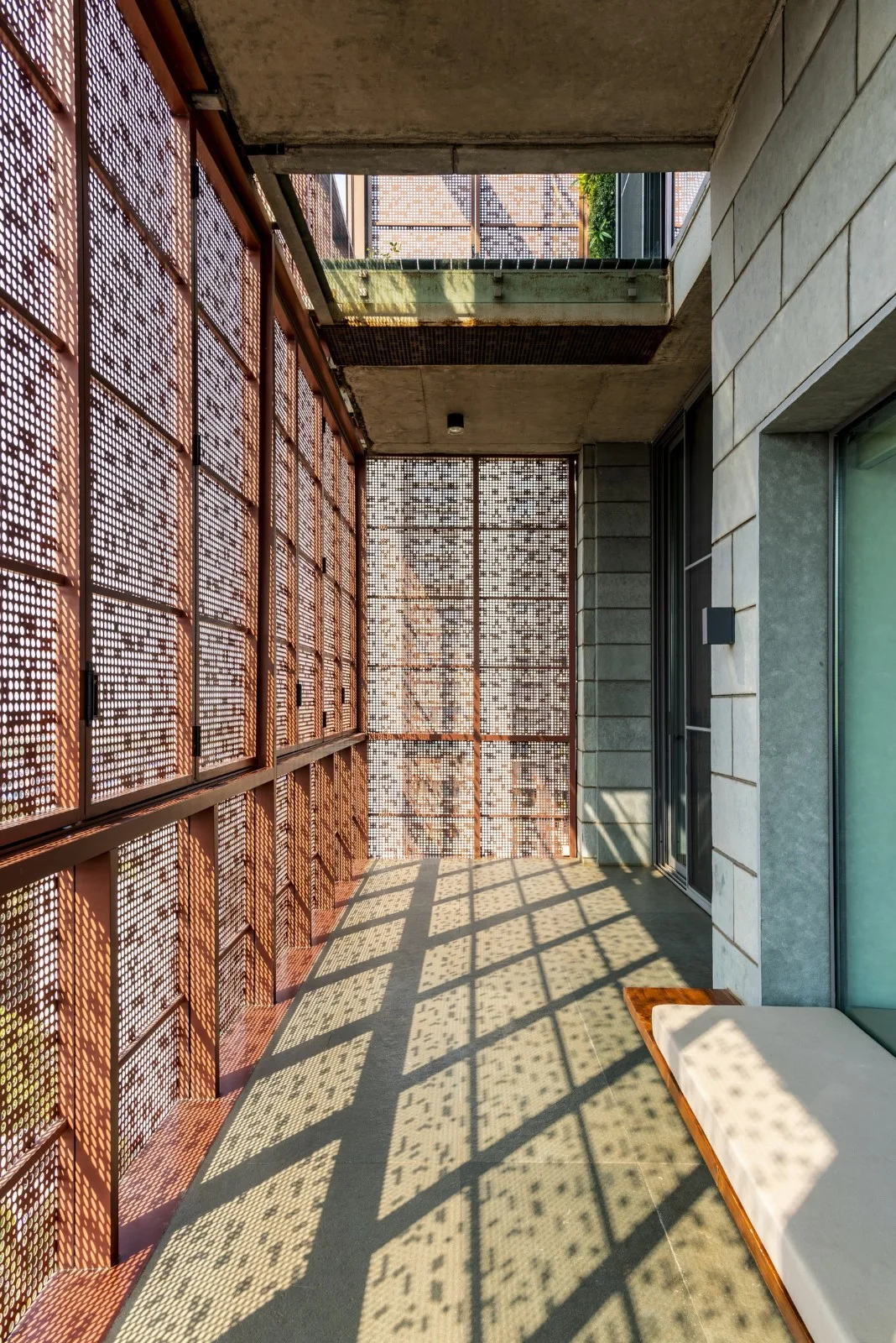
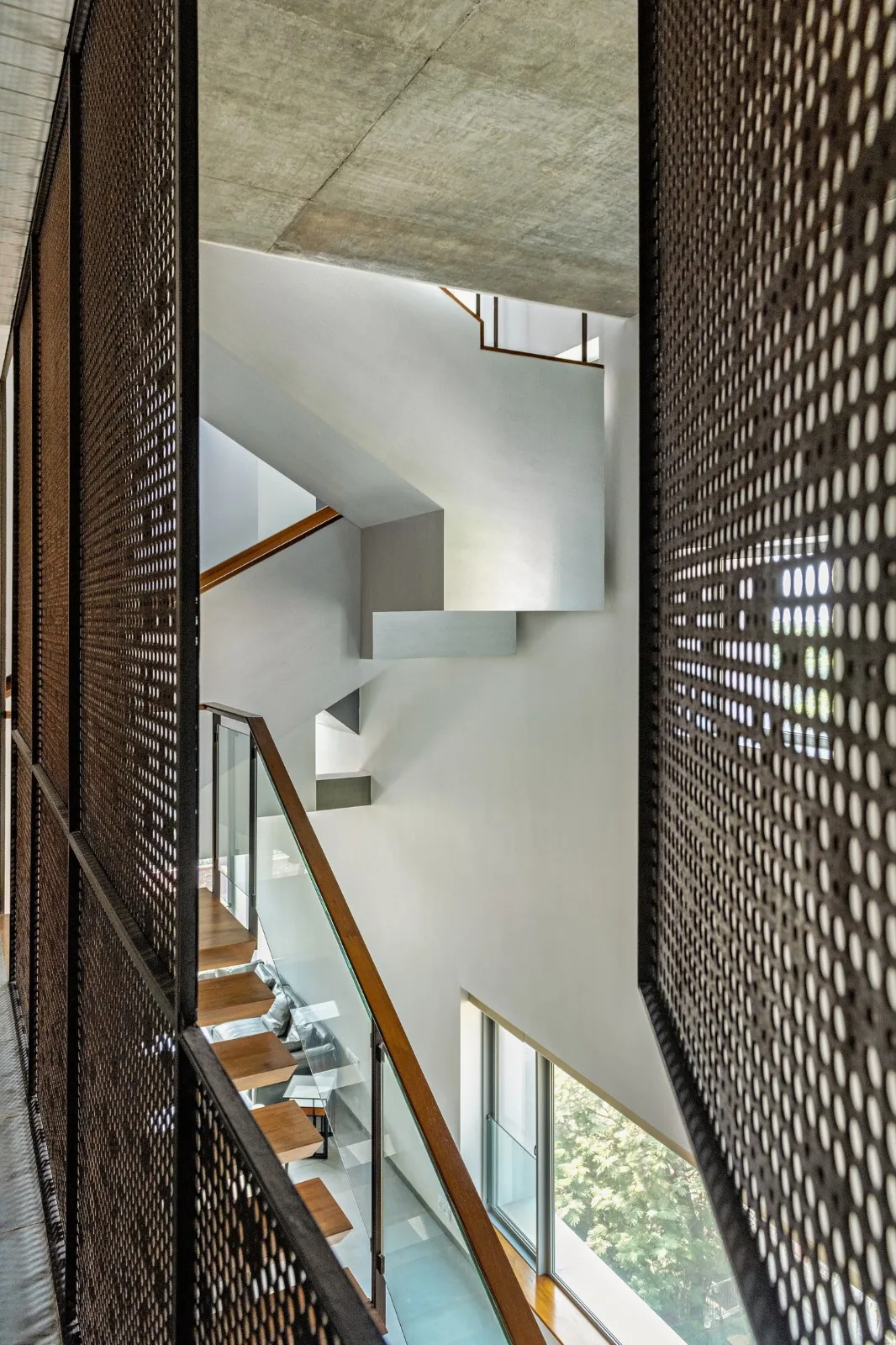
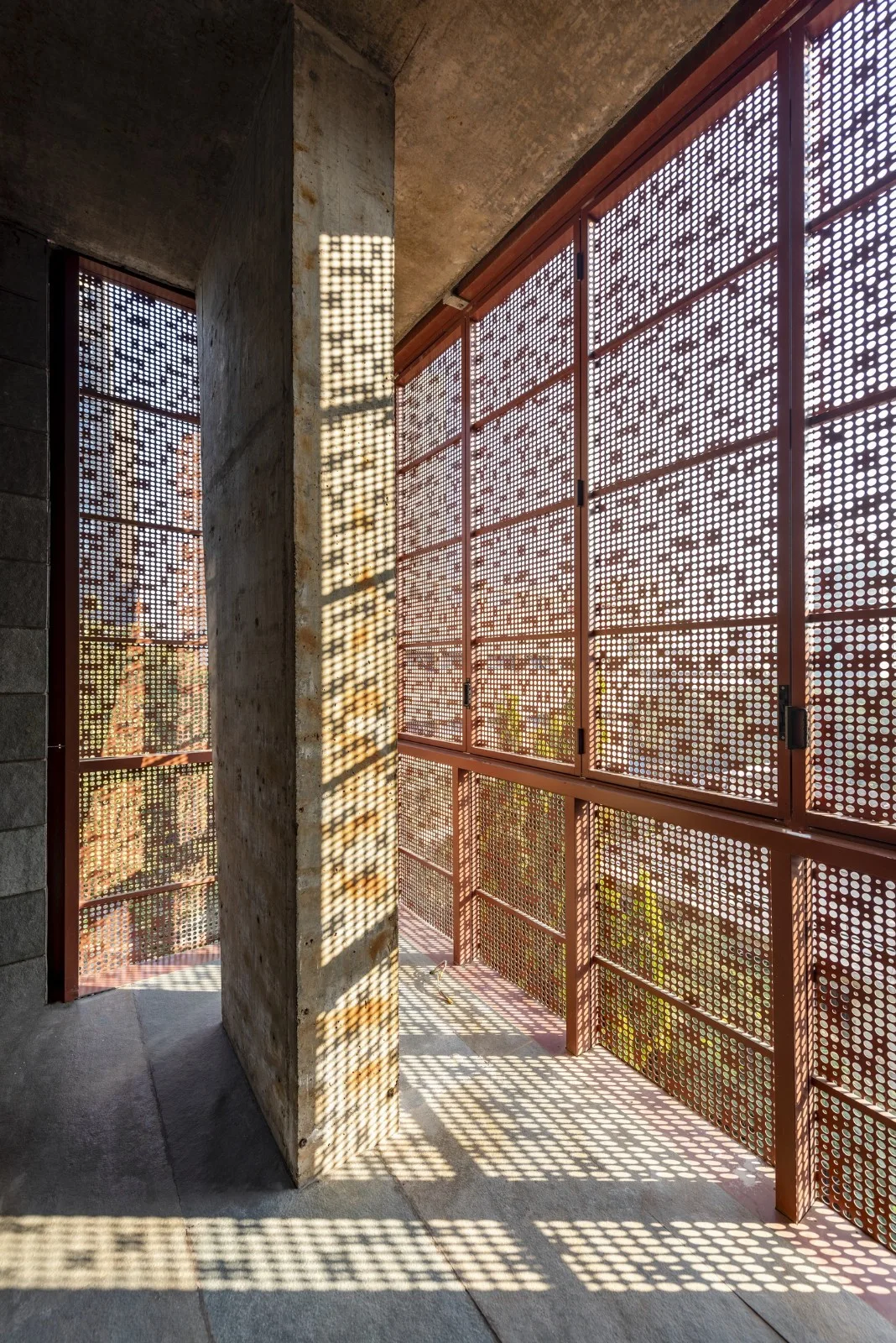
- Integrate with the west-facing sea view to create a semi-enclosed space that is usable year-round and offers privacy without relying on continuous internal shading devices.
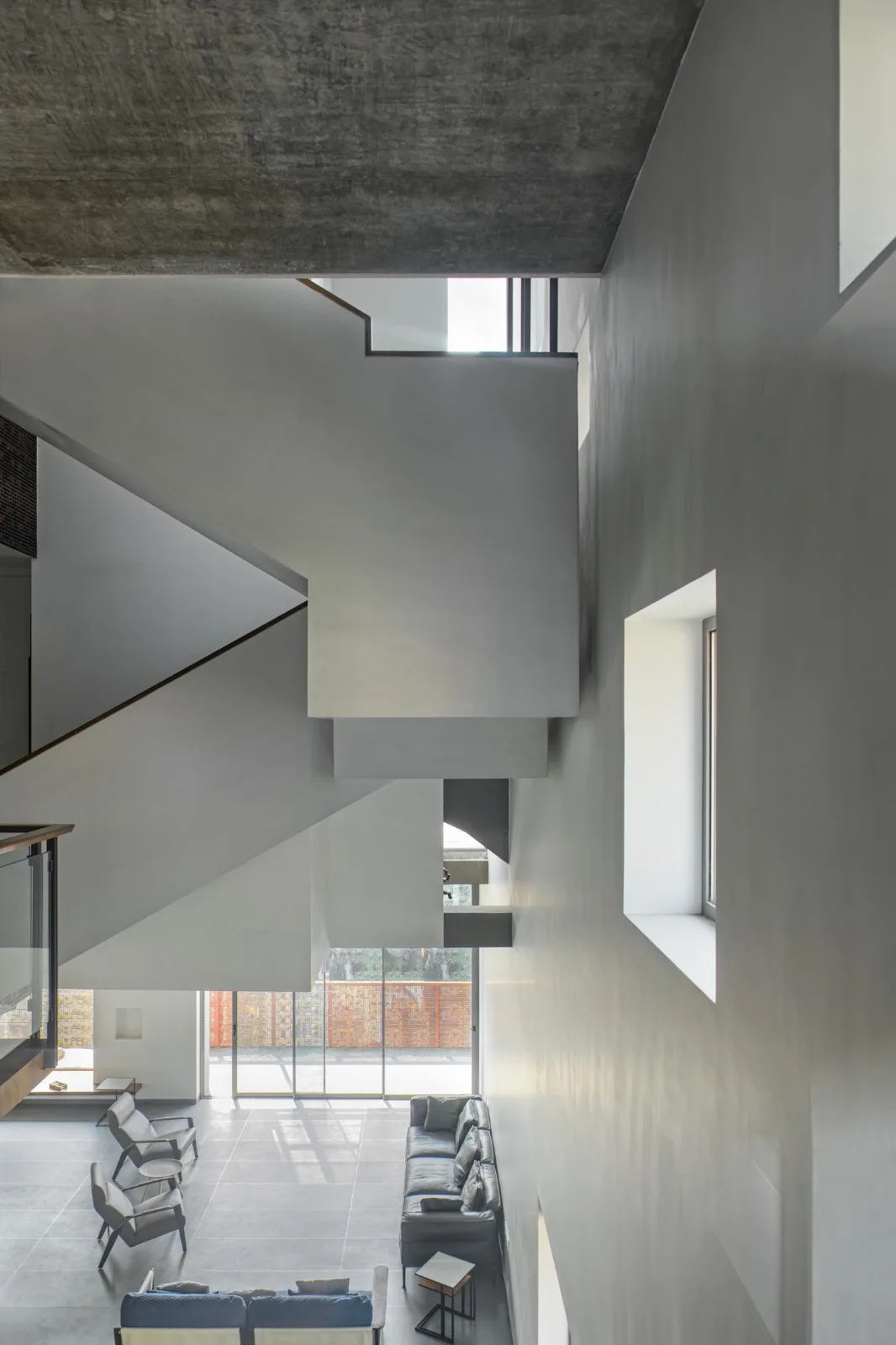
- Enhance interaction within the building to offset the social isolation caused by high-rise living.
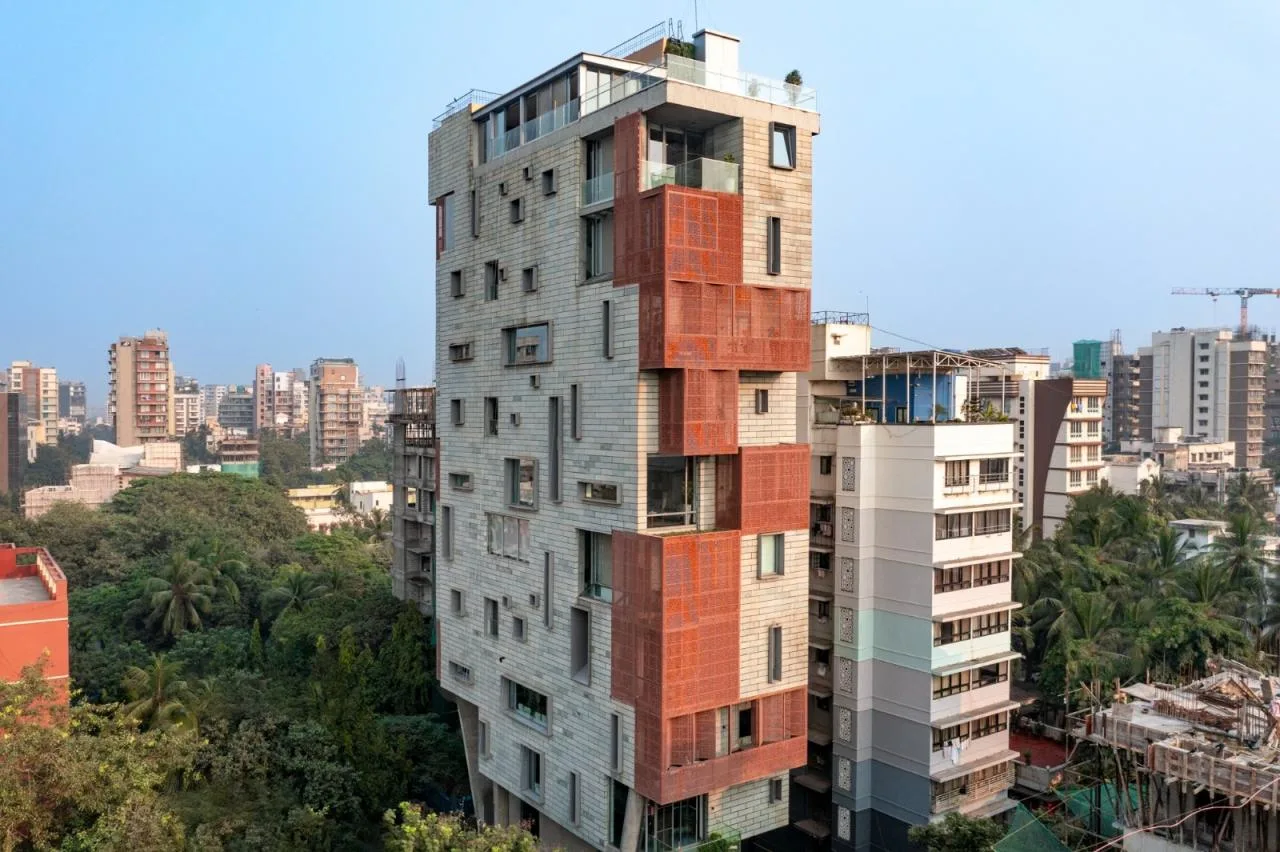
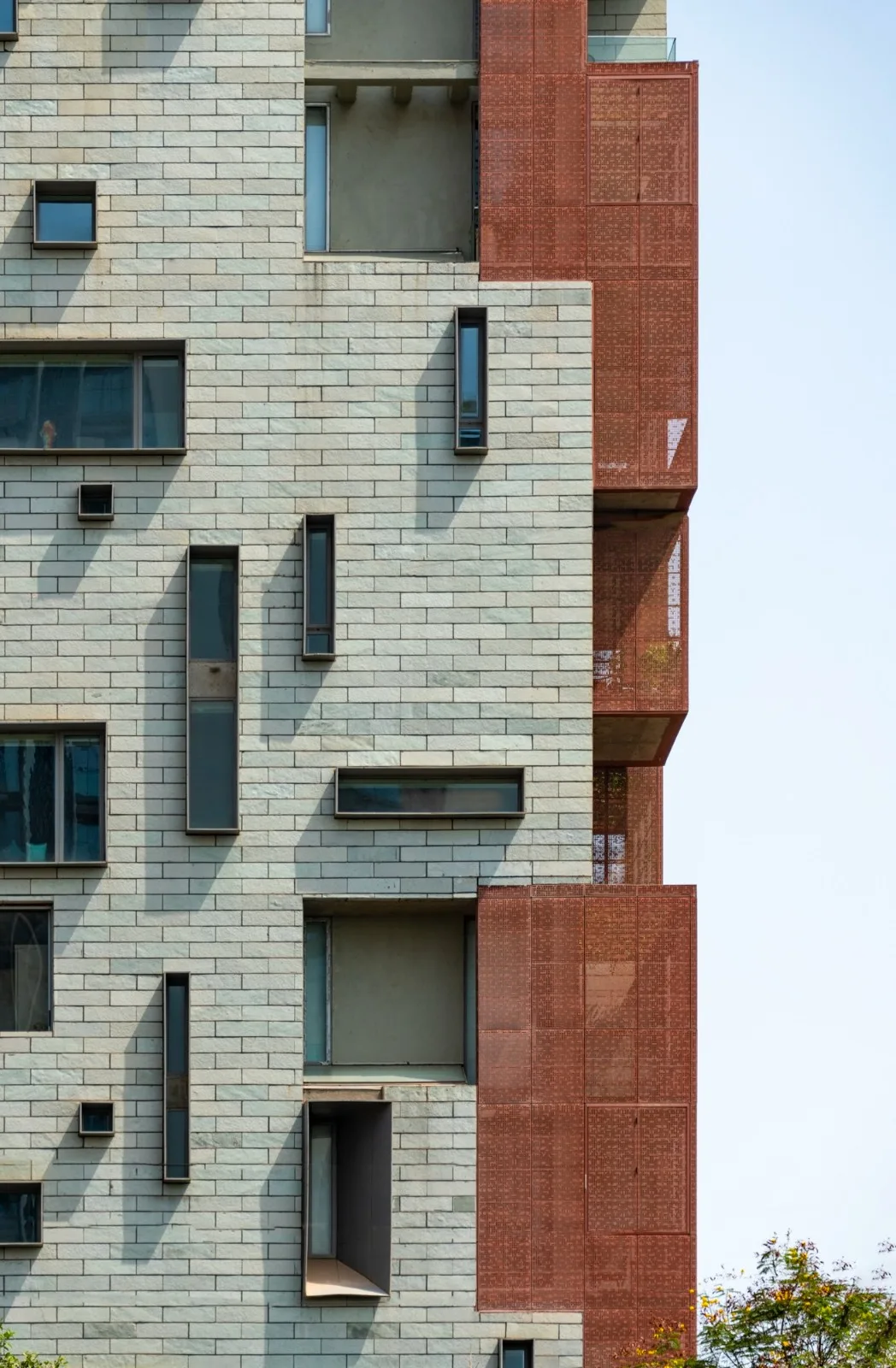
To realize these goals, the design team employed three key strategies:
- Courtyards
- Balconies
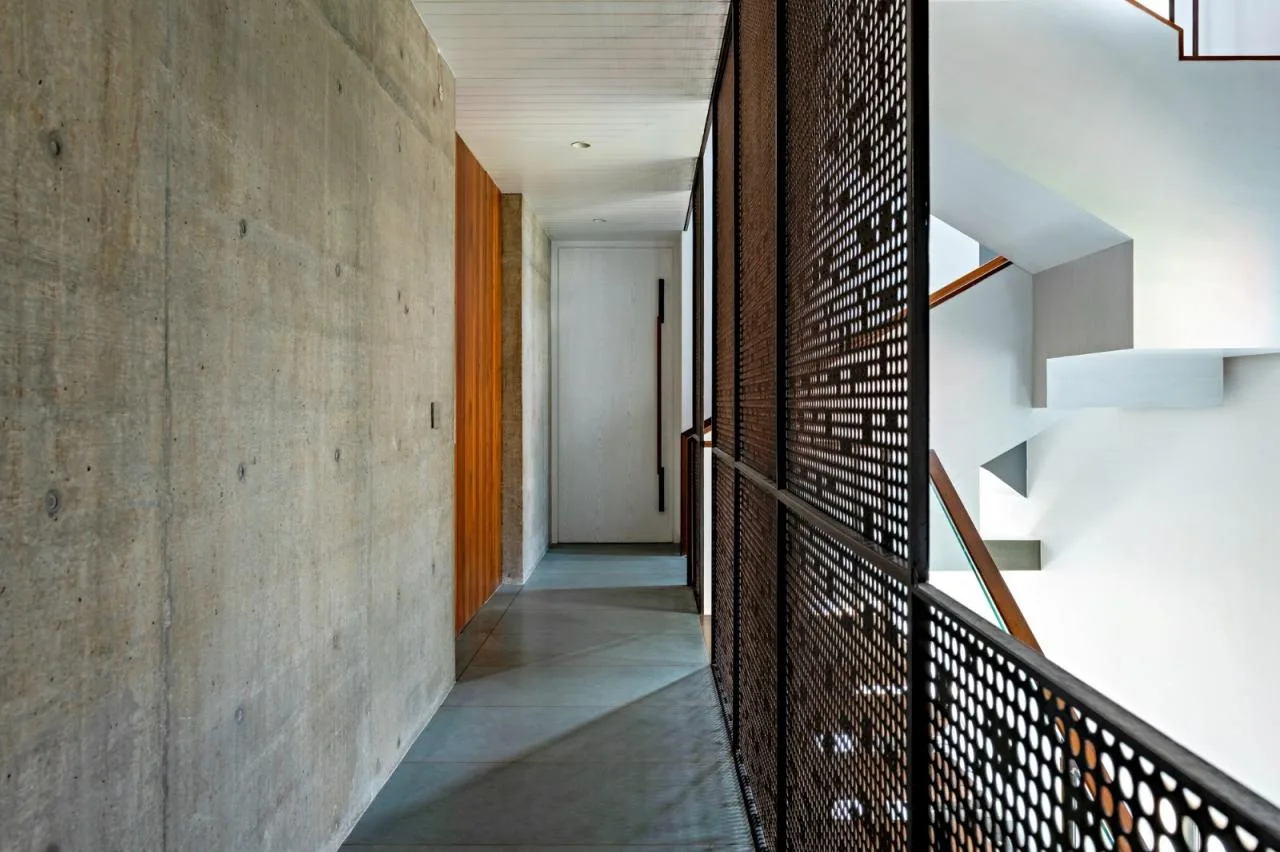
- Jali screens (traditional Indian carved lattice window panels)
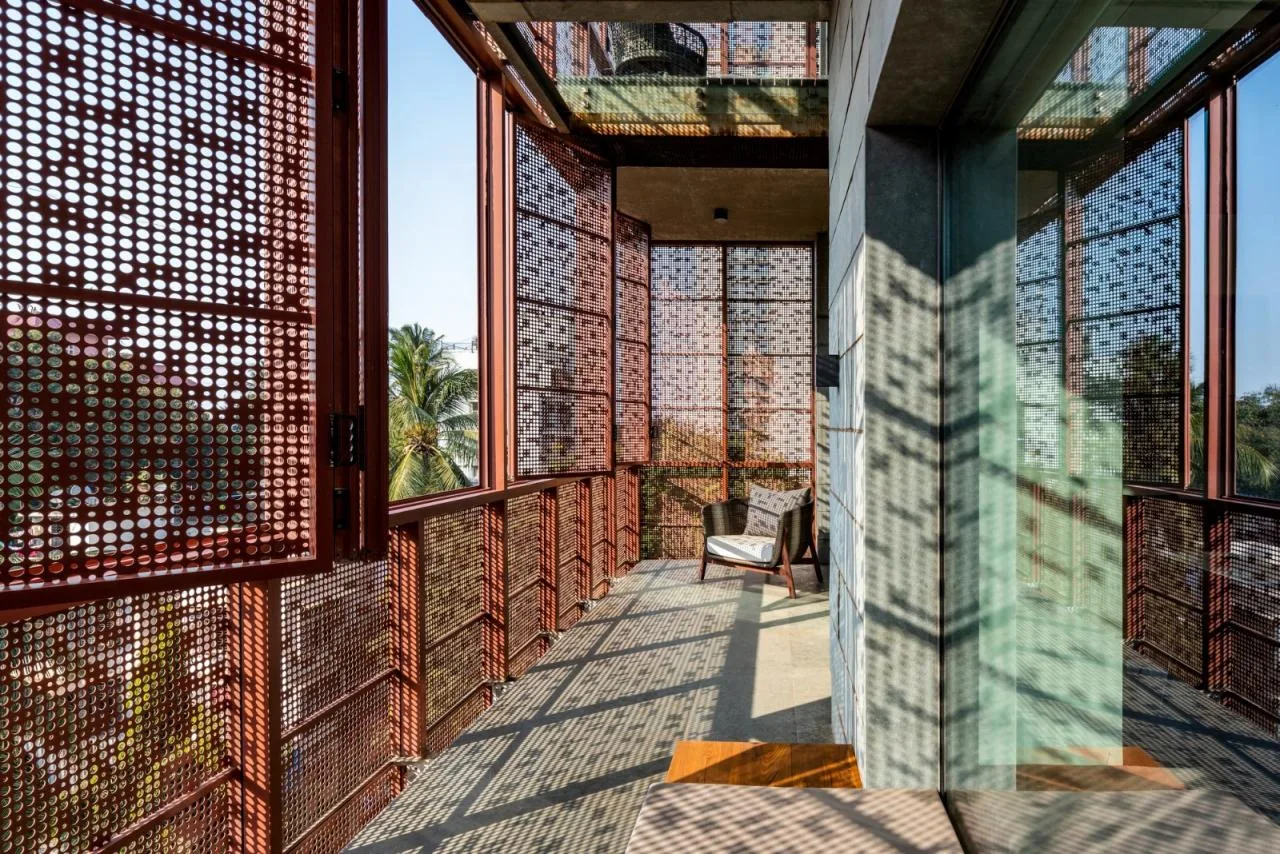
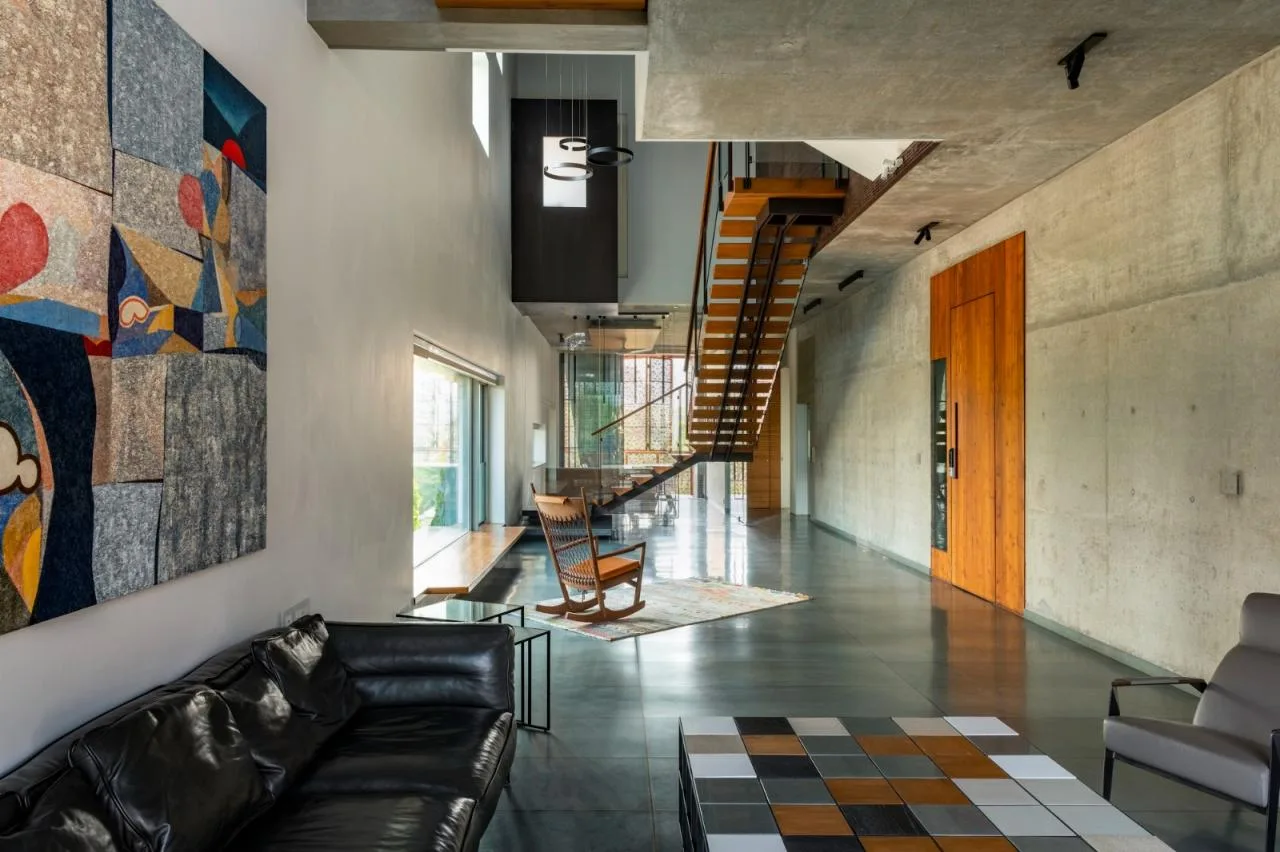
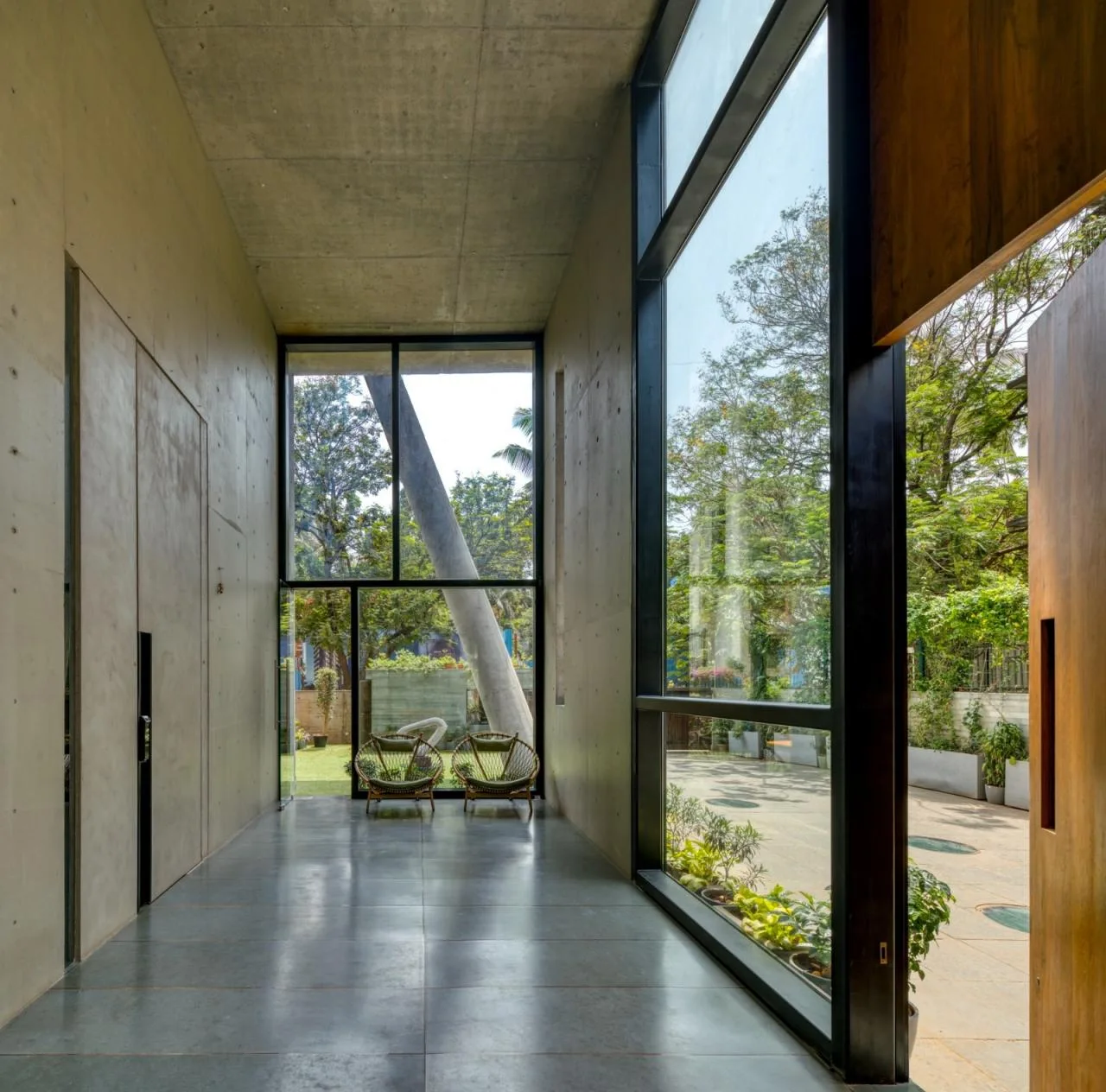
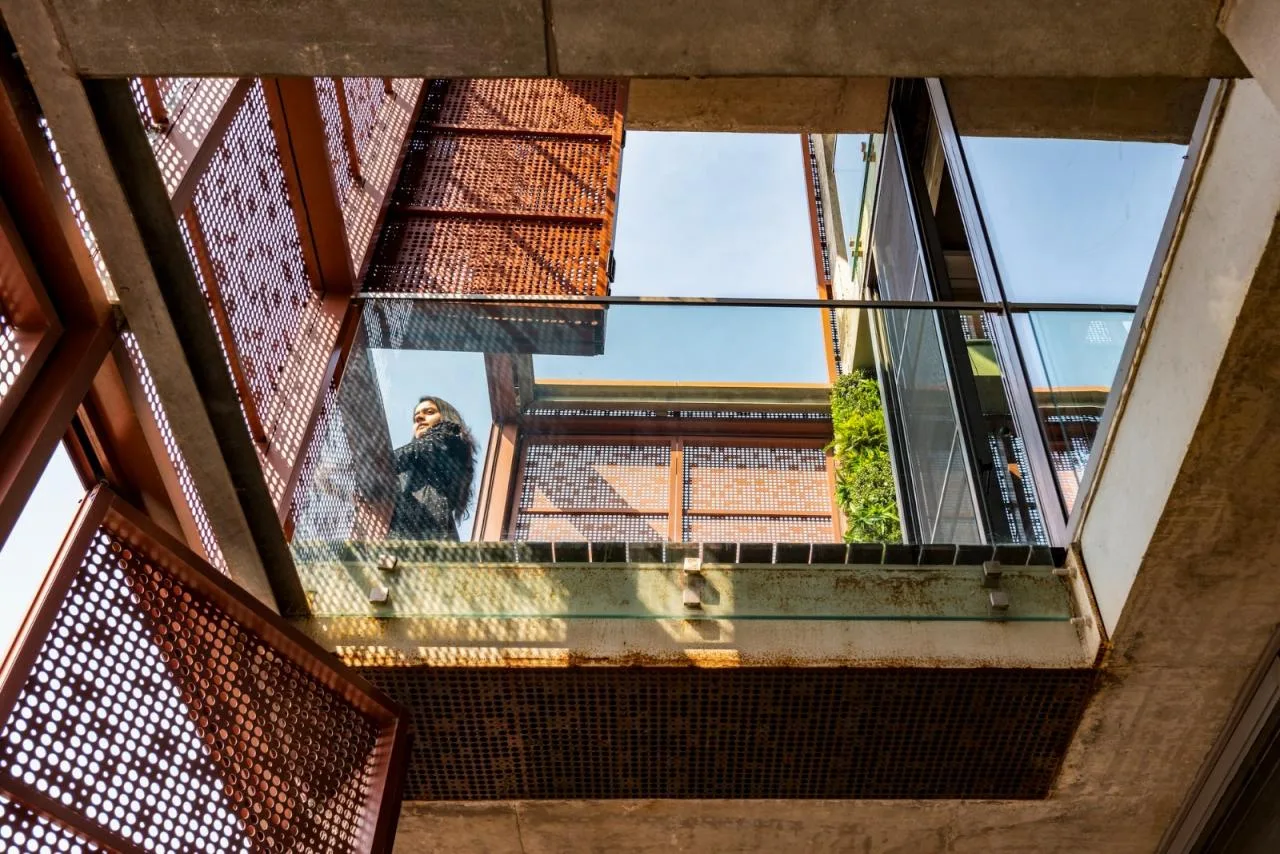
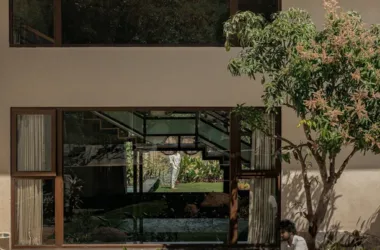
Through multiple iterations of these strategies, the plan and section views evolved. The parking was relocated to the basement, allowing the ground floor structure and volume to retreat. This lower-level setback integrates with water features and trees, fostering a stronger connection between the building and its surrounding environment.
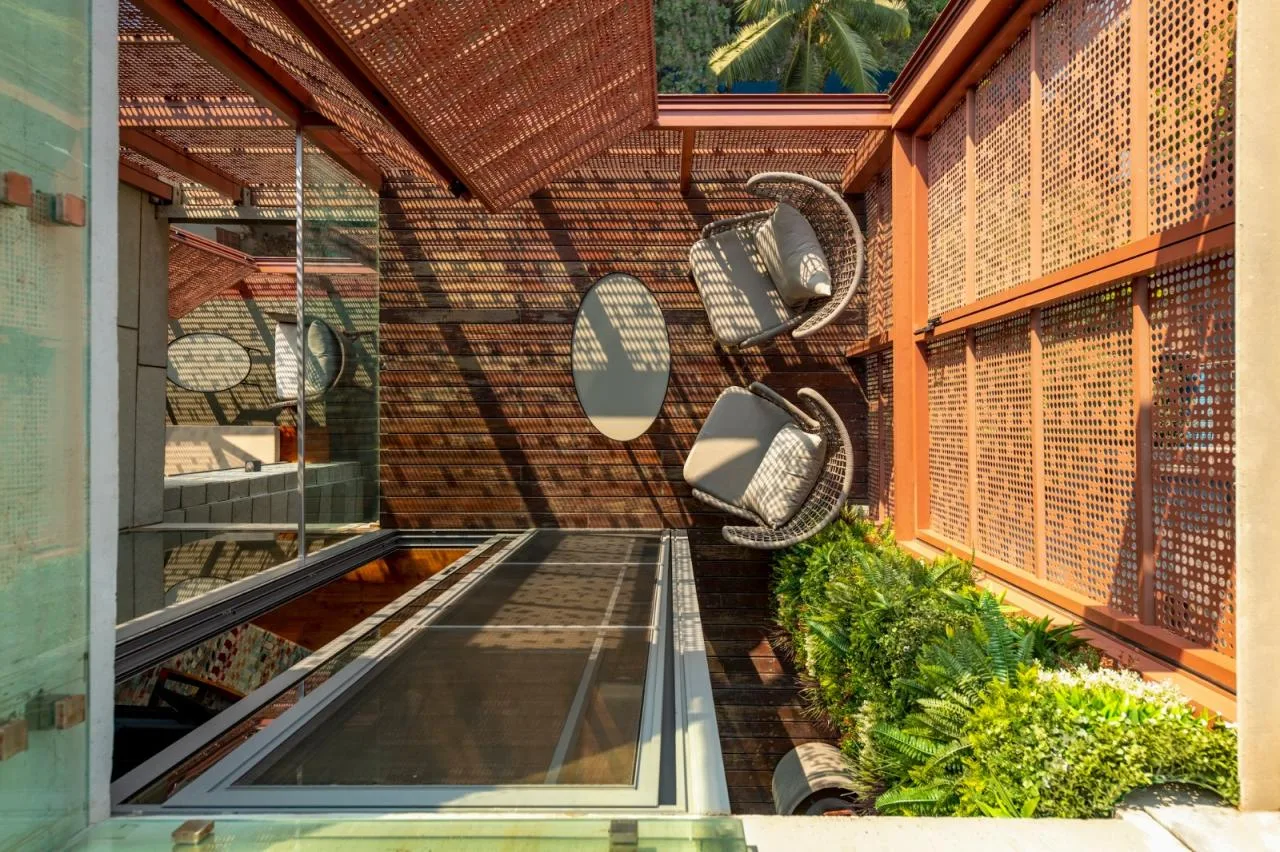
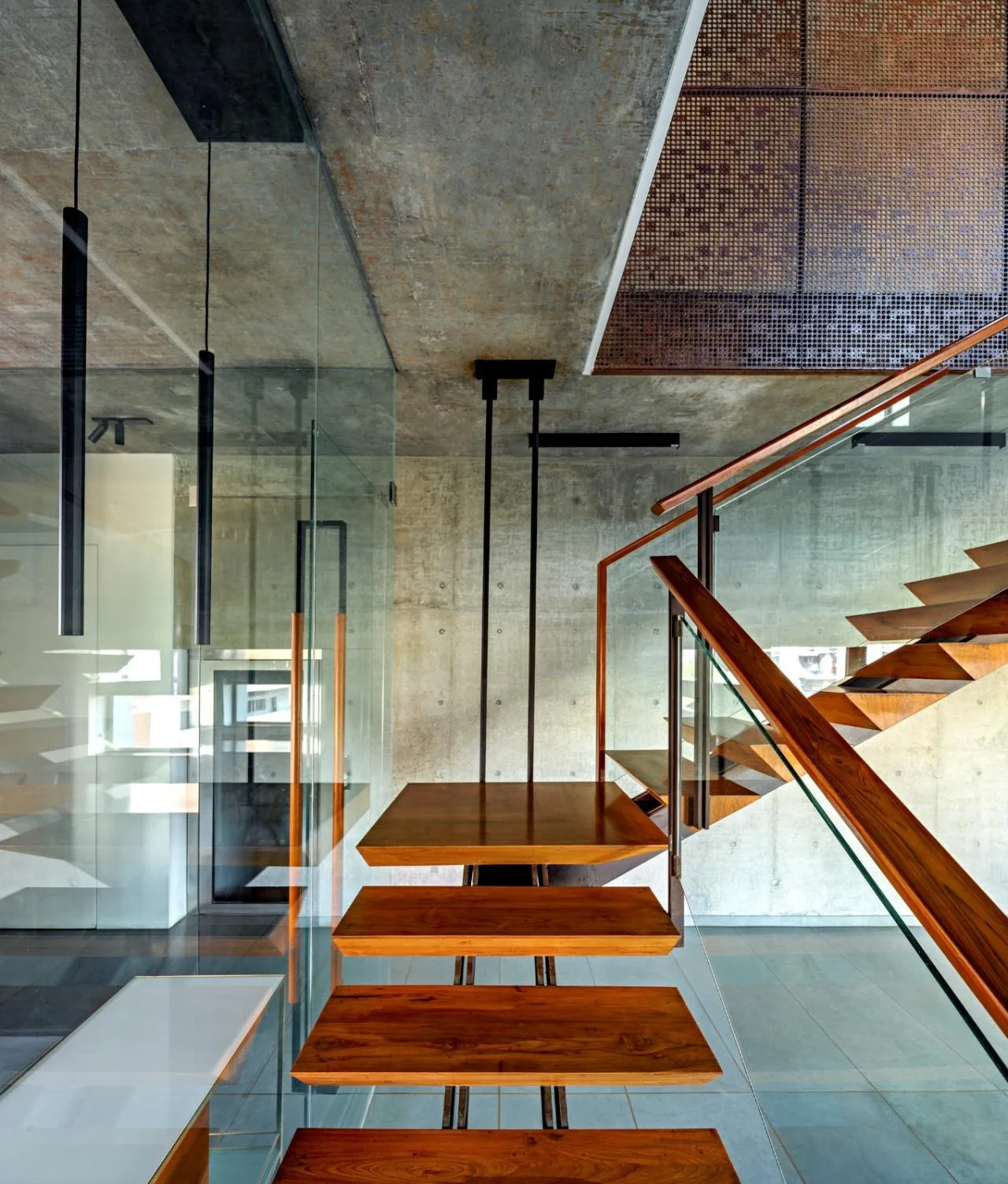
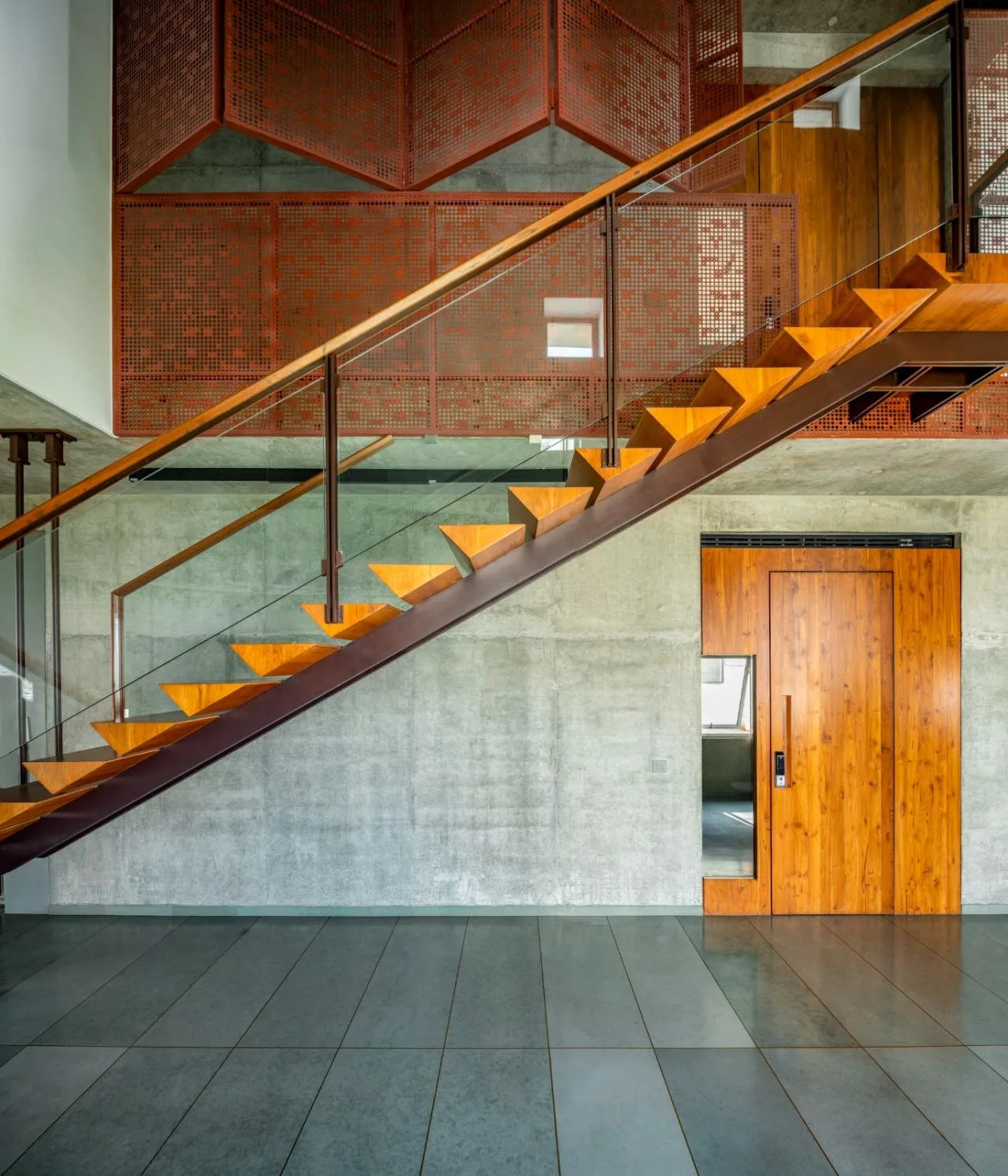
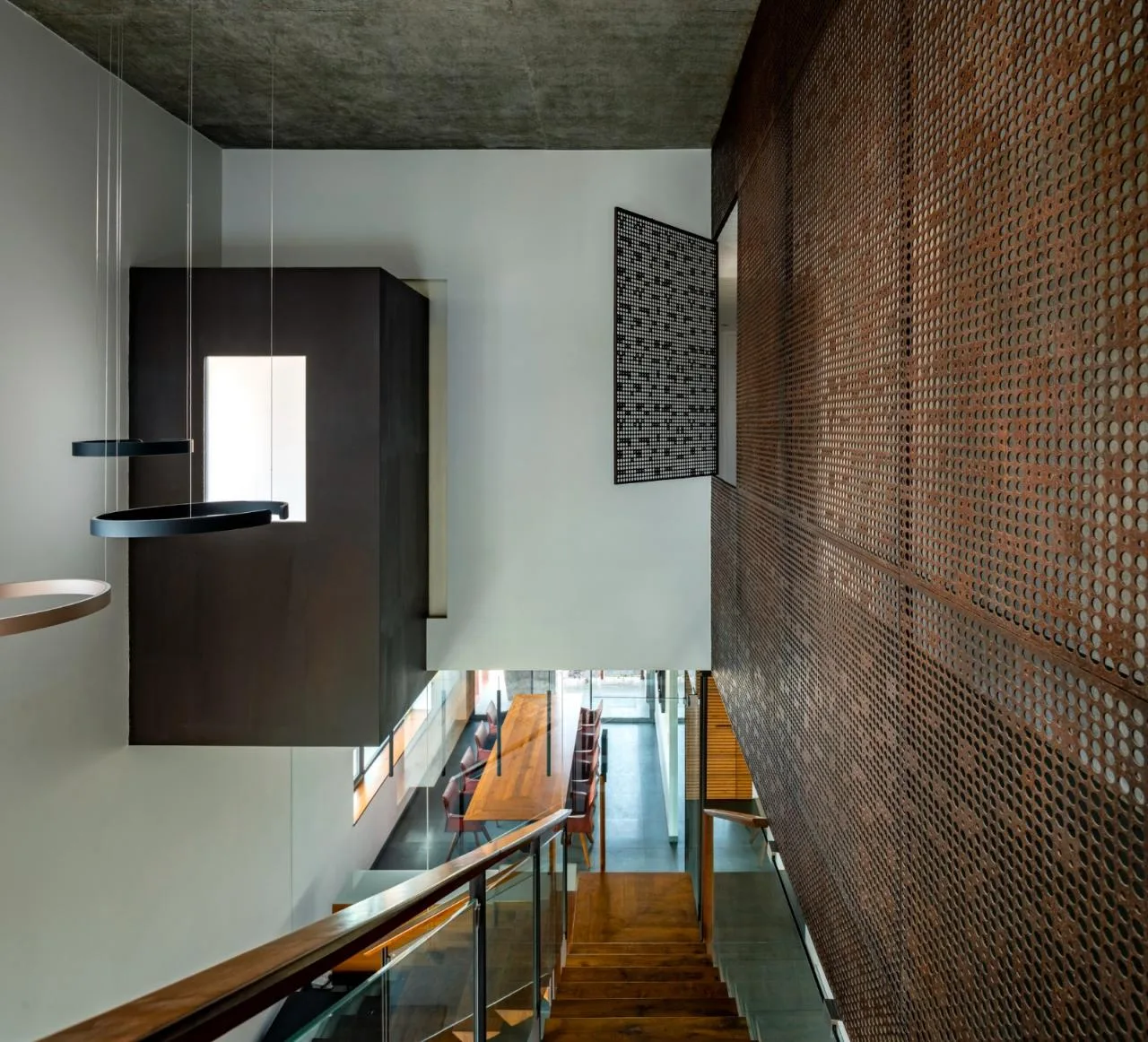
The residential units are arranged around a central courtyard facing north. Public and private spaces are distributed in the east and west wings to frame views through the gaps between neighboring buildings. Each courtyard connects interior spaces, allowing natural light and breeze to flow through the homes, functioning as a natural chimney during hot months. Spatial and structural variations extend courtyards into private areas, creating a network of deep recesses and intricately detailed skylights.
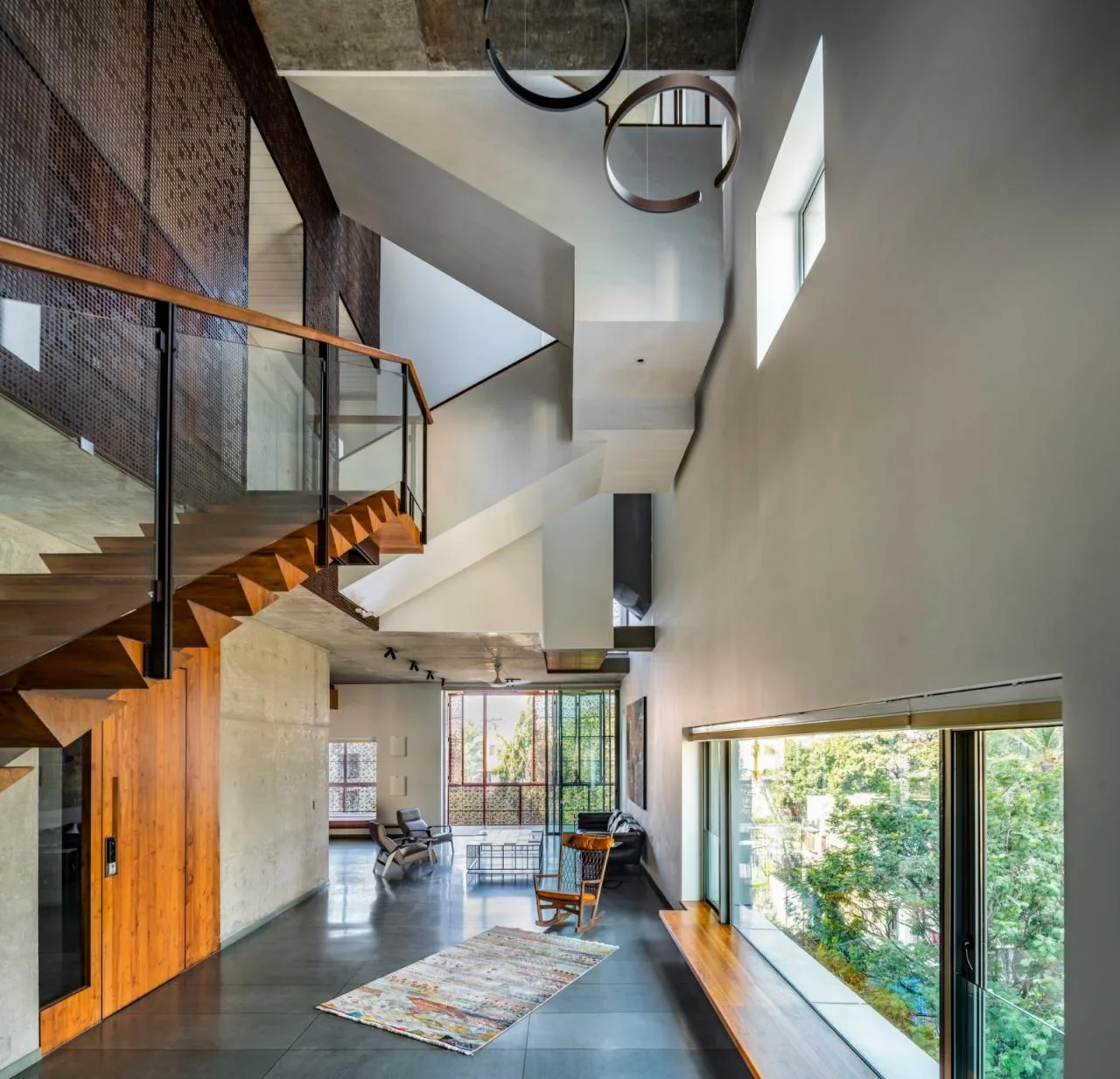
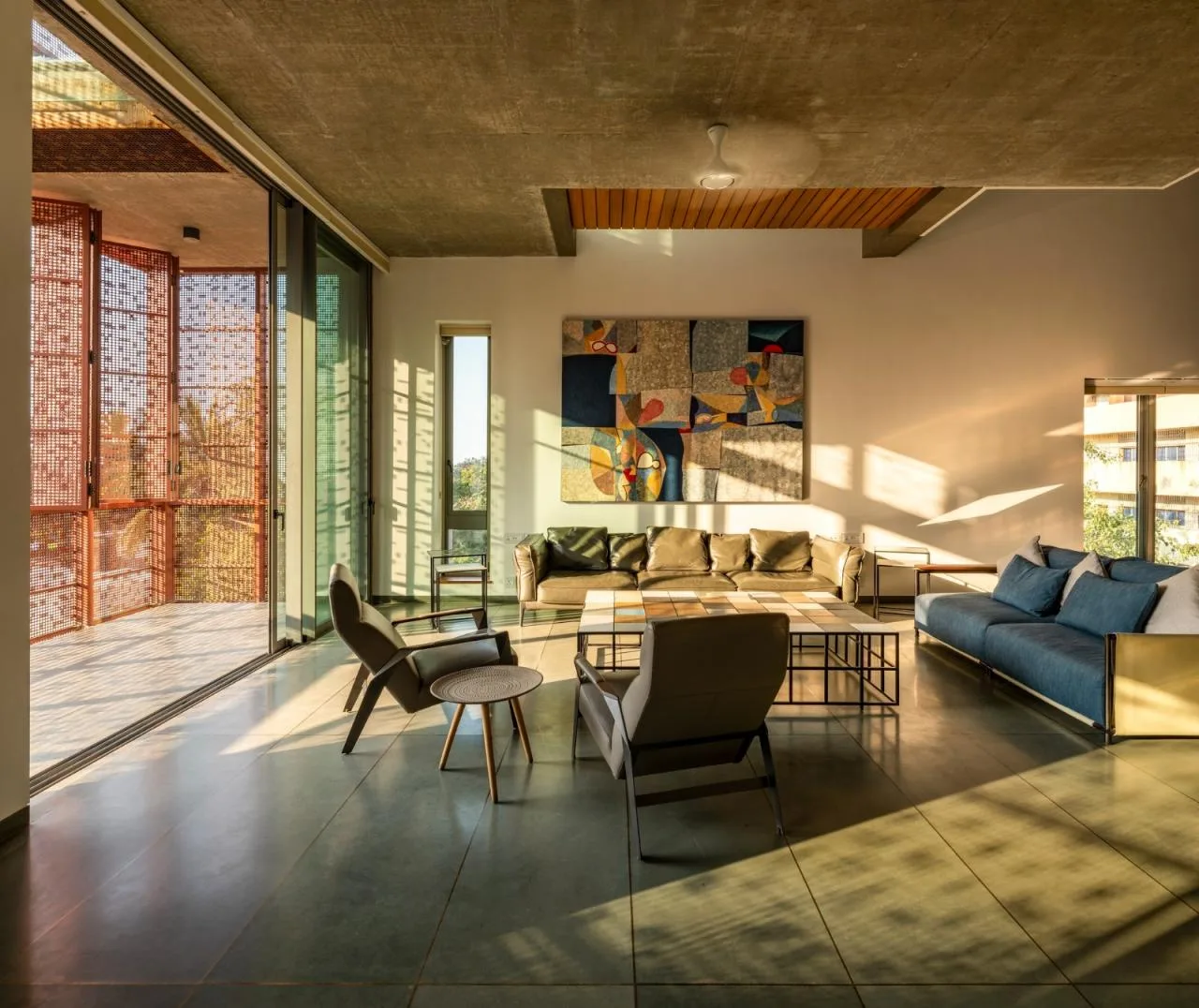
The west edge offers sweeping views of the sea and is subject to strong natural forces. To address this, the design includes a series of balconies equipped with fixed and adjustable sunshades. The shape of these balcony spaces varies according to their relationship with the interior, allowing each household to customize their balcony proportions. Movable sunshades offer privacy and shade, enhancing residents’ comfort.
Project Drawings
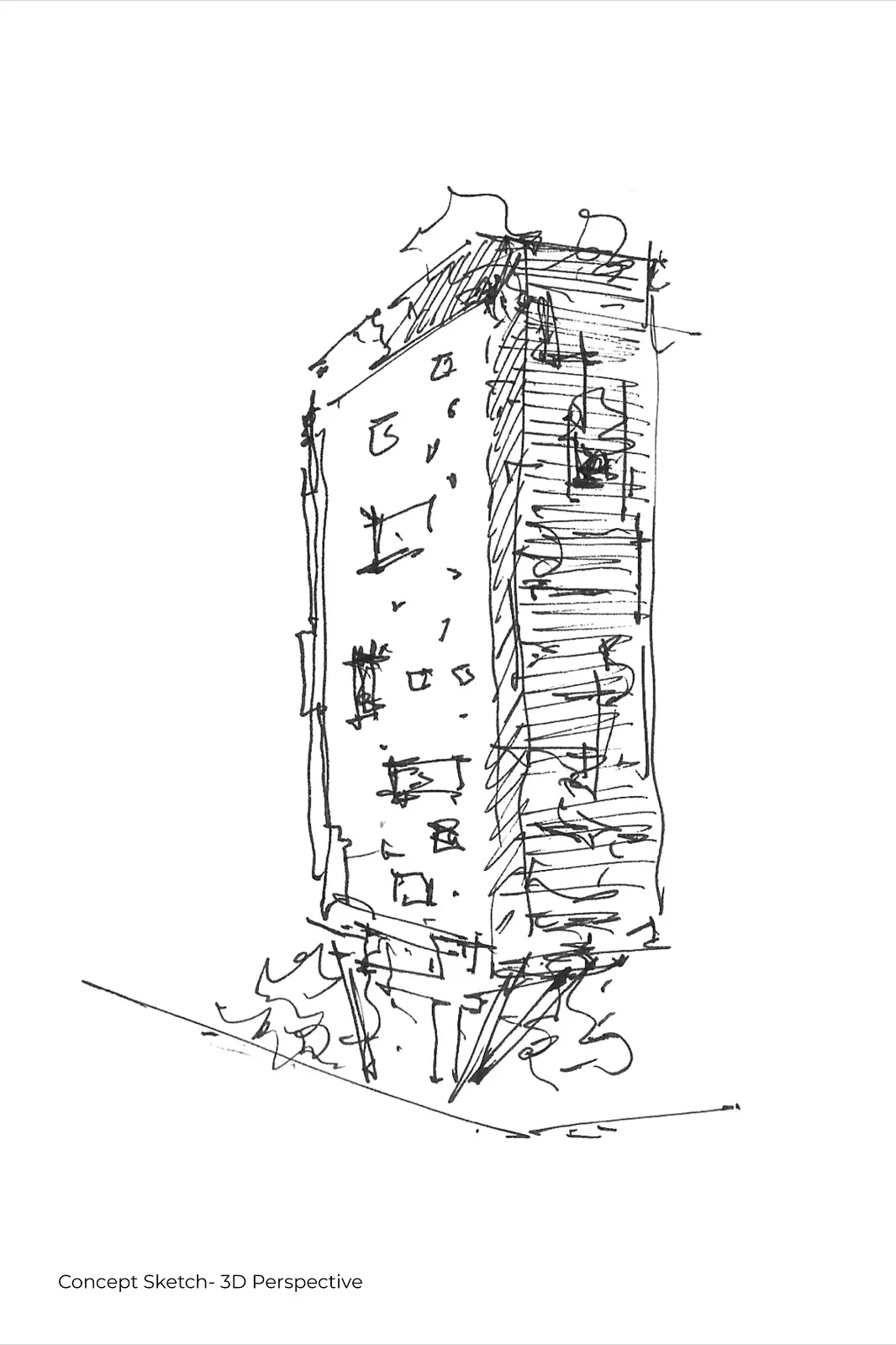
△ Hand-drawn sketch
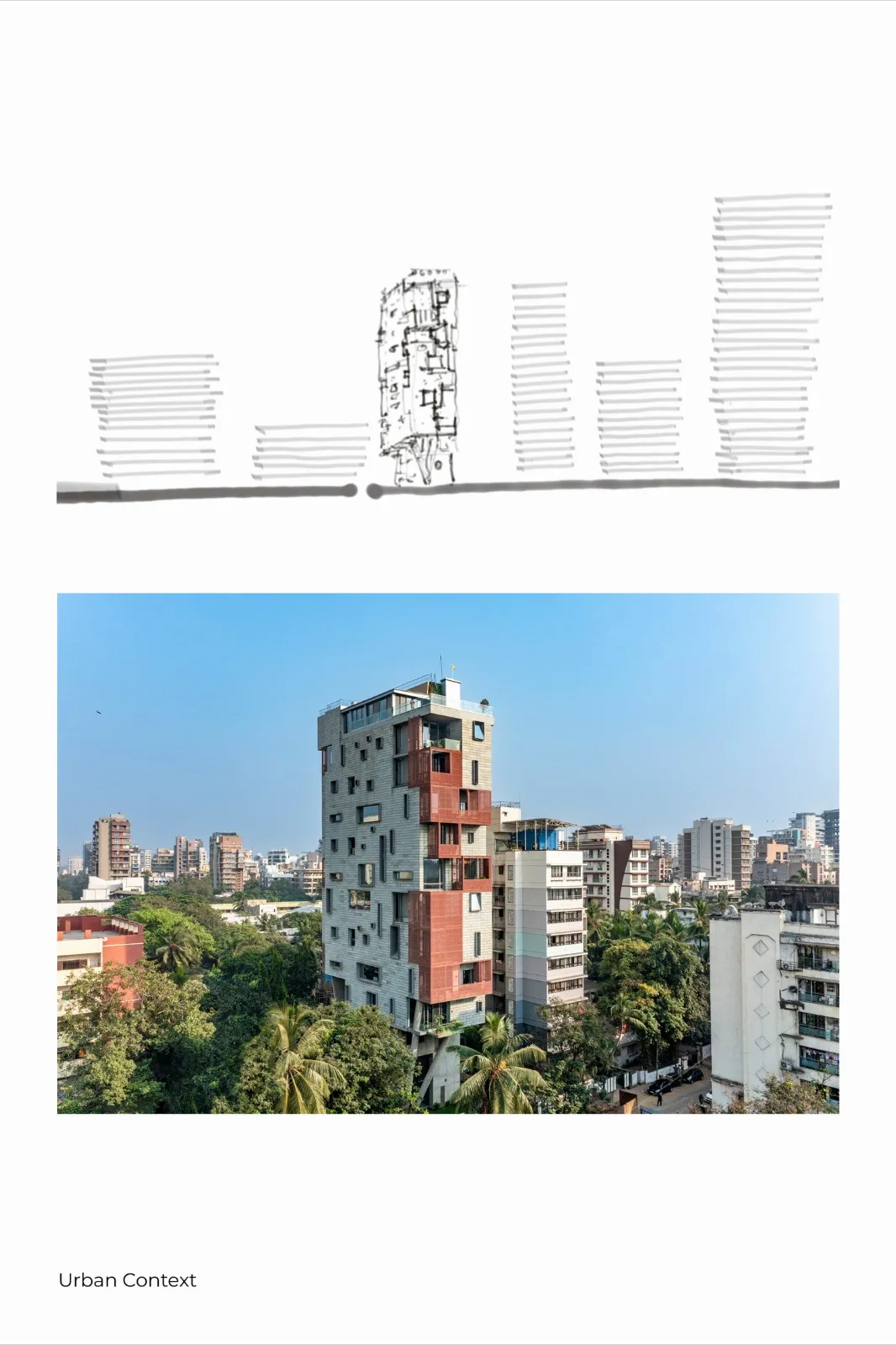
△ Perspective view
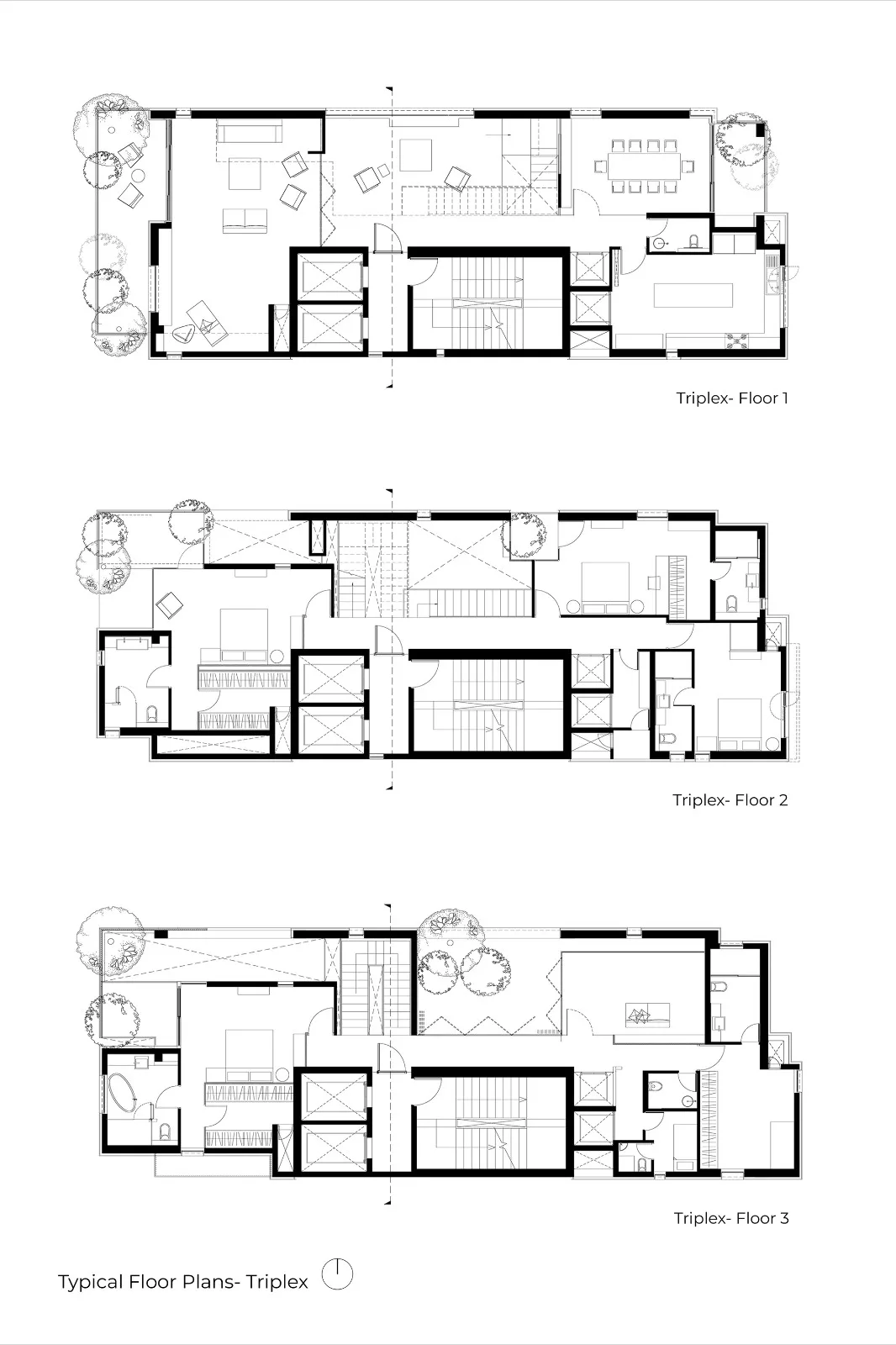
△ Plan view
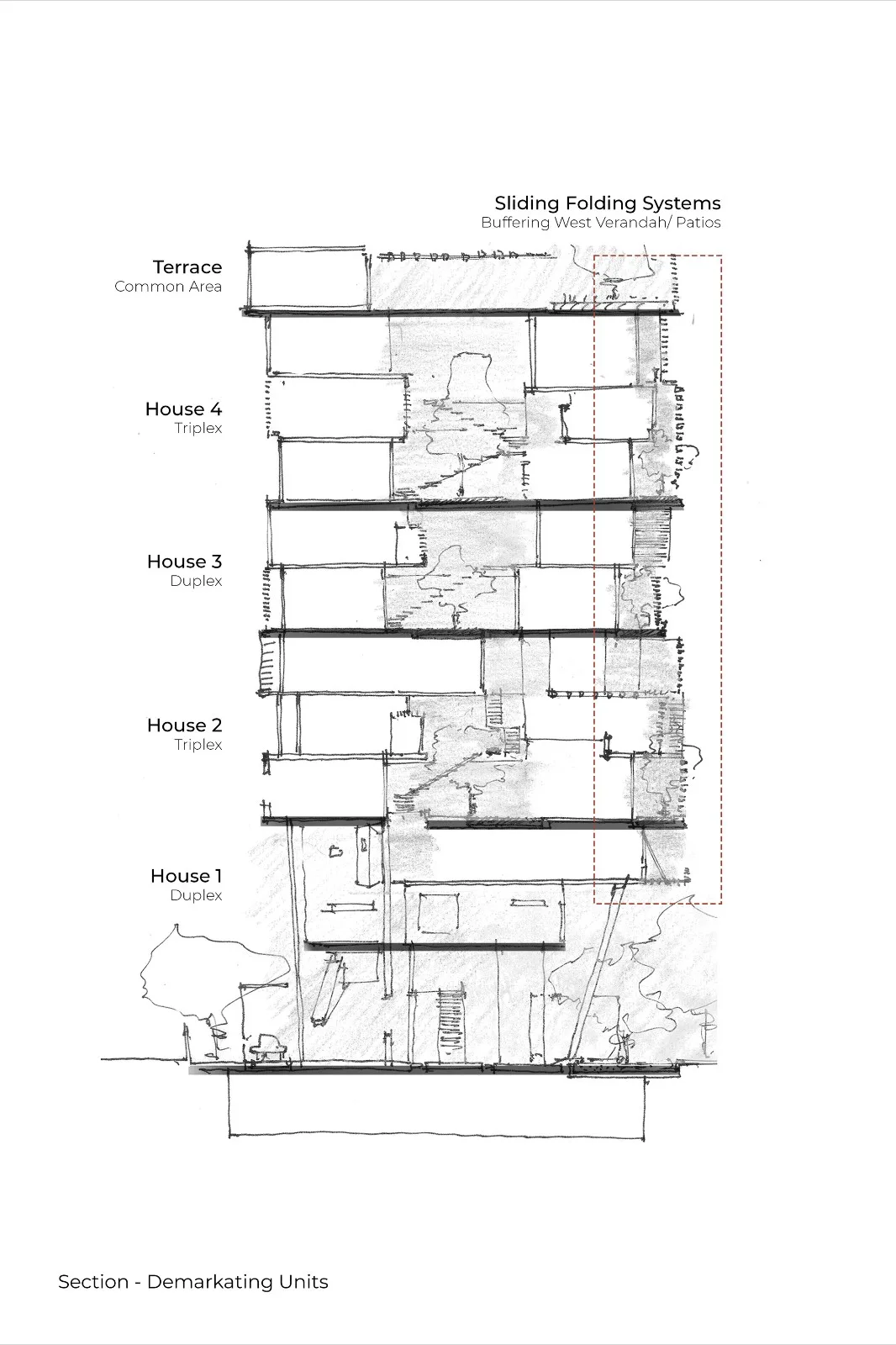
△ Section diagram
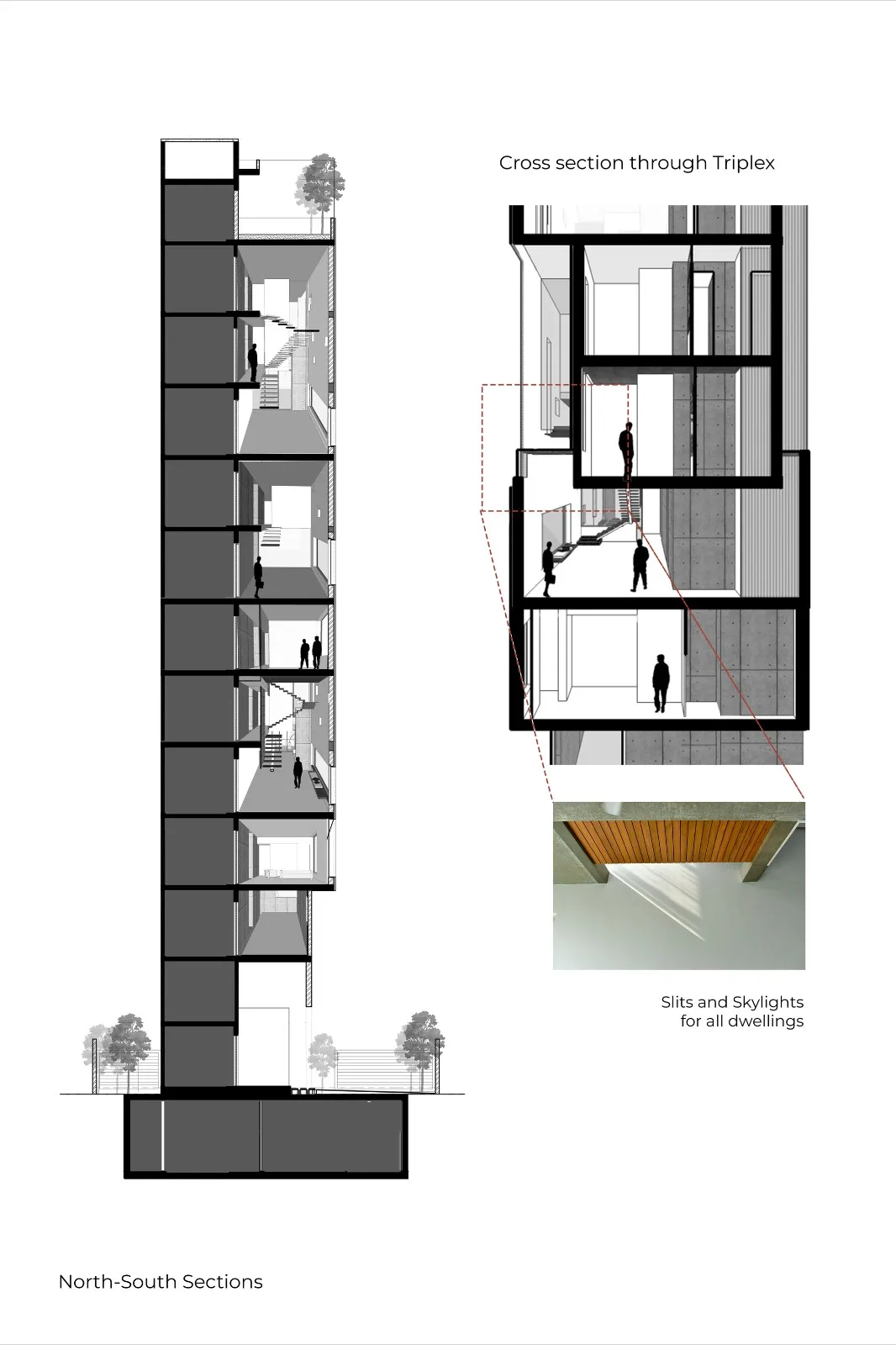
△ Section diagram
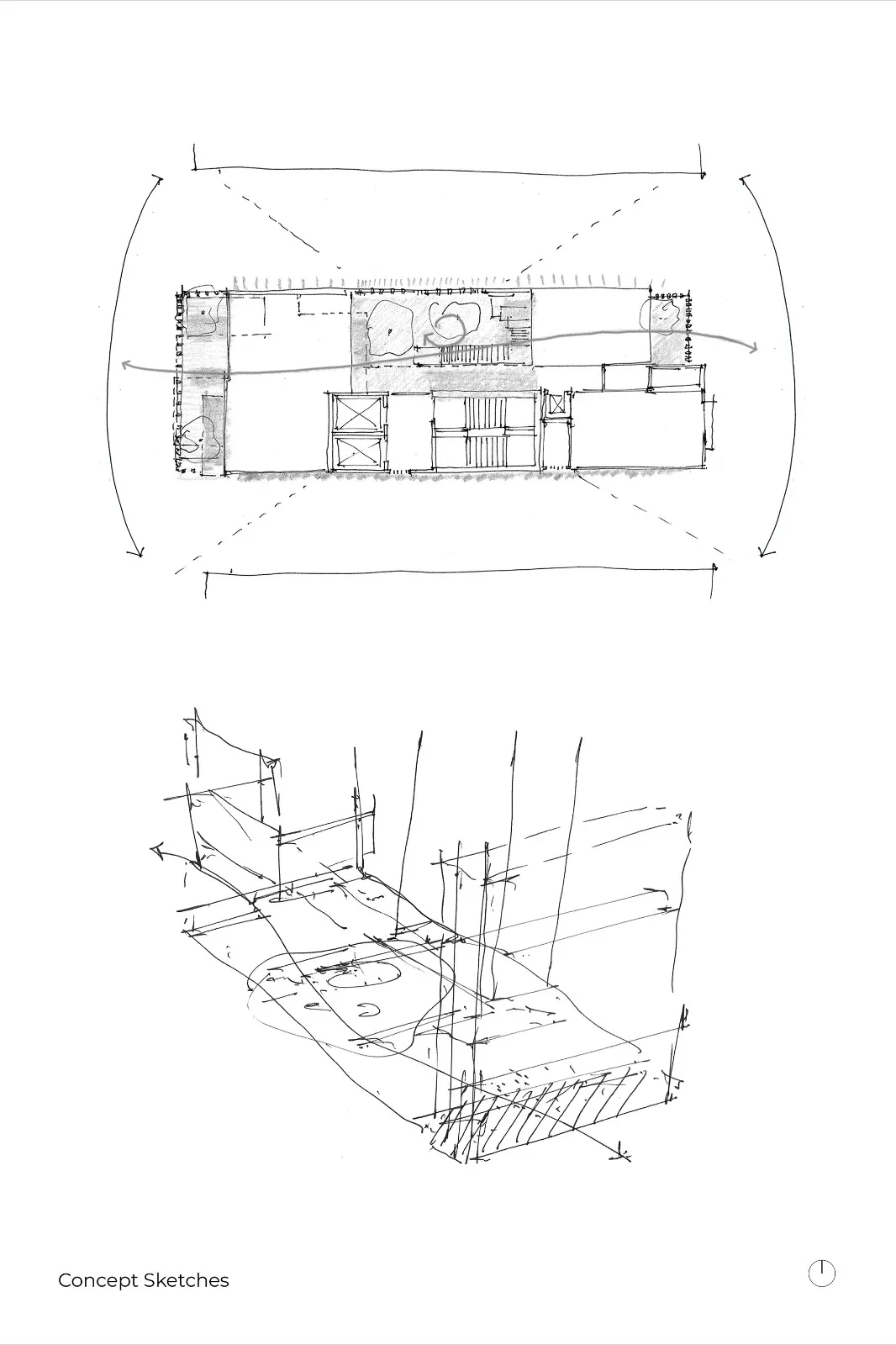
△ Sketch
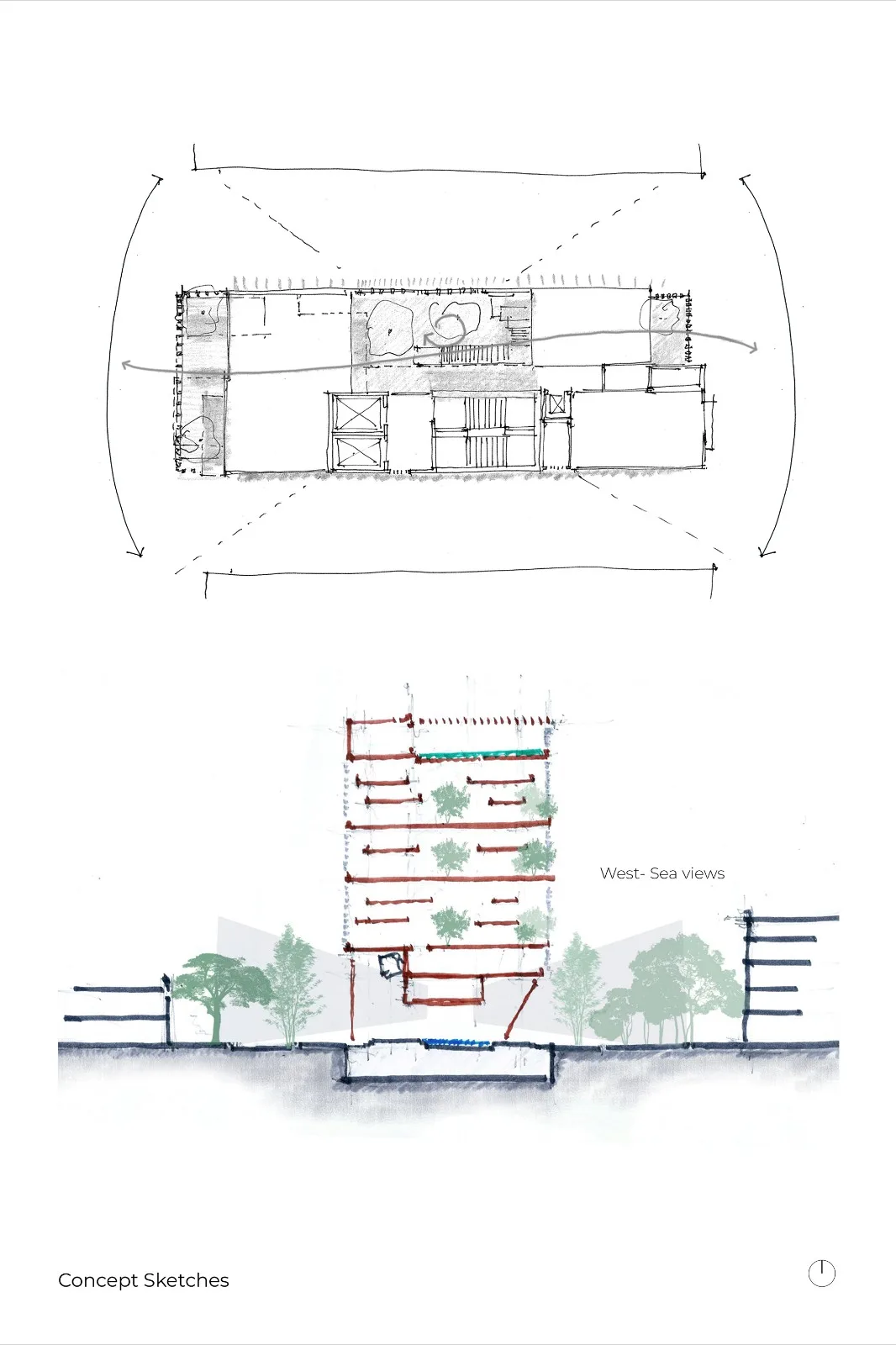
△ Sketch
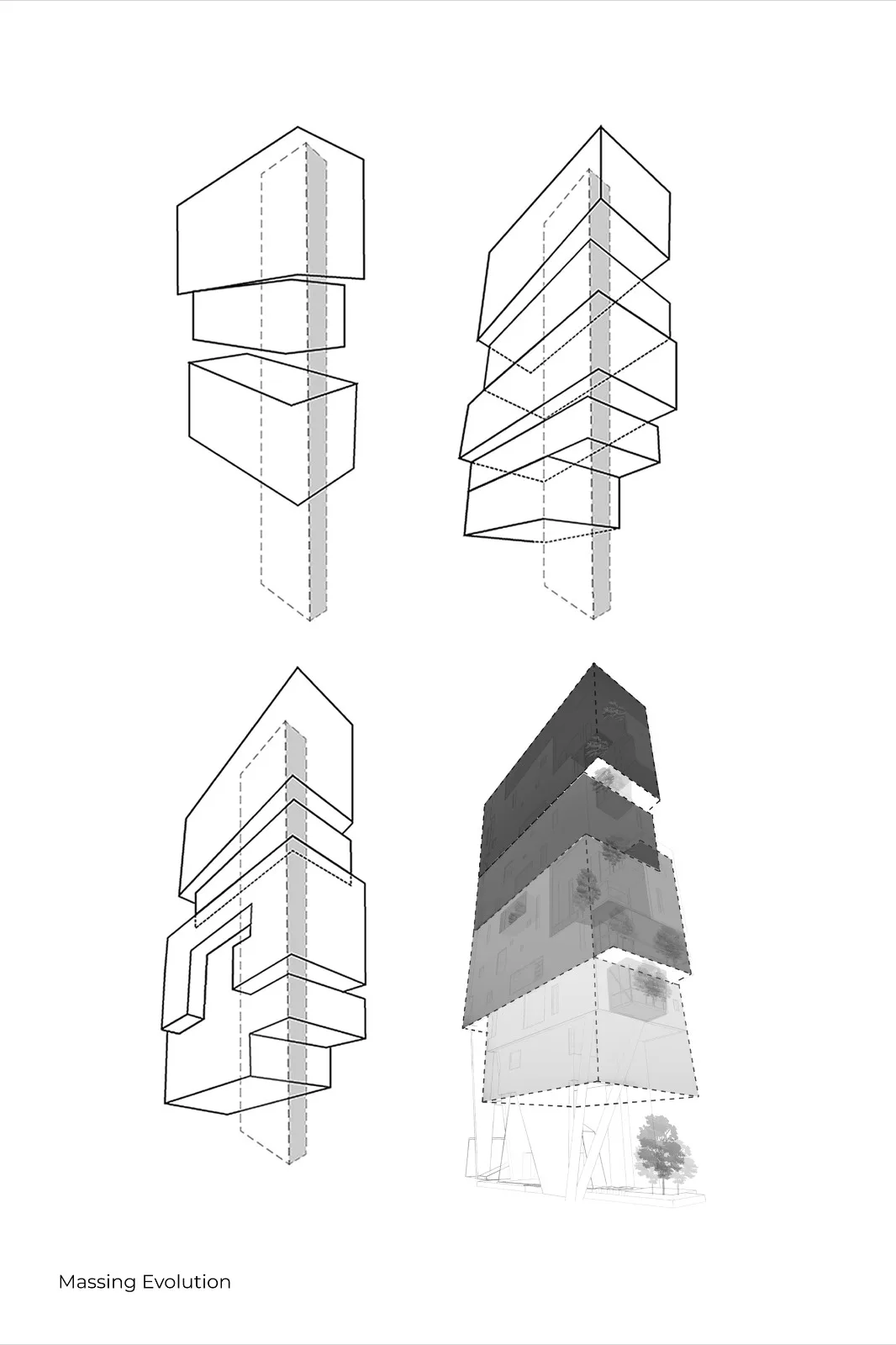
△ Analysis diagram
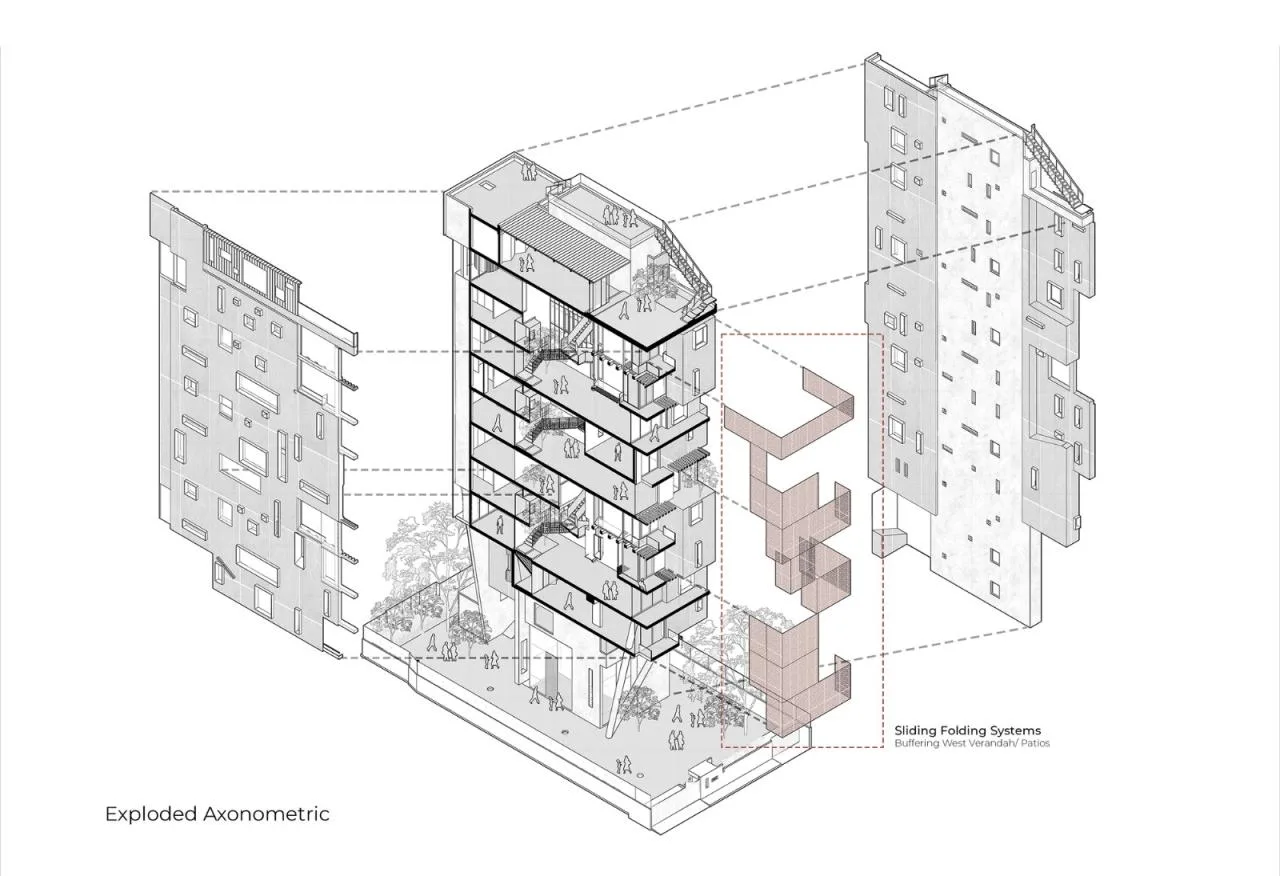
△ Exploded axonometric diagram
Project Information
Architect: Malik Architecture
Area: 642 square meters
Year: 2024
Photographer: Bharath Ramamrutham
Design Directors: Kamal Malik, Arjun Malik
Lead Architect: Jay Jani
Project Architect: Rucha Pimprikar
Interior Designer: Jignesh Vadhia
Engineer: Vivek Garg
Electrical Contractor: Imperial Electricals
Engineering Team: SEMAC, Global Engineering Services
Facade Contractor: Destal India
HVAC Contractor: Clinton
Location: Mumbai, India













Must log in before commenting!
Sign Up