
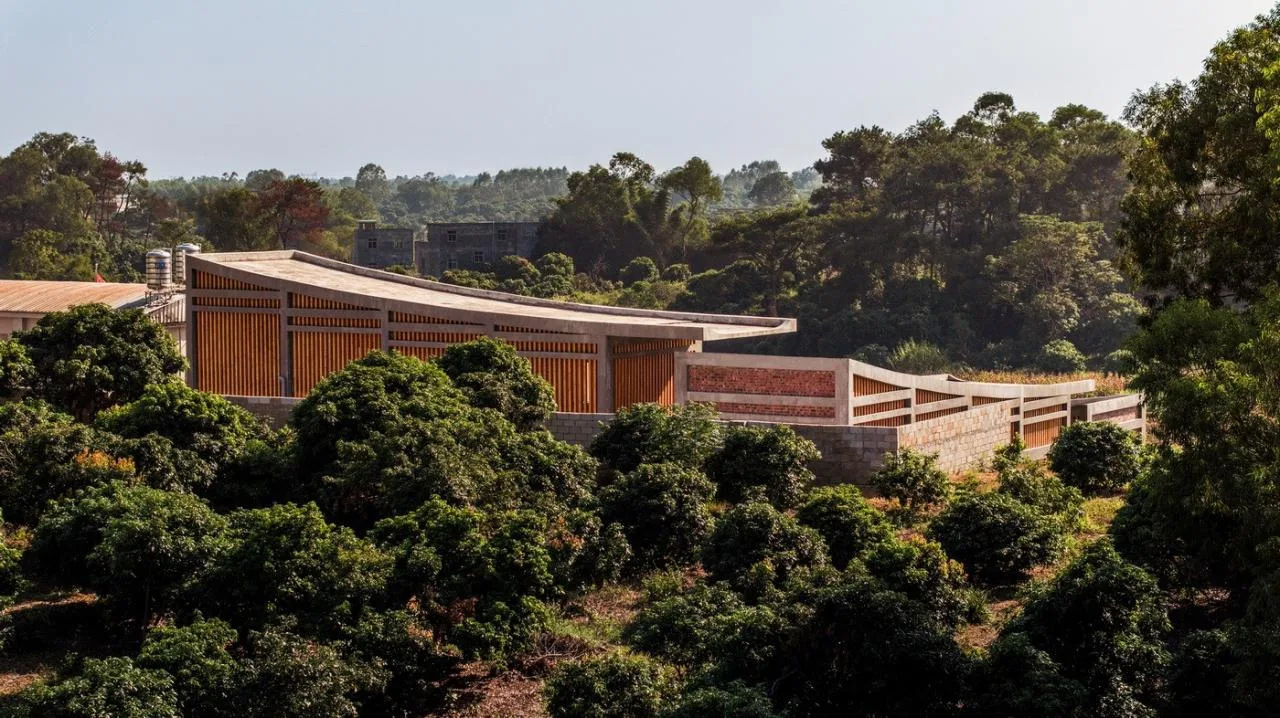
Our journey began in Duling, a charming Hakka village nestled in the lush countryside of Guangxi, China. Time seems to slow down here, filled with the refreshing scents of rural life. Approximately 3,000 Hakka residents call this village home, placing great value on education and working diligently each day.
Despite abundant rainfall, Duling faces a persistent challenge: a shortage of clean domestic water. Although heavy rains are common, the lack of proper water infrastructure leaves villagers reliant on a limited supply of well water. This scarcity not only causes sanitation issues but also poses serious health risks, especially to children.
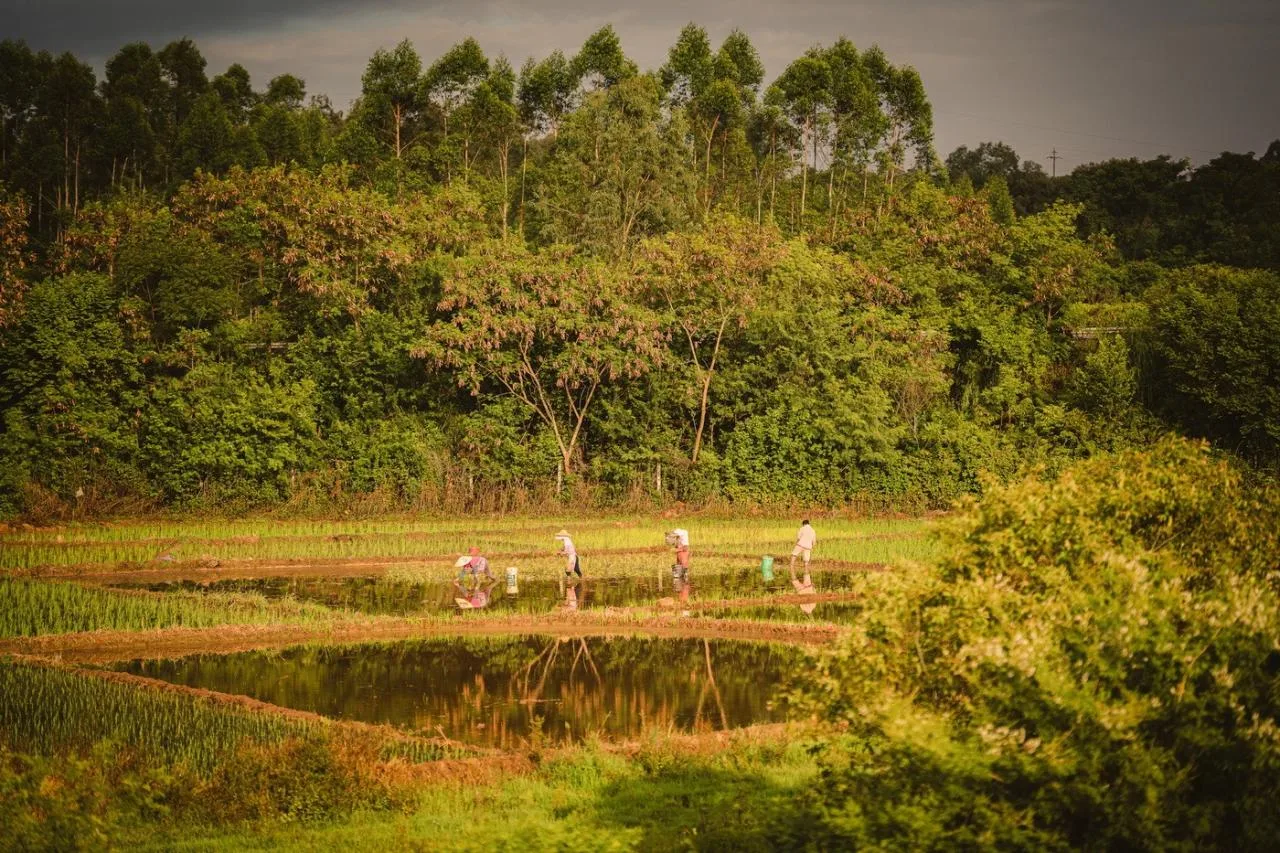
The Duling project aims to meet the community’s needs while honoring the rich Hakka cultural heritage. Guided by principles of sustainability and cultural respect, we seek to transform this village into a safe space where children can play and learn, and where locals can gather and share ideas.
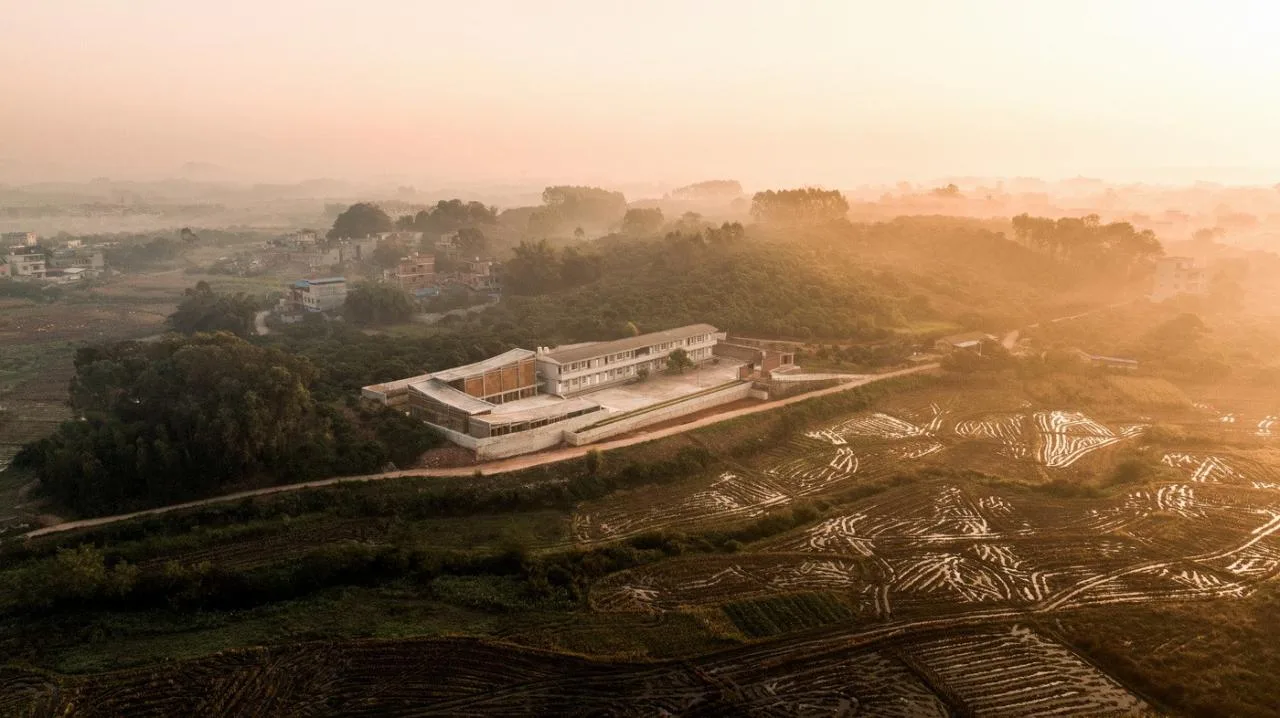
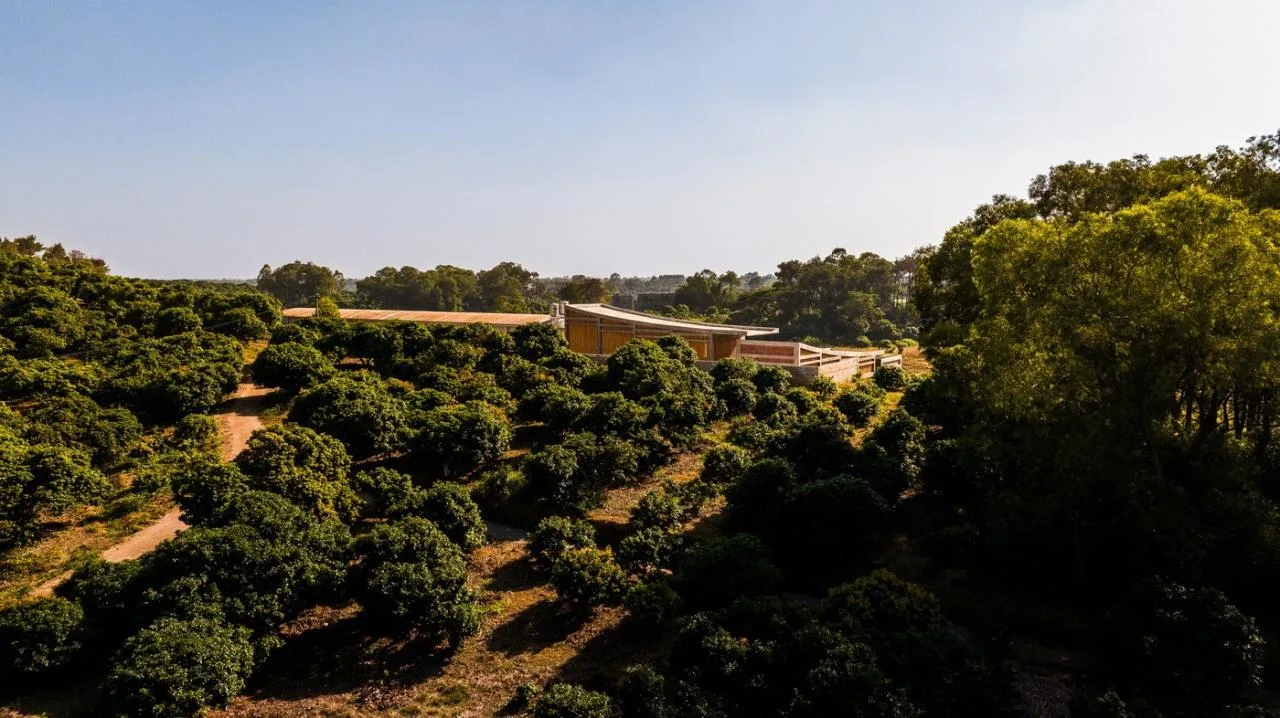
This nonprofit initiative is led by students from the University of Hong Kong through the Mingde Engineering platform, under professional supervision. The project is divided into two phases. The first involved renovating existing school buildings to strengthen their structure, including adding a roof to the teaching building to protect it from weather damage. We also constructed toilets equipped with sustainable sanitation facilities to tackle urgent hygiene problems affecting teachers and students.
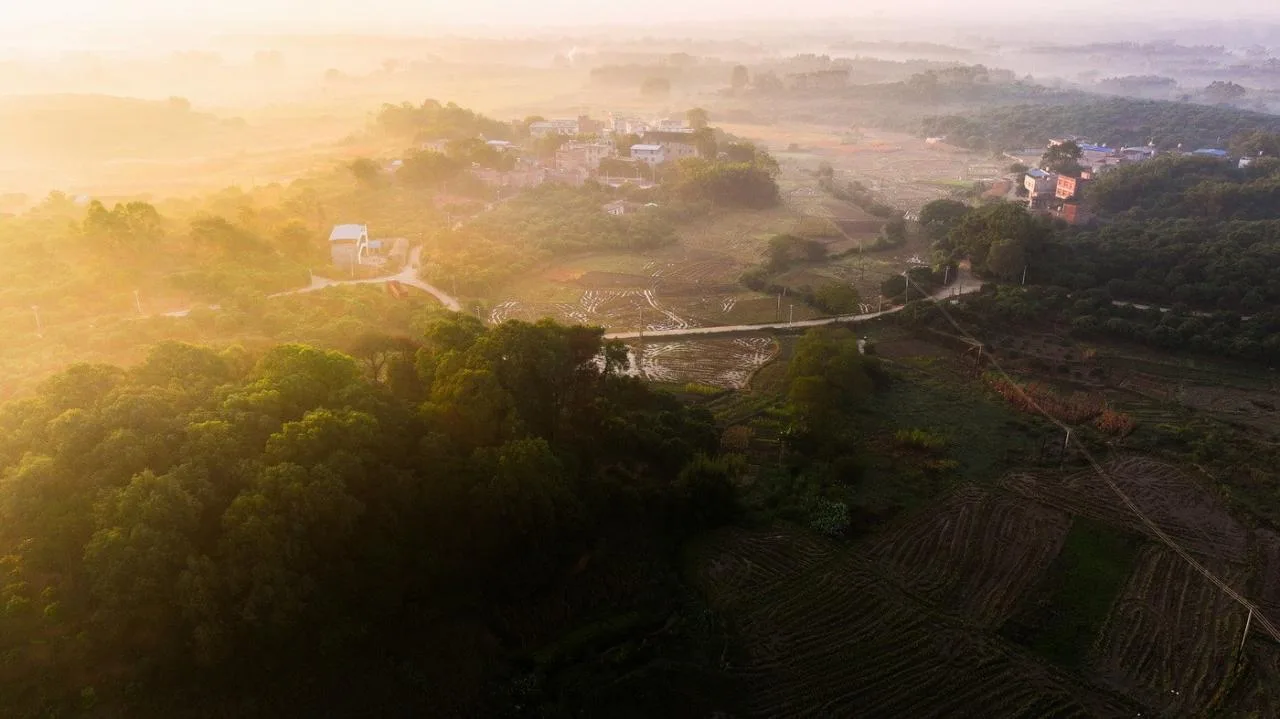
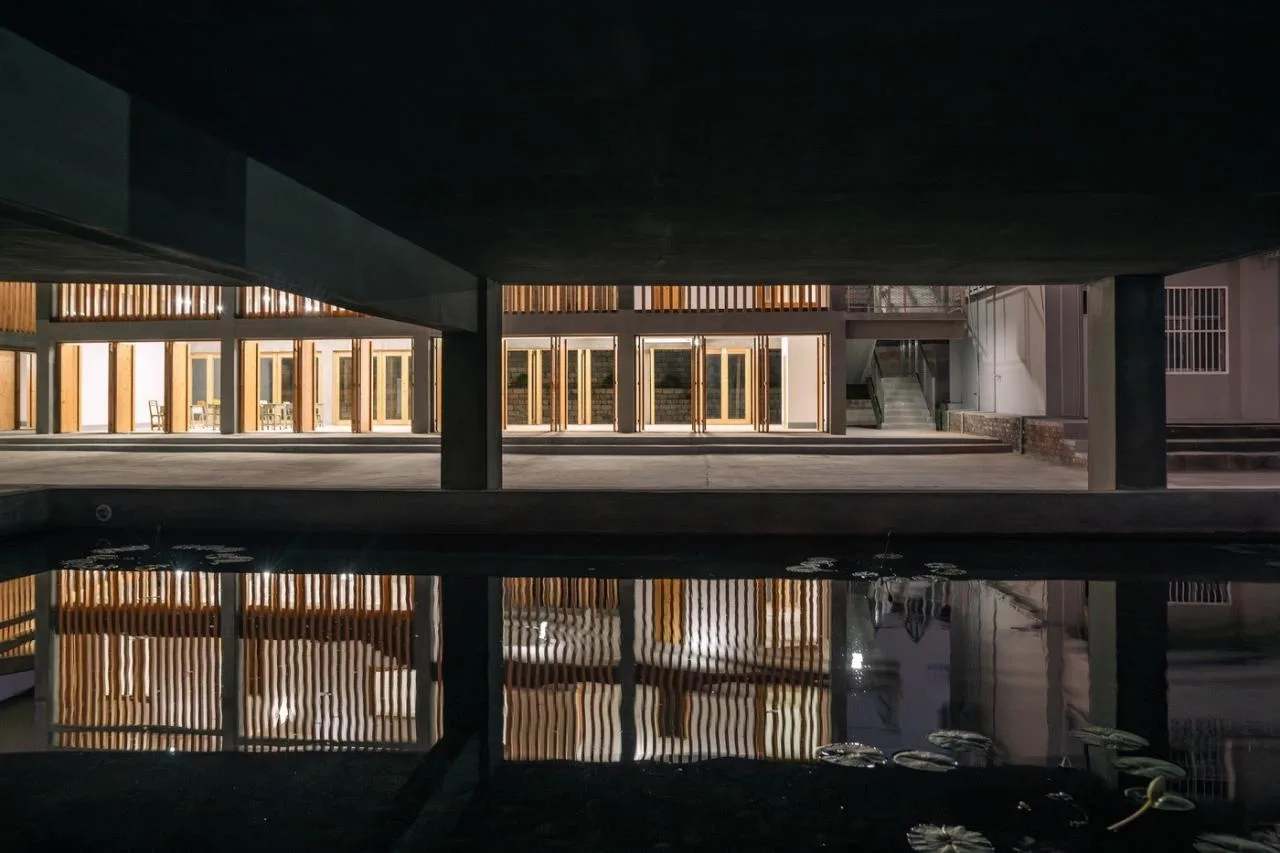
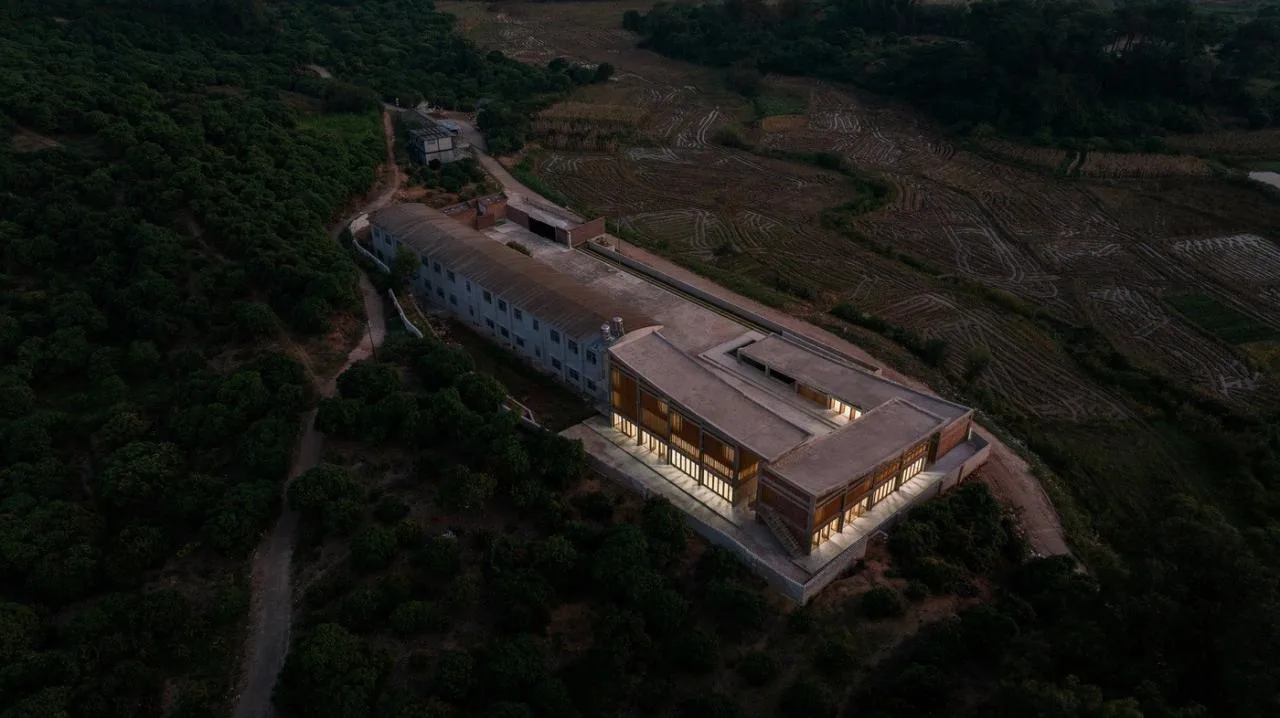
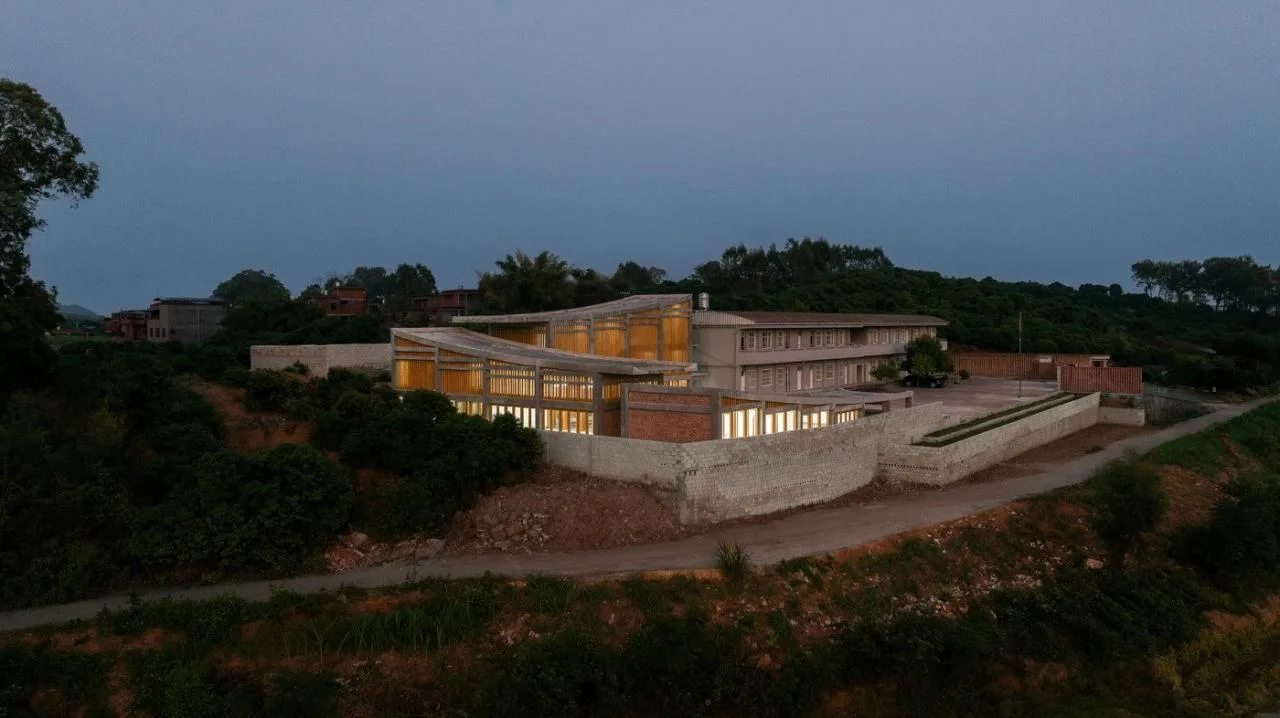
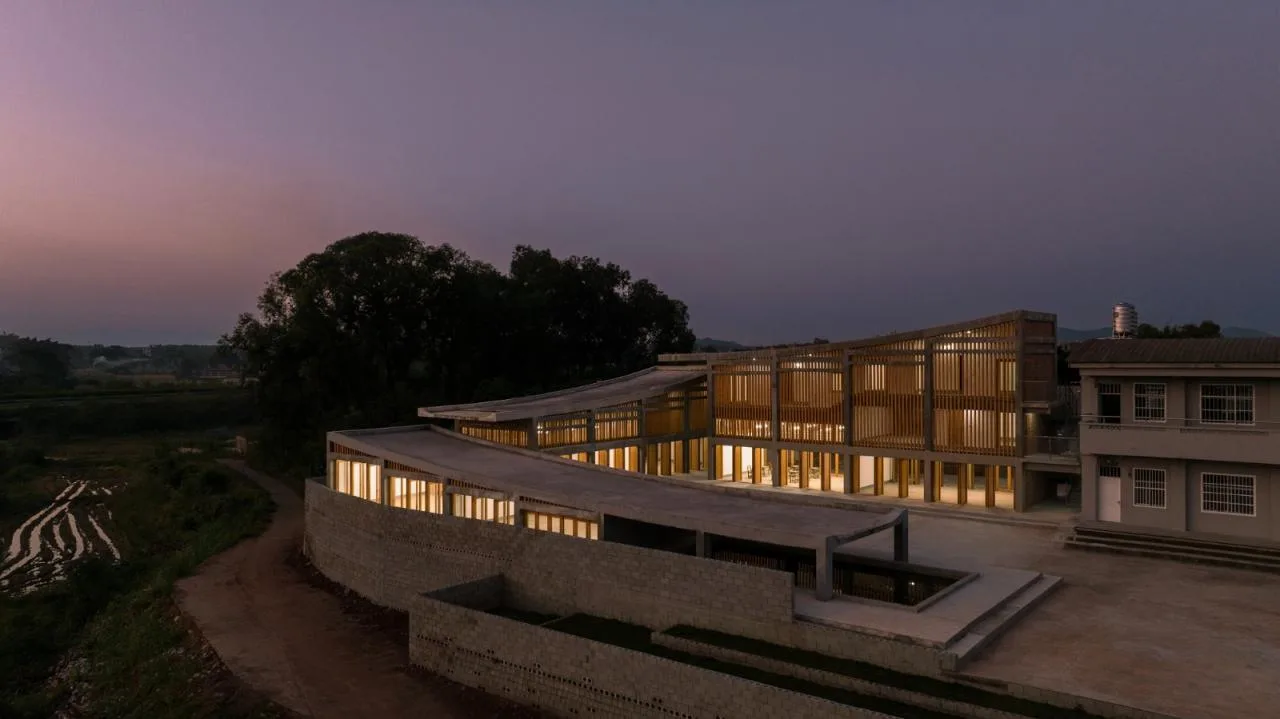
The second phase focuses on constructing a rural kindergarten and cultural center designed to address the heavy rainfall challenge. The building transforms rainwater into a vital resource, helping to ease the community’s water shortage. Considering the site’s terrain, airflow, landscape views, and local culture, the design features a tiered roof structure. These roofs collect rainwater, channeling it into a lotus pond that feeds an underground recycling system, which then pumps treated water back into the building for use.
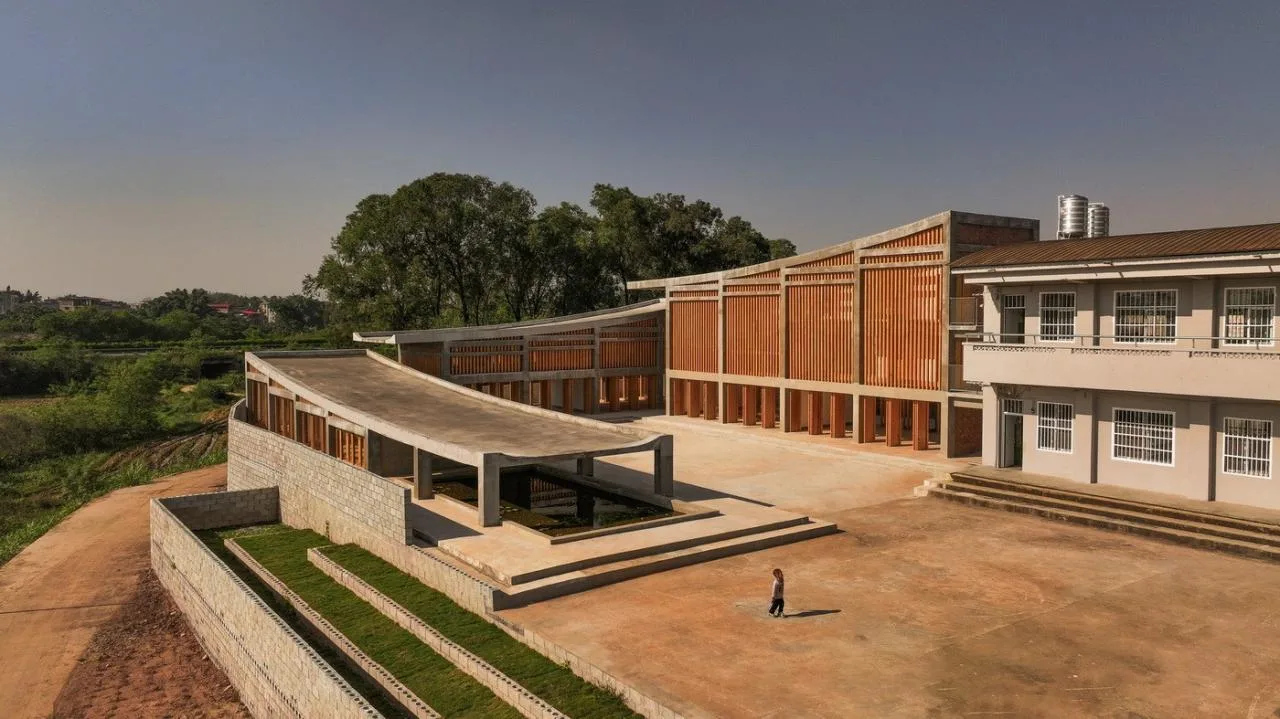
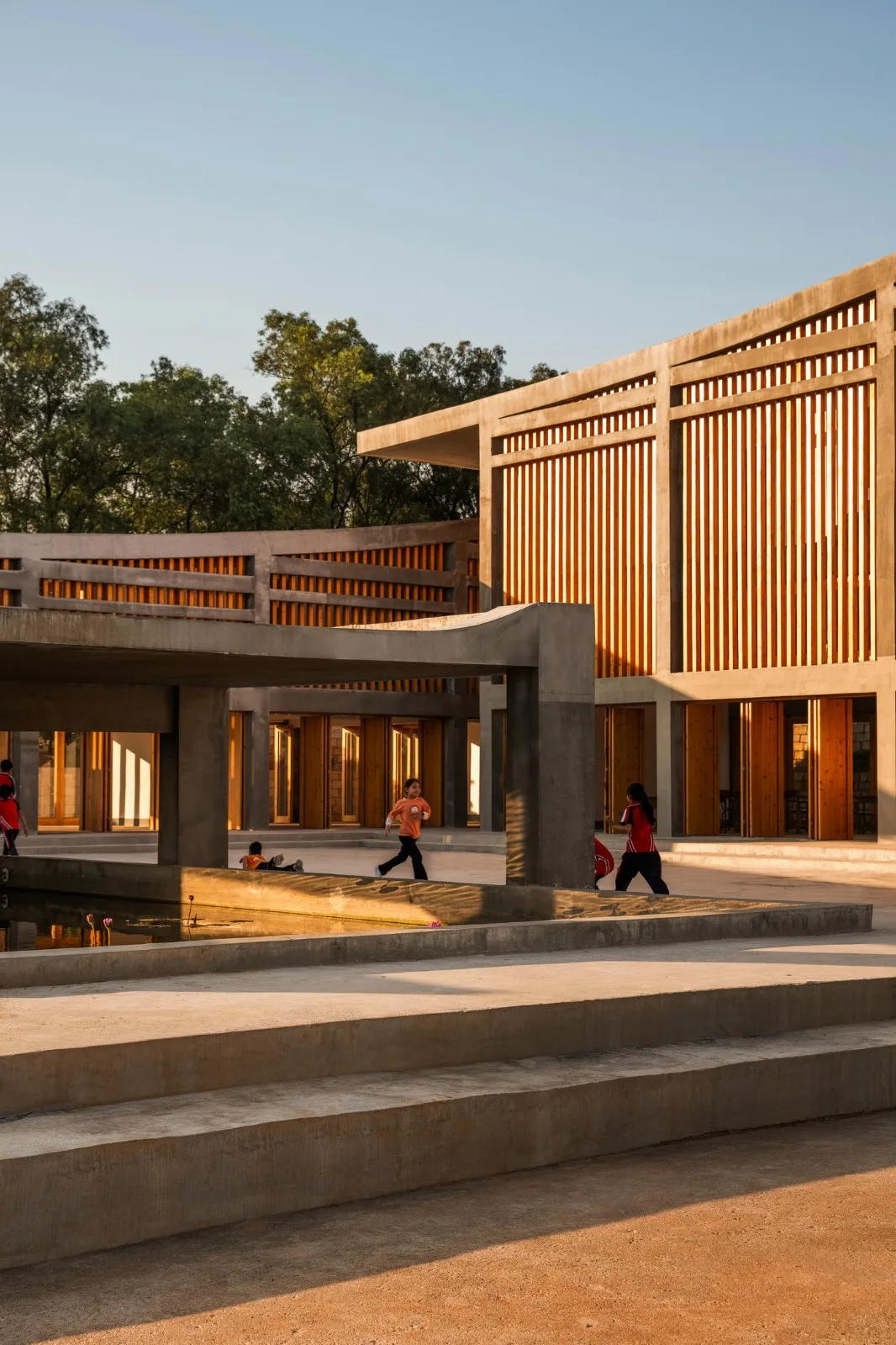
Inspired by the significance of ponds in Hakka culture, the building design centers around a lotus pond that functions both as a rainwater reservoir and a symbol of education. This feature elegantly integrates sustainability with cultural heritage. The design emphasizes openness and flexibility: classrooms connect indoor and outdoor spaces to enable adaptable layouts, maximize airflow, and regulate temperature. This highly flexible space empowers users to customize their environment according to their needs, fostering an interactive experience.
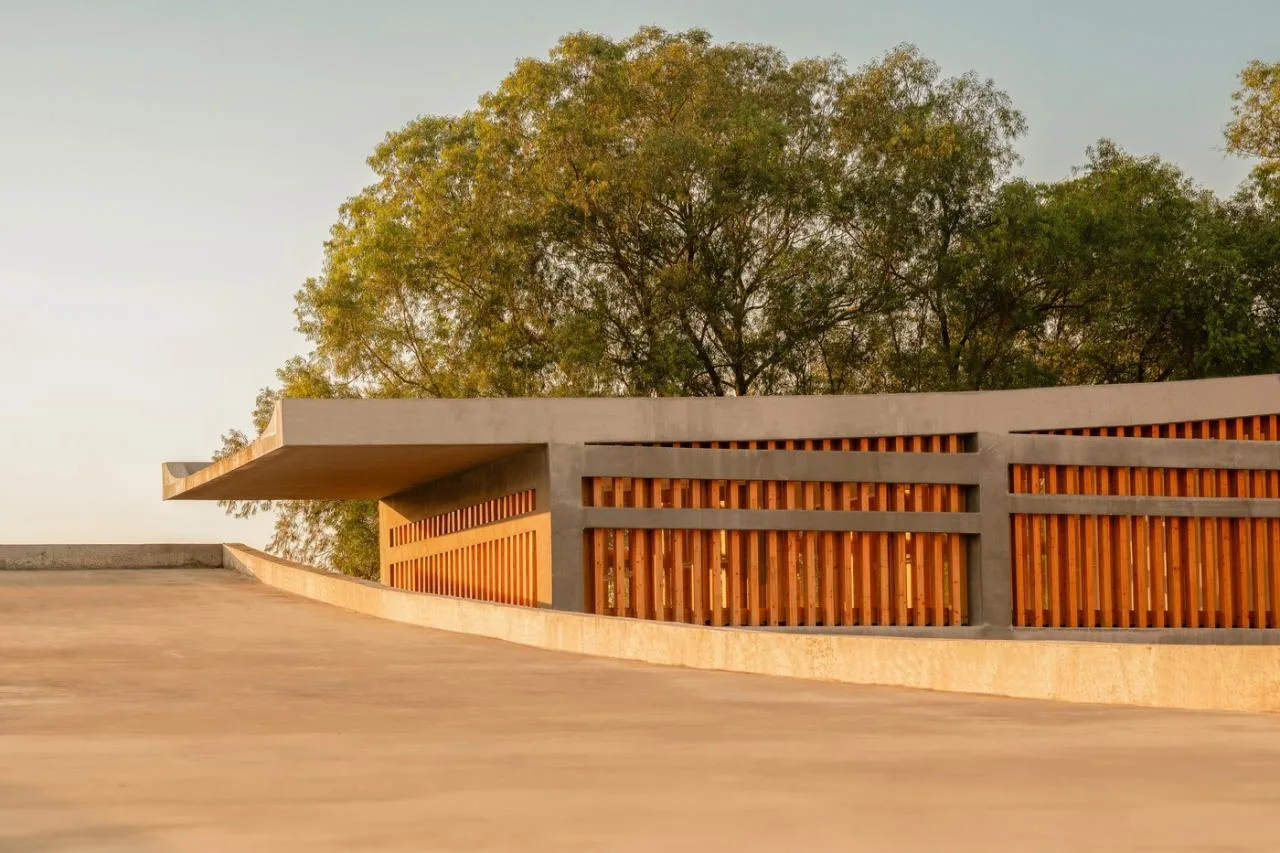
As we conclude this journey, it is important to reflect on the deeper meaning of our work. The true value of the buildings we create lies not only in their physical form but in the principles guiding their construction—rooted in humanity, compassion, and cultural sensitivity. These ideals drive our efforts and reveal how the built environment can strengthen community bonds and overcome cultural and geographic divides. Our designs embody mutual respect and understanding, celebrating the resilience of the human spirit.
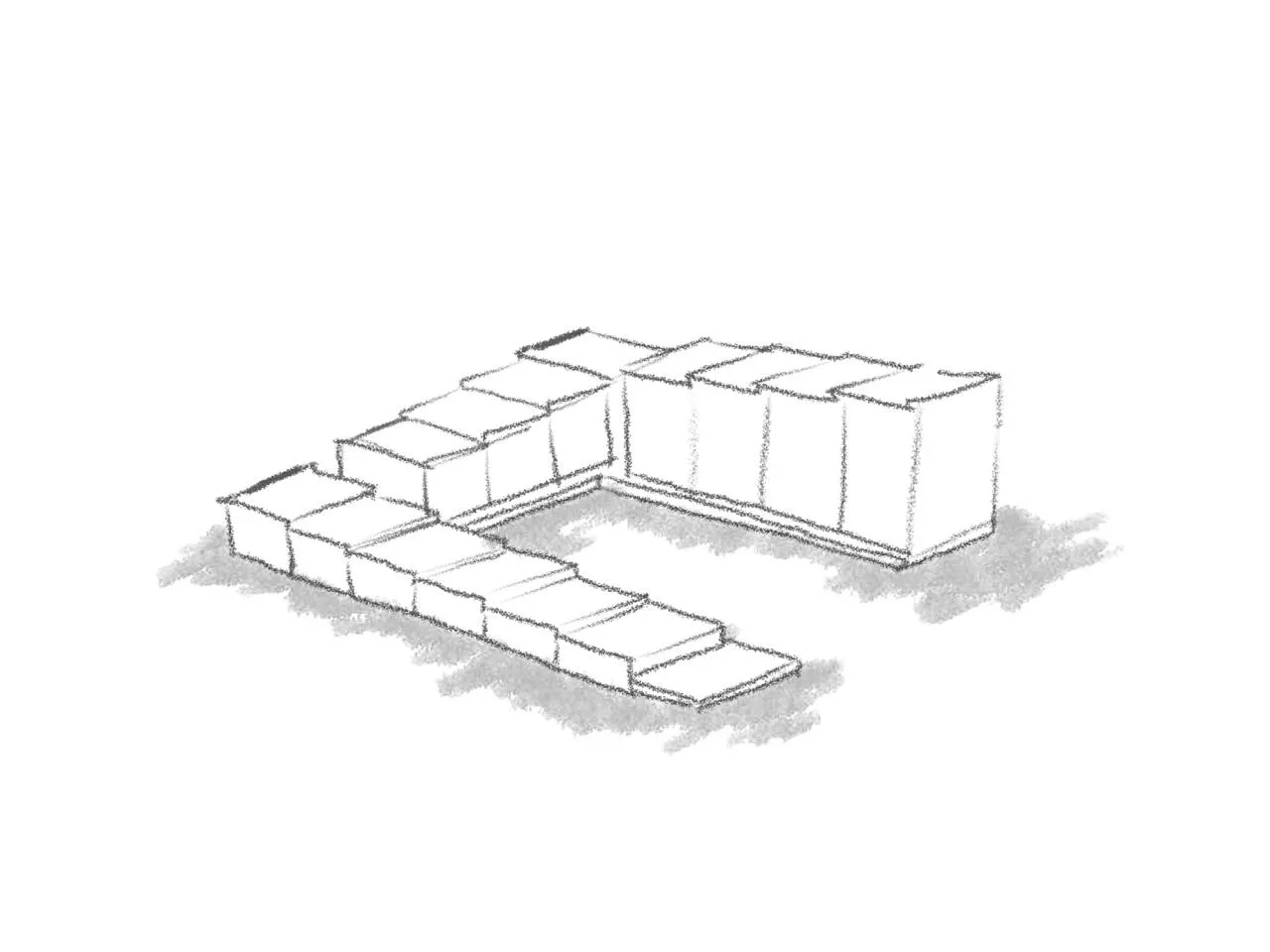
Project Drawings
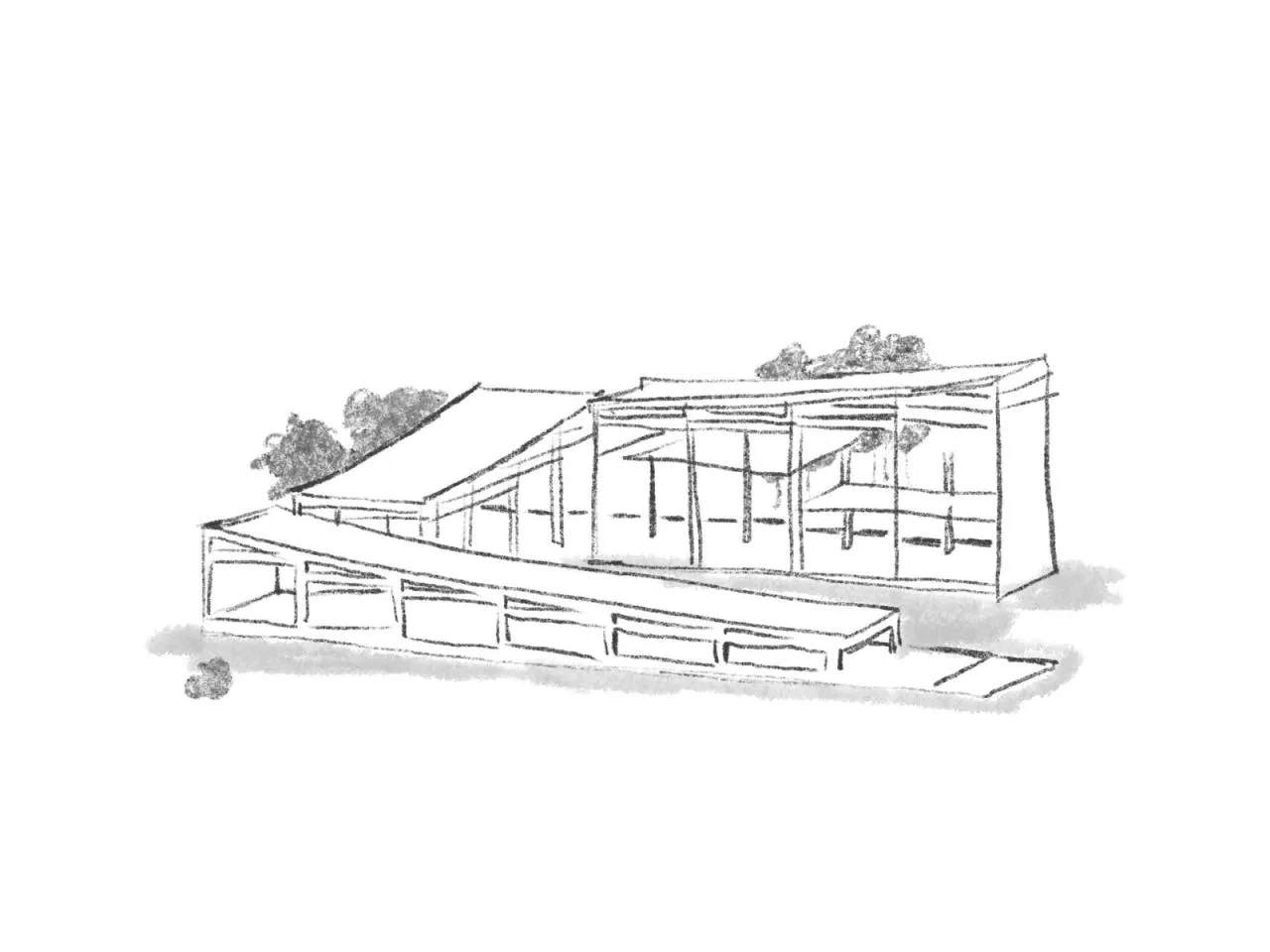
▲ Hand-drawn drawing
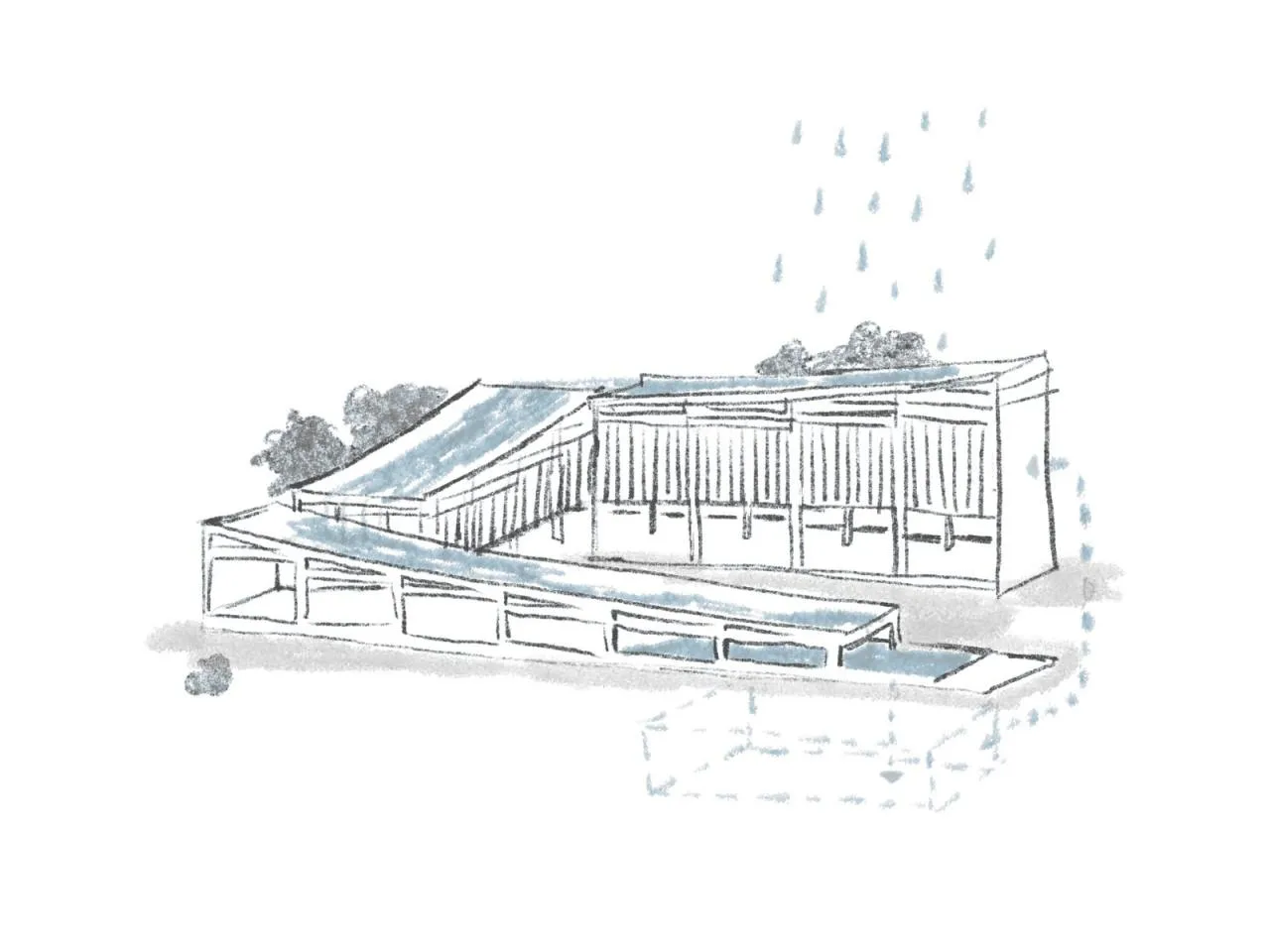
▲ Hand-drawn drawing
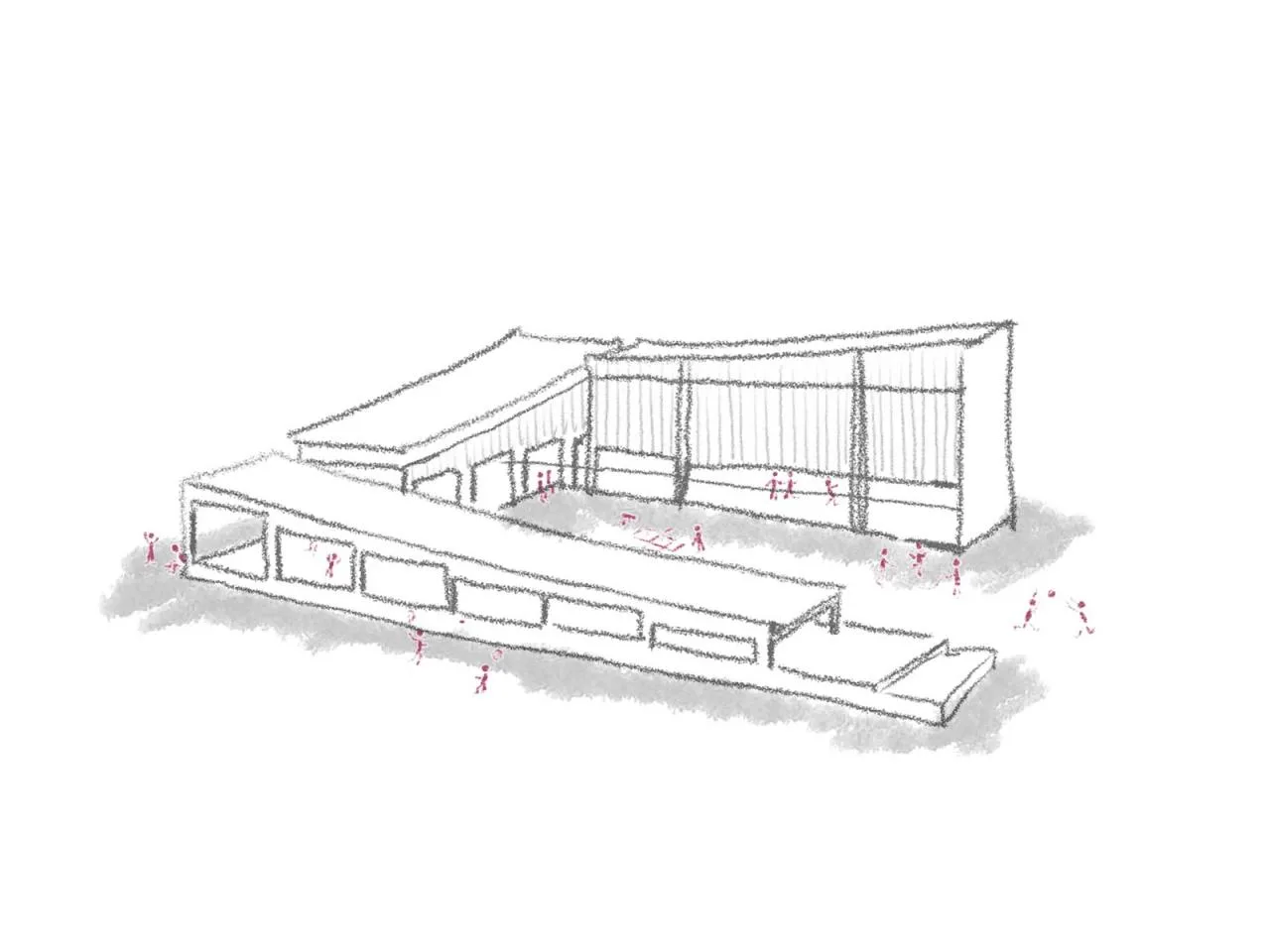
▲ Hand-drawn drawing
Project Information
Architect: Mingde Engineering, University of Hong Kong
Area: 500 m²
Project Year: 2024
Photographer: Jin Weiqi (Macau University of Science and Technology)
Lead Architect: Li Yaying
Donor: Shenzhen Cipan Foundation
Sponsorship: Li Xishen Foundation
Location: Guizhou














Must log in before commenting!
Sign Up