
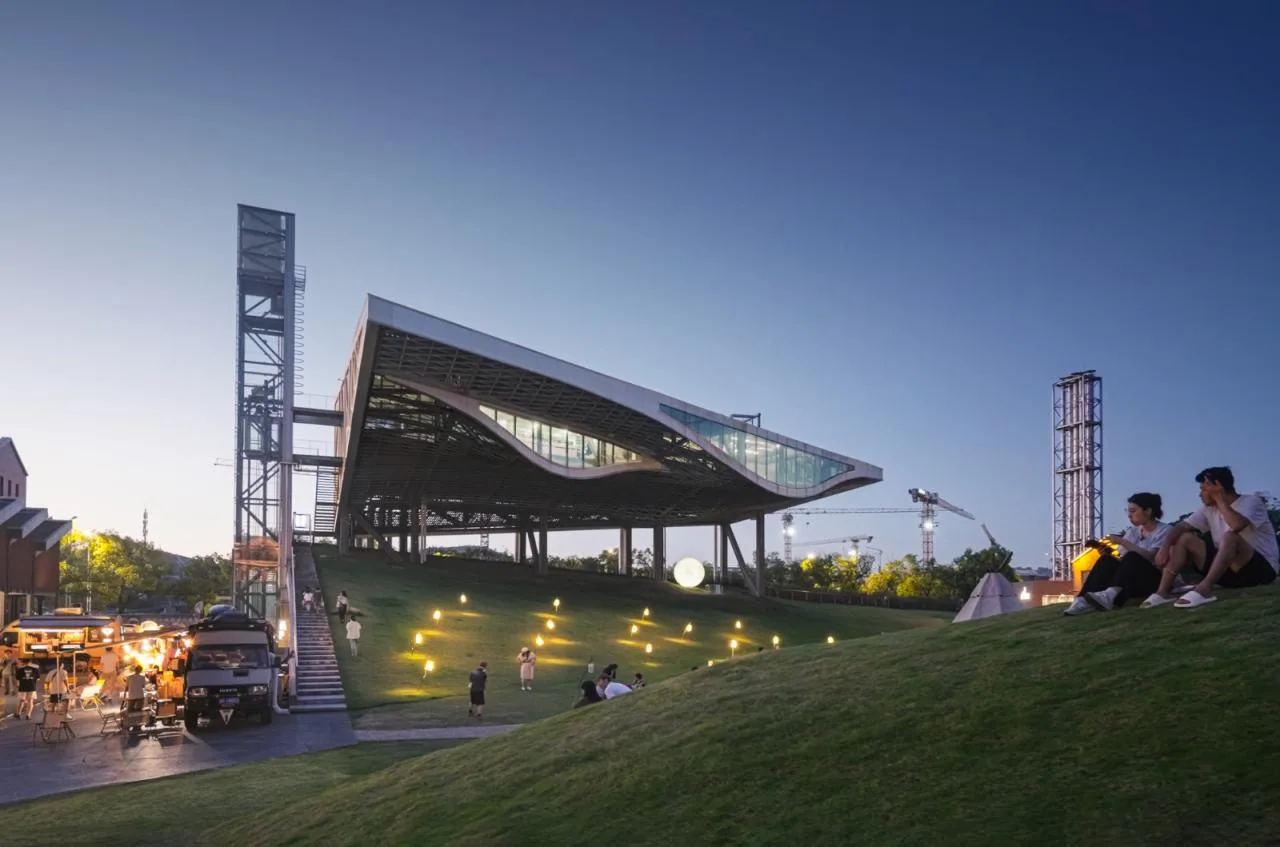
What kind of equipment room can be integrated into a green park?
In the summer of 2019, under the loud chirping of cicadas, I was posed this intriguing question by Liu Zili, owner of Jingdezhen Taoxichuan Cultural and Creative Park and chairman of Taowenlv. Back in 2012, he invited Professor Zhang Jie’s team from Tsinghua University to lead the planning for the protection, renewal, and utilization of the Taoxi River.
Taoxichuan, formerly the site of the state-owned Universe Ceramic Factory and Ceramic Machinery Factory, has transformed into a national cultural industry demonstration park, a national innovation and entrepreneurship base, a vibrant nighttime cultural and tourism cluster, and a hub for intangible cultural heritage tourism. It now serves as a creative platform for many artists and creators.
In 2019, the first phase of Taoxichuan was just taking shape, with other areas still undeveloped. Existing buildings lacked sufficient electrical capacity and high-rise water pressure. Expanding the park meant infrastructure had to come first.
Initially, Tao Wenlv aimed to minimize the visual impact of scattered equipment on the park’s future landscape. After thorough technical assessments and energy-saving optimizations, Tao Wenlv decided to build a centralized energy center. This center would provide cooling and heating, fire-pressurized water, and electricity for the park’s expansion, while managing energy optimization and fire safety.
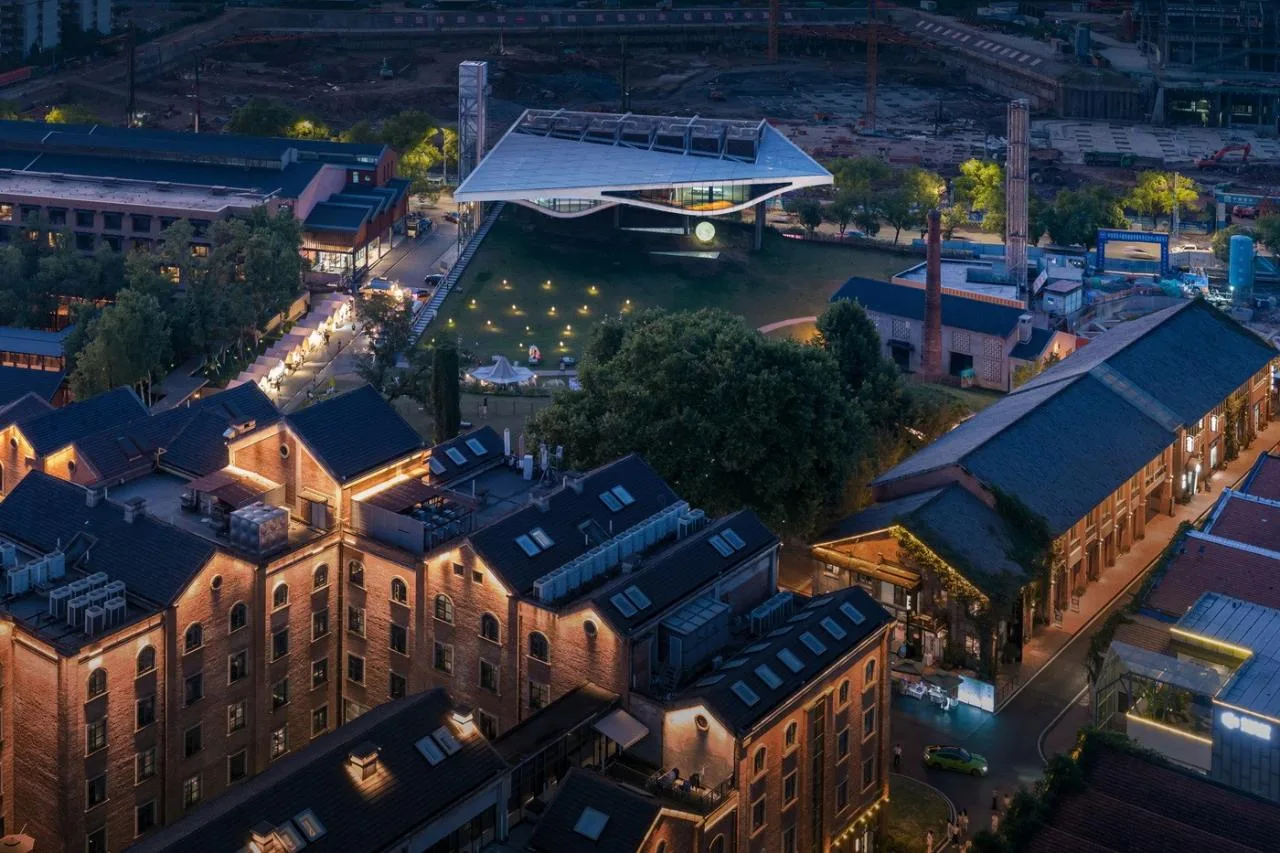
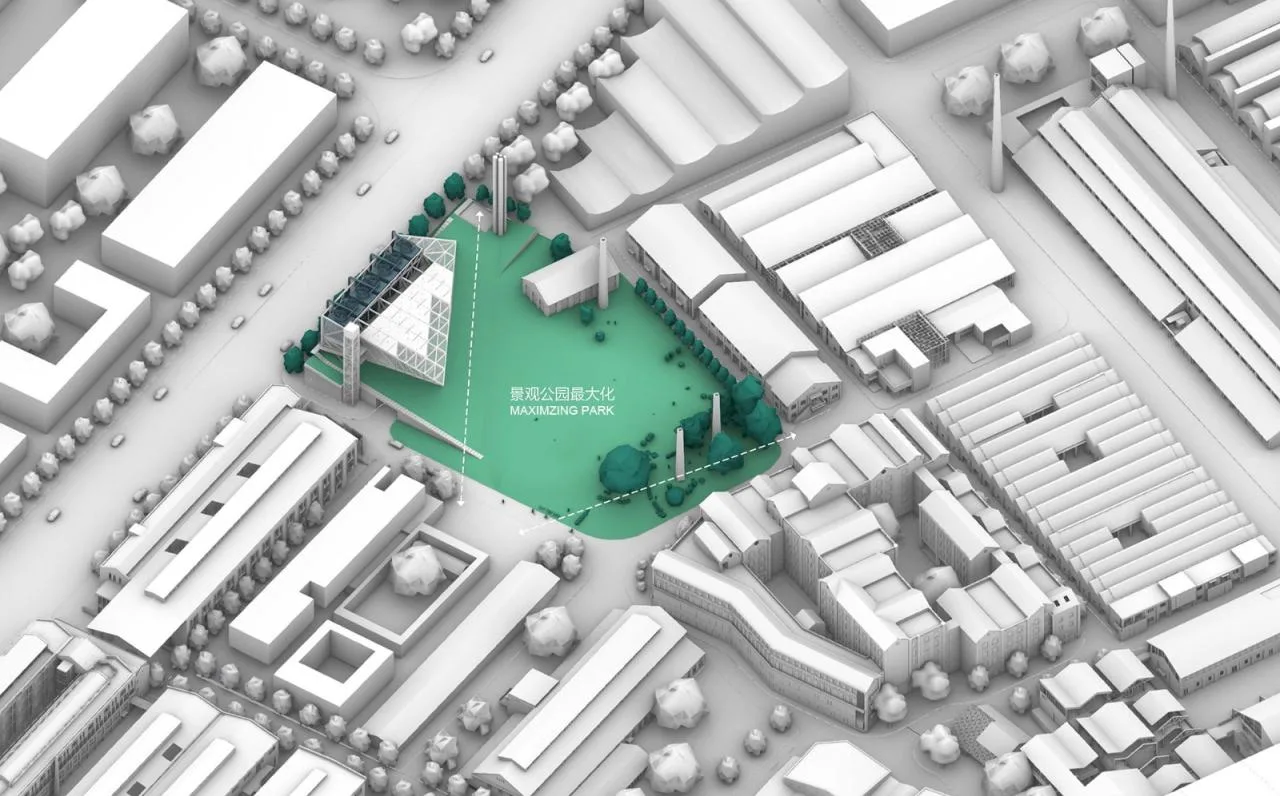
The energy center is situated in an open area within the park. This vacant land is excavated and converted into an underground parking garage connecting several nearby hotels. This design seamlessly integrates smart pipelines for cold and hot air networks, which are then covered with soil to restore the green park above.
So, what kind of equipment room can exist within a green park?
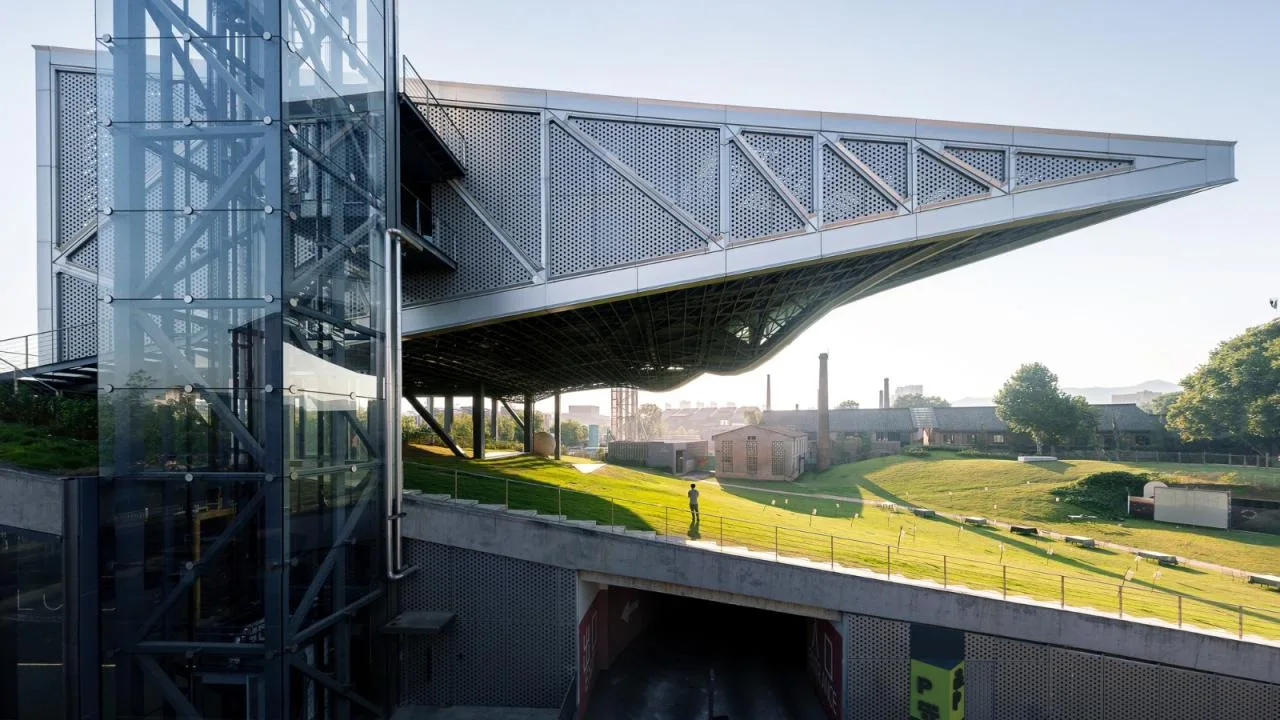
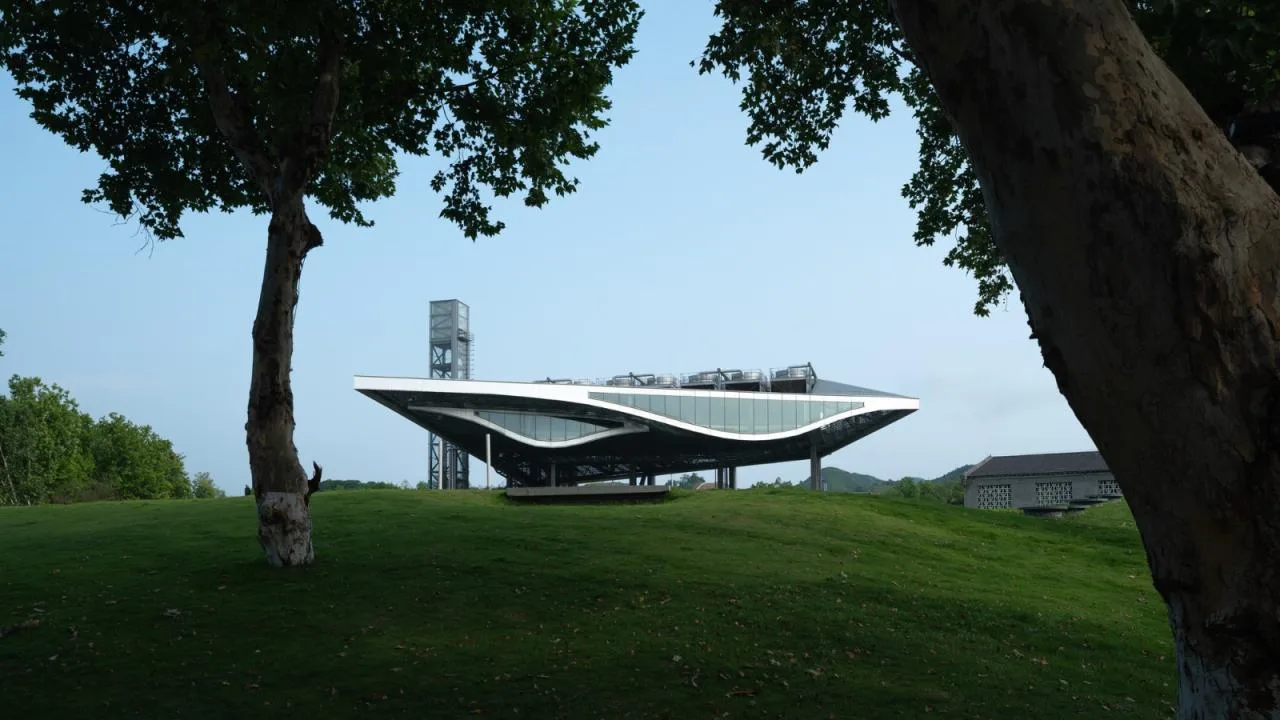
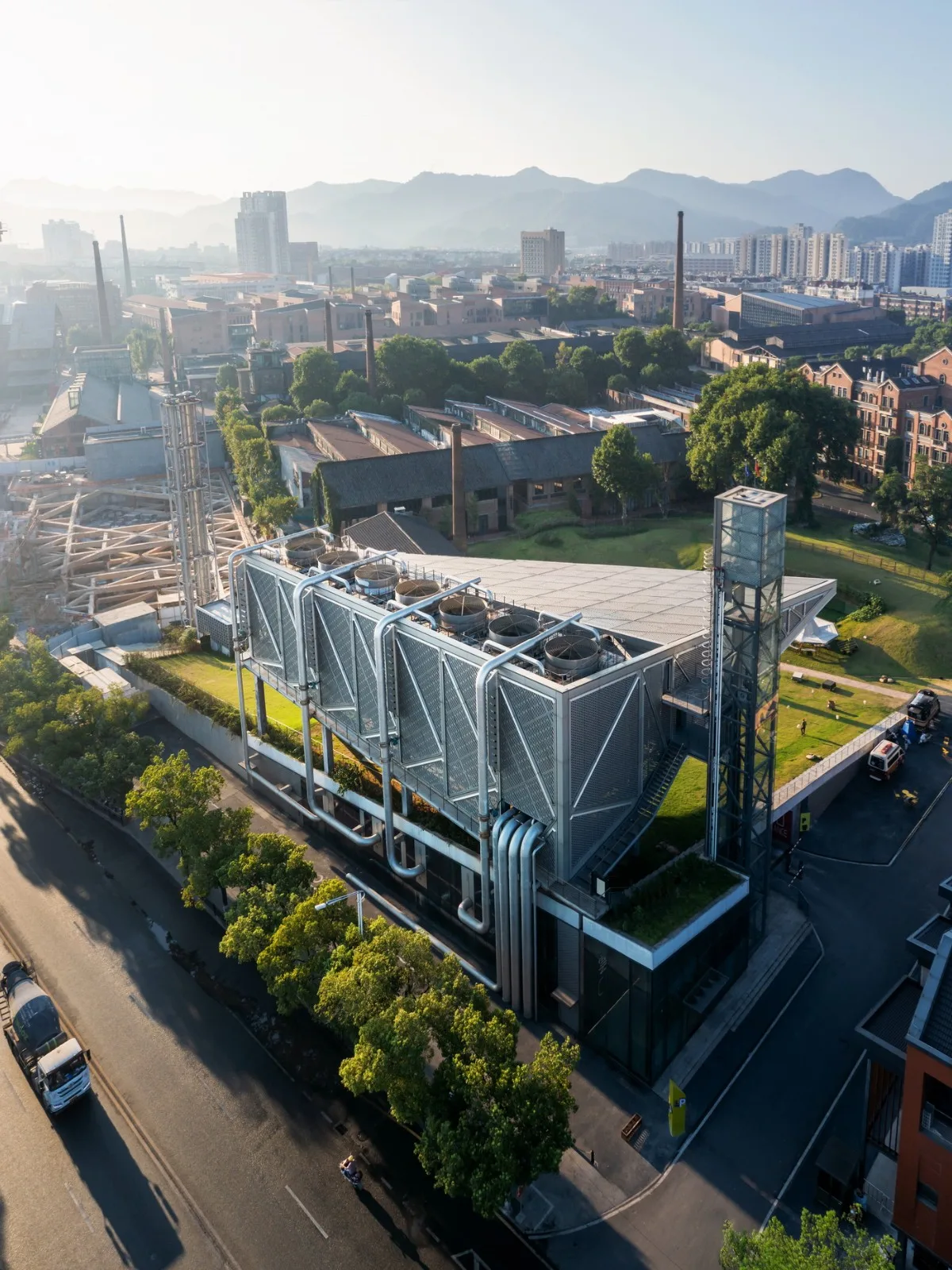
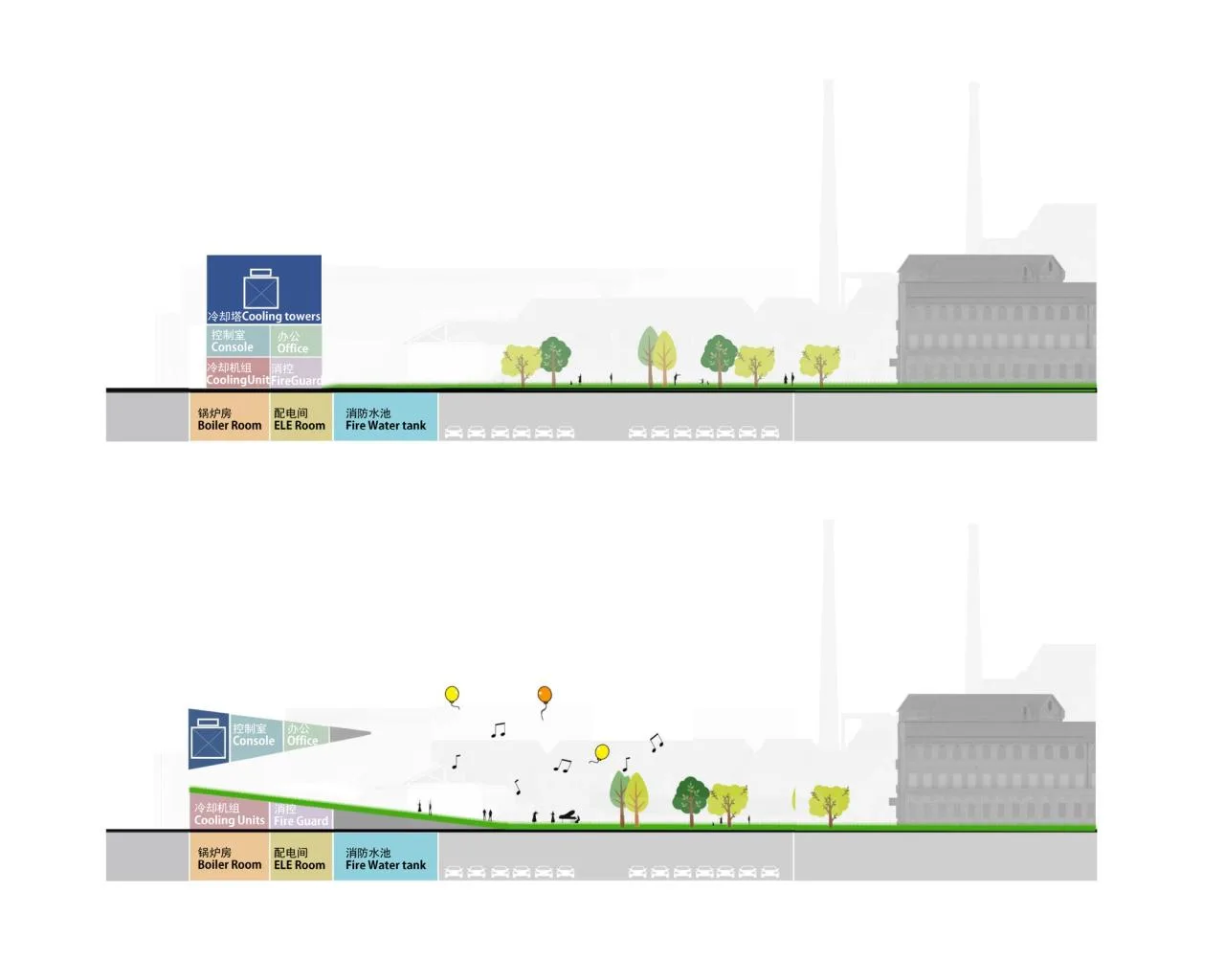
Typically, energy stations—commonly called equipment rooms—are not open to the public. They contain a fire water tank, water pump room, boiler room, refrigeration units, a substation, and a control center, all enclosed within a large box. Usually, a big cooling tower sits atop this box, surrounded by louvers.
Architects often apply various façade techniques to “beautify” such square boxes. But is there a way to maintain the park’s open space while fulfilling the energy center’s functional requirements?
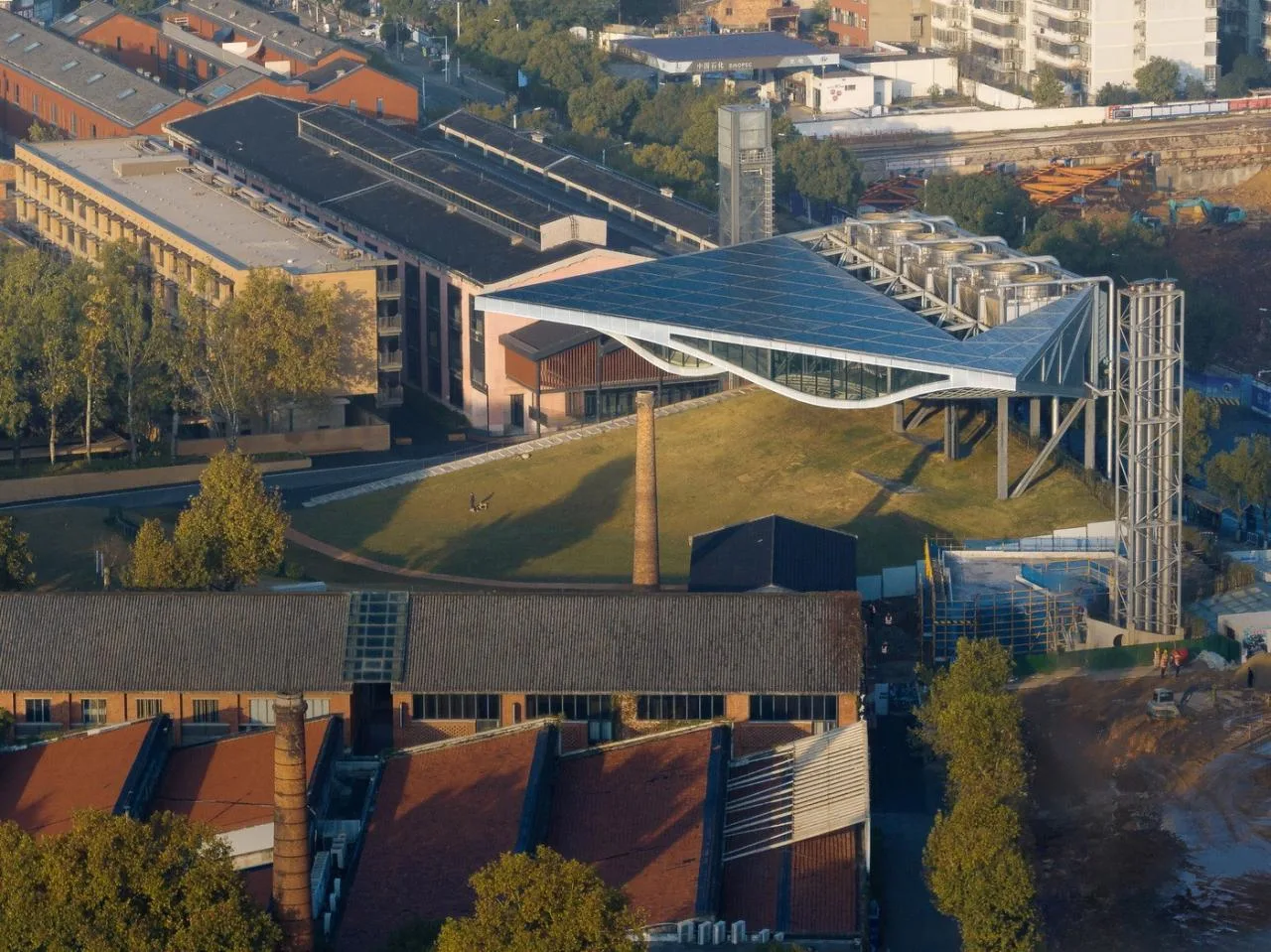
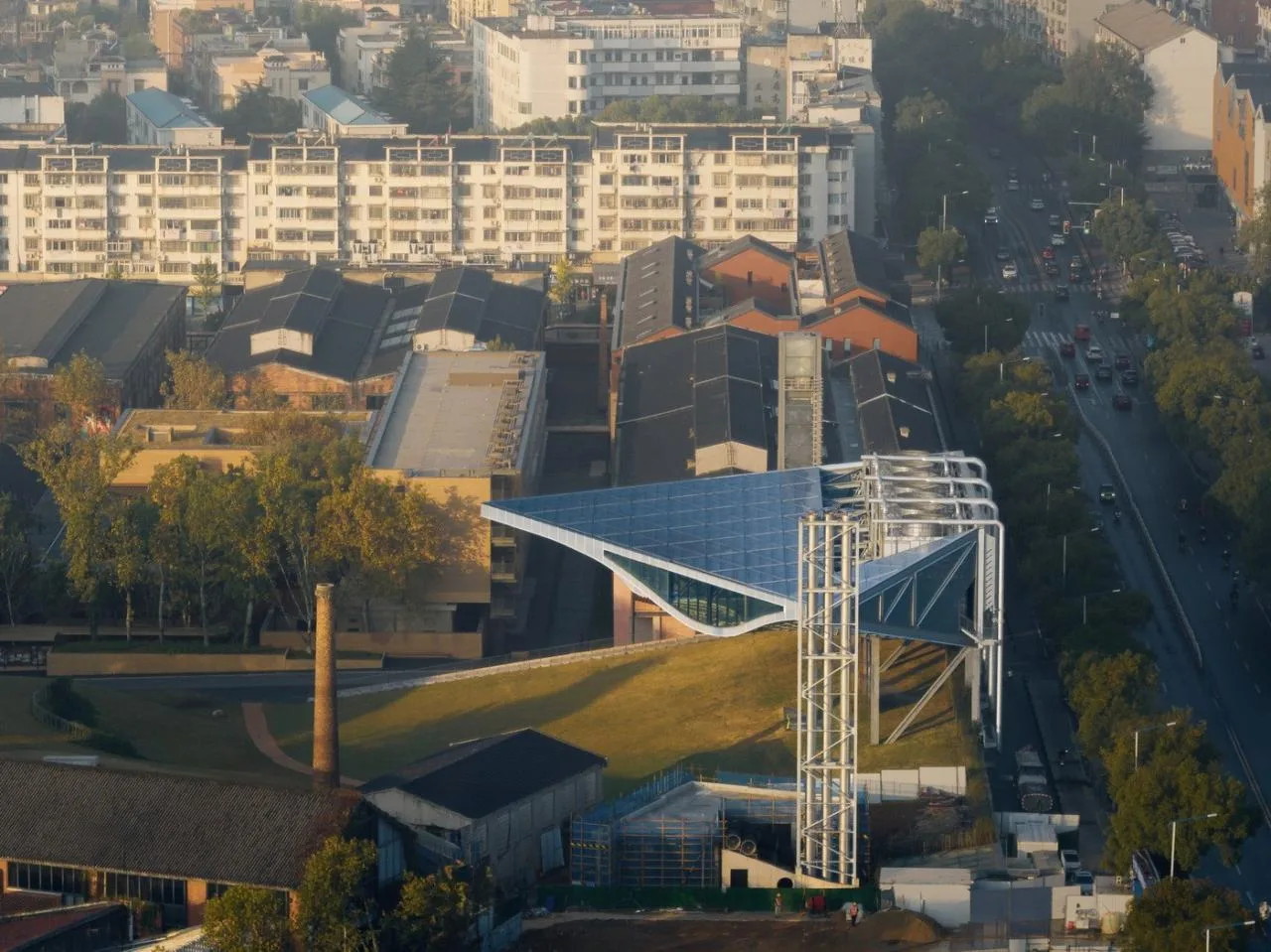
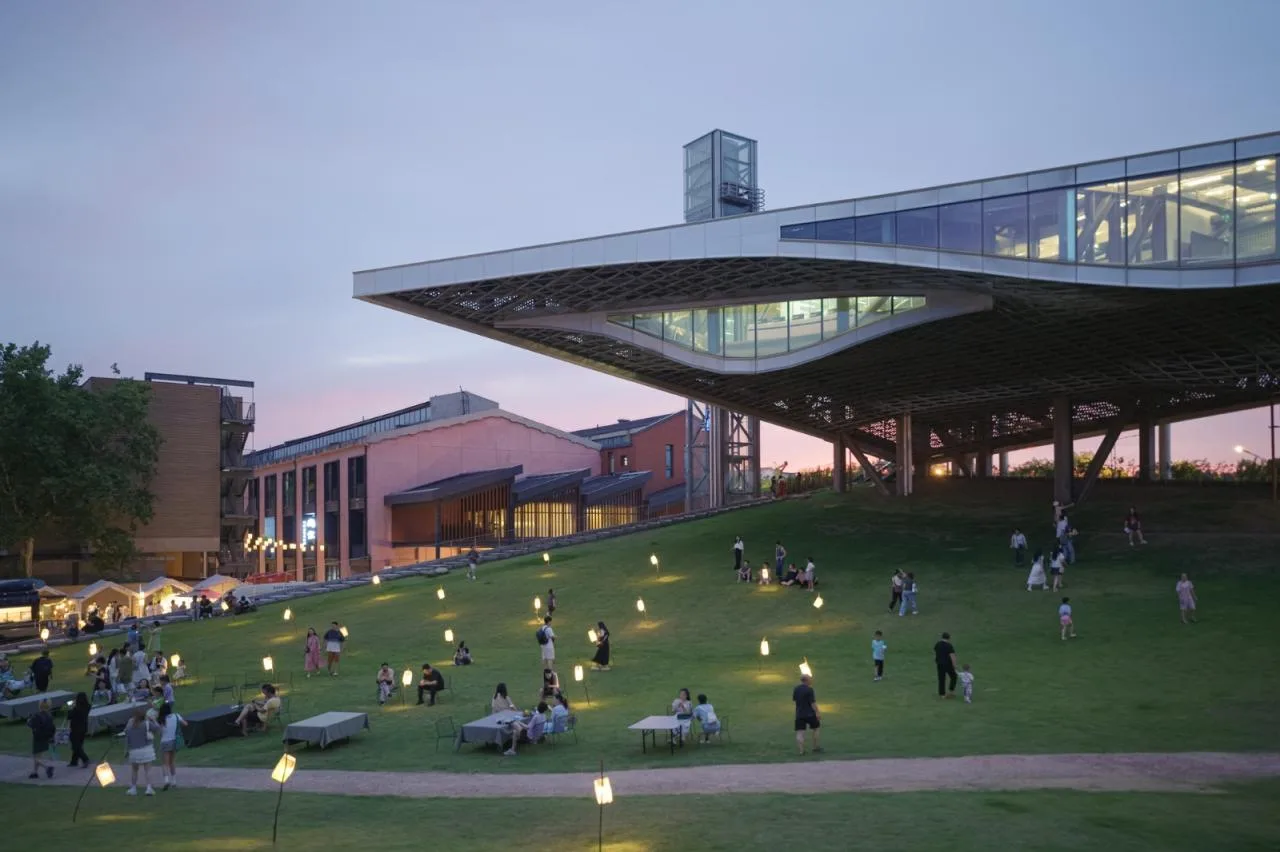
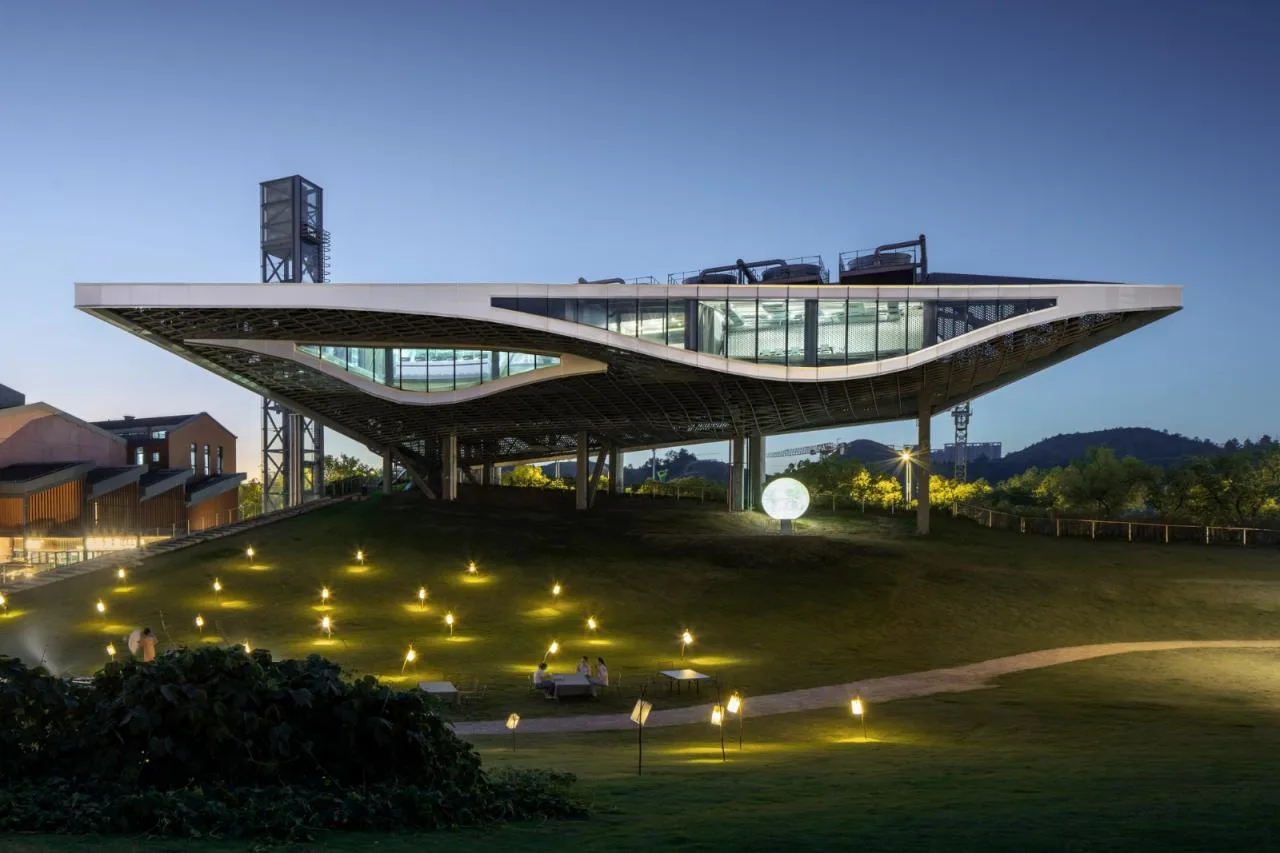
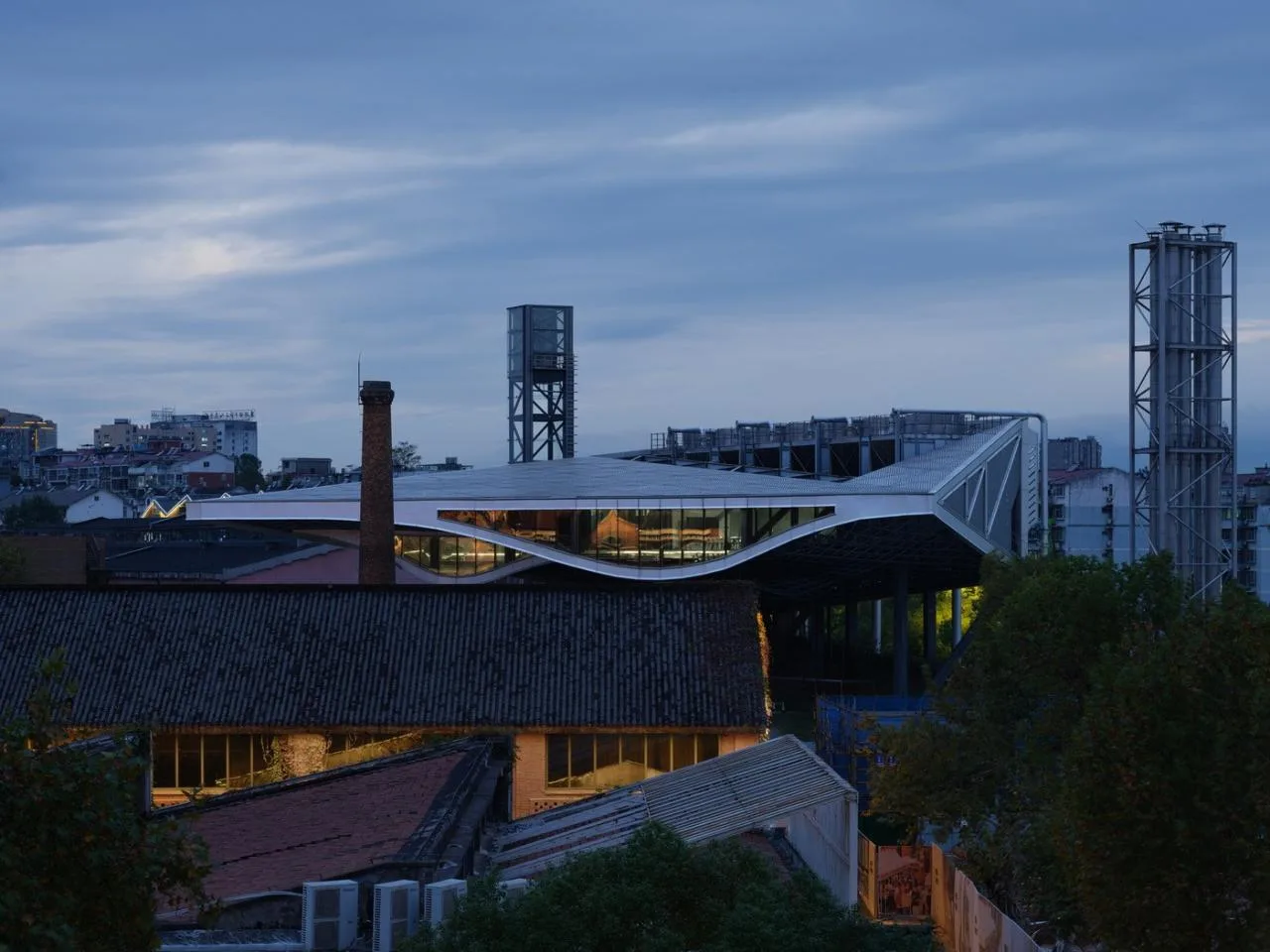
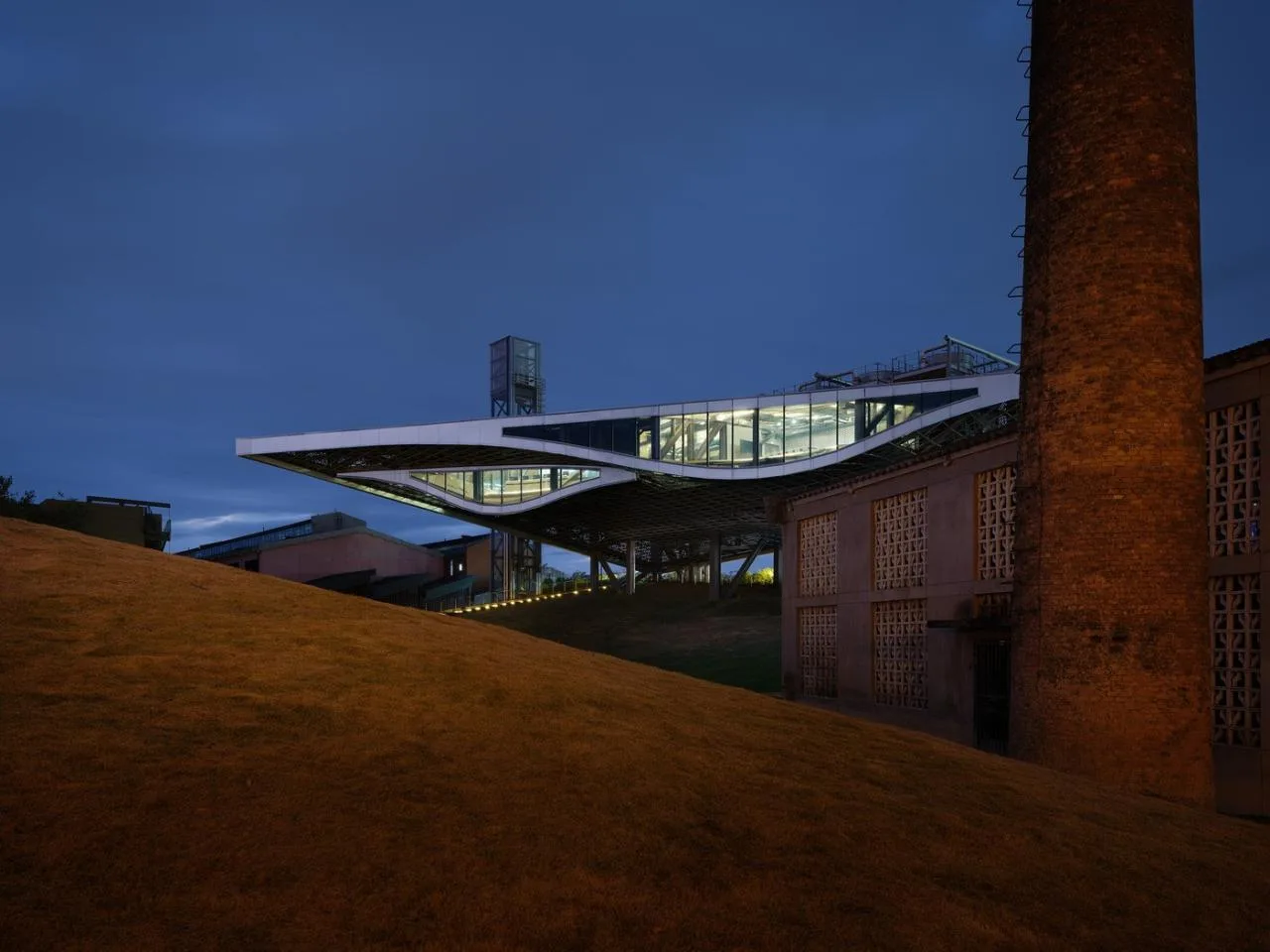
We divided the building into two parts: the cooling units, power distribution, boiler room, and fire water pool are buried underground and connected to the green space, forming a grassy slope that appears as if a corner of the grass is folded upward.
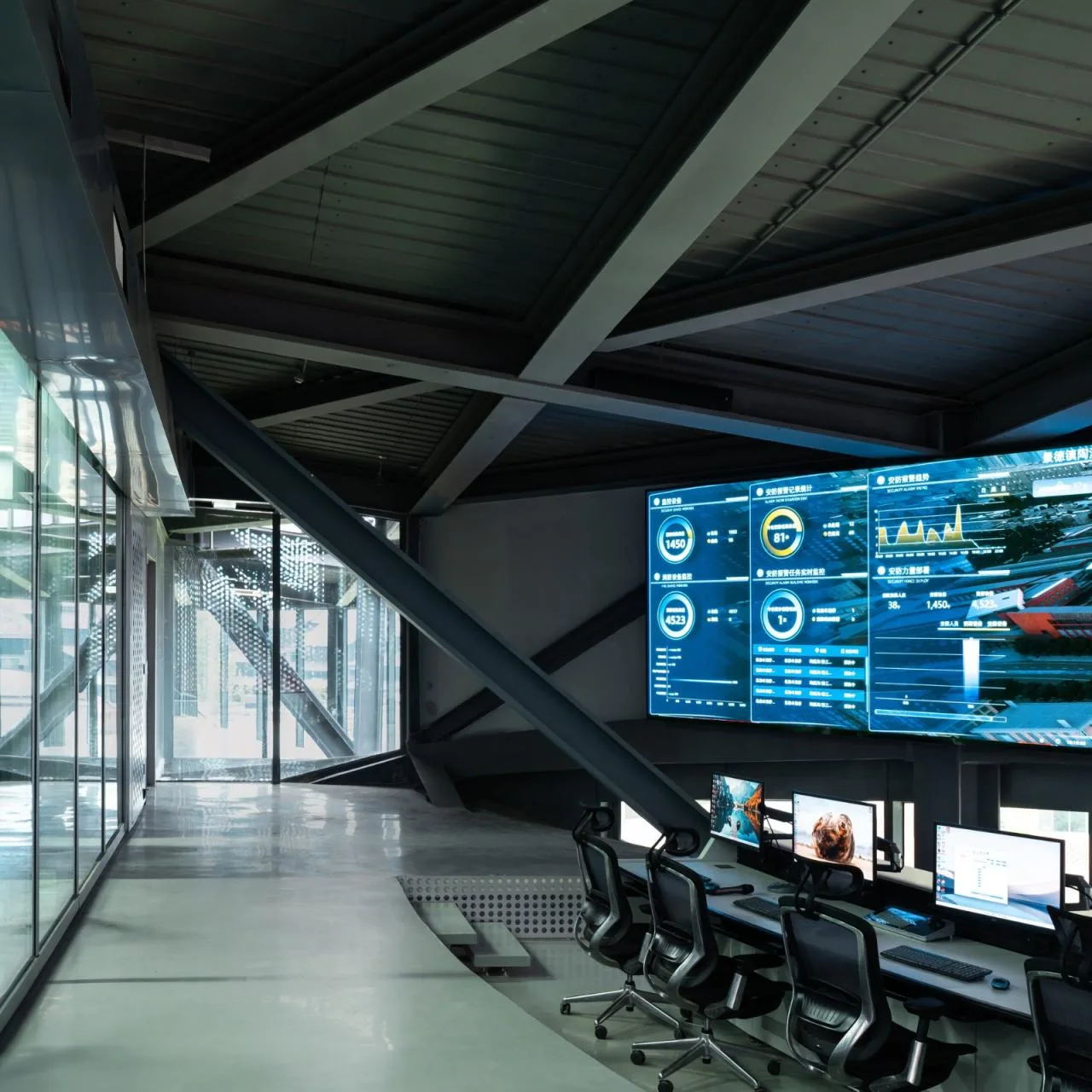
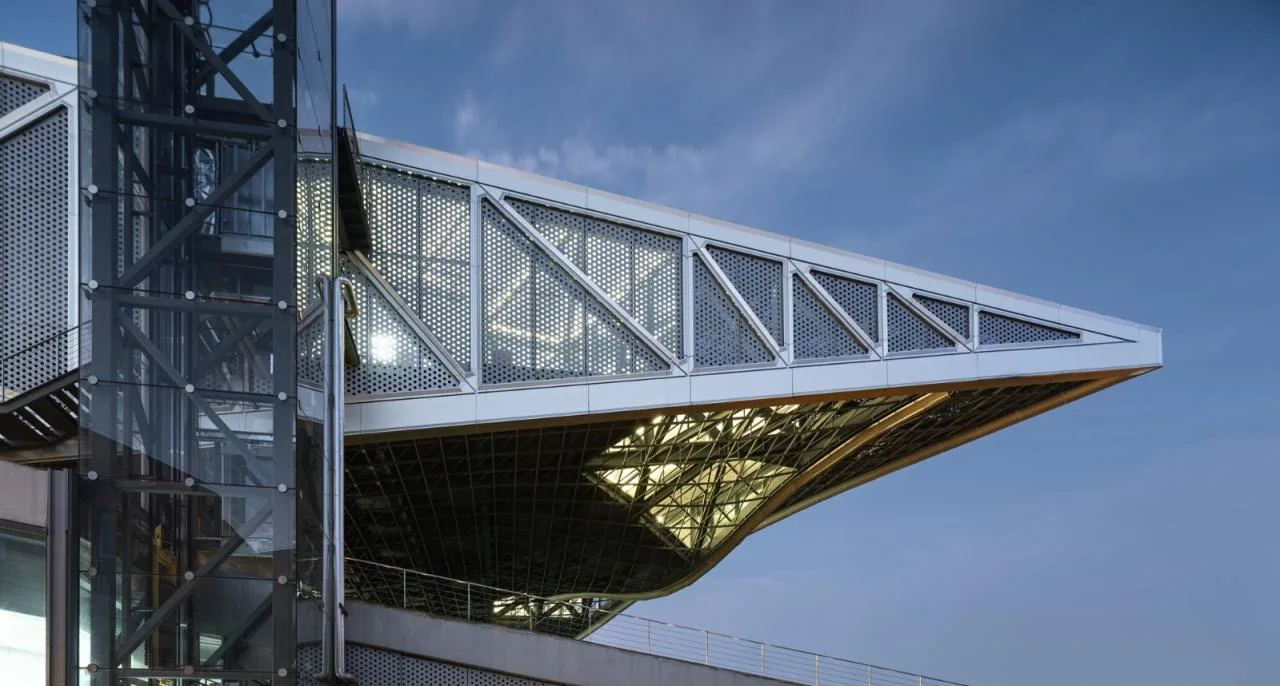
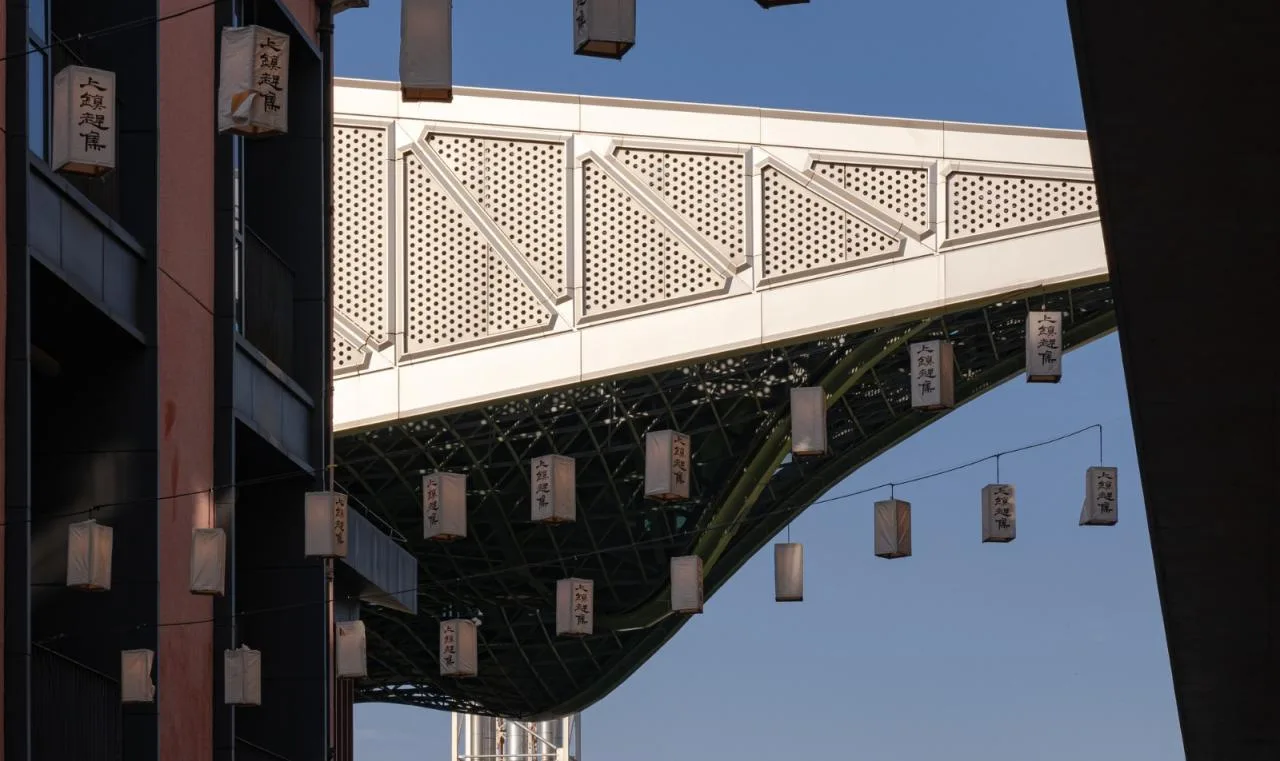
The cooling tower and control center are suspended above ground, arranged in a wedge shape tailored to the required space. Although the interior is not public, this division returns the occupied park area back to the public, preserving the park’s overall space.
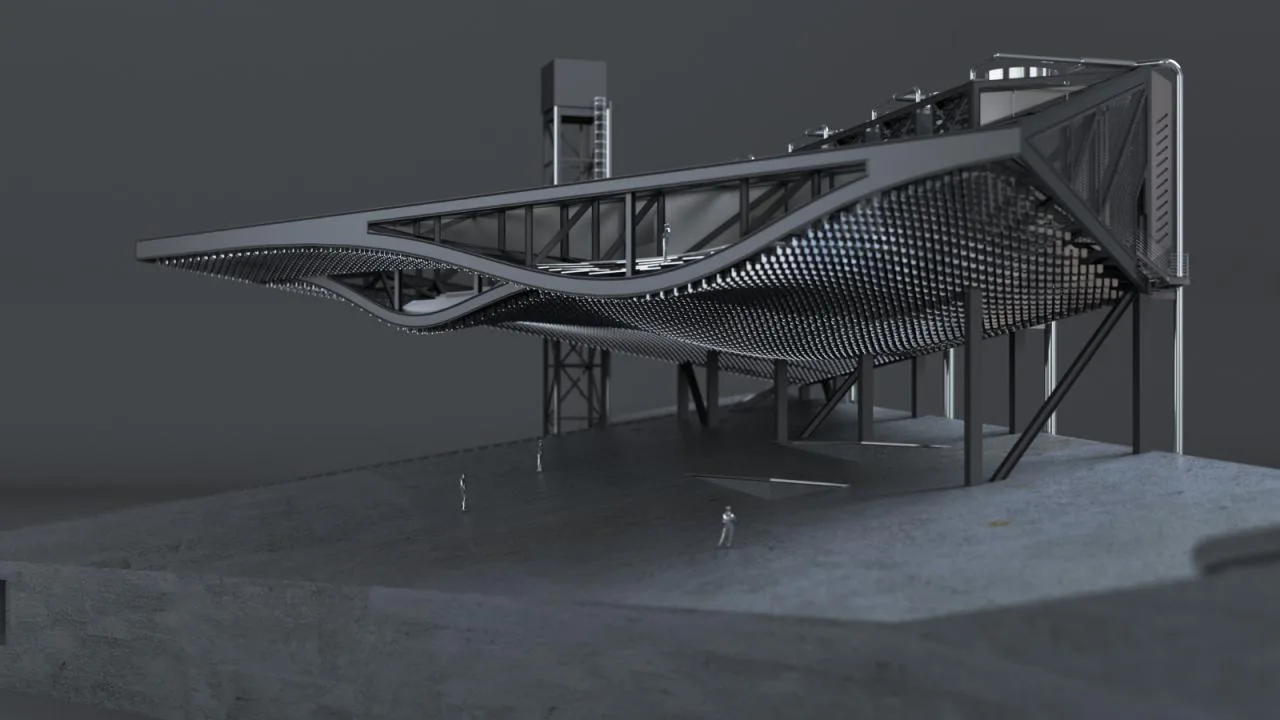
On hot summer days, the large overhead structure provides comfortable shade, creating a versatile grey space and an amphitheater for various activities on the grass.
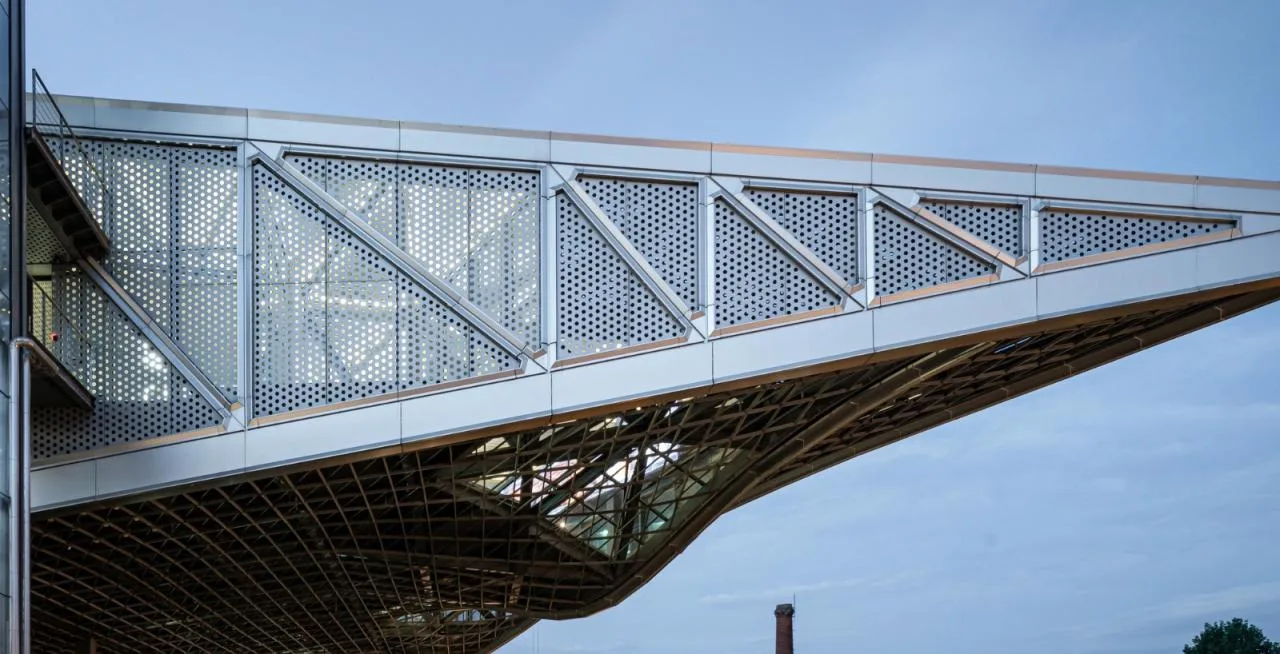
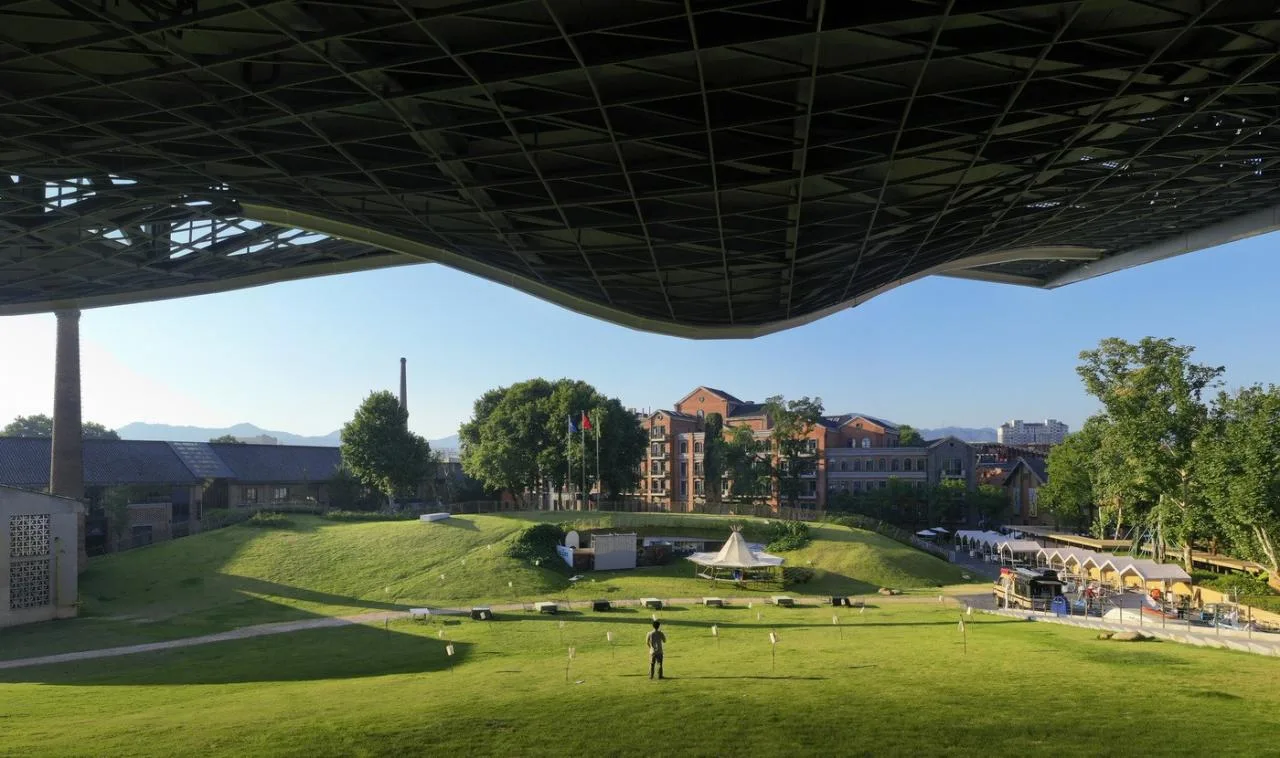
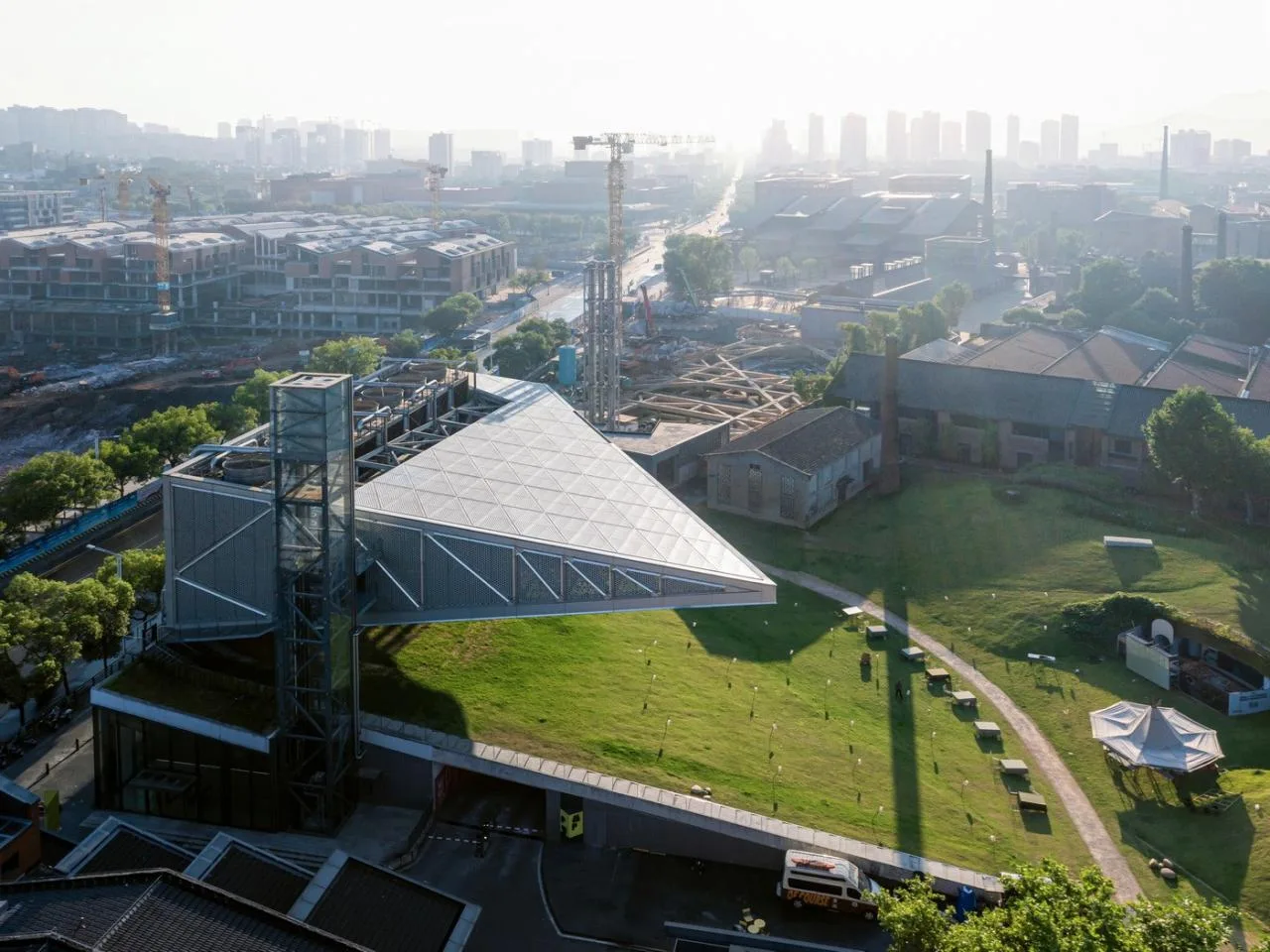
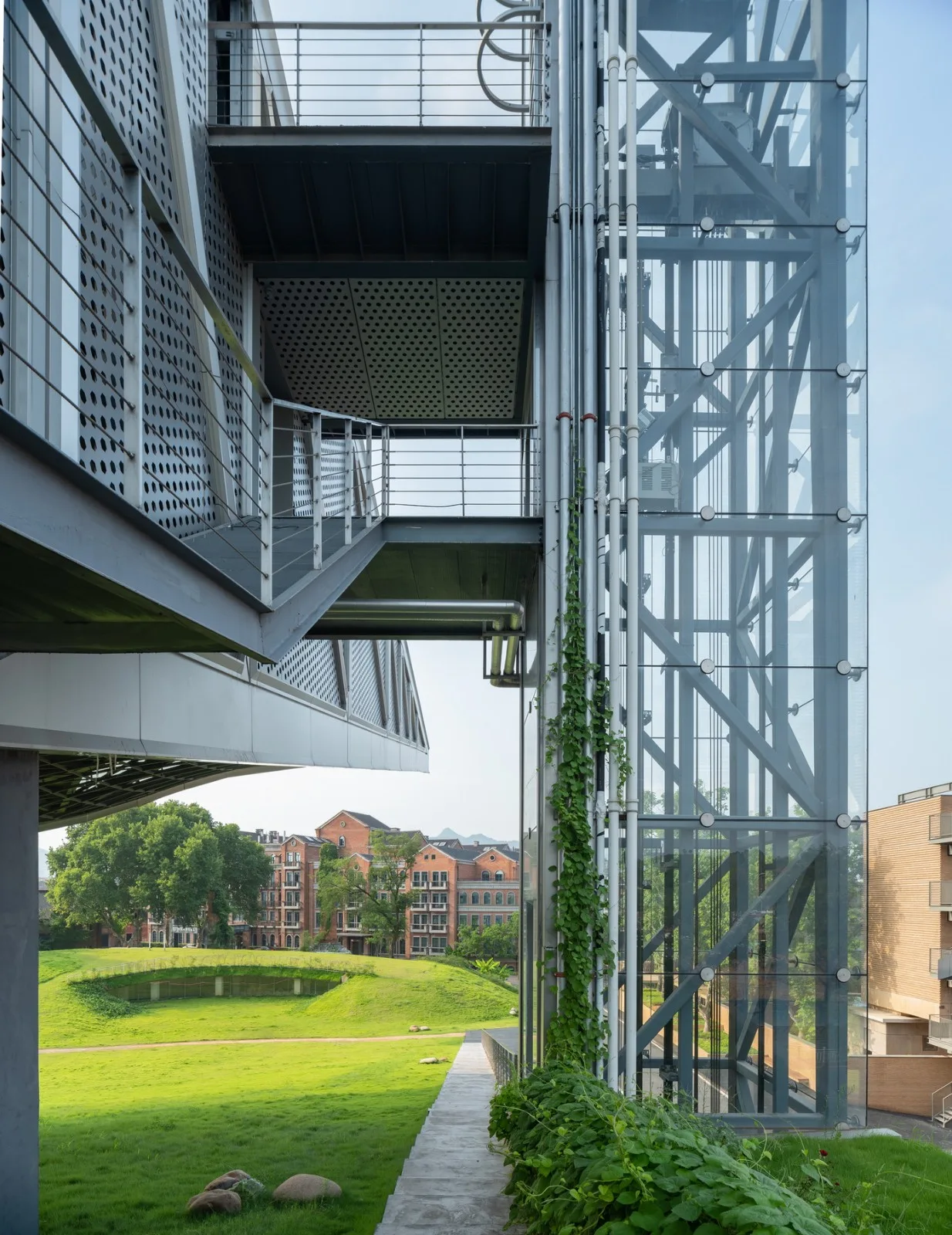
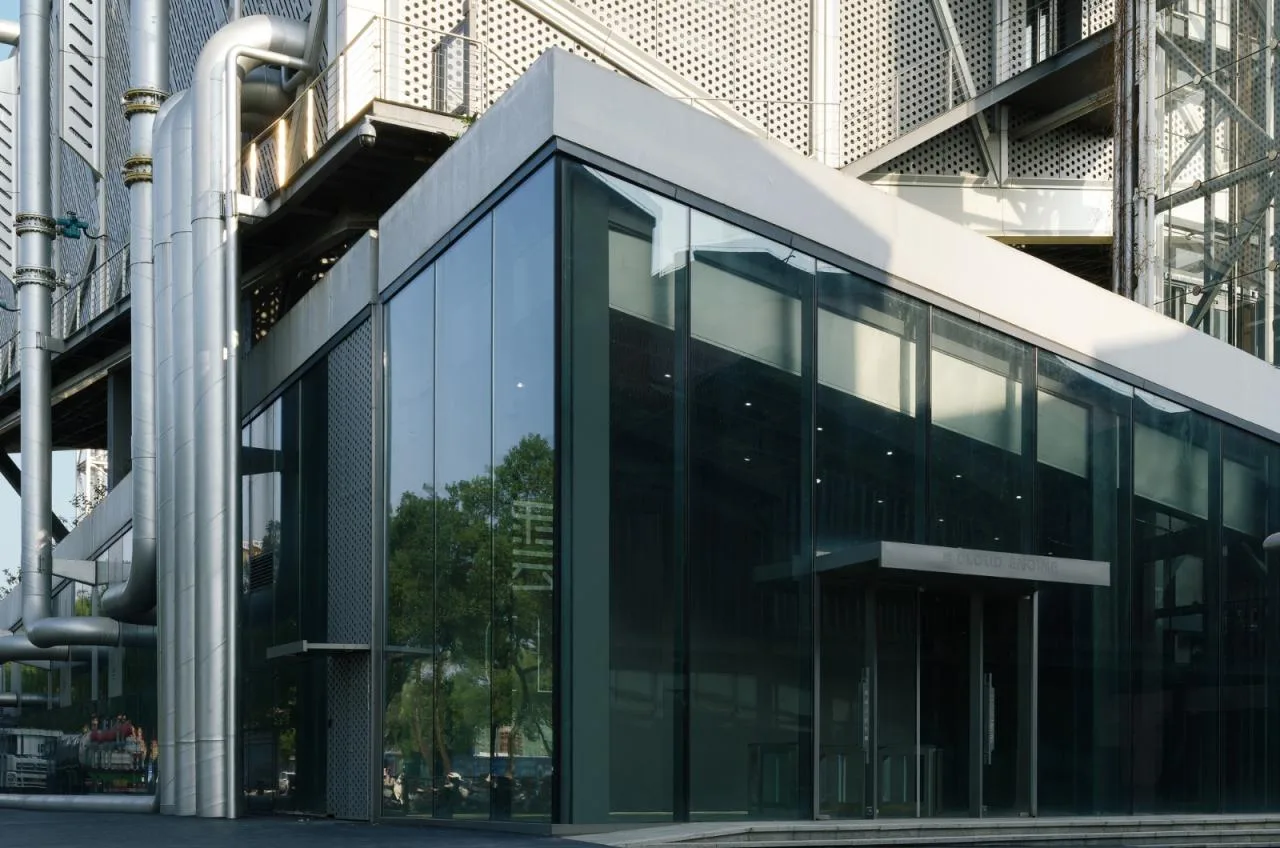
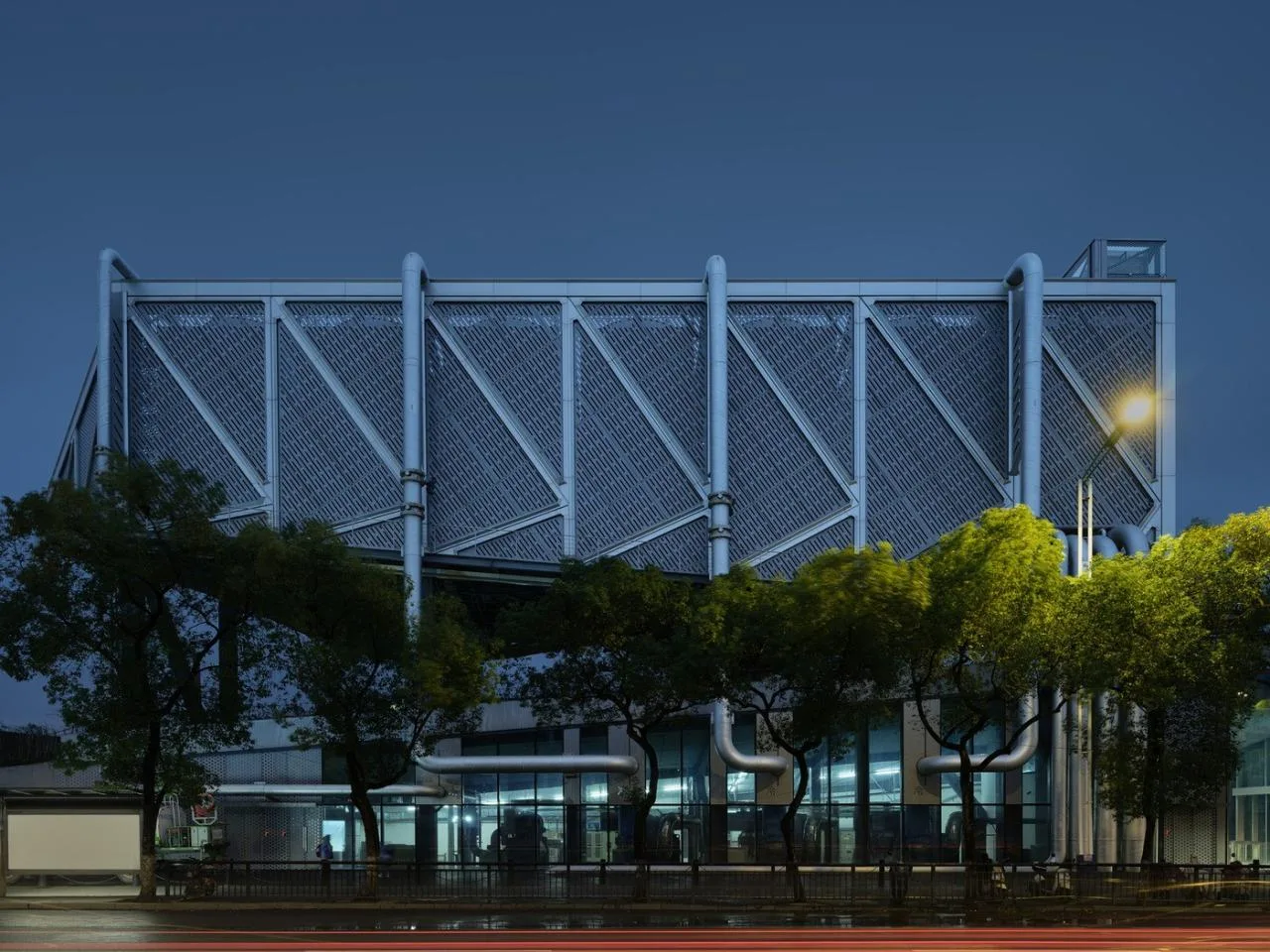
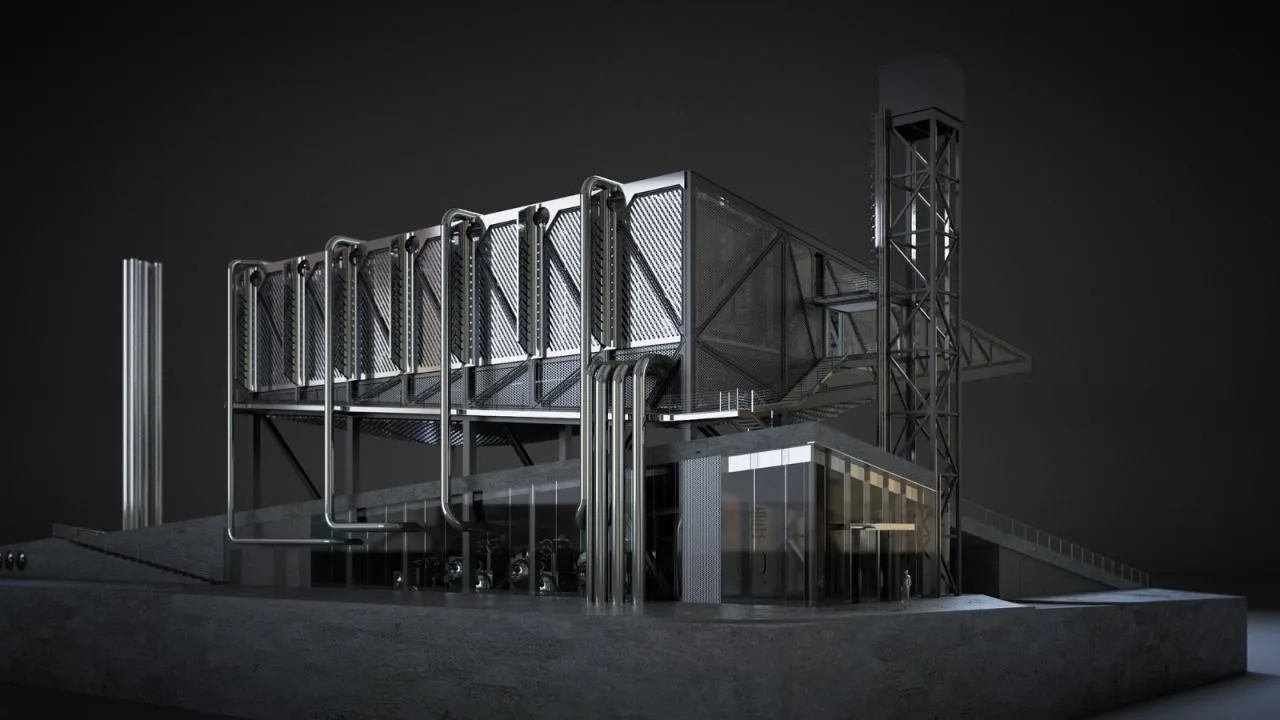
Facing the street on the north side, the building’s lines are rugged, with exposed equipment and pipelines resembling a massive machine. However, on the park-facing side, the form is softer and slimmer, featuring two curved “eyes” suspended in the air—the control center and conference room—both designed within the structural space of the truss.
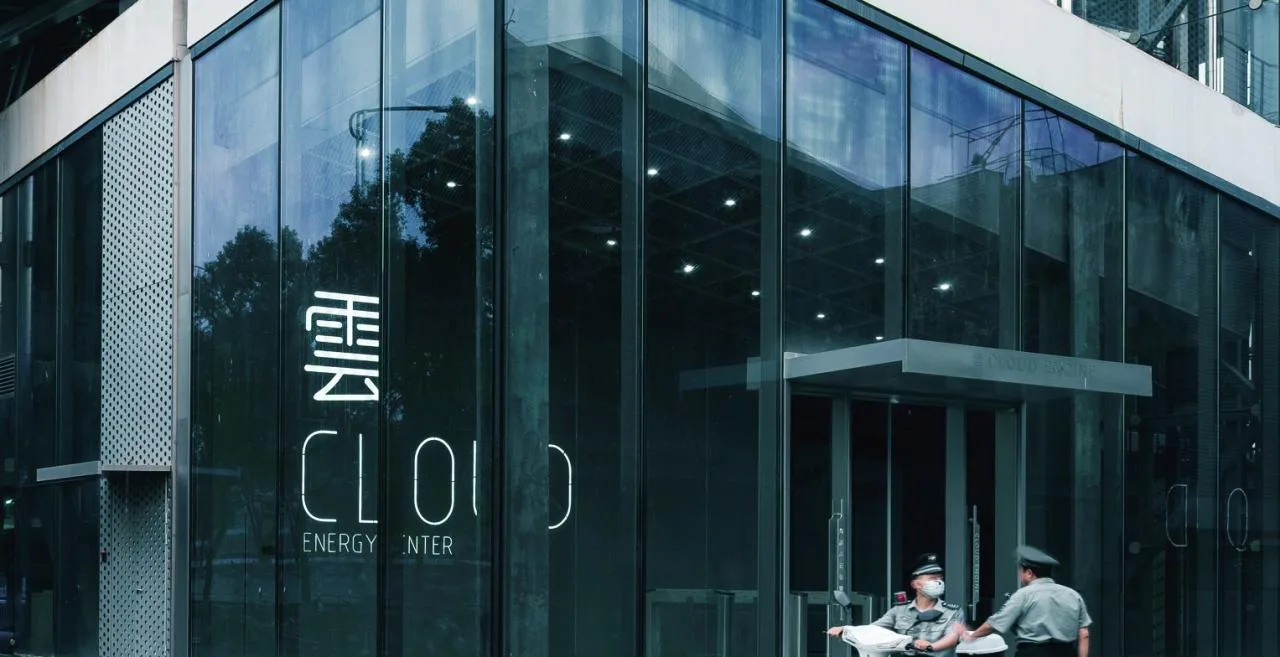
We envisioned hanging a layer of wind-driven scales beneath this suspended volume, like wind chimes, as a final artistic touch. These curved surfaces sway in the breeze, transforming the structure into an installation art piece within the green space—like a mechanical cloud floating above a grassy slope—thus the name “Cloud Engine.”
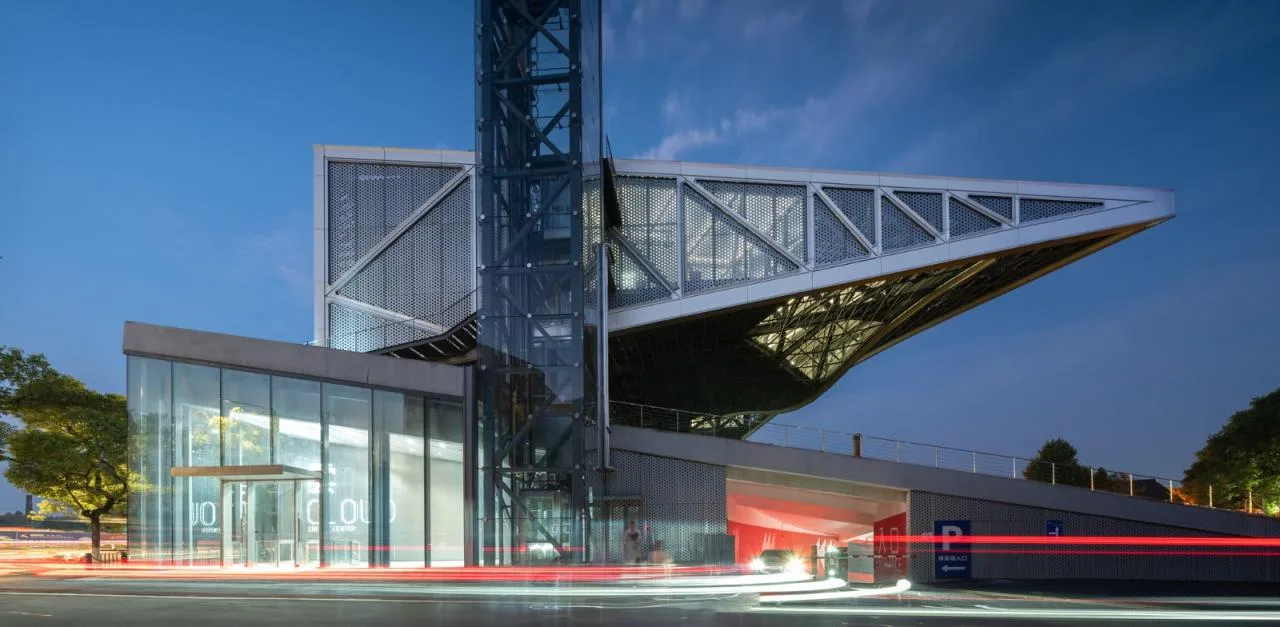
Environmental Integration
As part of the Taoxichuan architectural complex, the “Cloud Engine” harmonizes closely with its surroundings. When its design was first completed, the Jingyang Academy’s design on the west side was underway. I was surprised by the tranquil courtyard rendering by Teacher Dong Gong, realizing that a protruding metal structure would disrupt this peaceful space.
Consequently, we shifted the building north and adjusted the entrance angle so the “Cloud Engine” would not protrude into the Jingyang Academy courtyard view. This sharp angle also enhances the architectural perspective’s tension. At the Guomao Hotel lobby on the south side, we collaborated with the landscape to control visuals, confining the dramatic presence of the “Cloud Engine” within the green lawn, keeping it out of the neighboring buildings’ visual fields.
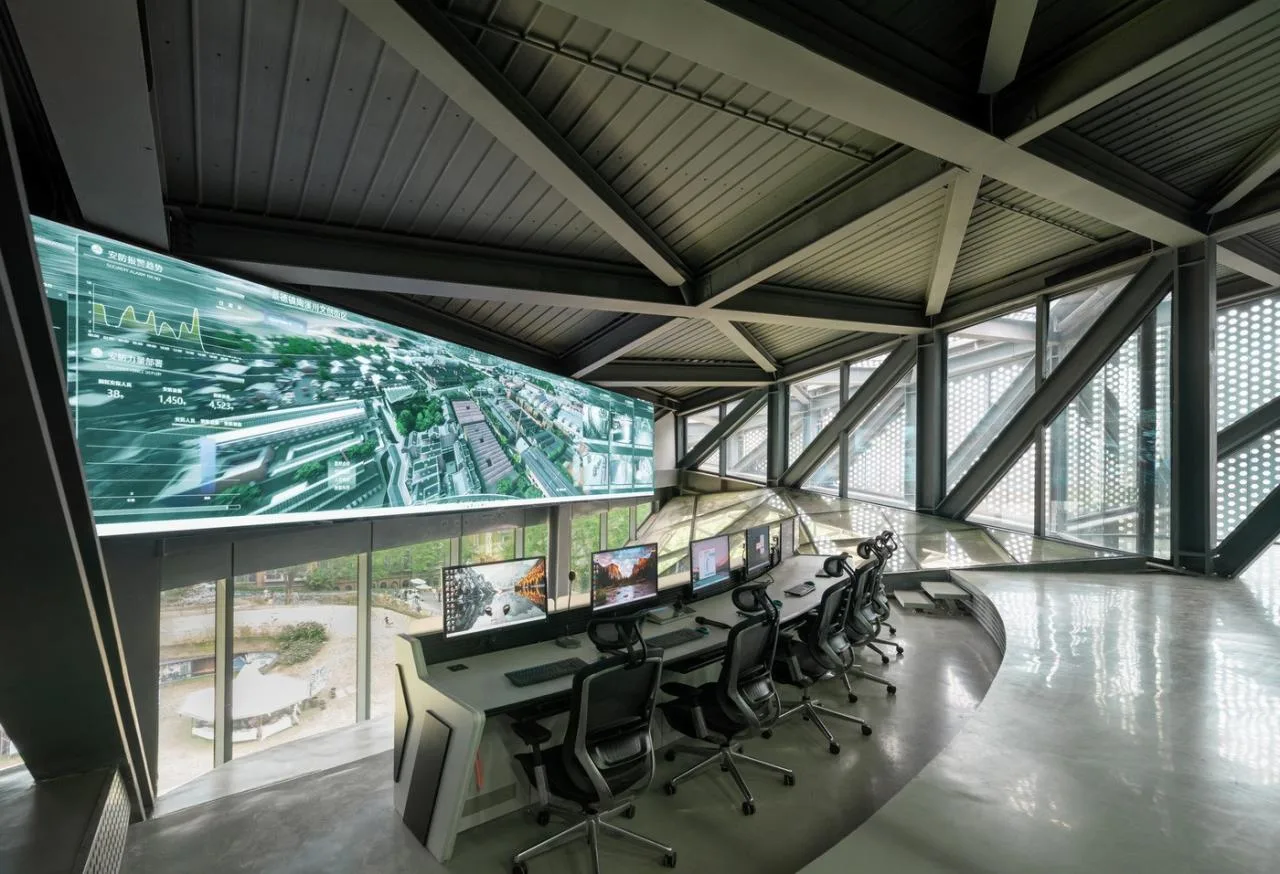
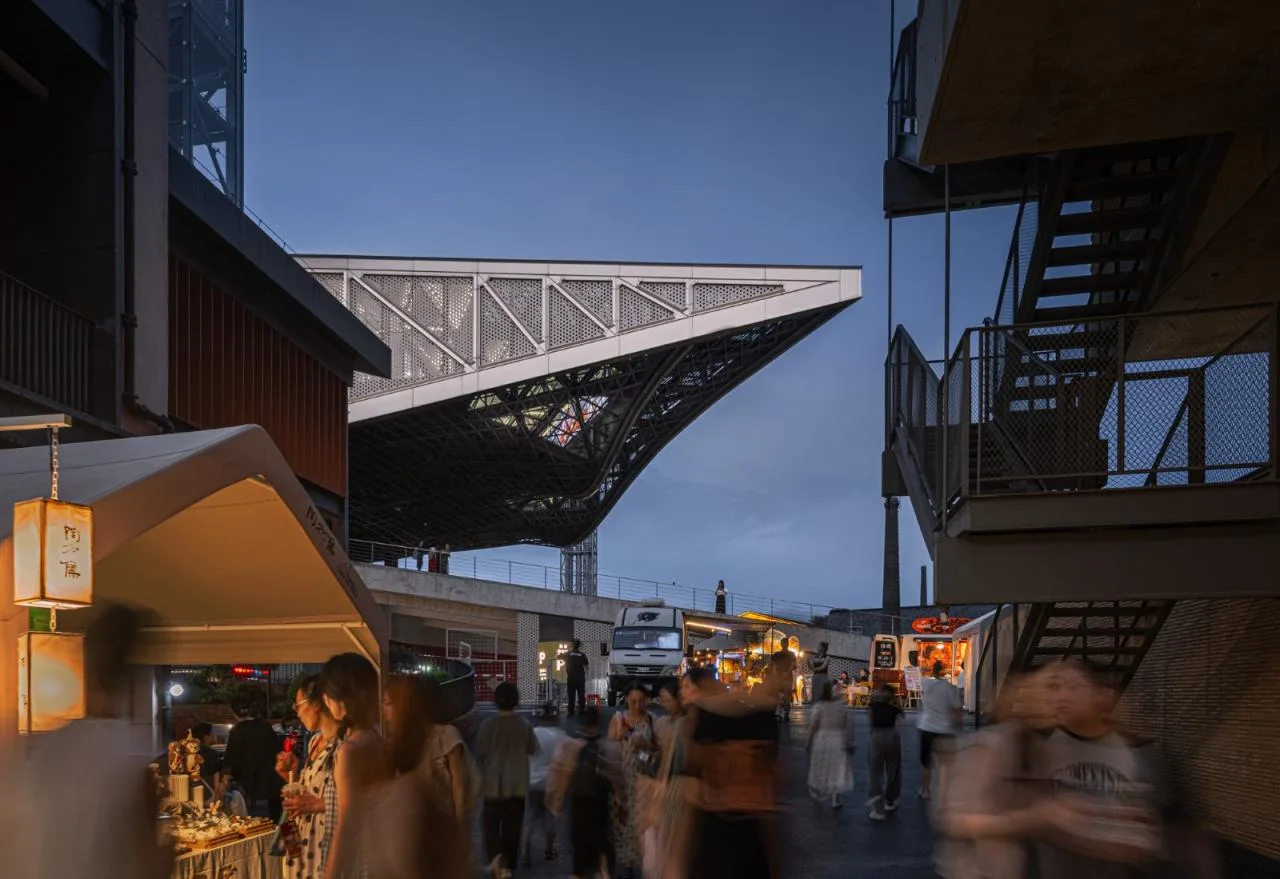
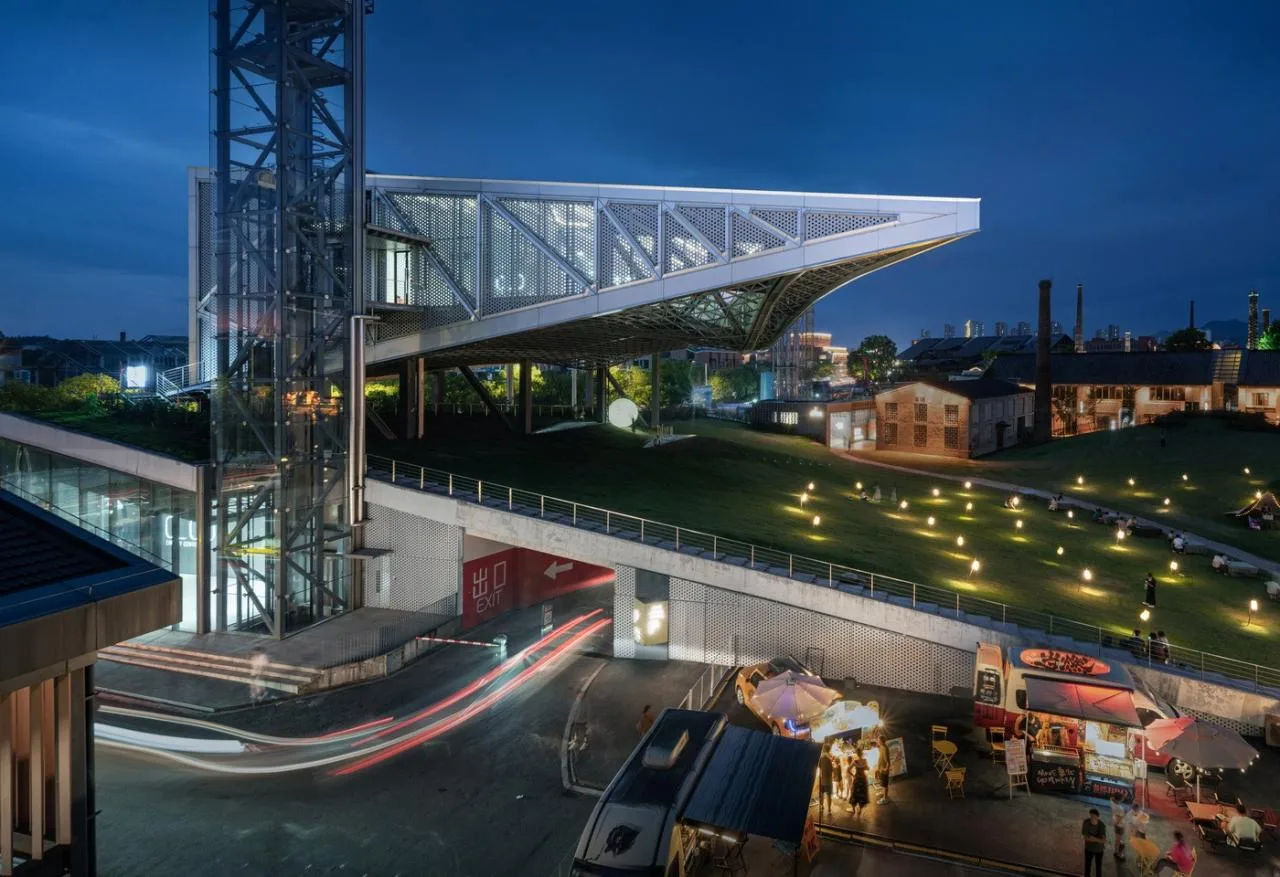
Technology and Aesthetics
The energy center prioritizes equipment first, then architecture. It houses three 2200RT and one 1100RT variable frequency centrifugal chillers paired with seven large cooling towers. Heating is supplied by three 5.6MW gas-fired hot water boilers, with domestic hot water from two 1.4MW gas-fired hot water boilers, among other systems. These technical specifications establish fundamental constants for spatial design.
To accommodate these devices, we customized column spacing to avoid pipeline interference and ensure process requirements are met. This required close coordination between architecture, structure, and mechanical systems, achieved through collaboration with the Zhongyuan team.
We developed a parameter model to reflect real-time impacts of structural and equipment adjustments on the overall design. Besides digital simulations, actual wind tunnel testing was conducted.
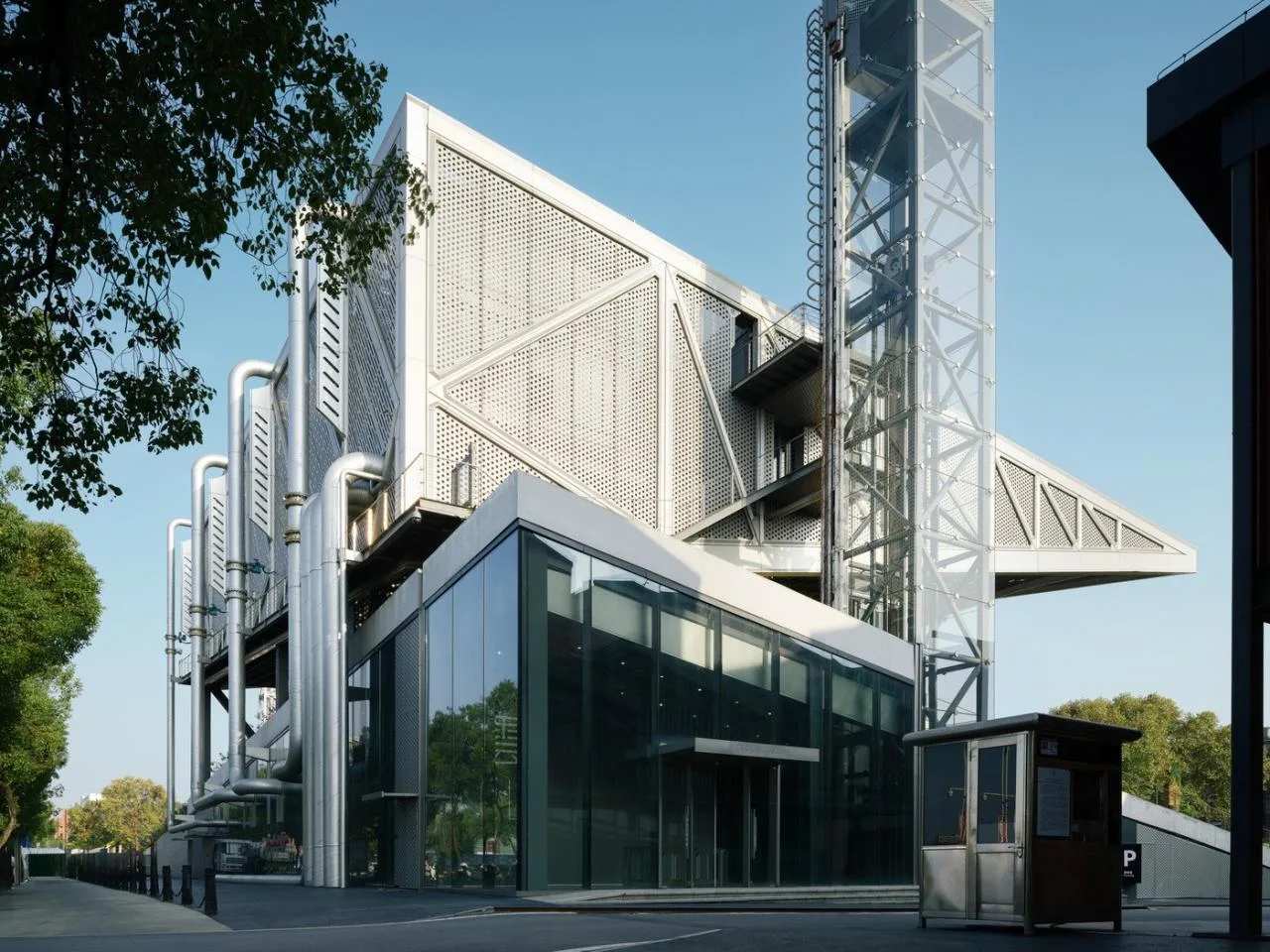
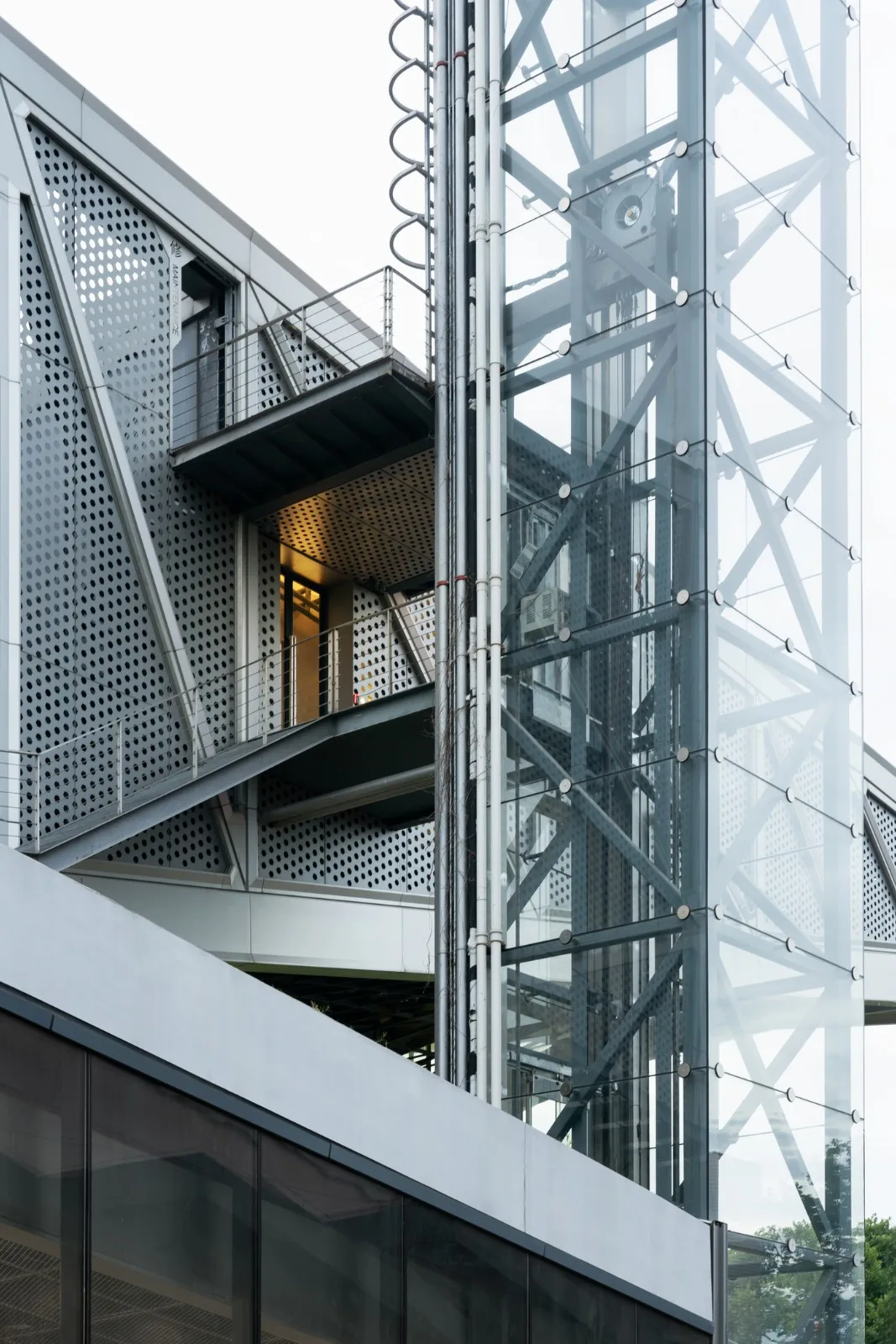
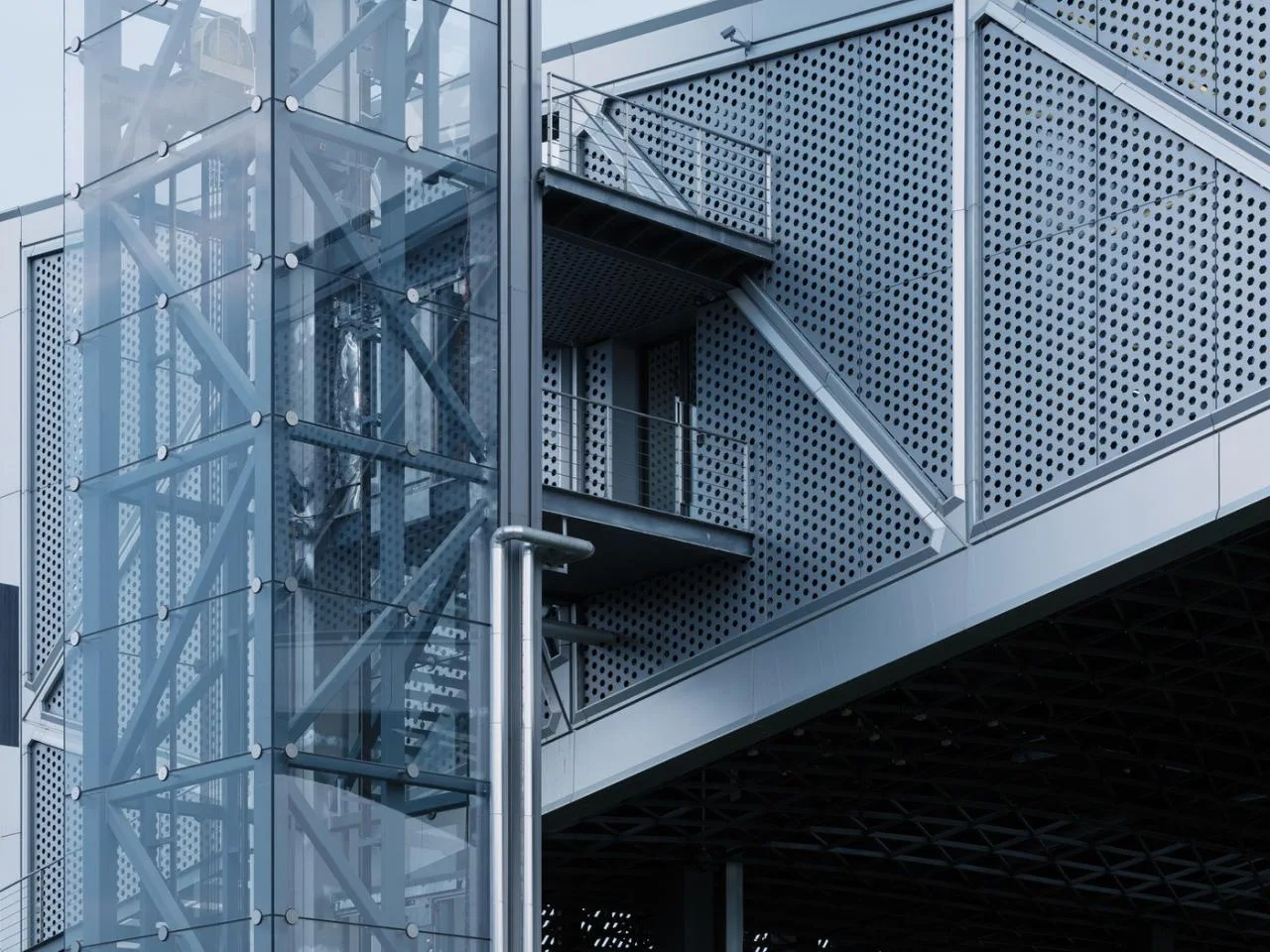
The inherent technical logic of the equipment offers an authentic aesthetic. Traditionally, architecture conceals equipment behind pipe wells, ceilings, or blinds, or mimics industrial style decor superficially.
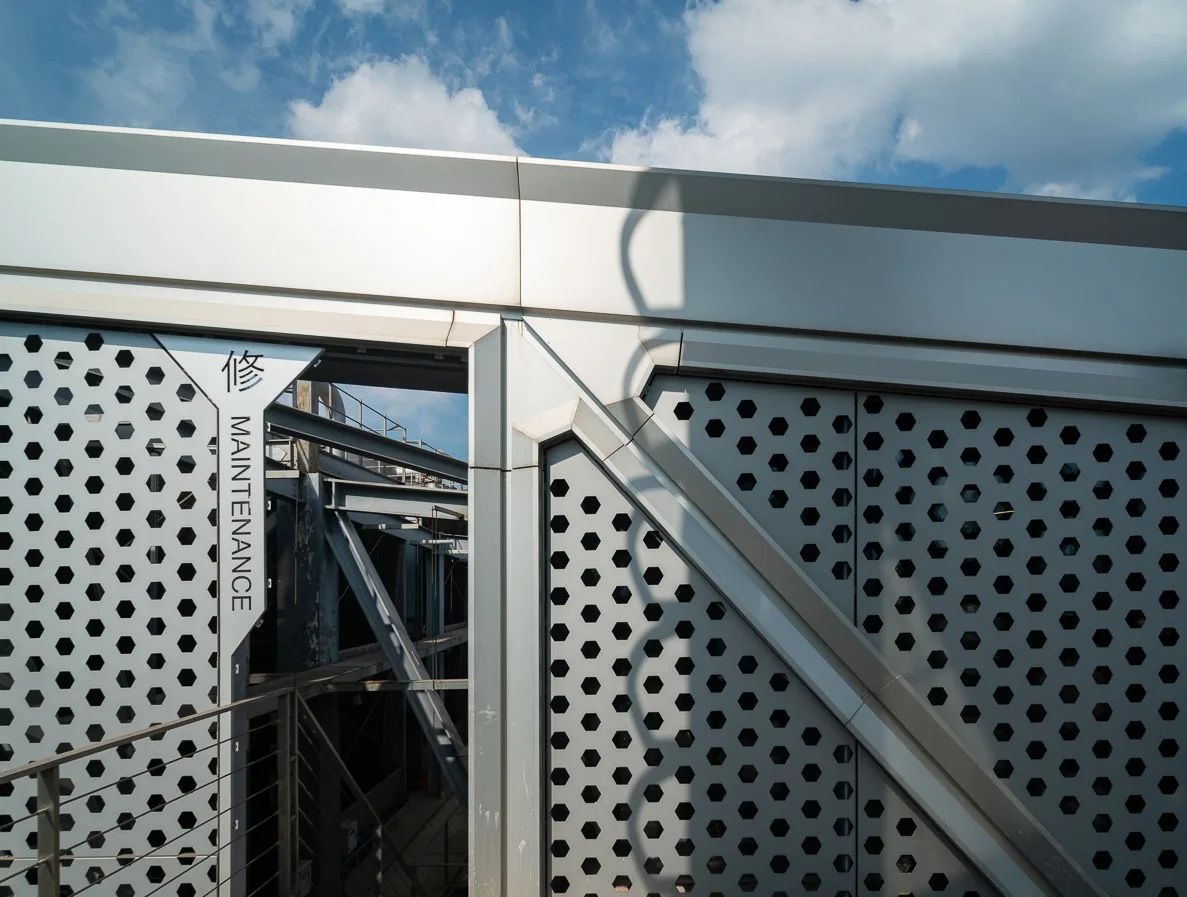
For the “Cloud Engine,” we aimed to genuinely showcase the equipment’s beauty, integrating it with architecture to express a mechanical character. The façade details are precisely labeled in both Chinese and English—for example, marking “cold” on the chilled water pipes and “repair” on maintenance channels—making the building feel like an operational manual.
Challenges and Future Vision
Designed in 2019 and set to open in 2023, the “Cloud Engine” faced challenges from the pandemic, especially during the final exterior wall construction. Remote collaboration proved difficult and less effective. Despite the dedicated efforts of Tao Wenlv and the Zhongyuan team, some design elements, such as the wind-driven scales, were not installed due to various reasons.
I personally climbed onto the keel multiple times to test sampling and lighting effects for hanging the scales. We also performed 3D scanning and precise measurements to correct errors in the bottom keel. This data will be crucial for future production and installation, keeping the possibility of completing the installation open.
Although the mechanical cloud floating above the grassy slope remains unfinished and one step away from becoming installation art, I remain hopeful that future events will allow the scales to be installed, enabling this “cloud” to rise and sway with the wind.
Thinking Ahead: Extraordinary Everyday Life
Back in 2010, I participated in the BIG Copenhagen Garbage Incineration Plant competition—a unique project that envisioned a ski slope atop a waste incineration plant. It was a bold and unusual idea. After winning, we felt exhilarated. Someone remarked, “Though it seems unbelievable now, years from now, our children will see skiing on a garbage incineration plant as normal.”
Although the project took eight years to complete, the playful idea of a carbon dioxide smoke ring did not come to fruition. Innovation often faces setbacks, which is the most challenging yet fascinating part of design: questioning the status quo and transforming today’s extraordinary into tomorrow’s everyday. This belief continues to inspire me.
Project Drawings
▲ Site schematic diagram
▲ Model diagram
▲ Model diagram
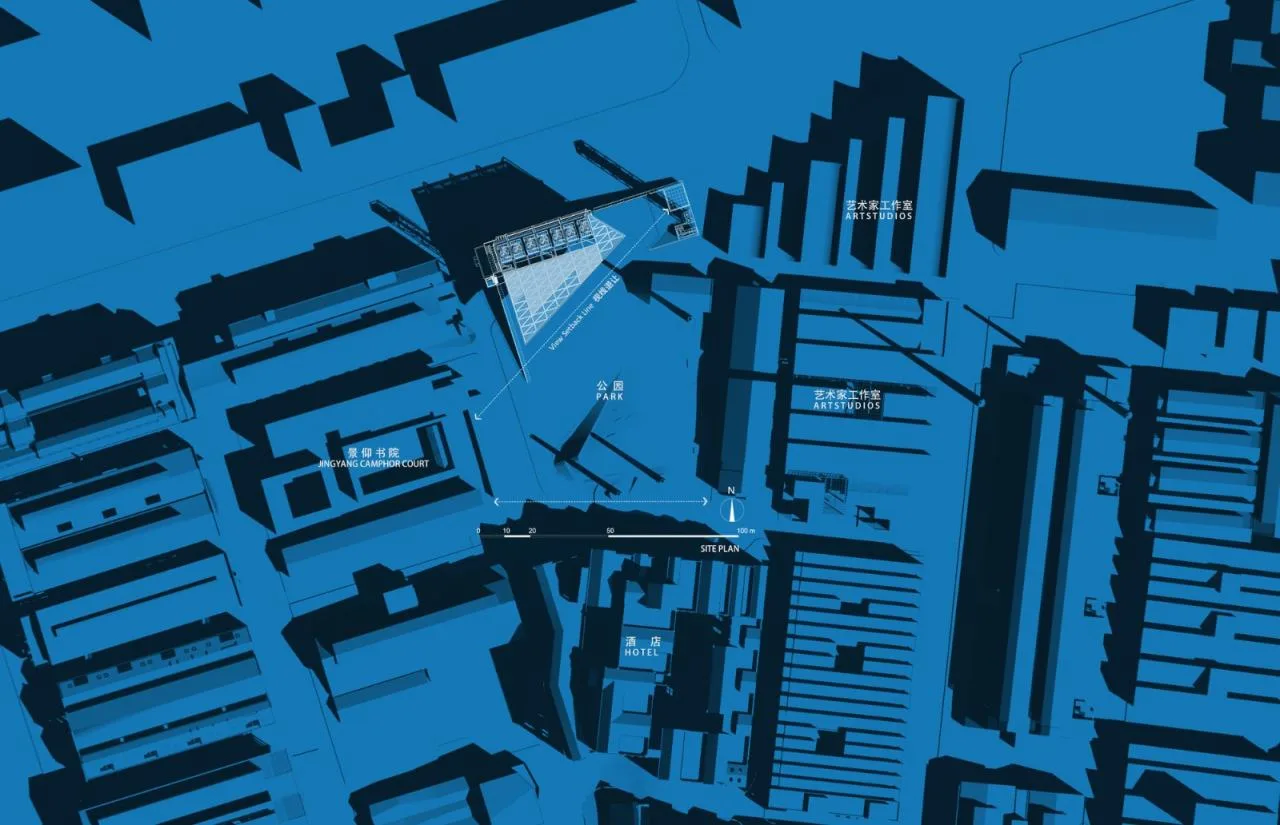
▲ Base schematic diagram
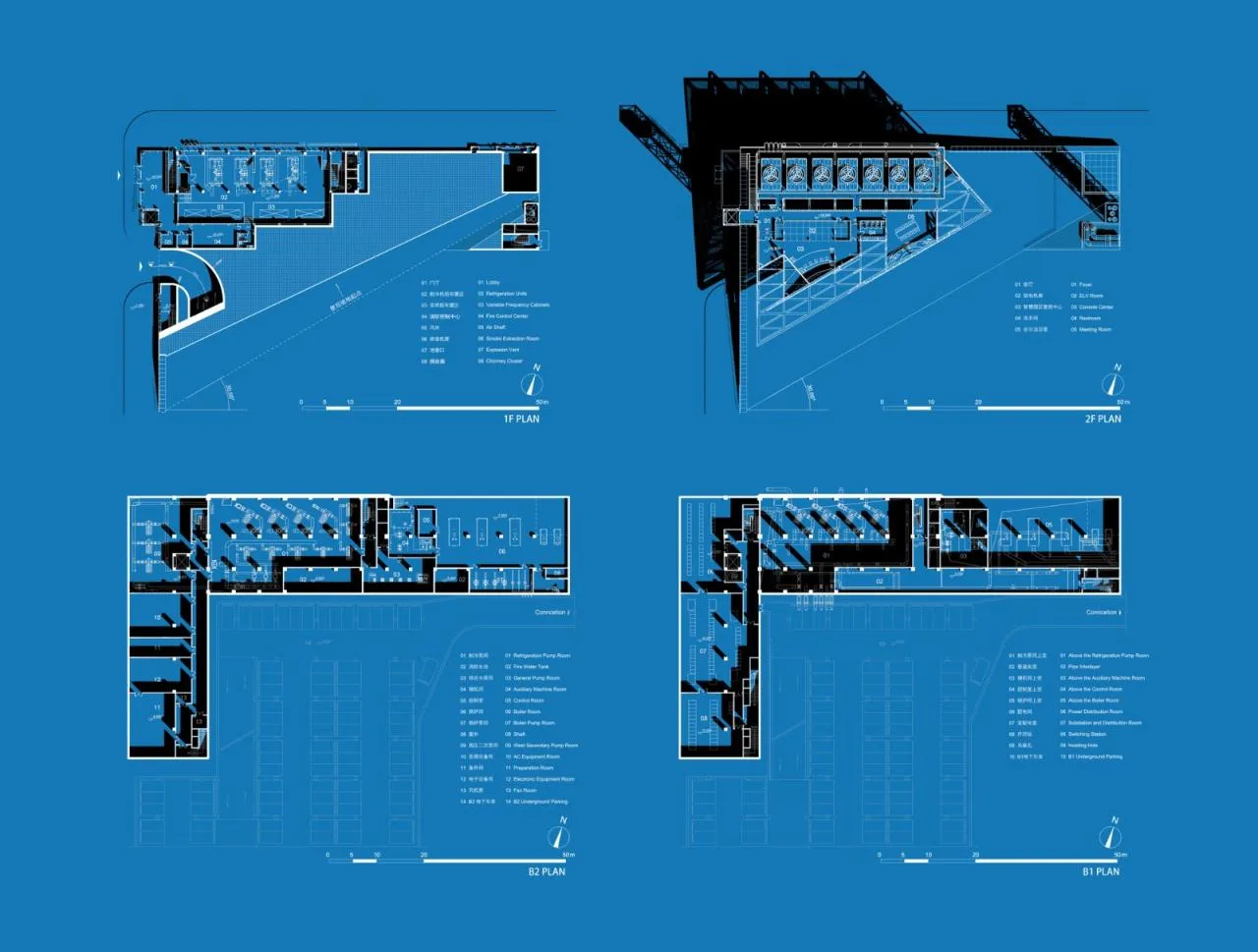
▲ Plan view
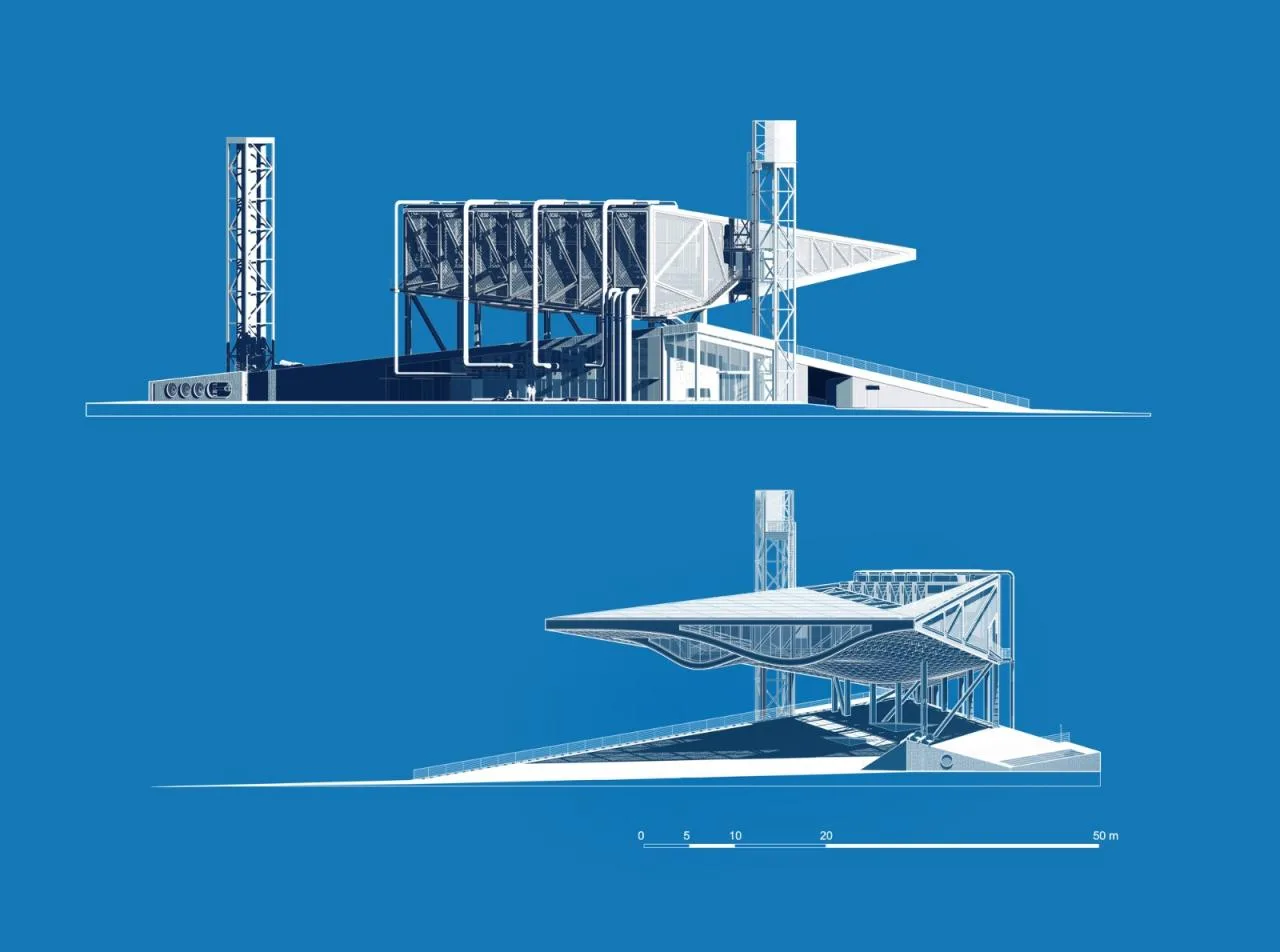
▲ Elevation view
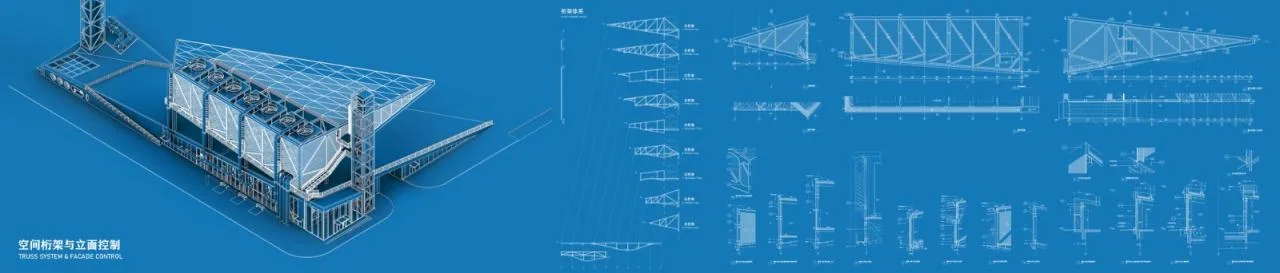
▲ Analysis chart
▲ Analysis chart
Project Information
Architect: Xingzhi Architectural Design Studio
Area: 55,300 m²
Project Year: 2024
Photographers: Ziran Architecture Photography, Inspace, Li Yi
Principal Architect: Xiong Xing (Xingzhi Architecture)
Design Team: Ren Meizi, Lin Weiqiao, Lei Sheng, Chen Mo, Wu Dao, Li Shaoyu, Shi Yuhang, Li Xuezi, Zhang Xinyu
Chief Engineer (China Zhongyuan International Engineering Co., Ltd.): Bie Shu
EPC Project Manager (China Zhongyuan International Engineering Co., Ltd.): Wang Hui
Construction Team (China Zhongyuan International Engineering Co., Ltd.): Liu Bofeng, Li Huanyu
Structural Engineers (China Zhongyuan International Engineering Co., Ltd.): Zhang Jianxun, Liu Zhimin, Xu Da
HVAC: Du Kexin
Heating: Jia Ze
Water Supply and Drainage: Zhang Wei
Electrical: Shen Wen
Self-control: Ding Yanhong
Owner: Jingdezhen Taoyi Cultural Development Co., Ltd.
Construction Contractor: China Zhongyuan International Engineering Co., Ltd.
Interior Construction: Suzhou Jintanglang Building Decoration Co., Ltd.
EPC General Contractor: China Zhongyuan International Engineering Co., Ltd.
Location: Jingdezhen














Must log in before commenting!
Sign Up