
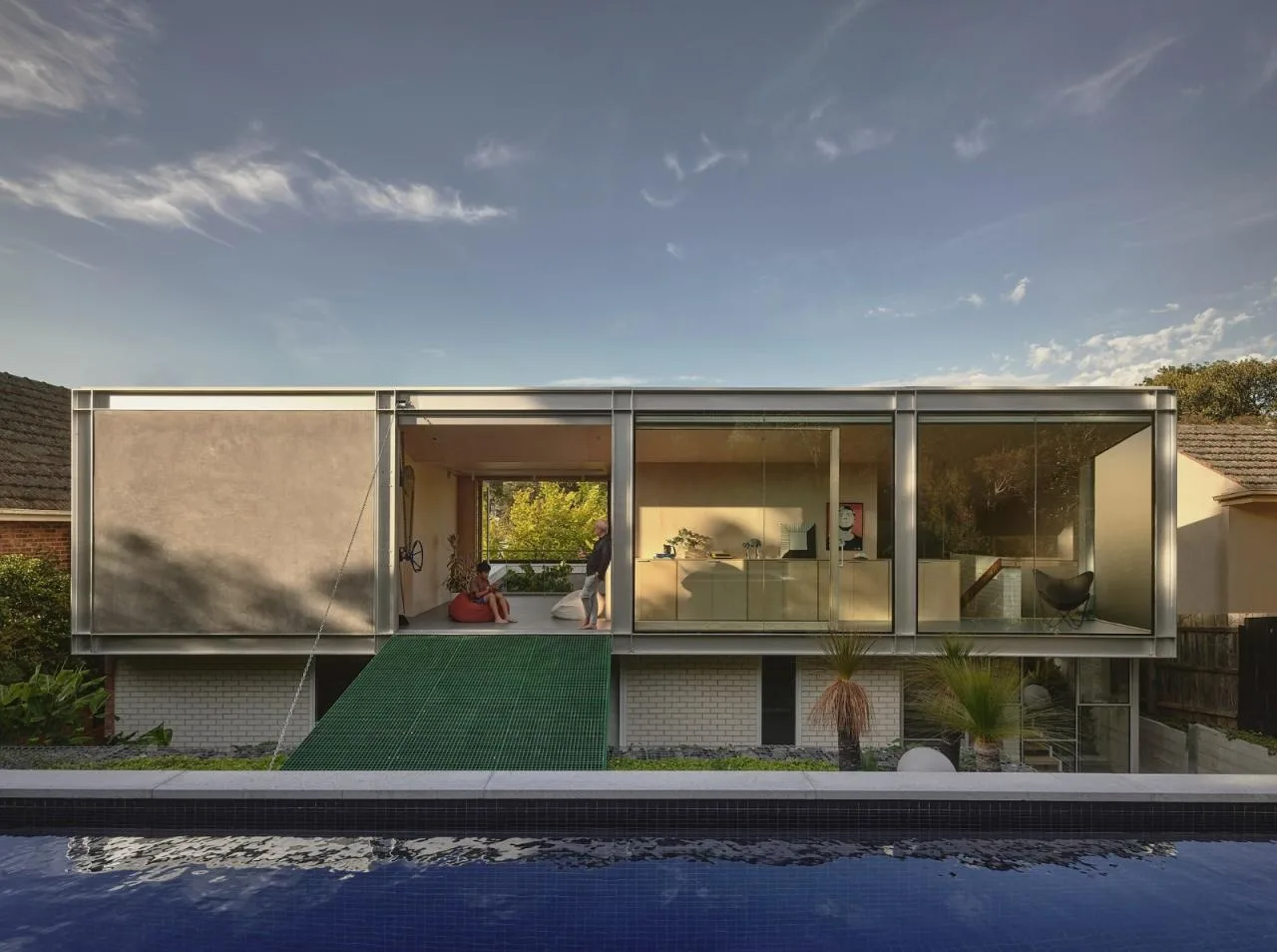
Architects rarely get the opportunity to experiment as freely as they do with their own homes, and Albert Mo’s ‘Connected Home’ is a prime example. Fifteen years ago, architect and client Albert Mo moved into a mid-1950s residence in Melbourne designed by Peter McIntyre with his family. For over a decade, they’ve been developing design ideas that would guide the home’s expansion.
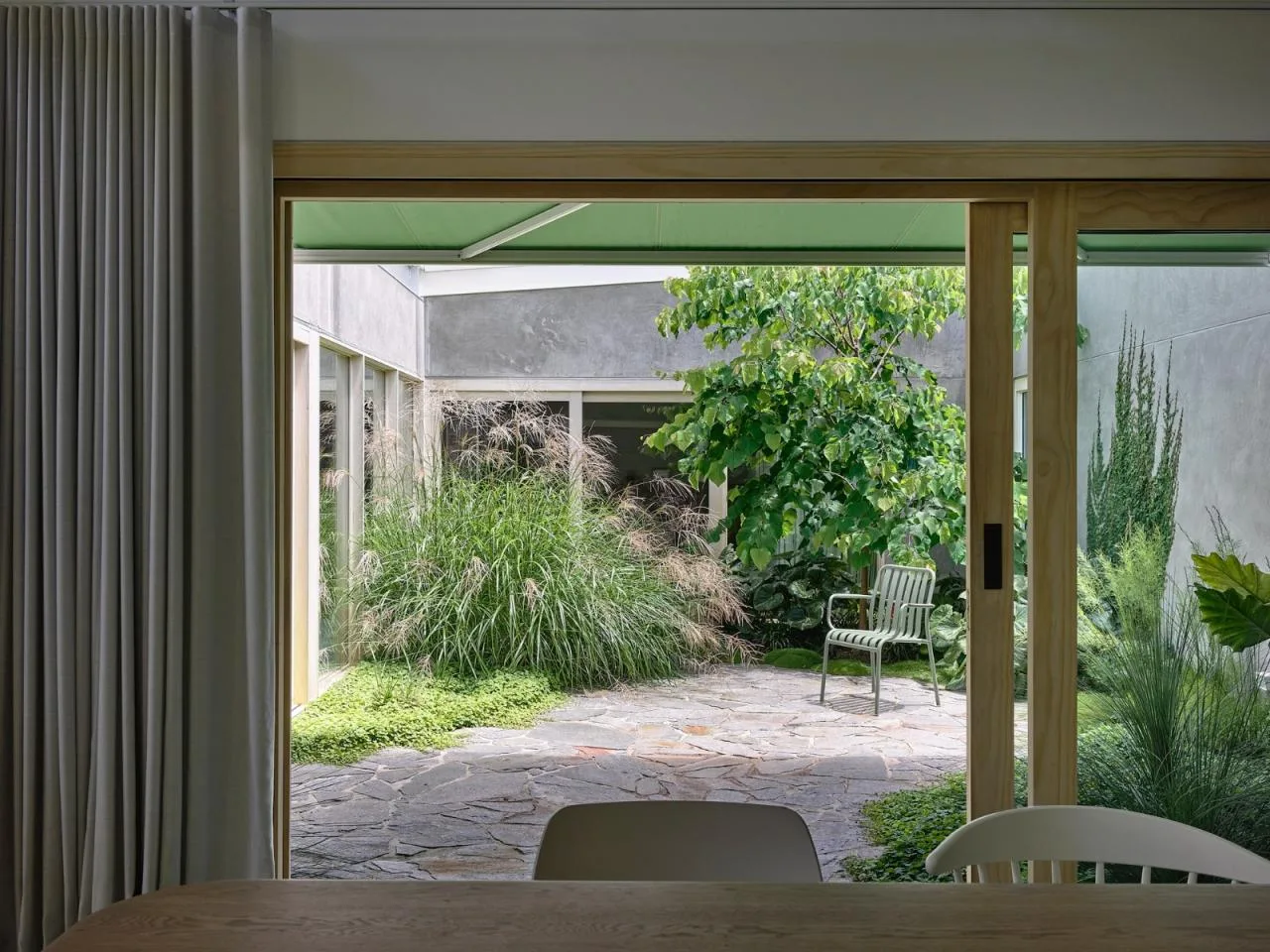
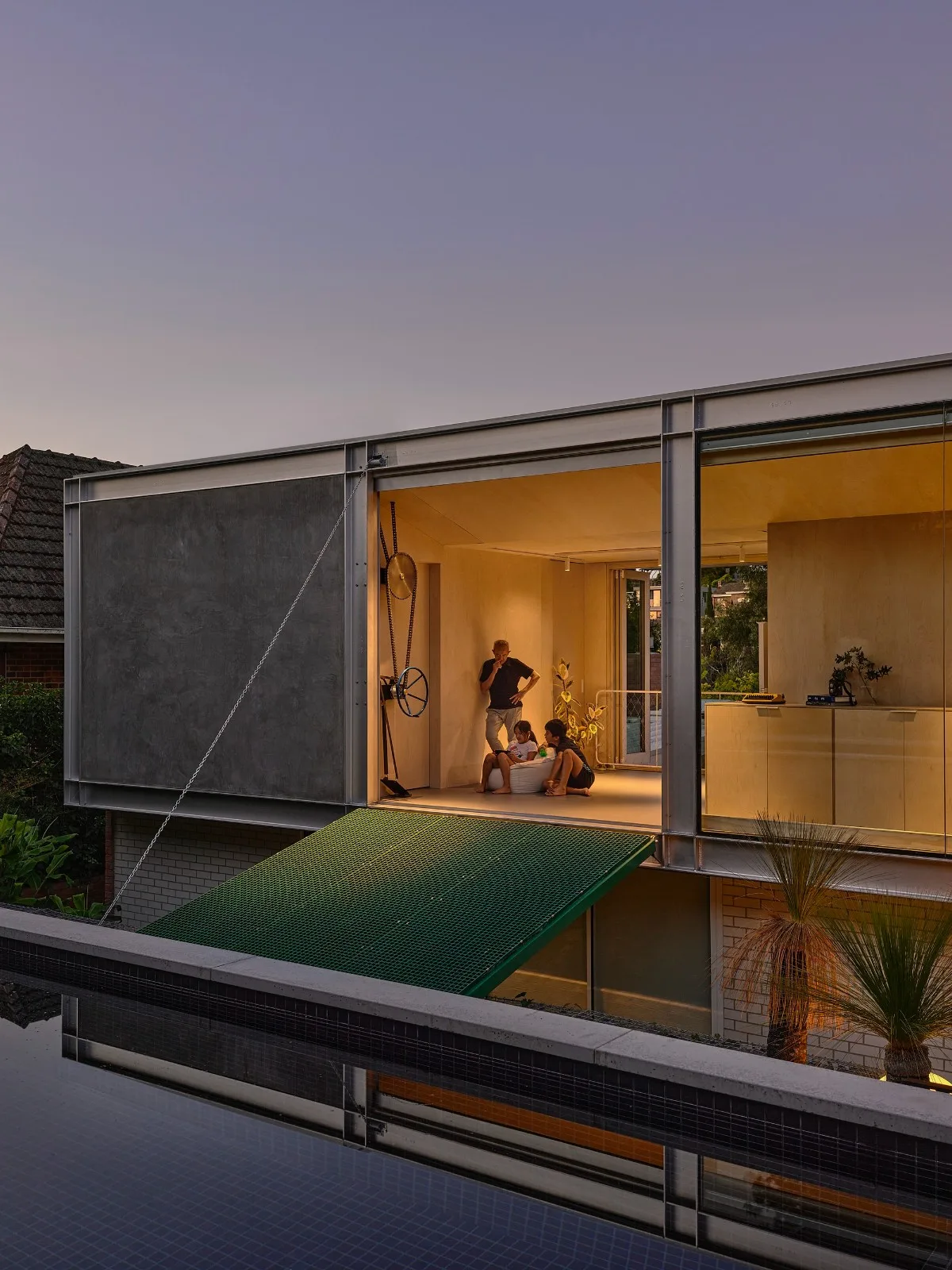
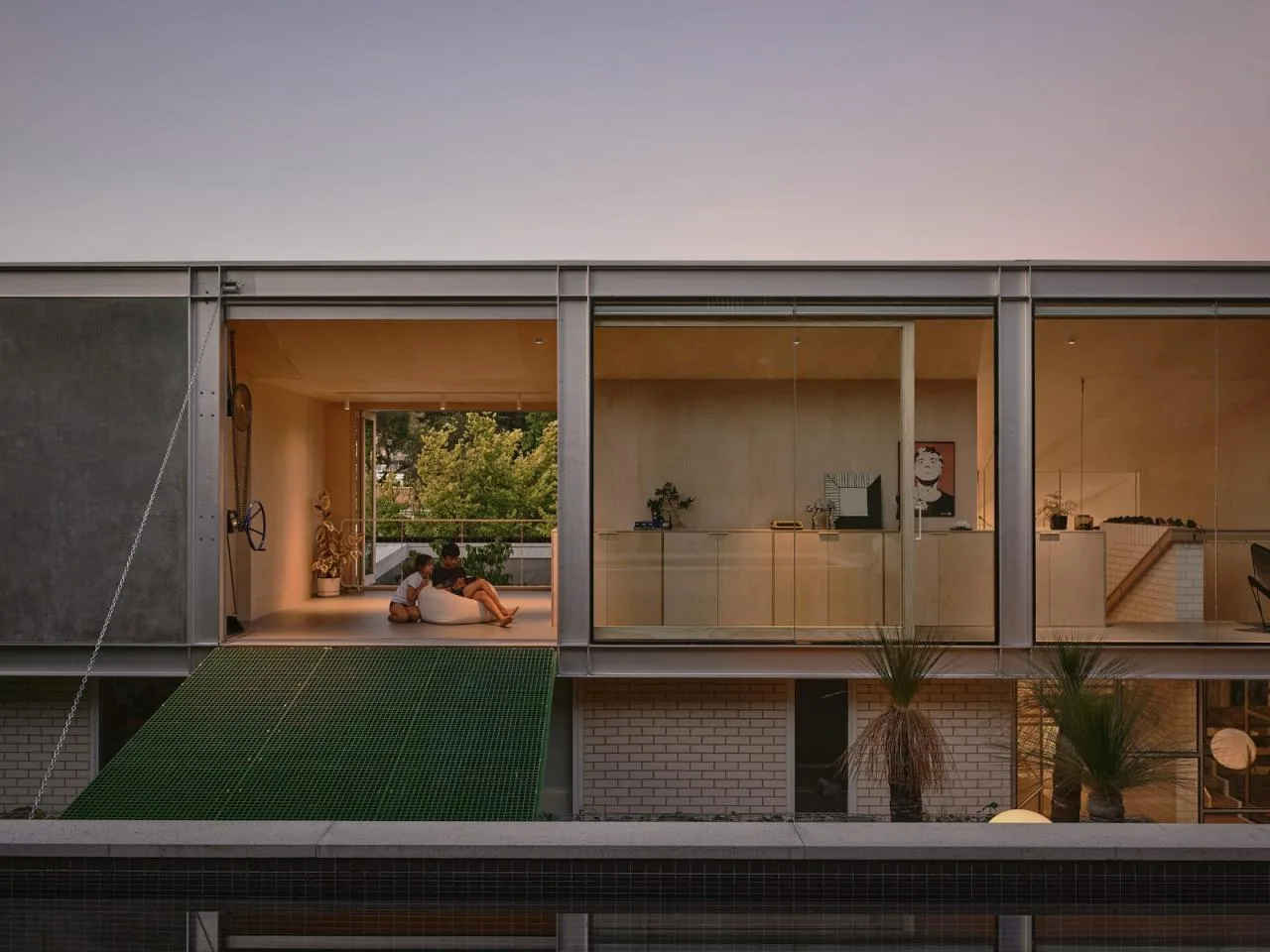
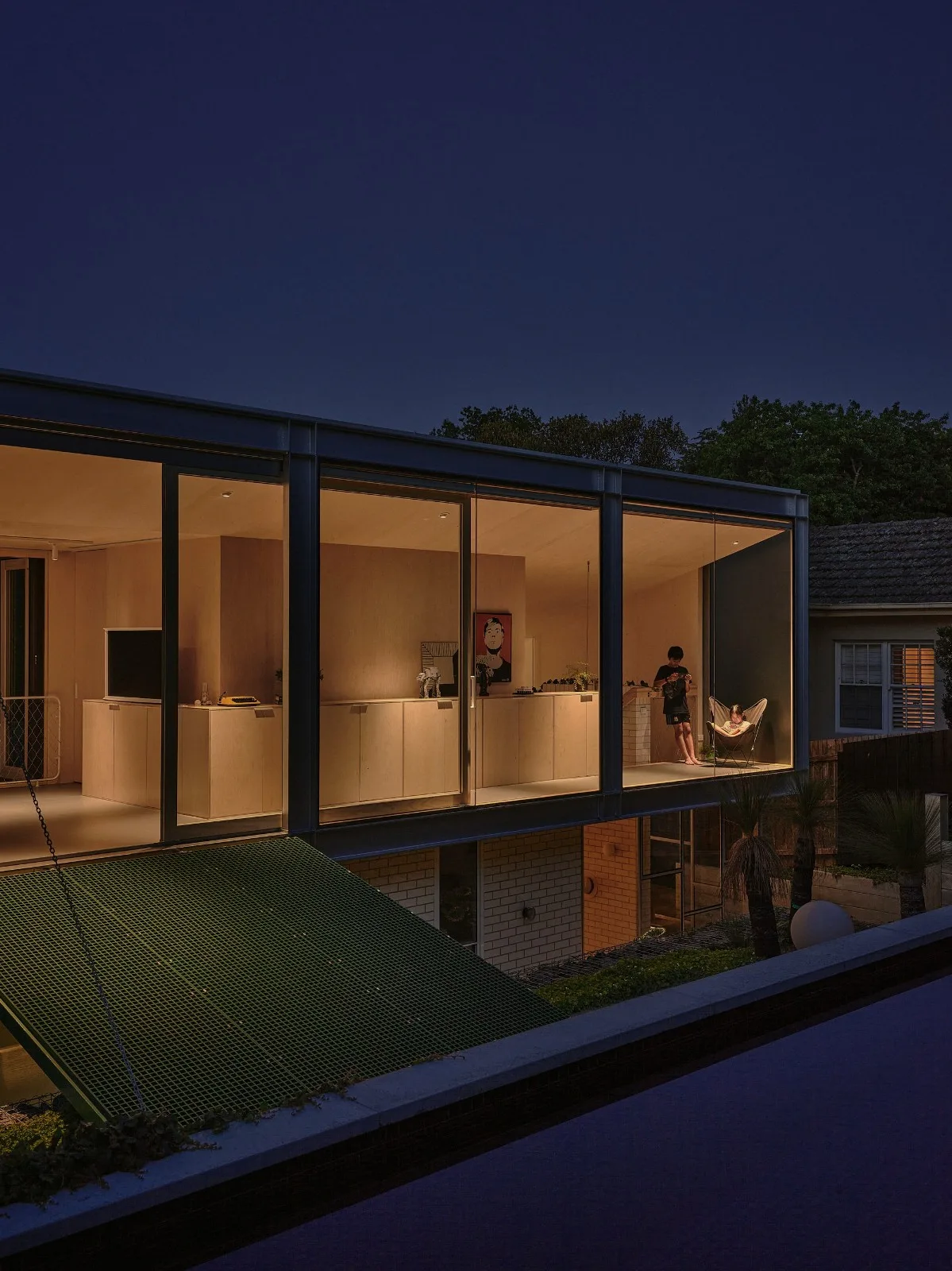
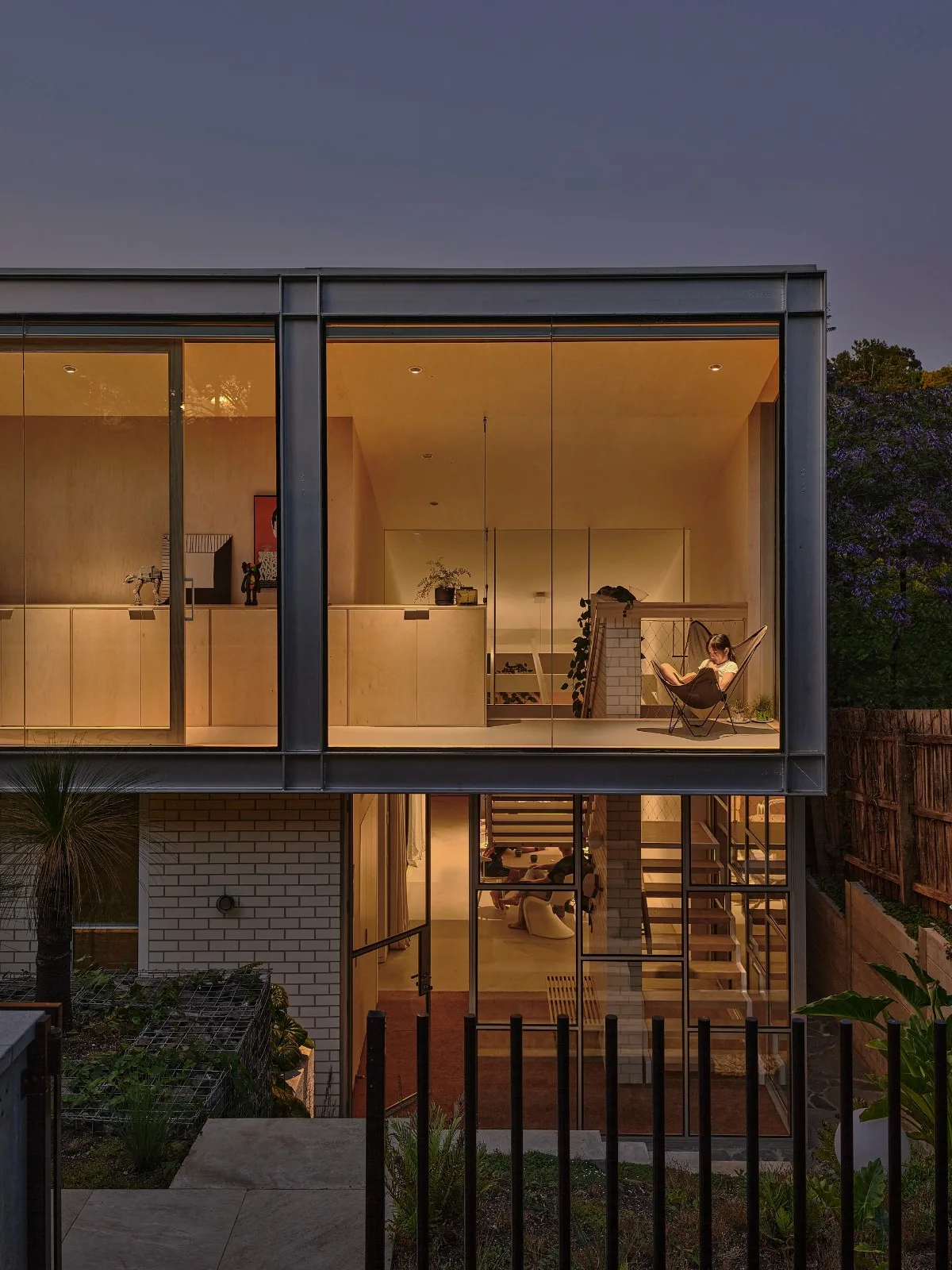
The project aims to strike a balance between preserving architectural heritage and embracing new outdoor connectivity methods, while expanding the floor plan to suit the needs of a growing family. Here, the home and garden form a seamless whole, with daily life deeply intertwined with nature—from a suspended lounge beneath the canopy of a mature elm tree to a small courtyard garden adjacent to the dining area.
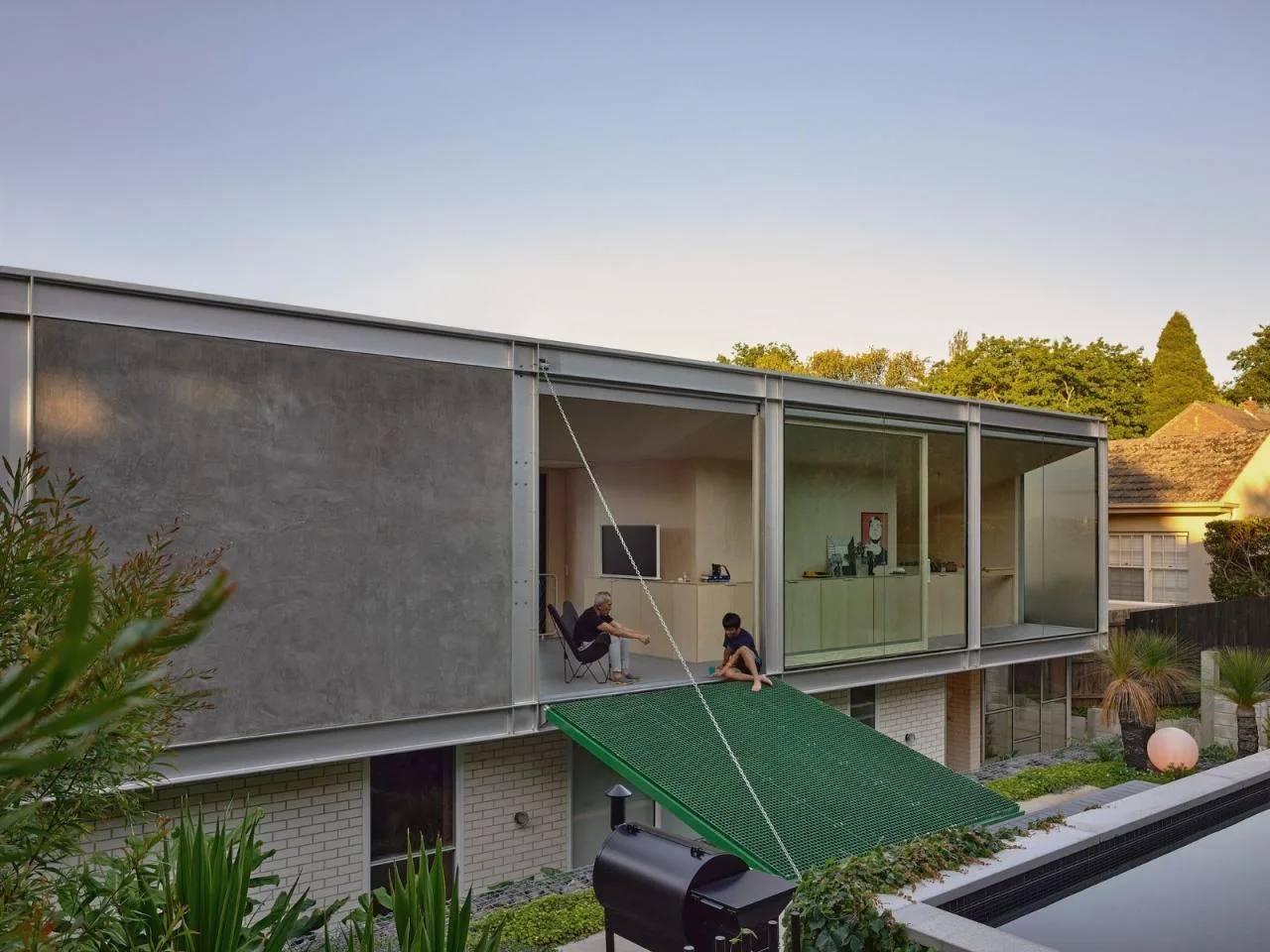
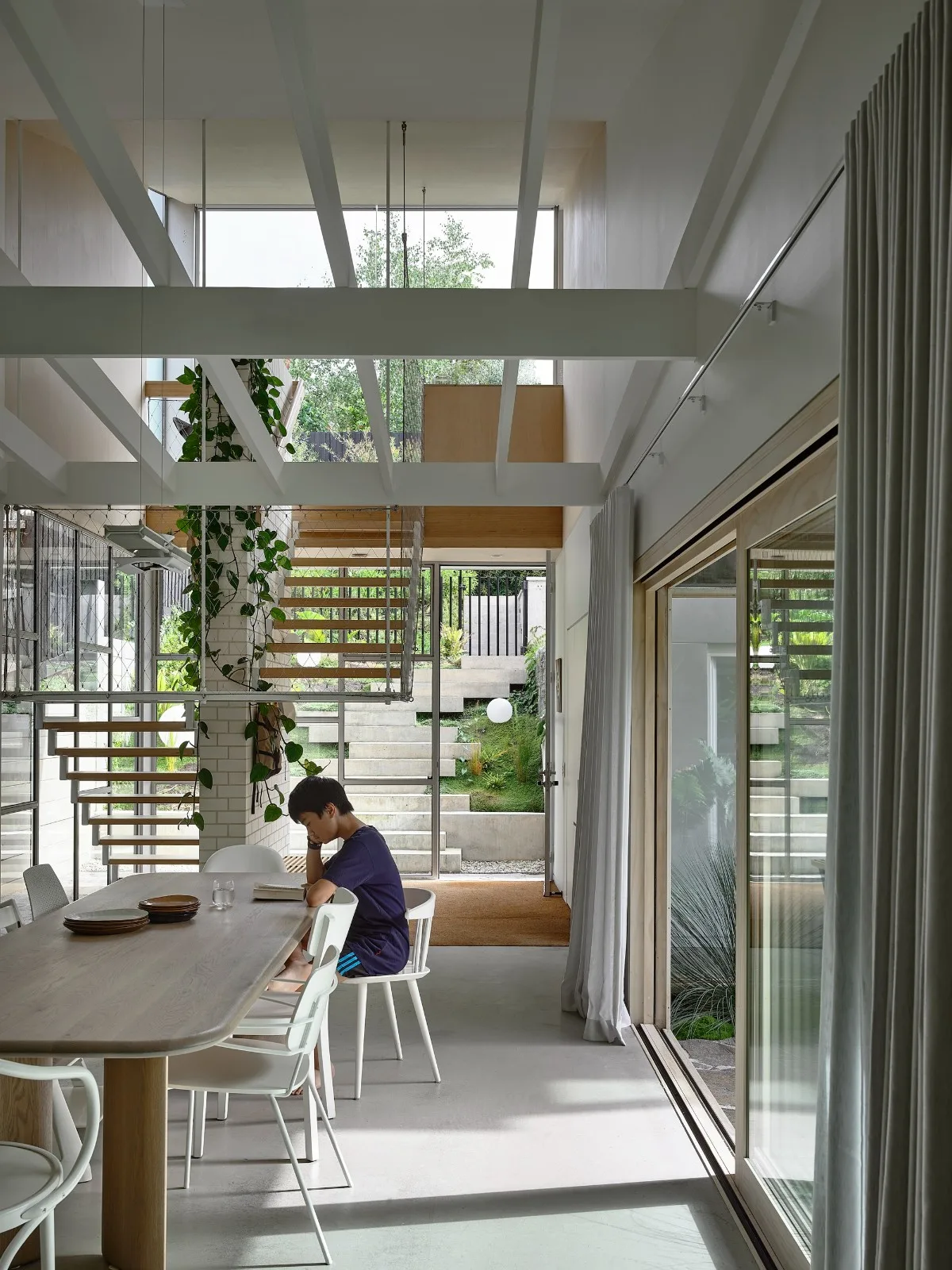
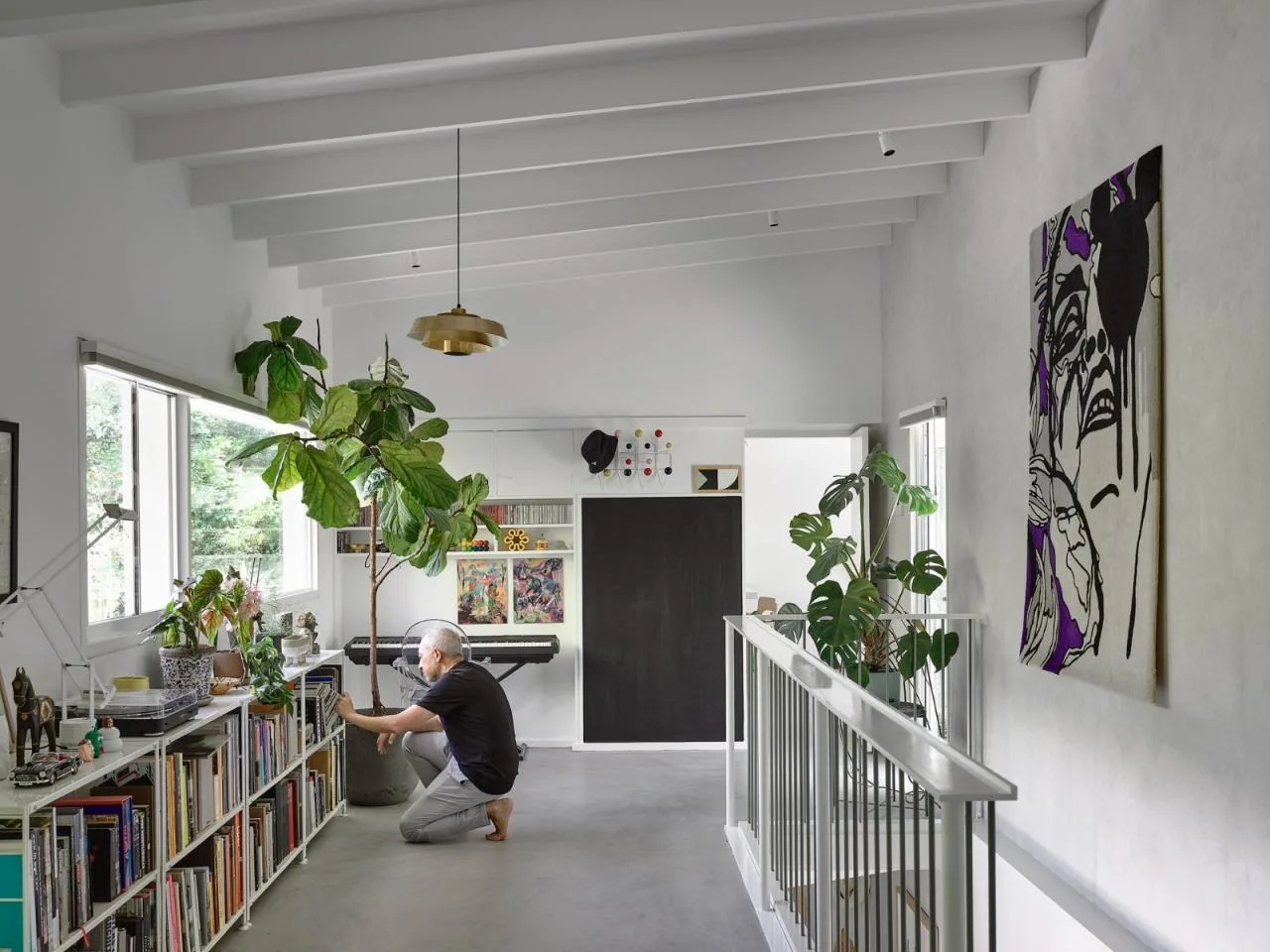
Located in Kew, Studley Park is a hub of modernist residential architecture. Preserving the original street character was a vital priority. The home’s original paint and brickwork have been carefully restored, while the new extension remains discreet and hidden from street view. Due to the design’s relationship with the surroundings, visitors only catch a glimpse of the second floor when exploring deep inside the residence.
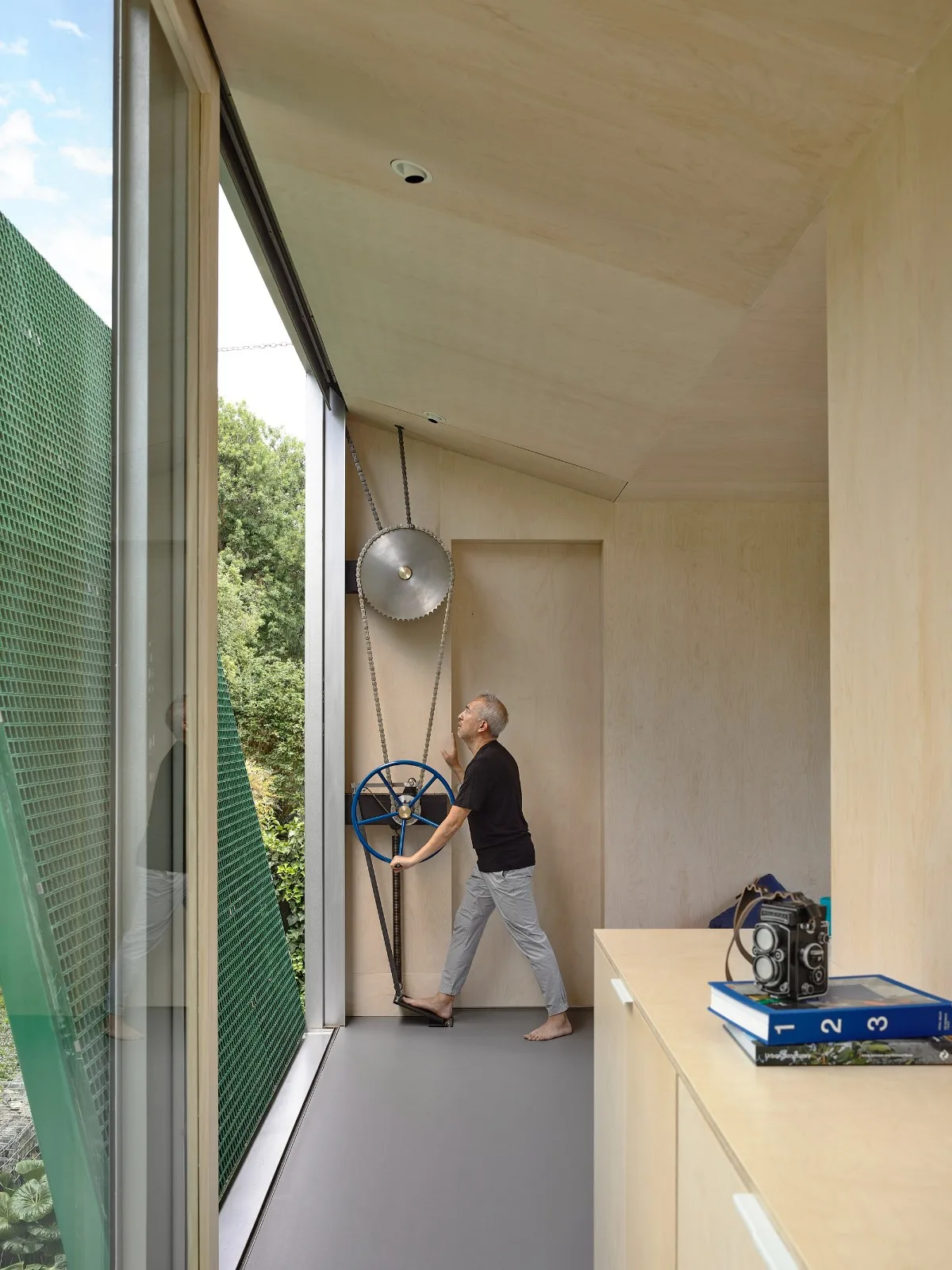
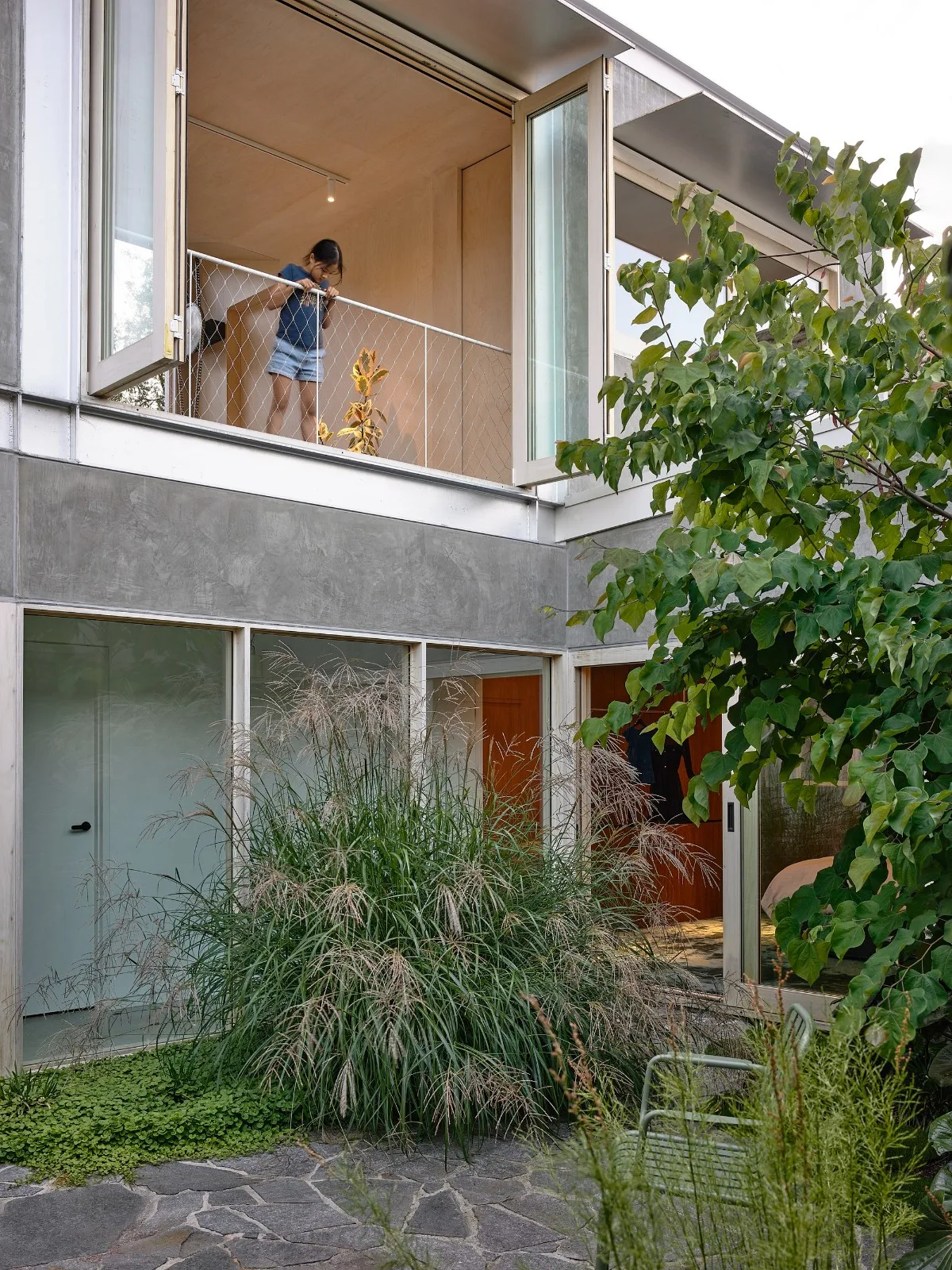
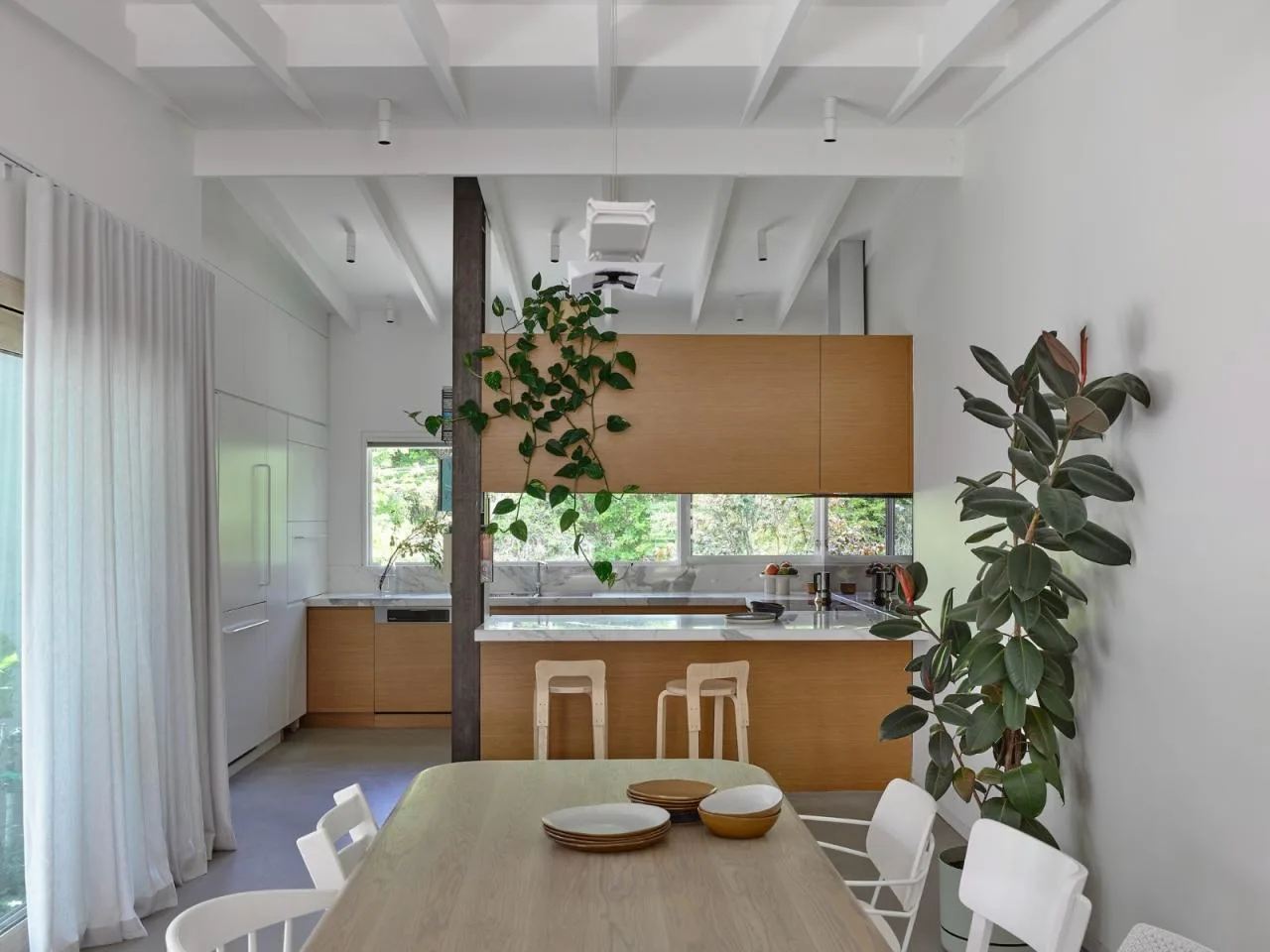
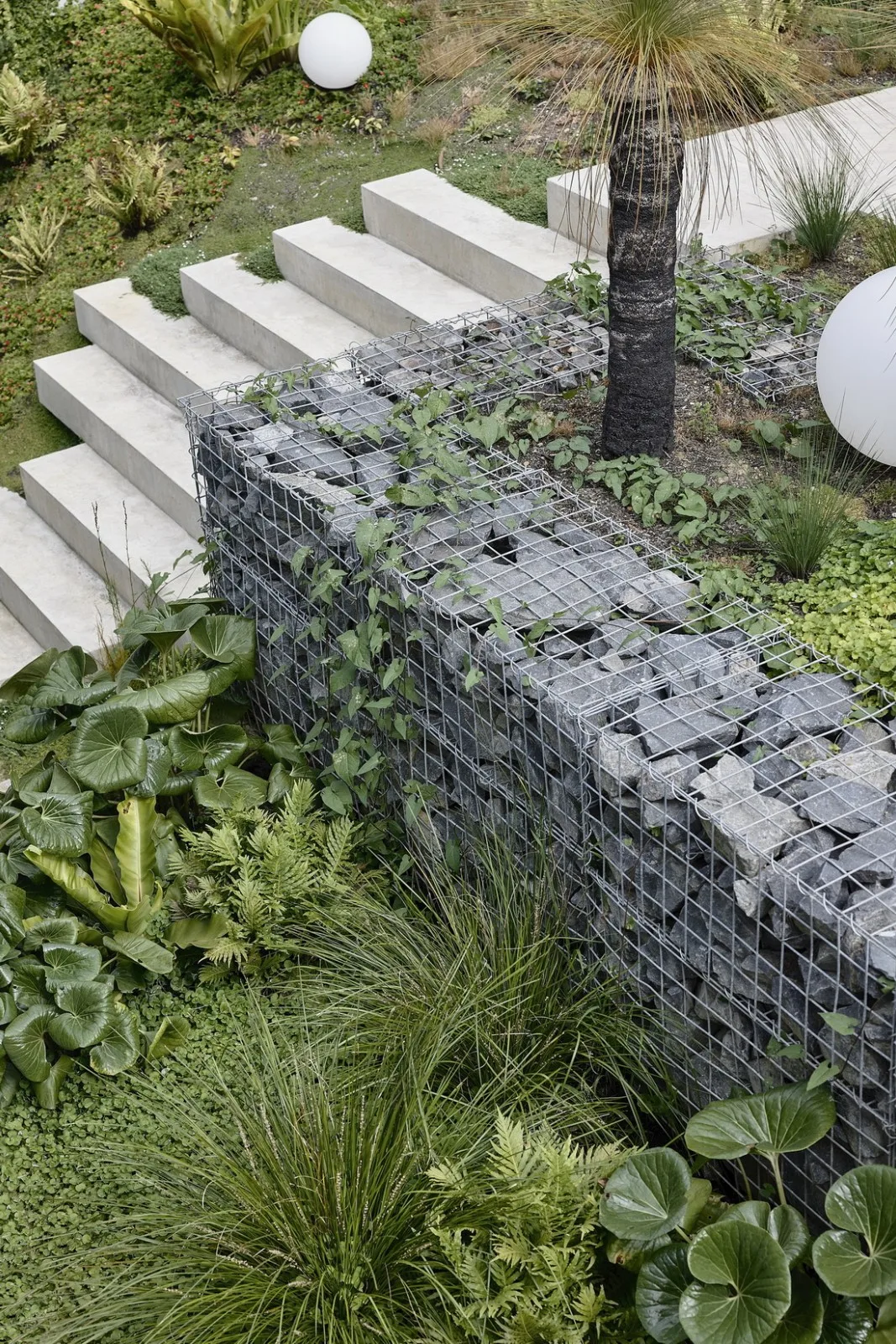
The site’s steep slope necessitated the construction of multiple terraces, creating a new dynamic between the house and backyard. To minimize earthworks, the extension strictly follows the structural layout of the original building. This simple framework allowed the new floor plan to fit exactly within the original footprint, preserving the house’s proportional rhythm.
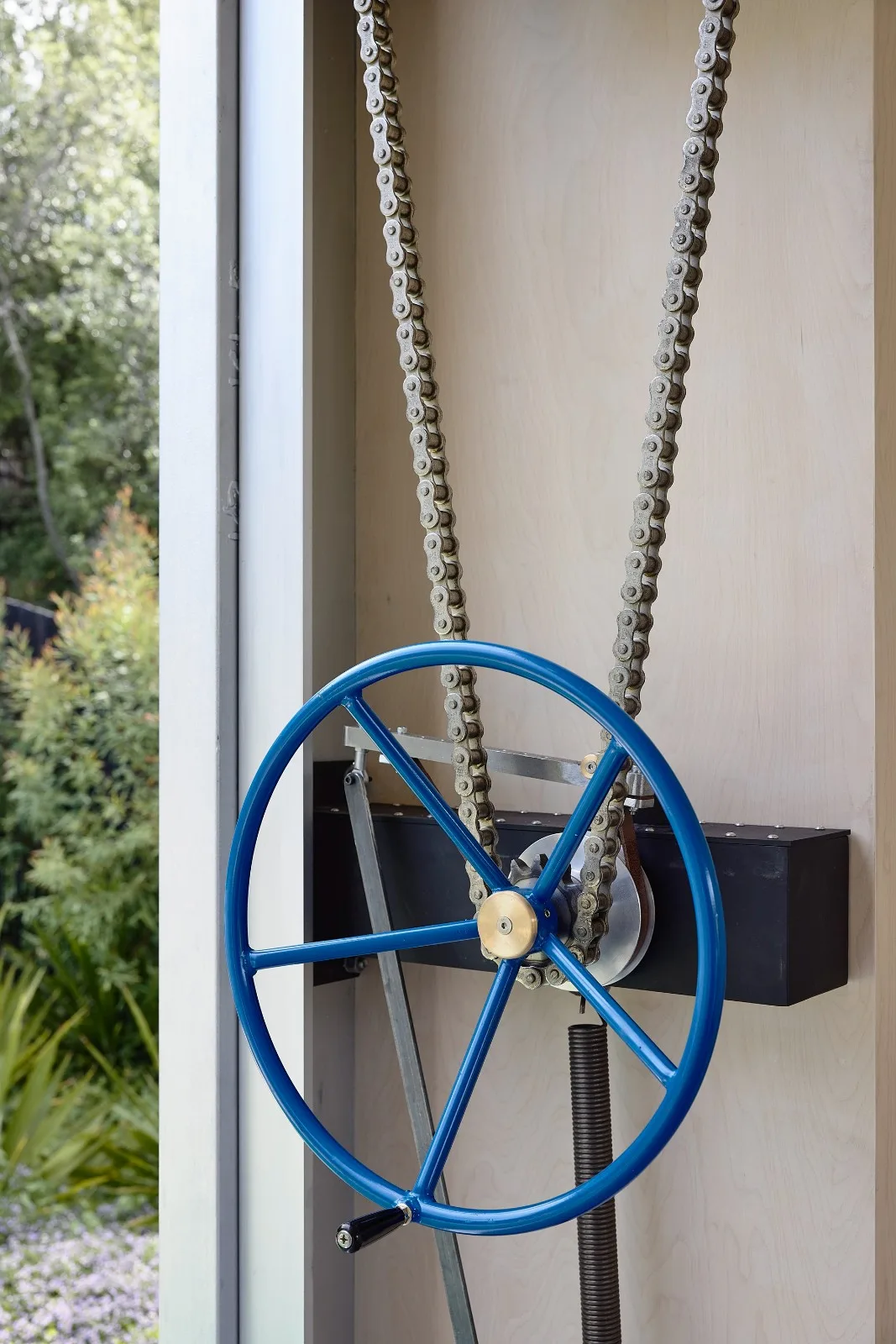
Integrating new and old materials on such a challenging slope required precision and collaboration. A suspension bridge, completed one year after handover, exemplifies this effort. The project involved an aviation engineer for complex calculations, a skilled metalworker, a reliable architect, and the persistent dedication of the architects and clients. After 12 months of prototyping, they discovered the bridge was still too heavy to lift. It took three additional attempts before it became fully functional.
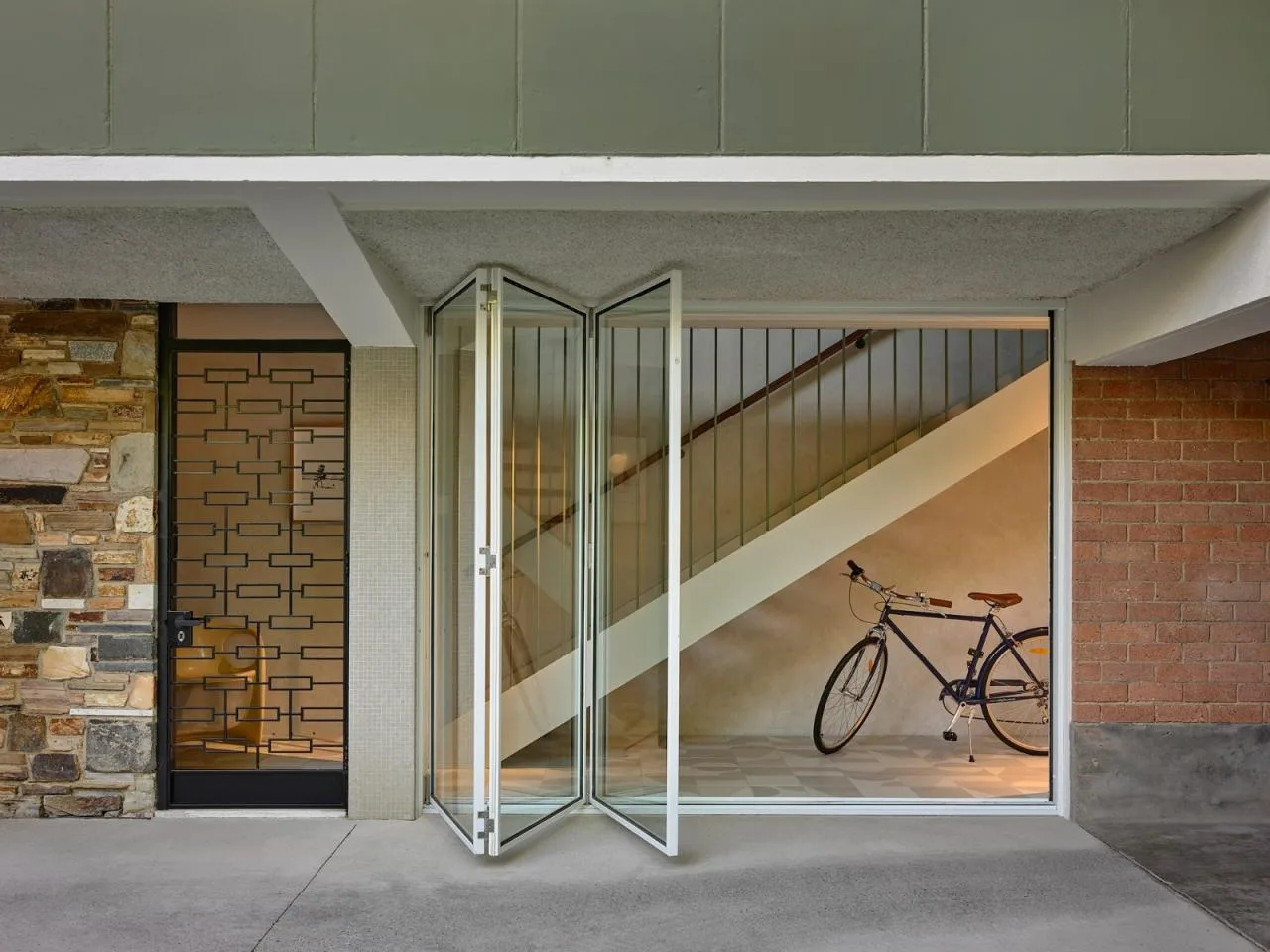
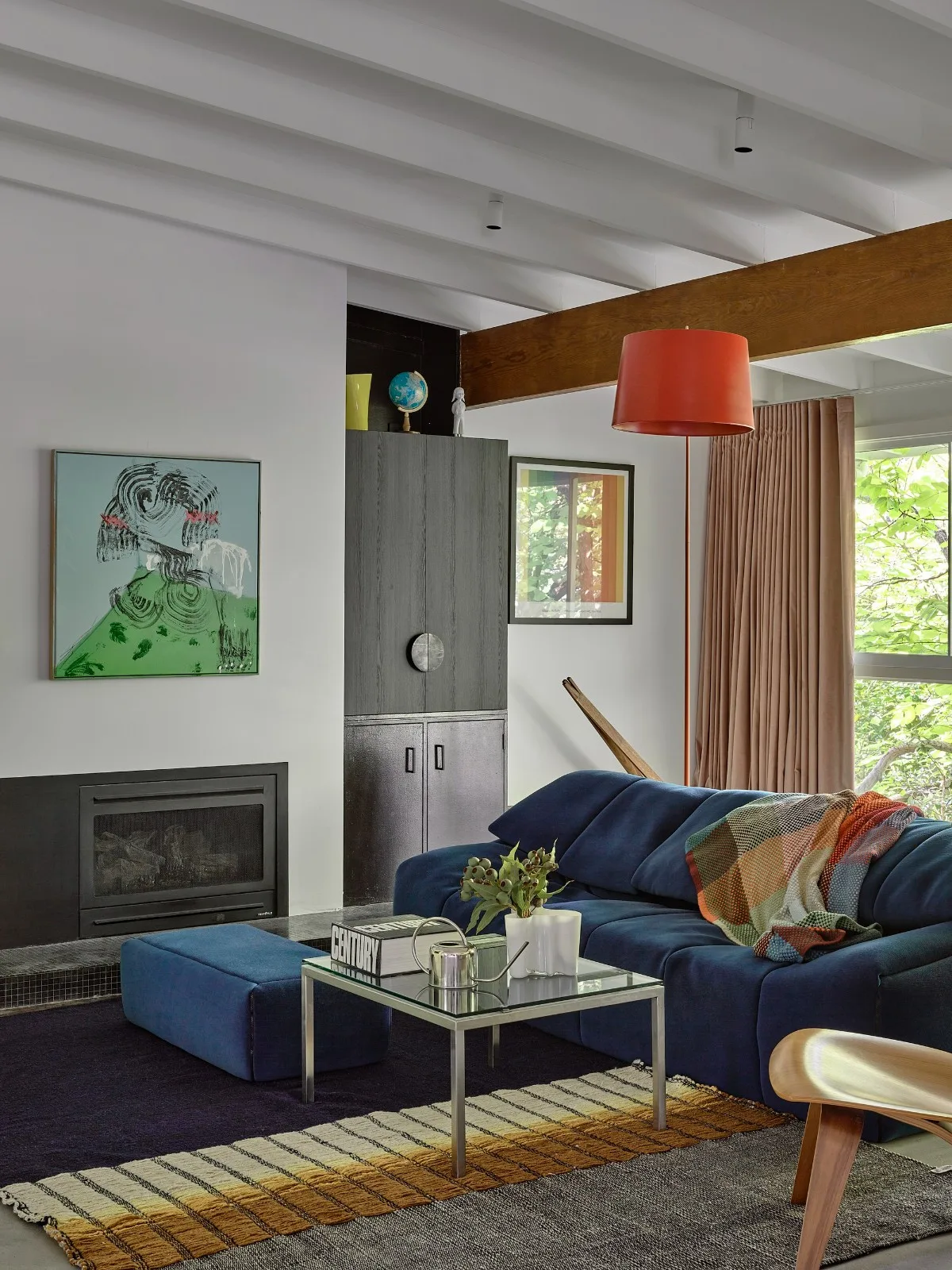
Designed to be passed down through generations, sustainability was a key focus to ensure the home’s longevity. Though well oriented, the original house lacked insulation and relied solely on gas appliances. The renovation converted it into a fully electric home—retaining only the original gas fireplace—and integrated a significant solar panel system. New double-glazed windows provide insulation, and the garden features mostly native plants. The project prioritizes low-maintenance, durable materials and works closely with local manufacturers and suppliers.
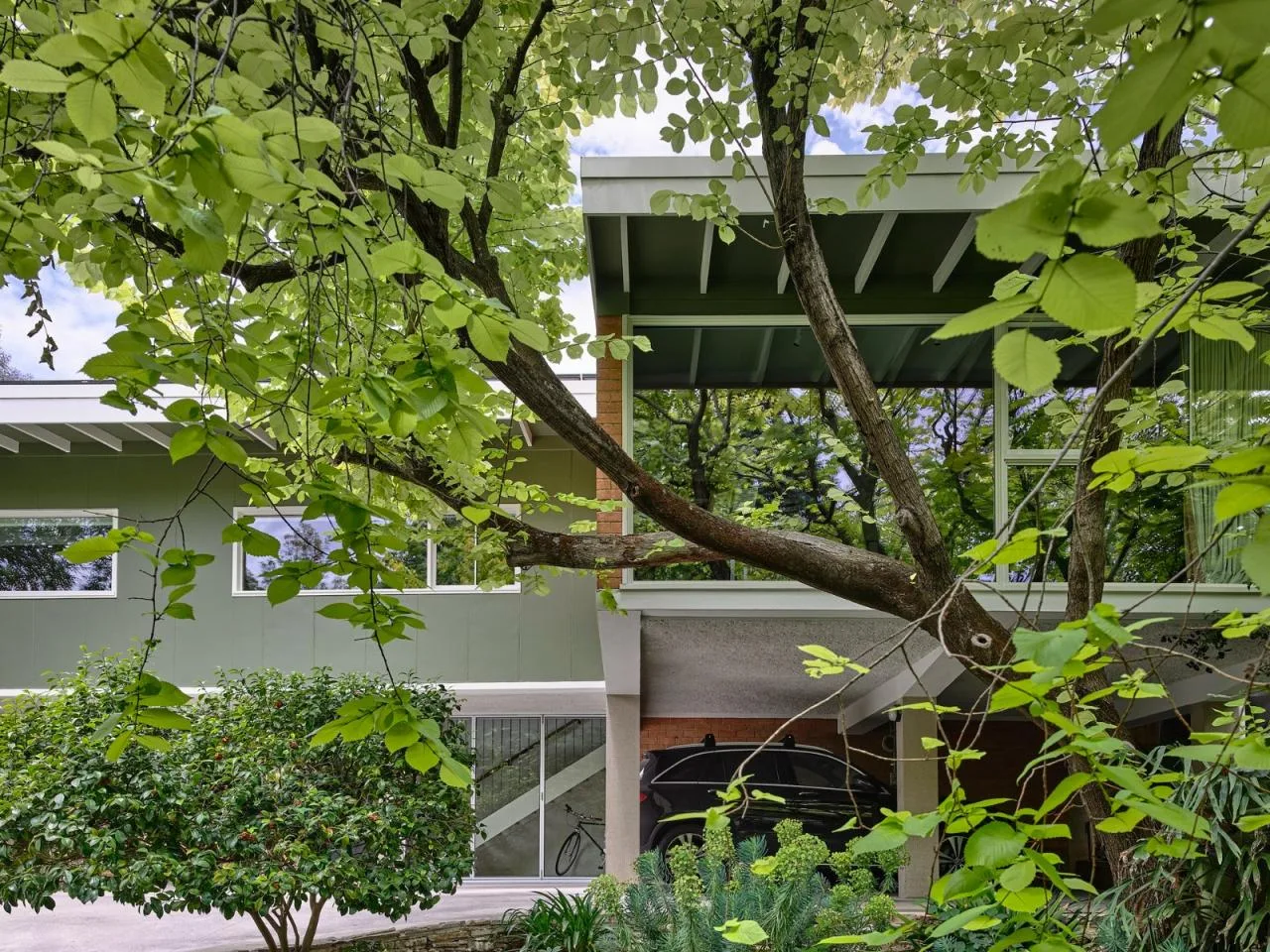
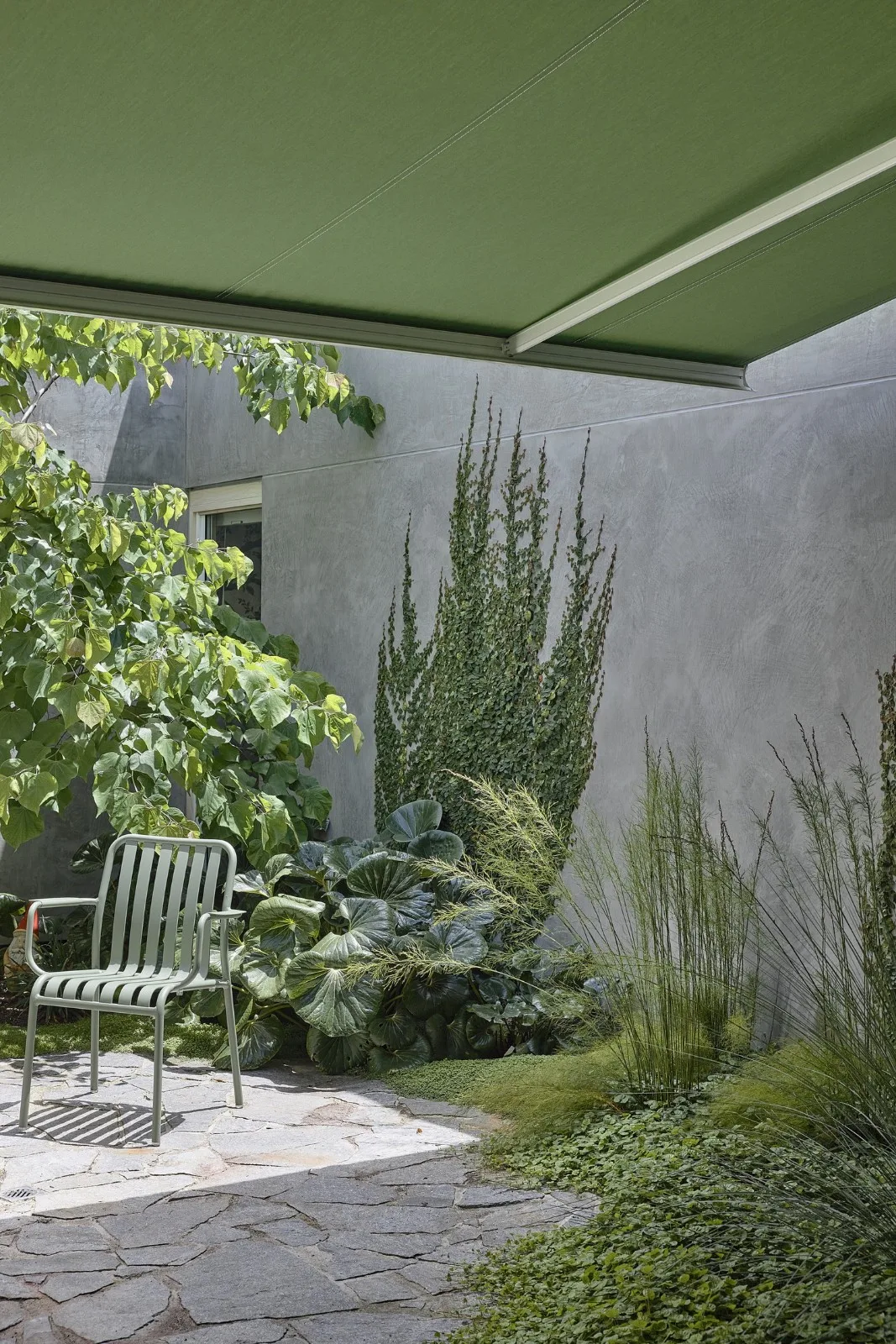
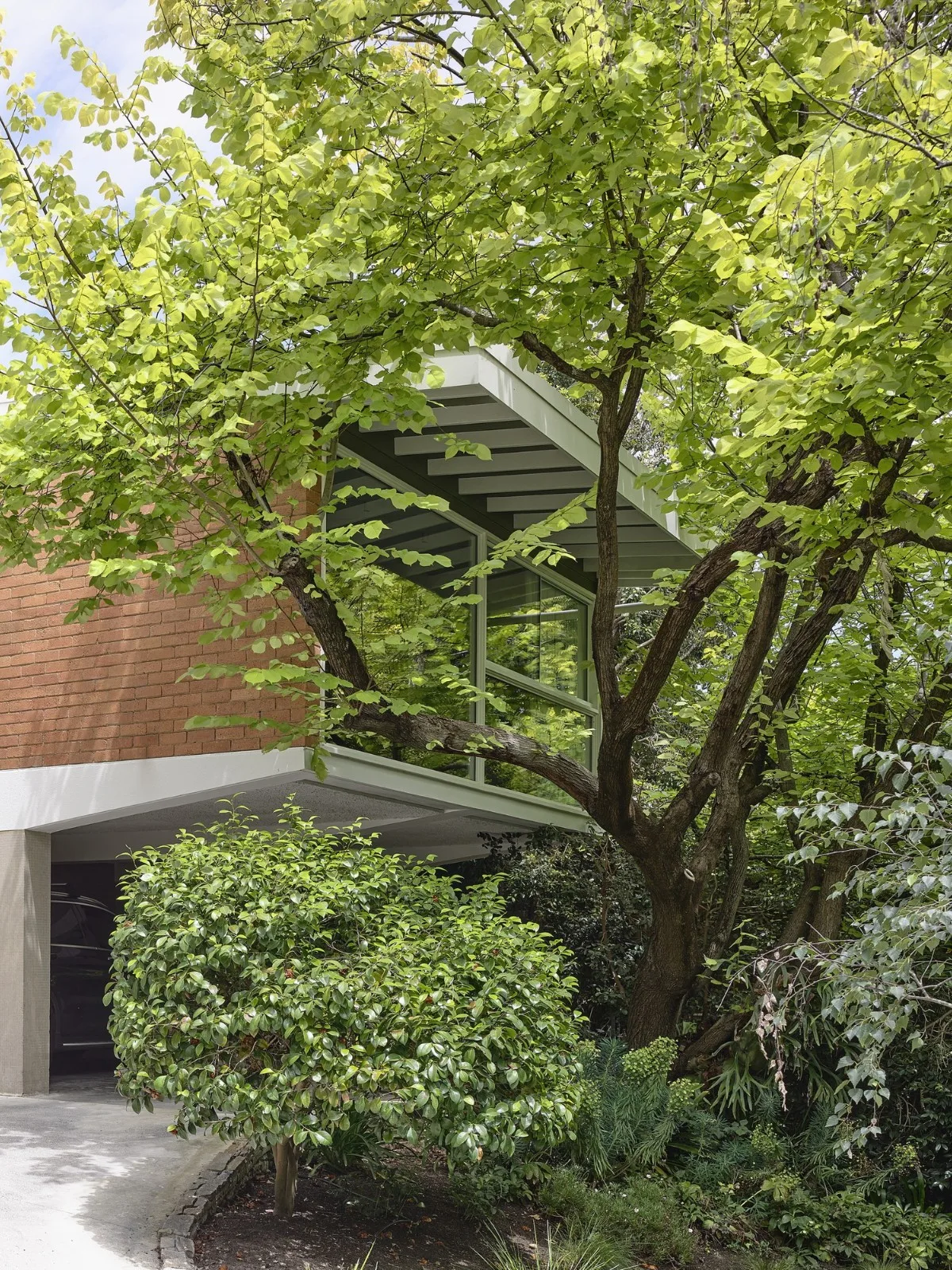
The success of this project lies in its deep understanding of the site—morning sunlight patterns, winter fallen trees, cozy reading spots by the fireplace, and everyday family routines like backpack placement. The flat layout thoughtfully addresses both current and future family needs.
Project Drawings
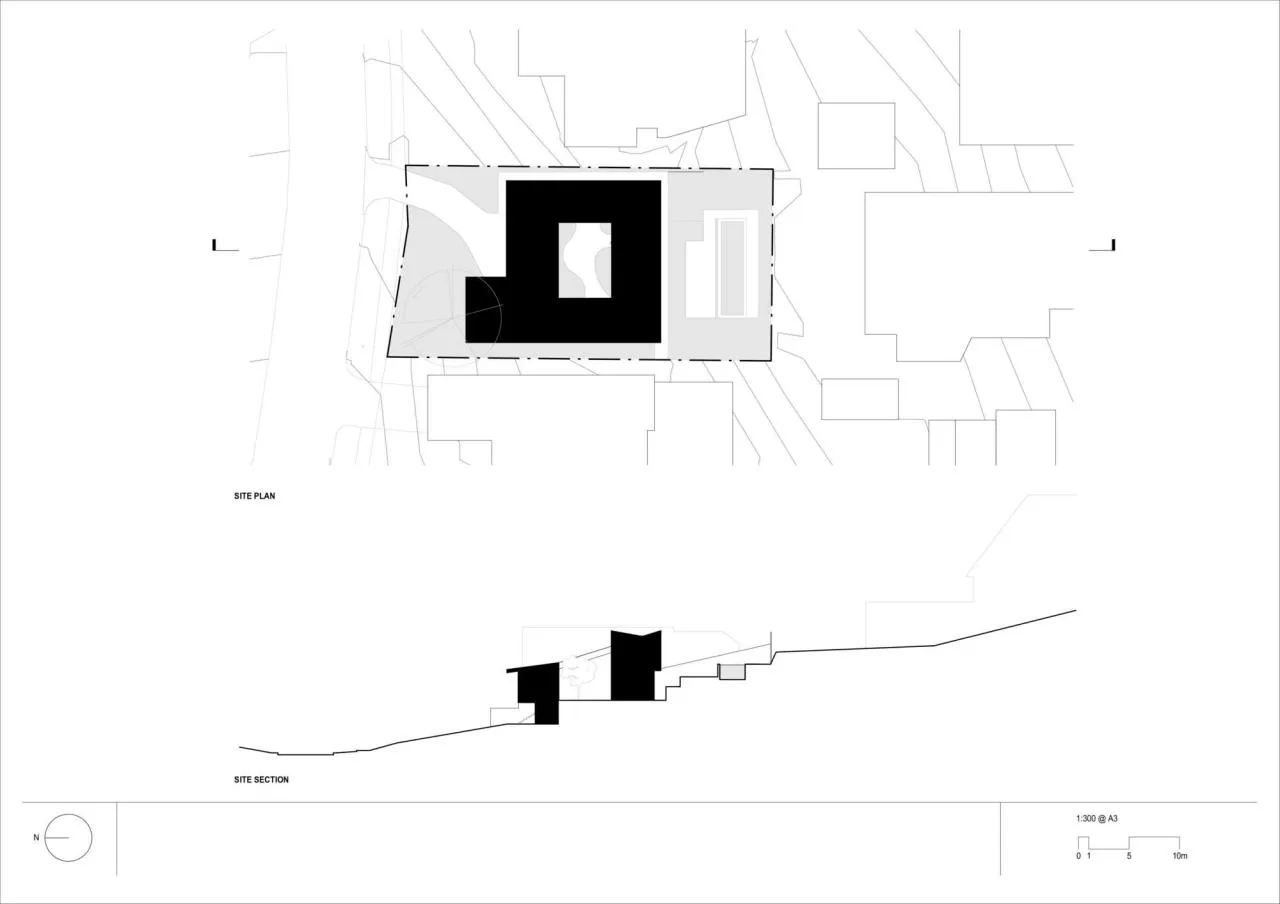
▲ Base schematic diagram
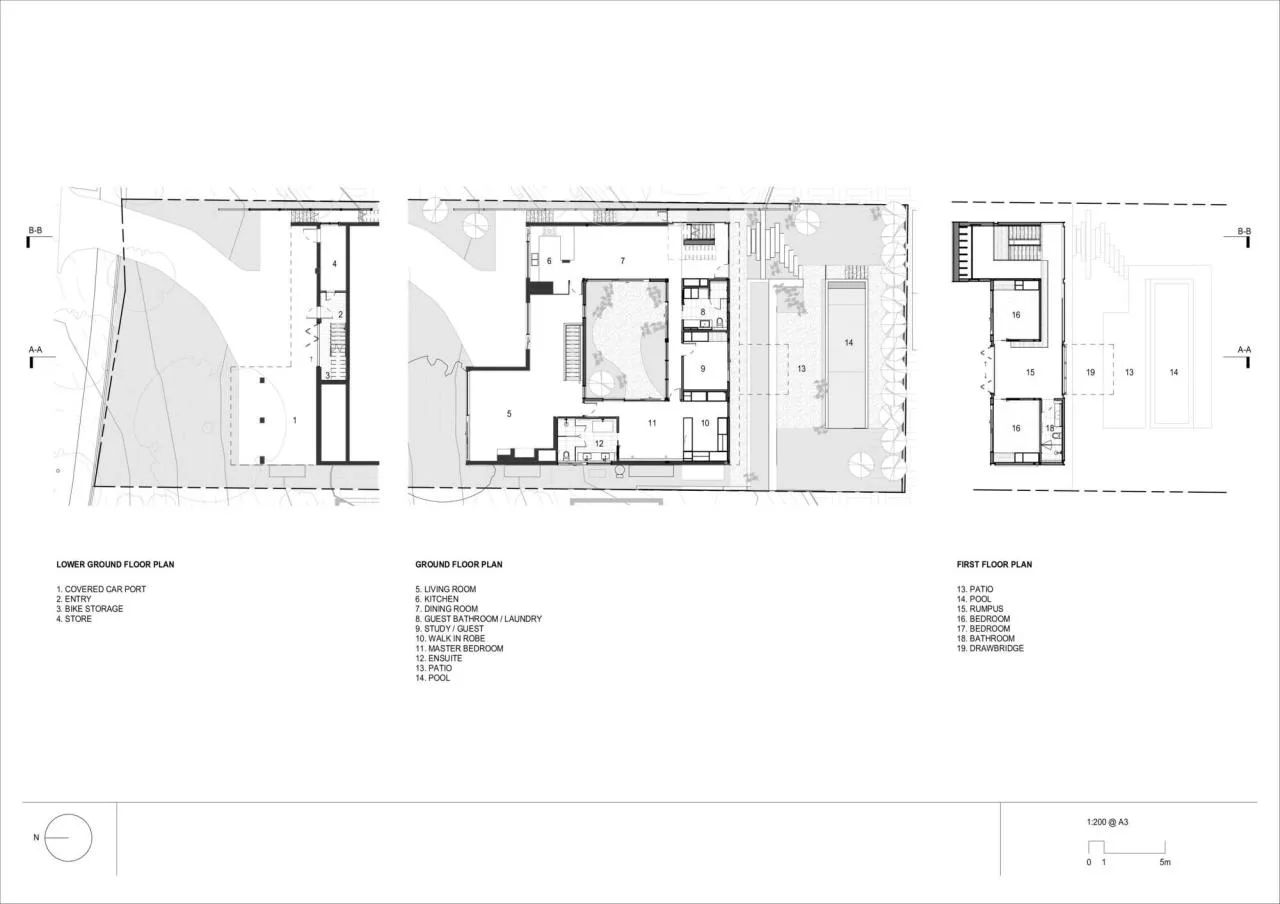
▲ Plan view
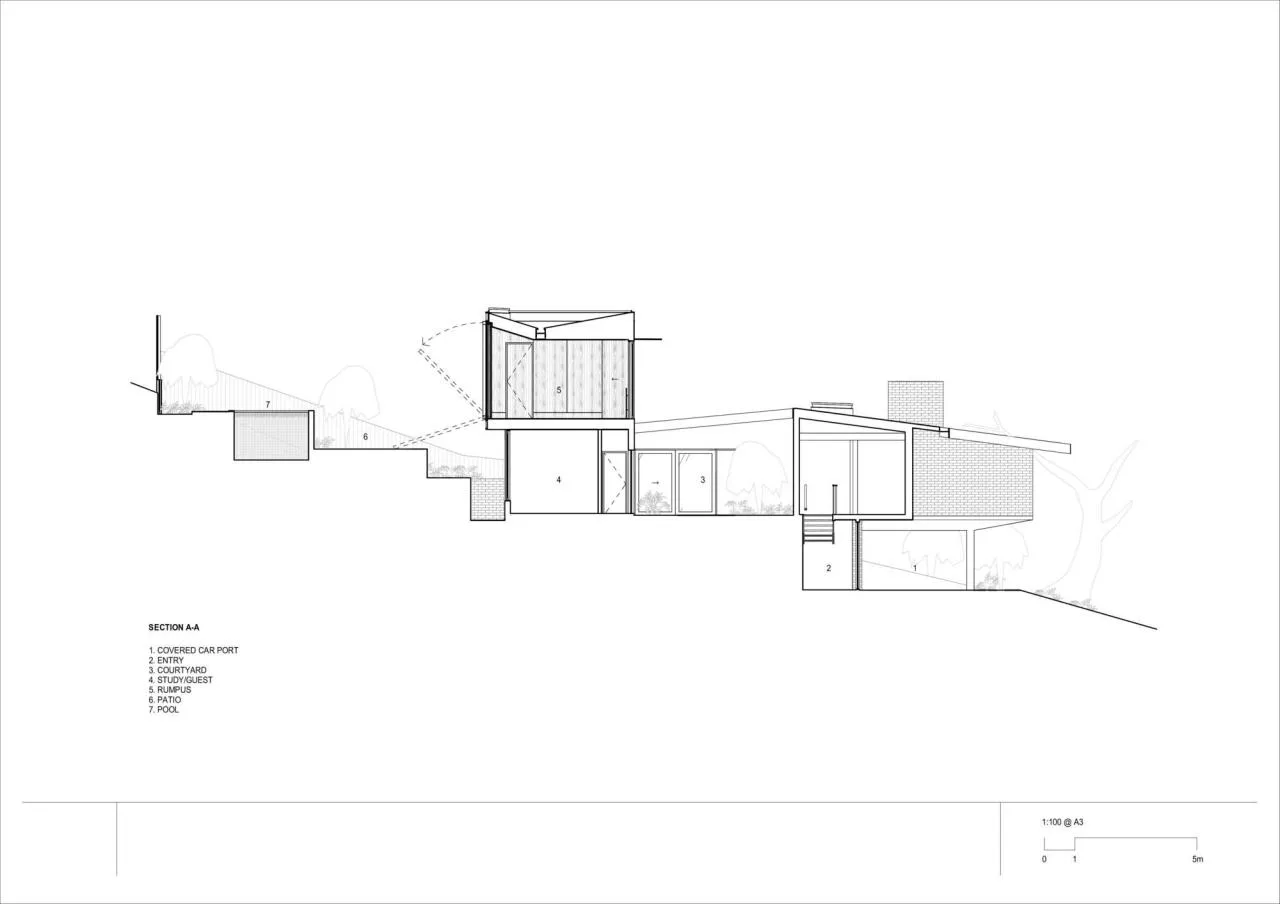
▲ Sectional view
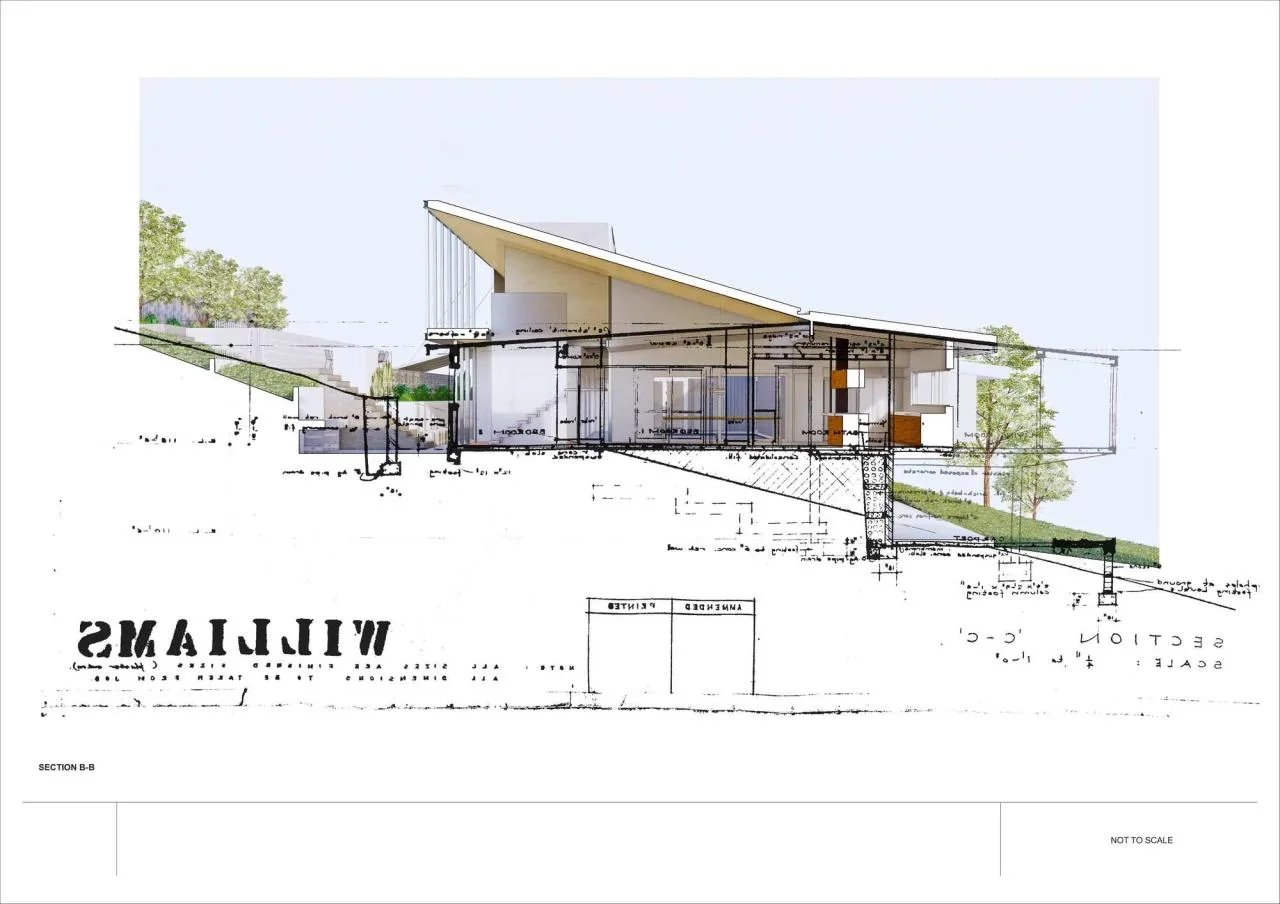
▲ Sectional perspective
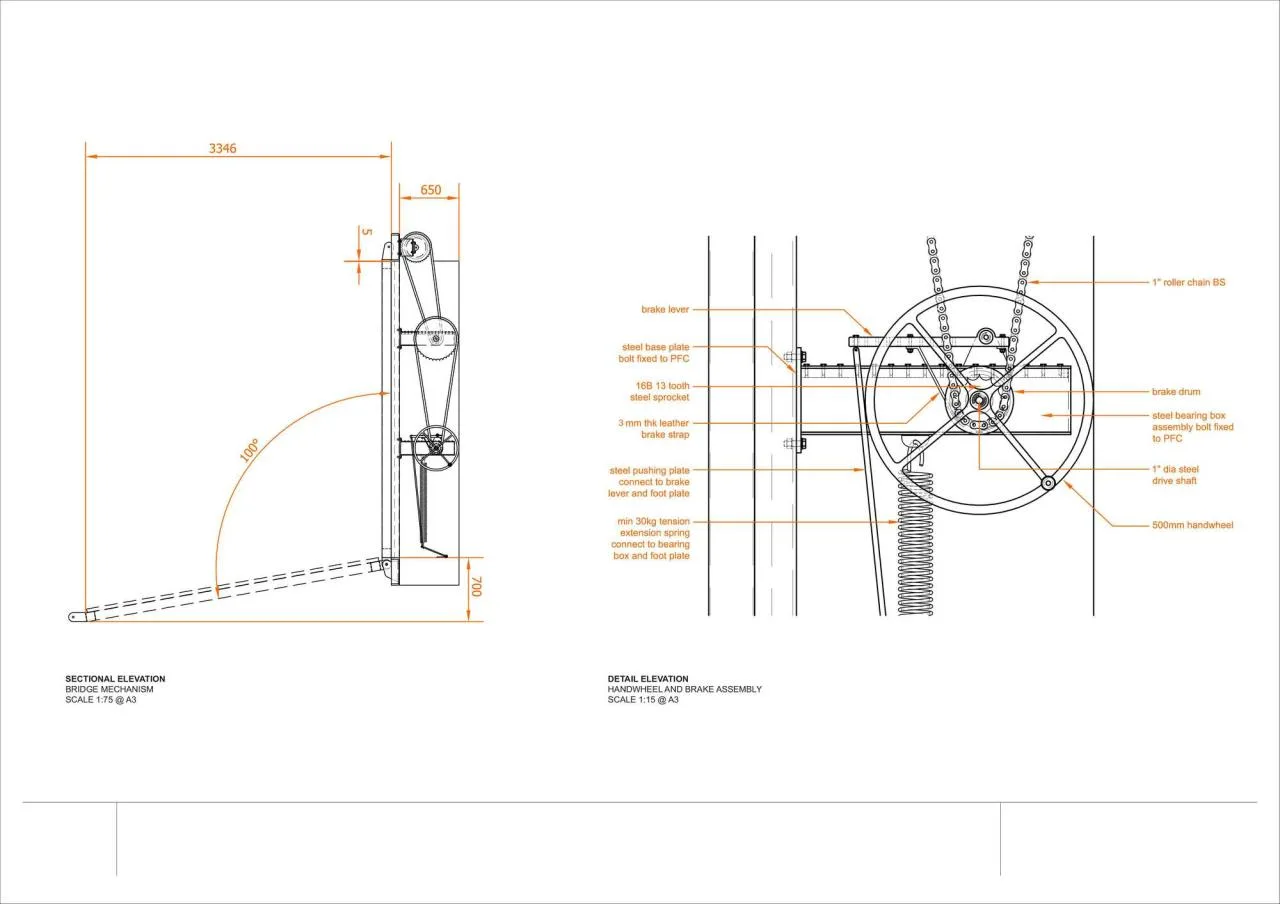
▲ Detailed drawing
Project Information
Architect: Albert Mo Architects
Year: 2023
Photographer: Derek Swalwell
Architecture & Interior Design: Albert Mo Architects
Landscape Design: Mud Office
Construction: Block Constructions
Location: Melbourne, Australia












Must log in before commenting!
Sign Up