
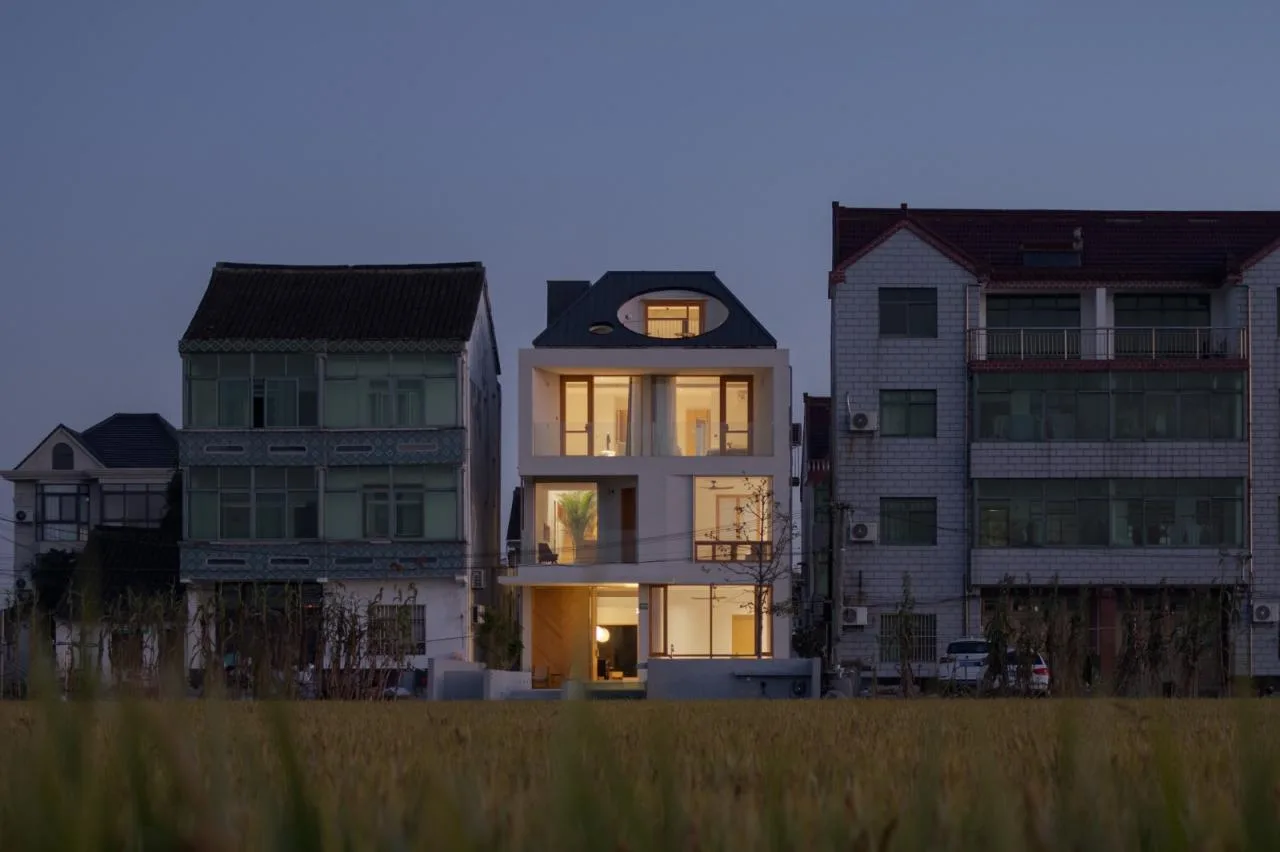
As a designer, having the chance to create an independent home that you’ve dreamed of since starting your career is truly a rare and fortunate opportunity.
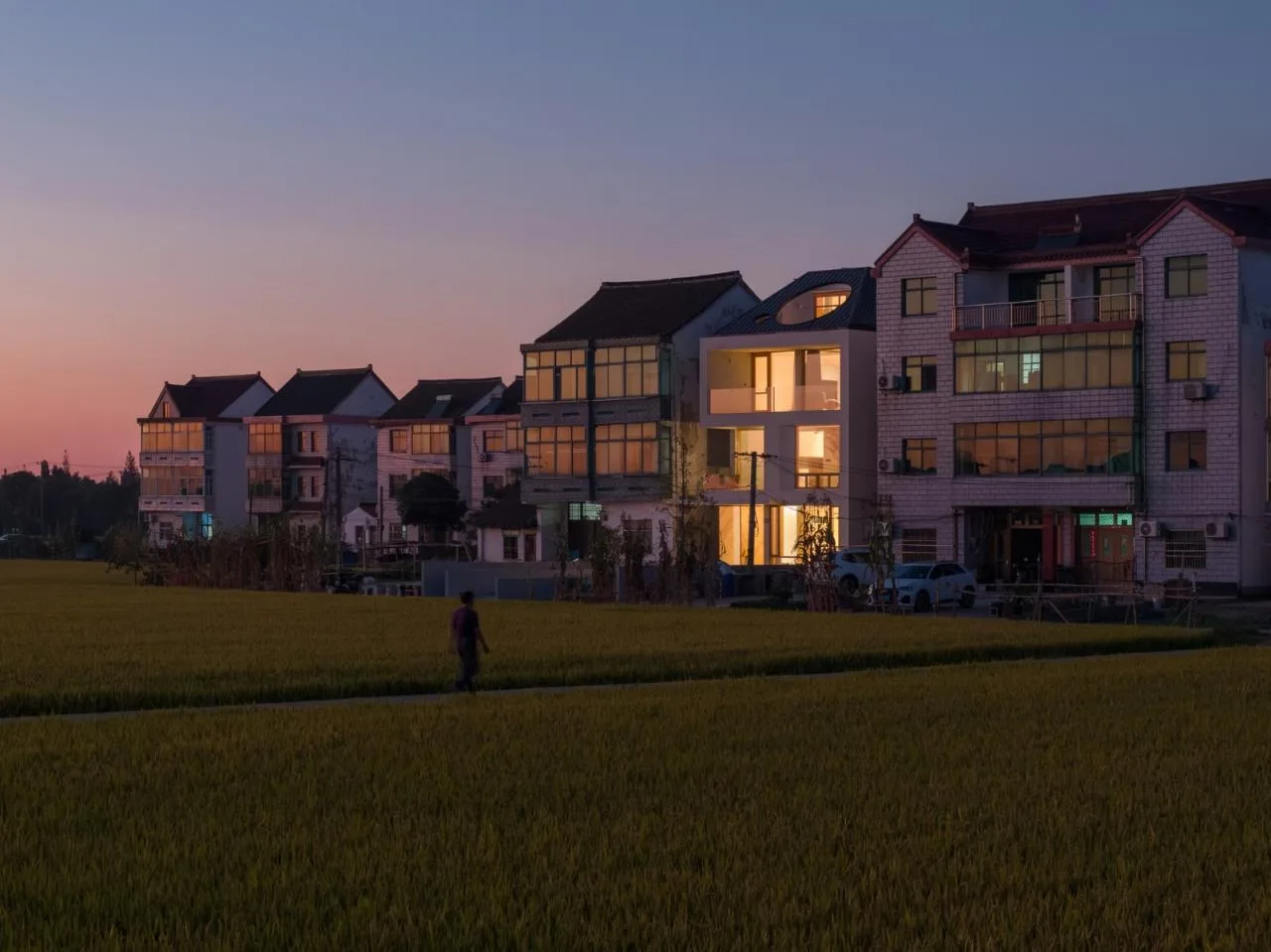
This opportunity, however, arrived unexpectedly for the designer. Looking back, it seems opportunities rarely allow time for preparation. After a heavy rain rendered the old house unsafe, the application to demolish and rebuild was immediately prioritized.
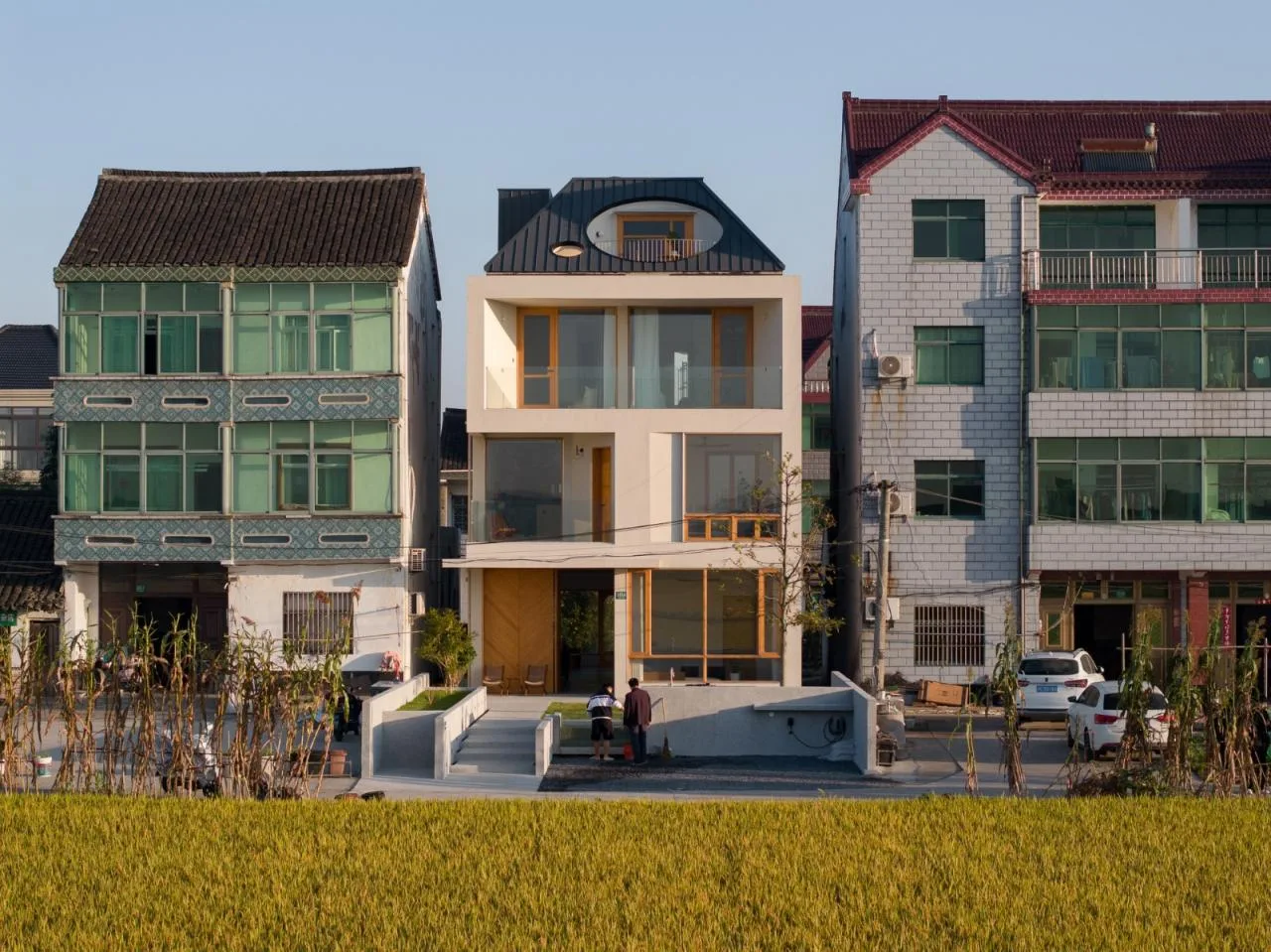
With over a decade of experience in interior design, the designer naturally approaches the project from an inside-out perspective. Expanding into architecture adds an outside-in viewpoint. When presented with more choices, desires grow—especially when the designer is also the homeowner. They seek larger public areas, more usable space, and increased natural light. But as complexity rises, it becomes easy to lose sight of what truly matters.
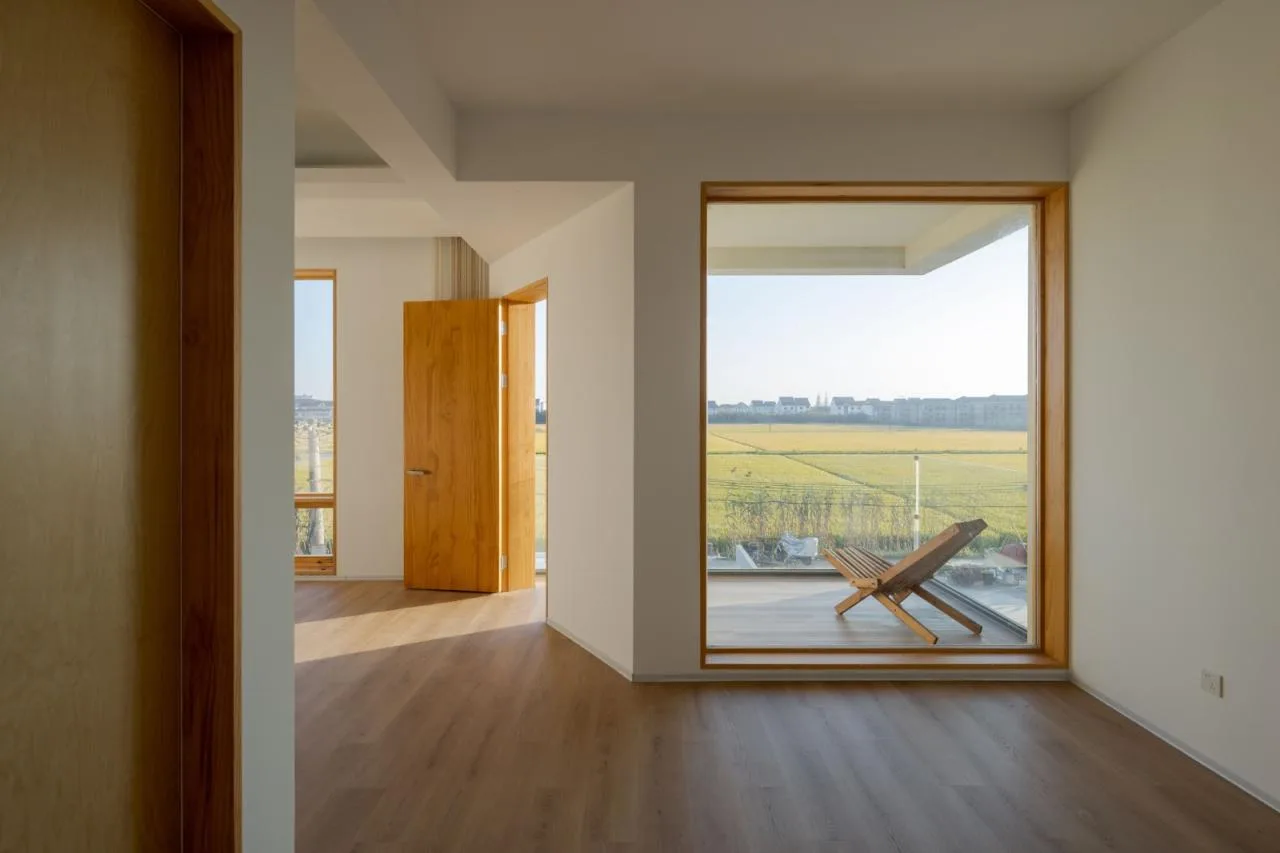
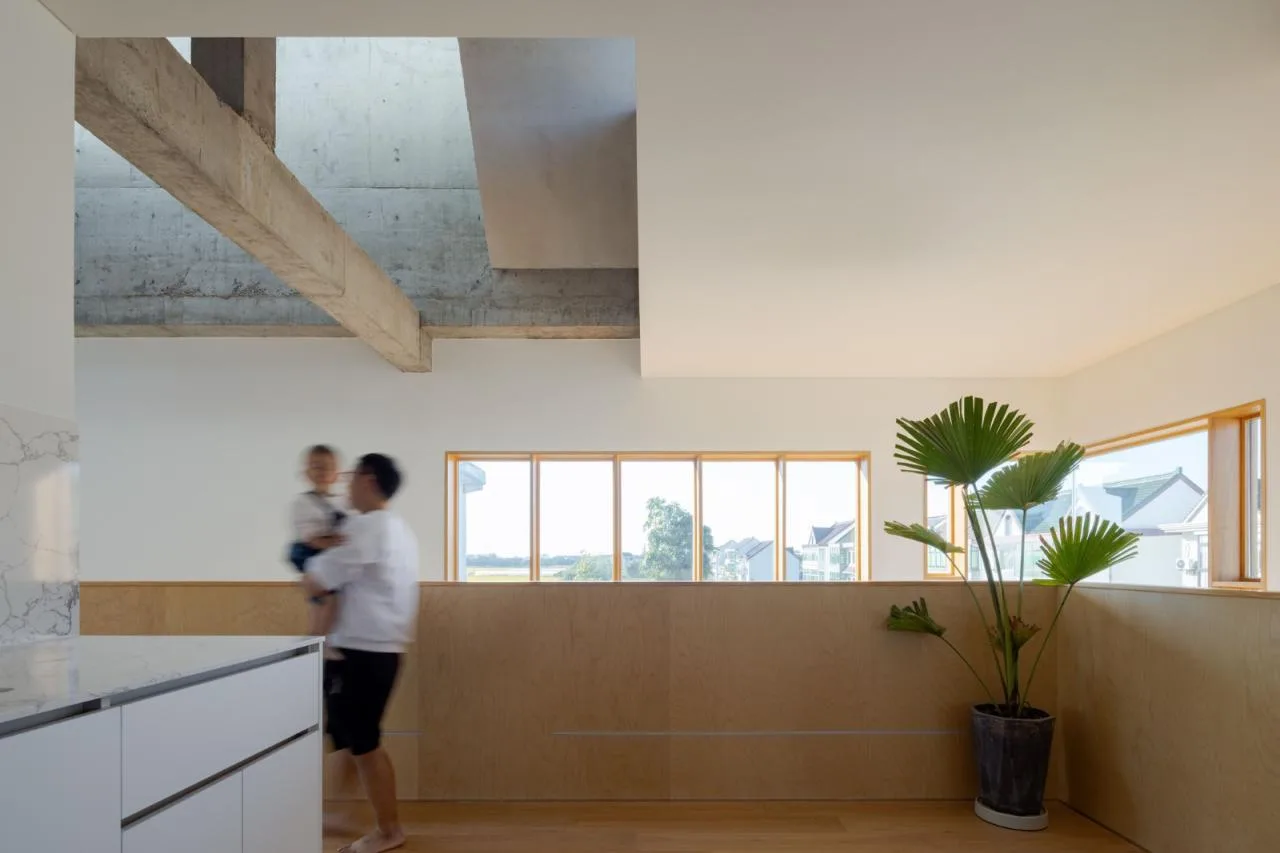
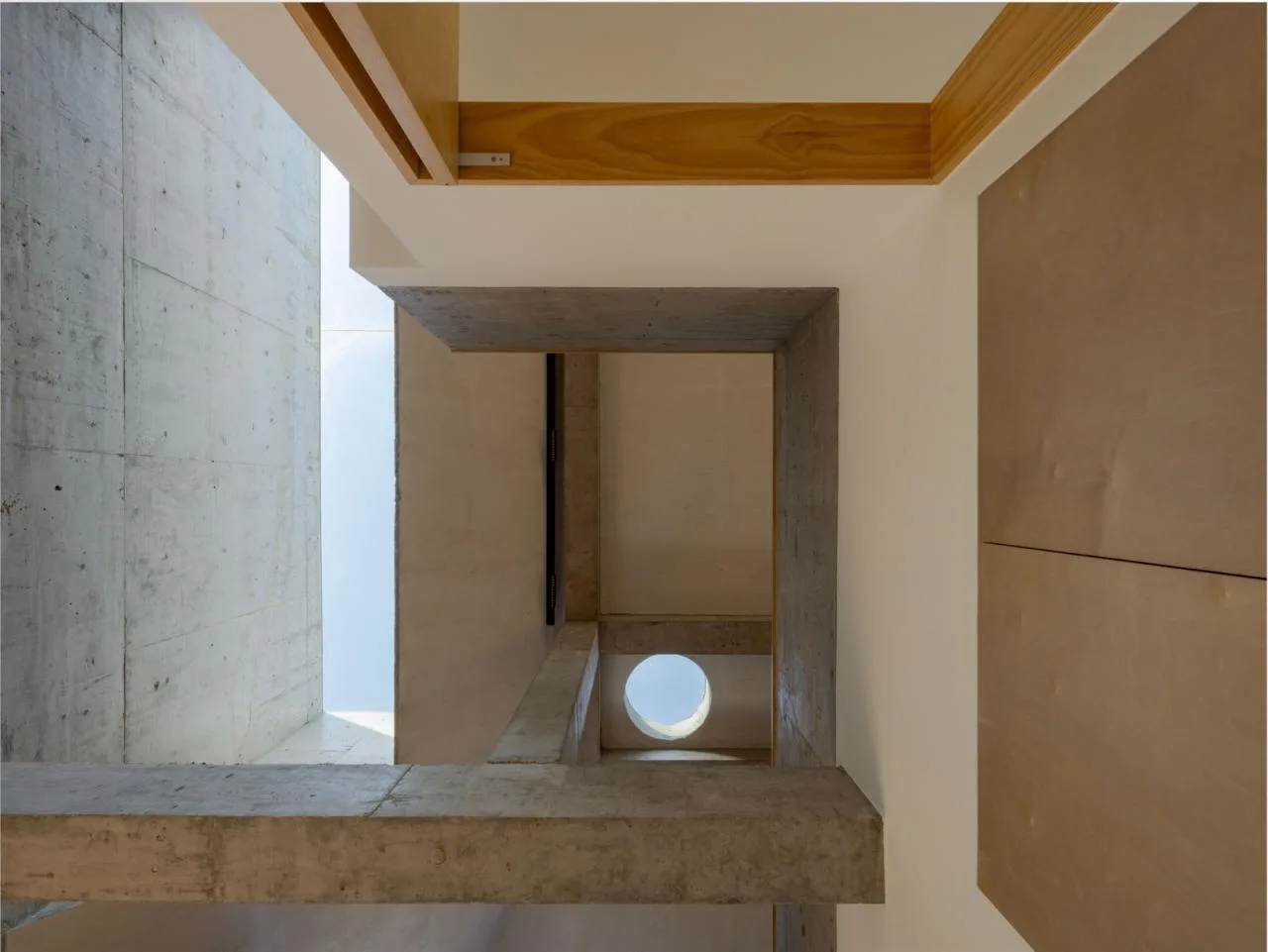
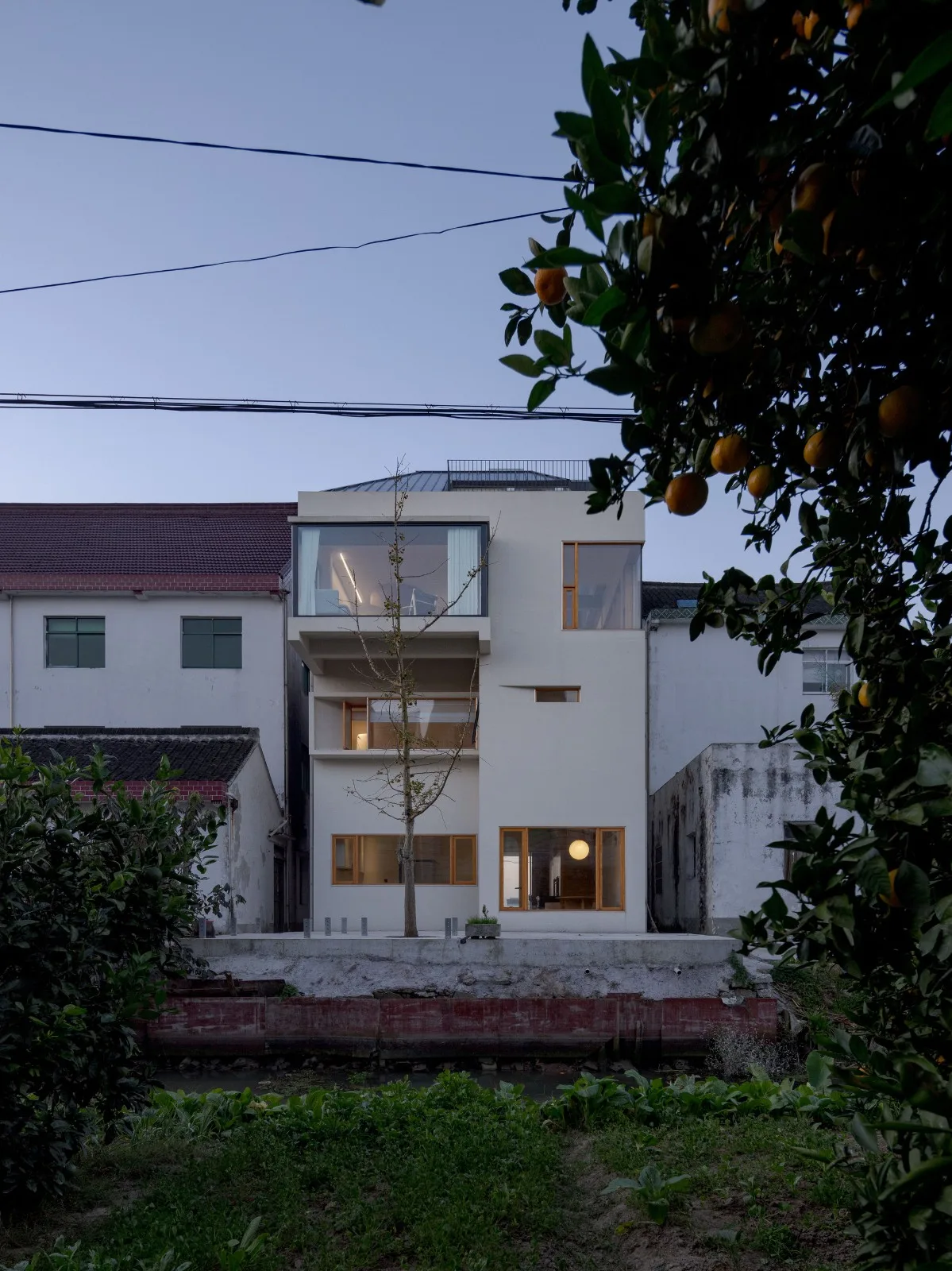
The designer’s goal was to create an emotional home. Emotions can be expressed in many ways—through music, writing, film, and more. For this house, the emotion is understood as the connection between light and family. Light effectively conveys the feeling of a home, changing with seasons and weather, offering varied sensory experiences and inspiring reflection.
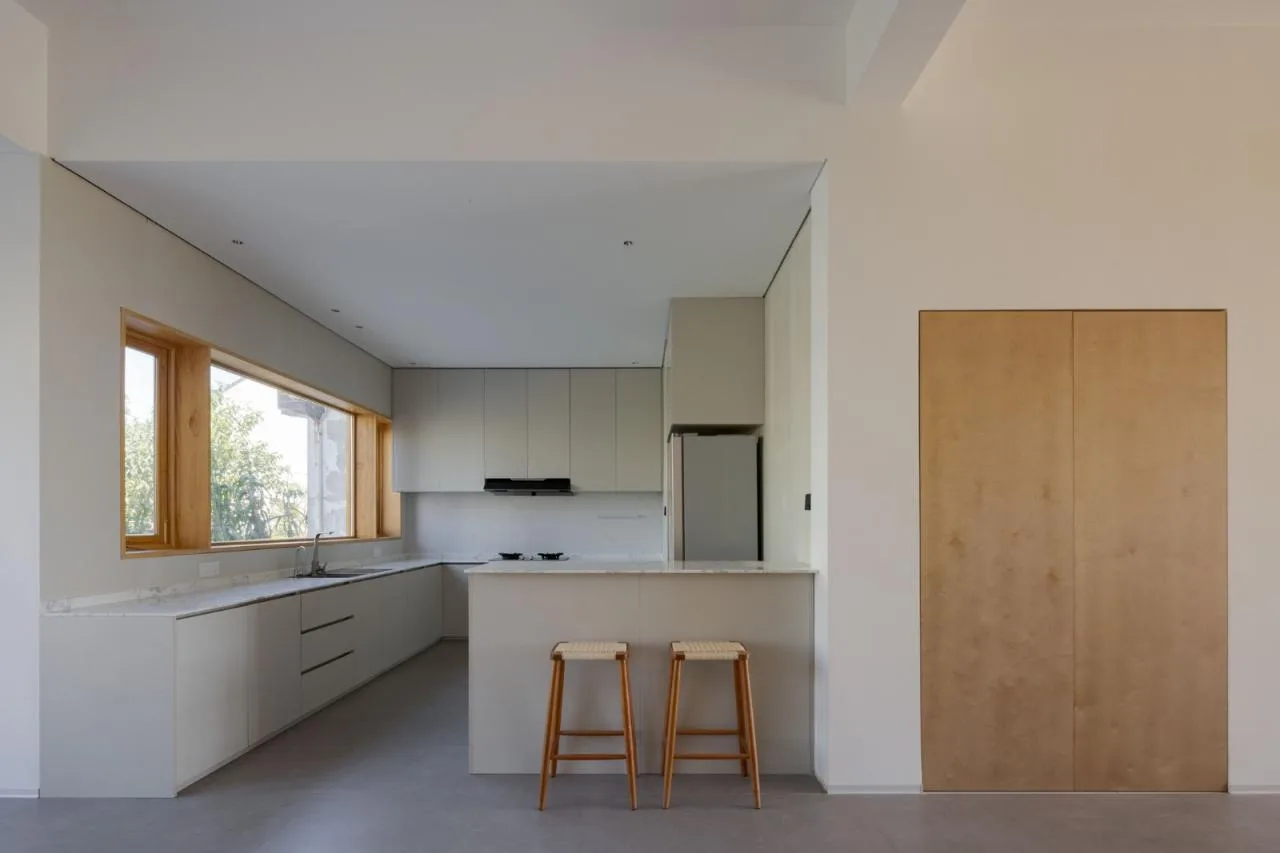
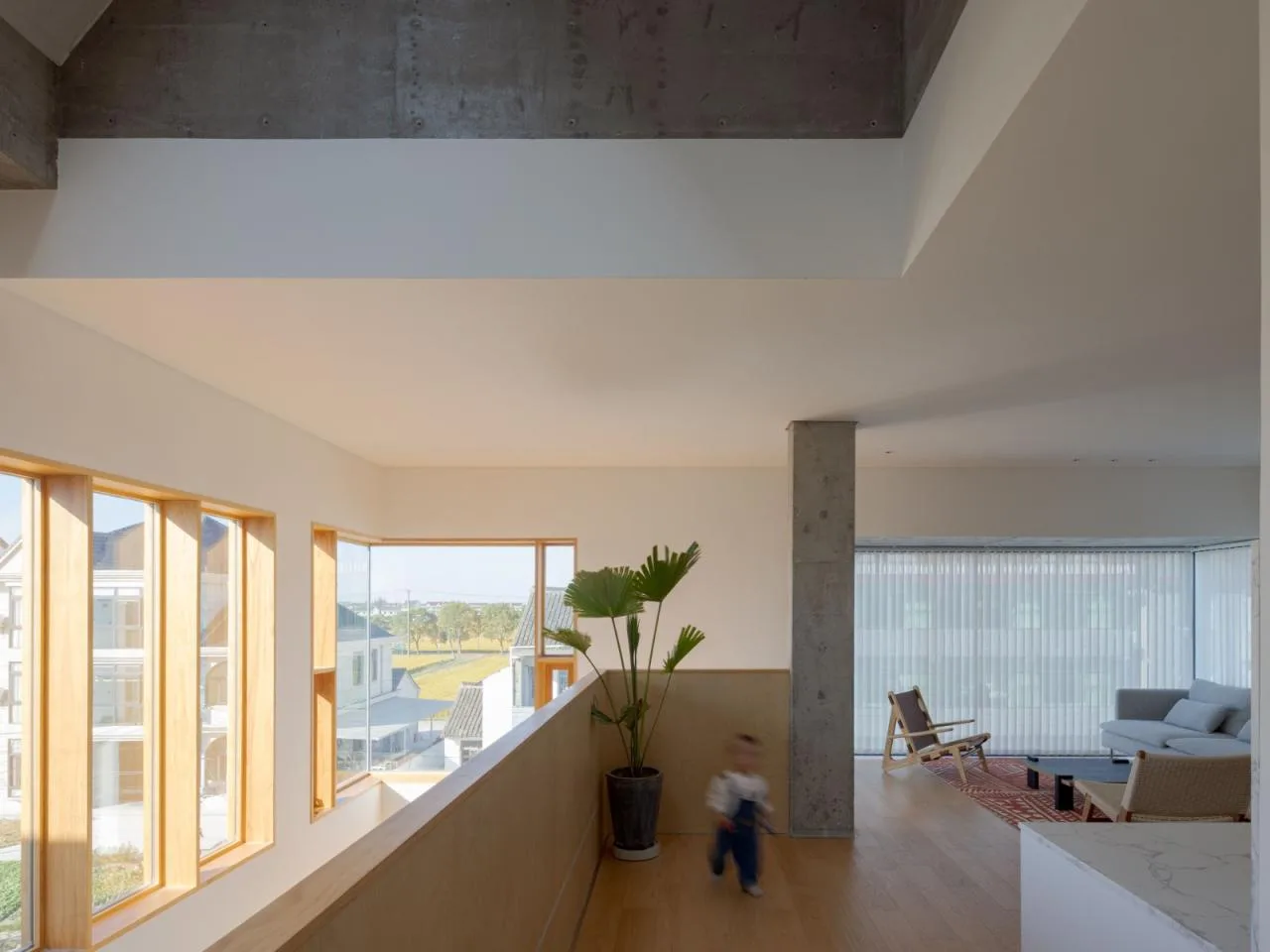
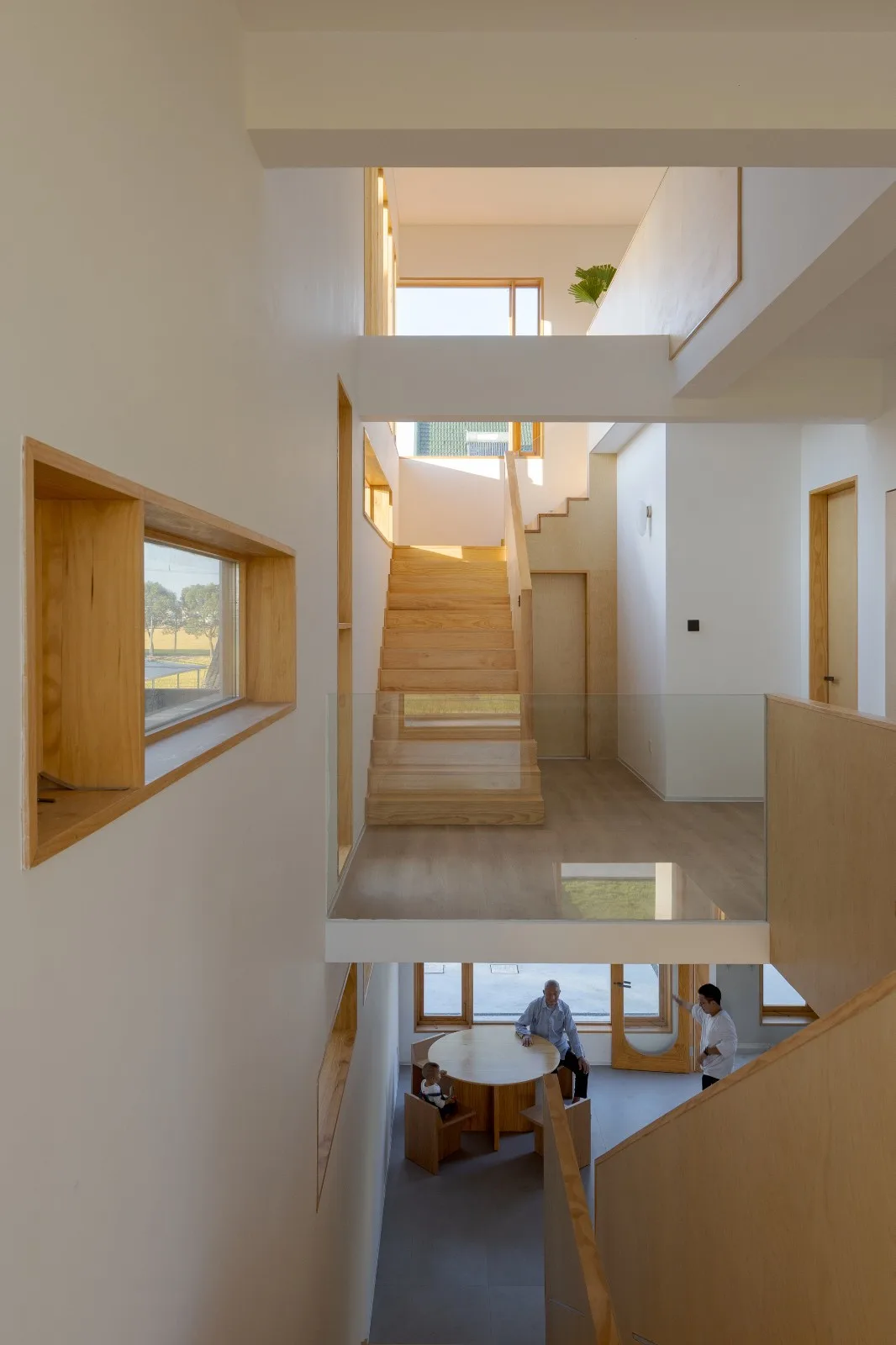
In homes with fewer family members, the space fosters interaction through a sense of “calling,” which activates the vitality of the house.
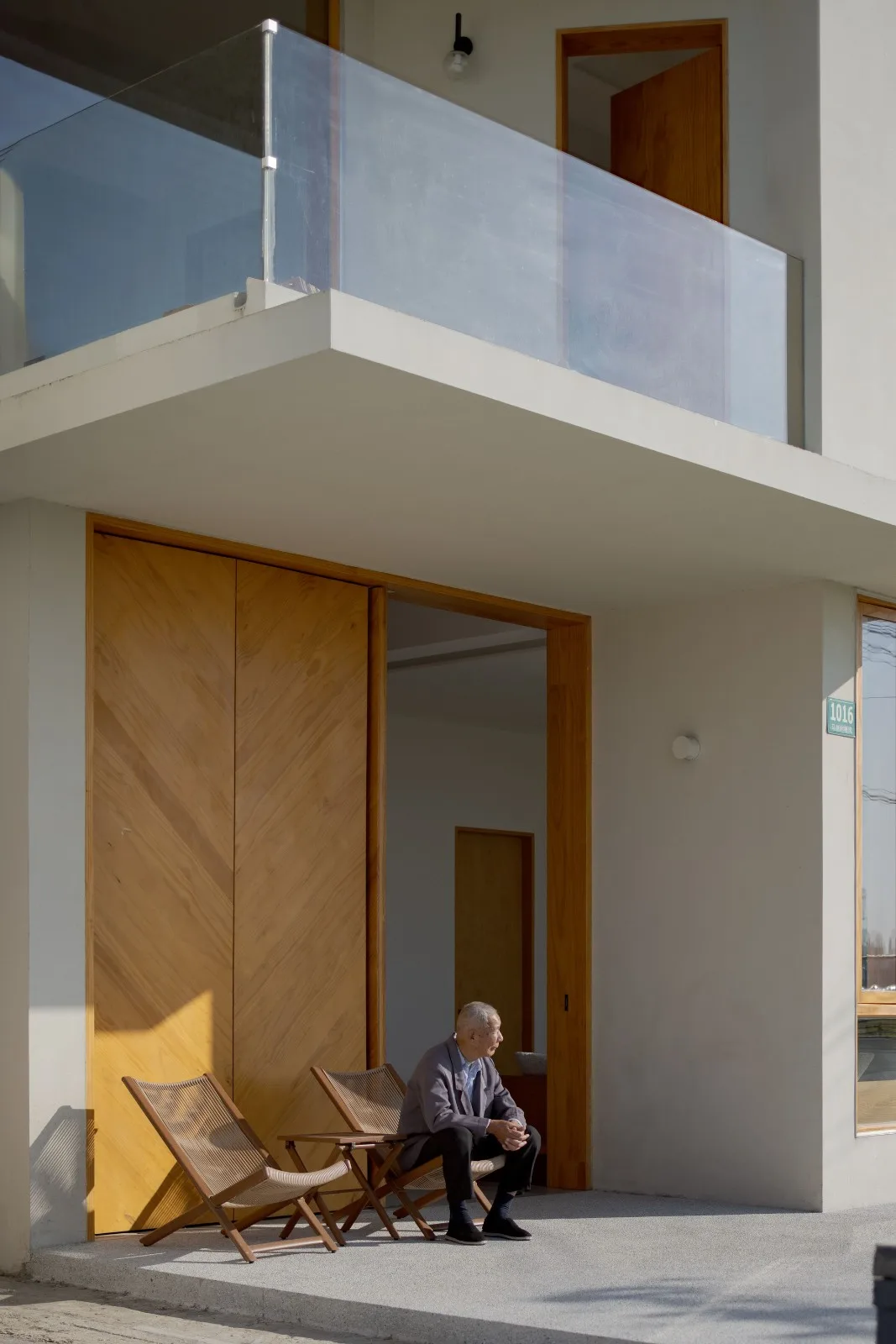
For self-built homes housing four generations under one roof, the design balances respecting the lifestyle and habits of each generation, maintaining both distance and connection.
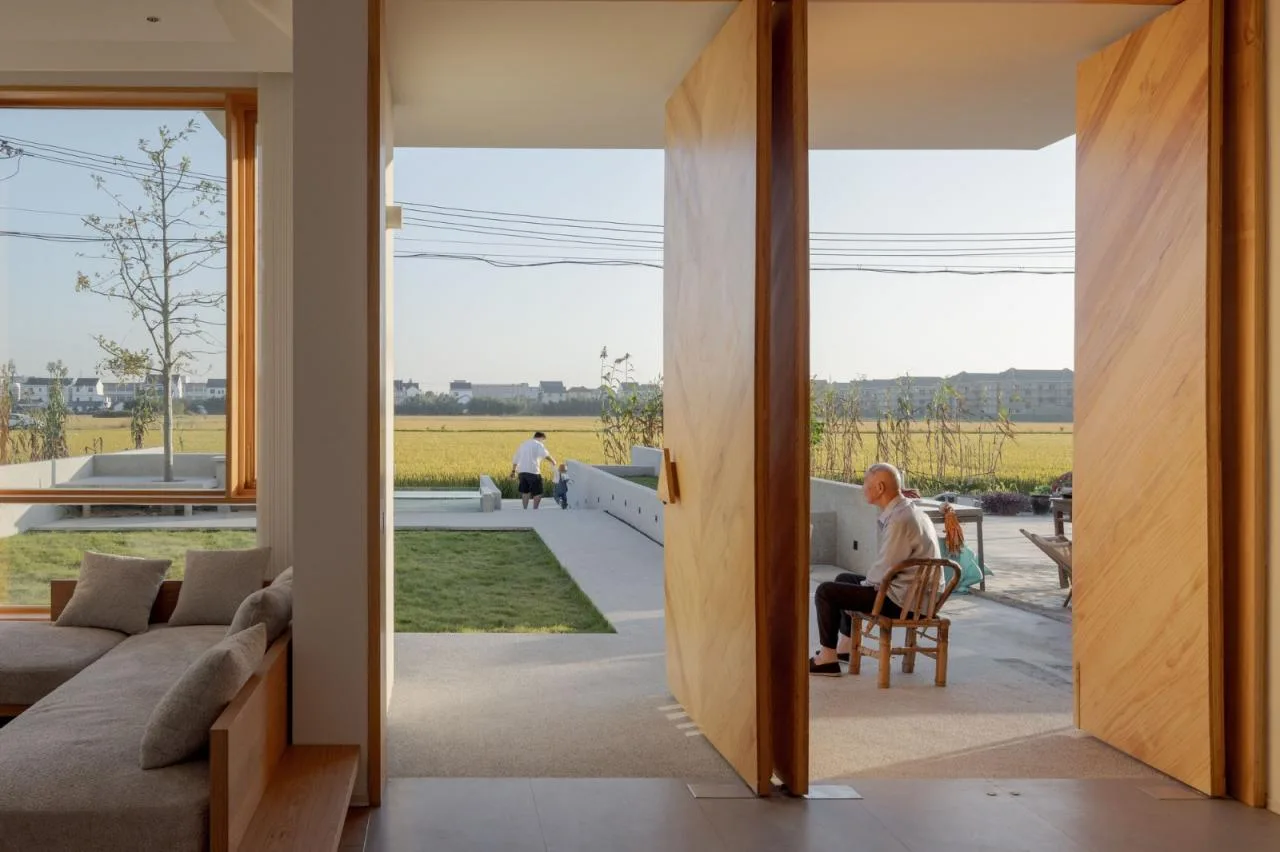
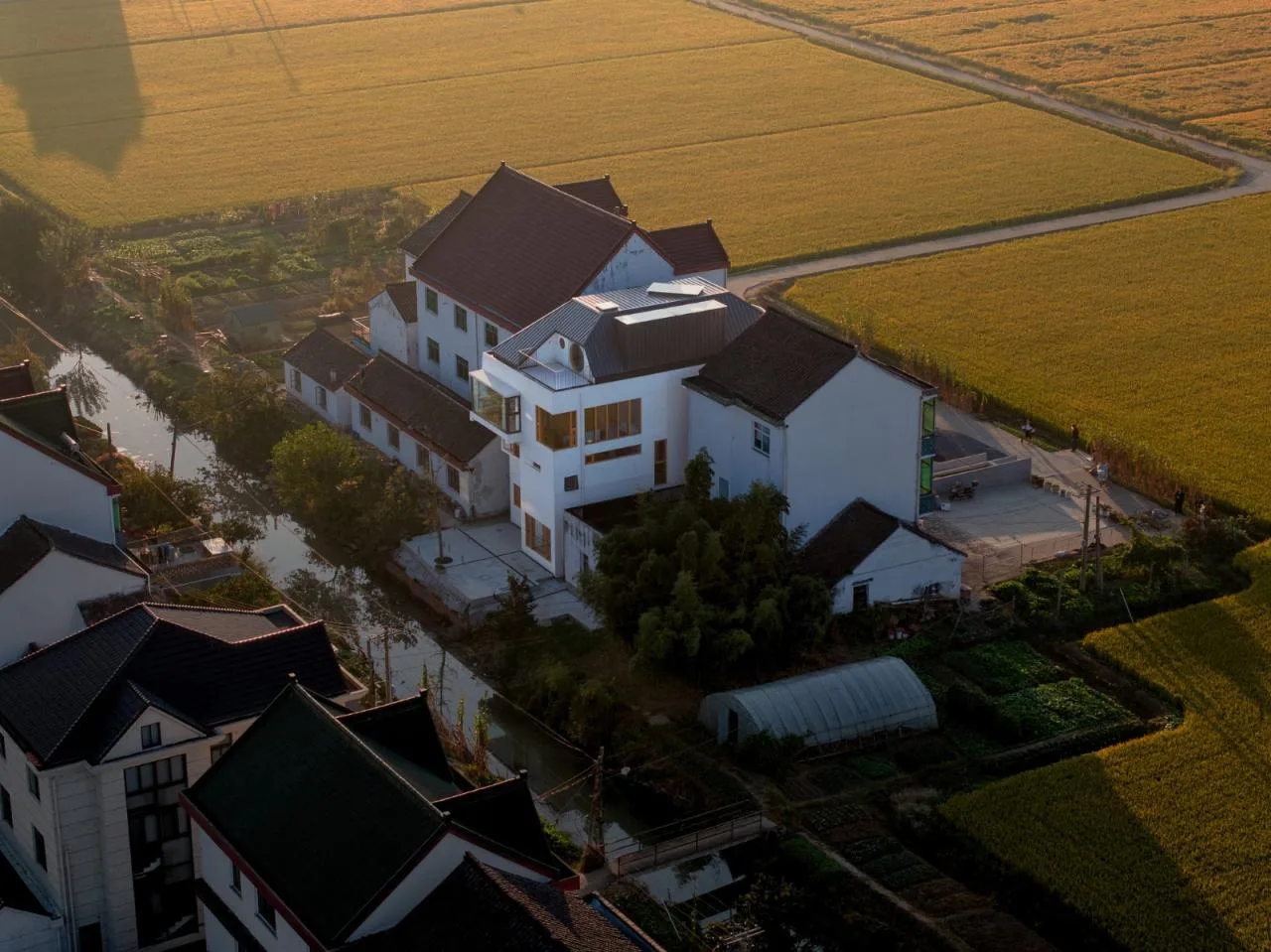
The spatial layout follows a zoning approach, dedicating one floor per generation. Besides private bedrooms, each floor includes small living rooms, outdoor courtyards, balconies, and other independent activity spaces. This allows each generation to maintain their lifestyle, socialize with friends, and enjoy comfortable environments.
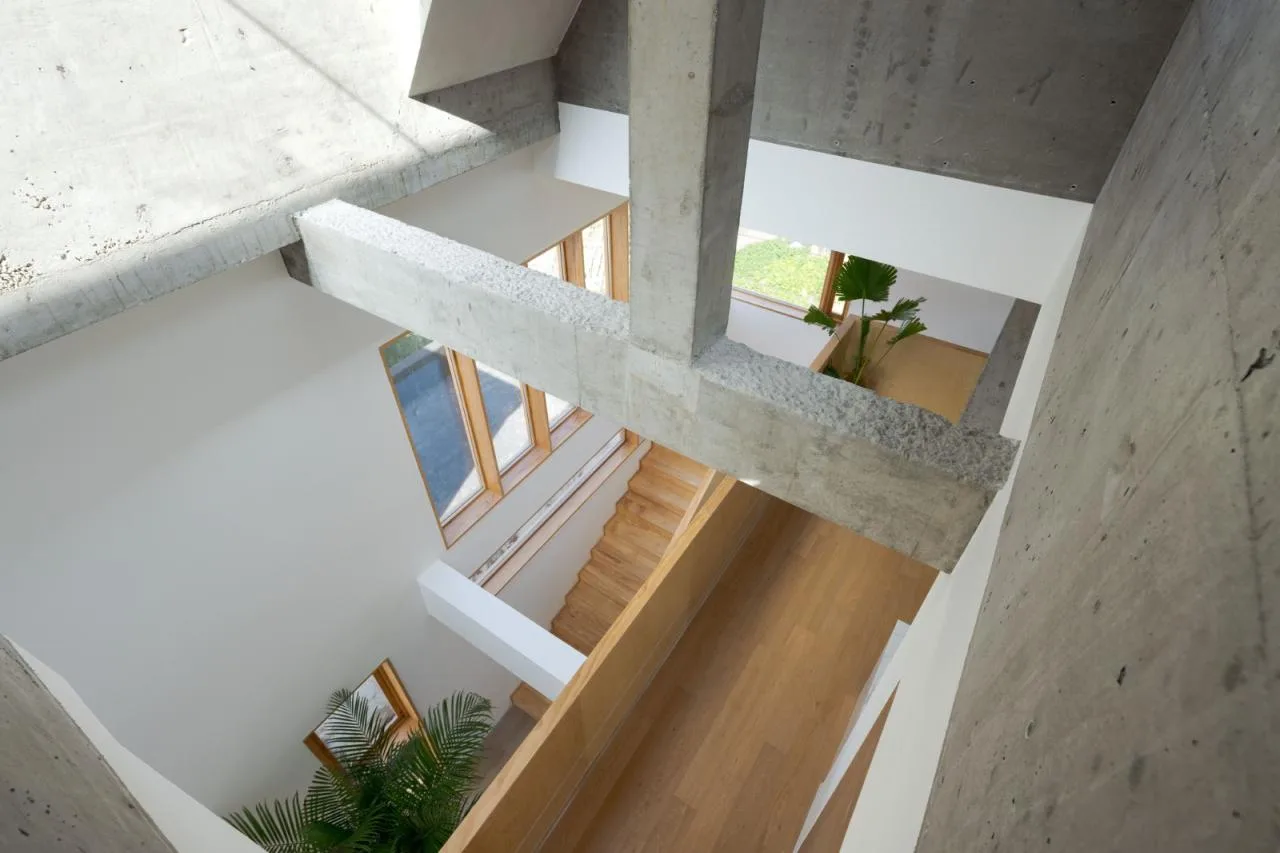
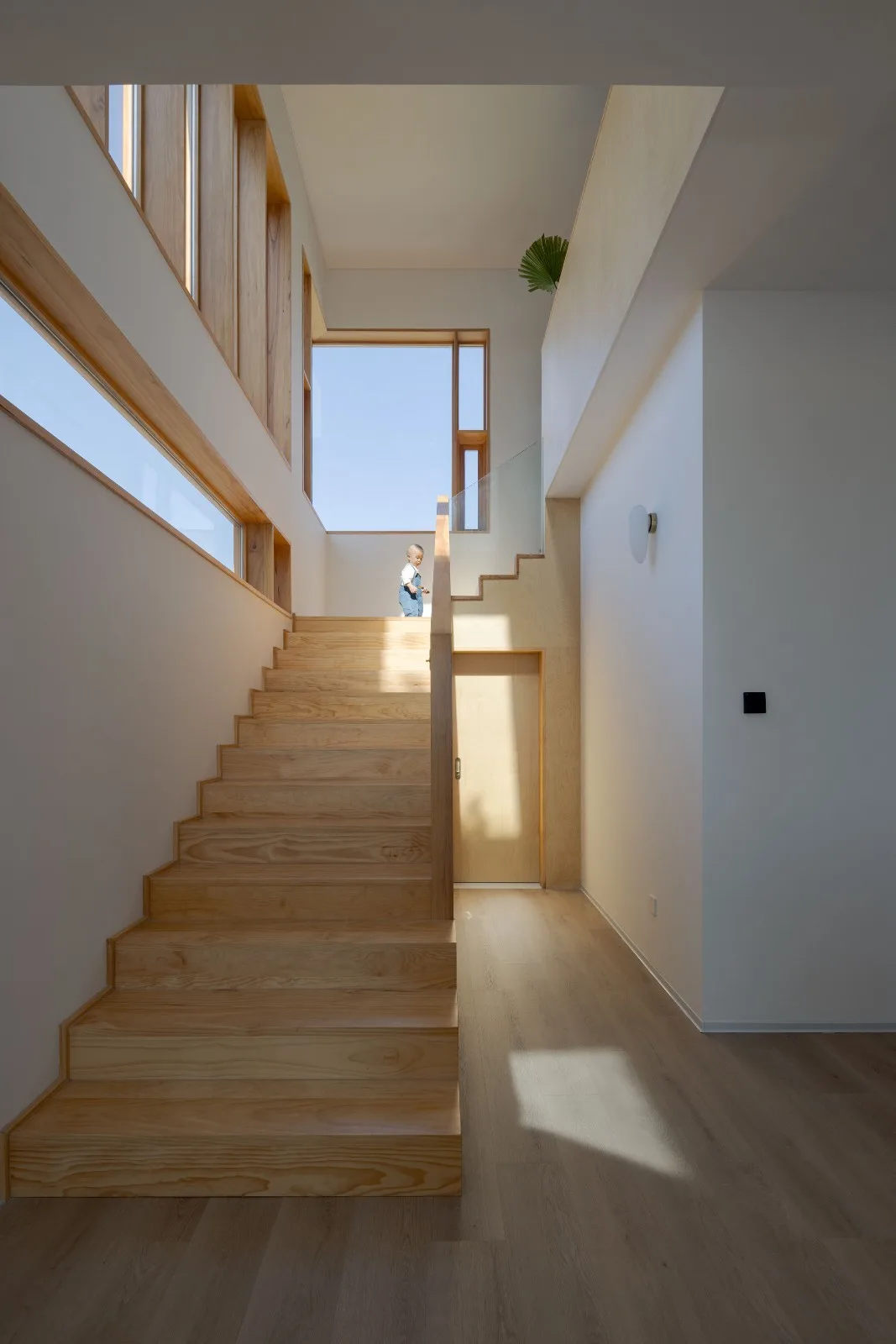
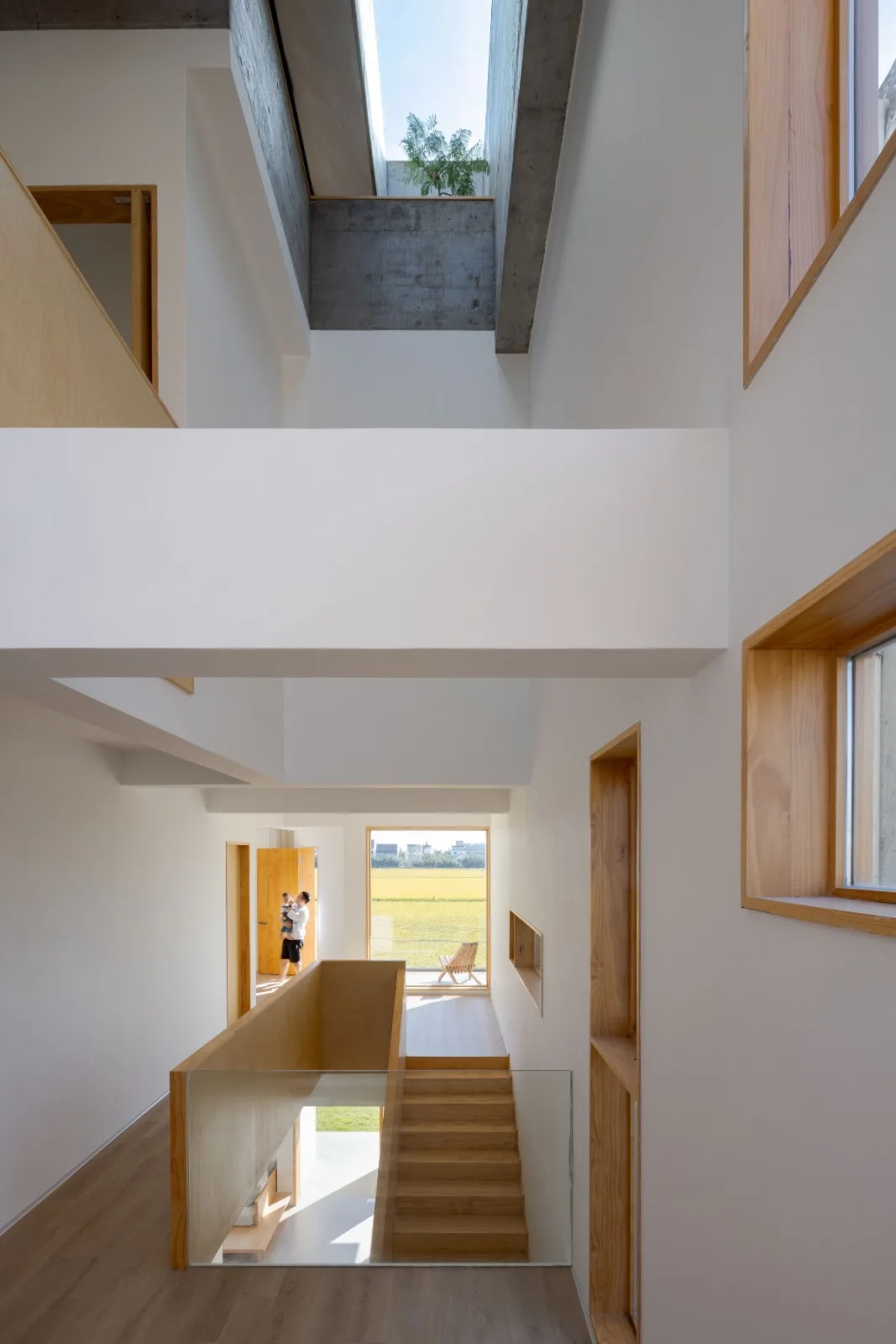
From the ground floor to the rooftop, the design not only addresses lighting challenges but also encourages family interaction through open spaces. Communication is effortless—just a glance or a call away.
Architectural Section
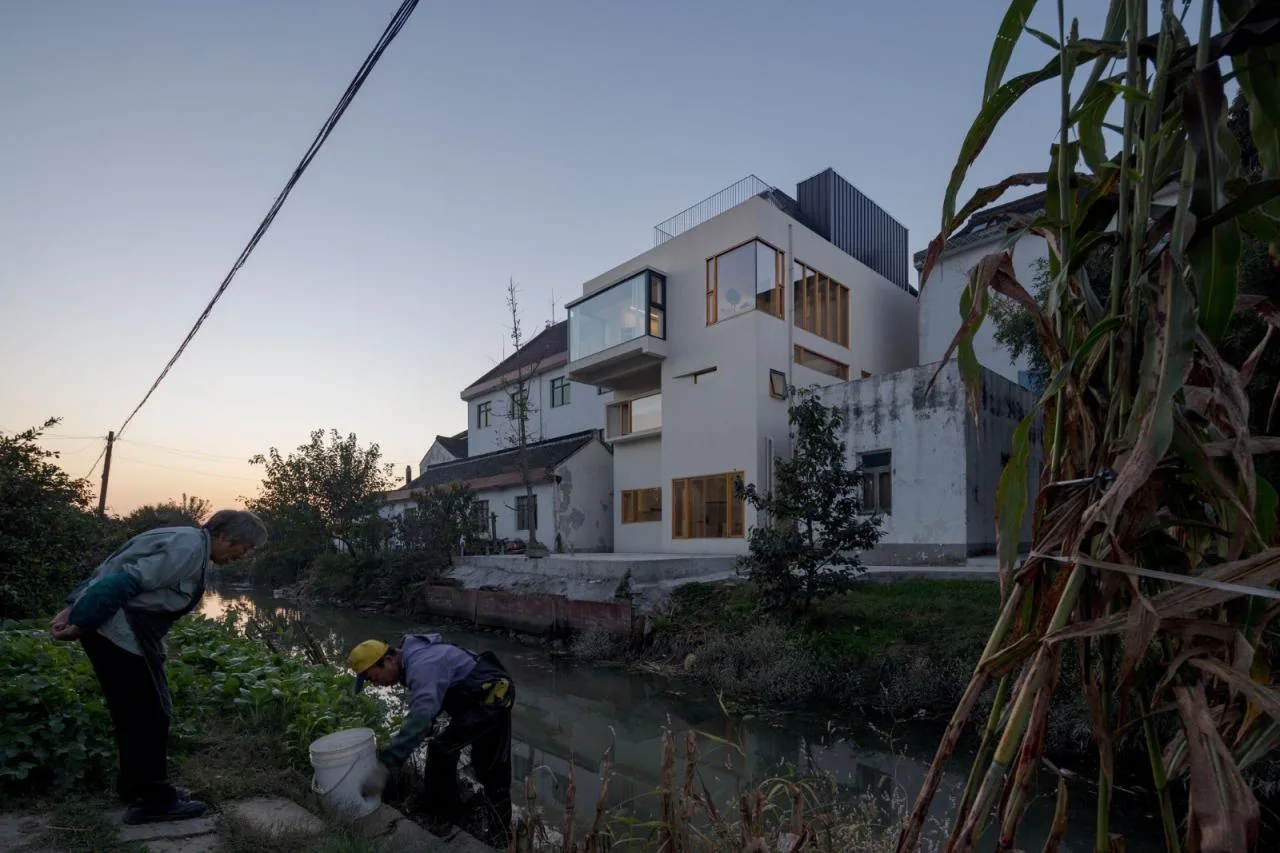
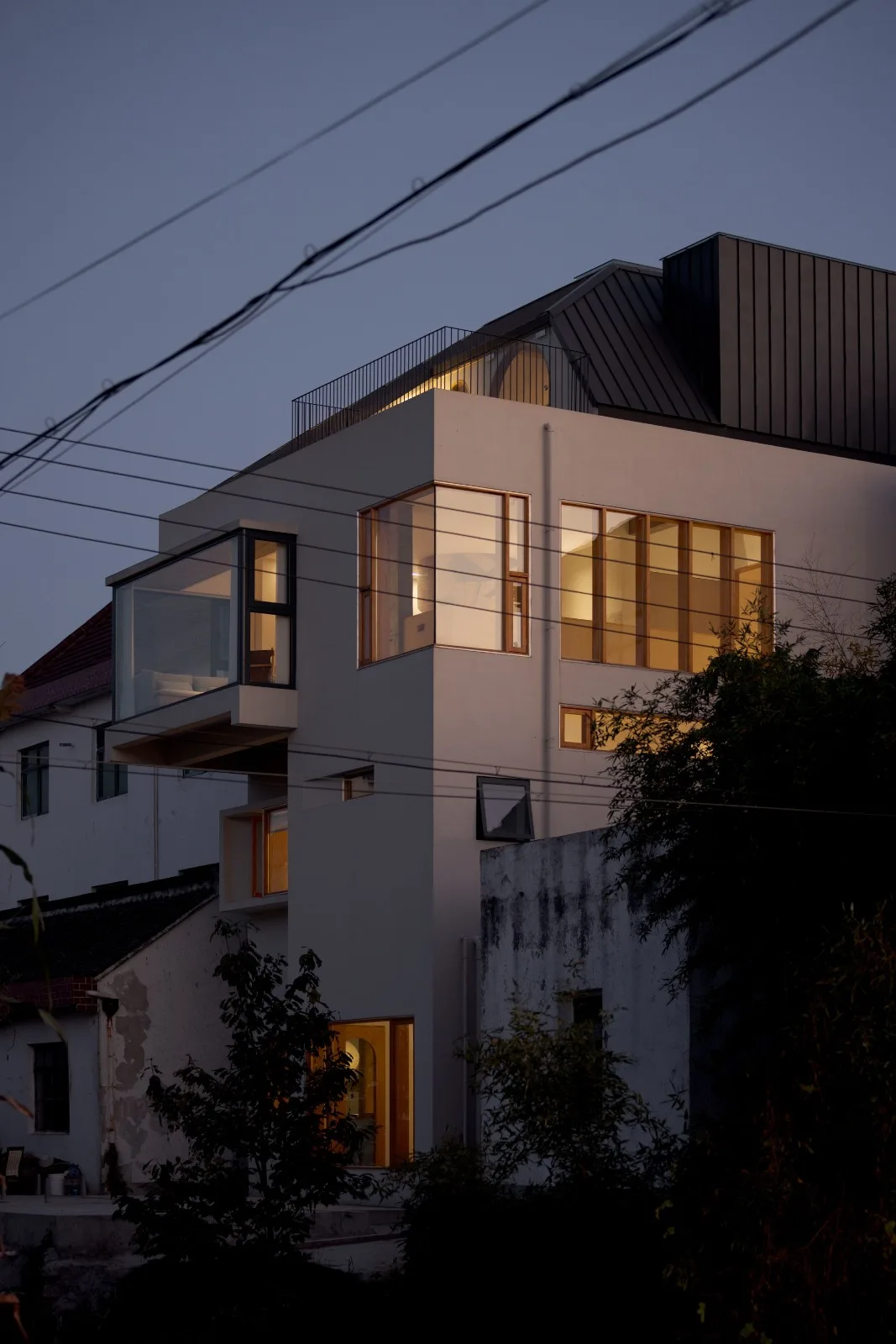
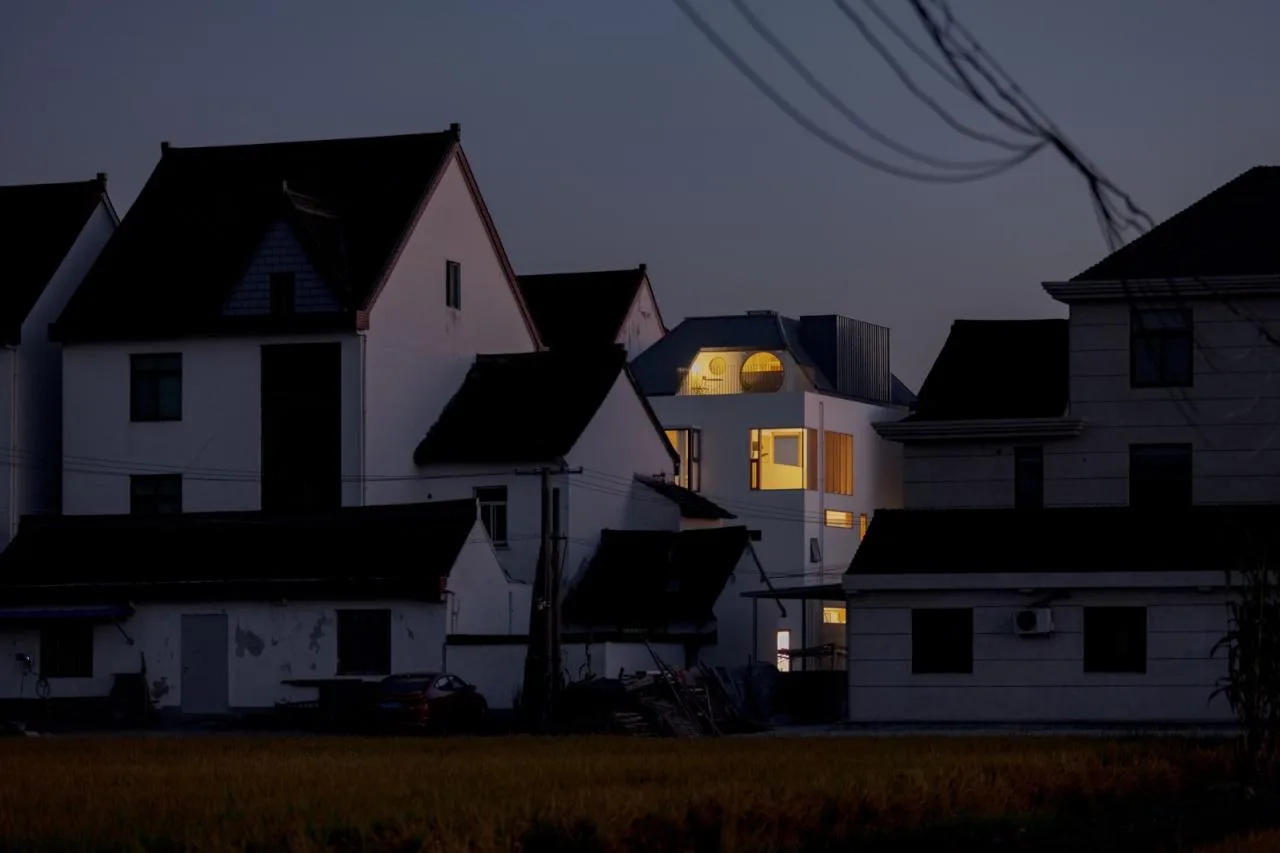
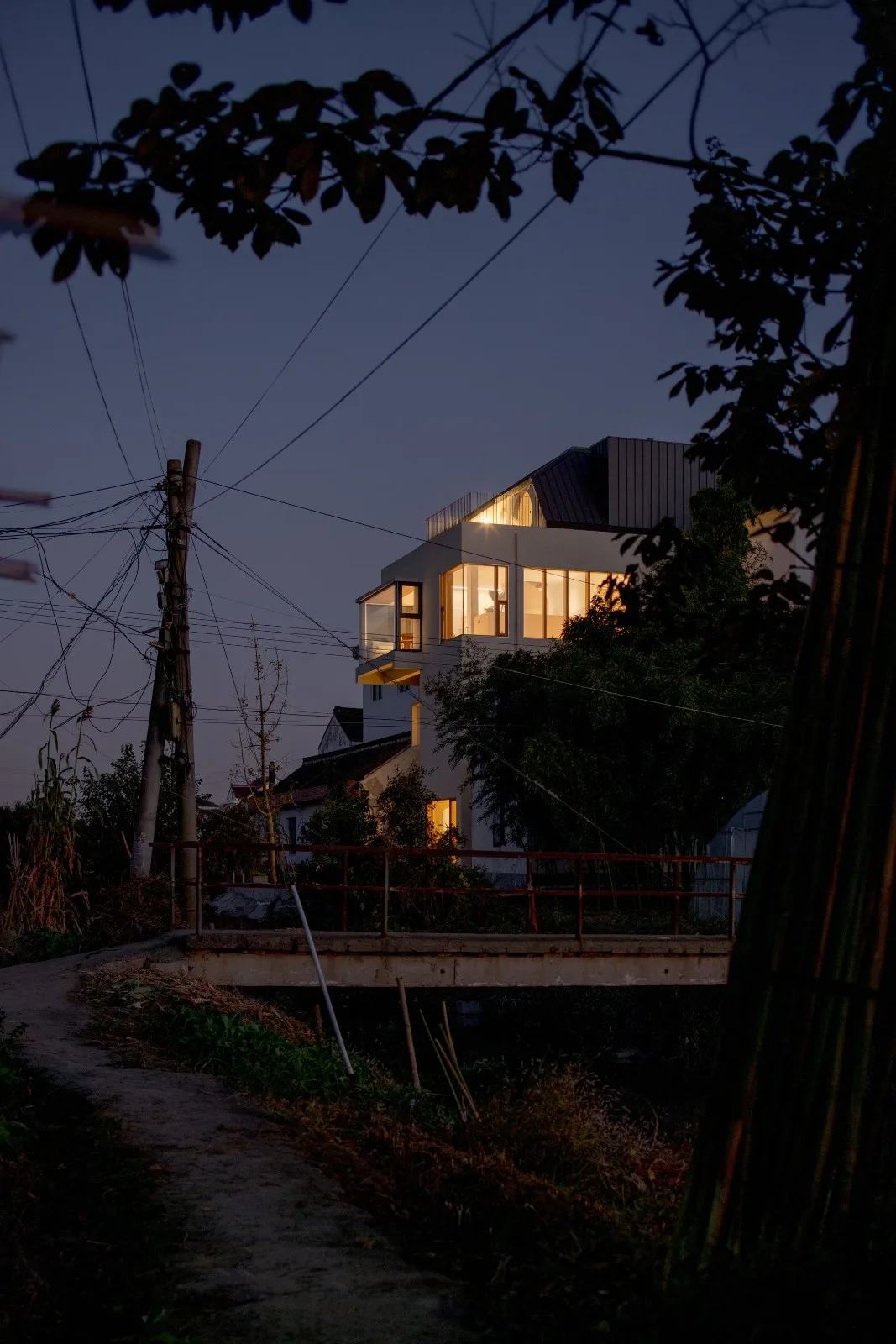
Most rural homes in China are densely packed, often sharing walls, resulting in poor lighting and ventilation. This old house was 16 meters deep but only 1.5 meters wide on each side, leaving the central areas dark and uninviting. Out of six exterior faces, three received no natural light. The design thus focused on three main strategies: directing light to dark zones using various techniques, planning window placements of different sizes and shapes, and letting the building’s form emerge naturally from these decisions.
Interior Design
When designing, the flow of movement through the space is paramount. The designer likens it to the body’s circulatory system—smooth, lively, and engaging.
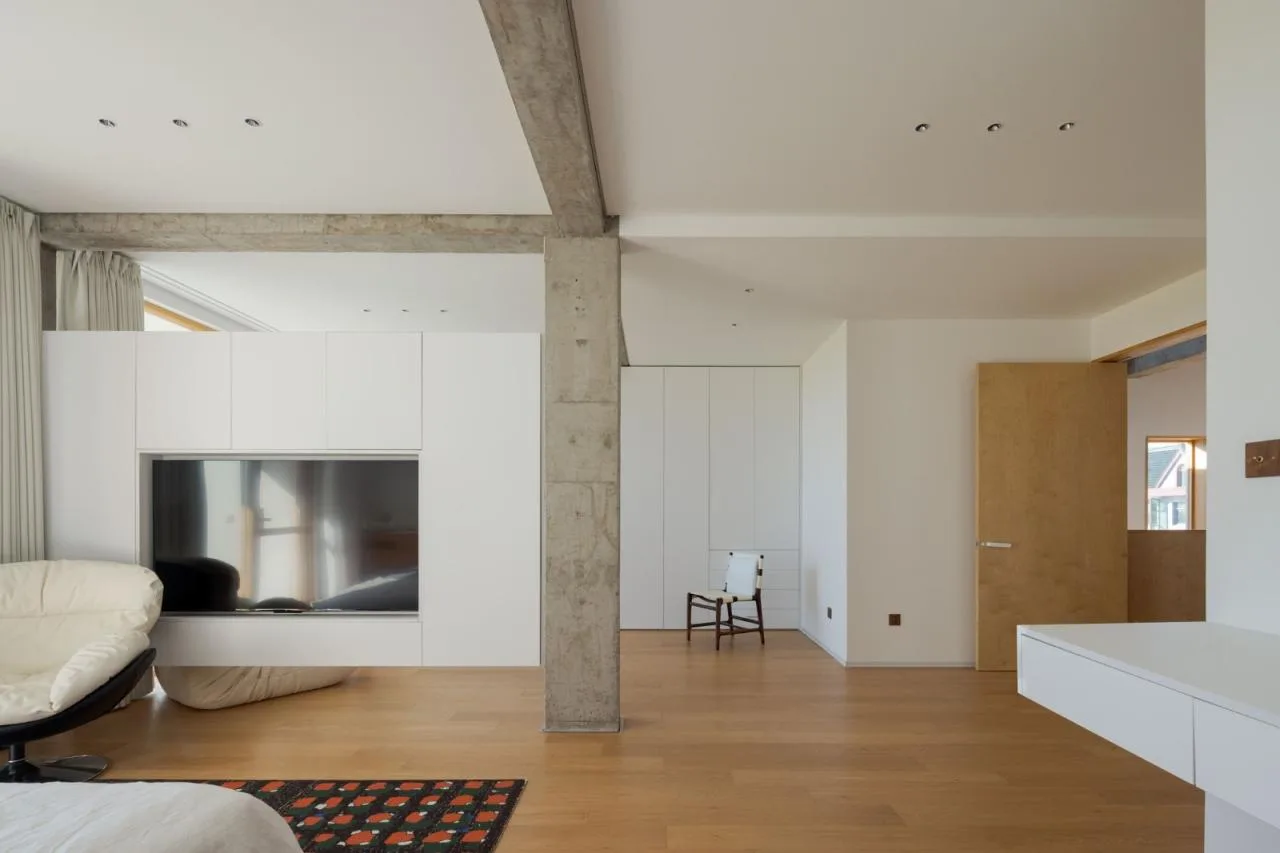
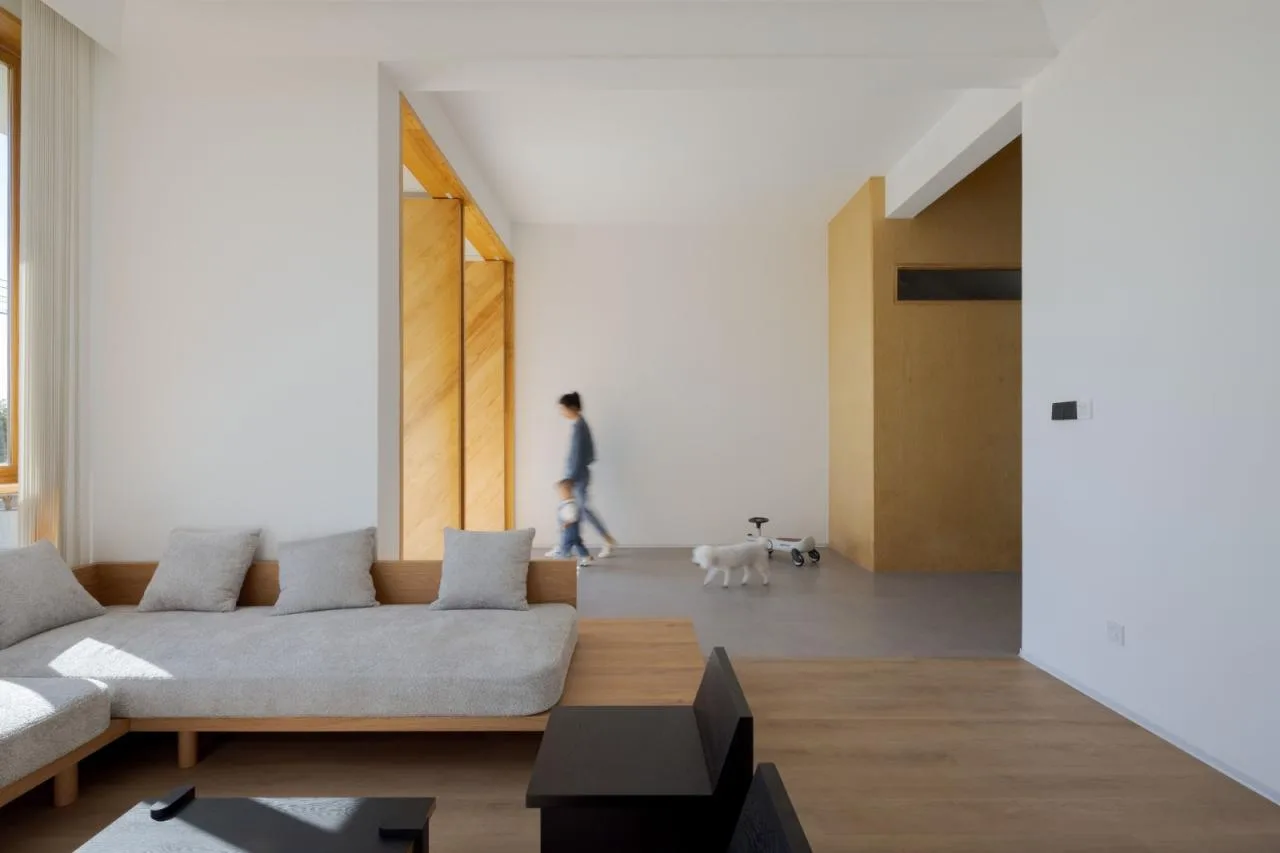
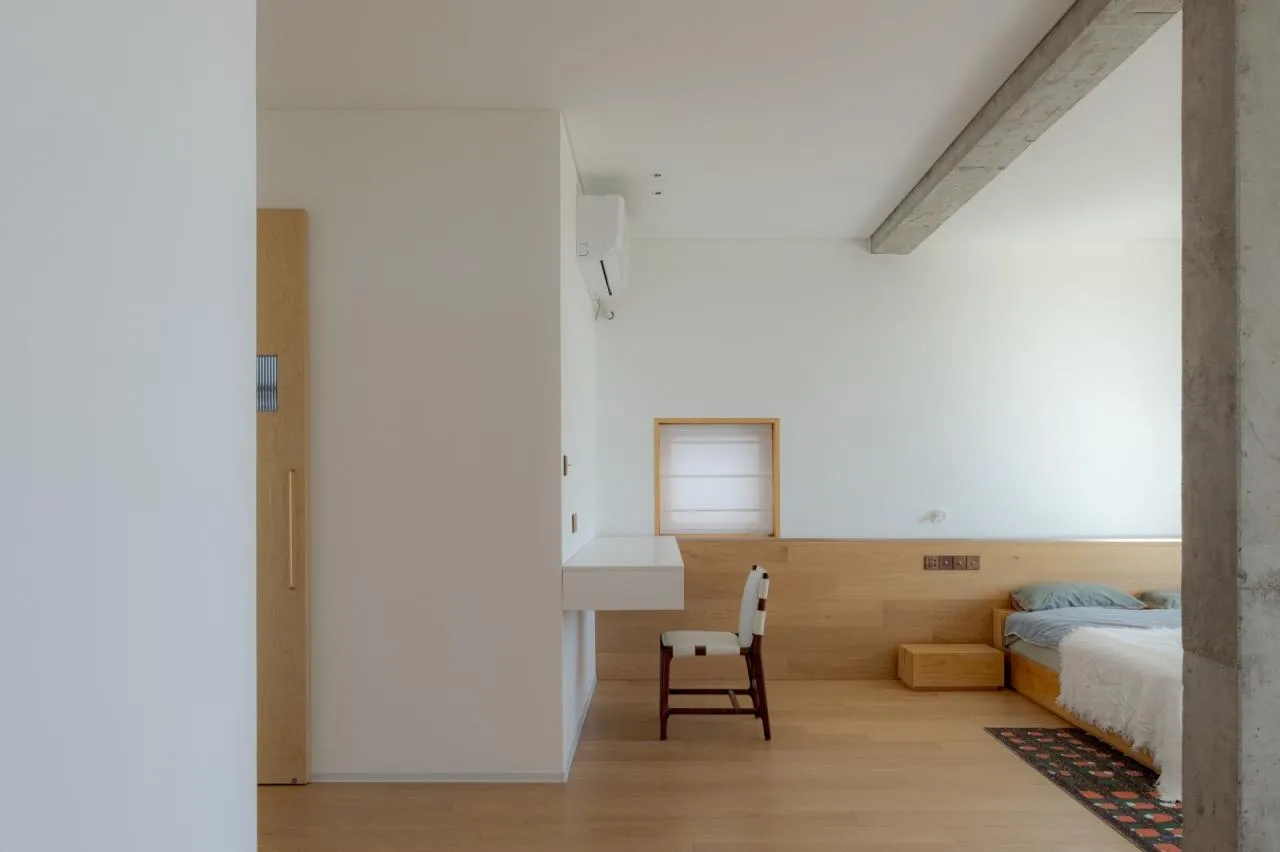
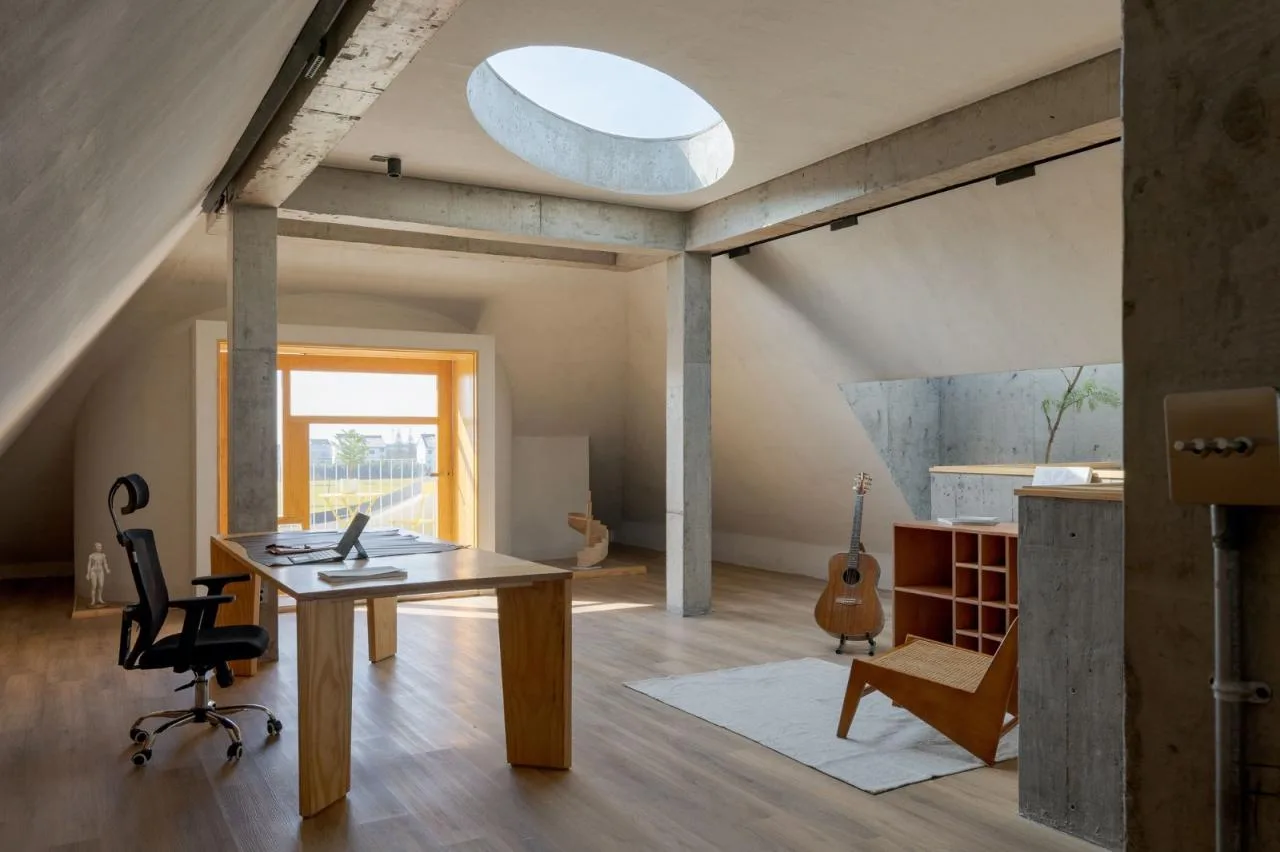
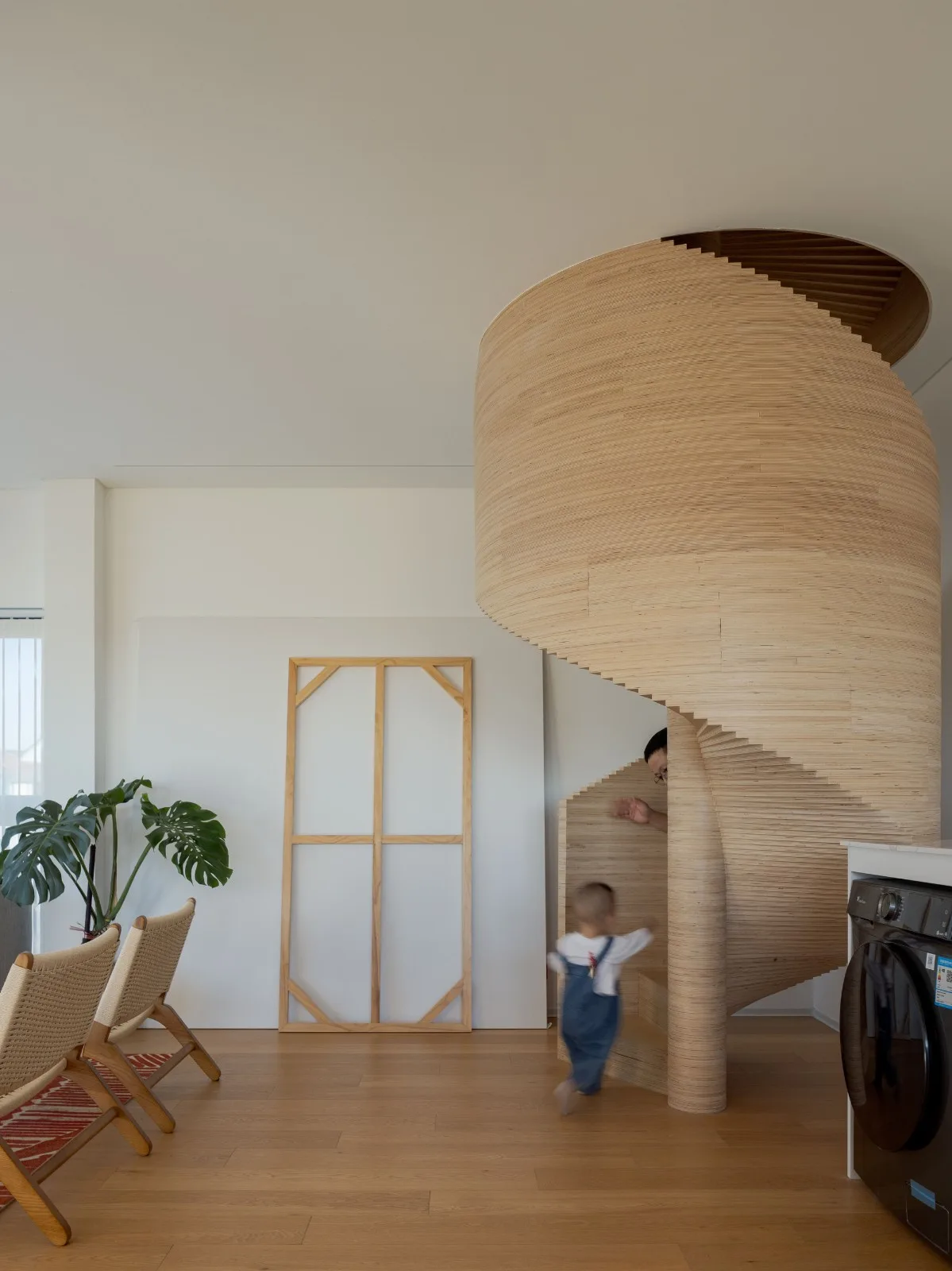
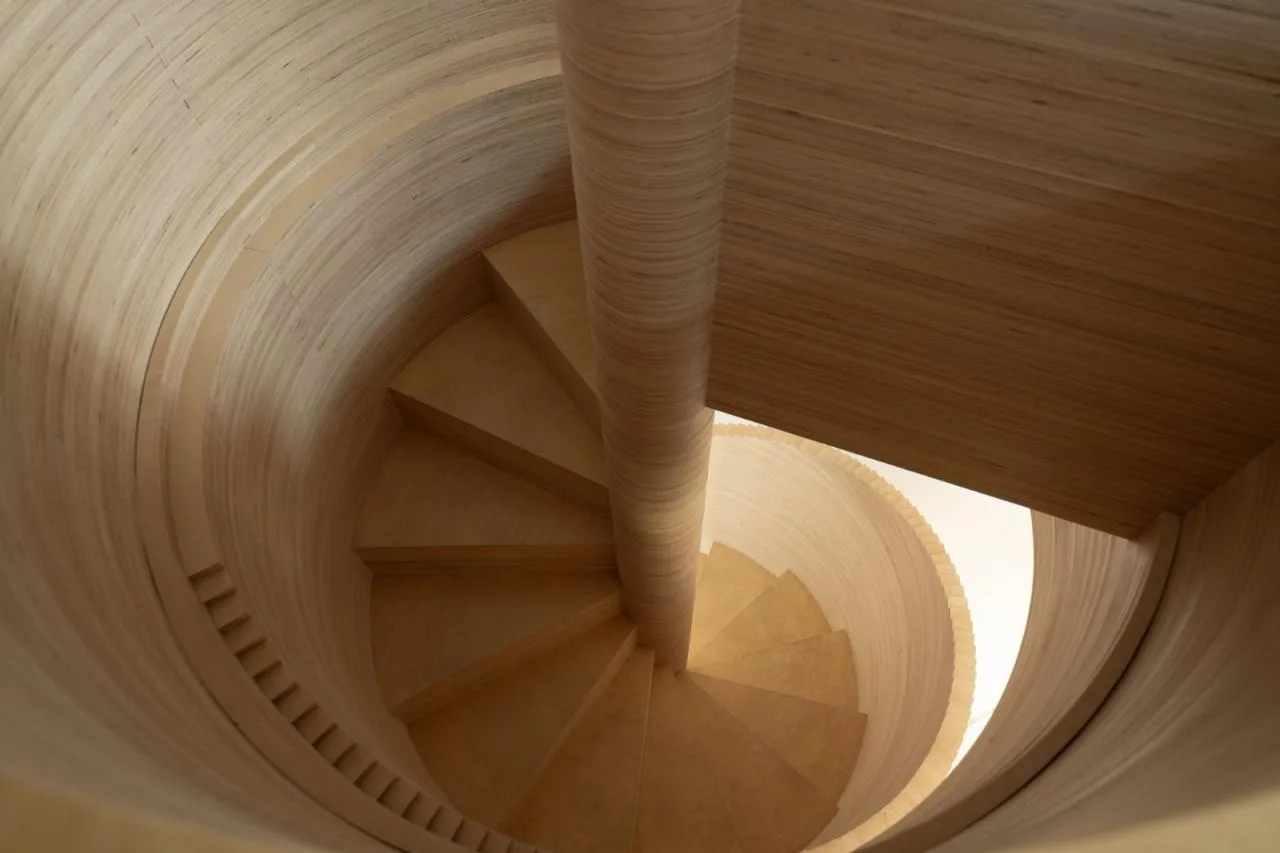
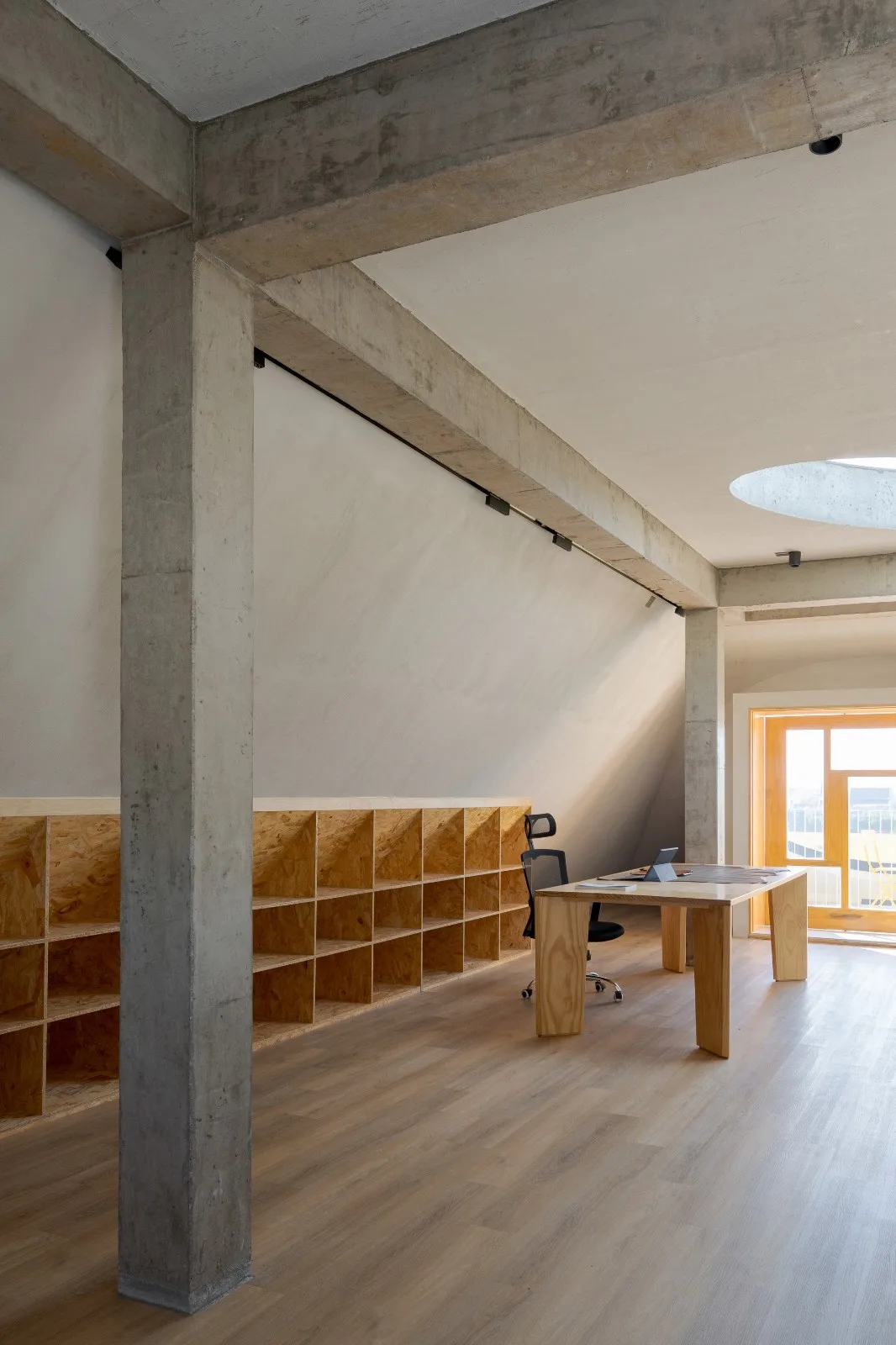
The attic design serves as a playful surprise, a hidden gem for the curious owner. From the spiral staircase entrance to the skylight overhead, the central door on the south terrace, and the whimsical hobbit-style door on the north balcony—many elements were spontaneously added during construction, infusing the space with freedom and personality.
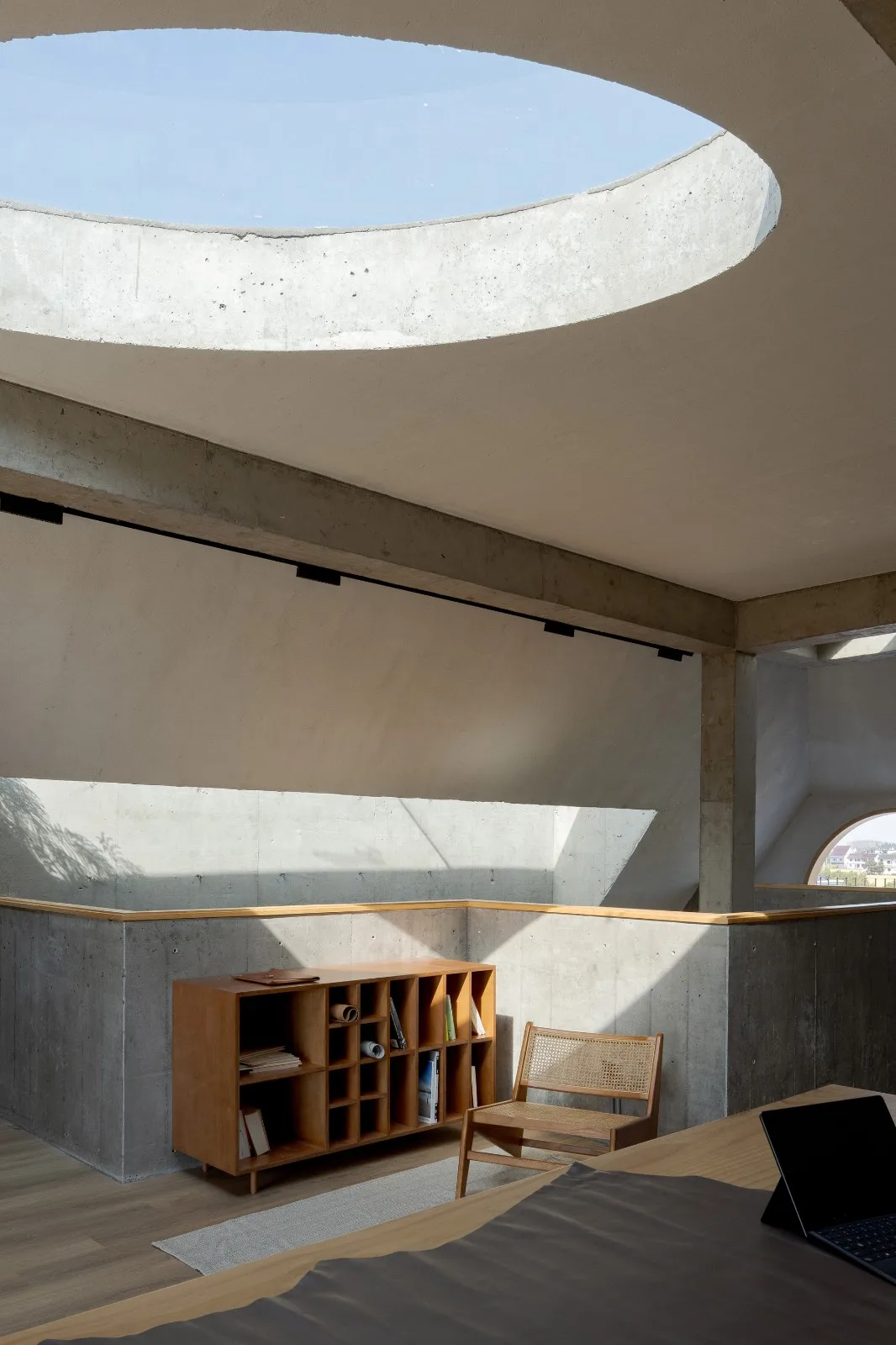
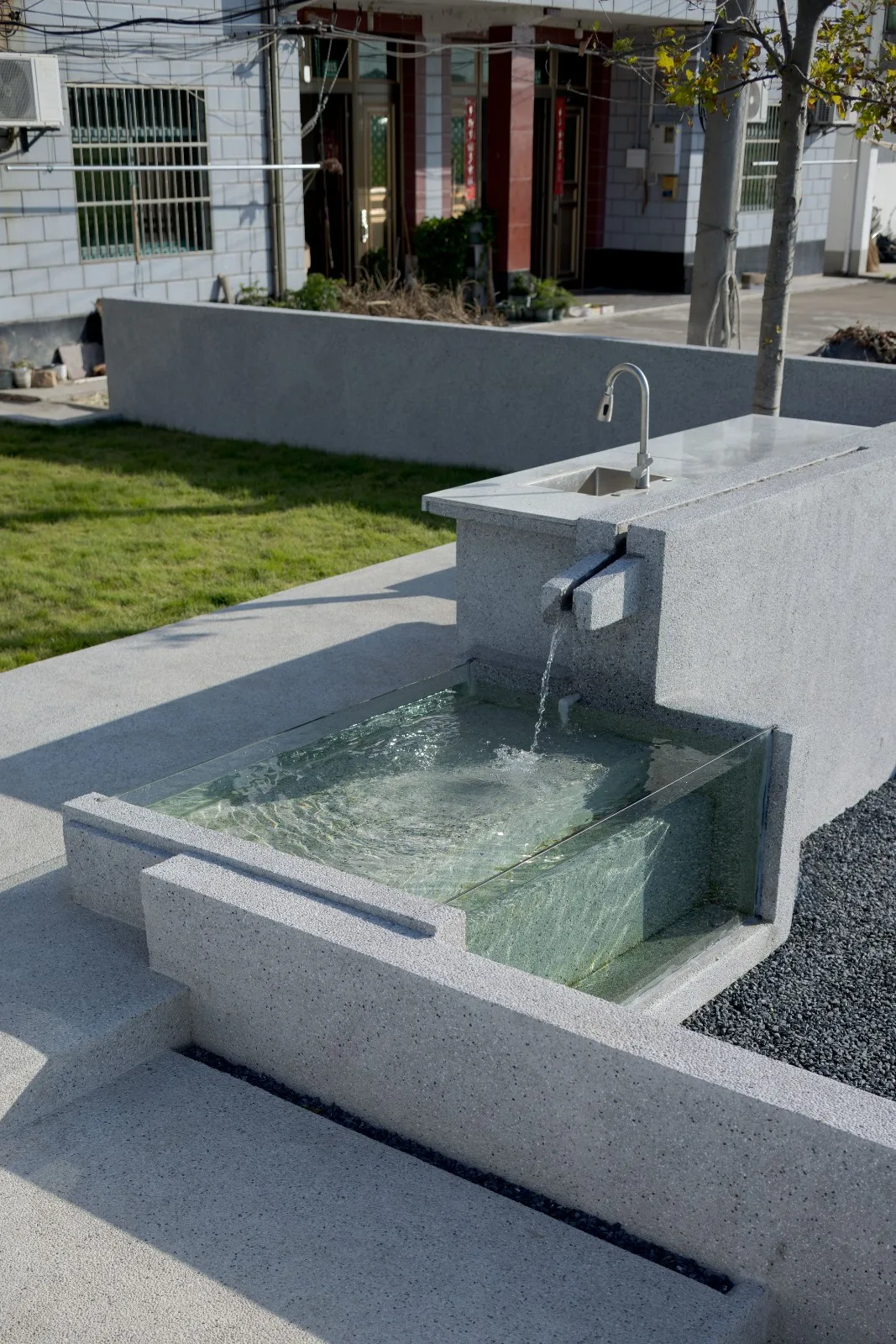
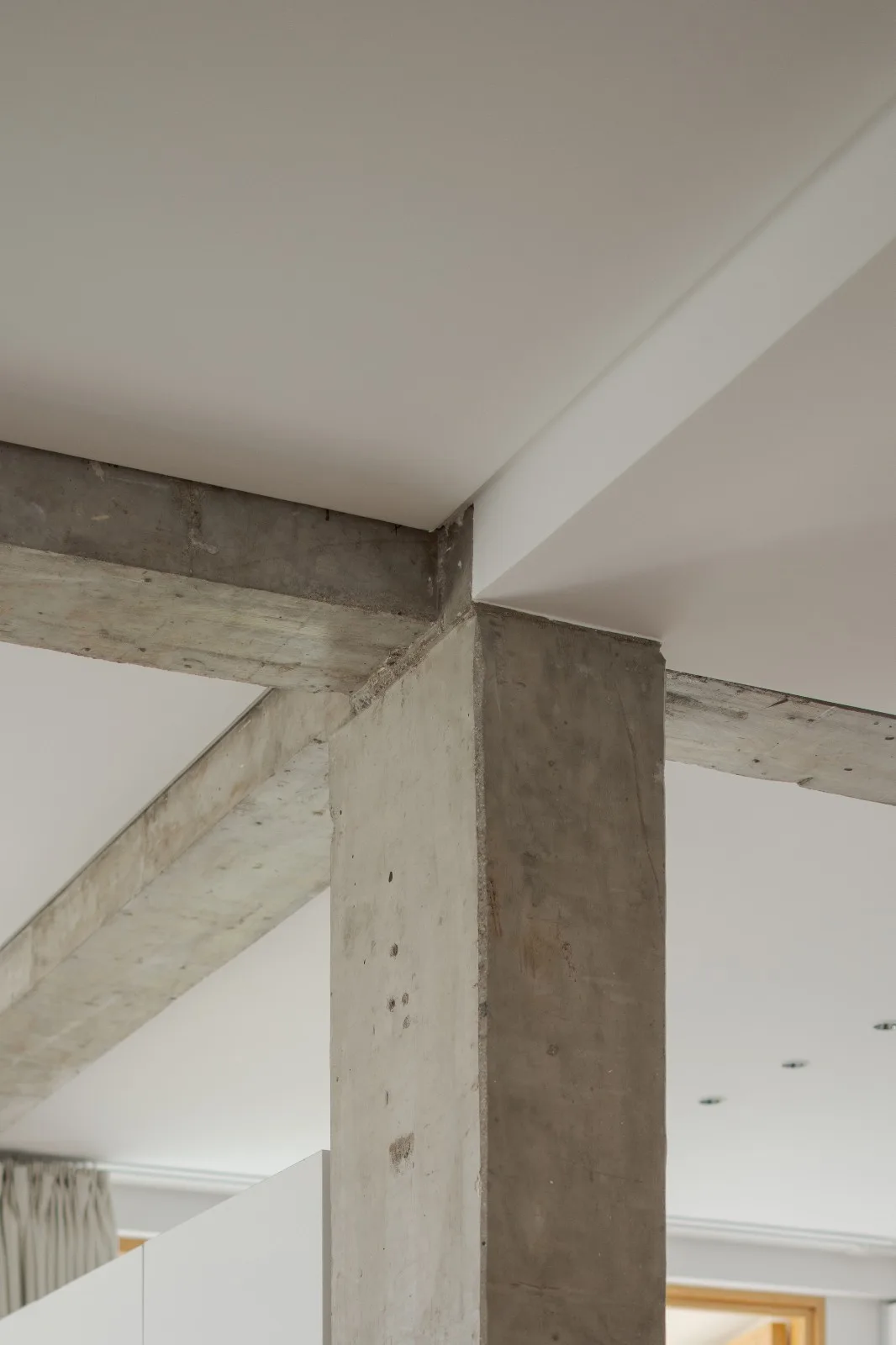
Of course, after moving in, many new ideas will evolve over the coming decades, gradually transforming the home from within. This ongoing change is perhaps the true essence of a living architecture.
Project Information
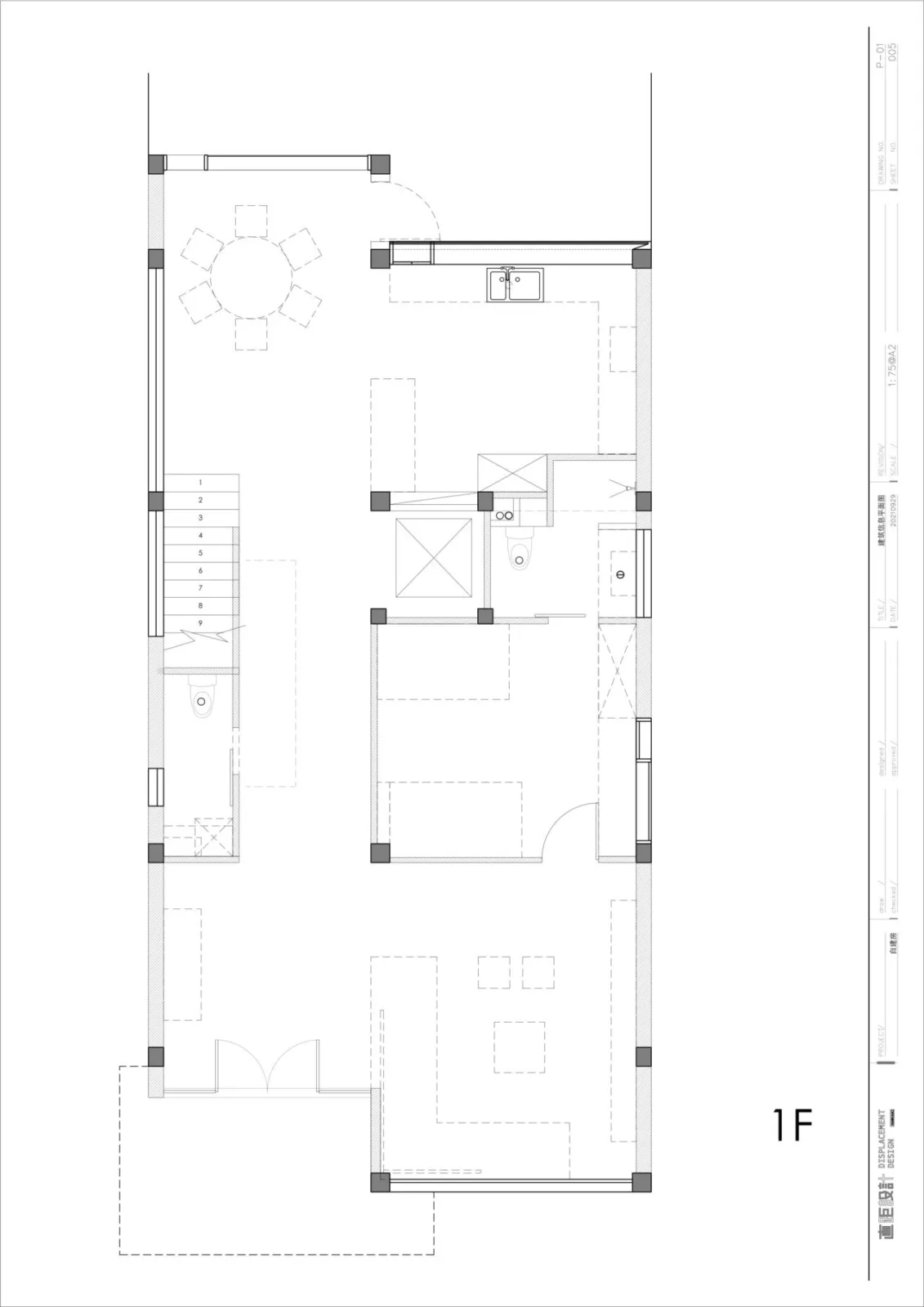
△ First Floor Plan
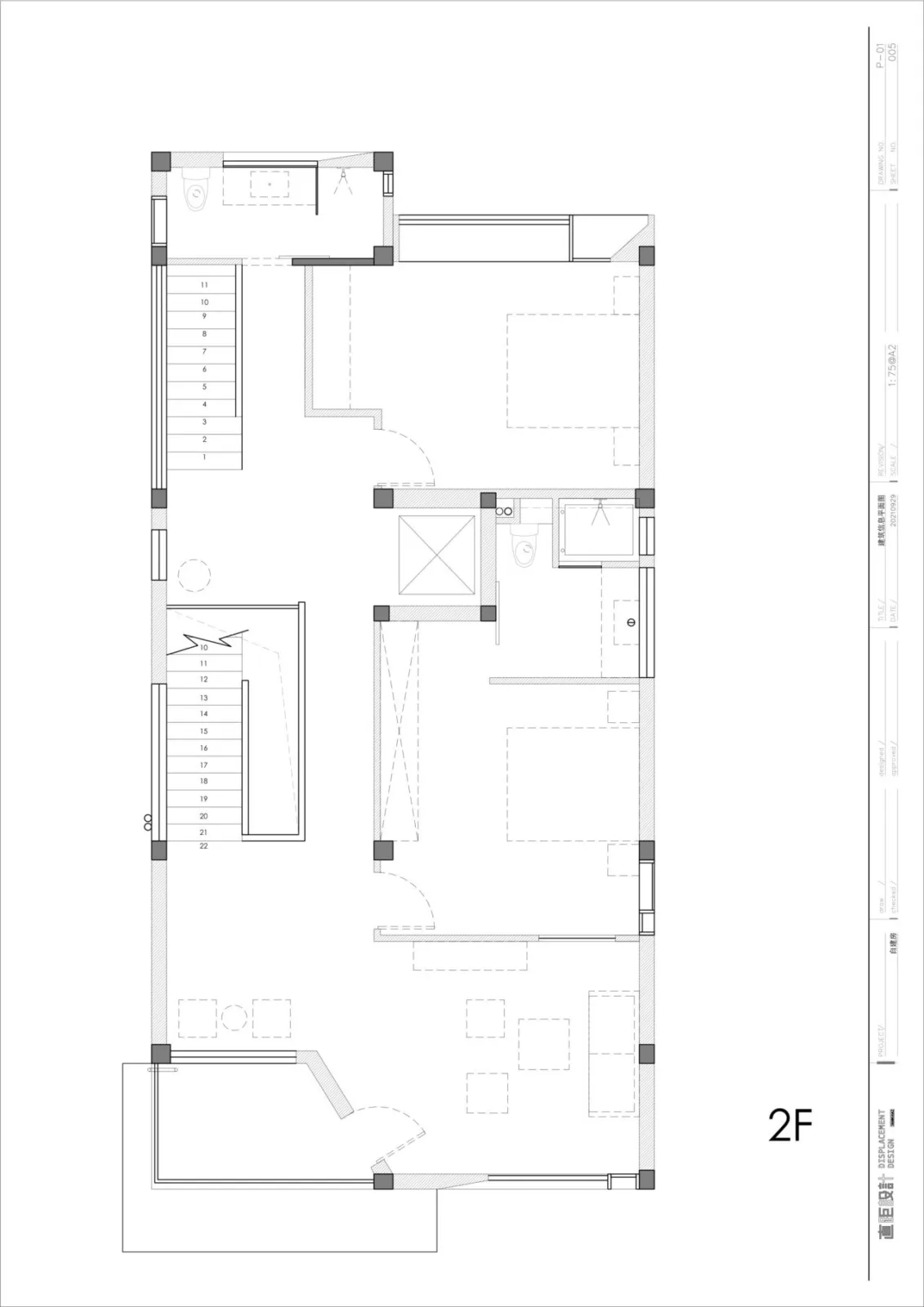
△ Second Floor Plan
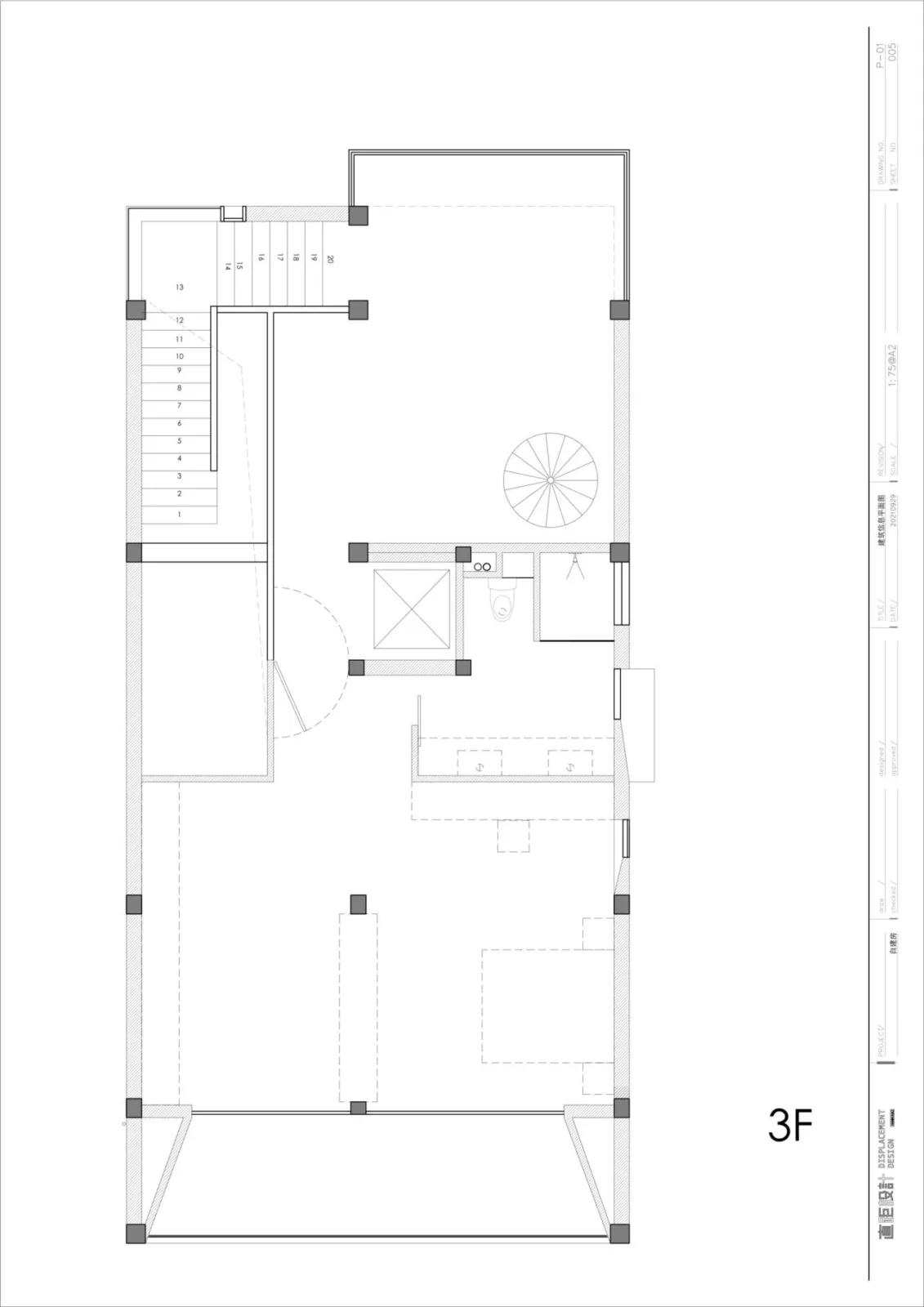
△ Third Floor Plan
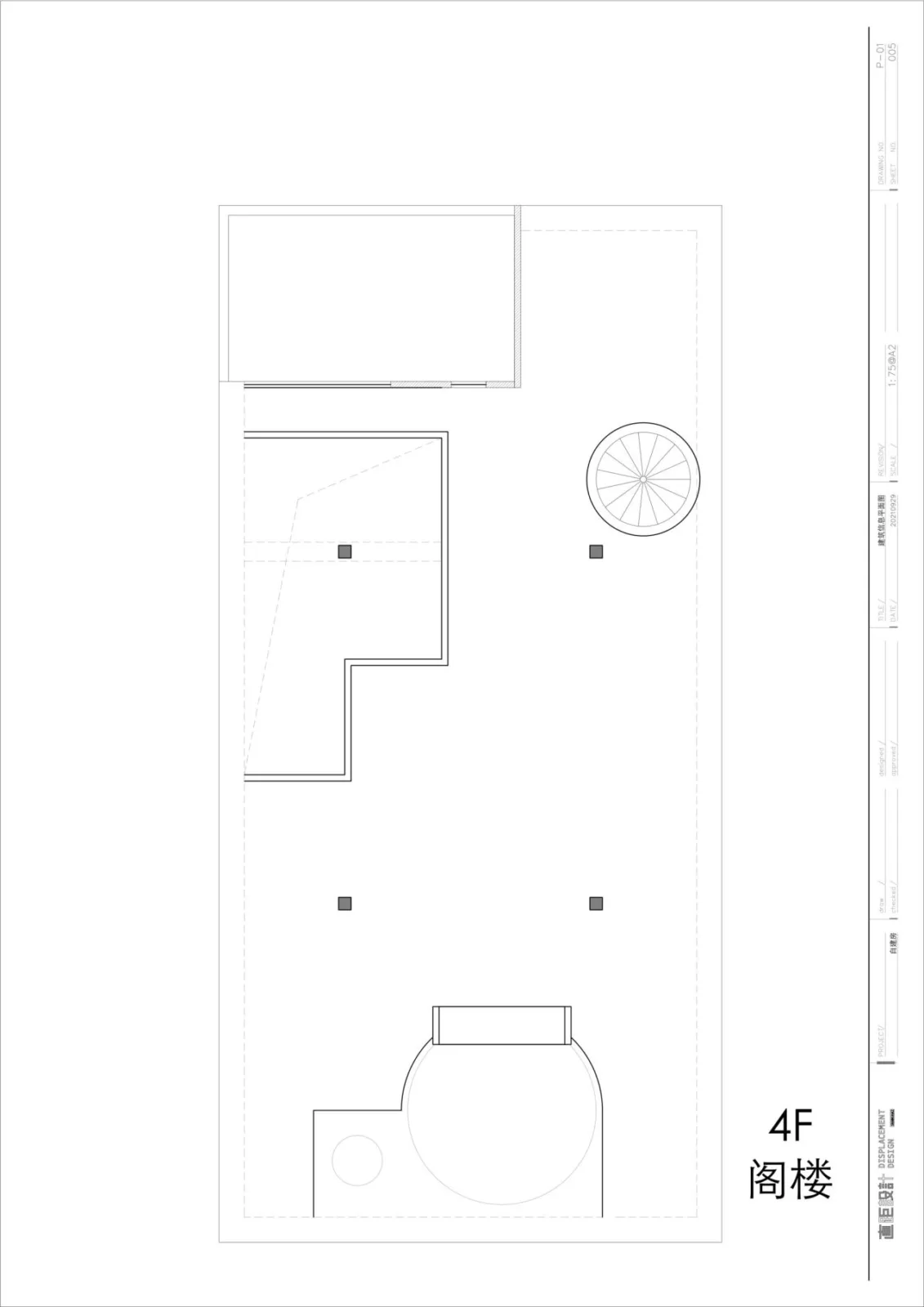
△ Fourth Floor Plan
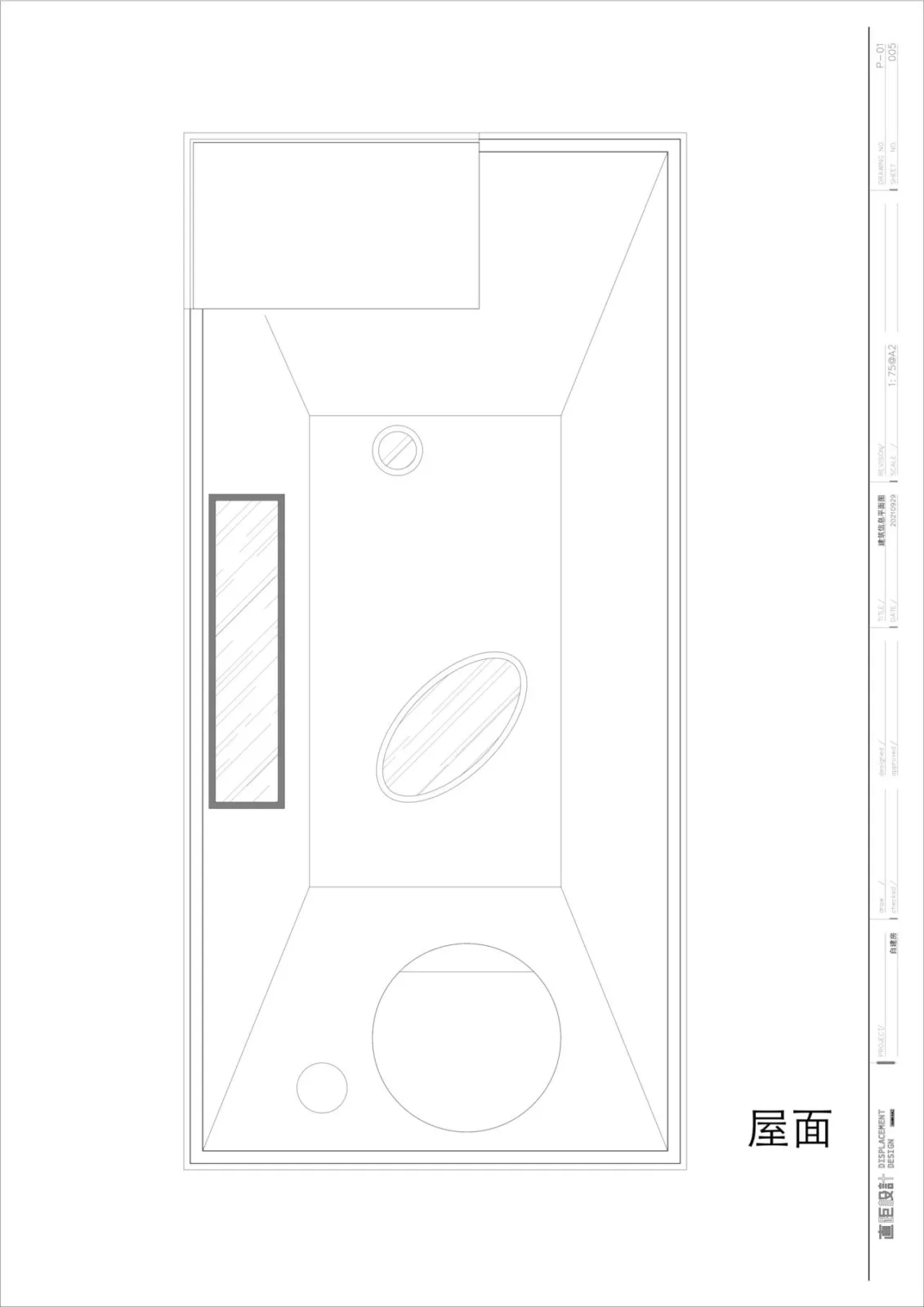
△ Roof Plan
Project Details
Architect: Vertical Building
Area: 460m²
Year: 2023
Photographer: Wmsttudio
Manufacturer: Nippon Paint
Lead Architect: Xu Junwei
Design Team: Shi Wei, Shu Zhijie
Structural Engineer: Shi Wei
Landscape Design: Vertical Design
Construction: Taizhou Aoyang Building Decoration Engineering Co., Ltd
Other Partners: Shanghai Sanyuan Lighting Technology Co., Ltd
Client: Designer’s Own Residence
Location: Shanghai, China















Must log in before commenting!
Sign Up