
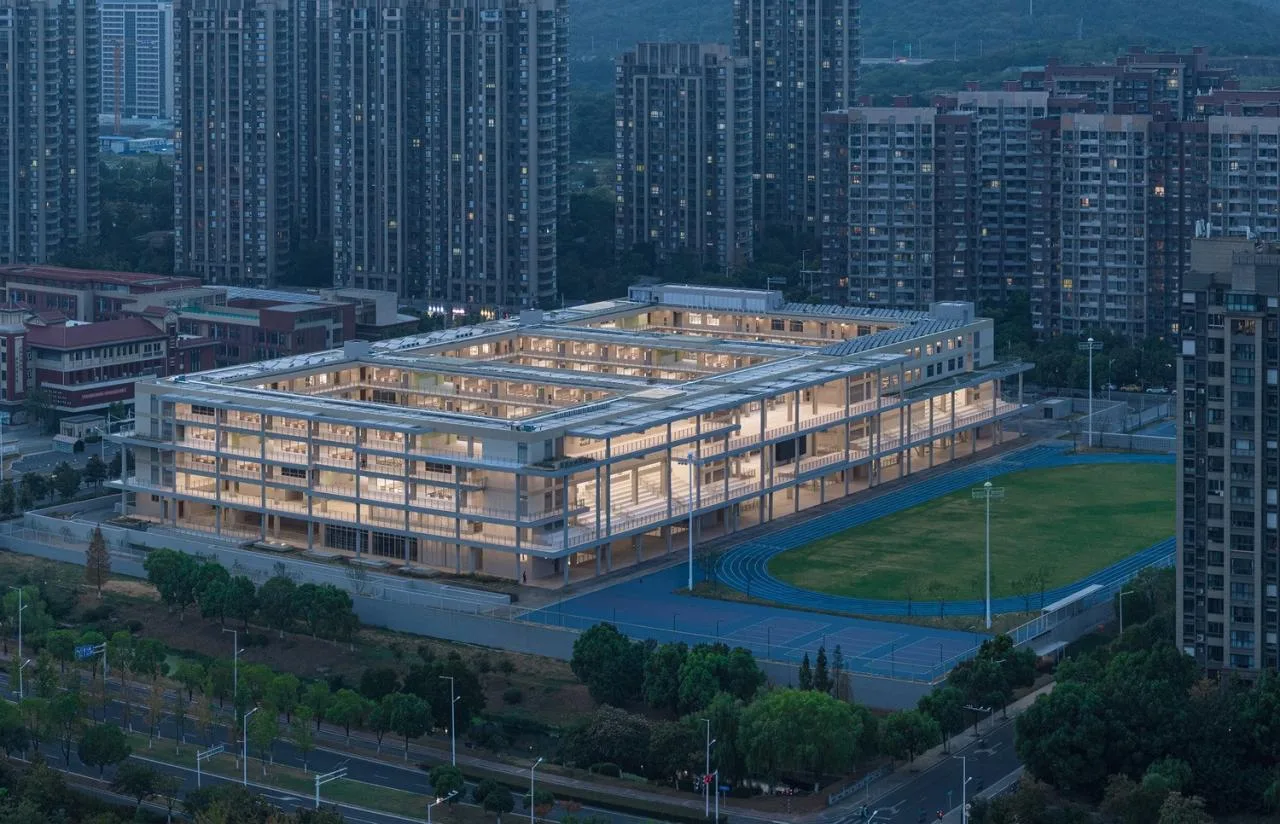
Xianlin School explores the concept of “ordinary schools.” Although the general education system (Общеобразовательная) was introduced from the Soviet Union soon after the founding of the People’s Republic of China, local governments were initially responsible for investing in primary and secondary schools due to national conditions. It was only in 1985 that compulsory education became primarily funded by national finances. The following year marked the beginning of “universal nine-year compulsory education,” an important milestone.
For a significant period, school construction standards were based on atlases provided by standard design studios or architectural schools across provinces.
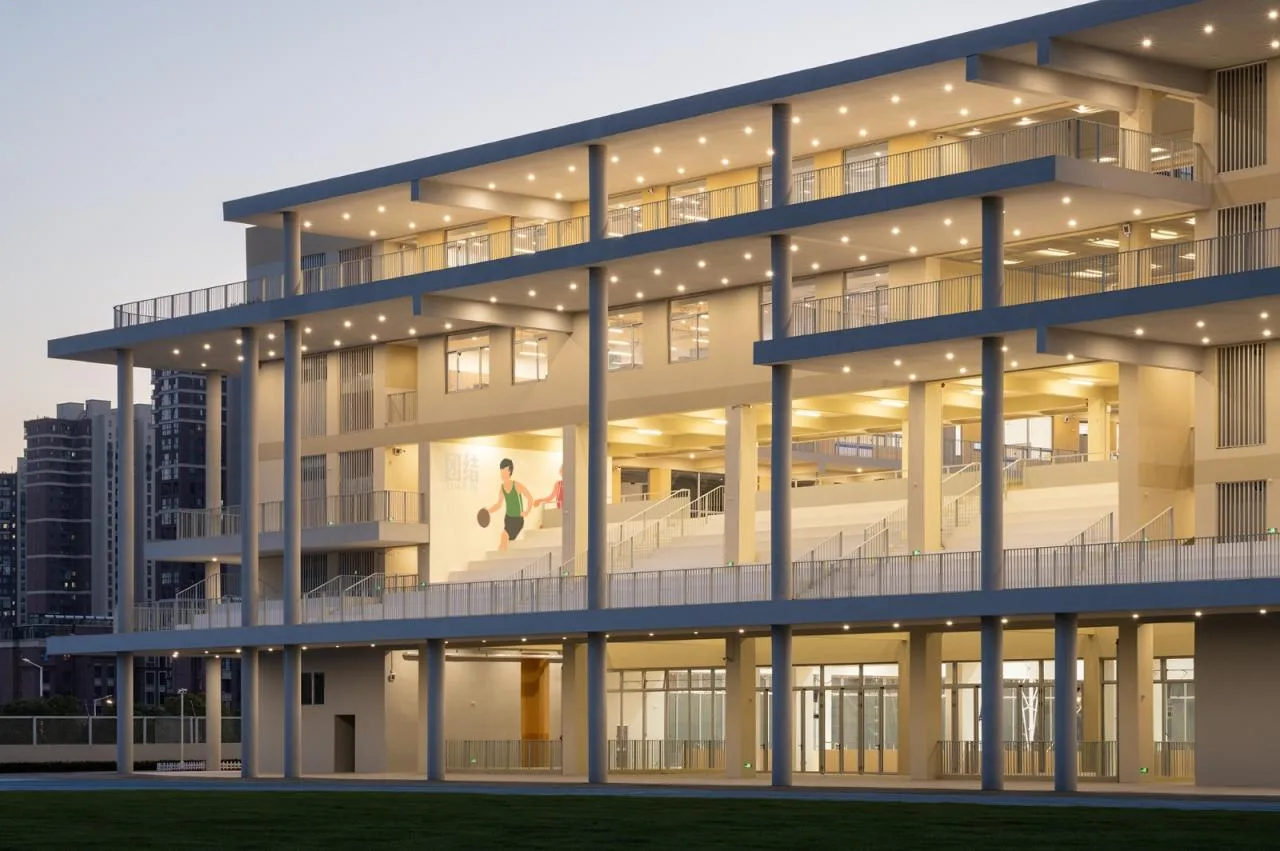
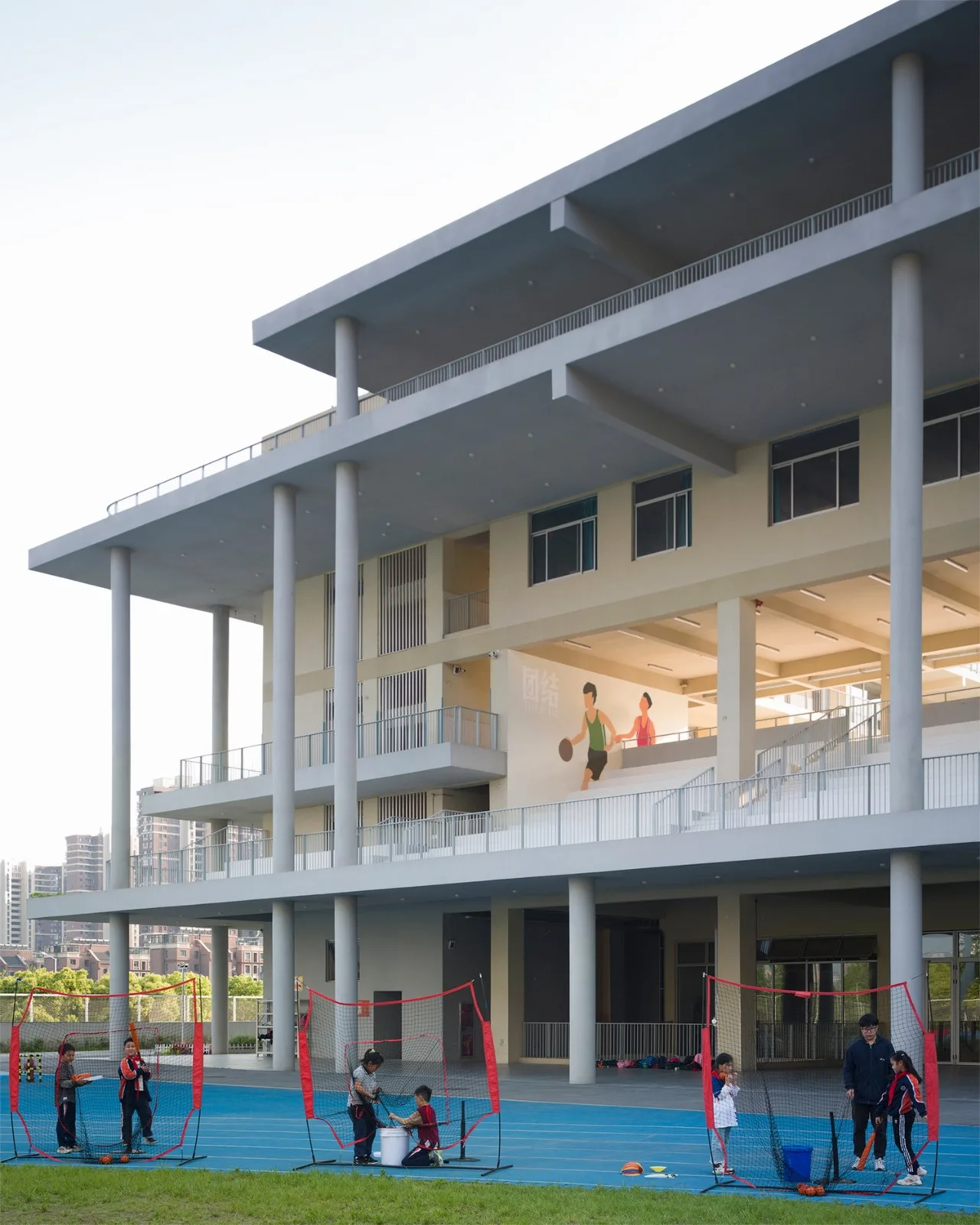
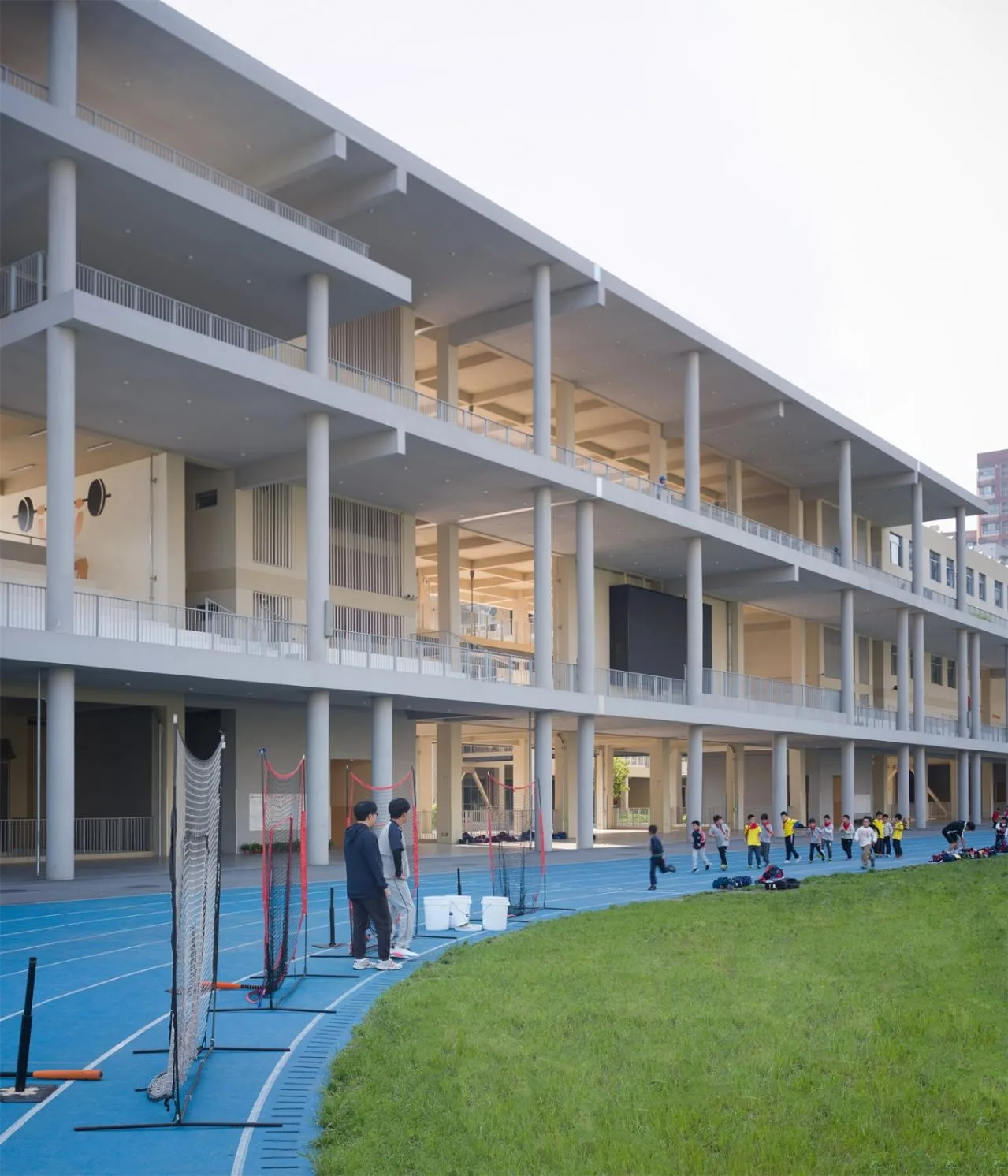
The emphasis on “generality” focused on economical construction and fundamental physical qualities of classroom units, including lighting, ventilation, noise control, and temperature regulation. These considerations were necessary responses to the realities of large class teaching, economic constraints, and limited mechanical and electrical resources.
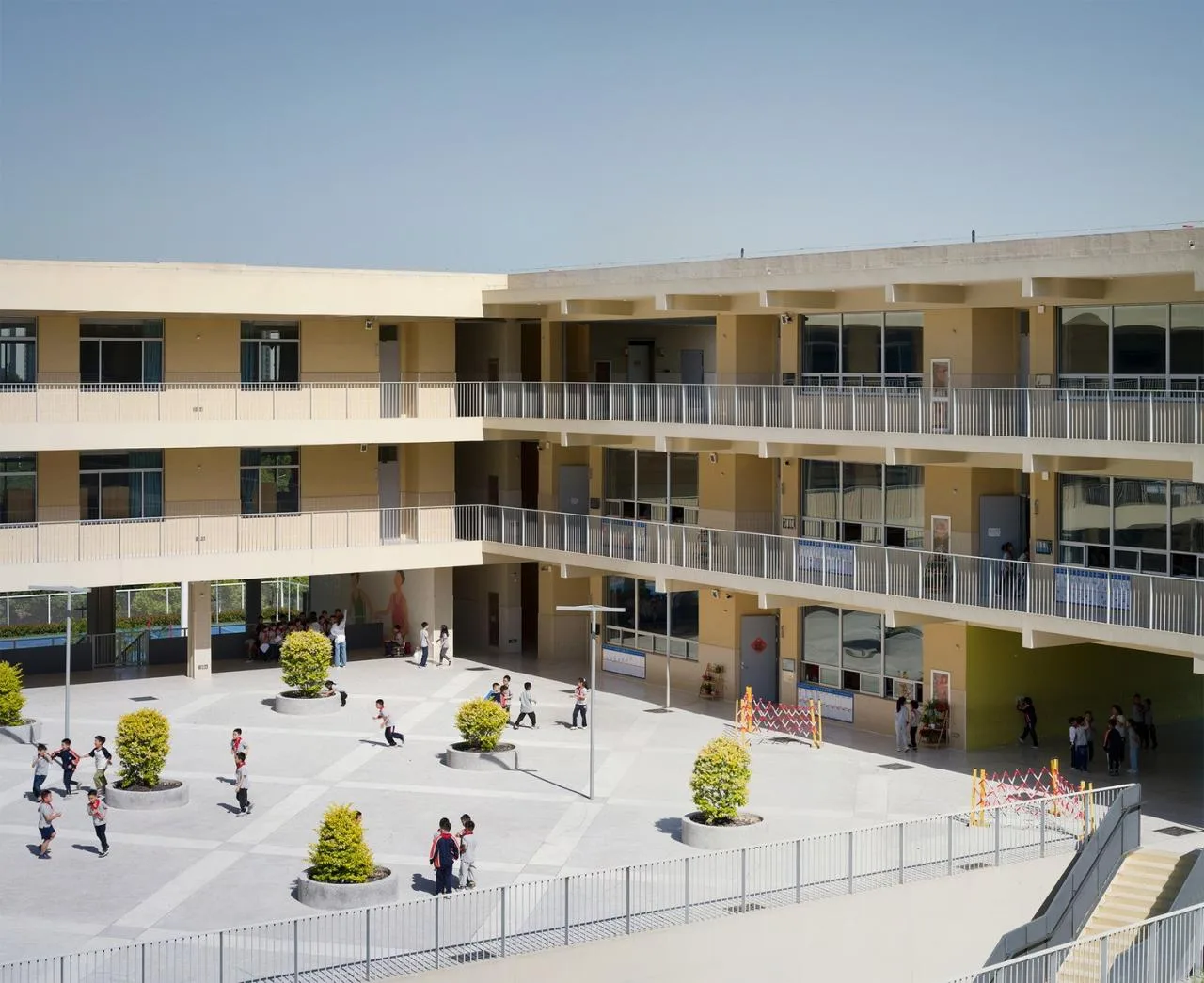
They also addressed the physiological growth and psychological safety needs of adolescent students. Due to the school’s modest size and scale, buildings were mostly arranged linearly around the playground, fostering a close connection between students’ recess activities and the school environment. This relationship is captured in numerous group photos, forming a collective memory of that era.
In 1986, the “Code for Design of Primary and Secondary School Buildings” was introduced, incorporating the basic performance standards linked to “ordinary” schools. Design focus shifted towards formal discussions, evident in various competitions and curated selections on school architecture published at the time.
Following the 1994 tax-sharing reforms, rapid urbanization was driven by a land finance model, leading to a significant influx of rural populations into cities. This demographic shift caused a decline in school-age children in rural areas in the late 1990s, prompting policies for school closures and mergers nationwide by 2001.
These policies aimed to optimize educational resource allocation, indirectly encouraging the expansion of school scales and the emergence of key and mega schools.

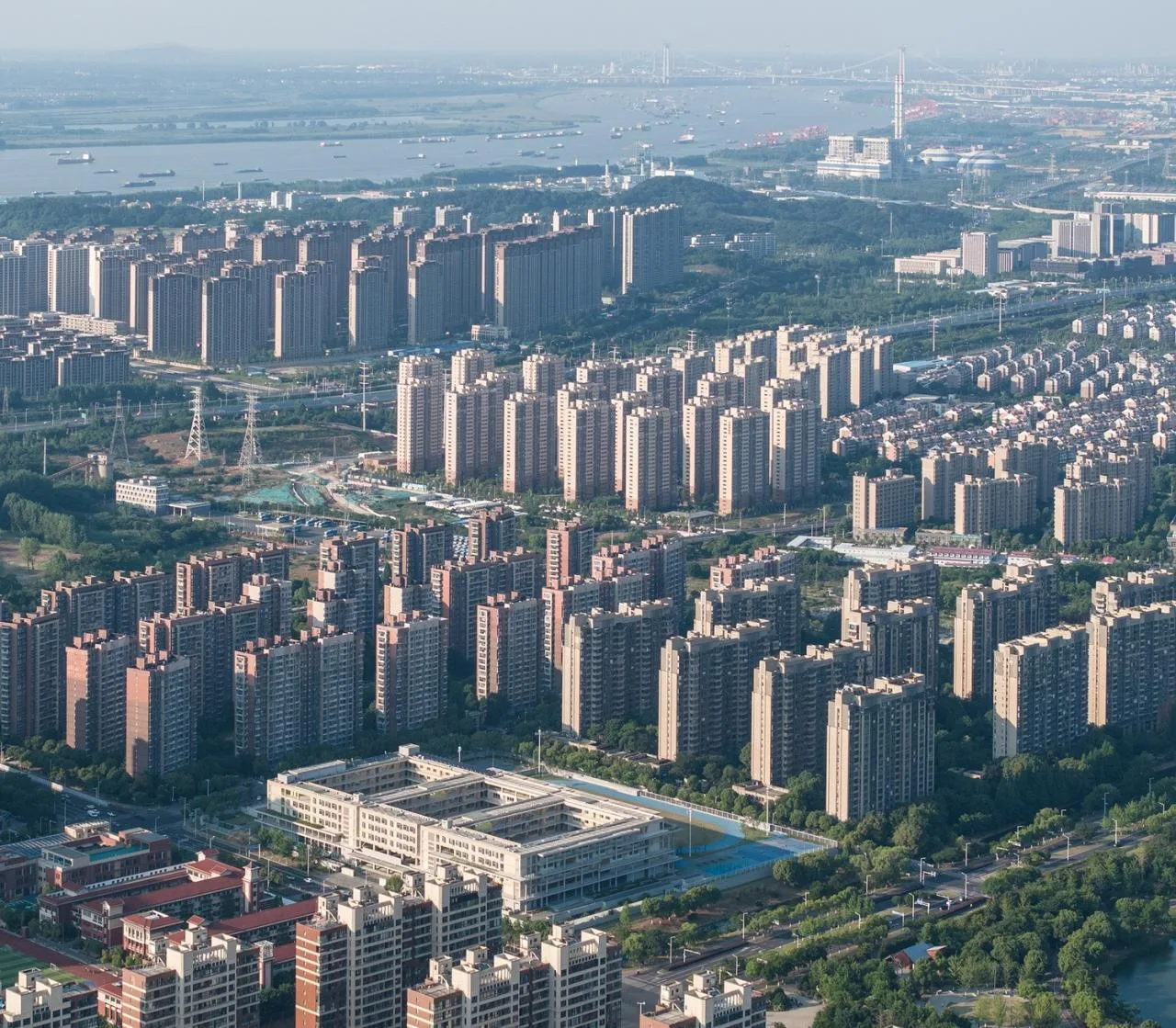
Satellite imagery showcases large schools developed after the 1990s.
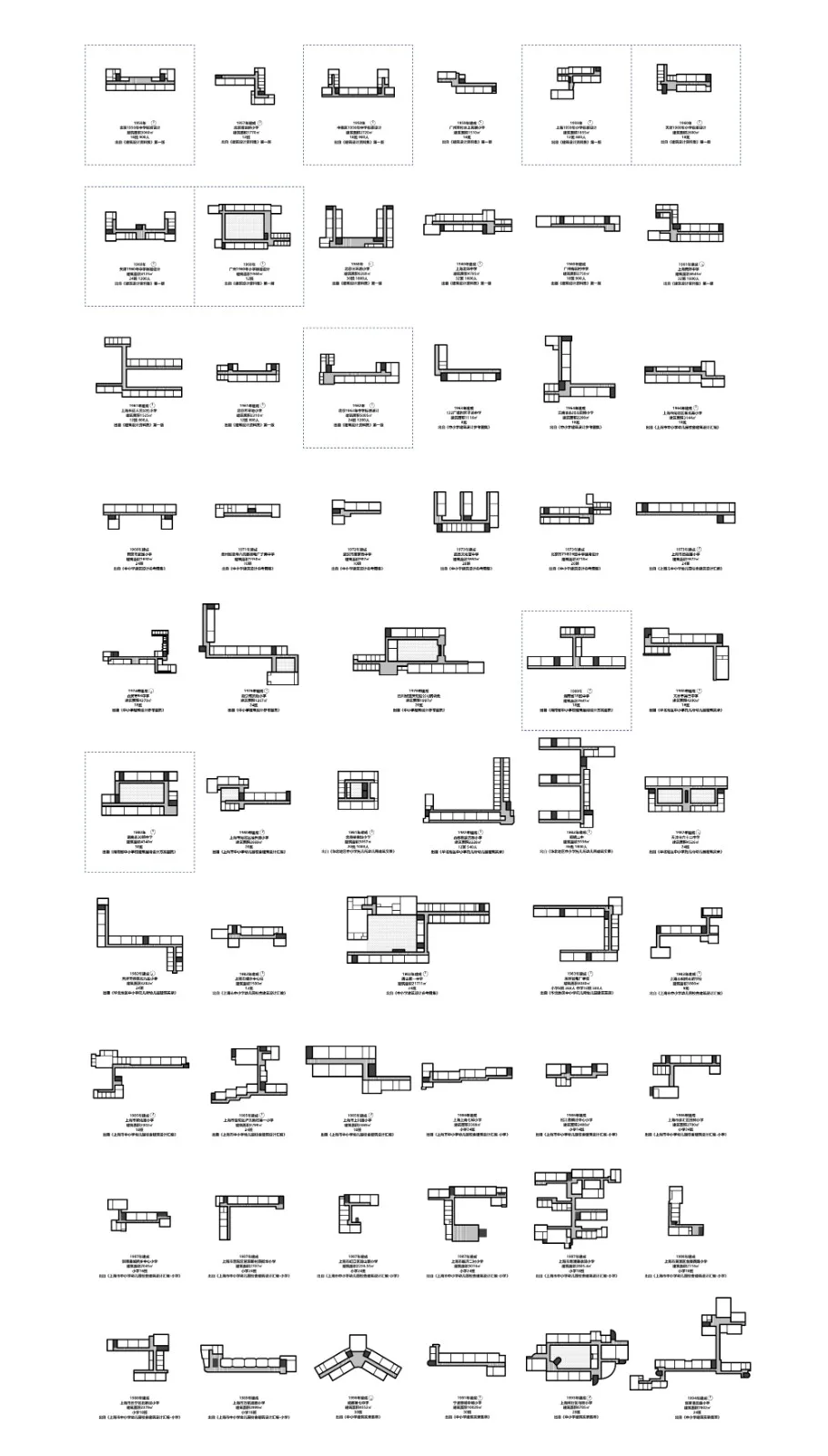
These are floor plans from various provincial standard design studios between 1956 and 1994.
Despite their essential role, “ordinary schools” have often become unremarkable. As part of the basic education infrastructure accompanying new urban developments, they represent a rather generic landscape. Factors like intensive land use, teacher-student ratios, class sizes, and overall costs are ultimately shaped by economic calculations.
Standardization guarantees basic physical performance but leads to stepwise, similar design outcomes. Any uniqueness is often superficial, reflected only in the facade. Attempts to resist this mediocrity often exacerbate the problem. The connection between “ordinary” and economy has shifted from physical construction to measurable metrics, causing “general” to devolve into generic, undifferentiated production.
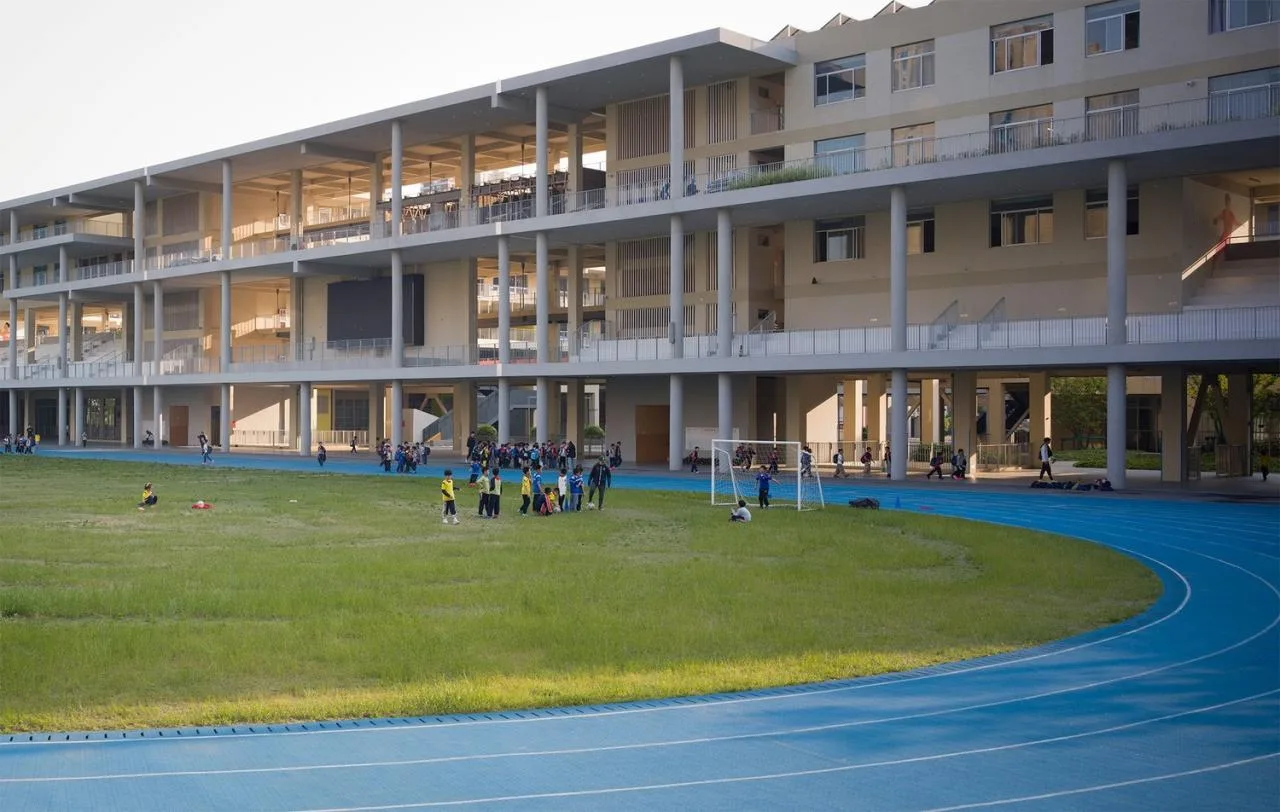
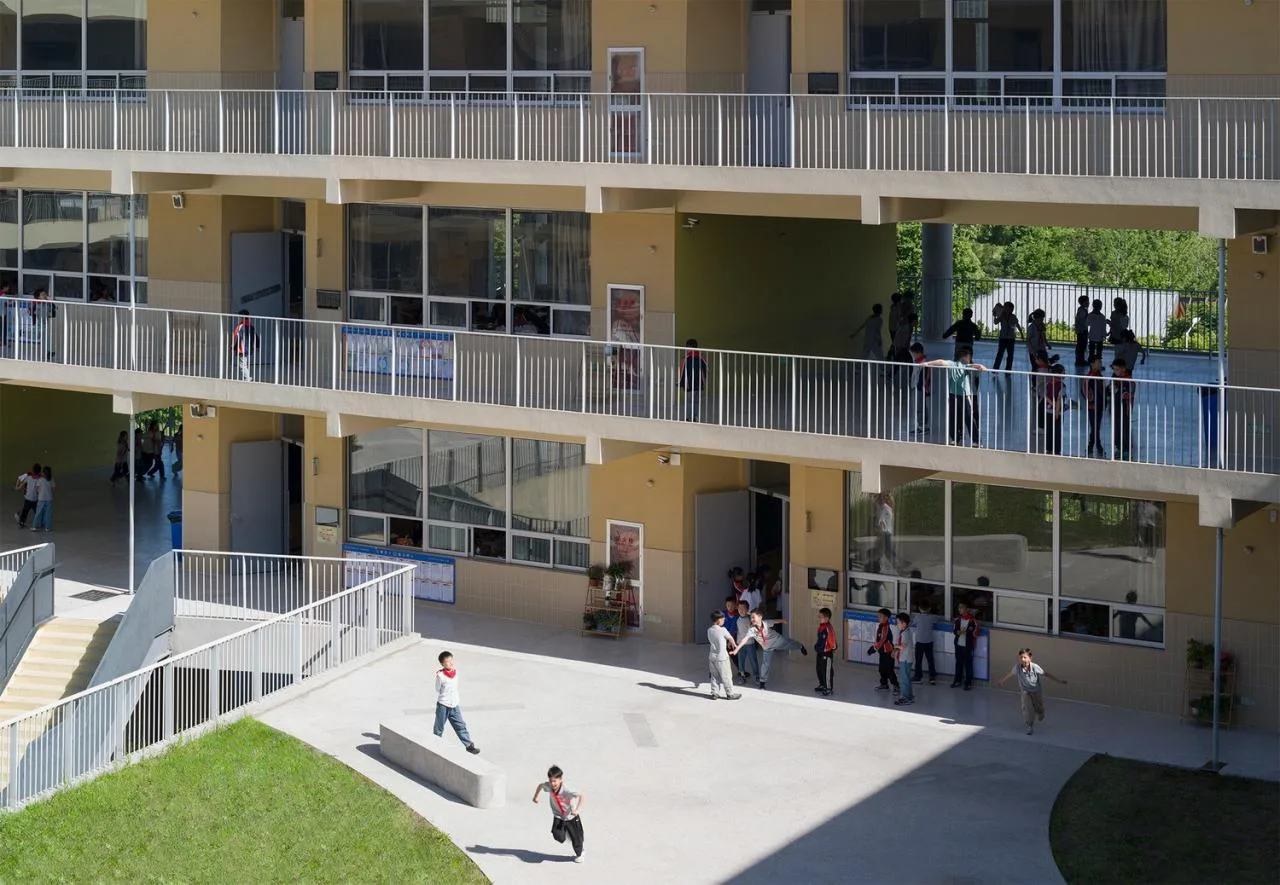
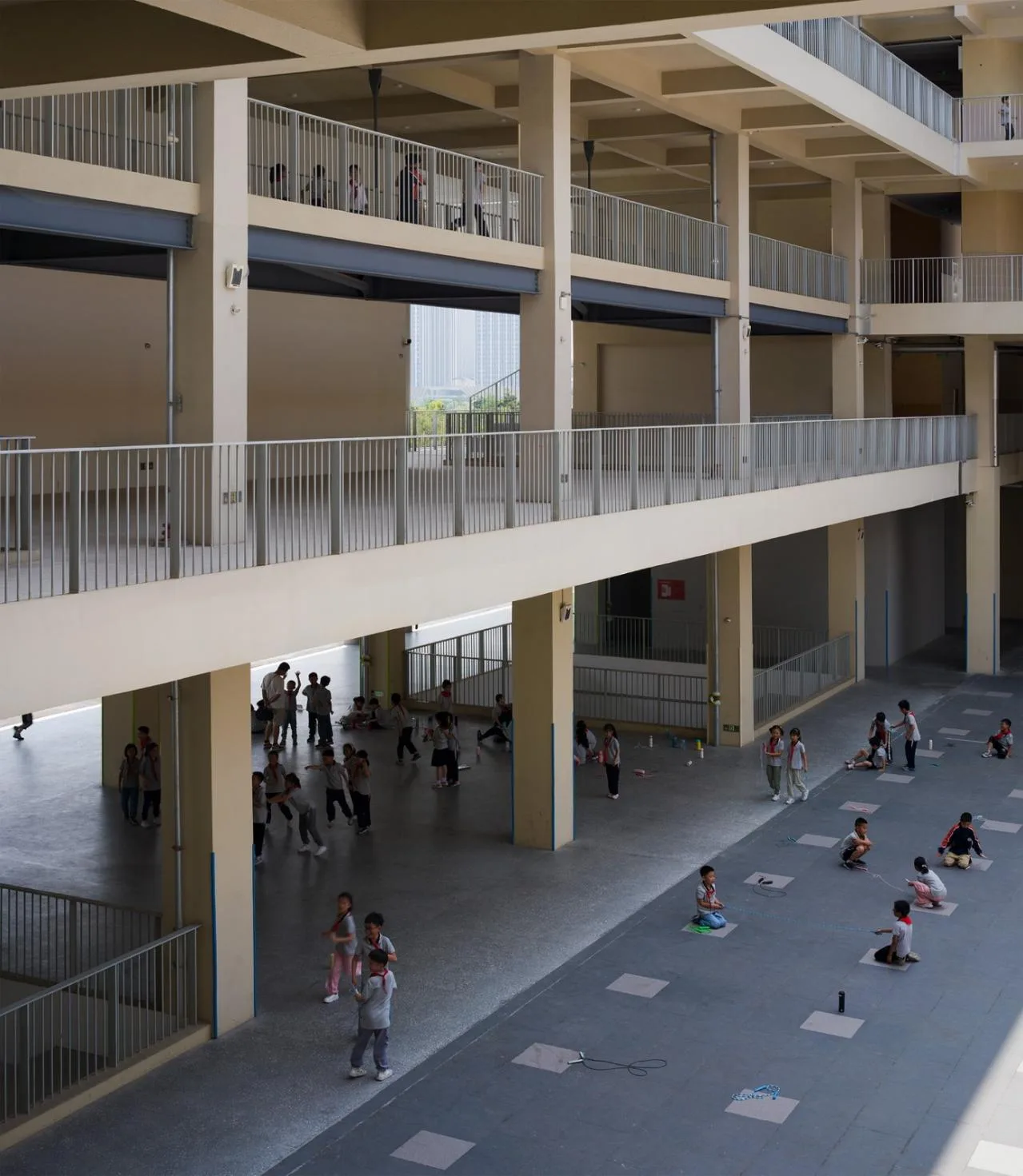
Xianlin School re-examines the potential of “ordinary schools”—questioning whether “ordinary” can imply a concrete capability despite its abstraction. It addresses multiple economic-related challenges: managing large-capacity teaching models and volumes, school building layouts and rigid spacing control, classroom unit regulations and single-span structures, public space proportions and zoning, prefabrication rates, integrated pipeline systems, lighting, ventilation, operational energy consumption, student psychological safety and activity convenience, commuting traffic impact on communities, and community openness and sharing.
These concerns are encapsulated in a suggested standard floor area ratio of 1.0, earning the project the nickname “FAR=1.0.”
Rather than deviating from norms, the strategy is to reconcile with them and update the fundamental physical conditions of “ordinary schools” while preserving large-scale, large-class education.
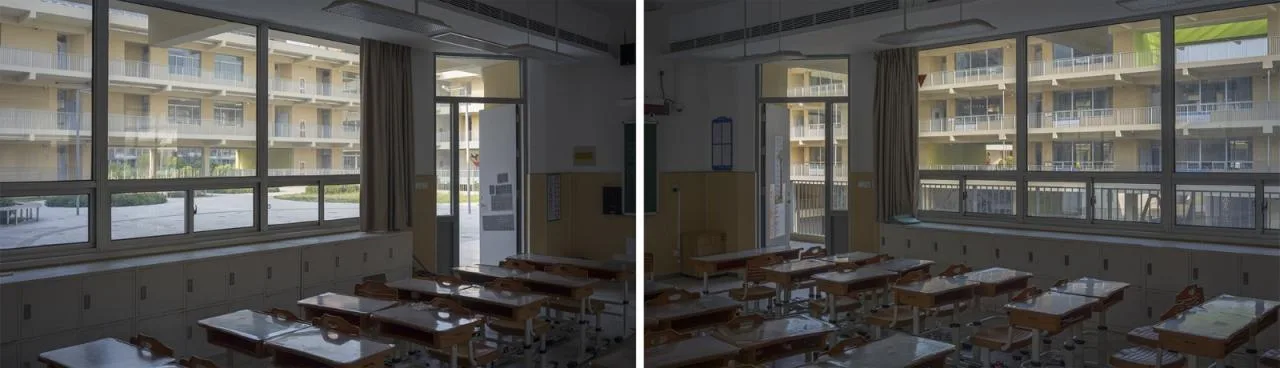
For example, the north-south double corridor ensures stable, even lighting in both directions, allowing natural light to meet classroom illumination needs most of the time. Symmetrical door and window arrangements facilitate effective natural ventilation and create a stable internal layout that improves visibility between desks and blackboards and supports daily storage.
The multi-campus design, with a 40-meter width, offers ample space for student activities during breaks and minimizes noise interference between classrooms arranged front and back.
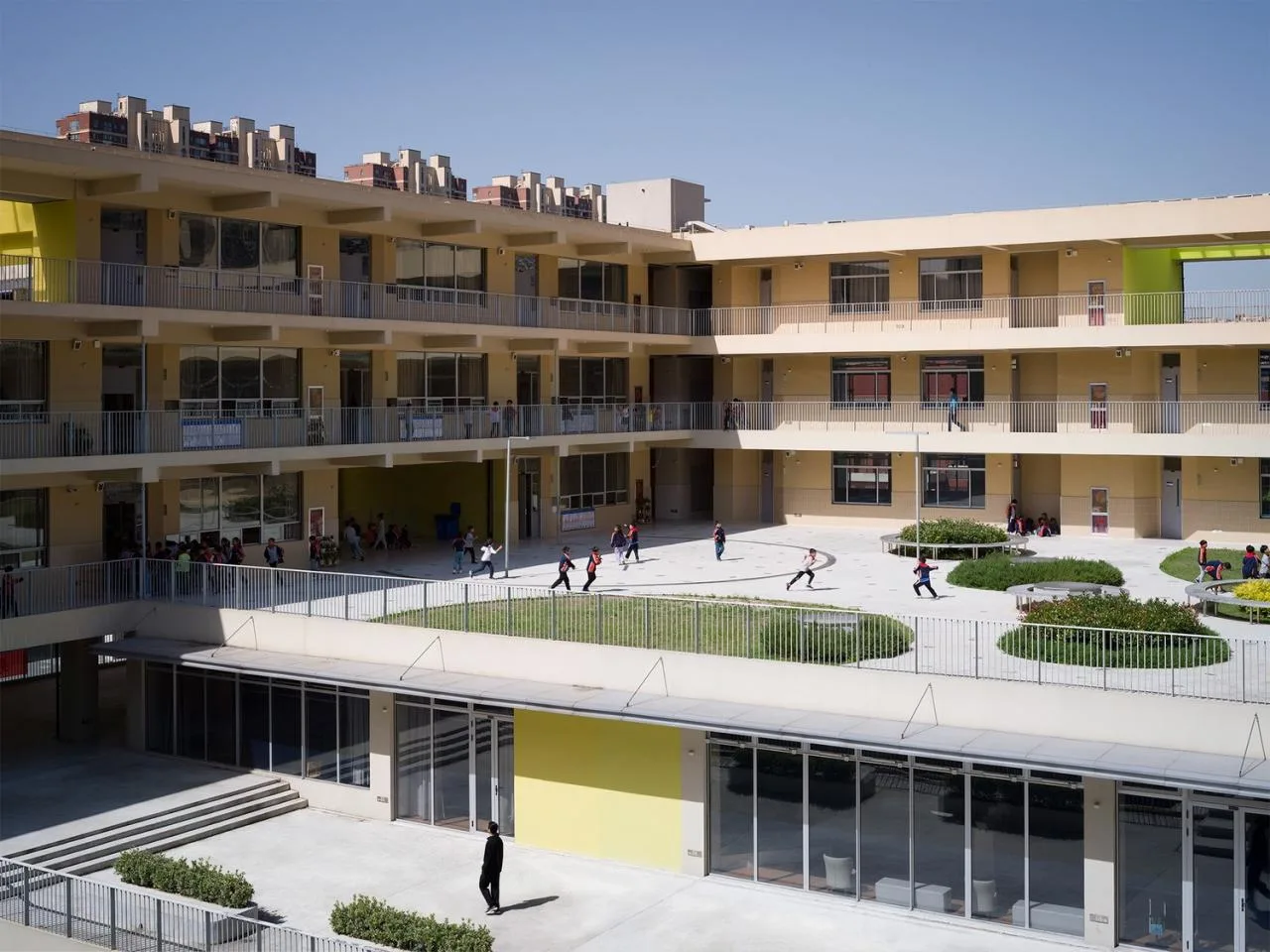
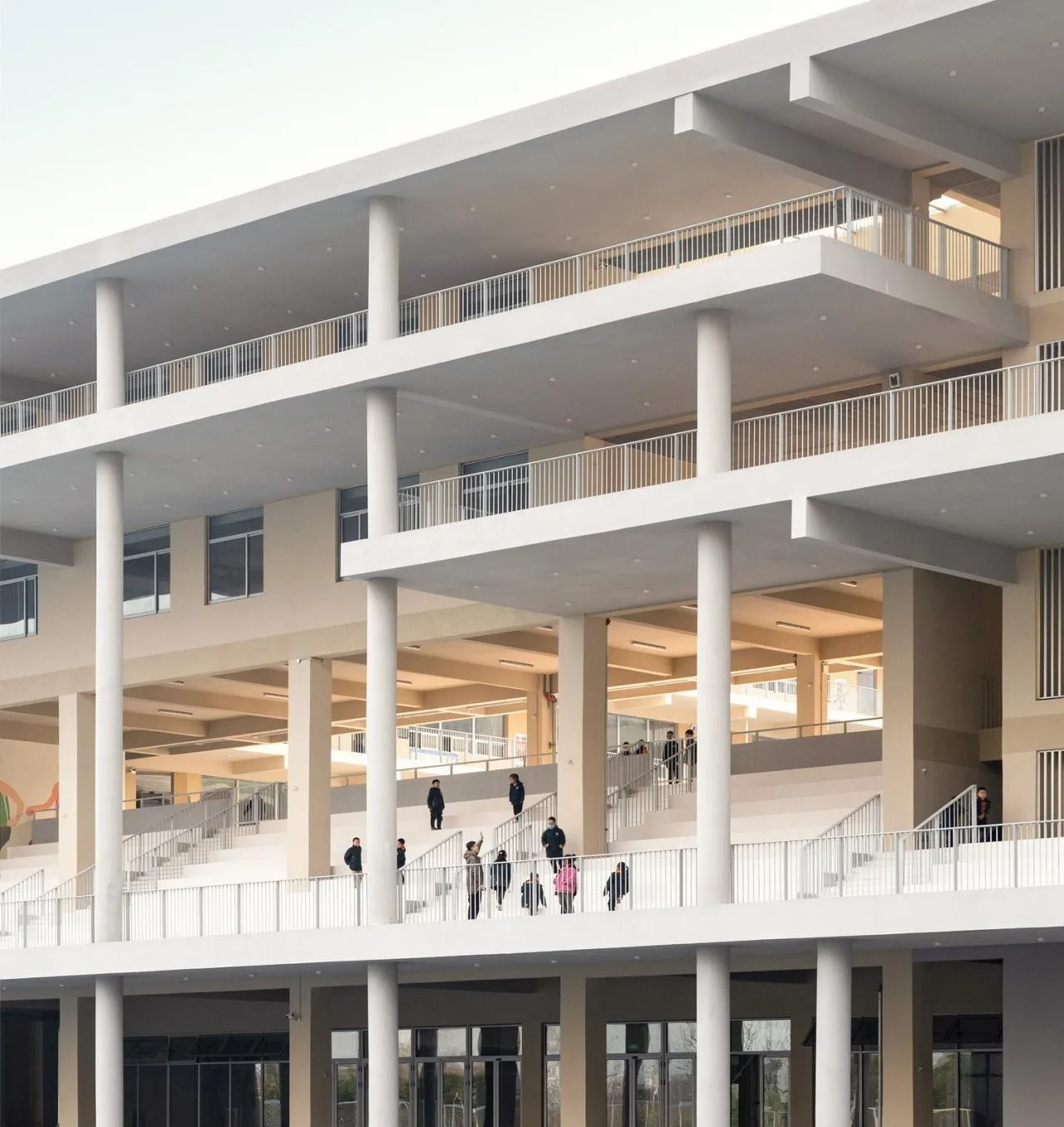
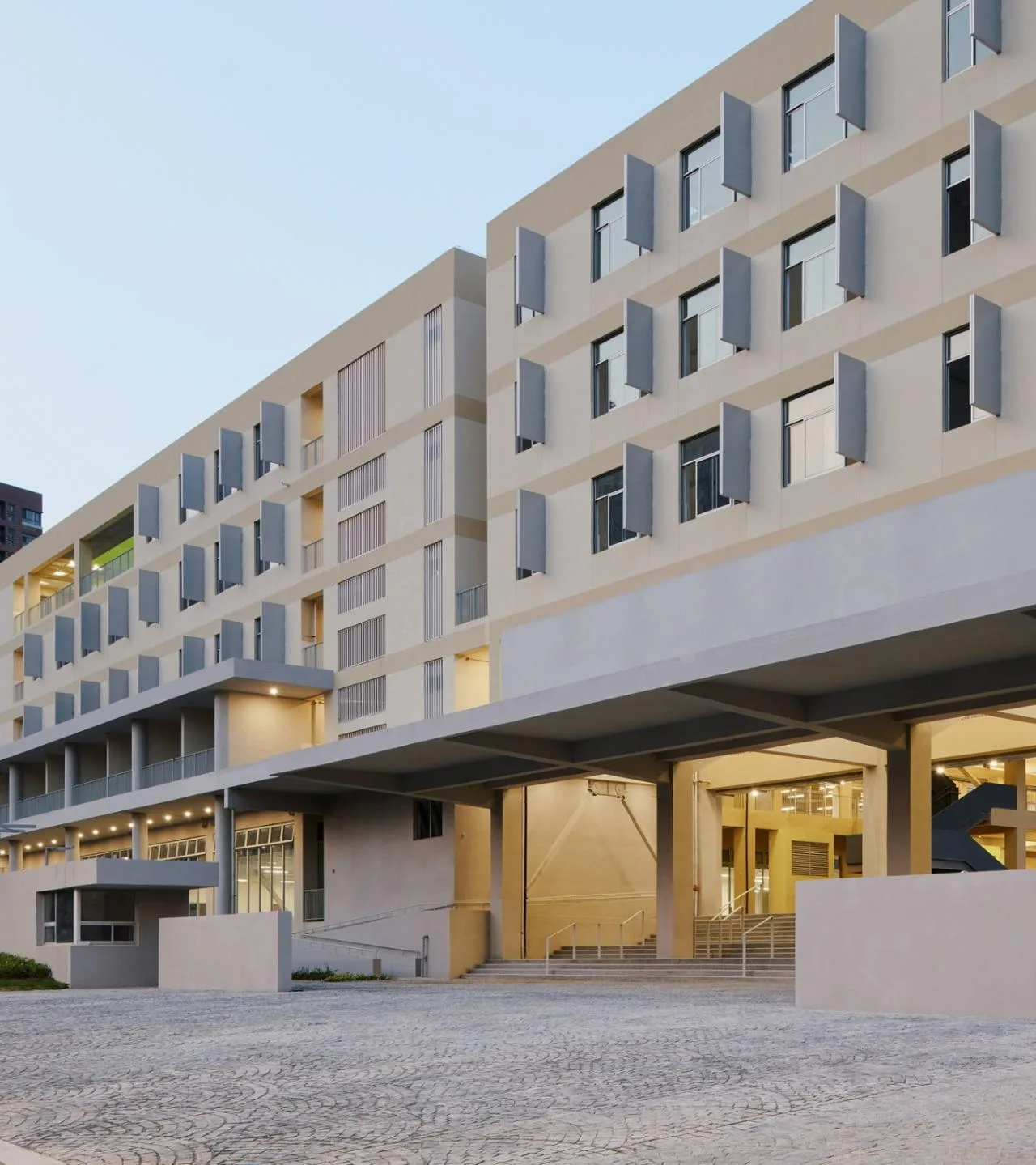
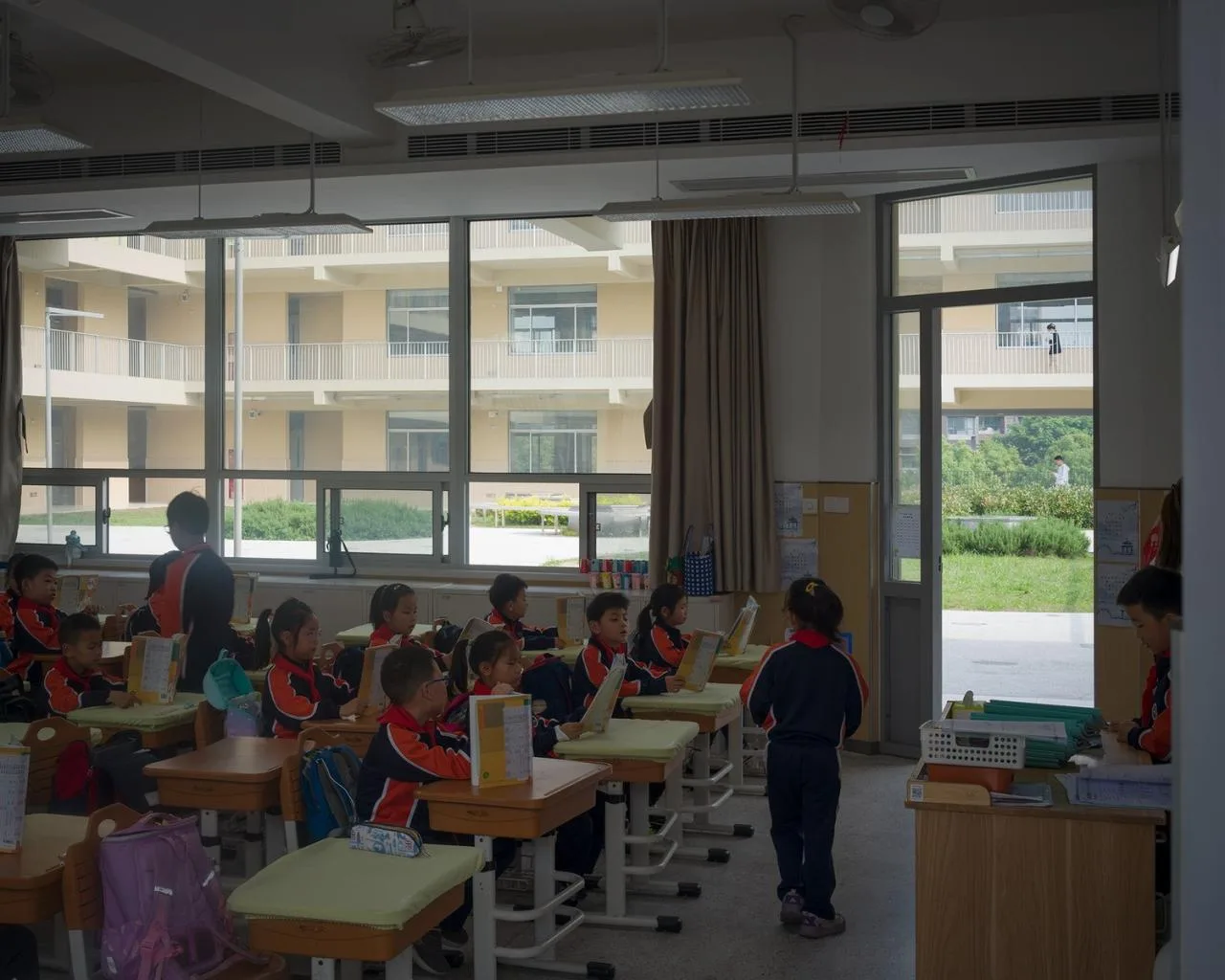
During pleasant weather, the sound of students studying in classrooms with wide-open doors creates a charming atmosphere. Material and electromechanical system choices prioritize universality for everyday maintenance and avoid decorative surfaces at the system level to reduce costs.
Examples include independent vertical pipe wells, rooftop or floor-mounted air conditioning units, concealed cable trays on ceilings, pre-embedded lighting within composite floor slabs, and drainage systems integrated with railings and columns.
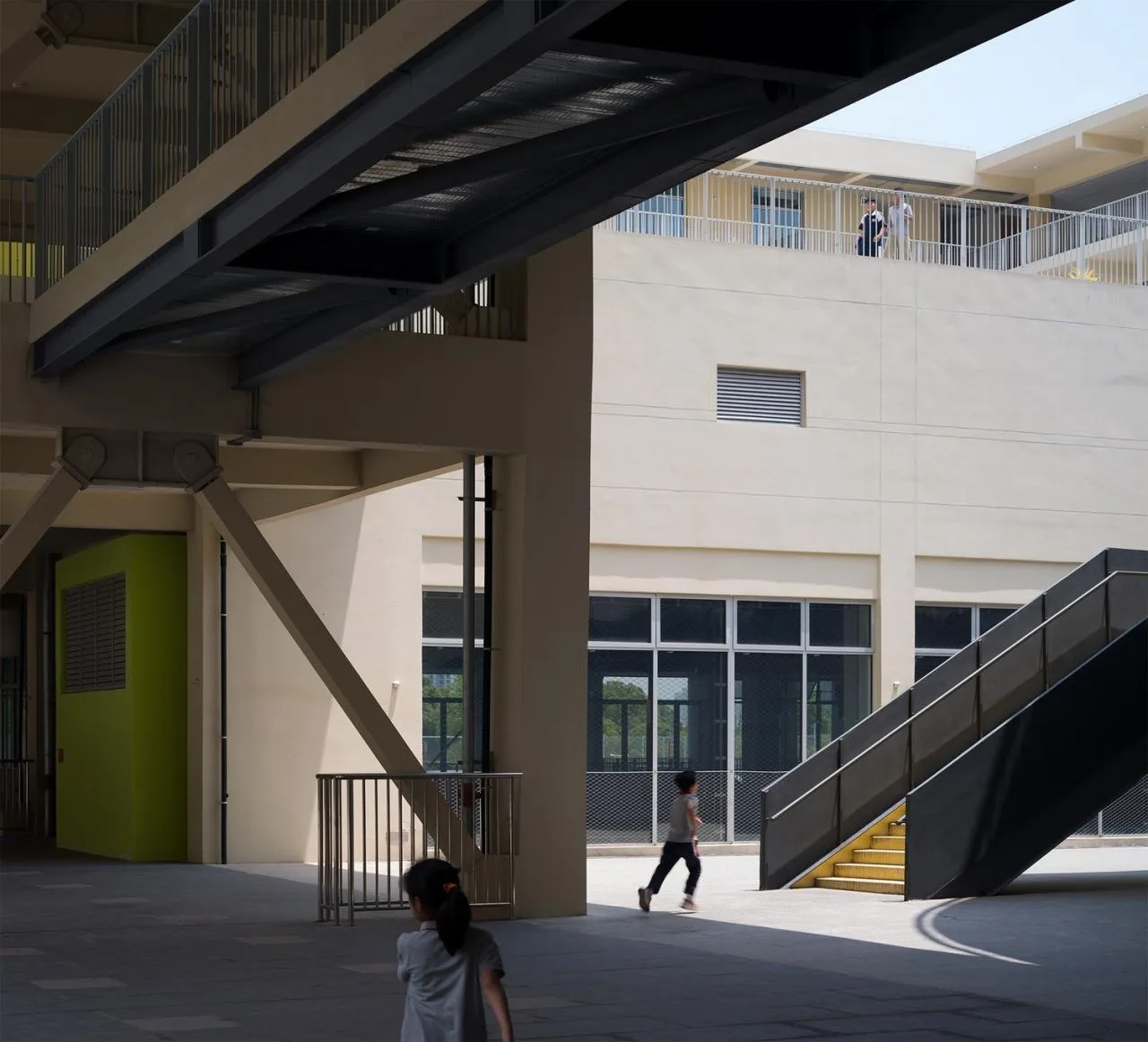
The grid system, with modules of 8.4m × 9.6m, meets underground storage needs related to commuting, easing traffic pressure on surrounding areas. It also supports the universality of primary and secondary school teaching units within sightlines, with some blank units reserved for future classroom expansion.
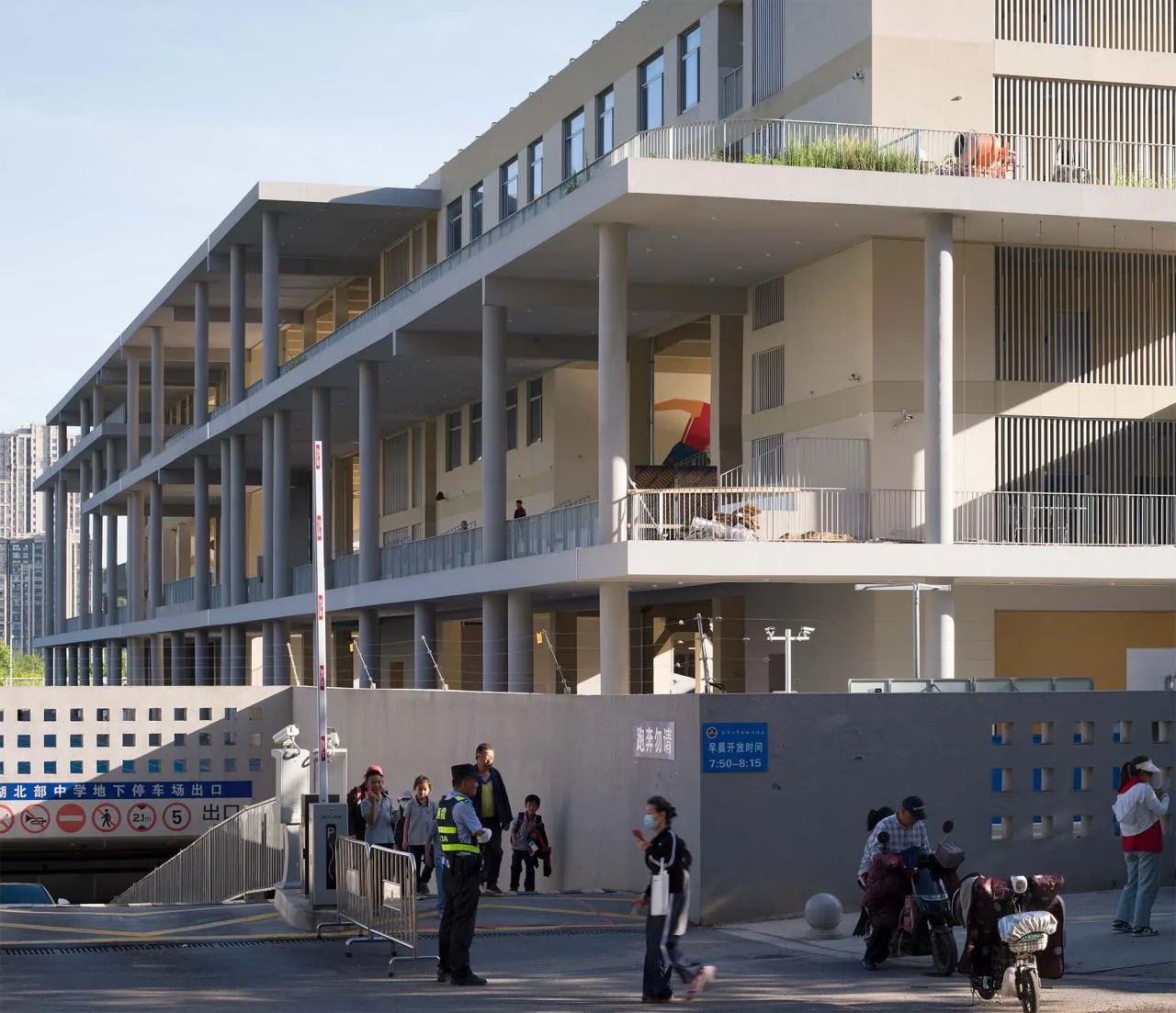
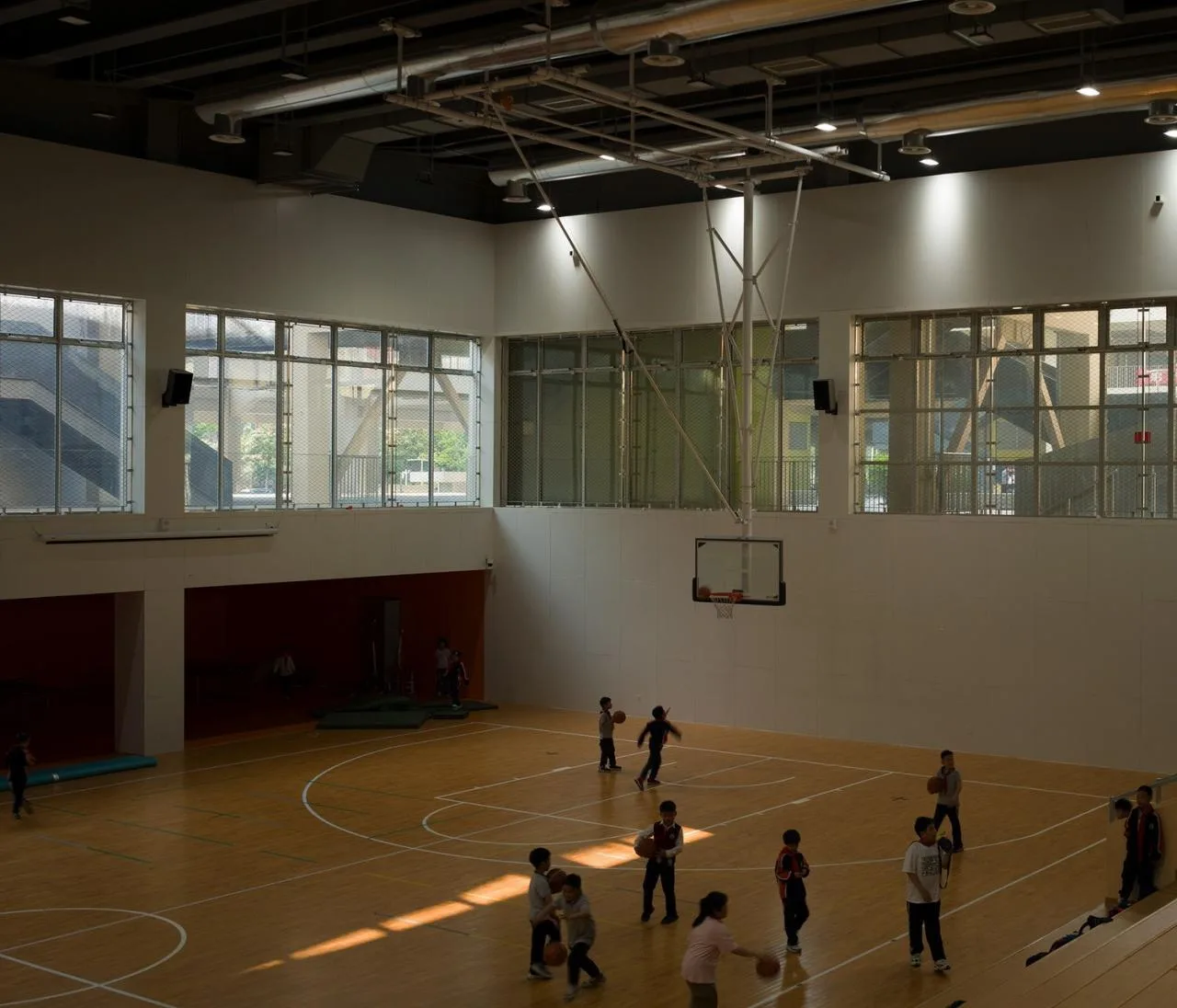
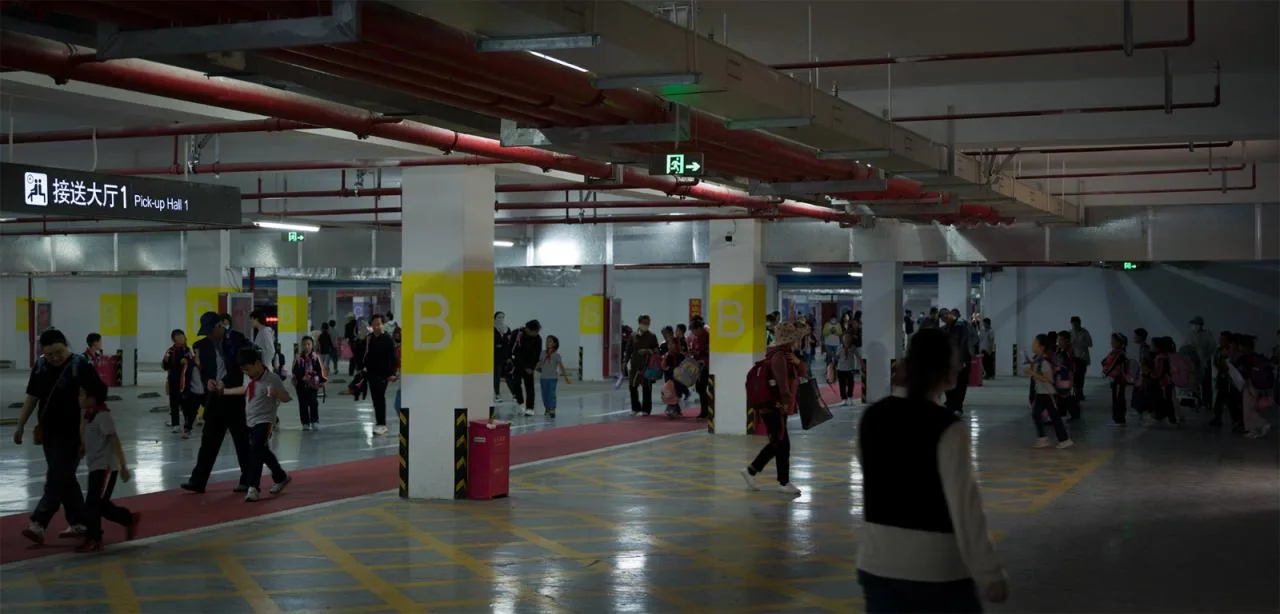
These fundamental performance adjustments have resulted in a multi-dimensional layered plan: teaching areas occupy the 3rd to 5th floors, public functions the 1st and 2nd floors, and transportation and equipment are located on the -1st floor.
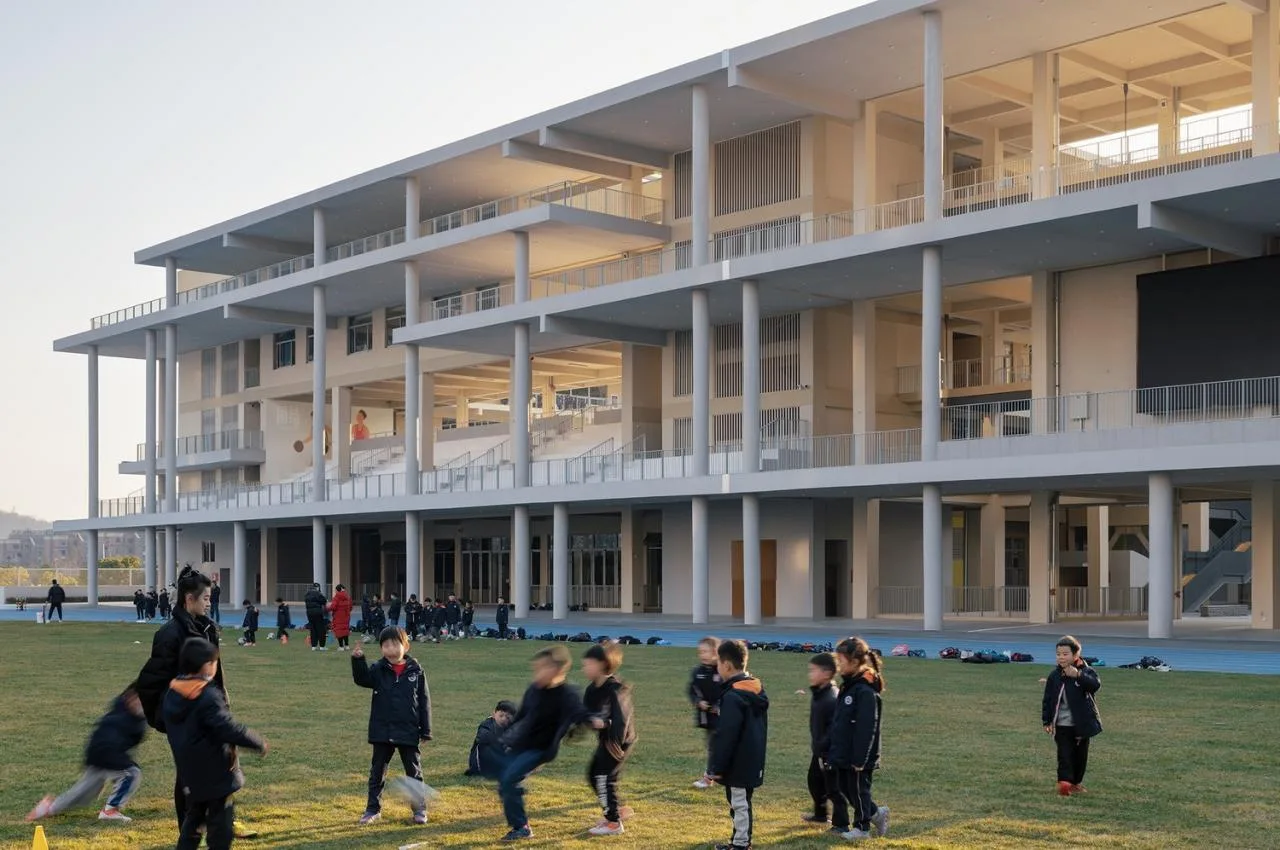
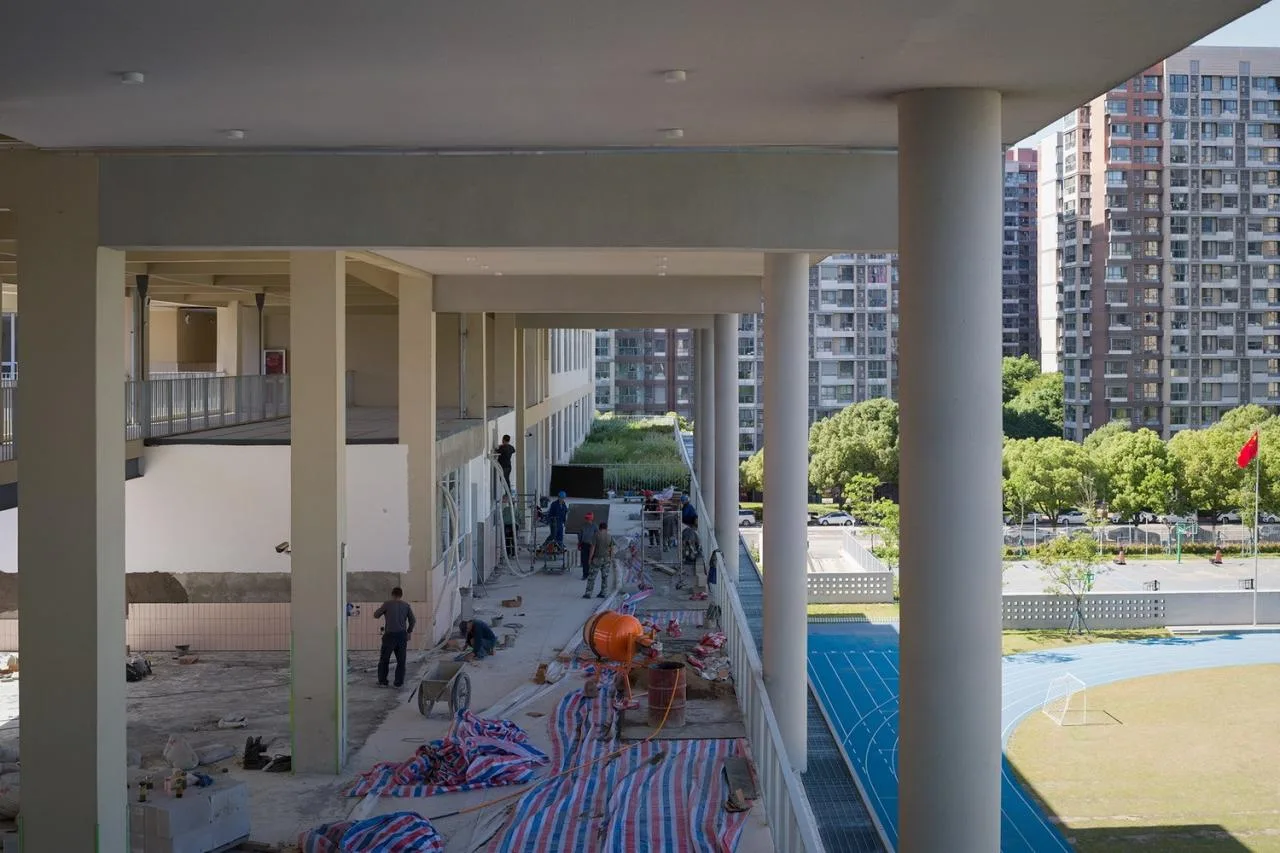
Xianlin School features two corridor scales: inner corridors reflect the collective memory of playgrounds adjacent to school buildings typical of ordinary schools, while outer corridors have double-layered overhangs. Combined with the implementation of local double spans, this design meets seismic requirements for four different facade levels.
In the grandstand section, column overhanging beams coordinate with sightlines, responding to nearby hundred-meter residential superblocks. The combination of these two scales preserves the building’s size while maintaining transparency.
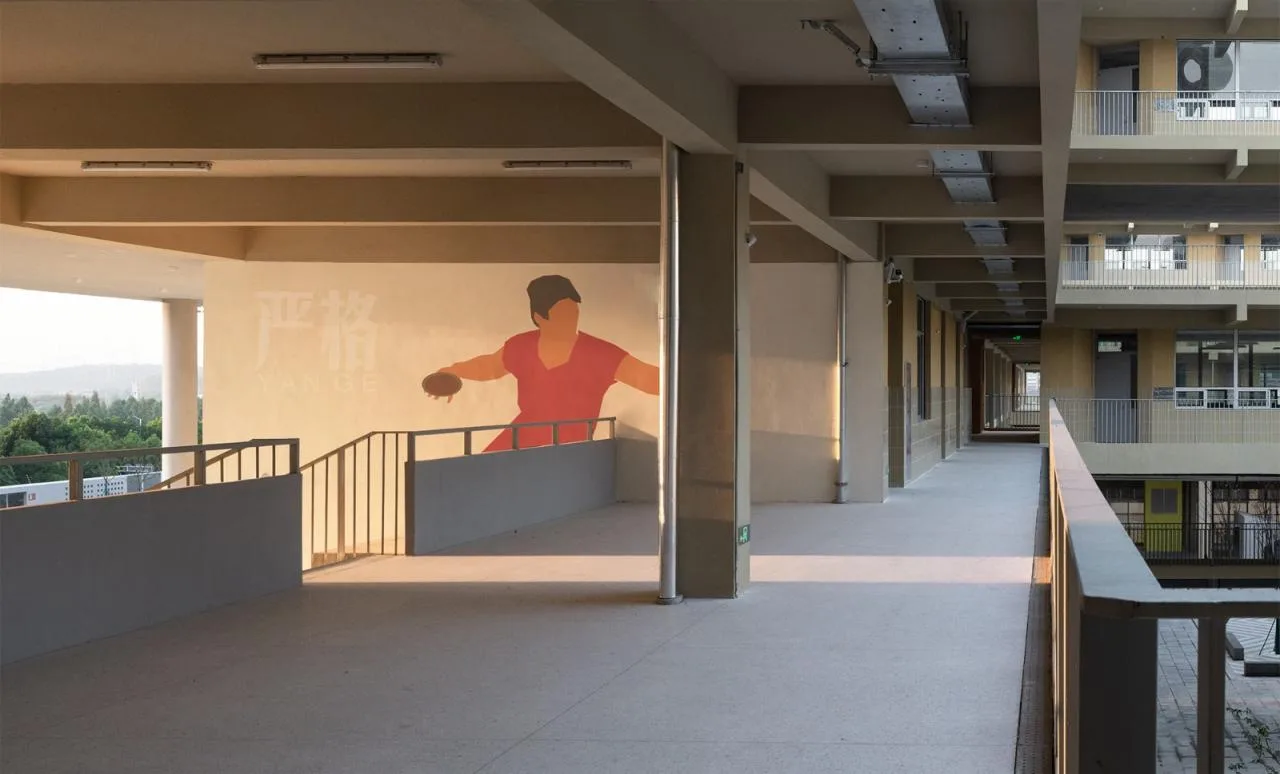
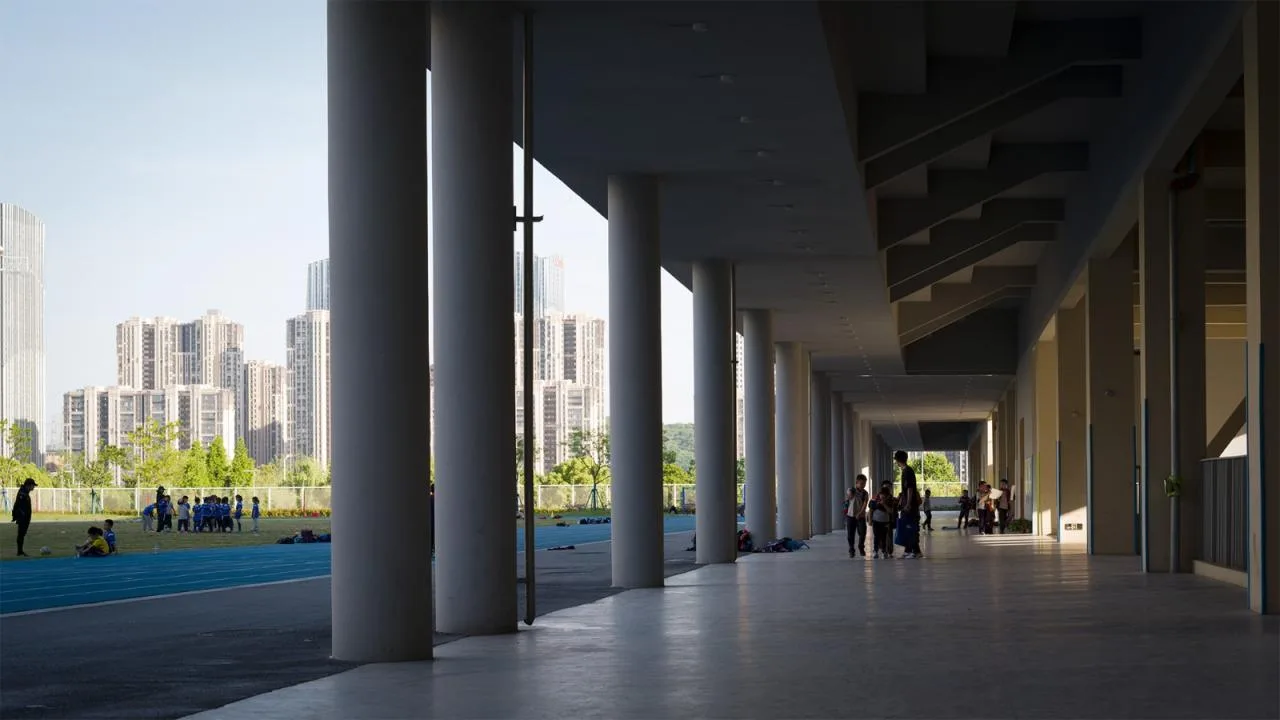
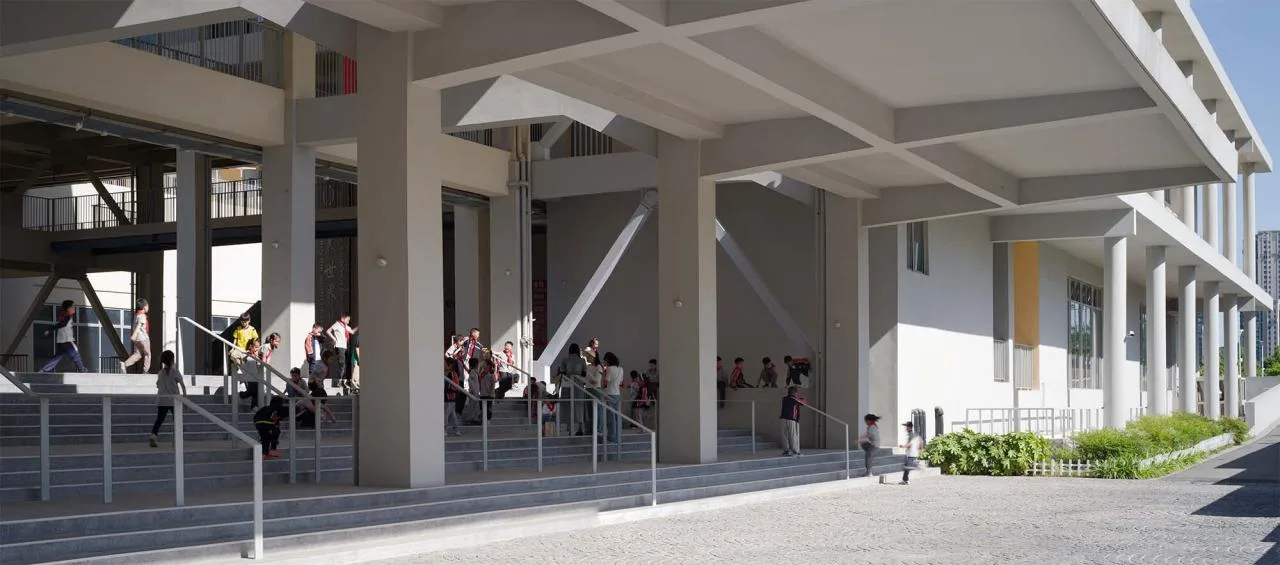
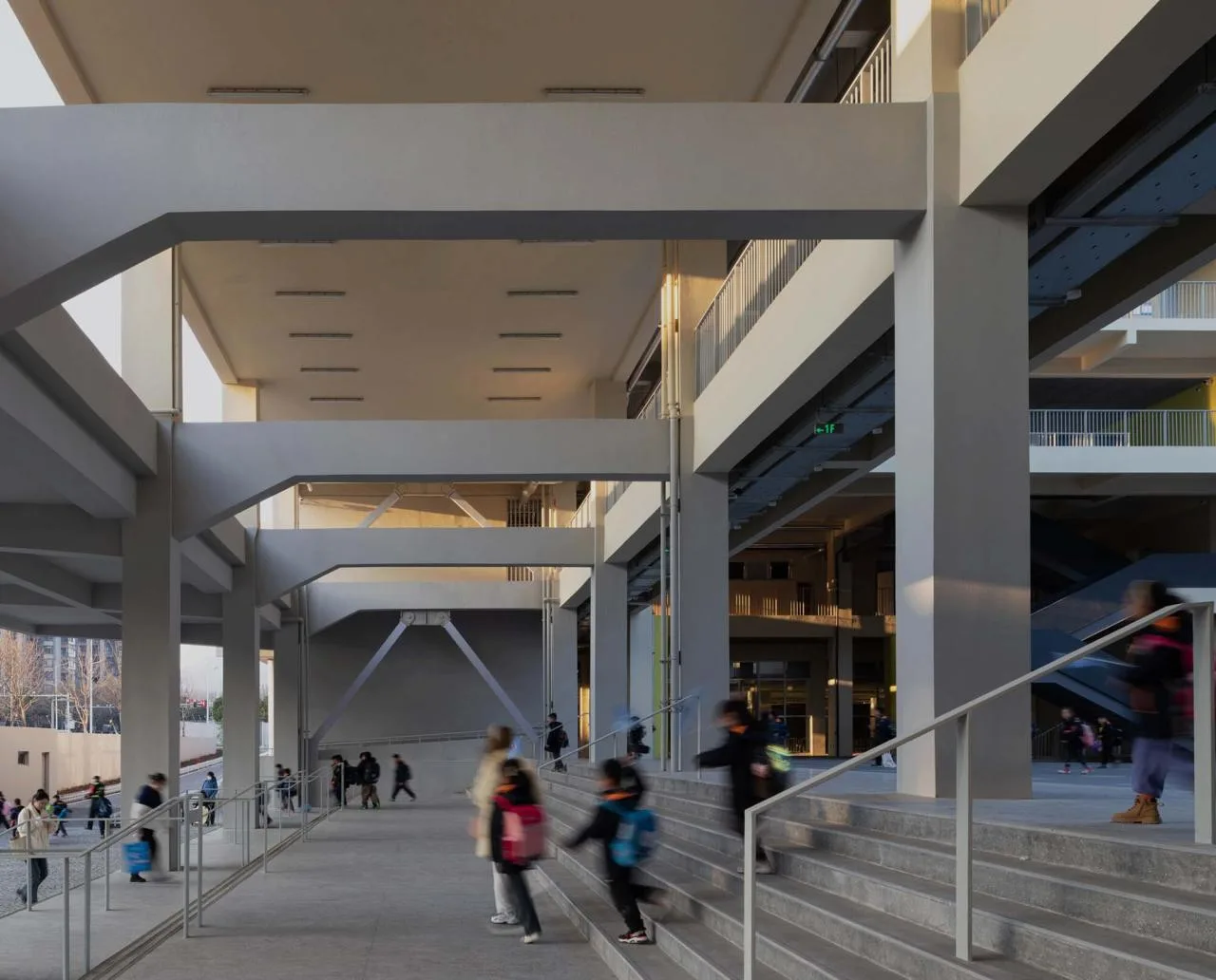
Xianlin School has been temporarily in use as a second-grade department for one year. Due to student demand, reserved blank units in the original structure have gradually been converted into ordinary classrooms. While this change was unexpected, it is understandable.
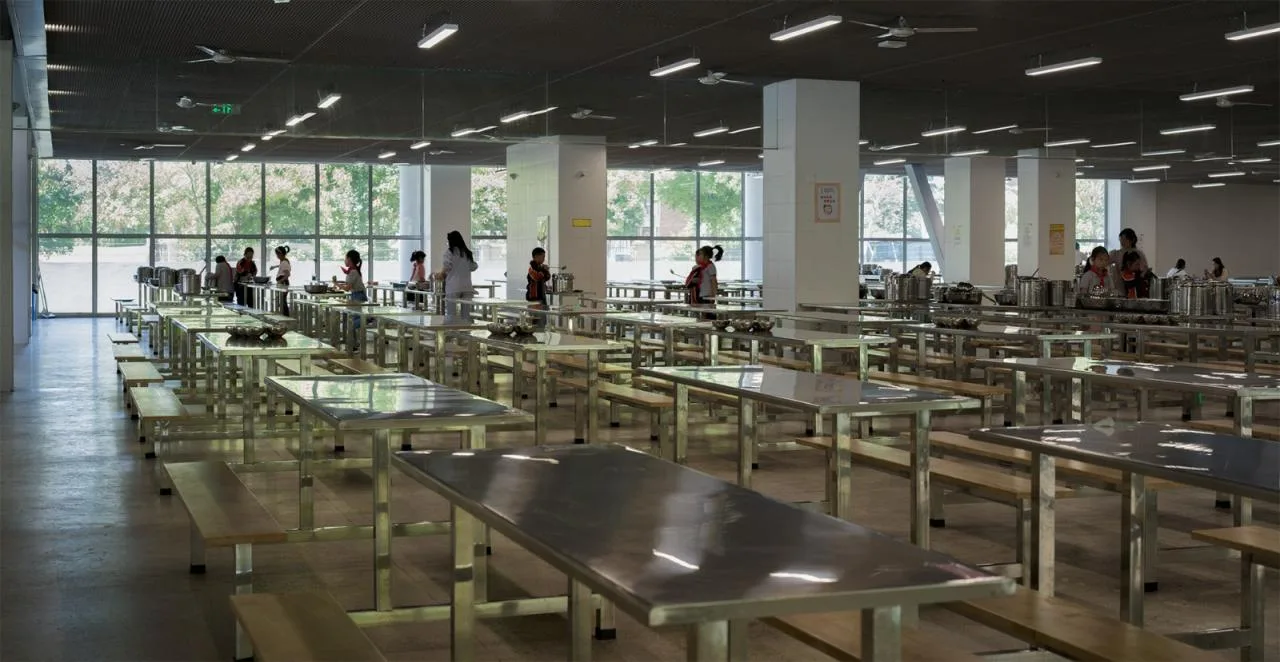
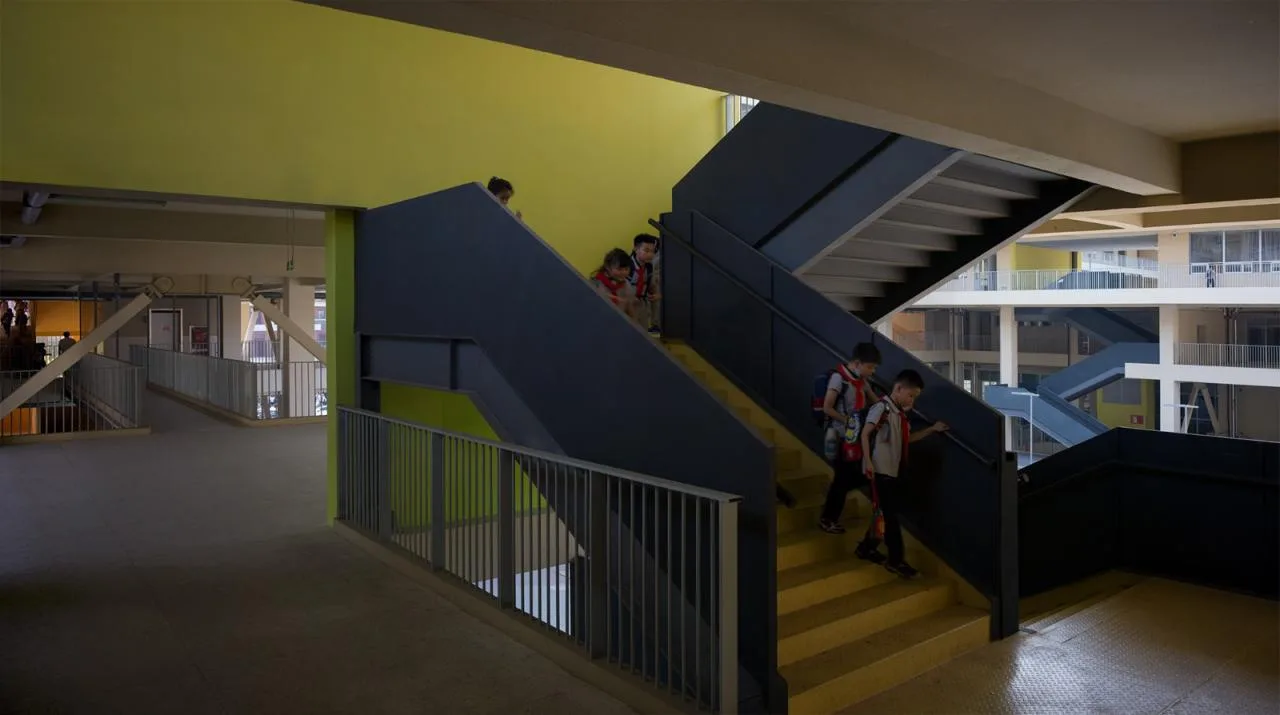
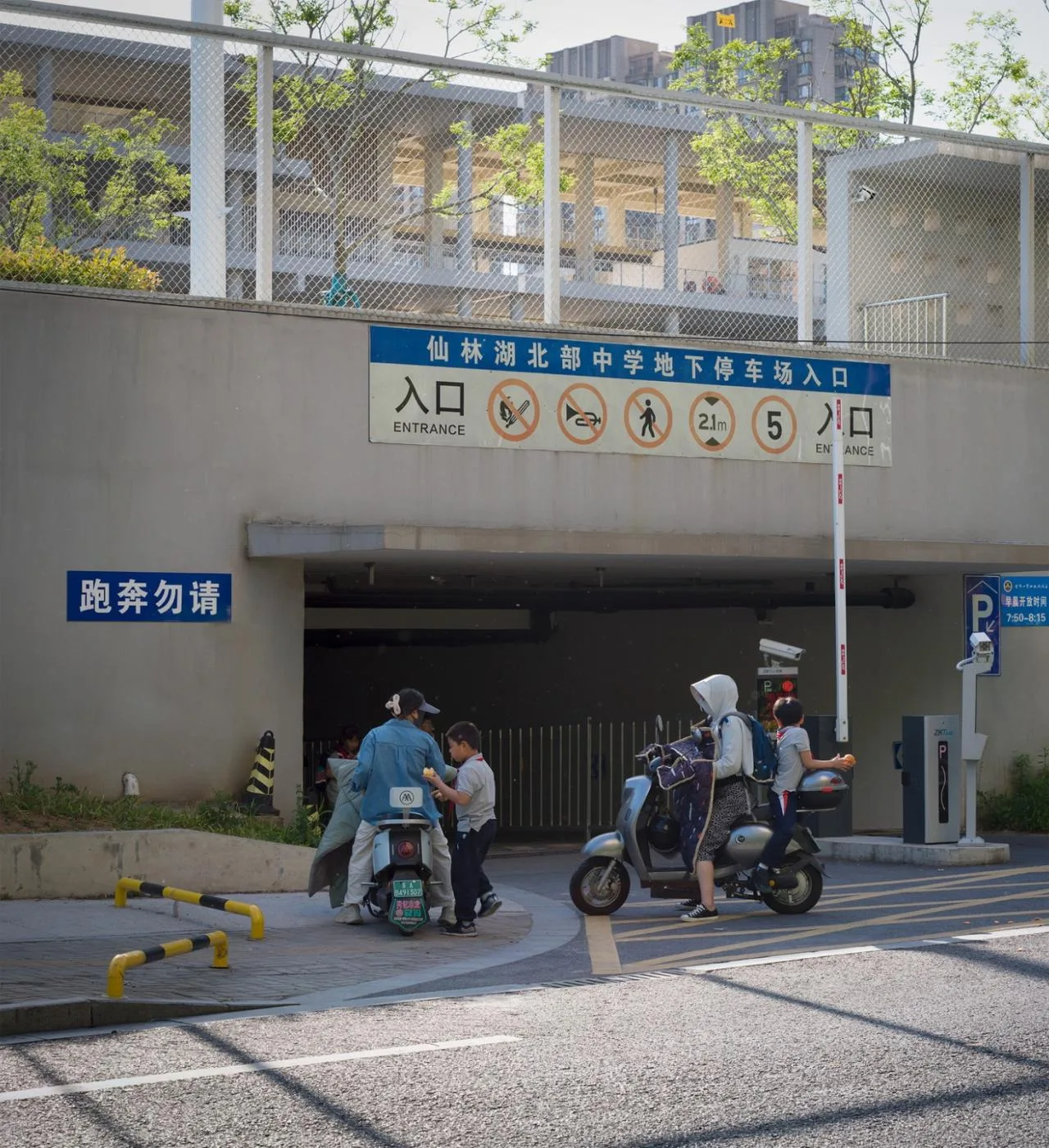
Despite their small size making second-grade elementary students seem like little ghosts, observing their everyday activities—reciting lessons in classrooms with open doors and windows, running in the courtyard during breaks, bustling in the cafeteria at lunch, enjoying the breeze under eaves before physical education class, participating in evening sports clubs, or the scattered birds and animals in the pick-up and drop-off hall after school—brings these spaces to life. Their playfulness endows the architecture with vitality and demonstrates its load-bearing capacity and usability.
The discussion on “ordinary schools” sparked by Xianlin School is not merely a critique of mundane life shaped by economics. Instead, it offers an alternative—posing whether there is room for a more continuous poetic expression, akin to Western notions, amidst seemingly featureless mass living, and whether new ideas can emerge from the mundane.
Notes:
Xianlin School: Xianlin Hubei Middle School, designed for 39 tracks plus 6 reserved junior high school classrooms, is currently used as the second-grade department of Jinling Primary School (Xianlinhu Campus), referred to as “Xianlin School” in this article.
Общеобразовательная “General Education”: This universal education principle, originating from the Soviet Union, traces back to the 1903 Russian Social Democratic Labour Party Program, which advocated free compulsory education for boys and girls under 16. Due to international and economic factors, universal primary education was fully implemented in the Soviet Union around 1930, leading to significant public education progress. The early education system in New China drew heavily on Soviet experiences, including translated Soviet school design theories and case studies that informed construction practices.
Picturesque Face: Refers to a landscape aesthetic that explains the current beauty of China through the juxtaposition of fundamentally incompatible elements, as discussed by Xia Silan and Feng Siwa (2003) in “Koolhaas Talks Koolhaas.”
Multi-datum: A concept from architectural modernism referring to horizontal datum as an attitude toward the vertical plane, originating in the 16th century, discussed by Eisenman in “Aspects of Modernism.”
Project Drawings
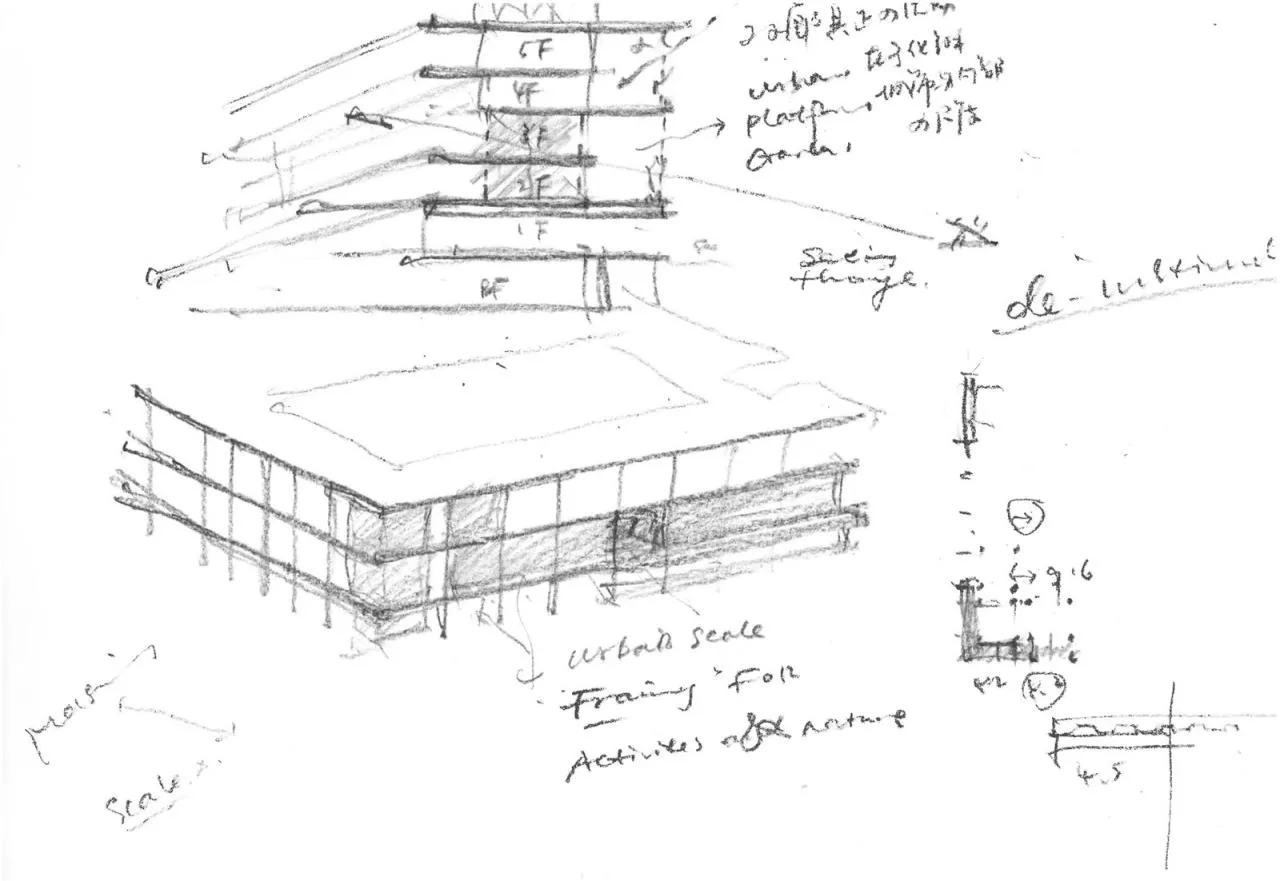
△ Design sketch
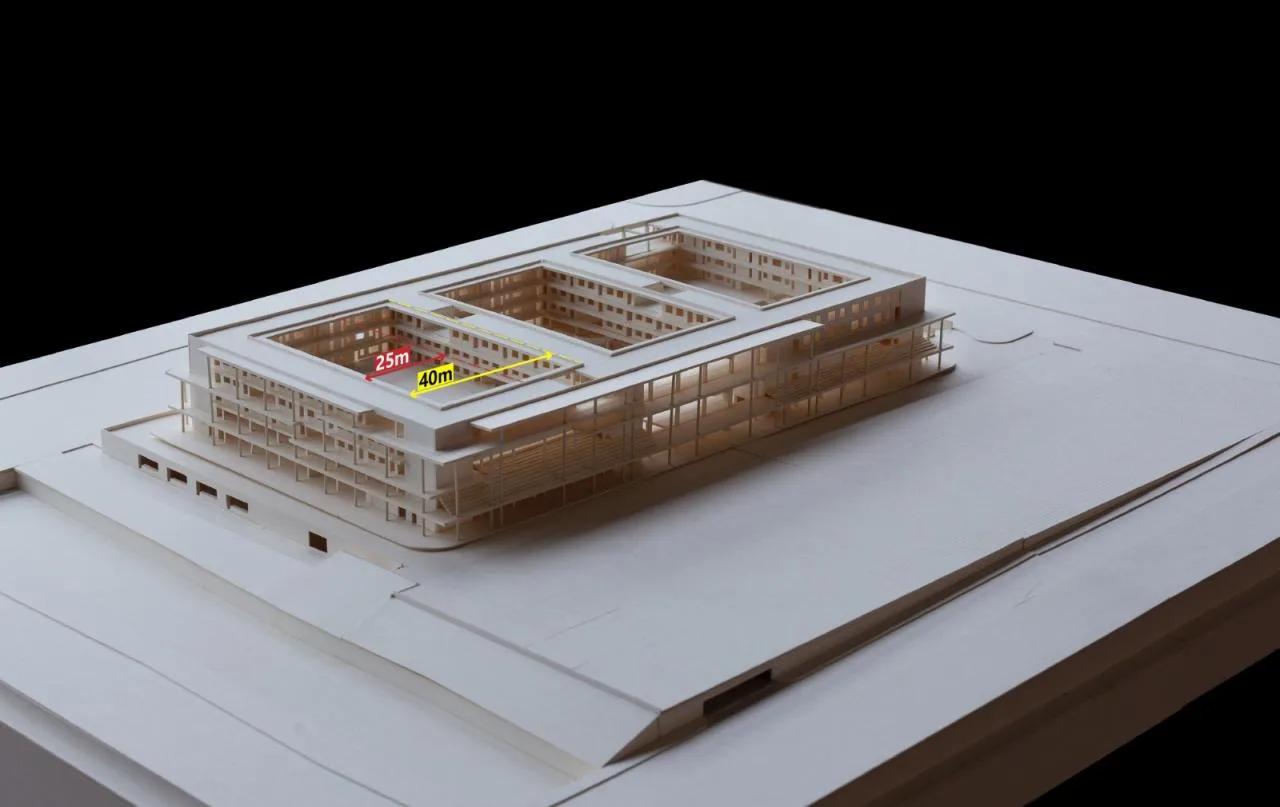
△ Model diagram
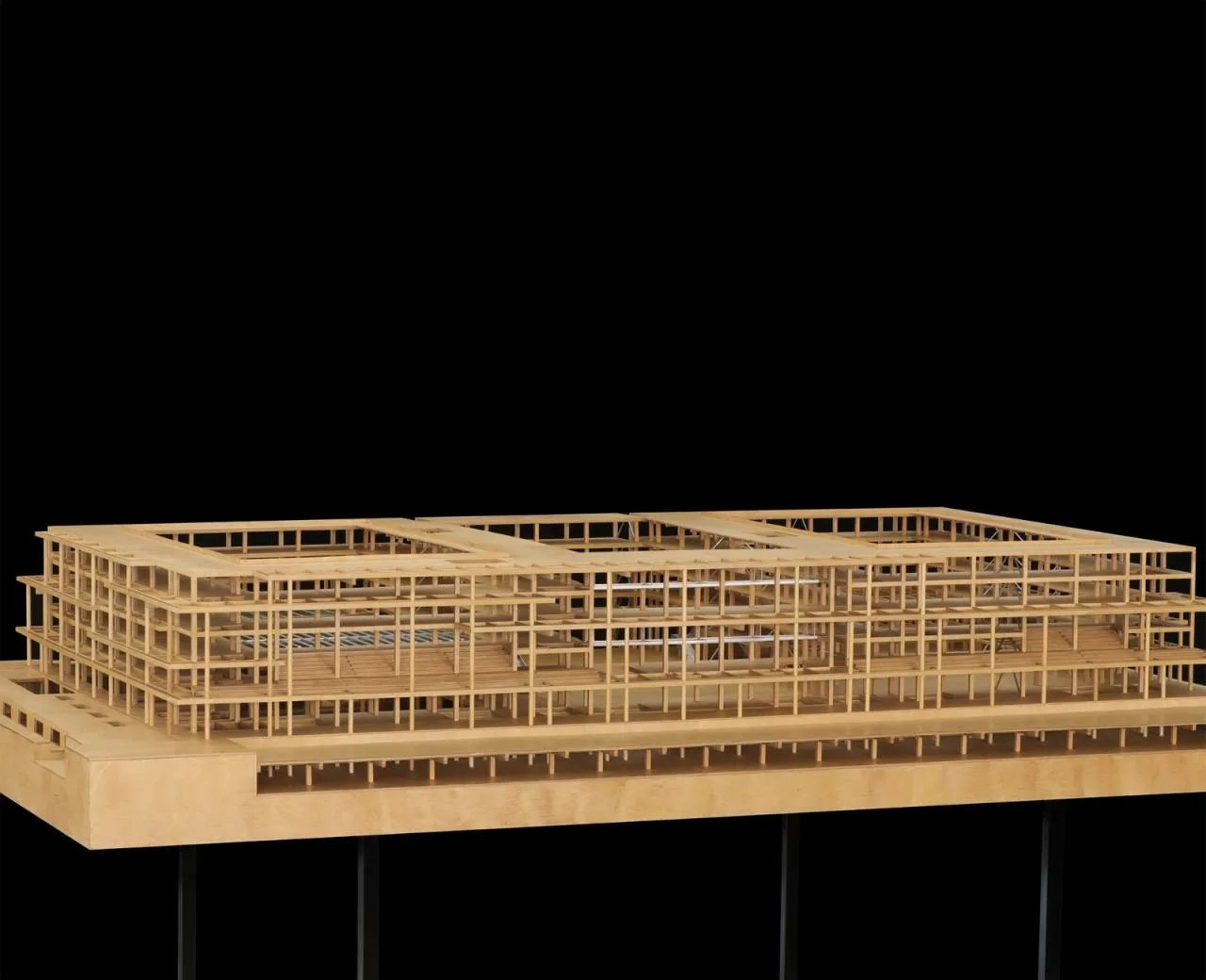
△ Model diagram
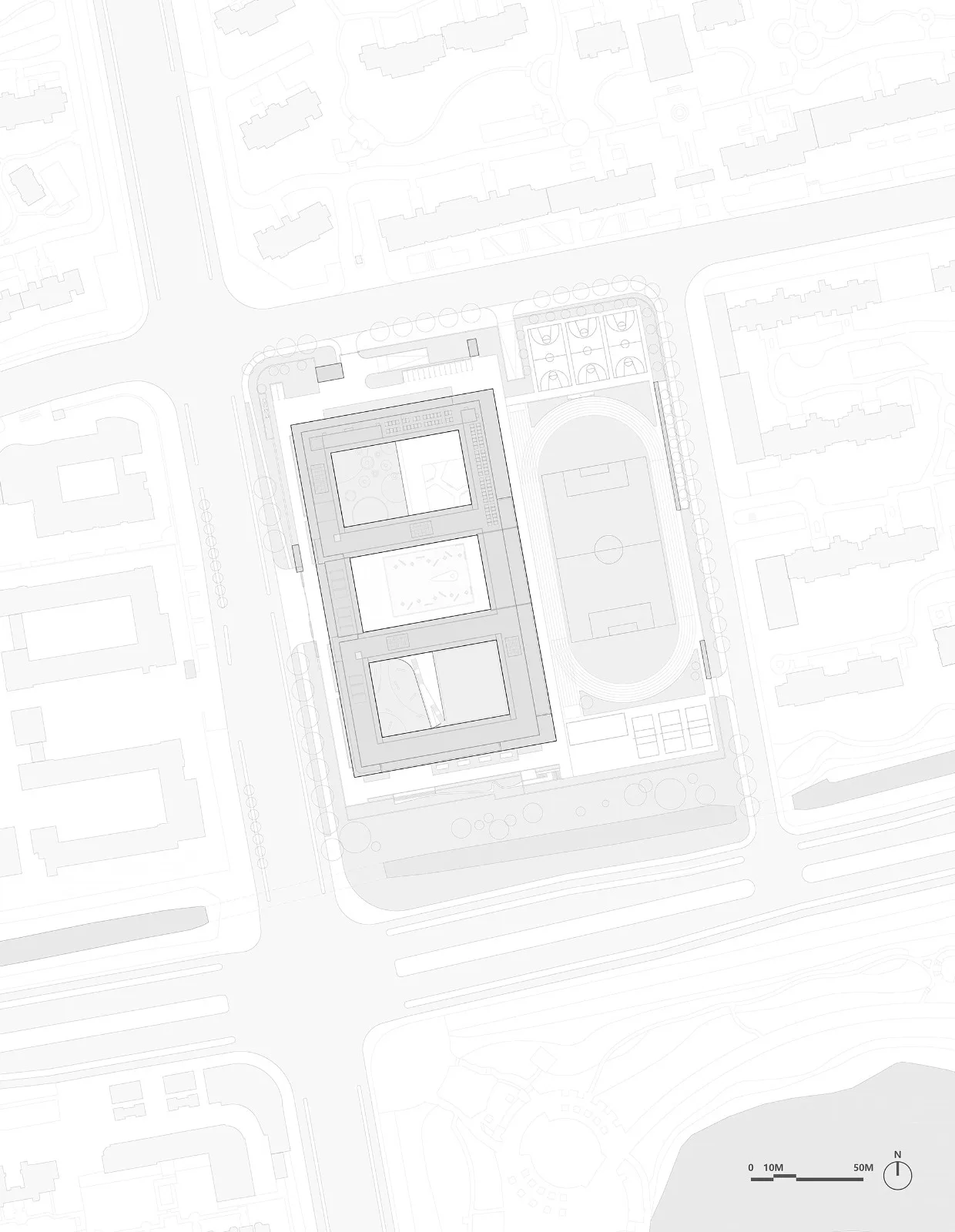
△ General layout plan
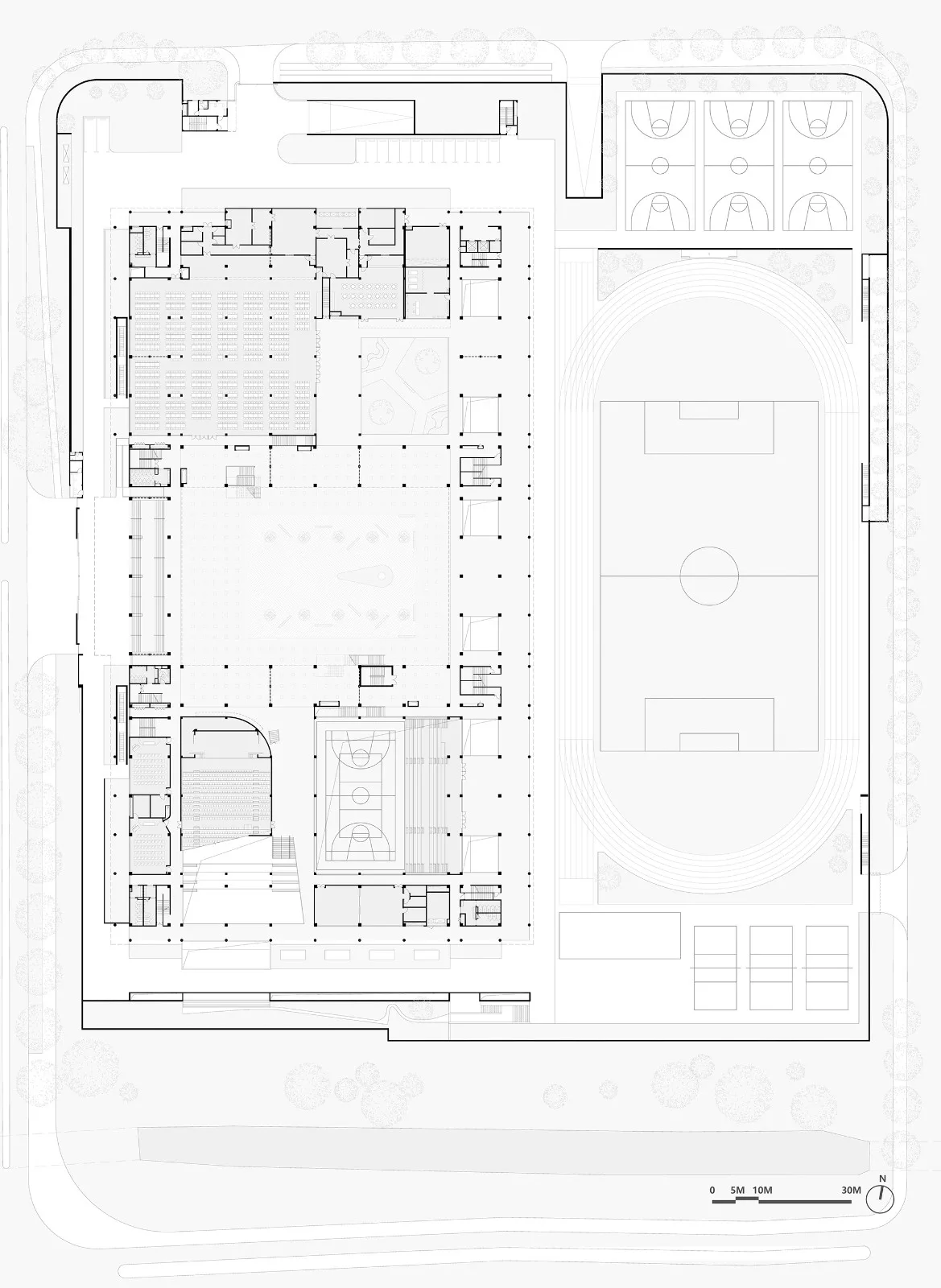
△ First floor plan
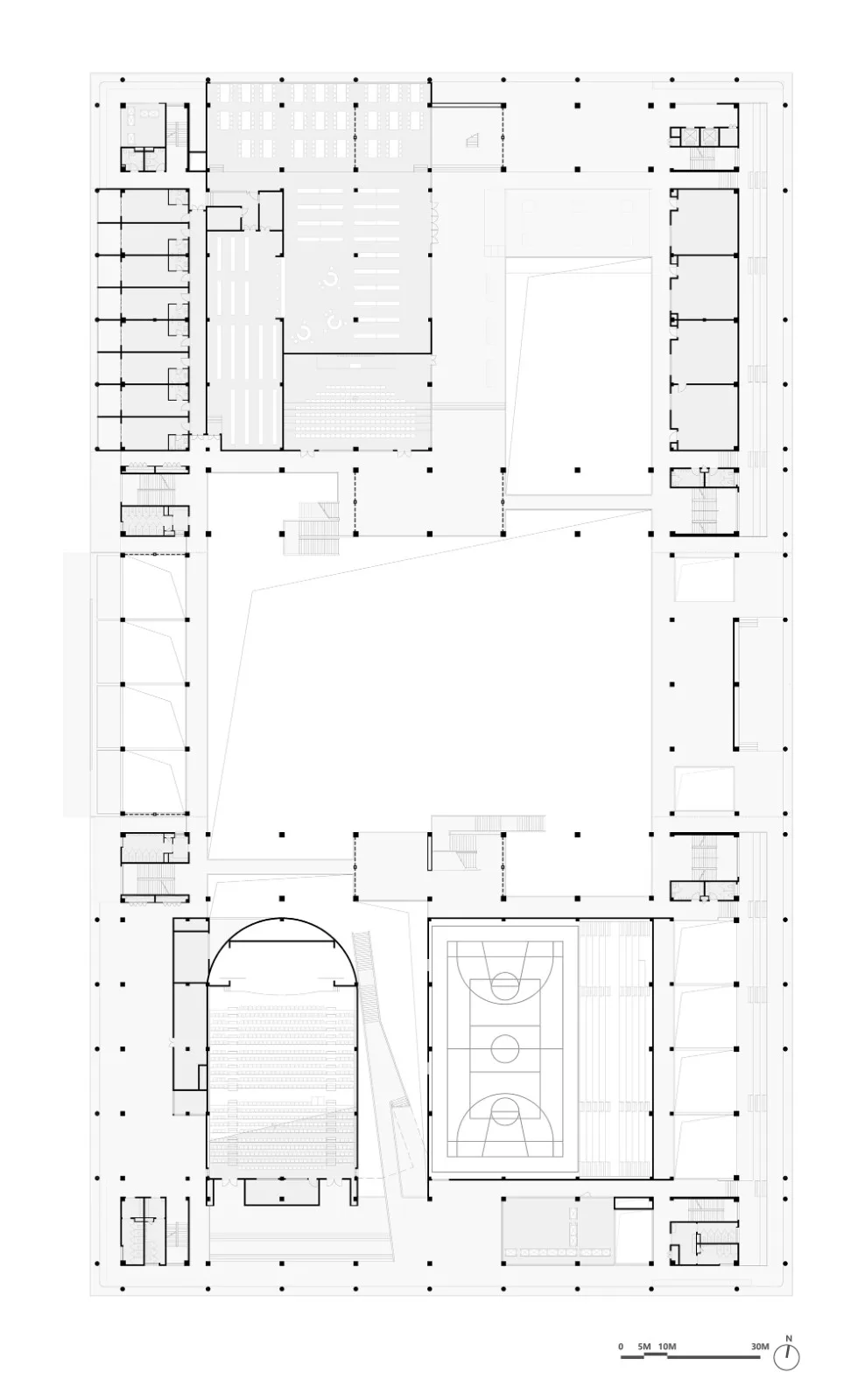
△ Second floor plan
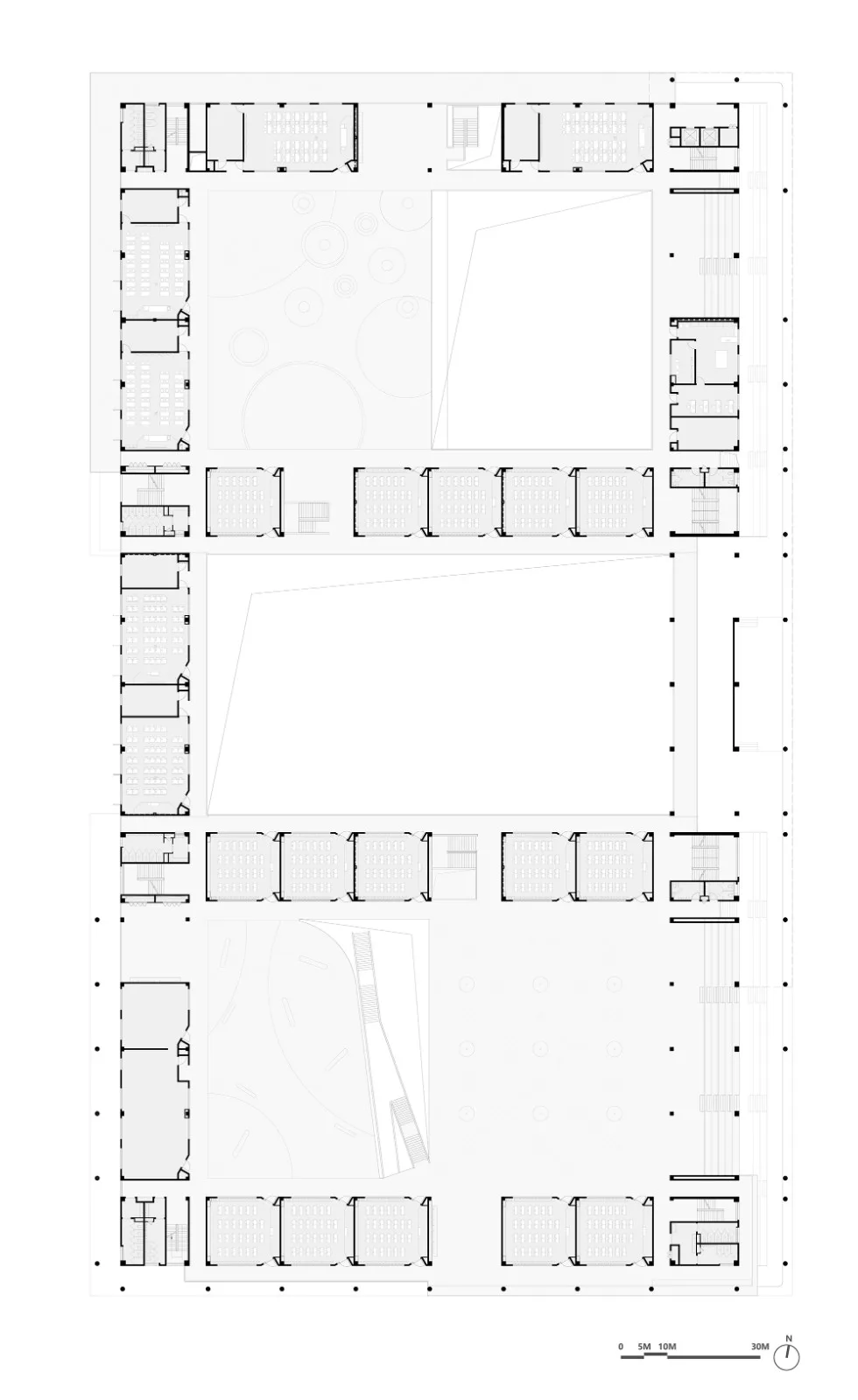
△ Third floor plan
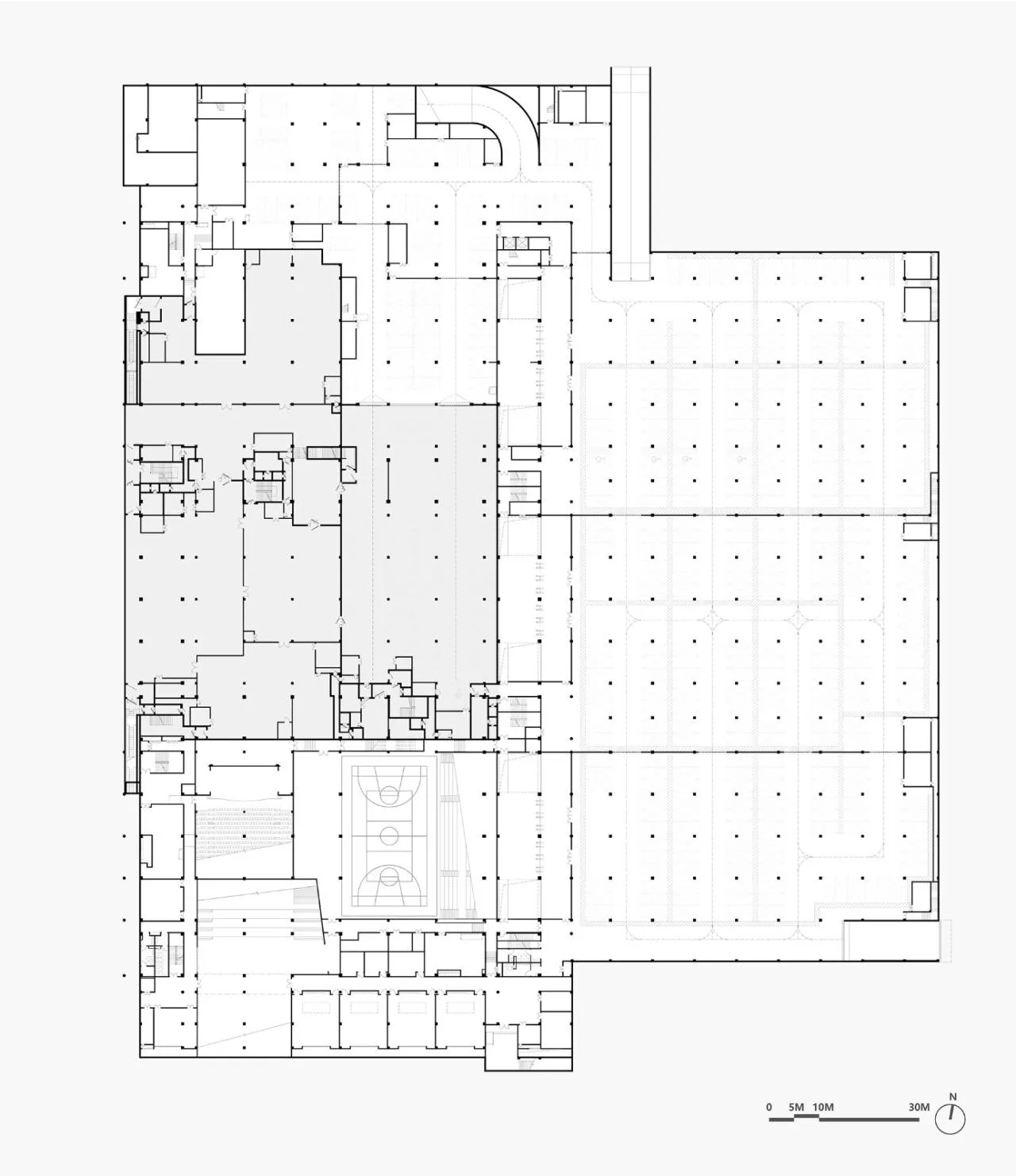
△ Underground floor plan
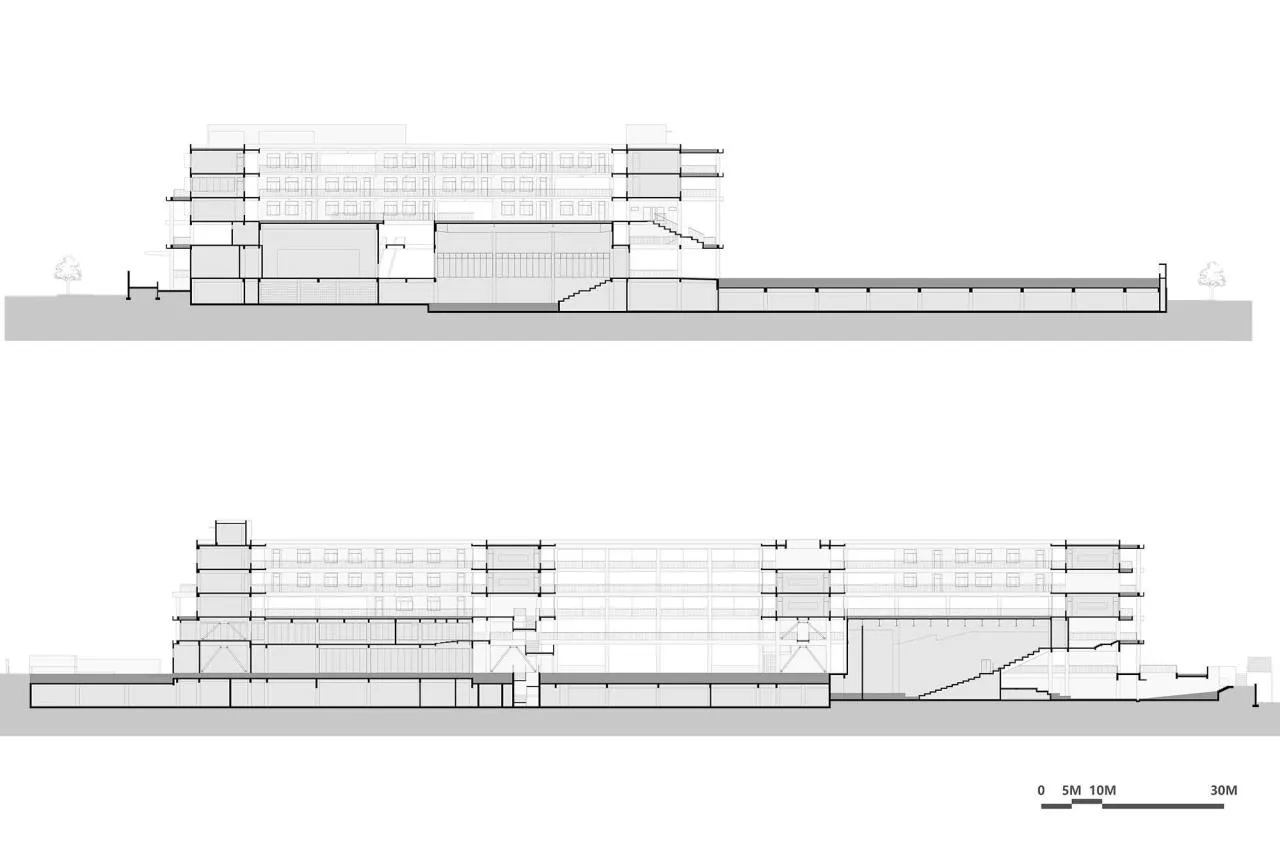
△ Section diagram
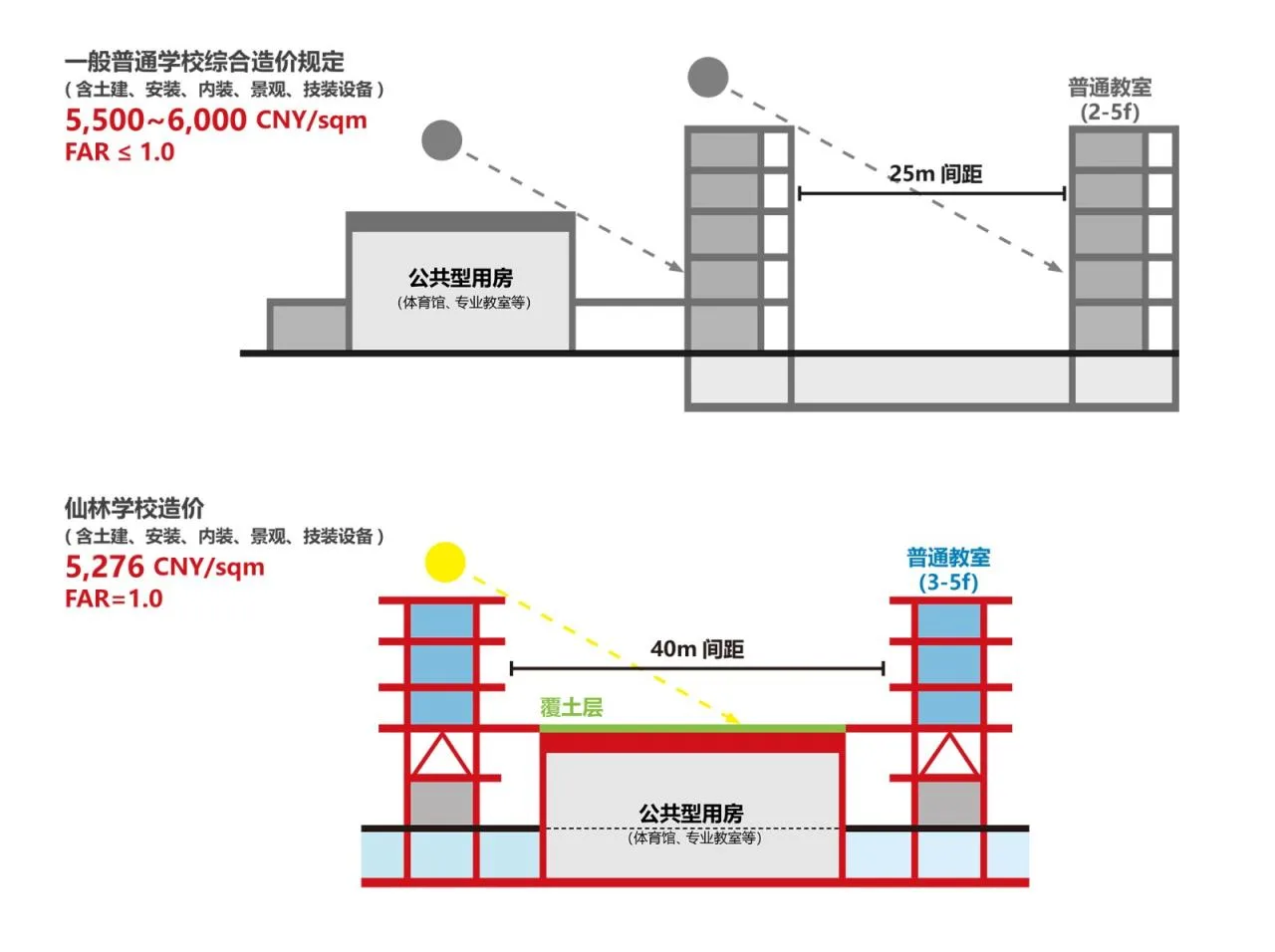
△ Analysis chart
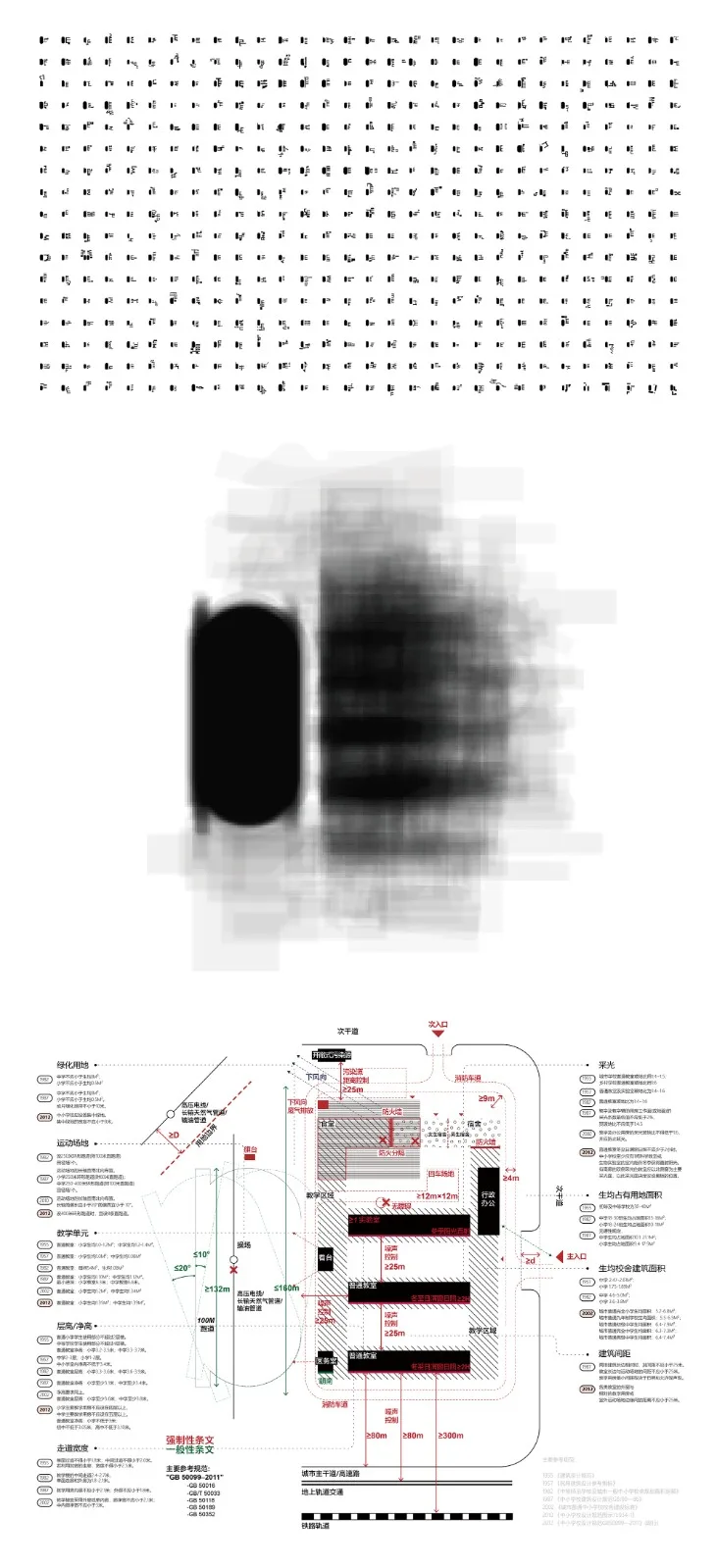
△ Overlap vs. Strong Ranking
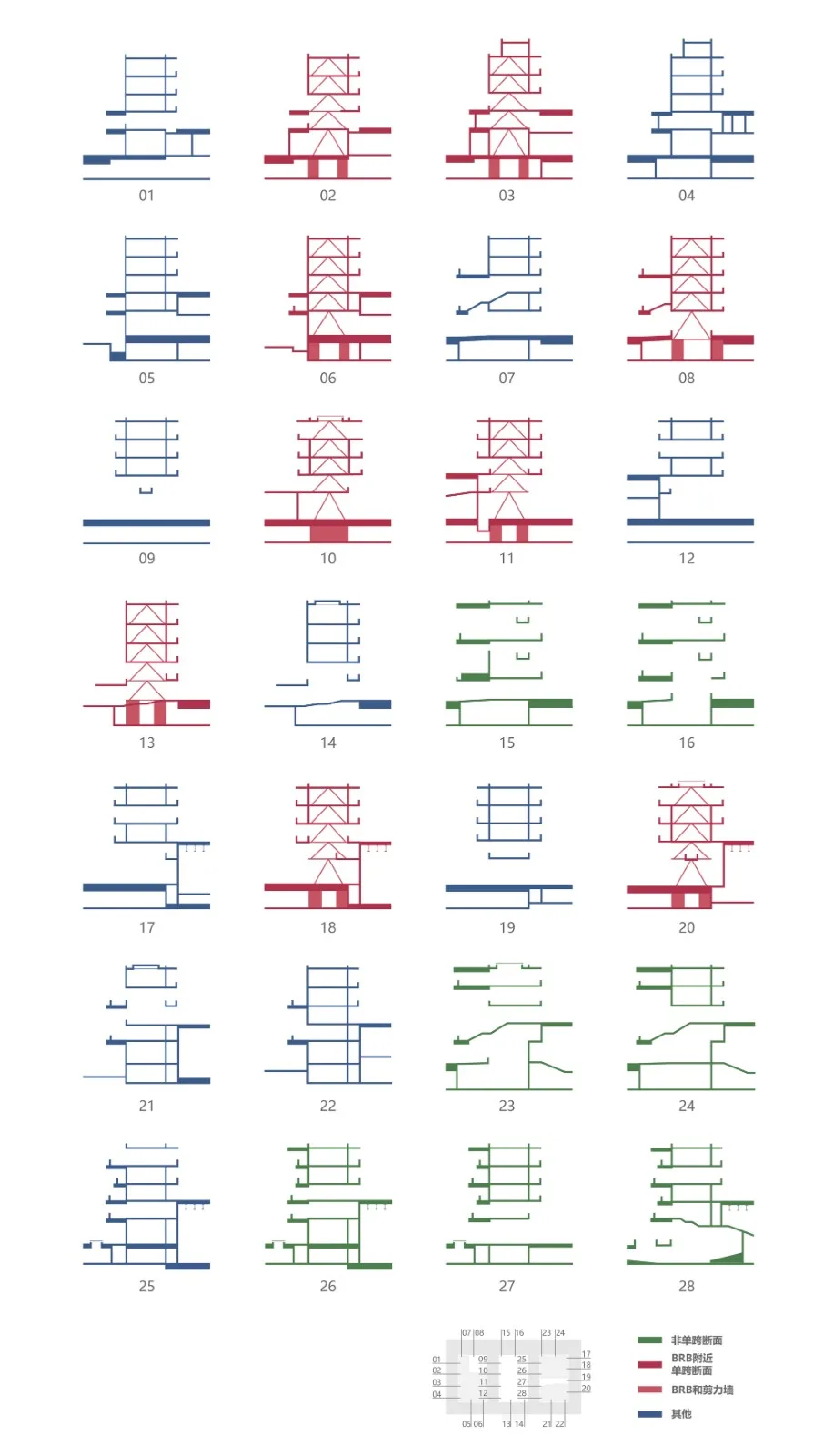
△ Profile sequence
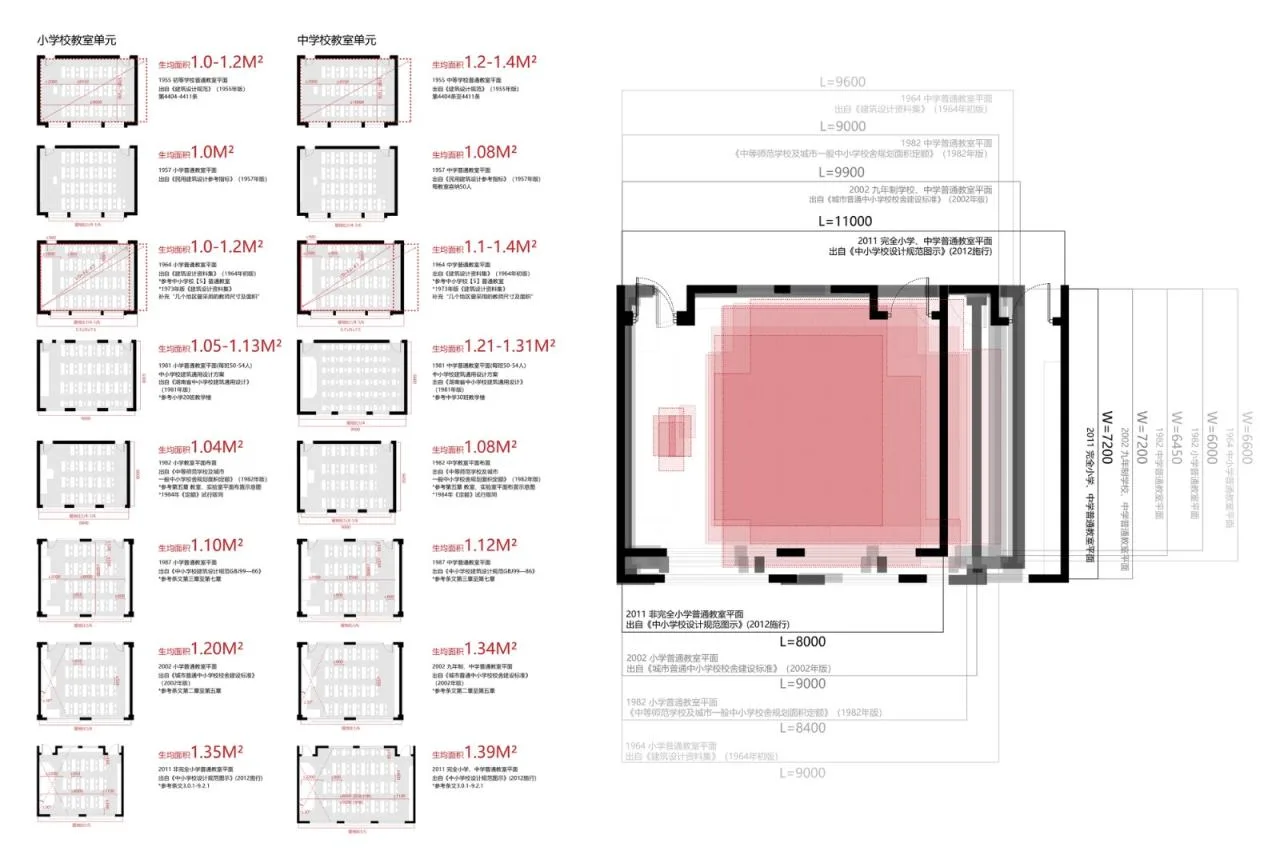
△ Large Classroom Unit Standard Atlas
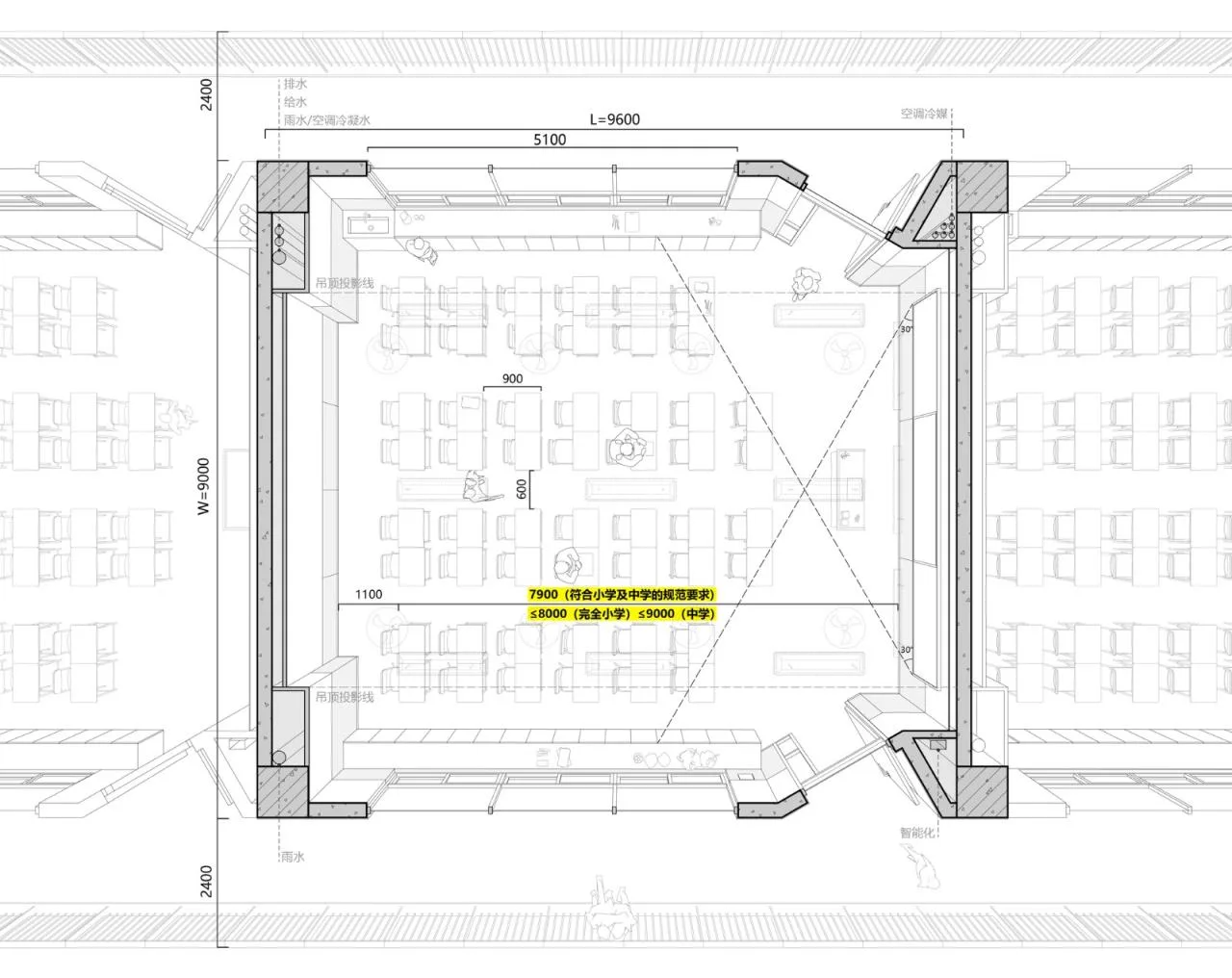
△ Xianlin School Classroom Unit
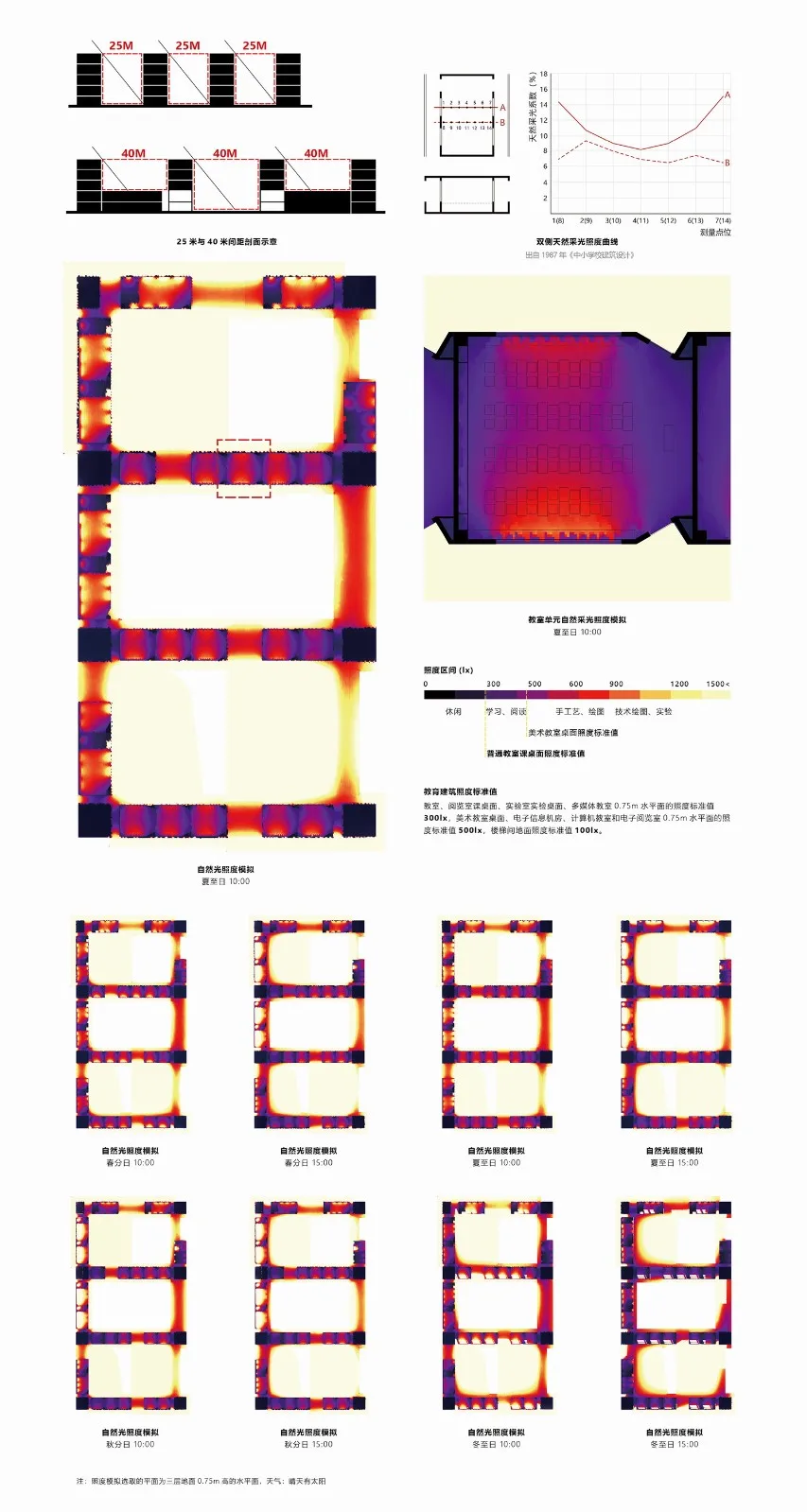
△ Lighting analysis
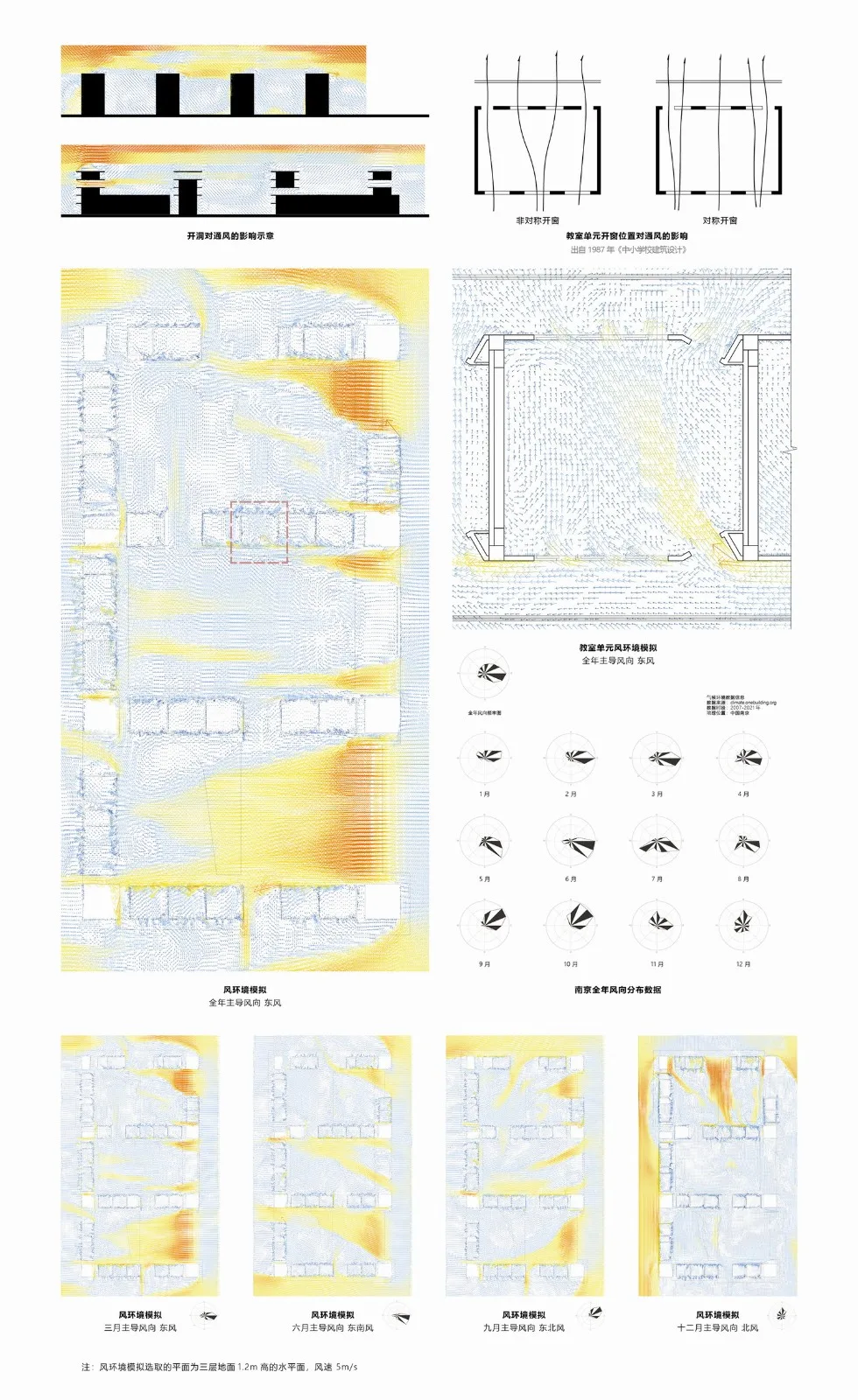
△ Ventilation analysis
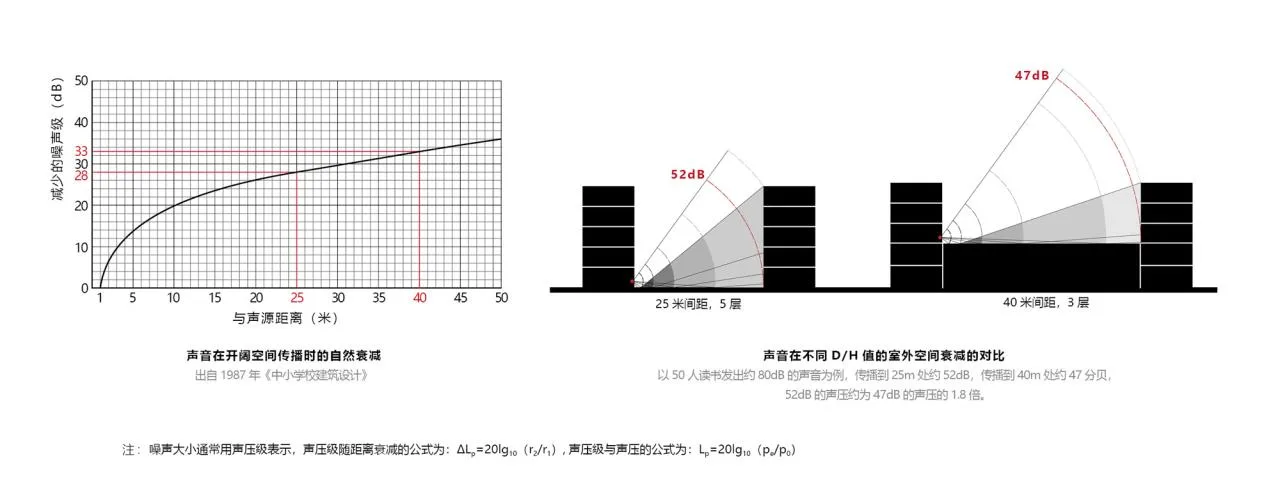
△ Noise research
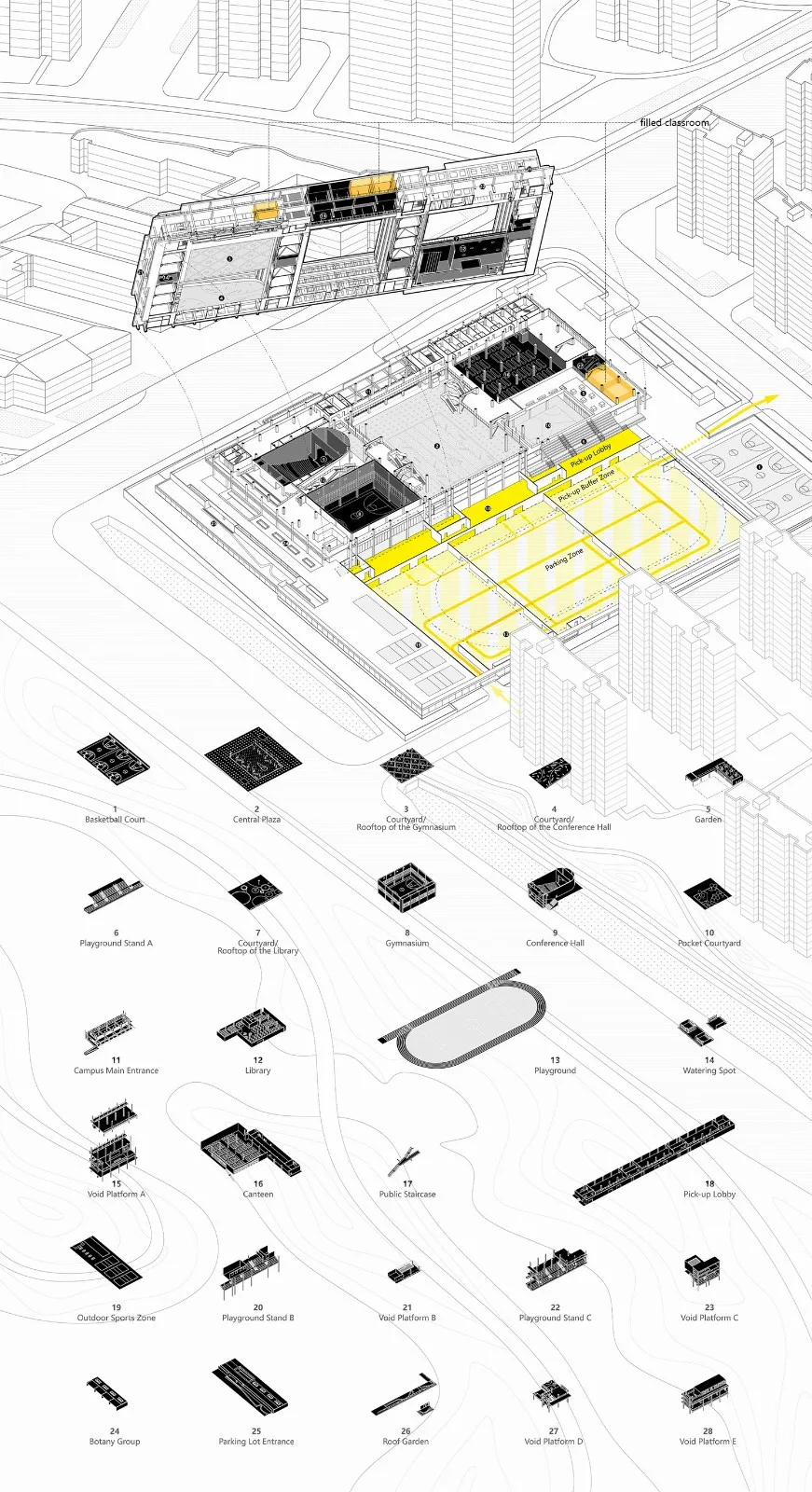
△ Multidimensional plane

△ Analysis chart
Project Information
Architect: Yanfei Architectural Firm
Area: 61,749 m²
Project Year: 2022
Photographers: Su Shengliang, Yanfei Architectural Firm, Chen Hao
Manufacturers: CIMIC, Fusite, Weichang Aluminum
Lead Architect: Shui Yanfei
Project Architect: Wang Haocheng
Design Team: Zou Yongjun, Xu Hanhua, Song Jingjing, Li Gege, Zhou Guyang, Ye Ying, Shi Mingyu, Ao Fei, Qing Siyuan (on-site), Hu Xinyu, Jian Shihan, Tan Jiaqi, Li Wenwei, Li Hao, Lv Yuan, Chen Zhenjie, Jae Sok Surh, Gao Junyi, Zhang Yijia, Zhou Jian, Zhang Shuotong, Mao Yujun, Wei Minglu, Sun Jing, Deng Junwen (intern), Song Yuqi (intern), Ma Chenzhong (intern), Jiang Tianyilan (intern), Lu Yongting (intern), Fan Jiawei (intern)
Research Team: Li Gege, Wang Qin, Zuo Zhuangzhuang, Wang Haocheng, Zou Yongjun, Qiu Yilin, Chen Zhenjie, Zhang Xiang, Li Hao, Ding Kaiyi (intern)
Structural Consultant: Hezuo Structural Architecture Research Institute, Zhang Zhun, Hezuo Structural Architecture Research Institute
Project Type: Educational Architecture
Construction Units: Nanjing Xianlin University Town Management Committee, Nanjing Xianlin Development Investment Group Co., Ltd
Construction Agency: Nanjing Urban Construction Management Group Co., Ltd
Collaborative Design Institute: Nanjing Changjiang Urban Architecture Design Co., Ltd
Construction Party: China Construction Eighth Engineering Division Co., Ltd
Location: Nanjing City














Must log in before commenting!
Sign Up