
00 Background
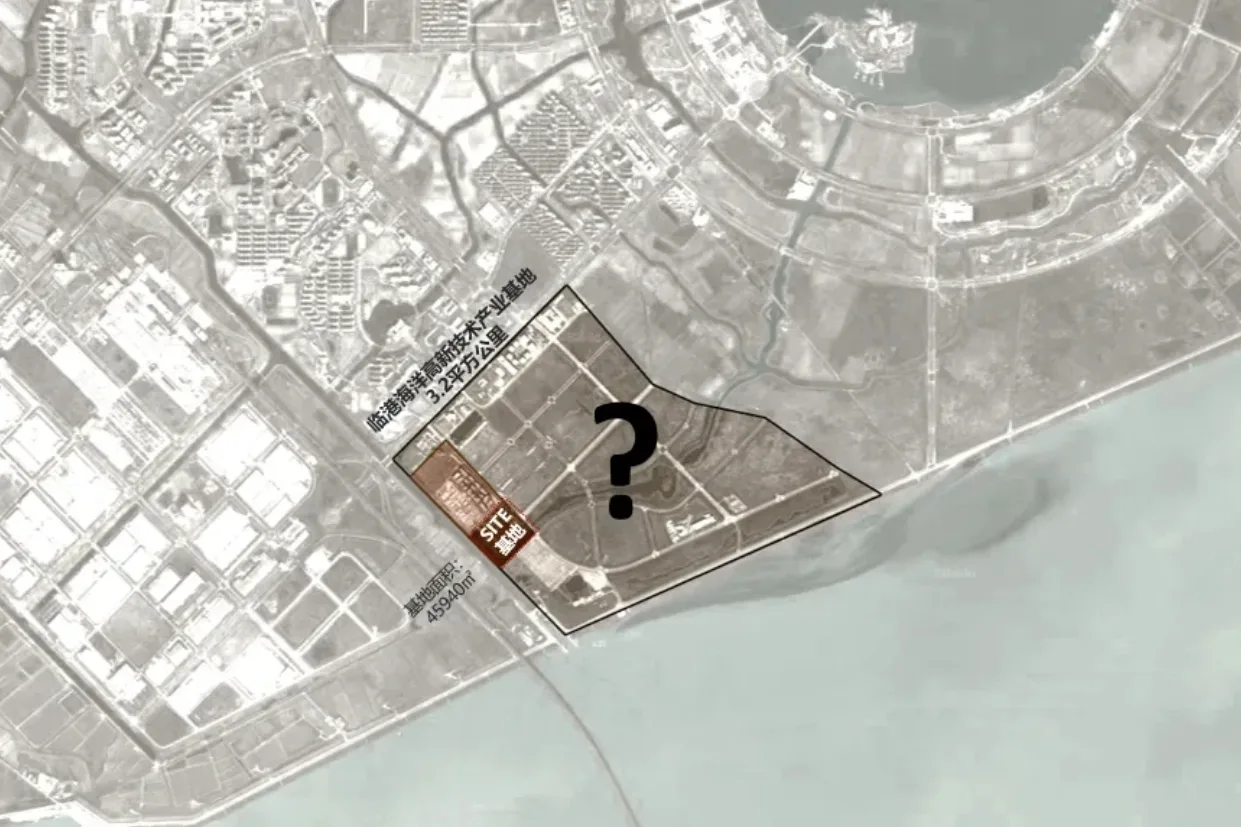
The China (Shanghai) Pilot Free Trade Zone Lingang New Area is situated in southeast Shanghai, bordered by Pudong International Airport to the north and Yangshan International Hub Port to the south. Since its establishment in 2019, it has played a vital role in connecting global markets. Combining international elements, Lingang has become a competitive and integrated free trade port city.
FTA has been deeply involved in Lingang’s development since 2017, with several projects established in the area. In 2018, FTA took on the role of design general contractor for the third phase of the Lingang Sea Cube Science and Technology Park project. This involved coordinating multiple professional fields, including architecture, structure, landscape, interior, and mechanical and electrical engineering. The project’s total investment is approximately 1.07 billion yuan, covering a planned construction area of about 137,000 square meters. Focused on the marine technology industry, FTA designed a modern, smart innovation community that integrates headquarters offices, technology services, and cultural life.
01 Goal: Creating a New “Smart Sea Collaborative Zone”
Located within the Lingang International Innovation Cooperation Zone, this area is central to the development of Shanghai’s marine industry, following the “two cores, three belts, and multiple points” strategy. It supports the national strategy of building a maritime power and Shanghai’s global positioning as a major city.
As part of the effort to build a “global ocean center city,” the third phase of the Sea Cube Science and Technology Park is designated as scientific research and design land (C65). It focuses on production and pilot testing, distinguishing it from the first two phases. Innovation in institutional mechanisms is crucial for achieving deeper and broader openness. Following the principle that “professionals do professional things,” FTA has set the goal of “Smart Sea Collaboration” to promote the integration of talent, intelligence, and the marine industry, enabling cooperation across industry, education, ecology, and regional transformation in marine technology.
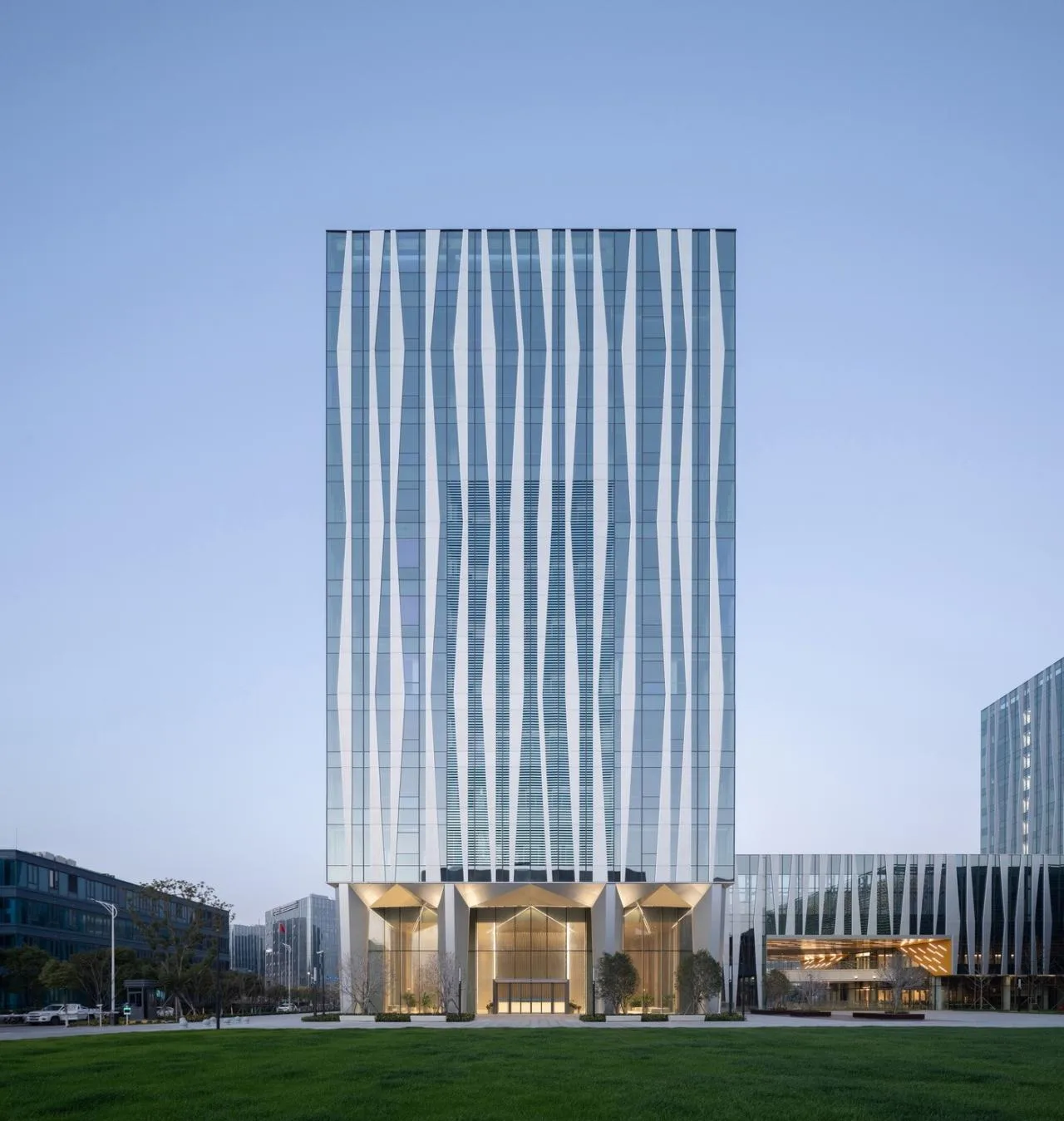
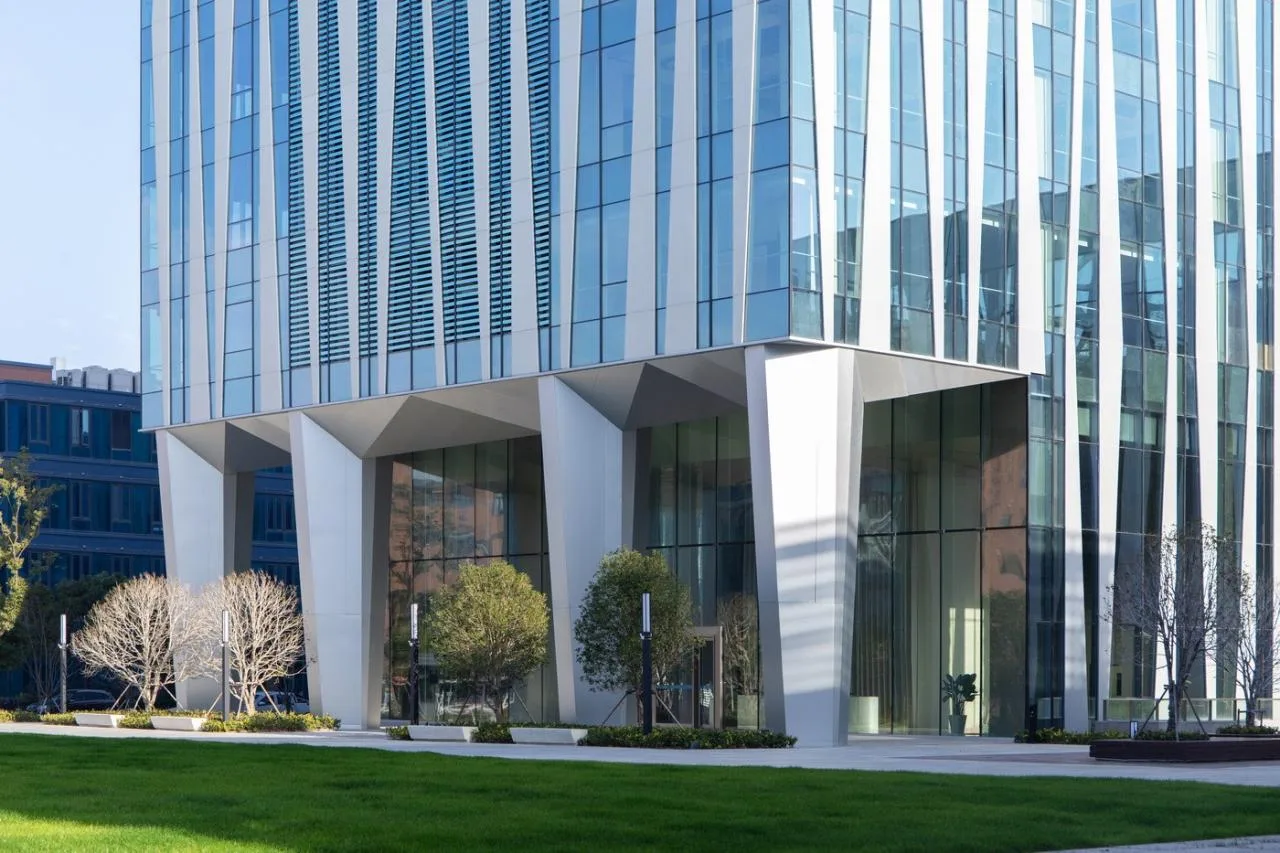
Lingang Sea Cube Technology Park (Phase III)
Stable land policies and the growth of advanced marine industry clusters demonstrate Lingang’s strong capabilities in land acquisition and development. Efficient resource integration and allocation is another key focus. The third phase of the Sea Cube Science and Technology Park is dedicated to advancing marine engineering equipment and strategic emerging industries. It will accelerate the establishment of marine high-tech industrial bases, foster marine scientific and technological resource aggregation, and facilitate R&D incubation and achievement transformation.
FTA’s professional team concentrated on three critical challenges in the project, focusing on a “top-down” design approach:
- How to enhance scientific and technological innovation to boost overall industrial efficiency
- How to collaborate with industries from the first and second phases to achieve industrial synergy and upgrade
- How to improve the park to become a livable future city integrating industry and urban life
The key to addressing these challenges is to stay “active.”
02 Creating Three Vitalities
/Industrial Vitality/
Mobilize resources and integrate industry, academia, and research to form a powerful industrial hub.
Building a strong maritime nation requires accelerating the transformation of oceanic energy and making deep-sea high-tech the focal point of marine science competition. Industrial vitality is essential for forming an industrial magnet. The area hosts a leading marine intelligent manufacturing industry centered around the International Intelligent Manufacturing Center. Haifang supports high-precision, cutting-edge industries focused on deep-sea marine technology. Surrounding institutions include the Rainbow Fish Marine Research Institute, Shanghai Haosi Marine Biological Fast Technology Co., Ltd., the Comprehensive Business Support Base of the East China Sea Branch of the State Oceanic Administration, Tongji University’s Key Laboratory, and the Marine Science and Technology Square. Together, these entities foster deep-sea technology, marine biology, industrial services, research, and exchange, creating a dynamic industry ecosystem.
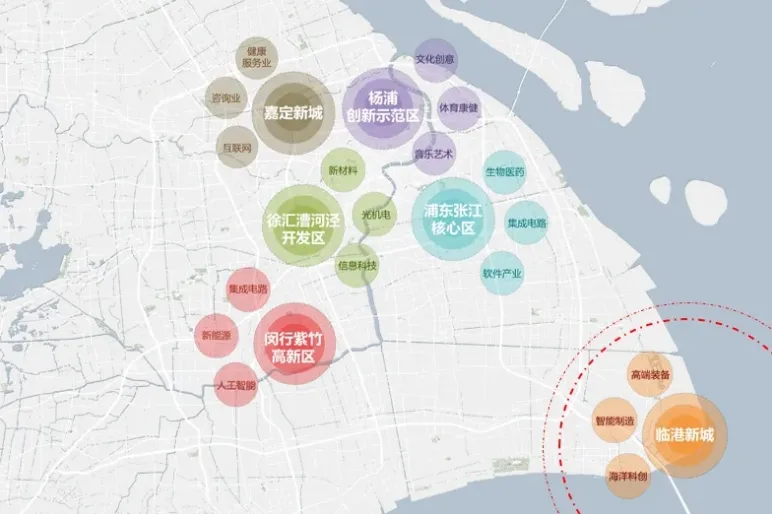
The region’s rich scientific and educational resources are another highlight. The project is adjacent to Shanghai Maritime University, Shanghai Ocean University, Shanghai Electric University, and multiple provincial and ministerial key laboratories and research bases. Surrounding residential, commercial, educational, and medical facilities offer strong potential for talent attraction. To support scientific research transformation, technology achievement transformation bases are established, rapidly introducing leading technologies through innovation platforms to enhance marine industry agglomeration—key to the “living water” of both industry and city.
As a natural extension of the industry, Sea Cube Phase III emphasizes adaptability, focusing on major sectors such as deep-sea technology, marine engineering equipment, and intelligent manufacturing. It aims to build an integrated “industry-university-research” system that combines absolute industrial advantages with abundant educational institutions, research centers, and R&D personnel.
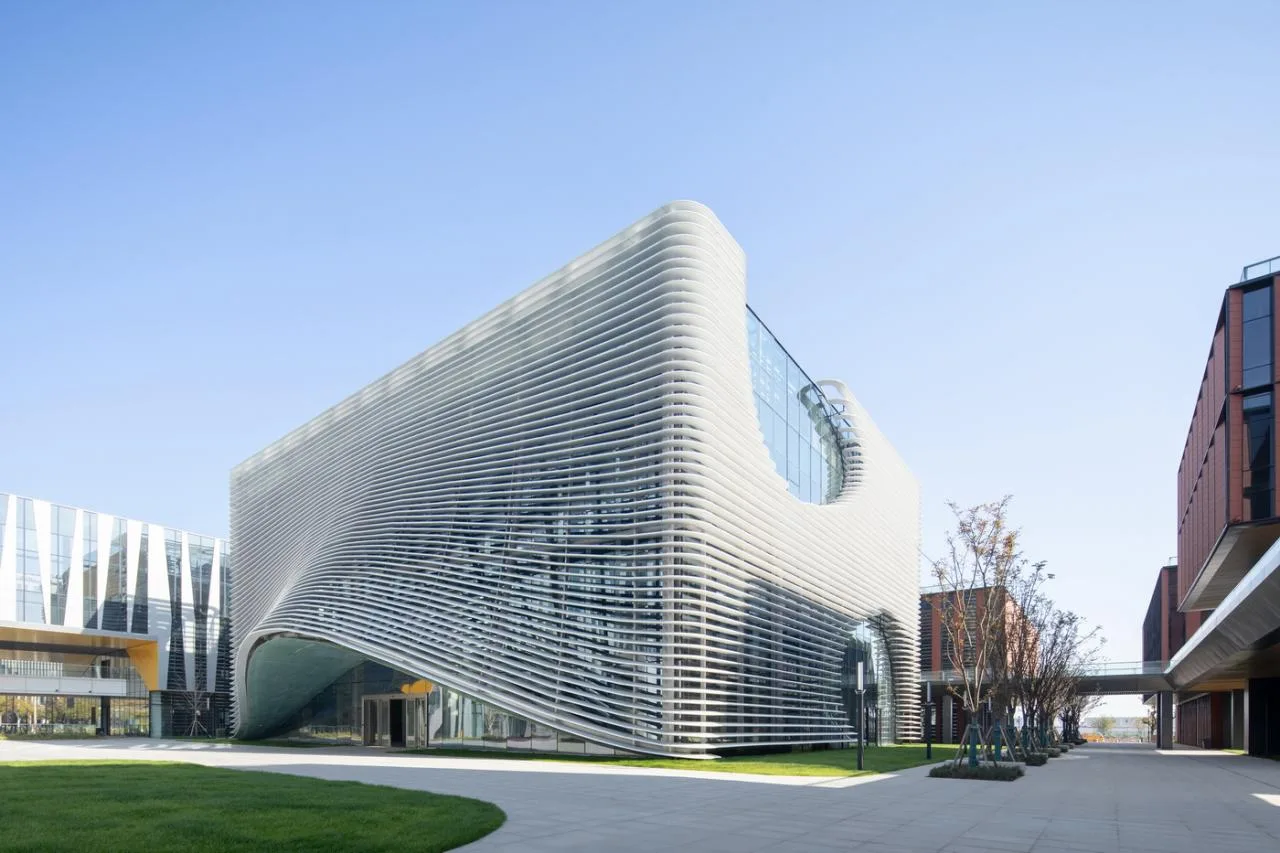
The exhibition center in the central connecting zone provides a hub for communication.
/Spatial Vitality/
Promote active talent engagement and create a vibrant lifestyle hub through mixed-use communities.
Attracting talent is only the first step; retaining talent requires creating an appealing lifestyle magnet based on mixed-use communities. The previous lack of commercial facilities led to a common issue of the industrial park becoming a “ghost town” during off-hours. With Phase III, FTA prioritized future operations by significantly enhancing commercial amenities and public spaces.
Today, this engine drives the rapid growth of specialized industries and technological innovation. Emphasizing high-end marine equipment, science and technology innovation headquarters, life sciences, and intelligent connected vehicles, the area has attracted quality industrial projects like Pudong Software Park and Peiyuan Electronics. Commercial amenities such as KFC, Tim Hortons Coffee, and Shenhuicheng Sports have been introduced, creating a thriving industrial community with projected annual revenue exceeding 5 billion yuan.
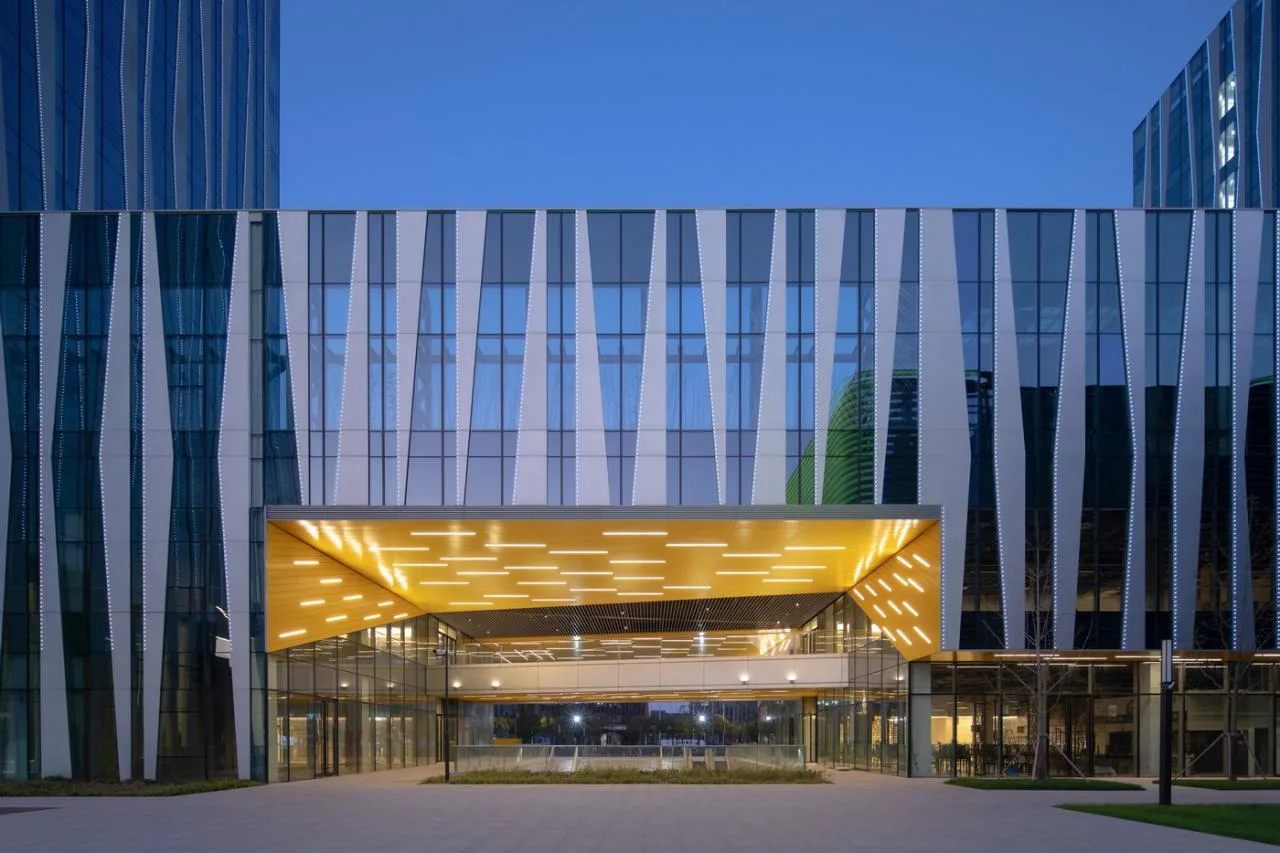
△ Vibrant commercial facilities with a focus on lifestyle
Traditional functional cities, once easy to design and manage, now face challenges balancing multiple functions. The “third space”—unconventional workplaces blending work and life—has become crucial. FTA has created multi-functional community spaces integrating research, living, and public interaction to expand the traditional office environment and ecological magnetism, transforming industrial islands into enjoyable innovation neighborhoods.
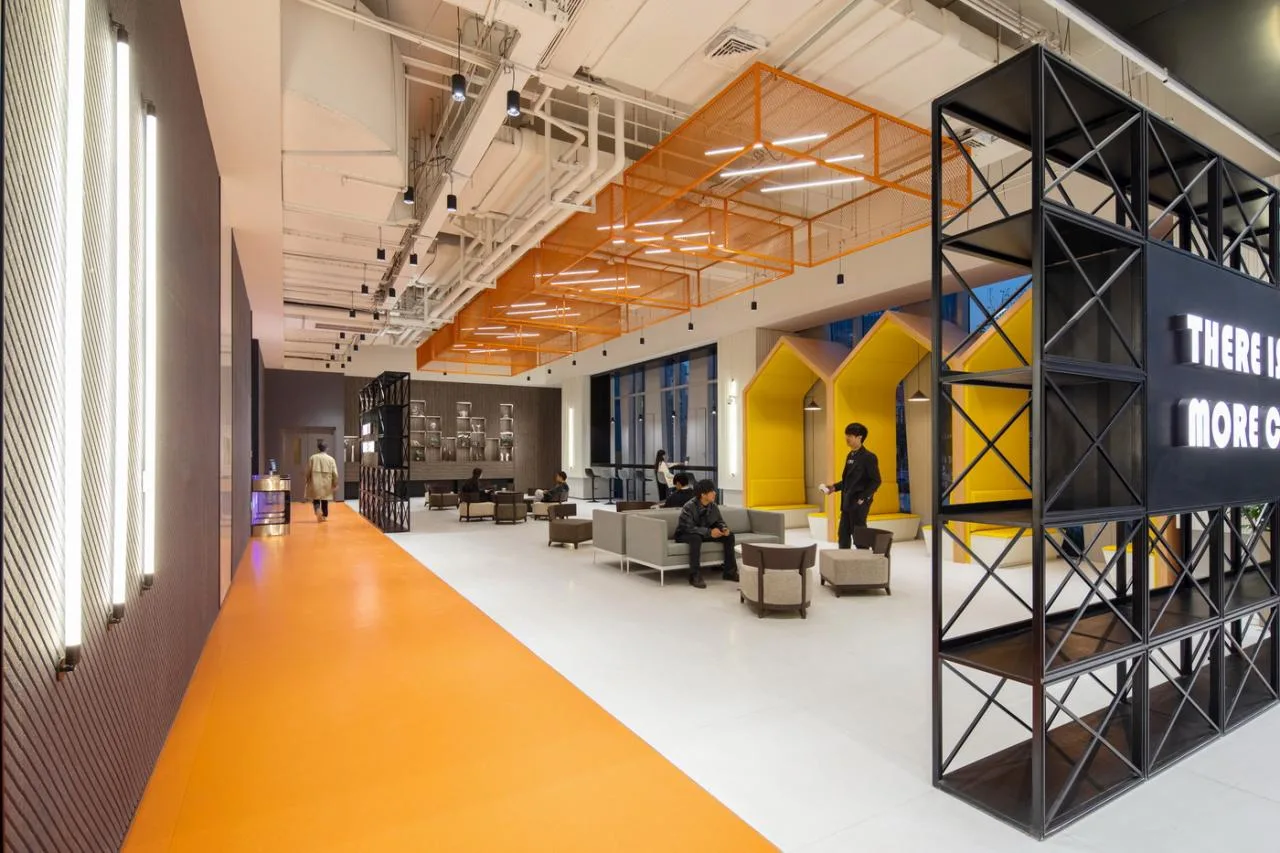
△ Shared reading area in talent apartments encourages negotiation and sparks inspiration
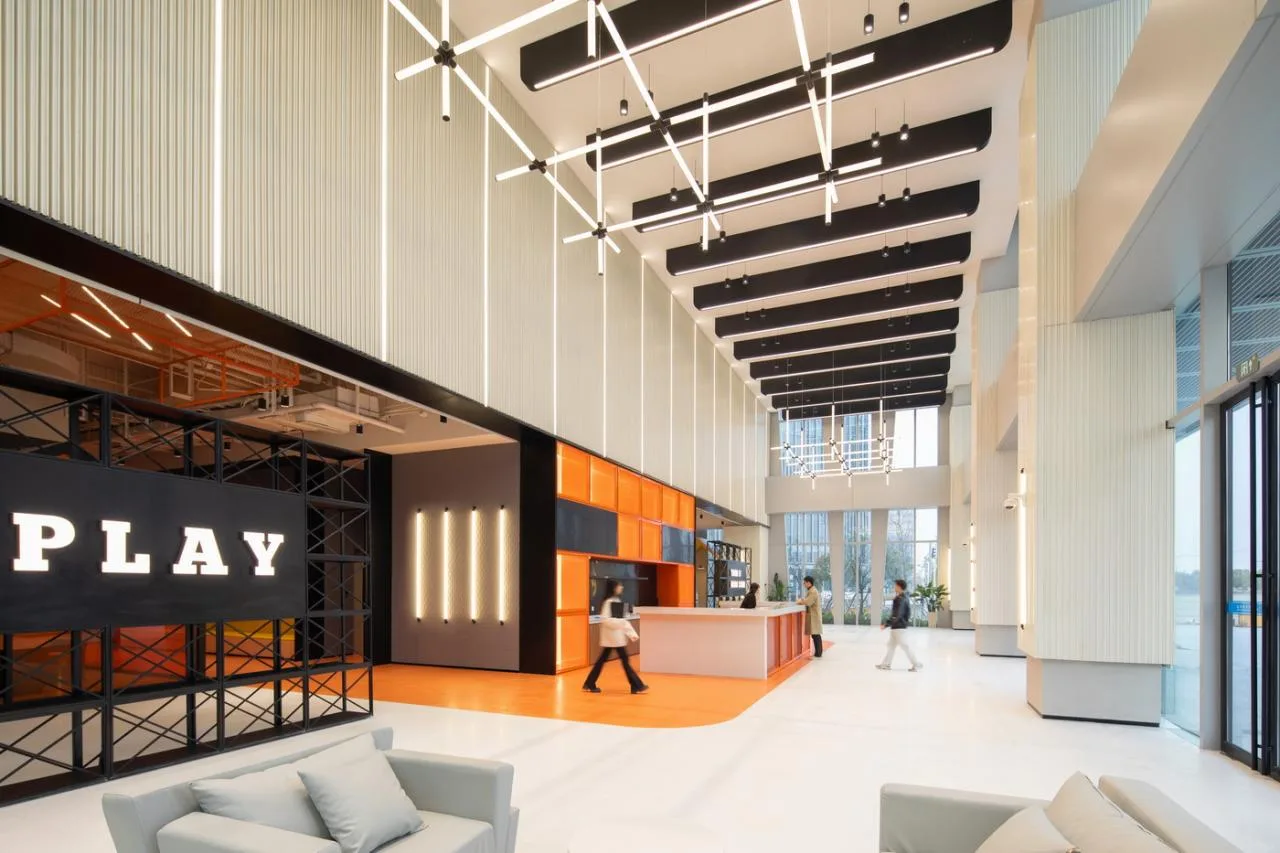
Life+Work+Play seamlessly integrated throughout the community.
/Cultural Vitality/
Linking vibrant living spaces to foster community identity rooted in marine culture.
In a multinational pharmaceutical company’s Beijing headquarters project, FTA designed the indoor space for their new office. Previously, their Fangcaodi headquarters was a popular spot among local internet influencers. The company’s relocation to Zhongguancun aligns with its focus on deep tech enterprises, reflecting the importance of community culture. As times change, cultural ambiance has become increasingly significant.
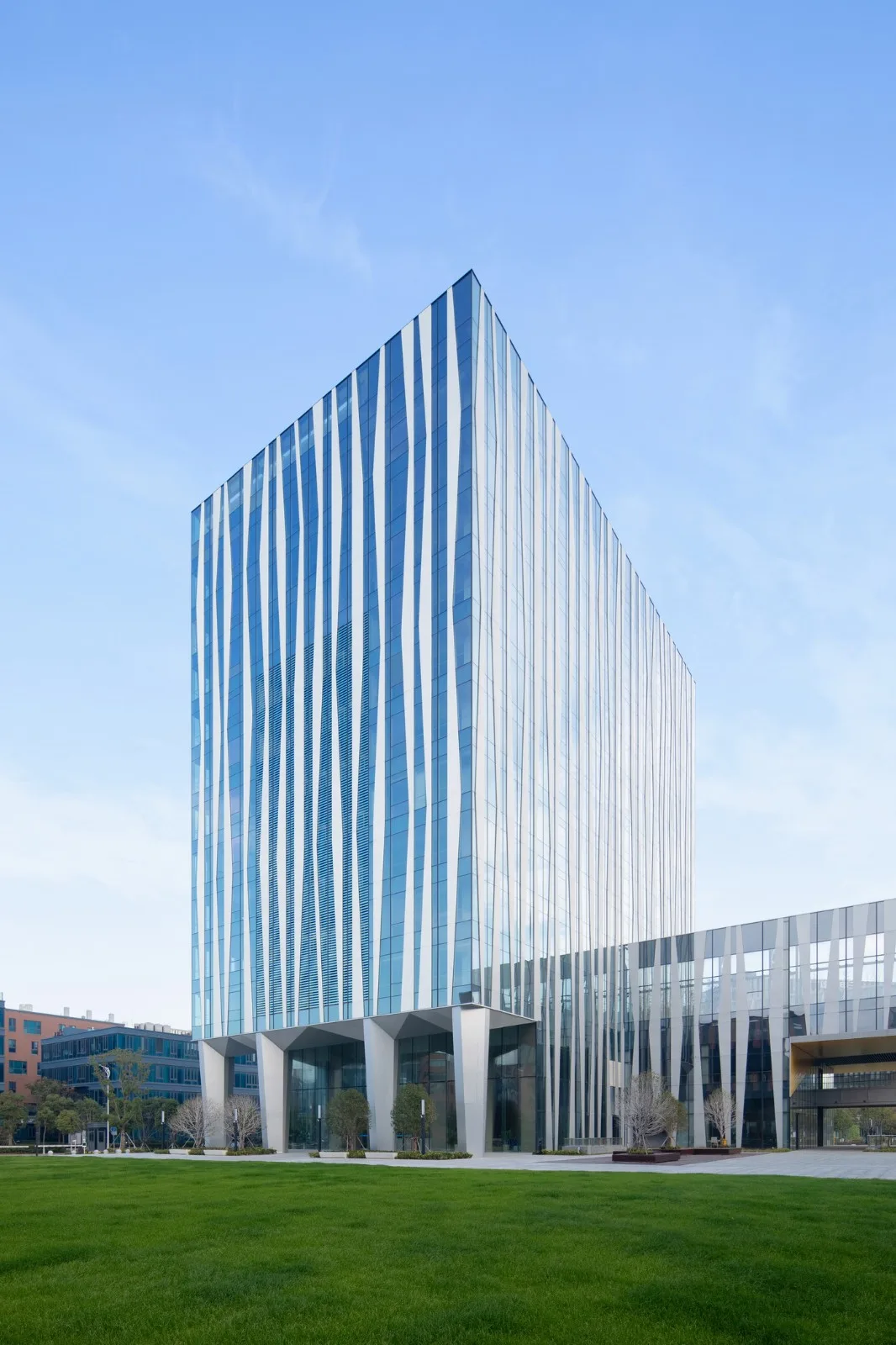
The design incorporates delicate human scale and elegant urban aesthetics, inspired by the ancient Chinese character “water.” High-rise office towers feature abstract hydrological textures etched on light-colored glass curtain walls. Modular glass grids reorganize these elements, blending Eastern culture with poetic expression. This balance of freedom and restraint integrates marine elements into the urban fabric, fostering a cultural identity for talents in the marine high-tech sector. The architects emphasize meticulous selection of every building component, embracing the principle that “small details build the big picture.”
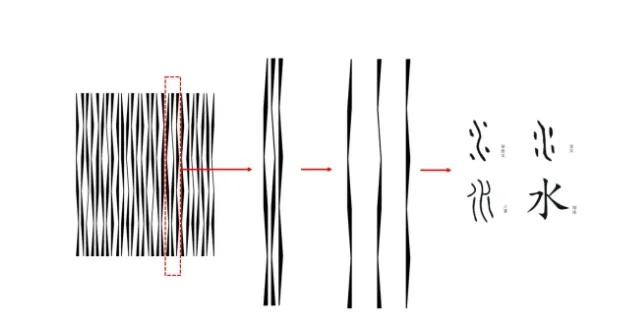
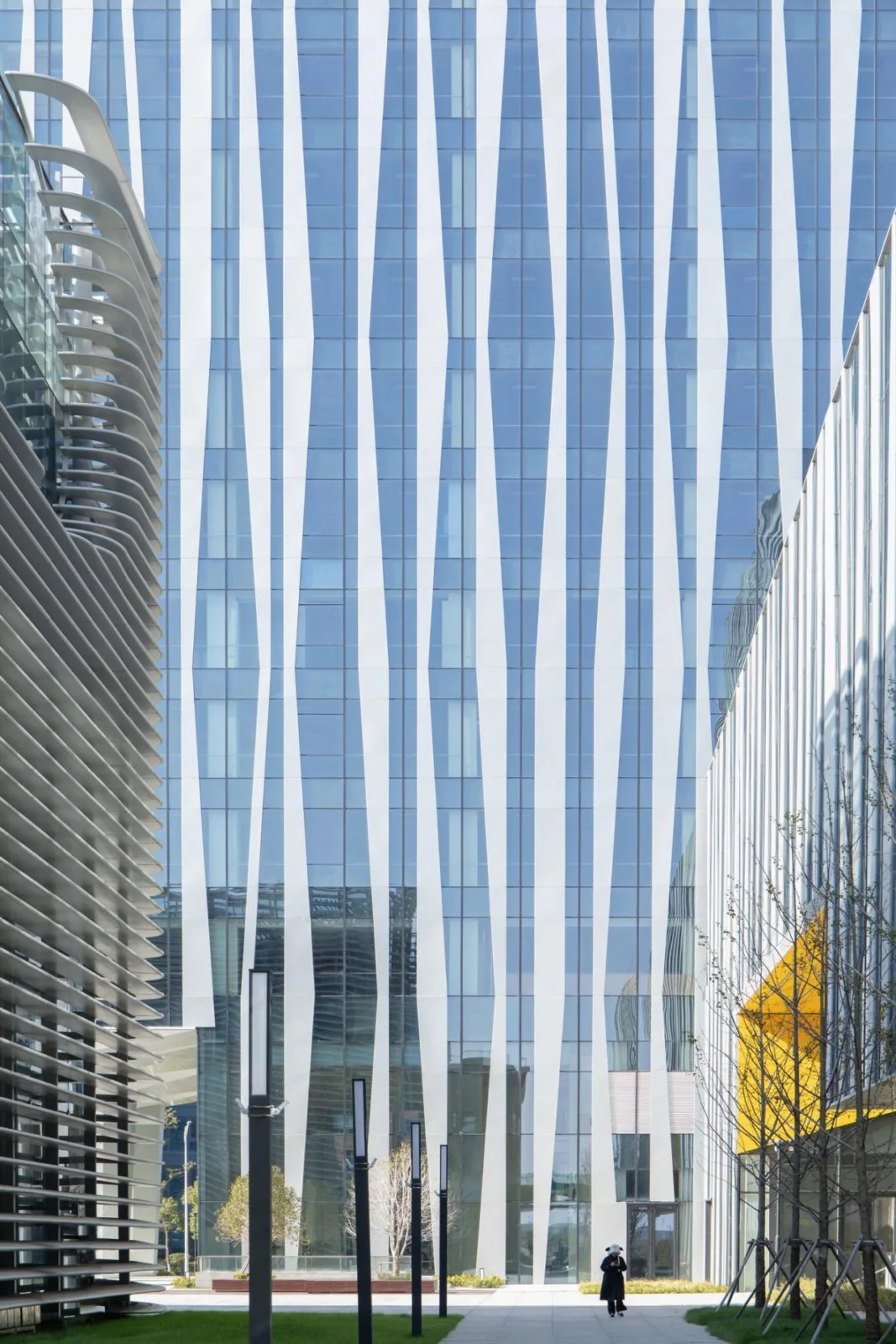
The evolution of the character “water” from ancient Chinese literature is integrated with marine industry culture in the architecture.
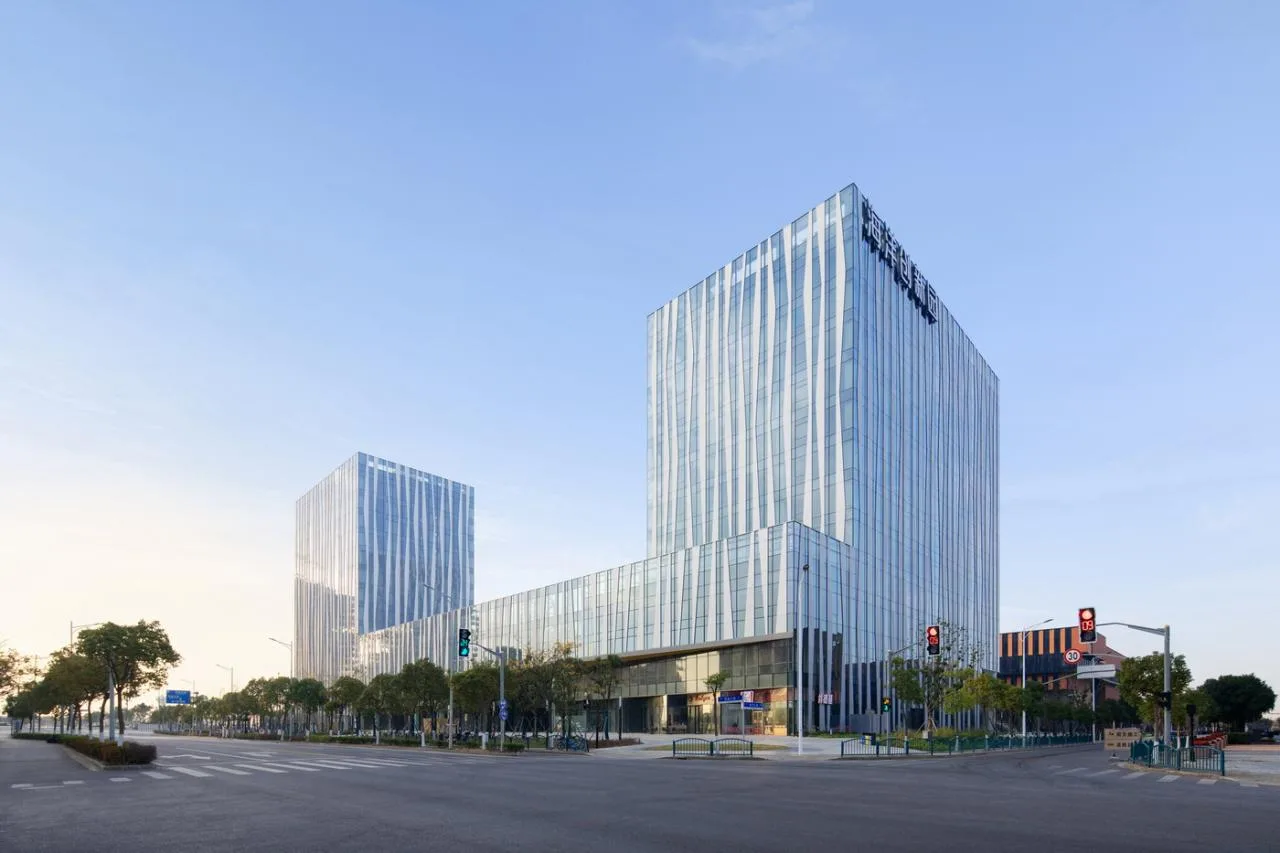
Two high-rise buildings along the main city road enhance the marine technology-themed skyline.
The lobby interior incorporates ocean motifs—from the water curtain front desk to flowing walls and ceilings—creating a warm, relaxed waterfront living room atmosphere.
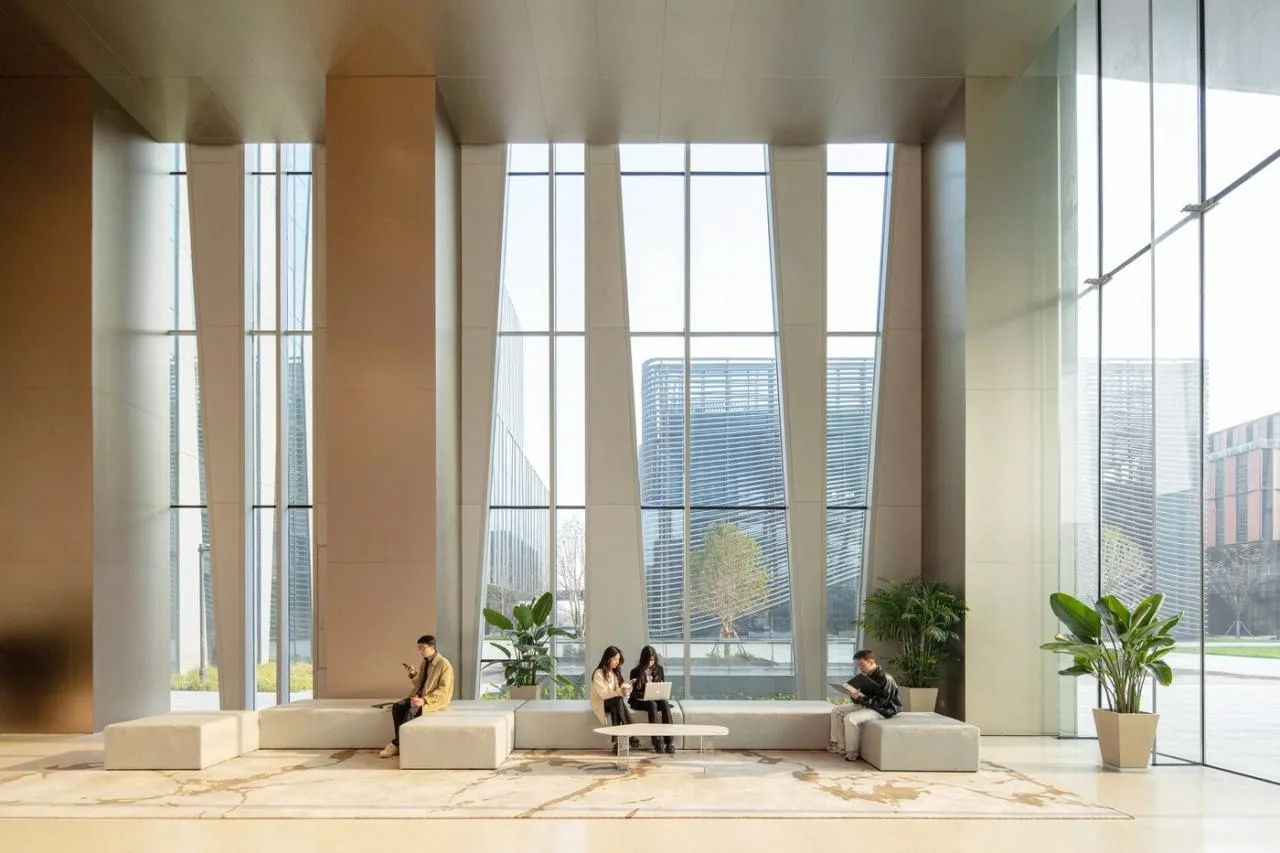
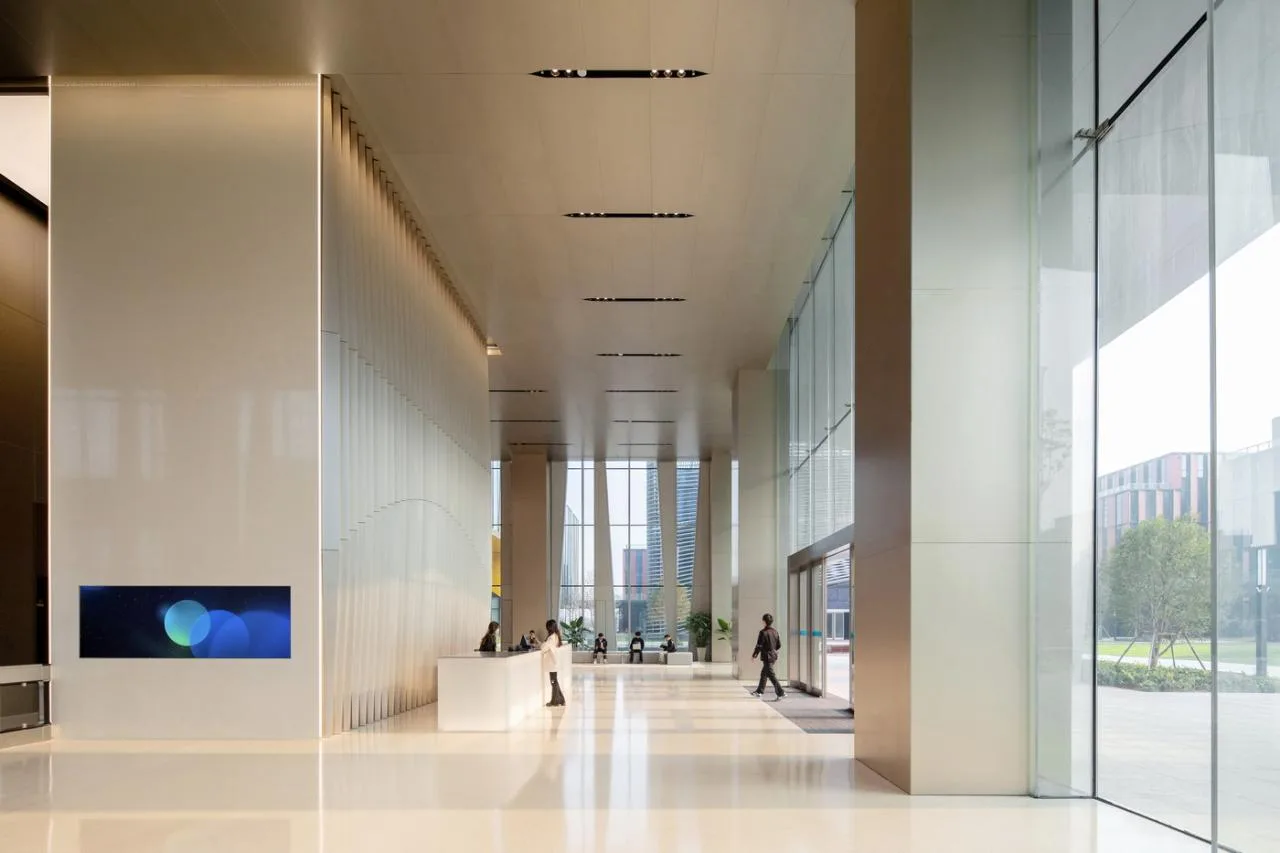
Ocean-inspired elements integrated into the lobby’s interior create an atmospheric, flowing, warm, and relaxed environment.
To meet diverse user needs, the innovation community replaces monotonous, barracks-style industrial parks with distinctive architecture. Warm-toned multi-story buildings are surrounded by lawns, pathways, and water features. Bathed in sunlight, the red pottery cladding embodies the community’s warmth.
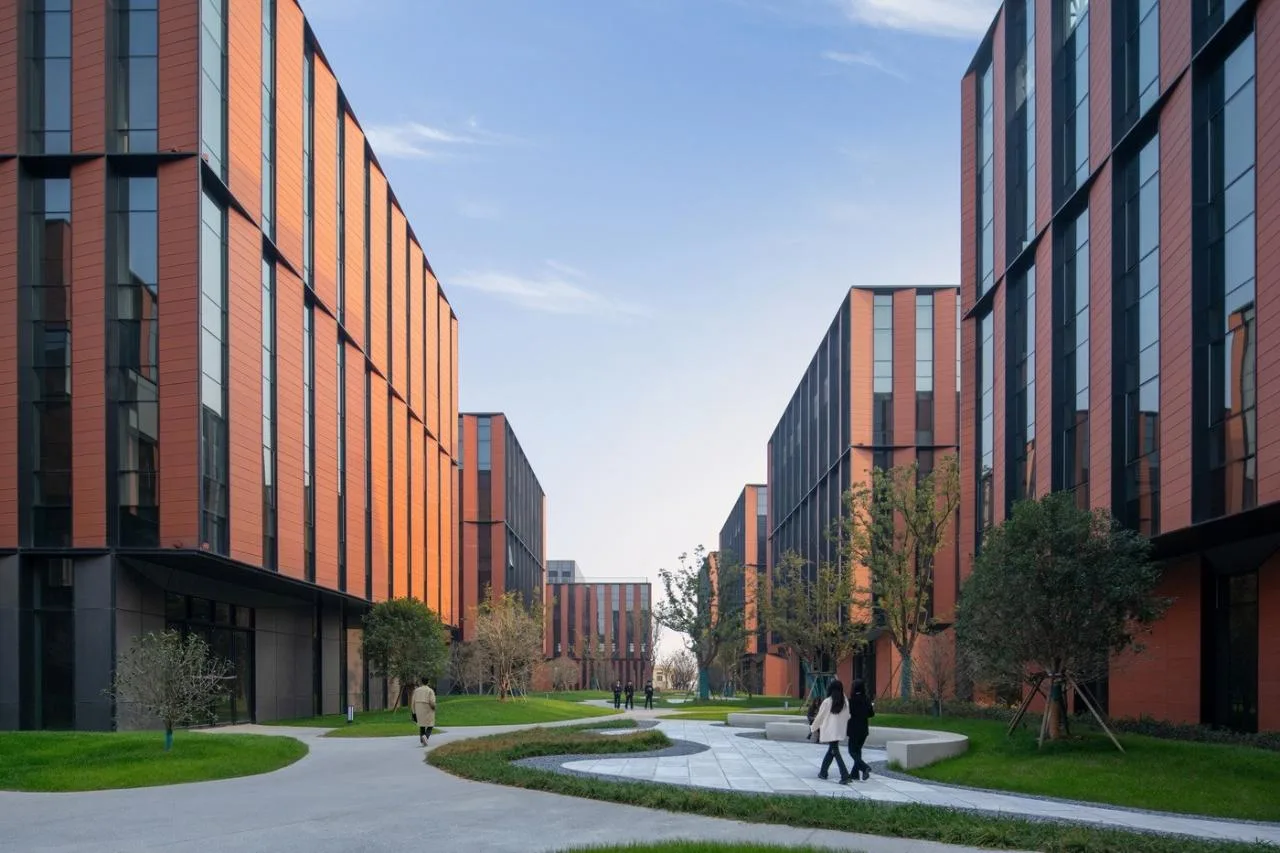
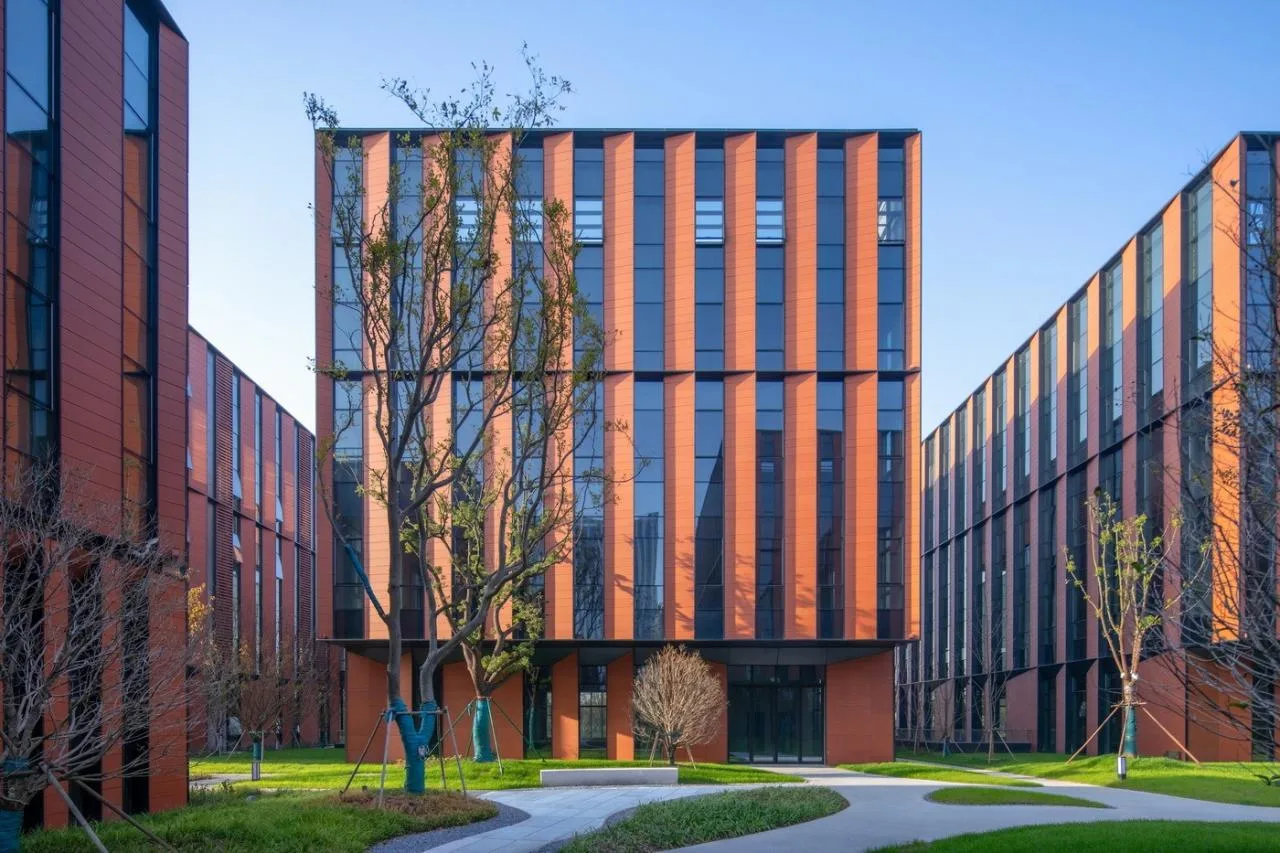
Within the innovation community, a warm and ecological environment is created using soft tones.
The exhibition center, located at the heart of the community, features a flowing curved facade that acts as a visual focal point. Together with the central square, it forms the community’s “gravitational field,” flexible enough to host exhibitions, concerts, performances, and large gatherings.
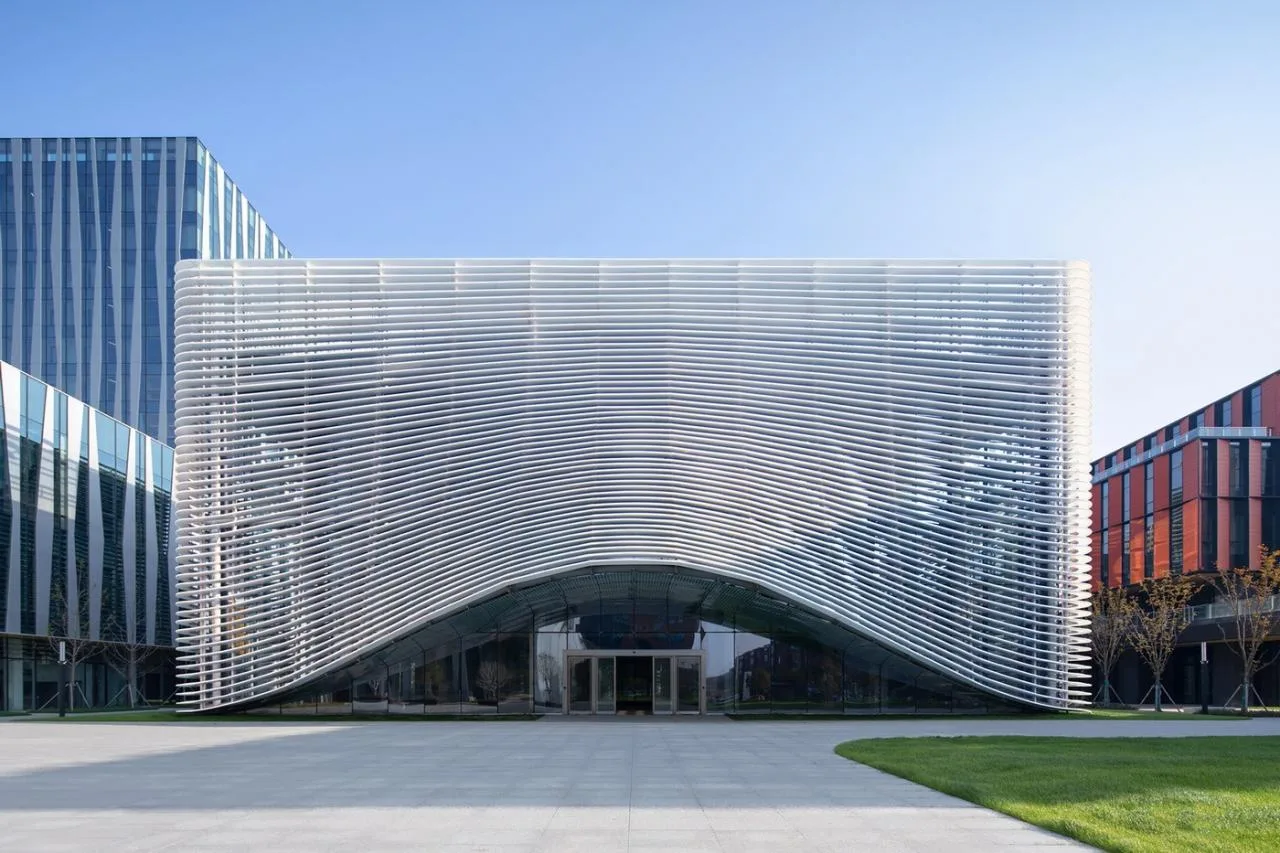
△ Exhibition Center and Central Square
An elevated corridor connects production, R&D, exhibition, and business spaces, offering a “second interface” for pedestrians to engage with the environment. This creates an interactive experience of “seeing and being seen” between levels.
The cultural and leisure center, alongside an outdoor dining bar, are located on the rooftop garden of the ground-floor commercial area. These spaces foster visible innovation and cooperation among people. An inward-sloping corner leads to the underground space, highlighted by a bright yellow ribbon guiding visitors. The sunken courtyard offers various catering and support facilities. The integration of outdoor elements and greenery blurs the line between indoor and outdoor, transforming the underground area into a relaxed, inviting environment.
This creates an underground city full of vibrant life.
03 Vision
Maintaining a healthy city depends on effective management. During the project’s initial design phase, extensive research analyzed the existing industries and supporting facilities around the site, as well as the profiles of companies settled in the first two phases. This work laid the foundation for Phase III’s development.
Today, the boundaries between industry and urban life, work and leisure have become increasingly blurred. As Shanghai moves toward its 2035 vision to become an outstanding city, innovation, culture, and ecology represent vitality, charm, and sustainability. Our design not only provides functional space but also crafts experiential scenarios that continuously inspire innovation.
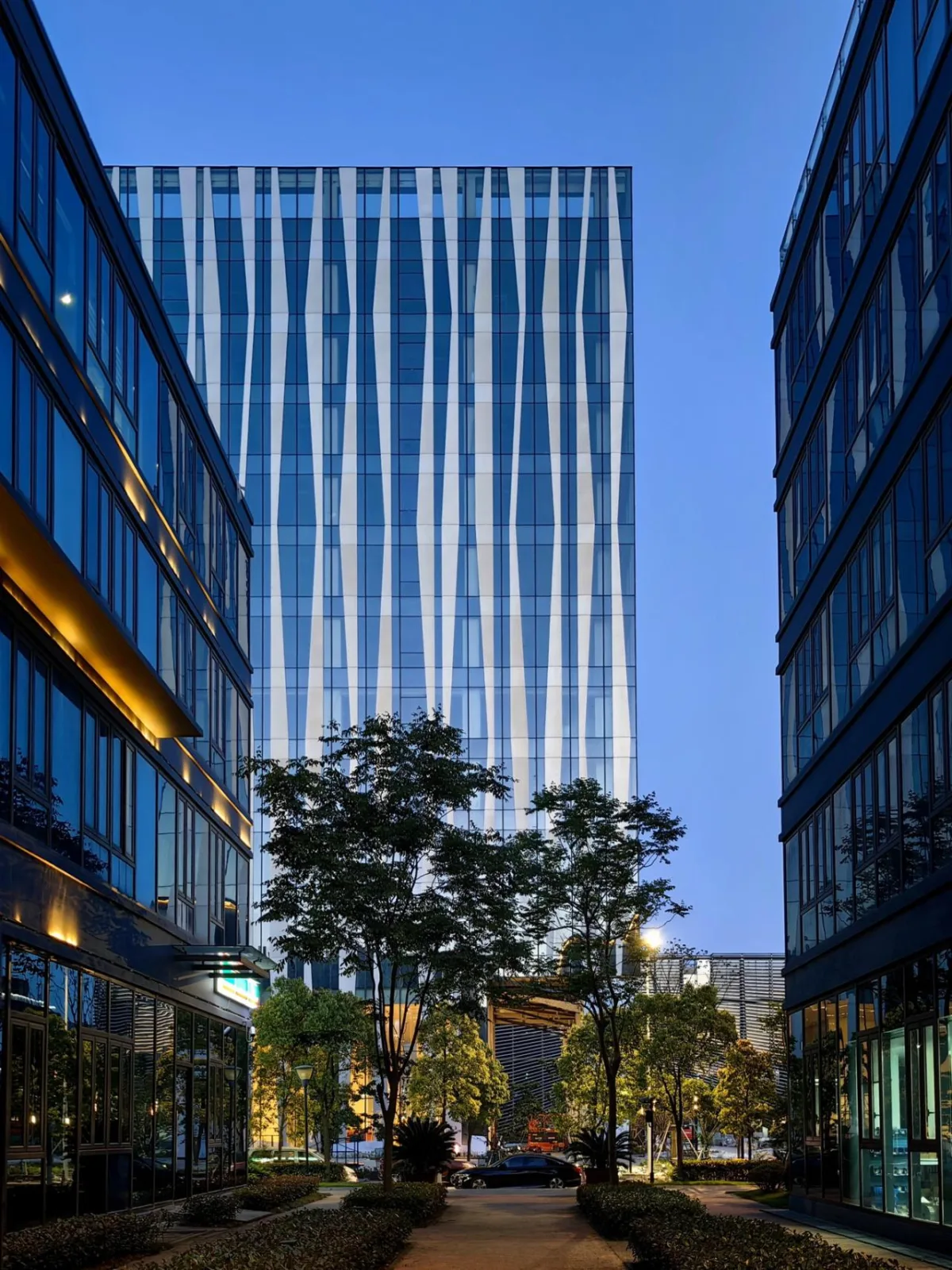
Soft night lighting enriches life © FTA
Project Information
Project Name: Shanghai Lingang Sea Cube Science and Technology Park Phase III
Project Type: Office Building (Completed)
Designer: FTA Architectural Design
Contact Email: xiaoshan@ftaarch.com
Design Period: March 2023 – November 2023
Year of Completion: 2023
Design Team: FTA Architectural Design
Project Location: Haiji 6th Road and Haiyang 3rd Road, Lingang New Area, Shanghai
Building Area: 137,000 square meters
Photography Credit: Existence of Architecture – Architectural Photography
Client: Shanghai Lingang Marine High-tech Industrial Development Co., Ltd.
Materials: Anodized panels, aluminum veneer, perforated aluminum veneer, low-e glass, ceramic panels















Must log in before commenting!
Sign Up